The very first video that I shot for Cool Cars with Chris was with Courage's Hyundai Elantra N-Series car.
Now, Courage himself is also a YouTuber. He's got a YouTube channel. It's called The Driven Dad.
And today we're peeling back the curtain a little bit, discussing what it's like to be a YouTuber,
to have a YouTube channel, to have a car that you love that's centered around that channel,
modifications you've done to that car, and warnings for you out there right now.
If you're thinking about modifying your car, potential things you need to worry about when you do that. Let's go.
Okay, what's happening? I am back with Courage. Courage himself, the big-time YouTuber. He's
got millions, if not millions of videos, I'm sorry, video views on all those videos. I didn't encourage.
Yeah, I wish I had millions, but at least I have some thousands, which is okay,
but I'm doing good, man. Thanks for having me back, as usual.
Courage the YouTuber with thousands and thousands of views on his videos, man.
He is a big-time YouTuber. Man, how long have you been in the YouTube space?
I literally just hit over a year, my first video. Well, I had a few that were kind of
earlier on, but it's been right over a year since I've been doing it, I guess you can
say as consistent uploading. Yeah, it's crazy, but it's been a year.
Now, your channel is called... Is it Driven Dad or just Driven Dad? How do you say it?
So it is the Driven Dad, but I did want to kind of emphasize the end to kind of correlate with
the end cars and the end content. In my logo, I usually kind of change the color of the end,
but it's essentially the Driven Dad. Funny enough, real quick thing on that is that
my original YouTube channel, and there's actually one video that still has it on there,
but was originally called Cars and Kids, or Cars and Kids. And I did a lot of kind of couple videos
with the kids involved and things like that. As I realized that wasn't very sustainable,
I kind of ended up changing and adjusting going towards the Driven Dad. But there's a few videos
that are still up that still have the Cars and Kids logo, but now it's Driven Dad. So
that's just kind of what I've been going with from there.
That was just all because of the Elantra End car you have?
It was sort of a catalyst to kind of make the move, but I owned the car I think a year and a
half before I ever really started even really posting about it. I never really posted a lot
on social media on it. I didn't have a YouTube channel, so I had the car for a while and
I'd gone to Cars and Coffees and things like that here and there, but there was a certain
point towards that year and a half, two year mark where I started thinking like, man,
I should just make content on this. Part of me was like, yeah, but everybody has a car
YouTube or everybody has a car content page or whatever. But I just thought that there was
something cool about how I was getting out and doing things with the kids and going to these
Cars and Coffees and things like that that I just wanted to start sharing. And that's kind
of when I just jumped into it and said, just do it. Let's just go ahead and try it out.
So your Hyundai Elantra N, what year is it? When did you buy it?
So it's a 2022. I bought it in 2023. So it was used. It had 5,000 miles just over when I bought it.
But yeah, that's kind of where it's at. It was the newest car that I had ever
purchased up until that point. Really? Yeah. Every other car I've owned has been at least
10 years old, if not more. So no way. No idea. What a trip. Yep. Yeah. I've owned mostly,
I've owned a lot of used cars, but I think in recent days I've owned newer cars or new cars.
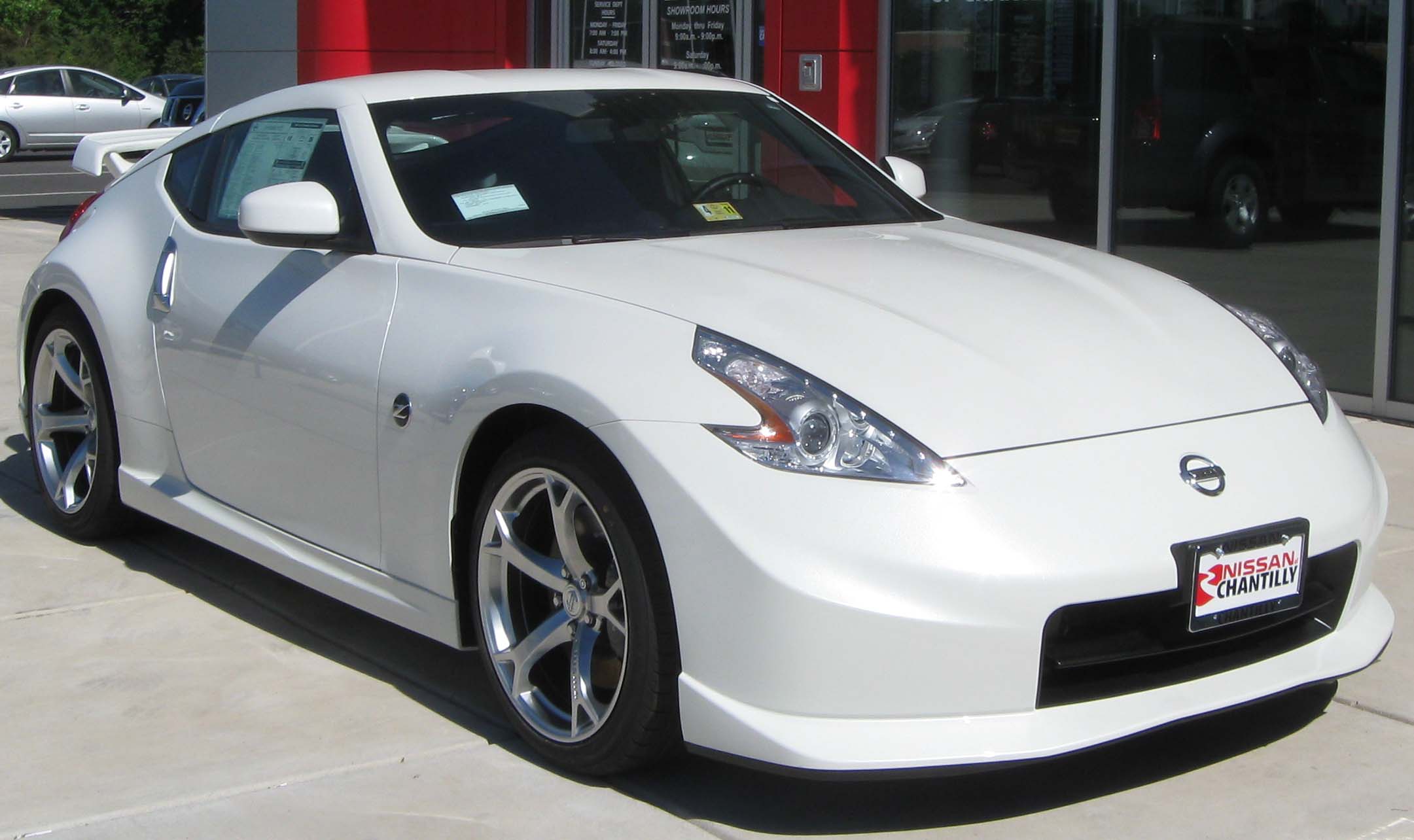
I think my 370Z was the last used car I bought. And yeah, before that, my last three trucks I
bought were all three of them are brand new when I bought them. So you bought it used
in 2023, 5,000 miles. The previous owner must not have liked the car very much,
because only 5,000 miles turned it in. Was it a lease or something?
Yeah, I've sort of toyed around and asked that question myself because I don't see them
for sale very often. And a lot of times, if they have been there, they just have
about dealer miles. They don't have a lot of miles on them. But I don't really know
why it was sold that quickly. And it was at a dealer locally here and had an inspection and
everything done. So everything checked out with it. But yeah, maybe, I mean, the one thing that it is
a theory is that a lot of people kind of get the end cars specifically, because it's like the top tier
of the Elantras. They're like, yeah, if I'm going to get in the launcher, I want to get the best
one. Yeah, but it depends who you are, though, because a mom has got like three kids or whatever,
she needs a car. I don't think she cares about that or would want to drive that anyways.
No, and I think this may be particular to people that might like cars, but they aren't
necessarily maybe looking for what the end portion of the car does. The bucket seats are
not necessarily, if you really do a lot of long drives and you're in the car a lot, the
bucket seats aren't really conducive to sitting in a long time. I mean, the suspension is a lot
harsher than getting the inline version that's actually more of the commuter car type kind
of luxury car feel. And there's other thing, like the exhaust, the exhaust is loud no matter what
mode you're in, even in eco mode when you start it up in the morning, it's loud. Like, I think some
people end up buying that car thinking that it's, you know, yeah, I'm getting a sporty car,
but it's still going to do everything I want to do on a daily basis. And there's other options,
if you're looking for that, you definitely compromise a bit more towards that performance
side, if you go with an end car. And I think some people kind of have that reality check
at some point, to be totally honest. Yeah, or it could be a financing thing too. That's
the other thing too. 100% that, you know, they could have a car repo or something taken back
or I don't, I don't know. I mean, at first stores like that where you think you got financing
and then you go there and get the car, then like a month later, they don't get you financing
and they had to tend to couldn't the car back or whatever. I'll do the opposite of
financing in the future, how that works with cars and things like that.
5000 miles would have been a lot of miles to put on there.
That's like three trips to Vegas or whatever. That's true. Yeah.
You know, I mean, it easily can be done driving the death of driving around.
So you bought the car used. So did you kind of discount me about it used like that?
No. So around when I bought it, these were, these were really going for about MSRP.
Some dealers were actually doing markups on them, which there's that whole deal where
there were a lot of markups on a lot of cars. But these particularly like Hyundai
dealers were getting a bit greedy and you know, they knew that this was a kind of a
more special car than Hyundai had been doing before. And so they had dealer markups where
some people were charging an extra five grand on top of MSRP and just kind of silly things like that.
But essentially, you know, outside of taxes and other things, like I was able to get it for
about MSRP, which at that time was about 30, I think it was 36 all in all. And then
obviously you'd tack on everything else. And it was a little bit. Yeah. Yeah. But, but yeah,
luckily I didn't have to be in the camp of the high MSRP or the high, the high market adjustment,
you know, kite type situations. Right. So you have this car now and you, at what point
after owning the car, how long did it take you before you decided to like start the YouTube
channel? Yeah. So that was, yeah, that was about a year and a half. I'd say, you know,
for a year and a half, I didn't really do anything modification wise to the car because I just thought
it was a great package out of the gate. And I wasn't really doing a lot of like, you know,
I did take it to like some small like little tracks here and there. But I wasn't doing a lot
just that was conducive to making content. And so it was, you know, it was a stock car. I
drove it around, I got the windows tenant. It took me about a year of owning the car
before I even got the windows tenant. So I was, I was, I call it fishbowling it for a whole year
before I actually did that. And, you know, that after that, and, you know, after I started,
maybe going back a little bit more to cars and coffees here and there, getting a slight positive
response to the car. You know, I started kind of doing a couple of little small modifications.
And yeah, like I said, about a year and a half in is when I decided like, I want to just
start putting out content about the car. Like, you know, I think that this is an underrated
car that people don't really know about. And I was proud of it. I thought that it was,
it was something that people would be interested in. And that's when I kind of made the jump.
So what kind of like YouTube content do you normally watch on YouTube for like inspiration,
things like that? That's a good question. I, so I, I did kind of enjoy like the vlog style
of content a bit where it's, it's not necessarily a full on like tailored topic
situation. Like it's a little bit more day in the life, you know, type situation. And if that person's,
you know, life is interesting, I kind of gravitated to that a bit. But over time,
I think I've started to kind of look more towards content that like had some kind of topic
around it overarching, but they were still able to kind of bring in these like more,
you know, I guess you can say generic or genuine moments into it. And, and I think
now that's what I really appreciate is where like a, you know, car reviews are cool,
but when it's just a car review, like there's not a lot to it. When I felt like there was
something that, that that individual YouTuber or that group of YouTubers kind of brought
to a topic, but then brought in their own personality to it. I really started to gravitate
to things like that. And that's really become a big inspiration for me now is like people that
really can bring their personality into the mix. Yeah. And I think with,
with a lot of this kind of stuff, it's, it's, you always get like the two types of,
of content creators. You get the type that is all about the personality day in the life.
It hurts me making coffee. Here's me getting gas. Here's me at the store. Here's me doing
all this stuff. And then you get the ones that are like straight, just get to the,
to the meat potatoes. I'm going to show you how to install this thing on this car and,
and that's it or whatever the case. Exactly. So you're saying you kind of like a little
bit, you like a little bit of both. I like a little bit of in between. Yeah. Where
there's some people, I did, you know, I say that there's some people that I literally
out go to their channel just to learn how to do something. Right. And there's other people
that I'll go to the channel because I'm just curious about this adventure that they had or,
or something, a story that they, that they were intertwined in that they're telling about.
So that would, I would say that's like the two sides of the coin in terms of content
that really gravitates with me. And so when you do your show, it seems like a little bit more,
a little bit of both, I think I would say with your channel, you show your car stuff,
you show stuff like that, but you also show you at the track and you driving at places.
And you have tons of different, like camera angles and different shots and different things.
And so, so when you do decide to do a content for, for an episode,
do you have to like write the stuff down and figure it all out and have it all mapped
on your head? Like how does it start? How do you begin to even start an actual YouTube video?
Yeah. I mean, it's, it's an interesting process. And I'll say there's, there's,
I have two different approaches with, with YouTube as you know, there's long form YouTube
content that's usually just like YouTube videos in general. And obviously everybody's now kind
of gravitated to more of like the shorts type content. And so I have two different approaches
to my channel where I approach my short videos as in the same process, I guess, as my long form
content. But I'm a little bit more, I guess you can say strategic with my short content,
because I know that that is like that short attention span. Like people are only going to
want to gravitate to it if they feel like they're, they're going to get like their value
in watching a two minute, three minute, close to three minute video. And so I'll usually use those
where I do actually write those out. I have a little like running no, no pad on my phone
where I'll just like jot down ideas. And I'll actually write out somewhat of my script.
I never really follow it to a tee. It's just more to like outline it and say like,
these are the points I want to hit. And I'll talk about more than just like the end content.
I'll, I'll talk about different car brands. I've done some things on Ferrari and Lamborghini
and Maserati and even Toyota and Honda. I've done a couple of videos on those of just like
facts that I feel like people don't know about. And so those I do, I do write those out. And
I'm pretty strategic about the long form content is like a little different where I just kind of
look for either a specific event that I'm going to or now with the end content, you know,
a specific mod that I'm installing or, you know, dino in the car and things like that,
where I then kind of build something around that, you know, going to the event, I'll start to
film different camera angles and different things like that. But the overall idea is centered
around whatever, whatever the general topic is for the video, if that makes sense.
So for example, if you're going to take your car in to get to not to get it to get
dino tested, do you pack all your gear for that day knowing you're going to videotape
the shoot for that? Yeah. Yeah. So I've, and just to maybe just kind of share,
share transparently what I usually use for that is I have, I have two different handheld cameras
that I use. One's just kind of like a GoPro style camera, even though it's not a GoPro.
And I use that usually for like just stationary driving shots or like anything like that where
but it's really good at night. So if I know I'm going to be somewhere where
low light is kind of a situation, I always have that little Insta 360 camera shout out to them
if they ever become a sponsor at some time for you. But I use that for really anything stationary.
I also have the DJI and another sponsor. They create some great video equipment,
just say that. But the DJI camera is a lot more for specific like sweeping shots where I
can kind of detail shots, certain things. And I'll just carry it around because it's so small that
I see something that I'm like, Oh, that'd be interesting to just kind of use that as B roll
or something like that. I'll pull that camera out and I'll kind of get a couple of shots with
that. And majority of the time I don't end up using a majority of the footage, but every once
a while I'll like be scouring through footage. And I'm like, Oh man, that shot actually
came out really great. I can use that as like B roll for this part of the video and things
like that. Do you use your drone too for that kind of stuff? So the drone was newer. I didn't
start using drone content and have a drone that I was using for a good probably six or seven months
of like starting the YouTube channel. But yeah, over the last couple of months I had decided
to just pull the trigger. Mainly it was sparked by my trip actually out to Monterey Car Week
this year in August because I said, I think I need a drone like I mean Monterey is such a
beautiful place. And I always like being able to put the rules on that you can you can there's
certain spots of certain areas of Monterey that are no no fly zone specifically and like pebble
beach area and stuff like that. But generally speaking, like as long as you're not like
over people's property, like you can you can film and the small drone that I have is very,
very small. A lot of times people don't even like see it or hear it because if you're
higher enough, you know, you just don't even know it's there. And there's no setup to it at all.
I pull it out, I get the camera or get the phone set up and I can just be flying get a couple
of shots in like five minutes put the thing away and nobody ever knows I'm there. Dude,
I love drone. I love really professional drone videos. Like I was addicted for a while. It's
not Instagram just scrolling and saving these videos that were like these crazy drone like
epic shots of these mountain sides with waterfalls and like just flying around the
beach with all the waves crashing right in front of the drone. The drone's like getting
splashed wet as the wave crashes through it and just like, like all these crazy shots like,
dude, I want to do that, you know. But then you look at all like the there's like, so first
of all, there's so many drones to pick choose from. Like, I don't even know what your drone
is. What? And and also to like, do you have to get like certified to fly the thing now?
So I it's actually a really interesting thing and not to derail us, but
me coming back to making car content is actually a really kind of full circle
moment for me because I when I was in college, I got into drones and that was how I initially
kind of got into like photography and videography. And I would I would go to cars and coffees and
I ended up getting a drone. I had like a big like Phantom three that I was using at the time
and I would take it and I literally all my own like I you know, I branched out and
kind of started my own like videography company doing more like real estate photography. But
my passion was like going to car shows and like getting shots of like the cars and different
angles and just putting together these like videos where it was usually like not I wasn't
involved in it. It was completely faceless. And but I was just getting these like interesting
shots of cars with drones and and I just enjoyed doing it just finding the right soundtrack
to put with it and filming it and putting it all together and editing it. And I you know,
I stopped doing that and I hadn't picked up a drone for about 10 years give or take. But
when I was doing that, I did actually have a certification. I had the part 107 FAA certification
to fly drones. And I was actually one of I was one of the first actually kind of in this area
because I was I was really doing this to actually kind of create a business out of it back
in the day. I was one of the first in kind of the San Diego area to get the certification.
And I was using that to kind of build everything off of and the regulations that got so crazy
that I just kind of decided to put it down. But now we're in a spot where if your drone is under
a certain weight class, you don't actually need a certification to fly. You do. You have to be
cognizant of different airspace and different things like that. But yeah, in terms of a
certification, if your drone weighs less than 240 or 250 grams, essentially, you don't have to have a
certification to film with it. And that's basically, you know, people felt like that was limiting
because you know, a drone that small usually doesn't have a very good camera. But in 2025,
some of the drones that are that size have some amazing 4k cameras. And that's all I need
for the content that I do is just something they can get some quick, you know, either spiral
shots or like I like to use the drone almost like a camera and do a lot of low shots and things like
that. Yeah, it looks great that like I see some shots that I don't know if you've done them or
not where the camera kind of comes in nice and slow and goes through the wind through the car.
Those are my I'm super glad that you appreciate that because that's that's one of my favorite
things to do is like try to find a way to like kind of bring out bring the setting away
from like whatever is in front of you and like go through the car and then come out the other side.
Yeah, that's yeah, I do that with the selfie stick I have with my cameras and stuff, just
kind of mimic the mimic the drone shots and things like that. But you're doing you're
doing great work. I mean, I would consider yourself a professional YouTuber. Do you appreciate
it, man? You're the YouTube man over there. And you're basically doing a lot of content
for YouTube and you design your show in like for YouTube and things like that. So when I
come into this world, you know, a different approach, I think. So I think I did things a
little differently than the YouTube YouTube way, I guess. And so I think with the YouTube way,
things have to be constantly changing, constantly quick. You have to get to the point.
I've also heard that intros were not as important as they used to be,
making like fancy and your intro looks great, by the way. I love your intro,
your intro you've done different car shots and a lot of stuff. But I've heard that on
YouTube intros are probably not as important, but that might be for those that are like into
like the here, I'm going to show you how I do X, Y, Z. Let's do it kind of a thing versus the
day in the life logging style of show. But I could be wrong. I mean, everything we do here,
constant creation wise is always evolving. It's always changing, you know, what's hot
today is dead tomorrow. It always is. And I think that's a really good point to bring
up because I've struggled with that for a while too, is where I kind of had a certain idea of how
I wanted to approach content. And yeah, like intros, for example, like some people don't have an intro
at all. And some people have something that really just kind of brings people in and they
actually gravitate to it. And, you know, when you first start doing anything, you're just
overwhelmed because it's like, what do I do? Like certain people say you should do this,
certain people say you should do that. And over this amount of time and what I've
really appreciated about the overall journey is that I've just I've learned to be flexible in a way
that makes sense to still keep sort of the idea of the channel intact, but just take little small
liberties here and there to experiment and say like, okay, let me just try like maybe this
approach a little bit different and do that enough where you start to people still gravitate
to their videos because it still seems familiar to them. But you're also kind of sprinkling a
maybe a little different sauce here and there to kind of see what people gravitate to a little more.
But one thing that I think that really helps some of my like my later content that I've been
doing is that I noticed that if somebody in the first like 20, 30 or 40 seconds of the video,
if they don't really understand what you're going to either share with them or teach them
about in the video, it they tend to not like the click through rate goes down and the overall
longevity of the video and then watching it goes down. And so I've noticed that like I can't I
there's a certain limit to what I can do with like creative shots and things like that without
either saying something in the video that kind of directs people to what is going to be about
or just having something that points you directly to like this is going to be the
meat and potatoes of the video. But that's kind of like a teaser in the front of the beginning.
Like other videos I used to watch when I was a big into watching a lot of car show car videos
would have my car. And that's all I watched was like 370 videos. And a lot of other guys would
have this like action shot, like they almost get an accident or they do something and then
they go into their intro and then it goes into their like the vlog style shoot where it's
like, Hey, what's up, everybody? How are you doing? They go into their thing. But the whole
like intro tease like did they crash? Did they not crash? What happened kind of thing?
I definitely say that's like a point where I'm trying to figure out maybe how to how to do that
without like there is a part of me that like, you know, you get into the night. I don't want to
just say clickbait because clickbait is kind of a different thing. But the just just that,
you know, I guess that unanticipated danger, you know, of something and then you watch it
and you find out, well, that isn't really what happened. And, you know, I'm trying to find a way
where you can, you can create maybe a little bit of that level of anticipation, but still being
genuine with the viewer that this is what you're getting into so that it's not like you're looking
for this high crazy moment and all of a sudden it's, Oh, that's what happened. Like it wasn't
really that interesting. Well, a lot of people do that with news. That's 100% with radio. I
mean, I listened to a lot of radio and, and because they got to fill the four hours in the morning,
they will make a simple trip to the grocery store sound like an epic adventure.
Yeah. It was like the biggest, the biggest, the biggest, the biggest, basically the moral
of the story was that something happened at the deli counter that was a little off, but it
wasn't like, like, I used to listen to these, I was so, maybe you can't wait what happens next.
Stay tuned. When we come back, we're going to tell you the most craziest thing that
ever happened to anybody at the grocery store. When you come back, you come back and you're okay,
you listen to it. It was like, somebody like mixed up like something in the, in the checkout or
something, you know, or whatever. And you're like, that was it, but the way they do it,
but they got, they got to fill the time. They kind of, you know, they're there in the
morning. They got to fill something. So they got a, I guess it's kind of, it's exaggerating,
I guess a little bit. You know what I mean? A lot of it, I guess exaggerating your story,
but that's kind of the whole experience of it. And so when you're doing something like YouTube,
or even a podcast or anything really, is that you're taking the, the listener or viewer
on this journey. Yeah. And you want to like have them, it's like a movie too. Like,
that's why movies are two hours long. Otherwise, otherwise movies would be five minutes long,
you know, or they'd be short. And that's probably why shorts are so popular. Everybody
loves shorts so much because they just basically cut out all extra crap. Just give me the
stuff I need in the one minute or whatever it is. And I'm on my way to the next thing.
There's no journey that you take the, the audience on. And I think with the, and that's,
that's one, sorry to interrupt you on that, but, but that's, that's one thing why I tell,
I tell myself in my head that I like, I'm fighting for the long form content because
you, it really is like, you have to be willing to fail in the sense where, you know,
a lot of my earlier videos, and I've actually kind of had to scrub my channel because there were
like some videos that just like, I thought were just the best thing ever. And like my best ideas
and, and got like 20 views or something and stuck there for a month. But does it do anything
for your channel? I mean, if it's there, it's there. It doesn't like hurt your channel,
it's still there, does it? There, there is sort of an, I don't want to say an issue, but,
you know, and I kind of, I'm careful about it because now like you realize that there's
certain things that like a video can come back full circle. And, you know, it could sit at,
you know, 20 views for a year. And then all of a sudden, for some reason, it just decides to
blow up and, and becomes this real thing. But, you know, one of my reasons for doing that though
is because I kind of realized the shortcoming of the video was that, again, back to that
original point was that I just, I knew that it didn't have something that was really kind
of sort of adding value in some way, whether it was teaching them, teaching somebody something
or, or, you know, just kind of showing them an experience or something that was going to stick
with them. I started to realize like I just hadn't, at that point, I hadn't really developed that,
that idea yet. And so I, you know, there's certain ones where I'm just like, okay, that
really just wasn't as good of an idea as I thought it was. There's others that I've like,
I've kind of left it and said like, okay, I don't care that this has only got an
X amount of views. Like I still think that honestly, to be totally honest, like
my video that I actually bought the drone for to go out and do the Monterey
trip video, which was one of my all time just best trips, favorite trips I've ever been on,
that video is right now out of all the videos that I still have in terms of long term,
long form videos is the lowest performing one on my channel. But I'm, I told myself,
I'm still keeping it there because I was so proud of making it. I had so much fun there
and the experience itself was something that I will always remember. And, and I told myself,
like, I'm just going to leave that there because I feel like it's, it's one of those videos that
was just a passion for me to make. And you always share it too. Whether it's on YouTube
still, you can share that out to friends and families. They check out what I made,
look what I made, check this out, regardless of the algorithm sends it out to all these
different places. That's the thing about YouTube is that you're basically trying
to figure out what the algorithm is going to do for you today. And it's not like
that in podcasting at all. In podcasting, there is an algorithm.
When you told me that, by the way, and I, you know, definitely feel free to expand on that more,
but that when you told me that it was actually like a, it was like a crazy, like you hit me
like a ton of bricks thing. Like, wow, it's like, that's a totally different way of approaching,
you know, YouTube versus podcasting. Oh, a hundred percent. And I think that when
you'll see some independent creators, smaller creators do a podcast and they'll throw a
YouTube version on YouTube. Maybe they'll have like in front of camera, whatever they'll do.
And they might notice more views on YouTube because of the algorithm. The algorithm will
send it out to more people. In podcasting, the only way someone's going to click on an
episode in a podcast is if somebody like gave it to somebody else and say, click on this.
Yeah. Like press play on this, please. And so because I think of all the steps involved
to like, first of all, let's take for YouTube, for example, you're on YouTube,
you're on a page and you're watching the driven dad episode looks great. And then,
but to the column below or column to the right side, depending if you're on a computer or the
phone or whatever you're using, you'll see other car videos pop up. And based on those
thumbnails, they look great. Oh, look at this guy. Here's kind of a yellow Ferrari. It's
on fire. What's up with that? Well, I guess that's videos. So you click on that, right?
Now, were you subscribed to that yellow Ferrari video? No, probably not.
But YouTube, like the algorithm served it to you, right? And especially with short form content,
it's really big with short form content, because in short form content, you're flicking the phone up,
whether it's TikTok, Reels, whatever it is, a short, whatever, you don't know what's coming
next, right? You have no idea what's coming next. Yeah, algorithm. It's like, it's like
restaurant. It's like roulette, you know, just throw a thing, you know, it's throwing
it in there with a podcast. It doesn't work at all. A podcast, I have to go into my phone,
search the show I want to listen to, and I have to hit subscribe to that show.
And then, and then there's one more step still. After it kind of like downloads the episode or
current episode to my queue, I still have to go in there and press play. Yeah, all those steps
require the user to do. Yeah. And that's, that's the difference. That's why there's no
algorithm. I mean, I guess the kind of is in the fact that like, I can tell you about a show,
go check it out kind of a thing, but you still, you yourself with stuff to do all the steps to
make that happen. I can't just like throw it in front of your face and say, watch this right now,
or you're not leaving this app or whatever. Yeah. No, I mean, that, that really blew my mind
when you shared that with me and, and I started to understand because I listened to a lot of
podcasts and things on Spotify. And, you know, obviously when you put this, when you started
doing this, I started listening to it on Spotify. I did listen to the YouTube version, but
typically I would go to Spotify for it. And, and I realized after you told me that, that yes,
the same thing that like, you know, you don't really get alerted by Spotify when a news,
when a new, even a new episode of a podcast that you listen to often comes up. They,
you know, you only, you get this one blue dot on the side of the podcast at the top. Yeah,
you do get that, but that's only, honestly, that's only if you've listened to that podcast
within like the last handful, you know, say weeks or handful of days. Like if you have a whole
bunch of other things that you've been listening to and you really haven't been listening to podcasts
for a certain period, you wouldn't even get that alert. So to, to that point is like the only
reason that I tend to go back to the podcast that I listened to is because I know maybe
they're posting schedule and I've listened to it for a certain amount of time or somebody's
shared with me, oh, this is a cool podcast to listen to, but there's no like generated algorithm
to put new podcasts in front of me and you know, that kind of thing. There's,
there's maybe certain discovery pages that you can do, but Spotify's got one on the discovery page
and I think a few of them do Apple I think does something like that, but usually the ones in
there are the bigger shows. Usually I've noticed you like a Joe Rogan size type of shows,
things of that sort, which, which are getting, you know, tons of play anyways. It's all
based on ratings and reviews and rankings. And in fact, this show I believe was ranked in Apple
charts under automotive or one of them. It was in the chart. I saw alert on that. I was looking into
that and I saw that. Well, let's check that out. And that other shows have been too. So
the way the Apple charts work far as I understand is that it's all based on subscriptions because
they know how people subscribe to the show on their own platform. So they base in how many
people subscribe to a certain show in a certain amount of time. So if you get a lot of people
subscribing to a show all at once, like in one day, that particular show climbs higher in the charts.
And of course they can check downloads and things like that too. Play count gets all in their
system of course. And that's the difference between like YouTube versus like podcasting is
like YouTube's great and all, but YouTube is like keeps you all inside the YouTube
spot. I guess YouTube, YouTube. They want you, they want you there and they want the,
one thing that when I, because I actually took sort of this little small course on YouTube of
like kind of building content, like how to really kind of be strategic about it. And
the, the one thing they wanted you to commit to memory is that YouTube's goal is to find
the right content to put in front of the right person at the right time. And that's all that
YouTube is really, that's all that the algorithm's goal really is. Yeah, it kind of makes sense
when it keeps feeding you stuff. If you're into something, if you're watching cat videos all
of a sudden, and all of a sudden they got more cat videos being thrown at you. It's, it's
kind of whatever I think, but generally speaking, I'd notice that with regular social media too.
I'd notice that with Instagram, with threads, you know, I've noticed with that too. If you
like one or two posts of a particular type of post, that's all you start seeing is post,
like that. That's, that's just their post, like a lot of posts like that.
Like that from other, yeah, from other creators. That's kind of the way it works.
So going back to your actual car itself, the Hyundai Elantra N,
what mods have you done to the car? First mod, what'd you do?
Yeah, so first mod was purely cosmetic. I got these like bad skin overlays for the front of
the DRLs particularly. And so they have these yellow, if you've seen it has those yellow
kind of tint over the DRLs. So that was, that was the first quote unquote mod I've
done to the car. And it was, that was the only thing I had done for a while.
And window tint too, right?
And window tint. Yeah. So that was the first, the window tint, then the,
then I guess you can say the DRL tint was the second.
And then what about like, those wheels are stock or did you get, did you get upgrade wheels?
No, so those wheels were one of the last mods I've done actually.
Oh.
Yeah. So I, before that, I had, they came shortly after I did some of the other things,
but I did the intake, the air intake first, that was the first like really, I guess you can say
intrusive mod where, you know, I took something that was completely a stock, you know, sort of
mechanical part and changed that out. And so yeah, I installed the air intake and then along
with that, I think around the same time I put on kind of the front lip in the front.
So there's a black lip that goes around the front end below like the red strip and I did
side skirts along with it. So I had that look for a while, but I still had stock wheels.
And the funny thing with the wheels was that I had really got on to that point where I
really wanted to get some different wheels because the stock wheels are cool.
It's a great kind of aggressive design. What size are the stock wheels?
They're 19s, 19 inches. That's good size.
Yeah. Yeah. So size wise, like I had no issue with it. I thought it fit the car
profile wise, but the design was just a little too busy overall. And I just kind of
had an idea of what I thought the car would, what I wanted it to look like.
And I ended up really, there were two wheels that were really close competitors and
really the only reason I went with the ones I have, which shout out to Anki
Wills, another, you know, potential sponsor.
Yeah, like all these sponsors lined up.
All these, yeah.
I'm gonna, I'm gonna be, I'm gonna be like a NASCAR.
Who would like a car.
Yeah, you're just gonna have to have all the, like down the window.
Right, right.
With all of them.
But Anki Wills, they, I have PX-10s is what they're, what they're called.
And they're a gunmetal gray PX-10.
They were the second choice. I was looking at another pair of bronze wheels that I
really actually steal to this day. I love it. And I've seen another,
I've seen a couple cars that have them as well, but they told me that the
wheel was going to be back ordered for three to four months.
Now what is the, what is the advantage of swapping out those wheels?
Were they the same size? Were they bigger, wide or what?
They were set. So they're, they're a bit wider. They're a different offset.
So overall, the wheel is a little wider. And so it actually sits flush with the fender now,
as opposed to kind of being a little bit more tucked inside the fender.
Got it.
And then just the design, like I think the design for me was just a little bit more
of what I thought the car kind of looked better with. It was just like, I always
kind of like somewhat of like the multi-spoke, but like the smaller
spoked wheels. And so it was, it was design wise, but also yeah, like I said,
the width was a little bit different to make it flushed without using spacers,
which I was actually a big fan of not having to use spacers. And then on top of that,
they're actually are a little bit lighter than stock wheels too, which is a overall benefit.
How much lighter are we talking? A few pounds?
A few pounds. Yeah. Like there's sometimes where people will go with wheels that really
do save you like a good like 10 pounds. We're talking like carbon fiber at that point,
that kind of thing, but yeah. Or like, like a really well forged wheel.
Okay. Yeah. That's true. Versus like a stock wheel, if you're saving 10 pounds,
like per wheel, like you're shaving off 40 pounds, you know, 40 to 50 pounds ish,
like that's, that's actually a difference. Like in terms of, you know, the whole unsprung
mass and all of that. Okay. So what was the next, what was another mod you've done?
So the biggest mod and my latest, probably three videos have been pertaining around this
was the, the JB4 piggyback tune. So explain to everybody listening at home,
what is a piggyback tune versus a regular laptop tune? Or is it the same thing? I don't know.
No. So it's, there's a slight, there's a difference mainly that piggyback tune
essentially is, is a separate module outside of the ECU that now does sort of the tuning
characteristics of the car. So JB4 is a certain brand of tuning or piggyback tunes
that basically it, it plugs into certain sensors within the engine bay, but it still keeps the ECU
completely intact. And so basically it's intercepting the information from the ECU.
And in real time, it'll make edits to it based on whatever maps you're using and,
and tune the car almost on the go. And, and it does the flight under the radar. So it doesn't
like throw a check in the headlights and warnings and things like that.
No, like it has its own fail safes and safety, you know, kind of situations, but it doesn't
throw a code mainly because the ECU technically doesn't quite, it doesn't know that there's
something in between it and your input. How does that work? How does it not know?
Because I would think I have to go from before it goes to the, so does it go
because the general computer for the car runs everything and has to go in front of that or
after that. So if you think about it this way, it's like, say, because one of the sensors that
you tie into is your fuel wells sensor to like understand like what's going on with your
fuel system, how much fuel is being inputted at a certain RPM. That's one of the sensors that
you kind of, that the Jb4 sits in between with the ECU. So what happens is the, you get that sensor
from just what's going on with the engine itself. It plugs in to the, the Jb4 plugs into it, but it's
also still plugged into the ECU. And so it basically it feeds through the sensor. It then
feeds to the ECU, but then it feeds to the Jb4, which then articulates the value to what it needs
to get you to that like optimal boost level. Really at the end of the day, like all the
Jb4 is doing is allowing the car to safely pull more boost than it would under normal
circumstances is the, is the best way that I can think of to explain it. There might be
some other people that have way more of a better explanation. Okay. Okay. And as far as you
know, I mean, you haven't taken the thing through a California smog admissions yet. And when you do,
what happens with that? It won't be there. Okay. So you unplug it and then the car like,
like as far as the car, as far as they can tell, nothing's been touched.
We won't basically this conversation never happened. And yeah, the car is completely stock.
But yeah, it's, it's, it's, but it's plug and play in which that's kind of some whether the benefit
of the Jb4 versus an actual ECU tune that we can maybe chat about. But the, you're never
actually fully changing any specific parameters within the ECU itself. And so that's why with
the Jb4, you can, once it's unplugged, you're going completely back to a full stock,
you know, situation. And for me, that was, you know, the benefit to that was,
I'm not hugely worried about that portion of it yet. Obviously, I will be when I have to deal with
it. But you know, yeah, a hundred percent. Yeah, I agree. Like, it'll be on my mind when I have
to deal with it. But the biggest thing with the Jb4 that I really have benefited from is that
I understand a lot more about sort of like tuning parameters now than I did before. A lot
of people jump straight into getting their ECU tune by, you know, hopefully a reputable company
that does it, but they're the ones that are in control of the parameters that they change and
what parameters they're looking for to make sure that the tune is safe for the car.
For me, using the Jb4 over the last, I think probably four months or so, I've like, I've
really started to understand more about like air fuel ratios and ignition timing and like,
what's safe ignition timing, you know, adjustment versus what's not safe.
Can you go too far with this thing? I mean, can you crank it to like 11?
A hundred percent. And one big thing that I found out literally yesterday was that I had,
I actually have a custom MAP6 tune for the car, which means that you, so Jb4 has maps that are
pre-installed for that platform of car, because they've tuned these cars and they've
actually put these as preset maps within the car, but you have the ability to have a custom MAP6 that
you, you personally could actually tune, but obviously if you don't know what you're doing,
you would want that tuned by a professional. You don't want to be the one.
There's fail safes though. I thought that Jb4 has got fail safes to help protect the ECU
from blowing up. It does and it helps other things from blowing up too, but it has those
fail safes, but you can adjust those parameters. Obviously if you know what you're doing with it,
but the guy who I had tuned the car has a fail safe of like, for example, for boost safety.
It keeps the car from going anything over 25 pounds of boost, 25 PSI, which is high, but
right now the kind of sweet spot for the car is actually pushing 22 to 23 PSI.
And that's actually like, you know, even for people that are tuning the car is like,
the car can handle it. Like the turbos, like, you know, the turbo that they're using and all
the other like internals are, they handle that boost pressure pretty well. But the issue with
the end cars particularly is when they run, when they run in their fuel optimization mode,
which is called octane learning, and that's stock with Hyundai. It's not a stock. This
isn't a tune. Yeah. This is just stock Hyundai and not to get too dirty, but simply put
you, if your peak boost when the car is an octane learn is about 15 to 16 PSI, when the car is octane
learned with the stock ECU's capability, it automatically bumps that peak horsepower up to
19 to 20 PSI. And so with the custom F six that I had built out for me, it run, it basically
puts the car up to 20 to 23 PSI from non octane learn status. So if the car octane learns itself
and you still are in that custom map six mode, basically just add four PSI to that.
And that's not a good thing. So you hit like 25 27 PSI. So if you didn't have a boost safety,
yeah, if you didn't have a boost safety on, you'd be running closer to 25 27 or close to 28 PSI at
like peak peak boost. No way, man. Yeah. So I yesterday because I didn't I thought that I put
in enough fuel to get the car to forget its octane learning. And I was getting on the highway
and I went to go go for it. And I knew like the you just felt it the car like was like kind
of holding itself back. And I looked at my like I always keep my like dash PSI viewing on. And I
saw that it was peaking at 20 PSI, but I was in that map six. And so it was literally you could hear
the car kind of holding itself back from going anything beyond 25 PSI. And it was the it was
the it was a scary feeling. I'm not going to lie. Like, well, now I'm like really cognizant
of that when I'm doing maps. If something were to support it happen, right?
Would that be covered in a warranty or insurance? Absolutely not.
That's scary. So, you know, it's I till I mentioned this on on my one of my videos when I started
going down this road is that, you know, I take full responsibility for, you know,
tuning a car because, you know, I modding a car in any way is you're you're introducing
compromises that were not part of the car when it was built. Oh, respect. And so you're
running a risk no matter how like calculated you are, like there's always a risk to tuning or
doing any kind of modified modifications to your car. And there's always, there's always cons,
like there's pros to it, but there's always a con no matter what. Right. And so I was pretty
honest when I first started really getting into modding the car and creating content around it,
that I try to be as calculated as possible around it, but things happen and I have to be
the one to take full responsibility of some happens. And, and, you know, again, with this
situation, I'm dead. This is another thing that kind of keeps me just a little bit more on my toes
where you need to pay attention to certain things like that is the car, octane, learn what maps
are you in, you know, maybe the best thing from now on is to always put the JB four
in a map one setting from start, make sure the car is in the right state and then you can,
you know, adjust maps. But to your point, if anything happens with the car, essentially,
we're figuring out what to do, which, you know, I, and again, I, I'm not, I'm not usually, you
know, I'm not usually taking the car to the track all the time. It's, it's not always in
as high as boost setting. You know, I'm usually pretty calculated with that kind of stuff, but
you know, it's just kind of the nature of the beast. And I try to be honest with that
part of it. How much horsepower have you peaked at with this whole tune thing?
So great timing on that question because I just got the car dyno last week, last week,
and the, the, with the custom six tune, the car put down 320 horsepower to the wheels.
Wow. So stock with, with the car and its best, like kind of fuel, fuel optimization,
it's, it's putting down pretty much exactly 270 to the wheels. And what size motor is that? Two
liter? Two liter turbo. Yep. 2.0. Yeah. I think the Mitch BG evolution Lancer, I think it was also a
two liter that motor. A lot of those cars, yeah, around that, you know, the Evos, the, I think
the Focus RS, because that was what the Focus RS and the STs, well, particularly the RS was one
of like the most high horsepower like four cylinder engines out there, like just on its own. I think
it put down like 300, it was like rated at 350 horsepower from like a four cylinder turbo engine.
But yeah, it's, you know, that means it was probably putting down maybe like 300 or 310 maybe.
What do you think the boost was on that? I don't know. That'd be a good question. I might do
some reachers on that. Yeah. Yeah. I mean, just before exploding, I thought that's a boost level.
Just before it blows. Yeah, it's just right there. Like hopefully there's a factor of safety,
but probably not. Right. Well, man, your car, man, it's fast, it's fun, it's convenient,
you can do stuff with it. It can be a grocery getter, it can be a track, you know, you know,
racer or whatever, or drag strip, you know, speaking of which, how are your drag strip
times going along? How are you doing with that? I mean, have you smoked anybody or what?
So yeah, I just, I was out there today actually, and I had some guys come up to me afterwards.
They had a built forward, or not forward, a Subaru BRZ that they swapped an LS motor
No way, if they, and if it, yes. And I forgot what rear end they had on there,
but it wasn't the stock rear end. And they, it's put, he told me they had dynoed it before today,
and it put down like 510 horsepower to the wheels or something. The unfortunate thing
is that he told me that they blew a trans today. And so they're engine right here.
Are we talking about? Yeah. Yeah. I walked right into that one.
But, but yeah, they blew the transmission today. And, but they have a backup there.
It's a whole shop. They got a, they knew, they're pretty calculated.
Oh yeah. Dude, if you have a whole shop and a crew of me, you like, you know,
it's like, whatever, you know, it's like, it's like second nature.
Yeah, a hundred percent. But, but yeah, I was, I was talking to them after because,
because weirdly enough, the car, when I go out to this, this three 30 foot track that I go
out to drag strip out in Paris, I'm usually my best time out there is like a 619 or
something like that, which, you know, there's cars out there that are easily
in like the fives. No, so it's shorter than an eighth. It's, it's, it's not exactly half of an
eighth, but it's a little bit over that. And, and I haven't been to an eighth mile yet. I really
want to go out to Barona because that's, that's the closest one that's nearby. But
the limitation with that car is the, is the tires, the tires and just
with it being a front wheel drive car. Yeah. So the only way that I'm improving
my times really into the fives is if I get like a pair, a pair of slicks to run up front.
And, and that's really the only way to really kind of dial in and get like any better times
what I'm getting because putting more power down, like all you do is just spin the wheels. And so,
but I, I'm able to keep up with some cars that you wouldn't expect that car to keep up with.
And you also have a stick shift too. So you're going to be shifting versus
some of the other cars by the automatics. I had one guy that like I've raced against
like multiple times being out there. And he rolled up one time and he had, we were just talking in
between sessions. And, and he said, dude, I didn't know this whole time that you were driving a manual
six speed. And he was like, now I understand, like, you know what, when I, because he noticed
like there's times where I have to kind of let off and like kind of get the car, get
traction back, shift gears, things like that. And he was like, he was even more impressed now
with like how I was keeping up with him after knowing that it was a six speed,
because yeah, like the DCTs, a lot of times they would put down power way better,
just because the torque vectoring and different things that it's doing.
But yeah, on a drag strip, like you really do have to be dialed in. And I, a majority of my runs,
like I'm, I'm screwing it up. Like I'm either, I'm either late or, you know, maybe not shifting
on time, you know, maybe in a little too much wheel spin. But there's a few times where
I've gotten some really, really great runs and, and really dialed in the shifts and it's
worked out pretty well. So what's the cost to do that, by the way?
40 bucks.
But he runs you on or how does it work?
All, all night. Yeah. You can do 20 bucks and just do two runs.
And your car has to be like inspected or whatever, right? You have to wear a helmet all that too?
Quota, no, no helmet. That's, that's the biggest thing because I know after owning you do.
But everyone wears a helmet.
That's, that's the main reason why, and, and I'm really going to do this for you as a
big favor because street legal Dragway is local and they would actually probably
sponsor this, this channel for sure. But they, they, what do you call it? They,
they are 330 foot for that reason is because most of the time cars are getting up to about 60, 70
miles per hour. There are a couple of outliers that have been able to like get up to like 109
miles an hour in a 33 foot track, which is insane. But most of the cars that are out there,
like in that, you know, 60, 70, 80 or 80 miles per hour range at the end of the run.
And so they don't have to have helmets because of that lane.
That's the rule. If it's, you're not going fast enough or there's, there's other,
yeah, there's other like safety things that they've done specifically to make sure that
they don't have to have that requirement. But if they were an eighth mile, then they
automatically, a lot of the cars that would be out there would be going at speeds
at the end of the track where they would warrant needing helmets. And so that's why,
even though people have like asked them, can you guys make it longer? Like,
you guys got the space just do it. Like the reason I'm sure that they haven't done it
is because now that just makes the barrier of entry just that much higher
for people to go out. Like you have to have a helmet and you have to have like a,
a dot rated helmet. Like it can't just be a regular motorcycle helmet or bicycle helmet.
Bicycle helmet, like it has to be a legit helmet. And that's the one reason why I
didn't go out to race at Barona when they had a big race like three weekends ago was because
I just didn't have time to go and get like an actual helmet. There's only motorcycle
shops around here and motorcycles helmets don't count. And so I didn't have time to get a
actual race helmet shipped out. And so, you know, street legal had an event the same weekend
and I said, well, hey, I don't need a helmet to go. So there you go, man. There you go.
Yeah. You're doing fantastic work. Question on the car real quick here.
How many miles around the car right now? Just hit 42 ish thousand this weekend, I think.
Okay. Okay. So you're still under warranty, I guess you're still in that range. I guess that
everything's looking along fine range. Yeah. There's a few things that I got to get looked at
honestly right now too, which the main reason I'm dreading it is because yeah,
like to the point we just talked about is like having mods on the car kind of opens the door
for people to ask questions when you take it to the dealership. Oh my gosh. Yeah. So there's
right now, like I'm getting this weird situation where I don't know if there's something that's like
kind of some debris that's stuck in like one of my like callipers, my brake callipers,
but I'm getting ready to change brake pads pretty soon anyway once the parts come.
But I get this weird like kind of squeaking noise every like, you know, every once a
while it's random. It'll happen. Sometimes it won't happen at other times, but it'll happen at
low speeds. And then after a while like it goes away and then at low speeds, it'll happen again.
But then right when you press the brakes, it goes away. And so I'm pretty sure it may be just
a sign that the brake pads are getting low and like maybe something's in there. But
if it still persists once I change the brake pads, then inevitably I'm going to have to
take it to the dealer. And I'm not really happy about that. And also last weekend,
I found out that my horn, because I don't really use my horn very often,
is really just like last resort. If like, I really have to warn somebody about doing
something or just get somebody's attention. But I found out that my horn is actually
starting to go out. It could do that. So it's yeah, it's actually weirdly enough. And this is
like, I guess out of for this to be a common issue is actually maybe a good thing because
it's like a small thing like that, but it's actually your batteries going bad.
Yeah. Well, maybe I, but I've heard they actually have a recall on it.
Okay. They actually yeah. It's a known thing then.
It's a known thing. Yeah. That the horn, just for some weird read, I don't know what it is, but
that it has issues. And so I noticed that it just sounds really faint. I knew what it,
I knew what it sound like when I had, when I bought the car and after using it a few times.
And you can definitely tell like it's on his last leg. And so that's like an old 20s
like, like model G. Yeah. It's like, just, you know, something like really silly sounding.
And I'm like, yeah, this isn't right. Yeah. I had, had battery issues in my truck
and I had to change the battery out, but I was driving to work one day and it threw all kinds
of codes in the dash, like all kinds of codes. Like, like I said, back sensors not working,
side sensors not working, transmission not, not working around, like every sensory gets
like, what is going on with this stupid thing? I get it to work, you know,
I think it's kind of freaking me out. I finally get to work, you know,
thinking like, well, let me try to turn the car off, turning back on again and see if it
reset itself or something. And I did that and then it wouldn't start back on, wouldn't
start back on. What do you even do like that? Battery dead clicky sound? What do you even do
that? It was just nothing. Nothing. It was like, this is weird or whatever. And I gave it like
waited back an hour and turned it back on to fire back up, okay, whatever. And then
I drove it home. It was like a Friday night. I think it was what it was.
And so I said, well, maybe I should check out and see if it's a low voltage battery.
So I took it to a place and they checked it. The other battery is dead. It'd be
changed out and it fixed it right after that. It worked out great. But it was throwing
all these weird codes, which scared me. Speaking of like mods in your car,
and you started seeing all the codes, the Christmas tree of codes on your dashboard
pop up and you're like, Oh my gosh, what is all this stuff? And that's when things get a little
scary, especially if you're, if you modded a car, like you've modded a car and you know
that these things can trigger things and things can pop up. And if something goes wrong,
well, it can be expensive fix. And that's, that's, that's maybe the one reason why I've been a little
and again, another reason why I'm actually appreciative of like something like a piggyback
tune is that it would, it would be somewhat simple to sort of trace back to see like
what maybe is sort of the root cause of it. Because as of now, like again, like if I
were to get started to get a check in July, for example, now like first thing I would do is
like unplug the Jb4, like unplug the Jb4, plug in all the original sensors to where they go,
and then see if the, if it persists, because that's usually what the issue is going to probably be
is something in between the two. Do you have one of those, do you have one of those OB2,
whatever scanner things? Yeah. So I have that. And actually the Jb4 plugs into that, like while
it's, you know, while the car is running. So it's, it's plugged into that. But yeah, we,
I have a scanner and I have one of those scanner tools. So I could run the codes off of that.
Jb4 actually runs codes as well, which is a huge benefit. So within they have a whole app,
which, which is where I read logs and actually see like air fuel ratios and everything. But if a
code ever popped up, it would actually pop up and log it in the app. And then you could
actually trace and see what that code is, not without even using like a diagnostic tool.
And so, you know, that was a bit of a benefit there. But, but yeah, like in that case, like,
you know, that would be my first step, you know, and then beyond there, like I did
upgrade the fuel pump. So I would look at that, I would see what's going on there.
I, you know, I check, you know, maybe spark plugs to see if there's anything with like the
spark plug gap. The intake would be the next thing where I still have my stock intake
box and everything. So I could kind of backtrack it from there. But obviously from there,
if I was still getting something, and it's like, okay, well, I need to just kind of take it and
see who can kind of figure this out. But I had a wheeling up, I had a similar issue on my other
car, my Infinity M35. And this is a common issue on those two, that they have these camshaft
sensors. And a common thing with them is as they die out, and there's two of them on each,
there's one of them on each bank, that if you start having issues with it,
intermediately, the car can just decide all of a sudden, it wants to just give you the full
Christmas tree of lights. It's like, you know, you'll just be driving regularly. And all of a
sudden, like all your lights come on, like the car gets a little jerky. Weirdly enough,
like that issue never happened when I was driving, but it was always when my wife was
driving. And I've had situations where she like the last time that it happened,
she said she was like on like a slight incline. And the car just decided like to go into that
limp mode and it wouldn't accelerate. And I was just like bewildered because I would
drive the car the day before on a long drive and go do things and nothing happened. And
then all of a sudden that would happen when she was with me or without me and she was driving
somewhere. And so I changed out those sensors, which is the second time I've actually changed
out sensors on that car for that reason. I've owned that car for like seven years or
something now at this point. But after I changed that, it hasn't happened, no issues.
And it's just crazy what like a small $100 sensor can do to like the overall like engine itself.
Like if that one sensor has an issue, it throws the whole system off. And it's always nice when
it's a small fix like that. But it's just really interesting when cars have such computer-based
systems that like one small like sensor like that can just throw everything off.
Yeah, I can imagine, man. It's the joys of owning a car, you know, the joys of driving. And I think you
have to know or have a decent mechanic in your close vicinity. I mean, to take your car to and
hopefully don't gouge you. Yeah. You know, that's kind of thing you just never know.
Sometimes I go to a shop, you know, and like, like guys telling me all the stuff
for the car needs all this stuff. Like, okay, yeah, I think, I think back in my head,
I'm thinking, hey, he's screwing me right now. He's always screwing me over right
now. I could feel it. Yeah. I'm going to go along with kind of what he's talking about.
I'm like, yeah, okay, I got it. Yeah. Okay. Makes sense. Yeah. Of course. Yeah.
And then you're figuring out how do I like leave here kindly without
without a fit in the guy. Yeah. Yeah. Well, I'll be back. Yeah. You said the unicorn
in the mufflers is making noise. Yeah. It makes sense. Yeah. Totally. Yeah. I mean,
of course, I got to get that checked out right away. Yeah. Of course.
Yeah. I'll give you a call. What is it? A thousand dollars? That sounds about right. Yeah.
Okay. Yeah. Yeah. I'll take care of it, man. Well, courage. This has been so fantastic. Have
you on the show tonight stopping by, you know, bring your cool car and, you know, talk about
YouTube and talking about all your cool car stuff you've done with your car and hopefully
the car doesn't blow up on you. That's the ultimate goal, man. That's the ultimate goal.
We're going to be safe as we can, but just want to say Chris, appreciate you as usual. And
I mean, you know, cool cars are Chris. I know this was originally how we met was,
you know, you starting this podcast up and highlighting folks with cars and the story
behind it. And, you know, I just want to say for anybody listening out there in the SoCal area,
you got to hit Chris up because there's so many, there's a, there's a story behind every car.
And, you know, the opportunity to be able to share that with people, I think is,
is something that a lot of people will appreciate. And so I just think there's
a cool concept behind that. And so just wanted to say that, like I'm just, you know,
appreciative that you're out there, you know, highlighting folks stories behind their cool
cars, man. That's what it's about. It's about people and cars and coolness all around. Well,
you listening at home, I appreciate you too. And if you want to follow along, of course,
you can go to coolcarswithchrist.com and I will see you on the very next one.
About this episode
Chris chats with Courage, a YouTuber behind The Driven Dad channel, about his 2022 Hyundai Elantra N and the journey of modding it while growing his YouTube presence. They discuss the pros and cons of piggyback tunes like the JB4, wheel upgrades, and the challenges of balancing performance mods with warranty concerns. Courage shares insights on content creation strategies, drone videography, and the differences between YouTube and podcast algorithms. The conversation also touches on drag racing experiences, car maintenance issues, and the realities of tuning a daily driver.
In this episode of Cool Cars with Chris, we’re diving deep into the world of Hyundai N performance, YouTube car content, and what it’s really like to mod your daily driver.
Our guest this week is Courage, better known as The Driven Dad— a car YouTuber who’s built a passionate following by sharing his experiences with his 2022 Hyundai Elantra N, family life, and the growing N community.
Courage breaks down everything from his first cosmetic mods to advanced JB4 tuning, dyno results, drone videography, and the realities of balancing YouTube growth with car culture.
If you’re a car enthusiast, Hyundai N owner, or aspiring automotive creator, this is a must-listen.
🔧 What We Cover
🚗 How The Driven Dad started his YouTube channel with a Hyundai Elantra N
🧰 His first mods: window tint, DRL overlays, intake, body kit & Enkei wheels
⚙️ JB4 Piggyback Tune explained — how it adds power safely
54:30 🧾 Final Thoughts – Mileage, warranty, and service visits
Hyundai Elantra N, Elantra N tuning, JB4 piggyback tune, Hyundai JB4, Elantra N JB4 setup, car tuning podcast, car mod podcast, Hyundai performance mods, Enkei wheels Elantra N, best Elantra N upgrades, YouTube car creator, automotive content strategy, drone car footage, car YouTube channel tips, Cool Cars with Chris, The Driven Dad, automotive YouTuber, Elantra N dyno results, daily driver build, street legal racing, podcast for car lovers, car enthusiast podcast, front-wheel-drive tuning, Elantra N exhaust mod, JB4 tuning explained, DIY car mods, car content creation, racing podcast, car mod risks