The Hyundai Elantra is a small car that is easy to drive and doesn't cost too much money. It's known for being comfortable and having good features for the price.
Brake pads are the parts of the brakes that press against the wheels to help stop the car. They wear down over time and need to be replaced regularly to ensure safe braking.
Aftermarket pads are replacement brake pads made by other companies, not the ones that came with the car. They can offer better performance for things like racing or heavy use.
Track ready pads are special brake pads made for racing or high-speed driving. They can handle a lot of heat better than regular pads, which helps them stop the car more effectively when going fast.
Boost means adding more air into the engine to make it more powerful. It's often done with special equipment that helps the engine run better and faster.
Full synthetic oil is a special kind of oil for your car that helps it run better and last longer. It can handle higher temperatures than regular oil, which is good for your engine.
An oil cooler is a part of the car that keeps the engine oil from getting too hot. It helps the oil stay at a safe temperature so the engine can work properly.
260 degrees is a very high temperature for engine oil. It's important to keep oil temperatures lower to help the engine run smoothly and avoid problems.
5W-30 oil is a type of engine oil that works well in different temperatures. The '5' means it's thinner when cold, which helps the engine start easily, and the '30' means it's thick enough when hot to protect the engine.
Apple CarPlay lets you use your iPhone in your car. You can see your apps and maps on the car's screen, making it easier to navigate and listen to music.
Summer tires are special tires made for warm weather. They help cars grip the road better when it's dry or rainy, but they aren't safe to use in snow or ice.
Coilovers are special parts of a car's suspension that help control how the car rides and handles. They can be adjusted to make the car sit lower or higher, which is something many car lovers like to do.
The Nissan GT-R is a fast sports car that can drive well in different conditions, including snow, if it has the right tires. It's known for its powerful engine and good handling.
The Tesla Roadster is a fast electric sports car made by Tesla. It was one of the first electric cars that could drive on highways and is known for being very quick and having a long battery life.
The Aston Martin DB5 is a classic luxury sports car that is well-known for being featured in James Bond movies. It's famous for its stylish looks and powerful engine.
A collectible car is one that people want to buy and keep because it's special or rare. These cars can become more valuable as time goes on, especially if they are not driven much.
The Hyundai Veloster is a small, sporty car that has a unique design with one door on one side and two on the other. It was popular for its fun driving style but is no longer being made.
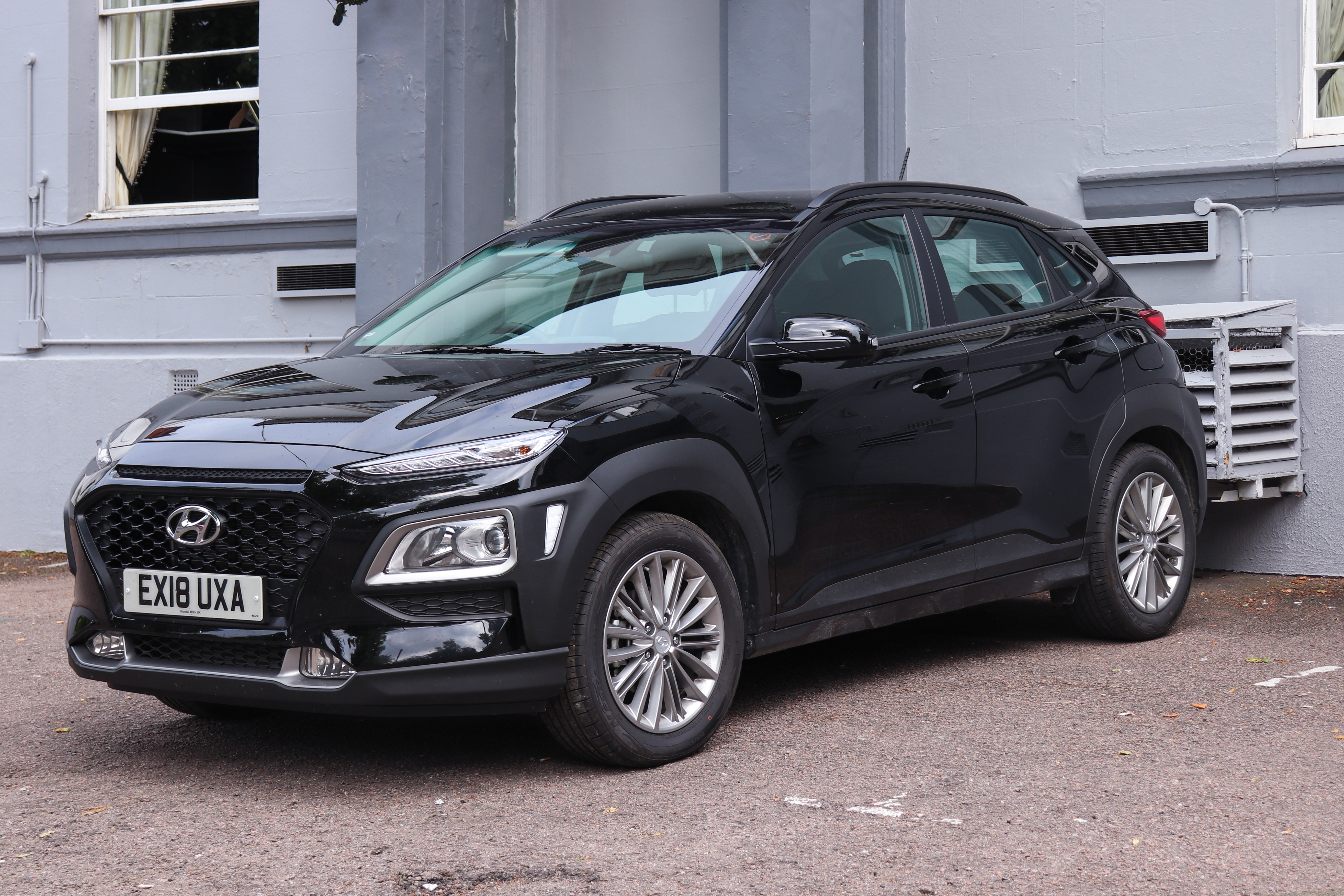
The Hyundai Kona is a small SUV that is great for city driving and has a lot of space for passengers and cargo. It's known for being stylish and easy to handle.
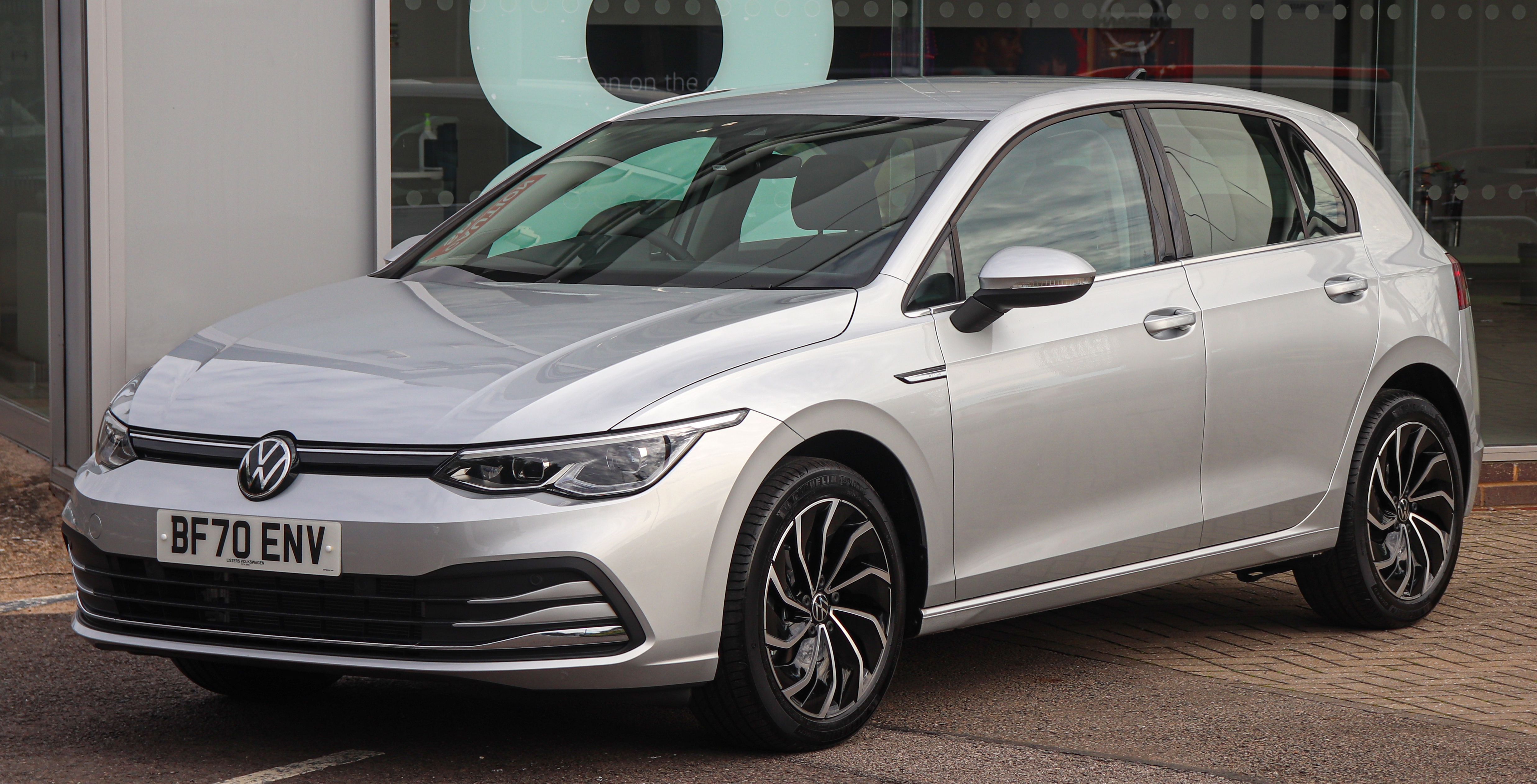
The Volkswagen Golf is a small car that has a hatchback design, making it easy to store things in the back. It's popular because it's fun to drive and has a lot of space for passengers and cargo.
The Hyundai Elantra N is a sportier version of the regular Elantra car. It has a more powerful engine and better handling for a fun driving experience.
The Hyundai Ioniq 5 is a new electric car that looks stylish and has a lot of cool features, like being able to charge quickly and having a roomy inside.
The Mazda RX-8 is a sporty car that has a special kind of engine called a rotary engine, which makes it different from most cars. It also has cool doors that open in a unique way, making it easier to get in and out.
The Tesla Model Y is a small electric SUV that can carry more people and stuff than a regular car. It's known for being high-tech and having a long battery life, which means you can drive it a long way before needing to recharge.
The Tesla Model S is a fancy electric car that can go really fast and has a lot of high-tech features. It's known for being one of the first electric cars that feels like a luxury vehicle.
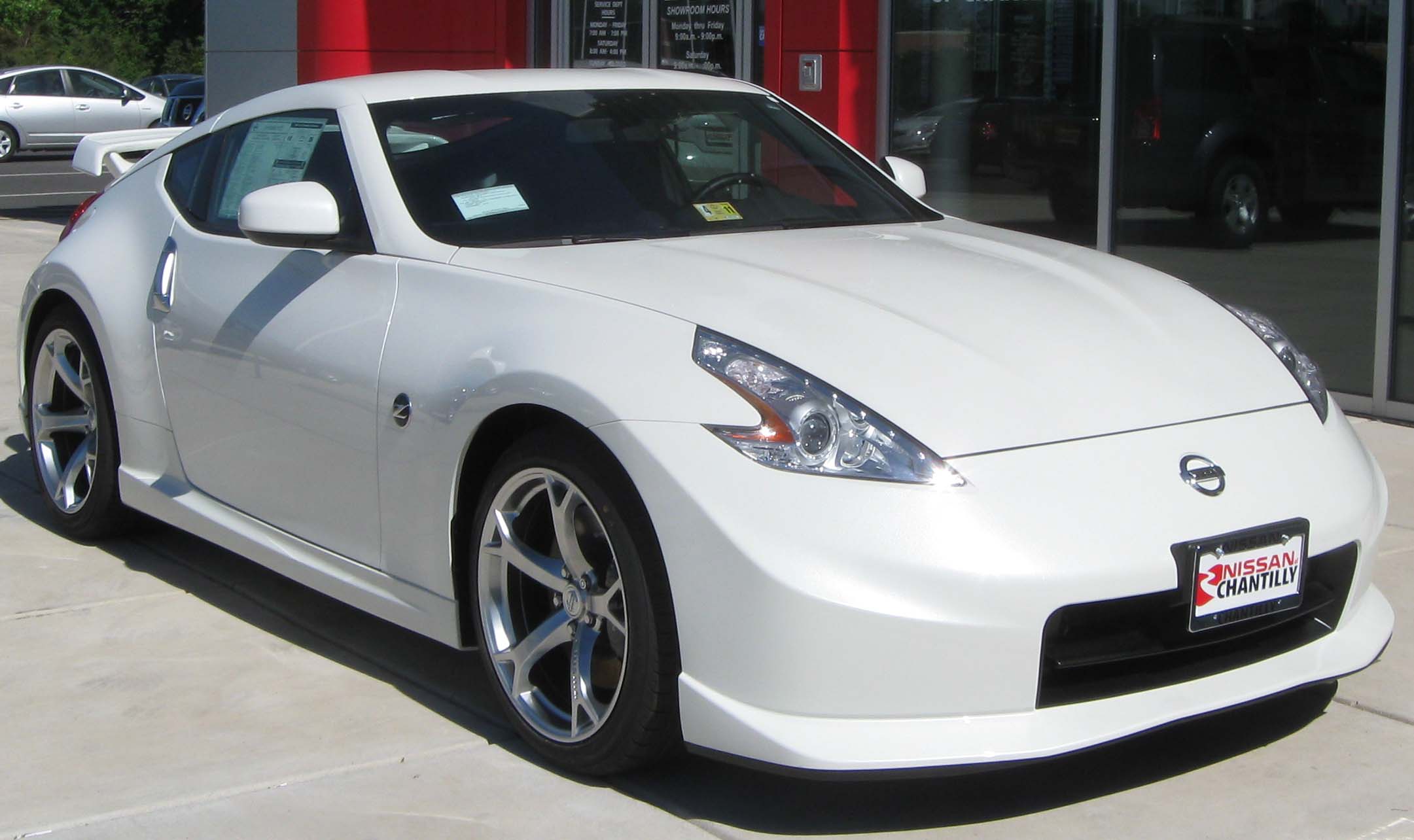
The Nissan 370Z is a small sports car that is built for speed and fun driving. It's known for being really enjoyable to drive, especially on winding roads.
The Ford Mustang is a classic American sports car that is famous for being powerful and stylish. It's been around since the 1960s and is loved by many for its speed and cool looks.
The Toyota GR Corolla is a sportier version of the regular Corolla, designed to be more fun to drive. It has a powerful engine and special features that make it great for people who like fast cars.
LIVE
On today's episode of Cool Cars With Chris, Courage explains how he was working on his Hyundai
Elantra N-Series car, doing a break job by himself. Did it go over well? Well, find out what happened
on this episode. Plus, somehow Courage got himself invited to go to a Hyundai Elantra
N-Series enthusiast community drive up in Los Angeles. You'll hear all that great
story of all of the places he went to, things he saw, things he did, all that up in LA for
all those people who have a Hyundai Elantra N-Series car. And then topping it off, we're
discussing, like, what does it mean when you prioritize, like, personal enjoyment in
the car culture community? Do you need to spend all this money on extra stuff for
your car? Is it worth it? Is it worth it to you? Find out all this and more
on this episode. Let's go.
All right. Welcome back, everybody. Today we have a very special episode, the very
special co-host of the show, Courage, the wonderful Courage himself driving all over the
world in his wonderful speed demon, the Hyundai Elantra N-Series car. How are you doing
today, buddy?
Good, man. I wouldn't stretch it all the way across the world, but I've been putting
some miles on for sure. But as usual, always love being on, so appreciate you
having me on.
I remember last time I talked to you, you were working on, you're working on
something on the car. What was your working on lately? You had to get
something done.
Oh, so I did, I did brakes for the first time.
Oh, that's right. How'd that go?
Yeah. Changed all my brake pads. They went well. It took, it took longer
than expected. It always does, dude, doesn't it?
Anything, anything that I anticipate doing, I just say, like, you know, it's
just going to take me longer than whatever it says it's going to take.
Dude, I used to have the same problems when I had my Z and I would work, I had
the same schedule half now as I worked in the afternoons and evenings.
So I would think like, oh, I'd give myself a two hour window to do some
job on the car. And that'd be so frustrated because I'd be like
running late and all that. But luckily I had my other truck to take
to work. So I'd have to take the car or whatever, what's on
jacks or whatever, but, but anyways, you're working on your car.
Yeah, no. And I basically had it up there for two days. I don't remember.
That might have been that weekend where it was raining. And so I, like,
I put it up on jack stands on Saturday. Did the, did an oil chain
since it was already going to be lifted and everything. And the second
day was when I did the brakes and the brakes, they went fine.
Like I've known how to do it on other cars and everything.
But the, the, the interesting thing now is that I'm getting some
like squealing from the brakes. Oh, no.
And I'm going to probably have to kind of take them out and, you
know, see if they're like seated properly because the break, they
work well. Like I even bled the brakes and everything. The pet, the
pedal feels great, but every once in a while, I think when they
heat up, they tend to start to squeal a bit. So I will probably
have to do that again at some point.
It's funny to say that because my Z had the same problem.
When I bought my Z, they supposedly changed the brakes,
they said, but it just squealed the entire time I owned the
car after I got from them. And then I finally took it in and
they had to do a whole brake job at, at another shop.
But it's funny. You said that same thing. Like after they said
they changed them, it was squeaking, which is weird.
Yeah. It just, for the life of me, I don't know, because like
the, they, they look like they're seated fine. The first like
hundred or 200 miles, I had no issues with them. Didn't they,
they break, I was breaking fine. I didn't hear anything. And
then after about like about two to 300 miles, like I would,
I would hear this noise and I'd be like, what is that? And
I would like roll the window down and I'd hear it. And
when I step on the brake fully, it'd go away. And I was like,
okay, this, I'm gonna have to figure this out.
There's like light pressure. You mean here, when you're
light pressure, you start to hear it more?
Yeah. And so the, the, the in cars too, they, they actually
have sort of this active breaking when you let off of
the accelerator. So they're lightly, basically when it
knows that you're sort of decelerating, it kind of
lightly applies the brake.
That would be annoying though.
And yeah, you don't really feel it, but the issue
now is because it's actually doing that, when, when you're
just coasting a lot of times is when I, when I, when I
start to hear it, because it's only lightly applying it.
And so that's the, that's the point where like, I'm going
down a hill or something, I start to hear it squilling
because it's just lightly putting the brakes on. And
so I get, I know it's something really simple that
I, you know, when I get in there, some people even
like, apply this like certain type of like fluid or
whatever that like helps them seat properly and I
didn't do that. So there's always lessons learned
with everything you do, but
are those perm blows?
They're, so they, they actually have kind of manufactured
their own sort of, actually I just really learned
this, that they, they manufacture their own steel
and some other things that they do. And so it's, it's
kind of their own kind of brake, you know, kind of
set up that they, that they use.
Interesting.
They had a, I used aftermarket pads, they're,
they're kind of a mixture of like sort of a
track ready pad, but also still streetable.
And so that's where you kind of run into the
issue where it can, since it's not an OEM pad, you
know, sometimes there's just weird quirks at how
they see when they actually get, you know, get
settled into their little spots and things.
So that's kind of interesting.
Kind of what, what's different between a
track ready pad and like a regular pad?
What's the difference?
Usually it's just like a compound difference.
And just that they're able to handle heat,
they're just, they're, they're better at
heat management. And so that's, that's what I
understand of. There's probably different
intricacies to it.
I mean, I worked at the park store and I remember
they have like the cheapy pads and then they
have like the higher dollar pads. They had
this different, I worked at a Napa store.
So Napa, they had, I believe since a long
ago, they had like, like their basic brand
and they had like the higher tier level
brand, almost like a, like a basic and a
premium version. And I forget the
different, different version. Well, maybe
we'll move silver, maybe we'll move
gold, I forget, but it was something
like that, I remember. And they had
the different pads and, and different
brake drums and shoes and all that kind
of stuff. And there was all like the
different levels of ones that people were
buying and stuff like that. So yeah.
And Napa was, was intense because they,
they always have way more than like your
standard, like auto zone or. Oh yeah, I
delivered to a lot. We went to a lot of
like trucking yards and things like
tractors and semi trucks and like, you
know, trailers and things of that sort
too. So it was more than just your
typical like car parts. Oh, they did
sell car parts. We did deliver to
a lot of like car shops and stuff too,
but, but it was a lot of that kind of
stuff too. So, but you got that all
figured out, but you still got the
squealing on the car and that does kind
of suck. But other than that, how's the
car doing? Is it running okay? Other than that,
it's solid as a rock, man. I, I, you
know, the two has been doing well, the
JV4 has been doing well, no issues there,
no, no issues there, which is
interesting because I have been
hearing some other stories about some
other folks with, with some tunes
kind of run into some things. Yeah.
You know, again, it's, it's, you
got to kind of take, take the risk
in terms of, you know, kind of going
that route, but it's been solid. Like I
said, we've, we put one weekend, I think,
not this weekend, but the weekend
before, I think we had driven a total
of like 300 miles. Wow. And that weekend
going, you know, going to LA, going down
to San Diego, it was something else we
did. Oh, we went to Paris, we went
to another little event or something
like that, Paris, California, not the
Paris. Well, yeah, I know. Didn't
throw the car on a boat or on a
plane and ship it over. But yeah, we've
been, I've been putting a lot of miles.
The funny thing about it is I told you
I did that oil change at that point
and I already have gotten another
alert that it's time to change my oil.
Really? I thought that it was in,
because I do it every 3000 miles
and it's kind of recommended,
especially to now that I'm pushing
a bit more boost to do it around
those vehicles. Yeah, if you put
more wear and tear on the engine,
it's going to, it's going to go
through the oil quicker.
Yeah. So, but it just surprised
me because I was like, dude, I just did
this. But when I looked, I looked at
the mileage and I was like, okay, well,
I guess I really have been driving
this much. And so, that'll probably
be next weekend's project. I already
got the oil and I usually get a
couple of filters when I go to the
dealership over here. So, she'll be
back up on jackstands pretty soon.
Like, she can say. No, no, you do
use the full synthetic for that
thing, right? Full synthetic, yeah.
Yeah, those things that take higher
heat, higher oil, oil heat.
Does your car, does your car have
oil cooler on it, you know?
It probably does. It, I'm sure like
there's some kind of heat extraction
for the, for the, yeah, particularly
for the oil. I don't, I don't, I'm not
too kind of perky on it.
What's the highest RPM you ever
really run it at? When you are
running it hard, what do you keep
it at?
It maxes at like 6,900 RPM.
That's red line?
Yeah, 68 or 6,900.
Yeah, with my Z, you're using it
hot. That was one thing notorious for
those Z cars was that the oil would
get really hot and shut the car and
put it in lip mode. I never got a
quite that hot, but I did get it
pretty hot though. I mean, I think
it got to like 260 degrees of oil,
I thought. Maybe that's all right.
Oh yeah, yeah, in terms of temps,
yeah, that's about the same.
Like, I've, I've, I've got on
like a, maybe a kind of spirited
canyon drive. I've gotten up to
about 230 to 240.
Maybe that's what it was.
Yeah. It was over the 2s for sure.
And I think someone said 260, it
shuts down. I think I thought I'll
a post or someone said that the car
does go in lip mode when you get to
like 260, maybe a little higher.
And I know that I was looking at
some oils and some of the
synthetics can run 300 or whatever.
With the pre with full synthetic
oil, they're designed to run at
high temperatures. That's why
you probably need them in cars
like that.
Yeah. Yeah. And there's a question
too. And yeah, because that's
a really good, because operating
temp is, is actually kind of
around 195 to like 2205 is kind of
where it's like it's happy spot,
just in normal driving.
If you really start to get on it,
you start to climb up to like
217 or 220. And then like I said,
yeah, like if you're really kind
of on it, at least like in the,
on a hotter day, you know, on
that trip, yeah, or something
like that, you're, you know,
I've seen up to about 230 or 240,
but 260 is like where I've seen
that cut off. But there have
been questions too, because
and not to get too in the weeds
on this, but the manufacturer
recommends zero weight 30.
That's pretty good in terms of
oil. Yeah. In terms of the, you
know, and, and that's weird for
me because all the cars I've
ever owned have always been
five weight 30. And, and what
I've heard is, is actually
folks that are tuned, they
actually end up going with
the five weight 30 with these
cars particularly. And I haven't
done that because they say
that really unless like
climate is a big situation
where, you know, you are getting,
you know, you're in freezing
temps or you're in like very
low temps, you know, things
like that. Or, or you're trying
to stretch your oil change
intervals out a lot that, you
know, really, if you're
changing it out pretty often,
it's, it's not as big of a
deal. I would think that if
you're changing out your oil
pretty quick, like every 3000
or even every 3000 miles to
say 1000 mile oil changes,
you probably can use
whatever. I mean, I am
saying whatever, but you
probably, it doesn't matter as
much. But the thing about the
oil, as I say, is that,
you know, you're going
over 3000. Is it, is it
recommended 3000 or is it
recommended like 5000?
They do actually, yeah, even
stock in the manual is sort
of recommended between three
to 5000, you know, given
that it's tuned, like, you
know, you would think maybe
you would do it even
sooner than that. But, you
know, it is recommended kind
of to have it, you know,
have your intervals around
that 3000 mark. And if you
want to change, now, this goes
for any car, not just your car,
but any car in generally
speaking, if you were to
change your oil with a
different weight of oil,
and something were to
happen to your car, would
that be covered on warranty
or no?
That's a very interesting
question. And the reason
that it's interesting to me
is because there are, there's
actually, because there's
different, different models
of the Elantra, they aren't
the end version, take
different oil weights.
And there's been
situations where dealers
have not been putting the
oil recommended for the
end cars into the end cars.
So and, and then later on
down the road, there's issues
that pop up. And they're,
people have found out that
they actually weren't using,
they were maybe even using
like a conventional oil
and not a full synthetic.
Yeah. So I definitely
think that it's a factor
that if, you know, if
you're deviating from
the owner's manual that
you, I mean, at the end
of the day, they could kind of
say that, oh, this contributed
to such and such.
But it's pretty crazy too
that, you know, in some
off cases that, again,
the dealers just were
using the different oil
and then issues happen.
Like how do you, how do
you prove that?
And how do you maybe, you
know, get, get rightful,
your rightful justification
for that. So that's crazy.
That's all crazy, dude.
So your car is running
decently well. You put
a lot of miles on it.
So where did you go
with your car?
Like you drove the thing
to LA, you said,
and San Diego, but you drove
it to LA particularly.
What's up in LA?
What's up there?
What's up there today?
Or yeah, like we joked.
I guess I live there now.
Like I'm starting to look
for a place up there.
I'm starting to just know
the lay of the land
and no certain landmarks.
What's your favorite freeway?
What's your least favorite freeway?
Yeah. There.
Well, it's been exclusive to,
I think like the,
I guess the one 10 or
the one 10 is like one.
I guess that I get on at some
point. I don't know.
I'm all too well.
It's it's like your place.
What is the 91?
So I take the 15 to
yeah, to the 91.
And then that's when it gets
kind of confusing because it
it depends on traffic
in time of day where it'll
kind of route you certain
certain ways to kind of
avoid traffic.
Oh yeah. You use like a ways
app or Apple app or
map app or something.
What is your favorite?
What is your favorite
traffic app you like to use?
Oh, I'm all Google,
Google Maps, Google Maps.
I have installed,
but I don't really use it.
I think I have ways to
second person in a couple of
days that said that.
And I've like,
I've like sworn by Google Maps
forever.
I think the reason I use the
Apple one because I'm just
such an Apple fanboy, I guess.
Everything's like in the ecosystem.
So somebody texts me an address,
I click on it,
pull up on the map,
it's there, hit go.
It's, you know,
I mean, it's all like set up
that way.
I guess you probably can do
it with your Apple,
your Google one too.
But it's all kind of set up
that way.
And I just do it like that.
And and I just been,
for me, it's like about
simplicity, I think, you know,
like, I mean, people say the
Google stuff's better or whatever,
just that who knows.
But I think it's where like
Apple stuff,
everything seems to work
across multiple platforms
very easily.
And and I have Apple CarPlay
and then plug this phone in.
Well, if you're in the Apple
Apple ecosystem, though,
it works for example.
If you're with outside of it,
like, you know,
again, using like a,
if you use like an Android
or whatever, you know,
you're, you're kind of forced
to use like either
like Google Maps or Waze
or whatever.
But yeah, I feel like to your
point, like when you're in the
Apple ecosystem,
like you have an iPhone,
you have, you know,
you have a Mac,
you know, you kind of have
the even the watch.
Like I used to,
I used to actually use
the GPS on my watch
and kind of have it
synced with my phone.
And it would like do this
little vibrate thing
where it alerts you
where like it's time
to make a turn or whatever.
I feel like when,
when you're using
multiple devices on like
an Apple platform,
it kind of is kind of the go to.
The only reason I guess
that I've stuck with Google Maps
is well, I guess because
it was really the first
that I kind of started using.
But I, you know,
it is just,
it's kind of worked
both when I've had
like an Android phone
and when I've like
switched over.
Yeah, that is true.
Okay.
How does it compare
to the Apple version though?
Up for driving?
I haven't used it a lot.
There's,
there's few situations where
if somebody sends me
something,
it'll end like sends me
a location
that it'll default it
to open it up in Apple Maps
and then I'll use it.
But for the most part,
I'm usually always
using Google Maps.
But Google Maps has a few
quirks that are interesting
to me where
they started implementing
sort of like ways
where,
you know,
ways I think really
got popular
because it was able to,
people were able to
like pinpoint
like, you know,
hazards on the road
and,
and you know,
point out police
on the road
and different things
like that.
And so Google Maps
started trying to,
you know,
kind of
bring that into their system
and it works well
in a sense where
like,
it does give you alerts to,
you know,
approaching policemen
or approaching Roe Maher.
Yeah.
But the weird thing is,
is that
if you have a car
that's equipped
with Apple CarPlay
and you're using Google Maps
and it like
tries to give you
those alerts,
it like,
it'll give you the alert,
but it doesn't tell you
how far away the,
like say the policeman is
or like the road
obstruction is.
It just tells you,
it asks you
if like the road obstruction
is still there
or the police
are still there,
but it doesn't like
give you any alert
to say like,
we're expecting it
to be in like,
you know,
300 feet
or like,
you know,
a mile or whatever.
What is,
what does Google refer to?
Because on Apple,
they refer to it
as a speed check.
What does it call
on the,
on the Google side?
I think it's,
I think they say
speed trap
or something like that.
I can't,
I can't even remember it
because I haven't really
gotten the,
now that,
now that we're talking
about,
I realized I haven't
gotten an alert
in a little while.
Well, maybe it's a
turned on or something
because I,
I do,
when I go to LA,
I see them all the time.
I see them all the time.
And sometimes,
sometimes
you'll say it
and you look around,
you look around,
look around,
and they'll,
there's a cop right there
on the side of the road.
I see him,
there he is.
Okay, great.
You know,
and then the,
and then the alert
will drop off.
Like I've had that happen
where like it was like,
oh yeah,
it's approaching,
approaching.
I don't see it.
And then the moment
where I saw it,
I'm like going to press it
and the alert lead,
like it's gone.
But have you ever made the,
made the alert on the,
on your apple,
on your car play?
Actually been the one
to report it.
Yeah.
No, I haven't.
I've never been a
contributing member.
Okay.
Yeah, I see the,
when you click on,
listen,
apple,
I'm going to use the apple side.
When you click on the
apple map,
there's a little like
button you click on.
And I like it's like a more
button,
click for more.
And you open it up
and then it's like
a push button for alerts.
I think it might give you
a few choices,
like accident reported,
speed trap reported
or whatever.
I think it might be it,
but basically
or traffic or something.
But anyways,
you can on there,
when you pass by,
you click on it.
And that's how it all
feeds the system.
That's how ways work.
That's how they all work.
Is that us users on the
road,
see the thing we alert,
we're constantly alerting.
So you're listening at
home right now.
If you see something,
you got to alert on your,
on your,
you have to go see
something,
say something.
Well, no, I mean,
you could be,
we're on the lookout
for cops with the radar
guns and things like that,
like,
like the only way we're
going to beat them is if
we all know they're
going to be there,
you know,
kind of thing.
So if you can alert the system,
if you pass by one
who's hiding
and you hit the alert button,
that alerts everybody else
who's using the same system
to like,
Hey, what's up,
you know,
that the lookout,
you know,
he's coming for you,
kind of thing.
And what's funny is that
every time you drive by one,
like everybody checks
their speedometer,
it's the brakes.
I do the same thing too.
I'm telling like,
I mean,
you can maybe say that
I'm being a,
maybe a little too bold
in that,
but like when I,
when I see that
somebody actively is doing
that,
I will go around them.
Like I've,
I've had that happen
where like I'm in the fast lane
and it's,
and I've,
I've seen the cop coming and,
you know,
we're,
we're probably going like 75,
maybe 80 or so,
like maybe a little under that.
And then I,
and I see the guy in front of me
start to do that.
Like I'll go around them
because I'm like,
at this point,
the radar already got
both of us.
So like us slowing down
right now is not doing
either one of us any good.
And so
if he's going to go chase somebody,
he's going to chase,
he's probably going to catch
the slowest guy.
I'm good.
Or a fast guy.
Get me the fast guy.
I,
I'll tell this because it's,
it's been a couple of,
it's been a few months
since this happened.
I was,
I was driving up just locally
here in Temecula area.
And there was a guy in like
a pickup truck
and we were at a stoplight.
This is like,
you know,
late afternoon,
kind of the evening time frame.
And we have a spot like
where sometimes police
kind of hang out.
And actually this guy,
he was the police
because we don't have
like our own police department
here in Temecula.
We,
the sheriff basically,
you know,
sheriffs come through
and they just kind of patrol
the areas and things.
But I noticed a sheriff,
you know,
kind of pulling out of one of the
side streets,
couple of blocks back.
And I didn't think much of it
because I was still just on the
main road,
but we stopped at the stoplight
and you know,
I was in front,
another car was next to me.
And I start to go
and we're,
you know,
me and the other guy are like
neck and neck.
And I noticed the guy in the
pickup truck is like on me.
Like he's just
waiting for that little bit of
an edge so he can kind of just,
you know,
shoot between me and the guy
that's next to me.
And,
and you know,
I'm,
I'm like kind of giving him a
little space,
but it's like,
you know,
come on dude,
like we're going up a hill,
we're going to get to a light
when we get up at the top of the
hill.
Like what's the rush?
So,
you know,
at a certain point
when he was getting like
pretty obnoxious,
like getting really close on my
bumper,
I,
you know,
maybe not the right thing to do,
but I,
I kind of put my foot down a
little bit.
Like I took up,
took off,
up the hill
and you know,
I,
I kind of gapped him a little bit.
I'll just be honest.
And so,
you know,
we made it,
I changed lanes,
I,
I let him pass me once.
I finally got up
because I saw that the light was
red.
And so he came by,
he kind of looked and,
and he just like stopped at the
stoplight.
And then I see the,
the cop that we pat,
that I passed the few blocks
back,
he was behind him.
And so right when the light
turned green,
I start to go
and he lights up his lights
and pulls that guy over.
Really?
Pull me over.
And to this day,
I'm like kind of curious.
Like I don't know if he maybe
just didn't see me
take off or like if he kind of
saw the whole thing kind of
transpire and see like
how he was just kind of pushing
me to like get out of the way.
But it was one of those
situations where I was like,
Oh, well,
guess I got kind of lucky
in that situation.
But you know,
got to still be careful out there.
I'm not condoning that
behavior at all.
Of course.
Of course not.
Of course we do not
condone speed racing
and getting crazy
and beating lights
and flipping off cops.
Don't do that.
Don't do stuff like that.
Don't knock your horn
at cops and wave at them.
Don't even wave at a cop
really tell you the truth
because they'll pull you.
Don't even say hi.
Don't even,
don't even nothing to a cop.
Because if we happen to be one
time,
I have my windows tinted
in my truck
and they were just low enough
to where you can see
that window was tinted.
Like roll the window down
enough and my buddy
decided to wave at a cop
in a part,
high patrol of none of us
in a parking lot
and they pulled up behind me
and said,
we can talk about window tint
and I'm gonna give me a ticket
for that.
And I'm like,
like don't even,
don't even,
don't even acknowledge.
Don't even acknowledge.
You know,
or whatever.
So,
but anyways,
you're up in LA.
So where did you go, man?
What did you do up there?
So yeah,
I think we talked about
I've had a few
interesting events
up there
car related,
which is pretty cool.
First weekend
and maybe we can graze
over for this
because you know,
this is just one of those
if you just got to go
to see it type situation
but I went to the
the Peterson Museum.
Where is that located in LA?
That's like kind of downtown
main like downtown LA.
It's,
I think it's pretty close
to the convention center
because a month prior to that,
we actually went up there
for the LA auto show,
which is more so built
in the case that I just,
if I'm in LA in,
I guess you can say,
I'm part of the culture.
If you live in the
Temecula area,
I would think LA is kind of
just adjacent,
Temecula is adjacent to LA.
Yeah,
but it just takes so long
to get there,
like on a regular,
regular day.
But why does somebody people live?
A lot of people live in Temecula
who work in LA.
It's true.
Yeah,
like Corona LA,
like,
yeah,
Santa Ana area,
like,
that's why I feel like
the 91 gets so jammed up
is because people were going
in that direction
to go there from Temecula
and like
Menafee and Winchester
and all of those.
But I know homes are much
cheaper than Temecula,
Menafee area,
that whole area up there.
It's,
it's very cheap.
Not very cheap,
but it's much cheaper
than buying a place
in the LA
proper.
I guess you're going to call it.
So my choice of big city
is definitely San Diego though.
I'm just going to put that out.
Well, there you go.
Well, welcome.
Welcome you.
Welcome everybody.
Come on in.
You know,
more than Mary or why not?
I started in San Diego first.
So I still,
I still claim San Diego
even though we're
technically Riverside County.
I,
I lived in San Diego
for about 12 years.
So,
which is crazy to think,
but I,
you know,
I still feel a part
of San Diego.
Well, I'm not leaving dude.
Don't say I have to.
You can drag my dead hold
cold body
out of here if you want to.
Like,
like I have been born
and bred San Diego
and I don't plan
on ever leaving.
I think the thing about
San Diego is that
I think it's home for me.
I lived here my whole life.
I'm familiar
with everything here.
I know how to get around.
I work here.
I do a lot of stuff here
in town.
Yeah.
And I think it's just,
I know it's expensive here.
I get it.
Trust me.
I know, you know.
And so,
but I think it's just home
for me.
And I can't imagine
living anywhere else.
And I really love that.
I feel like there's just a,
there's a weird like pride
when I think about,
again,
because I still claim San Diego.
When I,
when I think about the fact
that I like,
you know,
I live in San Diego.
Like I kind of,
I have little moments where it's
like,
you know,
or,
you know,
I lived in San Diego,
you know,
or I go to San Diego often
because I just feel like
San Diego is like,
it's one of those places
that like everybody wants to come to.
Like,
you know,
whether you live in California
or you're traveling from somewhere else,
like another state or whatever,
like,
San Diego is just like a place
that people want to come to.
And to say that,
you know,
for us,
like,
we live like 30 minutes away.
So we still feel like
we're like a part of that
or to,
again,
be born,
you know,
born,
bred
and still live there.
Like,
I don't know,
there's just some kind of pride
that I,
like,
that I felt,
you know,
being,
being a part of that,
even,
even being from Northern California,
being from like,
Oakland,
San Francisco area,
like,
you know,
I,
I use,
not to down it at all,
but I,
I get proud to say that,
like,
you know,
I've,
I've lived,
like on this end,
this Southern California end for,
you know,
15 years now at this point.
Well,
look at that.
Well,
yeah,
honest take,
much better.
Yeah,
I'm much better down here.
Yeah.
Yeah.
Yeah.
You know,
it's,
it's much better,
you know,
it's,
don't,
don't offend your
Northern California listeners,
but,
you know,
you know,
you know,
you know,
it is much better.
They,
they can drive,
there's roads,
you know,
come on down,
you know,
I have never taken the drive,
but I've taken the flight.
I mean,
you know,
I've flown,
I've flown up the,
up to,
up to San Francisco.
I mean,
I'm familiar,
you know,
with the area,
but,
but yeah,
I mean,
San Diego's great,
you know,
like,
I love San Diego,
like right now,
it's when supposedly
quote unquote,
winter time.
Yeah.
And I,
you know,
it's sunny and warm outside,
or whatever,
you know,
we don't need some rain soon,
probably,
but I mean,
look at the East Coast
or look at the Northwest
or whatever and see blizzards
and snow and people doing,
you know,
crazy,
like slides down roads
or the brakes on,
they can't control,
they're colliding with everybody.
Yeah,
no,
thanks.
Yeah,
I see videos like that,
and I just think like,
I would just be so irritated
when,
if I'm like in a situation
where like I just have,
obviously you're,
you know,
you're probably scared,
you're probably like,
you know,
you're,
you're probably trying to do
something,
but when you've like realized,
when you come to the realization
that you just can't do anything
about this collision,
that's about to happen,
I would just,
I would just be frustrated.
Right,
and I think living in a place
like that,
it's going to be very hard
to be a car guy
or girl
in a place,
especially if you have like,
a lowered car with like,
summer tires,
and you have like,
the springs,
the coilovers,
the whole thing,
you're not taking the thing
out in the snow.
Yeah.
Unless you've got
special snow tires,
maybe it's a Subaru
or like even,
even like a GTR
with all the little drive,
you know,
something like that
would probably do very well
in places like that,
I guess,
because of the LWL drive,
but I think,
it's something,
we're going to car culture here,
go to cars and coffee,
things like here,
something like that
you don't really think about,
you know,
have to really think about
living in a city like this.
So when you're in LA,
go into the museum,
what kind of like,
cool things were in the museum,
were there things that like,
stood out to you,
the special car,
with all cars,
with other things too,
was it like airplanes
and boats or just cars?
No, it was,
it was pretty,
you know,
kind of centralized to,
cars and motorcycles,
that's it.
Yeah.
They had some pretty,
a pretty cool motorcycle display.
I didn't spend too much time there,
but it was,
it was pretty cool to see some,
like really,
you know,
really classic motorcycles to,
up to,
you know,
kind of,
you know,
the 80s, 90s,
you know,
kind of newer motorcycles as well.
Do you remember that TV show,
that they had Night Rider,
had a car,
but was there like a,
like a version of that,
with like a motorcycle?
I forget what it was called,
it was something in the 80s,
it was like,
there's Night Rider,
then there was like a motorcycle
version of it.
Huh. I don't think I remember.
Yeah.
It was kind of like,
over the top,
with a motorcycle,
had like machine guns,
and crazy stuff on it,
and all that kind of stuff,
you know,
typical kind of whatever.
I remember,
I remember seeing like a,
you know,
episode of it or whatever,
but,
so cars like that,
that's pretty cool.
So,
city's cars are all ripped off.
No,
for the most part,
they're all,
you know,
they're all behind it.
I mean,
I can't even imagine,
what the total collection,
that they have in that
museum is what is worth,
but,
yeah,
a lot of these cars,
are pretty special.
There was one lightning McQueen,
like replica,
that was pretty cool.
They allow you to touch,
and you kind of,
kind of take pictures,
and lean on it,
and it was pretty cool.
But,
I'd say my highlights for that,
because they,
they do have some modern cars there.
They,
it's not just purely classics,
and things like,
you know,
they have some modern super cars,
some,
some modern muscle cars,
like,
if they were kind of movie related,
you tend to see some modern muscle cars.
The 80s kind of section,
80s to early 90s,
little room was pretty cool,
because it's like,
not only just car themed 80s,
you know,
deals,
but they also had like,
you know,
authentic,
like 80s video game,
arcade,
you know,
setups,
and just different things,
that were part of like 80s culture,
and it was just a whole room,
dedicated to that.
But I was like,
I was blown away by,
there was the,
sort of,
Aston Barton room.
You walk,
you walk in,
and it was behind,
we are already kind of amazed,
because they had like,
the,
this one like,
the flat head hot rod,
from the original Iron Man,
the first Iron Man movie.
Oh yeah.
Where Tony's in the garage,
kind of doing his things,
and I think it's the one he fell on,
like with his suit,
or whatever.
But obviously this one wasn't it,
but they had that there,
and then they had,
you know,
Herbie,
the Beetle,
you know,
kind of situated as well,
in the same room.
They had one of the original prototype,
Tesla Roadsters,
that just,
all kinds of just,
you know,
just a hosh posh,
of all different kinds of cars and things.
But in the Aston Martin room,
as you walk in,
they kind of hide it away,
because you have to kind of walk through to see it.
But right as you come in,
and you turn to the left,
is,
is just a,
a maculate,
DB5 Aston Martin,
from like,
the original James Bond.
Oh wow.
Just super well lit,
well displayed.
I,
I was just staring at it.
Like you just walk in,
and you're just amazed by it.
What is that thing worth,
if you're going to buy it?
I have no idea.
That would be a good question,
good question to answer.
Probably priceless.
I mean, they always say,
oh, it's priceless.
It's priceless.
Can't,
can't buy this.
Yeah.
Well,
yeah,
for an authentic,
yeah,
like,
you know,
you know,
non-restored,
I mean,
maybe even if it was restored,
you know,
that,
I mean,
it,
it definitely is just something where it's like,
it's hard to maybe put a value around it.
If you had a car like that,
would you drive it,
or just keep it in the garage?
Not if it was like,
not,
not if it was one that was like,
you know,
a low mile,
like example,
but in honestly,
even if it was,
you know,
now it's like a 50 year old car.
So that's the thing.
If you have a,
if you have a collectible car,
that is literally a collectible,
and it's got low miles on it,
it's worth say a million dollars,
whatever it is,
right?
Yeah.
It's like,
what do you do?
You suppose to,
you suppose to drive a car
to get the fluids going,
right?
A car that sits,
it's not going to be any good.
So you have to,
you have to keep the,
I think you probably take it out twice a year,
maybe,
or something like that,
but you have to do something with it.
Yeah.
And you want to keep it in your garage
and show it off,
put it in your living room,
and whatever you have,
a big enough place,
and just keep it there.
I think people do that on YouTube
or whatever,
they have like these collections,
we have a car,
like in their living room.
I thought it was one where this guy,
some rich guy,
like Dubai or something,
he put it like some big penthouse,
skyscraper,
but like a car,
and like with a crane or something,
and put it in his living room
or whatever kind of thing.
Like that's something you could never,
ever like,
like use,
you know what I mean?
It now becomes a physical like prop
for your house.
You're taking it to like,
you know,
you know,
specific events where you're,
where you're highlighting it.
It's not just something you're just
hopping in to go on a,
on a drive or go run errands.
Like it's,
it's,
It's kind of,
in theory,
it defeats the purpose of a car.
Yeah.
And that's,
I mean,
that's a good point
that there's a certain point
where like a car,
unfortunately,
is not performing the function
of being a car
because say it's too special
or like,
you know,
you're just trying to preserve it.
I get it.
Like if I,
if I spend a lot of money on something,
like a lot of money on something,
I'm going to make sure this thing is like,
is pristine and perfect.
It's like,
possibly make it.
And I think it's,
I think it's twofold though,
because I mean,
you know,
there's,
there's like the exotic sports cars
that you can buy,
that you can still spend a lot of money on.
You can,
you know,
buy,
you know,
modern Lamborghini
or modern Ferrari
and spend a couple hundred thousand dollars on it,
which sounds crazy,
but I mean,
you know,
people do it,
but,
you know,
you know that,
like a more modern,
you know,
Ferrari or Lamborghini
that's still
in production
could be replaced.
You know,
you could,
honestly.
Oh, so you're saying a car
that's an exotic car,
that's kind of a rare older car
that's probably,
if this thing gets an accident
or something happens to the thing,
if you probably can't,
you probably couldn't replace that car.
Like you,
Yes.
You probably couldn't find the parts for it
to even have it repaired properly.
Like it could literally just be a total loss
in the sense where
like there's just no physical way
that like we can
recreate this car back again.
And,
and, you know,
to try and then maybe find another one
is again,
now you're,
you're dealing with
other people that also have this sort of
priceless,
priceless car that,
you know,
can kind of name their price
in this scenario.
Like I,
I think,
yeah,
when you're dealing with these like
older,
very special cars,
like you're,
you're kind of gambling with the fact that
like,
you know,
you're,
you're holding a piece of history
that probably can't be recreated
the way that it was before,
if anything happens to it,
you know,
versus like a new modern car where,
yeah,
like,
you know,
if it's still in production,
like there's most likely a way that,
you know,
if it was,
you know,
it's not total that,
you know,
there would be a way to recreate that car
or,
or,
you know,
you'd be able to buy another one.
And for the insurance companies,
love that.
That's true.
The whole you,
you hit what meme?
Yeah, yeah.
I don't even know how,
I don't even know how,
like,
like,
say you have like a million dollar
car,
right?
You know, it's a newer car,
a newer whatever.
And you total a thing.
Like,
what are those insurance companies
supposed to do?
Do they even insure that?
Or maybe you self insure it?
Or maybe they say,
well,
you can't,
we can't insure this.
So enjoy.
Usually with those,
I know that there's certain companies
that have more of like a stated value
type of insurance
for,
you know,
cars like that.
And so they don't operate,
like a more traditional auto
insurance situation
like you've,
they,
you know,
you basically sort of negotiate
the value,
but they also,
they have what do you call it,
records of,
you know,
values of cars and things.
So they know kind of where
certain cars sit.
But if your stated value is
agreed upon,
then you,
like if something happens,
they agree that that is the
value of the car.
And they'll write you a check
for that amount of money.
And they'll write you a check.
Yeah.
Yeah.
And they'll probably drop you
right after that.
Say see you later.
I would wonder,
yeah, I would wonder how that
works out,
like how,
you know,
how future.
Dude,
insurance companies love taking
money and they hate,
then they say,
Oh, we'll pay out your,
this will fix you all your stuff.
But what if they hate,
they love taking money,
but they hate giving it to you.
Right.
Right.
I mean,
that's it goes for anybody
really.
I don't have to like take a
body and like everyone's
getting a paycheck.
Everybody hates paying bills.
You know,
it makes sense.
Yeah.
I get it.
That's life.
So you're up there.
Now in the span of the same
day or same weekend,
did you go to this end event?
No.
So that was a separate weekend.
That was,
yeah,
the following weekend,
I think,
or no,
that was a two week gap,
I think,
between the two.
But the end event was
pretty mind blowing.
I'm just going to say,
so the back,
back everybody up here.
So you have your Hyundai
Elantra N series car.
You've had tunes done to it.
I've written the car.
It's very fast.
It's very fun.
You've taken it to the drag
strip.
You've done some work on the car.
Did the oil change with it?
You've changed the brakes,
sort of.
And so,
and then you've done some stuff
to the car.
And somehow you found out that
there was a Hyundai N series,
like an end club event up in LA?
Yeah.
Yeah.
So yeah,
I guess not to make it sound
like of any type of detective
or anything.
I've been looped in
with the Southern California
end club,
which you know,
some people be like,
that's a thing.
Like there's a,
there's a Hyundai end club.
Dude, there's clubs are
everything, man.
There's probably going to be
an episode culture or anything.
There really is.
But they,
but yeah,
I've been looped in
with the SoCal end club
for a while,
for about a couple of years now.
And they,
they're really good about,
you know,
kind of letting folks know
about different events.
And,
and they're actually really,
they've been pushing a lot
to have some more integration
with actual like Hyundai's
corporate marketing company,
you know,
entity here in the US.
So they're not really associated
with Hyundai
or they're third.
They're sort of an affiliate of it,
but they're not,
you know,
they're,
they're not a direct entity of it,
if that makes sense.
Kind of.
So,
so basically like
Hyundai can,
we'll say we're no,
we know,
so we like whatever,
so this end club does something
that Hyundai doesn't like.
They're kind of free and clear.
You can't blame Hyundai
for something they do.
Yeah.
Like they,
they,
you know,
because again,
the membership is not even
necessarily something where it's
like, you know,
we,
we pay a membership fee
and like we have like this,
you know,
it really like it's,
their,
their motto is simple.
It's like,
if you own an in-car,
you're in Southern California,
like you're a part of the club.
And so obviously with that
open door policy,
like you don't know
who's a part of it.
So,
yeah,
if somebody goes out and does
something crazy and,
you know,
and it just causes this big uproar,
like that Hyundai's,
Hyundai themselves are not
liable for that.
Okay.
You know,
so they,
they have a way of still supporting
because the track record for,
you know,
these in clubs,
which,
you know,
really I've learned,
particularly from this event,
span the whole U.S.
They,
they actually flew a handful of
people out from the,
basically the admins
from different portions of the
in club throughout the States,
from Texas,
from,
you know,
Pennsylvania area,
North Carolina,
New York,
some different areas.
They flew those admin out
to this specific event as well.
And so it was a combination of,
you know,
open to a handful of
SoCal in club members.
And then the,
you know,
the admin that they flew out here
from other parts of the,
of the States.
And it,
it's just crazy to know that,
like,
you know,
some people have argued that,
like,
you know,
Hyundai isn't like an enthusiast brand.
Like, you know,
it's,
it's,
it's still trying to become an
enthusiast brand,
but it's not quite there yet.
But you,
it really showed that,
like,
you know,
this,
this spans a lot bigger than just,
like a few folks that are like
into their Hyundai in cars.
So what,
what are the line-up
for the Hyundai and car series?
You want to,
what Hyundai's website,
what do you got?
Yeah.
Right now,
you know,
I guess maybe backing up a little bit,
they,
they really started out
with the Veloster in.
That was the-
Did they still make that?
No, they don't.
Yeah.
So they-
I don't know,
it's got a cool car.
They started the game
with the Veloster in.
People,
people really love that car,
really kind of started the brand off,
that,
that series of the brand off
in the right spot.
They branched out into the Kona in,
which was,
you know,
they call it their sort of
compact SUV,
but it really just,
to me,
always felt like sort of a hatchback.
Like,
it was maybe a little bit bigger
than like a Golf GTI
or something like that,
but-
Is that gas or electric car?
No, they're,
they're all up.
They're,
they're all usually using the same
two-liter turbo setup.
Oh, nice.
Yeah.
The,
the only difference is that the Kona in
only came as like a DCT,
eight-speed automatic,
whereas the Veloster in
came as both a six-speed manual
and the eight-speed automatic.
Got it.
So,
so you had those two,
the,
the Veloster in,
the Kona in,
the Elantra in came in 2022.
So the original Veloster in was 2020,
2022 is when they released the,
the Elantra in,
and that's,
that's the year that
my Elantra in is.
Is yours first generation Elantra in?
First generation.
Yeah.
So,
they've gone through two generations
of the Elantra in at this point.
So they,
they have sort of a facelift version
of it now that started in 2024.
And that's coincidentally the same
year where they drop the Kona in
and the Veloster in.
So right now in terms of gas power
cars,
the only in car that's gas powered
with the two-liter turbo is the
Elantra in.
And what's the other ones then?
So the others are more of like
their futures,
their future electrified
in,
in division.
And so those consist of the,
the five in,
the Ioniq five in.
So if you guys know the,
the Hyundai Ioniq.
Yeah, that does look a little bit like a
Veloster though, does it?
It does.
Like it's still,
they still call that even like an
SUV,
like a compact SUV.
To me,
it's just like a hatchback.
The,
the biggest differentiator of the
Veloster in to like a regular
hatchback though is that
it actually,
like it's,
it's technically considered a three
door.
Yes, that's right.
Yeah.
It doesn't have four,
like full sized doors.
And that door is like a small little
like,
and it's like a little,
it's like a locker door.
It's like,
do you remember the RX,
the Mazda RX8?
Yes, yes, yes.
Yeah.
The same thing.
Yeah.
So,
so that,
that was the reason why like the
Veloster in was a little bit
different from even like say the
Kona in,
because the Kona was an actual
like four door compact,
I say hatchback,
but they say,
you know,
compact SUV,
but yeah.
So you have the five in,
which is a fully electric
EV,
you know, they call it a sports,
you know, sports SUV.
And you know,
those,
they come with,
you know,
600 horsepower out of the gate,
and then they have boost buttons.
Most EVs get that much horsepower.
Yeah.
You know,
when you say EV in 600 horsepower,
it's like,
I mean,
don't they all get that?
To have one,
well,
I will say though,
like the Mazda,
not the Mazda,
the Tesla Model 3s,
you know,
Model 3 performance,
you know, gets you like,
towards that point,
but like,
kind of more standard model,
like,
you know,
Model 3s actually were less than that.
They were like,
you know,
around like 500 or so,
which again,
like I'm saying,
like, you know,
anybody driving a gas car,
their entire life,
that sounds like a big accomplishment.
Five in a horsepower,
or even three in a horsepower,
sounds like a lot,
you know?
Keep in mind though,
these things are heavy,
like,
even like,
That's true.
That is true.
So they are heavier than a car,
heavier than a gas car,
with an engine?
Wait, usually,
usually like for like,
you're always going to be heavy,
from like the equivalent,
even with fluids,
so you're going to be heavy or flurried,
for an EV,
then you are with the,
with the gas power car.
I had to look that up.
I had to look that up.
I was kind of curious about how much like,
like how much more it weighs,
like an EV version,
compared to the gas powered version of the same vehicle,
like how much weight you actually get.
I know you get more power,
obviously a lot of stuff,
but I'm just kind of wondering how it all balances out,
you know,
or does it even balance it all out in the end,
because if they,
if the electric version,
although it has more power,
weighs much more than the gas version,
which has less power,
but in the end,
but I guess electrics probably
is still quicker off the line,
because of the instant torque.
No, it's quicker.
It's the thing that you can't be,
you can't beat,
is just the acceleration off the line,
like the,
that,
that initial torque of like an EV,
is just something that we just have not,
you know,
unless it's like a crazy,
crazy performer,
like,
you know,
ice combustion engine car,
we just haven't,
we can't do it.
It's just,
there's something about just being able to have
all of the torque all at once,
that make these,
you know,
EV cars off the line,
just like unbeatable almost.
So did you get to race these cars?
Were you up there?
What'd you guys do?
No, so it was,
it was,
it was basically just a drive.
So it started out actually,
I think I mentioned to you,
like they,
they blew,
they kind of blew my mind.
They,
they started out with like catered breakfast and,
you know,
had some little events kind of going on
early in the morning,
but it was essentially kind of a tour around LA.
You know, they,
and when they did this for like the Midwest areas
and different things like that,
they also kind of picked a certain area
where they wanted to kind of tour
and have certain highlights
and certain photo opportunities
in like these key locations.
But we basically took a drive up Mahalan Drive,
if you're familiar,
beautiful,
I haven't been for a long,
long time.
And I actually didn't really remember how
just scenic that drive really is,
how,
how high up in the mountains you are
and how you literally
are almost looking down on
like all of Los Angeles and certain points.
But they took us all the way up,
you know,
Mahalan Drive
up to Griffith Observatory.
There was a little photo opportunity.
They had some drones
like waiting for us at a certain point
coming around.
I think it was near where the Hollywood sign is.
They had some drones like waiting for us
to come around and take photos.
And then once we got to Griffith
Observatory,
we kind of stopped off,
had a little break,
you know,
got a chance to mingle for a bit.
And then they had us go all the way up
to the observatory.
It was blocked off so that,
you know,
so that they could ensure
that we all could kind of have our chance
to go across
and take a picture
as we were driving past
the observatory.
And then we came down.
And then that's when we kind of made our way back
to the main event
that was at this,
this company called Race Service
in Los Angeles.
But it's basically just like kind of like
a little,
little in parade,
I guess you can call it
throughout LA.
So do they have like a front car
and a back car?
How do they keep it all,
you know, together and stuff?
We were talking about maps,
Google Maps and everything.
So with Google Maps now,
and I'm sure you can probably do it
at Apple too,
is they program
like all like the little stops
within the,
you know,
within Google Maps.
And basically just had us scan a QR code
that fed into our own Google Maps.
And each time you got to a different point
of the map,
you just press continue
and you just go to the next point.
So really they didn't necessarily have
like a lead car.
They just gave us the route.
And obviously since we were all going
as a group,
whoever was kind of,
you know, the lead car,
we were following them,
but we all had the map.
So, you know,
anybody could have been the lead car
if they wanted to be,
but they were kind of entrusted.
And there were a couple of the marketing guys,
they kind of, you know,
came along too.
So they were the ones that were tend to be like
towards the front of the pack,
but they basically had us give us all the tools
to make,
make our way through the routes
and get to our certain points
and things like that.
Oh, interesting.
So you always went on the big parade.
And when you got to the found destination,
then what do you guys do
when you got there?
At the final place?
Yeah. So when we got back,
the final spot was the same spot we started.
Oh, so a big giant loop then.
Big giant loop.
Yeah, but they had kind of transformed this area
that they just called race service.
It's, I think it's kind of like a tuning company,
but they have these,
they had couple cards under like some,
you know, some black tarp
that they were kind of revealing later,
which we found out were,
you know, the Elantra in TCR edition.
It's basically just a special edition of the Elantra in
that kind of commemorates their race series in TCR.
They've been doing really well in that series.
Won't go on a tangent on that,
but they, they basically have created sort of a,
not a homologation,
but just like a addition to celebrate
that they've done really well in that series.
Ioniq six in, which hasn't come out fully yet,
but their brain spoiler alert.
Yeah, hasn't come out fully yet,
but they have revealed a lot of information about it.
It's essentially the same as the five in
in a lot of ways,
but just with the now it's a sedan
as opposed to a hatchback.
And then there's some other same wheelbase though.
I, that's a good question.
I don't, I don't know.
Sometimes I do that.
They'll like make it,
make two versions of the same car,
but really it's like the same chassis.
It's the same chassis.
Just, yeah, just the, you know, the, the form and factors.
The body is like, oh, we're going to add a SUV.
That's how they do with a lot of these smaller SUVs,
like he's compact SUVs,
they'll take their compact car
and those SUV
unibody version,
same chassis and wheelbase and engine,
transmission, everything's the same.
The guts, you know,
to get us off of maybe talking too much about Hyundai is,
I mean, I'm sure you appreciate this is
Infinity and Nissan did that heavily
back in the early 2000s mid to 2010s.
Oh, the VQ engine was in everything.
The VQ engine was in everything.
Obviously the trans transmission was,
was in everything as well.
But the chassis was shared between the 350s,
the, well, for each generation,
like the 350Z and the 370Z, you know,
they were shared with the equivalent G35 and G37.
And then they were also shared with the M,
the M35 and M37 and the FX,
the FX45 and FX35,
they literally all of those cars
were all on the same chassis.
Most of them had the same engine share
between the two, except for the FX,
they actually had a V8 version
that they didn't offer in like the Gs.
But yeah, Infinity and Nissan,
like they took that to like the next level
where it's like, we're going to build like our,
pretty much our whole catalog of cars off of this,
this chassis, this engine and this transmission platform,
which I really think that's why they were
such a great company back in like the early 2000s,
early 2010s, because they were just able to dial things in.
Right. That's when the new CEO,
Gosin came in and like, just straight, yeah, that guy.
Yeah. But I'm saying that I think it's when he came in
and flipped the whole thing around
because I remember they were kind of hurting
in the round, the round year 2000.
I remember seeing a concept drawing of the 350Z.
I saw one at the auto show.
They didn't have it.
And I saw the concept,
they saw the concept drawing of it.
And it looked like, like kind of,
I mean, obviously not exactly what it looks like now,
but I mean, it had the same kind of chiseled lines
and hadn't like that with the way it kind of designed
the front end and the way it was kind of, you know, setting.
I was like, wow, that's a pretty cool guy.
He's like, that's stupid.
He's like, that's dumb.
Really? Yeah.
Well, he's like, he wants something that looks more like,
I think because it looked, the concept looked too
futuristic.
It had very sharp edges and sharp lines
and like it looked like a ruler slice here,
ruler slice there.
It was like, well, that kind of stuff.
Yeah.
And I think, I think he's like, that's stupid
or whatever kind of a thing.
But he's also wasn't a visionary.
He wasn't an artist or visionary
or appreciated cars either.
So he made him a car.
It's just a mode, you know, it's to step above a bus
or whatever, you know?
Yeah.
Yeah.
But form, form way over, or was it a function way over form?
Maybe?
Yeah.
Pretty much.
So, but, but I've ever seen it then
and that was back and probably rather,
probably around 2000, maybe I'm guessing, probably
whenever, whenever they were going to announce
the new Z before they had the Z come out.
But, but.
Big question for you on that front.
What made you choose and it may be an obvious answer
to this, but what made you choose the 370 over the 350
when you had yours?
Okay.
I mean, this was thought was, I'm going to get a 350,
right?
Yeah.
Because I saw one, I love the 370 and 350.
I've always loved them.
And when I finally bought one and had a chance
to buy one, I was like, I was at a gas station
doing a delivery and I saw somebody with a 350
pull up in there and like, oh yeah, a 350.
Let me check those out.
Look at all the trader.
I couldn't find any, you know, if I did find that
they look pretty beat up and whatever or something
like that.
And I'm like, yeah, 370.
What if they, what if I can find 350s?
Let's see if I can find some 370s because they
are newer, a newer car.
I figure newer car, less problems.
The 370 is supposed to have more power.
It's supposed to be more refined.
It's supposed to be more, have more,
just better overall, you know, better suspension,
wider, lower, that kind of stuff.
So like, all right, well, let's see if we can
find some 370s.
That's kind of went down the search of 370.
I just kind of went with a search of like,
I figured the newer one's supposed to be better
than the last one.
And that's kind of why I went that direction.
But now thinking about it, like if I want a fun
like hobby car, like a fun car, that's going to be
my, I guess, project car, like, you know,
yeah, I'd probably maybe get a 350.
I looked at them too that, you know,
the problem is they're hard to find
ones that haven't been wrecked.
That's, yeah, it would be wrecked,
you know, overly modified.
And yeah, this is real tough to find.
Well, that's, there was a while back where there was,
like, on one of the auction sites where one came up.
And this was back when I had my, both my M35
and my FX-45.
I was like, wouldn't it be super cool
to kind of have like almost all of like the halo cars
kind of from this era.
And obviously it's kind of like, you know,
sort of jumping ship, jumping to the other brand
with going with Nissan.
But it was the same as the G35.
And so I was like, oh, that would be super cool.
And there was a just a completely stock 350Z
that came up on an auction site that I think
ended up selling for like seven or eight grand
or something like that.
Dude, if you get up in closer to five, less than 10 grand,
I think it's, I think it's good.
Was it, was it a manual or automatic?
It was a manual.
That's even rarer.
A lot of these are automatics and stuff.
I've seen a lot of, I've seen some convertibles
with automatic come through.
And I was kind of on the eye for them for a while,
especially after I bought my 370.
I was even, I was looking like, oh, I got 370.
Why don't I get a 352?
It'll have both.
You have both.
So I was looking at it.
So I was looking at it.
I'm like, I'll have both, whatever.
And like, I think the common sense kind of kicked in.
Like, I don't need three.
I don't need three cars.
I barely drive two.
Is it, you know, like, but I don't have a place to put it.
You know, why don't I put the third one?
I don't have a place to put it.
Put it, you know.
You know, we don't even worry about that.
We're like, you have one more cars though.
Like that's, that's what our mind like thinks.
It's like, well, I went through a phase.
I was at phase with ATVs.
Like, yeah, what I had never, ever been on an ATV or a motorcycle.
Really?
Really, for that matter.
Yeah.
Really?
Well, you can drift the ATVs.
You can do donuts and stuff.
I'll scroll them over too.
But, but yeah, I, when I got divorced, my wife a long time ago, I, I had some money
and I went kind of nuts.
And it was like, I started buying things I hadn't had a chance to buy before.
And so I bought one, one quad for me, one quad for my son that I bought another one.
So I had three, I had three ATVs that I bought.
I was keeping at the house that I was renting.
And I had three of them all by Honda, by the way, Quincy.
My first ATV was by Yamaha.
And the other, the last three I had were all by Honda.
And I had one that was in good condition.
I took them to the motorcycle shop, had them do the full tune,
oil change, do the whole nine yards of the thing on, on one of them.
And then the other two I had, I think I hadn't done two in the other ones too,
but I would always go to the desert like every week.
I was going out there with them and riding around and do a lot of kind of fun stuff.
I was like, you look at a pictures today about that kind of stuff,
because we're kind of like in the thick of it all with desert season.
And, but yeah, I just have three of those things.
And it gets addictive.
We buy one and then like I was on Craigslist or whatever was back in the day.
And I saw another one pop up and I'm like, that's an idea.
Maybe, you know, maybe, you know, like I bought another one.
And then I, you know, eventually, you know, I had to move.
I sold sold them, but, but yeah, it can be addictive.
If you have the space and you have the money and you're just,
you see one, you want another one and you want another one.
Yeah. Sometimes we got to put the, put the, put the brakes on.
But I mean, it's cool that you're even experiencing that because that's like,
you know, that's, like I said, that's around that, you know, that like off-road
and like, you know, true kind of off-roading is like something I've never really
experienced too.
Like, you know, it's like a different world for sure.
It definitely is. And it gets expensive too.
Because I remember when I was out there with my other first quad and I thought I
was like, I had a 350, which is like the engine size, a Yamaha 350,
which is kind of like a mid, mid-size ATV.
Is that like, is that in C, do you know CC's or like?
Do if you round up the, whatever, three, 3,500 CC, whatever.
I think it's what it is.
Okay. Gotcha. Gotcha.
And so, and so, no, maybe it's 350, 350, no, maybe it's 350 CC.
That's what it is.
It's 350 CC.
So that's like the least number.
So it was like 350, 250, 350, 400, 450, 700, 750.
I don't think there's anything bigger than that.
Once you go to think bigger than that, you're getting to like,
those like miniature little car things, car, car things,
those doom buggy kind of things.
You get into those things.
Yeah.
And so when I'm out there and I thought I got, you know, cool new motor,
ATV, you know, the 350, and you got guys rolling on there with like,
you know, Honda 400s, 450Rs, YZF 450s, which are fuel injected.
And they got all the extras, exhaust pipes.
They got all the coolest stuff.
You're like, you ain't cool because there are people out there
that are going to show up with 50 grand with a crap.
They're riding around on, you know?
Like, I mean, it's unbelievable how much money people have.
You see doom buggies with like LS swap engines.
And everybody in the doom buggies got those like,
helicopter headsets.
They're all talking to each other on the headset
because they can't hear each other in the doom buggy.
It gets all so loud with a big V8 rolling down the road
and big tires.
And they've got trailers and motorhomes that look like
a celebrity lives in them kind of stuff.
Yeah.
It can get so crazy expensive.
And I guess the same thing goes with probably
Hyundai and end cars and Mustangs and whatever car you have.
If you think you're cool, you go roll up to the cars and coffee
and then there's somebody that rolls up there with another 50 grand
worth of stuff that you don't have in your car.
Yeah.
Yeah.
I mean, it's one of those things where, you know,
at some point, I mean, you can kind of follow the trend
and try to, you know, the old term, keep it with the Joneses.
Oh, 100%.
Yeah.
You can do that.
Or, you know, at some point too, I think we come to terms
with like, you know, this is where I'm at right now.
This is like, this is enough for me.
And like, you know, I'm going to kind of stick to that.
And, you know, I've definitely, again, yeah, to your point,
like, you know, you can see some guys in whatever car
community or whatever community even.
Like, you know, where they, you know, for sure that they dropped
a pretty penny to get to the point that they are with whatever
modifications or whatever it is that they've done.
But it's, you know, when we, when you kind of know that,
like, you know, this is what I was after I got that, like,
you know, I don't necessarily need to make that next step
just because somebody else did it.
Like that's, that's kind of a safe spot to be in.
And to be totally honest, like, yeah, we struggle with
it all the time.
Like I struggle with it all the time.
It's like, you see something and it's like, yeah, well,
maybe I, maybe I should think about doing that.
Like something that just completely wasn't on your radar
at all. But you know, at a certain point, I think too,
like it's, it's a good spot to be in when you start
taking that step back and saying, yeah, you know,
that's, that's awesome.
Like I like that.
But you know, I've, this is where I'm at right now.
Like, it could be a maturity level too.
I think as you get older, maybe you start to realize
that you don't really need like, like, as long as you
enjoy the car or whatever you're, you're driving or
riding, if you enjoy it and it works best for you.
And then we start to go out these other communities,
like you went to the end community club and I went
to the desert and clubs like that and stuff.
And you see all these other people and all these
crazy, crazy toys.
You're like, man, it's like, it's like your eyes
are, you know, blown back and you're just like,
wow, look at all this money being spent, all this
stuff. And you think, and you start looking at
your own vehicle, like, well, maybe I can do that
to mine, maybe I can add that to mine.
And that's how I end up buying my first
quad in the first place. I went to the desert and
we rode around out there on borrowed quads and
like, this is kind of fun, man. I should buy one.
And that's literally that same weekend after I went
out there and saw all the fun stuff, I was like,
I should buy one. I kid you not, the very next,
when I got home of the town, I went to the, to the
motorcycle dealership and, and looked at him and
bought one. Just like that. Yeah.
And I fell into the trap. I fell into the trap.
Do you know what I guess? It was influence for sure, man.
Yeah, but, but it was kind of an open door to,
you know, again, I, I say in the sense
where like, yes, like, you know, sometimes we do
got to kind of maybe curve our ambition sometimes,
but I think sometimes we, we kind of get led in
that direction and we, we, we meet awesome people
because of like a door that was open by us,
you know, being a part of a community.
Like, you know, just think like if I didn't buy,
you know, an in car, like, you know, there's
there's some people that again, that I've met,
you know, even through the social media journey,
like, you know, there's one guy on the
East Coast that we, we've messaged each other
and we've watched each other's videos on YouTube,
but never physically met each other.
And we've met each other this weekend.
And, you know, that would have never happened
if, if we weren't both a part of this,
you know, kind of community.
And so, you know, I say it's kind of twofold.
Like, you know, sometimes, you know,
getting into something and, and taking that staff
forward and, and getting into a community
of people that are in that same realm,
like you tend to meet some cool people
around that too and build some cool stories
around it. So I don't think it's all bad.
No, I'm not saying it's all bad either.
I'm just saying, like, when you start to envy
other people's stuff and you start to feel like,
I'm going to like do that to my car
and then I'm going to do that because they had,
because they did that to get totally
keep up with the Joneses.
That's a trap.
And then you start thinking like dumping
money and doing different things,
but is it really making you happy
or you just think it's making you happy?
And I think that whatever vehicle you drive
or ride or whatever, I mean, at some,
at some point it's going to be pretty
content with what you have.
I know that people go over the top,
they're always upgraded, always throwing money.
Like every year they're doing some,
some new modification.
Like they have to do something to the car.
They have to keep modifying, keep modifying it.
But at what point does this become
a clown car or whatever you, I mean,
just throwing everything, you know,
like it becomes too much.
But if you want to do that, go right,
it makes you happy, go right ahead.
But then at some point you maybe
are like, well, change cars,
do something else.
I've done everything I can with this car now.
I'm going to jump to another project.
That's fine too.
But it's fine or whatever, you know.
And I think, did you see any crazy
modifications of other end cars at the end of it
that you were like, damn, look at that thing.
Yeah, no, there were, there were
definitely a few, you know, there's
one couple actually that they,
they used to be pretty active on like
YouTube and things like that.
I think they were taking a little bit
of a step back as of recently,
but there, there, the bill that they,
you know, bill that they have for their Elantra
end is like completely different.
I feel like from the typical style that you see,
because, you know, they called, you know,
really the, you know, Hyundai Kia,
like any, anything that's getting into like
modifying that, that scene of cars
is like KDM as opposed to JDM.
Like, you know, Korean.
Yeah. So, you know, J, you know,
or Honda, Toyota, Nissan, you know,
they were in that JDM cap,
but now with the Korean brands coming,
coming up and rising,
you know, you got the KDM scene
that's still kind of popping up.
And I would say that the KDM scene
is just, you know, kind of an evolution
of the JDM scene, you know, a lot,
a lot of the style of modification
is kind of carried over to that.
But, you know, that one particularly,
you know, it's got a wide body kit.
That, you know, it's,
they have chrome multi-spoke wheels
where you normally see more like painted,
you know, you know, like,
anthracite gray or black or silver wheels,
you know, they've got like,
kind of chrome multi-spoke wheels.
So on air ride suspension, you know,
crazy, like crazy body kit lip in the front
and in the back, no wing,
which is pretty interesting to see on an Elantra N,
where, you know, normally you go
bigger than the stock wing.
Right.
You know, they actually has no wing.
So it has like a little duckbill spoiler,
and that's it.
I kind of like those.
I kind of like the duckbill.
Yeah. Yeah. It was unique.
Like I stood out to me just because it's like
totally different from like the typical,
you know, the typical Elantra Ns that I see either,
either to be totally honest, they're like completely stock,
which is, which is cool.
Like it's a car that is great to leave completely stock.
I left mine completely stock for two whole years
before I did anything to it.
But then you, then I feel like a lot of times
the step forward and modifications tend to kind of be
pretty similar.
Like there's kind of a similar look that people go for,
if you're just talking aesthetic modifications
that people go for in terms of looks.
And that was completely different.
And so I looked at that and I was like, wow, like that's,
it was well executed.
It was well put together.
And but it was, it was something that was totally
different from a lot of what, you know,
what else I was seeing.
And so, you know, that was definitely a cool one
to just kind of see an experience and just,
you know, see how somebody brought something
totally different to this platform.
And that probably made you like gravitate towards that
because it is different than seeing all the normal,
normal stuff that you see on these other Hyundai Elantras.
Yeah, absolutely.
I mean, you know, get it, if you get into like
performance modifications though, there's,
there's some folks doing some pretty crazy stuff with these.
I was, I was talking to one guy that's, you know,
he's upgraded the turbo on his and he's done some other
like internal work to the, to the engine as well.
But he's, he's right now,
he's experiencing some little quirks and issues where he's
not pulling, it's like full pound,
it's full boost rating for the car.
But when he has it fully dialed in,
his anticipation is that with the new turbo,
that he'll be able to push about 25 to 26 PSI.
And what's horsepower to the wheels?
He would expect somewhere around 380 to 400 to the wheels.
Which what is the most powerful for two liter
four cylinder car on record?
Like what's the highest horsepower output
has anybody ever gotten out of a two liter?
That's a hard, hard point because with modifications,
there's just a lot of people doing crazy things.
Right. But have you heard any, any crazy numbers?
I'm not just saying with Hyundai cars, but any two.
Yeah, just in general.
Yeah. I mean, I'm gonna, I'm gonna cheat
because I'm in front of my computer,
but the, the, the new C 63 AMG Mercedes.
And it just came to mind because I was literally
just listening to something on this car.
But they, they have a, they basically moved
from having like a big V8 to basically a hybrid
two liter turbo set.
The hybrids got the electric stuff too, right?
But yeah, that's a good point.
But the turbo, the, the, the turbo engine itself
had like an output of, of somewhere upwards
of like 400 horsepower on its own without the electric motors.
I have to look up the exact specs themselves, but, but yeah,
like in terms of, you know, again, modifications,
people do some crazy things, but in terms of just
like out of the box package from the manufacturer,
we're starting to see some, some, you know,
two liter turbo or four cylinder engines in the 400 range,
which is pretty insane. Wow.
Take that big V8, take that.
It's a sad thing because I know we joke about it all the time.
I, I love quote unquote, seeing your memes.
I'm giving you a little bit of a grimace over here, but, but it's fun.
It's fun. It's all good fun.
It is for sure. But no, but I, I do like, I love, I love V8s.
Like, and to be honest, like, you know, I, I, if,
if like the world had to only be one,
like if it had to be four cylinders or V8s all day,
I would like, I would choose V8s because, you know,
they, they just have this presence.
I had a chance to check out this like, you know,
old like Trans Am, like the, like early 2000s Trans Am.
And the guy started the thing up and like literally the whole car,
like you, you see the whole chassis sort of twist
when you give it a little bit of a rev and like,
you don't really experience that with a two liter turbo.
And just the feeling of the sound it makes to like,
I remember when I was working for a company,
they were building demolition cars for a demolition derby.
And the demolition, the rules of demolition derby,
the car had these old, these old crappy cars
like the seventies, I forget they were,
but they had these V8 engine in them, right?
With no, no like, like carb restrictions at all.
So you got the, you got the basically the engine
and maybe headers and like, that might be it.
Maybe, maybe a pipe that kind of runs out the side
or something underneath underneath by,
right by the front, front door kind of thing.
Yeah.
And in the little warehouse shop fired the thing up,
we're giving it a few revs and it was so loud.
It just sounded like a NASCAR or something, you know,
like it has that, has that loud V8 sound
because it's no modifications or whatever.
It wasn't like a high performance car.
I don't, I mean, engine.
I think it was the basic, your base V8 engine
or whatever, you know?
Yeah.
And just hearing the thing with no like restrictions
on a V8, there was something to it.
When you hear it and you don't forget it
and it sounds great.
And I don't think you can quite do that
with a four cylinder.
No, it's, I mean, it's, it's just a different nature.
Like I, I do really, I, and you know, I,
I can go on a huge tangent about this is like, you know,
cylinder count contributes to like this, this noise,
like, you know, that, like each one has their own
characteristics in terms of how they sound.
And like, yeah, again, even like the, the amount of,
you know, kind of reverberation you can get
from like a certain, you know, certain cylinder rate,
like V8 really does kind of, you know, kind of own out
king, like in terms of like what it sounds like
and being distinct.
And a four cylinder just, it's not,
it can't compete with that, but I do know
that there's like some great sounding four cylinders
that can, you know, kind of have this deep sound
and like this deep grumble.
Like if they rely a little bit more on maybe
like the, the aggressive, like the pops and the,
the gurgles and things like that to kind of,
you know, kind of match maybe like the intensity
of a V8, but it's, it's definitely different.
Like it's not, you can't really compare it to
in the sense where like, you know, again,
the V8 just wins out every day and just like
this feeling that it's like almost in your soul
when you hear like a, a real like loud V8 Rev,
you know, don't even talk about like when you get into like,
you know, V10s, V12s, like they have their own
distinct things as well.
And going back to like the, you know, even the V6 is
like, you know, the 350, the 370 are, you know,
they're still like kind of known and even like the GTR
is like, their V6s are still known to be like legendary V6s.
And you hear some that just sound, you know,
absolutely amazing.
Like, I mean, you know, to toot your horn,
like, I mean, I told you when I heard that video
about, you know, what's your 370,
like that thing sounded amazing.
Like there's, there's ways to make those V6s
sound really great.
They, they aren't quite on the level of a V8,
but in their own respect, they, they sound really good.
And so it's, you know, it's, it's kind of that.
Like it's, it's almost to each your own.
Like, you know, where, you know, they can sound
really good in their own right.
Like when compared to each other, yes.
Like there's, there's ones that I would take over others.
But it, but it is pretty impressive where we've gotten
with, you know, four cylinders, even though
some cars with like three cylinders, like the,
the GR Corolla has a, yeah, has a three cylinder
that makes like 300 and some, some odd cars.
How is that even possible?
Physically, like, I've no physics professor,
but how is it even possible?
I, that's, that's the question we got to find
somebody else to answer.
That's, are they like really big pistons,
you think in that thing?
Are they like a three cylinder really big pistons?
I mean, I just, I feel like smaller engines
really rely on, you know, against stout
construction and, you know, great materials,
but also they rely on boosts.
Oh, of course you're going to boost the crap out of
the thing.
You know, boost is really like,
because you're never, you're never really
going to get like, you know, unless it's really
built like, you know, forged internals and
everything, like you're never really going to get
like an NA four cylinder to, to ever produce
that amount of power or obviously a three
cylinder and, you know, even like, you know,
the straight six is, I think back to like the
240 Z's where like you'd have people that,
like now they build those out and like
completely go, you know, internal with
forged internals and everything.
And, you know, they sound amazing, but
they're, you know, they're complete linear
power, but they, they have a max.
Like there's just, there's just so much you
can do.
I don't think you have a car like that to try
to win the horsepower numbers.
No, you're right.
Or the drag strip numbers, you know, there's
certain, certain, certain cars where you have
them because you enjoy them and they're
a classic piece of history and, and they're
just a fun car to drive.
It's not all about, you know, I mean, you
know, getting the most horsepower or going
zero to six year or doing the quarter mile
or whatever you're going to do and how
fast you want to go.
Some people just want to just drive the
car to enjoy and it sounds like you've
got a really fun drive, driving your car
around with other Hyundai and people and
having, you know, just a good experience.
It sounds like a wonderful place to go.
It sounds, it sounds like a great time.
It sounds like I had a great, now the
big question I have is, is there any
YouTube videos coming out about this?
I think there would be, right?
No, 100%.
Yeah.
Can't quite give a timeframe.
Don't worry about it.
Don't worry, don't worry.
But yeah, there would definitely be some
content around it because it just has to
be documented because it was a really,
really great event.
That's fantastic, man.
Well, courage, man.
I appreciate you stopping by and sharing,
sharing all about your crazy event and
your amazing event up there in the LA
and your trip, your travels up there
and you're riding around in your
Hyundai N.
And is there any last words you
want to say before we let you out
of here today?
I think you, I think honestly you've
given the listener maybe something to
take to heart is, if you're in the cars,
you got a cool car, you're looking for a
cool car, find something that really
resonates with you.
Don't try and find something that you
feel like is going to be cool
compared to what's around you or whatever.
Like just find something that's cool
to you that resonates and if you
decide to modify, like just modify
for the right reasons, not to be
the fastest out there that had the
most horsepower, but just what gets
the car maybe to the point that you
enjoy it.
That's right, man.
Yeah.
Well, on that note, thank you so much
for listening at home and you want to
find out more, go to coolcarswithchris.com
and I'll see you on the very next
episode.
About this episode
Courage shares his experience tackling a DIY brake job on his Hyundai Elantra N-Series, detailing the challenges and lessons learned, including dealing with unexpected squealing brakes. The conversation shifts to his recent participation in a Hyundai enthusiast event in Los Angeles, where he explores the community's passion for the Elantra N-Series. The episode also delves into the balance of personal enjoyment versus spending in car culture, prompting listeners to reflect on what truly enhances their automotive experience.
Hey everyone, it's Chris 👋 and in this episode of Cool Cars with Chris, I'm back with my buddy Courage for a wild ride of wrenching, driving, and exploring the car culture we all love.
First up, Courage walks us through his recent DIY brake job on his Hyundai Elantra N. Spoiler alert: things didn’t go exactly to plan. From weird brake squeals to last-minute tool runs, this is the real deal on working on your own car. We also dig into aftermarket brake pads, track vs street compounds, and what makes these cars so sensitive to the little stuff.
Then, Courage breaks down an invite-only event with the Hyundai N Club of Southern California, where he joined a scenic LA drive through Mulholland Drive, hit Griffith Observatory, and finished at a private reveal event hosted by Race Service. We talk about the latest in the Hyundai N lineup, including the Elantra N TCR edition and upcoming Ioniq 6 N electric performance sedan.
This episode dives into topics like Hyundai Elantra N tuning, DIY brake jobs, and how to fix brake squeal with aftermarket pads. We explore the Hyundai N Club of Southern California, including a scenic drive through Mulholland Drive and a visit to Griffith Observatory. You’ll also hear about the Elantra N TCR edition, the Ioniq 6 N electric performance sedan, and what it’s like to attend an exclusive Hyundai enthusiast event in Los Angeles. We break down full synthetic oil vs conventional oil, oil change intervals, and how wrong oil weight can impact your car’s warranty. Plus, we talk about the best navigation apps for car enthusiasts—Google Maps vs Apple Maps vs Waze—and why San Diego car culture hits different. If you're into SoCal car scenes, JB4 tunes, the Peterson Automotive Museum, or just love performance cars and real driver stories, this episode is for you.
00:00 – 🎙️ Intro – DIY Brake Job & N Club Tease
01:00 – 👋 Welcome Back Courage! Brake Job Drama Begins
02:15 – 🛠️ Jack Stands, Oil Changes & The Weekend Wrench Life
03:30 – 🚨 Brake Squeals Begin – Diagnosis & Frustrations
04:45 – 🧪 Track Pads vs OEM – What's the Real Difference?
06:00 – 🧰 Napa, Parts Stores & Brake Pad Tiers
07:15 – 🔧 High Mileage Life – Oil Changes and Tune Talk
08:30 – ⛽ Full Synthetic, Oil Temps & Limp Mode
10:00 – 🧊 0W-30 vs 5W-30 – Does It Matter?
11:15 – 📜 Warranty Risks from Wrong Oil Choices
13:00 – 🛣️ Frequent Trips to LA – Freeway Talk
14:30 – 🗺️ Google Maps vs Apple Maps vs Waze Debate
16:30 – 🚓 Police Traps, Alerts & CarPlay Stories
20:00 – 🤔 Pickup Truck vs Courage: Who Got Pulled Over?
22:30 – 🏙️ Visiting the Peterson Automotive Museum
25:00 – 🏡 San Diego vs NorCal – Home Pride Talk
28:15 – ❄️ Why Cold Climates are Tough on Car Enthusiasts
29:00 – 🏍️ Bikes, Movie Cars & Aston Martins at the Museum
31:30 – 💰 Priceless Cars: Drive or Garage Queen?
33:00 – 🚗 Cars as Art vs Cars as Machines
35:00 – 🧾 Insurance for Million Dollar Cars? Explained
37:00 – 🚘 Hyundai N Club LA Drive – Behind the Scenes