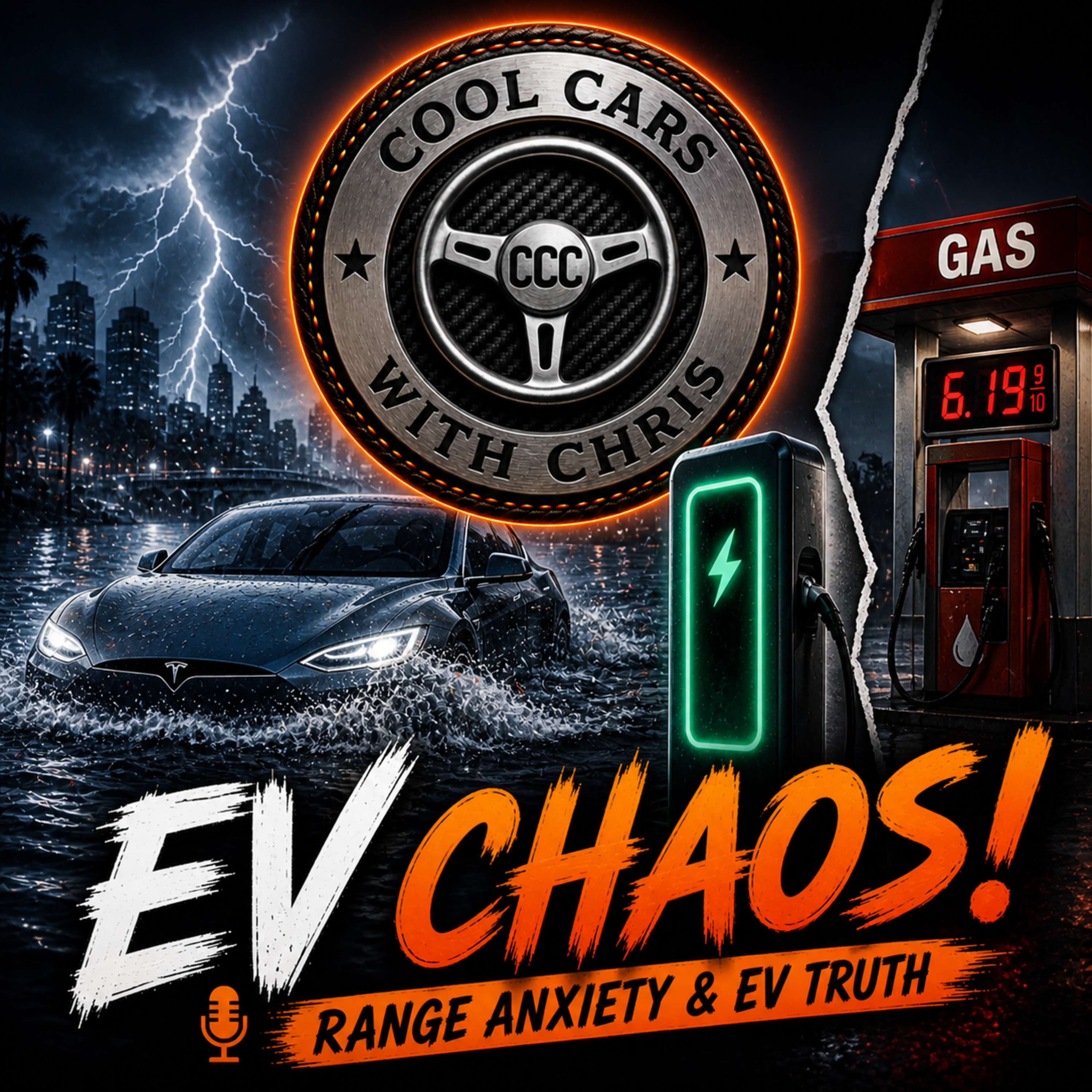
Range anxiety is the worry that your electric car’s battery won’t last long enough to get where you’re going. People feel this especially on longer trips or if they’re not sure where charging stations are.
Summer tires are designed to work best in warm weather, with rubber compounds and tread patterns optimized for dry and warm conditions. In heavy rain, they can provide less grip and longer stopping distances than tires designed for wet weather.
Low-profile tires have a shorter rubber sidewall. They can feel more responsive, but they don’t “absorb” bumps as well as taller tires—so wet roads and rough surfaces can be riskier.
A wet rating is basically how well a tire is expected to handle rain. If the tire says it shouldn’t be used in certain rainy conditions, that’s a safety warning.
Low treadwear usually means the tire has less usable tread left. With less tread, it can’t push water out as well, so the car can lose traction in heavy rain.
Hydroplaning is when your tires lose contact with the road because there’s too much water. The car can feel like it’s sliding, and steering/braking become less reliable.
Flooded roads are risky because water can get under the car and interfere with important parts. If the water is deep enough—or your car sits low—you can get stranded or damage the car.
“Submarine mode” is a nickname for when a car goes through water so deep it looks like it’s underwater. It’s not a real feature you should count on—deep water can still cause serious damage.
Driving through floodwater is dangerous because you can lose visibility and you can’t tell what’s under the water. Even if the car seems to keep going, water can still cause damage and make it unsafe to continue.
Car sensors are the things that help the car “see” or measure what’s around it. In this scenario, reflections in water might make the sensors think there’s something in the way when there isn’t.
Traction control helps the car keep grip when the tires start slipping. It can reduce power and/or brake individual wheels so the car doesn’t spin out.
Brake assist is a safety feature that helps the brakes work harder if the car thinks you’re braking in an emergency. The idea is to stop faster than you might by yourself.
EV just means an electric car. It runs on electricity stored in a battery, not gasoline. The hosts are talking about whether companies should keep investing in that kind of car.
“Switchovers” here means the big changeover in the car industry—moving from gas cars to electric cars. The concern is that if companies wait too long, they might not be ready when the market and regulations fully shift.
The Tesla Model S was one of the first big, mainstream electric cars from Tesla. It came out around 2012 and later had faster versions, so it’s often used as a reference point for how EVs moved from “early adopters” toward more regular buyers.
They’re talking about when electric cars stopped being only for early adopters or wealthy buyers and started becoming realistic for regular people. It’s basically about when EVs became “mainstream” enough to buy.
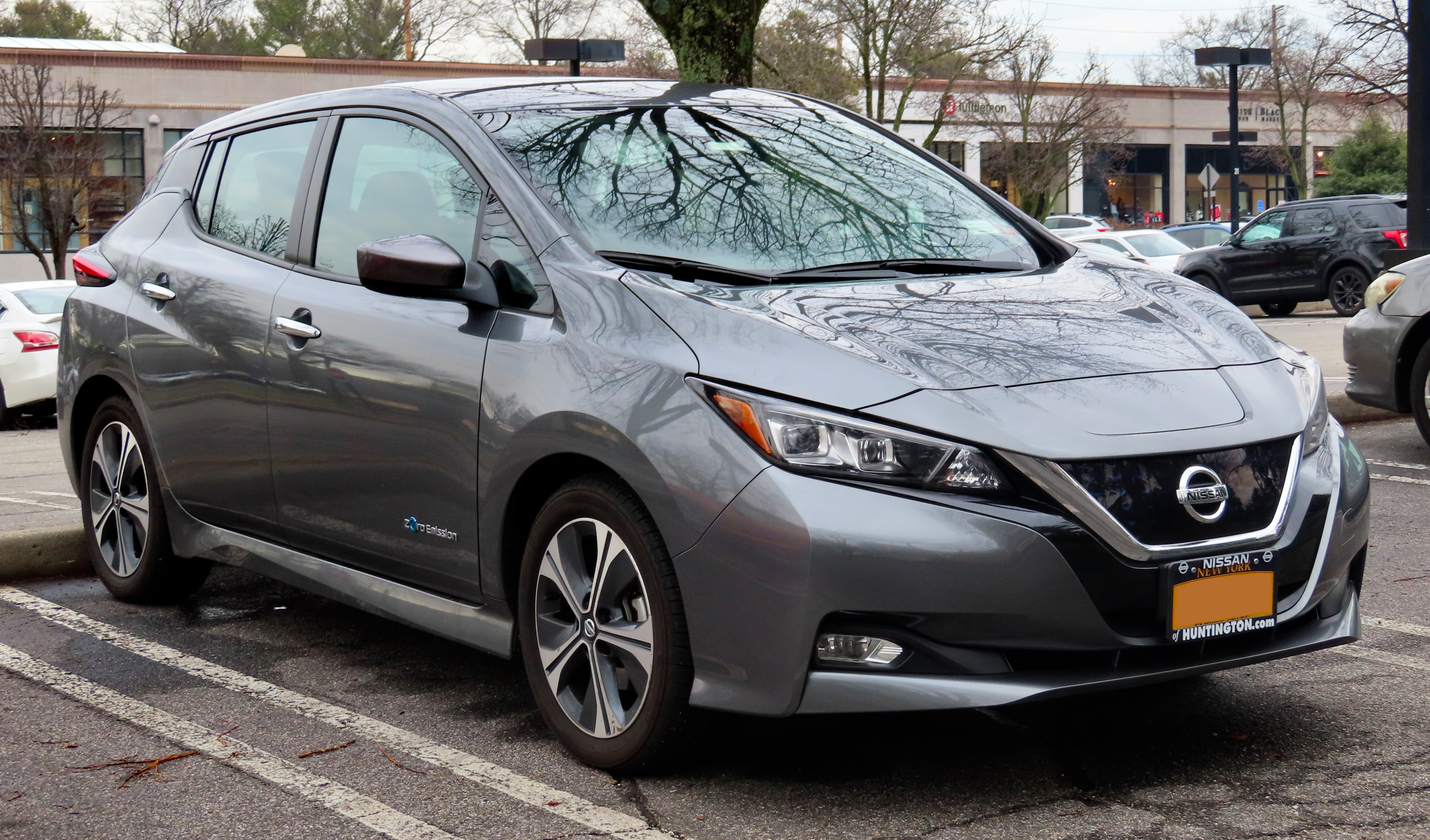
The Nissan Leaf is one of the early, more affordable all-electric cars. People bring it up when talking about when EVs first started becoming common. It’s also known for the early EV challenge of not going as far as gas cars on one charge.
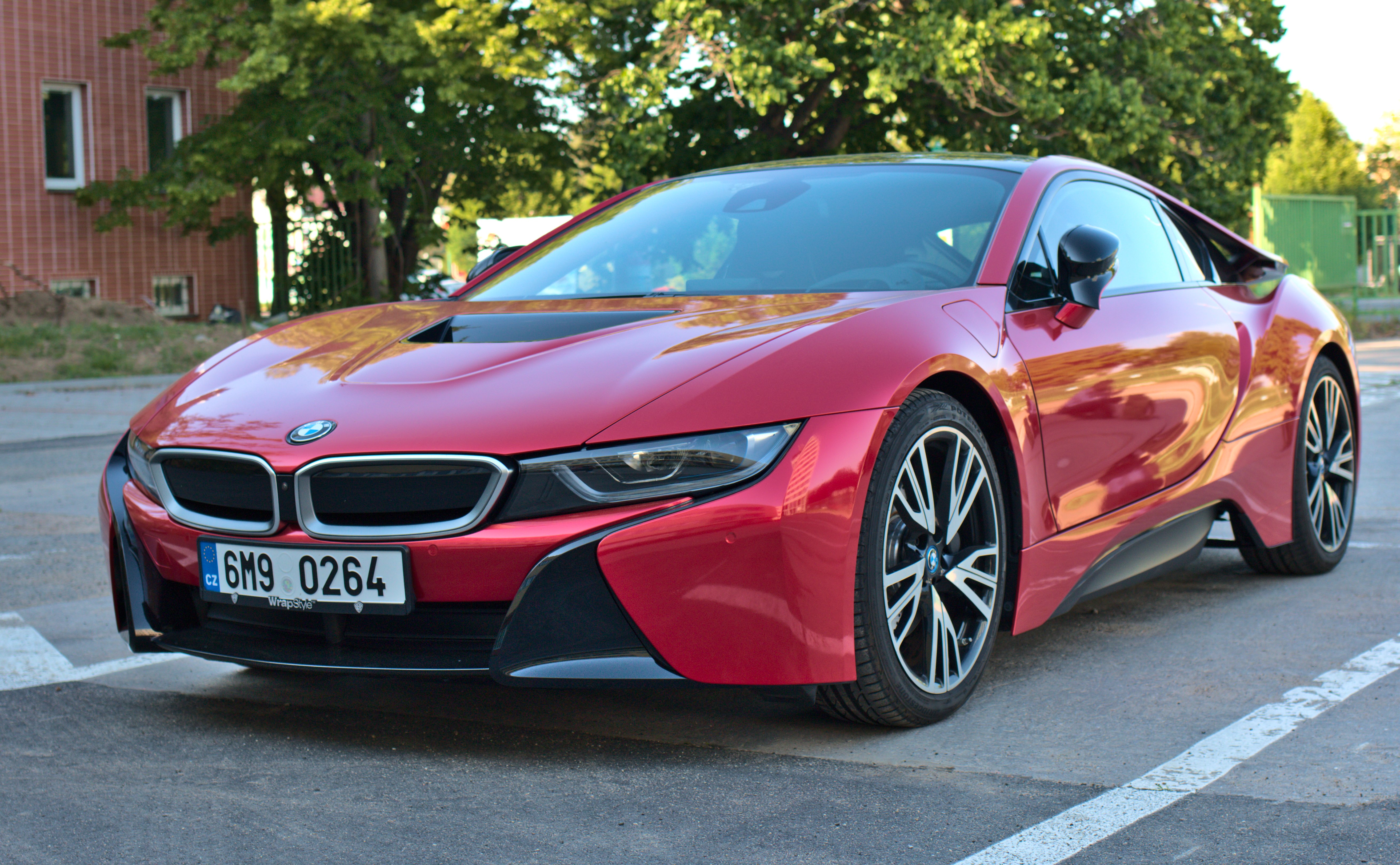
The BMW i8 is an electrified BMW from the early 2010s. The hosts mention it alongside the i3 to illustrate that, back then, only a few brands had electric or electrified models.
“Retooling a factory” means updating the factory so it can build a different type of car. The point here is that making EVs can require more changes than just swapping parts on the same production line.
The frame and chassis are the main structural parts of the car. The hosts are saying EVs may need a different underlying structure than gas cars because the battery and motors don’t fit the same way.
In an electric car, the battery is the big power source that stores electricity. The hosts are saying that for a full EV, the car is designed around that battery and then uses motors to move the wheels.
Term
motors in the every wheel
This is describing how electric cars can use one or more electric motors to drive the wheels. The idea is that the motors are built into the drivetrain so the car can move using electricity rather than a traditional engine.
The Hyundai Kona is a small SUV that can come in different versions. In this discussion, they’re saying some Kona trims are fully electric, while other Kona versions use non-EV powertrains.
Weight distribution means how the car’s weight is balanced. EV batteries are often placed low in the car, which can change how the car feels to drive compared with gas cars.
Samsung is mentioned as a company that makes batteries for EVs. Even if a car brand is known for EVs, the battery itself may come from other specialists.
Rivian makes electric vehicles, especially trucks and SUVs. The host brings it up to explain that EV-only companies have fewer choices if EV sales slow down.
Lucid is a company that makes electric cars. In this discussion, it’s mentioned as another EV maker that doesn’t have the same flexibility as companies selling both gas and electric vehicles.
The host may be referring to a “reduced power” mode that makes a car drive more slowly. It’s not clear exactly what mode they mean, but the idea is that the car limits performance to stay safe or save energy.
An ECU is the car’s main computer. It helps control how the car runs, including how the electric systems behave, and the host is saying Mercedes is doing something notable with that in its EVs.
The BMW 3 Series is BMW’s popular “regular sedan” model line. The host is saying BMW wants the new electric i3 to fit into that same lineup idea, and maybe even share a platform concept with gas versions later.
A tachometer is the gauge that shows how fast the engine is spinning (RPM). The host is saying BMW tries to make the EV experience feel familiar by using a similar-style gauge and controls so it doesn’t feel completely different from a gas car.
The Ford F-150 Lightning is a pickup truck that runs on electricity instead of gasoline. It’s designed to do the same kind of truck jobs, like hauling or towing, but with an electric motor. The podcast is pointing out why people are drawn to it, including its appearance.
Towing means pulling a trailer or RV behind the vehicle. When you tow with an electric truck, it usually uses more battery, so you may not be able to drive as far on one charge.
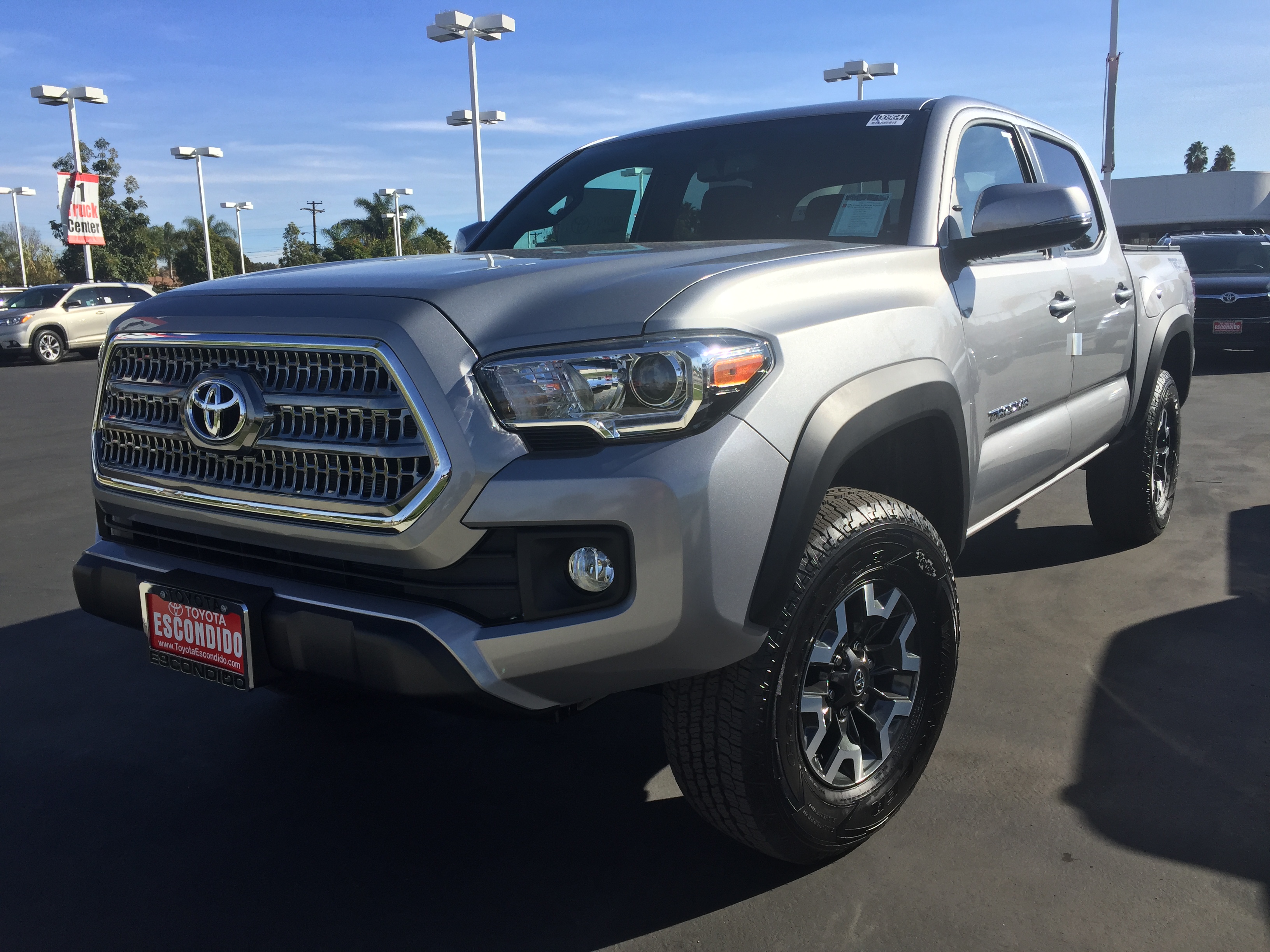
The Toyota Tacoma is a pickup truck, meaning it has a cargo bed for hauling things. It’s a popular truck that many people recognize by sight. In the conversation, someone thought the vehicle might be a Tacoma before realizing it wasn’t.
The Tesla Cybertruck is an electric pickup truck. It’s built to carry loads like a traditional truck, but it uses electricity instead of gas. The podcast mention suggests it was being used for towing a large trailer.
Charging is how an EV replenishes its battery, and the time/strategy matters for long trips. In this segment, the question is how much range the driver had after leaving a charger, which highlights how towing can change real-world EV planning.
The Tesla Model 3 is an electric car. Because it runs on a battery, you have to plan charging stops, and the car’s navigation can help you figure out where and when to charge.
Charge time is how long you have to plug in and wait to add battery to an electric car. It usually takes longer than pumping gas, so you have to plan for it.
Autopilot is a set of safety features that can help the car drive in certain situations. You still have to pay attention, but it can make driving less tiring.
Term
EV generator
Here, “EV generator” means using a generator to make electricity for charging an EV. The problem is that many small generators don’t put out enough power to charge an EV properly.
A range extender is like a backup power source in some EVs. If the battery gets low, a small gas engine can generate electricity so you can drive farther without finding a charger.
The Toyota Prius is a car that uses both a gas engine and an electric motor. That combination helps it use less fuel than many regular gas cars. The podcast mention sounds like they were talking about how it drives or how it behaves compared to other cars.
The Nissan GT-R is a performance sports car made for fast driving. People talk about it as a special car because it’s designed to be very quick and exciting. In the podcast, the mention suggests someone was trying to get one from Japan.
SUV stands for “sport utility vehicle,” a body style designed for higher seating position, more interior space, and often available all-wheel drive. The hosts use it to describe the buyer mindset: wanting SUV practicality while still chasing a specific brand badge.
The Lamborghini Urus is Lamborghini’s SUV. It’s meant for people who want the Lamborghini name, but in a more practical, higher-riding vehicle than a typical supercar.
A crossover is a “SUV-like” car that’s usually built like a regular car, not like a truck. The hosts are saying these smaller crossovers are so similar to hatchbacks that the difference can feel small.
The Hyundai Santa Fe is a mid-sized SUV—bigger than a compact, usually with more room for passengers and cargo. Here it’s mentioned as an example of the kind of SUV size the speaker means.
The Porsche Cayenne is Porsche’s SUV—more upscale and sporty than most regular SUVs. The hosts mention it here as an example of the bigger, more premium SUV category they’re talking about.
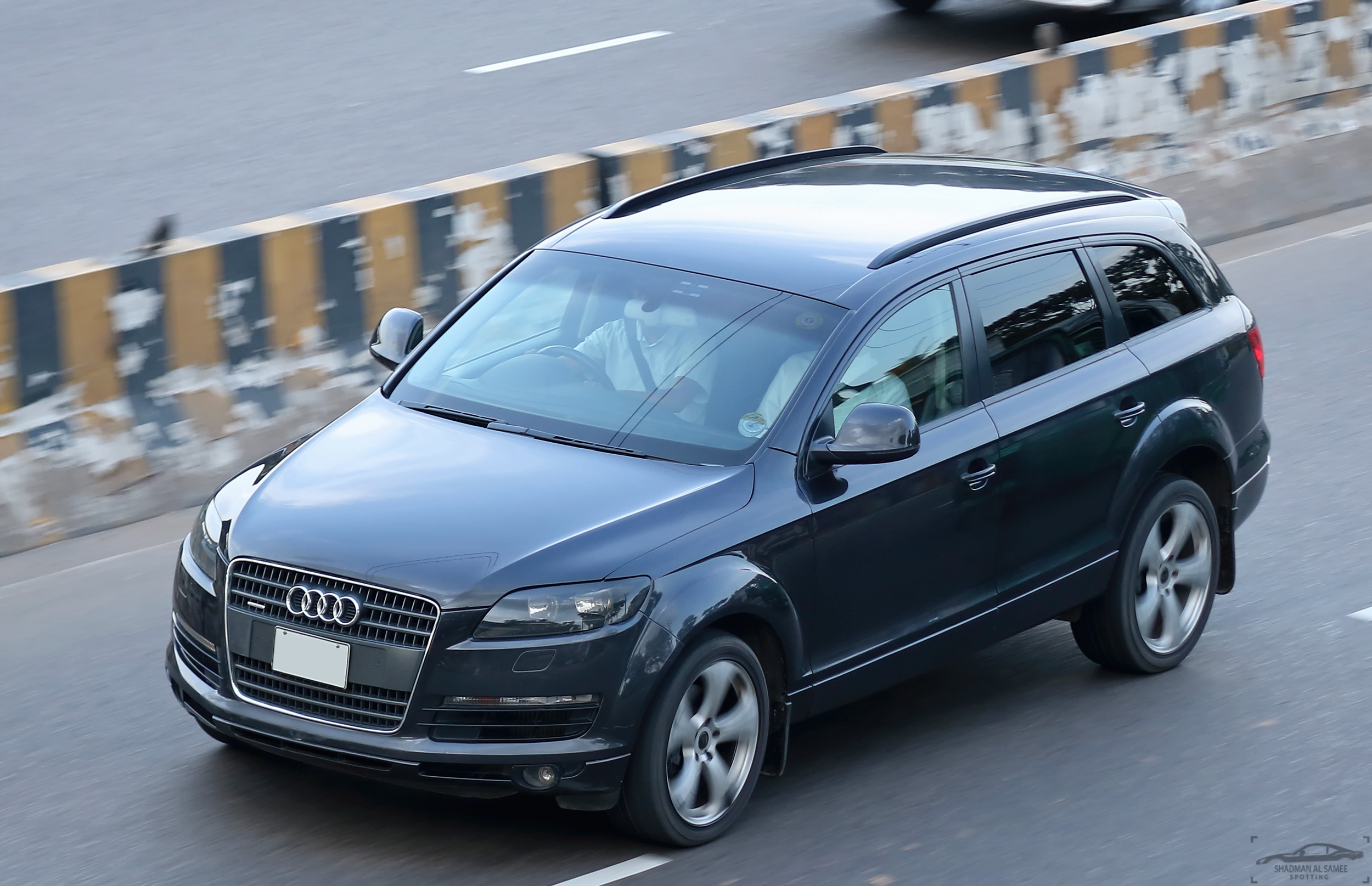
The Audi Q7 is a larger, more premium SUV (often with three rows). Here it’s mentioned as an example of the mid-sized SUV category the speaker thinks about when comparing vehicle lineups.
“EV hot takes” just means big, opinionated thoughts about electric cars—sometimes controversial. The hosts are basically saying they’re going to share some strong opinions about EVs.
LIVE
Hey, what's happening? How are you doing today? Thank you so much for being here. I am Chris
And this is the world famous cool cars with Chris check that out and on today's fantastic episode
We're going full on EV mode. Yes. Evie talked today and especially I remember time a few years ago a Tesla
Did something crazy right here in San Diego? You'll hear about that on this episode plus, you know
Major companies like the American car companies German car companies. Well, they're pulling back on their EV projects
Why are they doing that at the same time? China is ramping up their EV projects
You hear about that and of course topping it off. We're talking the reality of range anxiety
You know gas is crazy high as I record this episode right now and people may want to buy electric cars
Sometimes people want to feel the thrill and the excitement of having a gas powered cars
So, you know car companies like BMW are making EV cars
That sound and feel a little bit like an actual gas powered car. Huh?
Check that out and today's fantastic episode is brought to you by my company
Podtastic audio. Hey, look, I make this look easy
Podcasting is fun. It could be for everyone if you're thinking about starting a show for yourself or your business
Well, check this out. I can help you out. I'll handle all the production for you
All you have to do is show up and do the easy part
I'll do the hard part and take care of everything else end to end podcasting made easy made for you
Simple easy. Let's do this if you're serious by starting up show
Down below in the show notes of this episode. There's a special link click that link
It'll get you started and that way I can know how to best serve you for your show and
just because you decided to felt the form and
Actually are thinking about doing a podcast as my gift to you
I'm giving you a copy of my book the potastic playbook
Just for filling up the form whether you work with me or not
I think podcasting should be for everybody and that way I'm here to help you and with that. Let's go
All right, we are back with the world-famous
Cool cars with Chris. Of course a world-famous courage himself. How you doing anybody? Good man
I'm doing good back in the situation here
I know we had a chance to catch up today as well
And so always get to talk about some cars man seeing face-to-face man cool cars with Chris is live
Man it during the rain of all places man, you know, you know being in the rain
It's one thing if you had a cool car with like low-profile tires, especially like summer tires
You do not want to take that car out in the rain. It's low. There's puddles and it floods forget it
Yeah, yeah, I mean it's it was definitely it was cool to be I was cool to see the type of folks
They were still braving it in the rain
But you know, yeah, if you're you're on any situation of I just think about the fact of those tires
And I just got for the end the those performance or those a drag
Radial tires that I got like they're they specifically say, you know with their wet rating to not use them
You know really with any type of rain and so in a safe environment
It'd be I'd be curious to see just how bad it really would be
But it's definitely we got a pretty big downpour today
So, you know, if you were on anything this low treadwear you definitely wanted to make sure you stayed home
Yeah, and I wonder if your car sits really low to the ground because some places I've seen a lot of flooding
And I know you obviously should never ever go into a you know across like a lake
You think it's like shallow enough because I think if you get like well
How many inches above like your door your car is dead?
There's a certain level where your car is like six inches of water or something like that with your car is
Yeah, I think I think especially with lowered car
Forget it. You're done. You're dead in the water
Although I did see that cool Tesla video years ago in a big flooding here in San Diego
Do you see the one with a Tesla like full-on submarine mode?
And it went through this big giant puddle and the wave of the water like went over the car
The car was literally underwater for like, you know a second or whatever and it came on the other side
I never saw that. No, it happened. It feels filming downtown, San Diego big flooding
I forget how many years ago it was big massive floods
This is probably the year when the cars were like in the sewers and getting pushed down the drain like flooding a crazy
You know like San Diego's on the map for being like flooded out
It was during that storm that somebody was in a high-rise in San Diego downtown
Flooded streets in a Tesla went. I think it was a Model 3
It might have been and it went into the puddle where it says like flooded don't do not enter
He went there anyways and it went through the water and it just pushed and pushed and it was like
Full on like, you know, it's like a dolphin like going into the water like their head kind of skimming the water kind of look
You know, like all you saw was like the roof line
And the water kind of sheening off the back for a second, you know
They went over the hood and over the roof and then it came out the other side kept on going
That's that's pretty crazy. I mean I I wonder if that guy driving for sure or whoever was driving was like, you know
If he knew or if he'd done this before or this was his first experiment, but that's that's that would have been an interesting thing
I gotta get my Uber delivered, you know
Yeah, yeah, I got I got stuff to do and this rainstorm is not gonna hinder
Well, I wonder though too is you've hit the puddle like that because I've hidden big puddles before different vehicles and
The water just like flashes over your hood and your windshield. You can't see nothing
So it so you're going through like that
You can't see anything because you were literally just a wall of water
It's just like right in front of your windshield and you're just cruising along hoping to God
There's nothing on the other side of you as you're driving Jesus. Take the wheel moment moment
Because because literally you will slam right into somebody because you don't even know unless I mean
I'm sure Tesla has these cool features where they have like, you know, different sensors and things like that
I wonder how they would react
Yeah, how they would be reacting when you have when you're surrounded by water because there's they aren't like, you know
Things it'll probably pick up like just reflections and things in the water that might make it seem like there's there's things in a way
When they're not but that'd be an interesting thing to see like how how those sensors and things will be like
I wonder if he was just in the car and all you heard were just beeps and
Alarms going off left to right and he just like screw it. I'm going for now the question I have it doesn't have some kind of like
Override like a brake assist or almost the way kind of how like, you know, traction control works where it kicks into brakes
Let's do something like that. Well, you're you're saying screw it. I'm going through this right now
This does just like fighting it
Yeah, the Tesla like the brakes right now because if you hit the brakes you're literally underwater at least up to your door
And water I think I think it must have been up to like his handle door handle ish somewhere on there
They get that kind of water got hit over the thing. I wonder about that
But speaking of EV's at you know, Courage's EV take what you got today, buddy
Yeah, so I was listening to a couple of different different pods and some different there are other podcasts out there
There are other podcasts and I
Every once in a while indulge in other podcasts
I do indulge in this one every Monday though. So okay, there we go
But nonetheless, it was it was something I thought was interesting that I you know
I want to obviously get your take on too is you know, we we talk about EV's and you know
How they kind of have their place in the market. They you know, they do some things very great, you know
I feel like that's undeniable. They they have room for improvement in a lot of areas and
Well, we have the solution for them to help it out
But but you know, I think that at the end of the day, like there's a consumer market for them
And there's there's people that swear by their EV's and one thing that really is stood out is that a lot of American companies are
And not even just American companies it, you know
There's some German companies as well and things like that that have started to shelve their EV projects that no
Pretty pretty, you know into the last, you know, probably last two years prior to this
Well, just wait until gas is pretty high right now
I would think that people would want to buy an EV right now with gas being, you know
Six bucks eight bucks, whatever it is where you're at, you know, yeah
Yeah, I mean I
Not to derail on that but I was filling up the my wife's car the M the M35 and I have I think that car has about a
17 16 17 gallon tank or something like that and
You know, I was at my usual pump that I go to right down the street
And I went in to go grab something in the store and just let it pump because it was you know
She pretty much like had it all the way down
So it was it needed a full tank and I came back and it was it was being pretty slow
It only had gotten up to 10 gallons, but it was at I think 75 dollars or something at 10 gallons
And I was like this is about to be close to a hundred dollar fill up right now
And it's already taken it this long to get to this point. I was like forget it
I'm just I just don't even feel like paying the extra 25
It was on E right it was on E right like loads. No, it was it was a little bit above the quarter tank
So I'm a little bit below quarter tank. Well, it's a first because I've never seen any woman ever
Hey, fill my car up. It's never been above quarter tank. It's never been. Yeah
Yeah, well, luckily for we really don't drive this
It's like really just city driving like around here like five to 10 mile stretches and so, you know, that's
But it got to a point where I was like, okay, we got to go get some gas and and yeah, you know gas gas prices are
You know, they're one of the things where it's like we're going to get it regardless
But you do start to kind of realize especially when you have a larger tank in a car like the ends tank is so small
It really like filling it up really does
12
Wow, that's a couple gas cans right there. Yeah. Yeah, you don't even just carry things around with you
Yeah, I even have a I have a five gallon little gas can like that
I actually use the to fill up the minibike which still still got some things to work on on that old that old frankenstein thing but
You can evil
Yeah, loving it
But but yeah, I mean just you know gas is a factor right now and people are you know, like you said
potentially looking to make that
A decision to maybe have like an ev just if they're commuting a lot and they don't want to have to deal with it
But you know really just curious to your take on you know, does it make sense?
Does it does it feel sort of short-sighted in your opinion if you know companies are saying well
Even though there might be a slight uptick right now in evs
We don't see the long term in it right now because a lot of people are not really buying the evs that we've invested all this money into
So we're not gonna we're gonna shelve the projects. We were already gonna build
While on the other hand you have a lot of these chinese companies and other companies that are literally taking evs to the next level
and
You know, do we put ourselves in a situation where we're just not going to be ready?
When we do start to have these switchovers and and now we're just caught just kind of hanging out while
All of our lunch is getting eaten by all of these companies that are saying hey
We know it's coming down a row like we're going to invest in it and make it happen
Now and then be ready for the future
I'm just curious if you if you feel like it's the right move for for companies to say if we're not getting the immediate benefit right now
We're not going to invest in it. Well, here's the problem. I think how long have like the general
population like general consumers
How long do you think the ev car itself has kind of been
Basically in the current format is today like how well how many years has it been on the market for people to buy?
You had some early examples like probably and I mean you've had like one-offs here
Or something that that was yeah, I would say like late, you know really like
I would say still one off because the tesla the models the model s or model. What's the one that's well?
They had the roaster initially. What's their their generic flagship cars? I like that was the s. Okay. Yeah
I think that was like 2010 2012 something like that
It was been a long time, but I think after that
They're not the only ones in town anymore. There are other other companies and even Tesla themselves have got like cheaper versions
So I would say when like general public kind of car. I would say probably in the
You know
Not the rich person's electric car version, but like more of like a regular person's electric car when those cars kind of hit the market
Was that like probably was that 2020 before 2020?
Hmm. Well, because you did have yeah, the model s that came out in 2012
I'm just reading up here the model s initially was available to trans based model
Which was 60 grand but in 2012 money and then you had like the performance variants to kind of went up from there
And so it's like 100 grand probably
Yeah, like, you know with inflation and things. Yeah, you're probably you're looking at, you know, 70 80 grand car
And to the general populace like yeah, that's not just a car that you're just jumping into
So yeah, I mean, I guess really you're
Your your benchmark really I think would be when you were getting things like the model three
And I'm curious
I'm saying like other car companies that are because Tesla's never gonna not do EVs
So they don't I don't think you really count. We're talking about car companies here that
That make car like regular gas powered cars and now they you know jumped into the EV game
And what point did that happen? I'm cute like because what my mind goes to the Nissan Leaf actually
I'm curious. Oh, that's probably around the same time. Yeah, but that was like
They didn't make a bunch of those like it was only one car
I don't think it was like they had a bunch of EV cars, you know, they like have today
That's I think we have that was a bit more of an experiment for though
Right. I mean if you want to buy it great if you don't want to buy it great other cars to buy too
but
I think today almost every car company's got like EV versions in their lineup some have more than others
I don't think other than tesla and like
Rivian and what's the other elucid?
You know, you know companies like that. I don't think they count
I'm thinking companies that originally were, you know, gas power companies. They brought in some EVs to their fleet
How many EVs do they bring in and those EVs probably they did okay when gas is crazy high
People buy them, but when it's like, you know coming back down
You know, maybe people like switch back over to gas power and maybe, you know, there's a lot of variables
I think like I said, it's all about that what I call it. It was the you couldn't go so far on an EV car because
You're stressed out because you couldn't you worry about, you know, the range anxiety. That's what I call range anxiety
That's a big fear too. I think
But I I just kind of wondering how many years have we had like all these other car companies hit the market with their EVs
Like you got tia. You got hundays got some forwards got some I think they all have got them
I don't I don't think there's a company out there that does not like not have any EVs in their lineup
Yeah, and yeah that that point is is you know, I I see the the
Conclusion you're getting to and yeah, like that that point of where it was like, I don't want to say critical mass
But where it was more common place to have all these brands was definitely probably a little closer to like
2015 and like, you know, I'm even I'm even looking like 10 years maybe
Yeah, the last 10 years because I was looking like the a couple of like more of like again the experimental car like the leaf
The uh, I don't know if you remember the original i3
The i3 and the i8 like both of those were like around 2012 2013 time frame
And so that was when it was like, you know, we knew that the companies were diving into it
but it wasn't as if like, you know every
manufacturer had something in their fleet where it like fit this kind of niche of EV cars, but
Yeah, I mean to that point like I said, I think you're right around like a decade or so is probably like the time frame where
EVs were regular space amongst all of the other gas powered cars for sure
And so that being said you're saying now that some of these car companies are actually
Pulling back their EV production
Probably it's probably the numbers if you look at how many okay first off
If you're a car manufacturer, no long it takes to like retool a factory
To pump out a particular type of car
And especially especially EV car
If they don't use I don't think they use the same frame and chassis as it may look the same
Maybe the same body maybe but I don't think that the frame has got to be different the chassis got to be different
I don't like I don't think you're
Whatever I said, it's your first off. Is there a electric version of your car the launcher?
There is a hybrid version, but not a full ev the launcher and it's a full ev would be like
The frame is battery and it's like motors in the every wheel kind of deal or at least two motors or how they do it
You know, but I think the body itself it just slapped on, you know, like that's why yeah
And that's that's to that point like the the kona the kona has like a full ev version of the kona
But then they have the different kona versions. They aren't ev
And and yeah to your point like you're usually supporting like, you know
The weight of like these massive battery panels they have to go in and so there's for sure different chassis construction to
accommodate for the fact of you know, this car weighs so much more because of his batteries
Versus like a gasoline car and just distribution of weight and all of that too. So
Yeah, you know, I don't think they come out the same factory. They got these different factories, right?
Maybe no, I agree. Yeah, maybe the body does maybe maybe like the you know, the radio knobs and that kind of crap
But I think like the the actual like the part that matters, you know, the battery the fray
But all that stuff
It's got to be either in a different factory built somewhere else shipped out
Maybe maybe it's made somewhere else and then well, a lot of times the batteries themselves are manufactured by somebody like totally different
Like of course tesla tesla did start to manufacture their own batteries
But I I'm air quoting over here because there's still like big players in the battery space like catl and samsung and different things like that
Like, you know, they they still kind of because of just their expertise in batteries
Like they they probably still have some hand or a roll and like in in those batteries that are said made by tesla now
But a lot of times earlier on at least, you know, those batteries were really coming from other manufacturers
And just getting adopted to whatever platform they were going in. So to your point though, that's like, you know, again
That's that's a totally different
construction method to
You know to a gas power car and you do have to completely retool a factory to be able to to build
A different car than you would be building, you know
Do know about it all the time where they they say like, you know, certain cars in you know, in michigan and detroit
You know, we're built at certain factories and like they actually ship certain cars actually
Overseas or well now overseas, but they they were built in canada in certain factories like
You certain factories are tooled to build certain cars even in like a say in the same manufacturers lineup
So you're talking like two different technologies of car, you know gasoline power versus
EV that's going to be a complete change over for sure
And I'm sure it's not cheap and I'm sure if they're looking at their books, they're seeing, I mean the sales has got to be like
Maybe it's like one EV for every
five
You know or 45 or four maybe gas powered cars of equivalent price range, you know
And then and then maybe looking at the bean counters are looking at that and they're like, well, gosh, I don't know if you know
I don't know. Maybe you should maybe you shouldn't you know hold back or whatever
I think too is that they could they can do that because
A company like tesla or lucid or rivian, they can't do that
They can't say well, let's just lead into our gas cars because they don't have any
Where american car companies and other car companies that do kind of both
They can they can pull back because they have other means of transportation. They sell you, you know
So it's not just one flavor. They got other things they can sell you
But I don't know man, you know, I mean EVs EVs are fun. They're fine. They're great
They're they're I listen they're fast or fun. Although for some reason, I don't know what this is
I don't know if you notice this too or not
on the freeway
Every time I get on the freeway, I'm driving behind a slow tesla. Now. Why is that?
You either get a very slow tesla or or a very, you know, aggressive tesla
Like there's like no real like in between lately. They've been a lot of slow tesla
Now is this thing going to like lip mode on the freeway or something like that?
They're going like battery saving motors. No, they've got range anxiety and they're trying to
I guess so I that must be what it is because every time even on my work truck, which is supposed to go 55 wink wink
Yeah, 55 I'm passing them. You're you're you're having to go around
That's I'm saying like what is going on with these guys
I'm noticing mean teslas
Me not so much on the other EVs probably could really notice the other ones kind of look like cars
It could be either or so I can't really tell but at least with either the tesla, you notice an EV
You know and so but I've noticed they've been going really slow lately. I don't know what's going on with that
The ones that the what I really commend is the germans and and their car is like the bmw's and the in the outies
Even mercedes like I mean mercedes is doing some interesting things with like their ecu line, which is you know, they that's
That's definitely more of like their futuristic EVs where you can pretty much tell that those are EVs
But bmw particularly is interesting because like they've they've really and one actually thing that's kind of
Kind of related to this is that they they teased a new
I3 we were talking about the the original i3
But they they teased a new new version of the i3 that basically is going to kind of serve as
Like the the the three series lineup of the car
So it's it's no longer kind of like this weird hatchbacky kind of thing
Like it's it's going to really just be like, you know, like a regular three series
but
And you know an ev version of that and then they might potentially use that to build off of
For like a gas powered three series
But bmw has always found a really good way to make their evs just feel like regular cars
You know like the gas pedal and like an actual like tachometer that makes noise and things like that
No, I just mean like their design like, you know, just their design and oh, okay
They you know, they have like small cues that they're evs
But they they never really like made them like
This has to stand out as to show everybody that i'm an ev
They kind of just took their basic like design of a sedan and just made it into an ev
You know, that was I feel like why a lot of people like the four lightning a lot because if I liked it
It just looked like a regular truck. That's why I was considering buying one when it first got announced
I was like, listen, I'm not a big ev guy, but this would be the ev I'd buy because it virtually is the same truck I have
Just electric, you know or whatever, but I heard a lot of bad things about that truck
I heard I heard heard the towing was like not what it said it was going to do
I heard range anxiety
It was like by half or whatever dude one thing on towing though
This this isn't related to these
I was uh, I was on a drive up to Reno a couple of weekends ago
Guess what I saw towing a toy hauler rv going up up into the mountains
Okay, let me guess was it a truck or suv? It was a truck
Was it like a Toyota Tacoma? No
It was an ev I'll give you a bigger hand
No
The the cybertruck I saw a cybertruck hauling a big toy hauler ev up going up to
I think they they can haul tow. I think they are rated for like, I don't know how many pounds
Oh, yeah, they 100% are it's just that I have never seen anybody do it
Like outside of like, you know kind of demonstrating that they were towing something like just to see like a regular like
an ironic situation of somebody towing like that was the first time I've ever seen that like both me and my wife were like
Like taking a back because like we've just never I've never seen anybody doing it
Did make you feel like it'd make you feel like the first time you saw one in person
Yeah, it was like wow that thing
It was like, yeah, I was like in a new light like oh
I'm actually seeing like, you know an ev truck do it an ev truck
I guess it's supposed to do it's like towing something like it was it was an interesting experience
Now the question is how much range he got towing. Yeah
He had just left from from charging probably and and is on the next station
He's planning out like his next charging
No, no, what if that truck I'm sure I'm sure the Tesla is in that truck too. I'm sure it tells you like
Hey idiot, we got to get juice real soon here like pull over the next whatever
I'm sure I tell a short map. I'm sure it kind of maps it like auto maps it
What I've yeah, I've rented a couple of model threes
Which I that was a feature that I really like, you know, I rented a couple model threes and drove out to like
Palm desert and like actually I think I went all the way out to Arizona and one of them
And there was you know, again range anxiety was still a thing because there's certain areas
Going towards like, yeah, Arizona and palm desert where you have long stretches
Yeah, long stretches of no ev charging and so one of the places I was going to was
I basically had to charge fully in in the city as I was coming into
Palm desert because I would need the juice to get to where I was going and get back to palm desert to charge again
If I was at like say half percentage and I tried to do it
Like I would get stuck somewhere in between and there was no where charging station
So but the map will tell you when you put in your destination
It plans your route around
Where you'll need to charge to make sure you you have you have the range you need and it does that like automatically
You have to like program that and I'm actually says hey, this is the route you got to go
Yeah, it'll let you know like if you know if your percentage is is going to drop below
You know a certain percentage like it'll say like you need to charge here
And then continue on to like your your either your next destination or your next charge
To keep you like in the flow like it it wouldn't let you it basically the navigation would say like if you were going to try and navigate here
Without charging it would show you the negative percentage if you were going to be like depleting your battery
Which obviously you don't want to do so I'm sure like the other UVs do it
But I did really like that feature and in both the model 3s that I drove, you know recently for sure
I say recently it was like two years ago
but
You know that that was a real thought out feature that I was glad that they had because
It's sort of alleviates the range anxiety except for the fact that you now have to plan for an extra
Say 15 20 maybe even 30 minutes to charge time for that dude. I gotta go man. I got place to be
My gosh, I was running all around town today man. Do you have a rank anxiety?
My gosh, I'm late for this way for that
So, I mean
I listen I think I think evie's are fine
They're fine for somebody that doesn't want to ride the bus or take an uber. They're like a step above that
I'm talking about some low hanging bro. I mean, I mean it's literally a step above ride the bus
We could do we have a solution for you like
They should they should really put evie ads in back of like bus seats like that's a brochure
You could be doing something better than this right now. You hate riding this bus right now. Guess what we have for you
And it charges your phone for you while you ride anyone just like the bus here
You can put an autopilot and let it drive for you great. Yeah, you know like I said evie people by evie's literally
Okay, first off. I think evie's are really popular here in southern california. I tell you why it's because we're so spread out
We are very spread out here
And you need a car like people like in new york city, for example
I was in new york city
and people all take the subway they call it the train but subway it's the same damn thing and
They take it over the place and they ride over all over the place. That's all they it's all you do
Maybe taxi here in there, but it's all like that kind of stuff
And so here we don't have the I mean there's kind of public transportation the bus is kind of but
It's a big pain. It's not the same. same as riding the train in new york city
And so it's a challenge something to just jump in like you know to to go, you know a little short distance here and there
Yeah, but yeah in york city it goes everywhere and when I went to new york city you
You pay a certain fee you get into the network like the subway network
And you can take the train anywhere as long as you don't leave the subway network like get out to the street
You can ride it anywhere you want anywhere it goes. We're talking up north down south everywhere
And and people do it all the time and it's always running. I think in 24 or 7 I think
And so they're pretty fast to you get don't stand stand close to I don't think it'll kill you
Because it's like going like 80 miles an hour flying through there
But but here I don't look we have a standing with trolley and we got a few things here
But if you live in areas barriers network is you know up north is
You know pretty pretty fleshed out like Bart, you know, I took that a lot in high school and everything
Oh, so you got a few figured it out though. So it's pretty easy to figure out the system and that kind of stuff
Yeah, and it's it's definitely yeah, you know trolley is kind of the san Diego trolley is kind of starting to get there
Because there was a lot of sections of san Diego that you couldn't make it to because the trolley just
Or you take a bus you jump from one to the other
Yeah
Which it sucks
And then you gotta know the schedule the bus and you have no different lines like the blue line the green line
Whatever line it is
Where's it go different kind of thing and then you're spending like range anxiety
You're talking spending your whole morning figure out like how many hours
Does it take me to work like what I think it when I had to get to work
And I couldn't use my truck because the parking situation here
I was taking an uber to work or get uber back or ride back and that kind of stuff
It did get expensive me tell you
Because you don't you you said you're like near like Coronado area for anybody who knows like san Diego
Well, yeah, so so the downtown every every day
I think it was like 50 bucks a ride me 40 bucks a ride one way
And then doing that every day for work and then you know, that's so it's like a car payment right there
Yeah, a lot whatever
So but I but I definitely can see when people get used to that just getting in
Ordering an uber and just like be on your phone all the way to work and just you know doing nothing
Or maybe talking to the guy or whatever kind of stuff it gets very addictive
I can see it but it doesn't get very expensive
But that being said like like I think that
having an EV
Gives you the luxury of having transportation. That's really what it is. It's just it's just transportation bear minimum
Like what's your what's your benefit of this is like you have transportation of your own
And you get cool, you know features like all the cool gadgets and bells and whistles and all the cool
electronic stuff and sensors and the cameras you get all that cool stuff
right, but
You know, I don't think I mean, okay
I guess you get the throttle of response and it does have a rocket ship feel to when you step on the gas
I I get that the party trick of an EV
Super cool. I get it. But I just I just think that like
You know, I don't know. I was driving you enjoyed if you get any type of
More enjoyment than just getting you from point a to point b
A lot of times you need something more than what it are in any v can offer like
Yeah, sometimes it can do that. Like, you know, again, the acceleration party trick is fun sometimes like and and to be totally
Honest as well. Like, I mean, I feel like in in the off-road space
Like EV EV
I I've said it before that I do actually kind of see the appeal of you know, EV trucks and EV SUVs
From that perspective, but if you're going to the middle, nowhere if you're going out the middle, nowhere going hunting or whatever
You're going to the hills like right in the middle of nowhere
Like range anxiety becomes another
Because range heart attack
Yeah, because you're going like some of these places people go camping and hiking and like
It's the whole thing jeeps whole thing is like, you know, we can go anywhere kind of deal, you know
And you can't even like with a jeep like you can be one of those guys that carry like the uh, the terry can
Along your frame. It's like you can't carry
EV generator
Generator or whatever, but I don't know
Let's see work if you took a like regular like
Camping generator and you like rain gas. Can you even charge your car off it?
No, like, uh, just imagine if you know that little battery powered thing that I brought when we uh, went out to willow spray
Yeah, just you just you know plug that plug your obviously you can't because there's like you dig this whole like extension that you would have to
You have to put on to that and the charging amperage like you can't even get anywhere close to that
So so yeah, like that's that's the part of it where yeah, like if you're in, you know
Yeah, you can do like some light camping at like a campground
This may be like, you know, say an hour outside of the city or something of that sort
Maybe I mean maybe that's even a stretch
But you know if you're really in like a remote remote area and you just so happen to miscalculate
Things which are with your range like that could be a pretty bad situation
Well, a lot of now are doing those range extenders which is like a little gas powered motor on the car
It just powers the generator
It doesn't even like you run a motor motor for the car just runs a generator to charge the battery
Which really would need which was that and that was kind of how the Prius like, you know
And I think you probably steal how the Prius is is that like the battery is like or the the the engine is just a generator
And it uses that to you know, generate the battery power, but the drive is still from
EVs and and you know, I guess really just at the end of the day
Yeah, I think I I agreed it like there's just there's so much that needs to still improve to really kind of make EVs
You know really a a dominant, I guess transportation method
But also like, you know, you just don't get the same passion that you get from you know
If you're into that like if you really just don't care like, you know about driving
And again, you just want to go point A to point B like yeah EVs do it
But there's other elements that they can't fulfill but I I think too though is that it's it's it's going to be an interesting situation
like to that original point is if the if the companies themselves are not
Looking to innovate the way that they already had planned to innovate before
If these american companies and some of these other companies are deciding not to innovate
Even though the sales aren't there
We're probably going to be driving BYDs and and Zeekers around. I think you're talking about that
I I think those cars look amazing in the chinese EV market
They've got some really cool tech cars coming out or actually are out right now. The problem is
We can't get them
You can't get to the united states. I don't know how you get them. There's got to be like tariff
There's so much tariffs on that that it might as well
Buy like a Ferrari or something, you know, I'm saying like it's ridiculous
So, you know, it's gonna be a real niche type
Yeah, almost like almost like trying to get like like a special GTR from japan over here if you're filling within the window of
Whatever I mean one of five years or whatever it is
And I think that I seen some of those the zikr or whatever. I saw that thing. It looks amazing
Features that are probably 10 years ahead of anything here, you know, like crazy features like no way and it's like price
I think it was like 50 grand which is like crazy something like that here would cost like 150 grand
Yeah, that was that's one thing that comes to mind and not to belabor belabor this but
You saying that just kind of made me think of something where
And I think it's just like our human nature where it's like when we see an opportunity or we see like
You know, maybe somebody else that might succeed in something. We're like, oh, we got to figure out how to do the same thing
but
maybe
We just let them have it
like
If the chinese companies are gonna like if I mean as far ahead as they probably already are with a lot of these technologies in ev
and you know not to say that we just don't do anything but I mean
maybe let them like just run that race and
We do whatever it is that we're doing but I mean
Maybe we don't necessarily have to be in a direct competition. Oh, we got to catch up to what they're doing
Over there in ev space. Like I mean, they're they're building some cool stuff. B. Y. D. He's got cars did jump now and
night rider
Yeah, like, you know, the all these yeah, like all these like night rider james bond type features with these evs and
You know, to be honest, like they kind of
They kind of need that because other other than that, what else do they got going for them in the automotive space?
Yeah, but I can say I don't know how you get them here
You know, it sounds great about how you even get them here to us
American companies are like, well, who cares? They can't get them here. So what do we care? You know, that's that's their
Yeah, that's their their gating item right now is like, yeah, they can do whatever they want
They can't get them over anyway the market
Like shifts where they're seeing the results in their bottom line
They probably don't even care. They're like, eh, whatever. That's cool. That's fun
But if they can't I mean, like I said, if if if their ev sales are down and they're and they're in the beam counter saying, wait a second
You know, like our our evs aren't selling that great, but the other cars are
Why do we do them wasting time with evs? I mean, they're in the business to make money
You know, they're in the business to make cool cars. Is that why Nissan is like, okay
Nissan's trying to get back and making some cool cars
But still like for a while there they kind of ditched a lot of the cool stuff
And then went straight to like boring scvs. A lot of companies did
You know, like that like that whole small scv, you know club is like a really popular niche of car
Every manufacturer just like Kia, Hyundai, you know, Ford, Chevy, they'll have them
You know how he's like mid-sized small scvs because you know, why?
Even the big companies do
I don't know how to consider Lamborghini like
Yeah, just that urge though that I mean that is fast. I'm sure it's great
But it's like it's I mean, it's literally like the choice of anybody that's like in in that bracket or that world where they're like
I need I need an SUV, but you know, I want the badge of a Lamborghini
It is the cheapest Lambo you can buy though. It is. Yeah, it is
So if you want to get the Lambo badge, but you want to spend like Lambo Lambo money
You want to get your foot in the door? That's probably what they get into that and I heard their
Handled great. I'm sure the greatest of these but I'm saying like I don't think a Lamborghini Urus compares to like a Kona
of a Hyundai
Oh, no, and I I think that mid crossover is like that that like, you know compact crossover
You know kind of realm is it's such a it's it's so close to just being just a hatchback at the end of the day that
My mind was going to something bigger like, you know, like the
Say like the Santa Fe or like the you know, even like, you know, the the cayenne like the cayenne's and the you know
Something that's like a little bit more of like that step up of like, you know
Not compact SUVs, but like mid-sized SUVs, you know
That that my mind kind of goes there a little bit where again, like, you know, the the cube the q7 or the
I don't quite remember Audi's like terminology and everything
But they they have a lot of like companies have that mid-sized range of SUVs just like
Plotted out and it's been like that for a while. Well, they sell man. They sell. Yeah. Yeah
I mean people I mean companies are make stuff that sells and if EVs are not selling
They're probably gonna pull back and that's gotta be what it is
I mean, you know, they got some cool stuff coming out there from
China
But you know, I mean, maybe they're like, we'll see what happens, you know
Maybe we'll see we'll see what happens and then they'll just just steal their technology and make their own
We'll do what they what we will we claim that they do all the time. We'll just
Do that or we'll say they saw our idea first they made them, you know, whatever
I don't know how this point fingers every point fingers everybody
Well courage man. This has been so fantastic talking about EVs encourages EV hot takes tonight, man
Yeah, I haven't had my EV soapbox for a little while
So I figured I'd throw that in the mix. I'm gonna get you a cool little plugged in like juice sound effects
Like electric sound effects, but they have you encourages EV takes on the show
So hey, where can everybody find out all about you and your cool stuff, man
Yeah, feel free. You absolutely check out the driven dad 22 on instagram and youtube
I don't have a lot of EV content. So you've probably be pretty surprised about that
But nonetheless, feel free to check it out if you guys are interested
Fantastic, you can find out everything about this show all the links all the cool stuff right there at coolcarswithchrist.com
Links to everything will be in the show notes down below and we will see you on the very next episode
About this episode
Range anxiety, EV sales, and automakers pulling back on EV plans set the stage, with China ramping up at the same time. The discussion then pivots to real-world risk: low-profile summer tires, poor visibility, and how floodwater can leave you “dead in the water,” plus speculation about how Tesla sensors and braking logic might react. Between freeway slowdowns, towing, and trip-planning navigation that schedules charging stops, the hosts weigh whether EVs are failing—or just still evolving.
In this episode of Cool Cars with Chris, we break down the real truth about electric vehicles (EVs), including the growing debate around EV vs gas cars, EV range anxiety, and why major automakers like Ford and GM may be pulling back on EV production.
We dive into a shocking real-world Tesla flood test in San Diego, where a Tesla Model 3 drives through deep water, raising questions about EV durability, safety, and performance. We also explore the future of the electric car industry, including EV charging infrastructure problems, EV road trip challenges, and the rise of Chinese EV companies leading global innovation. From Tesla, Cybertruck towing, and BMW EV driving experience to the reality of charging time, battery technology, and EV adoption trends, this episode covers everything you need to know about the future of cars. If you're researching electric cars 2026, EV problems, EV benefits, hybrid vs electric cars, or the future of transportation, this episode delivers a real, unfiltered perspective on the evolving automotive landscape. 🚗⚡
This episode is brought to you by Podtastic Audio—offering professional podcast production, audio editing, and end-to-end podcast services to help you launch and grow your show with ease. 🎙️🚀 https://forms.gle/ZDT1kr3kXRjR5SUa6
🔥 KEY TOPICS COVERED
electric vehicles 2026
EV vs gas cars debate
Tesla flood test San Diego
EV range anxiety explained
why automakers are pulling back EV
EV charging infrastructure problems
future of electric cars
China EV market vs USA
Tesla Model 3 road trip experience
EV trucks towing (Cybertruck)
BMW EV driving experience
hybrid vs electric cars
🌐 Connect & Follow
Stay up to date with everything Cool Cars with Chris—from car culture, EV talk, and automotive trends to new episodes every week:
00:00 🚗⚡ Welcome to Cool Cars with Chris – EV Episode Kickoff 00:10 🔥 Electric Vehicles Take Over – Tesla Story & EV Debate Begins 00:56 🎙️ Podcasting Made Easy – Podtastic Audio Sponsor 02:06 👋 Meet Courage – Car Talk Returns 02:35 🌧️ Driving in the Rain – Performance Cars vs Wet Roads 04:03 🌊 Tesla Flood Test 😳 EV Drives Through Deep Water! 07:09 ⚡ EV Discussion Begins – Are Electric Cars Worth It? 08:24 📉 Why Automakers Are Pulling Back on EV Production 10:30 ⛽ Gas Prices Surge – Should You Buy an Electric Car Now? 12:04 🕰️ EV History Explained – How Long Have EVs Been Around? 16:24 🏭 Inside EV Manufacturing – Why It’s So Expensive 18:37 🔋 EV Batteries Explained – Who Really Makes Them? 20:04 🚗 Tesla vs Traditional Car Brands – Who’s Winning? 20:38 🐢 Slow Teslas?! What’s Causing This Trend? 21:26 🇩🇪 BMW & German EV Strategy – Making EVs Feel Like Gas Cars 23:21 🚛 Cybertruck Towing Test – Can EV Trucks Really Perform? 25:05 🗺️ EV Road Trip Reality – Charging Stops & Planning Routes 27:04 ⏱️ Charging Time Problem – Why EVs Slow You Down 27:56 🏙️ City Life & EVs – Better Than Public Transportation? 30:48 🚗 EVs vs Gas Cars – Passion vs Practicality 31:55 🏕️ Off-Roading with EVs – Big Limitations Revealed 33:19 🔌 Hybrid & Range Extenders – The Real Solution? 34:04 🌍 Global EV Race – China vs USA Car Market 35:24 🚘 Chinese EV Tech 😳 Is It WAY Ahead? 36:48 🤔 Should the U.S. Compete in EV Innovation? 37:30 📊 Why SUVs Still Dominate the Auto Industry 39:32 💰 Follow the Money – Why Companies Shift Strategy 40:06 🎤 Final Thoughts – EV Future & Closing Remarks