NRMA Insurance is a company that sells car insurance in Australia. They’re talking about EVs because lots of people are asking them for quotes when they’re thinking about buying an electric car.
They’re going to clear up common wrong ideas people have about electric cars. That’s important because those myths can make you buy the wrong EV—or avoid a good one.
The episode promises a practical checklist for evaluating whether an EV is right for you. A checklist approach helps buyers systematically consider key questions (like charging access and day-to-day fit) instead of relying on internet claims.
Your daily drive is just how far you normally drive each day. For an EV, that matters because the car needs enough battery for your routine trips, and you’ll want to charge in a way that fits your schedule.
Charging is how you refill the battery in your EV. The big question for many people is whether they can charge it conveniently where they live and drive.
Range anxiety is when you’re nervous your EV battery won’t last long enough for your trip. With EVs, you have to think about where you’ll charge next, not just how far you can drive.
Concept
range vs petrol car consideration
With a petrol car, you usually don’t worry too much about how far you can go—you just stop for fuel. With an EV, you have to plan charging more carefully, so it feels like a bigger deal at first.
A “granny charger” is the basic charging cable that plugs into a normal household outlet. It usually charges more slowly than a special home charger, but it can still work fine if you don’t drive far each day.
Driving fast on highways usually uses more battery than slower driving. So if you do a lot of long highway trips, you should expect the EV to go less far per charge.
Pulling a caravan makes the EV work harder, so it uses more battery. Small towing might be okay, but big towing can cut your distance a lot.
Concept
real-world range vs rated range
The “rated” EV range is usually measured under controlled test conditions, while real-world range depends on driving style, speed, weather, terrain, and added loads like towing. That’s why the same EV can feel like it has much less range on long trips or when hauling.
The Kia EV9 is an electric SUV. They bring it up to show that even if an EV’s advertised range number looks smaller than a diesel SUV’s, it doesn’t necessarily mean it won’t work for everyday driving.
The Toyota Prado is a big SUV that people compare against EVs when talking about how far you can drive before refueling. Here it’s mentioned to show that diesel cars can advertise huge ranges.
They’re saying that if you charge the EV at home every night, you can handle everyday driving even if the car’s maximum range isn’t huge. It’s about routine charging.
Battery chemistry refers to the materials and cell design inside the EV battery pack. The hosts claim improvements in chemistry are helping both range and charging performance over time.
“Fast charges” refers to high-power public charging designed for road trips, where you can add meaningful battery percentage quickly. The hosts emphasize that charging time on these trips is typically under about 30 minutes, depending on the vehicle and charger.
“Topping up” means charging to a partial state of charge rather than filling the battery to 100%. The hosts argue that road-trip charging is usually about adding enough range to reach the next stop, which reduces total charging time.
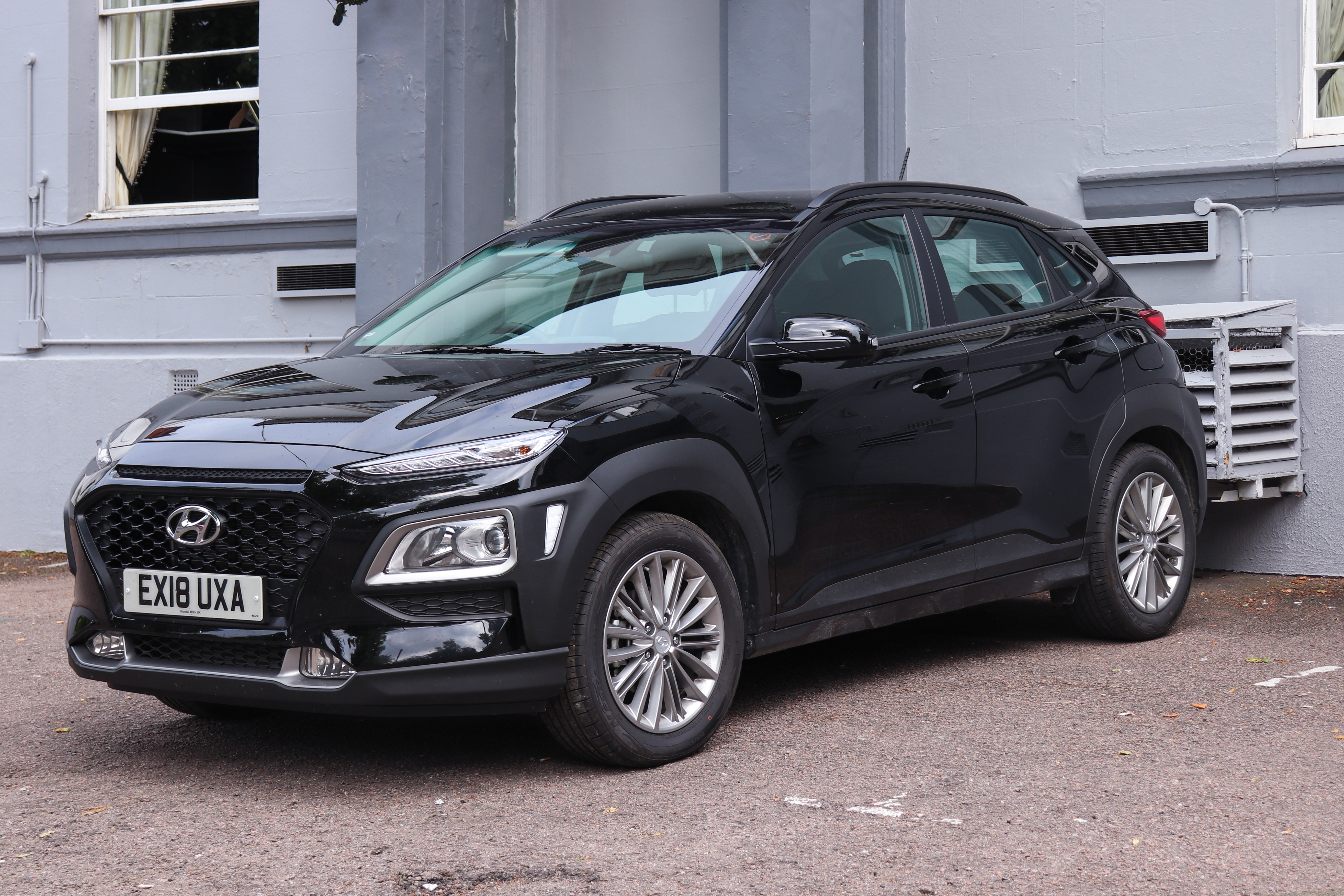
They’re using the Hyundai Kona as an example to show that buying an EV can be cheaper than people think. The takeaway is that the price gap depends on the specific car and the deals available.
Concept
EV premium vs petrol pricing
EVs often cost more to buy than the petrol version of the same car. The idea is that you pay extra up front, but you may save money later on fuel/energy.
Concept
EV running cost savings (petrol vs electricity)
Even if an EV costs more to buy, it can cost less to run each year. They’re saying the savings on energy can add up enough to make up for the higher price.
Concept
EV battery warranty vs "batteries die in 8 years" myth
People worry EV batteries will fail early and cost a fortune. The hosts say batteries usually have long warranties, and the warranty period doesn’t mean the battery is guaranteed to be dead right after it ends.
They reference an auction company (Pickles) that looks at used EVs and shares what they’re seeing with battery condition. The takeaway is that real-world used-car data doesn’t match the worst-case battery stories.
NRMA Chargefox is one of the companies helping install public EV charging stations. The point is that charging options are growing from multiple providers.
They’re describing a personal trip where they stopped at a Tesla fast-charging station in Goulburn. The point is to show charging can be practical on everyday drives.
A wall box is a home charger you mount on the wall. It helps you charge your EV more reliably, and in some setups it can be configured to use your solar power.
Concept
solar-powered petrol stations
They’re saying some petrol stations use solar panels to make electricity for their own needs. It’s part of the argument that energy sourcing can be cleaner than people assume.
Company
super charges
“Super charges” here refers to fast-charging networks used by EV drivers. Different networks can have different pricing, availability, and energy sourcing, which affects how “green” and convenient charging feels in practice.
They’re saying you should estimate what the car will cost you overall for several years. Don’t just look at the price—include things like servicing and how much it costs to charge.
Regenerative braking is an EV feature where the motor slows the car and converts some of that motion back into electrical energy. Because it reduces reliance on the friction brakes, EVs typically have less brake wear and fewer service items than many petrol cars.
The hosts point out that EVs don’t require oil changes because they don’t have a conventional petrol engine. This is one of the practical maintenance differences that affects ownership cost.
It’s a way of driving where you mostly use the accelerator pedal. When you let off it, the car slows down and “charges” the battery a bit, so you use the brakes less.
Tire wear can be higher on EVs because they’re often heavier than comparable petrol cars. That extra mass increases tire loading and can shorten tire life, especially if you drive aggressively or run wider/low-profile tires.
PSI is just the number that tells you how much air pressure is in your tires. Changing it can affect tire wear and grip, so it’s something to check against your car’s recommended spec.
These are programs where the government helps lower the cost of buying an EV. The details depend on where you live, and they can make a big difference to what you actually pay.
Depreciation is how much the car’s value goes down as it gets older. If an EV holds value better, it can mean less financial risk when you sell it later.
FBT is a tax that can apply when a company gives you a benefit, like a car. Some places offer EVs better tax treatment, which can reduce the cost to you.
These are official test methods used to estimate how far an EV can go. The numbers from tests don’t always match real driving, so it’s important to understand what the test is and look for real-world results.
Concept
range and how it changes with driving speed (city vs highway)
The advertised EV range depends on how you drive. If you drive faster and more steadily (like on highways), the car uses more energy and you’ll usually get less range than the city-focused estimate.
ev-database.org is mentioned as a resource that provides EV fact sheets, including range estimates for city, highway, and combined use. It’s useful for comparing how different cars are rated under different driving cycles.
In winter, EV batteries don’t work as efficiently, and the car may use power to warm things up. So the same EV can show less range than usual when it’s very cold outside.
Term
50 kilowatt fast charger
They mention a 50 kW fast charger as an example of a quicker charging option. Your car may not always charge at the full advertised speed, but it’s usually much faster than home charging.
Some home chargers use a three-phase electrical system, which can provide more power. But you only benefit if your EV can accept that power—otherwise you’re paying for something you can’t use.
22 kilowatts is how fast a charger can feed power into the car. If your EV can’t accept that speed, a “faster” home setup won’t actually make your charging faster.
Software updates are changes the car downloads to improve how it works. Some cars can update automatically, but others need you to go to a service center, so it’s worth asking what your car will require.
Concept
over-the-air (OTA) updates
Over-the-air updates mean your car can get software improvements through the internet. Some cars can do this at home, while others may require you to go to a dealership.
Some EVs need to connect to Wi‑Fi to download updates. If you don’t have easy access to Wi‑Fi at home, updates might take longer or be more inconvenient.
Delivery wait time is how long it takes to get your new EV after you order. Some cars are available sooner if they’re already in stock, while others can take weeks or months.
A test drive is your chance to see if the car feels right for you. Dealerships may limit how you drive it, so it helps to ask for the kind of route and time that lets you judge it properly.
The idea here is that you’re the customer, so you can ask for what you need to feel confident buying. If a dealership won’t work with you, you can go somewhere else.
Before you look at EVs, decide how much you want to spend. That way you don’t fall in love with a car that’s too expensive and you only compare options in your price range.
Non-negotiables are the things you absolutely need from a car. For example, you might need enough space for luggage, or room for multiple child seats, and that can rule out many EVs.
A five-star safety rating is a way of grading how safe a car is based on tests. If some safety features can’t be turned off easily, it’s usually because the car is trying to keep you protected.
ADAS features are the car’s “helping” systems—things like keeping you in your lane or warning you. They can be useful, but if they’re too sensitive or hard to turn off, they can get frustrating.
Term
d-pal
“D-pal” sounds like a name for one of the car’s driver-assist features. The key point is that the hosts didn’t like how it behaved, and later versions changed it.
They’re talking about a real Tesla repair after a crash. The takeaway is that EV repairs may take different time and effort depending on where you live and who can fix it.
A novated lease is a way some people pay for a car through their job, often using salary arrangements. It can make buying an EV more attractive for certain buyers.
The Tesla Model S is an all-electric car made by Tesla. The hosts are using it to show that sometimes you can get a better deal by buying a car that’s already been ordered or is arriving sooner than expected.
The Tesla Model Y is an electric SUV made by Tesla. The podcast mentions it because the speaker has one (or ordered one) and is comparing it to other Tesla models. It’s part of the conversation about choosing the right EV for your situation.
The Toyota Corolla is a mainstream compact car that’s often chosen because it’s familiar and widely available. The hosts use it as a contrast to suggest shoppers should test-drive multiple cars instead of defaulting to what they already know.
One-pedal driving means you can slow down mostly by lifting your foot off the accelerator. Instead of using the brake pedal as much, the car uses the motor to slow down and recharge the battery.
In many EVs, “paddle shift” refers to steering-wheel controls used to manage driving modes or adjust regenerative braking strength. It’s not the same as a traditional manual-transmission paddle shifter, but it can still change how the car slows when you lift off the accelerator.
“i-pedal” is a mode where you can drive and slow down mostly using the accelerator pedal. When you lift off, the car slows a lot, so you may not need the brake pedal as often.
When you lift off the accelerator or brake in an EV, some of the energy can be reused instead of wasted as heat. “Recuperation” is just a different name for that energy-recovery feature.
A shortlist is just a short list of EVs you’re actually considering. Instead of looking at everything, you pick the ones that match the features you care about.
Concept
EV quotes
A quote is the price a dealer is willing to sell the car for. Comparing quotes can help you avoid overpaying when buying an EV.
LIVE
This is Two Blokes talking electric cars with Steven Fenwick and Trevor Long thanks to NRMA
Insurance and UNIDEN.
NRMA Insurance helping Australians protect what matters most for 100 years and then some
still to come.
Let's be honest they're going to be here around for a long time now one of Australia's largest
insurers of electric vehicles and boy oh boy over the last few weeks and months hasn't
there been a lot of inquiries to the NRMA Insurance about getting an electric car and
getting a quote.
Plus the great people at UNIDEN and their smart dash cams if you've got a car, any car,
get a dash cam.
These award-winning dash cams by the way and look for the model with the R on it that includes
the rear camera as well so you want full coverage front and back.
Great products and give you a bit of peace of mind when you're out on the road.
Now Steven, we'd love to hear from people if they are on their journey to buy an electric
car you can send us a text thanks to Vodafone 0477657, send us a text we'd love to get you
on the show.
But this week we are focusing entirely on people who are in the market considering buying
electric car.
You've heard about it, you want to know about it.
You've read some myths, we're going to bust some of those myths.
If you already own a car, an electric car, come along for the ride and that's fine but
this show is dedicated to people who are in the market and if you're thinking about it
we're going to talk about what to consider, the questions to ask and really a checklist
of things to do to ensure that an EV is right for you.
Because there is a lot of misinformation on the internet, it's very hard to know who
to talk to and so we want to be those people that you can talk to to get the information
from.
So let's start with actually the simple question is an EV right for you because it's not right
for everyone.
I say this and Steven and I do a lot of radio and TV appearances where we ask random questions
and I do a lot of regional radio and you get that question, they say it's no good for us
because we live in a regional Australia and I often say absolutely this may not be right
for everyone.
But there's some things to think about because the first thing is how far do you actually
drive every day and you might pick this up when listening to us talk to callers here.
We ask very similar questions to most callers and Steven often asks what's your daily drive?
The average person we know from research that's been done drives less than 40 kilometres
a day and so that's perfect.
That's unbelievably perfect.
That's well within the range of every EV.
If you're driving 200 kilometres one way and then home, an EV is going to be a challenge
for you for different reasons that we'll talk about with charging but if you're doing low
case on a regular basis, an EV is going to absolutely tick the box for you and we'll
talk about how to charge and the biggest thing to overcome here, I think you've heard the
term range anxiety when we hear people thinking oh but where do I charge it and how far does
it go?
There was never that consideration with their petrol car because they thought well it's
just going to go.
So this is something that's often what top of mind for a lot of people with the first
thing they worry about but if you're driving on average the range of these cars not a problem.
Because that brings us to our next point of if you've got somewhere to charge because
a lot of people don't and that can be a deal breaker for you if you live in the inner suburbs
of a city you might not have off street parking or in your unit block you might not have a
power point.
For people that have off street parking if there's a power point where you park or can
be one or there's one you can get access to through the garage or whatever it might be
that power point is all you need.
That's enough.
That's enough.
Not the fastest way to charge as you probably already know.
But for someone driving 50 kilometres a day or less with what we call the granny charger
which is basically the cable that comes with the car that connects to the car and into the
power point that's the cable the granny charger we call it.
That will top up whatever you've used.
If you do that average 50 k's a day less than that overnight you'll get that back.
If you don't have somewhere to charge at home then it's about going okay what is around
to my area.
So for example some people go it's fine because I can charge at work.
Others go I've got a public charger on the street near me or in the local area.
Yeah.
That's a problem.
Or visit your parents house.
Use their power point which we know if some of our listeners do that.
Absolutely.
So if you don't have charging at home it requires a separate set of research around how and where
you're going to charge your car.
But it brings us to that big question of do you do actual long highway driving.
And I think I'm a reasonable example of someone who drives to the country.
What would I do maybe six seven times a year maybe eight.
I'm doing a five hour drive regularly.
Not every weekend but more than most families would do.
And first and foremost it's completely fine if you do it's not it's not a deal breaker
I own two electric vehicles Steven owns an electric vehicle and has done for more years
than most people who in Australia who own electric vehicles.
You can you can do road trips but if road trips are a big part of your family life they
will change.
And I think that's a really important thing I'm not saying for a second it's the same.
It's different.
The consideration like the long trips to like people do long trips like you do to go visit
people and do things but other people like to do the long trips because they want to
go camping or you know they want to go out then explore or whatever they want to do.
So if you're going into these areas to camp where there's you're in the middle of nowhere
then obviously you've got to consider is it is it right for me can I charge my vehicle
when I when I'm there can I charge it on the way back or on the way there.
So that's another thing too and if you're towing as well that's another consideration.
Yep towing not really sort of a EV is not really conducive to towing a caravan.
Small towing absolutely but big towing it's a drain.
So basically if your car is 500 kilometres range and you're towing something really really heavy
your range is going to be depleted potentially by half and we'll get to in in another episode
once you own an EV the things to download like apps but as a as a sample of someone who
doesn't have charging look at plugshared.com it's a website you can zoom in and see where
charges are near you that will help you understand if there are charges you see them on a map
where where they are so if you you could actually look in your area and you'd be surprised how many
charges there are yeah like you see the main charges on the highway but you'll be surprised
of the number of charges in like shopping centres and car parks and council car parks
and and with plugshare you can click on the individual charger and see what other people
say about that charger see how many there are and all that yeah how many power points how plugs
there are the final thing is again a question we ask nearly everyone we get on the show is
is this your only car or do you have multiple cars because if you've got two cars and you're
replacing one of them with an EV pull the trigger just do it because that range anxiety those
questions about highway all go out the window because you've got your first test bed which is
your first electric car to learn all the all the foibles and little little intricacies of it
and probably fall in love with electric cars as most of our listeners have it's funny you hear
people saying oh well what happens if um you know i'm running low on battery i said well you charge
it yeah what happens if you're running low on petrol you fill her up yeah and we will often
say to people it's like your phone yeah you just gotta plug it in overnight have you ever said
yourself what happens if i'm running low on my iphone battery yeah never you just plug it in
plug it in and charge it so that's the first thing to think about is an EV right for you
all right steven let's bust some myths yes okay these are the things what we're about to talk
about now these are the things that are making people hesitant these are the reasons people
were used to talking out of it these are what people would say to us when we're in tour or you
know we would say to other people at the barbecue uh oh no no i don't want to buy an EV because of
this and we're about to go through them all and bust every single one of them the first one is the
range isn't good enough now if you compare a Toyota Prado with 1100 kilometers range and a diesel
engine to a care EV9 with 520 kilometers range that's insane sounds crazy but that's not what
the point is the point is can you get to where you need to go now if you're not willing to stop
and the one thing we get a lot is oh i have to stop you know every 250 k's every three i think
you're meant to stop on the highways folks you're meant to stop revive survive you shouldn't be
driving for seven hours straight stop revive survive and charge yeah maybe we need uh we need
just to adjust that one work on adjusting that but the bottom line is today 90 of electric vehicles
on sale have ranges over 400 kilometers now there's a couple of little city cars the BYD
outo one would be a great example that may have 200 or less but that's a city car that's going to be
topped up every night with no issues my again a personal example is i own a couple of cars that
have a 500 kilometer range i often drive 500 odd kilometers to see my mum and i always stop once
and charge and i stop and charge and i go on my way again and we'll get to the next myth is
charging takes forever yeah well things are improving just like the range and we've seen
over the years range is improving battery chemistry is improving and so you're seeing
an upward an upward trend in the range but also too the other thing that's increasing is the
charging speed yes and that's the other myth charging takes forever it takes hours no it
doesn't if you look if you've got the granny charger plugged in at home that's going to take
a little while because it's coming through your power point it's an overnight thing but when
you're on where you need to charge faster are usually on road trips yes so the road trip
charges normally they have along all the the popular routes around the country they are what
they have what we call fast charges so charging typically takes up to less than 30 minutes i think
would be the maximum and you've got to remember too that you're not always charging to 100 just
topping top up what you need chart plug it in for and get as much percentage as you need to get you
where you need to go and maybe have a bit of change on top of that as well so there's a couple of
things that come out of that for me and the first one is you talked about the iphone or charging your
smartphone um it takes too long to charge ask yourself how long does your phone take to charge
and you don't know the answer because you don't watch it you just plug it in when you go to bed
and you get an answer it just works that's what you get with a with a car as well you plug it in
and it just charges overnight if you're on a road trip so for day to day driving uh every day
you know you commute you come back you don't know how long it charges because you just plug it in
and let it go your car is also smart enough to charge to finish charging when you need it so it'll
start charging in the cheapest electricity time things like that and stevens point about highway
driving it's really important to know that when you go like this with a bowser fuel just flows out
and then it stops at the end at the same rate we get that it doesn't work that way with an electric
car if your car is at 90 battery and you go to a fast charger it will be very slow to get from 90
to 100 but if your car is at 30 it'll be remarkably faster to get to 40 because the car just goes oh
take all the juice i can get yeah and the system is built to slow down once it gets to 100 which
is why on a road trip when you pull up at 30 battery you plug it in you walk down the road to
mackers or subway you get some lunch you walk back to your car and you've got in 15 to 20 minutes
you're at 70 80 percent ready to drive good to go and keep going and that's enough you don't need
to go to 100 and and one of the safety we'll talk about this in the next show but one of the safeties
of the battery is not charging to 100 all the time yeah so having it sort of keeping it around
70 80 percent between 40 and 70 and 80 percent all right uh electric vehicles are too expensive
that's the myth yeah and we busted this last week with one conversation about the Hyundai Kona
yeah absolutely nine thousand dollars is the premium to choose electric instead of petrol i think
though this this probably this myth started and was actually true years ago when i bought my first
tv which was like eight nine years ago the only option was luxury cars and i bought the Model S
that was over a hundred thousand bucks there weren't many choices but fast forward to 2026 you've got
so many other brands competing for your business and some amazingly competitive prices as well like
was there are the j5 we were thinking the same thing the JQJ5 $6,000 on the road and it's a
beautiful car the really nice car the BYD 801 is a $25,000 car we're talking there is an electric
vehicle now for every budget i think you could safely say that you got the same range of pricing
for EVs as you would have on a petrol car but what i would concede is that it is more expensive to
buy an electric car than it is a petrol car due to the premium that is the style of car you're
you're talking so that you want the petrol version of the same car and the EV version of that car
EV is naturally going to be a little bit higher i would call it between we now see $9,000 in the
Hyundai between nine and $15,000 difference the cracking the cracking answer to this myth is
it's a $3,000 a year saving on petrol for the average driver that's where you make that money
back a big myth about batteries is that they're going to die and they cost a fortune to replace
you see i see this on a lot of tiktoks people go oh yeah you're gonna have to replace the battery
in eight years and it's going to cost you $40,000 now the battery doesn't need replacing in eight
years the battery has a warranty of eight years your television has a warranty of one year that
doesn't mean you need to replace it every year that's right battery data that we have today and
we've spoken several times on this show to brennan green from pickles an auction house we have no
commercial relationship with but they come on they tell us the data they're seeing from used
electric vehicles they do tests and they see that the batteries are actually far better in terms of
their health than people have predicted and that means that batteries are likely to last a lot
longer we don't have stories of cars needing replacement batteries have not heard of that at
all it just doesn't happen and frankly there are more engines being replaced than there are batteries
so it's just simply a stupid thing to say and it's probably the worst myth of all next up
there the the other myth there's nowhere to charge and I've got to say when I got my first EV
there was obviously a lot less charges then but there was still enough there was still enough
for us and the network's expanding Tesla really led the way with the superchargers and now with
there they were open to all all makes of vehicles it was just Tesla owners could only use them now
everyone can use those but companies like nrma charge fox EV they're all they're all expanding
and and installing charges in they're popping up everywhere I I know and I've given this example
for when I drive to mom so I now stop at golburn at a brand new Tesla supercharger which has 20
bays for charging I've never seen more than six cars there there's always a charger ready
and yes there are some places where there's just one charger sitting there but they've rarely not
surrounded in the in the suburb or the district by another set of charges somewhere else it does
require planning just requires you to understand the route you're taking
and get that sorted know your options another great myth I do love this one because it really
it's really important this one for us because the people say they're not green the grid's coal
you're charging your car off of you know dirty energy breaking news solar panels baby no no
I'll stop you don't even go there I've never said I bought the electric car to be green
I didn't buy my electric car to save the planet I bought my electric car because it drives better
I think it's a better car overall and because I like the car cheaper to run as well and great news
I've got solar panels I can charge my car for free when I want to exactly yeah I've got solar too
and and and also too you can there are options not only this with the wall charges lets you
choose if you just want to charge solar and not use the grid you there are those options with
with the wall charge we've got the wall boxes that allow us to do that and you know what there's
places in the bush far far reaches of Australia where there's charges and there's a diesel generator
as well as solar panels do you know why that's there because there's not always sun and you know
there might be people that drive by and need power and those people aren't going to you know
roll in their grave if they charge once off a diesel generator there's also petrol stations
that have solar panels on the roof that charge you know creating electricity for the petrol
station they're not using diesel for everything it's a stupid argument to make most people unless
they're going at this entirely to be green most people aren't just looking for green energy for
their electric car so it's a silly myth there's plenty of green energy going into those super
charges as well from all the big charging companies they they spend money to buy green energy uh but
for me it doesn't even matter anyway uh that is some bits some myths about an electric car so a
bit of fodder for you at your next barbecue when you tell someone i'm thinking about buying electric
car all right steven let's understand the finances here um look i said earlier that they're more
expensive to buy but i genuinely believe that without question uh tesla for example is unbelievably
good value in the life of the car because they basically turn you away steven has been turned
away from servicing his car yeah uh so i had it booked in and just it was force a habit every
12 months book your car in for service and i did that and uh they called me up and they said uh
how how uh how many k's on the car and i went i told them and they said no uh we don't need a service
yeah let's cancel it um misani funny thing is misades benz didn't do that they said no sure
bring it in we'll service it's a good thing to understand when you're shopping is ask the dealerships
what the cost of of servicing is you can often prepay servicing with the big brands like Hyundai
and kia and things like that um but remember to do and we get a lot of callers do the spreadsheets
do the spreadsheet about the ownership cost over let's say five years if you're leasing it or you
just want to look at the ownership cost over five years and make sure petrol's a part of that
because whatever the cost of servicing if it doesn't change to petrol versus electric
the cost of running it is definitely going to be far cheaper so charging versus fuel costs are going
to be remarkably different and what i do when i'm doing that that in i don't go to zero because i
charge on solar what i do is i do an average i go 50 percent of my charging across the year is
done on solar zero cost i say another 30 percent is charged off the grid and i put in the number
for the highest rate so i pay 30 cents of the highest rate i'm not even taking the off peak
rate and then i go the other 20 percent might be at highway charges and i go 65 cents there or
something or pick pick a number so that you're getting a bit of an average of your forecast
of ownership don't assume do not assume that you're going to get free power off your solar for the
whole year because winter's a tougher challenge you're going to need some times to pay for charging
so do that that that that calculation and in terms of servicing you got to remember that
an EV has far fewer moving parts than a regular petrol car it doesn't have a petrol engine to
begin with so so no oil changes and because most of the EVs you have got regenerative braking which
means that as soon as you take your foot off the accelerator the car slows right down that's putting
the motor in in reverse putting the power back into the into the battery and so by doing that
that you'll hear one pedal driving is a feature which means that you're touching the brake a lot
less so your brakes are going to last far longer than a regular car it's just one example
Steve mentioned all the moving parts that's an obvious thing less to deal with but then brake
pad changes over the over five years it's going to be a lot less and that that's a big although
should mention one thing there is possibly and I've experienced this myself tire tire wear is
something if you EVs tend to be heavier vehicles so they wear on the tires a bit a bit more so
perhaps you know if you're driving a petrol car maybe getting a new tires after two or two and
three years or two years an EV maybe shorter period might need to replace what we've learned or
been advised by by dealerships is over inflate whatever the recommendation is add a couple of
PSI that might help you out the other thing about the ownership and the cost of the car is and I
think go to an accountant your accountant for this advice look at the government incentives in your
area understand the depreciation which a lot of people say you know it's going to depreciate more
so you might want to factor in a higher level of depreciation into your financing you know so you
might not get as higher balloon but the market the market sort of rebounded a bit we've spoken
of pickles and other people the EV secondhand sales values are actually now I would argue that's
almost one of the myths is that EVs don't have a second hand value they're holding their value
better anyway nowadays and if you listen to this show a lot you'll hear a lot of people talk about
things like the fbt and the salary packaging incentives a lot of government incentives there
as well so if you can do that take advantage because they definitely save you some money
a couple other things to think about here what to look for the questions you should be asking
as you walk into a showroom or as you're browsing the internet looking at electric vehicles
there's a couple of problems with range there's there's two different standards
NEDC and WLTP and but what you want to know is the real world range of your car and there's
some things to understand here which we've talked about before an electric car is vastly different
to a petrol car when you're driving around the city if your car has a 500 kilometer range and if
you only drive around town don't go on any freeways your car may have a 550k range but if
you're only driving on the freeways as a vastly different example your car has a 500k range it
may only have a 400k range because it choose more electricity to go faster it's the opposite of a
petrol motor petrol motor has efficiency on the on freeways whereas the EVs are less efficient
because you're going at a higher speed at a constant rate and you know EVs on the other hand
love stop and start because the regenerative braking and the boosting the battery so that
that's why the there's range and then there's range what we we did find a website called
ev-database.org nothing to do with us but it's worth mentioning quickly it does have this really
cool kind of fact sheet on each car and it mentions range estimation city highway and combined
yep and it gives you a number but here's the other thing which which we we need to mention
weather can can have an impact the weather can have an impact on how much range you get if you
wake up one morning you go why is my car at 100% it's only got 420k range it normally has 500 if
it's if it's three degrees outside your car knows that the battery can't give as much and so the
range is less so in cold conditions range is lower very simple thing it's important to know
and also to understanding the charging rate so there's ac and dc charge so ac charging is what
you do at home dc charging is the faster charging you do on a freeway or on a trip so ac charging
maximum charge speeds generally around i've found with my car it's 11k 11 there's there's a hand
seven there's a handful of cars that'll do 22 but most cars will do seven to 11 so the higher the
number the faster you're going to charge correct and it's a good thing to learn so your your what
we call granny charge is your trickle charge which uses a normal powerpoint india car you're
talking you know two and a half three and then your your warbox thing you might get installed at
home seven to 11 and all what these numbers do is just means faster the the juices are coming
india car faster and you're adding more kilometers quicker if you go to a fast charger 50 kilowatt
fast charger you know it's going to be probably five times faster than what you're getting at home
for most people but it's funny because even when i go to a 50 kilowatt i feel like i'm being ripped
off i want a hundred or more now exactly you know i mean i'm like let's go let's let's get this thing
happening and also to the when you're on when you are charging and those faster public charges the
faster the charge the more it's going to cost as well and one of the reasons you want to understand
this is because ask the question and look at the spec the specs of your car because if your car can't
do 22 kilowatt you may not even need to bother with three phase some people pay extra for a three
phase charger three phase installation yep and they don't even need it because their car can't do
22 kilowatt so look at that and and make that an understanding of what you're actually installing
at home and then look ask the dealer and ask other buyers one of the big tips is join the facebook
groups of other buyer other owners you'll ask questions you'll learn things what comes with
it because not every car comes with the same things not every car comes with a granny charger
99% to yeah but i noticed and i'm assuming um that some of the cars we drive what we get
because we get press cars what we get is what's included but you get some that have the public
charger cable which is some public charges don't have a cable at all so you need a you need a um
an ac charger a male to female some some most cars come with the granny chargers i would recommend
that if it doesn't come with all the different charging types that you buy them so in my both
my electric cars there is a granny charger under the trunk bonnet and there is also a
an ac to ac public charger cable so that we can charge those wherever we go definitely um well
another question to ask too and you know warranty is an important question too not only for the car
but also for the battery the battery we our experience is the warrant battery warranties
are normally like eight about eight years yep which which uh and not even the warranty the vehicle
is probably three to three depending on depending on what what brand you buy and just check what it
covers um because there's one thing that's been raised as a topic with us over over a long period
is there's different things like bi-directional charging where your car can actually charge your
house essentially some battery warranty specifically mentioned that's not included so
just check what's what is and is not included in the battery warranty just to be very sure
a lot of cars you'll hear about tesla's getting software updates a lot of cars do that now
but some require it to be done at a dealership so paul's for example early on i don't know if it's
still the case when you go to the dealership they do all the software updates mykea does
its own updates just got to be connected to wi-fi so ask that question about whether or not you need
to bring it in to get those software updates because often that adds new features not just
you know bug fixes and things like that yeah also to uh how long do you have to wait for
delivery yeah some sometimes you may be waiting weeks sometimes months for your delivery so
knowing what if depending on what sort of car you want whether they've got stock available or
how long you have to wait i reckon that's a very important question and when you're at the dealer
ask them about their test drives now we've spoken a lot on this show about dealerships have different
policies um a lot of them won't let you just walk in and do a test drive so you need to find it
where they need to pre-book that and if you do where can i test drive it is the biggest question
sometimes they have a set route that you can take others will let you just take it for 20 minutes
and come back i prefer that i prefer to be able to take it where i want to go to maybe even take
it home to your driveway and sort of make sure it fits you know what don't be afraid to ask that
question yeah because if your driveway your carport your garage is unique say to them i'm not buying
this thing unless i can take it home and if they don't want you to do that go to a different dealership
personally i think that's the that's the power that you have as the buyer you're the one that's
going to write the check that's it yep so uh if they want your business they've got a you they've
got to accommodate you be prepared to ask them questions because they want your business and
if they don't want your business they're somewhere else
all right well one of the biggest things we get on this show is we get people calling in who've
got a shortlist yes you know but how do you arrive with that shortlist and i think the first thing
you need to do like anything we get take advice on our other show but it's it's about a budget
set a budget because there are now cars from 25 000 up to 300 000 right so set a budget what is it
that you can afford because that is going to rule out and it'll steer you straighter yeah it'll narrow
the field somewhat if you know how much you want to spend or the ballpark of what you want to spend
yeah uh because you might be swayed by little things but then then determine we it's the same
i remember when we were shopping for a house it's like i'm not moving somewhere they didn't have at
the time this is very old had big pond cable if it didn't have cable i wasn't moving there well you
know i think i think you got to know your wow your must-haves in a vehicle so some people you're a
non-negotiables exactly yeah boot space definitely does it need to tow does it fit your golf clubs
yes does it fit other things does it yeah you might have a baby you might have to put a baby
how many car seats can it take if you're starting a new family will it take three car seats if you
get to that point yeah and that you mentioned towing as well so towing is uh for a lot of people
you said light towing probably best for an EV like if you're towing a caravan you probably need a
it might be a push a hybrid or a petrol car yeah there's one thing we safety features we haven't
test drive speed i don't mean crazy when you're in a 50 zone just nudge over the speed go 55 see
how annoying the car is see what the car does yeah because if that can't be turned off easily and
it's a reason there's a reason for this it is to keep you safe on the road and keep you from driving
fast but it's part of the five star safety rating system now yeah if it can't be turned off easily
it might be a deal breaker if you've heard our previous shows and the cars we've driven we've
had various experiences with the adas features and how annoying they were for us uh there were some
cars that were just uh i don't i think i said in those shows i don't think i could drive that car
every day remember the d-pal yeah the d-pal and then the newer d-pal didn't have it the word they fix
themselves a little a bath a little a bath oh i don't think i drove i drove that that was making
noises and i didn't know why and that was that that was an issue for me i didn't know what i was
doing wrong yeah that was i'm thinking i would uh i would not like this car but these are the little
things that uh if they possibly may annoy you every day best to experience them on the test drive
so you know okay i could live with that i don't like that i could turn it off that's how it is
these are great things to learn before you put your money down you don't have to buy the car
thing oh my god this is annoying me yeah you want to know that beforehand and you know because for me
right now if i was getting an EV for the first time i'd be asking questions about you know like
vehicle degree it is being a potential you know must have for me i've now got two cars that globally
accept it but i think only one of them is going to do it locally i don't think the cooper will get
any software updates to support that yep um talk about the brand um it's going to be a challenge
for some people because they're going to buy a brand new brand um this is where i would again
rely on the ownership community to ask questions go to the facebook groups join communities so that
you can understand what's it like when you have a problem what's it like when you have a crash what's
it like when you have a problem that's a very good question i think to ask because not many people
consider that everyone thinks oh i'm getting a great new car it's all exciting how good is that
but you never not many people would think well what happens if something goes wrong yeah if i have a
crash or where can i get it repaired i experienced this myself with my tesla after three months someone
someone opened their door and i hit their door they opened it on me and i discovered that it was
quite a task to repair that particular car but today of course uh there are there are there
a lot of repair places are now suitable for EVs i think nrma have got i was just going to say
actually it's not a bad thing to ring your insurer and when you're getting a quote because you're
going to get a quote on insurance and we would obviously recommend you get at least get a quote
from nrma insurance ask them what's it like to get this car repaired that they would have experience
it's i think it's a great question to ask yeah now it's it's just like buying any other car
ask about dealer demos ask about their used car yeah because look that we have this because of
these this we talked earlier about the finance there's a huge rush of people bought on a novated
lease and fbt exemptions i think there's going to be a solid rush of people trading in those cars
and getting another one so there may be a second hand version of the car you're looking at that
is going to save you good money so well worth thinking about my tesla that are my model s i
had ordered that brand new uh and it would have taken months to arrive but i i then got a call to
say we got a brand new car here it's everything feature you've wanted the difference was the
white seats and i went same color i wanted i think okay and the person who ordered that car
couldn't get finance so i said i'll take that and they knocked like you know 10 12 000 bucks off the
price and that's mine and look the other thing is don't just drive one car i i get frustrated
and this is a poor example but there's too many toyota corolles on the road okay there are so
many better competitors to the toyota corolla that i think people just buy a toyota corolla
because they've already had one they they love it and they just go and buy it right yeah don't
just buy the first car you see go and drive a few because it might it might reinforce why you
want that car that one car that you wanted might be reinforced because you you drive three others
and you go that one was that i'm so glad i had that decision i think that's a good that's good
advice i think the more you drive i think the better an opinion you can form like you may you
may discover that wow that that car has a feature that i never realized and you talked earlier about
one pedal driver yes not a lot all of them have nearly all cars either have a paddle shift or a
button that allows you to turn on or off the regenerative braking which is the audio you take
your foot off the pedal what happens if you take your foot off the pedal it just keeps going there's
no regenerative braking braking going on a lot of cars have three steps to to make it harder and
harder braking and like you know my kia and other cars there's an eye pedal so you go all the way
down you you don't you're not touching the brake if you haven't experienced that you may love it
or you may hate it but it may be a thing that you want so for example my cooper doesn't have that
it has a higher regenerative setting and that's the way i drive it but it doesn't have the ability
to come to a stop mate it comes very close to a stop but i'm always just slightly on the brakes
as i come to the the red light love the little things like that as you drive different cars you'll
go oh i like the way the d-pal or the j coup or the tesla did that thing yeah it's it's it's
it's referred to as in my america it's called recuperation other other brands have different
slightly it should be regenerative regenerative or recuperation they're the terms to look for
so like that's how you create a shortlist folks and i think that there's a lot we've just proven
there's 35 minutes worth of things to think about right but what it does is gives you a place to start
your your journey and hopefully you're in the middle of that journey you're ready to buy you're
looking at what you want we're here to help we are we we also have a great relationship with a
dealership who's happy to give quotes to people no financial arrangement at our side we it's all
for your benefit not ours if you're interested in a major brand it's possible that we could get
you a better price and we'd love to help you with that for no benefit of ours other than the fact that
i got a benefit because when i was buying a car i mentioned it and they Aaron reached out to us and
said do you want to get a better deal and i said absolutely yeah that same thing's available to you
as a as a viewer and listener of this show but we'd love to talk to you about your your electric
car journey we love talking to people who have just bought one have owned one for years or just
in the market a lot you learn a lot and hopefully this show has helped you down that journey as well
and is basically what the questions you'd ask at a barbecue if you were in the market for an EV
hopefully this was the barbecue conversation that you could have had if we've left you with questions
send us a text 0 4 double 7 6 5 7 6 5 7 send us a text or a whatsapp and we'll get you on the
show and we'll answer your questions whatever they are about electric vehicles we'd love to chat to
you and anyone that's in the market for an electric car Steven let's do it all again next week we love
talking electric cars i'll be right here
About this episode
Steven Fenwick and Trevor Long walk buyers through a practical EV checklist, starting with whether an EV fits your lifestyle: typical daily kilometres, access to home charging, and how often you do long trips or tow. They bust common myths about range, slow charging, high prices, battery death, and lack of chargers, using real-world examples and charging tips like topping up rather than charging to 100%. The discussion also covers ownership costs (fuel savings, fewer moving parts, brake wear, tire wear), incentives, and what to ask at showrooms—warranty, charging hardware, software updates, test drives, and insurance/repair readiness.
Everything you need to know BEFORE YOU BUY AN EV!
Is an EV right for you?
Busting the biggest myths
Understanding the money - long term gain?
What to look for when buying
How to manage and create your shortlist
We've got you covered if you're considering an EV. Let us know how your EV journey is going - text or WhatsApp us on 0477 657 657 thanks to Vodafone