Charging stations are where you plug in an electric car to add battery power. The speaker is saying they stopped at them and got help so they could charge more easily.
A faster charge means your EV adds energy more quickly. They’re saying if there are empty charging spots, you should use one because it can help you charge at a higher speed.
The BYD Shark 6 is an electric car made by BYD. It’s mentioned because people are talking about which electric cars they’ve been seeing around and what’s available. The main point is that it’s one of the newer EV models on the road.
Range anxiety is the feeling that your EV might run out of battery before you can charge again. Planning your route and charging stops helps you feel more confident.
Charging stops are the planned points during a trip where you top up the battery. The hosts discuss choosing more frequent, shorter stops to reduce risk and avoid sitting through longer charging sessions.
A Supercharger is Tesla’s fast-charging network for electric cars. It’s built to charge much quicker than a normal charger, which helps on long drives.
DC fast-charging is the type of charger that can refill an EV’s battery quickly. It’s the reason you can go from a low battery level to a much higher one in minutes, not hours.
Concept
charging your car
They’re talking about the worry that charging an EV will take forever. The point is that with the right kind of fast charger, charging can fit into a normal stop.
A wall charger is a home charging box you mount on the wall for your electric car. It usually charges faster than a basic slow charger, so you can top up more quickly at home.
In this context, “battery” likely means a home energy storage system that stores electricity (often from solar) for later use. That stored energy can be used to charge the EV when it’s most convenient or when solar production is low.
A trickle charger is a slow way to charge an electric car, usually overnight. It works fine for small top-ups, but it takes longer than faster home chargers.
Term
Grand Charger
“Grand Charger” sounds like the name of the charging setup they use at home. They plug in and charge the car so the battery is topped up.
An electric car runs on electricity stored in a battery instead of burning petrol or diesel. The big things people worry about are how far it can go on a charge and how easy it is to recharge.
For an electric car, “range” is how far it can go before it needs charging. The speaker says their partner wanted more range, which is a common reason people hesitate to switch to EVs.
The Hyundai i30 is a smaller, everyday car meant for commuting and running errands. In the podcast, it’s brought up because someone bought a used one instead of buying a new gas car. The focus is usually on saving money and making a practical choice.
“ICE car” means a normal petrol or diesel car that uses an engine to burn fuel. The speaker is saying they didn’t want to buy one because they expect electric cars to replace them.
A “fuel crisis” is when petrol or diesel becomes much more expensive or harder to get. The speaker is saying it pushed more people to reconsider electric cars because the old fuel situation felt out of control.
Car
MG4
MG4 is an electric car (a small hatchback) made by MG. People talk about it because it’s meant to be a more affordable EV option.
Car
GAC EX5
The GAC EX5 is an electric SUV. They’re talking about it as an EV option they compared based on how much driving range you get for the price.
An “unknown brand” is a car company you don’t hear about much. Some people worry they won’t get good support or service later, so they feel less confident buying it.
A test drive means you take the car out on the road to see how it feels before you decide to buy. Here, the speaker is comparing several electric cars by driving them.
They’re talking about where the company will set up local dealerships or distribution points in Australia. That matters because it can make it easier to buy the car and get it serviced nearby.
Tamworth is a town in Australia. The speaker mentions it because they might have a dealership there, and it’s close enough to make service and support feel realistic.
Torque is the force that makes the car move and accelerate. With electric cars, that force is usually available right away, so it can feel very responsive.
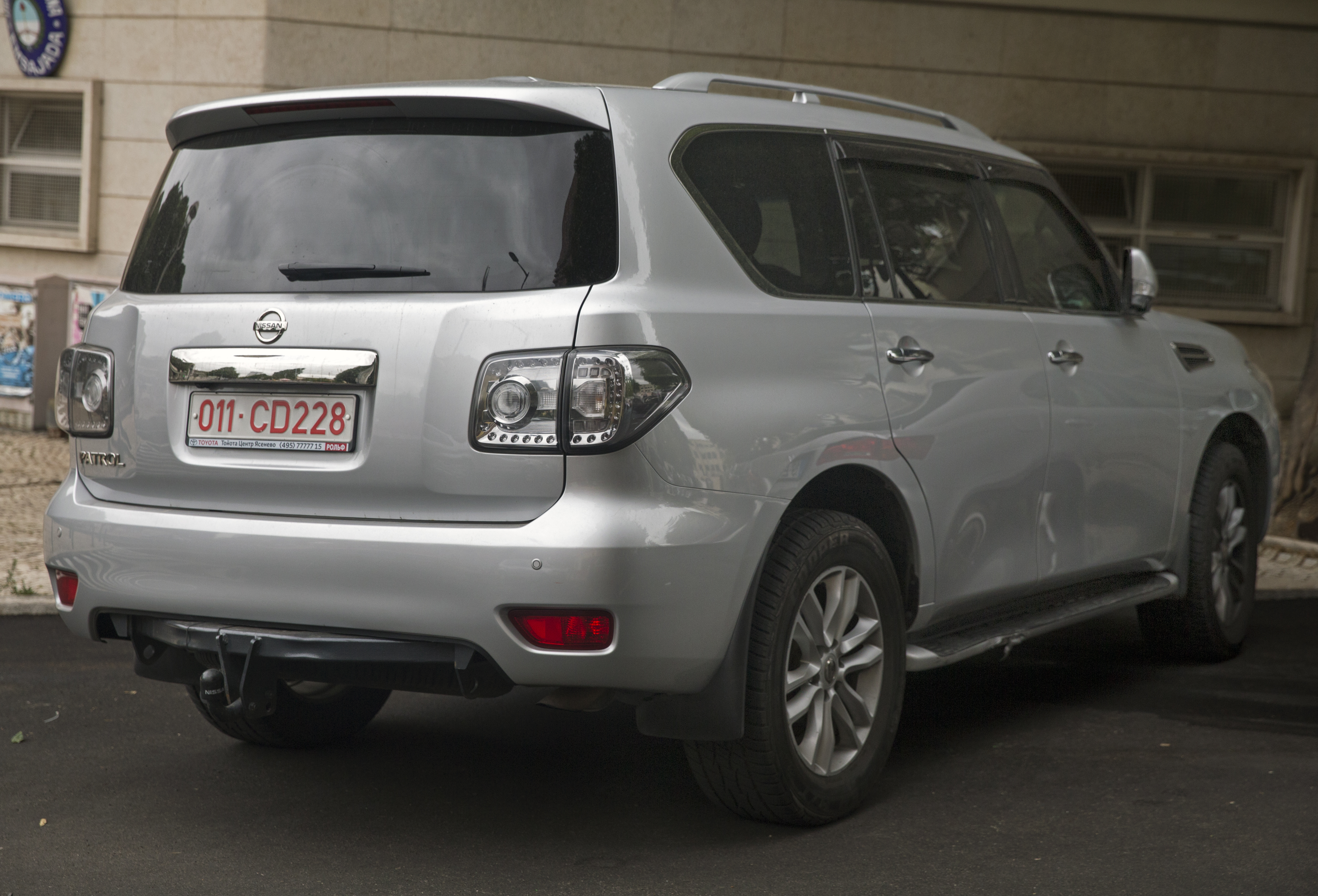
The Nissan Patrol is a big SUV that’s built to handle tough conditions. “Warrior” is a specific version/trim of the Patrol, and the host is saying they owned one before moving to an electric car.
A “cold start” is when you start a vehicle after it’s been parked long enough to cool off. It’s usually when the engine has to warm up and everything feels a bit different than after you’ve been driving.
A “home charger” is a way to charge your electric car at your house. It makes it easier because you can plug in overnight instead of relying only on public chargers.
Evee is the name of the company the host worked with to get their home EV charger set up. It’s basically who helped them install or arrange the charging equipment.
Term
SUV style
“SUV style” means the car looks and sits like an SUV—taller and more upright. Here, they correct themselves and say it’s actually a hatchback.
A hatchback is a car where the back door opens upward, and the trunk and rear space are part of the same opening. They’re saying the car’s shape is hatchback, not SUV.
“E-Tech” is Renault’s branding for electrified powertrains (often hybrid or plug-in hybrid depending on the model). In this segment, it’s used to identify the specific trim/model the speaker says was imported as a fixed spec.
They mean a special edition that’s linked to the Nürburgring, a famous race track in Germany. It’s basically a marketing way of saying the car was made with track testing or track inspiration in mind.
The Renault 5 E-Tech Electric is an electric car version of the Renault 5. It runs on electricity instead of petrol, and it’s mentioned because people are talking about EVs they’ve seen. The key idea is that it’s a new electric model based on a known name.
After-sale service refers to what a dealer or manufacturer provides once you’ve bought the car—things like servicing, warranty work, and handling issues. In this segment, the hosts are discussing how dealer experience and service quality affect ownership.
Parking sensors are the little sensors that help you avoid hitting things while you park. They warn you when you’re getting too close to something behind the car.
Oil is what keeps an engine running smoothly by lubricating moving parts. Too much oil can cause issues, so the host is saying the dealer filled it incorrectly.
A warranty is the coverage that pays for certain repairs for a limited time. The host is saying they had to use the dealer to keep the warranty valid, which affected how the issue was handled.
“Aluminium doors” means the car’s doors are made from aluminum instead of steel. Aluminum is lighter, which can help the car feel a bit more responsive and efficient. It can also affect repair costs and methods after damage.
“Aluminium front end” means the front part of the car is made with aluminum components. Aluminum is lighter than steel, so it can help the car feel more agile and efficient. It also means repairs after front-end damage may be different.
“Increased the height” means the updated car sits taller than before. That can affect comfort and how it handles bumps, and it can also change the car’s shape and clearance under the vehicle.
Car
DPAL S07
The DPAL S07 is the specific electric car the host bought as their first EV. They’re talking about how it felt once it arrived and how they’ve been living with it for a couple of months.
That means the solar panels are set up to make up to about 10,000 watts of power when the sun is strong. If you charge your EV at home, that solar power can help cover some of the electricity you need.
Three-phase is a type of home electricity supply that can move more power efficiently. If your EV charger is set up for three-phase, it can usually charge faster than a basic single-phase charger.
That’s the brand name of the charger they’re using. Different charger brands/models can have different charging capabilities, so the exact unit can affect how fast you can charge.
Term
how quick the car charges
This is about how fast the EV can add energy while it’s charging. The car and the charger both limit the speed, and charging can slow down as the battery gets fuller.
A “granny charger” is a slow, usually lower-power way to charge an EV at home. It’s often cheaper and easier to use, but it takes longer to add enough range.
Term
proper car charger
They mean a dedicated home charging setup (usually mounted and wired in) rather than a slow portable charger. A “proper” charger generally adds range faster.
The Dodge Charger is a car that’s usually known for being fast and sporty. If it’s mentioned in an electric-car podcast, it’s typically because someone is thinking about switching from a gas car to an electric one and wants to understand charging. The key point is that charging an EV is different from fueling a gas car.
Term
overnight EV plan
It’s a cheaper electricity rate (and sometimes a recommended schedule) for charging your EV overnight. Charging when power is less in demand can cost less than charging during the day.
“20 to 80 percent” means you charge the battery from a low level up to a mid-high level. Many EV owners do this because it can be gentler on the battery and often charges faster than going all the way to 100%.
“16 kilowatts” is how fast the charger can put energy into the battery. Higher kW generally means faster charging, but the car may slow down as the battery fills up.
“48 kilowatts” is the number the host calculates as the effective charging power for the plan they’re imagining. It’s basically an estimate of how quickly the battery is being charged in that range.
Charging rate is how fast your EV charges while it’s plugged in. Faster charging means you get more range in less time; slower charging means you have to wait longer.
Concept
average person drives 34 to 40 kilometers a day
They’re using a typical daily driving distance to explain charging behavior. If most people only drive a few dozen kilometers per day, they often don’t need to charge for a full day—just enough to cover the next trip.
“Topping up” means adding a little charge before you need it, instead of charging the car all the way. It’s like a quick refill so you can keep driving without waiting for a full charge.
A public charger is a place you can charge your EV outside your home. It’s useful for road trips, but it can be different in speed and price compared with charging at home.
“Top up” means you charge the car a little bit, not all the way. On long trips, that can be faster than charging to full every time.
Term
charger got stuck
Sometimes the charging plug doesn’t come out after the battery is full. EV chargers and car ports lock together for safety, so if the lock doesn’t release, you can’t unplug normally.
Term
emergency
The speaker is referring to an EV “emergency” release procedure for a charging connector that won’t unlock normally. Many EVs include a manual override (often via a hidden access point) so you can disconnect the cable safely if the usual latch release fails.
“Leak motor” sounds like a mishearing or shorthand for a specific EV latch/actuator or release mechanism that controls the charging port connector. If the actuator doesn’t move correctly, the connector can remain locked even after charging completes.
Concept
unlock the car twice
Some EVs require a specific sequence of unlock/lock actions to trigger the charging connector release logic. The idea here is that the car’s electronic latch may not fully reset until you unlock again, which can free the connector.
A “BP charger” is a public EV charging station run by BP. The point here is that sometimes the charger and the car can fail to “talk” properly, causing charging problems.
“100%” means the battery is fully charged. It gives you the most range for the next part of the trip, though charging all the way to the top can sometimes take longer.
Public charging means using EV chargers you can access outside your home. People use it on road trips to add a bit of battery when they can’t rely only on home charging.
“Charging formats” means the different kinds of EV charging you can use. Some are slower and cheaper, while others are faster but often cost more—so it affects how expensive your trip is.
The Volvo V40 is a small car from Volvo. Here they’re talking about a diesel version, and using it to compare how far it can go on one tank versus an EV using public charging.
“Public charges” are EV charging stations you use outside your home (like at shops or along roads). The hosts are saying that if you have to rely on these all the time, it can get expensive.
Here, “infrastructure” means the charging setup around you. If you don’t have it (like home/work chargers or nearby stations), you may be forced to use public chargers more often, which can cost more.
“Fast charging” means charging your EV at a higher power level so it takes less time. It usually costs more because the charger is delivering more power to your car.
“Private charging” is charging your EV at home (or somewhere you control), not at public fast-chargers. It’s usually cheaper because your electricity pricing is often better than what you pay at public stations.
Concept
decade's worth of calculations
This phrase means they’re thinking about costs over a long time, like ten years, not just one charge. It’s meant to show whether EV savings hold up over the long run.
“Servicing” means the regular maintenance and repairs you pay for to keep a car running. The hosts are saying that when you compare EVs to petrol/diesel, maintenance costs can be a big part of the overall cost.
They’re saying that charging can be tougher in big cities because there may not be enough charging spots for everyone who needs them. Even if chargers exist, they can be harder to find or use when demand is high.
Pheasant's Nest is a place with EV charging that the host stops at on the way to Canberra. Charging stops are important because they help you keep enough battery for the rest of the trip, especially if conditions change.
An EV route planner is the navigation feature that helps plan where you’ll charge on a long trip. It can try to match your driving style and keep you from arriving with too little battery.
The “10% or 20%” targets refer to keeping a minimum state-of-charge buffer when arriving at (or leaving) charging points. EV drivers often set these thresholds to reduce stress and account for energy losses from factors like rain and higher speeds.
Term
110% of the speed
“110% of the speed” means the driver tells the navigation to assume they’ll go faster than usual. Going faster uses more battery, so the plan builds in extra charging margin.
State-of-charge is just how full the battery is, shown as a percentage. The host wants to arrive and leave with enough battery so they don’t get caught short.
LIVE
This is Two Blokes Talking Electric Cars with Steven Fenwick and Trevor Long, thanks to NRMA Insurance and Uniden.
Great to have you company on Two Blokes Talking Electric Cars, NRMA Insurance,
helping Australians protect what matters most for 100 years and Uniden Smart Dashcams,
helping you get a bit of peace of mind as to what just happened on the road around you.
And as Steven always says, get yourself the R model.
Absolutely, yes.
Because you have a rear camera as well.
Most accidents are rear enders, did you know that?
It's a high percentage of accidents.
You want to be covered in all areas.
We would love to hear from you and share your electric vehicle experience,
whether you are just decided, right, it's going to happen to see our next car,
you might be a year away from buying, or whether you've 10 years into the journey,
we'd love to share it with you and our audience,
because it helps us all as a part of the community learn from each other,
whatever it is regarding electric cars.
And you can do that by sending us a text, thanks to Vodafone 0477657,
Torsif is on the line today, Torsif.
Hi, good.
Good morning.
How are you today?
Mate, we're really, really well.
Where are you at in your electric journey?
You've ordered, ready to, or have you picked up?
I know, I picked up my vehicle on the 28th, 28th of June,
first drive around 580 kilometres from Sydney to NREL, yeah.
That's a big first drive, straight into it.
Yeah, I was nervous and it was a learning curve,
but the EV community is great, you know,
I stopped at the charging stations, asked them to guide me,
and they were great, yeah.
That's one thing, that's a really good point.
I found when I bought my first EV back in the day, it was a Tesla,
and it was stopping at the charges, it was like we were in a little club,
talking to other drivers.
Exactly, exactly.
Yeah, and you know what, they gave me a lot of advice about,
okay, if you're charging here and there's vacant spots,
go where the vacant spots are, because you get a better, faster charge.
It is a wonderful thing about the electric vehicle community,
but Torsif, I'm flabbergasted by your first drive.
Is that because you live in NREL regionally and you bought the car in Metro?
Yeah, I live in NREL, I have lived in NREL since 2014.
Excellent.
Yeah, a small community, everybody knows everybody, love it.
Are you the electric car ambassador for NREL now then?
Because there wouldn't be too many EVs there.
I have seen a few Teslas and some BYD Sharks,
but this is the first GAC A on V here.
Okay.
Yeah, people have been asking me about it, and yeah, it's an eye catcher, definitely.
Tell us about it, mate.
How do you like it?
What do you like about it?
What do you don't like about it?
Look, I haven't had any trouble.
Look, thanks to you, my first drive was smooth,
because you had advised on one of your shows to download all the apps.
The PlugShare app especially is great.
So I had planned my drive.
I was a bit nervous, but yeah, that helped.
That helped, and I charged in two places.
Probably needed to charge only once,
but the first drive didn't want to take any risk.
It's a really good point, Torsif.
I'm planning a really crazy, long, weird trip at the moment,
and using the Better Root Planner, which we've recently learned about,
it's like, oh, just charge here.
And I'm like, dude, you know what?
I'm going to stop twice, because A, it gives me that peace of mind,
and B, they're probably going to be shorter stops,
because you're adding 15%, 20% at a time,
as opposed to sitting for the full 40 or 50%.
Plus, I'm the kind of person that needs to stop.
I can't do five-hour drives anymore.
I'm just too old.
It just makes me tired.
So it's not a bad thing, I think, to add in that extra stop Torsif.
And what was the infrastructure like on that journey?
I don't think I've done the Inveral Drive.
We stopped somewhere at an ampol station near Newcastle.
That was the first stop.
And the first bay didn't work, and then I asked for help,
and they said, look, there's something wrong here.
Just try the next bay.
And I tried that, and it worked.
And I made my next stop in Tamworth without any incident.
At the Supercharger?
Tesla?
Yeah, Supercharger.
Yeah, excellent.
You used that many a time?
I was at 30%, and I went to 90 in probably 10 minutes.
Wow.
That's awesome.
Yeah.
By the time I went to the toilet and came back, I was good to go.
You were ready, see?
So you're proving our point that a lot of people think
that it takes forever to charge your car.
That's not the case.
No, definitely not.
Can we talk about what is your setup at home?
Do you have a charger at home?
What's the situation?
Look, we are planning to put some more solar panels.
We have around 20 panels, and we were planning a battery.
So I haven't put a wall charger yet, but I'm using the trickle
at the moment.
So just charging.
Look, I had the car for just over a week now.
So what I'm doing is on the weekend, because I'm not going anywhere,
I'm just putting in the Grand Charger, and it tops it up.
That is working at the moment, but I might put a wall charger.
Then we put the battery in.
The wall charger will give you, yeah.
Seven kilowatts?
Seven to eleven.
Seven to eleven.
And that's obviously much faster than the trickle charger.
But do you do a lot of driving though, Torsi, for you?
For you to stay local.
Not usually.
Not usually.
I probably drive to work probably 30 to 50 kilometers at day max.
Maybe if we go anywhere on the weekend.
Look, I wanted to buy an electric car around two years back.
I had a Santa Fe 2011, which was on its way out.
So once I decided my Mrs. wasn't convinced, she had that,
oh, I want something with bigger range.
And then I wasn't able to convince her.
So I went and bought a second hand i30.
I said, I'm not buying a new ice car, because I know they are on their way out.
And when the fuel crisis hit, she said, oh, well, I think you were right.
Hang on a minute.
Did she use those words?
Yeah, exactly right.
Hang on, Torsi.
Hang on a minute.
No, those were the words.
Shit, mate.
Did you videotape that or what?
No, I didn't.
Wow.
I mean, it's a really interesting part of the journey, isn't it?
Because a lot of the time in a couple, male or female, doesn't matter.
There's just a bit of anticipation or fear around it.
And isn't it interesting how that fuel crisis really tipped a lot of people?
Just completely over the edge.
But we've got to bring you right back now.
How did you end at the GAC?
Look, I had been following electric cars since the first leaf came out.
But I always knew that there'll be a time that I'll go electric.
But I wanted the technology to catch up.
And I've been following that YouTube channel, Everything Electric.
I think it's a guy from Britain who does that.
And they bring an electric show every year to Sydney when they came first time to Sydney.
I went there the next year.
I test drove MG4 and BYD.
I don't remember.
Probably at our C-line or something.
Yeah, it was an atto.
I think, yeah.
And then I knew that my Santa Fe will be going.
And that's the time I will buy an electric car.
I test drove whenever I got an opportunity.
I just drove a few cars.
I had come down to GLE EX5 it is.
Because the main thing was because we have one in Tamworth, which is around two hours from us.
But when I compared GAC and me and that, I found more value for money.
I could not get past the value I was getting.
I was getting more range.
It's a nice car.
We drove it a little while ago.
And I think one of the challenges some people have is the unknown brand.
And that makes total sense because it is a brave new world.
BYD's established themselves with ups and downs.
But they've certainly established themselves.
We saw sales numbers in recent months, getting them very close to Toyota.
What did you talk to the dealer about in terms of the brand, in terms of longevity and sales and services?
I had done most of the research.
And then I had also taken a consult from Electric Viking.
You remember the guy?
Yeah, yeah, yeah.
I had taken a consult from him.
He had given me a four or five choices.
Because I had seen so many cars.
Like I was like, you know, when you go to a store and you see too many things and then your brain gets scrambled.
But then I test drove JQJ5, GLEX5 and then Tesla and others.
But again, I compared.
I had to take a leap of faith here because what I had found out that they will be opening around 100 distributorships in Australia.
So I knew that they will open either one in Tamworth or probably in Coffs, which is not really far.
Coffs is around four hours drive from us.
Tamworth is around two and a half hours drive from us.
So it is a bit of a leap of faith, but I have done that always.
You know, when I'm convinced about something, I just go for it.
Sounds like you're pretty happy.
There's a little risk in that.
Yeah, I'm pretty happy till now.
It is early days.
Yes.
And how much driving of the car has the misses done now?
She is a little bit overwhelmed with the technology.
She hasn't gotten into it yet, but probably this weekend.
Great.
Well, that's a great story, Torsif.
I'm glad you ended the journey of quite some time in the right place and now the journey continues and begins as owner.
And there's a lot to learn.
And you're in a really interesting place because being so remote and regional,
you've kind of got that opportunity to do more testing than most people do.
But, you know, I've done that drive to Tamworth many a time.
So I feel like as long as you know what you're in for and you've planned the journeys and you do them a few times,
you'll be overwhelmed by how good it is.
Plus, what a great drive, man.
It's a good little car.
No, it is.
And I would thank both of you doing a great job.
You know, most of my planning and all went according to you guys.
Really, you're doing an absolutely fabulous job.
Thank you very much for that.
Very, very kind, Torsif.
Appreciate the kind words.
Lovely to hear from you, mate.
And just keep in touch, mate.
As that journey continues, we might hear from you a few months and get any feedback you've got.
Positive or negative, mate?
I shall.
I shall.
I shall.
You have a great day and all the best for the show.
Thank you so much.
Thanks, Torsif.
There you go.
Torsif up in Inverrell, which for people that don't know, New South Wales is kind of north,
north central, north New South Wales.
So we'll pass Tamworth, you know, closer to the Queensland border than anywhere else.
And if there's ever a time when you need to, a place you're living where you need to know your range
and you've got to be able to get there.
Can we just talk about the absolute kahoonas on a bloke to come to Sydney, buy a new car,
and just go, yep, let's go.
Let's drive home.
550 kilometres.
But he was prepared, though.
We said, get the apps and everything, and he was prepared.
It's just baptism of fire.
It can't be a common thing.
It can't be a common thing to drive out of the dealership and go five hours drive.
Not at all.
Not at all.
How far was it for you when you got your Cupra?
Yeah, I mean, I came home.
So it's 20, 30 k's, right?
Mine's like five k's for my place.
So I think I was all right.
I think I was going to make it.
Oh, well, there's a new record we've set.
We know we've got Penelope's test driving record.
So now the new record on the show is how far did you drive from the dealership
on your first drive?
It doesn't have to be 550 k's.
Torsif went 550 kilometres.
That's the new record.
That's the benchmark, folks.
All right, we'd love to hear from you anytime, like Torsif, if you've bought a new car.
Love to share the joy with you.
If you're on the journey, happy to help wherever we can.
0-4-double-7-6-5-7-6-5-7, send us a text or a WhatsApp, and we'll get you on the show.
He's got all the moves, Stephen Fennick, here on TubeBus.
Better believe it, talking electric cars.
Bryce is on the line.
G'day, Bryce.
G'day, gentlemen.
How are you?
Mate, really good.
What's in the driveway, my man?
Um, a Renault-Magant E-Tec.
Hey, now the Renault is a beautiful car.
So is that E-Tec full electric?
Yeah, full electric.
Yeah, 100%.
We haven't driven it.
Tell us about it, mate.
Oh, it drives fantastic.
It drives like on rails.
Okay.
And straight off the bat, 300 Newton meters of torque.
Holy hell.
Boom.
Can you tell us, Bryce, how did you come to settle on that?
Were you a previous Renault driver?
Are you faithful to the brand?
Or did you test drive a whole bunch and settle on that one?
Uh, two-minute test drive.
Three minutes.
Wow.
Yeah, just basically how I sort of look around buying a car is I look at the reviews, like
the online reviews, and all the Australian guys raved about how well it drove.
And it was fantastic.
At the time, it was well overpriced at 65, which is, yeah, just, no, that's Tesla money.
So no one's going to buy that.
So then they went down to 55 and then talking to people in the trade, they'll sort of laugh
at how heavily discounted they were.
And I thought, well, hang on, that's not a bad buy for 46K drive away.
Wow.
And that's what I settled on.
So it came from 65 down to 46.
Yeah.
Drive away.
65, yeah.
They were just down to 55.
55, and then?
And then they had the special of 49.
Like, they're still on special for just under 50.
But if you hunt around, they're doing them for about 46.
That's crazy.
I think you've set the record for the best deal on the show.
We're just coming up with records here now.
So it sounds to me like you're looking for a driver's car.
So you were reading reviews looking for how it drove, you know, the feeling, right?
Which I think I'm the same as you.
But I think the question is, how did you come to the Renault?
Because I would argue, and we could search the transcripts,
but I don't think we've talked about Renault much here.
So I don't think we've spoken any other Renault owners.
What was the process of getting to Renault?
How many others did you read about or consider?
Or was that the only one?
It was only one.
Because basically, I've got a 10-year-old McGahn Trophy R275 in the garage.
Yes, Steven Naldic.
You're a Renault guy.
You're a Renault guy.
Yeah, you're a Renault guy.
Yeah, well, and Nissan.
Because basically, the bit of backstory behind it was, I bought,
like, I just, I'm a mechanic.
So I've got a footing both camp.
I love electric cars, and I love, you know, old school or basically anything with a pulse.
Okay.
Have we spoken before, Bryce?
No, no, no.
I feel like we spoke to someone else who was very similar.
They had a great car in the garage.
They were mechanically minded.
And it's interesting that, look, I love the fact that you can kind of be passionate
for certainly driving style, but also for a brand.
I can't lie.
I bought the Cooper because I was passionate about the Say It brand.
But it's, isn't it awesome that you ended up with a car that wasn't only a great deal,
but is actually a cracking vehicle.
What's the range on it?
400, 424, but I'm in Melbourne, and Ballarat's like 900 metres above sea level.
So I can get the Ballarat in bulk and have 25% left, which is what I need.
Because I have access to a workshop out there.
Because basically, I sort of like, I save cars as well.
So basically buying, I bought it, came out of a Nissan Patrol Warrior,
and I bought that in the end of 24, and that's a cracking vehicle.
You can't beat a cold start by modal, firing up that every morning.
But unfortunately, here in Melbourne, there's more people that want it than yourself.
If you know what I mean, I came out of a shopping centre one day,
and here's this bloke, just don't know whether he was going to try his luck or not.
And as soon as he saw me, he scamped.
And I just thought, I mean, I can't deal with this.
So it's in the driveway behind a locked gate, but they can see it from the street.
And I'm just thinking, nah, so I just funny story was, this is just before the oil crisis.
So that pushed me in.
And then when I got the offer, I just traded it in wholesale without.
And I was just going to happily just, I usually always have two cars registered.
So basically, I had the McGahn and the Warrior, and I was happy just to be on one car.
And then talking to people in the known, I said, oh, these are in our McGahn,
they're running them out.
So I thought, OK, let's jump into that way if it gets worse.
And you're in there.
I'm there.
And then I sorted out the home charger with Evee next.
Nice.
OK, nice.
You've taken care of that part.
I'm curious, as a car guy, you must have a bunch of car mates.
What do they think of the shift to fully electric?
Some on the fence, some are against it.
But it's just like, I just just, I don't, just say out of it, you know, like,
I just, you know, I just, I just don't.
Just don't even run around for beers.
But I'm going to say, just tell them, this is what I tell people, you don't know unless
you have a go.
And you've had a go and you've got a good deal.
Now, I'm looking at the car on, so as the McGahn, you said, hey, the McGahn e-tech.
Yeah.
And so the other thing too is I saved another $800 because the blue and the red were extra
$400.
And then if you want the black roof, that was another $400 option as well.
So basically, I've got like the metallic red with a black roof, which I think is the best
color.
I'm looking at that right now.
Nice.
So it's an SUV, yeah?
SUV style.
Oh, no.
Hatchback.
Sorry, all luxury hatchback.
It's a hatch, but they bloody call them like small SUVs these days.
And just because it's slightly lifted from where a hatch would be, they'll still call
it a bloody small SUV, won't they?
And to be honest, the 20-inch wheels are a bit of overkill, but that's what came with
the car.
Like the basic version in England come with 18s, and everyone thinks the 18s are better,
but it's just like with Renault, all they did was they imported the same spec.
You can't get a lower or higher grade than what they imported.
They just imported all the same model, basically the E-Tech, and that's what it's called, the
E-Tech.
So there is one model below, and there is one model above, but it's the best of both worlds.
Like, I mean, you don't get lead up, but like at the end of the day, it's nice fabric, and
actually the same fabrics on the dashboard.
It's got a few quirky things.
You know what I mean?
Being French.
Well, I was going to ask, mate, you're a Renault guy already, so what is it about Renault,
apart from being French, that's kept you in the family?
Oh, just like a lot of people knock French cars, but my Renault McGahn RS, I haven't had
a problem with it.
Okay, I've only put 11,000 Ks on it because it's two-seater, basically stripped out.
You're keeping that for life.
Yeah, yeah, yeah.
It's basically, it was the Nurburgring special, you know what I mean?
They built the car, they put all these special parts on it.
So basically, they only made 250 worldwide, 50 came here.
I snapped one up because basically just they handle it in all the parts that are put on
it.
You don't have to spend any more money on it.
You can just go, I've only ever done one circuit meet on it.
And basically, yeah, no, it just drives fantastic.
Never had any problems with it.
And then I thought, you know what, I'll go electric and yeah, I haven't looked back about
3000 Ks.
Have you seen the RS Turbo, the Renault 5?
Yeah.
Have you seen that?
I think these things, if you search it, Steve, you'll see it on AFTM.
An absolute rocket and I don't think I'm going to make many of those, mate.
But that had sit side by side with your little baby there.
My pockets aren't that big because they're going to be about a quarter of a million.
My pockets aren't that big.
Mate, can I ask, mate, how is it?
Obviously, it must be, you've been Renault with them a while, how is their customer service,
after-sale service servicing?
We have had a few callers over the past few weeks with complaints about the dealer experience.
How are they to deal with?
Oh, look, I had, I got a tow bar fitted on the back because I always just like, because
he actually can tow 750 kilos with this thing as well.
Wow.
So it's just handy just if you've got to do things or move things.
So instead of like getting a removal of sin or doing anything, I just bought another little
trailer, a little 6x4.
I think when they removed the rear bumper bar, they didn't put one of the parking sensors
back on.
So that came on from, so that went back.
And no, look, I hadn't, that was the only issue I had and they've been fantastic to deal with.
So I haven't had a problem with them.
So with this car, yeah, no, it's been great.
The other car, yeah, look, that's a long story.
That's a bit specialist, right?
Well, the first dealer was just, they overfilled it with oil and then they tried to blame me
and all this.
And you're a mechanic, mate.
How can they, they can't blame you.
You know what you're doing.
No, well, the thing is for the warranty, you've got to take it back.
So, you know, like I can't, like the car was under warranty, so I can't service it myself.
You know what I mean?
So, so I wasn't happy about that.
And then that led to another problem, which actually cost Renault warranty and I took it
to another dealer and they were fantastic.
So it's, you know, that's not an unfamiliar story across different brands and both new
and traditional slash legacy car brands, you know, some dealers are just better at customer
service than others.
But it sounds like you've landed on something.
Mate, what a great deal you got.
What a, what a good looking car, mate.
You've done very well.
You guys have got a test drive one because I actually was thinking about the Cooper as
well because I was after a driver's car and this thing, like there's nothing better.
You just get in the car and you can be in a crappy mood, but then it puts a smile on
your face because you just like the build quality is fantastic.
It's got aluminium doors.
It's actually got, you know, aluminium front end on it and things like that.
So that's, that's where they've spent the money and research into the car.
Well, I will, I will send your call to Joshua Dowling, who now works at Renault Australia.
Oh, right, does he?
I filled in Steven a couple of years ago on the show.
And he'll be, he'll be smiles ear to ear to hear you joy with that car.
And yeah, we'll put it on the list for later this year, hopefully.
But mate, well done.
Congratulations.
No, thanks.
No, thanks for talking.
It was been great talking to you guys.
They've just released the update one in, in, in Europe, but it doesn't, I don't think
it looks as good.
They've actually increased the height and they put a different battery in it.
So they are still, I don't know.
It's still evolving.
Coming out of here or not.
Yeah.
So yeah, they're still evolving it.
So the new models, the new model is on its way, but I'm not, I'm keeping this for 10
years.
It won't be anything.
That's the way I look at it.
Perfect.
It'll save you along the way, mate.
Well done, Bryce.
Great to hear from you, mate.
Thanks, mate.
Thanks, Bryce.
Good on you.
Cheers, mate.
That's, that's excellent.
And again, it's that niche thing.
Isn't it, isn't it interesting?
Some people buy for, everyone buys for different reasons.
Yeah.
And I think Bryce and I are very similar.
You know, driver's car, brand, brand, there's a bit of that.
You couldn't have,
Me too, mate.
Really convinced me there.
I'm a brand guy too.
Yeah.
Yeah.
So tell us why you bought your electric car.
We'd love to hear from you.
We got you covered and we'd love to hear from you.
Just chatting EVs with people is such a joy.
It is.
Because we learn from everyone.
Yes.
Just little, little tidbits of information here and there.
Absolutely.
It helps us all.
Yeah.
Yeah.
Everyone, and it's funny because we get this over for decades.
We've done talk radio and you get that thing where everyone's like,
Oh, I wouldn't ring in.
It's, it's a silly question or I wouldn't ring in.
It's, it's just my problem.
But the, the same problem exists probably in another car, another brand,
another place, another time.
Yeah.
It's definitely going to help other people.
And the same, the same anxieties and myths and these little things that are
bugging people.
We all have the same ones.
Open up your phones, contacts and type in two blocks and save this phone number
Oh, four, double 7657657 Anthony.
Did that get Anthony?
Yeah.
Hi Steve.
Hi Trevor.
How are you?
Mate, excellent.
We've spoken before.
Where are you at now on your EV journey?
Right.
So last time I called you, I was anxiously and nervously awaiting my first EV being
the DPAL S07.
Okay.
S07.
Yep.
I remember that call.
Yeah.
Yeah.
And so it arrived and I've had it for just over two months.
Okay.
And two months in, two months in.
So you're still pretty fresh.
What, what's the verdict, mate?
Are we happy?
Are we, what's going on?
Oh, yeah.
Yeah.
Look, I'm, I love the car.
I mean, you know, I could just keep thinking what's wrong with the car because the value,
the price of it was just phenomenal for what I'm getting and what other people comparing
it to other cars and that.
Yeah.
But you don't see many on the road, which is, you know, sometimes disconcerting, but
sometimes nice.
But yeah, loving it.
But, but two months of EV life, I've discovered a few things that I can't understand that
no one else is talking about.
Oh, let's talk about it.
Yeah.
Let's go.
Yeah.
Unless I've totally miscalculated life or I don't drink the Kool-Aid.
All right.
So this is all about the charging costs and experience.
Yes.
So look, I've got a 10 kilowatt solar.
I've got 13 kilowatt battery and I also have a three phase sun grow charger.
Okay.
All right.
So I've got the kit and I'm, I'm a semi retired architect.
So I'm, I'm an analytical stinker and I have too much time.
Spreadsheets.
I'm hearing these.
Yeah.
Yeah.
And, and so, you know, there's the first problem.
So I've been, so the first thing I started to look at was how quick the car charges,
et cetera, like that.
And I hear all your callers talk about, oh yeah, I'm happy with a granny charger.
Yeah.
And you guys promote, yeah, the granny charger is a good way to go and most people that works
okay.
And this is how I started my EV because my son bought a second hand EV and he was using
the granny charger.
Yeah.
And I thought that's fantastic, but I'll get all my infrastructure in place.
I just want the, using a proper car charger and so forth like that.
And I thought, oh yeah, this would be sweet, you know, really use the solar and everything
like that.
And so it's been a very interesting to think about how quick charges work and how much
it all actually costs.
So I've been, as I said, overthinking it, et cetera, et cetera.
And so I had a call, first thing you do, I had a call with my electricity provider
to make sure I'm on the right plan with my setup.
Yep.
And so they said, yeah, yeah, you got a battery, you got solar, an EV car, you should be on
what we call the EV electric plan.
Fantastic.
Works out.
I get 12 cents between midnight and six AM, right?
Perfect.
Otherwise it's like 31 cents.
Yep.
And I get two hours free on Saturday and Sunday, but only at midday.
Yep.
Between midday and, you know, 12 and two.
Yep.
Peak time.
Peak time for solar generation where there's essentially excess electricity on the grid.
Can we ask what provider that is?
Which provider?
ActuAGL.
ActuAGL.
Okay.
Yeah, I'm in Canberra.
Yeah, I'm gonna say you're in Canberra.
Yeah.
So I don't really know, you know, how that compares.
Very different in every state is very different, but most places have somewhere that has
similar things.
An overnight EV plan and things like that.
So, okay.
So you've got those numbers in front of you.
You're on the right plan.
All right.
So, and this all got me thinking because I just did a big trip to Sydney, my first trip
on the road.
And so the car has an 80 kilowatt battery.
Right.
I don't know how that compares with a lot of other cars.
Pretty average.
About standard, yeah.
Yeah, yeah.
And so I'm thinking, okay, so if you had a granny charger and you just say you're charging
20 to 80 percent.
Okay.
So I worked that out.
That's, I gotta go from 16 kilowatts to 60 kilowatts.
All right.
About 48 kilowatts.
So it's what I get.
If people were just using a granny charger, you're only going to get a maximum 2.4 kilowatt
charging rate.
Yeah.
That's 20 hours.
That costs you 20 hours to charge.
Yes.
Yeah.
But it's okay.
I'll stop you right there.
Your first assumption there is that people are doing 20 to 80 on a single day of the week.
But most people, the average person drives 34 to 40 kilometers a day.
And so they're going, they're actually going from 60 to 73 or, you know, 65 to 80.
You know what I mean?
They're topping up as opposed to the number of times I've plugged in and needed to have
it on the charger for more than five hours is, I don't even think it's happened.
Apart from once when I drove an electric car to mum's pub when she had the pub and there's
no charger there.
And I'm there for two days.
So yeah, I took the trickle charger and plugged it in.
It got as much as I could, right?
That's not the common scenario.
People that tell us that they're trickle charging using the granny, I think they're doing on
an either daily or every second day and they're driving the average and just topping up.
Yeah.
Yeah.
And I get that.
But what I was getting at is like, you know, I find having a proper car charger, a 22 kilowatt
charger really makes life easier.
I don't have to like panic or anything like that.
But there's an expense to that, right?
You've got to buy it and have it installed.
So for some people, I think that's why we often say, just stick with the granny charger.
If you're in the routine and you're just doing small amounts of charging, totally fine.
But I think it's when people discover that they've hit the threshold of needing those
nights where I do need to, you know, hit a number faster more often, then you go to the
world charger, which you've obviously realized.
Yeah.
Yeah.
And so I played the game where I make sure I charge after 12 o'clock.
And we forgot excess solar.
I quickly plugged the car in and so forth like that.
And being in Canberra, winter is a real solar challenge.
Winter, summer is going to be totally different.
Totally, totally different.
I don't think I'll ever pay for any electricity in summer.
Yeah.
But it was this big road trip to Sydney that really got me thinking, you know, you sit
in the car for a while, you get to think too much.
So it was my first time it was ever used in a public charger.
Yeah.
Okay.
So I did.
I took all the advice.
I downloaded all the apps that when I'm driving to Sydney, I thought, oh, look, I was going
up there for a funeral.
I didn't know when I'd be able to get a charge, blah, blah, blah.
The car has, you know, theoretically 475 kilometer range.
So easy to get to Sydney.
But I wanted to stop off and try my first public charger.
And that's when the fun started.
Just the app was just being a stupid app and blah, blah, blah.
It took me about 10 minutes to get it going.
You know, it might be some operator error or whatever.
It was just really anyway.
But yeah, once a charge is fantastic.
Anyway, so I got it all working.
Went to the spoon or blah, blah, blah all night driving around everywhere in Sydney.
And then we're leaving back to Canberra at nighttime.
I'll just pop.
I see a BP pulse charger.
Fantastic.
I got a charger.
Just top up a little bit so I can get to pheasant's nest.
That was the plan.
So I could then have a break a coffee and get some electricity in the car.
The charger got stuck.
Took me nearly an hour to get the cable out of the car.
Not a good experience.
No, but I never had that problem anywhere else.
So I don't know if it was.
So you had finished charging and you just couldn't get the charger out of the car.
It wouldn't let it go.
How did you eventually get it out?
Is there a button or something?
A lot of Googling.
Yeah.
And I found the emergency.
That's happening to me actually.
We drive a new car every week and every experience is different.
And that's happening to me.
I think it was the leak motor.
Did that to me.
The leak motor.
And I'm thinking how am I going to get it?
It just wouldn't come out.
Just sometimes you've got to unlock the car twice because it kind of unlocks the thing.
Yeah, I mean there's a couple of times.
So did you have to go to like an emergency cord to get it unplugged?
Or did you just find out why it was stuck?
No, no, no.
I had to find where this emergency cord was.
And once you pulled that, yeah, hunkie door.
And I've never had it jammed.
Let's be clear.
That sounds like it's a fault of some sort of communication fault between the BP charger and the car.
But unfortunately.
Maybe.
Yeah.
Yeah.
And like I said, I used the ampere ones after that.
I've never had it probably.
Yeah.
Down at Fresno Stance.
After I charged the car and I'm driving back home, blah, blah, blah, I'm starting to calculate
everything, my head, how much it's all across.
Anyway, I looked it up.
So for me to charge, leaving Canberra, Sydney, back to Canberra.
Using my home charger, filling up and so I had to go fill the whole car up.
Got to 100%.
Left drove to Sydney, paid for public charging and everything like that.
Works out about $50 for a trip.
That's pretty good.
Which is not bad.
Not horrible.
Not bad.
Let's be clear.
It's not as good as other charging formats.
That's the most expensive way to fill your car.
No doubt.
Which gets me to another point.
So I have a Volvo.
I came from a Volvo V40.
A diesel, which is very economical.
Yeah.
That would have easily done that trip there and back on one tank.
So say just over $100.
So yeah, you're doing better than a diesel car.
You didn't have to have all the stops.
But I would stop anyway because I'd have coffee and all the brakes and so forth.
So not a real drama.
Not a real problem.
But it's just interesting.
You know, that's okay.
Half the price.
But then that got me thinking further.
So if you just had to use public charges all the time because you don't have infrastructure
and so forth like that.
It's pretty expensive because I think these public charges are overpriced at 75 cents on average.
Yeah.
You know what?
It is.
It's pretty competitive.
It's around that range of costs like around 65, 75, 80 cents sometimes.
And being fast charges.
That's what you're paying for.
Like if you were parking a slow charger, often some of them are free or really cheap.
Oh really?
I haven't found them yet.
Yeah.
Because you're paying for the speed and the high power, that's why it's high.
And look, I think if I'm hearing you correctly, what you've determined is that, you know,
broadly public charging is about half the price of a petrol diesel car and your own
private charging probably comes down to a third or less.
And obviously as you said, in summer it's going to be even better.
But across the year, let's just call it a third.
That still sticks with a decade's worth of calculations that I've been doing on this.
Yeah.
Plus the servicing.
That's servicing.
That's the real catch.
Yeah.
The catch is in saving.
Yeah.
Yeah.
There's no question.
Much lower maintenance.
Brakes.
I was sick of the maintenance.
I was sick of the service costs.
Just on your journey, I know a lot of people, they don't live in Sydney or Capital City.
They've got to come in and out.
They've often got a book overnight accommodation.
My recommendation is if wherever you're looking to stay, ask if they've got a charger.
So if you are traveling to Sydney or wherever and you stay in the night, plug the car in
there, if they've got a charger, I recently went up to visit my daughter in Newcastle
and we stayed the night and I checked the hotel we stayed at.
Had a free charger for me to use?
Also, you can just ask the question, is there a power point?
You can take a granny charger as well.
Because your car's going to be in the driveway or in the car park of the hotel for probably
eight to 10 hours.
So even that is going to be 30 to 40% of the charge.
So sometimes it's just about being a little bit forward thinking and smart about that stuff.
But the other interesting thing about listening to your journey into Sydney before we let you go
was you kind of were in Sydney needing a charger on the way home.
Whereas I would argue that charging in a metropolitan area is actually the hardest thing
because there isn't a lot of charges.
There's more charges on the roads than there are in a major.
There's probably some good ones popping up around Sydney now.
But actually, whenever I'm doing the Canberra trip,
I'm charging at Pheasant's Nest or Goldman.
Never in Canberra or Sydney, do you know what I mean?
So you're charging on the way.
Yeah, as a part of the journey.
That can make a difference too.
That's how I was just trying to work it all out.
I was just getting a little bit nervous on range and what if something happened with raining
and everything.
I just wanted to make sure I had a comfortable range to Pheasant's Nest.
I ended up getting home with 10% left.
So I worked it all out.
See, I find that to be uncomfortable.
People said to us, the better route planner has this thing where you can say,
you want to be on 10% or 20% and how fast you go.
I've put my settings on a better route planner.
Say, I'm going to drive at 110% of the speed because I want it to know that I'm going to use more juice.
I want to arrive and leave with 20%.
I never want to see less than 20%.
Just because I know that if it does get there, I'll be okay.
But I just would prefer to have a much simpler plan.
And I think, Anthony, that's what you've discovered through that.
Just quickly before we let you go.
What do you like the car?
Loving it? Good decision overall?
The physical car, the choice of the D-PAL?
Yeah, look, fantastic.
I said, incredible, incredible value for what you get.
And I jumped on all the forums on Facebook and everything like that.
And it's really good.
And 99% of people, people love the car, love the car.
And then this one person said, oh my God, the seats were so uncomfortable.
And then that's stuck in my head.
And now every time I hop in the car, is this seat uncomfortable or whatever?
And no, it's okay.
But that's the only sort of complaint.
My wife loves the seats.
They're fantastic, she said.
But I've never, ever, ever, ever sat.
And I decided to sit in the back seat.
I said, oh my God, this is like a lounge chair.
It's beautiful, so comfortable.
And I was so excited to take relatives up to this funeral
and they could all go to the back seat and everything.
Then someone said on a Facebook page, do not sit in the middle seat.
And I thought, oh, I've never done that.
I've never trialled a middle seat out in the car.
Oh my God, it's like sitting on a timber.
Because I never, ever would think about sitting in the middle seat
or what that means in the car.
But other than that, the car, like I said, it's 99% fantastic.
And the only concern is that why is it so cheap?
And, you know, that's the brand.
That's deep position in the market, really.
And I came from a Volvo.
And, you know, and every time I slip back in that Volvo,
I think that, oh my God, I'm driving a sports car.
It's just fantastic European quality, blah, blah, blah.
So my only regret is with that,
I always wanted to get a European electric car.
Because, yes, I've always had European cars.
So that is my only nagging thought always in the back of my head.
But there's nothing wrong with this car every time I drive it.
Practicality and value, mate, you got a great deal.
And your next car, your second EV or the,
when you're, if you're ever replaced the D-Power,
maybe that'll be a European car, mate.
But a lot of learnings and a great...
Can I just say one other thing about the electric charging?
So what I discovered, it's electric cars are definitely not for everyone.
There is no way my...
Well, I'm 60, all right?
There's no way that my father would ever know how to manage electric cars.
And I wouldn't bother trying to convince my mum to go electric.
There's no doubt about that.
But also, I don't think this country's infrastructure is up to it.
Because if more and more people go electric cars,
we need more and more electric charging.
And this is the oxymoron that, you know,
we're going to have more electric demand on the grid and so forth.
And the grid can't handle it as it is.
Now, houses are only wired up for enough.
And so they're going to have to increase the grid
and they're going to pass the costs on to the consumer.
And so the electric costs...
There's a whole other conversation right there.
Exactly.
A very different conversation, Anthony.
I'll say this.
I don't believe the story that people say,
and you kind of alluded to it there, that the houses aren't...
There's no issue with providing power to homes
to power to charge electric cars.
The only issue we have as a country is the infrastructure
out of home on the highways.
And that's scaling up to be ready for the public
to have many, many more electric cars.
We've got to move on, Anthony.
We've run out of time.
Mate, thank you so much for sharing your experience with us, mate.
Love it.
Good on you, buddy.
Thanks so much.
Good to hear from you.
Cheers.
I mean, I hear it.
It's echoed the feelings of a lot of people.
A, it's not for everyone.
We know that for a fact, right?
It is a learning curve as well, number two.
And yeah, there is public infrastructure.
As he said, the more people buy cars,
the more demand there is for public charging.
And so where does that go?
And look, I don't think there's any...
If you see someone on Sky News complaining about
how the Australian homes won't be able to cope
with the number of cars parked in driveways,
not an issue.
Like, there's no issue with the number of air conditioners
in homes currently, and they drag down the electricity.
So do you know what I mean?
It's not about what's in the home.
It's about how much power is being generated.
Is there enough power being generated by our grid
for Australia?
That's a question for the government about
their electricity infrastructure at a generation level,
not at a grid distribution level.
Very, very different.
How many of our callers say to us in the first sentence,
I've got solar, I've got a battery.
Australia has more rooftop solar than any country in the world.
I think there's a lot of people assume
that buying an EV means you probably need to have solar.
I think they come sort of hand in hand.
You don't actually have to have solar.
It's handy if you do, but there's a lot of people
who I think want to have that piece of mind,
that backup of saying, OK, I'm generating my own energy
if I do need to charge at home.
Yeah, for sure.
Well, we'd love to hear from you wherever you're at
in the EV journey.
Whatever you've got on your roof doesn't matter.
What's in your driveway?
Or what are you thinking about putting the driveway?
Anyway, we'd love to hear from you.
0477657657.
We'll do it all again next week here
on Two Bikes Talking Electric Cars.
See you then, Stephen.
I'll be right here.
Will you?
Right there?
I definitely will.
Right here.
All right.
Original notes
Taking your GAC AION V for it's first drive home from the dealer and it's a 550km road trip! That's one way to learn about highway EV driving!
Bryce has a Renault Megane E - brand loyalty much? But it's a cracker!
And Anthony is back to express concerns about just how beneficial financially an EV really is - hes got a Deepal S07.
Get in touch any time, text or whatsapp 0477 657 657