00:00
So here we go, my annual video on what classic cars
00:02
to buy this year, 2026.
00:05
Haggerty in the US released its yearly bull market list
00:09
right at the end of December, 2025.
00:13
But UK Haggerty has finally just dropped its list
00:16
this weekend just now.
00:18
So I've got the full rundown now on both of those lists.
00:22
Plus, I'll be adding top choices of my own two
00:25
and I think you'll like those.
00:27
Now, this year feels a little different
00:29
because the classic car market is
00:32
in a strange place right now.
00:33
On the surface, everything looks hunky-dory.
00:38
Auction headlines are still screaming seven figure results.
00:42
Instagram is full of glossy restorations,
00:47
a cool classics and packed classic car meets.
00:51
You'd be forgiven for thinking that, well,
00:53
nothing has changed.
00:54
But underneath the surface,
00:55
something very important has shifted.
00:58
The post COVID boom is over.
01:01
The easy money has gone.
01:03
Buyers are no longer throwing cash or anything with chrome,
01:07
the smell of oil and leather,
01:09
or just because they used to have a poster of it on the wall.
01:12
People are thinking harder, looking longer,
01:14
asking more questions.
01:16
The classic car market is no longer being driven by hype.
01:20
It's being driven by intelligent, thoughtful behavior.
01:25
And what I mean by that is this,
01:26
the market is now paying much closer attention
01:29
to who is actually buying, what they're buying,
01:33
how quickly those cars sell,
01:35
and whether people are prepared to live with them
01:39
once the honeymoon period ends.
01:41
That's what makes the Haggerty bull market list
01:43
so important and so fascinating,
01:46
even if I don't always agree with their choices,
01:49
because their approach is rooted in something
01:53
that I suppose most enthusiasts
01:55
don't really like to talk about, that is data.
01:58
Haggerty doesn't just look at what cars are desirable
02:00
in theory, they look at what's really happening in reality.
02:05
They study insurance valuations,
02:07
they study auction results, private sales,
02:10
sell-through rates, the time on market, demographics,
02:14
who is insuring what, who is buying, who is selling,
02:18
and who is just walking away.
02:20
So in other words, they're not asking people
02:24
what they say they love.
02:26
What they're doing is asking the question,
02:28
well, what are people actually doing?
02:31
And in 2026, that distinction matters even more than ever.
02:34
When you look at the two lists side by side,
02:37
the contrast is actually quite fascinating.
02:39
The UK list is cautious, pragmatic,
02:42
deeply revealing about the state
02:45
of the British classic car ownership situation right now.
02:49
It prioritizes liquidity, usability,
02:51
and confidence over glamour.
02:54
It's less about dreams, maybe,
02:57
and much more about practical real-world decisions.
03:00
The UK list also mentions Haggerty's collectability percentile,
03:04
which ranks how desirable and sought-after a car is
03:07
compared with others in their database
03:10
based on factors like buyer interests,
03:14
value trends, demographics, and market activity.
03:18
The higher the number, the stronger the long-term collectability.
03:23
Compared to the UK, the US list is louder, broader,
03:26
and more indulgent.
03:27
It even breaks tradition by expanding to 11 cars
03:30
instead of the usual 10.
03:32
And that alone tells us a lot
03:34
about the American enthusiast's market.
03:37
So after we go through both lists in detail,
03:41
I'll also be adding four cars of my own choosing.
03:45
Now, originally, that was going to be five,
03:48
but since the US decided
03:51
that it was gonna stretch itself to 11,
03:53
I have to keep mine disciplined and stop at four
03:57
because then that will give us a nice neat list
03:59
of 15 cars in total.
04:01
Right, this is gonna be a long one.
04:02
So grab yourself a cuppa, settle down on your favorite sofa,
04:05
and let's get into this right after this.
04:18
So let's start with the just released UK bull market list
04:24
And we have the Mercedes-Benz SLK,
04:27
the R17 2004 to 2011.
04:30
This is the second generation SLK, let's be honest.
04:34
This is not a car that gets many petrol heads excited.
04:38
It probably doesn't feature on many bedroom walls.
04:41
But from a data point of view, I guess it makes sense.
04:46
Haggerty seems to put it in this list
04:48
because it's at the top of the sell-through rate.
04:51
These cars sell very quickly, they sell consistently,
04:53
and they sell to a wide range of buyers.
04:56
The SLK R171 sits in a useful sweet spot, if you like.
05:00
It's modern enough to feel dependable,
05:02
old enough to avoid the worst excesses of modern complexity,
05:06
and affordable enough that buyers don't feel paralyzed
05:09
about spending that sort of money.
05:12
Haggerty points out that the SLK200 compressors
05:15
start from around 5,000 pounds,
05:17
while the SLK55 AMG, with the 5.5 liter V8,
05:22
is closer to 10 plus grand,
05:24
with prices already starting to rise
05:26
for those particular ones.
05:28
The folding hardtop gives proper year-round usability
05:32
and the engines are generally robust,
05:35
and ownership doesn't feel like a lifestyle commitment, maybe.
05:38
But from Haggerty's perspective,
05:40
this is exactly the sort of car
05:41
that thrives in a cautious market.
05:45
It's an intimidating, doesn't demand specialist knowledge,
05:48
and buyers feel confident that they could sell it again
05:52
without much drama.
05:54
They even note that every Mercedes convertible,
05:57
eventually, does become collectible,
06:00
although the SLK's collectability percentile sits at 39.
06:04
Personally, I see this more as a decent used car
06:09
rather than the classic.
06:10
It doesn't really get my juices flowing.
06:12
I understand the logic,
06:14
but it feels competent rather than charismatic.
06:17
It feels sensible rather than stirring.
06:20
That said, I wouldn't say no to an SLK55,
06:23
the Vauxhall Viva 8C 1971 to 1979.
06:26
This is Haggerty leaning hard
06:28
into the entry-level classic buyer.
06:32
The Viva 8C represents something important
06:34
in the UK market, accessibility.
06:36
It's small, simple, unintimidating,
06:39
and for many buyers, it feels like a safe way
06:41
to dip a toe into a classic car ownership
06:44
without overcommitting financially
06:46
or maybe even emotionally.
06:48
Haggerty sees strong interest here
06:51
because these cars are easy to understand.
06:54
There's very little mystique, no complicated systems,
06:58
no overly complex technology,
07:01
and no terrifying bills if something goes wrong.
07:03
For a certain generation,
07:04
there's also a strong nostalgia factor.
07:07
That said, Haggerty still places its collectability
07:09
to percentile at just 1.8,
07:11
with prices starting from around 4,300 pounds
07:13
for a 4-door or 1,300.
07:15
That tells you this is about participation,
07:19
I can see why it works for first-time buyers,
07:21
and I do like the 1970 styling,
07:23
but again, it's not a car that excites me personally.
07:27
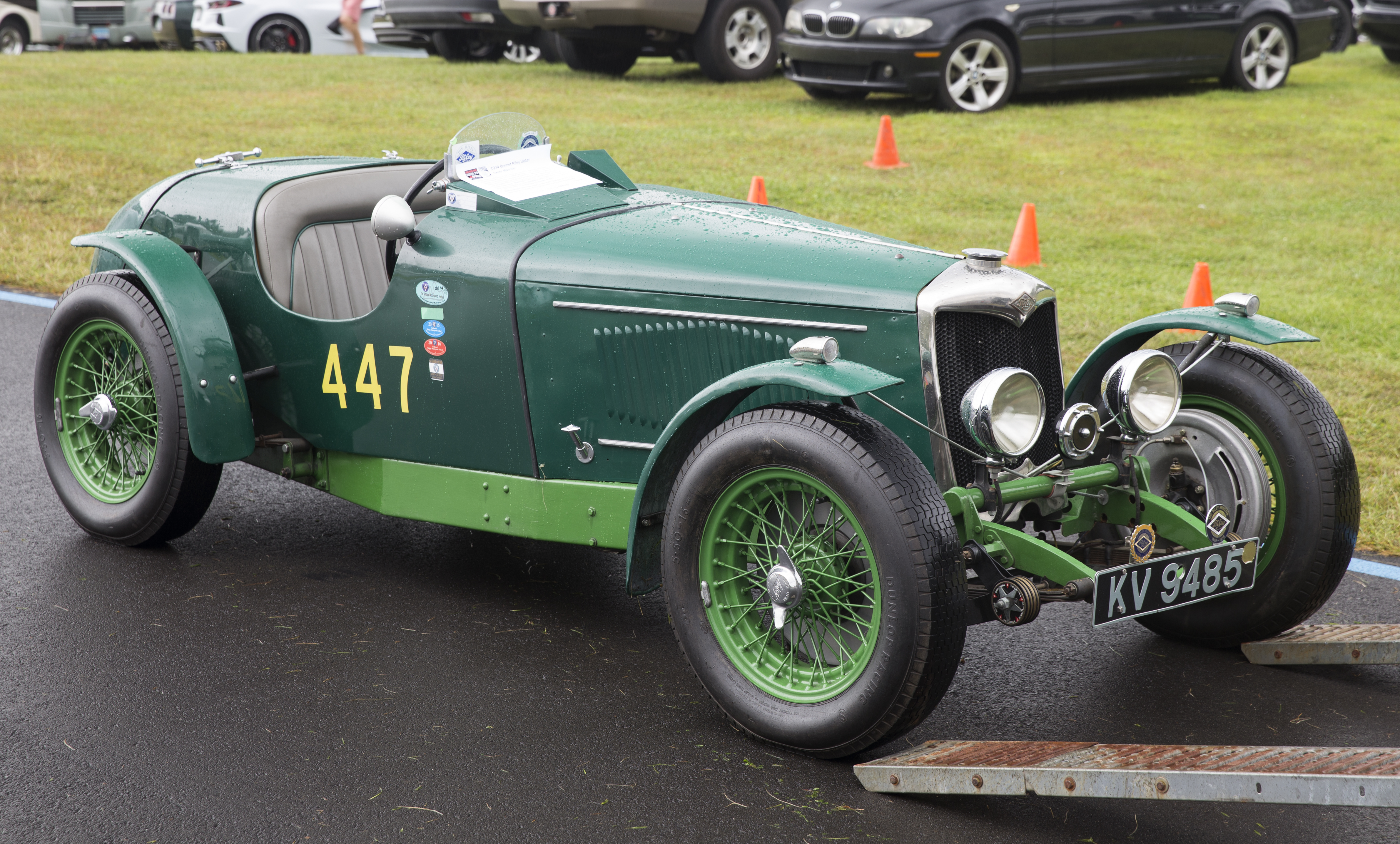
Riley 9 Imp, 1934 to 1935.
07:31
The Riley 9 Imp represents Haggerty
07:33
making a conscious case for vintage cars
07:35
at a time when that end of the market has clearly softened.
07:39
Values of pre-war cars have fallen significantly
07:41
in recent years, and the Imp is no exception.
07:44
Haggerty, however, still puts the recurrent value
07:47
at around 60,000 pounds plus,
07:50
with prices still roughly 20% down over five years,
07:54
and the collectability percentile is 56.5.
07:57
The usual criticism is predictable.
07:58
People say vintage cars are hard work.
08:00
The steering is heavy, the brakes are weak,
08:02
and they're only really enjoyed by older owners.
08:07
There is some truth in that.
08:08
Pre-selector and crash gearboxes take a bit of learning.
08:12
Cable-operated drum brakes demand anticipation
08:15
rather than aggression.
08:16
But with its 1087cc straight four,
08:22
the Imp is effectively a lightweight,
08:24
sporting cousin to Riley's MPH,
08:26
a car that genuinely took the fight to MG in period.
08:29
An open two-seater form, it feels alive
08:31
and engaging in a way modern cars simply can't.
08:35
Ownership does skew older for this car
08:38
with 76% born before 1965,
08:41
but there's still a healthy 20% Gen X presence
08:44
which tells you that this isn't just about nostalgia.
08:48
Personally, I admire the oddness.
08:50
I admire the engineering story,
08:52
but living with one requires patience,
08:55
understanding, and tolerance for idiosyncrasies.
08:59
And honestly, it's not for me.
09:01
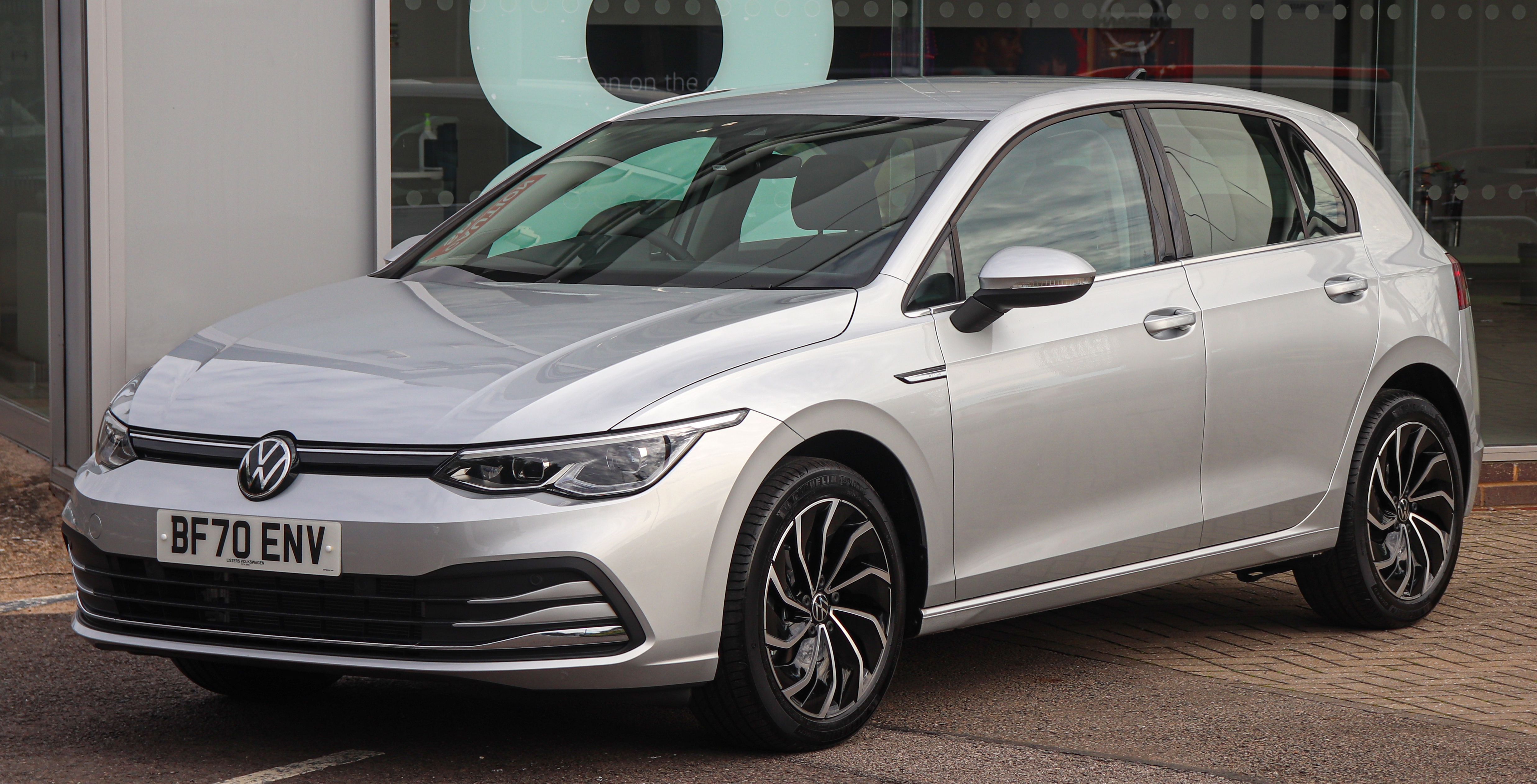
Volkswagen Golf GTI Mark II, 1982 to 1992.
09:05
Okay, now we're talking.
09:07
Proper icon territory.
09:09
Haggerty's hot hatchback index shows
09:10
this segment has been one of the strongest performers
09:13
in the classic market over the past three years
09:16
with another clear uptick in the last 12 months.
09:19
Classic hot hatches offer a rare mix of genuine fun
09:23
and styling that still feels modern enough to live with.
09:28
And the Golf GTI remains the benchmark.
09:30
The Mark II Golf GTI
09:31
is one of the most sensible enthusiast classics you can buy.
09:35
It retained the Bosch fuel-injected 1891cc engine
09:39
from the late Mark I,
09:40
but it gained a larger, more modern body
09:42
with improved handling and refinement.
09:45
Now, in 1986, the 16-valve version arrived
09:48
with 139bhp giving it a noticeable performance boost.
09:52
And really, this is the one to get.
09:54
This is also the car that many people
09:56
actually remember wanting, myself included.
09:59
The interior was updated too,
10:01
making the car feel more contemporary than its age suggests.
10:05
Value is a big part of the story.
10:07
Haggerty notes that an excellent Mark I GTI
10:10
now sits at around 21,500 pounds up nearly a quarter since 2020,
10:15
but the Mark II has remained relatively flat
10:18
at around 15,300 pounds for the 8-valve
10:21
and 16,600 for the 16-valve.
10:24
Demographically, the signs are very strong.
10:26
The GTI has the youngest ownership profile
10:28
on this year's UK list
10:30
with 92% of owners born after 1965
10:33
and a strong millennial and Gen Z interest.
10:36
Haggerty's collectability algorithm
10:38
also scores the Mark II 10 points higher than the Mark I.
10:42
The Mark II GTI delivers real driving enjoyment
10:45
without the fragility or the intimidation factor
10:49
of many older classics.
10:51
And it still fits into modern life with ease.
10:55
Toyota Supra Mark IV A80, 1993 to 2002.
10:59
And now we move on to something much more global.
11:02
This is a car that has long since crossed over
11:05
from being just a performance coupé
11:07
into full-blown cultural icon territory.
11:11
Films, games, tuning culture, and motorsport
11:15
have all played a role.
11:16
But crucially, that interest hasn't faded.
11:19
If anything, it's hardened.
11:21
Haggerty points out that while values
11:23
searched dramatically a few years ago,
11:25
the Supra has now settled into a more stable phase.
11:29
Prices haven't collapsed.
11:31
They've consolidated.
11:32
And that's often a sign of a car moving from hype
11:35
into long-term collectability.
11:37
Mechanically, the Supra backs up the legend.
11:39
The three-litre straight six, particularly in twin-turbo form,
11:42
earned its reputation for strength the hard way.
11:46
I've always loved Supras.
11:48
This one definitely deserves its reputation.
11:52
It looks dramatic, it feels special,
11:54
and it represents a moment when Japanese manufacturers
11:58
were quietly out-engineering everyone else.
12:02
That said, I'd approach buying one with a cool head.
12:05
This is a car where originality matters more than ever,
12:10
although that's really hard to find.
12:12
The market is dominated by modified examples,
12:15
and while some are brilliantly executed, many are not.
12:18
Heavy tuning, poor quality modifications,
12:21
and hard use are common with these cars.
12:23
But the right one, if you find it, get it,
12:27
and the Supra still makes enormous sense.
12:30
Not just as a nostalgic icon,
12:31
but as a genuinely significant modern classic
12:34
with global demand on its side.
12:37
Ford Transit Mark I, 1965 to 1977.
12:41
This is one of the most quietly fascinating choices
12:44
on the entire list, I would say.
12:46
At first glance, a first-generation Transit
12:48
feels like an odd inclusion on a Hagerty bull market list.
12:52
It's not glamorous, it's not fast,
12:53
it's not traditionally collectible
12:55
in the way that maybe sports cars tend to be.
12:58
But Hagerty isn't chasing glamour here.
13:00
They're tracking emotional memory.
13:03
For a huge number of people,
13:05
the Mark I Transit is woven into their everyday life.
13:09
We're talking builders and traders, family businesses,
13:13
holidays, childhood.
13:15
It's a vehicle that feels familiar
13:17
rather than aspirational,
13:19
and that familiarity creates confidence in the market.
13:22
Hagerty's data backs that up.
13:23
The Mark I Transit with a two-liter petrol engine
13:25
now sits at around 17,200 pounds
13:28
with values up 6.2% over the past five years
13:32
and a collectability percentile of 47.2%.
13:35
Not explosive growth, but steady, resilient momentum.
13:40
They also point out something important
13:42
about why the Transit matters historically.
13:45
While Volkswagen went down the route
13:46
of small, efficient engines with a Type 2,
13:49
Ford went for grunt almost from day one.
13:52
At launch in 1965, buyers could choose from diesel engines
13:56
and several petrol options,
13:58
including the Joule in the Crown,
14:01
the three-liter V6 producing a very healthy 138bhp.
14:06
That engine was originally intended for specialist uses
14:10
like police vans, but it famously found favour elsewhere.
14:13
The urban legend goes that by 1972,
14:16
95% of London bank jobs were carried out using transits.
14:20
Those V6 models with their extended pick snout
14:22
noses are now highly collectible.
14:26
Hagerty, however, singles out the two-liter petrol
14:29
as the smarter play.
14:32
It offers respectable performance at 93bhp,
14:35
a relatively strong collectability algorithm score,
14:38
and a price point that's still attainable.
14:41
Vans also tend to hold value better than pickups,
14:44
and genuine survivors are now rare,
14:48
so find the best that you can.
14:50
Recent strong asking prices suggest that the market
14:52
could still have more room to move.
14:55
Add to that the famously passionate Ford enthusiast base
14:58
in the UK, and you've got a classic that's usually well supported.
15:02
I completely understand why it's on the list.
15:06
It makes perfect sense in a nostalgia-driven lifestyle-led market.
15:10
Personally, though, if I were going to have one,
15:13
it wouldn't be standard.
15:15
It would have to be customized.
15:17
Lowered, bigger tires, and you know what?
15:21
Let's give it an 18-pane job.
15:23
MG, MGA 1955 to 1962.
15:26
This is very much Hagerty leaning into traditional British
15:30
Like many British sports cars in the 1950s and early 60s,
15:33
the MGA values have softened in recent years.
15:37
Hagerty puts the current value of a 1600 Coupe
15:39
at around £25,700, with prices down 10.7% over the past five years,
15:46
and a collectability percentile of 27.1%.
15:48
Ownership also skews older, with 65% of owners born before 1965,
15:53
which tells you that this is a mature, established market.
15:58
That said, the MGA still has a lot going for it.
16:02
Its race drive design means relatively simple construction
16:05
and engaging, period-correct driving ability.
16:09
It's not fast by modern standards,
16:11
but it's involving mechanical and honest.
16:14
There's also excellent parts availability,
16:17
a strong specialist network, and a huge range of upgrades
16:19
if you want to improve the drivability a bit more
16:22
without ruining the character completely.
16:24
Hagerty highlights the MGA's versatility as well.
16:27
This is a car that works just as well for a relaxed summer run
16:31
to the pub as it does for longer road trips.
16:33
Their own Charlotte Veldin famously drove hers
16:37
all the way to the north of Norway,
16:39
which tells you a lot about how usable these cars can be
16:43
when properly sorted.
16:45
They single out the 1600 as the sweet spot in the range,
16:49
sitting neatly between the earlier 1500
16:52
and the more expensive twin-cam and deluxe models.
16:56
The collectability algorithm agrees,
16:58
placing it in the healthy mid-range,
17:00
where usability and value tend to overlap.
17:03
I do understand the appeal.
17:04
It's pretty, it's recognizable,
17:06
and it's classically British in the way
17:09
many people imagine a classic car should be.
17:11
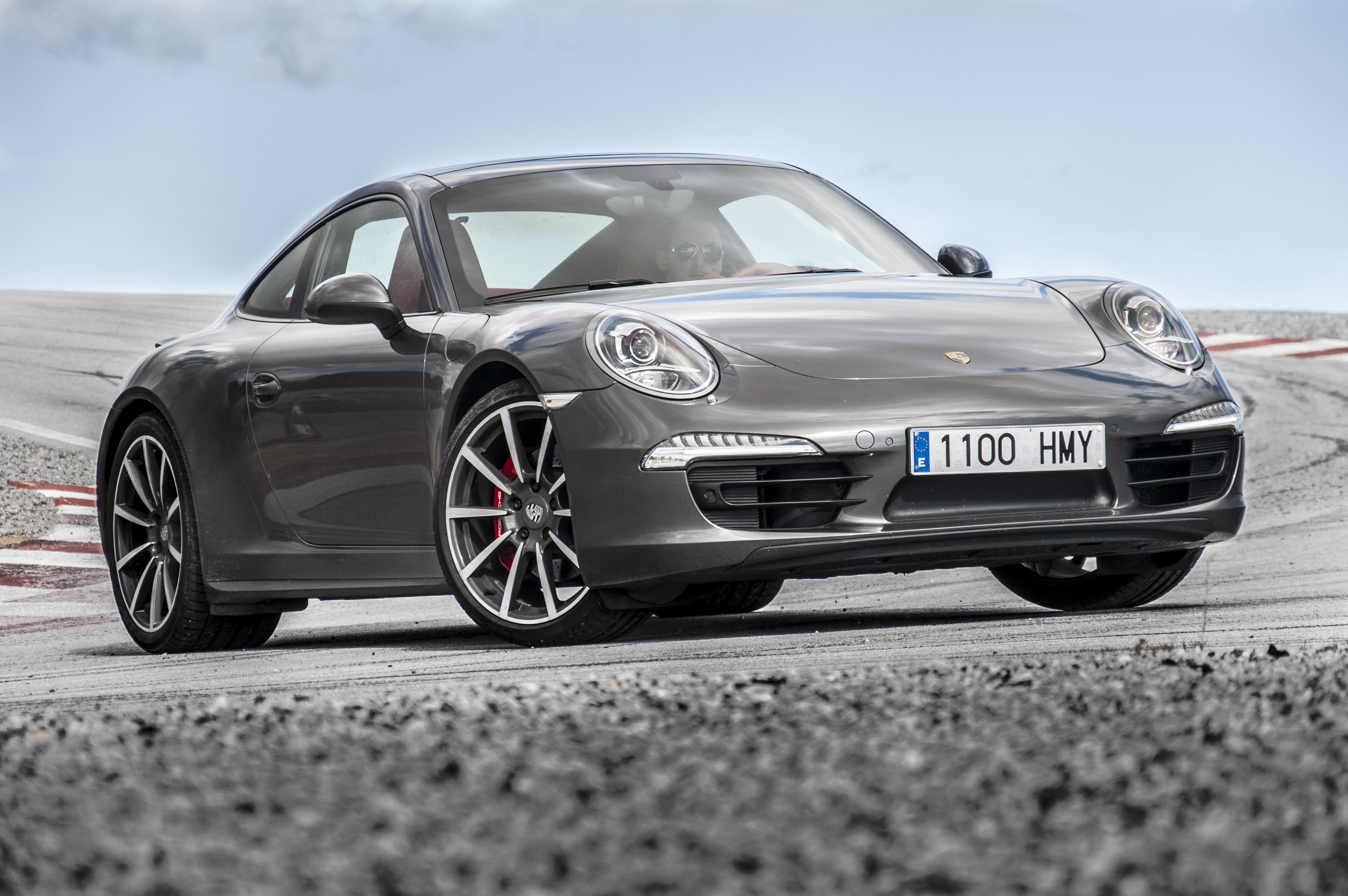
Porsche 991, the 996, 1997 to 2006.
17:16
The 996 was the first water-cooled 911,
17:18
the one with the infamous fried egg headlights
17:21
I used to call them scrambled egg headlights,
17:23
and it picked up on early reputation for engine issues,
17:25
from IMS bearing failures to bore scoring
17:27
and coolant pipe problems.
17:30
Fair or not, the stigma stuck,
17:32
but time has been kind to it.
17:34
The headlights don't feel quite as shocking
17:38
and in an era of much larger 991 and 992 models,
17:42
the 996 now looks relatively compact
17:45
and classically proportioned.
17:47
Crucially, as even the youngest cars are now
17:50
over 20 years old, most of the known mechanical issues
17:54
have either been addressed
17:56
or those cars have already met their maker.
17:59
What's left is a very good sports car.
18:02
Even base Carreras have close to 300 brake horsepower,
18:05
and while the interior is dated,
18:07
it's still a comfortable place to be.
18:09
Upgrades like Porsche Classic Communication Management
18:12
can also bring the tech up to date.
18:14
But value is the key thing here.
18:16
Haggerty puts an early 3.4-litre Carrera 2 coupé
18:19
at around 17,800 pounds,
18:21
with prices only down 2.2% over five years.
18:24
Even excellent examples struggle to top
18:26
more than 25,000 pounds,
18:28
making this the most accessible modern 911 by far.
18:31
That's reflected in its 88.3-collectability percentile,
18:34
the highest on this year's UK list.
18:38
For me, it was always that runny egg scrambled egg headlights
18:42
that put me off, I'm afraid,
18:43
and for a lot of my generation,
18:45
I think that's still the case.
18:46
But for younger buyers, that really doesn't matter anymore.
18:49
To them, this is simply the cheapest way
18:51
into a genuine 911 that still feels quite modern,
18:55
and that's no bad thing.
18:56
Alfa Romeo Spyder 1966 to 1986.
19:02
For years, the Alfa Romeo Spyder
19:03
was one of the most affordable ways
19:05
into pin and farina-designed Italian motoring,
19:08
and it was a lot of car for the money.
19:10
This brakes, or round, independent suspension,
19:13
a five-speed gearbox,
19:15
and Alfa's characterful twin-cam
19:18
Nord engine gave it real driving appeal,
19:21
not just good looks.
19:22
Then about 15 years ago, collectors woke up.
19:25
The early round-tail duetto and 1750 models
19:28
led the charge, with values jumping sharply
19:30
between 2015 and 2017.
19:32
After that, interest spread through the range.
19:36
First, the 1970s chrome-bumpered cars,
19:38
then the latest Series 4,
19:39
and finally, even the once unloved rubber-bumpered models
19:44
also became popular.
19:46
In recent years, prices have settled again,
19:48
and with inflation doing its thing,
19:51
these cars are starting to look like good value once again.
19:54
Haggerty puts the 2000 Veloce firmly in the sweet spot.
19:57
Current value sits at around 21,200 pounds,
20:00
with prices down 8.6% over five years,
20:03
and a collectability percentile of 38.2%.
20:06
It's not explosive, I suppose, but it's stable, though.
20:10
The Spyder has always had a bit of a mystique about it,
20:13
sunglasses rather than flat caps.
20:16
But it's also surprisingly practical.
20:18
Big boot, simple hood, interchangeable parts across the range,
20:22
and a strong UK specialist network.
20:23
Modern upgrades are also widely available,
20:27
from lighting to exhausts.
20:29
The 2000 Veloce in particular combines the classic twin-carb
20:32
soundtrack with a more usable interior, bigger tires,
20:36
and better long-distance comfort than the earlier round-tail cars.
20:40
How can you not be completely seduced by one of these?
20:47
This feels like the right balance between classic style
20:50
and real-world usability,
20:52
something they don't break down.
20:54
It's the sort of car that you can happily drive to the south or front,
20:56
if you don't break down,
20:58
rather than trailer to a show all the time,
21:00
which you probably will as well.
21:01
Prices may not soar, but at current levels,
21:03
I think it offers genuinely good value.
21:05
Ferrari F430 2005 to 2009.
21:08
And this is the most exotic car on the UK list.
21:12
Haggerty's Gold Index, which tracks top-tier performance cars,
21:15
has performed strongly since COVID,
21:17
and the Ferrari F430 fits that pattern.
21:20
Values are up nearly 19% over the past five years,
21:23
with the Spyder now sitting at around 95,400 pounds,
21:27
with a strong collectability percentile of 74.4.
21:31
Haggerty still considers it good value,
21:33
and it's easy to see why.
21:34
The F430, according to them,
21:36
was a clear step up from the 360 both mechanically and visually.
21:40
Personally, I still have trouble telling them apart.
21:42
But the 4.3-litre F136 naturally aspirated V8
21:45
set the template for future Ferraris,
21:47
and the Frank Stevenson pened Pininfarina body,
21:49
took cues from past icons, and it still looks modern today.
21:53
Compared with the success of the 458,
21:55
the F430 now looks particularly well positioned,
21:58
because excellent low mileage cars with manual gearboxes
22:01
and strong specifications sit at around 95,000 pounds,
22:05
while the higher mileage F1 gearbox cars
22:08
are significantly cheaper.
22:10
What's also interesting is the demographic.
22:13
65% of Haggerty and short owners are Gen X or Millennials,
22:17
which is relatively young for a Ferrari at this price point,
22:21
and bodes well for long-term desirability of that model.
22:25
Honestly, it is a fantastic machine.
22:27
It's dramatic, it's sonorous, it's unmistakably Ferrari,
22:31
but it also feels more like an asset than the companion.
22:35
Ownership comes with complexity, cost, and responsibility,
22:39
and that makes it a very different proposition
22:41
from most of the other cars on this particular list.
22:43
So what does this UK bull market list actually tell us?
22:47
It tells us that the British classic car market in 2026
22:50
is cautious, pragmatic, and deeply behavior-driven.
22:56
Buyers are prioritizing usability over fantasy,
22:59
liquidity over speculation, and confidence over bravado.
23:04
This is not a market chasing poster cars at any cost.
23:07
It's a market choosing cars that feel manageable, familiar,
23:12
and sellable, cars that people feel comfortable living with,
23:16
Traditional British classics are still loved,
23:19
but they are no longer automatic winners.
23:23
Modern classics, especially those with cultural resonance
23:27
and everyday usability, are where much of the real activity sits these days.
23:33
And perhaps most importantly, this list reminds us
23:36
that enthusiasm alone is no longer enough.
23:39
In 2026, buyers want reassurance, they want realism,
23:43
and they want cars that make sense, not just emotionally,
23:47
but practically, and that's the UK picture.
23:51
Next, we're going to cross over the Atlantic
23:53
and look at the US bull market list.
23:56
And the contrast is, I think, quite significant,
23:59
because while the UK market is cautious and selective,
24:03
the American market is still loud, broad,
24:07
and unapologetically indulgent.
24:09
Well, let's get into all of that right after this short break.
24:54
This year's Haggerty's US bull market list doesn't stop at 10 cars.
25:00
As I mentioned, it goes to 11.
25:02
That might sound trivial, but in a sense it's actually quite revealing.
25:06
Traditionally, Haggerty sticks to a top 10 format.
25:08
It's neat, it's disciplined, it forces difficult editorial decisions.
25:11
But this year, they've broken that rule.
25:14
And I don't think that's entirely an accident.
25:17
The reason, I think, is because the American classic car market
25:20
is not moving in one clear direction right now.
25:25
It's kind of fragmented.
25:26
There isn't a single dominant trend
25:28
the way that perhaps the UK market indicates.
25:31
Instead, there are multiple overlapping enthusiast markets,
25:34
all active at the same time.
25:36
You've got the high-end blue chip collectors still spending big.
25:40
You've got modern classics surging among the Gen X and older millennials.
25:45
Japanese imports only just becoming legal are exploding in demand.
25:51
Muscle cars are retaining cultural gravity.
25:54
And oddball trucks and SUVs are quietly gaining traction,
25:58
for want of a better word.
25:59
Trying to compress all of that into 10 cars
26:01
would have meant leaving something out, I suppose.
26:04
So Haggerty has added an extra slot,
26:06
effectively saying this market is too broad to tidy up into just 10.
26:13
Chevrolet Corvette 06, the C6, 2006 to 2013.
26:17
This is America at its absolute best
26:19
when it comes to performance per pound or per dollar.
26:23
Haggerty's argument for the C6 Corvette 06 is brutally simple.
26:26
If you want sheer pace, drama and exhilaration
26:29
for the price of a new family hatchback,
26:31
very little comes close.
26:33
Even today, it remains one of the fastest, most visceral sports cars
26:37
you can buy for the money.
26:39
At the heart of it is the engine.
26:41
And what an engine it is.
26:43
The 7-liter LS7 V8 is like a moonshot project.
26:48
Hand-built, dry-sum lubricated with titanium-connecting rods
26:51
that produce 505bhp on 470Nm, sorry, pounds-foot of torque.
26:57
We're going to go old school for this.
26:58
While still allowing the car to keep that low bonnet line
27:00
in the near perfect weight distribution.
27:02
The engine sat in a lightweight aluminium frame,
27:05
far lighter than the standard Corvette steel chassis,
27:08
giving the 06 a curb weight of just over 3,100 pounds.
27:12
The result was explosive performance.
27:15
0-to-60 in around 3.5 seconds at 7,000 rpm red line
27:19
and an exhaust note that makes your heart jump
27:21
every time you fire it up.
27:24
Push rods or not, this was serious race-spread engineering.
27:27
Haggerty also points out that the Corvettes
27:29
with big capacity engines have always commanded
27:31
a premium and history backs that up.
27:34
Earlier 427-powered C2 and C3 models are on average
27:37
worth significantly more than the small block counterparts
27:41
and the 06 fits squarely into that lineage.
27:44
Demographically, it's an interesting car too.
27:46
52% of owners are Gen X or younger
27:49
and millennial ownership has doubled since 2021.
27:53
That's unusually young for a Corvette
27:55
and it suggests that this generation understands
27:57
just how special this car is.
28:00
My view, I've always loved Corvettes
28:03
but this one felt like a real turning point.
28:05
This was the moment Corvette stepped out
28:07
from being a Larry muscle car
28:10
into a genuinely sharp, tidy sports car.
28:14
I remember reviewing the 06 and being struck by
28:16
how much smaller, lighter and more race-bred it felt
28:20
than previous versions.
28:21
It was raucous, it was jittery,
28:23
it was slightly intimidating,
28:25
more like a proper race car than a traditional cruiser.
28:28
You didn't just drive it, you wrestled with it a bit
28:31
and that's exactly why it felt so special.
28:34
Even now, it still feels thrillingly analog
28:37
in an increasingly digital world.
28:39
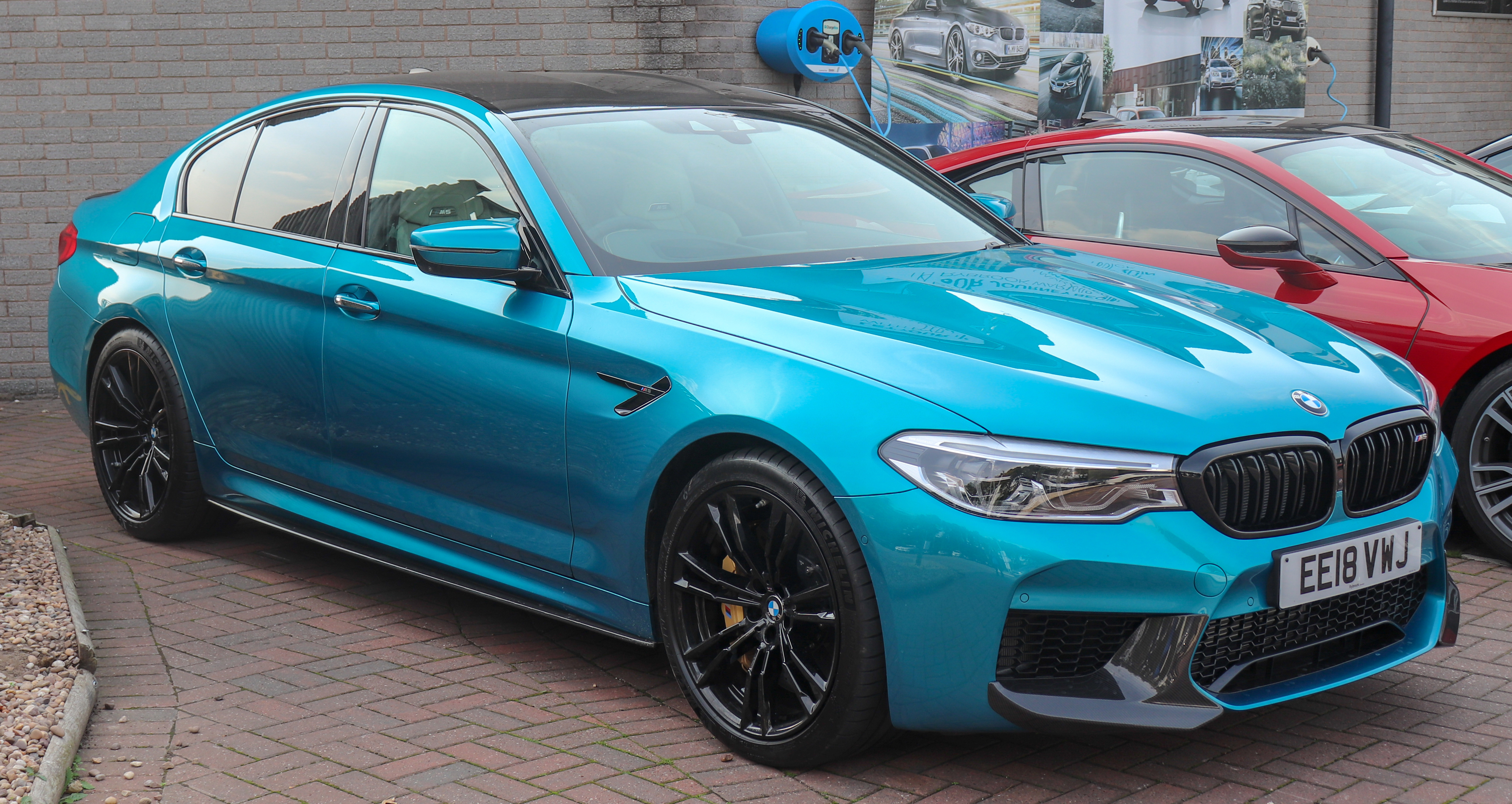
The BMW M5 E60 2004 to 2010.
28:43
This is one of the maddest cars BMW has ever put
28:46
into series production.
28:48
When the E60 M5 was launched,
28:50
its 5-liter naturally aspirated V10
28:52
was rightly described as the mother of all powertrains
28:55
and that still holds true today.
28:58
It's the first production saloon to feature a V10 engine.
29:01
It had 500 brake horsepower and an 8,250 rpm redline,
29:06
individual throttle bodies and a sound
29:08
that no BMW before or since has ever matched.
29:11
This was an engine built with zero compromise.
29:14
Unlike most M series engines,
29:16
the S85 V10 wasn't based on anything else
29:20
in the BMW range, it was a one-off,
29:22
directly inspired by BMW's Formula 1 involvement
29:25
in the early 2000s.
29:26
With a target of 100 brake horsepower per liter,
29:29
no turbocharging safety net.
29:31
It remains utterly outrageous.
29:33
The car itself sold well with just over 20,500 examples
29:36
built worldwide and values have now
29:39
reached an interesting point.
29:40
Haggerty notes the prices appear to have bottomed out
29:43
in early 2025 with now signs of an upswing.
29:47
A good SMG car can still be found for about $22,000
29:51
while a rare six-speed manual car,
29:54
that's what you want, right?
29:54
They command roughly a 50% premium,
29:57
reflecting just how special that configuration is.
30:00
What's also telling is the buyer profile.
30:03
58% of Haggerty insurance quotes
30:05
are now coming from buyers in their 30s and 40s,
30:10
the highest share of any M5 generation.
30:13
The US market was the biggest for this car,
30:16
but around 10% of those have actually already been exported,
30:19
mainly back to Europe,
30:20
which is starting to tighten supply in America.
30:23
This car is bonkers in the best possible way,
30:26
a buttoned up executive saloon on the outside,
30:29
and a barely disguised race engine on the inside.
30:32
Listen to it, a full chat,
30:34
and it's hardly believable that something this feral
30:37
comes from something that has four doors and heated seats.
30:40
It's heavy, it's complex, and it demands respect,
30:43
but nothing else quite combines luxury, theater,
30:47
and mechanical insanity like this one.
30:49
Porsche Carrera GT 2003 to 2006.
30:52
The Carrera GT comes from a brief, glorious moment
30:55
when manufacturers were still willing to build cars
30:57
that made no sense on paper,
30:59
but perfect sense to drivers, the right drivers.
31:02
Born from a cancelled Porsche racing program,
31:04
it arrived with a 5.7-litre naturally aspirated V10,
31:09
and absolutely no interest in helping you if things went wrong.
31:13
At launch, its price shocked the market.
31:16
Porsche struggled to sell them.
31:18
Today, that seems kind of absurd, actually.
31:21
Only 1,270 examples were built,
31:24
and values now sit firmly in seven figures.
31:27
Haggerty notes that while some early 2000s supercars
31:29
spiked during the pandemic,
31:32
and then plateaued,
31:33
the Carrera GT has started climbing again,
31:35
underlining a status as one of the most
31:37
desirable analog supercars ever made.
31:42
The experience of driving it is the reason.
31:44
An 8,200 RPM redline,
31:46
a gear lever topped with a wooden knob
31:48
in tribute to the Le Mans winning 917,
31:51
and an interior that feels almost willfully old-fashioned.
31:55
Two seats, three pedals, no screens, no filter.
31:59
The engine is a star here,
32:01
with almost no flywheel mass.
32:04
It spins with a shocking urgency.
32:06
That's why it whoops from idle to redline in an instant,
32:10
and why it demands proper technique.
32:13
Driven well, it's sublime.
32:14
But you kind of need to be a Walter Roll
32:16
to be able to tame this thing.
32:18
Yes, modern hypercars are quicker,
32:20
but none of them feel quite like this.
32:22
The Carrera GT is mechanical, physical,
32:25
deeply involving in a way that,
32:27
I guess simply doesn't exist anymore
32:28
in the supercar segment.
32:30
It's also the reason why cars like this
32:31
now cost what they do,
32:33
because nothing like it will ever be built again.
32:35
Frankly, it's a bit intimidating
32:38
with a fearsome reputation.
32:40
So make sure you know what you're getting into
32:42
before you get into one of these.
32:44
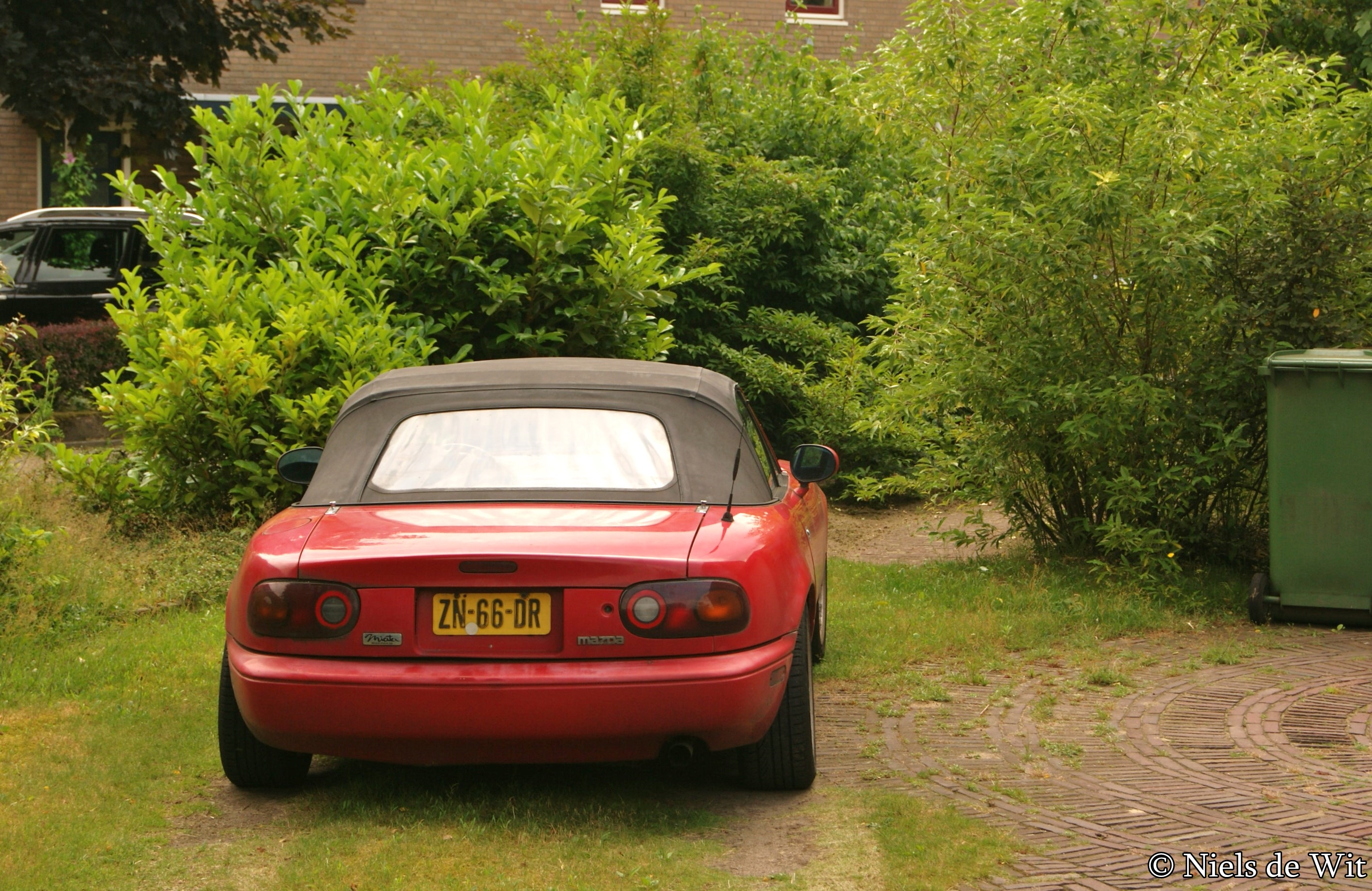
Mazda MX-5 NB, the second gen,
32:49
This is Haggerty quietly correcting an emission.
32:52
For years, the original NAMX-5
32:53
grabbed all the attention,
32:55
and between 2016 and 2021, its values surged.
32:58
Haggerty openly admits
32:59
that they should have included it earlier.
33:01
Instead, they're now shining the spotlight
33:03
on the second generation NB car
33:06
that has long been underappreciated,
33:09
but is now finally catching up.
33:11
The logic is compelling.
33:13
The NB builds on everything
33:14
that made the original great,
33:15
but it improves almost everywhere.
33:18
The 1.8-liter engine
33:19
gained a freer breathing cylinder head
33:23
The body and interior were redesigned,
33:25
but stayed faithful to the idea,
33:27
the concept of the original,
33:28
and usability improved
33:30
without dulling the driving experience.
33:32
Within the NB range,
33:34
Haggerty notes a clear progression.
33:36
Early NB-1 cars are simpler,
33:38
while later NB-2 models gained more power,
33:42
a revised front-end, variable valve timing,
33:44
and the option of a six-speed manual.
33:47
These incremental upgrades matter,
33:49
especially as buyers become more selective.
33:51
One of the NB's biggest advantages
33:55
These cars are newer
33:56
than the ANA models by a decade or more,
33:58
and that matters hugely for a car
34:00
that's been raised, modified,
34:02
and generally thrashed
34:03
more than almost anything else
34:05
out on the road these days.
34:06
As Haggerty points out,
34:07
good examples are becoming
34:09
noticeably harder to find.
34:12
For me, the main thing was that
34:14
I fitted into one of these,
34:16
whereas I have a love-hate relationship
34:18
with the original car
34:18
after slamming the door
34:20
and getting my knee caught
34:22
between the door and the steering wheel.
34:25
and I never quite forgave that car.
34:27
But the NB thankfully had a fraction more space
34:29
and a little bit more steep travel
34:32
for lanky guys like me.
34:34
Driving remains at the heart of the appeal,
34:36
lightweight, delicate controls,
34:38
sweet revving engine,
34:39
and a ride that's forgiving
34:40
rather than punishing.
34:42
It's a reminder that a proper sports car
34:44
doesn't need huge power to be engaging.
34:47
Add in bullet-proof reliability,
34:49
a simple roof mechanism,
34:50
and zero electrical horror stories,
34:52
and it's easy to see why demand
34:55
remains consistently strong.
34:57
Values reflect that shift,
34:58
while the NB still commands more money,
35:00
the NB is closing the gap,
35:01
and Haggerty believes
35:02
there's no sense of compromise here.
35:04
In many ways, it's actually the better car.
35:06
Nissan Skyline GT-R,
35:08
the R33, 1995 to 1998.
35:11
This is one of the true legends
35:13
of modern car culture.
35:14
For years, the Skyline GT-R existed lightly
35:17
as a fantasy for many enthusiasts,
35:19
built in small numbers,
35:20
sold mainly in Japan,
35:21
and never officially offered in the United States.
35:24
It gained its reputation through games,
35:28
and grainy online videos
35:30
rather than real-world ownership.
35:32
Haggerty's focus here is on the R33,
35:35
the often overlooked middle child,
35:38
if you like, of that original GT-R family.
35:40
It's meaningfully quicker and more advanced
35:42
than the original R32,
35:44
yet worth less than half the price
35:48
despite offering a very similar driving experience.
35:51
An excellent unmodified example
35:52
now sits at around $80,000,
35:54
which in GT-R terms,
35:56
still looks compelling.
35:57
On the road, the appeal became obvious.
36:00
it's refined, comfortable,
36:02
and easy to live with,
36:04
and the GT-R's genius reveals itself.
36:06
The twin-turbo RB26 straight-six delivers
36:10
but it's the sophisticated all-wheel-drive system
36:13
that defines the car,
36:15
shuffling torque intelligently
36:16
to give astonishing traction and confidence.
36:20
but more importantly,
36:21
it's deceptively easy to drive quickly.
36:23
The usability is a big part of why interest is growing.
36:26
Haggerty notes that around 60% of demand
36:28
comes from buyers in their 30s and 40s,
36:31
a generation whose tastes are now
36:32
shaping the future of the classic car market.
36:35
As more cars reach import eligibility
36:38
and awareness grows,
36:40
the GT-R's position looks increasingly secure.
36:47
are the real GT-Rs,
36:50
JDM icons in the truest sense.
36:53
the first time I really understood
36:54
how brilliant they were
36:55
was driving them in the original
36:57
PlayStation Gran Turismo game.
36:59
Seeing one in the metal
37:00
still feels special,
37:01
and driving one confirms that why it's a legend.
37:11
This one is pure 1990s nostalgia bottled.
37:15
it was marketed as the Golf GTI VR6,
37:18
leaning heavily on the GTI badge.
37:20
In the UK and Europe,
37:21
it was simply called the Golf VR6.
37:23
It was separate to the GTI,
37:25
so slightly earlier,
37:26
and positioned as the range-topping
37:28
six-cylinder flagship
37:29
rather than the traditional hot hatch.
37:32
slightly different years,
37:33
but fundamentally the same car.
37:35
And what a car it was.
37:36
The Mark III Golf was the first GTI generation
37:39
to receive Volkswagen's VR6 engine.
37:42
A narrow-angle six-cylinder design to fit,
37:45
where normally only four cylinders would.
37:47
In a 2.8-litre 12-valve form,
37:50
it produced around 172 brake horsepower
37:52
with a muscular spread of torque,
37:54
and a soundtrack that immediately
37:55
set it apart from anything else out there.
37:58
Yes, it was nose-heavy.
37:59
Yes, the torsion beam rear suspension meant
38:02
it had a habit of lifting an inside wheel
38:06
On paper, that sounds like a flaw,
38:09
it just added to the sense of mischief.
38:12
It was practical, usable,
38:14
and genuinely quick for its error.
38:17
even a Mustang GT struggled to better
38:19
the 0-60 time of 6.7 seconds.
38:23
Hackety says that later Golfs,
38:25
particularly the Mark IV and Mark V,
38:27
attract younger buyers too,
38:29
but the Mark III VR6 remains more affordable,
38:32
despite being the first
38:33
and most characterful of the VR6 Golfs.
38:36
Values now range from $30,000 on top
38:39
examples down to well under $10,000
38:43
reflecting just how hard many of them were used.
38:47
But that's the key.
38:48
Survivors are getting thin on the ground.
38:50
These cars spent years in cheap-use purgatory,
38:53
modified, abused, or simply worn out.
38:56
Finding a clean original one is now genuinely difficult,
38:59
and that rarity is finally being recognized.
39:02
For me, this is the best version of the Mark III Golf.
39:05
It's the moment that Volkswagen went slightly mad
39:08
in the best possible way.
39:10
Heavy, charismatic, flawed, and full of personality.
39:13
The 12-valve engine sounds glorious,
39:15
and it represents a time when hot hatches were allowed to be a bit weird.
39:23
based on the C1500 model, 1990-1993.
39:26
This is where nostalgia, noise, and brute force collide.
39:29
The Chevrolet 454SS sits right at the center
39:34
of several powerful collector trends,
39:36
and Haggerty's data shows that clearly.
39:39
Insurance policies are growing faster than average.
39:41
In fact, average insurance values are up 57%,
39:44
and around half of all interest now comes from under 50s.
39:48
This isn't about work trucks anymore.
39:50
This is about memory and myth.
39:52
On paper, the idea was gloriously simple.
39:55
Take the lightest regular cab,
39:57
short bed pickup that you sell,
39:58
and drop the biggest engine that you've got into it.
40:01
In this case, it's 7.4-liter, big block V8.
40:05
Early trucks had 230bhp,
40:06
and later models had 255bhp.
40:09
But power figures missed the point entirely.
40:11
What mattered here was torque, lots of it.
40:14
Enough to feel like a small explosion
40:16
every time you press the throttle.
40:18
Chevy didn't pretend that this was a track weapon.
40:20
Straight line punch was the headline,
40:23
but with upgraded suspension, steering, and brakes.
40:25
The 454 or 454 SS was more composed than you might expect.
40:30
It still feels more like a classic muscle car
40:33
than a modern performance truck, though.
40:35
And I guess that's exactly the appeal.
40:37
Production numbers were relatively low
40:38
at around 17,000 units,
40:40
with most sold in the first year.
40:42
Today, values range widely,
40:44
from project money to nearly $90,000,
40:47
for the very best examples.
40:48
And the top end is moving fast.
40:50
The GMT 400 truck platform
40:52
has become collectible in its own right,
40:54
and this is the king of that generation.
40:57
I've always had a soft spot for American trucks.
41:01
And the fast ones are a rare hoot.
41:03
This thing is ridiculous, it's loud,
41:05
it's completely unapologetic.
41:07
It's not subtle, it's not clever,
41:08
but it's very, very cool.
41:11
And although it doesn't really make any sense,
41:14
it kind of actually does.
41:15
Dodge Ram Charger, second generation 1981 to 1993.
41:20
This is America doing excess properly.
41:23
The second generation Dodge Ram Charger
41:26
sits in that wonderful space between
41:28
pickup, SUV and rolling statement of intent.
41:32
It's huge, unapologetic,
41:34
and about as subtle as a sledgehammer.
41:37
And that increasingly is exactly why people want one.
41:40
Haggerty points out that while Mopar
41:42
has often been ahead of the curve,
41:44
Dodge arrived late to the full-size
41:48
When it did, it went big.
41:51
This thing built on a shortened truck underpinnings,
41:55
the Ram Charger was wider and longer
41:57
than its rivals, and it felt it.
41:59
From 1981 onwards, it came with a V8 as standard,
42:02
usually the 318 with the option to step up to the 360.
42:06
Over its long production run,
42:07
it gained fuel injection and even rear ABS,
42:11
but it never lost its raw mechanical feel.
42:14
That primal character is the appeal.
42:16
Modern off-roaders are incredibly capable,
42:18
but they're also insulated, refined,
42:22
and digitally filtered.
42:23
The Ram Charger never lets you forget
42:25
what you're driving.
42:26
You climb up into it, fire the V8,
42:29
and everything feels big, heavy,
42:32
and significantly unruly.
42:34
Steering is more a suggestion than an instruction.
42:36
Tight turns aren't really a thing,
42:38
but rumbling along at moderate speeds
42:40
is endlessly satisfying.
42:42
Values reflect growing interest.
42:44
The Ram Charger has been rising steadily,
42:46
yet it still looks like a bargain compared
42:47
with anything wearing a Bronco or a Blazer badge at the moment.
42:52
Haggerty's data shows that the share of owners
42:54
under 50 is twice their average.
42:57
A strong signal that younger buyers
42:58
are finally waking up to its charms.
43:01
This is a street legal monster truck,
43:05
It's ridiculous, fun, and full of character.
43:07
If you miss the Blazer Bronco boat,
43:09
then this feels like the next best thing
43:11
to have without the hype premium.
43:13
Alpha the Mayo GTV 1969 to 1972.
43:17
This is Alpha the Mayo at its absolute peak.
43:20
In the late 1960s, nobody did class for the masses
43:24
The Giulia GTV was stylish, soulful,
43:27
and genuinely attainable when new,
43:29
offering beautifully engineered performance wrapped
43:31
in one of the most elegant coupe shapes ever drawn.
43:35
Nearly 60 years on, that magic hasn't faded.
43:38
Haggerty highlights how well positioned
43:39
these cars now are.
43:41
A drivable GTV can be found for under $40,000,
43:44
which is remarkably close in real terms
43:46
to what a new 1750 GTV cost in 1969.
43:51
Values range widely from the usable drivers
43:53
to six figure concourse level cars,
43:57
but the middle of the market
43:58
is the bit that remains compelling.
44:01
The appeal starts with the design,
44:04
The GTV avoided the sharp angles,
44:06
fashionable elsewhere at the time,
44:08
opting instead for clean, harmonious lines
44:11
and a compact, perfectly balanced profile.
44:15
Whether you prefer the early step nose cars
44:17
or the latest smooth nose versions,
44:20
it's a shape that still looks right from every angle.
44:23
Mechanically, it's just as charming.
44:25
The all aluminium twin cam four cylinder
44:27
is free revering, characterful and eager,
44:31
paired with a light chassis
44:33
and beautifully communicative steering.
44:35
Haggerty noticed that while later 2000 GTVs
44:38
have softened in value, the 1750 has pulled ahead
44:41
thanks to its sweeter, higher rubbing nature.
44:43
This was the thinking person's alternative
44:45
to more expensive Italian Exotica when new.
44:48
And today, it plays a similar role
44:50
against increasingly pricey, classic Porsches, if you like.
44:53
In fact, Haggerty says,
44:55
well, they actually make the comparison directly.
44:57
The GTV offers much the same fun and capability,
45:01
they say, as a Porsche 911 without the inflated price tag.
45:05
This is one of those cars that doesn't need to shout.
45:08
It's elegant, tactile, deeply involving at sensible speeds.
45:12
It reminds you that you don't need huge power
45:15
to have a proper driving experience.
45:18
Just a great engine, a light body and a winding road.
45:21
Dodge Charger, second generation 1968 to 1970.
45:24
This is the heavyweight champion of muscle car culture.
45:28
The second generation Dodge Charger
45:29
is not just the most famous charger ever built.
45:32
It's arguably the most recognizable
45:35
American muscle car full stop.
45:37
Haggerty's inclusion is rooted as much
45:39
in cultural gravity as market logic.
45:42
And right now, the numbers seem to line up very nicely.
45:46
Surprisingly, values for number three level condition cars
45:51
have dipped slightly in recent years,
45:54
making this a rare moment where one of the biggest icons
45:56
of that era looks relatively approachable again.
45:59
Prices remain higher than pre-pandemic levels,
46:02
but the softening has created a buying window,
46:05
especially for those who want style and presence
46:07
rather than concourse perfection.
46:10
The design is the foundation.
46:12
The 1968 redesign, dissed the earlier cars' touring pretensions
46:17
and embraced the full Coke bottle aggression.
46:21
It was the perfect villain in bullet, as you will remember,
46:25
devastatingly effective in NASCAR ovals,
46:27
and so visually dominant that even people
46:29
who know nothing about cars recognize this one instantly.
46:33
Under the skin, buyers had options.
46:35
Many cars left the factory with 318 or 383 V8s,
46:39
which are the most affordable entry point today
46:42
and perfectly suited to cruising.
46:44
Around 40,000 RT models were built with serious engines
46:48
like the 440 Magnum or the legendary 426 Hemi.
46:52
And those top spec cars are the ones
46:54
that come on serious money today.
46:55
What makes the Charger especially interesting right now
47:00
52% of owners are Gen X or younger,
47:02
and that younger interest is expected to push values up again.
47:07
This isn't nostalgia fading away,
47:09
it's nostalgia being passed down.
47:12
Just as it was beginning to look like
47:13
the muscle car fad was fading,
47:16
it seems to be finding a new audience.
47:17
This is pure attitude on wheels.
47:19
It's not subtle, it doesn't pretend to handle like a sports car,
47:23
it doesn't need to.
47:24
The Charger is about theatre, the shape, the sound,
47:28
the sense that you're driving something that mattered.
47:31
It's one of those cars that simply
47:33
the act of walking up to it
47:35
feels like part of a very special experience
47:38
and worth the money alone.
47:39
Continental Mark II 1956 to 1957.
47:44
This is American luxury taken to its absolute extreme.
47:47
The first thing Haggerty is keen to underline is this.
47:49
The Continental Mark II is not a Lincoln.
47:52
It was built by Ford's short-lived Continental Division,
47:56
created to sit above Ford and Lincoln Mercury
47:59
as a no compromise luxury brand.
48:03
And no compromise really does mean no compromise.
48:05
When it launched in late 1955,
48:07
the Mark II cost $10,000,
48:10
making it the most expensive American car of its era.
48:13
Adjusted for inflation, that's roughly $120,000.
48:17
Today, famous owners included Frank Sonata,
48:20
Elizabeth Taylor, and Elvis Presley.
48:23
And even at that price, Ford reportedly
48:26
lost money on every single one sold.
48:29
The design is the star.
48:30
Clean, restrained, and beautifully proportioned.
48:33
It avoided the excess chrome that defined much of 1950s Detroit.
48:37
Details bordered on obsessive.
48:39
The four-pointed Continental star hood ornament
48:41
was machined by a gun sight manufacturer
48:44
because die casting wasn't precise enough.
48:47
The gauges were inspired by Cartier watches.
48:50
The leather came from Scotland's Bridge of Wear tannery.
48:54
Nothing about this car was ordinary.
48:56
Under the bonnet sat a 368 cubic inch V8,
49:00
producing 300 horsepower,
49:01
enough to move nearly 5,000 pounds
49:04
of steel, leather, and dignity with ease.
49:08
It doesn't rush, it glides.
49:10
Behind the wheel, it feels stately, calm, and formal,
49:13
exactly as it is intended to be.
49:15
Production was brief.
49:16
Just 2,550 cars were built for 1956,
49:19
and a mere 444 for 1957 before Ford quietly
49:23
shut the division down ahead of its stock market floatation.
49:27
Today, Hagerty estimates that only around 1500 remain on the road,
49:31
and values reflect that rarity.
49:34
While top cars exceed six figures,
49:37
a number three-condition example sits at around $40,400,
49:42
making it something of a bargain for what is arguably
49:44
the most refined American car of the 1950s.
49:48
Interest still skews older,
49:50
but Hagerty knows the younger enthusiasts are beginning to take notice.
49:54
This isn't a driver's car, it's a statement.
49:56
A rolling expression of confidence, restraint, and taste.
49:59
In a market where many 1950s cars struggled for relevance,
50:03
the Mark II stands apart.
50:05
Quietly, magnificently, deeply special.
50:08
And unlike anything else America ever built.
50:11
So what does the US list tell us about the US classic car market?
50:14
Well taken as a whole, the US bull market list suggests
50:17
that the American classic car market in 2026
50:19
is broad, confident, and emotionally driven.
50:23
Unlike the UK, which prioritizes reassurance and liquidity,
50:27
the US market still embraces excess, performance,
50:31
nostalgia, and cultural mythology.
50:34
There's room for supercars and pickups,
50:37
delicate European coupes, and brutish muscle cars.
50:42
It's messy, but it's vibrant.
50:44
And that's why Hagerty needed 11 cars instead of 10.
50:48
In the final section, I'm going to step away from Hagerty's data entirely
50:52
and introduce four cars of my own choosing.
50:55
Cars shaped not just by market logic,
50:58
but by memory, experience, and instinct.
51:02
Like, comment, and share this video please.
51:05
So up to this point, everything that we've talked about
51:08
has been filtered through Hagerty's lens.
51:11
Their data, their methodology, their reading of the market.
51:15
And that matters because it tells us what people are actually buying,
51:18
what they're actually doing, not just what they're talking about online.
51:21
Cars, at least for me, have never been clinical objects.
51:26
They're shaped by where you grew up, what you saw on the road,
51:30
what you heard, what stuck with you long after the posters came down.
51:36
These are the cars that are matted when they were new,
51:38
and they are the cars that still make sense today.
51:41
Cars that remind us why we got into cars in the first place.
51:45
Each one of these connects to a different chapter,
51:47
probably of my own journey as well.
51:49
Some I've enjoyed and some I've admired from afar.
51:53
Most of them I still want quite badly.
51:55
Number one, the Mercedes S-Class, the W126, 1979 to 1992.
52:00
I grew up in Saudi Arabia in the 1980s,
52:02
and if you wanted to understand what success,
52:04
authority, and quiet power looked like back then,
52:08
you didn't need a business card,
52:09
you just needed a W126 S-Class pulling up alongside you.
52:13
This was the ultimate boss car.
52:15
Ministers, senior businessmen, diplomats, royalty, you name it.
52:20
The W126 wasn't flashy, it was definitive, calm, confident, immovable,
52:26
and to my eyes, it still looks like the class CSS class Mercedes ever built.
52:31
What makes it special is that it wasn't just about image,
52:34
this was Mercedes at the absolute height of its engineering confidence,
52:38
built to be the best car in the world regardless of cost.
52:42
Everything feels over-engineered, considered,
52:45
and designed to last far longer than its designers ever needed to
52:49
to make it so, and that's why they still make sense today.
52:54
Values have remained sensible, but demand has quietly strengthened
52:58
as buyers realize just how usable these cars still are.
53:02
They're refined, they're comfortable at modern speeds,
53:04
and astonishingly robust when properly maintained.
53:08
Unlike many luxury cars of the era that we're talking about,
53:13
the W126 doesn't feel fragile or precious.
53:17
There's also something refreshing about its restraint.
53:20
No gimmicks, no screens shouting at you,
53:22
just clear dials, solid switchgear,
53:25
and that unmistakable Mercedes sense of solidity and calm.
53:30
It's a car that lowers your blood pressure rather than raising it.
53:34
For me, this is not a nostalgia pick in the shallow sense,
53:37
it's admiration that's lasted for decades.
53:40
It's the sort of car that you promise yourself you'd own one day,
53:43
not because it's fashionable,
53:44
but because it represents a standard
53:46
that's largely disappeared, I guess, these days.
53:49
Number two, the Toyota Corolla AE86 1983 to 1987.
53:53
This one surprised me in the best possible way.
53:56
I've always respected the AE86.
53:58
Well, everyone does.
53:59
It's one of those cars whose reputation arrives
54:02
well before the car itself does.
54:04
But recently, after spending some proper time with the car,
54:07
I was reminded just how right it feels even today.
54:10
On paper, it's almost laughable.
54:13
Modest power, skinny tires, no electronic trickery,
54:17
and yet behind the wheel, it comes alive in a way
54:20
many more far more powerful cars simply don't.
54:24
It's light, it's communicative, it's utterly honest.
54:27
You feel everything.
54:28
The steering loads up, the rear talks to you,
54:31
and the car encourages you to play
54:33
rather than intimidates you into submission.
54:36
The AE86 isn't about speed.
54:38
It's about balance, about involvement,
54:41
about the satisfaction of carrying momentum
54:43
and getting things right.
54:45
It's one of those rare cars that makes 50 miles per hour
54:48
feel like an event, and that's a bit of a gift, really.
54:52
There's also something deeply reassuring
54:54
about its reliability.
54:56
This is classic Toyota engineering
54:58
from an era when durability was non-negotiable.
55:01
When properly maintained, these cars are tough, dependable,
55:05
and far easier to live with than the cost status might suggest.
55:11
And yes, values have risen sharply,
55:13
but that's not just hype, it's recognition.
55:15
Recognition that this car represents
55:18
a kind of driving experience that's almost extinct these days.
55:22
Mechanical, lightweight, human-scaled.
55:25
For me, the AE86 is a reminder that joy doesn't come from numbers.
55:30
It comes from connection.
55:32
And few cars connect drivers to the road quite like this one.
55:35
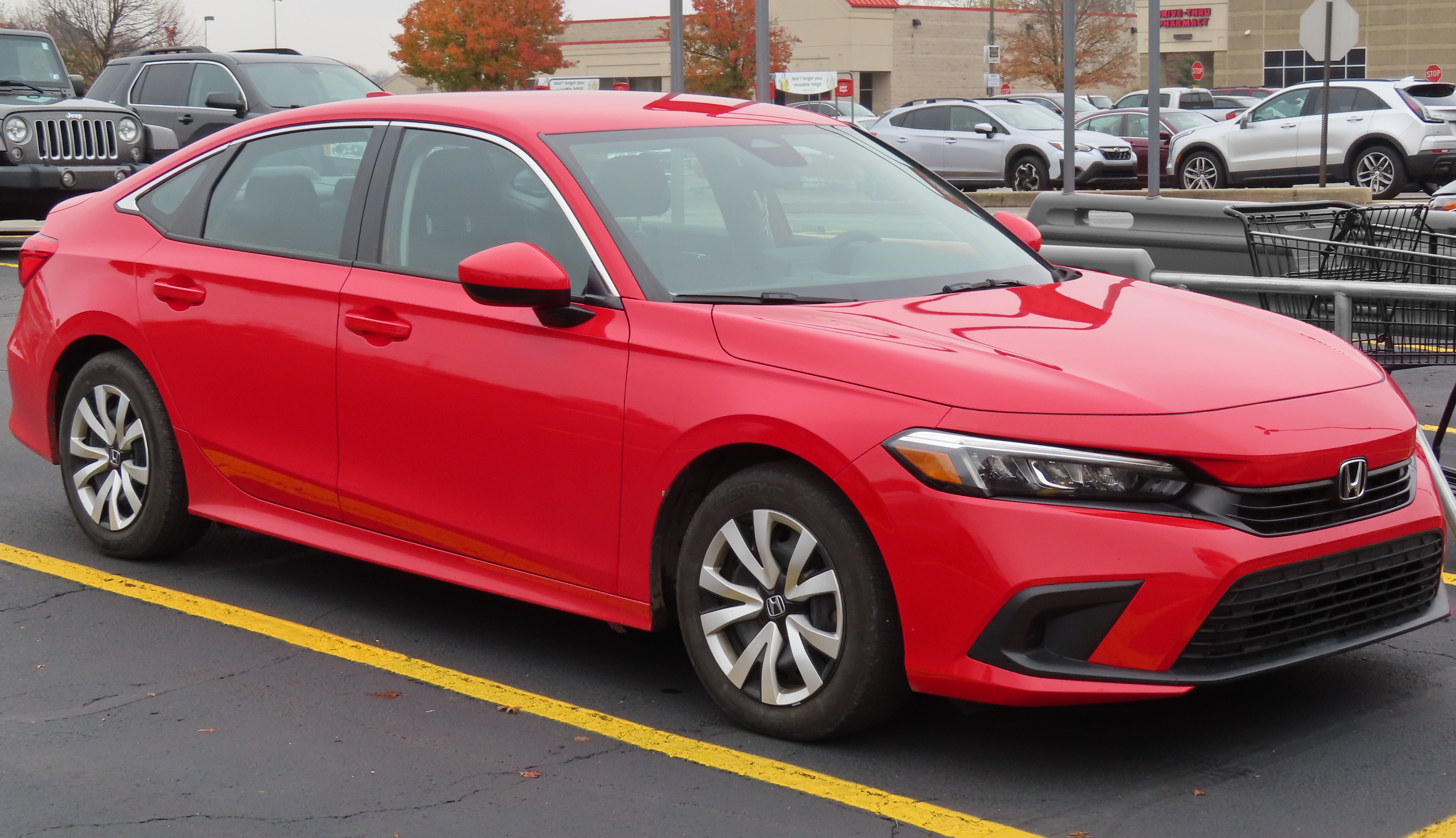
Number three, the Honda Civic Type R EK9, 1997 to 2000.
55:40
I never drove an EK9 Type R Civic.
55:43
I barely even saw one in period.
55:45
And that's part of what makes it so compelling now.
55:47
This wasn't a car that you just stumbled across.
55:50
It was rare, misunderstood, and quietly brilliant.
55:53
Long before, the Type R badge actually became a global thing.
55:57
This is where it all started.
55:58
The EK9 was the first ever Civic Type R,
56:02
and Honda treated it like a manifesto.
56:04
Strip out the weight, strengthen the shell,
56:07
hand assemble the engine, focus obsessively on response, balance, and feel.
56:13
The result was the B16B, a 1.6-litre naturally aspirated engine
56:17
producing 185 brake horsepower with an 8,000 rpm plus red line,
56:22
and a character that begged to be worked hard.
56:26
What makes the EK9 special isn't just the numbers, it's the intent.
56:29
This was Honda at its most confident and most uncompromising.
56:33
No turbocharging, no gimmicks, just revs, precision, and engineering discipline.
56:38
Every input feels deliberate, every control has clarity,
56:42
a rewards commitment rather than brute force.
56:45
And in 2026, it feels even more significant than ever.
56:48
The Civic Type R has effectively been killed off for now.
56:51
Whether you like the modern cars or not, and actually they're bloody good,
56:54
that finality adds weight to the EK9 and what it represents.
56:58
The beginning of the lineage that defined an era of performance cars
57:02
built around skill, not software.
57:05
For me, this is a car that I've admired from a distance for years,
57:09
and sometimes that distance sharpens the desire rather than dulls it.
57:13
The EK9 feels like a cornerstone, a reference point,
57:17
the purest expression of what the Type R idea was always meant to be.
57:21
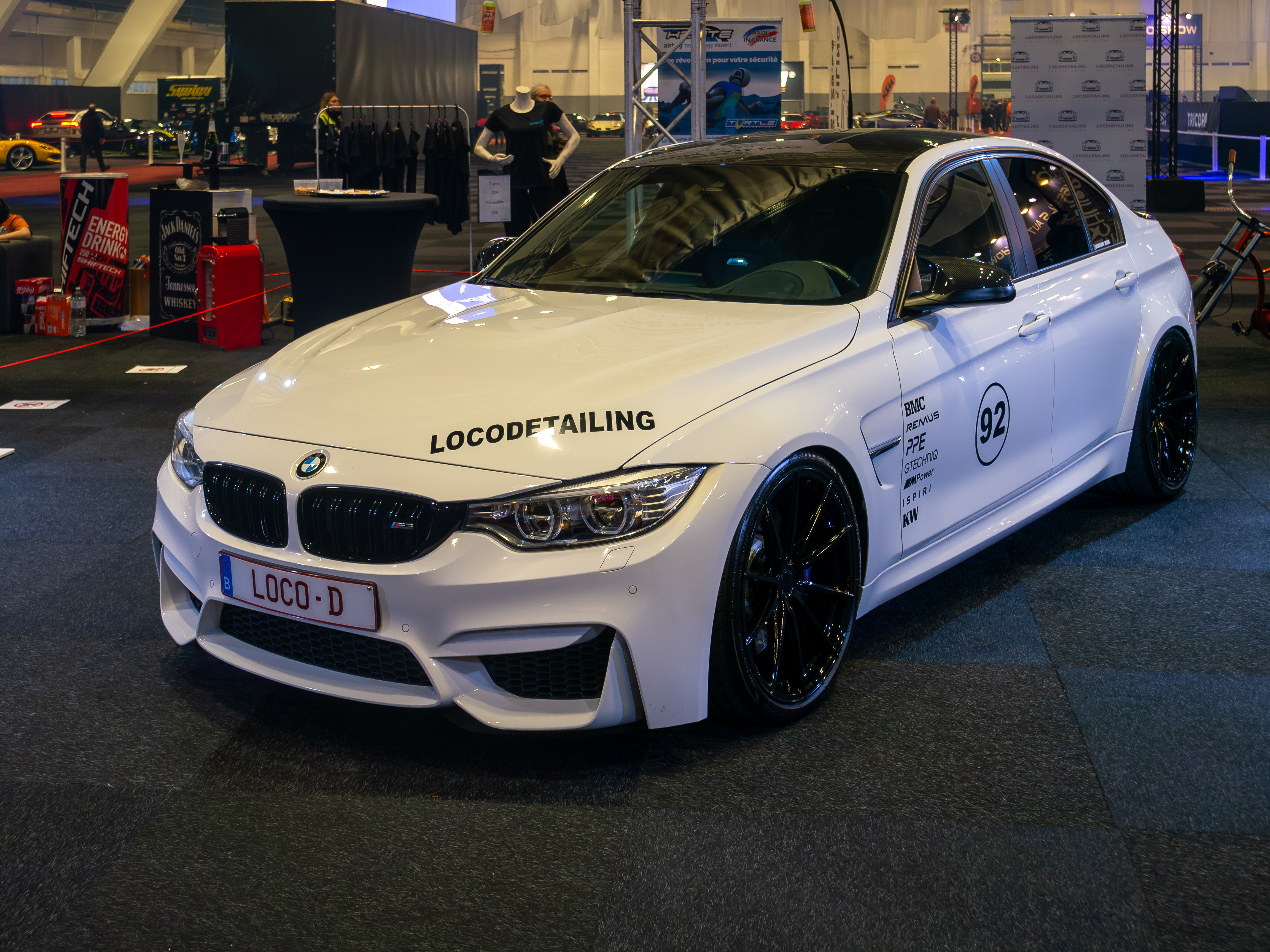
Number four, the BMW M3 E46, 2000 to 2006.
57:26
For me, the E46 M3 is possibly the best M3 of them all.
57:30
Yes, the E30 is the original icon and rightly revered.
57:35
I've owned the E30s twice, though always is a 325i, not as the M3.
57:40
And I still maintain that actually as a road car, the 325i made better sense,
57:44
was more fun day to day instead of the homologation special M3.
57:48
That's more of a track car.
57:49
The E46 though feels like the moment BMW finally got the balance absolutely spot on.
57:55
This was peak M division.
57:57
A naturally aspirated, high-reving 3.2-litre straight 6 producing just under 350hp
58:02
and delivering its performance with a blend of aggression and civility
58:05
that modern cars have possibly lost.
58:08
It sounded fantastic, it responded instantly,
58:10
and it didn't need turbochargers or clever tricks to feel special.
58:14
What really elevates the E46 is its usability.
58:17
This is a car you could genuinely daily drive, enjoy on a long journey,
58:21
and then take the long way home just because, well, the road looked a little interesting.
58:26
It's fast, but it's not intimidating, it's focused, but it's not tiring.
58:30
It's special without having to shout about it.
58:33
Value is dipped for a long time, as they often do with cars that were once plentiful,
58:38
but that phase is clearly over.
58:40
Clean, unmodified cars are getting harder to find,
58:44
and buyers are starting to appreciate just how good this thing really was.
58:48
Not as a headline grabbing investment, but as a complete rounded driver's car.
58:54
For me, there's also a lingering sense of unfinished business.
58:59
I've never owned one, I've always wanted to,
59:01
and that, if I'm honest, plays a part in why it's here.
59:05
Although to be honest, actually I shouldn't put it on this list
59:07
because then prices will go up even further.
59:10
The E46 M3 feels like the last M3 from an era
59:13
when BMW built cars for drivers first and accountants second,
59:17
and that alone makes it worth serious consideration.
59:19
So these four cars that I've selected,
59:21
they're about grounding yourself in something real.
59:24
Cars with meaning, memory, and honesty in an age full of noise and distraction.
59:29
They're the machines that shaped me, reminded me why I care,
59:33
and still make absolute sense in 2026.
59:36
Now let's talk about the only classic car list that actually really matters,
59:40
because it has to be said that after all of the data,
59:44
the charts, the UK list, the US list,
59:46
and even my own four selection of cars,
59:50
you could probably ignore all of that.
59:52
Yes, I know you've just sat through a long video
59:54
and I'm just telling you that every spreadsheet,
59:55
every bull market list, every expert opinion,
59:57
including mine, is not worth anything at all
00:00
because the right classic car for you is a very simple decision.
00:04
It's the one that you've always wanted,
00:06
the one that you've promised yourself that you don't one day,
00:08
the one that you still look up every time you've got a spare moment,
00:12
the one that you keep checking just in case the prices have come within reach,
00:15
the one that you always said that you would buy soon.
00:19
And here's the uncomfortable bit.
00:21
Time is not really on our side anymore.
00:23
It's not just an age thing or a money thing, but freedom.
00:27
The freedom to enjoy cars properly, to hear the engines,
00:29
to feel the steering, and treat driving as more than just transport,
00:33
just doing it for the heck of doing it.
00:34
That freedom is slowly being eroded by regulation,
00:37
by restrictions, by cost, and by convenience.
00:40
If there's a car that you've always wanted,
00:42
and owning it is realistically possible,
00:44
right now, then maybe 2026 is the year that you go ahead and you do it.
00:51
Don't keep delaying the dream.
00:52
Because the best classic car is not the one that looks best on paper
00:55
or makes the most financial sense or anything else.
00:58
It's the one that makes you open the garage door just to take a look at it.
01:02
It's the one that tends an ordinary drive into an event.
01:04
It's the one that reminds you why you fell in love with cars in the first place.
01:09
Markets move, values fluctuate, lists change, regret doesn't.
01:13
So yes, understand the data.
01:17
That's very important.
01:18
That's very, very important.
01:20
But don't let caution steal the joy.
01:22
If you're waiting for the perfect moment,
01:24
the truth is it's never really going to arrive.
01:28
Sometimes the right move is simply recognizing that the clock is ticking,
01:31
the roads are still there,
01:32
and the dream is closer than you think it might be.
01:35
So stop dreaming about it and make it happen.
01:38
And if you agree with what I'm saying,
01:39
don't forget to like, share, and subscribe on this video.
01:42
And I'll catch you all in the next one.