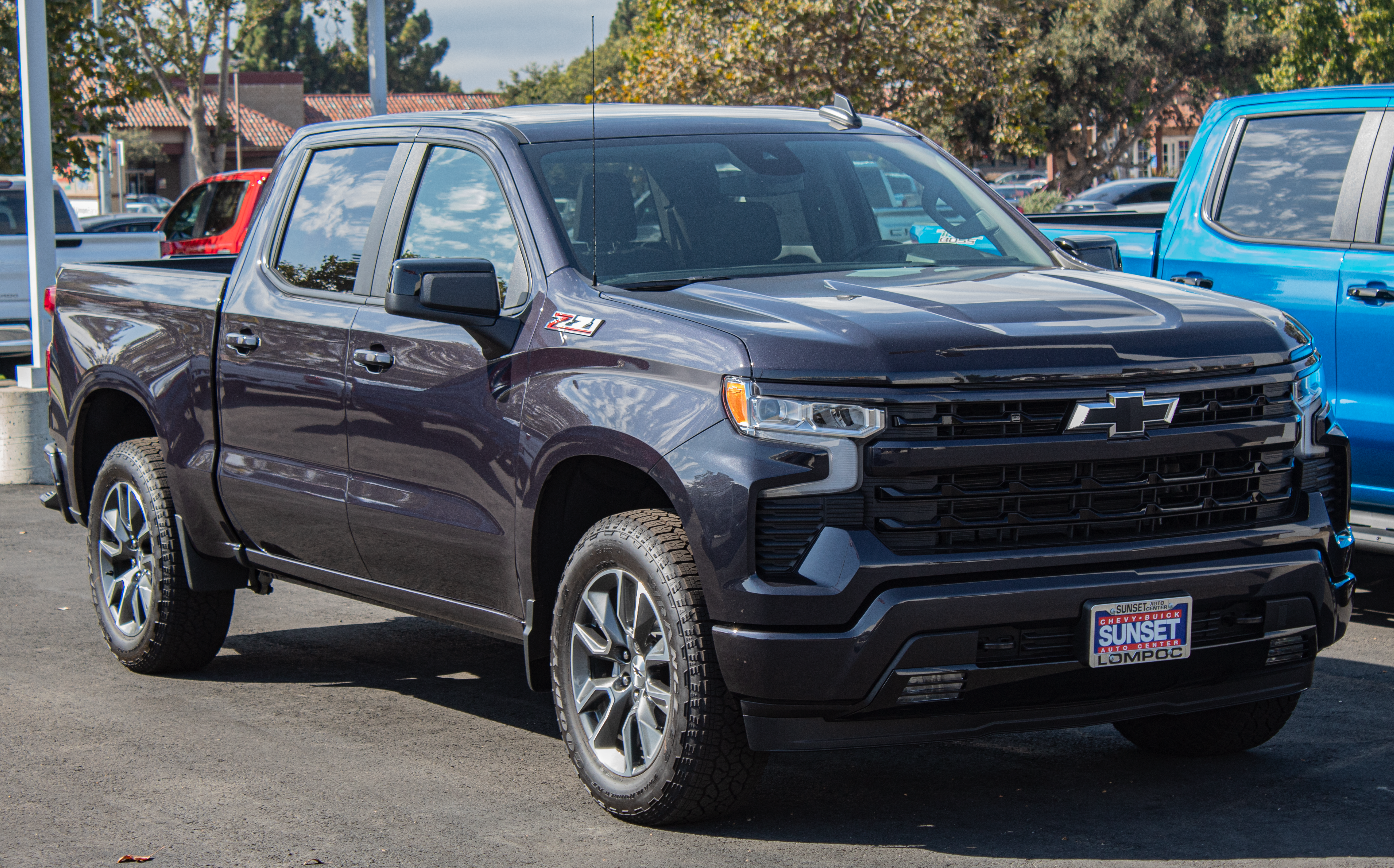
The Chevrolet C10 is an old but popular truck from the 1970s that many people like because it’s simple and easy to work on. The 1971 model with a short bed means it’s a smaller truck bed, and the 350 engine is a strong V8 engine that gives it good power. Lots of people remember these trucks from their youth.
Engine tuning means changing how the engine works to make it run better or faster. It can involve adjusting settings so the car uses fuel more efficiently or has more power.
Automotive wiring is the system of electrical wires in a car that connects different parts so they can work together, like the lights and engine controls.
Performance engine building means putting together or changing an engine so it can make more power and work better, especially for racing or fast driving.
A diesel engine is a type of car engine that burns diesel fuel to make the car move. It works differently than a petrol engine and is often more fuel efficient.
Diesel pickups are trucks that use diesel fuel instead of regular gasoline. They are good at pulling heavy things and use less fuel, which makes them popular for work and hauling.
The Land Rover Defender is a tough and reliable vehicle made for driving on rough roads and outdoor adventures. The 2020 version has new features but still looks like the classic Defender. The 2.2 litre engine means it uses a smaller diesel engine that helps it run well without using too much fuel.
The Chevrolet Silverado is a big truck that can carry heavy loads and tow trailers. The 2018 version with a 6.6 litre Duramax engine has a strong diesel engine that helps it do tough jobs easily. Many people like it because it’s powerful and reliable.
The Dodge Ram is a big truck that looks tough and has strong engines. But some versions have had problems that make them less reliable, so people sometimes don’t like them as much. It’s good to check carefully before buying one.
The Nissan GT-R R35 is a very fast sports car that many people love because it’s powerful and uses smart technology. It’s often used in racing and needs special care if it has problems. Experts who know a lot about this car can help fix it when things go wrong.
LIVE
These little pickups in the U.S. roll off the showroom floor, some of them making 500 horsepower
and 1,200-foot pounds of torque.
How much is it clogging it up, first off, and how much more are you actually looking for
here?
Because we're at a point now where the ECUs are having to do torque management towing
like the trucks will literally roast the rear tires towing a trailer.
Welcome to the HPA TuneIn podcast, I'm Andre your host and in this episode we're joined by
Jarman Seat from the FreedomWorks YouTube channel.
I stumbled onto Jarman's channel maybe a few months ago and I really liked the way he was
able to break down a complex topic or a topic that is completely misunderstood,
something surrounded in sort of urban myth, break it down and add some scientific detail
into it to actually give us the facts on how something works.
So this might be something like diesel engine exhaust gas temperature or it might be
something like how often should you be doing your oil changes.
All interesting topics that people probably don't give enough thought to and I fall
into the same category.
I've made my own assumptions about topics and then once you start diving into them
you find, actually you know what, there's a little bit more to it.
Jarman also has a really interesting way of being able to explain these topics
and inject enough humour into it to keep people engaged and I think in this day and age
of short form content, that's an admirable way of providing this information.
We also dive into his background as a mechanical and civil engineer and interestingly
he's very removed from the automotive scene.
His day job is working in the nuclear power industry.
I don't think I've ever talked to anyone before who works in nuclear power but here we go,
first time for everything.
Before we jump into our chat, for those who are new to the TuneIn podcast,
High Performance Academy is an online training school.
We specialise in teaching people how to build performance engines,
how to tune EFI, how to construct wiring harnesses.
We also cover topics on fabrication, 3D modelling and CAD, race driver
education and data logging just to name a few.
You can find all of our courses at hpacademy.com forward slash courses.
All of these courses are delivered in high definition video modules that you can watch
from anywhere in the world provided you've got an internet connection.
This means you can learn from the comfort of your own place and you can learn
at your own pace.
All of our courses also come with a 60 day no questions asked, money back guarantee.
So if you purchase them for any reason at all, decide it wasn't quite
what you expected, no problem, let us know, we'll give you a full refund.
And for podcast listeners, you can also use the coupon code podcast75
that will get you $75 off the purchase of your very first HPA course.
We'll put the coupon code in the show notes to make it nice and easy for you to find.
Lastly, if you like free stuff, then I've got a great deal for you.
We are constantly partnering with some of the biggest names in the
aftermarket performance industry to give away some great prizes.
You can always find our latest prize at hpacademy.com forward slash giveaway.
It might be an aftermarket ECU or dash, it could be some engine components
or engine building tools or just about anything in between.
They are great prizes and we will ship them free of charge to your door
if you're the winner.
There's no tricks here, no purchase required to get your name into the draw.
Alright enough with our introduction, let's get into our interview now.
Alright, welcome to the podcast.
Jermyn, thanks for joining us today.
And as we always do, let's start by digging into your background.
So how did you get interested in cars in the first place?
Well, you know, I grew up in the 80s and 90s in the US.
We didn't really have video games.
I lived way out in the country.
So to interact with my friends and family, I had to have a way to get around.
So motorcycles, stuff like that, that was the way to go.
And I was poor, so I had to buy a junk and fix it.
So naturally I had to learn how to fix engines.
And that's really where it started.
And once I started digging into engines, I just never got away from it.
So how were you sort of learning these skills?
And this is sort of before the time of YouTube really.
So it's not as easy as just jumping on YouTube and looking up how do I fix XYZ?
Right. We had Hot Rod Magazine here in the US.
That was a big help.
But a lot of it just had to do with curiosity and tinkering and looking at things.
And of course I didn't understand everything I was seeing.
But I had a general idea of what was going on.
And most of the time I could make it work.
But you're right.
Now we didn't have the resources.
This was pre-internet.
So it was actual books and magazines going to the library to check out a book.
I remember those days as well.
It would be a new generation that wouldn't even step foot in the library, I imagine.
My kids have been a few times.
But it's not something they're drawn to.
They would rather watch YouTube, obviously.
And there's nothing wrong with that.
It's a great resource, obviously.
I think both of us run YouTube channels.
It is an amazing resource for sure.
The problem with it, the frustration for me is anyone with a cell phone can set up a YouTube channel
and that doesn't necessarily mean that the content they're producing is factual.
So it does become an exercise of sorting through fact from fiction
which can be frustrating and very time consuming.
No, and that's really why I do what I do.
And that's probably a bigger reason why you guys do what you do.
People want to talk about the best engine and worst engine.
I'll say the worst engine in the world is the internet search engine.
That's the worst engine because confirmation bias is an issue for everybody
and people will get on Google and type in exactly what they want to hear, right?
And lo and behold, they get that information feedback to them.
You can find the answer you're looking for if you try hard enough.
It might not be the right answer, but it will be the answer you're looking for.
So yeah, that's the hard part with social media and the internet is finding credible sources.
So that's why I always try to cite a credible source whenever I can for a video.
And of course, some people won't believe that's credible.
There's always going to be a conspiracy theorist or someone who's skeptical.
And that's okay. You should be skeptical.
Yeah, I think that's a fair point.
It is difficult though when you've done your research, you've put in the hours,
you've cited all of your reference material.
You know that the information you're producing is factually correct
and then someone with no basis for telling you anything comes in
and questions the validity of what you've put out.
But that is the world we live in. It's always going to be like that.
I think maybe it's actually getting worse, but yeah, we have to deal with it.
Let's roll back though because I think we're probably getting a little bit ahead of ourselves.
Now when you're sort of teaching yourself without the benefit of YouTube,
how to spin spanners, there's one thing using a vehicle
for the purpose of getting from A to B, then there's a whole different level
to this when we become enthusiasts and we want to start actually modifying.
So where did that sort of connection come in?
I would say high school. I think it's just a normal progression.
When you understand the mechanics of something,
you want to display your mechanical dominance by making your vehicle faster
or stronger than anybody else's.
And that kind of happened for me in high school with my first truck.
It was a 71 Chevrolet C-10 short bed,
350 small block Chevrolet.
I mean, the dominant, most prevalent hot ride engine probably that's ever lived
up until the LS platform now.
Yeah, that's where that happened.
And that was ordering parts over the phone out of the summit catalog.
No internet. You look through the catalog and you figure out what you want
and you call somebody on the other end of the line and they mail it to you.
But that's where that started.
The diesel thing, I grew up on a farm going to tractor pulls.
So it always amazed me how somebody was taking a farm tractor
that was supposed to make 100 horsepower at 2,000 RPM.
They were making 1,500 horsepower with it at 6,000 RPM.
I couldn't wrap my head around how it was happening.
Hats off to those guys. They figured that stuff out without the internet also.
There's nothing quite like trial and error.
You'll figure it out, but it's typically a much more expensive learning curve
than taking the playbook that somebody else has already written
and just doing the same.
Yeah, I think we'll probably come back to that topic later.
That's one of my big themes or mottoes in life now
as I've gotten a little older is,
I'm more of a bought not built kind of guy these days.
I like to take a vehicle that somebody else has invested their time and money into
and they've come to the end of their rope and they can't deal with it anymore
and they're just ready to offload it.
That's when I swoop in and...
Pick it up for cents on the dollar.
Right. Get the premium parts and get the labor for cents on the dollar.
Sure.
Let's just come back up.
Paul Block Shev just mentioned it's one of the most prevalent engines
for modification anywhere in the world and it was made in,
I don't even know, hundreds of thousands, millions.
I don't know, but there's a lot of them around.
What is it about that platform that made it so popular for modification?
That's a great question.
Maybe it's just the fact that there were so many of them.
Yeah, because on face value there's nothing particularly special about
the design of the engine that lends itself better than any other
for modification, I wouldn't have thought.
No, and I think the small block forward is probably right there with it.
Yeah.
That's a great question.
Big block and small block Chevy versus big block and small block Ford.
I mean, from my perspective, the Chevy's seem to be the cheaper option to build,
maybe more prevalent.
I've been out of that game for a while, so it's really hard to say.
Yeah, I think a big part of it is always how quickly the aftermarket
climb on board to provide off the shelf options because then it becomes cheaper
and of course, much easier to end up extracting more power out of these platforms.
But the small block was probably a little bit before my time,
sort of probably by the time I got into this industry,
it was more sort of around the LS, which has now become the go-to
hot rodding platform as well.
Now again, coming back, so you've talked about how you started getting involved
in cars, the small block Chevy, you've talked about the exposure to diesel.
I'm also just interested to dive into your education as well
because obviously the videos you're producing now,
which we'll get into a bit later, are very educational.
What is your background in terms of formal qualifications, if any?
Yeah, so I have a civil engineering degree.
I started on the mechanical engineering degree track
and I spent some time working as a quality engineer at an engine manufacturing facility,
basically plucking engines off the line,
strapping them on a dyno and testing the different parameters
and every now and then having a catastrophic failure.
You don't want to see that as a quality engineer.
You want to see that as an R&D engineer, not a quality engineer.
But in that time in the manufacturing facility,
I decided I didn't want to be in a manufacturing facility,
so I switched over to the civil engineering track
and I have a bachelor's degree in civil engineering
and that actually led me into a career in the nuclear power industry.
Oh, wow.
So most people don't know what I'd actually do for a career
and it's not automotive at all.
Now, I did turn wrenches on aircraft in the U.S. Marine Corps
and I did turn wrenches as a diesel mechanic on tractors and equipment
while I was going to college,
but since college I have not been in the automotive industry.
I do nuclear power.
Wow, okay.
Yeah, so I'm probably the world's worst automotive influencer
because I don't work in the automotive industry per se.
I actually think there might be some benefit in that as well.
I think if you're an enthusiast,
you tend to gravitate towards working in the industry
and I found when I ran my performance workshop
after 13 years of doing that,
I found that it actually dulled my passion for working on my own cars.
You'd be dealing with customer cars 40 hours a week
and it was hard then to get motivated to put in the hours after hours
or on the weekends to actually spin wrenches on my own vehicle.
Now, I mean, obviously we're still deep in the automotive scene,
probably more so than ever,
but because now I'm not working on customer cars during the week,
I find that passion sort of got reignited.
So there can, I think, be some benefit
from being a little removed from the industry itself.
Yeah, no doubt.
If I turn wrenches or dealt with automotive components all day,
I don't think I would have the passion for it.
I would want to get away from it just like you said.
So that has helped.
And I'll say one side benefit, maybe the main benefit,
is that being in a completely different industry
has allowed me to look at aspects of engineering completely different.
When you graduate from engineering school,
most people I know it happened for me.
I thought I was the smartest guy in the world, right?
And I thought I had it figured out.
And I got humbled really quickly when I got to the nuclear industry
and I basically started working with people,
every one of which was more intelligent than me.
So, and you just look at,
you look at thermodynamics and physics and stuff differently
when you're looking at things in that scale
and you're looking at subatomic physics and stuff like that.
So it just allows you to think about the automotive concepts
in a completely different manner.
And the biggest thing for me is that it taught me
that common sense and intuition a lot of the times are wrong.
I get the comments all the time,
well that's just not common sense.
And I can agree with them,
you're absolutely right, this is not common sense.
And that's why I'm telling you this,
because common sense will lead you astray in this area.
Yeah, I can get that.
The other aspect with common sense though
is I don't actually think it's that common these days.
No, no, common sense is definitely not as common anymore
and the sense isn't really the sense anymore.
Just when you were speaking about coming out of engineering school
and you think you're the smartest guy around,
which I think is incredibly common,
do you feel that's a bit of Dunning-Kruger effect creeping in there?
Oh, absolutely, absolutely.
There's a lot of truth to the, you know,
the more you know, the more you know you don't know.
Yeah, yeah.
As you learn more things, you realize
how many things there are that you really had no grasp of.
You didn't even know you didn't know.
And that generally just comes with age
and experience, making mistakes.
Yeah, I think as you become really experienced in any field,
it's harder to be completely 100% confident
in a concept or your answer to something.
Whereas at the start, you can, yeah, I've got this.
I know it absolutely with perfection.
Well, and there's a reason that I use the word
probably maybe and allegedly a lot in my videos
because, you know, my knowledge
and everyone else's knowledge is really just dependent
on the state of the art or based on the scientific data
that we have currently, which is always changing, right?
We're always trying to get smarter.
We're always trying to collect more data
and get to a more definitive answer.
So I try to preface a lot of my statements that way
because I know some of the things that I believe
and say now will change with time.
Yeah, no doubt.
I think being self-aware like that is also quite uncommon.
Most people don't really want to be open to, you know,
maybe seeing if a concept that they think they know well,
maybe there's more to it,
maybe they need to do a little bit more research
and then are they prepared to also change their opinion
in light of new data when that comes along?
Most people will sort of double down on their position
even if they start to realize that, oh, no, I'm actually wrong here.
Yes, and that's something.
Social media is a big social experiment for me.
I'm not gonna lie.
I've learned so much from it.
There were times early in my social media journey
where I had people make comments
that I thought were completely absurd
and I had to stop myself from responding to them
in a negative manner, take a step back
and actually try to dig into what they were trying to say
and there's been a few times that has completely changed my position
on a certain topic because just like anybody else,
there are things that I believe to be fact
that I find out, you know, from a comment or a viewer
that's like, wow, that's just not true
and a lot of people have a hard time accepting that
and a lot of people have a hard time commenting
in a manner that will lead you to actually research the topic.
They just want to show you that they're smarter than you
versus saying, hey, look at it like this.
You might change your mind, you know.
Yeah.
Well, let's dive into the social media thing.
So why start a YouTube channel?
What was the aim there?
Become a multi-millionaire from YouTube?
Well, I actually started in the short form stuff,
Instagram and Facebook
and this was back during COVID, being home a lot.
You know, you have some more free time.
You're like, well, what can I do with my free time?
One of my very close friends, Matt Myrick,
he runs the Busted Knuckle Films YouTube channel here in the US.
It's extreme off-road stuff
and they also build rock bouncing, buggies, race cars.
So I had produced some content with him
just kind of as a guest on the channel
and he kind of pushed me to get into social media.
He thought I had a knack for it.
So that's how I got into it.
Had a really close friend, had some free time.
Now I'm doing social media
and a couple years into that,
I realized that the short form stuff
just wasn't where I wanted to be
and I started focusing on YouTube a couple years ago
and just like most people,
I didn't know where I wanted to be
and I finally got to the point where
I just decided that my focus and my goal on YouTube
would just be to get people to think differently
and to present topics
that there are some misconceptions about
and try to present the information in a way
that people could learn from it
and just learn to think differently.
So basically just educating people,
much like we do just in a different area.
Yes, no, that's absolutely right.
I mean, that's maybe not the way it is today
but university used to be
about teaching people to think
or teaching people to learn for themselves.
Nowadays there's a lot of political indoctrination
that kind of goes along with that
but yeah, it's basically just being an educator
and trying to find a way to entertain people
well enough that they will stick around
and actually learn something.
Well, I think that's the knack
that I think you've really nailed there
because it's one thing to present information
that's actually correct
but if it's boring or isn't engaging
you're just not going to get people to the end of the video
but you do manage to add in
I would say enough comedic
sort of angle into your content
that it does keep you engaged the whole way through
so I think you're doing an amazing job there.
Appreciate it.
How do you sort of decide on a topic
that you're going to create a video for?
Honestly, that's one of the hardest parts
of doing this.
The time management aspect
I've got a full-time job
and basically a full-time YouTube career also
and just trying to decide
which topic to go with
is difficult but I have to try
to strike a balance between something
that I am currently interested in learning
and what the internet is willing to watch.
So some sort of weird little Venn diagram
with enough overlap in certain areas
and that's what you've got to try and find.
Right, I don't want the desires of YouTube
to completely dictate what my content is.
I want to be able to choose
how I spend my time and what I learn
but I have to balance that, right?
Yeah, there's no point producing content
that no one's going to watch
that's not helpful to anyone.
In terms of the videos that I've watched
and I've sort of spent a fair bit of time on your channel
but obviously haven't watched all of them
it looks like on face value
you're putting a lot of time into research
and the topics and getting the right data
to present so that it's factually correct.
I'm guessing like you don't have this
innate in-depth knowledge on every single topic
that you produce before you produce it
am I on the money there?
No, absolutely.
Again, when I started doing the YouTube full-time
I had to ask myself what was it
that I could do
even if YouTube was not part of the equation
and I'm just a big nerd
I just want to understand everything
like if there's something that I don't understand
I'm going to dig into it to try and figure it out
that's really how it works
it's the teacher effect
I want to learn something well enough
that I can teach it to somebody else effectively.
That's one thing I've found
through High Performance Academy
with all of the courses we produce
it started with AFI training
which is something that at the time I'd been doing
for probably 15 years
and at that point I'd say that I was
an expert in the field
and then when you actually start producing
a course about it
and a topic that I know well
when you actually have to teach it
suddenly you find all of those little deficiencies
in your knowledge
and then you start researching it
and you end up understanding it much better
than you did before
even when I thought I really had a handle
on all of these topics
there's something about the process
of being able to teach something
you really do have to know
that topic so in depth
so I've actually found that really
it's been refreshing this whole journey
learning so much more for myself.
Right and that kind of
goes back to what I was saying earlier
about the world's worst engine
as the internet search engine
when college the internet
was still pretty fresh
and a lot of the research actually came from books
and technical papers
and stuff like that
and in the process of trying to
understand one topic
you really would end up
getting a lot of peripheral
knowledge about other things
you weren't even expecting to learn about
and that happens now
when I produce these videos
I'm always learning something that I wasn't expecting
to learn from researching that topic.
Yeah absolutely.
If you're a fan of the podcast
and you're interested in topics like engine tuning
automotive wiring, performance engine building
3D modelling in CAD
or anything else in the high performance industry
I have something that you might be interested in.
Introducing the High Performance Academy VIP Package.
This package of courses gives you
lifetime access to all of HPA's
online training for one price.
These courses cover everything
from tuning and reflashing, petrol
and diesel engines, through to
motorsport wiring, engine building, fabrication
design, car setup
and plenty more.
Right now you can get $500 off
High Performance Academy's VIP Package
using the code podcast500
at checkout.
Becoming a VIP means you'll never pay for another course
again. You'll get instant access
to all 40 plus courses we currently
offer, plus every new course
we ever release in the future.
You'll want to define maps or tune with WinOLS,
curious about CANBUS devices
or how CAD can help make your dream build a reality.
These in-depth topics as well as many others
each have their own dedicated course
that are going to help you master
whatever it is you want to learn.
And as a VIP member, you're not just getting the courses
you'll also join HPA's online community
with lifetime access to our member forums
and members webinar lessons.
Again the code is podcast500
for that $500 discount.
Just head over to hpacademy.com
to check out the full VIP Package
and everything it contains.
Alright let's get back to the episode.
What do you sort of see
the long term plan with YouTube?
At this point sort of 170,000 subscribers
and growing quite quickly,
are you expecting to turn YouTube
into a full time career?
Or is it always going to be
sort of just an after hours and weekends project?
No I would like to do it full time.
I do plan to do it long term
and I like my job, my career.
I've got a great job but
I feel like I've kind of plateaued in that career
as far as things that I want to learn
about nuclear power
and power generation
and I just want to go a different route
and focus on a different topic
or different topics
and I feel like doing YouTube full time
would allow me to
basically research for a living
and that would be fun for me.
I'm assuming doing that
you would be looking at expanding
and actually building out a team as well.
It's a limiting factor
when you're trying to do it
everything yourself.
I don't disagree with that.
I haven't thought that far into it.
Obviously the first thing to consider
would be maybe an editor.
I've already had plans
for merch distribution
and stuff like that.
It's not something I want to do myself.
I think my time has better spent
researching and producing content
but yeah I would say
team members
are probably in the future.
I have children 8 and 10
so there's some potential
cheap labor there.
I think that's still legal.
I bought her up until
about 3 months ago
she would pack and ship our merchandise.
Awesome, awesome.
Actually we were paying her
so I can't even call that slave labor.
Totally legal, it's all fine.
I think looking at parallels
with how High Performance Academy
developed when my business partner
and I sort of decided to
give this thing a crack full time
and I sold my old business
and we'd sort of come from
probably a little jaded after 13 years
of dealing with staff
and staff come with their
own baggage as well
so we were done with that
and it's just going to be the two of us
and my business partner was
reasonably competent at shooting and editing video
so on face value it was a perfect combination.
And then after
6 months we sort of quickly
also realised that there is
a glass ceiling on what just two people
could actually achieve
and once we were getting for more courses
and more information
it was pretty apparent at that stage
that if we didn't grow the team
or build a team
we were going to really be holding ourselves back
and I sort of look at that now
I think we're up to 20 total
so it's been quite a wild ride
but it massively expands
what we can do and how quickly
we can push it out so
it's all worked out really well.
Let's move away from
the diet of things and I want to sort of dive into
your actual automotive passion
so for a start
we've talked about diesel and gas
but I think you're probably
looking at your YouTube channel
gravitate towards diesel engines
I'm just interested if you could give us an explanation of why.
My grandfather and uncle
were both truckers
their entire lives
so I grew up around peer built trucks
you know
the clatter of 1980s
old caterpillar diesels is just
something I've known since a child
so
riding in the trucks with them
this was back before
lawyers and child safety
seats and stuff
I would ride hundreds of miles in those trucks
with them across the southeast
and it was just in my blood
and I worked on a farm growing up
so I spent
most days on a tractor
plowing a field or cutting hay
you know and rebuilding
tractors, skid steers
things like that so it's just always been in my blood
since I was a child
I guess at a really
basic level why
do we have diesel engines
in trucks and tractors
and not gas engines
Efficiency that's it
Explain more
So a diesel engine
is more efficient
than a gasoline engine
the brake specific fuel
consumption of a diesel
is lower than that of a gasoline
it takes less diesel
fuel to make
a brake horsepower than it does
for a gasoline engine
that's really the essence of it
and you know this is one of those
things that I get comments
on all the time and I just started making videos
on the topic horsepower versus
torque but you know everybody thinks
diesels are designed for torque
you know big trucks have
2000 foot pounds of torque because
that's what it takes to move the load
and that's not reality
you can move that load with an F1 engine
if you had the right gearing
but Rudolph diesel
made diesel engines for efficiency
the torque was just a fortunate
byproduct of that that's why
you run a diesel engine and a ship
train generator or big truck
now on a pickup truck it might not
be as cost effective these days
with all the emission standards but
you know up until the last two
decades diesel pickups have always been
more efficient at moving load
I can see how that would
make a lot of sense in trucks
and ships basically if you can reduce
your fuel consumption to get the same job done
that's going to add up to be
a massive saving
another factor that we see with diesel engines
versus gas is the rev range
it's pretty typical
for a diesel engine to
have a rev limit at maybe 4
4,500 RPM
gas 6,500, 7,000
maybe 8,000 RPM
can you dive into that a little bit
so the big factor there
is really just the combustion
process you've only got a certain
amount of time to get the fuel
to burn
in a gasoline engine and people like to talk
about flame speed and the speed
of combustion it's really hard
you're kind of comparing apples to apples
gasoline in a diesel engine with a gas engine
you know
fuel and air are generally entering
the combustion chamber together
already mixed
of course gasoline direct injection
kind of blurs that line but
generally when the intake valve opens
air and fuel come in together
already mixed ready to burn
versus a diesel
where the fuel is injected
pretty near top dead center
of the compression stroke and that fuel
has to vaporize mix and burn
all
right then right there
so you're just limited by the amount of time
the fuel can burn
or the fuel has to burn
and you can only use so much timing
to start that burn process
earlier
but to keep things efficient and to get
the full burn out of the mixture
you're just kind of limited to that rev range
that's not to say you can't build a diesel engine to rev
you know 7,000 RPM
or 8,000 RPM
it's just not practical or efficient to do that
and a lot of people will say well the engines
are just bigger and heavier
and that's why well you can
you can build connecting rods
to withstand those forces but you just can't
fight
the laws of physics and chemistry
the fuel will only burn so fast
yeah I was going to raise
the sort of general mass
of the components inside a diesel engine
they've got a cope with
significantly higher cylinder pressure
so generally everything is built
bigger, stronger and heavier as well
but that's not actually the main reason
as you've just explained
alright so let's get into
some of the aspects of
where we are at with
current diesel engine technology
it seems from the outside looking
in that regulators
are trying to make it as hard
as possible for diesel engine manufacturers
to keep making new diesel engines
I mean obviously they're not
it's not because they don't like diesel engines
but these emission standards get
more and more strict every year as it would seem
what's the situation
with the current crop of diesel engines in terms of
what they need to do in order to
be emissions compliant
well I think one thing to address
and this is
a misconception as I see it
is the emission standards
are the same
at least in the US for gasoline
diesel engines it's not
it's not that there's a separate set of standards
that are more strict
and to try and push
diesels out of the market now
they could be pushing diesels
out of the market
just because
the way that the emission standards are
the diesel just really can't meet that
but it's not a specific set of standards
to push diesels out of the market
just in terms of diesel
versus gas diesels
generally it would be fair to say
are a dirtier engine in terms of their
tailpipe emissions than a gas engine
hence it's harder for them to meet these standards
absolutely they produce
more knocks
because of the higher cylinder
temperatures and pressures
and the fact that they have excess oxygen
available in the cylinder
a very lean mixture
and they obviously produce more
particulate matter
and again that goes back to the mixture process
inside the combustion chamber
it's not
pre-mixed working fluid
it has to mix in the combustion chamber
and I don't know
I'm assuming that on your side of the world
EGR
SCR and DPF
are commonplace
on your engines
I think we pretty much
follow the rest of the world
internationally there will be different sets of emissions
laws but we have
all of that same emissions
control devices on diesel engines here
and about the only outlier
that I know of and I'm sure somebody
can correct us is
some of the Scania diesels
don't run
EGR
they run only SCR and DPF
to meet the knock standards
allegedly
that one
is well out in my wheelhouse
you've just used a bunch
of acronyms there
so can you actually explain
for those who don't know what we're talking about
what each of those devices stands for
right so in diesel engines
specifically
it's a little different in gasoline engines
the purpose of EGR but
in diesels
the purpose of EGR
in general is to introduce
inert
exhaust gas into the combustion chamber
and by inert I mean
it's pretty much devoid
or has a reduced level of oxygen
and what that does
is reduces the amount
of oxides of nitrous
or NOx that the engine emits
if there's less oxygen
in the cylinder
then there's less
ability for the nitrogen to combine
with it and create oxides of nitrous
or NOx
oxides of nitrogen I'm sorry
that exhaust gas
recirculation as well
the combustion temperature
is one of the main drivers
of NOx formation so by introducing
an inert gas that's not going to combust
we end up therefore
essentially reducing
the combustion temperature as well
right and also the
exhaust gas has a higher heat capacity
meaning
I did a video on this that basically it takes
more heat to raise
the temperature of that gas
as the other
clean air coming into the engine
so it's kind of a complex thing
it's really hard to understand
trying to explain it in 30 seconds
but yes it lowers the temperature
of the combustion chamber
and it reduces the amount of oxygen
in the combustion chamber
okay so this all sounds
great where's the downside
oh the downside
well you get a small
efficiency reduction
small I say
I like to say you
have a power reduction
and people like to argue that well
EGR doesn't
function at peak power
and I'm not going to argue that
I will say it changes your brake specific fuel
consumption you'll make less power
for the same amount of fuel
when the EGR is in operation
so the EGR operation
this is going to be occurring
in cruise conditions
generally yes it can happen in idle
also but low and medium loads
the other downsides
you're going to see is you can get a gummed up
intake track when the vaporized
oil that comes through your crankcase
ventilation system gets into your intake
it oils up
you know the intake ducting
and then when the soot hits it it just turns
into schmoo basically
that was pretty much
where I was going with as I see it
the main drawback
of EGR and I think it's the one
that the internet probably hates the most
is you look at
an EGR system on a truck
that's done I don't know 100,000 miles
and it's pretty ugly right
right right no it's a thing
no doubt I will
say that my Duramax has got over
200,000 miles on it and I've been
into the intake tract of that truck
and it's actually clean there's
no build up in there now I mean it's
you know it's got some glaze
some oil glaze in there
you're not going to eat off of it
but it's not caked up and
the other downside is
the soot finds its way into your oil
if you have a truck that's EGR
equipped versus not EGR
equipped the truck with the EGR
will soot up the oil quicker
than one without so on
that basis we
require more frequent maintenance in
terms of servicing oil changes etc
it could I would say
most people are probably changing their oil
too frequently anyway
so it really doesn't make a difference
alright so we'll come back
to the oil change frequency but
in terms of the other emissions devices
what's next on your list that we can talk about
so since we're talking about NOx
let's talk about SCR
which is selective catalyst reduction
and that works in conjunction
with DEF
or diesel exhaust fluid you guys might call it
add blue over there
basically all that's happening there
is that diesel exhaust fluid
is interacting
with the SCR
the catalyst with inside the SCR
to basically
combine with the NOx
or break down the NOx and the exhaust
it also reduces the NOx
levels coming out of the
the tailpipe
so this is just adding
more complexity and more expense
to the modern crop of diesel engines
we need these devices
and then with diesel exhaust fluid
as well it's consumable
so we need to refill that tank
obviously not as often as we're
filling up with diesel but
it's frustrating because it always comes up
with a warning on the dash at an opportune
time that you're running out or you've run out
and you ignored it
and again as the world's worst automotive
influencer I have no
emissions equipped diesel trucks
so it's hard for me to
give any
personal anecdotal
experience but I know
it's a problem
it's obviously a problem for people
but yes, the DEF
causes issues not just in the purchase
but in the reliability of the system
another problem with that
and I mean this is third hand information
that might actually be completely wrong
but it's one of those things I got told
and you just believe it
my wife had a 2020
Land Rover Defender which was
I think it's either a 2.2 litre
4 cylinder turbo diesel engine
and we bought that
I think it was 18 months old
and it had 40,000km on the clock
you can convert that
miles I can't do that one in my head
and
after we'd owned that car for about a month
my wife rang me, I was actually in the US
at the time and said that
a warning had come up on the dash
that the water level was low
it was always a little worrying
and I said well there's not much I can do
from Las Vegas so take it home
and ring the dealer
and she rang me about 5 minutes later
and said that at the top of the driveway
another warning had come up saying engine hot
this can't be good
long story short went to the dealer
and the dealer fixed it in 5 minutes
and said oh it was because they hadn't
put the clip back on the lower radiator hose
when they changed the engine
I was like whoa whoa whoa
it changed the engine, what are you talking about?
and he said yeah it's
had a new engine
fitted to it under warranty
I'm like okay I'm gonna obviously need a little bit more
information on this so apparently
and this is where maybe this
might not be technically correct
but when they first came out
the DEF
calibration
was excessive so it was
injecting too much diesel exhaust fluid
and if they didn't
basically get to them before the car
had done something like 10,000 km
it would actually end up damaging
the engine. Now I can't quite
in my head connect
diesel exhaust fluid injection with
a destroyed engine so again
maybe this isn't quite accurate but
if it is, there you go, not great
but unfortunately that was on Land Rover Jaguar
and not on our dime anyway.
Yeah now I would have to
research that as far as
I know
the diesel exhaust fluid would be
injected downstream of the engine so
Correct, yeah
it was one of those things that at the time
you know oh yeah fine
I'll just accept that and then later on
as I've started to sort of think well
hold on that doesn't quite make sense
so I would say a more likely scenario
a more likely scenario would be
that the calibration
associated with
regenerating the DPF
would have been a little too much
and the fuel
would be diluting the oil and that
would ruin the engine. I could
understand that completely. That one I could get
behind. Yeah, so
therein lies the danger of just blatantly
believing something
that you've been told
and we've just unpacked that inside of this
podcast so I guess I look like an idiot.
No, no, no that's fine absolutely
and that brings up DPF
the last thing that I didn't talk about
would be the diesel particulate
filter. Pretty straightforward right
very fine filter in the exhaust
system catches the soot
on its way out and
it is regenerated through
exhaust heat. If you're pushing the truck
hard enough regeneration doesn't happen
very often. If you're not pushing the
truck hard enough
regeneration will happen more often and
regeneration is basically
when the ECU forces extra
fuel to be dumped either
into the cylinders directly
or into the exhaust system
where it can react
and create heat
and burn all that
collected soot
those carbon particles
generally burn it off
into carbon dioxide.
That in and of itself
sounds like an emissions disaster
and I'm going to go out on a limb here
and assume that they're probably
not testing emissions during
a regen cycle because it's got to be
pretty ugly right?
Yeah, that's a good point
I don't know what
you would find for NOx
and you know hydrocarbon levels
during the regeneration
stage but one
thing that I hear often it's kind of
a big misconception is
and I've said this myself
before I understand the system and this goes
back to the teacher effect right
in researching it
what does it matter if you collect soot
and then you burn it off later
why not just
it's because you're collecting
solid particles of carbon
that allegedly
get in your lungs and cause lung cancer
and when you
regenerate the DPF
those solid carbon particles
get combusted
and turn into carbon dioxide
and water vapor so you're spinning out
a gaseous
carbon dioxide versus
solid carbon particle
OK, that makes sense
the problem with
the DPFs as well
is these regen cycles
particularly if the vehicle you mentioned earlier
that if the truck's been driven
hard it's not generally a problem
to create enough heat so that's fine
and likewise if you're doing a lot of
long distance driving these regen cycles
will probably come and go and you might not
even necessarily know that they're occurring
where it does become a little
problematic is when you're doing a lot of short haul
driving and
again this is my own experience
here we had a 2018
Silverado with a 6.6 litre
Duramax engine in it, great truck
but for our use it was
a lot of short haul driving
and you'd be a kilometre from home
and it'd come up on
the dash that it's doing a regen
and it says keep driving
well how?
OK now I gotta go
for a half an hour drive and dinner's
on the table waiting for me so this is
a little inconvenient and of course
being an average human being
you ignore that warning
and that ultimately
doesn't end well so there's a lot of
problems with these emissions devices
if they aren't maintained properly
that end up becoming quite
expensive to the owner of the truck
so I think that and
I would say maybe
a perceived effect on power
and torque might be
why they're so hated on the internet
what's your take on that?
Oh absolutely
and they do
affect power and torque
to some degree but it's not
it's not what people
believe
people think the DPF just completely clogs
up the exhaust and you can't make any power
with a DPF on there
and I've talked about this
in videos but that
extra bit of back pressure from the DPF
it's not making
a substantial effect
and let's be clear
diesel pickups in the US
roll off the showroom
floor some of them making
500 horsepower
and 1200 foot pounds of torque
OK you know
how much is it clogging it up first off
and how much more are you
actually looking for here
because you know we're at a point now
that the US are having to do torque management
you know towing
like the trucks will literally
roast the rear tires towing a trailer
you know so
yeah I'm not knocking anybody
that wants more power
I want more power but yeah
the back pressure from the DPF
it's really not making a big difference
and the EGR
it's making a small difference
and the DEF's making no difference really
so
at the EGR you've
kind of summed it up nicely
it's making a difference
when it's functional but when you're at wide open throttle
and asking for maximum power and torque
it's doing absolutely nothing
other than yeah sure
maybe after 100,000 to 100,000 miles
that gumming effect might have
some effect on airflow and efficiency
through the intake manifold
but the EGR itself is doing nothing under those conditions
right and as platform specific
I had a Volkswagen TDI
that the
intake choked down
to about 20% of its factory
size
it varies based on the platform
yeah of course
the other thing I find with the
DPFs in particular of course
their job is to collect that
exhaust soot
so if it's doing its job properly
if you're actually looking at the visual emissions
out of the tailpipe you shouldn't be seeing
a trail of black smoke when
you put it into the throttle
what's happening pre DPF
on the other hand no one knows
because the DPF's doing its job
and we don't get to visualise what's coming out
the exhaust gas
inside of the exhaust pipe
where I'm going with this is I think it becomes
a little problematic when you start driving into
tuning and adjusting the calibration
because with the diesel engine
more fuel is more power
but you get to a point where
you're going to be starting to haze up that exhaust
or it's done at roll coal
and under those conditions if you get a little too greedy
essentially you're just filling up
that DPF much much faster
so you're getting into a situation of
regions happening all of the time
in one of our diesel tuning courses
we actually did that demonstration
and we placed a
opacity meter
sorry I was just struggling with the term there
opacity meter pre DPF
we just put an O2 sensor boss
pre DPF and tucked it in there
and that was actually quite enlightening
even with the stock calibration
on our Silverado, the smoke level
pre DPF was actually significantly
higher than what I've expected
so hence you go a little bit, get a little too greedy
and it doesn't end very well.
Now if we move into some
of the aspects of diesel tuning
and I've sort of just touched on there
more fuel is more power
but let's get
a more thorough explanation
of the levers that we have
available to pull when it comes to
adjusting a factory calibration
and trying to make more power.
Well you'd be the guy to talk to about that
but yeah I mean you know
we're talking common rail diesels now
I'm assuming. Yeah of course.
That's really all that's out there now.
Now I have other things on my driveway
but what most people have
we're common rail. Injection pressure
injection timing
injection duration
I guess those are your big levers
as far as power goes and obviously
you need the air to
match to keep things in check
but you know like I said
I like the gas you know fuels the big
lever of the diesel.
I think a lot of people
that transition from gas engine tuning
to diesel tuning
find out very quickly
that they're completely out of their depth
because almost everything
in a diesel engine when it comes to calibration
is the polar opposite
of the 180 degree opposite of how we
treat gas engine tuning.
So you know if you take a factory
gas engine calibration
generally it's gonna be
pretty rich, safely rich
and it's going to be very conservative
in the ignition timing
and if it's turbocharged
there's probably a conservative boost level
so the way we'd approach it
a tune there would be to sort of
chip away at some of that safety.
Maybe a 2 or 3 psi more boost
in the air fuel ratio slightly and reduce some
of that safety margin and maybe we can
creep a little bit more timing in because
we know we're running on a really good quality fuel
and the factory calibration is made
to be safe for any fuel
octane no matter where in the world it goes
so you've got kind of like the lowest common
denominator of factory calibration
and in most engines it'd be surprising
if you couldn't extract another
20 or 30 horsepower, sometimes
it's 80 to 100
but that's the approach
that we take.
Diesel on the other hand is kind of
again around the other way because we are
always tuning leaner stoic
and usually significantly leaner
might be 20 to 1 or something of that nature
so by adding
more fuel and richening
that air fuel ratio we straight away
end up making more power
but unlike a gas engine where
a rich tune is safe
because we're coming it up from leaner than stoic
the more fuel we add
the more heat we produce and that can quickly
become real melty inside the engine
and then the other aspect
with the diesel engine that is
counterintuitive from a gas
perspective is boost is your friend
because boost is producing more airflow
adding more oxygen to the cylinder
which leans out the air fuel ratio
so that makes it safe so
very very different, now I've kind of
just answered the question that I
asked you so I apologize for that
when it comes to monitoring
the safety of your tune
and a diesel engine
EGT is kind of the
go-to, no one really runs
an air fuel ratio wideband sensor
in the exhaust so
talk to us about the relevance
of EGT and why that's the go-to metric
well it's the easiest one
to monitor
the easiest way to monitor what's going on
in your engine with a diesel
but I think
and I've made a video on this
and I think what trips people up is
as they look at the EGT
and they
fail to correlate that with
the actual combustion temperature
when you see an EGT of
we'll just call it 1400
degrees Fahrenheit
there's freedom units over here in the US
of course, I get it
I've never understood Fahrenheit but I get it
you know people
will say well you got to keep it below
1400 because
it'll melt the aluminum pistons
or
it'll melt the turbine wheel or whatever
more so the piston
the turbines are generally
incanal or something like that
pretty stout you got to get it well above 1400
to cause a problem but
the temperature inside the cylinder could be
3000 or 4000 degrees for short periods of time
so
when you're monitoring that EGT
you know it's the surrogate for
combustion temperature that's what really matters
is the combustion temperature
the EGT is just the surrogate for that
yeah so we're trying to correlate
what 1400 degrees
is at the EGT
sensor to what's actually going on and what the
piston's being exposed to
and the AFR just really isn't
going to it's good data
to have but I just don't know how much
value you would get from
spending the money and having that data available
to you in the cab
unless you were dinotuning or something
I don't think it's a tuning
tool more than it is
a safety tool because
the correlation between exhaust gas temperature
and hence combustion temperature
and then air fuel ratio that's not a
direct link so yeah I get
that aspect but definitely something that
I would like to see when I'm actually
tuning I've got a diesel engine on the dyno
yeah I would like that as well
right so where do the wheels
kind of fall off with this
EGT versus
combustion temperature correlation
where do the wheels fall off
as in what temperature
or what's the disconnect
yeah what's the disconnect here
can we directly correlate
combustion temperature to EGT
or are there a few other
aspects that kind of
go hand in hand to affect this
yeah no I mean they're not directly
correlated because
you know changes in timing
could have a huge effect on the
engine but basically how much heat
is the piston
extracting from the working fluid
you know if you're firing early
and because you've got a lot of timing
you know you're going to get a good burn
the piston's
going to lower in the cylinder
the pressure and temperature is going to fall
the valve's going to open it's going to blow out
the turbine's going to extract some
energy from it and you're going to get
a certain temperature reading if you got
late timing you might have some after
burn or basically
you're still getting some combustion
when the exhaust valve opens and you're going to see
a high EGT
that might not actually correlate
to extremely high
cylinder temperature so yeah that's
the big thing in my mind would be
be the timing
so we can't really consider
EGT in isolation
it has to be considered alongside
what's happening with the timing
and I mean really this is exactly
the same in a gas engine
if you have very retarded ignition timing
then
for the same air fuel ratio
the same airflow into the engine
same fueling you're going to end up
seeing a higher exhaust gas temperature
because the combustion process is happening later in the cycle
maybe sort of into the exhaust
depending on exactly how retarded
that timing is so very very similar there
Yeah and I don't have any experience
with it but I believe there's some
racers that need to
spool up large turbochargers
and diesels you know they'll play with
the timing to get more drive pressure
on the turbine when they're staging
or whatever so it's a tuning tool
Yeah, yeah
Okay so on that basis
can we put a line in the sand
and say this is the exhaust gas
temperature above which
things are going to get melty
I would say if you're running a factory
calibration
and again it's engine specific
right? You know on my 7.3
power stroke engine
you know most people say
1200, 1250s of
a safe continuous
duty EGT
I've got
a 5.9 liter
common rail Cummins
even with the factory calibration
you know it'll show a 1400
Fahrenheit EGT under normal operation
you know going up a hill
so that's obviously a safe
range if the OEM is giving you
that but I would say that's
you'd like to think so
well you know
otherwise they're going to have a lot of warranty claims
but so yeah
1250, 1400 degrees
depending on the engine
that's probably pretty safe now I'm a conservative guy
if I see
my 7.3
pyrometer climbing up
past 1100 degrees
for a while I'm probably going to
shift down a gear
or back off of it a little bit
I'm a scaredy cat
fixing these things tends to get
expensive and then you have to get your hands dirty
and then you can't make YouTube videos
so yeah keeping in one piece is a smart idea
right I can't be running my mouth
if I'm turning a wrench so I can't be breaking stuff
the other
part that
I think is easy to overlook with this as well
is not
just the specific temperature
it's temperature and time
I like to sort of combine the two
because what you can get away with
in terms of exhaust gas temperature
and therefore of course combustion temperature
for a few seconds
versus a long pole
upper steep incline towing
20,000 pound trailer
or whatever it might be
those are two very different things right
absolutely
thermal management is a big deal
in the diesel world
the towing world
and a lot of people
as a child I couldn't understand
if you hold this engine on the rev limiter
for a minute
why does it blow up
and the reality of it is things just get hot
the oil gets hot
the oil is what's cooling your pistons
so the hotter the oil is
the less cooling it's providing
pistons are swelling
next thing you know they try to
occupy one spot within the cylinder
and rod comes out the side of the block
so yeah thermal management is a big deal
you can get away with a lot for a very short
period of time when it comes to EGT
but yeah long period of time
a real simple analogy
with this is
get a cigarette lighter and get a flame
you can pass your hand
across that flame quickly
and you won't even feel it
hold it on top of that flame
and you're going to feel it pretty quickly
it's almost like I did that in a video
I did that in my EGT video
oh maybe that's where I got it from
yeah okay that's
somewhat embarrassing but the truth
remains that's the situation that's what's going on
no no I did that exact thing
in a video that's a great analogy
and I know because I use it
yeah okay another thing
with the EGTs that's really important
and again super easy to overlook
is they don't tell
the same story it depends on where
in the exhaust you put them
and particularly with an existing diesel engine
the easy place to put it is post turbocharger
but of course we're going to see
a temperature drop across the turbine
so you're going to end up seeing a lower temperature
than if you were to monitor
pre turbocharger but of course pre turbocharger
is a bit more tricky to install the sensor
so can you talk to us about
how the effect of your location
in the exhaust system
is where we should be fitting the sensor
oh absolutely
pre turbo is always
optimal like you said
it's simple thermodynamics
a turbocharger creates
boost by pulling energy
out of the exhaust stream
and when it pulls the energy out of the exhaust stream
it lowers pressure and temperature
so you're going to get variability
the correlation will not always be the same
because the turbo is
going to be operating in a different
range of boost and it's going to be pulling
different amounts of heat
out of the exhaust
so it'll be variable behind the turbo
where in front of the turbo
there shouldn't be a whole lot of variability
in the exhaust gas temperature
as it relates to the cylinder temperature
the other thing I've found as well
and this is more from a gas engine
perspective but I mean
I can only imagine there's no reason
why this wouldn't be the same with diesel
is the type of sensor
will affect the reading
and I'm talking here about
exposed tip thermocouples versus
enclosed tip
my experience with my drag cars was
the exposed tip would read higher
and it was by a reasonable amount
maybe as much as
50 to 100 degrees C
so I'm going to use metric units
just to confuse everyone now
and of course the problem was
the exposed tip sensors just don't last
it's a pretty nasty environment
to be operating in
then the other thing we were using
individual cylinder EGT sensors
for individual cylinder fuel trimming
and the distance
from the exhaust valve
and also the distance that the sensor
is inserted into the exhaust runner
all of these things matter
and particularly for using them
for that purpose it was critical
that every sensor was installed
exactly the same depth
and distance from the valve
otherwise you end up chasing your tail
on differences that may or may not
actually be realistic
so on face value a really simple thing
but when you actually start diving into it
there's some layers of complexity
that come into this that aren't
always going to be apparent
Yeah and in the diesel platforms
you're generally limited to
one or two spots
on a modern truck as to where
you can put it
Again a little
less relevant because you're not
trying to do individual cylinder EGTs
but yeah just something
that's worth understanding there as well
Now when it comes to
diesel tuning
I think probably
it might be changing a little bit
in terms of prevalence
of people getting
sued by the EPA but
Roblin Coal was always
a big part of diesel tuning
big plumes of black smoke pouring out
of the stacks
Can you give us an understanding of why
people are doing this? Is it for the look
or is there actually power to be had
or is it dangerous?
So I would say both right
it depends on the individual
initially in the late 90s
early 2000s when
I would say that's when the modern diesel pickup
era started
when people realized they could make more power
with a
driver and a hammer on a Cummins engine
they were going to do it
and
part of it is for the power
for some people it's just
the image right? Some people
see that as their rebel image
that they don't conform
and that's what they want to do
because they can so that's
one sect
I would say one group of people
and the other would be
people that are actually pulling
out of the racing
in those realms
power just kind of goes along
with smoke when it comes to
diesels now in the racing world
and I'm not saying that's good
or bad I'm just saying that that's the
reality of the combustion process
if you want to make a lot of power
or the most power
if you want to make the maximum power
with a diesel engine it's going to smoke
unless you're spraying a lot of nitrous
it's going to smoke
a lot of folks have gone to
spraying a lot of nitrous to eliminate
partially for performance
and partially for image
let's cut down on the smoke
if we can try to keep
the sport off the radar
and the tractor pulling world
I think even in
the world of motorsports
being seen to be environmentally
sort of correct
these days is pretty important
so pouring piles of
black smoke out is not a great look
in that respect
in the tractor pulling world
at least here in the US
most classes
are limited to a turbocharger
size so you can only cram
so much air into the engine
no nitrous allowed
in that respect you're going to end up smoking
right and a lot of those guys
are actually
injecting additional fuel
to get the mixture richer
because at that point
you're actually doing some heat management there
so it's keeping the EGT
lower at that power level
at the downside being you're making a ton of smoke
yeah okay so a couple of things
I want to dig into there
just for a little bit of clarity around it
the nitrous that you mentioned
the benefit there in terms of
cleaning up the exhaust is that
we're just chemically adding more oxygen
so leaning out for
the same amount of fuel being injected
out the air fuel ratio correct?
also it calls
the combustion charge as well
yes and the thing
there being and I think a lot of people
miss this or they just don't
conceptualize it as
this thought that well you can always just add more
add more air you just need
more air if you're making smoke
just add more air well
smoke and heat drive the turbocharger
so if you lower the smoke
level and the heat level
less drive energy for the turbo
it's circle logic you can't
just keep adding more and more turbo
to reduce the smoke you're just
limited by the amount of air
that a turbo can push into
the engine and that's limited by the amount
of exhaust drive energy that's coming
out of the engine so to get
to those really lean
AFRs in a diesel to get rid of the
smoke at those power levels the only way to get there
is to to inject the nitrous right
it's an artificial oxygen source
so yeah.
Alright so the second part of that was
running now richer than stoic so
I just wanted to clear up this because
it might have come across as confusing
I originally said that diesel engines
almost always run leaner
than stoic and as we add more fuel
and we move towards stoic we're creating
more heat so the
part that I just wanted to clarify there
is we're going to see maximum combustion
temperature and hence exhaust gas temperature
pretty much at the stoic air fuel
and then as we go over the hump and we start
going richer than stoic which is where we run
a gas engine we start cooling that
exhaust gas temperature and combustion
charge temperature again.
Right and people argue that in the comments
generally because
it's just a big misconception
but point being once you get to
stoic there's no more
combustion that can be
had no matter how much fuel you put
in there there's only
enough oxygen to support a specific
amount of combustion.
If you go beyond that basically
you're just injecting
a fluid into the cylinder that absorbs
heat just like water meth injection.
Yep, glad we got that
sorted and out of the way.
Alright let's move on.
I just wanted considering you're
deep into this world and I believe
you've got all three.
I wanted to sort of dive into
the sort of debate on power stroke
versus Cummins versus Geromax
but I don't know maybe there's
no winners in this no matter which way
we go we're probably going to end up
pissing off someone if not everyone
but there's also clearly generations
to these engines as well.
It's a family of engines
and one from
2025 is going to look pretty different
to one from the early 2000s
but can you give us your take on
the pros and cons of those three
engines families?
Oh wow, yeah I think you've already
been asking this question
but yes I do own all three
I have one power stroke
one Duramax and
actually three Cummins trucks
so you would probably think well
Cummins is the one. He's a Cummins guy
because he's got three.
Nah I've actually watched one of your videos
and it sounded like the Cummins is
probably the most problematic and
expensive to extract serious power out of.
No that's
I think a lot of people miss
to construe my video
or maybe let me rephrase that
if enough people misunderstand it
that means that I made the video
but I did do a video about Cummins
being
the 12 valve being overrated
and that only applies
in certain scenarios right
if you want to make a ton of power
it's a great engine
if you want to make 500 horsepower
you should probably buy a common rail engine
and just tune it right
there's plenty ahead there
but yeah you're right it's generational
I'm not a brand specific guy
I drive a Duramax daily
my granddad bumped that truck brand new
and I purchased it when he passed away
so that's why I drive
that truck it's got a sentimental value
that being said it is a
it's a great truck 2006 model
that was a great great
year for those trucks
power stroke world you know seven threes
were great you know there's slugs
compared to what we have today
but great reliable trucks
six liters and six fours not so much
the newer six sevens are
pretty good engines
I don't think the Duramax really had
any bad years
as far as the engine goes
and the Cummins
has really never had a bad
generation I would say the newer ones
with the roller
lifters on the cams
versus the flat tapets
but overall I'd say the Cummins
is the best engine platform
but I'd say
from a truck standpoint it's probably
the worst the Dodge Ram
truck you know it's probably
not my top choice
like I said I've got
three Cummins trucks
and as far as which one
requires which ones require the most
repair and effort
to keep them reliable
and comfortable on the road it's definitely
one of the best trucks
but they're also the cheapest
ones to go really really fast in
so it's really
what are you looking to do?
Yeah I guess you have to choose the right tool
for a particular job
now I just wouldn't mind
diving into that in a little bit more detail
so if you want to go really really fast
and I mean everyone's got a different definition
of what that is what's the sort of
recipe look like for
extracting serious horsepower
on a specific platform or?
No you mentioned Cummins so let's stick to that
Yeah the Cummins is the easy one
and first let's start with why the Cummins
the architecture is good
the bottom end is strong
it's going to be stronger than the others
and you have six of each component
instead of eight right
six injectors, six pistons
everything's pretty much cheaper
to build on a Cummins engine
so bang for buck you're going to want to go with the Cummins
for serious power they're all going to need
the transmissions built
so that's kind of a wash to me
but historically the Cummins
have just been the go to because
in factory form the transmissions are junk
but they can be built
to be very very strong
and the engines are already very strong
so yeah the recipe
build the transmission
throw some big injectors and some big turbos on it
and you're ready to go really.
That easy so no need for any internals
just essentially bolt-ons
also transmission.
It's generational for a 12 valve
if you want to make 5, 6, 7
100 horsepower
there's really not much you need to do
some head studs will help keep
the head gasket in place
anything past that you're going to be
taking the engine apart
or firing in the head
maybe some rod bolts but not necessary
but when you get into your common rail engines
now you have to worry about valve
seats dropping and stuff like that
you can't have that same power level right
5, 600 horsepower
now you might be looking at an aftermarket head
with better valve seats and stuff like that
but the gaskets are good on those
you can make a lot of power
5, 600 horsepower without a lot of fuss.
Alright
let's come back to
something we touched on earlier which was
oil change frequency
and again this is an
area I think there's not
a lot of misconceptions, a lot of misunderstanding
and maybe some misguided people out there
give us your take on it
you made the video, you've done the testing
right so first off I don't want
to be the best on the internet at changing oil
I don't want that trophy
and I did that video and I will continue
to do those videos not because I want
to prove my oil change dominance
but it's mostly for
showing people just a different
way of looking at things
if you really want to know your oil change stuff
the motor oil geek's got a great channel
Lake Speed Junior
that's what he does for a living, that's his
wheelhouse, his oil
everything so I don't want
to try to compete with him, I don't have the pedigree
for that but I will say
in general and again this is very
condition-specific
operating condition-specific
but people want to argue that
will I change my oil every 3,000 miles
well I used to do that too in 1994
things were different
back then and then it was
5,000 miles and there's
a generation of people, the genixers
that are now, which I'm a part of
every 5,000 miles or else
your engine dies a premature death
and nowadays
the OEMs are recommending
10,000 miles
something like that, most vehicles
have a calculator that will
tell you when it's time to change
your oil, a lot of people
don't believe in those
so what I will say about an oil change
interval is
do what the car or truck
or the owner's manual tells you to do
and you're generally going to be okay
I'm not a believer in
the planned obsolescence
conspiracy theory that
the OEM wants your engine to fail
right outside of warranty so you have to buy a new vehicle
I don't buy into that
I don't agree with that at all
but if you do buy into that
I don't believe that the car
or truck's computer
can steer you in the right direction
just do one
used oil analysis
run the interval 10,000 miles or whatever
take your oil sample
and send that sample off to a lab
and let the lab tell you
what the condition of the oil is
do that one time and you can sleep
well for the rest of your life
and never have to watch another oil change video
so my
belief on this
and this is another good example
of where
we come up with our beliefs
maybe through what my dad
told me or just
listening to other enthusiasts
is that
oil is the cheapest insurance
we've got for our engine
so therefore changing it
more frequently can only be
a good thing
and that's also come along with a second
belief that manufacturers
are trying to push
the range for oil changes
because servicing costs
are a part of vehicle ownership
so hence if you buy two vehicles
ones from Toyota
ones from Ford and they're both $50,000
but one requires
oil changes twice as frequently
your actual ongoing ownership expenses
are higher on that basis
so therefore it's in the OE's
best interest to try and push
service intervals out further
but the reality is maybe
I'm being misguided the whole time
no, there's some validity
to that they're obviously
trying to keep the total cost of ownership
lower to stay competitive
in the market because the media
and the magazines they're going to
they're going to latch onto those numbers
and put that in their review so
there is some truth to that
but I think
the belief that
the OEM's don't
have your best interest as far
as vehicle longevity
you know
I don't know how far I would take
that you know I don't want to
turn that into a big conspiracy theory
but I would say in general
yes changing your oil more often
could be more
beneficial for your engine
that's a big could be
but does that
potential benefit outweigh the cost
to your wallet, your time and the environment
because you're wasting
a resource for no reason
you're wasting money for no reason
which is why I say instead of
speculating or just
doing what redpappy told you
you know $35 one time
to have the oil analyzed
and the oil app can say look man
you could have taken this oil another 10,000 miles
and then you just
know you've got the data
and you can make your decision
based on scientific data
as opposed to gut feeling
or what granddad told you
that makes a lot of sense
but I think so many people
don't think like that and I think that's
really the whole basis of your youtube channel
is the way you think is different
to everyone else or most other people
yeah
I've become a lot
more open minded as I've
aged and again that goes back
to what we're talking about earlier
you know the more you know
the more you realize you don't know
so you're more open to taking
data points and advice from other people
yeah
while we've been talking I just realized
that the conversation we had earlier
about diesel emissions devices
there's one area of that
that I forgot to ask you about
so I just want to jump back into that
and that's around
what some proposed changes
and this is very US centric
administration with the EPA
potentially rolling back
on the requirement for
I think it's just meeting greenhouse
gas emissions and what that effect
is going to have
there's a lot of people thinking that
now no emissions devices are going to be
required on any engine so can you
give us the actual data on that
what's really happening here?
Yeah I did a really in depth video on that
a few months ago because
I was seeing a lot of
bad information out there
there are influencers out there
that will hype up these topics
to get the clicks
and like mainstream media might
say what people want to hear
versus the reality of it but
I work in the regulatory world
that's my day job
not in automotive
but in nuclear power world
so I have a little bit of insight
into how these things work
I'm not an expert, not a lawyer
but yes
rolling back to greenhouse
gas emission standards
would not affect EGR
SCR
DEF or DPF
those systems
are for
reducing NOx
and particulate matter
they are not associated with
reducing carbon dioxide
or greenhouse gases
and NOx in particulate matter
have nothing to do with greenhouse
they are not a greenhouse gas
particulate matter is not a gas at all
so that clears that one up
Right so it would basically affect
nothing that really matters to diesel
enthusiasts
now it could have some effect on
your large class 8 trucks
and stuff like that
but not much
but the emission systems that people love to hate
it does not affect those at all
that would take different
DC to basically
gut the emission standards
but you know it's
it's just for show it's not real life
and I know there are people out there
that think that would be a good thing
because the emission standards
really have a negative impact
on the efficiency and the reliability
of modern diesel vehicles
and I understand that
I guess that stance
really comes from
where your belief is
around climate change
and the effect of these emissions also
on people's health and I'm not getting
on a political soap box here
whether you believe in it or you don't
that's for the individual but
I think that's probably where that sort of all stems from
Well absolutely
and I don't take a political stance
in my videos
people will surmise
my political affiliation
or try to based on the fact that
I talk like a redneck, I drive diesel trucks
and this, that and the other
but my political affiliation
is use your brain and think for yourself
but unfortunately here in the U.S.
you know the
climate change
the environment has become very politicized
in the last
15, 20 years
I can remember the late 90s
and early 2000s and I think most everybody
agreed that doing the best thing
for the environment was
worthwhile for everyone
but the media and the politicians
have turned it into a tool
you know for votes
if you're a conservative you think
you have to believe this science
and if you're a liberal you have to believe this science
and they're both science
but they say completely different things
and everybody thinks their science is the right science
and it sucks but that's where we're at
so having a conversation
a common sense conversation
about the environment
it's just a hard thing to do over here in the U.S.
yeah it absolutely is
maybe a hard thing to do almost anywhere
in the world but I do agree I think it's probably
a little bit
it's stepped up a notch in the U.S.
I mean on the emissions device
side of things as well
one thing that I've never been able to get my head around
is why
container ships or cruise ships
seem to just be
they don't have any emissions requirements
at all as far as I am aware
and they still
are getting outside of the environment
I'm guessing just in terms of the size of the engines
the raw amount of diesel
fuel that is being burned
these are probably some of the highest
emitters as well yeah so a couple
things there especially when you talk
about your large ships
they're not necessarily burning
a diesel fuel they're burning
what we call bunker fuel
and that kind of goes back to the
flexibility of the diesel engine
design it'll run on
a lot of different kinds of fuel
doesn't have to be diesel
the engine came first the fuel came later so
originally they were designed to run
on coal tar and peanut oil
it's interesting actually
Rudolph diesel designed the engine
to not run off petroleum that was one
of his big things was
designing an engine that would run off of
a fuel source that a farmer
could produce themselves
but that being said yes the fuel burned
in large container ships
is not the same
as diesel it's a little heavier
it's not as refined
it will produce more emissions
and I'm not going to argue
whether they should be able to
emit more emissions than me
but I will say the rationale
for it is that
ships aren't generally
operating in the proximity
of human beings they're out
in the middle of the ocean
so you know their particulate
matters just falling into the water
and sinking to the bottom of the ocean
I guess versus
you know getting into
people's lungs on city streets
and stuff so I think that's
the big driver there
I can buy into that that makes perfect sense
and when you talk about
aircraft you know people will say
well aircraft this I don't want
emissions systems on the aircraft that I'm on
I want complete reliability
I'm willing
I'm willing to ingest some
deep some jet exhaust
fumes to ensure my safety
yeah I don't
want to have to pull over on the side of the sky
to have the
jet engine equivalent of EGR
be cleaned out that's
probably I'm not down for that
of course those could be chemtrails right
that's another conspiracy theory that I
enjoy
let's not dive deeper down that rabbit hole
alright I think that's probably
a perfect time before
we do get
into some questionable areas
to start wrapping this thing up
and we've got the same
three questions of course we ask all of our
guests the first of those and I think
we've probably touched on some of it
as we've gone but what's next in the future
for you? Yeah I just want to continue
growing the channel
and you know building relationships
with people smarter than me
so I can
you know learn more
as a young person I would try to
figure out everything on my own and as
I've aged I've found that it's
much you learn much
quicker if you seek
information from sources or
people that are actual
experts in the field and most people that know
their craft very well are
happy to share it
with you and teach you
so that's the thing just building some relationships
hopefully make some better content
some more I don't want to say
extravagant but maybe
more potent content
stuff that hits a little harder
things that are a little more off the wall
a little more elaborate I guess
but just keep growing the channel and see where that goes
you know I'm I don't know that
YouTube is the end game for
me or my brand but
that's what I'm focused on right now. Yeah
yeah makes sense I think
you've got to take some credit for
what you're doing already though
for the size of your channel
looking at the views
your videos are getting you're doing
an exceptional job and like the engagement
as well anytime you go to
a video that's got a couple of thousand comments
like obviously
that's hitting home for a lot of people that's landing.
Yeah and again that's
part of my strategy is
not clickbait I'm not
trying to bait people I'm just trying
to make content
on topics that are engaging enough
that people will stick around and learn something
and hopefully just change their
thinking or think differently.
I think what you've got there as well
which is really working
for the engagement and the
comments is a lot of the topics
I'd say probably a little bit
controversial so that always gets people
wound up and then they
obviously want to educate you
in the comments which
the algorithm loves. Absolutely
and you know what every now and then
one of those comments hits home and does educate me
it happens.
Yeah on that basis
and again just getting a little off topic
but coming from
a background ourselves of being
very exposed in social media
and obviously you're going to get
some really complimentary
comments and most people are going to be
that way
and then you also get some very
hateful negative comments
how do you deal with that?
I will say the strategy has changed
I knew it would be an issue when I started
this because I was always one of
those guys as a young engineer
that wanted to show everybody how smart
I was so I would have
been that guy in the comments 20 years ago
but I look at it from a
numbers standpoint I tried to
you know if I've got a video that's got
3, 4, 500,000 views
or a million views
and you know I've got
negative or hateful comments
on it I mean just
you know just from a numbers standpoint
it's fine there's not that many
that's a very small percentage of the people
that are hating or trolling
the video so I try to look at it
from that standpoint.
I think as well if you're
confident in the content
that you're producing and the technical
accuracy of it I guess it's
also a case of bring it on
you know from the outset that
it's impossible to keep all of the people
happy all of the time
and I think it's also
important to keep a perspective
on that vocal minority
are exactly that is a very
small percentage of people but
they speak up very loudly
you'll get a lot more people that love
the content probably actually much like myself
but will never post
positive or negative things
I don't do that so I think
that's probably a pretty common situation
so yeah I think you just want to
it's kind of like negative reviews
on Google or anywhere else
you have to temper that with the fact that
most people aren't going to come to leave a review
just because they had a good transaction
or whatever they're coming because they're mad
so yeah yeah
alright next question
is there any advice you give to a younger
version of yourself to help reach where you are
today in your career faster
yeah that's actually a tricky one for you I think
with the split between nuclear power
and automotive I've worn
many hats you know up to this point
in my life military
mechanic
nuclear power
now I'm back in the car world again
doing both actually but
I think this kind of correlates to young
me or young anyone
and I kind of hit on it earlier
is try to seek out
and this is kind of a plug for you
not on purpose but
you know you want to try and find people
that are smarter than you try to
find people that know the subject or the
topic find books
find videos find experts
and learn from
those people instead of trying to figure it out
for yourself or do it all for yourself
you know one book
or one
course that is the summation
of somebody's entire career
a lot of the time they've taken everything
that took them 20 years to learn
they've condensed it into
you know eight hours of reading
or two hours of a course
for you spend the money
on the knowledge
instead of the tools
you know it's great to have nice
tools but instead of
blowing money on a $5,000
snap-on toolbox you know
spend the money on
a seminar or courses
or training to get the knowledge
that you want you don't have to learn it
the hard way you know
it's great advice
I think another
it's very similar to what you've just
said there and it's a topic
that comes up time and time again
in these podcast episodes
is staying humble
understanding that you don't know
everything and that kind of does come
down to the Dunning-Krigra curve
whereabouts you are on that curve
but also being open enough to
sort of talk to others doing the same thing
and I'll liken that to the tuning
industry and I think tuning
in particular is a very unique
skill set
where most tuners
tend to think they're the best
and want to guard their secrets
and hence they shut down
and almost go out of their way
not to talk to other tuners
and I know because that's how
I started as well
and you quickly realise as you move
through that Dunning-Krigra curve
actually there's a lot more to this
and then you start to be a little bit more open
to talking to others and learning
from their experiences
and then ultimately it got to a stage
where I had professional tuners
in my friend network, both here in New Zealand,
Australia and the US, all around the world
and Tony Paolo from T1
race over in Texas
he's a R35 GTR specialist
I had a problem with an R35 GTR
I could have bashed my head against the wall
trying to figure it out for myself
but no, Flick came a text
he comes back, oh yeah, they've seen this all the time
it's this, this and this, buy these parts
job done, yeah, how easy is that?
Right and along
along those same lines is don't be
afraid to look dumb, right?
Yeah. Don't be afraid to ask the question
and don't think you
have to know everything about a topic
before you dive into it
I know I said you don't have to learn
the hard way earlier, you can get the training
but a lot of the times
sometimes you just got to jump in
and you will learn the hard way, right?
You don't know what you need to know until you try to do it
so there's a balance
between looking for the knowledge and the wisdom
before you get into something
and actually doing something
don't have analysis paralysis
that's a big one
take action. Couldn't agree more
Alright, last question for today
if people want to follow and see what you're up to
where they best to do so
Yeah, the best place is going to be on YouTube
FreedomWorks YouTube channel
that works with an X because
the other works was already taken
when I created my YouTube channel
I like the X better
I play on Instagram a little bit
so FreedomWorks on Instagram
but YouTube is where my focus is right now
so that's where you're going to get the most
up to date and recent content
Perfect and as usual
we'll put links to those
accounts in the show notes as well
to make it really easy for people to find
it looks like it's been great
getting to dive into all these topics
with you, I've been
watching your YouTube channel for quite a while now
really enjoy the content you're producing
so thanks for coming on
and please keep up the great work
I appreciate you having me
I hope you've enjoyed this episode of Tundin
and don't forget by using the code
podcast500 at checkout
podcast listeners can get a huge $500
off our VIP package
which includes over 40 current courses
as well as a long list of courses
to be released in the future
As a VIP you'll also get
lifetime access to our members only
webinars and our community forum
Lastly, we'd love it if you could leave
a review or comment on your preferred
podcast platform
Your feedback really helps us to reach a wider audience
which in turn allows us to continue
bringing you more high quality
guests. As a thank you
each week we'll randomly select a review
or comment from Spotify, Apple
podcasts or YouTube and send the winner
a free HPA t-shirt shipped
anywhere in the world.
It's also a great place to ask any questions
you might have too and if your review
or comment is chosen, I'll do my best
to answer them directly.
So this week a big shout out to James W
from Ontario in Canada
who has said, epic podcast
the best in the automotive scene
has been amazingly helpful
with my own car build
look forward to every episode.
It's great to hear that you're getting
into the podcast and if you get in touch
with your t-shirt size and shipping details
we'll fire a fresh HPA t-shirt
out straight to you.
That concludes our interview
and before we sign off, I just wanted to mention
for anyone who's been perhaps hiding under
a rock and hasn't heard of High Performance
Academy before, we are an online
training school and we specialise
in teaching a range of performance automotive
topics, everything from engine tuning
and engine building through to wiring,
car suspension and wheel alignment,
data analysis and race driver
education. Now remember you've got that
coupon code, you can use
podcast75 at the checkout
to get $75 off the purchase
of your first course.
You'll find our full course list
at hpacademy.com
forward slash courses. Important to mention
that when you purchase a course from us
that course is yours for life as well.
It never expires, you can rewatch the course
as many times as you like
whenever you like. The purchase of a course
will also give you three months of
access to our Gold membership
that gives you access to our private
members only forum which is the perfect
place to get answers to your specific
questions. You'll also get access
to our regular weekly members webinars
which is where we touch on a particular
topic in the performance automotive
realm, we dive into that topic for
about an hour, if you can watch live
you can ask questions and get answers
in real time. If the time zones don't
work for you, that's fine too.
You'll also get access as a Gold member
to our previous webinar archive.
We've got close to 300 hours
of existing content in that archive.
It is an absolute gold mine.
So remember that coupon code
podcast75, check out our
course list at hpacademy.com
forward slash courses.
About this episode
Andre chats with Jarman Seat, a mechanical and civil engineer who works in the nuclear power industry and runs the FreedomWorks YouTube channel. They dive into diesel myths, tuning, and the realities of modern diesel pickups pushing extreme horsepower and torque. Jarman shares his journey from fixing junk vehicles in rural America to creating educational content that cuts through misinformation online. They discuss the challenges of finding credible automotive info today, the appeal of platforms like the Chevy small block and LS engines, and the value of learning from others' experiences rather than trial and error.
The internet is packed with misleading information—and the automotive world is no exception. Thankfully, creators like Jamin Seat from the YouTube channel Freedom Worx are cutting through the noise. He tackles misunderstood topics head-on with engaging, easy-to-digest, and genuinely informative content—served with just the right dose of humour.
In this episode of Tuned In, Jamin shares his journey from a kid who loved tinkering to becoming an engineer and respected automotive YouTuber. We also explore how he balances a full-time career in nuclear power with content creation, fueled by his passion for making complex automotive concepts easy to understand.
We dig into the efficiency of diesel engines and discuss some of the biggest myths in the diesel world, including the pros and cons of modern emissions control systems and how they really impact performance.
The conversation also dives into diesel tuning—what sets diesel apart from gasoline, why exhaust gas temperature (EGT) matters, and how it plays a critical role in monitoring engine performance. Of course, we couldn’t resist weighing in on the long-standing debate between Powerstroke, Cummins, and Duramax.
If you haven’t checked out Jamin’s YouTube channel yet, do yourself a favour and head over there. Fair warning: you might lose track of time—but at least you’ll come away knowing a whole lot more than when you started.
Timestamps: 0:00 Breaking Down Diesel: Myths, Tuning & Truth 3:37 How did you become interested in cars? 10:01 Why was the small block chev so popular for modification? 11:28 What are your formal qualifications? 18:57 What made you want to start a Youtube channel? 26:29 Are you hoping to turn YouTube into a fulltime career? 29:31 What drew you to diesel engines? 30:38 Why do trucks and tractors have diesel engines? 34:24 How do we make an emissions compliant diesel? 37:00 Emission control systems, pros and cons? 52:12 More fuel is more power? 55:07 Why do we monitor a diesel tune with EGT? 1:03:01 Where should we be putting our EGT sensors? 1:06:09 Why do people want to ‘Roll Coal’ on their diesel? 1:11:20 Pros & Cons Powerstroke vs Cummins vs Duromax? 1:14:34 How do you get big power from a Cummins? 1:16:30 What’s your opinion on oil change frequency? 1:21:59 Green house gas emissions US regulations 1:28:59 Final 3 questions