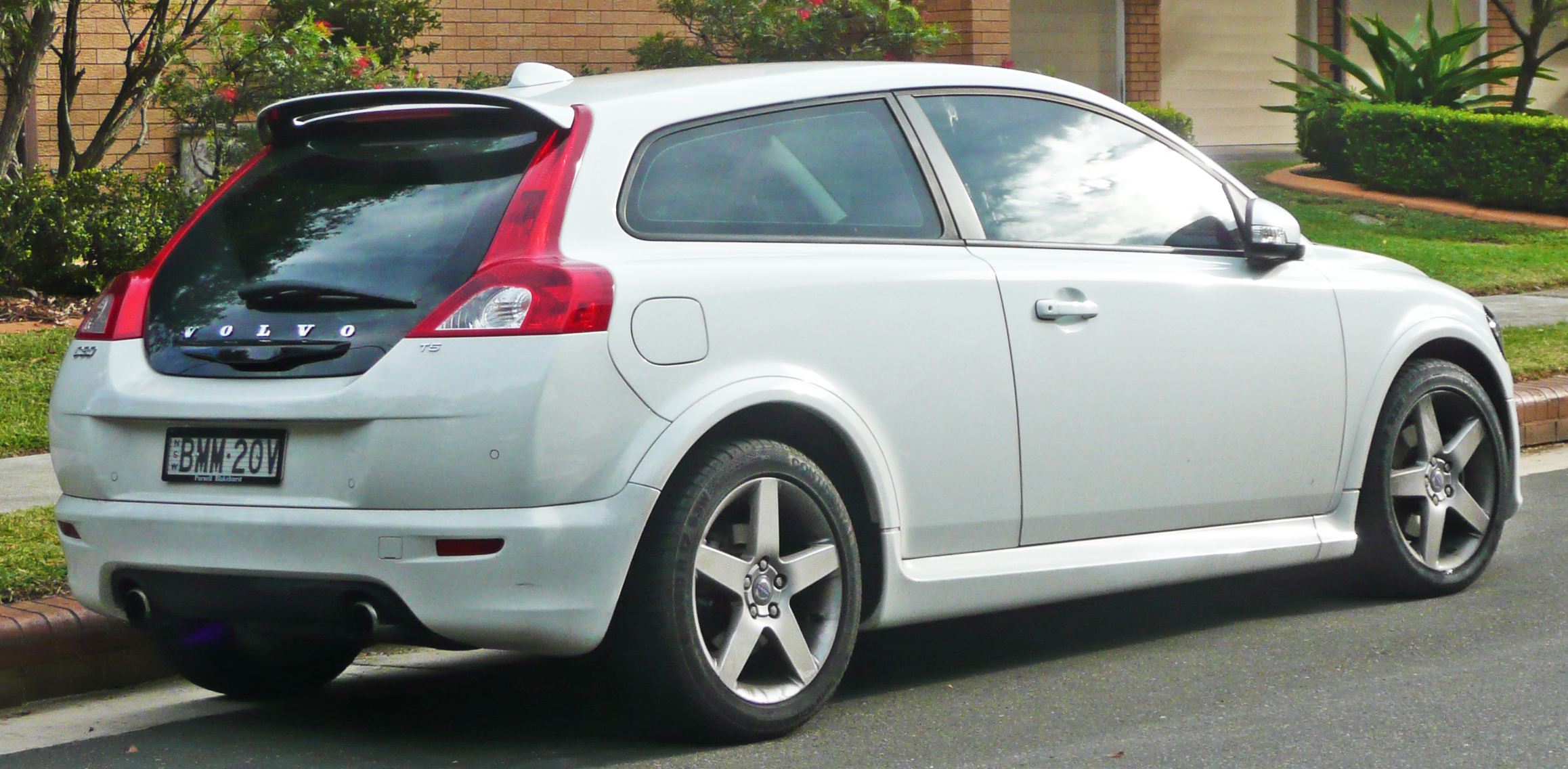
The Volvo C30 Polestar is a special version of a small hatchback car made by Volvo in 2013. It's designed to be sportier and has some unique features that make it stand out.
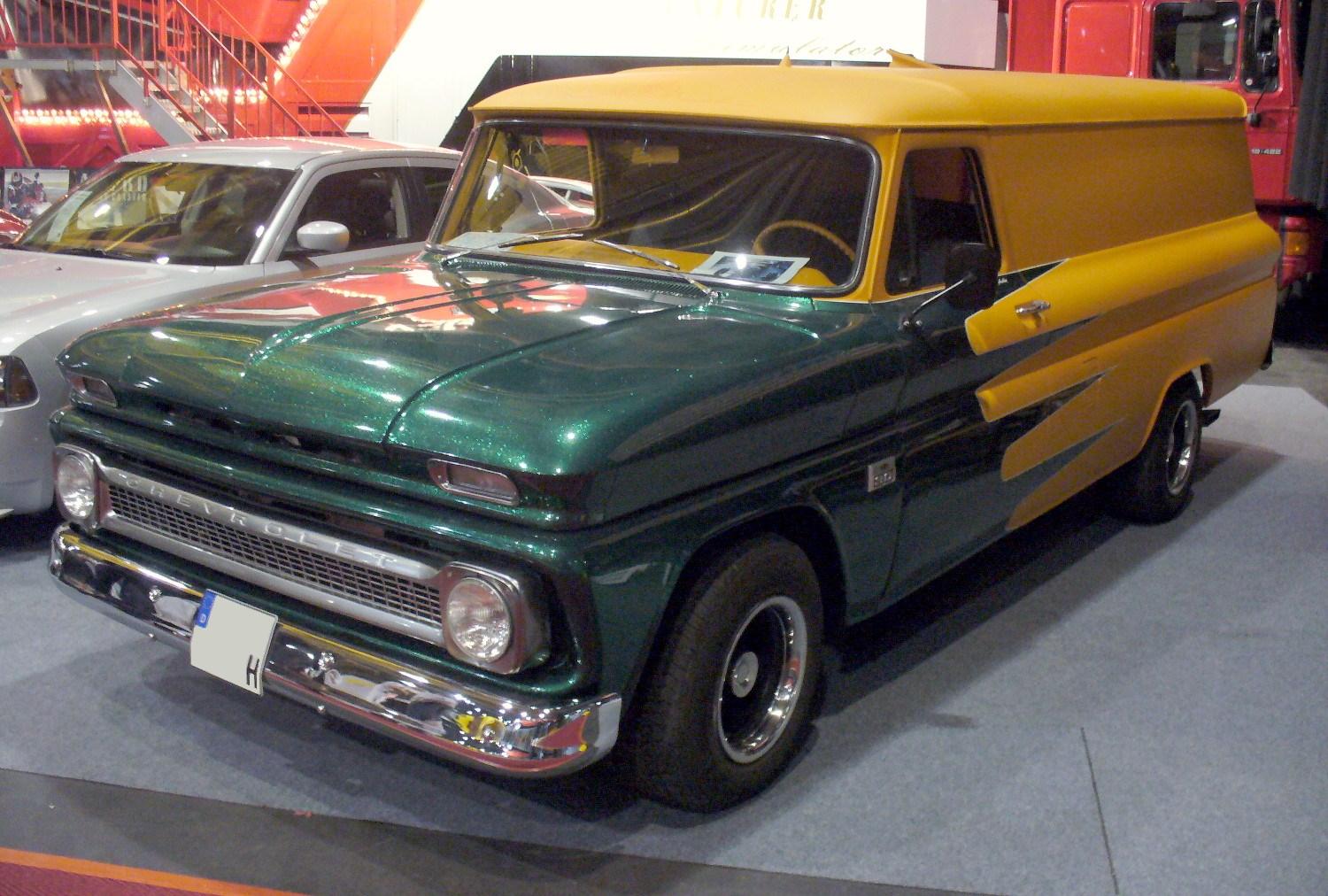
The Chevrolet C30 is a strong pickup truck that can carry heavy things and was made for many years. People like it because it's tough and can be used for work or fun. It's important because it shows how good Chevrolet trucks can be.
The Volvo Amazon is an older car made by Volvo that many people find beautiful. It was made a long time ago, from 1956 to 1970, and is popular among collectors today.
The Volvo 1800S is an old sports car from Volvo, famous for its unique design and sporty feel. It was made a long time ago, but many people still admire it today.
The Volvo 1800E is a version of the 1800 sports car that has some upgrades, like better fuel efficiency. It's also a classic car that many people love.
The Corvette is a famous sports car made by Chevrolet that is known for being fast and having a unique design. It's been around since the 1950s and is very popular among car enthusiasts.
The Volvo 240 is a car that was made by Volvo from the mid-1970s to the early 1990s. It's known for its strong and safe design, making it a popular choice for many drivers.
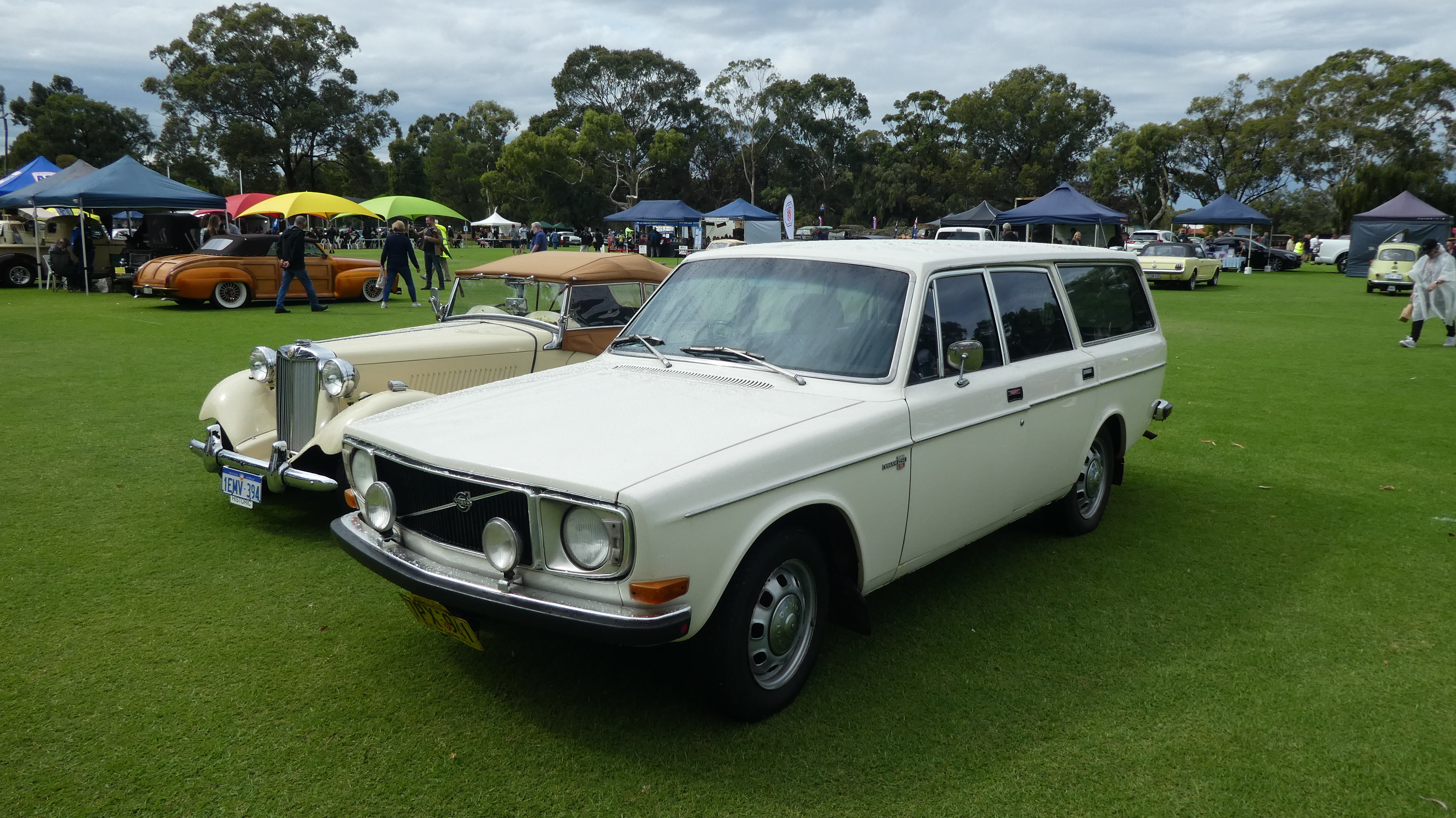
The Volvo 140 is an older car model made by Volvo from the late 1960s to the early 1970s. It was known for being safe and practical, and it came in both sedan and wagon styles.
The Volvo P1800 is a stylish sports car made between 1961 and 1973 that many people love for its unique look. It became famous because a character on a TV show drove it. People like it because it's not just pretty; it's also reliable and fun to drive.
The Volvo PV 544 is a small car made by Volvo that was built between 1958 and 1965. It is known for being one of the first cars to have important safety features like seat belts.
SIPS is a system that helps keep people safe in a car if it gets hit from the side. It uses strong bars inside the doors to protect passengers during an accident.
The Volvo 850 is another model from Volvo that was made after the 740. It was known for being safe and had a modern design for its time.
Car
Volvo 740
The Volvo 740 is a car made by Volvo that was popular for being safe and reliable. It was made in the 1980s and 1990s and is known for lasting a long time.
A world record holder is someone or something that has done something better than anyone else in the world, like driving a car for the longest distance ever. In this case, it's about a car that has been driven for three million miles.
Geely is a car company from China that has bought several other car brands, including Volvo. They are growing quickly and are involved in making electric cars.
Ford Motor Company is a big American car company that makes a variety of vehicles, including trucks and cars. They have been around for a long time and are very well-known.
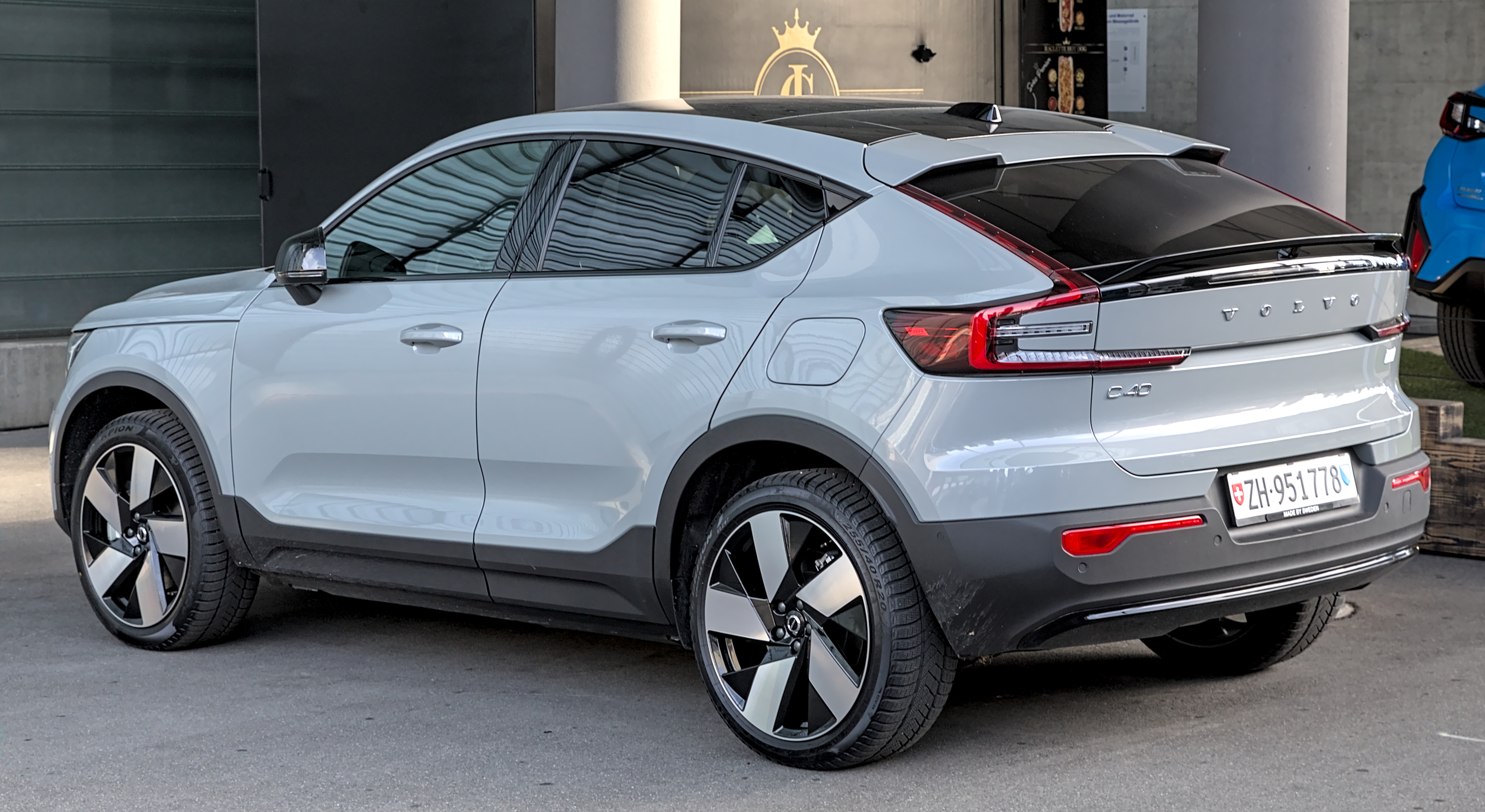
The Volvo C40 is a new electric car from Volvo. It's a compact SUV that looks stylish and is designed to be environmentally friendly, using electricity instead of gasoline.
A fully EV is a car that runs only on electricity and doesn't use gas at all. This means it produces no exhaust fumes and is better for the environment.
The Volvo 850 R is a sportier version of the Volvo 850 made between 1996 and 1997. It has better performance and handling compared to the regular model, making it more fun to drive.
'Flying brick' is a fun nickname for the Volvo 850 R because of its boxy look and how well it can drive, especially in races. It shows that even a car that looks like a brick can be fast and exciting.
A turbo five-cylinder engine has five cylinders and uses a turbo to make it more powerful. This type of engine is known for being efficient while still providing a lot of power when you need it.
The Volvo S70 R is a sportier version of the S70, which is a sedan. It has a powerful engine and is designed to be more fun to drive than the regular model.
The Ford Model T is one of the first cars that many people could afford, made between 1908 and 1927. It changed how people traveled and helped start the car industry as we know it today. It's important because it made cars available to everyday people.
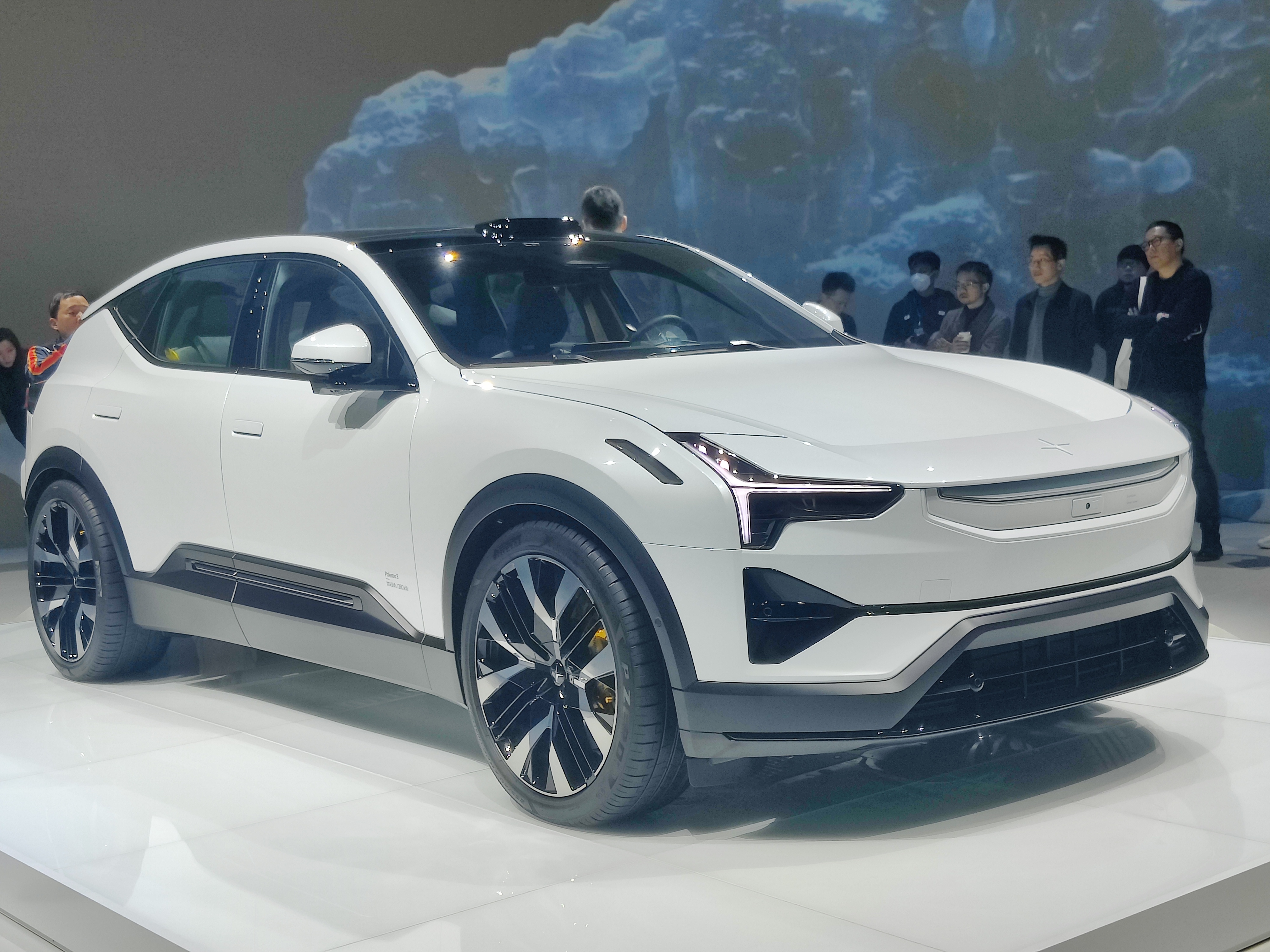
The Polestar 3 is a new electric SUV made by a brand that focuses on high-performance electric cars. It came out in 2022 and is known for being stylish and environmentally friendly. It's important because it shows how electric cars can be both fancy and powerful.
LIVE
2013, one-year-only, Polestar C30.
And so...
Hey, we know you're with us.
Yeah.
Oh, yeah.
I fully own that.
So I'll be with that weird person with the bright blue Volvo hatch.
What is that?
Why is it?
Why is the back of it all glass?
What are we looking at?
I don't even know.
Welcome back Life Plus Cars community.
We have an episode today where we are going to be taking a deep dive into a brand, an automaker
that is a favorite of ours.
Which brand are we talking about today?
Oh, Ian, I am so excited today.
I mean, this is going to kick off a start of a segment that I would really am happy
we're going to do on Life Plus Cars, which is as we call the deep dive.
And what we're going to do is take car brands, and we're going to do a deep dive
into their history and things that they've done to modernize cars, the strides they've
taken in technological advances, the whole nine yards.
Yeah.
And today we wanted to start it all off as the listener knows we are very passionate
about drumroll Volvo.
So today we are starting with Volvos.
So what we're going to do is we're going to talk about Volvo in their beginnings and
the cars they had to start, we're going to talk about modern Volvos, we're going to talk
about current Volvos, the future of Volvo, we're going to talk about their safety innovations.
We're going to go through the whole nine yards and we're going to talk about their
performance vehicles, the pole stars.
I mean, you name it.
We're going to talk about everything under the sun Volvo and we're going to try to
cram it into 45 minutes to an hour.
Wish us luck because we could easily spend days on this subject.
Absolutely.
Yeah.
Well, with the magic of editing, we'll see what we can do.
Yeah, exactly.
So I mean, so to start it off, right?
Like, I mean, I think the first thing we're going to talk about is like those early Volvos.
Like, do you have one that stands out to you, Ian, is like one of the early, early
Volvos that's just like, oh, now that's a beautiful car.
Yeah.
So for me, it's the, I mean, the Amazon.
So the one, six, four Amazon sedan, those early interesting choice.
And it actually just dredged up a memory in my, in my mind.
Going back to where my grandparents lived in Branford, Connecticut recently, as you
may remember listeners, we had my mom and my aunt see on talking about their, the
beady bombs.
And so anyway, their house, childhood house that grew up in Branford, I would go there
with my family for family get togethers and all that.
And then the neighbor next door, there was an old one, six, four Amazon Volvo in
the backyard that I remember as a little kid, I was obsessed with.
And I mean, it never moved.
It just, it was ramshackle run down.
But I remember it was in the backyard and I would just always look at it and
oh my gosh, like, what is the story on this old Volvo?
I had not thought about that car until you just asked about it, Brendan, as far as
like, what, what do you think of when you think of old Volvos?
And I think of that car in particular, what springs to mind for you, Brendan,
as far as so although for me, like, you know, I love my like, you know, 50,
60, 70s.
For me, it's absolutely without question, the P 1800.
Oh, what a gorgeous car.
Like that car, to me, is just, it's a gorgeous, beautiful.
Just the lines on that car and just everything it stood for.
Just, oh, yes.
I mean, it's like the two plus two, right?
It's a rear wheel drive.
Like they made it for quite a few years.
If I recall correctly, I think they made it between like 60 something
to like the mid 70s.
It was a long run.
Yeah. Oh, yeah.
And it's just, oh my gosh, it's just a beautiful looking car.
I mean, to me, it's like the Aston Martin, but it's Volvo, right?
Yes, I feel the same.
Oh, it's such a good looking car.
Oh, my gosh.
I mean, and they had like the 1800S and the 1800E and they had all these
just for me, the big thing on that car is the body lines,
like the way the swooping fenders and then it's got like this nice line
that goes all the way down the door and then swoops up and so sculpted
and timeless.
I mean, you see those cars and they just are such presence.
And yeah, and I agree that it almost has Bond, James Bond, Aston Martin vibes.
So just in terms of that just oozes style and class.
And I mean, so contrary to anything else Volvo had made up to that point,
the idea that they were just so standard, pretty boxy, rudimentary design
from Volvo, both, I mean, because they're so known for form and function.
And yet here was this gorgeous sculpted car that came out of nowhere.
Yeah, yes, very well said.
Because, yeah, I mean, before the 1800, right, like they had, I believe
the 1900 and that, like to me, kind of reminds me a little more
Corvette-esque maybe, but it's like it just still isn't as sexy as the 1800.
And but everything before that, like you just said, like it was
like more station wagon, like four door cars.
Yes, granted, they were still like, you know, quote unquote luxury cars.
But they were not anywhere near as sexy as you started getting into
the late fifties, sixties, seventies.
Like, oh, just gorgeous.
You know, you and I both love the 240, right?
Like that, that era of Volvo once you get into the 70s, the 80s, the 240.
Oh, we just we have some memories with vehicles like that, especially the wagons.
Yes, the predecessor to that, right, was the 140.
And if you look at those in like the late sixties, early seventies,
like they, you know, I mean, they're an OK looking rig button.
By today's standards, they really do nothing for me.
Maybe it's because I'm a millennial, but I'll tell you, a 240.
I see one of those driving down the road and I'm like, oh, my gosh, look at that.
My gosh. And they are robust.
I mean, they hold up.
I mean, they have Volvo's infamous red block for cylinder engine
that is was just over engineered.
I mean, they deliberately did all they could to just build
so many fail safes into that engine that it was just intended like, yeah,
we want this engine to run for 500,000 miles nonstop.
Yeah, just the other reason why we love Volvo
is because they over engineer everything.
Yeah, that's in terms of the older Volvo's, that's that's right up there.
I mean, for me, the 1800, for you, the Amazon, Amazon.
Yeah, and even the Volvo like the Volvo 1800 ES,
like the wagon, yes, the quirky little wagon thing.
It's just that the two door wagon, like you can't be a two door wagon.
Like, oh, gosh, like Volvo, what are you doing?
Like, can you please make a two door wagon today?
Like, oh, my God. Right.
That that shooting break style.
Just oh, so so cool.
Beautiful. Beautiful car.
Yeah, with that lift back glass.
Yeah, it's back when they made them like with just no holds bar all about style.
All about it.
Yeah, and you could.
And yet they still had the emphasis on on safety.
The fact that, yeah, you could buy a car with this kind of timeless style.
And yet it's safe.
And they were the ones actually thinking about those things
ahead of any, any other automaker.
I mean, the safety conversations, the whole other part of the podcast.
Oh, yes. And that's that's actually that's a great segue
because we want to talk about that.
Yeah, like Volvo has over the years always had major safety innovations
that they have shared with the automotive manufacturing scope worldwide.
Right. Yeah.
So like the most notable, which we all use to this day,
right, is the three point safety belt.
So, right, like, you know, Ian has a 66 Mustang.
I've got a 66 GTO that has a lap belt.
So there's just one seat belt that goes across your waist hooks in.
It's like, it's pretty much you get an accident.
You're dead, right?
So, yeah, 1959 Volvo comes out within releases
the three point safety belt, which is it anchors to up above your shoulder,
right, comes across the shoulder hooks in and it also goes across your waist.
And it was created by an engineer at Volvo named
I'm probably going to butcher the pronunciation, but Nils Bolin.
He started producing that in 1959.
They put it into the PV 544.
And what Volvo did, which to me
speaks volumes of the company is they waved any patent rights to that.
So every single auto manufacturer could put that in a car
because they knew it was such a safety innovation for vehicles
that it needed to be in every single car in the world.
And it is.
And it's that that right there alone
is why we are starting this deep dive with Volvo.
They've for years, for decades, for millennia.
Well, maybe not millennia, but for decades.
Seems like it. Yeah.
Yeah, they have.
They've been at the forefront of safety engineering for cars.
And they're incredible.
And the fact that they would do that, they would come out with this
technology that's just light years ahead of what was happening at the time.
I mean, 1959 and they didn't patent it like most any other company today
would be like, oh, yeah, we're going to make money off that.
Yeah. And that they were so forward
thinking and also were so generous and thinking and not just generous
just doing it knowing that this needs to be the standard.
They wrote the standard on that and knowing that, yeah,
we want this to be in every every car.
This should be in every car.
So take it, take this idea.
Most cars didn't even have the lap belts at that point.
Correct. Correct.
It was, I mean, I mean, even in 66, it was an option.
I mean, right.
Not only impressive with the innovation yet also and also just so admirable
that that and that's who Volvo is as a brand as an identity that they they know
they act on principle there.
The fact that, yes, we want to engineer these cars for life and also to save your life.
Yes, absolutely.
And I mean, it doesn't stop there, right?
To I mean, like 19, it was like the mid 70s,
like the US actually adopted Volvo as the benchmark for safety standards
for all new cars entering the US because the cars were so safe.
I mean, even that alone, I mean, that's crazy.
Like that that's amazing.
You're taking an auto manufacturer that isn't even US based and they were like,
wow, like people are surviving in auto accidents with Volvo.
So we need to adopt that.
Right. That's that's incredible in its own right.
Yes, we haven't like yet.
They said, whoa, wait, we should really pay attention to the
this small Swedish automaker that is doing great things.
Absolutely.
Well, I mean, it didn't stop there, right?
Like in the early 90s, Volvo was the ones that came out
with the side impact bars, right?
So they they called it the S IPS or Sips, which is so let me let me look it up.
Side impact protection system, which is basically
like those giant steel bars that are indoors to this day.
And it's like, yeah, if you get t-boned, right,
you need extra strength in the door to protect you.
I mean, even something like that, it seems so simple in the grand scheme.
Right. No one was coming up with that, except for Volvo.
Like they're just they put such such emphasis on safety
and the innovations because of that are just amazing.
And they've also done things like the self adjusting seatbelt reels.
Just the way that they've had, like if you get in the front end collision,
like the way the crumple zones and like the way the motor like will
deflect away from the passenger compartment, like all of that stuff is Volvo.
I mean, it's just amazing.
You talk about life plus cars here in this podcast
and how much Volvo as as a company values
the lives that their cars carry, right?
Literally thinking about the life plus the cars that they're building
with the people that are driving these cars, the families, everyone.
And they just prioritize that above everything was like,
we need to prioritize the people that are in this car and keeping them safe.
It's it's so admirable and something that set the industry standard
in so many ways and to this day still has that that long lasting impact.
Yes, it's admirable.
And I mean, I wish more auto manufacturers
would look at that and strive for that same goal
and same degree of what really matters to a car.
I mean, at the end of the day, right?
It's people driving these cars and you need to protect these people.
And if you're not innovating, you're dying in the process.
Saving so many lives because of their safety innovations
and having that trickle down effect to everything else in the industry.
Yes, exactly. Yeah.
And it's you don't see that very often.
I mean, in any industry related, I mean, particularly
like within such something is so competitive as the car market
and that they would just just open book like, here you go.
Like this is we want that you to use this
this technology, this innovation.
It's going to better everything and every one that that drives these cars.
And it's yeah.
And I you mentioned the Sips and it actually brings another memory of me
in that ninety six eight fifty that I talked about in the soft spot episode
of how much I adored that car.
And I can remember seeing the Sips embossed there
on the on the on the plastic and thinking as a little kid like Sips.
What is that? What is that?
And not not knowing because I was just a little kid in the back seat.
And I was like, oh, yeah, yeah, there you go.
Marketing. Nothing. That's right.
Yeah. And it's it has stuck with me.
So yeah, another another core Volvo memory in the back seat.
It did. Absolutely.
I mean, that's what's why my why my parents bought those Volvos.
My mom loves them because yeah, it was the seven forty and then the eight
fifty and they went to that Toyota dealership and the seven forty was
actually belong to their salesmen that they were about to go and buy
whatever a Toyota four or something.
He said, you know what, I actually I've got the car for you.
And it was a seven forty sedan, which was yeah.
I mean, it speaks to the fact that here's this guy selling Toyotas.
And yet he said, no, you got you got two young kids.
I'm like, yeah, I want you in a Volvo.
Yeah, exactly.
So speaking to their their reputation, safety and so much so that this
this individual, he was willing to sell his own car rather than
or one of the the cars on the lot. Absolutely.
Which I mean, yes, speaks speaks to Volvo again.
And just speaks to Volvo and honestly give that salesman credit.
Like absolutely. He was. Yeah.
He knew what the right car was and happened to be that seven forty.
And I know my set the set the stage for my mom driving that and then
led into the eight fifty is the same thing.
She knew like I need to be in another Volvo.
Yeah, I mean, I think the average person would they think they will.
They think of Volvo and they think of safety.
And that's really it.
I mean, you think of it, yes, they know that, OK, Volvo builds these cars
to be rock solid and so safe.
And that's something that's just a sterling reputation that they have
maintained, I mean, to this day.
I look at it like we just need more auto manufacturers to focus on that.
Just look at the strides that they've made when they have focused on that.
And yeah, it's incredible.
What happens when you prioritize the people?
That's over profits.
So and that's yeah, truly.
That's what it has always been about.
I mean, for for so many years with Volvo that, yeah,
prioritizing the people plus the cars that it was there.
So much more of the product there and building customers for life because of it.
It's that they're so invested in the people buying these cars that they know
they'll come back brings to mind.
There's a story of speak going back to the eighteen hundred s.
There is an eighteen hundred s that was owned by one gentleman
who drove it three million miles.
Have you heard of this story?
No, no, please tell me.
Oh, my gosh.
So it was 1966 Volvo P eighteen hundred.
That was bought by Irv Gordon, brand new 1966.
And he hit three million miles with this car.
What? Three million. Yes. Three million.
It's a world record holder.
Put three point two million miles on his Volvo P eighteen hundred.
That's insane. Mm hmm.
I mean, is there any other car that's got that kind of miles on it?
I mean, that's that's ridiculous.
Wow, you think about any car.
It's kind of miles.
It's truly an incredible story.
You'll have to read it.
But yeah, again, Irv Gordon, who has since passed away,
but just loved this car and truly experienced so much life
plus this car.
Yeah, he hit the three million mile mark at four
p.m. on September 18th, twenty thirteen on a trip to Alaska.
Crazy, truly astounding.
So speaking to Volvo and their longevity.
That's insane.
That is absolutely insane.
And I mean, the car itself is in like great shape.
I mean, he clearly loved and took care of this thing from the start.
Well, I mean, obviously, if it made it three million miles.
Mm hmm.
So I thought to give a special shout out there to Irv Gordon,
their own to this sixty six p.
Eighteen hundred and shared over three million miles with this car.
Well, great choice in in model, by the way.
Yeah, it's an inspiration to you think you buy a car.
And then like, well, as we've I mean, we talked a bit about it
in the to keep or let go episode that how long am I going to have this car
and to just be so committed to that to one part of a car?
I mean, what a car to put that kind of mileage on.
Yeah, I mean, talk about fun, putting three million miles on the car.
It's just just to say it out loud, too, is just just bonkers.
Yeah, three million miles.
I couldn't even imagine doing like two hundred thousand miles on a car.
But right.
So yes, another another amazing Volvo story there.
Well, I mean, and the stories never end, right?
I mean, like if you look at their history, too.
Yes.
Of like just the company and the company structure,
like even like 2008, right, when we had that financial crisis.
Yeah, like Ford technically had a large stake in Volvo at that time.
Right.
And then they sold it to a company that I think was called like Geely.
Geely, yes.
Yeah, Geely, Geely, whatever the heck it is.
I think, yes.
And that's that's who technically owns it now.
But I mean, when Ford had it, like they were responsible for like the new
like the what you see now with the XC 60 and the S 80.
Right.
From back in like the, you know, late 90s, early 2000s, which I mean,
in their own right, beautiful cars.
Like I love an S 80 and specifically an S 80 with a V8.
That's fantastic.
But Volvo has been around long enough to be pretty much like absorbed by Ford Motor
Company and then sold by Ford Motor Company.
And they're still around.
And then like, aren't they owned by a Chinese company now?
Geely is a Chinese company.
Yeah.
Oh, that happened back then.
I think so.
Or I didn't realize it happened back then.
But yeah, I mean, anyway, it's crazy.
It's crazy.
So in it, but they've stuck it out.
And I mean, they're still very successful.
That's the thing that's amazing about it is like they've they've had major
success, even with these massive transitions, right?
Well, right.
And that it hasn't they haven't diluted the brand at all and its
identity as far as quality and style and safety.
Well, that's just it.
It's it's it's a testament to the brand and to what they're developing.
That they have succeeded for all of these years.
Yeah.
And that people continue to buy them.
Yeah.
I know one of my aunts has, I think driven volvos now for well over 30 years
practically, I think her.
It's amazing.
Her most recent Volvo is the electric C 40, which I did get to drive
not too long ago.
And that is a very nice car.
I mean, talk about interior fit and finish and everything being
so high quality, so high touch, and then also an absolute
rocket ship of a car when with it being fully EV.
It is.
There's they have such a following and they're just such a well
crafted brand.
And I mean, I mean, look at us.
We're even talking about you and I don't even own a Volvo
and we just we are Gaga over them.
Oh my gosh.
Yes.
I mean, for you and me, I mean, this is a great segue into
like the reason that we are Gaga over them is we have to talk
about the R, right?
The Volvo when they came out with their R series or their R
mark or marquee or whatever you want to call it.
There are designated vehicles are what made me love Volvo
is when they went performance oriented.
So I'm pretty sure the first one was what 95 or 96.
They had 50 or T five.
Yes, the T five are from 95.
That was their first foray into their performance models with that.
I mean, yeah, turbo inline five cylinder.
That oh, yeah, I mean, that infamous car that I mean, I always
think of the ones that are in that cream yellow color, just iconic.
And again, one year only that they did the T five are in 95
to which they then followed that up in 96, 97 with the 850 R.
That's right, yeah, man or wagon.
But yeah, or wagon.
Yeah.
Now, and that's and for me, like, you know, like we talked about
in that previous episode, like the 850 R, that is absolutely
on the list for me as a bucket list Volvo.
Like that is, oh, it's just it's the it's the brick.
It's the flying brick.
It's that in that I forget which race series it's it it hailed from,
but they're just infamous photos of that the the 850 R wagon,
like up on two wheels as it's flying around a chicane or a bump
stop there on the track.
And it is that thing was dominant and it was a brick.
So yeah, one of the flying brick name comes from.
Oh, yeah. Oh my gosh.
It's it's an awesome car.
I had I did get to test drive an 850 R sedan and it was a state
side model, so it had the four speed automatic, a little bit of let down.
However, still fun to experience that car, particularly when everything does
spool up and then you really get on it with that turbo five cylinder.
Oh, it's just it's amazing, isn't it?
Yes. There's nothing like it.
Yep. Yeah.
I mean, the 850 R, they had the S 70 R, they S 60 R
in my, you know, my absolute favorite, like bucket list V 70 R.
Oh, yes. Yeah.
That. Oh my gosh.
I mean, it just continued to get better.
I mean, they they brought out so the generation after the 850,
they had the S 70 V 70, which I believe they actually only had the
you could only get the V 70 R of that.
I'm not sure they ever had an S 70 R could be wrong there.
I think they had an S 70 R for 1998.
And then I don't know if they had it for any more years or not.
It was just because you could get the T five in the S 70.
Yeah. As a very limited model.
And I'm not sure. I don't think it wasn't available in the states.
So look at that.
So S 70 R version was introduced in 97 for the 98 model year.
I think the highest performance of all 70 models
was fitted with a five speed manual and little limited slip
models with a four speed automatic or either 240 horsepower.
This model was only available in a few select other countries.
So maybe that's why. Oh, wow.
That sounds like an incredible production ended in 1998.
So very short lived S 70 R, very short lived.
Whoa.
OK, I learned something new tonight.
Listeners, even a Volvo nerd like me.
That's amazing.
I mean, yeah, because apparently it never hit the state.
No, I was going to say because I because I'll tell you right now,
I don't want S 70 R and it came with a five speed manual.
Oh, amazing.
But I mean, it's even like the 850 are like we talked about that, right?
And it's like that wagon.
It's like you couldn't get a manual except for overseas.
And it's like now that that's old enough.
It's like I could import one of those with a manual.
And I would be in love.
So I mean, I might do that.
You never know.
But still, for me, like the just the V 70 are just the hot hatch wagon.
Just like, oh, it's just perfect.
Tons of power, good looks, great color combos all around.
You know, I mean, overall, right?
Talking about these art designs like Ian and I, obviously for the listener,
we are gaga over any of these Volvo art designs.
But the reality is is be whenever a car manufacturer
actually takes the time to invest in R and D on performance oriented vehicles.
It's just it's amazing at how well they do.
And I mean, we could cite Audi, we could cite Cadillac, we could cite Toyota.
I mean, anything you want that they have segments or periods of time
where they focus on a performance vehicle.
But Volvo, when they've done their R series,
it's the perfect combination of just amazing performance
combined with that Volvo quality that we all know and love.
And that's why for me, at least for the Volvo R series,
like the stuff that they've done that are not.
And this is you got to remember, this is different from the, you know,
quote unquote, R design like that's different.
Right. Like the I'm talking like the V 70 R, the S 60 R,
you know, eight 50 R, like that stuff is like,
I don't know how that conversation went in the boardroom or whatever at Volvo
or whoever was making the decisions.
But when someone came in and said, hey, let's take our wagon and let's make it
super performance oriented and give it the R moniker and we'll give it
a manual and you know, blah, blah, blah.
It's like that that's when you create cars that leave a mark on history.
The V 70 R is a great example.
I mean, they did those, the ones I like from like 0407.
That's right. That body style.
It's it's just even to today's standard in 2025,
like 20 years later from when it came out, like it's still a good looking car.
And it still holds up performance wise to cars of today.
And you can get it in a manual, which is like, yes, we're all about manuals
and there's not a lot of cars that you can get manuals with anymore.
And just those cars, like when those,
when the the stars align and you get a car company that's like,
let's make a performance vehicle.
And then you have someone says, well, let's do it in a wagon.
It's like that person needs a raise.
When you think about it, I mean, the V 70 R, the prior generation.
So we're talking like 98 to 2000.
It didn't have a manual here in the US.
And yet for that next generation V 70 S 60 R's, they said, yep,
you know what, we're doing it.
So I, yeah, I don't know who made that executive decision of like, yes,
we're putting the six speed in this car.
And I'm like, hallelujah that they did because, yeah, as you said,
they just made history.
The fact that you could get that car, particularly the V 70 R,
this amazing under the radar wagon performance six speed.
Just, I mean, what a recipe.
I mean, we're gushing about it here as two car nuts.
But even beyond that, it's just, it's just amazing.
Even take the performance out of it.
Can we also tip our hat to the guy that came up with the colors?
Like, yes, like seriously, we are talking like that interior color,
like the Atacama leather. Oh my gosh.
Oh my gosh, like who, who came up?
That was a status to this day.
That is my favorite interior color on any car, any if I could order
a brand new whatever today Volkswagen or Chevrolet or whatever.
And that's the color like, yeah, and sign me up like that.
Just beautiful. Oh, I mean, yes.
This brief period we're talking, I mean, it was only four model years
that Volvo just went absolutely wild with just these amazing interior colors.
Plus, then you had passion red, sonic blue,
the flash green, these just incredible colors.
I mean, so many. I mean, oh, it's amazing.
Like they had even across the V 70 line, right?
Like black sapphire metallic, nautic blue metallic, titanium gray,
cash being blue, absolutely stunning colors.
And if you go back to like 99, they had that laser blue
laser blue, I forgot about that.
Yeah, I mean, it's like the colors just like it's just like, yes,
yes, because finally, like, right, you because it's but yeah,
Volvo has had been known for so long for just being so staid
and we are form and function and that's it.
And we want these cars to be absolutely as safe as possible.
And they're also bricks.
So but then to totally say, you know what, we can also
be absolutely wild with the colors you can get.
And oh, yeah, also, it's going to be like 300 horsepower
all wheel drive monster.
Yes. And also, also one of the most comfortable cars you could drive
like you could hop in a V 70 are like a 2006 and drive across country.
And it's just so comfortable. And yes, it's it's such a.
Yeah, it's a very comfortable, almost grand tour kind of feel.
Like I've only I've only driven the S 60 are I've not been in a V 70 are yet.
I have driven 70 are and that is part of the reason why I'm so die hard
that I want one if I can find one that's got decent miles on it
and it's in good shape.
Like I don't want to see one that someone's done like cold air intakes.
Oh, right. You know, to it or like lowered it.
Like I don't want that. I want stock, but I want low miles.
You know, and I would I will buy one in a heartbeat in a heartbeat.
Like I just I love those cars.
That is a collector car for me.
Like most people think 60 or 70s.
But no, if I find an 04 to 07 V 70 are with a manual
that had the out of common interior, I don't really care about exterior,
but interior has to be that I would buy that, drive it sparingly
and hold on to it for decades. Yeah.
I mean, it absolutely or absolutely, Brendan, it is a collectible.
I mean, without question, limited production, like, yeah,
it's absolutely yes.
And I mean, again, another testament to how much
Volvo owners love their cars and drive them.
I mean, most V 70 and S 60 ours that you see out there,
they've driven the wheels off of them.
Most of them you see the upwards of like 200,000
miles on most examples out there for sale right now.
Correct. It's correct.
Like, I mean, you've seen, come on, bring a trailer, right?
And they've got like, you know, 200,000 miles
or I saw one for sale the other day that I was like, oh, it's a V 70 are,
but it's got like, you know, 88,000 miles on it, like, no way.
And I look at it like, oh, it's a manual, but then you read the description
and the guy manual swapped it.
So it was an automatic originally.
And like, I don't doubt that maybe it's fine, right?
But I instantly lost interest.
I was like, no, if it didn't leave the factory as a manual, I'm not buying it.
Like, oh, it's just not happening.
It's got to be a factory. Yeah. Exactly.
Exactly. Yeah.
But no, I mean, and I also, we can't talk about the R, right?
Without talking about Polestar.
So that's a really good segue into Polestar, right?
So like Ian, please correct me if I'm wrong, but from what I've learned
and what I know, like Polestar started right in like the late 90s,
like mid to late 90s, and it was like a Swedish like championship
racing team or whatever. Correct.
And they, they were like tuning cars and learning how to like
to tune them for all the bit of performance they could get out of them.
Right. And that's where they got their start.
And then it basically turned into what we see today is like
almost their own brand, quote unquote, their own brand.
Right. Like you can get Polestar tunes done to your Volvos
to just each every single last bit of performance out of it.
And that that in its own way is just amazing that you take a company
that is just focused pretty much on Volvo cars and making them
as high performance as possible.
That's right. I mean, Polestar originated in somewhat
I think I'm somewhat like AMG with Mercedes
that they were a bit of like this skunk works operation
that they were taking Volvos and tuning them.
And as you said, squeezing all the power that they could to which they then finally
then they eventually formed some partnership of sorts with Volvo
and they started making production cars.
I think some of the earliest ones that I can think of were
like I think maybe early 2010s, C 70s you could get with the Polestar package.
Oh, yeah, you could get C 70 hard top convertibles
with the badge and I noticed because I see a few of them drive around here
and they have that signature blue Polestar badge on the back.
They also started to do like you could get the 2010s
X 60 with the Polestar.
You get an X 60 Polestar design.
I mean, it was our design and then they took it up a notch with the Polestar.
One of my bucket list Volvos, which I know
I know you have mixed feelings about this car.
It's the C 30 Polestar one year.
Oh, yeah. Yeah.
No, I know you've talked about the C 30 before.
I mean, I'm not I'm not crazy about it.
Only yeah, just that little tiny thing.
But yes, you know, that's fine.
For me, that's a bucket list car that 2013 one year only
Polestar C 30 that they they were all in that amazing rubble blue paint.
You could get it with the six speed, the little and then the turbo five cylinder
and what I mean, must be such an awesome little hot hatch to drive.
So that that's a special car.
That the fact that they only brought 250 of them to the US.
And we know you're with us.
Yeah. Oh, yeah, I fully fully own that.
So I'll be with that weird weird person with the bright blue Volvo hatch.
What is that?
Why is it? Why is the why is the back of it all glass?
What are we? What are we looking at?
I don't even know.
To which it then led into the Polestar V 60s and S 60s.
Those cars are quite the performance vehicles. Wow.
I mean, up until that point, you could get the think the V 60
S 60 with the Polestar package.
It was finally, I believe, in 2016 that they brought out the full
Polestar V 60 fully.
Yes, like as if as if, you know, how AMG does to Mercedes and M
division does to BMW.
It was like, OK, Polestar, do a full blown performance model of the V
60 S 60 and boom, coming out of the coming out of the water
with that inline turbo six cylinder, just absolute monster, huge,
like 20 inch wheels, just everything.
Does the look incredible? Absolutely.
Here. Yeah. No, no, I agree.
It is absolutely gorgeous.
Yes. So that's a little bit about Polestar and how that evolved.
And it was purely just the performance model.
And then I think 2016 through 2018 were those three model years
that you could get the Polestar V 60 and S 60s.
Then they went through their redesign.
And now, as you mentioned earlier, Brendan, where now Polestar is
its own 100 percent EV brand.
Yes. And then also engineers performance packages for their other
Volvo vehicles. Yes.
And I mean, they also, I mean, Polestar also still does like it.
Like, I know some people that have like 2018, 2020 cars and like,
you can, if you want to pay for it, have them Polestar engineered,
where you bring them to the dealer and they will hook them up and tune
them to be more performance.
Like you can pay for that.
So it's still a thing.
But yes, now they're their own brand and you can buy like,
I think they're full electric now, right?
Yeah, the Polestar one, the Polestar two.
Yes.
So it's amazing to think about that.
Like this, this thing that started in the mid 90s was just like a
tuning company, just like, how do we get the most performance ever
out of these cars is now transformed into their own brand, right?
It's just incredible.
Kudos to them for developing what is their own identity there.
That is also like signature Volvo.
You talk about people who know Volvos.
They also know they know Polestar.
Save for the ones that are painted in rebel blue.
The other ones that are silver or black or white.
I you really don't like the only thing that tips it off that you see
that blue badge like, oh, yep, that's the special one.
Yeah, I'll never forget that.
It was like maybe a few years ago, you were sent me a picture of like
a V 60 sitting in a parking lot.
They had the little Polestar badge on.
You're like, oh my God, someone got a V 60 with the Polestar.
Like, oh my God.
Yeah, I remember walking by one time with a guy it was in the parking lot
and he started it out and like, oh my gosh.
And he was like, wait, you know what this is?
Like, absolutely.
I was like, oh my gosh.
Yeah, so the differences of me and being like, oh, cool.
Polestar is like, is it manual? Oh, wait, no, it's not. Goodbye.
Not interested.
I think this is a great segue into Volvo now.
Yes, current cars and where we'd like to see them go.
For me, like right now, their current vehicles
like I really like their SUVs.
I like the XC 90, like their XC 60, not a huge fan of the XC 40.
And I'm really bummed that they're going to go away from the V 90,
which is their big way.
I know. That's to me, that's a bummer.
But but what they offer now, I think they're excellent cars.
For what they cost, I mean, all cars now are really expensive.
But yeah, what they cost, you're getting a really good value
of features versus reliability versus just fun like in there,
they're capable fun cars.
Exactly.
If I had to say one thing, though, that I would just love to see
Volvo do in the future is like they still have their R design,
quote unquote, vehicles, which are like they just basically make them
look more performance, but they really aren't. Right.
Is I would just love it because a lot of auto manufacturers
are getting away from the performance side of it, and they're all going to
efficiency and electric and this and that.
It's like just Volvo, please, if anyone involved,
whoever listens to this, just really consider coming back with an R design
and whether it's the V 90 or the V 60, or even if it's an XC 60,
like your best selling SUV, it's like, give it an R design moniker.
But call it like the X 60 R Polestar and give it a six speed manual,
a real manual for the love of all that is holy.
Please, you would sell them like hotcakes.
I mean, like for me, the dream is like if they took a V 90,
like I've driven a V 90 and I think they're the most incredible wagon,
full size wagon.
It's like if you took that car, souped up the engine just a little bit more,
gave it some big wheels and then you gave it a six speed manual.
That car would be amazing to drive with a six speed, just a real tried and true,
like push the clutch in and you're three pedal driving that thing.
It'd be amazing.
And I have to think that they would just sell those like hotcakes.
I mean, a great example is like, look at Cadillac.
They came out with the CT5 Blackwing and the CT4 Blackwing
and those have six speeds and they said they're only going to make
them for a year or two and we're in like what year five of them seems like
because they sell like hotcakes because they want a freaking manual.
So of all though, please, it's all I mean, I'd go I'd buy one immediately.
Yeah, I would be like, oh, let me go in.
Oh, out of comment.
Here, perfect.
I'll order that V 90.
Yes. It's like, yeah. Oh, I'm sure I'll just write a check.
No problem. Yeah. No. Yeah.
I yeah, I signed me up.
I mean, that would be yeah.
The first life plus cars vehicle we buy together.
All the men, although V 90 are with a six speed manual, not a commentary
in a car exterior. What a car.
Bring it back, Volvo, bring it back.
Yeah, like that's like for the future, I would like to see that.
And maybe they don't do it with a V 90.
Maybe they don't do it with a V 60 or whatever.
But just like, please, like that's the thing is it's like, yeah,
still have people that it's like you think about the average American
that commutes, like you want to have like a fun time driving your car.
It's like, sure, you can have like the giant screen infotainment system
or this and that, but it's like you just can't beat that feeling
of just revving up that beautiful four or five cylinder or six cylinder in line
and revving through the gears and taking the twisties.
And oh, just please, Volvo, please, please bring it back.
Please bring it back for life plus cars.
Life plus, Volvo, life plus cars for everyone, for everyone.
Anyone that's ever wanted the, you know, the eight fifty
R or the V 70 are to come back or the 60 are.
Yes, please bring it back.
I mean, yeah, people clamor for those
for those cars of that like that era, the mid two thousands there.
And I mean, that's now that's 20 years ago and people are still one
comes up for sale and it's gone like that.
Even if it hasn't even if it has 250,000 miles on it
because they're just like that car doesn't exist anymore.
And so unique that.
Yes. I mean, even like even something is ridiculous.
Like if they did the XC 90, like a brand new XC 90 today
and they put a six speed in it, like I would buy one.
I'd be like, yes, I don't care if I have to commute with my family in it.
Like, yes, give me three pedals in that immediately.
Like how unique would that be?
Full size SUV with a six speed.
Oh, yeah, it's unheard of.
Yeah, like it'd be amazing.
Oh, yeah. What do you drive?
I've got an XC 90 R design to be like, really?
No, that's going to six speeds.
Like, yeah, no, there we go.
We'll just we'll just keep manifesting it here on the podcast.
Yes, please speed Volvo.
Bring it back, bring it back.
Yeah, I mean, it's it's true that I mean, that was like a big part of their
identity at that at that time, you know, like whatever happens with them
in the future, I think that our design is so signature Volvo
that they developed and have walked away from to an extent.
Like, as you said, it's more or less a trim level at this point.
And that when you bought an art design, truly, in addition to it,
looking the part, it also drove the part.
And so I think that's what Volvo has lost somewhat.
So I hope that they can bring that back.
And for what they're doing so well, I mean, the design is stunning.
The cars that they're building and then the interiors
are top notch.
I mean, that is still they are still so well built and so comfortable.
So I mean, they've got that dialed in.
So it's the other for us wanting a little bit more in the performance
department and the fund department that that's what we'd hope for.
Oh, yeah. Well, I mean, but that's why they've had such success
with the performance ones, right?
Is because everything else so well when they introduce that
they hit a whole other target audience of people that are looking
for a fun car to drive, right?
I mean, the Volvo's are still fun to drive, but give us three pedals.
And also I did.
I'm happy that you reminded me.
I wanted to mention like in their terms of comfort, like Volvo is,
I think the only brand, maybe there's another one, but I'm pretty sure
that the only brand that actually partnered with like the American
Spine Institute or like Chiropractic Association, their seats are actually
designed like with the spine in mind and they have the most comfortable seats
like sat in a brand new XC 90, like ultimate or whatever the package is.
And it's the most comfortable seat you ever sat in.
I mean, it's amazing.
I love Volvo. Oh my gosh, we do.
We do. Speaking of how much they realize how much people spend their
lives in a car, then you know what?
This should be a beautiful, comfortable, safe place to be.
And they've just prioritized that for forever.
So that's what it's great to see that they still have that.
At the forefront, Volvo has a special place here at life plus cars.
And oh, absolutely.
And I'm sure there are multiple people listening to this that feel the same way
that the Volvo has a special place in their heart.
And I hope that they would reach out and share with us.
Yeah, their Volvo story is exactly.
If you have a life plus Volvo story, you can always email us at
where's where's the address, Brendan?
Oh, lifepluscars at gmail.com.
And that's life plus cars all spelled out.
L-I-F-E-P-L-U-S-C-A-R-S at gmail.com.
There it is.
Yep, you can find it.
I didn't sing it this time, but I figured we'd give it a real one.
You know, that's right.
Yes. Yeah, you just never know when Brendan might might have a little
song along for us. It's only a special occasion.
Yes.
But no, I mean, this I'm really happy we've done the deep dive into Volvo
because Volvo is definitely close to the heart for you and I.
And and they are well known for their innovation and safety.
And they have honest to God, they have probably created some of the
finest automobiles in the world to this day.
I mean, to me, there's no question.
Like, you know me that I love General Motors stuff. I do.
Like I'm a GM guy, especially old GM stuff through and through.
But Volvo, even though I've only owned a few of them over the years
and I've loved them, they to me every time I experience one or I see one
or talk about them, it just always impresses me that you can have
an auto manufacturer that they've really created a product that
withstands the test of time.
Yes, is reliable, has such a following.
I mean, I haven't talked to a single person that dislikes of all though,
except for maybe of all the mechanic.
So yeah, and that's all that.
I mean, that's relative, right?
I mean, that's all relative.
But it is just amazing.
They I mean, you see him like you said at the beginning of this,
like you see him with 250, 300,000 or 3 million miles on.
You know, it's just it's crazy.
They they go and go and go.
I mean, even even Stu's Volvo, right?
Like that's got 120 or 130,000 miles on it.
And the only thing he's ever done to it is change oil and put tires on it
and brakes and I mean, it's just I mean, I'm used to like you need a tie rod
or you need a ball joint or you need to control arm or you need a shock
or you need brake line.
You know, it's just like that's to me, that's amazing.
Absolutely. Yes. So Volvo keep doing what you're doing.
But at the very least, please do a performance car.
Our baby, our just bring back they are.
We just we need it. We need a Volvo.
Yeah, none of this are design crap.
Give us an actual our model that's got performance.
Yeah, six speed, six speed, six speed, seven speed.
I don't care. Eight speed. Give us something.
I don't know. Give us a third pedal.
That's all we just need a manual.
Bring back the five speed. Who cares?
Like no one cares.
Run it back to the five speed.
Yeah, the tried and truced five speed, please.
Yes, do a C 70 again and make it crazy.
Just let's go. C 70 are.
Yeah, let's do it.
Yeah, I think how awesome that would be.
C 70 are don't make it a four seater.
Just do a two seater.
Give it a six speed manual or five speed.
Hard top convertible.
Oh, I'd buy one in a heartbeat.
Make make the driver seat big enough for six foot, six, 300 pound guy.
Perfect. There you go.
You'll be that you'll be the design study.
Yes, perfect.
I mean, I had a 2011 C 70 and I just fine.
So base it off that.
There you go. Yeah, you've already got a baseline.
Yeah. And then when you do create that car,
send it to Ian and Brendan, lifeless cars.
We'll we'll review it.
Absolutely. We'll be we'll be the first press press loaner.
Yeah, yeah.
We'll give you a good, good review.
You know, wink, wink, nudge, nudge. Absolutely.
Yes, you know, you know who to send it to follow.
Yeah. Well, this has been a lot of fun listeners.
Thank you for joining us here.
Another fun episode where we talked all about life plus Volvo.
We'll have more of these deep dives coming up soon
where we'll pick different brands, different makes.
We certainly have plenty in mind there, right, Brendan?
Oh, yeah. What's next, Ian?
What we think of Volkswagen? Ford?
Oh, Lamborghini.
Because we are both very steeped in Lamborghini.
Oh, yeah. Well, I mean, we don't have to be steeped.
And it would just it's true.
Yes. Our opinions and experience with the brand.
So that's right. Yeah.
Well, whatever we pick next, thank you for tuning in.
Listeners, we hope you join us for the next one.
And until next time, enjoy the drive as we curate car conversations.
About this episode
A passionate exploration of Volvo's history, innovations, and future, this episode dives deep into the Swedish automaker's legacy of safety and performance. The hosts share personal anecdotes, highlighting iconic models like the Amazon and P1800, while discussing Volvo's pioneering safety features, such as the three-point seatbelt. They also touch on the brand's evolution under different ownerships and express a desire for a return to performance-oriented models, particularly the R series. With a mix of nostalgia and hope for the future, this episode celebrates Volvo's unique place in automotive history.
In this episode, Brendan and Ian begin a series of "deep dive" conversations, where they pick an automaker and discuss it at length. To start things off, let's talk VOLVO!
Tune in as they talk about:
What they think of when they picture an old Volvo
Volvo's safety innovations that continue to this day
Volvo's longevity as a brand (and in quality)
The R performance models from Volvo and why they are so special
Volvo of today and where they think the brand will be in the future
Their favorite Volvos
Plus, will Volvo ever bring back a stick-shift? Brendan and Ian make a case for it in Life Plus Volvo!