
Annotations will appear as you listen
0:00
72:34
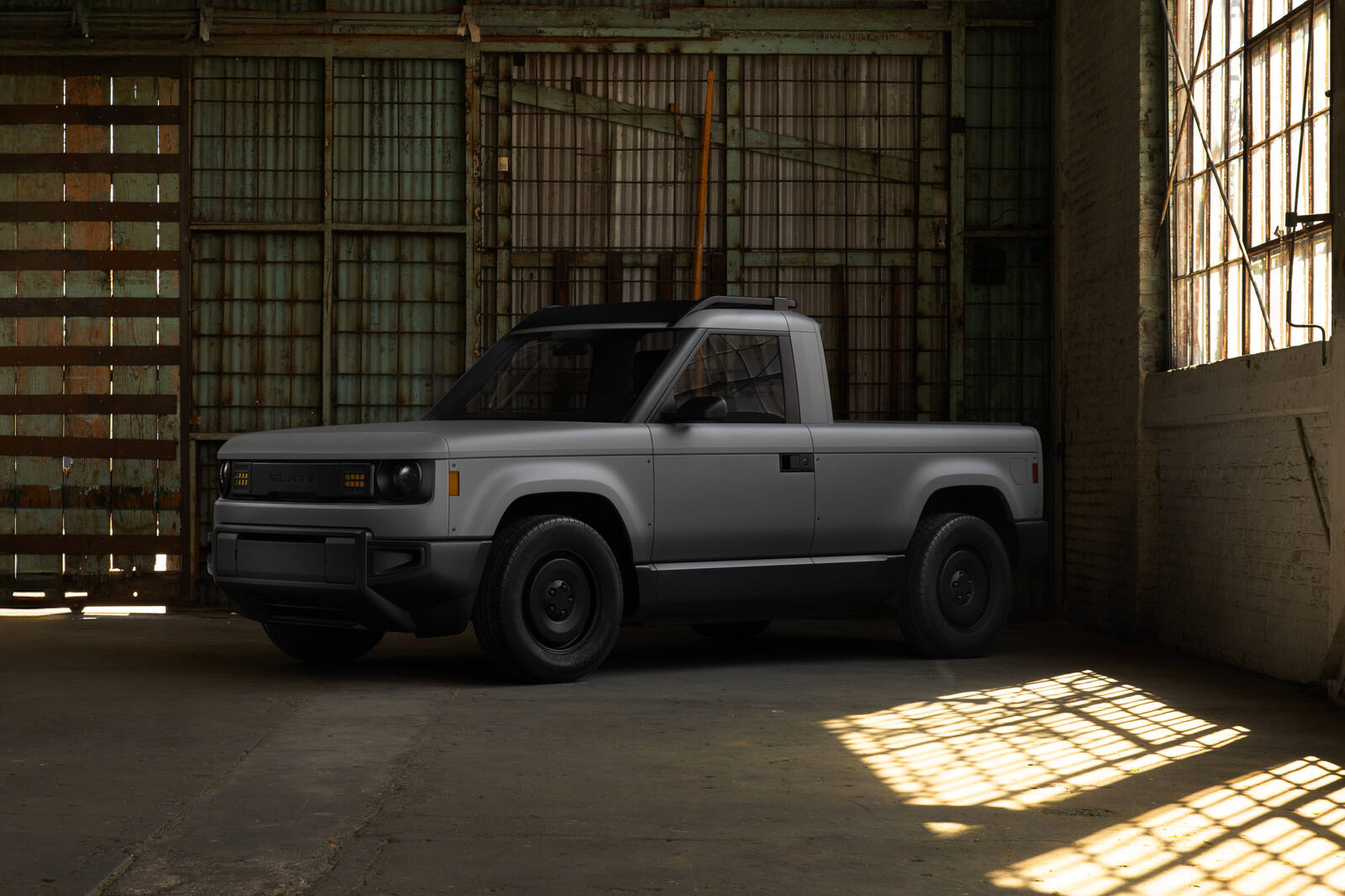


Car
Ford Ranger

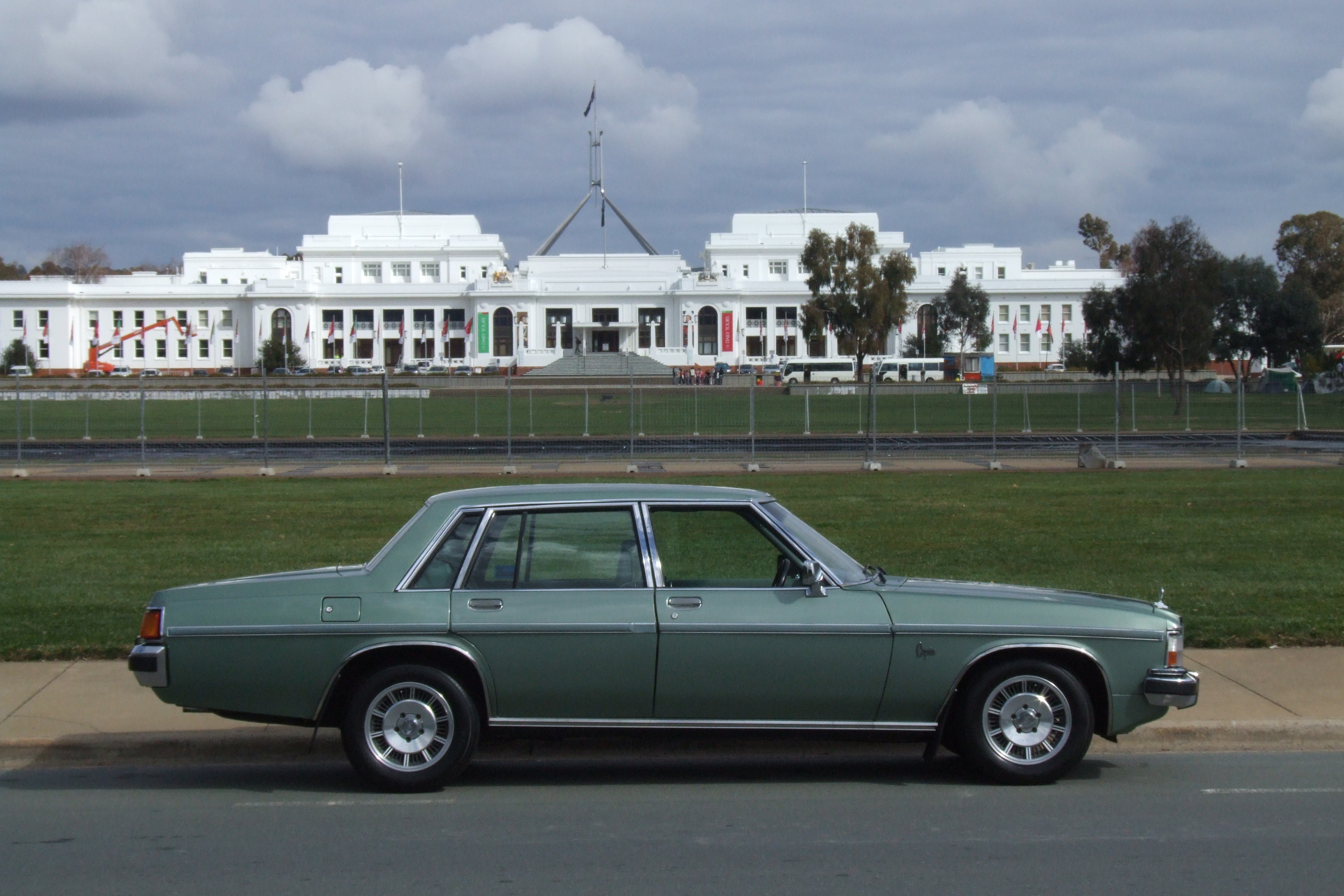
Car
Holden Caprice

Car
Delorean DMC-12


Car
Honda Civic

Car
Pontiac Firebird

Car
Ford Anglia

Car
Scion Xb
LIVE
Music
You got inappropriate hair today?
Inappropriate.
Yep. Down? It's too hot. Are you hot?
Not yet, but my butt will be wet and sweated to the couch, momentarily.
Hey everybody, it's Wednesday.
Hi, happy, I was going to say Friday.
Well, that's the next recording that we're doing.
My brain's already melting out of my ears.
It is, people, and it's kind of gross. Wipe it off.
Yeah, if you hear a sound, not only is it my brain melting and hitting the couch,
but there's a box hand going.
Yeah, so hopefully it's not too loud.
We do have good directional microphones.
It's hot.
So, yeah, but anyway.
It's like 88 today?
Is it? It seems hotter.
I never looked.
It's 105.
It's 111.
76, we're dying.
It's hotter than 76, for sure.
No, it's definitely like 88 or 98.
It's hotter than that.
It's dang hot.
It's dang hot.
Anyway, we didn't come here today to talk about the weather.
No, we came here to talk about the delicious ice mocha with cinnamon I had.
I was like that girl on social media, you know any better sound than this?
Shaking the ice?
Oh, yeah, no, I don't know that.
That's like a meme.
I do like shaking ice.
It's like a girl with like an iced coffee drink.
She's like, do you know any sound better than this and like shakes it?
Oh, yeah.
Okay.
It's a good sound.
It's a good sound.
I had a hibiscus tea, which is non-caffeinated for those of you who are interested in knowing
that tidbit about me.
Emily's not like me.
She doesn't have a crippling caffeine addiction.
Well, because I can't sleep.
You can't sleep anyway.
The horrors of life just keep me awake all night long.
Yeah.
Just staring at the ceiling.
The debt ceiling.
That's what I'm staring at.
The world debt ceiling.
I'm just trying to sit there just trying to figure it all out.
We'll have a bake sale for the whole country.
It's going to bail us out.
Are you going to do your no bake?
Your famous no bake?
Oh, yeah.
I'm going to do my famous no bakes.
You know, what are you going to bring?
Banana bread or something?
Geez, I don't know.
We're trying to bail the country out.
You don't know what you're going to bake?
Probably nothing.
I'm just going to count on Trump's tariffs to bail the country out.
I thought that's what was supposed to happen.
No, that's what got us into this mess.
Sorry, we're having the bake sale.
To fund the car wash, it'll finally bail us out.
I'll make sugar cookies.
But what if I make them from Pillsbury Dove?
From the profit margins might not be high enough.
Oh, that's true.
You might have to work harder.
That's true.
Boy, it's going to be a lot of work.
Hey, it's the pile up.
It's the pile up.
Oh my goodness.
I'm the queen of the vans.
I'm M.Dog Nightmare.
And we're getting piled up.
Yep.
It's Wednesday.
In case you forgot, it's Wednesday.
Again, the brains are melting.
The brains are melting.
It's going to be real doozy by the time we get to the brain buster.
But we do have something cute to talk about.
What do you got?
The slate truck just did a collab.
Slate truck?
I got a deposit down on one of those.
I know you do because you love them.
Oh my God.
They are cute.
I'm not going to be able to afford it.
Now the government incentives are gone.
Now the government's gone.
Now that we don't have a government,
you're not going to be able to get your roll down window,
your manual roll downs.
Without infotainment screen.
I know.
It's going to be so great.
It would have been so good for you.
Kind of looks like a little range rover,
not range rover, a little Ford Ranger too.
Well, supposedly the size of the Toyota SRS.
Supposedly what?
The size of the Toyota SRS.
Okay.
I can't think of what size that is, but.
It's just a little Toyota pickup from the 80s.
Little mini.
Oh yeah.
Okay.
Little of the small.
Maybe you remember our mini truck episode?
I do remember it.
Okay.
Yeah.
It did really well.
Anyway, before we go and get into how we have all these.
If you drive around Portland, you'll see one of those.
I have seen them now.
I remember.
I just, I'm not great at remembering letters and numbers.
You're not looking at the curves.
No.
I hit the curves all the time and clearly not looking at them at all.
But you're not seeing the truck.
That was kind of a low blow.
No pun intended.
Sorry.
Below the belt.
Yeah.
Below the belt.
Below the sight line.
So anyway, Crayola and Slate are doing a little collab.
So all of these, there's, let's see.
12345 different colors of Crayola crayons that you can get your Slate
in.
All of them are all black trim with black wheels.
And they look, they're real sharp looking.
They're super cute.
Dandelion, which is yellow.
Razomataz, which is like a magenta.
Cerulean, which is a really beautiful blue color.
Never heard of it.
Jersey tomato.
It's kind of an orange red.
A Jersey party going in here.
And then Fern, which you can guess is green.
Okay.
And they're all these really fun bright colors.
It's all rainbow, huh?
So I do hope that they get made.
And I hope I can watch, see, I hope a lot of people get the Crayola collab.
Great marketing.
Gayola truck.
Yep.
That's going to go great.
Yeah.
You got your electric Gayola truck.
You heard it here, folks.
The Slate truck is totally gay.
Really thought about that, everybody.
Really going to get the truck community is going to shit all the time.
All over that.
Oh, they're too cute to get shit on.
I hope.
I mean, long time coming.
Like, let's, let's get this thing out on the market already.
Yeah.
I know.
Well, they are taking deposits.
So it sounds like it's going to happen.
I gave my deposit a million years.
They are, they are getting a little more serious.
I thought if you took a deposit, that was serious.
No, that was like, can you help us build a pile of money to keep doing stuff?
Do you get your deposit back?
If you don't get a truck.
You can have it back.
Oh, okay.
If you don't get a truck.
But it's still a loan.
It's a crowdfunded loan.
Yeah.
Okay.
Because it's tax free.
No interest.
Just, there's just the if that they have to give it back.
And when they lost the incentives, they're probably going to give some of them back.
But like me, I don't know, I probably wouldn't, I probably just let them have my $50.
Oh, you did put money down on that.
I thought you were making a joke.
Excuse me.
You were joking.
I thought it was like $5,000 or something.
I don't know.
No, they just asked people to put, it's like a $50 placeholder.
Yeah.
I knew when I saw that it was, they just need a loan.
Yeah.
I know, I know what that is.
Okay.
I'm game.
I fully supported the idea.
Yeah.
I know you're into it.
So I was like, yeah, I'll throw 50 bucks at it.
Nice.
Yeah.
It's good.
Cool.
All right.
Well, if the rebates come back, you will be in line to get one.
They're not coming back.
No, they're probably not.
It's not going to happen.
It's not going to happen.
It's not going to take place.
Yeah.
Now for at least another three more years.
Yeah.
Not in the skeptocracy.
It's not going to take place.
No.
Well, onto a little.
Inspiring news.
Inspiring news.
What are we talking about today?
What do you got?
I don't know.
I think we're going to do a deep dive into Harley J. Earl.
Wow.
We don't have anything else to talk about.
A man that we've got a lot of stuff to talk about in Harley Earl.
There's a lot of stuff to talk about.
Oh, okay.
Yeah.
Just in that.
We didn't have anything else.
Nobody like wrote in about the other episode or anything.
We got right in for the brain buster.
That's it.
Huh?
Yeah.
What the fuck people?
No cross dressing right in.
Wow.
Yeah.
Oh.
Hey, that's okay.
Oh, because we got record listens.
Yeah.
Yeah.
Yeah.
So we.
Yeah, we did.
Our highest amount of plays in the first seven days.
Yep.
I think.
Except for maybe the Valentine's Day episode.
Oh, well, okay.
Yeah.
That one's that one's out there on its own.
That one did really well.
Yeah.
Anyway, so that's good.
Thank you all for listening.
If you're new here, welcome.
This is just kind of like a show where Rose and I talk about pretty much anything we
want to have to do with transportation.
And if you're one of my coworkers, wow, thanks a lot for listening.
Oh yeah.
Welcome coworkers.
Occasionally, occasionally people at work wind up on the show because I retell their
stories.
Yep.
And then occasionally they listen.
And then they're like, Hey, I was on a podcast.
Well, I told one of the guys at work.
I was like, I just, I kind of like left you anonymous and he's like, I don't care.
You can, you can see my name.
We were laughing about that joke in the Simpsons.
The Corvair guy.
No.
Okay.
I did tell, I did tell Stacy that I told this story, but no, it was another guy, Chris,
that he had the grand theft octogenarian joke.
And I was like, I told you joke.
And he was like, you can say my name.
We were laughing about that Simpsons when, when Lisa creates a big fuss about meat and
then principal Skinner is like a troublemaker.
Let's just say L Simpson.
And he goes, no, that's too obvious.
Let's just say Lisa S.
It's pretty funny.
Yeah.
Chris is, Chris is on the open up with the Simpsons quotes too.
But Ryan, Ryan is who often gives us the, uh, utopian articles and had the S 15 story about
taking it's S 15 off road and then just like popping out in the parking lot and be in the
middle of nowhere and having to forward a river or stream or stream.
Um, well, to get back into it today, we're talking about Harley Earl.
Oh, okay.
And he was a man that was said to dress so sharply and have such good style that if you
rubbed up against him, you were likely to bleed.
Okay.
Which kind of makes me sound prickly, but I think that he was, I don't know if he was
prickly.
Oh yeah.
You think he was pretty pretty much.
Yeah.
There's that story where, uh, he walked into the Pontiac studio and one of the guys had
this clay model out and he goes, no, Bob, no, it's two or three years from now.
You're in Pasadena or wherever some little old lady comes in.
She looks the car up and down and you know what she's going to say about it.
He says, no, Mr. Earl.
What's she going to say?
She's going to say, I wouldn't buy that son of a bitch.
To which Bob said he was like that.
He would just shred you.
You had to be ready for it.
Oh wow.
Yeah.
Well, I heard, I heard he also was kind of a, he was a workaholic and he would come in
at dawn and leave after, you know, dark.
And, uh, one time he caught one of his designers sleeping under his desk because it was like
nighttime.
It was time to sleep and he got fired.
See, there's, there are some things.
About him that I'm sort of like, wow, you didn't have to be such an iron fist.
Yeah.
I guess he expected people to kind of work the same hours that he did.
Yeah.
That's a little unfair.
I mean, it's a pretty competitive, uh, it's a pretty competitive job I would assume to
get.
So, I mean, that is the job people would have wanted aching for.
Yeah.
So, but not too much before that, that job sort of in a way didn't exist.
No, that's true.
That's true.
Yeah.
So, as we've, we've talked about this before, if you'll recall, 1933.
No, sorry, 26.
Yes.
Earl is 33.
Yes.
On the golf course, LA country club.
Call comes through the clubhouse from New York city.
Get a rope.
Yeah.
It's a Pace Picante commercial from the nineties.
Yeah.
If you're, if you're over 35, you might get it.
It's a Pace Picante commercial legs.
So sweaty by the way.
Oh my God.
So sweaty.
Um, so back to our Picante sauce commercial.
So gets this call from New York city.
It's Alfred Sloan and Larry and Fred Fisher have been like, we ought to bring that Earl
guy back.
Like we need him and they love what he'd done on the LaSalle.
They'd already had him out and he worked on what would become the 27 LaSalle and everybody
loved his design, which it is.
It's a really cute, slim, small car.
Um, I mean, it's a, just, it's a late twenties car.
Like if you saw it, I guess you wouldn't, people that are fans of like sixties and seventies
cars, which I would say is sort of like the backbone of our listenership, more familiar
with that.
But if you, I think if you are into that era, it is a good looking car.
Yeah.
I think so too.
I mean, I, that should be like a, if you're into styling and design, it's a good looking
car.
If you're putting it up against them Ford cars at the time too.
Yeah.
I would say.
Yeah.
It's, I mean, it's clearly less blue collar than an a, you know, yeah, well, I mean, I
mean, that's T, that's T time.
That's the very end of the T.
Yeah.
I don't know when the times were.
So that's why I just said, that's why I just set up Ford car, it's a 27 LaSalle.
And then yeah, I guess if you put it out and then you put up like, you want to put up the
28, 29 model A, just not even close.
Yeah.
But anyhow, they were like, this guy's good and we should bring him out and so they call
him up and he like supposedly let Sloan do a lot of the talking and they wanted him to
come out and offer styling and color choices for Cadillac and then maybe all of G a whole
dang thing.
Yep.
But this job that we're going to talk about didn't exist.
And so they brought him out.
He said, yes.
I mean, imagine that is 33, I know like he'd been a rugby player and he was, uh, he took
a cleat to the leg and it got infected and like doctors were like, yeah, you should just
amputate it.
Oh my God.
Yeah.
He laughed.
And I was like, no, it's okay.
So he got like two years undergraduate for law or pre law.
Oh, I thought he went for, uh, science and art and I had something different.
He went to Stanford engineering arts and sciences.
Yeah.
But I think he's still got two years.
So he didn't graduate.
The interesting thing about that, I'm just going to reference the book really quick.
Oh, okay.
I hate to do that because I hate when I get into the book and then I'm like, but I don't
know what I'm talking about.
Um, well, hey, we don't want to get the news wrong because this is where we do get the
news wrong.
Yeah.
Um, I'm going to go back a couple, couple pages here.
Of course, he played rugby.
He was like six foot five.
So he was 64 and a half.
Yeah.
Real tall.
Yeah.
He's a big guy.
Pale blue eyes.
And he's a, you know, he's apparently like one of those guys is a big guy.
He's like, you know, built like a tree trunk.
Yeah.
This section, the section in this book about Harley Earl is, is insane.
It's so big.
Yep.
I was right.
Okay.
Uh, Stanford eventually gave him credit for two years of undergraduate pre law.
Oh, wow.
Okay.
So mine could be totally wrong.
I got mine off the internet.
Right.
They may both be true.
Yeah.
I guess so.
I got most of my, um, I'll just do my citations right now.
Um, I got, uh, most of my information from a, uh, Harley Earl, a, a tread talk that was
Harley Earl presented by Anne Palmer.
And I talk, is that a play on Ted talk?
Uh, I think so.
Oh yeah.
And it's, um, from the Midwest dream car collection.
So it's a museum that puts on these, uh, talks and then also from an auto evolution
article.
Okay.
Those are my main, there was other sources, but I forgot to put them down.
All right.
Some of them, I only got like a paragraph out of them.
Well, anyway, um, yeah.
Anyway, they wanted to cut his leg off.
One man, he refused to do it.
He's like, no.
So he went back to his dad's shop and worked and, uh, they were talking about selling to
Don Lee, which was the Cadillac dealer down the street that they would do.
They did eventually.
Right.
So that's, okay.
But, um, yeah.
And that's how GM found out about him.
He went to GM and said, Hey, there's this, uh, up and coming whippersnapper that's designing
all these cars for Hollywood stars and I think this is interesting because it's like he,
they talk about in this book how like none of his early sketches survive.
Like he's not a sketch master.
Yeah.
I heard he can't draw at all.
He likes sculpting.
Well, no, he would do sketches.
Oh, okay.
And then they would, uh, the, some of the sketches that he did, the artists re-rendered, but
none of his original sketches survive.
Oh, yeah.
Okay.
Um, I heard something that they thought that he was dyslexic that maybe they thought he
was the people now think that maybe he was dyslexic because he didn't really draw.
Do you think it's like those Rick Rubin videos that we kept watching where he's like, I have
no artistic ability whatsoever.
Um, oh yeah, that guy, uh, I don't know.
They're like, so why do people keep you around?
He's like, I have no artistic ability, but I know what I like.
Do you think it's like that?
Maybe.
I mean, this wasn't, I don't think he was the one saying that he wasn't, didn't have artistic
ability.
I think other people said it too.
He played, you know, he did, he did model and clay.
That's his thing.
And he brought the full size clay model idea to, um, Jim.
Yeah.
Side view.
Yeah.
Side view renderings were sort of the norm.
Well, and he said that your eyes don't shrink when you're looking at a smaller.
I like that.
Yeah.
There, there was a story that I read, um, again, out of this book where somebody was
talking about like, I think they had used the guys at alpha to build a body for GM.
Uh-huh.
And they were like, Oh, it was just like 16, 17, 18 year old guys and they just had
these stumps and it was outside and they just like would have the model out there.
And all the, there were all these cut down trees that they had carved different
stumps for hammering metal into in different shapes.
And they would just like work in these small squares of metal and they would
have like a rough cut of your model and they would just basically cover it in
sheet metal right in front of your face.
And if you wanted little changes, they would just change it right in front of you.
Whoa.
They would just like build a body in front of you within hours.
Whoa.
Yeah.
A car body?
Yeah.
Yeah.
Wow.
That's crazy.
Like a custom experimental body.
Wow.
That's so insane.
It is crazy to think about.
But the note from that that I missed was that they were like, we had sent over, they
kept trying to send over models and they kept getting destroyed.
And so they were like, we sent over some, uh, three eighths scale.
I think that's what it was.
And they were like, but when those get blown up, things get messed up.
Like there's problems.
They're not similar to similar to that.
Like there are issues when you blow up from that scale and they had a bigger
model and it kept getting torn up.
So they just went there.
This went all the way.
Yeah.
They just went there and we're like, yeah, let's change this and change that.
Whatever.
Yeah.
That's cool.
Yeah.
I mean, it is, it's, there's a couple of different instances where they talk about
that stuff, but going further with that and like jumping later.
I mean, not that we're doing a chronological story because I don't
even have that much information today.
Um, I know you have a bunch of stuff to talk about, but when they moved, like
first of all, let's just talk about the fact that it was first called art and
color.
It wasn't called styling.
Yeah.
It was called art and color.
Yeah.
Yeah.
Which is like, you know, that's what they asked them to do.
They were like, can you make color choices and some styling choices?
Well, and at that time, the engineers still had a lot to say.
Yeah.
About stuff.
Which, yeah.
Which ended up in what we all know is the pregnant beauty.
Yeah.
And apparently the engineers were calling the art and art and color department
pretty boys and the beauty shop.
Well, Harley Earl referred to the Fisher brothers as the seven dwarfs.
And there is a photo of them in this book and they all have those, these hats,
like these flat top hats and they do look like dorks.
The seven dorks.
They look like nerds.
They probably were nerds.
They're all in trench coats with these flat.
I don't know what style hat that is.
Like a flat top hat, like top cat wears.
And they just, yeah, they look like nerds.
I mean, they're probably all bad asses at what they do.
Yeah.
Which is building bodies.
Yeah.
Yeah.
Which is super cool.
But nerds can be bad asses.
Oh, nerds.
Bad asses.
Nerds are bad asses.
Yeah.
And if you beg to differ, you're in the wrong show.
Exactly.
Nerd.
Exactly.
So after that pregnebuic thing happened, Sloan was like, this is bullshit.
Also Earl was like, apparently he was like, suicidally angry over that happening.
A very public embarrassment.
Because they were like, like we talked about, they asked Walter Chrysler, like,
what do you think about it?
And he's the one that went, it looks pregnant, which it apparently was not
polite society to say pregnant.
Oh, yeah.
It was a bad thing.
Yeah.
You couldn't, that was, it was a bad word.
But I forgot about that part, that it was a bad word.
It was like he called it, it looks like a cunt into this.
I thought, I thought of it more like him being like, it looks preggers.
Oh, wow.
I just really went there tonight.
Well, you don't very often see somebody's car and be like, when does it do?
No, no, not at all.
And then the car is like, I'm not pregnant.
There is controversy, though, there's controversy between engineering being
like, it was already there in the drawings.
And like, that's what somebody in the book, like maybe Frank Hershey, that was
like, the B pillars had like a keystone shape.
So I'm assuming that means from front view that it like they came out a little
bit and then went back in.
But they said engineering raised the roof almost two inches.
After he approved it.
Yeah.
No, they went around, they went behind his back and did a little bit of stuff.
And then that was at the point where Sloan was like, nope, you're in charge of
everything. And didn't he give him a line?
He had his own line to Sloan's office.
He gave him a phone.
Yeah.
Basically, it was a cup with a string, a direct line.
I mean, it's a very, it's a very pointless phone.
But yeah, there is a good story, which we've told this before.
So some of you are probably like, yeah, I fucking heard it, but he's getting
into an argument with somebody.
And I forget who it is.
I think it's somebody from Buick.
And he's like, do you want to talk to Sloan about it?
And he calls him and then he's like, it's for you.
Hands on the phone across and Sloan is just like, do what Earl says.
Yeah, basically.
So which is, I mean, and for, you know, good reason because he
brought GM into, they dominated, they dominated.
Obviously we know who won.
Yeah.
Yeah.
They dominated.
Um, he really was prolific.
Something special about Earl is that in, so like Ford had tried to snatch him
and they, they had made another pass at him after the war.
WW2 for those of you who don't know which war, they had made another pass at him.
And so Earl got to enjoy a little bit of, um, special rules, if you will, that
other, no one else at GM had ever got before that, because like people
weren't allowed to have outside jobs.
And that's like something, this is also a part of Sid Mead's story.
Sid Mead of Blade Runner was a designer at Ford.
And when he did that US Steel catalog, uh, what's that one called?
Uh, I feel like it's called, uh, uh, it's not called futures.
Anyway, it's something like very esoteric or, you know, it's like very vague.
Yeah.
Uh, it's just like ideas or something.
I forget what it's called.
It's a totally escape.
Anyway, Sid does this catalog for US Steel.
It's epic.
Well, they get ahold of it and they call him into the office and they're like,
this sure looks like your work.
And he's like, uh-huh.
And they're like, I think we pair designers enough to not have to do
moonlighting.
And he was like, okay, fine.
But he'd made enough off the US Steel catalog that it didn't matter
if they fired him or not.
Right.
He was like, oh well.
Yeah.
But so they let Harley Earl open his own design firm.
What?
Yeah.
Oh, I didn't know about this.
Let's hear more about this.
He had HEC, Harley Earl corporation or Harley Earl core.
And the main rule was that they couldn't compete with GM.
So they couldn't met design any automobiles or kitchen appliances.
What did he design?
Industrial anything.
Okay.
So he eventually brought Bill Mitchell out of Cadillac and had Bill
Mitchell run HEC and HEC brought in three M.
Um, Bissell, uh, Tapan, industrial stuff.
And the thing was, was that Mitchell Mitchell said that he really hated
being away from cars, but that he really appreciated the experience
because that's where he learned to sell.
And then that's where it kind of gave the list of companies.
I mean, three M is the most relevant one.
Bissell was one I recognized, but I can't think of what they do.
But all these companies like GE, where they make a ton of shit.
Yeah.
I mean, three M makes so much stuff.
Yeah, they do.
So there's a bunch of stuff, but it's industrial design.
And what, this is what's relevant is that Mitchell said that he gave
Raymond Lowey a run for his money, which I think is funny because not to
say Bill Mitchell's not a big deal, but like Raymond Lowey designed trains.
You know, like, like, oh, like he designed that.
He designed like the California's effort or like did colorways for
entire railroad changes or, um, like, I just think Lowey's bigger than Mitchell.
That's my opinion.
Well, Bill, Bill Mitchell, Mitchell, man.
Bill Mitchell is kind of a asshole anyway.
Okay.
I was telling somebody today about how Mitchell was like quoted as saying
like Picasso is gay.
Oh yeah.
Did you ever back that up with any factual information?
Uh, I think it's in this book.
Oh, okay.
But like, it's just funny, like in the sense of like Picasso is very
clearly recorded as not being gay.
Oh, he was into women big time.
Which is like, I guess he's saying it like, I think of it like in
Anchorman, like champ kind, I think of it like champ kind being like gay.
It's saying like, you know, like, like, I think that's what he means.
Right.
Like Picasso's gay.
Like just what he does.
Yeah.
As an artist, I guess.
Okay.
He's not like, Bill Mitchell restyled the Caprice.
What?
Bill Mitchell restyled the Caprice.
You know, like that's what I think of when this, like this, like
Picasso gives you paintings that have two perspectives seen at once.
And Bill Mitchell designed the square Caprice.
Right.
So also I'd say Picasso is much more famous.
Right.
He started an entire art movement.
Like, yeah, he's worldwide.
We're like, Bill Mitchell's product has been worldwide, but people aren't like,
oh, that Bill Mitchell.
Like, Picasso is like a household name.
Bill Mitchell is like, who the fuck is that?
Chevy or GM is on Mitchell's work, whereas Picasso's name is on Picasso's work.
So I think that does elevate him above that level.
Yeah.
Also, Bill Mitchell, um, he basically cut the damsels of design.
He cut Harley Earl's program of having women there and said that no
woman would, would be designing against, uh, with his senior designers.
So he's a exogenous prick.
Yeah.
We're not huge Mitchell fans in case you know, I know that he did some cool cars,
but like that's not to like rile up his family.
Not that this is going to get to them, but like, that's not to be like mean to
the Mitchell estate or anything.
Cause I mean, there's a bunch of Mitchell cars, I think are cool and stories that
are cool, but there's some other things I think are women in design is really
that's, but yeah, I mean, Earl, Earl put together a group of female designers.
Yep.
Of which we're going to, uh, we're not going to go too deep into it right now
cause we are going to do a deep dive.
Just go there.
Oh, uh, we're going to do a deep dive in a couple of episodes.
So you just have to listen.
But you can't tell us about him.
Uh, he without three senses.
Emily doesn't want to share this at all.
Like exactly three senses.
Emily wants to put a big black bar sensor over this.
It's going to beat this part out in the middle of the fifties.
I think it was, I don't have my notes with me in the middle of the fifties.
Um, yeah, he got seven women designers and they designed the, um, interior that
he had, he had them on the interior of cars, uh, with the idea that they would
eventually move to the exterior of cars.
It was really cool.
And at the time, you know, that was the, those were some of the first women.
I think they might have been the first women in automotive design champion.
Yeah.
He championed that and he did it.
Not because, I mean, probably because he was cool, but also because women were
starting to take up a huge market or they were getting a big slice of the
automotive market.
And so he was like, we need women designers.
Um, apparently he didn't have women designers in the beginning of the
art and color department because he knew that they were already on supposedly,
this is what I heard.
He knew that they were already kind of on the edge of like what they were doing
anyway, being such a new thing to have designed cars.
Well, he just didn't think they could take another like edgy thing to do,
which would be hiring women.
Hey, you remember that interview that we've, we are that like series of
interviews that we saw about like, uh, women, uh, like those people finding
out they were on a plane with a female pilot.
Oh yeah.
I don't know that one guy seemed like totally shocked.
And then in the end, he was like, well, that's great.
Yeah, I totally thought he was going to say as many shitty.
Yeah, but he was shocked.
But then he was like stoked on it.
Um, oh, something that, that, um, old, uh, Earl was known for is the Dagmars.
Do we know what the Dagmars are?
So, so Dagmars are like the bullet shapes on the bumpers.
And like other, what Emily is getting at as they look like the
cone boobs from the fifties.
It is the titties.
And they were in fact, uh, a nod to Virginia Ruth, uh, uh, ignore, ignore.
And that was her character.
I'm seeing her wrong.
But her character was Dagmar, right?
Oh, I didn't know was her character Dagmar.
Um, she was one of the first, uh, major TV celebrities in the fifties.
And she thought that was, yeah, I thought that was her character was Dagmar.
I was in the name.
Bob Broadway open house late night show.
Um, you know what?
I didn't actually see that, but it's probably maybe I'm tripping.
You're probably right.
I didn't go super, super deep into it because I was running out of time.
But anyway, Dagmars boobies.
Uh, he was famous for putting tits on cars.
Yeah.
He likes his cars and tickle bitties.
Yep.
Real sexy.
Yeah.
Uh, he also did sloped and vertically divided windshields.
Um, I'm going to say I'm not a fan of a vertical divided windshield.
I am a fan of a vertically divided windshield.
We can agree.
Oh, we agree.
What?
The Dodge A 100.
Why do you like them?
I mean freight trains are like that now.
Diesel trains all have a split windshield.
I'll allow it on a train.
The Oldsmobile.
Uh, sorry.
Uh, yeah, I think it's the Buick actually.
No, I think Pontiac has the split windshield.
Whereas the Olds, you get a one piece.
Oh, Cadillac.
Yeah.
The 40, 48, 49, the 40, the early 40s, late 40s Cadillacs has split windshields.
Yeah.
Um, a blemish on what I would say is an otherwise perfect car.
But hey, that's my opinion.
I don't know about the 48 Cadillac.
Well, I also haven't known about the 48 Cadillac.
Oh, really?
Well, I, I, I must have known that you were going to talk about it, but I, I
read the story and I was like, this.
Oh, I want to hear it.
This is too good.
I want to hear it.
So, because like, you know, like, you can't necessarily just be like, oh, yeah,
this car is Earl, right?
It's like all the people he picked under him to make all these cars happen during
his reign.
Yes.
He wasn't the actual designer that was in the studio doing that design.
Yeah.
He's just breaking everybody's hearts and brains.
Putting things together, telling them exactly what he wanted.
So Mitchell is in Cadillac with a note really quick about HEC, a couple more
notes before we like to part because we sort of just ended with the HEC story.
First of all, he brings Bill Mitchell over and Bill Mitchell is upset that he's
not in cars anymore, but Harley Earl let Bill Mitchell keep 10% of their gross
income.
Oh, well, which was far more than he made when he came back to styling in Cadillac.
I would imagine.
Yeah.
With customers like 3M.
Yeah.
Now, the other thing is that eventually Harley Earl's sons ran it in 58 and they
kept it going like Jim kept it going.
He stayed in for 14 years and his other son, Harry maybe was in for like 11, but
like they both were like design never really suited us.
Like Jim went on to have a Pontiac dealership in Florida after that.
Oh, and then his other son went on to do like production films in Colorado.
Oh, cool.
In Colorado.
I was just thinking about like how, like when your family has funny, you can just
be like, you know, I just want to go make big budget crowd pleasing movies in Colorado,
though, which is not where you would really think of doing that.
Well, that's true.
Say he made it one documentary.
Just like interesting to feel like, you know, I think I'm just going to go do a
dealership, just going to run a Pontiac dealership.
Yeah.
Whatever.
So eventually Wally Ford, husband of Josephine.
And I think Josephine had been an interior designer also.
And so Wally, Wally like partnered up with them.
So then it became the Ford Earl design.
Oh, see, the reason why, and I guess I didn't state this very clearly, but was that
like why they gave, they allowed him the, they gave him permission.
My legs are so sweaty.
I'm so sorry.
I'm going to slip off the couch.
Oh my God.
Why they gave him permission to have his own business was that like supposedly his
son said that it might have been because he missed out on a special stock that they did.
Hmm.
But also to keep him from leaving because Ford had come through and wanted him to
come over to Ford and they were just like, Henry Ford, the second had come through and
had been like, Hey, what do you think about?
Yeah, they probably offered him more money too.
I'm assuming they probably tried to do something to get him.
I mean, they probably knew they were going to have to move him out and if they were
going to get him, yeah, but I mean, you know, they'd got, you know, I, I, a Coca moved around
and they had, they had DeLorean for a little bit.
I mean, remember DeLorean ripped them off.
Ford?
Yeah.
Oh, I didn't, I know, I don't remember that DeLorean work for them.
Was that maybe I'm getting it wrong, but I thought no, it was I a Coca, right?
It was I a Coca that like basically made them pay him a ridiculous amount of money
and then he left.
Oh, yeah, yeah, yeah, I got to keep the money.
Yep.
Yep.
Well, they paid him out.
Yeah.
Somehow I can't remember exactly how that went down.
I think they get rid of him.
They had to pay him.
Yeah, they paid him a huge amount of like a lump sum and then like 50,000 a month or
some, I don't know, some like create 10,000 a month.
There was a heist.
It was a lot of money a month.
Absolute heist.
More than any of us make a month.
I mean, I guess for a factory that takes raw iron in one side and puts cars out the
other side, whatever.
Yeah, it's not that much money.
They paid it, it came and went, but yeah.
Yeah.
So that's part of why Earl, I mean, hey, they only benefited from keeping him.
Yeah, yeah, on to the 48 Cadillac 48 Cadillac.
There's horrible split windshield.
So Mitchell, Mitchell's in his studio and John Gordon is the new general manager of
Cadillac and then Ed Cole is now the design chief and they come into the studio and he
shows them the full scale 48 Cadillac with the fins.
And the thing about the 48 Cadillac is like the applied fender, like the pontoon
fender that's on it and the olds of that same era is like sort of a step back, right?
Like 30s cars have like the fenders are bolted on the body, but Harley Earl liked it the
way that it interrupted the belt line and added a second little higher belt line and
it gave it the big muscles at the back look like an animal about to lurch.
Yeah, yeah.
So Harley Earl liked that, but it has those little fins that kick up.
And so apparently, you know, he lets Gordon and Ed Cole come in and John Gordon sat on
an overturned trash can for 10 minutes and just stared at it in silence.
And he goes, they're too big.
And so Ed Cole, the fins, yeah, they're too big, which is like interesting in the
sense that like when I was reading this, I thought he was going to be like, get rid
of the fins, but like everybody's good with the fins, but he said they're too big.
So Ed Cole suggests making them, he's like, wait until 1959.
Yeah, exactly.
He's like shorten them three quarters of an inch.
So Gordon leaves, but Ed Cole stays and he and Mitchell are like, these fins are perfect.
So Mitchell gets his clay, his clay sculptor to make the far fin an inch taller and
leave the other one alone.
So it looks like it's the one is, it looks like the he did take it down.
So yeah.
So Gordon comes back in and goes, see, didn't I tell you that looked better down
low like that, which I get that I've done that before.
Like in the screen printing shop, like not that this is a cool story, but in the
screen printing shop, the boss would be like, all the time I'd go to Hort and I'd
show him a shirt before I ran it and he'd be like, raise it up, raise it down.
He'd be like, go, go up two fingers, go up one finger or whatever, like closer to
the collar.
Yeah.
Because that's in screen printing, you usually measure by fingers and he would
always do that.
And I was always like, he's just telling me to do something to have said, done
something.
And so I would just wait a little bit and come back in with the same shirt.
And he'd be like, perfect.
So I kind of had a feeling that's where the story was going.
I occasionally did stuff like that to Jean too.
Oh, you just show him the same thing again.
And he'd be like, yeah, okay.
That's what I meant.
Yeah.
That's pretty funny.
Well, it's good that they did that because those fins are perfect.
They are perfect.
Like that car is a perfect car.
I can't imagine three quarters of an inch less.
No, they're, they're just tiny and beautiful.
They're like, they really are.
It was almost a little racy too.
Like the, like it's a little racy looking.
Yeah.
It's got like a little bit of movement to it.
Like, you know, those quarters bolt on the rear quarters.
You can remove them.
Oh, so you can service the, so you can get your tire off if you get a flat.
I had never seen one of those cars.
And then I went to work for Brad Starks and Brad had one.
Like it was his like, I'm going to get to this 48.
And that was definitely a car where like I learned like the fifties cars,
like the steering tube goes all the way to the gearbox, which is like how my
economy is, but I didn't know that.
I didn't know that was a thing, you know.
And so Brad would be like, oh, we're going to cut that off and do this and that
and tell me about all, what all he wanted to do to it.
And I kind of thought it was an ugly car the first time I saw it.
Oh, and I, I just, I'd never seen those early fins.
So I was kind of like, that's weird.
They're too tiny.
I knew the big fans, you know, 57s and I knew the 59 Cadillac.
I know 57 Chevy's, but I just, I just had never seen one.
And like, yeah, I mean, looking at it in the book and the black and whites of it,
it is, it's a remarkable design.
Yeah, it's gorgeous.
It's really gorgeous.
I heard, uh, so the fins from something I heard, finlets as this
as, uh, they were called in this article, tilapia finlets, little tilapia finlets.
Um, I heard that they also almost went down under Earl, that he was like,
hmm, get rid of those and then Earl.
What? Nothing.
Wait, what?
They almost went down.
Oh, I just don't worry about it.
Okay.
You'll hear it on the playback.
Oh, okay.
Great.
I can't, I'm looking forward to it.
You'll love it.
I can't always go love this episode.
Oh my goodness.
Yeah.
Um, so he came in and was like, no, get rid of those.
And then the designers like sort of like shifted his attention to other things.
And so they got off the subject of it.
And then he came back before, you know, they didn't take him off and he came back
and he was like, what did he say?
Uh, the public loves them.
Leave him alone.
Don't touch him.
I can't remember who this was from an article where this guy was being interviewed
who worked with them.
Interesting.
Who was it?
You know, I can't remember the guy's name and I didn't write it down.
Cause sometimes I don't know if I'm getting too much information or too little
information.
And so there's so many, so many names.
So I'm sorry, everyone.
I feel like I've really failed.
You should be so sorry.
I'm really sorry.
A thousand apologies, a thousand apologies from Emily.
But the real point is that he said the public loves them.
Leave him alone.
Don't touch him.
Right after he'd been like, get rid of them.
Yeah.
This reminds me of the Simpsons when Mr.
Burns keeps telling Mattingly to get rid of those sideburns and he's like shave
the whole side of his head and he has bangs.
Very, uh, 20, 23 haircut, huh?
Yeah.
Yeah.
Nice.
Nice.
Yep.
Well, is that it?
Uh, no, for Harley Earl.
Yeah.
What else you got?
No, I got a couple other cool things about him.
He got rid of the running boards.
Oh, really?
What was his, did he, were there any comments about?
Uh, no, not that I, he just said bye.
This was just kind of like done.
We've done it.
A list.
Yeah.
A list of little things that he, I think he just thought they didn't look good.
I accept these terms.
Um, and internal trunk.
So you thought they should just be a two inch tube under the truck with a plastic
pad on top of them?
The what?
I'm just making fun of Ford trucks.
Oh.
Oh, the ones that come out.
No, there's just like the, like the common 2000s era Ford truck is just like,
it's like a two and a half inch tube and it just has an inset plastic step.
Oh, it's plastic.
Oh, that's not cool.
It's not cool.
Yeah.
That's too bad.
That is too bad.
Well, no, he just didn't want running boards at all.
And you don't really need them when you're getting into a car.
All right.
Sure.
On a truck.
Yeah.
Well, you need a little step.
Um, he came up with the idea for internal trunks so that you could stash your
luggage and a spare tire inside of them.
Cause before, like there wasn't a trunk space, right?
You could either have, remember, we talked about that in the station wagons.
You could either have like a station wagon or a two-seater that didn't have.
Yeah.
What era are we talking about?
That's in the twenties.
I'm assuming that the, the trunk came pretty early.
Okay.
Pretty like late twenties early.
I mean, yeah, there were, were like turtlebacks.
It had, there were like trunks at the back of the car for real, like a trunk.
Yeah.
And there's like rumble seat cars too.
Right.
Yeah.
So, and this was like a trunk that was what we think of a trunk today.
Yeah.
Um, and then also he's credited for having that first concept car, which is the Y job.
Wish I could get a Y job.
Friend of the pod, the Y job.
Yeah.
That's when you make your hand the shape of a Y.
And then what?
And then somebody else makes their hand in the shape of a Y.
Oh, you put it together and then you look, look inside.
Oh yeah.
Okay.
Right.
Sure.
That's not it.
Sure.
Okay.
If that's what you say, say.
It's just what I heard on the street.
All right.
Uh, it's what's going around.
Tail fins.
He wasn't necessarily the creator, but the widespread usage.
Oh, that's, that's been sitting on a pencil.
Yeah.
Uh, that's Virgil.
That's, I mean, that's becoming, come on, Virgil Exner.
Okay.
We're not going to talk about that.
Yes.
Well, he was discredited with like using them widely, I guess.
A lot of people say tail fins, but I know he wasn't the original one.
I see, I, he's, he's associated with tail fins all over the place.
I feel like maybe this is only on the internet though.
Uh, and the motorama shows, I think was also his ideas.
Uh, there's, there's a whole page of motorama cars.
So cool.
So, you know, Harley had the Y job.
Everybody.
Well, I guess I should say he drove it forever too.
Yeah.
How long did he drive it for?
It was a daily driver.
Custom concept car.
He has it built, drives this shit out of it.
Yeah.
So much so they redo it a second time, add these like really wild skirts
that nobody can figure out how to get off one time when he gets a
flat tire on the way to Florida.
And he never even makes it to his destination.
Uh, and they have to call and get drawings sent down so they can figure
out how to take the skirt off.
It's pretty funny.
Uh, now this is, this is making me think of him as a super stylish dude.
He had custom made clothes as well.
Um, so all of his clothes were custom and now he's in a custom car.
This guy is custom from head to toe.
Yeah.
Yeah.
What a baller.
So the Y job is his like custom car for quite some time, but the next one is
the XP eight and is like him and, uh, another designer from, uh,
old chain, uh, and he's like, let's build these two cars.
We'll put as much advanced stuff in them as possible.
And then we can keep them afterwards.
Yeah.
So they like have this thing styled in an off market, like an off studio and
like off the styling building in its own little private offsite studio.
That's what I'm trying to get out of here.
Oh, okay.
Super lock and key.
Yeah.
Oh, it's secret.
Or sworn to secrecy of the designers about this car so that nobody knows about it.
Cause it's going to be a motor drama car.
Yeah.
All the body panels are magnesium.
It looks like a rocket ship.
Like it's got, it does look like a rocket ship.
Huge tail fins.
I mean, I think the inspiration is the jets that we're coming out at the end of
World War two, for sure.
I mean, Frank Whittle and the Jets and, um, Benny and the Jets.
Benny and the Jets.
I say Frank Whittle.
We've talked about it maybe before because he's the creator of the jet engine
and nobody believed him.
Like he's from England and they just like, they didn't 23 when he thought
up the idea for the jet engine and they like, they just didn't really care.
Yeah.
I remember this now.
And then like, yeah.
So anyway, the jet engines, it's got this big nose, big air intake.
It's got like the split bumpers, the Dagmars, which, you know, he loves.
And huge, huge tail fins that look like a Chrysler, New Yorker, really.
Also, but also sort of like something out of Star Wars.
Yeah.
Um, like it sort of looks like a, um, what is that?
The Lance beater?
It sort of looks like it does.
Yeah.
Yeah.
Right.
Was it, it was a jet, was it a jet car or was it a turbine car?
Oh, okay.
No, it's got, it's got a 335 horsepower, all aluminum, Hemi V8.
Oh, they took a Chrysler.
Oh wait, super charged.
I forgot.
A Hemi is the shape of the cylinder head, not well, I wonder Chrysler's engine.
I wondered to what extent that was like they do whatever they want.
They could have made a GM, a Hemi knockoff.
Yeah.
You have to wonder.
Yeah.
Yeah.
Well, if they put a hemispherical, unless they didn't buy an engine from Chrysler.
Yeah.
Stole it probably.
Well, yeah.
Stolen engine from Chrysler.
I mean, you have to wonder, wonder when you read something like that.
Like I, I would have to dig a little bit deeper, but I do wonder what that means.
Are there other engines with that?
Just a side note.
Do you think are there other engines with that hemispherical, uh, combustion chamber?
Yeah.
Okay.
They're just not called the Hemi's.
Yeah.
Yeah.
Okay.
Chrysler kind of cornered that market right there.
Yeah.
They maybe, maybe copyright the name.
I don't know.
I don't know the facts behind that.
So all magnesium body panels, which is absolutely bananas to me.
Yeah.
Why did they do that?
State of the art lightweight.
Okay.
Wow.
Uh, cool brag.
Uh, rear mounted transmission, which was supposedly the only production part in the whole car.
Um, which I'm trying to think of what that might have been out of.
Could have been out of the, uh, uh, God, this is what year is this?
It's 58, I think.
Think about that.
That maybe it does matter.
It might be 56, but, um, yeah.
So I don't know what, what transmission that is.
Oh, aluminum driveshaft was on the list.
Oh, wow.
And I was like, Oh, wow.
Aluminum driveshaft, uh, it has like, uh, a rain detector for the aluminum soft.
Yeah.
Is that hard to be a drive shaft?
No, like there's lots of aluminum driveshafts now.
Oh, okay.
I think the Astro has an aluminum drive shaft.
Oh, all right.
So even though it's like space age, then yeah.
Still happening today.
Well, it was space age then because they're still using it today.
Yeah, exactly.
Um, you get a magnesium drive shaft and I'm going to be impressed.
Yeah.
It has like a rear projected speedometer.
Um, a rear projected speedometer.
What does that mean?
I don't know.
You seem to turn around to look, to look at it.
Yeah, I don't know.
I, I think what they, don't know.
I don't know what that means.
It's like reading speed off the back of the car.
Huh.
Rear projected speedometer.
Listen, any of you listeners out there, if you know what the hell a rear projected
speedometer is, go ahead and, uh, drop us a line.
DMS, we'd love to know.
It has a rear projection speedometer that changes color at different speeds.
So I think that means it's projecting up onto the glass.
That is the dash.
Okay.
Like the console.
Yeah.
Yeah.
And then, uh, and then it has like a rear scanning rear view.
I don't know exactly what that means, but they, that's like some of the highlights.
It also has 13 inch wheels, center mounted brakes.
That's the size of my, uh, like 82 civic wagon wheels.
Yeah.
13 inch center, center mounted rear drum brakes.
Oh, overall roof height was in the 50 inches somewhere.
And like an average car at that time was like a 64 inch overall height.
So it was like super low.
Yeah.
And then the tab for building the car at that time was $500,000.
Is what the guess was, which would be about 5 million, uh, like 20 years ago
when this book came out.
Wow.
That's so much money.
Um, I saw a picture of Harley Earl.
They did too.
Oh, they made two of these.
Because they made the XB8 and the XB9.
God, they were making so much money.
GM, this is a really just such a heyday.
And those are just guesses.
Yeah.
Ford, these are just.
Oh yeah, right.
And he drove the car.
He put like, they said he put like 45,000 miles on it.
Wow.
Is that crazy?
Could you imagine if you saw him just out in real life, like at a diner or
something, and you saw him get into that car.
I mean, the 38 Y job was completely bananas with the fins, the fins on the skirts
and stuff and on the front fenders.
Yeah.
Yeah.
Yeah.
This is really beautiful.
What a life.
I know.
What a life that guy got to live.
What a man.
I know.
I had another concept car that I forgot that I was going to want to talk about.
Uh, the 53 Firebird one concept car.
And I wanted to talk about it because I wasn't a huge fan of it.
And I thought maybe it'd be cool to, uh, I never poo poo things.
And I was like, well, here's something that I, you know, the thing is though,
the more I looked at it and the more I read about the more I was like,
oh, I guess it's not that bad.
It debuted at the 1954 Motorama.
It looks like a small fighter jet.
It's got like bare front wheels and then a half skirt in the rear.
One person cop cockpit, bubble top.
It's a gas turbine car, right?
Yeah, it's a gas turbine car.
I, it looks, yeah, it looks like a land speed car.
It's, but it's, it kind of looks like a little tiny fighter jet.
It's like, make a car or make a fighter jet.
I don't care about combining the two of them.
All right.
So that's kind of what I was thinking about with the Le Sabre.
Don't see why you need to do that because this was von Dutch's complaint with GM.
Like Ed Roth had gone to work for GM for a little while in styling.
They did not get along.
And I think this was in the sixties and Ed Roth always was like,
GM lost their mind after 64.
Like he's like, after 64, they blew it.
Everything's a waste.
Well, Earl left.
Earl was basically done 5960.
So Ed Roth is obviously not much of a Bill Mitchell fan either.
No, but that's like what von Dutch was like.
You're designing cars, not airplanes.
Yeah.
And had, I think made the comment also about boats, because like you've got your
boat tail cars too, but boat tail cars go way back.
Yeah.
Boat tail cars go back to the Auburn speedster.
Oh, okay.
Boat tail speedster.
Oh, right.
Yeah, yeah, yeah.
So, which is, you know, beautiful.
I do like it.
So, but Dutch, Dutch hated the influence of aviation on cars, which we still see
today because a lot of bumper covers are faceted and the F 117 is faceted.
Well, I think that it's like, I like the influence, but turn it into something
different, don't just copy a fighter jet, make it different.
Use the influence to make something new, not to make something that's just a
copy of something else.
Also, this is kind of nuts for how fast it was supposed to go.
The nose of the vehicle had a 35 gallon fuel tank in it.
That seems so dangerous.
The, are you talking about the Firebird 12 or three?
Because I have a photo of all three together.
Firebird one.
Oh, okay.
Because the Firebird three looks like the future of Batmobile.
Okay.
Yeah.
No, the fire.
The one that looks like it, it looks like a jet.
I think the Firebird two in the middle is the best one.
It's the, it's the one that looks like a little tiny fighter.
Yeah, it kind of looks like a belly tanker.
All very different.
Yeah.
Like it kind of looks like a land speed belly tanker race car.
And it looks like a later streamliner.
And it's got wings.
Yeah.
It literally has a little wings.
I mean, it looks like a little tiny fighter jet, but it also looks like
something you see at Bonneville.
Yeah, totally.
Maybe some of them are basically jets.
Yeah.
We did this.
True.
And I'm not faulting those people for having that.
I just think as a concept car, it's not that cool.
Um, and it did, it reached 100 miles an hour, but, uh, it was so unstable
and there was crashes with it.
And so they were like, no more, I'm sure they had a huge top speed, but they were
like similar problems at Bonneville.
No, well, no more.
Sometimes it doesn't work out.
Somebody doesn't work out.
And they had like any 500 winner drivers that were driving it.
So there was people that knew what they were doing and just some kid
off the street, even experimental test pilots basically sign up to die.
So, yeah, I mean, not to be, you know, morbid or rude or anything.
That's not meant like that.
I do want to go back.
If you're, if you are you good on, on dissing that car, do you want to
trash it a little bit more?
No, I'm dissing the car, poor car.
Something I forgot to mention a ways back is that when they moved to, like when
they finally got their own building, basically this new building where all
the art and color people were on the 11th floor and the elevator only got off at
eight and 11 and like the, so everybody that worked on nine and 10 had to get off
on 11 and then go down and like he installed a timekeeper, Mr.
White, who would write down who was late, but also had the authority to check
your, to check your packages and stuff because they didn't want any sketches
sneaking out.
Oh, yeah.
And Harry Bradley said it was really hard to get stuff out and like, but he'd
had polio as a kid and so the way that he got stuff out was that he would roll
the sketches up tight and put them in the bottom of his crutches.
Why were they sneaking them out?
Show his family?
I mean, he's an artist.
He wants his art sketches.
I don't know.
Oh right.
Cause you can't take anything with you.
I mean, it's, yeah, it's the great Harry Bradley.
Everything he was doing was probably sick.
So he probably didn't want to just stay in their archive.
So the other thing about that is that because Earl brought on the clay
model, like we were talking about, yeah, they had an elevator that they
could bring a full model up to the roof to see the car in the sunlight.
Nice.
Oh, that's cool.
They had contracted with GE to make a bulb that was like sun or a bulb system
that was like the sun, but they like still was just preferred the real thing.
Take it to the roof.
I take it to the roof.
I can't believe that they only had to, the elevator get off on the 11th
and the eighth floor.
How many stories elevators is this?
How many stories was this?
I mean, 11 sounds close.
Cause I mean, wow, that is so rude.
That building though took eight years to build.
Also, his office was on the 11th floor and was like supposedly like very
dark and had a big heavy wood beam across it and dark colored drapes.
And they, they, they said that like they thought he designed his office
to intimidate people and like that is his desk was up on a dais.
Oh yeah, I heard about that.
And I heard it had a private dining room and like a full bathroom
with like a shower, maybe a tub.
I'm not surprised by any of that.
And a huge like walk-in closet and stuff like that.
Yeah, I'm not surprised by any of that.
He's got to stay stylish.
Oh, he was big on his white suits when he'd come back from Florida with his tan.
Oh, I'm sure he looked great.
That was one of the things they said was that like he'd come back
and they would hear the keys like jiggling at the door, which was the
signal for the studio head to go and open the door for him.
And then like they would, they said that's when the drum beats would start
and that they said they said one of the women's names, one of the like women
who worked at the desk near the door or whatever, that she was really good
at creating like signals to let them know.
And so when the drum beats would start because he would walk around at random,
they would like like radar would let people, other people know where he was.
And they were like, we were all asses and elbows at that time
whenever he could be walking around.
So they kind of didn't want it.
So it sounds like some people it was like hard to interact with them.
Sounds like it was definitely risky.
They were a little bit scared and scared.
Sounds like it was risky.
Yeah. But then people were really super loyal to him as well.
Right. That's what I heard.
You tell me.
Well, that's what the lady at the
that art, the Midwest dream car collection.
I think in Detroit, people make connections
and they'll hook up with somebody and they just try to stay in that faction.
Just like like Iacocca took Larry Shinoda with him and stuff like that.
And like people would jump from Ford to Chrysler and go in pairs.
Yeah, like Dick T got brought over by somebody
from Grumman over to GM, stuff like that.
I mean, even Dick T had comments to say about Earl, like T worked under Earl.
Oh, I didn't know that.
Something about that building, too, is that they couldn't get the proper tiles,
like the proper like the right bricks or the right
tiles, like the right
if they were the actual bricks or if they were tiles, I think it was the bricks
and they built a kiln so they could make the right bricks for the building.
And it was based off of the palaces of Ebsinian Kings.
I can't remember the name of the it was some famous architect that he had.
I guess there's a reason that doesn't surprise me.
Yeah, they were rolling in it and they just like everything was done to the ninth.
He was done to the ninth.
Well, that's what I thought about when they put in a full size elevator for them
to take cars to the roof.
I was like, this was serious shit.
Like they asked before because there was some other aspect to it that I was like,
oh, that's very special.
Like they discussed this beforehand.
Yeah. Do they still do the concept cars out of like, is that just is that building still
functional?
Like, do you think do they still take the clay models up on the roof with that big
gas elevator?
I don't know they go to the roof.
I don't even know if it's the same building.
Yeah.
I couldn't even tell you.
I mean, Faye would be the one to ask, I don't know, or Ken, but hard to say.
Another thing that I noticed in here is there's a there's a 52 Chevy and it's
all fiberglass and it says that in 51 GM began to replace wooden full size
mockups with fiberglass models.
And so they've got a full 52 Chevy fiberglass fiberglass.
And you can tell that it's just raw fiberglass panels, but then it's got all
the proper bright work on it and stuff and a rag top and like, it's pretty cool.
Oh, wow.
It's cool to see.
How can you tell it is all raw fiberglass?
I can see through where they bonded stuff on the inside of it.
So you can tell there's no gel coat because it's not opaque.
Oh, OK.
You're it's like you can see through it where it's kind of brownish.
I mean, even though it's a black and white photo, I know what it looks like.
Yeah.
Well, you had an Anglia tilt front mold at the hot rod shop that was no gel
coat just raw and I was like, oh, you can do that.
And they were like, sure, you can just brush on a layer of resin, like it's
gel coat and then come back and do the whole mold and it'll be fairly smooth
on the surface or somebody chewed me out one time and they like saw one of my
molds didn't have gel coat.
This guy like chewed me out and it was like, I was like, yeah, man.
Yeah, I don't it's not on there.
And he's like, like he's like telling me like he's giving me a hot tip.
But like he was somebody that had worked for Jean.
And I was like, yeah, man, like I worked for Jean too.
Like you're not telling me anything.
I don't really know.
But it's like a long time ago at one of the shops, like where I worked.
Keith's Allison's run custom.
We I had used some gel coat on something and it was like a throwaway mold.
And Keith was like, don't waste gel coat on a onesie twosie mold.
And I was like, OK, fine.
And so yeah, there'd be times where we just make a quickie mold and not put
any gel coat on it.
And so like this guy online is like chewing me out.
He's like, I was just trying to give you advice.
And I was like, man, I hear you like it's not my first day.
I have my rules about when I'm going to use it and when I'm not going to use it.
Like if I'm doing a onesie twosie thing or some part or whatever.
And this guy's like just like a back and forth about like again, it's like
where somebody just thinks they're like telling you something you don't know.
It's like when that guy got on me in my video about making an A in line,
it was like, you need to blow that out.
There's a bunch of shit in it.
It's like, man, just because it's not in the video doesn't mean it didn't happen.
That's true.
Like so here's a GM bodied car, no gel coat.
Yeah.
If I were like, I'd like that guy that chewed me out to get on here
and go chew out Harley Earl.
Well, maybe you should get ahold of him and just send him that phone.
I just let him know.
People just get on.
You know, you like like he was doing me a real polite favor or something.
Yeah.
So what do you think this GM model just fell apart?
People are ding-dongs.
I know.
It's just I just don't get it sometimes.
People are waiting.
I just don't get it sometimes.
Anyway, listen, anything going on on the calendar coming up?
Oh, my gosh, we have the Rolling Death van club camp out number.
I believe it's 13.
I bet it's going to be a big blowout.
It's the 30th through the second.
That's July and just go to their Instagram.
It's a Rolling Death van club.
I don't know if it's sold out yet, but go there and you can you can get
your camp spot.
It's vans only.
Wildest camping dreams.
Yeah, it's really fun.
Well, highly recommend.
Good, good fun.
You can meet some really cool people.
It's beautiful.
It's in the National Forest.
Yeah, it's really pretty.
It's nice.
Yeah.
So go to that.
The Rolling Coffins August 29.
It's coming up.
Bellingham.
Yep.
Bellingham, Washington.
Yep.
Beautiful drive.
Go up there.
Say hi.
Little day event.
Third annual now.
Third annual.
Sweet.
Third one is a good one.
They made it past one.
They made it past two.
Now there's three.
They're rolling rolling coffins.
Yes.
That's what they're going to do.
That's what they threaten to do.
Have a good time.
Yeah.
And I think that they succeed.
Kyle will be there with a Scion XB.
Uh huh.
Hopefully.
They let him in the club with that.
It's dressed up as a van.
Yeah.
That's all he could.
That's all he could muster up.
We also got the matchless build show coming up August 22.
7 to 9 PM.
And it's in Portland, Oregon.
Yep.
That's 430, 432 Northwest Yeon.
I think if just their Instagram is matchless builds,
there's a flyer on there.
Yeah.
We're not doing these in chronological order,
but hey, that's fine.
The Deviants have an all-in poker run.
And that's Saturday, July 25th.
It's a $20 buy-in.
And it starts at Fopo Tavern, ends at Chicken and Guns.
And I don't know what time that is,
so it didn't say it on the flyer.
But Emily loves Chicken and Guns, so.
I love it.
They're so delicious.
And this is the one that's out.
It's on Highway 30.
So you got a nice, pretty drive.
I'll tell you that people love a poker run.
Yeah.
And I didn't know what it was.
And Rose told me.
Fan clubs used to do them, and they were popular.
I've never been on one.
But when they finally told me how it worked,
I was like, that sounds like a great day.
Yeah, it sounds fun.
So how it works is, according to Rose, what she told me,
and I believe her, is that for each stop that you go to,
you get a card.
And at the end, you have a handful of cards,
and then you get to play poker with them.
You make the hand.
Yeah.
So I think that that's brilliant.
It's super fun.
I mean, yeah, you go to different bars and stuff.
Yeah.
And so I think some people do a little drinking and driving.
Yeah.
I think that's how some of them work.
Maybe that was for motorcycle stuff,
when, like, whoever it was telling me.
Even better.
Or older vanners.
I mean, it's hard.
Yeah.
Oh, that's kind of how I was described to me.
It's hard.
So there you go.
And hey, did anyone go to Radwood?
Because it's this weekend.
It was last weekend.
And we didn't make it.
No, didn't make it.
But you can tell us if you made it, and if it was rad.
Yeah, and tell us about it.
Also, we got a new little faucet.
Faucet?
I would say faucet, when I mean to say faucet.
We had a new faucet of the podcast,
and that is Rose started a sub-stack.
And Emily started a YouTube channel.
Oh, yeah, I did.
And there's, like, 50 episodes of hot boxing up on there.
There's, like, 18 or something.
Whatever.
She got a whole pile of stuff on there.
She's going to keep going.
And I'm going to continue to try to put out sub-stack stuff
on for, like, Saturday morning that
are like a supplement, some of the pictures
that we want to include from the episode that you would
normally find in the show notes.
And maybe some little additional info
that doesn't make it into the show or whatever.
Just a little something, something.
A little something nice.
And of course, it's wonderfully written,
because it's written by Rose.
I will put a link to the YouTube and the sub-stack
in the show notes.
And that's it.
Yep.
Thanks for listening.
Yeah, you done been piled up.
You done been piled up.
Bye.
Bye.
You

Car Krush
Car Krush
0:00
72:34