plug-in hybrid electric vehicles, or PHEVs
A PHEV is a car that uses both gas and electricity. You can charge it by plugging it in, so it can drive on electricity for short trips before using gas again.
all-electric range
All-electric range is how far the car can go using only electricity. If your commute is shorter than that, you can drive without using gas most days.
hybrid mode
Hybrid mode is when the car starts using gas again (and may still use electricity) after the battery runs low. It helps you keep driving without worrying about running out of charge.
range anxiety
Range anxiety is the fear of running out of battery before you can recharge. The idea here is that the gas engine can step in so you’re not stuck.
0 to 60 miles per hour
“0 to 60” measures how fast a car can accelerate from a stop to 60 mph. Lower time usually means quicker acceleration.
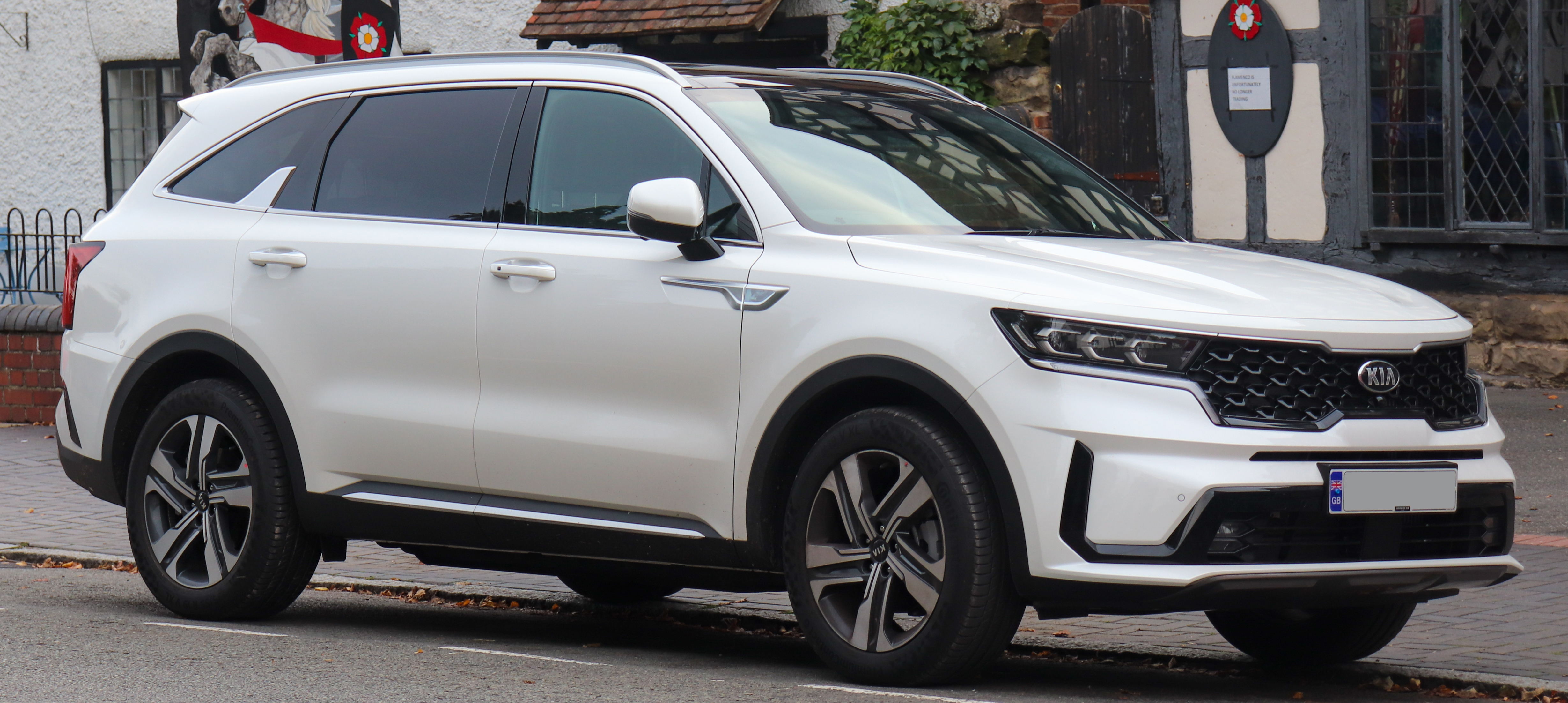
Kia Sorento
The Kia Sorento is being mentioned as a rival. The host is saying the Mazda CX-70 accelerates quicker than a plug-in Sorento.

Jeep Grand Cherokee
The Jeep Grand Cherokee is another competitor being compared to the Mazda CX-70. The host says the Grand Cherokee feels more forceful when accelerating.
transmission behavior
This is about how the car changes gears when you’re driving slowly. The host is saying the CX-70’s shifts feel a bit rough or jerky at low speeds.
batteries
Over time, the battery doesn’t hold as much charge as it used to. That usually means the car can’t drive as far on electricity alone after a few years.
battery warranty
A battery warranty is the coverage that protects you if the battery has problems. In this case, Mazda covers it for years and miles, and replaces it if the battery’s capacity falls too low.
battery between 3,080% charge
The host is talking about keeping the battery charge in a safer middle range to help it last longer. The exact number in the transcript looks wrong, but the takeaway is to avoid extremes like constantly charging to 100% or running it very low.
240V home charger
A 240V charger is a faster way to charge a plug-in car at home. It uses a higher-voltage outlet (like what some dryers use) so the battery fills up quicker.
electric driving
Electric driving is when the car uses its battery to move instead of using gas. For plug-in hybrids, that’s the part that saves the most money when you can charge at home.
fast charging
Fast charging is when you charge at a public station that can add energy quickly. For a plug-in hybrid, it may not be as important because the car can switch to gas if needed.
Keep the battery between 30% and 80%
Lithium batteries last longer when you avoid charging them to 100% all the time or letting them sit near empty. The host suggests using a middle range (about 30% to 80%) to help the battery age more slowly.
North Dakota averages
They’re using local (North Dakota) average prices to estimate how much it costs to charge the car versus buying gas. Your real costs will depend on where you live and your electricity rates.
plug in at home
A “plug-in” hybrid can be charged by plugging it in, like an EV. That means you can drive on electricity more often, and you’re also taking care of the battery by charging it properly.
battery's health
“Battery health” means how well the battery keeps working over the years. With plug-in hybrids, how you charge it (and not leaving it at very high or very low charge for long periods) can help it last longer.
touchscreen
A touchscreen is the main screen you tap to control things in the car. The hosts prefer physical buttons because they’re easier to use quickly and without taking your eyes off the road.
drive modes
Drive modes are different settings you can choose to change how the car feels. For example, they can make the car respond more sharply or feel more relaxed depending on what you pick.
ventilated front seats
Ventilated seats have built-in airflow so the seat can feel cooler. It’s a comfort feature that helps you stay comfortable without cranking the climate control as much.
ride quality
Ride quality is how comfortable the car feels over bumps and rough roads. If it “leans sporty,” it usually means you feel more of the road instead of gliding over it.
gas engine kicks in
On a plug-in hybrid, the car switches between electric power and the gas engine. When the gas engine turns on, it can sound different and sometimes feel less smooth than driving on electricity alone.
auto mode
Auto mode is when your car’s climate system tries to keep the cabin at the temperature you set by adjusting the heat and fan by itself. If it’s slow to react, it may take a bit longer to get the cabin comfortable.
infotainment system
Infotainment is the car’s main screen and controls for things like music, maps, and phone features. They’re saying this one looks a bit outdated and is controlled in a less modern way.
rotary knob
A rotary knob is a physical dial you turn to move through the car’s menus. They’re saying it feels more like older music players than a modern touchscreen experience.
Apple CarPlay
Apple CarPlay lets you connect an iPhone to the car so certain apps show up on the screen. They’re saying the touchscreen behavior changes when CarPlay is active and the car is parked.
Android Auto
Android Auto connects an Android phone to the car so you can use supported apps through the car’s screen. They’re saying the touchscreen works only in that parked/phone-integration mode.
Bose
Bose is a well-known audio brand. They’re saying the car’s Bose speakers can sound good, but you might need to tweak the sound settings to get the best results.
USB-C ports
USB-C is a common type of charging plug used on many phones and devices. They’re saying the CX-70 has USB-C charging ports in front and back.
wireless charging pad
A wireless charging pad charges your phone without a cable. You just place the phone on the pad to charge it.
cubic feet
Cubic feet is a way to measure how much space something takes up. They’re using it to say how much cargo room the CX-70 has behind the second row.
wheel wells
Wheel wells are the curved spaces around the wheels that can take up room in the cargo area. Less intrusion means you can fit more stuff more easily.
towing capacity
Towing capacity is the maximum weight a vehicle is rated to tow safely under specified conditions. The hosts say the CX-70 Plug-in Hybrid’s PHEV towing limit tops out at 3,500 pounds, which they call below average for midsize SUVs.
child seats
Child seats need to be mounted securely so they don’t move around. The episode mentions latch anchors that help you install the seat more easily.
adaptive cruise control
Adaptive cruise control is cruise control that can react to traffic. It keeps a safe distance from the car in front by slowing down and speeding up for you.
lane keeping assist
Lane keeping assist watches the road markings and helps keep the car from drifting out of its lane. If you start to wander, it can nudge you back.
blind spot monitoring
Blind spot monitoring checks for cars you might not see when changing lanes. It warns you so you don’t accidentally pull into another vehicle’s path.
EPA rates
EPA ratings are official test-based estimates for how efficient a car is. For a plug-in hybrid, they include how far you can go on electricity and what fuel economy looks like once the battery is empty.
MPG combined
MPG combined is an overall fuel-economy estimate that mixes different types of driving. In this case, it’s the estimate after the plug-in battery runs out, so the car is mostly using gas.
gas-only MPG
MPG is miles per gallon, and “gas-only MPG” refers to how efficiently the vehicle uses gasoline when it’s not relying on electricity. It’s a useful comparison point when evaluating hybrids against plug-in hybrids that can also run on battery power.
plug-in discipline
This just means whether you consistently plug the car in to charge it. If you do, you’ll usually use more electricity and spend less on fuel.
MSRP
MSRP is the starting price the manufacturer lists for the car. Getting “off MSRP” means you pay less than that listed number.
APR
APR is the interest rate on a car loan, shown as a yearly percentage. A lower APR usually means you pay less money over time.
federal and state tax credits and rebates
These are government programs that can lower what you pay for certain EVs and plug-in hybrids. The exact savings depend on your state and the rules can change.
out-of-pocket cost
Out-of-pocket cost is what you end up paying yourself after discounts and incentives. It’s the easiest number to compare between offers.
federal credits
Federal credits are government incentives that can lower what you pay for certain cars. But you have to qualify, and sometimes you only get the benefit when you file your taxes.
charging costs
Charging costs are what it costs to recharge the battery using electricity. The hosts compare those costs to what you’d spend on gas in a typical SUV.
internal combustion engines
An internal combustion engine is the traditional gas-engine type that burns fuel to make power. Because it has more mechanical parts than an electric motor, it usually needs more maintenance like oil changes.
electric motors
Electric motors are what move the car using electricity. They usually have fewer parts that wear out compared with gas engines, which can mean less maintenance.

Mazda CX-70 PHEV
The Mazda CX-70 PHEV is a mid-size SUV that uses both electricity and gas. You can charge it, drive on electricity for a while, and then it uses gas when the battery runs low.
incentives
Incentives are deals that can lower what you pay for the car. For some cars, especially electrified ones, these offers can make a big difference in the final cost.
plug-in hybrid vs gas-only comparison
They suggest you compare the plug-in version and the gas-only version in the real world. The goal is to see which one matches your daily driving and comfort needs better.