The Volkswagen ID. Buzz is an electric van, so it uses a battery instead of gasoline. The podcast talks about it as a camping-friendly vehicle, meaning it’s considered for road trips and outdoor travel. The main idea is how well it can work for that kind of lifestyle.
Fuel economy is how far the car can go on a given amount of fuel. Here they’re saying Honda expects a big improvement—over 10%—with its next hybrid generation.
Hybrid system costs are the price of the parts that let a hybrid run on both gas and electricity. The hosts mention Honda believes it can cut those costs by about 30%, which could make the cars cheaper.
A driver assistance system is technology that helps the driver with tasks like steering, braking, and acceleration using sensors and software. The segment describes Honda’s next-generation system as providing steering, braking, and acceleration support across different road types, which is a step toward more automated driving.
All-wheel drive means the car can send power to more than just the two wheels on one axle. It usually helps with traction when roads are wet or snowy, and here it’s the version getting the price bump.
A direct seller is a company that sells cars straight to buyers. The hosts are saying that makes it easier to change prices than when cars are sitting at dealer stores.
A facelift is a mid-cycle update to a car—usually changes to styling, lighting, bumpers, and sometimes tech or tuning—without replacing the whole platform. The hosts use it to argue that the Model Y has had updates but remains fundamentally the same vehicle.
“Inelastic demand” means people keep buying even when prices go up. The hosts are basically wondering whether that’s really true in the car market right now.
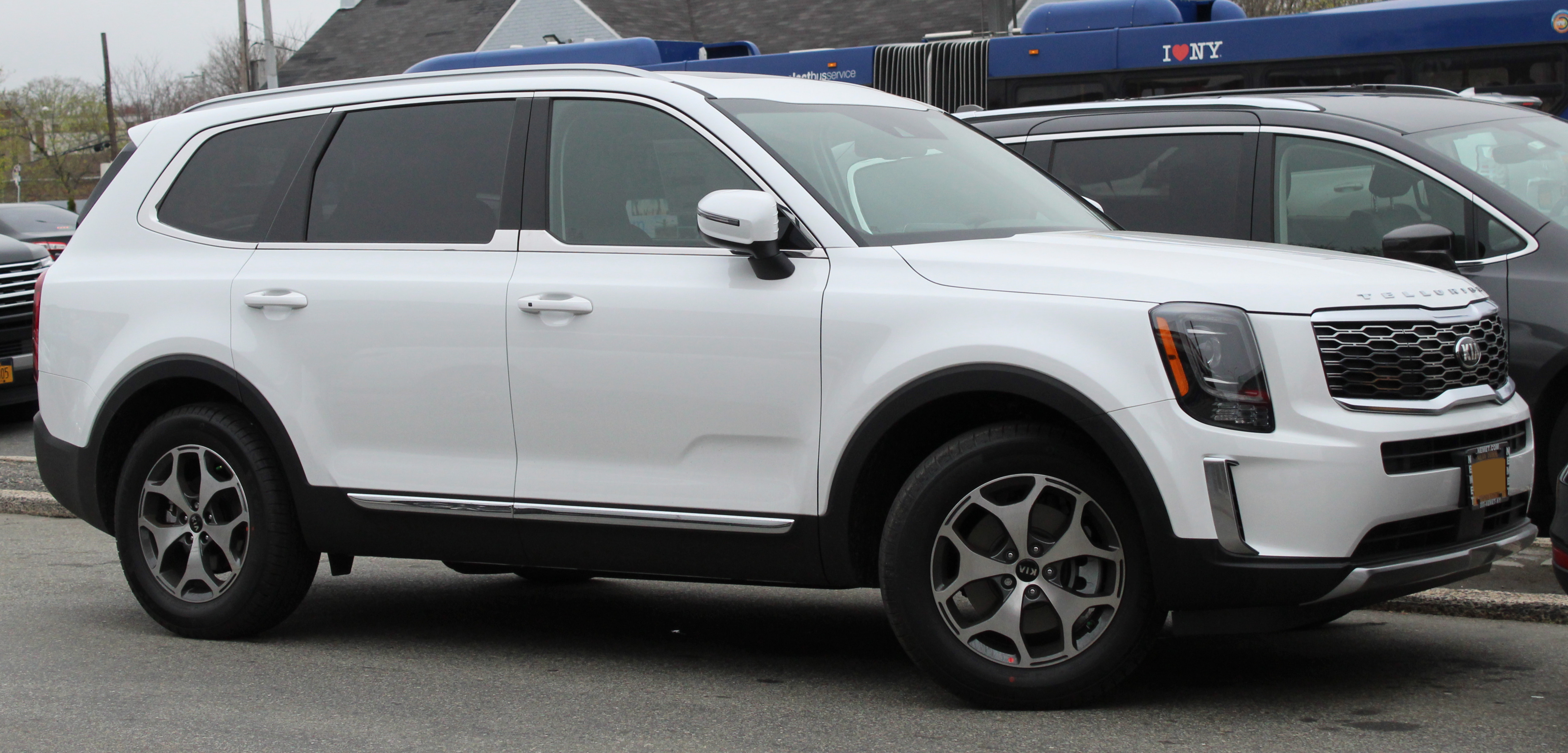
The Honda Pilot Elite is a higher-end version of the Pilot family SUV. Here, the big takeaway is that it uses a 3.5-liter V6 engine, works with all-wheel drive, and shifts through a 10-speed automatic—so it feels smooth overall, but can feel a little busy in stop-and-go traffic.
This is a 3.5-liter V6, meaning it has six cylinders and the engine layout forms a “V.” The host’s point is that it’s a proven, smooth engine for normal driving, not a super-quick drag racer.
The Honda Odyssey is a minivan, which is a vehicle made to fit families and passengers comfortably. The podcast mentions it in the context of mileage and real-world use. That helps explain what kind of ownership experience you can expect over time.
The Honda Ridgeline is a pickup truck, meaning it can haul and carry things, but it’s designed to drive more comfortably like a regular vehicle. The podcast specifically mentions its 3.5-liter V6 engine and how it did on longer drives. That’s useful if you’re trying to understand how it performs in everyday situations.
The Honda Passport is a mid-size SUV made for regular family and everyday driving. In the podcast, it’s mentioned in connection with mileage, meaning how it does in real use over time. That helps people understand what to expect from the vehicle day to day.
A 10-speed automatic is an automatic transmission with ten different gear ratios. The host says it can sometimes shift around more than you’d like at low speeds, which can make the ride feel a little jerky in city driving.
A recall is when a car maker has to fix a problem in cars that are already on the road. The host says there was one a few years back, but that the model has otherwise been steady and dependable.
A turbocharger is a part that helps an engine make more power by forcing extra air in. The host is pointing out that this Pilot doesn’t use a turbo, so it relies on the V6 itself for power.
“Hunting for gears” is when the transmission keeps changing gears back and forth instead of staying in one. The host says that happens more at low speeds here, which can feel awkward in stop-and-go driving.
These are seats that can both warm you up and blow air to cool you down. It’s handy when the weather changes or when different people want different comfort levels.
Captain’s chairs are two separate seats in the middle row. They usually feel roomier and help keep kids from bothering each other compared with a single bench seat.
The Mazda CX-90 is a family SUV with three rows. Here, they’re saying it drives more like a nicer car than you’d expect, thanks to its layout and powertrain choices.
“Rear-wheel drive proportions” refers to the vehicle’s physical layout cues—like hood length and overall stance—that typically go along with a drivetrain designed to send more torque to the rear wheels. In this segment, Mazda’s CX-90 is described as “rear-wheel drive biased,” suggesting handling advantages versus many front-wheel-drive-biased competitors.
An inline six-cylinder engine means the engine has six cylinders lined up in a row. In this context, they’re using it to explain why the CX-90 feels different from many typical front-wheel-drive SUVs.
A transverse engine is when the engine sits sideways in the car. They’re saying the CX-90 doesn’t use that common setup, which contributes to how it drives.
A mild hybrid adds a small electric assist to the gas engine. It helps the car use less fuel and feel smoother, but it usually can’t run purely on electricity like a full hybrid or EV.
Turbocharged means the engine uses a device (a turbo) to push extra air into the engine. More air helps the engine make stronger power, especially when you accelerate.
An eight-speed automatic is a car’s automatic gearbox with eight different gear ratios. It helps the engine stay in the right “power band” so the car shifts smoothly.
Turbo lag is a brief hesitation you can feel before the turbo really “kicks in.” It’s the time it takes for the turbo to build boost after you press the gas.
Towing capacity is the maximum weight the car is rated to pull. It’s limited by how strong the powertrain and brakes are, so it’s important for safety.
Napa leather is a higher-end leather material that’s usually softer and feels nicer than basic leather. It’s often used in nicer trims to make the interior feel more premium.
The third row is the extra back seat in a three-row SUV. They’re saying it’s not as comfortable as the front seats, but many people won’t use it all the time.
The infotainment system is the car’s screen and controls for things like music and phone features. They’re talking about whether it’s easy to use and how well it works with Apple CarPlay.
Apple CarPlay is how you connect an iPhone to the car’s screen. They’re saying their test car had trouble keeping the connection stable while driving, which made it unusable until they stopped.
The Mazda CX-5 is a smaller Mazda SUV. They’re bringing it up because its touchscreen-style controls felt better to them than the CX-90’s setup.
LIVE
This is America on the Road named Best Radio Show by the International Automotive Media
Conference and now on its 34th year on the air.
Thanks for being with us as we bring you the latest automotive information from around
the world.
I'm Jack Neerad with me is co-host Chris Teegan.
Chris, I'm wondering if your daughters are excited about the end of the school year.
I know that's probably coming up in less than a month or so.
Yeah, it's coming up in about three weeks actually and they are very excited.
The last few weeks are full of field trips and things so it's not all hard work.
How are things on your side of the world?
Things are terrific here.
You know, nice weather, you know, no tsunamis, so everything is good.
Plenty happening in the automotive world this week.
Interest in electric vehicles is climbing again as gasoline prices rise across the country.
We have some information from JD Power about that.
We'll see if this will translate into sales.
Honda is putting hybrids front and center.
I think that's interesting, previewing a new generation of Acura and Honda models with
improved fuel economy, among other things, so we'll tell you about that.
Tesla is reversing course on pricing.
We reported a lot of price declines, lowering of prices over the last couple of years.
Now the automaker is raising prices on several model Y variants.
We'll talk about those price increases, what they might mean for everybody.
A new survey from Mazda suggests that Gen Z buyers are placing a higher priority on vehicle
ownership than home ownership.
I think that's kind of fascinating.
A lot of interesting stuff from this study that Mazda commissioned, so we'll talk about that.
And Volkswagen is rolling out major changes for 2027, including a redesigned Atlas SUV
and a camping focused ID buzz.
What do you think about camping in the ID buzz?
Well, I like the ID buzz.
I think that it's kind of in an awkward place, but we'll see.
Yeah, we'll see is right.
America on the Road is brought to you by drivingtoday.com, emlancy.com,
the publisher of my latest book, Only One Thing Stays the Same, and Mercury Insurance.
If you're looking to save some money, you should switch to Mercury for your auto and home insurance.
California save an average of $670 with Mercury, so imagine how much you could save.
Get a quote today at drivingtoday.com slash auto insurance.
Well, Chris, what is your test vehicle for this week?
I spent the week driving the 2026 Honda Pilot Elite, and I can't wait to tell you all about it.
I'm looking forward to that report.
I was driving and doing some lengthy driving in the 2026 Mazda CX-90 Premium Plus.
Interesting things that Mazda has done with the CX-90.
We'll talk about that.
Our special guest this week is James Vanderloo.
He's a freight, caravan, logistics expert.
We'll talk about supply chain issues and what they affect,
what you're able to buy and not able to buy.
So stick around for that, and we'll have a great show coming up for you.
Stay with us and we'll be right back.
Welcome back, everybody, to America on the Road, Jack Neyred, and Chris Teague with you
for a news time on America on the Road and plenty of automotive news.
Electric vehicle sales growth may have slowed.
It certainly has slowed since the tax credits went away, but maybe there's interest in EVs
picking up again.
There's a new study from JD Power that finds that rising gasoline prices are pushing more
shoppers to consider making the switch to electric vehicles.
According to this U.S. electric vehicle consideration study, 26% of new vehicle
shoppers said they were very likely in quotes, very likely to consider purchasing an EV.
That's up 3 percentage points from March.
It seemed like a giant gain, but there you go.
Fewer say they are very unlikely to consider an EV.
That has dropped to 18%.
What's your overall take on what we're seeing here?
Yeah, I think the word consider is doing a lot of heavy lifting there.
I'm not sure that we're going to see this translate into sales.
I'd love to be wrong.
I think there are a lot of great EVs out there, especially on the used market.
This is the sort of thing that people, they start seeing the gas prices rise and that's
a little bit alarmist.
They start looking at new EVs and they start seeing the prices and might not be so enthused
afterward.
Yeah, it's hard to imagine that you're going to save money by buying electric vehicle versus
keeping your gasoline vehicle, despite the fact that in Southern California we're seeing $6
gallon gas, which is driving some people a bit crazy.
But you also have to keep in consideration what percentage of your monthly budget goes to fuel.
And it's not very much actually, I think for most people it's well under 3%.
So if it gets a little higher, I guess it's not great, but I guess there's no reason to panic.
And there's no reason to rush out and buy a new vehicle, especially a new vehicle that maybe
won't work so well for your lifestyle and all of that.
Yeah, a lot of people look at the purchase price of the vehicle,
but they don't think about the trade-in value of the current vehicle and the other costs that
come along, registration, taxes, all those things.
So it takes a little while to make your money back on fuel if you're going to an EV.
Yeah, I mean changing vehicles is costly, no matter what you change to.
It's interesting that Honda has had a big meeting and talked about some stuff and
they are really doubling down on hybrid technology.
There's a new generation of Acura and Honda hybrid vehicles
that they have previewed at this global business meeting that they had in Japan.
Acura showed a hybrid SUV prototype and then Honda has a sedan hybrid.
It's interesting to me that Honda, which wasn't necessarily big time on the bandwagon,
has joined that bandwagon fairly big time these days.
Yeah, the hybrids are measurably more appealing to people because of their pricing than EVs in a
lot of areas. Honda's kind of got some issues right now. They backed off of their EV strategy,
they're stopping sales in some countries because they're not moving.
I think it was South Korea, they're not moving very many vehicles in some countries.
So it's not all that surprising, but I am pleasantly surprised.
I guess not surprised. I'm pleased to see this happening, I guess.
It seems like a good path for them to take.
Yeah, I think this is particularly aimed at the North American market and
Honda says these hybrids will improve. It's a new generation of hybrids.
They will improve fuel economy by more than 10 percent.
And here's the important part to me, reducing system costs roughly 30 percent.
I don't know how they get 30 percent out of the cost of a hybrid system, but if anybody can do it,
I suppose Honda is able to do it. I think that's pretty fascinating.
They're going to start building these in 2027. Accurate versions are expected to
hit the market within two years or so. We think about the ability to take 30 percent
out of the cost of a hybrid. I think that's amazing.
Yeah, I think they're going to have to hit some pretty strong volume numbers,
if that's going to be the case. And if they're able to integrate the hybrid system and all
their vehicles, which it sounds like they might be able to, they may be able to hit that number.
I don't know, it's probably not going to happen right away though.
Yeah, Honda is also putting out new, will put out new driver assistance system,
expected in 2028. It will provide steering braking and acceleration support,
of course, across entire driving routes, highways and city streets. I mean, we're
getting closer to autonomous driving and we'll see what happens there. Fascinating stuff too.
Tesla is raising prices on several of its Model Y crossovers. I think that's,
the first increase for the vehicle line in roughly two years, the increases are around $1,000
on all-wheel drive models to the Model Y. I mean, I've got several reactions to this,
but I want to hear yours before I voice mine, Chris.
Well, I guess I'm not all that surprised. I don't think Tesla is moving the number of vehicles
that they want to at this point in time and they've got to come up with some profit somewhere.
I will say that even with the increases, the Model Y is still not all that outrageously priced
considering what it offers for the money. I don't know. What do you think?
Well, I'm interested that they're raising the all-wheel drive model by $1,000. The starting
price will be just under $50,000, which is right around the average transaction price out there.
So maybe it's dead in the middle of the market. The high-performance Model Y will get a $500
increase. It's interesting that they and they can change prices as a direct seller. They can
change prices a lot more easily than the typical car company which sells through dealers.
Once you've sold to a dealer, then dropping the price on that vehicle that's in the dealer's
hands is very difficult for that dealer and the dealers don't like that very much, but Tesla can
go up and down with these prices. At the same time, geez, the Model Y is so ancient out there in
the marketplace. I guess it still has some major positives against other EVs, but I kind of believe
they've got to change models at some point. What are your thoughts on that? Yeah, I mean,
they got a facelift what a year ago, two years ago, but I mean, it's still basically the same
vehicle we've seen since the late 20s. So, you know, there's some very good competition out
there now that it didn't have when it arrived. Yeah, it's interesting. The economics of this,
too, you have demand slowing. So you raise prices. Maybe you think that demand is inelastic and you're
going to keep the same demand with higher prices. I'm not sure that that works in the way the market
works, but we'll see what happens there. This new study from Mazda North American Operations,
or a Mazda as we call them, a Mazda here in North America, finds that younger consumers view vehicle
ownership as a higher priority than traditional milestones like buying a home. I think that's
really interesting because a lot of people say that the current generation or younger generations
don't care very much about cars and they're much more interested in things like their phones and
maybe buying a home. But according to this survey, nearly 70% of Gen Z respondents said
they would choose to purchase a vehicle before buying a house. Well, it's more affordable than
buying a house. Tell you that, too. Your thoughts on all this? I mean, given the trend in home prices
in some areas, I mean, here in Maine, buying a new house, I would hate to have to try buying my
house over again now after having bought it several years ago. I could see that, you know,
maybe they're looking at the milestones a little bit differently now. You know, buying the house is
not the big dream anymore given how it's unattainable for some people and maybe buying a car feels
like the next best thing. Yeah. It's interesting what they would like in the car, too. They place a
big importance on technology, safety, and in-cabin experience. 90% of respondents said advanced
safety systems and intuitive technology were important. Go figure. Premium audio systems
also ranked surprisingly high, at least surprising to me. Some judged the quality of the car by the
quality of the audio system. Yeah. I mean, I guess these are the people asking for AI in their cars.
I think I always bring that up every time we talk about it. But maybe this is where it goes.
Yeah. It's interesting that the driving experience is defined by the electronics in the vehicle,
as opposed to other things. Volkswagen has previewed its 2027 lineup for North America,
and it is much more gasoline-oriented than maybe they would have thought two or three years ago.
There's a redesigned Atlas SUV, and I think that large SUV is kind of carrying a lot of the sales
for them now. But they have revived or brought back the ID buzz this time around with some new
features. What did you take on what Volkswagen's doing going forward here? I'm not surprised to see
a redesigned Atlas. That has been one of their more popular models since it debuted. I'm also
very happy that it's still in production and still going strong, given that it's being built in my
home state of Tennessee. The ID buzz, I mean, it was not the biggest hit when it arrived. I guess
I'm still happy to see it around too. Some of the colors and the design and the pricing probably
didn't hit the sweet spots that it needed to. I'd love to see the gas-powered California van that
they get in the UK and other places here, but I don't know. Yeah, I'll see what happens with that.
What is your test vehicle for this week, Chris? I had the 2026 Honda Pilot Elite.
And I will be talking about the Mazda CX-90, so stay with us for that, and we'll be right back
right here on America on the Road. Welcome back to America on the Road with Chris Teague.
This is Jack McRad back with you. We're so glad you're with us on America on the Road. If you like
hearing two guys talk about cars, let people know about America on the Road. We'd appreciate that.
Let them know where you listen to the show on the radio and pass along a podcast, do all that
stuff. That would be helpful to us. We'd appreciate it. And Chris, you are driving a vehicle that I
really want to hear about, a Honda, and kind of an Elite Honda, right? Tell us about it.
It is the Honda Pilot Elite for 2026. It is not the top trim, though, Jack. You'll get a kick out
of this. The top trim is the Elite Black Edition, which is very similar to the one I tested, but
with more black trim pieces for more money, about $1,000 more. But taking a step back,
you can get into this vehicle for around $43,000. It goes up to around $56,000 in my test vehicle,
which was the next two highest trim, was $55,000. Jack, this vehicle has the long-running 3.5-liter
V6 engine. We talked about this with the Ridgeline that I tested a few weeks ago. It's in the Odyssey
in the Passport. So the Honda's gotten its mileage out of this engine. It's paired with
all-wheel drive in the Elite trim. You get seven driving modes and a 10-speed automatic transmission.
Have you driven one of the new versions of the Pilot? And if so, how long ago was it?
I'm not certain that I have. I think I mentioned on the show that my father-in-law and mother-in-law
just bought a Honda Passport with very similar powertrain. So I did some driving in that, but
I have not. Yeah, it's very, very similar. Same engine as you said. It's got a 10-speed automatic
transmission. We talked about this engine in the Ridgeline that I drove about a month ago now.
It's more than powerful enough. It's not going to win any drag races. It's not the most torque-packed
engine you've ever driven. It's not going to rip your head off, but it's very smooth. It makes
a nice sound under heavy throttle. It sounds powerful, and it's pretty reliable. I know there
was a recall a few years ago, but it's been one of those things that's been kind of steadfast.
Now, when you get in the car, you know exactly what to expect. There's no turbocharger or anything
here. One of the things I want to point out, though, is that, and I said this with the Ridgeline,
too, I think this engine is held back a little bit by the transmission, the 10-speed automatic.
A long time ago, probably five or six years ago now, this vehicle came with a nine-speed automatic,
which I thought was a little bit more refined. The 10-speed hunts for gears a little bit,
especially at lower speeds, so it does feel a little clunky around town. But that said,
there's more than enough power to leave a stoplight or pull out into traffic, and that's what most
people are going to be doing in this vehicle. Inside, you get perforated leather seating in
the Elite trim with Alcantara, which is kind of a suede material accent. Very nice seating
materials in this vehicle. There are also some, I don't want to call them real wood accents, Jack,
they look really nice, but I think they're plastic. The newer, the Honda Pilot was refreshed for 2026,
so you get some new trim pieces inside. You get a paramount sunroof in the Elite trim,
heated ventilated front seats, a heated steering wheel, heated second-row seats. So plenty of
features here. I mean, you're paying $55,000, so you'd expect to get some of those things.
And as with other pilots I've tested and the Passport and the Ridgeline, the seats are very
comfortable. They're wide, they're supportive, they're very nicely padded. You get a good deal
of adjustability, so you can find what I like is a nice low seating position where I'm kind of
lean back a little bit, and this accommodates that perfectly. The second-row seats, as this
vehicle had captain's chairs in the second row, we've talked about that a lot. My kids are old
enough now that they're not squabbling in the back seats, but if you do have younger kids,
it kind of gives you a little bit more space between the outboard seats so your kids aren't
able to poke and prod at each other. Jack, what do you think about the interior of the pilot?
I think Honda interiors have come a long way. I mean, it struck me that the first part of this
decade, and maybe even before that, Honda just went its own way with interiors and didn't really
care that much about. I almost want to say looks. They were certainly functional, but I don't know
that they jumped out at you as, wow, this is nice. I really want to be in this interior.
I think they've upped that game now, and I think they're doing a much better job of that.
They have. It's still absolutely function over form, but for people with kids and
people with pets, and you just want to hop in and get where you're going and know what things do,
that is absolutely what this vehicle does. Jack, I really like the pilot. I said that before. I
think if I were buying one, I would opt for a lower trim. You don't get a large sunroof. You
don't get the nice leather seats and things like that, but you get most of the good stuff,
and you can save $5,000 or $6,000 over the top elite, and especially the elite Black Edition trim.
Yeah, what was the price of the elite that you tested?
It was just over $55,000 with destination. Yeah, because kind of what we have here is
a pretty heads up comparison, because the vehicle I was driving was the Mazda CX90.
This was in 3.3 Turbo Premium Plus trim. It really finds itself kind of in an unusual place
in this whole market. On the surface, it kind of competes against the Honda Pilot,
the three-row family haulers like the Kia Telluride, the Toyota Grand Highlander,
Hyundai Palisade, and the Honda Pilot. But it definitely goes a different direction,
and I've got to applaud Mazda for doing that. Instead of just emphasizing interior space
or piling on features, it delivers something closer to a premium driving experience. I had a
really drove well. From the moment you look at it, you think, hey, something's a little different
about this. What you see is a longer hood and rear-wheel drive proportions, and it's not just
proportions. It says rear-wheel drive, or it's kind of a rear-wheel drive biased situation,
and I think that has a lot of advantages. You're kind of nodding along, Chris. What do you think
about that? I agree. We've questioned the need to have Mazda have two mid-sized SUVs in this lineup,
but they are the more fun-to-drive options in the segment. They look that way.
Yeah, but as you say, it does take a little bit of a different approach all that you get
into the other details there. Yeah. I mean, it has an inline six-cylinder engine that is
four and a half. It is not a transverse engine, as you see in most front-drive-oriented kind of
vehicles, and there's nothing wrong with those. But I think when I got behind the wheel of this
and it just feels better. It At Standard Oil Wheel Drive, a mild hybrid system,
so kind of interesting stuff there. The total MSRP, I think, was a little bit less than what you
just mentioned for the Elite. It was $52,395. This really has a lot of near-luxury features to it
beyond the powertrain. But let me talk a little bit more about the powertrain. As I mentioned,
3.3-liter turbocharged inline six. I love an inline six, a kind of throwback BMW kind of thing.
48-volt mild hybrid system. That's very premium, I think, too. 280 horsepower and
332 pound-feet of torque in the trim that I drove it. And an eight-speed automatic transmission
with Mazda's i-Active all-wheel drive system. It's a sweet powertrain. I just like the powertrain
a lot. Your thoughts, Chris? I agree. I do like a good inline six. BMW does it really well. Mazda
does it extremely well. You know, one thing I'll ask is this engine smoother and more responsive?
I mean, you've driven the plug-in hybrid versions of this engine, I think, as well.
Yeah, I think it is smooth. And to answer your question, I think it does seem, if not smoother,
it seems very smooth. And just a tiny hint of turbo lag, a little bit of turbo lag.
But I think compared with a lot of other engines out there in some of the normally aspirated V6
engines, like in the Honda Pilot. And now we're seeing many more turbocharged four-cylinder
engines. And I'd much rather have this inline six than a four-cylinder. I just think this is a
much more driver-oriented vehicle while, at the same time, being very, very practical. I don't
want to diminish the practicality of this vehicle, but there's a lot to like about it.
And then there are the premium features inside. Well, let me talk about one other added benefit
of this architecture and its towing capacity. This vehicle can tow up to 5,000 pounds. A lot of
these vehicles have towing capacity that's at least 500 pounds or more lower than that.
And then so the driving demeanor is very engaging. And I think the comfort is pretty good. This had
large 21-inch wheels on the premium trim, so not necessarily best for ride quality, but it wrote
quite well. And I drove this up and down Highway 101 up to San Luis Obispo and back,
and I just really enjoyed the driving demeanor of this thing, just the way it handled. And it
seemed like, you know, maybe I was driving all too fast and doing all that. And then there's the
interior of this vehicle that I think we called it premium adjacent recently when talking about
other Mazda vehicles. This had black Napa leather seating surfaces heated and ventilated front seats.
Heated second row seats. This had a three seat across the second row bench. And then there's a
third row that is probably best left to kids, but is there. This is an interior that I think is
premium versus a lot of its competitors. What do you think, Chris? Yeah, I think Mazda figured
out a long time ago that it could win on interior quality and design, so its vehicles typically
out interior the competition. I think the downside here with all the sporty shapes and
everything is, as you said, the third row seats a little bit lacking, but a lot of people don't use
it all that often. Right. Then there's the information, information tech and infotainment
system. And we've, you know, gone over this a lot. They don't, it's not typically touchscreen
operated. I didn't have so much trouble with that in this particular vehicle, but we did have a great
deal of problem. It might be idiosyncratic to the test vehicle in getting Apple CarPlay to
both connect and then stay connected. It was the stay connected part. And when you lose the
connection when you're underway, there's nothing you can do until you stop because you can't do
anything about that. Quick thoughts on infotainment system in this vehicle? Yeah. You know, I just
tested the recently updated CX-5 with an all touch interface instead, and I appreciated it more. So
I think that we can talk about that next week. But you know, it's one of the things that hold,
that held back previous versions of Mazda for me. Yeah. Tons of safety equipment here that I
can't go into just for time reasons, but a Mazda does a great job on that. And I think the pricing
and value is here. I think at around $52,000, this is much more premium, I think, than the typical
three row vehicle in this class. And I'd much rather have it, frankly. I really like the CX-90 a
lot. I agree. And there you go. So when we come back, we will have a great special guest. James
Vanderloo is an expert on freight, tariff, and logistics. So we'll talk about how all that affects
what you're, you can buy and how much you're going to pay for it. So stay with us for that. We'll be
right back. I received a letter from a reader this week and I thought I'd share it with you. Here's
what he wrote. I just got around to reading Dance in the Dark and wanted to say how much I enjoyed
it. I'm a compulsive reader and this one was right up my alley. An unlikely hero. A lot of twists
and turns, some adult content, and humor that rose naturally from the action. Keep on writing and
I'll keep on reading. Of course, that's just the kind of letter any author would love to get. I hope
that others get the same enjoyment from reading Dance in the Dark and my newest crime novel, Only
One Thing Stays the Same. Both are available exclusively at Amazon.com. That's Dance in the
Dark and Only One Thing Stays the Same, both written by me, Jack Arnie Redd. Thanks for looking for
them today. Welcome back everybody to America on the Road, Jack Arnie Redd back with you. We've
got a terrific guest. Interesting subject and a great guest. James Vanderloo is with OEC Group in
Milwaukee. That group, that organization is a global freight forwarder. First, James, thanks for
being with us. And number two, tell us what that all means.
Definitely, Jack. I'm still trying to figure it out myself after all these years,
but it's great to be with you and thanks for having me. So what we do is we help customers of
really, from all sizes, from big to large, help them with their transporting of their goods overseas
and whether that be imports, exports, we handle all their customs clearances and everything like
that. So we're obviously pretty popular right now because we're helping them navigate tariffs
and also domestic challenges with trying to route things and get things picked up on time to meet
their deadlines for their customers. It seems like a ton of things are going on and I guess as we
speak, the biggest issue is what's going on in the Strait of Hormuz, right? And then forwarding
freight through there or freight not going through there, a blockade there. Talk about that. That
doesn't seem like it would affect the automotive business that much, but of course it does affect
oil. But tell us what your thoughts are about that. No, it's a really good question and it
actually kind of points to a lot of different things that are kind of coming up right now.
So the main issue with that is, yeah, like you mentioned, the fuel is the biggest thing.
In terms of container freight that we normally see, yeah, there's not a lot that goes there
unless it's like regionally based or going toward Iran or places like that. The issue is with the
fuel and the issue is also that we're working in a market with both uncertainty and increasing
compounded costs. And that's what's really kind of hitting everyone really hard right now. So
the uncertainty is who knows what's going to happen tomorrow. The carriers are having to divert
their vessels elsewhere. And additionally, all of a sudden they say that, okay, we can no longer
ensure any of those vessels that are sitting within the Strait of Hormuz. So they either have to
stay there or try to escape like they have been in recent days. So it's definitely a troubling
thing. And I would say that that additional cost is kind of what's in the market. So before the
events in March, people were actually just sort of recovering from the tariffs and sort of absorbing
that into their cost of goods for automotive suppliers. And then we were thinking this might
be actually a pretty normal year. And unfortunately, the truth is that there's rarely a year in our
industry. There's not some kind of event, whether it be COVID, or whether it be tariffs, or whether
it be the Red Sea issues with Yemen last year. So there's always something going on. And obviously,
this kind of took things into a tailspin where maybe if you were a tier one or tier two supplier
and you're planning for these costs, you're thinking maybe a pretty steady year. And this
kind of threw a wrench in that. Yeah, well, I think as you mentioned, wrenches are always being
thrown out there because the world is a pretty chaotic place every year. But let's talk about
straight of Hormuz a little bit. I mean, here's an international waterway that's, as we speak,
being blockaded by a particular country. And there are waterways like that, I think around the globe,
right, where transport goes through them and they could potentially be blocked. But because of
international law, that is not allowed. Talk about that whole issue and a country blocking
commerce through a straight like that. Sure. So I mean, while we haven't seen this in a while,
if anyone remembers last year, through the Red Sea, basically the Suez Canal, which is a huge
waterway, which a lot of things come to the east coast of the United States through, that was
the carriers decided to not go through there because they were being attacked by the Houthis in
Yemen. So that took away that aspect of it. And so things were getting rushed to the west coast.
And then a few years ago, I don't know if you remember, but a container ship got stuck in that
same canal. And that caused issues for a lot of times. So all of that backlog, you know,
obviously creates issues from a cost standpoint, but also, you know, getting things delivered on time.
And right now, what a lot of the carriers are still doing is they're going around the Cape
of Gunahorn in Africa. So that's adding, that could add anywhere from, you know, 10 to 20 days
of transit time onto your shipments, which, you know, Ocean Freight has historically taken long
relative to our, you know, our understanding of like the Amazon world where things arrive at your
door tomorrow, you know, things can Ocean Freight can take a bit longer. So you're just adding on
more time, you're making less reliable sailing schedules and all of these things add to the
cost when you're obviously getting the increase in fuel as well. Yeah, let's talk a little bit
about the automotive supply chain. I mean, we, it's kind of given lip service. We talked about,
I think it personally came to a lot of people's attention during COVID, right? When that was
absolutely disrupted and companies were having very difficult times getting parts and thus
could not build vehicles. But talk about that and how important that is and how the parts are
globally sourced. They're sourced from all around the, all around the world. Well, and that's what's
really, yeah, that's what's really interesting. You know, working in our industry, you do see
how things are related. You know, you can't, you know, if you take out one leg of something, it
really does affect your product down the line. So historically before COVID, traditionally a lot
of these automotive suppliers or tier one suppliers were working at a just in time delivery,
meaning you're working at a very, very lean, you know, lean supply and demand curves and you're
holding on just as much as you can before you send it out to make it get processed. COVID showed the
flaws in that, in that goal, obviously, and there were some big issues, obviously, where some of
these carrier or some of these automotive suppliers had to either get new warehouse space or kind of
readjust their supply lines. But since that, since COVID, they've kind of gone to a middle ground,
which I would call like, you know, just in case sort of supply chain, which kind of mean, which
is kind of a blend of the both worlds. You keep as much as you can on stock in case of emergency,
but you're still working at a very lean move around. So for automotive suppliers, their transit
times are very important. And they're sharing information in real time with their, you know,
so, you know, everything is right to the minute. If they know that there's a shortage for something,
they're already planning ahead, whether that be trying to expedite something through air freight.
So while these, I would say that's gotten more complicated over the years, technology is sort
of helping them kind of stay on top of it a little bit better. And that doesn't mean that this comes
without, you know, this doesn't come without any problems. And in the case, especially of air freight,
when you need to rush goods over here, because of the of the Strait of Hormuz, the costs have
basically tripled for air freight in the last few weeks, because that that has fuel prices
driving that. That's the biggest part of it. Additionally, you know, some a lot of freight
moves over on passenger planes and a lot of the, you know, your Emirates and a lot of the companies
that were in the area, you know, basically shut down. But fuel is the main is
the main culprit, especially in certain countries where they're they're having legitimate, they're
starting to have legitimate fuel shortages. Obviously, commerce and that kind of thing sort
of has to take a backseat. So they cancel a lot of flights. So it's it's also the cost of the fuel,
but also the reduction in the supply of available flights. So what is your company doing? And
you're based in Milwaukee, your company, I think has various offices across the country. And I
certainly around the globe, tell us what you do as a freight forwarder and how that business works.
What we do is, you know, we basically will go to companies that, you know, have either decide
to import from other countries or export. And then we use our network of contracts and relationships
to help facilitate their transportation process. So what they do is they, you know, they basically
tell us, hey, I'm gonna have an order ready. At this point, we arrange a booking, whether it be
on a container ship or in a plane. And then we we handle all that process from from A to Z. And
while that sounds a little bit straightforward, it's I've learned that it's easier said than
done. You have to deal with a lot of, you know, changing customs, changing issues and with other
countries, which you think that, you know, the US is complicated enough with the tariffs. But,
you know, there's all sorts of taxes and fees that are, you know, put on by the rest of the world.
And so it's really understanding all of those things and helping the clients understand those
things is sort of what we do as our job. Yeah. Well, a very, very complicated business that you
exist in, right, and that you work through. What have tariffs done? I mean, certainly,
tariffs seem to be somewhat chaotic over the course of the last 12 months or so. Tariffs on,
tariffs off, tariffs this level, tariffs a much different level, kind of uses a bargaining tool,
I think, by the current administration to to extract different kind of things out of various
countries. I use just a lot of tool for way beyond trade, I think. But talk about that a little bit
and how it's affected things. Absolutely. Yeah, we've obviously not really seen it used in this
capacity before. And really, this is the biggest cost. So, you know, you'll talk with a lot of,
a lot of, you know, companies. And, you know, they were lucky if they had a flat year
last year, because of this, most likely, you're taking some losses because of these tariffs,
because you got to think about it, you're, you're paying an additional, you know, 25-30% on top
of your commercial invoice value of what you normally bring in. Usually, that gets, that can
be absorbed in certain, in certain cases. But a lot of times, that's increasingly getting passed
on to the final price of the. So, what, what companies are we talking about, James? What
companies are faced with those costs? I mean, I would say all of them. And that's the problem is
that, is that, you know, a company like a Toyota or anything, I'm just using them as an example,
I'm not saying like they have any specific policy that's different than anyone else. But
you think about all their tier one suppliers, you know, every, all of their costs are going up,
all of their, all of their deliveries are being delayed. So, it's just, and they're, and they're
also paying a much higher percentage on that tariff. Now, with some of this, you know, refund,
they might get some of that back, you know, because they're going through the process right now of
getting it back. So, that's, that's a good thing. But I don't know if that will, I don't know if
that will also get passed on. But again, it seems like a lot of these companies were trying to
absorb it. But it's a certain point, there's a point where you kind of have no choice but to
pass on. And there's so many, there's been so many costs from the cost of insurance,
to inflation, to the cost of manufacturing, cost of labor, all of those things are going up at the
same time. And so, it's, it's kind of one of those things where I hate to use the phrase, but it's
kind of death by a thousand cuts with a lot of this stuff. Yeah. Well, some of the costs haven't
been passed on because companies are facing domestic competition that doesn't have the
tariffs and they have to compete with those. So, they, they've eaten the tariff as opposed to
passing it on. And I think, do you think this, have you seen any kind of impetus to build factories
or, you know, supply from the United States as opposed to supplying from overseas? Because I
really, that was one of the whole ideas of the tariffs to begin with. Yeah. I mean, you're
definitely seeing, I mean, what you're seeing a lot of is, is, you know, further automation and a
lot of these manufacturers who are currently, you know, manufacturing here in the US, a lot of
them are automating. Some of them will cite the fact that they just can't find anyone to work in
warehouse, but I think it's just you're kind of heading towards that, that market where a lot of
these things are becoming more automated. The biggest challenges I would say for those that
are trying to manufacture now are the input costs. Obviously, we have a lot of steel and aluminum here,
but for any electrical grids or any kind of work that you need with that, you need steel that's
typically imported from overseas and those costs are under the tariff jurisdiction. So if you're
trying to expand the industrial footprint, you know, by double or whatever it's going to need to
be able to, you know, electrify all of this stuff, we're going to need a lot of steel and
aluminum that isn't available necessarily at the United States. Yeah. What do you think people
should know about this whole issue? You know, what you're seeing that the average consumer
doesn't see and maybe needs to know about? Truthfully, I think there's kind of the,
there's two sides to this. There's the buyers who tend to have a little bit more favorable. They
think that there's not going to be a long lasting thing. They think this might turn around, you
know, before the end of the year, but then you have the supply side, which is kind of, I think
they're batting down the hatches a little bit more and thinking that this might be a more of a
prolonged thing. What's your sense about fuel prices? I'm kind of seeing this as a blip and we're
feeling the same way, at least as we speak. What are your thoughts on that? I'm seeing the same
thing and again, you know, that's kind of the, you get a lot of the noise from what's happening in
the media and everyone kind of, you know, can blame things, but I think long-term everyone is
thinking the same thing where it's like, especially if you're on that higher level business where
you have to make those decisions where we think this, you know, should be resolved and then that
wouldn't, you know, help bring the prices of fuel down, hopefully before the end of the year. I
think the market's at least acting like that right now, whether that's kind of what they think is
going to happen. Yeah. Well, James Vanderloo, thanks so much of OEC Group in Milwaukee and OEC
Group, I guess, worldwide. Thanks for being with us. We appreciate it. You've illuminated a lot
of things that I think people need to know about. Thanks. Really appreciate it, Jack. Thank you so
much for your time. And stay with us, everybody. We'll be right back right here on America on the
Road. Welcome back to America on the Road with co-host Kristy. This is Jack Neyred with you.
It is listener question time. We love to answer questions for you based on our long experience
providing car advice. Send your questions to editoradrivingtoday.com. That's editoradrivingtoday.com.
Got a great question for you, Chris. This is from David in La Jolla, California. David says,
I've always purchased cars and trucks with six cylinder or V8 engines, but now they're very
hard to find. Why are smaller turbo charge engines replacing V6 and V8 engines? Yeah,
it is interesting, right? Like the V6 and the V8 are held back for luxury brands these days unless
you're buying a pickup truck. I think there are probably a bunch of reasons. I think the two biggest
ones are emissions and fuel economy regulations that have been put in place over the past several
years. While those have been changing, the automotive industry is very slow to shift gears
there, but the smaller engines are lighter. They can achieve comparable horsepower and torque
with turbo charging involved. They don't produce as much as many emissions I should say over the
long term, and they sometimes not always typically get better fuel economy depending on the vehicle
they're paired with. I think those are probably the two largest drivers. What do you think?
Yeah, I think you're spot on. I think the industry was responding to almost onerous,
very difficult to achieve fuel economy requirements that were escalating. Those have
changed, but they had to develop engines that would help them be able to sell vehicles in that
environment. So while that has changed, we're still seeing the results of it with the engines that
are now being presented to us. Well, that wraps up our show for this week. I'd like to mention that
my crime novel, Only One Thing Stays, is available in ebook and paperback from Amazon. So look for
that. If you like our show, pass it on. Please Listen on this radio station each
week. Let your friends know where you hear America on the road. We'd love to double our
listenership this year, and we need your help, don't we, Chris? That's right, and you can help
us with a quick Google search for the America on the Road podcast. We'll come to you on all the
major platforms. Download the show. Subscribe to get our automatic downloads. Leave us a review.
All those things help us out, and you can take us with you wherever you go. Right. Look for our
YouTube channel. Check that out. A lot of stuff being posted there these days, some videos. So
look for those road tests and other things interviewed. Our thanks to Mercury Insurance
for sponsoring the show and to our sports byline network stations for caring it. We really do
appreciate the fact that we're on terrestrial radio. We love that. Most of all, thanks to you
for listening. We know you have a lot of choices, so the fact that you're listening to America on
the Road honors us. Please join us again next time for another edition of America on the Road.
I'd like to tell you about my newest crime novel. Only one thing stays the same. As the story unfolds
in unemployed aeronautics worker named Bill McCurdy becomes disillusioned with his wife
and slips into an illicit affair with a teenager from down the street. Before long, he begins to
think of doing the unthinkable. And before the roller coaster ride stops, he learns quite personally
and very finally that only one thing stays the same. Only one thing stays the same is available
in Kindle ebook and paperback form exclusively at amazon.com. I'd appreciate it if you'd look for it today.
About this episode
Rising gas prices and shifting EV interest kick things off, alongside Tesla Model Y pricing moves and Mazda’s Gen Z survey about prioritizing vehicle ownership. The conversation then zooms out to the forces behind what automakers can build—tariffs, geopolitical shipping disruptions, and the post-COVID shift toward “just in case” supply chains. Finally, the review portion spotlights the 2026 Mazda CX-90, praising its rear-wheel-drive–biased layout, turbo inline-six with mild hybrid tech, and practical towing—while calling out some third-row and CarPlay quirks.
This week on America on the Road, Jack Nerad and Chris Teague review two strong three-row performers — the engaging 2026 Mazda CX-90 Premium Plus and the upscale 2026 Honda Pilot Elite. They also discuss rising EV interest amid higher gas prices, Tesla’s latest Model Y price increases, Honda’s major hybrid offensive, Volkswagen’s 2027 lineup changes, and a Mazda survey on Gen Z car buyers.
🚙 Jack Nerad’s Road Test: 2026 Mazda CX-90 Premium Plus
Jack reviews the 2026 Mazda CX-90 Turbo Premium Plus, a stylish and driver-focused three-row SUV with a 280-hp turbo inline-six mild-hybrid powertrain, premium Nappa leather interior, engaging dynamics, and upscale cabin. At $52,395 as tested, it gets our applause for its refined driving experience, strong value, and premium feel compared to mainstream competitors. Why is it different than its three-row rivals? We’ll have the answer.
🚗 Chris Teague’s Road Test: 2026 Honda Pilot Elite
Chris tests the 2026 Honda Pilot Elite, a top-trim three-row SUV with a smooth 285-hp 3.5-liter V6, 10-speed automatic, and standard all-wheel drive. He highlights its family-friendly versatility, premium leather and Ultra Suede interior, Bose audio, and panoramic moonroof. The Pilot’s advanced Honda Sensing safety suite, updated 12.3-inch touchscreen, and refined ride quality also call for plaudits.
🎙️ Special Guest Interview
James Vanderloo, freight, tariff, and logistics expert of OEC Group Milwaukee, joins the show to discuss supply chain issues and how they could affect vehicle pricing and availability.
📰 This Week’s Headlines
Honda Previews Next-Gen Hybrid Models
New hybrid systems promise better efficiency and lower costs, with 15 new hybrids planned by 2030 and advanced driver assistance on the way.
EV Interest Climbs with Rising Gas Prices
JD Power reports more shoppers are considering EVs, with “very likely” buyers up to 26%, though charging access and price remain major hurdles.
Tesla Raises Model Y Prices
Tesla increases prices on several Model Y variants by up to $1,000 after years of aggressive discounting.
Mazda Survey: Gen Z Prioritizes Cars Over Homes
Nearly 70% of Gen Z would buy a vehicle before a house, placing high value on technology, safety, and premium audio.
Volkswagen Previews 2027 Lineup
New Atlas, camping-focused ID. Buzz Tourer, updated tech with ChatGPT AI, and improved driver assistance coming soon.
❓ Listener Question
David from La Jolla, California, asks: “Why are smaller turbocharged engines replacing V6 and V8 engines?” Jack and Chris explain the shift.
📚 Jack Nerad’s New Book
Jack’s crime novel, Only One Thing Stays the Same, is available now in paperback and eBook on Amazon — currently at a sale price.
🎧 Where to Listen
Catch America on the Road on your local Sports Byline Radio Network station each week and subscribe to the podcast on Apple Podcasts, Spotify, YouTube, and more. Follow for new car reviews, guest interviews, auto news, and road tests.
Sponsored by Mercury Insurance and DrivingToday.com
📺 Watch & Subscribe
Find America on the Road on YouTube and Rumble. Subscribe for road test videos, shorts, and extended reviews.