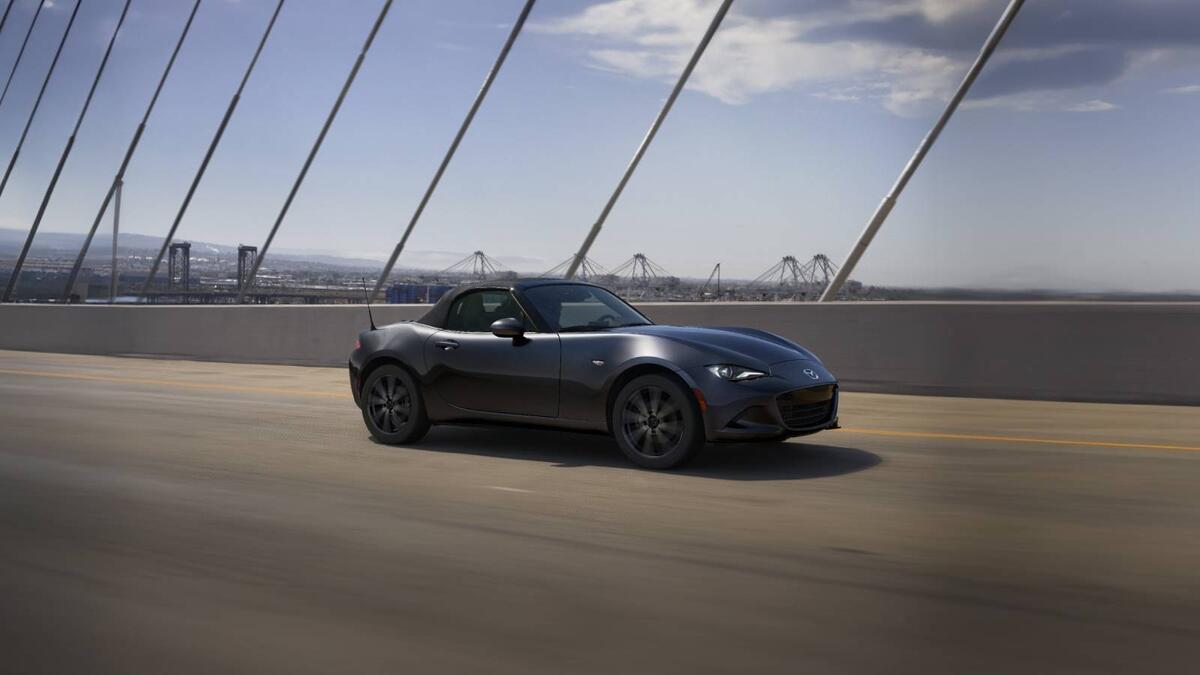
The Mazda Miata is a small, fun roadster that’s built to feel nimble and easy to drive. In this episode, they’re specifically talking about the 2026 Miata and checking what Mazda has changed over time.
A six-speed manual is a car where you choose the gears yourself using a clutch and a gear stick. More gears can help the engine stay in the “sweet spot” for smooth acceleration and control.
The host walks through the Miata’s different generations and what changed from one to the next. It’s basically a quick timeline of NA, NB, NC, and ND Miatas.
Miatas are grouped into generations, and Mazda labels each generation with a code like NA, NB, NC, or ND. Those codes are also tied to what you can find in the car’s VIN.
The Miata’s move from a 1.6-liter to a 1.8-liter four-cylinder increased engine displacement, which generally helps provide more torque and power potential. The host notes that this 1.8-liter engine carried into the next generation.
The Mazda Mazdaspeed3 is a sporty version of the Mazda3 hatchback. It’s tuned to be faster and more fun to drive than a regular Mazda3. The podcast brings it up when talking about which special Mazda trims exist and which years they were available.
“Factory turbocharged” means the turbo was built into the car by the manufacturer. In this case, it’s talking about a special Miata that came turbo from the factory.
A rotary engine is a different kind of engine than the usual piston design. Instead of pistons moving up and down, it uses a spinning rotor to make power.
A “two-liter engine” means the engine is around 2.0 liters in size. Bigger displacement often helps an engine make more power, but how it’s tuned also matters a lot.
“Miata is always the answer” is a fan saying that basically means, “If you want something fun to drive, pick a Miata.” The speaker ties it to how popular and accessible Miatas have been for amateur racing and track days.
Autocross is a timed driving event where you navigate a course made of cones. It’s usually done on a flat lot, and cars that handle predictably and turn well tend to do great.
Topic
SCCA improved touring A
The speaker is talking about a specific racing class in SCCA events. It’s mentioned to show what kind of amateur motorsports they did and why Miatas fit that scene.
The Toyota MR2 is a sports car that’s known for being fun and agile. In this segment, the host mentions it because they used to race it before getting into Miata-style events.
The Mazda RX-7 is a sports car made by Mazda. It’s known for having a special type of engine called a rotary engine. Rotary engines are less common, so the RX-7 stands out in car history.
The Honda CRX is a small sporty Honda that was made for people who like driving. It’s known for being compact and more fun than a typical everyday car. In the podcast, it’s brought up as part of a list of classic enthusiast cars.
“ITA” is a racing category with rules about what kinds of cars can compete and how they can be modified. The speaker is saying the Miata fit those rules, which helped it become popular in amateur racing.
A “spec Miata” is a rules-based racing setup where many cars use standardized or tightly limited parts so the competition is more about driver skill and setup within the rules. The segment frames spec racing as a reason Miatas “took over” amateur events.
Concept
show respect Miata
“Show respect Miata” appears to be a specific amateur racing/club format or rules package associated with Miata racing. In this context, it’s grouped alongside spec Miata and ITA as part of the ecosystem that made Miatas the default choice for grassroots competition.
When the speaker says the “tail starts slipping out,” they’re describing oversteer behavior where the rear of the car loses grip and rotates outward. The Miata is described as forgiving here—meaning the driver can correct the slide and regain control quickly.
Term
forgiving
In driving terms, “forgiving” means the car is tolerant of small mistakes—like slight steering or throttle errors—without immediately spinning or becoming uncontrollable. The segment ties this to the Miata’s balance and suspension tuning that gives the driver time to correct.
A manual transmission is the kind of car where you choose gears yourself with a stick. You also use a clutch pedal to make shifting smooth, and the way the clutch and shifter feel can make it easy—or annoying—to drive.
Clutch action is how the clutch pedal feels and how smoothly the car starts moving when you let the clutch out. They’re saying the Miata’s clutch is so smooth that shifting feels effortless.
“Notchy” means the shifter feels like it hits little steps or bumps as you move it. They’re saying the Miata’s shifter has some guidance, but it doesn’t feel rough or annoying.
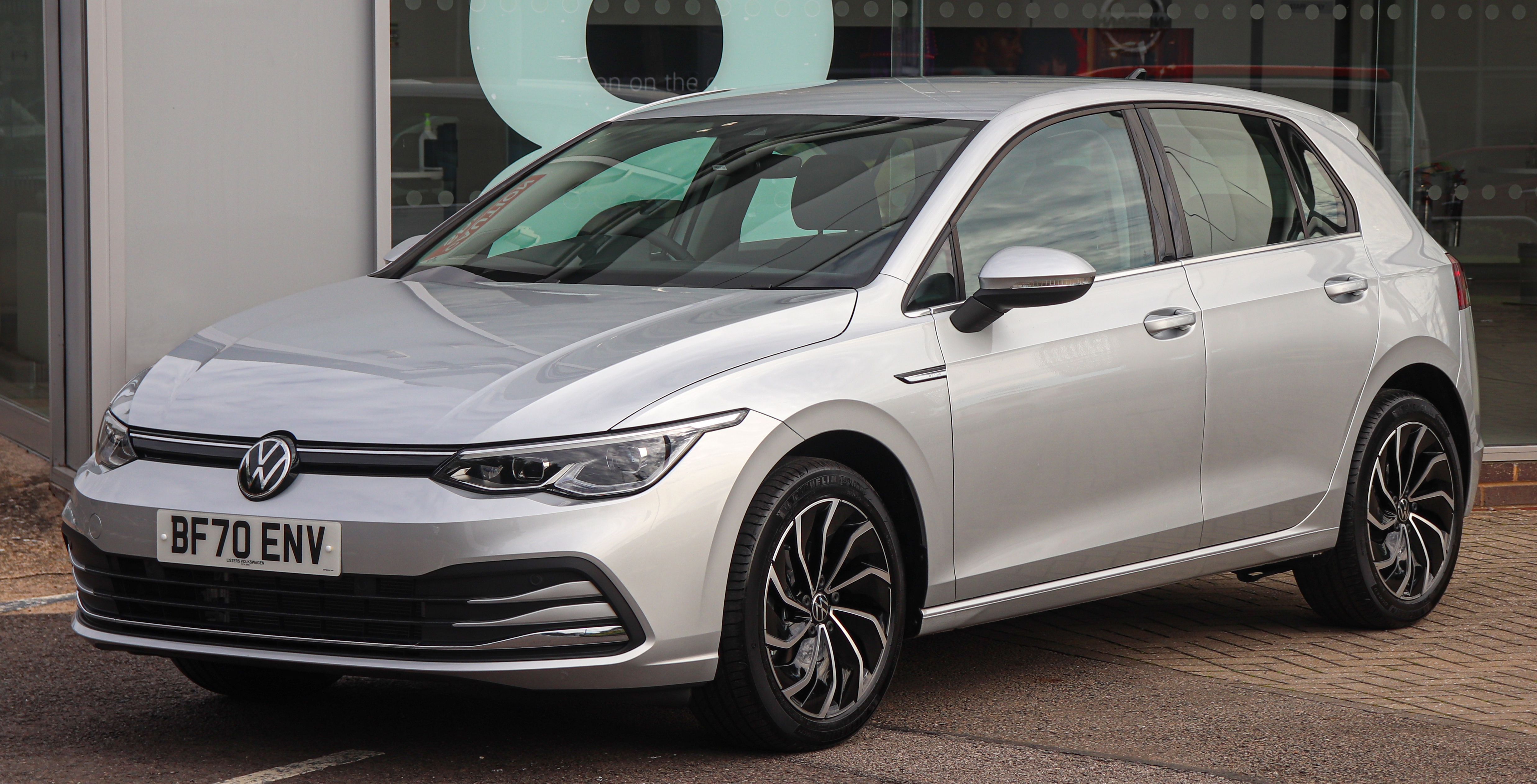
The Volkswagen Golf is a small hatchback car. Some versions are made to be more performance-oriented, like the GLI. The podcast is mentioning it because the availability of manual transmissions has changed on certain trims.
The Volkswagen Jetta GLI is a sportier Jetta. They’re saying the manual in the GLI didn’t feel as tight and clear as the Miata’s—more loose and harder to shift smoothly.
Analog gauges are the classic dashboard dials with needles, not digital screens. The hosts like them because they’re quick to read and feel more old-school.
The Chevrolet Corvette is a sports car made by Chevrolet. People talk about it a lot because it’s one of the company’s main performance models, and new versions are usually big news. It’s designed to drive fast and handle well.
A halo vehicle is a “headline” car that helps a brand look exciting. It may not be the biggest money-maker, but it gets people interested enough to visit dealerships and consider other cars too.
The Mazda RX-3 is an older Mazda sports car. It’s known for being part of Mazda’s rotary-engine history. In the podcast, it’s brought up as another kind of car enthusiasts might consider.
A “1.4 turbo” is a small 1.4-liter engine that uses a turbo to make it feel stronger. The turbo helps the engine breathe better so it can make more power.
The Fiat 500 is a very small car designed for city driving. The Abarth version is a sportier version of the same basic model. People often talk about it because it has a more performance-oriented setup than the standard car.
The Fiat 124 GT Abarth is a sportier version of the Fiat 124. It’s made to feel more performance-focused than a basic model. The podcast is mentioning it because people think it deserves more attention.
The Pontiac Solstice is a small two-seat sports car. It’s designed to be fun to drive and often comes with an open-top roadster style. The podcast mentions it as one of the cars people talk about in that enthusiast category.
General Motors (GM) is the automaker that, in this segment, is described as wanting to build its own roadster to compete with the Miata-style niche. The discussion frames GM’s involvement as a brand/strategy decision rather than a technical detail.
Replacing the transmission means the whole gear box gets swapped, usually because something inside is broken. They mention multiple replacements to show that the issue can be serious for some cars.
A synchro (synchronizer) is the part in a manual transmission that matches gear speeds so you can shift smoothly. If the synchro is worn or malfunctioning, you can get grinding or difficulty engaging gears.
Paint bubbling is when the paint starts to form little bumps or blisters. It usually means something is going wrong underneath the paint, not just a surface scratch.
Paint peeling is when the paint starts to lift off in flakes. It’s a sign the paint isn’t sticking well anymore.
Term
RF
RF is the Miata RF, which is a Miata with a retractable hard roof. The point is that it’s not a fabric soft top, and the roof operation feels different.
They’re talking about how cars often get heavier over the years. They want to compare the current Miata’s weight to the original to see how that affects how it drives.
The Honda Prelude is a Honda two-door car (a coupe). It was made to feel more sporty than a typical family car. It’s often remembered because it was a well-known Honda model for driving enthusiasts.
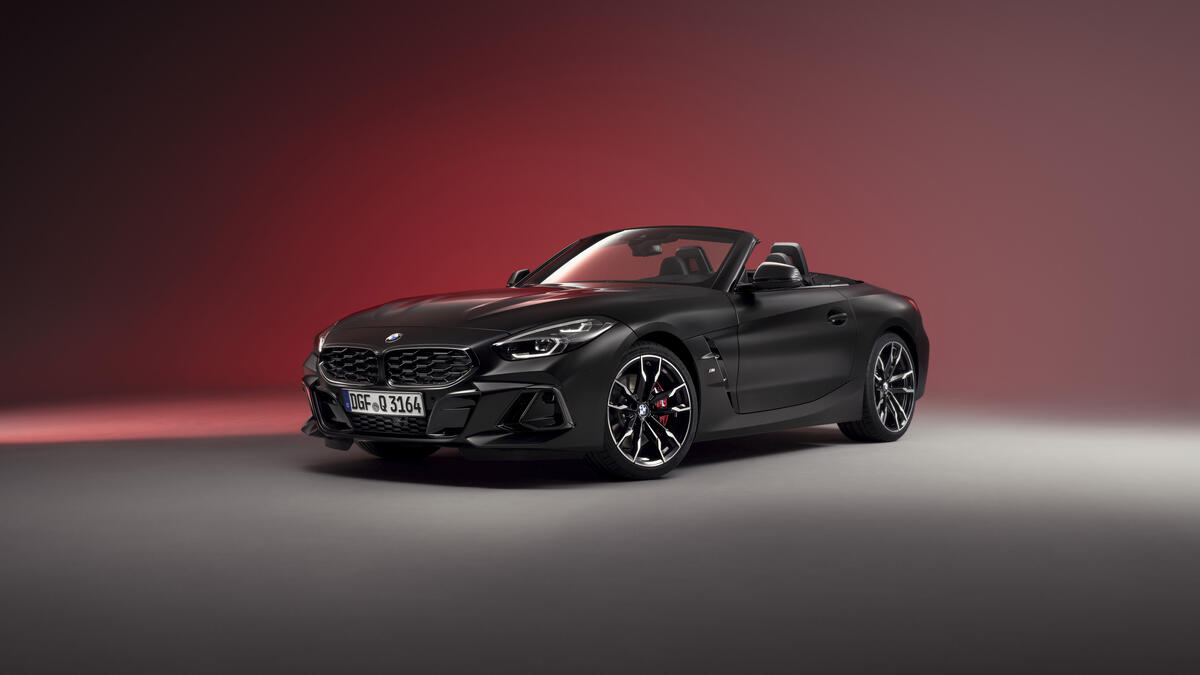
The BMW Z4 is a small two-seat convertible-style sports car. It’s made to be fun to drive, especially on nicer days. The discussion mentions it to help distinguish it from the earlier Z3 model.
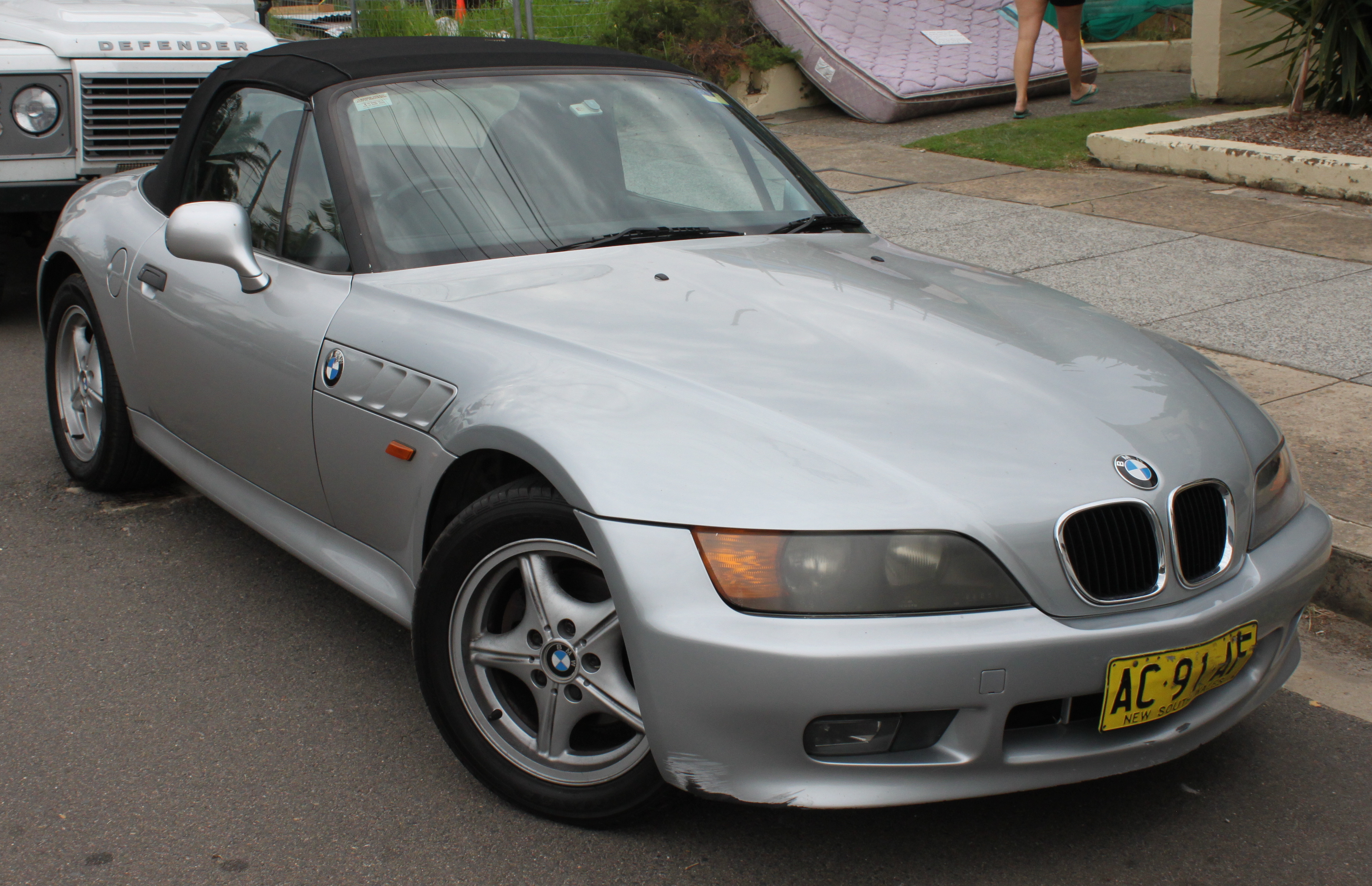
The BMW Z3 is a two-seat roadster made by BMW. It’s an earlier model in the same general family as the Z4. The podcast mentions it to clarify which roadster they’re talking about.
An infotainment screen is the touchscreen in the car that handles things like music, maps, and settings. It’s part of the modern “tech” that can add a bit of weight and complexity.
“14-inch wheels” are smaller wheels than what’s on the newer car. Smaller wheels usually pair with taller tire sidewalls, which can affect ride and grip.
Wind noise is the loud sound you hear from air moving around the car. With a convertible, the roof and seals don’t always block that airflow perfectly, so it can get louder inside.
A track is a special driving course used for racing or track days. The host is saying that even though they’re comfortable driving hard on a track, the car still has to be livable for normal driving.
Steering angle means how much you turn the steering wheel. The host is saying that when he has to turn the wheel a lot, his knees can bump into the dashboard, which makes the car less comfortable.
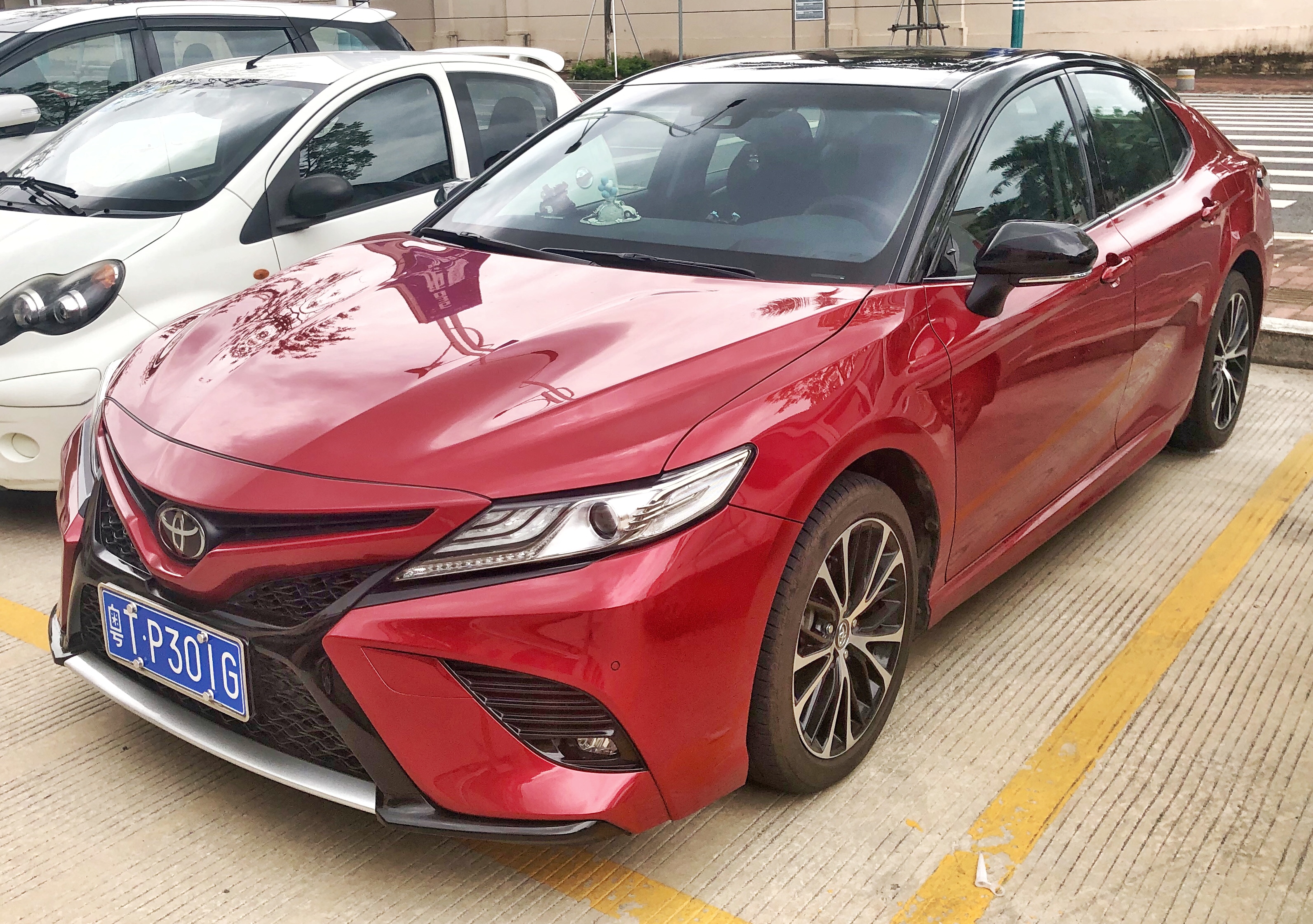
The Toyota Camry is a comfortable, everyday car. They’re using it as a comparison to show the Miata isn’t as cushy, even though it’s still not the harshest sports car.
“Softest sprung” is about how the suspension lets the car move. If it’s softer, the car can feel smoother and more connected, especially when you’re turning.
Coilovers are upgraded suspension parts. They help you adjust how high the car sits and how it absorbs bumps, which can make the car feel more controlled.
Brake pads are the friction material that clamps against the rotors to slow the car. Upgrading pads can improve bite and fade resistance, which matters more when you’re doing repeated hard stops or track driving.
A lightweight flywheel helps the engine spin up and slow down faster. It can make the car feel more responsive, but it may also make it less smooth for everyday driving.
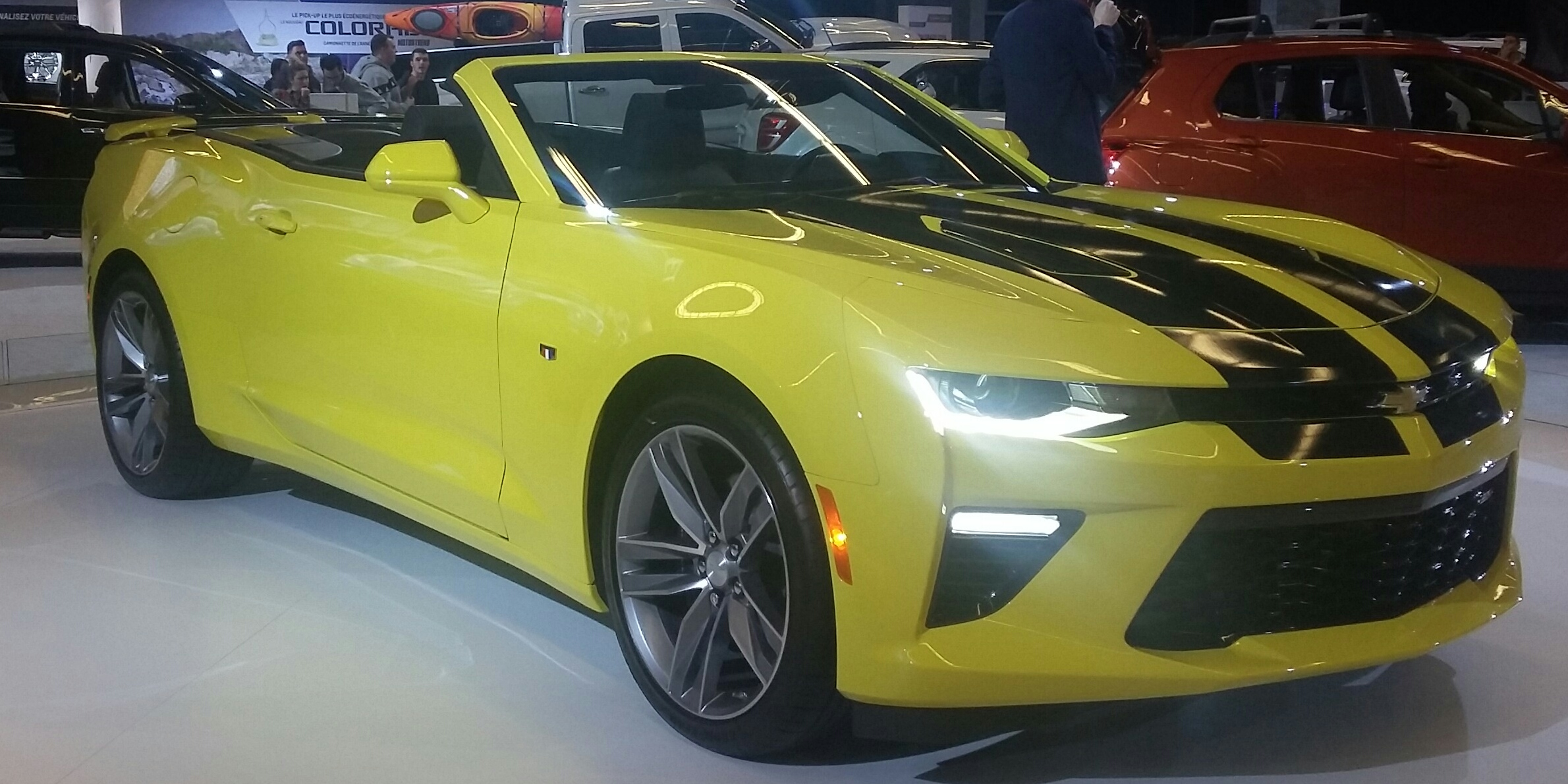
The Chevrolet Camaro is a sports car made by Chevrolet. It’s designed for performance and a sporty feel. People may mention it when comparing how different sports cars feel to drive, including whether one feels heavier than another.
Treadwear is a tire rating that’s meant to hint at how long the tire tread might last. Lower numbers usually mean the tire is stickier for performance but may wear out sooner.
If tires wear evenly, it usually means the car is aligned and handling in a balanced way. Uneven wear can be a clue that something is off, like alignment or suspension settings.
Concept
aftermarket "plugs" (spark plugs)
Here, “plugs” likely means spark plugs, which are parts that help the engine start and run. The conversation is joking about having the right setup so you’re not distracted while driving.
Pop-up headlights are headlights that pop up from the front of the car when you turn them on. They’re a distinctive design feature that some older sports cars used instead of fixed headlights.
On cars with pop-up headlights, the two headlights can open at slightly different times. If they don’t move together, it can look like the car is winking at other drivers.
“Full self driving mode” is software that tries to do most of the driving for you—like controlling speed and steering. It’s meant to assist the driver, not necessarily replace them completely.
Concept
analog to digital
“Analog to digital” here is a broad way of describing how cars are shifting from mechanical, human-driven systems toward software-driven features. That includes more sensing, computing, and automation—like the self-driving discussion earlier in the segment.
FSD is Tesla’s software meant to help the car drive more on its own. Even with it, the system isn’t perfect—there are situations where it can struggle, so a human still has to be ready to take over.
Self-driving cars are cars that try to drive themselves. But in real life, they often only work in certain places and conditions, not everywhere and not in every weather situation.
Sample size just means how much real data you’re using. If you don’t have enough driving data from self-driving cars, it’s hard to know whether the results are truly better or worse.
Waymo is a company that builds self-driving cars. The point being made is that they don’t let them operate everywhere, like in harsh winter conditions.
A human takeover is when the driver has to step in and take control. The point here is that today’s automation often isn’t good enough to handle tough situations by itself.
LIVE
Hi, and welcome back. I'm Mike Quincy. I'm John Looms. And I'm Jake Fisher. So today we have the
distinct pleasure to spend our time talking about the 2026 Mazda Miata. Somehow we convinced
super producer Dave Abrams to let us fill an entire podcast talking about a car that we love.
That's no mean feat. And it's a little bit different because this isn't actually one of our test cars.
And Jake, can you describe or tell the audience how why we borrow cars from the manufacturers?
Well, I kind of felt that I wanted to drive a Miata this weekend. No.
No, I mean, first of all, can I just say that like, you know, when you were in like middle
school, did you ever think you'd have a job where like you're actually getting paid to like shoot
the crap with like friends about the Miata? Anyway, sorry, but here we are. Here we are.
No, so so there's actually actually a reason there's a business reason for this. So the truth
is that not every car gets redesigned every year. And we have information on every car every year.
And what that means is like a car gets redesigned and we go test that vehicle. And then we basically
take a look and see if it has subsequently changed each model year. I know you guys do a whole lot
of work in here in terms of our year end updates. So maybe the lad car play, maybe the lad like a
different feature, and we'll capture that. But we also want to drive these vehicles every once in
a while to make sure that they didn't really change anything else that's not happens to be in
the press release, right? Correct. You know, it changed in terms of the handling or the noise,
or maybe they take a feature off and they don't actually put that in the press release.
So we do revisit these vehicles. And with the Mazda Miata, which is now what, 10 years in
in this, in this design, to think about, isn't that crazy? It's kind of like like the Toyota
Foren or something like that. They build it and they don't change it. They don't change it that
much, but they have changed it some. So it makes sense for us to get back into the seat and look
at really what's changed and make sure that the information that we have online of the,
not even just the 2026, the 2025, all these different years of the Miata is exactly right.
Right. And we have a 2026 club version that is thankfully fitted with a six speed manual
transmission. Personally, I think an automatic Miata should be illegal.
Parasy. Anyway, it came with the Brembo BBS Recaro package and retails for $40,810.
And we're super lucky to have Mr. Williams on this podcast with us because he owns a Miata.
So if you would like to tell, you know, the audience some of the iterations about what,
what, what, what years you think are better than others, a brief history of the Mazda Miata?
Yeah, sure. We can do a quick little Miata generation school. So they kind of go NA,
NB, NC, ND, those are the chassis codes that Mazda uses. That's what you actually see
in the VIN of the car. That's where those come from. 1990 was when the Miata debuted in the US
with the NA. That's kind of the one everyone thinks of when you think about Miata. It has the
nice pop up headlights that most people love. Some people hate, but that's kind of the quintessential
that the people hate them are wrong. So that one came with a 1.6 liter four cylinder early on.
They bumped it up to a whole 1.8 liters later in production. And that engine carried over into the
next generation NB, which was 1999 to 2005. That one holds a special place in my heart. I have a
1999 that I've done some work on. We can talk about later. But yeah, the NB came along with a
little bit of a stiffer chassis, like I said, same engine, but pretty much just a,
almost a refresh of the NA, making it a little bit better. The NB also has the Mazda speed
Miata for a couple of years, 2004 to 2005. Yeah, you don't see too many of them nowadays,
but it was factory turbocharged, had 178 horsepower. So for back then it was fair amount,
especially coming from a stock Miata, which is like 130, if that. Yeah. So then moving on to the
NC, that was 2006 to 2015, lasted a while. That one's kind of the black sheep of the
Miata's in some ways. It got a little bit heavier. It shares a platform with the Mazda RX8,
which is Mazda's rotary engine car they had for a little while. But yeah, it was kind of a little
bit of a departure from what the Miata was, because they were more focused on sharing that
platform, making parts interchangeable, that kind of thing. And then 2015 rolled around,
and the ND came out. And the ND is still the generation that the Miata is in right now,
and that got a two-liter engine. Now we're all the way up to 181 horsepower here in 2026.
More than the Mazda speed. Which is, yeah, more than the Mazda speed. And it was sort of a return
to form right there. Like we're going to start with a new platform, make sure this thing is
as lightweight as we can get it, and really just try to keep the formula of the original NA.
And the ND, I mean, there was different versions of that. So they always take like the ND1,
ND2, ND3. Originally they didn't have that 184 horsepower, right? They actually were able to
kind of eke out more performance by having rev higher. So that's what we're driving now,
which wasn't what we originally tested in back in 2016.
Now for those like maybe not in the know, the car people, the Mazda people, the Miata people know
the expression Miata is always the answer. And some people that work here, in particular,
our own Mike Monticello, that expression absolutely drives him up the wall.
He's giving two thumbs down in the back.
And yes, he's like, oh god. But anyway, so John, for those that don't know that
expression, can you explain what that means Miata is always the answer?
Yeah, I mean, I think it's one of those that just starts as something that people like to
say it because it's fun. They think of it as an acronym for Miata. If you spell out Miata,
it is that Miata is always the answer. I think that a lot of it comes from,
they used to be cheap. NA's and NA's, you used to be able to get for nothing. You could get a
running, driving, NA or NB for 1000 bucks at one point, not anymore. It was kind of the go to car
for amateur motorsports, things like autocross track days. I mean, that's what got me into it.
I had the itch to go do that stuff. And it was kind of the car that is just prevalent. It's
out there. It's easy to get your hands on. It's easy to work on parts are readily available. They're
it's a complete blast to drive. I mean, it's really set up. It's well balanced. So I mean,
I used to race my Toyota MR2 for years, you know, all different racetracks around and SCCA
improved touring A. Wasn't there a Miata Cup? I mean, there was a whole racing series just about
that. So when I started, right, improved touring, I would go out there and it would be like, you
know, all these different cars, right? It would be first generation RX-7s, it would be CR-Xs,
it would be preludes, rabbits, all these different types of cars. And throughout the
years in that racing, it became more and more Miata. So the Miata was also an ITA car, same
categories as me. And it was just so many parts that were available. It was like such an easy
thing to get into that. I think motorsports is the reason why it's so expensive by a hard top
because in order to race these cars, you had to have a hard top. So suddenly that drove up the
price of all these hard tops. But eventually, like you said, it's like all the amateur racing
turned into Miata. It was spec Miata and show respect Miata as well as ITA. It just took over
the whole amateur racing. Right. And that's, and that is if you were ever interested in racing or
even autocross, a Miata is a great way, a relatively inexpensive way to get into.
So Joe at the time when I was racing, Joe Veslac, he had a Miata that was a street car and
he turned it into a race car and he went out to the track with it. And it was just such an easy
thing to do. I'm sure, and it's only the greatest flashing a picture of young Joe. He looks like
a teenager there. Maybe he actually was. But but it and so so Miata is the answer for a lot of a
lot of a lot of reasons. Yeah, I think another reason to just to touch on real quick is how easy
it is to drive. If you've never done any kind of performance driving before the Miata is so
well balanced and the suspension is on the softer side for a sports car that almost it gives you
a lot of time to recover. If you start making a mistake, the tail starts slipping out on you.
You learn pretty quickly how to recover and you have time to do it. It's not,
you know, maybe like your MR2. I don't know if you want to talk about what that was. Snap over
steering. We don't talk about that. But no, you're exactly right. It's a really forgiving, easy and
actually easy. So so let's go fast forward to this 2026 Miata that we've been driving around.
And it is just yes, forgiving, but also just effortless. Like if there's one word that actually
would come to mind when I'm driving this thing around, it just feels effortless. You know,
you mentioned like manual transmissions, right? It's like manual transmissions. I feel like
may have gotten a bad rap because there are cars out there that aren't that easy to drive.
This is so effortless. Like there's more effort, I think, flipping a light switch than actually
going from first to second gear. You know, it's, you know, the clutch is just so perfect. It's
so easy to do it smoothly. Don't have to think about it. Don't even think about it. Probably a
great car to learn how to drive the manual. Absolutely. Absolutely. If all cars had Miata
transmissions and clutch action, like I think all the cars would be stick shift because
it is so good. The other thing about it is just, you know, you think about performance cars, right?
We've driven, but I need a lot of high horsepower cars. And, you know, sometimes they're kind of
like, you know, heavy steering or something like this. Everything is light to the touch.
Like it is so easy. You just think where you want to go. And it's just like effortlessly,
this steering wheel just, it's like connected. It's the neural length, right?
No, it's like telepathic. It is. In some ways. It is. It's just everything is effortless,
whether or not you're going around a sharp corner or you're downshifting, just everything is just
easy. And you're at one with the car. And my opinion is this is the best
manual transmission you can buy in a new car in 2026. There's just, there is anything that's as
good as this. I mean, there's not many available. And maybe ever. Right. You know, this may be the
best manual transmission on the planet. It's just so effortless and easy. I wouldn't call it
notchy because there's only like notches. It's just like, just again, it's like a light switch.
But it's just just for a little clarification, there's enough effort in the shifter because
I don't like shifters that are super floppy. They're too light. It's precise.
It's like that. It's a Volkswagen used to have manual transmissions that GTIs now don't,
but they still offer one in the GLI Jetta. And we've driven that and I thought it was terrible.
I thought it was too loose. It was too vague. It wasn't anything close to what the Miata has.
I don't think it's terrible. I mean, I like it, but it's different. You're right. It's not as,
it doesn't have the precision the Miata has. It's easy. It's actually kind of low effort.
It is too easy, I guess. But it's not precise. And some cars get a little notchy. You know,
you could kind of, there's a higher effort, but this is just, it's just perfect. It's precise.
It's easy. It's the way it should be. So, so Miata is the answer if you want to go racing.
The Miata is the answer. If you want to learn how to drive the manual transmission.
Yeah. The Miata is an answer. If you ever spent time with a British roadster on an MG,
a Triumph, an Austin Healer or something like that, and you wouldn't know if it was going to
start in the morning and the Miata actually always starts up. So, it's the answer for that too.
That was kind of the vision of the car, right? When they originated the idea was,
let's make one of those, but make it actually reliable.
Yeah. And they, and they succeeded.
Well, what's also interesting, I mean, how many years we're about 36 years in now, right?
Since the experiment. And it is remarkable. I mean, it's hard to see any other vehicle that
has kind of stayed true to what it is for that span. I mean, outside of like a Volkswagen
Beal or something like that. But it's just like every generation is so similar. And this car is
so refreshing today. It is remarkably analog. Yeah. You know, I mean, analog. I mean, just,
it just seems like it's a throwback. It's just like analog gauges. Analog gauges for your climate
control. Yes. Manual transmission. Yes. And I'm grateful that Mazda still makes it. It's like every
time Chevrolet announces that a new version of the Corvette is going to come out or Ford is saying,
you know, working on the next generation Mustang. I'm always like ready to fall on my knees and
look to the heavens and say, oh my gosh, I'm so grateful that we have these cars. Mazda has not
given up on this. I'm sure it isn't a profit center. I mean, how much money can they make
selling a Miata? It's going to their marketing arm, honestly, right? But it's what the auto
insiders might call a halo vehicle. You have a cool car that's sort of relatively low volume,
but it gets people into the dealership floors to just even look at it. Maybe they don't
buy the Miata. They buy the Mazda 3 or whatever. So I'm really glad that they still make this.
And I do want to do a shout out. Let's have an honorable mention to the FIATA. Can you guys
explain what the FIATA is? Sure. Go ahead. You go ahead. Yeah. Well, it's a Miata with a
engine. Can you be more specific, perhaps? Yeah, that's it. We're done. I don't remember off the
top of my head which engine it is. Is it a 2-liter? It's the 1.4 turbo. So what's ironic about it?
Jake's going to bail you out. I'll No, it's going to slightly different styling,
but I mean, it's kind of crazy, right? FIATA kind of made its mark making these fun little
roadsters, you know? And when they said, hey, we want to go do that again, they kind of looked
around and were like, we forgot how to do this, but maybe they made a good choice. And they said,
hey, Mazda, can you make one for us? And they basically kind of rebadged Miata, slightly
different styling, and they put in the 1.4 turbo, which is not a bad engine. And ironically,
do you remember driving the Abarth? Sure. Yeah, absolutely. There's a Fiat 500 Abarth,
which had that same engine, but no mufflers. Yeah. And the thing sounded phenomenal awesome,
but the FIATA didn't sound like that. Oh, it's too bad. Right. No, the Abarth,
Abarth? Abarth, I think. I love that car. I remember having it for a weekend and driving
into, my wife and I had text to a Yankees game, and it was, the weather was nice. And we thought,
well, we'll drive for the top down for a little bit on our way to the stadium. And we just kept
the top down the whole time. Even in crazy Yankees traffic where you're inching along,
it was still such a pleasure. I think the last generation Fiat 124 doesn't get enough credit,
but I think it is okay if you are a FIATA fan to not look your nose down on a FIATA.
Well, and here's the car. You can look your nose down. It's the Pontiac Solstice.
So at one point. In the sky. And the sky. Right.
And Saturn sky. So at one point, General Motors said, hey, we want to do one too.
And it just wasn't it. It was not successful. The styling wasn't bad. I like the styling.
But I did not care for the way that drove at all.
I remember, I'm going to diverge a little bit, but I remember a car and driver
did a comparison of Miata and the Solstice. And they said the Solstice was better.
And so I remember meeting at the New York Auto Show. This is a stupid story.
And then Chobochetta, who was the person who kind of authored that at car and driver,
and I went off on him. I was like, new here. And I was like, are you serious?
And I'm like, you never meet your heroes, right? But it was like, you know, I grew up
reading his stuff and driving. I'm like, there's no way. And I just, and finally,
I think he was like, oh, well, my daughter liked it. But it was just like, arguably,
it just wasn't a Miata for so many different reasons. And I was like, wow.
Well, we're not going to get down the bizarre road of publishing. So we're talking about the
basic iterations. And as people here love Consumer Reports know, we do all kinds of
reliability surveys. And we actually got some information on some of the differences in terms
of reliability of the Miatas. And Jake, you looked into that with Mr. Steve Ellick.
Yeah. Well, let's have Steve Ellick talk about it himself. I agree. Take it away.
There really is no better sports car than the Miata. The answer is always Miata, right?
And especially in terms of something reliable and cheap to own, the Miata is the answer. But
you got to be aware of the ones that have been heavily modified. That's where the problems
start to come up. You want something that's been babied, garage kept, and really just taken care
of. So the ND1 generation, which is from 2016 to 2018, that had some reports of transmission
issues. And one of our members actually noted that they had the transmission replaced four
times. They're on their fourth or three times, they're on their fourth transmission. And that's
because there's some grinding, getting into the gears, issues with the synchro. Now that's usually
an issue with the 16s and 17s. There was a couple reports of that issue for the 2023 model year
that our members told us about. But in general, that's the biggie. It's not a large percentage
of Miatas that have this problem. But when they do have a problem, this is what it is.
They have issues with the soft tops. And the Miata paint is a pretty weak. It's thin and soft.
And so a lot of our members report bubbling or peeling. And overall, those are really the
big problems. I mean, there are some smaller reports here and there. But as far as consistently
reported issues, that's what it is. Good luck and happy Miata driving.
So, Jake, what do you take away from what Steve said?
Well, I mean, just like he said, I mean, it's almost kind of amazing to have a car that is
this much fun as a toy, but also reliable. You don't see that a whole lot. I mean, you think
about toy cars, fun cars, or whatever. They're not necessarily known for reliability, but here
you get both. In a good gear, the Corvette has average reliability. And one of the things that
another reason why Miata is the answer, I love that the top is so simple. You unclip it,
do a slam dunk over your shoulder like you're in the NBA, even just when you're sitting at a stop
light. Yeah. And it's done. And the same thing, the same process of putting the top back up,
it's perfect. Again, it goes back to your word effortless.
It's effortless. I know it's almost ridiculous to have a power one because it's so easy. I mean,
obviously the RF is power, but also it kind of puts on that kind of neat styling too.
I love the way that looks. Yeah.
Are there other things that jump out of you that cement your love for this car?
I think going back to just what we were saying about how close it is to the original,
let's talk about weight for a little bit. We all know cars are getting heavier and heavier
over the years. And the Miata is no exception, but not to the degree of many other cars. So
I actually did some research, looked up some nerdy stats here and I want to do a little game
show with you guys if that's cool. Yay. So what's the prize?
Oh, you get to go drive the Miata. That's a great prize.
So I'm going to give you a sports car and then I want you to tell me
how much you think the weight has increased in the current generation versus the original of
that sports car. The original. The original original. Okay. So this one, it's not exactly the
same as the Miata, but we have one in our fleet right now. So it kind of came to mind, the Honda
Prelude. It's the first Honda Prelude from what I could find came to the States in 1979.
Yeah. So I want you to try to guess the weight increase. Of course, it's a totally different
car now. It's a hybrid. It's Prelude and name only really, but. The weight, you want like...
How many pounds? It went up? Yeah, give me a guess. That went probably a lot because I mean,
that original Prelude was tiny. Yeah. It was based on a Civic or the Accord, but it was,
I'm going to guess, say 1,000 pounds because I'm thinking it probably was
roughly 2,000. It's probably roughly over 3,000 now with a hybrid. That's my guess,
but yeah, that's a completely different car now. I'll go 850 pounds. One dollar.
Well, Jake wins that one. Just under 1,200 pounds that the Prelude went up.
Wow. Even more. It's about 55% increase in weight. Oh my God. So next one we'll go.
What was the original pounds and what's it now? Do you got that?
The original one was around 2,100 and it's now at a little over 3,200.
Yep. Not even close. We'll go a little closer to the Miata for the next one. How about the BMW
Z4? Well, are we counting the Z3, right? The original? That one was, I think they stopped
in 1,2003, so I didn't count that one. All right, so we'll go Z4. So it is a little heavier.
780 pounds heavier. I'm going to go less because that hasn't transformed quite as much. I'm going to
go 532. Probably specific, but you are closer. 382. 380. I thought it got the hard top and stuff.
I think if you go back to Z3, we'll probably see bigger numbers though. I used to race
Z3 and improved touring A2. My dentist, that one. He hit me too. He hit me, but I got free dental
work for a year, so it was totally worth it. And your friend Dave hit you in the Prelude, right?
A few times, but I came back many times. It's an apathic. We won't even get into that. I picked
it up. Okay, so Miata, so are we going from NA to ND? Correct.
What's funny about it is it's lighter than the NC, so they kind of went up and down. The NA you
could get without air conditioning. You could not opt for that, so that would save a little weight,
I think. I'm going to say 107 pounds. 240. All right, we're kind of in the middle of
184 or so. And that's over 36 years. How impressive is that? That's
only about an 8% increase over the original car. What's interesting is, obviously,
they're getting ready to redesign the car again for the NE, I don't know. Actually,
there's some rumors that the Fiatta was an NE, so we're not sure where they were going to call it.
But yeah, they've already said they're not increasing the weight of this car,
so it's going to be another lightweight vehicle. We've talked about this in terms of automotive
evolution of a fuel economy and safety, and people are like, oh, back in the 90s, you had
the Geometra, the three cylinders, and it got phenomenal fuel economy. Now you can't get that,
and you've been quick to point out. It's like, yeah, but today's customer,
they want power windows. They want air conditioning. They want a nice sound. They want all these
things, these creature comforts, and all of that adds weight. So that kind of supports what you're
saying about, it's remarkable how the Miata has not bloated into this massive thing.
But that's the amazing thing, right? Yeah.
They've still added some tech, too. You do have a little infotainment screen if you're into that.
I mean, let's just add those.
There's more modern safety features. Add those things.
Yeah, I mean.
But it's still only increased by less than 200 pounds.
Power windows. Yeah.
That airbags. Sure.
More airbags. All these different things on that absolutely adds weight. I mean,
they're not the 14-inch wheels that it came with. They're 17s now.
Yeah. So since we are consumer reports, we have to be even-handed about these things.
Of course.
It isn't all perfect. And let's talk about some of the town's sides.
When Miata's not the answer.
Some of the town's sides of the Miata. And it's clear that the three of us really love this car.
But we would be remiss if we didn't talk about how astoundingly loud it is.
Even with the top up.
Almost especially with the top up. I feel like it's louder with the top up.
Right.
It is because the wind noise is almost, it sounds quieter to your ears.
With the top up, you get all the vibrations and everything.
Right. And the one that we were driving was the soft top. We didn't have the hard top on hand.
But I was driving with my son this weekend with it.
And we were on the highway. The top was up.
And you can't believe how loud like an 18-wheeler is.
He looked over his shoulder. He's like,
I thought there was a hole in the top because it was so loud.
And the RF, right? Was it that hard? It's not a hole that quieter.
Right.
And you also pay for it with some blind spots.
Looks great, but.
Yeah. Outstanding.
Doesn't fix it.
Let's talk about the ride.
Yeah.
What do you have to say about the ride?
You seem like you have a viewpoint here.
Yeah. I did spend a lot of time in this car.
And the ride is pretty punishing.
I'm not, I've spent plenty of time driving on tracks.
So the aspirations of buying your Miata and going to the track,
it doesn't rank high for me right now.
So there's a real compromise, in my opinion, of the ride.
I don't mind it for a short drive, but I was driving like two hours at a time.
And that was a bit, that was, that was enough for me.
And I guess I'm old and, and your back is a little sore still, but you know, whatever.
Yeah. So for all the people out there on YouTube, calm down.
Okay. Yes. I'm not, you know, my 20s anymore, my 30s anymore.
So, so the ride, the noise, getting even out of the car.
It's better with the top down.
Okay.
Depends on your, on your stature too.
So there's no getting around the fact that it is a tiny car, even in 2026.
It's still a very tiny car.
And I was talking to our tire guru, Ryan Pizzolkowski.
He's six foot two.
We measured him yesterday because he wanted to confirm that he was six foot two.
Forgot how tall he was, but with Mike Monticello as my witness, he's in fact six foot two.
And he told me his knees are kind of almost in the dash.
If he has to put in any kind of drastic steering angle, he's hitting his knees and it's just not,
not great for him.
There's some, a lot of cars we say, like you should try out the seats to see if they fit you.
This is a car that you want to try out the car to see if it fits you.
Yes. Yeah. I mean, I am still agile enough or strong enough, flexible enough that I can get
in and out of it.
But if you have any kind of mobility issues, any kind of knee issues, I would,
I would, like you said, make sure you can get in and out of this car.
Make sure you're, I mean, the clutch is not a heavy clutch, but again, if you have,
if you have knee issues, that'll also compound the situation.
Another thing I kind of missed, and again, this is just me being me,
but there's no adaptive cruise control, which I love all the time.
So, but it wouldn't, it would not be a deal breaker for me and other cars it might be.
But so, so there, there's, is that limitation?
I mean, it's kind of going off of what you said with the, the ride.
I think I'm going to push back a little bit, just a little bit and say that you're entitled.
You're allowed.
It is, it's a sports car.
So it does, it's not as plush as, you know, a Toyota Camry or something.
But as far as sports cars go, I found it on the softer side.
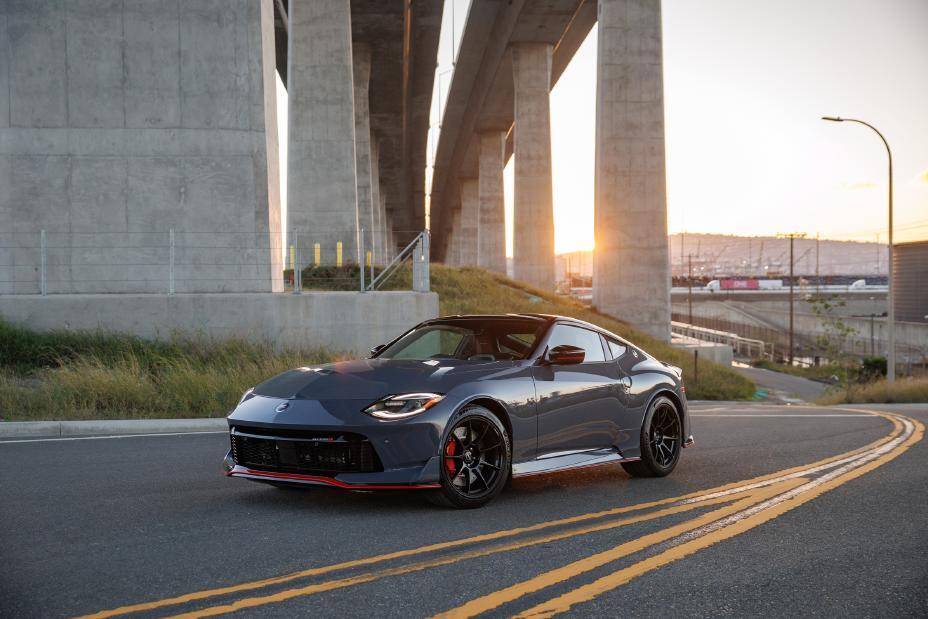
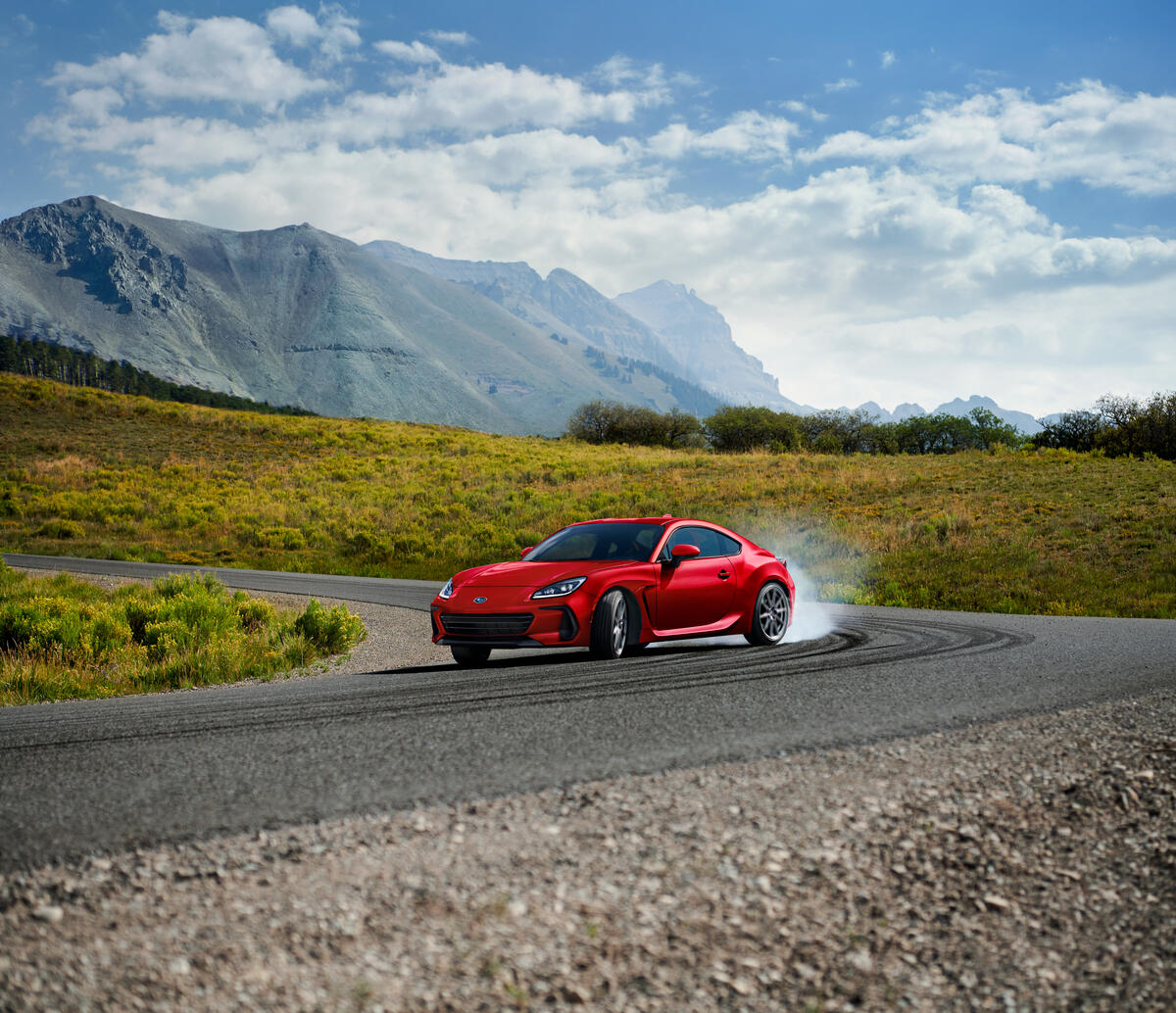
I didn't find it as punishing as something like a BRZ or the Nissan Z, for instance, those,
you know, you hit any kind of road imperfection, you really feel it.
I think Miata's have always been on the softer side, especially in terms of roll control.
Like, yeah, look at stock Miata autocrossing, and it looks like a,
like a boat going up on its side.
I think that's a fair point.
Here's a fun fact.
And, you know, we were talking with Mazda, there was last month, and they were talking about
out of the entire product line, the Miata is actually the softest sprung.
Interesting.
Vehicle out of there.
And again, it's obviously everything's all kind of set for the vehicle itself.
But, you know, you look at all their SUVs and, you know, you want to not,
it's very unpleasant to have, you know, a lot of roll in an SUV.
But for a vehicle like the Miata, it actually can be much more engaging.
You actually can feel yourself going around a corner.
It communicates to the driver.
It communicates to the driver.
So, so I think they, they nailed it in doing that and not making it just like super stiff
to go around the Nurburgring faster or something like that.
Well, I was going to bring that up.
I mean, we're driving the club version, which I guess is the sportiest version of the Miata.
Do you think that Mazda should put out a more hardcore version, or do they just say
the people who are going to take this to the racetrack, they're going to replace all this
stuff anyway?
I think it's, I, I love that.
I love the fact that people can make it their own.
And there's so much aftermarket support to do that.
Um, I mean, you know, one of the things like, I think Honda is almost kind of maybe veered
off too much.
It's like old Hondas used to come, you know, steel wheels, you know, 13 inch wheels,
and then you go put on 15s and it's like, Oh, how cool is that?
Now they all come with 18s.
And you're like, you know, you put an aftermarket wheels that is almost downgrade.
So, you know, leave some room for some, somebody to make it them up their own.
Yeah.
That's one of the things that I've had the most fun with with mine over the eight years
Wouldn't recommend that if you wanted to drive it on the street, but.
Well, I was, was just going to ask you, tell the audience about what you've
done with your car.
Now you've, you've obviously taken it to track days and, and you, you, you bring
extra tires with you and you can actually, no, you just,
So I mean, it's, it's a lighter car, which is good.
It's not like a Corvette or a Camaro that's, you know, heavier.
You're going to roll over the sidewall a bit more and wear your tires.
So I can usually get, you know, one to two seasons out of a 200 treadwear, ultra
high performance tire, which is pretty good.
Awesome.
Okay.
And that's driving it on the road too.
And the fact is so balanced that wears tires evenly that way.
Right.
So it really is the answer.
Yep.
Sometimes.
So, so what is the answer?
You and your plugs.
Yeah, I'm really, I do wear those on the highway.
Smart.
And you're making fun of me being solid consumer advice right now.
That, that they should have as an option, you know, your plugs.
You don't want the phone ringing in your ear forever.
If you were going to buy one for yourself, your own personal garage,
which one would it be the year version, whatever go for it?
Well, I have already bought an NB and it was interesting because I've never driven
an ND until we borrowed this one.
And I kind of went into it thinking, I wonder if this is going to make me
reconsider, am I going to want to sell this car that I've put so much work into and
get the new one?
And surprisingly, no, because like we talked about, they're so similar.
And the NB for me with where I'm at in life right now, it's just a little bit more
pure than the ND.
I can see myself maybe buying an ND 10 years from now when the car I have gets too uncomfortable
and too annoying and things start breaking.
It's not going to break.
I'm kidding.
Jake?
Yeah, this is hard.
I hate these hard questions.
Stupid exam.
Honestly, I got to love the NA.
I mean, there's nothing like pop ups and pop ups or pop up headlights are so rare these
days now.
And it just the original just had such that iconic styling of just like everything very
smooth and they've added different kind of styling cues to it now.
But I think there's just nothing like the original.
And if you get your headlights out of sync, you can make them wink at the oncoming traffic.
That's fantastic.
Yeah, I've driven actually every Miata generation.
I started out in automobile magazine in 1990 and drove the NA with the pop up lights in the
winter in Michigan, which is always fun.
And I've been to Miata Con at Lime Rock Park and up here in Connecticut.
This year's event for Miata Con is going to be October 23rd and 24th.
If you're anywhere near northwest corner of Connecticut and you love Miatas,
come on out.
You'll likely see me and my son there.
You'll probably see J-Dubs there.
And I have to say that maybe a concession to where I am in my life, but I would go for the
current RF, the fixed roof coupe, mostly because I love the styling.
Yeah, looks great.
It is a gorgeous car.
It's always going to be a gorgeous car.
To me, it's such a timeless design.
I remember first seeing it at maybe the New York Auto Show or Detroit
and just being blown away by it.
And I was like, that is just incredibly good looking.
You're probably right.
It's probably not that much quieter, but I mean, I'll kind of take it.
But anyhow, we love this car.
We love the fact that we can share our stories with our Talking Cars audience
about how much we love the Miata.
This is why we do this job, because these things bring us so much joy.
And if you have your own Miata stories, put it in the comments.
Let us know which one that you love.
Make an argument for one version or another.
And let's just keep it rolling.
And that brings us to our audience questions, which we love.
Text 30-second videos.
Just go to TalkingCarsaticloud.com.
That's TalkingCars at iCloud.com.
And if we use your question on the podcast, we'll send you a free t-shirt,
some kind of groovy CR auto test swag.
And we have a question.
This is Neil from Sault Ste. Marie, Ontario, Canada.
Yes, hockey playoffs go strong.
Neil writes, love, love, love the show.
The podcast is a great compliment to the magazine.
And I love to hear everyone's different opinions.
My friend recently took a Tesla for a one hour test drive
with full self driving mode.
He said full self driving did an excellent job the entire time
and even managed to handle a police officer directing traffic
at a set of traffic lights that were out of service.
My question to the team.
How long do we have before the insurance industry
and government safety regulations ban humans from physically driving themselves?
That is, how many years do my 97 Miata and I have left?
So shout out to Super Producer Dave Abrams
for seeing this question that involved a Miata.
But we're kind of going from analog to digital and everything else
with this question.
So Jake, I'm going to hand it to you first.
What do you have for Neil?
First of all, I hope you have a very, very warm coat
when you're driving around in Miata and through St. Marie in the winter.
I've been there in the winter.
It is.
Could you get heated seats in 97?
If there are, well, the Canadian ones maybe.
But I wouldn't worry too much.
I think the government regulators and everyone in the insurance companies
are a little bit more worried about the self driving cars
than they are about the humans, honestly.
And despite what you've experienced in the FSD system in Tesla,
it does a lot of stuff pretty well.
The problem is that 1% or that .01%, it does not do well.
So there's still that danger.
And honestly, human drivers do 99.99% really, really well too.
So it's kind of apples and oranges the way I think a lot of people would like you to think.
We are down that area of self driving cars, but we really are not.
So I think that the great world order change is kind of overly exaggerated right now.
Because the critics say, well, deaths from autos are up.
Well, they are.
And that's true.
But that doesn't mean that they're going to go down if we allow AI to take the wheel.
Right.
Well, and think about too, from a data side of things,
how many self driving cars are on the road versus how many human controlled cars are on the road?
What's your sample size?
Right.
Well, and also all of that, Tesla FSD is not a self driving car at all,
despite what the name is.
But there are self driving cars out there, Waymo and others.
And they have these in fleets, but they are extremely restricted.
You know what they're not doing?
They're not allowing this to drive in the winter in Sault Ste. Marie.
So they basically allow them to drive in the most safest, secured, a place where it's not
snowing.
There's not bad weather.
San Francisco.
Well, I mean, no snow in San Francisco.
San Francisco, but I mean, it's very controlled, you know.
So and also, from many of these cases, there's drivers that are human
that are taken over when things get hard.
So we have a long, long way to go.
The Miata will serve many, many years and be okay to drive.
It's a question that I've been gotten a lot during any media interviews is, you know,
how long do I have to wait for a self driving car?
And my usual answer is probably not going to happen in your lifetime.
But yeah, I think that's right.
And I think despite your friend being impressed with it too, I'll just say,
anecdotally, we have a few cars here at the track that have full self driving.
And I've experimented with it on the way home from work and things like that.
And there have been some situations where it genuinely scares me.
It's come up where, you know, there's a construction vehicle in the road or
something and it needs to navigate around it.
And sometimes it'll just stop.
It doesn't know what to do.
It doesn't want to cross into the opposing lane.
It'll just stop and I have to take over.
So like you said, it's not truly full self driving.
It's still in its infancy.
And if you're comfortable letting an infant drive your car for you,
you go ahead.
But sometimes you're going to have to take over very quick.
Well, that kind of goes along how we act childish around here.
But Neil, don't sell that car for as long as you can stand it.
Enjoy that Miata.
Yeah, although that is an N.A. So, you know, you're selling it.
Let me know.
I think it's awesome that our friends in the Great White knows there are also Miata fans.
And we want even more of them.
More worried about Rust than he is about self driving.
John Williams, Jake Fisher, teamwork makes the dream work.
And that will do it for this episode, which was, of course, produced by super producer Dave Abrams
and expertly edited by Andrew.
I still play Hockey Belize and Anatoly, the great Shumpski, as always.
Check the show notes for more information on the vehicles and topics that we discussed.
And if you're watching on YouTube, we recently added a donate button to our page.
Consumer Reports is a non-profit.
So if you're able to help us keep talking cars, please consider making a donation.
Every little bit helps.
We really appreciate it.
And keep your questions coming to TalkingCarsaticloud.com.
Thanks so much for tuning in and we'll see you next week.
About this episode
The hosts kick off by borrowing cars from manufacturers to verify what actually changes year to year, then zero in on the 2026 Mazda Miata—especially a six-speed manual club version. They walk through Miata history (NA/NB/NC/ND), the “Miata is always the answer” mantra, and why it dominates amateur racing thanks to forgiving behavior. The discussion also covers real-world tradeoffs: ND1 transmission/synchro reports, paint bubbling/peeling, cabin noise, and a softer ride. They finish by debating whether “full self driving” is truly self-driving.
On this episode we share our impressions of the 2026 Mazda Miata and take a joyride through Miata history. We explain why the 2026 model remains one of the purest sports cars you can buy, and weigh its sublime manual transmission, lightweight feel, reliability, and real-world compromises. Plus, we answer an audience question about Tesla Full Self-Driving—and whether human-driven Miatas are really at risk of disappearing.
Join CR at https://CR.org/joinviaYT to access our comprehensive ratings for items you use every day. CR is a mission-driven, independent, nonprofit organization.
SHOW NOTES
-----------------------------------
00:00 Intro 00:15 2026 Mazda Miata: Why We're Revisiting It
02:54 History of the Miata
05:29 Why "Miata Is Always the Answer"
08:57 What Makes the Miata So Fun to Drive
17:01 Miata Reliability, Ownership, and Common Issues
19:56 Miata Stays Lightweight
24:49 The Downsides
31:30 Our Favorite Miata Generations
34:38 Audience Question: Self-Driving Cars vs. Human Drivers