The Toyota RAV4 is a small SUV that offers a lot of space for people and cargo. It's a good option for those who want a vehicle that can handle different activities, like going on trips or running errands.
The Hyundai Tucson Hybrid is a type of SUV that uses both gas and electric power to drive, making it more efficient and better for the environment than regular gas-only SUVs.
The Hyundai Santa Fe Hybrid is a larger SUV that uses both gas and electric power to run, which helps it save fuel and be more environmentally friendly than regular SUVs that only use gas.
A CVT, or Continuously Variable Transmission, is a special kind of automatic transmission that can change gears smoothly without the distinct shifts you feel in regular automatics. This helps the car use fuel more efficiently.
The Lexus NX is a small luxury SUV that offers a comfortable ride and nice features. It's available as a hybrid, which means it uses both gasoline and electricity for better fuel efficiency.
Fuel economy is a measure of how far a car can go on a certain amount of fuel. It's usually shown in miles per gallon (MPG), so a higher number means the car is better at saving gas.
An electric motor is a part of electric cars that helps them move by turning electricity into motion. It makes the car feel more powerful and responsive without needing a regular gearbox.
The Honda Civic Si is a sportier version of the regular Civic, designed for better performance and handling. It's popular among car enthusiasts who enjoy driving.
Torque measures how much twisting force an engine can produce. It's important for how quickly a car can speed up, especially when starting from a stop.
A manual transmission is a type of gear system in cars that lets you change gears yourself, usually by using a stick and a pedal. Many driving enthusiasts prefer it for the control it gives them.
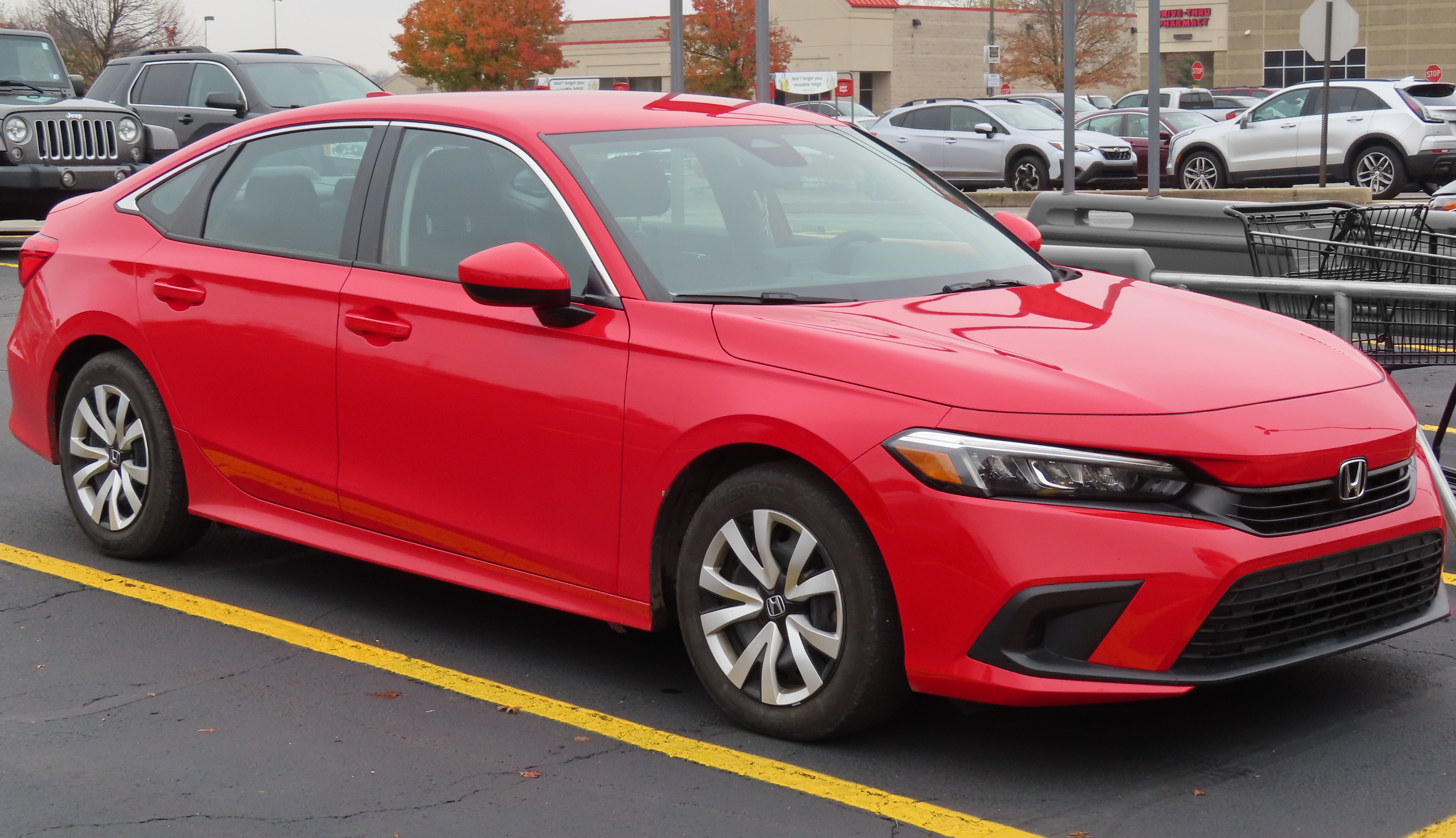
The Honda Civic is a small car that many people like because it's dependable and saves on gas. It's a great option for everyday driving and is often recommended for first-time car buyers.
Car
Honda That Honda
The Honda That's is a tiny car made for city driving, perfect for getting around in tight spaces. It's easy to park and saves on gas, making it a smart choice for city dwellers.
The Ford Maverick is a small pickup truck that is budget-friendly and comes with a hybrid option, making it good on gas. It's a newer model that appeals to those looking for a practical vehicle.
The Toyota Camry is a comfortable, family-friendly car that many people trust because it lasts a long time. It's a good choice if you're looking for a reliable vehicle that can handle daily driving.
The Toyota Grand Highlander is a bigger SUV that can fit more people and stuff, which is great for families. It's designed to be comfortable and useful for everyday driving or road trips.
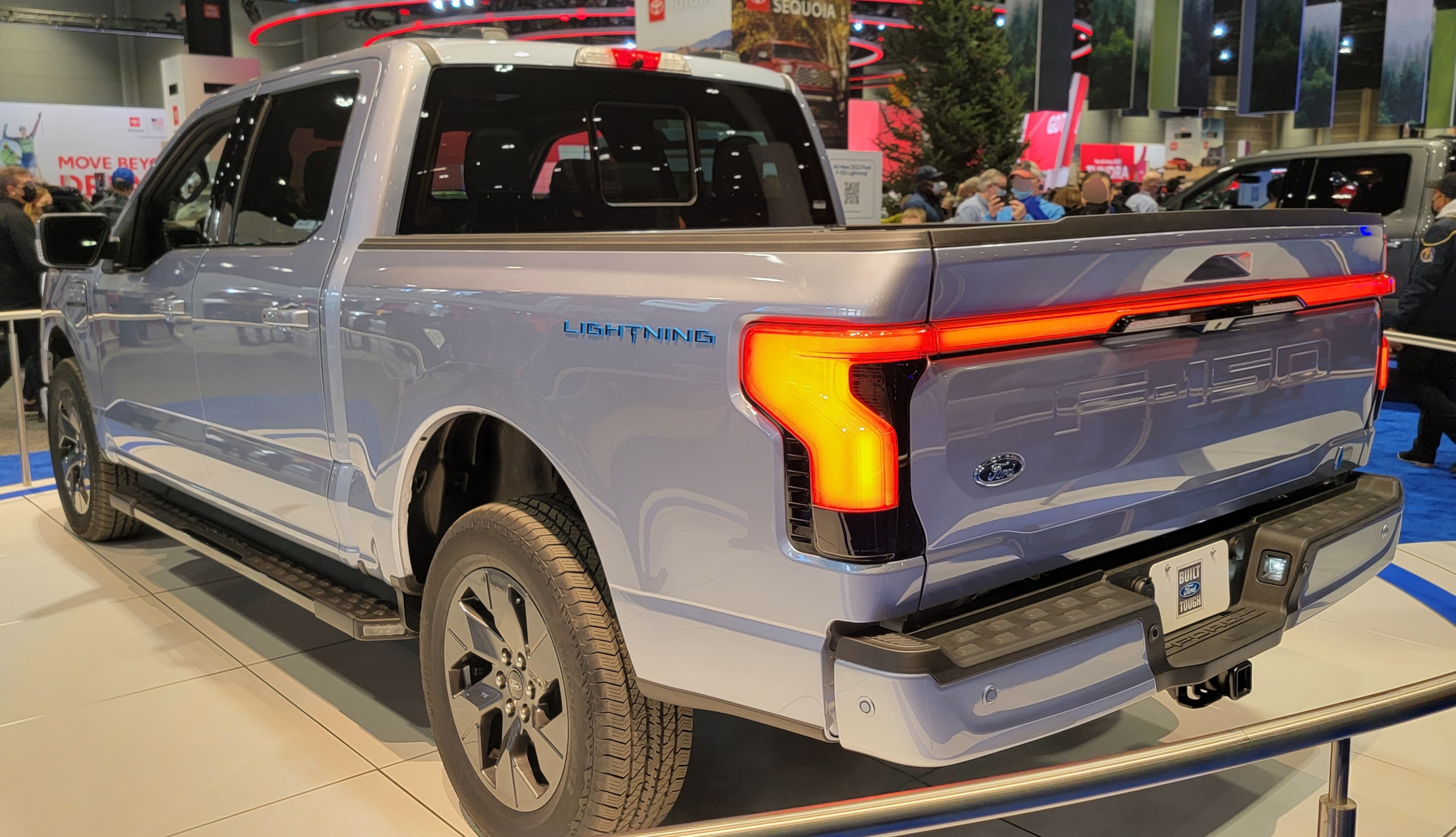
The Ford F-150 is a big truck that many people use for work or outdoor activities. It's known for being tough and able to carry heavy loads, making it a popular choice for those who need a reliable vehicle.
Buick is a brand of cars that are known for being comfortable and a bit luxurious. They are made in the United States and have been around for a long time.
The Honda Ridgeline is a pickup truck that drives more like a car, making it comfortable to ride in. It's useful for carrying things but might not be the best choice for heavy-duty towing.
Reliability means how well a car works over time without breaking down. It's important for people to know if a car will last and not have many problems.
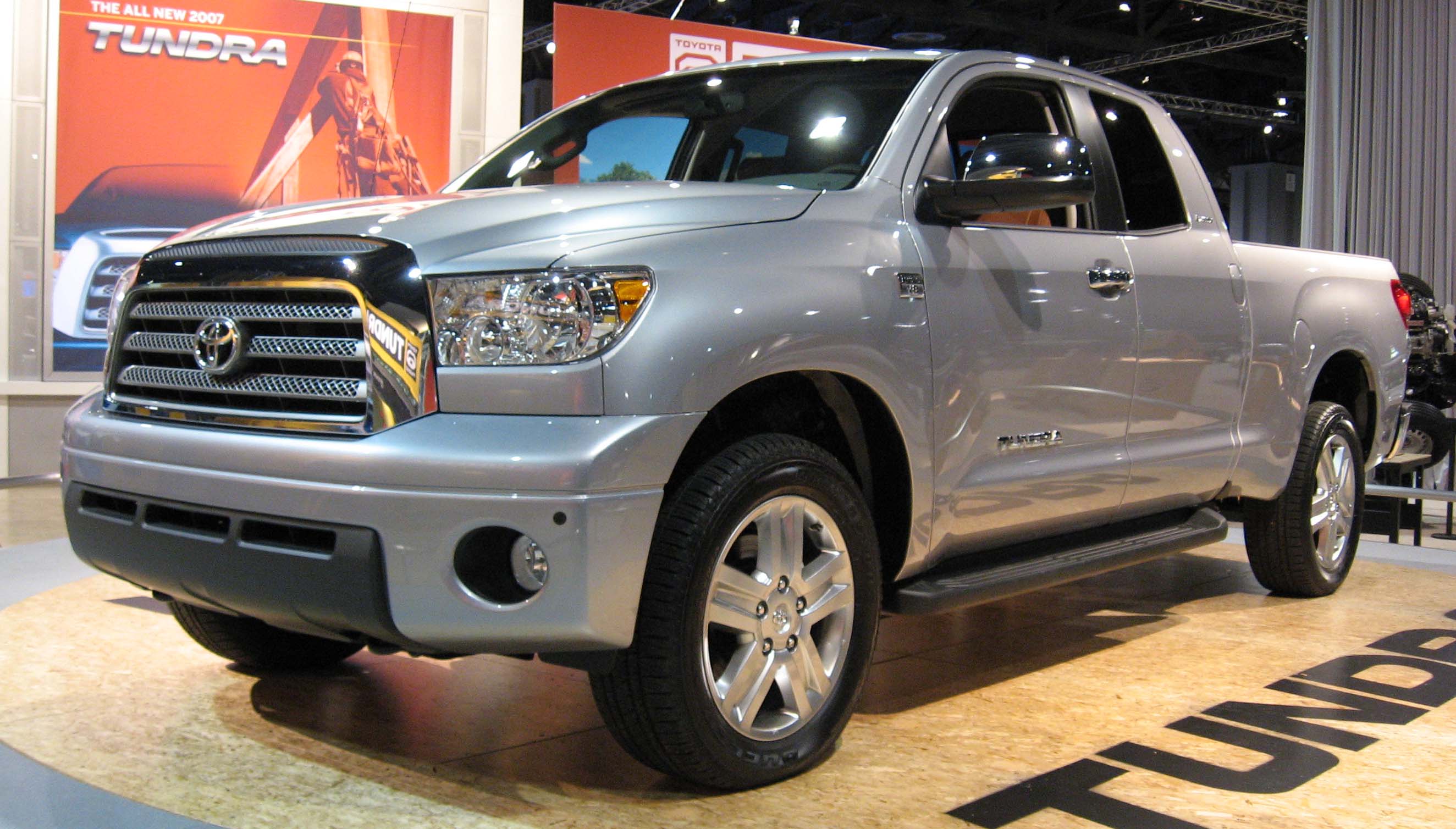
The Toyota Tundra is a large pickup truck made by Toyota. It's known for being dependable and good for off-road driving, but it hasn't been as reliable as it used to be recently.
The Chevrolet Corvette is a fast and stylish sports car that many people dream of owning. It's designed for speed and looks great, making it a favorite among car enthusiasts.
MSRP is the price that the car company suggests dealers sell the car for. It's like a guideline for how much you should expect to pay when buying a new car.
The Subaru Crosstrek is a small SUV that can handle off-road conditions and is available as a hybrid, which means it uses both gasoline and electric power for better fuel economy.
The Honda Accord is a slightly larger car than the Civic, known for being comfortable and having a lot of space. It also comes in different versions with more features.
A warranty is like a promise from the car company that they'll fix certain problems for free for a certain time. After that time is up, you have to pay for repairs yourself, which can be expensive.
Driver distraction happens when a driver is not fully focused on driving, like when they are trying to change the radio. This can make it more likely for accidents to happen.
LIVE
Hi, and welcome back. I'm Mike Quincy. I'm Alex and Isaac and I'm Jake Fisher. And today
we have a very special Talking Cars. I always say that. They're always special. But this
truly is special because we're going to be talking about Consumer Reports top picks.
That is the cream of the crop, the valedictorian of the class, the best of the best. These are
the cars that wowed us in our testing. And we're going to just jump right into it. Let's talk
about how we've had some some new faces, some repeat winners. Any surprises from you guys?
Yeah, well, I mean, for, you know, various reasons, something like the RAV4 not being on
there, right? Really, because there's a new one coming. And they tend to sell a lot of them.
Right, right. You know, we don't want to predict, but it's done pretty well in the past. So but
that's why you might see some vehicles kind of come and go, even though they might be otherwise
reliable and known to be, you know, pretty good vehicles as we just have intensity.
And also kind of like, let's talk a little bit about like top picks. And yes, they are the
cream of the crop. But but I think there's a whole lot of lists out there. And a lot of times
would you'll don't be confused by lists out there, because there are so many, everyone's got the
best this car of the year, whatever it is. Most of them are actually only about the ones that
came out this year. So so we're basically saying, you want to go out and buy a car. Here's your
choices. Not I want to buy a car that just happened to cloud in 2025 or something like that. So
we're looking at cars that may have been introduced a few years ago, but are great choices.
Right. They have some staying power. Yeah, that's a great point. And, you know, you mentioned
testing, but it's not just testing, right? It's our surveys and safety information. And it's
really a holistic look at these. These aren't the cars that we like driving the most necessarily.
Many of them are. But yes, but it's like we're also looking at safety and reliability and all
these other things that are really important when you're buying a car. And we're looking at these
scores. We're not just randomly picking. I like that car. So it's a topic. Right. That would be
so much easier. Can we start doing that? Can we? That would be awesome. And one of the things
that was that you can't ignore with this top picks is the electrification of this list. They're
all available as a hybrid or as a pure EV or plug-in hybrid. And that's certainly, you know,
showing a trend. Well, and I believe that's the first time ever. Right. We're like every
single one on the list is either a hybrid or an EV. Right. Or all three or plug-in hybrid,
regular hybrid or pure gas. Yeah. And to be clear, that was not a litmus test. Like we did not say
in order to be a topic, you have to be electrified. No, they just happen to be really good. Right.
And we're just looking at it. We don't care what's under the hood. We just want to know,
make sure it does good stuff and performs well. And talking about the evolution of not only
automotive production, but of our testing, as more and more vehicles were offered as a regular,
you know, an internal combustion engine and a hybrid. We kept seeing this pattern. It's like,
wow, the hybrid version is better. We kept seeing it, whether it's like the Tucson hybrid,
the Santa Fe hybrid, whatever, compared to the others. The Civic hybrid.
Wow, what a topic there. There's a segue. And, you know, not only is usually you're seeing an
improvement in fuel economy, but the rides sometimes get better. The noise levels get better.
Sometimes the handling gets better. So in the beginning, as we all know,
hybrids were just fuel economy. And now they're really well-rounded vehicles. Sure. Yeah, there's
usually little, if any, downside. The one downside. Yeah, maybe you get a car that has a CVT or
something similar instead of a more traditional transmission, which can impact the driving
experience a little, but it's usually cost, right? Is that some of a lot of these have some kind of
cost premium to go with the hybrid or plug-in hybrid. But traditional hybrids, I mean, in some
cases, like, you know, the NX, it's basically nothing, right? No price premium to go to the
regular hybrid anyway. And even when there is the price premium, I mean, even with, I mean, gas
prices in the United States are pretty low. I mean, globally, even with those low prices,
most of them pay off because they're not that much more expensive. And as we saw in the year and
kind of wrap up for 2025 Talking Cars podcast, a number of people at work here mentioned the
Civic Hybrid as their favorite vehicle of the year. And not to confuse the year and wrap up
with top picks, but let's dive into the Civic Hybrid a little bit because this is a vehicle
that isn't massively expensive, but it's so easy to live with, easy controls, really good, engaging
handling. Yeah, that's my favorite part. And the fuel economy, like, you know, we're talking about
44 miles per gallon overall. I mean, and feels powerful. Right. Feels really powerful. And it's
not dull to drive. Yeah, and it looks pretty good too. Easy controls, right? I don't know. It's
not the only car in the list that's like this, but you can drive the car spiritedly, we'll say,
and still get over 40 miles per gallon. You're not trying to hypermile this car and you're still
getting awesome fuel economy. So it's pretty cool to see. It's quite an interesting driving
experience. I mean, it's just like, yeah, it just feels like effortless power. You have a direct
connection from the electric motor to the wheels. You're not actually dealing with the transmission
in a traditional sense at all. And it makes it feel more like an EV in some ways. You're hearing
the engine at certain times, but you're not feeling it because it's most of the time not
actually powering the wheels. So it just creates this experience that's unique and great. So
so as long as just make sure we said it, I mean, so Civic is a new top pick this year.
And it is and it's not just the hybrid. And it's not just the hybrid. I mean, when we look at,
you know, top picks this year, we're really talking about at the model. So I mean, at the
model level, I mean, there's a lot of choices, right? I mean, you don't have to get the hybrid,
but hybrids are like a great choice. Most of us would. There's also the Civic Si,
which some of us would as well. I mean, what's really kind of crazy about it is the fact that
the hybrid matches the Si, like horsepower for horsepower, they're both 200. And I think more
torque out of it. Yeah, I never would have guessed that. Isn't that crazy? You know, and it's, it's
just no manual though, you got to get the Si for the manual, right? Exactly, which is a good reason
to get it. But again, it's fantastic. They still have that choice because that is extremely rare
these days to have that choice. And it's a fantastic manual transmission too. I would be
remiss if I didn't say that Honda and the Civic also, the seats are not awesome. It's not the
perfect car. Okay. And seats are a big deal. I think if Honda improved the seats just a little bit,
I would have zero complaints. Well, and this is one of these things where like, you know,
choose your own adventure. So you look at the model level, there's a lot of choices. So you get
a touring Civic, you know, it comes with leather. See if those seats fit you better. If you're buying
one, the Civic Si has, you know, more of these kind of bucket seats, you know, they're a little
different, a little bit better. So, so there's lots of, you know, ways to customize your choice
and lots of choices. And of course, the Type R has got different seats here.
Type R seat in the hybrid. You know, Jake, I don't see the Type R in these notes here.
John, we've got to test the Type R. Yeah. Make a note. Yes. Make that happen.
Gosh, if only like the director and the director of testing, we're sitting at this table right now.
I know. Anyhow. So, yeah, so, so hybrid is, is a really a strong theme and a topic that is prevalent
in the top picks. But I don't know about you guys, but I'm often asked, you know,
if I want to buy an American car, what do I buy? And, and not that we ever like make our top picks
list. It's not relevant to where the vehicle, the origin of the vehicle or the, you know,
we're mixing metaphors already, right? Because I mean, the question when people say like,
want to buy an American car, what do you mean by that? Which is always my response to that
question. Sure. But, but, you know, talking to super producer Dave Abrams, what do they'll kind
of look into, to, to the Americanization of, of the list. And, and we're looking at, at, at vehicles
that are either built in America or in the case of like the Ford Maverick, a Detroit
nameplate built in Mexico. You know, so, so you might make the, well, is that an American car?
Is that an American car? But I mean, you know, the, the, the civic hatchback and hatchback hybrids
in me, in Indiana, the Camrys in Georgetown, Kentucky. Again, people might not know this.
The Grand Highlander is in Princeton, Indiana. The X5, BMW X5, South Carolina. Oh yeah.
So Southern, Southern Germany or something. I don't know. But whatever. So, so I think, I think
it's interesting to note for our, for our viewers and listeners is that a lot of these vehicles
are built in the United States. And what's ironic is one of the few that's not built in the United
States is, is the Ford, Ford Maverick, right? I mean, the Ford F-150 is born in, you know,
Dearborn and Missouri, I think they make some, some there too. But, but it's, again, it's,
it's what you're after. A nameplate's really easy to figure out the nameplate. But I mean,
as we talked about before, I mean, we've tested Buick's that are made in China, you know, we've
tested the Lincoln's that are made in China. So it's, it's, it's really kind of murky.
It's a global industry. It is. And even if you think about the assembly, and we're talking assembly
points, you know, I mean, some of the components are coming from different places. So you might
have a car that's built in the United States, but the engine is imported. So it's. Yeah,
the transmission is imported. It's super murky. Right. Right. And talking cars advice to the
audiences, don't get wound up about this, because it's, it's, it's, we're in this global economy
and stuff comes from all over the place. Right. No, just try to find something that's reliable
and suit your needs. And so we're talking about Ford and the Maverick. And, and a lot of us really
liked the, that Maverick hybrid pickup truck. It's just the right size. It's really good.
And on, on with, with fuel, it's comfortable. But, but really, I think what stood out to me
in our top picks list is sort of the comeback story. That's Ford F-150. Yeah. That's a big deal
here. And while the, the, the, the last one we tested was the, was the hybrid model did
incredibly well in, in our testing. 600 mile cruising range, which talks to me like no other
car talks to me. Biggest thing. But, but it was let down by poor reliability. Yeah. But now with
our new reliability data, it got better. Right. Come back. Hybrid and the regular. Yeah. And
this is, and this is what we see. So I mean, it's been around for a while, right? I mean,
we're probably five years now into the slightest redesign. And we often see this, right? They
come out with a new redesign and it's got lots of cool new stuff. Right. And then there's reliability
issues. So a couple of years down the road, they work out the bugs. And, and this again,
goes back to what I was saying before. It's like, don't look at the list that say, here's the best
cars that came out this year. Right. Because those may not, those often are not the best choices.
You, the real sweet spot is the car that's been around for a while. They've worked out the bugs.
They're a little bit cheaper because they're not, I mean,
the latest and greatest and all the hype is on them and they kind of chill out and yeah.
Easier time even finding one. Exactly right. They're easier to find. They've worked out the
bugs. And yeah, it's a good choice. And a lot of people buy these. The F-150 is the first full-size
pickup truck that that that's scored high enough to be in our topics over for many years. I mean,
quite often, like, what's your best pickup truck? And it was often like the Honda Ridgeline, which
no disrespect to the Honda Ridgeline. We like the Honda Ridgeline. But if you're in the market
for a larger truck, you want to haul a lot of stuff, you want to tow a trailer or whatnot,
the Ridgeline can't always fit that bill. So listen, good on Ford for keeping at it
and improving it. And I'm sure that the people in Dear Border are going to be super excited.
Well, and the fact that Ford, I mean, again, Ford, they know pickup trucks. And I think you
could tell we got two top pick, two Ford pickup truck topics. And in looking at the reliability,
because I wanted to dive in a little bit deeper and looking at consumer reliability data and
the overall charts that we have for reliability at ConsumerReports.org is that the F-150 has
better reliability than the Toyota Tundra, which, you know, again, let's think about that.
Yeah. Toyota, generally, one of the more reliable automakers overall historically, right?
Well, I mean, the latest Tundra has not been following the Toyota trend, right? Well,
and I think this also is kind of like highlights like how much we appreciate, you know, our members
for filling out these surveys. Absolutely. Honestly, talking about the experience that they have,
I mean, it's not like they're like, I have a Toyota, must be good. No, they're they're
relaying all of the issues. And we see this, you know, I mean, they get a Toyota and they're
telling us they have problems. We have cars that people love. Rivian is a great example.
I love my Rivian, but let me tell you about some problems I've had. You know, it's just,
it's great data to work from that we could create these ratings from. And as you mentioned,
the honesty of Consumer Reports members. Yeah, it's critical. I love this vehicle,
but boy, it's been a problem. And telling stories that they have. It's fascinating.
And when you think about the F-150, you can really option these up. These can get really,
really expensive. And there are a number of expensive vehicles. Consumer Reports top picks
list. I mean, we're talking about, you know, the Lexus NX, the BMW X5, the Tesla Model Y.
Best of the best. But you don't have to spend a whole lot of money to get an excellent car. I
mean, the average price of new cars around $50,000. But let's talk about some of the more affordable
cars on our top picks list. Yeah, we did. We did talk about this. Let's dissect the word car.
Vehicle. Because it's true. I mean, it's funny. I mean, most cars are not cars
anymore, right? And we talk about, you know, Consumer Reports cars and talking cars. We're
mostly talking about SUVs. Yeah. And, you know, that's where most in the market is. But the truth
is there are still cars. And if you go look, there's some great ones and they're affordable. Yeah.
And they're reliable and they do a lot of good things. So we talked about the Civic, but the
Camry, I mean, that's been on the list countless times, right? And it kind of reminds me just
real quick story earlier this year. I got back into our Camry for the first time after we tested.
It's been months at that point. And we had some friends over at the house. They're like, oh,
what are you driving lately that you really like? And I was like, you see that Camry in the driveway?
And they were like, oh, they thought you were joking, right? Yeah, there's a disappointment.
They want you to say like, oh, the latest Corvette or something crazy, right? The Camry out there
is amazing. Yeah. And they were disappointed at that answer. But it's the real answer.
It's fantastic. $29,000 to $37,000 for a Camry.
So that's that again, in the perspective of $50,000 for an average person in a car,
that's pretty cool. You remember the ad campaign years ago, or it's like, this is not your father's
ultimate wheel or whatever. You know, I feel like I always think about Camry because it's like,
this is not the 20 year old Camry that you have, you know, 400,000 miles on. I mean,
yeah, they actually steer well. I mean, they actually are not bad driving cars. And, you know,
yeah, they're all hybrid. And yeah, you could get four wheel drive and all these things. I mean,
it's a large vehicle that's unbelievably efficient. That's kind of light on the street.
Yeah. As I've mentioned a number of times on this podcast, I sometimes get SUV overload. I want to
get into a car, a car car, a sedan. And driving, signing out the Camry was always a pleasure to
me. We all have to spend time in cars testing them and getting to know them. And some speak to
us more than others. The ones that don't really speak to you, you don't really care for that much,
you're like, well, I still got to drive it. I still got to know about it. I never felt that way
when I got into the Camry. I'm like, I'm lucky to drive this because it is so nice. And they're
not, I mean, even if you're carrying, you know, a couple of people, it's like,
it's so roomy and comfortable. And even the Civic, you know, I mean, it's hard. You can't
even call it a small car. We call it a small car, but it's the size of a 20 year old Camry. I mean,
it is so roomy. It's not the size of the Civic that I drove in the 80s. Exactly. But speaking
of small, I mean, the Subaru Crosstrek, 26,000 to 34,000. Again, available as a hybrid. You want
a new car, you want the new car warranty, the new car smell, that whole thing. That's a pretty good
entry point. The Subaru Forester, which we've talked about endlessly on this podcast,
29 to $43,000. And now available as a hybrid. I was totally wowed by the hybrid version of the
Forester. I got to tell you, I thought there was so much value here. It's pretty comfortable. It's
pretty quiet. Another example where hybridization just makes the just an already great car even
better. Yep. We did touch on the Ford Maverick just for knowledge here, 28 to $41,000. Again,
falling under the $50,000 mark. So while we have some luxury models, very nice and worthy luxury
models, you don't have to break the bank to get a top pick. And we kind of touched on what makes
a top pick. Really good performance, great survey information, safety features, good crash test
results and whatnot. And so when you wrap all this up, if you had to take one of our top picks,
drive off into the sunset, it's your everyday car. Oh my gosh. Which one's it going to be?
I mean, that X5 plug-in hybrid is pretty nice, but maybe a Maverick. Honestly, this is more useful.
Okay. You get the bed, but regular hybrid. Regular hybrid. No, hybrid for sure. Okay. I was,
I thought, especially now that you can get hybrid with all wheel drive. Right. I'd probably do that.
Right. But I don't know. It's tough. These are all good. Right. That's the problem. Yes. Mr.
Jake. I already made my choice. Right. I got a red Civic Si in the driveway and the teen boys are
driving it and now are quite confident at driving sticks. Okay. Well, it's not necessarily a dying,
well, it is a dying breed. It is. Which is too bad. And I'd just say that I was really conflicted
between the Forester hybrid and the NX because both, for me, both of those vehicles are well-sized.
I don't want a huge three-row thing. I want some utility. I want just a touch of ground clearance.
I don't want the Toyota Grand Highlander, which is also a top pick. It's just too big for you.
And I think I'm going with the Lexus NX just because, in case you haven't noticed,
I've got some gray hair on me. As I'm getting older, I just want a nicer cabin. I want nicer seats.
Sure. I want more sound insulation. I want to be coddled a little bit, I suppose.
Deserve it. Well, yeah. Don't I now. But I struggled between those
and the Civic Hybrid because, again, if the seats in the Civic Hybrid were just a touch better,
maybe a little lumbar support, it might have pushed it to my top. I mean, another choice,
a lot of these, again, it's like the high-trim versions of those non-luxury vehicles are really
compelling. Top-of-the-line Camry is going to be top-of-the-line Camry, top-of-the-line Forester.
You do get nicer seats and nicer finish and stuff like that. And it makes it kind of,
you're almost hard-pressed on what the practical reason is to get the luxury version.
And that actually would make kind of an interesting topic for discussion. Would you rather have
the top-of-the-line Civic or the bottom-of-the-line Accord? Oh, within. Oh, you went there.
I was going to go like the Acura. Okay. Okay. And then that's an easy choice,
the Civic for me. Do you want the Civic or the, you know, a Civic Touring or an Integra,
the basic. Right. I still probably go Civic. I mean, especially because the size difference
isn't that great. Well, here's another interesting thing, you know, what you get when you get a
top pick. Generally, you know, these are cars that are going to be, you know, reliable and sought
after. And generally, what you're also going to get is good resale value because these are
cars that are going to last a long time. So when you go to sell it five, seven years down the road,
it's still got a lot of life left in it. And when you talk about the luxury vehicles, they don't
have the same resale value. So to that point, like, you know, again, I'm looking at, you know,
use of SSIs, you could sell for almost what you bought because then it make a whole lot of them
or whatever, but like the Acura's, they do depreciate more. Yeah. So I should buy a two-year-old
Lexus NX. I'm really hanging on. You said the SI is a dying breed. And I think us here and the
whole Talking Cars audience, we could really turn that around if we just all bought Civic SI.
I mean, we had that semi-depressing meeting with Volkswagen when we were talking about the GTI
and they dropped the manual transmission. One of the executives looked at me. It's like,
if you can convince 10,000 people to buy it, then we'll make it.
It's like a GoFundMe manual, right? I don't know. I changed my answer from before.
Oh, you're not allowed. It was locked down already.
I was going to borrow your Maverick, so I didn't have to have a nail truck.
It's like you're getting a pretty final answer. You were locked in.
Well, you get a Maverick and a Civic for the price of that X5 I mentioned.
Yeah, that's true. How's that?
You had the courage, I guess, to mention the X5. And I was thinking,
Alex knows how much these things cost when the warranty's over, right?
That is the most frightening thing we're going to talk about that long.
Well, you didn't say to keep it about leasing. Yeah, it could lease something like that.
I said, you're going to drive off in the sunset. Let's just say you got to drive this car every
day for whatever, but yeah. Changing the rules.
Right. Yeah, I guess it was a little vague about that.
I think right as I get over the fries and park it, get out and...
Well, you could talk about buying a luxury car, use a luxury car because the values drop pretty
quick. That might be your case with the X5.
Sure, but I mean, it's kind of bucking that trend a little bit in terms of reliability,
right? Especially the some of these newer BMWs just...
Yep.
You know, and yes, by and large, the luxury models do depreciate more,
but I think the trend will be less.
Well, and it's not even just like the reliability of the X5, it's when it's out of warranty.
The cost of ownership.
Cost of ownership, just servicing.
You know, I mean, a set of brakes for the X5 is going to be very different
for than the Maverick.
Oh, yeah, right, right.
Oh, yeah.
And all of these top picks are on consumerreports.org.
And speaking of consumerreports.org, we were talking about the improvements that we've made
to our website and some of the information that's newly available.
And Jake, if you could, let's just talk a little bit about our new safety verdict.
So safety is really confusing. There's so much safety information, right?
It's a four-star this, top safety pick, plus this.
It's got all these pieces of equipment.
And if you look at, like, you know, the automakers, it's like, oh, it's got laying this
and laying that and whatnot.
It's really hard to figure out, like, what really makes the difference.
So we kind of looked at all this information.
So Emily Thomas, the head of out of safety.
She kind of like, you know, started to just laid out everything.
What's really making a difference?
Talking with other, you know, organizations like the Interest Institute of Highway Safety,
looking at data, what are the things that are actually saving lives?
Making a difference.
Making a difference.
Because it's a lot of, it's so hard to figure out too, because it's like,
there's so much stuff that sounds good, but it really doesn't help you.
There's stuff that really does make a difference.
So basically we kind of looked at all those things and kind of organized all the cars
and kind of like basic, better and best.
And which cars are in the best category are the ones that have the safety equipment,
have the crash tests, have all the things that really do make a difference.
So on our site now, if you look at each one of the cars, you don't just have the laundry list.
What you have is kind of like this quick of like, yeah, this car, it's got all the good stuff,
you know, and that's roughly like 20% of the cars.
Like they really are, they have the crash, you know, protection, they have the equipment.
And then if it's not in that, we lay out very simply like, it's missing this and that.
And we let you know what this car is lacking.
It might be, it doesn't do well on crash tests.
It might be that doesn't have standard safety equipment that's really going to save your butt.
And we just try to really simplify it.
So I invite people to take a look and look at it through that lens,
because we're trying to digest all this information for you.
So you're not just left with a laundry list.
Consumer Reports has a long history of advocating safety, always buy.
The most safety you can afford is what we've said for years and years and years.
I love that it includes a lot of aspects of our testing, right?
Like there's the equipment and there's the crash tests that I just does.
But we're also talking about breaking performance that we do here at CR
and some other factors too that really giving a holistic view.
Well, and one thing that maybe a lot of people don't think about,
like, I mean, I think there's so much almost this old school way of like,
hey, the safe car is the biggest one, right?
But we find a lot of those big cars, they don't stop very well,
they don't go around corners very well, and that's a safety issue.
Or maybe they're more prone to rollover.
The other aspect we're having to be surprising to a lot of people
is they say, like, oh, let me get a Mercedes Benz because they're really safe.
We may not say that's the safest car because the controls are so complex and distracting.
I'm glad you brought that up.
That you might be very distracted while you're driving,
just doing simple things, trying to change the radio station or something like that,
can be a safety issue.
So it's a different lens, I think, than generally people think about
when they were like, more metal, more better.
To bring up controls and to kind of group them together as a safety issue is super,
super important because it's not, bad controls, it's not like anti-lock brakes or stability
control. No, it's you're taking your focus away from your driving.
Yeah, it's beyond a nuance.
And we hear this from consumers all the time, and they're looking, I don't even buy a new car
because it's got this giant touchscreen that has everything, and it's not good.
And it may have showroom appeal, it looks futuristic.
We hear this all the time from consumers, but again, it's not just annoying.
It's safety.
So the audience, please go to ConsumerForce.org, look up the new safety verdict.
You'll learn a lot.
Years ago, the word was always like, oh, Volvo is the safety card.
Again, Jake, you probably think I'm sucking up, but he actually really did say these things.
Someone's listening to me.
Both of these things can be true.
Your kids wouldn't believe you're right, and you have so much vision.
But you said, there's a lot of companies that do just as much or more safety than Volvo,
and that isn't disrespecting Volvo.
But you pointed out that Volvo shouldn't have the only blue ribbon for safety.
Right, right.
Quince, if you don't mind, Jake, you're talking about maybe not wanting to buy a new car,
and then we're talking about price and giant screens and things like that.
I'd also like to mention use car top picks that goes up at the same time, right?
I mean, yes, this top picks list is new car specifically, but more and more are people
looking for use cars, and rightfully so, right?
This $50,000 transaction price we're talking about.
And there's tremendous value to be had in certified pre-owned cars and things like that.
At the same time, go on our site, cr.org, and look for the use car top picks as well,
because that's really good information.
You'll still read about reliability and how it did in certain tests and whatnot,
but yeah, it can really help whittle down your use car shopping too.
And while these new car top picks are the new car top picks for 2026,
and they hang around for a year, the use car top picks we change every month because
use car prices change quite often. New car prices not so much.
Exactly. Yep.
We've got the full list including videos and all of our coverage.
Go to consumerreports.org and check it out.
And now this is the great time of our podcast when we talk about audience questions.
We love your questions.
Text 30-second videos.
Just go to cr.org slash talkingcars.
That's cr.org slash talkingcars.
And if we use your question on the podcast, we'll send you a free t-shirt, some auto test swag,
something we've got locked away in a closet somewhere.
So keep those questions coming.
And we've got one from Kamal who writes,
just wondering if you have any advice on how to buy a car
that is too far away to look at in person.
And Alex, I'm going to turn to you to give Kamal some expert advice.
First of all, if you're buying a new car, that's easier, right?
In the sense of they're by and large all the same.
So you could go test drive one locally,
even though you might be looking to purchase one that's at a different dealership.
But I'm assuming you're talking about used.
And this is definitely becoming more popular, trying to buy cars online,
whether it's an auction site or just looking at listings online.
And I think I'd be remiss to not say first go to cr.org
and pick something that's reliable, right?
So that you have the best chance of getting something.
In fact, you'd be in trouble if you didn't say that.
No, but I think, yeah, you're going to have the best
chances of ending up with a car that's going to serve you.
Well, if you start with something that is maybe a used car topic,
for example, or something that is reliable, right?
So start there.
But I think really after that, it's really about just getting
thorough documentation, whether it's about the service life of the vehicle,
where did it come from?
Where is it now?
Get pictures, videos, as much information that you can get.
See the car running.
And also, I think, remember too, that at this point,
you're almost buying, in a sense, the ownership history,
just as much as you are the car itself.
So you talk with the person who's selling the car,
try to understand whether it was well taken care of and all that stuff.
Do you have receipts of all the work you've done?
Yeah.
And can you scan it and email it to me?
Right.
And they might not.
And at that point, you're kind of left up to make a decision on whether,
how important that is to you and all that.
But things like car facts are always helpful to try to understand
the history of the car as best you can.
But yeah, it's really, I think, documentation.
And if the person is not answering questions about the vehicle
in a way that seems truthful, or they're trying to hide something,
just there's so many used cars out there, don't get too attached to something.
If the person that you're potentially buying it from
is not being as forthcoming as you'd like.
What about using your network?
Maybe you have friends through social media, cousins, aunts, uncles, whatever,
that might be in that neck of the woods.
And either they look at it for you, or can you ask,
do you know a trusted mechanic that could maybe put it up on the lift
and look underneath it?
Especially if it's at a dealership, that would be particularly not easy,
but doable, right?
If it's like a private seller that becomes a little more difficult, perhaps.
But yeah, that's a good thought.
I was wondering if that was kind of a red flag if somebody,
if a seller, a private seller didn't want you to take it to a dealer.
I don't know if you guys have horror stories about buying used cars or not.
Uh, no, not really.
I haven't bought too, too many, but I've never bought one online quite like that
without seeing it in person.
That is, yeah, good luck to Kamal.
Hopefully, hopefully it works out.
Alex, Niza, Jake Fisher, coming through like the red is due.
Great job, guys.
What is the red is due part?
The rent is due.
Oh, I heard red is due.
Coming through like the rent is due.
I heard red is due.
Coming through like the rent is due.
I thought it was like red due.
Oh, geez.
Well, that'll about do it for this episode, which was conducted by
Super Producer Dave Abrams and edited by Andrew.
I still play hockey Belize as well as Anatoly, the great Shumsky.
As always, check the show notes for more information on the vehicles
and topics that we discussed as a reminder.
Please keep your questions coming.
Go to cr.org slash talking cars and good news.
Your favorite podcast talking cars is going to be broadcast weekly.
So that is great for the audience.
Great for us because we love doing this.
A little bit more work for the video, guys, but we can't thank you,
the audience enough for being such loyal and passionate followers.
Thanks so much for tuning in and we'll see you next week.
About this episode
Consumer Reports reveals its top picks for 2026, highlighting vehicles that excelled in testing for reliability, safety, and performance. The discussion includes notable absences like the RAV4 and the emergence of hybrids and EVs as top choices. The Civic Hybrid stands out for its impressive fuel economy and engaging driving experience, while the Ford F-150 makes a comeback in reliability. The hosts emphasize the importance of considering vehicles with proven track records rather than just new releases, making this episode a deep dive into the best options available today.
Shopping for a new car? Consumer Reports' Top Picks highlight the best cars, SUVs, and trucks you can buy right now—standouts for performance, reliability, owner satisfaction, and safety. In this episode, we break down this year's winners across key segments, from sedans and small SUVs to three-row SUVs, featuring brands like Toyota, Honda, Ford, Tesla, BMW, Lexus, and Subaru.
SHOW NOTES
-----------------------------------
00:00 - Introduction
00:15 - 2026 Top Picks
23:57 - Safety Verdict
29:27 - Question: What's the best way to buy a car located too far away to inspect in person?