A massive, famous car show and cruise that happens every summer near Detroit, where over a million people gather to watch thousands of classic and cool cars drive by.
A successful business executive who used to design accessories for Mercedes-Benz and now runs a division at Fox Factory, a company famous for off-road suspension.
The Chevrolet Corvette is a famous American two-seat sports car made by General Motors. The newest versions have the engine placed in the middle of the car behind the seats, which helps it balance and turn very well. It is designed for high-speed driving and sporty performance.
A mid-sized pickup truck made by Chevrolet. The Z71 is a special version designed for off-roading, but early models of this new design had some computer glitches that drained the battery.
An exotic Italian sports car built in the mid-2000s. It is highly sought after by collectors because it represents one of the last eras of raw, analog Ferrari supercars.
A sleek Italian sports car from the early 2000s with its engine placed in the middle of the car for better handling. It makes a beautiful, screaming engine sound.
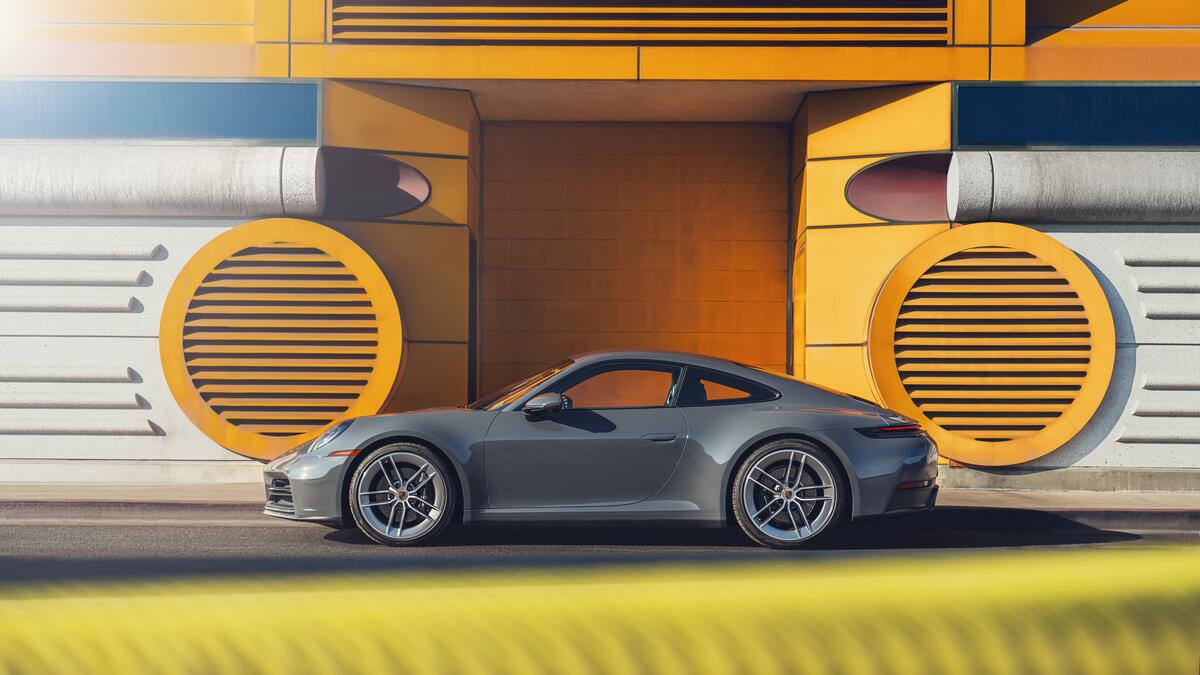
The absolute fastest, most extreme version of the Porsche 911 you can buy. It is built almost entirely for racing on a track, with massive power and lightweight parts.
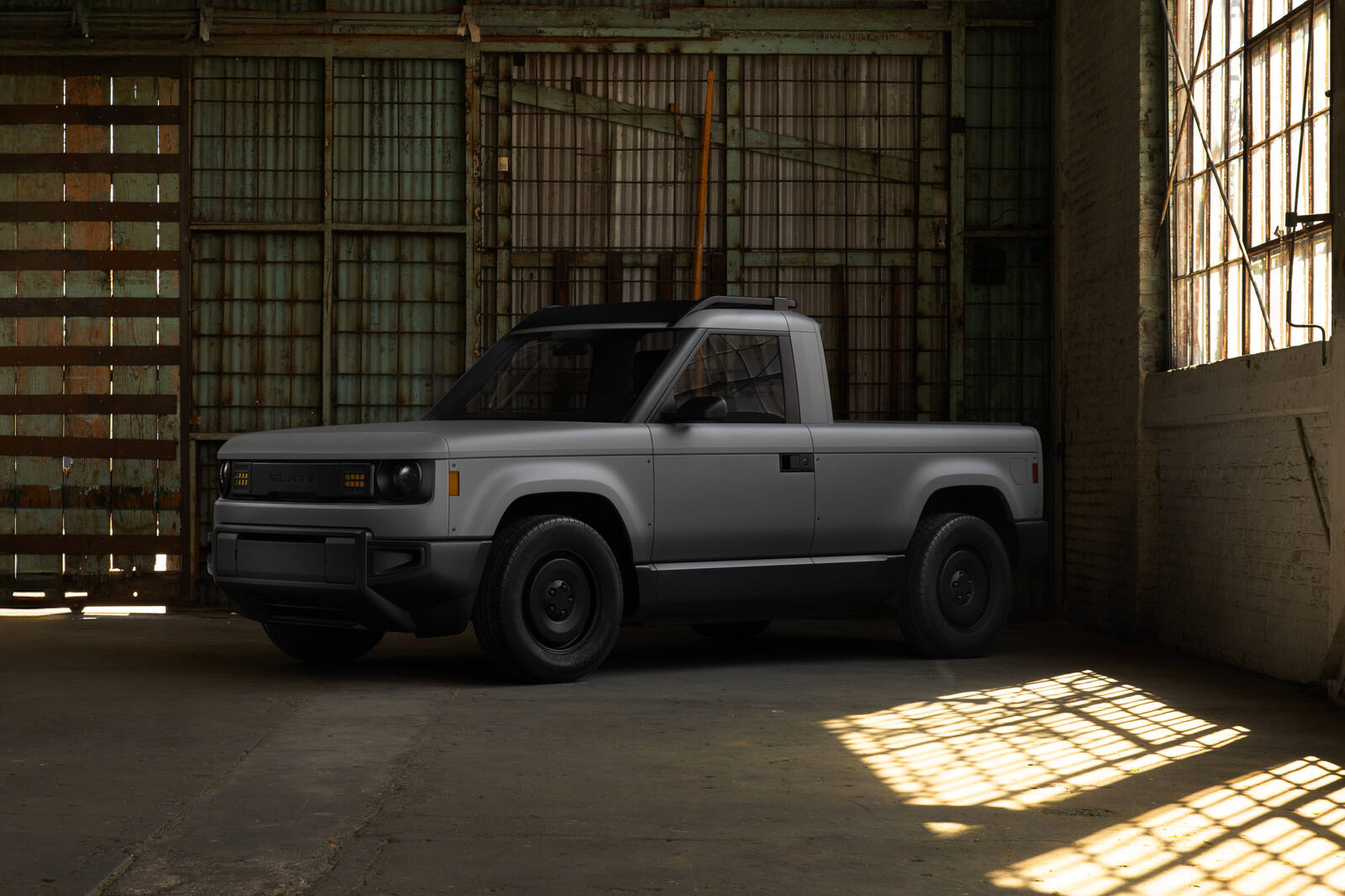
A truck is a large vehicle with an open cargo bed in the back used for carrying heavy items, towing trailers, or working. While they used to be simple work vehicles, modern trucks have comfortable interiors like luxury cars and are increasingly available with electric motors.
The ultimate 'king of the hill' version of the Corvette. It is incredibly fast, expensive, and hard to get because Chevrolet only makes a limited number of them.
A classic, boxy SUV from the 1960s and 70s built to go off-road. They are incredibly popular today for custom restorations that cost hundreds of thousands of dollars.
The Chevrolet Chevelle is a classic American car that was manufactured in the 1960s and 1970s. It is famous for being a 'muscle car,' meaning it has a large, powerful engine and a loud, retro design. Many people today buy them to restore them to look brand new.
The Ford Mustang is a sporty, two-door car made by Ford that has been popular for over sixty years. It is known for its aggressive look, loud engine sound, and fast acceleration. It comes in both hardtop coupe and convertible styles.
The Pontiac Solstice is a small, two-seat convertible sports car made in the late 2000s. It was designed to be a fun, affordable car for driving with the top down on sunny days. The brand that made it, Pontiac, is no longer in business.
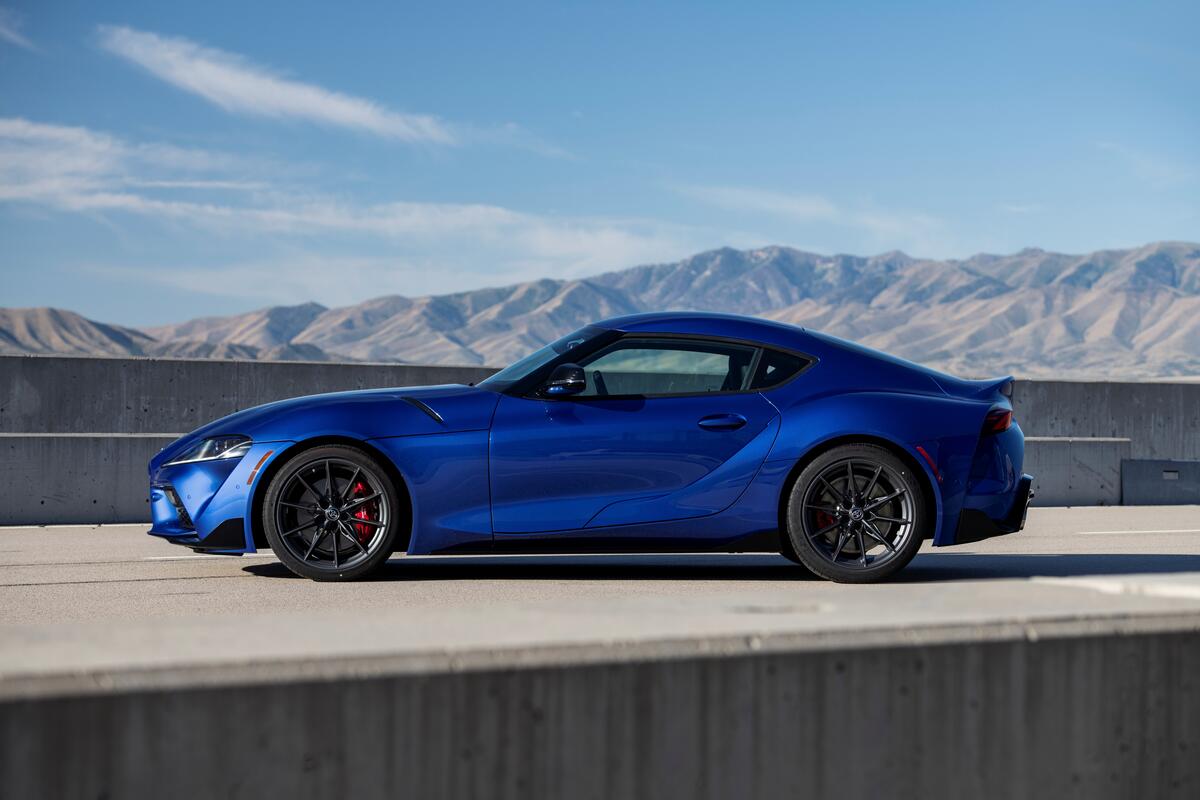
The Toyota Supra is a fast, two-door sports car built by Toyota in a partnership with BMW. It is designed for quick acceleration and sharp handling around corners. It is very popular among people who like to modify and tune cars for extra performance.
LIVE
Truck started to act like it had a hesitation on it.
The next day, my poor wife drove to the grocery store
and dash started flashing.
The emergency parking brakes came on
and the truck was completely locked up,
incapable of moving forward or backwards.
Even the tow truck driver had to do some tricks
to get the thing loaded.
So anyways, right now it's like a week or two away
from warranty, it's bricked.
And when I went to check on it after three days
at the dealership yesterday,
the only thing that was exciting was the new wheel casters
that GM has to move all these bricked vehicles around.
Which I didn't take this as an epidemic
until I started looking into it.
And so the headliner today is that
in the first half of 2026,
the automotive industry has 21.7 million vehicles.
Let me say it again.
21.7 million vehicles have been recalled.
And that's up from, it's doubled from last year,
which was 10.7.
So we're seeing this two acts recall phenomenon
going on in the industry.
Welcome to the automotive advantage.
Grow your business and get smarter in just one hour.
You better hurry up, I keep adding notes
for us to talk about, this just keeps getting longer.
I'm ready, it's recording.
Theoretically, all of the systems are working.
Last week we had a little hiccup.
Everybody who watched that noticed, commented.
I was slightly out of focus,
not all the way out of focus, but slightly.
And your mic didn't work.
So it wasn't a great week, but I think it was a good pod.
So this week, we're back on track.
Welcome back to the automotive advantage.
We got a lot of work to do today.
Justin, are you ready?
I agree, we do a lot of work to do today.
This is gonna kind of be a lot of ranting.
It seems like I did breed your notes
because you printed out a second set for me
and made me read them before the pod.
And sounds like it's just you complaining
about a bunch of things that have happened to you recently.
I'm not happy with the auto industry right now, Justin.
So we're gonna go through that,
but there's a lot of lessons to be learned,
a lot of business lessons.
So it's not just about me, it might be a little bit about me.
So we're gonna dive into what's going on
in my daily driver situation.
And then I've got a section I wanna talk about,
the one we've been talking about teasing is lessons
from other industries that we can learn
for the auto industry.
We're gonna talk about some things that we see out there.
I've got a deli meat business lesson
that we're gonna bring in here
that's very relevant to the auto industry.
Of course.
So that's coming.
Somehow it's already the end of the first half
and we've got Woodward Dream Cruise coming up.
So I've got some prep notes.
And then funny thing happened after HPX.
I've had a whole bunch of future clients come to me
and I thought it might be fun for you and I to go through
how do you bring in new clients?
What's your process?
I'd like to learn what you do.
And I'm gonna maybe share some secrets
of things that I do.
So with that, Justin, I thought,
you wanna talk about a little bit
what happened last week with the setup?
I know you just buzzed through it,
but for the creatives out there,
what happened?
Well, normally if you're gonna produce something
and put it on the internet
and then share it with the entire industry,
you would have like a producer
or you would have like a camera team
or like a audio guy or something.
We don't have any of that, it's just you and me.
So last week we had disassembled some of the stuff
to take it on the road
and then I put it back together.
And then yeah, it just wasn't set up perfectly.
That camera you have to manually focus
every time you use it.
And it was a little bit back focused.
Hopefully it's not now.
This camera over here,
kind of a bad design to be honest.
There's 23 and a half millimeter audio ports.
One of them is for your headphones
and one of them is for the microphone.
And if you plug the microphone into the headphone port,
what happens?
It just does nothing, no surprise.
Luckily it did go back to its regular mic.
So you didn't sound great, but it was usable.
I think every creative, definitely in the video space
has done the dreaded, you're doing a recording
and then at the end you hit stop
and then the record light comes on
cause you weren't recording at all.
Or you think you're recording and you're not
or you think the audio is working and it's not.
This is why on a real production,
you have all these people.
Checking. Yeah.
And I think we're gonna see this theme later
in our conversation.
But a lot of the times people like,
do we really need a sound guy?
Do we really need a, do we have to do that?
That sounds expensive.
Like, yeah, it's for a reason, okay?
You can make these things trimmed down
and we specialize in being really nimble and small
but sometimes having an extra set of eyes would help.
So anyway, that's what happened,
but we're moving past it.
And the board is back and it says back on track.
And the board is back
and now we're gonna keep updating the board.
Were you gonna be more like how it was at the start
before we got all discombobulated?
We have had a busy season.
That's what we talked about last week.
So that's understandable.
All right, some of the comments we got immediately
and the board is relevant because
that had the sacred cow picture on it
that everybody is still looking for their merch.
I mean, you got a sweet little driveline studios hat on.
Can we get a couple of those with just the sacred cow logo?
What do you think?
See, we could teach people about building anticipation
for a brand here.
You don't wanna drop the merch right away
because then everyone would have it.
We're probably a little past where you'd wanna be
on building anticipation
versus people just getting frustrated
that we don't have merch.
But yeah, we need to do a lot of merch actually.
Driveline needs new merch.
Mic Drop needs some merch.
A lot of our clients are redoing merch
for fall drops and stuff, et cetera.
And then automotive advantage merch.
So more to come.
Stay tuned on the website though.
That's where it would land.
Good.
Some website business, excuse me,
some podcast business that'll end up on the website.
We got some guests lined up that are killer.
I know people like it when we tease a little bit,
but Woodward's come in,
which also means there's gonna be a lot of folks
that come into Detroit maybe once or twice a year.
We're gonna grab a few.
One of them is Rich Weber of the new GM
and vice president at Fox Factory.
Vehicles, Rich built a multi-billion dollar
accessories company at Mercedes.
And now he's doing the same thing with Fox Factory.
That'll be interesting.
Elizabeth McGee from Spring Mountain
who handles all the membership
for the Spring Mountain drivers experience
and all the Corvette drivers that go out there.
She's a super interesting person.
She's gonna be stopping in.
I got a date for that in August.
Jim Abraham from SMG Global.
He's actually your neighbor here in Pontiac.
He has one of the fourth floor, fifth floor offices
in one of the neighboring buildings.
Jim's got a multi-million dollar accessories business
that he works here in Detroit.
He'll be super interesting.
And I think we'll have our first OEM guest, Jim Bell,
from Kia is making plans to come see us.
So all of that and the normal Woodward Dream Cruise craziness.
Should we have Galimi back on here?
Do you think?
Do an annual with him?
We could do a Mike Galimi update for sure.
I'd like to know what's going on in the world of print
and websites and all that stuff.
Obviously, when you have the event stuff is crushing it.
Ron Malin from Vengeance Racing will also be in town
in August.
So definitely get him on the pod.
They're celebrating their 20th anniversary
as I think they were hit immediately
and they've grown that brand into something huge
mainstay in the industry.
So we get to get some perspective
from someone who's been doing it that long.
So Ron will be in town and who knows who else?
I mean, there's a lot going on there.
We do need to have Tom Zelensky on as well.
He was here the other day.
So want to get him on, talk about events,
talk about all that stuff as well.
So yeah, lots to come on the pod side.
Good, love it.
All right, you ready to get into why I'm so salty today?
Yeah, I'm ready.
I also, I do want to know if I was a little low energy
last pod I felt in the edit, felt like I was a little down.
People were texting me about my vitamin D levels.
Oh no.
So I got to go get them checked.
I got to get them rechecked.
I think I'm good.
I think last time I was just worn out
from two plus weeks on the road.
But now that we're ranting, I'm in.
So energy's way back up.
So I'm ready.
Also have your lead levels checked foreshadow
and we're going to be talking about firearms today.
Oh, okay.
Actually, a spoiler alert.
I was just on the recoil team call
and the next issue of concealment
has a whole section about lead poisoning
that happens from shooting a bunch of firearms,
especially with suppressors now.
Two of the guys on the team have had elevated lead levels
recently and how they work through that,
what the remediation looks like.
So go read that if you're interested.
I didn't know that.
That's a pretty timely, good stuff.
All right, here it goes.
In 2023, I bought a brand new Colorado.
Here we go.
It was the new design, Z71.
Nice four wheel drive because Michigan.
I've got fun cars.
This is the daily driver.
Okay, and as you know, Justin,
what's our golden rule about daily drivers?
Oh, what is it?
You never modify your daily driver.
That's the golden rule.
That's not true at all.
That's absolutely not true.
That might be your rule and it's not working out for you.
So maybe...
Maybe I should modify it.
All right, anyways, so 23, maybe mistake number one,
it was a brand new vehicle.
So it doesn't have a year or multiple years
on the platform, brand new vehicle.
Immediately had electronic architectural issues
that left me stranded at the airport once
and then had multiple problems getting it fixed.
But it chugged along and got to be where
it was a relatively enjoyable vehicle for three years.
It's now got under 18,000 miles on it.
Again, we have very complicated vehicles.
We have very heavy vehicles.
They're supposed to be safer.
All this adds complexity.
And one of the front facing cameras,
which controls the safety systems
and crash avoidance went out.
It was fixed, the truck was fine for about two days.
And then it came back on and then the truck started
to act like it had a hesitation on it.
The next day, my poor wife drove to the grocery store
and dash started flashing.
The emergency parking brakes came on
and the truck was completely locked up
incapable of moving forward or backwards.
Even the tow truck driver had to do some tricks
to get the thing loaded.
So anyways, right now it's like a week or two away
from warranty, it's bricked.
And when I went to check on it after three days
at the dealership yesterday, the only thing
that was exciting was the new wheel casters
that GM has to move all these brick vehicles around.
Which I didn't take this as an epidemic
until I started looking into it.
And so the headliner today is that
in the first half of 2026,
the automotive industry has 21.7 million vehicles.
Let me say it again.
21.7 million vehicles have been recalled.
And that's up from, it's doubled from last year
which was 10.7.
So we're seeing this two acts recall phenomenon
going on in the industry.
There's a bunch of details we can dive into it.
But it got me really thinking about
what in the heck is going on.
But I'll pause.
I wanna give you some theories about how we got here.
But I think you have seen this also across the industry
with our friends that we're just seeing cars
that are brand new basically, not be reliable at all.
Yeah, and I think originally we were like,
oh, it's COVID, these things were made in COVID.
And of course they would be bad
cause people weren't in the office or whatever.
But now they're back in the office and it should be fine.
But I think it's a much bigger problem than that.
You and I have talked about this for years
but this idea that you don't need anyone senior
to work at a company.
You don't need any tribal knowledge or best practices.
Everything is just a startup relying on suppliers
or something like that.
And just speed to market and like who cares,
we'll just get it out, it'll be fine.
That is I think the underlying issue.
You don't go from 10 million recalls in H1 of last year
to 20 million this year without a structural problem
within the entire auto industry.
So I think a lot of people left, took packages,
exited the workforce, didn't wanna be there anymore.
The companies definitely didn't want them to be there
anymore cause they made too much money, air quotes,
compared to whatever this is costing them.
Two, and I mean Farley did a video about this
maybe a year or two ago.
This reliance on suppliers, especially with electronics.
It's like, you have 80,000 modules in a car,
Bosch makes some of them, Siemens makes some of them,
someone else makes some of them.
They don't make any of them by the way at the OE.
They're all interconnected.
And if one thing doesn't talk to the other,
the whole thing shuts down.
And I think 99% of the problems, it's funny
cause we've solved engines and transmissions,
like those are fine.
It's really all electronic problems
because it's like, oh, that would be cool.
Let's add it, let's add it.
That costs nothing to add
or that costs a million bucks to add, let's add it.
So yeah, I have a lot of thoughts there.
I mean, your truck specifically is electronics.
It's the main issue.
We have an Explorer ST.
Half the time you put it in reverse,
it just goes blue screen of death on the whole thing.
And Ford's been emailing us and sending us letters
for two years now that there's a recall
and the fix is they don't know yet
and they'll let us know when they know.
It's like, this is like federally mandated thing.
You have to have a backup camera and now we just don't.
It's just fine.
I mean, you're next to work, you can look around,
but like that's bad.
So I have some solutions here,
but where are you thinking this problem stems from
if you can track it down to one thing?
So initially I thought the initial three years ago
problem with the Colorado was there was a forced
over the air update which left some part of the truck
running from an electrical standpoint
and it killed the battery.
But there's another interesting stat
that 95% of the Q2-2026 recalls
require a physical fit versus fix
rather than 50% last year.
So you're seeing a doubling of physical problems now
starting to manifest in these cars.
And then look, the data says that 75% of the recalls
are three OEMs, Ford, Honda, Chrysler, Stellantis.
I don't really think that's indicative.
And this is a really anecdotal, but maybe not piece of data,
but when I'm in the passenger seat of the tow truck
and I'm taking the Colorado to the dealership
and the tow truck driver is screaming
about how bad new vehicles are, he sees the industry.
And you might say, well, it's only in,
you know, southeastern Michigan, but I don't know.
I gotta believe this guy.
When he's like, it's not just one OEM,
it's not these three, it's everything.
So I had heard whispers, I had had quality engineers,
validation engineers talk about,
hey, there's been massive changes
on how these vehicles are validated.
And I think you're right.
I think a lot of them were rushed to market.
Are the new owners the beta testers
on some of these things, right?
Like that's a common comment about cars
that are recalled and problems like yours.
So I think there's gonna be this segment of vehicles
and we were talking about it before we hit record, right?
Like 2020 to 2023, I'm never buying one of those cars again.
And 24, 25, 26, I'm gonna jump in the water
and buy a 26 here any day.
So I think it's something we gotta watch.
I think what our job is on this podcast is,
okay, here's a situation that has impacted us personally.
It probably all of our listeners are aware of this.
Is there bright spots where I can find business
in all this chaos, all right?
Well, what I just said, if I'm a used car dealer,
I would specialize in pre-COVID cars
and know that ones with lower mileage
probably are gonna be more valuable
than cars that are 2021, 22, 23.
And then know there's gonna be a lot of cars
that need towing.
I would double down if I'm a tow truck operator
and get me some more trucks
knowing that all of this stuff is going on.
And then what is the fix, right?
If these are all electrical
and we've got all these smart people that are on AI
and doing computer chips and all this stuff,
like can you form a company that fixes
this industry-wide problem?
But that's where my head's at.
I'm gonna duck out and go buy a new truck.
It's kind of the best solution I have for me.
Yeah, I mean, well, nostalgia is a factor here,
but like you can see this in the Ferrari market as well.
Like the new hybrid Ferraris depreciate like insane.
I'm talking $770,000 sticker cars
going for mid 300s that are two years old.
And then you look at cars that were a hundred grand,
like a 360 Modena or 430 or something
are now 2345 almost a million.
I saw GT2 RSs from Porsche,
which traditionally have been a $400,000, $500,000 car.
Maybe one of them just sold for 1.1 million.
Meanwhile, Porsche just came out yesterday
saying they're making a 1% margin,
basically as a company on new cars.
So it's like the market knows this, I think.
And they're like, I don't want a new Ferrari or Porsche
because I don't want all of this new tech problems.
That 430, 458, whatever is looking really good.
I know how they work.
I know what problems they have and how to fix them.
So I think there will be this huge return
to pre COVID era cars.
I also think it's funny cause Slate just dropped pricing
today and pre-order stay on the Slate truck.
And like the one thing I love about that thing
is they've stripped out 99% of this nonsense.
You know, there's like a federally mandated backup camera.
There's a digital dash that tells you how fast you're going,
how much charge you have left, that's kind of it.
And there's roll up windows and everything else
is kind of out of the program.
And it's like, great, I know I can buy that,
barring an EV related battery failure or motor failure.
I'm in pretty good shape here.
And I feel like more and more people want that.
To side with OEs for a second,
I feel like we do live in a culture
where we demand new stuff constantly.
And people get frustrated by Apple, me included,
cause I'm like, they're not innovating, dude.
It's just been the same iPhone and the same MacBook
and the same iPad for a decade.
And it's like, but actually I know when I buy a new iPhone,
it's going to last.
I don't feel like, oh wait, the 2015 era MacBook
is the one I want cause the new ones collapse in
on themselves.
So it's like, how do you balance keeping up with
what people want and this newness thing?
And like, we've talked about this a lot with OEs,
like how are they making a brand new pickup truck
every six years?
That does seem really fast to redo an entire thing
all the time for no reason.
But then we're frustrated if a new truck comes out
and it looks the same as the old truck.
So it's kind of like, I see the balance
that they're having to walk,
but I would love for more old people who have just been
around who can understand the whole picture
to be in some of these companies again
and just be like, why don't we slow down?
Do we need all of this stuff?
Let's just do that.
And I have one last rant about new cars.
When those cameras think you're about to hit
a garbage can in your driveway,
they slam on the brakes so aggressively.
I hate that.
What I want, here's my fix.
You know how when you're in a captured test fleet vehicle
or an Ivor, they have that big button
that you can just hit and it shuts off the entire car?
Literally nobody knows what you're talking about.
Okay.
If you're in Detroit.
In Detroit they do.
If you're in Detroit or you get to go to any of the OEs,
when they have cars that are so new,
they're not even on the road yet,
pre-production cars or cars that have been released
but aren't out yet and they're driving them around.
They call those captured test fleet vehicles.
They have this big button that you can hit
that turns off the entire car.
I want a button in every car that turns off everything
that is not required for me to drive this thing
and turn the steering wheel.
Like in your truck, it would be great to be like,
okay, I don't need the cameras.
I don't need the thing.
I don't need cruise control.
I don't need adaptive.
I don't need any of these things.
I am in a ditch and there is a tsunami coming
and now I just need to drive forward and go somewhere.
So that's my pitch for Congress.
I want to turn off all of this modern nonsense button
that can at least let me drive this thing to the dealer.
It can stay on the dash, all the safety stuff's off
but like that would be such a nice return
to some sort of way to be like,
okay, I understand the cameras aren't working.
I don't want to be locked up
in the middle of an intersection though.
I'd like to get out of here.
So that's where I'm at.
No, it's smart.
I really like the slate angle of simplified vehicles.
Now, I will say on the customer service side of this,
the dealerships have been forced
because of this market situation
to be really good at customer service, right?
So I've gotten pretty good updates on where they're at
which is they can't figure out how to unbrick this truck.
So yesterday it was, hey, we got a loaner vehicle
if you need it.
So I had to get to the dealership
but I'm in an equinox.
It doesn't matter what I'm driving
but they gave me a car.
That's how I got here today.
And that is good customer service
for this type of situation.
So for whatever business you're in, remember,
and I'm kind of cool about it.
Maybe it's because I just know
that cars are having problems right now
but the logical thing is you just have to avoid these vehicles.
The flip side is you can't avoid these vehicles.
So yeah, I want a big button too
to turn all this shit off.
And everyone wants to hulk out at the dealer
when something goes wrong
but it's like they didn't make the car.
As long as they're trying to do what's best for you
and trying to move this along for you,
I mean, they're in a tough position too.
They also don't wanna be working on this thing.
They would like you to love it
and then trade it in on a new one.
But what's interesting in this is that like,
it's not even, oh man, I hate my Ford.
I'm gonna go buy a Honda.
It's like, well, Honda's on the list too.
It's like, so everyone's kind of,
there's no real safe haven anymore.
No, I'll say it again.
The tow truck driver emphasized it's every car
from every manufacturer is having problems
before 20,000 miles, man, just like my Colorado.
So I don't know what we do.
We'd love to have somebody come on here
if you're a quality engineer,
if you're something that's got the solution
or you can explain the situation.
I would love to hear from our community
what's really going on.
Yeah, someone is in their car right now screaming
about how stupid we are.
So please come be a guest on the show.
We would love to hear from you.
Except we're your customers buying your cars
and having problems and living through this.
So fix your shit.
All right, we can go to related industries
or I can tell you the deli meat lesson.
Which one do you wanna go?
You pick.
Let's go to related industries.
Through all of this, right?
We're focused on automotive industry,
automotive aftermarket industry.
However, we've learned a lot of marketing
from other industries.
And when you're around this awhile,
you realize that people that are in the cars
and people that are into racing
and people that are into modifying cars
have other interests and it's almost universal.
Why don't you start?
I've given you some starting points here,
but I want you to dive in, take your pick.
What industry you wanna talk about
and what lessons can be learned?
Well, you have watches here, so we can start there.
First of all, every car person is a watch person
and every watch person is a car person.
I don't think there's a Venn diagram there.
I think there's a circle.
You wrote down Rolex and Omega Managed Scarcity.
This one's gonna trigger some people.
Managing scarcity is critical for a brand.
We talked about this with our own merch as a joke,
but it is, as soon as something becomes available
to everybody, it loses some brand value.
And I hear people all the time say,
well, I would never buy a Rolex
because I don't like the games they're playing
and I don't like how hard it is to get one and blah, blah, blah.
I would much rather have a Speedmaster from Omega.
It's like, sick, they have those, bro.
You can go in and buy one right now.
And I notice you're not wearing one of those either.
And if you went in to buy that
and they actually did have a Rolex in stock,
you would want it because it's hard to get
and that makes it cool to have.
So you have to balance that somehow.
Now, I don't like this game that everyone's playing now
where it's like, you have to buy 80 of these cars
you don't want to get the cool one.
But on the flip side, people do want the cool one
and they are willing to play some of those games to get it.
So it's like, how you manage scarcity, I think, is important,
but you can't not have it as a brand.
I don't think.
Where are you at on this?
Yeah, I immediately started thinking
about the special editions of cars,
the serial numbered cars.
And I didn't get the one of 50,
but I got the one almost like it kind of opportunities
that we have in the auto industry.
But I think Justin, walk us through the process
to buy a Rolex because I'll set you up for a win here.
I can just walk into a Rolex store and buy the watch, right?
Yeah, I mean, I think most people kind of know the meme now
where you go to a Rolex store and you ask them about something
and they just kind of laugh at you for being poor
and you're not going to get one from them.
But the reality is that Rolex makes a million watches a year,
something like that, roughly.
If you divide a million by just the demand of people
that know the Rolex brand name, that's not a lot.
Right out the gate, that's not a lot.
I mean, there's 20 million cars that got recalled
in the first half of last year.
So now they're making a million watches.
There's not desire for all of those watches.
Some of those people don't like, some of them, right?
So the actual number of desirable named watches is smaller.
And then you've got people from all around the world
competing to buy these things.
So when you go in, it's like,
oh yeah, we don't have any watches for sale.
And then you're thinking, but you're a store,
you have to have watches for sale.
That doesn't make any sense.
Like yeah, but we have many people that want each of the watches
and when one comes in, it goes to someone
that's already on our list.
And we can put you on the list,
but the list for some of these is quite long
and we only get five a year and those five are spoken for.
And then you get very frustrated
and you think this can't be a legitimate business.
And then I think the longer you think about it,
the more you realize like, okay,
there's someone that owns this store
and they have connections at other places.
And maybe the guy who owns this store
wants to buy something from the woman that owns this store.
And maybe he wants to buy a house
from the person who's selling a real estate agent.
And having access to scarce things might help out
in some of these other transactions in their life.
So some of this is just gonna be taken up by the owner.
Then you've got the manager of the store.
Then you've got the manager who's had a customer
for 15 or 20 years that's like,
hey, I really want the next one that comes in.
And then I come in off the street.
It's like, well, I'm not gonna give it to you.
I'm gonna give it to this person, right?
They've been loyal to us.
Alan Johnson talked about this, you know,
like there's no list per se for a ZR1X,
but the guy who's bought 15 Corvettes from him
is a person you wanna take care of, of course.
So there's that part of it.
It's very frustrating.
I've heard, I can't even afford to go in a paddock store,
but if you do go into a paddock store or AP,
they will be more forthright with,
if you want that watch,
you need to buy X number of dollars worth of watches
and jewelry from us to get allocation on that thing.
And it's like, okay, I mean, at least it's laid out.
That's fair.
So I think people are willing to do scarcity things
because having rare things is cool,
but people don't like it when it's very nebulous
and then they get mad about that.
But at the same time, they hate
when dealers mark up a car with ADM for 10 grand.
It's like, well, they're not making it scarce.
They're just charging more
because a lot of people want it, you know?
So I understand the hate because I hate it
and I want a lot of things that are hard to get
and I would like to have all of them.
But I also understand that if they were easier to get,
some of that allure would drop off.
So, yeah, it's kind of where I'm at there.
It's good.
So let's run through our segments,
maybe a little bit,
kind of what kind of lessons we can learn from Rolex.
For me, I'm thinking about VIP experiences
that shows in events, you know,
even down to the bracket race,
a big money bracket race, right?
You can charge to have premium parking
with your favorite racers.
If you're a parts manufacturer,
do a special run, come up with a sub-brand,
you know, make it all black,
you know, bring in a hot rod as a licensed partner,
like bring in some element that makes it special.
Do a limited run each year.
I think those are the big takeaways for the auto industry.
I think if you're a new vehicle manufacturer,
it's a little more clear,
but maybe go further, right?
Like do more engineering,
not just an accessories package,
and I'm not insulting all of our friends
in the accessories business,
but do more, make it more exclusive.
And what we've talked about for a year
is the customers there,
if you really do something special,
the way money is flowing right now,
the top is spending a lot of money on really cool things.
So find that experience,
find that special item that you can make,
and see how the market responds.
Yeah, and also for Rolex in particular,
and this is a great, you know,
callback to these recall problems,
like the knock on a no-date Submariner from Rolex,
which is probably the most well-known watch on the planet,
is that like, well, they've just been making it forever,
they haven't really innovated at all,
they haven't done anything.
It's like, that's exactly the point.
And they realize that if they make a bad one of those
for a three-year stretch,
where the case is explode,
or the, you know, it's just a disaster
at Russ somehow or something,
their whole brand suffers.
So instead of being like, let's chase all these trends,
let's do all these things,
let's make new models all the time,
the knock on Rolex is like
that they don't do anything new ever.
It's like, well, they know,
because they've been around for 100 years,
and they plan to be around for 1,000 more
that rushing to production is bad.
So they'd rather take their time with it.
And again, I think long-term, that's a great plan.
Short-term, maybe people get frustrated
because you don't have new stuff,
but look at a Daytona or a Sub or any of those,
and people have loved those forever
and they continue to love them.
And no one's gonna say, oh, that's not a good watch.
They might say, I don't like how hard they are to get,
I don't like the price of them, whatever,
but no one's gonna say they're unreliable.
So they gotta protect the brand like that.
Let's jump to the firearms industry.
Both you and I have clients in the firearms space.
I'm working with a retailer here in Michigan.
You do content for Recoil,
which is a huge media presence and event presence
in the firearms space.
So let's explore what we can learn from guns.
It's still this tool that's engineered like a race car.
That's how I always think about guns, right?
And they can be modified and they can be raced
and they can be serialized, special editions,
and there's all sorts of collector elements,
but that functional tool,
it hit me when I was traveling from race to race
and I realized, oh, these guys are going down the road
at two in the morning,
stopping at truck stops with an open trailer
or an enclosed trailer with a billboard that says,
come rob me, I got several 100000 dollars
worth of cars and parts here.
So the same market, what can I learn
from the firearms industry
if I'm selling cars or car parts?
What do you take away from them?
I mean, the firearms industry,
this one might be controversial as well,
the firearms industry goes on brand and hype
more than most people realize, I think,
especially in the accessories game
and especially in the suppressor game.
Effectively, all suppressors are basically the same roughly.
Oh, you're getting so much trouble.
I know, I know.
But the ones that are the most popular, surprise, surprise,
also seem to have the best branding around them
and the coolest names YouTubers
using them and so on and so forth.
So I see, just like in the car space,
suppressors that are unbelievably quiet,
really cool, done really well, cheap, no one buys them.
And then I see other ones that are not that way
getting sold like crazy.
And a lot of it is the marketing
and the personalities around the brand a lot of times.
So I think the firearms market
thinks that it runs on engineering
and maybe parts of it do.
But it really to me is a industry just like cars
where hype is a big factor.
No one at the range wants to pull out an off-brand AR.
No one wants to have some weird thing
where people are like, what's that?
You wanna be the cool dude with the Q sugar weasel
and the Hexium, whatever.
So it's like, I think a lot of it is hype
and I think a lot of it is branding.
And then you have the, I would say like maybe Glock
is similar to Rolex in some ways
and that they've been around for a long time.
You could say they don't innovate a lot,
but man, everyone has one or had lusted over one
at some point in their life.
So like, you know, there's parallels there, I think.
But for the most part, I think the firearms industry
is a lot more marketing than people may assume.
Now you're on the retail side of this.
What do you see over there?
Yeah, that's super interesting.
So Mike Green at Not Just Guns is my client
and Mike is, every company I've ever been associated with
and I'm talking about the car industry,
I have never seen such a closer as Not Just Guns.
They live to sell.
I would say a reasonable brand, you know,
inconsistent with a brand, which I wish they were better,
but still it's always there and it's Not Just Guns.
Good functional website.
What Mike does, I think better than anybody else
I've ever been around is his investment in people.
The exception may be Rick Hendrick,
which we talked about last week at Link,
but Mike's counter guys go to the latest firearms training.
So they know the equipment better than anybody online
or anybody that you're gonna run into.
Not Just Guns specializes in 2011's,
which is if you're not a firearms geek,
which is this, I don't know,
five year old phenomenon of a double stack,
nine millimeter, 20 plus rounds of ammo
in a extremely customized handgun
that is very fast, very accurate
and incredible flat shooting.
That sounds like a race car when you start thinking about it.
The other thing that's interesting about 2011's
is they are very expensive.
So you can get a pretty good Glock for 500 bucks right now.
These 2011's are 678 grand
for kind of the top tier guns,
10 to 15 grand for the way out there stuff.
So you're talking about Ferrari level customer care
from Not Just Guns.
What they've developed is this incredible relationship
with anybody that wants to buy these guns.
And they're extremely collectible,
there's a bunch of manufacturers,
they're extremely hard to get,
but when they come in, they know who wants them,
they know who to call, they do really good placement,
they've got a great Friday email that goes out
and it lets you know what's hot.
So there's a lot of lessons to be learned.
And if that sounds like a high end car sales situation,
that's what I always think about
is they're moving dozens of 2011's a week.
It's like, man, these guys have gotta figure it out.
So there's a lot there to unpack,
but great customer service is always gonna win.
Yeah, the thing about 2011's is gonna come
as a no surprise to anybody.
They run on the same exact mechanics as Rolex and ZR1X's
and things that are hard to get.
If someone made a 2011 that was affordable
and readily available, and it was just as good almost
as the super high end ones,
there are companies that do this by the way,
those ones don't move as fast as the ones
where some guy releases one every eight months
because he hand engraves the entire thing.
So like, it's the same mechanics at play here,
they're craftsmen, they're making race cars out of guns,
I get that part, but the scarcity definitely drives it.
And on the retail side, that's great.
If you can get something that's scarce, surprise, surprise,
there's gonna be a lot of demand for it, right?
Yeah, and Mike, it's a really good point
because Mike is a product expert too,
and that's another part of his secret.
And now you're seeing some of those mid-level guns
start to pick up some of the tricks
of the very expensive one.
And Mike is a master at positioning and building
and helping a manufacturer put just the right port
or the right comp grip,
whatever he thinks they need,
and creating a really winning product.
So there's a ton to learn.
Oh, one other thing, Justin, I'm talking about,
the firearms industry is heavily regulated,
just like the automotive industry.
In fact, I've said many times the firearms industry
is probably just five years ahead of us
from being stepped on or held back.
Right now, it's a little bit different times
and everybody's building wild stuff,
but heavily regulated and which makes it political, right?
And you hear a lot about that with firearms.
Automotive industry is very close, right?
So we wanna keep our big trucks in American flags.
So as a marketer, think about that
and how you play to your audience
and how you warm up to a customer in that space.
Yeah, it's funny.
Recoil is about to release a podcast
that did with Brandon Maddox.
He is the owner of Silencer Central.
He came out of the pharmaceutical industry.
So again, heavily regulated,
a lot of things going on over there,
saw opportunity in this space,
and it's cool when that crossover happens,
when someone comes out of somewhere.
The owner of Maxim also has an interesting story
where he was in a very not firearms role,
saw the opportunity here.
So I think this looking at other industries
and being like, what are they doing over there?
What are those 2011 guys doing
that I can do with a package that I sell at my shop?
And if you can,
it's sometimes easier if you look at them
because you're like, oh, it's just cool photos
and it's hard to get.
It's like, okay, great, do that.
Do that, you know?
Or, oh, Rolex is just fancy brand
because they sponsor fancy events.
Sick, you sponsor fancy events
and you'll be a fancy brand too then.
And so like, I think looking around is smart.
Hey, one of the other lessons we've both learned
from the firearms industry is social platforms
and the problems you can get into marketing products
that are not favored by all individuals.
So we've got, I work on product placement
with not just guns,
we've got YouTubers that do gun reviews
and they have to be extremely cautious,
especially on YouTube, especially on Instagram.
And I don't think there's any of them
that haven't been shadow banned, formally banned,
put on warning for doing something
that quite innocently they thought was okay
because they're just talking about a product
and look, at the end of the day,
we're trying to sell some stuff
but they are trying to fall
within the guidelines of these social platforms.
So we're really cautious there.
I will tell you, we have seen this in the auto industry
and I think you and I are probably the first people
to really identify this.
I don't think I wanna name the folks
that have come to us and talked about,
hey, I think I'm being shadow banned on Instagram,
but it's real and you and I have actually analyzed
some of their data and said, yeah, this isn't right.
So I know you walk this line every day,
talk about social platforms
and if we can get in trouble with some of the stuff we do.
For like 15 years, I thought shadow bans
was complete bullshit.
I thought anyone who said it just made bad content
and nobody wanted to see it
and they just claimed they were getting shadow banned
and then it happened to us on Recoil
and luckily on Instagram now, Instagram will tell you,
hey, we're no longer recommending your page to anyone
and only people that currently follow your page
will ever see this content
and even then we're gonna restrict it
and we get those emails three times a month maybe
for the various platforms that we run
and that's crazy.
It's not even illegal.
It's just they took a moral stance at some point
and now we have to live with this
and it's kind of ridiculous
and again, no one's reviewing it.
It's machine learned, right?
So it feels like it's getting better now
but like one of the lessons we had to learn on Recoil
was that if you had a picture of a firearm
on a white background, so just firearm white background,
it would get taken down almost 100% of the time
and if you had it like laying on something
that looked like a bed or a couch,
it would also get taken down
and what we figured out was like,
that must think I'm trying to sell it
and so okay, you have to have it in an environment.
You have to be at a range or you have to be outside
or you have to do these things
so that the matrix robots that are, you know,
analyzing all this stuff are like,
oh okay, that's just something else.
So lessons like that are crazy.
We saw this early on TikTok, remember,
when TikTok was starting to put graphic warnings
on like burnouts and stuff
that we were doing in the car space.
They eventually undid that which was nice.
You know, now you can kind of post,
especially the takeovers now,
you can post all kinds of nonsense.
But it is funny to me that you can post Gore,
you can post a bank robbery gone awry,
you can post fireworks factories that are exploding,
which is one of my favorite things.
If anyone has rails, they want to share with me.
But you can't show a firearm at a range
being tested by someone.
So it's like, that whole thing needs to stop, you know,
they need to come back.
But it feels like maybe it's getting a little bit better,
you know, on the YouTube side,
I'm hearing less about that.
On the meta side, we're seeing it a little bit less.
And at least now you can kind of flag it
and then hopefully it gets fixed.
But yeah, it sucks.
We've had pages with a million followers get taken down.
Yeah, I think to put a bow on this,
the reminder is these platforms aren't yours
and they can do whatever they want to
to whoever they feel like that day.
We've seen it on the political arena.
We just gave you examples of cars and guns
being suppressed, pun intended or non intended.
But just a reminder, be careful
and always know on the back of your mind,
you might work your ass off to spend a bunch of money,
hire a bunch of people and it can all go away.
I will say one of the upsides of that lesson
and what people can take from that in the auto industry
or whatever industry they're in
is that because you cannot advertise
any type of firearm content at all on Meta or Google,
they've had to remain in print.
They've had to remain at events
and they've had to brand in ways
that are really cool and memorable.
And that has paid off for them.
I think in the car space,
the second Facebook existed people were like,
oh cool, we don't need magazines anymore.
We don't need forums.
We don't need anything.
I'm just gonna give all my money to Zuck
and then problem solved.
I can advertise on Meta, it's one button, this is easy.
And then when they find themselves struggling
because they haven't gone through an event in five years
and they don't do product placement
and they gave up on sponsorship
and there's no magazines to write about them anymore,
like oh, what happened here?
So I think the firearm space is a great lesson
and like all those old school tactics
still build a huge industry
and in our space, maybe we're missing some of those.
I would offer up, look at Taren tactical
if you want some inspiration from the firearms industry
and how to build a brand to your point.
Some movie placements and a few good looking people
on the gun range does a lot for a brand.
Yeah, I mean, John Wick, you know.
All right, I think we've covered a couple examples.
There's a lot of industries out there
that you can learn from.
I'm curious what other people take away from other industries.
So leave us a comment if you got some other suggestions.
Is that good?
Yeah, and it's funny
because we had this conversation with Chase a little bit,
like where do you look for inspiration?
I would love to know where else people are looking.
You know, we're in the photo video space.
So we look at the photo video industry.
In that space, there's really only a few players, right?
Canon, Sony, and then there's Blackmagic
who's kind of the new guy in town.
Same on the software side over there.
So that's really interesting.
But yeah, I'd love to know where people are like,
oh, you guys aren't watching this space.
This is emerging.
They're doing really cool stuff over here.
I'm stealing all their good ideas and applying it in auto.
You know, that'd be cool to see.
Good, all right.
Are you ready to go to the related products lesson?
Yeah.
All right, here you go.
Here's the story.
My lovely wife, Tina, grocery shops,
and sometimes I help her, but I'll give her full credit.
And she goes to a store
and we're particular on our deli meat that we want.
We like boar's head and we like low-salt ham.
It doesn't matter.
But boar's head is the key to the store.
You ready?
Yeah.
Okay.
So we go to this independent grocery store,
nice vegetable, fruits, flowers, if you want that stuff,
and they carry boar's head in their butcher shop.
There's a new owner, they're kind of segmented.
It doesn't, the story doesn't really matter,
but there's a new owner of the store.
Okay, and one of the first things they do
is they stop carrying boar's head deli meat.
So we're like, oh, well, now we got to go
find this somewhere else.
So Tina starts shopping at other grocery stores,
even though there's like great vegetables
and other stuff back at this first one.
So like, I think that the time is six months,
she goes back and there's something else
she has a question about, and she ends up talking
to the new manager of the store.
And there's a sign up that boar's head is coming back
in the butcher shop.
And she's like, man, that's awesome
because that's what my husband and I prefer.
Guys are like, yeah, we found that over the last six months
we're down 40% because, store-wide,
because we stopped carrying boar's head.
A shocking number, and that person probably
shouldn't openly share that data,
but it's awesome for guys like you and me
that cut this stuff up.
Obviously there's a relationship between the draw
into the grocery store.
I'm going there to go to my favorite butcher shop
and then I buy all the other groceries
that I need for the week.
So I started thinking about other related products
in our space, and I've got a few ideas,
but give me a reaction to that story.
I think everyone does this in their day-to-day life.
It's like, oh, now I need two trips to do this thing
or now I gotta go here and here.
And this is very annoying.
I would say like the one that resonates to me
is I spent a lot of time of my career
in the accessory space, you know?
And that was the same thing.
It's like, wait, people come to the dealership
to buy their truck and then they leave
and go somewhere to buy a tonneau cover.
What if, when they buy the truck,
they can buy the tonneau cover?
It's like, that's great.
What if they can get their wheels
and they're this and they're that
and then that portfolio grew and grew and grew.
Now you can go there.
You don't have to go anywhere else.
You can get all the stuff right there.
People love that.
So it's not surprising to me.
It is, I mean, 40% is crazy,
especially because it's across the board.
They lost 100% of their boards had money,
but they lost 40% of people just buying other things
because they were in there for that thing, right?
So what comes to mind for you?
Yeah, I immediately thought of accessories too.
And for dealerships out there, listen to this, right?
Like if you sell a whole bunch of work trucks,
you better have bed liners.
You better have, you know, running boards,
things like that that are functional accessories
for our performance parts and racing people.
Like say you're a supercharger shop.
When you've got an opportunity, look at it that way.
You got an opportunity with related products.
I might need a fuel system.
I might be able to sell a cat back.
I might be able to do some more on the intake side.
So think about all of this.
And maybe this sounds super basic and fundamental.
And some of these shops have known this for years,
but someone's gonna listen to this and go,
man, I never thought about the other opportunities I have
because I feature turbo kits, right?
I'm a turbo part manufacturer.
What else could you sell?
What if you partnered with a wheel company
and they did a cool turbo influence wheel design
and only you have it.
There's opportunities out there.
And the deli meat story made me think about this.
Yeah, this isn't a perfect parallel to that,
but vengeance racing 20 years in the business.
They've been modifying cars forever.
New to their business is the maintenance division at Vengeance.
And because they realized like, wait,
so people are coming here, they're dropping their car off.
and they take that to the dealer to get that service done.
What if they just came here and had that service done here?
And for someone who's already a customer,
loves the place, wants to be there more often,
they had to be like, oh, I only dropped my cool car off
at the place I wanna be.
And then I take my regular car to the dealership.
That's two trips.
What if I can just do it in one trip?
What if while you're working on my car
and I'm coming to check it out,
you're also mounting it, balancing new wheels and tires for me,
or you're also maintaining my vehicle.
Or after I pick my Corvette up from you,
I don't wanna go back to the Chevy dealer
to have them do oil changes, I wanna bring it here.
So like, that's a great example of like,
people are leaving here to go somewhere else
and we could do that thing here too.
So yeah, and you know, that's working great for them.
And I think customers are so not used to that
that they're like, wait, I can just bring anything here?
Like I can bring my third car here?
Like yes, yes, you can.
And of course, while they're there, what are they gonna do?
Gonna walk over to the dyno room,
or they're gonna walk over to the shop,
or they're gonna walk over to Caden and be like,
I was thinking about a 2650, like yes, of course you were.
Let's talk about that, right?
So it's a great example of like,
you don't have to go to two places,
you can just do it in one.
It's kind of the Borset thing here.
Yeah, I probably don't talk about woody enough
at Badass Broncos, but that same scenario,
Justin Ray, he focuses on Broncos,
but everybody that owns a gen,
everybody that owns a $400,000 gen one Bronco
also owns 20 other cars.
And he's had so many not Bronco opportunities
that we launched Badass Motorsports
so that he can expand into Fords and Chevy's
and do other modern vehicles.
So think about it, you can grow your business,
just think about the related opportunities
that are out there.
I didn't think it would go this nuts,
but yeah, this worked.
I'm trying to think of a brand that does this for me.
Like I would use,
I would use Adams Polishes as maybe an example here.
Like there are many car washes around here.
Jax, if you're in Detroit, is kind of the big player,
but now there's this enthusiast auto wash
which is supposed to run the machine slower
so it's better for cool cars, it doesn't get all scratchy,
there's squeaky shine, which is another one kind of like that.
But if I could go and get my car washed
and also buy a quick detailer from Adams,
specifically that is a brand that would drive me
to one car wash instead of I can go to that place
and then go to AutoZone or go online to buy it.
So like, yeah, I think if you identify like,
okay, what are big brands that people are willing to like,
they got to double up.
If I could have that here, that helps me a lot.
I know some of the detail shops around here
do carry product like that.
And it's like, okay, I come in and buy my product,
but then, oh, now I'm talking to you about Windows 10
or you just turn my Windows,
let me restock all my detailing supplies.
So like, yeah, I think in our space,
there are brands like Boar's Head, sorry, Adams,
for comparing you to a deli meat thing,
but Boar's Head is when you go into a grocery store
and you see Boar's Head sold here, you're like, oh, sick.
Cool, I don't have to make another trip.
Adams, same thing.
I'm sure there are others.
It really does come down to trust in the brand, right?
And a great product, a great experience.
They like Ron at Vengeance.
So of course they would trust Ron
to do other things for them.
They love Woody and the Bronco that his team built for them.
So go ahead and do my Chevelle.
Give me a quote on doing the Chevelle.
I'm interested in what other people are thinking too
because we don't have all the answers.
Sometimes we do, but...
There will be great brands that we've forgotten about
that people will be like, oh, I'll only go to a place
that has X, you know?
Yeah.
We're kind of on Woodward Dream Cruise.
This is hot on my mind because Fox Factory
is coming to Woodward.
I'm trying to help them put together some strategies.
So I thought it might be kind of fun for us
to go through Woodward for folks that go do events
and kind of think about how you get your brand,
how you get your products,
how you work through some of this.
I will say, Justin, I'm ready for you to challenge me
on this, but I think Woodward Dream Cruise
may be the most complicated event you can execute
as a brand.
Is that close to true for you?
It strips away a lot of the easy buttons
of activating at a normal event.
Like at a normal event, there's a manufacturer midway,
the people have to get their tickets somewhere.
They have to walk through the midway
to get to the car show or the drag strip or whatever.
Okay, cool, I've got them funneled here.
Woodward Dream Cruise is an entire,
all of Metro Detroit.
So there aren't people that have to go anywhere.
So you have to figure out like,
okay, what's culturally relevant for my brand?
Should I be activating in Pontiac?
Should I be activating it back to the bricks?
Should I be activating it 13 and Woodward?
Should I be in the triangle?
Oh wait, I'm a Ford guy, so I have to be in whatever,
Royal Oak or something, wherever that goes down,
Ferndale, you can tell I'm not a Mustang guy.
So it's like, there's so much nuance to that.
You can't just be like, oh, I'll take the 10 by 10
next to that brand and that'll do it.
So yeah, for that reason it's complicated.
The other reason it's complicated is because on that day,
that's probably actually the worst day to activate.
You really wanna be activating the weeks around that,
which you wouldn't know unless you had like a guide
that can help you with that or you've lived here.
So there's so much to it that makes it way harder,
but there's also, it's gotta be,
I mean, it's gotta be the biggest automotive event
in the country, right?
It is a single day, largest automotive event
on the face of the planet.
So a great point, I mean, 100% aligned,
but the Woodward Dream Cruise actually starts
probably two weeks prior to the actual day,
which is August 15th this year.
So because of Mike Gallini, we have Roadkill Nights,
which is August 8th.
And because there's that standalone event,
which is Drag Racing on the streets of Woodward
in front of M1 this year,
which is interesting that they're going back there.
You've got this whole monster event the week prior.
That's a Dodge event, there are Ram products,
Dodge products in the Fox factory lineup.
So there'll be some displays there.
Fox will be involved there.
Then you've got this crazy week in between.
It's hard to explain how many cars are out on Tuesday night
between Roadkill, I mean.
200,000?
I don't even know.
I literally don't even know, yeah.
So for people just tuning in,
Woodward is four lanes wide and it's 13 miles long.
And it's every car you've ever imagined.
And it's very active for two weeks.
Woodward is four lanes wide in each direction.
They need strength.
Yeah, thank you.
That's 13 miles.
So it's tons of opportunity to market,
but it's also tons of space to cover.
So I've got some days planned for Fox to just go cruising.
But how do you activate that?
Well, you got to get on your social early,
you got to send out invitations,
get your dealers involved,
get your fanatics to come out,
the folks that love your product.
And there are clubs that cruise Woodward.
I always think of like the solstice club comes out
and there's a turbo Buick meetup.
And like you just see this wave of vehicles
that are 50, 60, 100 cars going down the road.
It's like, it's Woodward.
It's only the time you'll ever see that.
So for Fox, there's that.
We've got something we talked about
with the out of office garage.
So there's all these other events that pop up
because of Woodward.
So you got to take advantage of that if you're a brand.
And then there's the day of Woodward.
So how do you cover that?
I'm looking at space for Fox factory,
somewhere in Woodward.
They make Ford products.
So how do you display in Mustang, Alley and Bronco Alley,
which is an awesome experience if you're a Ford fanatic.
You have to do Woodward Ford display.
It's just crazy.
I think Dodge is at M1 during Woodward.
So Dodge is up North.
Chevy's in the Birmingham Triangle.
So if you're not accustomed to Detroit
and the Woodward Dream Cruise, just keep in mind,
all of that is a 13 mile stretch of 1.2 million people
and you're trying to market to them.
Yeah, and you could also make the argument
that you would get more exposure
by moving the entire day than standing still.
So like, I just imagine, let's just,
we'll just narrow it down.
Just imagine five miles of 10 by 10 tents
across the entire side of an eight lane road
filled with people that are going to sit under that tent
for the entirety of the day.
They're not going to walk in one direction or another.
They're going to get to that tent.
They're going to sit there
and they're just going to talk
about every single car that drives by.
I used to have one of those.
I love those.
I hate those.
That thing's ugly.
The wheel choice is terrible.
Oh my God, that thing sounds so good.
Like that is their entire day.
You forgot one.
Do a burnout.
Do a burnout.
Yep.
So if you're not driving, then those people will never see you.
But if you are used to activating in a way
where you're like, I have a thing and people come in
and they give me their emails
and that's how I judge this thing,
then driving around is going to seem like a waste of time.
But you might drive by and have five miles worth of people
go like, oh my God, that's a Fox factory super truck.
I've never seen one of those.
Wait, what's that?
Oh, they make this crazy truck here.
Look at it on the internet.
You might have five miles of that.
And how do you quantify that?
You should be web traffic, social followers.
Like you're going to see all those things.
But yeah, there's that.
And then there's this little clickdom of like,
Chevy's from here to here and then Ford's down here
and then Dodge is over here.
And like, you could, if you didn't know,
you could activate in the wrong spot and be weird.
So like, yeah, very complex, very hard to measure
any results there.
Also a great lesson in like meeting people where they are.
Like where are your crowd going to be?
Who are you actually trying to meet?
Okay, I'm going to go there as opposed to like,
well, I am set up here.
So you will walk over to me and come see me.
Cause it's, by the way, it's also 10,000 degrees outside.
So it limits the mobility of people and it will rain.
Yeah.
So there's all of that stacked up.
And that's kind of why spreading it down into a week or two
makes more sense.
It's a little easier to be like,
okay, tonight we're going to go here.
Tomorrow we're going to do this.
Thursday we're going to do this, you know.
And if you're going to do this at multiple places
on multiple days, you got to commit early
and you got to start telling people what your schedule is.
I can't stress that enough.
There's another marketing tool here
that we don't ever talk about, which is local television.
And you may say, why would you even talk about it?
There's no value at all.
In Detroit, the week of Woodward Dream Cruise,
why do I want to be on the local news, Justin?
Well, it's because every OEM executive
is watching for coverage of the Woodward Dream Cruise.
We don't ever talk about local TV,
but I think it's a big play in this scenario.
Yeah, and I mean, we didn't mention this
when we were talking about the firearms market,
but you know, since those guys couldn't spend money
on Facebook and Google, they do spend money on local radio.
You can't really run firearms television commercials,
but you can get the word out in different ways there.
And there's a huge audience of people
that only watch that kind of stuff.
Actually, last year at CanCon,
I met someone that said this was their first CanCon.
They'd never been to CanCon before.
I said, oh, do you read Requel?
They said, no, I don't even know what that is, right?
Like, how'd you get here?
They're like, oh, we saw a TV commercial about it.
Or, oh, we saw a billboard, a lot of billboards.
Oh, we saw a billboard about it.
And it's like, in our industry,
if you pitch to an automotive,
aftermarket anything, yeah, we should take out
some billboards.
They're gonna think you're absolutely insane,
but when I'm driving down the road,
I look at billboards still, there's nothing wrong with them.
So yeah, I think local television, billboards, radio,
any of that hyper local stuff can definitely work.
Yeah, and we have seen, as you're listing that off,
we've seen trucks pulling trailers with images
and QR codes to cover the ground that you just mentioned.
We also see airplanes with banners.
So you are a pilot.
Are you gonna be flying around with a banner?
I will tell you, I've never seen an airplane banner
that has hooked me to do an action.
You've read everyone you've ever seen?
I've read everyone, and I'm always like,
why is Joe's Crabs legs on the beach
offering 400 crab legs for a dollar?
I don't think I'm in the target market
of airplane banner ads, but certainly someone is,
because people keep spending money on those things.
So a Fox factory banner,
flown behind a clapped out Piper Cub.
A nice one.
No, a nice banner, but I'm saying the plane's not,
banner planes are not.
The plane could be nice.
You got a King Air maybe or something, okay.
I don't even know if that means something.
It'll be nice, yeah.
Okay, great to move on.
That's your Woodward Prep, everybody.
I thought, Justin, there's a ton of business going on.
This is what we talked about last week,
coming out of HPX.
I got a bunch of people that have reached out to me
with, hey, how do you help?
How do I get involved?
What can you do to help me?
I thought, I don't know, Justin,
maybe you wanna start, talk about
where do new customers come from?
Where are you finding people,
and how do you handle it when they reach out to you?
The wrong person asked about this.
As a marketing professional who creates marketing funnels
for everyone on planet Earth,
the last thing that we do here at the office
is work on our own customer acquisition funnel
or marketing plan.
So, maybe I'll talk about how we do this for other people.
Here at DriveLine, 99 to 100% of our clients
are referral based, and that's kind of how we grow,
and that's what we do.
I've never, literally never gotten anyone to fill
at the form on our website to say like,
oh my God, I need a video done.
Wait, there's a form on your website?
I don't even know if it goes to anything.
Honestly, there's probably a form
because it looks like there's a form,
but I don't think I hooked up the submit button
or anything, but for other clients,
we do a lot of funnel work,
and a lot of clients are either in the I am B to C,
and I need someone to complete this action,
and how are we gonna do that?
Or I'm B to B, that's harder as you know
because a client relationship may take a year or two
before it turns into something real,
but what does that look like for them?
So yeah, we can talk through all of that.
Where do you wanna begin?
Well, maybe some foundational stuff, right?
Like plan ahead might be a good idea, right?
And it's not about you.
I know you well enough to know you don't rush in
to tell somebody all the great things you do.
It's more of, hey, tell me about your business.
Tell me what your needs are.
Let me listen real closely and see if my skill set
and connections can change the game for you.
That's the foundation for me.
I have had a few conversations coming out of HPX,
and it's been exactly that.
What's holding you back?
Where do you wanna be?
Who do you need to know to find distribution
or find engineering, or a lot of it is marketing?
And then it will move to, okay,
well, what does that relationship look like?
And here's what I have available,
and here's what I think I can do.
That's a pitch which maybe could take up a whole hour
if we get there, but I don't know,
is that a good starting point for you and where you go?
Yeah, I think, I mean, from a marketing perspective,
if you're trying to find new customers or clients,
the first thing you have to do is define what you do.
I think a lot of people do this really poorly.
In fact, if you go to drivelinestudios.com,
you will probably not know what we do,
because we drive growth for the world's best brands.
Come on, dude, what are you doing?
What does that mean?
I know what it means, I think it's cool,
but from a first glance, it's like, I don't know what that is,
because people are so afraid to be like,
these are the four things we do,
because they're like, but if you want this fifth thing,
we'll also do the fifth thing.
I think a lot of brands fail at this,
because they don't say, we do this, this, this,
and this really well,
if you need one of those four things, hit us up.
Most people are like, we'll do anything, what do you need?
I can supply Bors head to you,
it's like, they want to do too much.
So I think being specific in what you want to do,
we see this with all of our clients where it's like,
but we would also, I know, we would also do those things,
do that if someone asked for it,
but be clear in what you're trying to do,
I think is number one.
And then have a legitimate way to follow up with people,
and do it quickly.
Like I think a lot of the time people are like,
oh, I'll get back to that lead,
someone DMed me on LinkedIn,
I'll follow up in a week or whatever.
It's like, they want a solution now,
and they want to talk to you now.
And I know you're very proactive there,
and I'm sure that puts you to the top of the list,
because other people just never even responded.
So I think, but clarity I think is a big one
when you're meeting new people.
It's like, what do you guys do?
We do this, this, and this.
We haven't talked about our foundational positioning,
but in quite a while.
But right, it's the know your product
and know your customer, it's back to the basics, right?
Like I love the advice of know what you do really well.
I'm listening to you and I'm like, man,
for me there's several things that I've done,
so I fit into the product and the marketing,
and I really want to be a connector right now.
And coming off of the high of HPX,
you realize what a thrill it is
to see two companies come together.
But I will remind everybody,
it's valuable to have someone that can,
and this sounds like a sales pitch for me, but it's not.
There is value in putting two people together.
That someone has to do that.
For us, HPX is this huge mechanism
that put many thousands of people together in the industry.
It's the same way as a consultant.
It's you too, as a marketing expert,
like I need help with a website.
I need a brand refresh,
knowing that that's what you do.
Maybe we should spend a little bit more time
on the client side and knowing
at some point you have to pick the right client
that you're able to work with.
There are just some folks that aren't meant to work together.
And I would put out a caution flag there
to be careful to make sure that you really can work
with folks and that they trust you
and you can really move the needle for them
because ultimately they're gonna be paying you
or buying your services to help grow their business.
And it's very measurable.
Yeah, we've learned a lot about that over the years.
There are some client and agency fits
that just don't work and being upfront about that
and understanding like, hey, we don't really do that.
I know what you want.
I would love to help you with that.
In fact, this person does that really well.
Why don't we go talk to them?
And on the client side,
I think also being clear
in what you're actually trying to do is very helpful
because we have a lot of conversations where it's like,
oh, I need a new website.
Okay, well, why?
Oh, because our current website doesn't tell anyone
what we do or how we do it
or how to get in contact with us.
Okay, what do you do?
Well, I don't really know.
We kind of do, it's like, okay,
so you don't need a new website.
You need an entire brand identity built
and you need someone who understands your product
and your customer and then how to connect those things.
That's a much bigger project.
If you have a budget, just do a website.
We need to do all this first
and then we can worry about your website.
So a lot of the times what people come to you with
is this little thing
and then you start pulling on that thread
and it's like, oh, wait,
we actually need all of this stuff behind here.
So I think be willing to have those conversations
with people and be like,
what are you really trying to do here
and how can I help you?
And then, oh, actually, you need to talk to this person
because they're gonna remember that
and then they're gonna come back to you once that's sorted
and they need the thing they thought
they needed in the first place.
I think one client type that both you and I have managed
is the engineering firm that's B2B,
that is a house of engineers
that struggle going to market with exactly,
give me a whole brand identity.
That can be very difficult.
I would say to the engineers out there,
know that you need a sales partner,
a marketing partner, either as an agency
or as a team member that can grow the company
if you become stagnant as an engineering firm.
I don't know, is there anything there
you wanna elaborate on?
I mean, we talked about this in the firearms thing
and I stand by it after thinking about it for 20 minutes
and thinking what the comments are gonna be,
but I've seen a lot of the best product in the world
that nobody buys and nobody knows about
and nobody cares about.
And the engineers behind it made the best thing
and it actually is the best thing,
but it doesn't have a brand name
and it doesn't have anything
and nobody's ever gonna buy it
because they're not gonna hear about it.
So it's like, I know that people don't wanna do that sometimes
because they're just like, well, it's the best
and it should be selling.
And it's like, right, but people have to know about it
to be able to know it's the best.
So like, that's important.
I will say for us, well, for anyone in marketing,
you kinda get two types of clients.
One is a client with a really good product
that has trouble marketing it.
And one is a client with a really bad product
that would like to just fix that by marketing it better.
And that one's really hard.
That one is really hard to do.
And if you're an agency, you gotta be good at sussing that out.
Like, okay, is the problem really your website?
Cause that seems fine.
Is it really your social?
Or is it because you have a 80% return rate
on this thing, cause it's terrible, right?
You should go work on the product first
and then go to the marketing side.
When you have someone who has a good product,
but no brand, that's like dynamite, man.
You can make really cool things happen there.
So I think sussing that out too.
And on the client side, being honest about that,
being like, hey, our product's not really this
kind of lower market, but here's the benefits
that we see from that thing.
It's like, okay, we can work on that then, you know.
I think that's a good point maybe to pause.
I was, yeah, did everything work in this podcast?
Did we record everything and the lighting?
The lighting's okay, is it in focus?
What?
We won't know until it's over.
All right, there's a few suggestions
on how we close this thing out.
I'll let you handle that.
All right, give us a like, comment and share, dot, dot, dot.
Where to find the show, YouTube, Apple Spotify.
Pull of energy in this closed.
Well, the website, parentheses,
theautomotiveadvantage.com, and book.
There's a book coming.
Yeah.
It's almost here.
So there we go.
That's your clothes.
You didn't write enthusiastic clothes,
you just wrote clothes, so I'm gonna do that.
Same shirt.
All right, that's the pod.
About this episode
A frustrating experience with a bricked Chevy Colorado sparks a deep dive into the automotive industry's massive recall epidemic, with over 21 million vehicles recalled in the first half of the year alone. The hosts explore critical quality control lessons that carmakers can learn from unexpected industries like Rolex, Glock, and even deli meat. Plus, they share behind-the-scenes production stories, outline their client acquisition processes, and preview an exciting lineup of upcoming guests for the Woodward Dream Cruise, including industry leaders from Fox Factory and Kia.
New vehicle recalls just doubled... 21.7 million cars recalled in the first half of 2026, up from 10.7 million last year. Justin Cesler and Dr. Jamie Meyer break down what's actually driving the crisis, then pull hard-won lessons from three completely unrelated industries (watches, firearms, and grocery deli counters) that every automotive business needs to hear.In this episode:
The 21.7 million vehicle recall surge: what's really causing it, and why new owners are becoming unpaid beta testers
Jamie's own truck gets "bricked" mid-warranty — and what good dealership customer service looks like when it happens to you
What Rolex and Omega teach brands about managing scarcity without losing customers
Why the firearms industry (Not Just Guns, 2011 pistols, suppressor brands) runs on branding and hype as much as engineering and the shadow-banning problem that comes with it
The "deli meat lesson": how one grocery store lost 40% of total revenue by dropping a single product, and what it means for cross-selling in your shop
Woodward Dream Cruise activation strategy: marketing a brand across a 13-mile, two-week event
How new client relationships actually start and why clarity beats "we do everything"
Timestamps:0:00 – Cold open: the recall that started it all1:25 – Welcome to Automotive Advantage3:13 – What's on deck this episode6:44 – Woodward Dream Cruise guest lineup tease9:43 – The full story: Jamie's Colorado gets bricked13:06 – Why recalls have doubled industry-wide19:01 – Ferrari, Porsche, and the return to pre-COVID cars23:08 – The "turn it all off" button pitch26:09 – Business lessons from other industries26:50 – Rolex, Omega, and managing scarcity34:55 – What the firearms industry gets right (and wrong)43:44 – Shadow banning and building on someone else's platform50:29 – The deli meat lesson: cross-selling and related products59:03 – Woodward Dream Cruise: activation strategy1:09:23 – How new client relationships actually start1:19:08 – Wrap-up and where to find the showAutomotive Advantage is the business-first podcast for owners, operators, builders, and marketers who take the automotive industry seriously. No hype. No bench racing. Just the real mechanics behind businesses that grow.Hosted by Justin Cesler (Driveline Studios) and Dr. Jamie Meyer (6757 Consulting).Subscribe for new episodesLike, comment, and share if this helped your businessMore at TheAutomotiveAdvantage.comAlso on Apple Podcasts and Spotify