Scott Robertson, a driver coach and former pastor, shares his journey into motorsports, starting from a childhood fascination with cars to competing in events like the One Lap of America. He discusses the importance of mental resilience in racing, how personal experiences shape driving performance, and the value of community and support in the motorsport world. The conversation delves into the emotional aspects of racing, the significance of self-awareness, and the impact of external validation on personal growth. Scott emphasizes the need for vulnerability and connection in both racing and life.
We wanted to share a podcast we enjoy called Brake Check - hosted by Devin Giles.
It's about the real struggles everyone goes through, and the stories of drivers we know in the paddock. Scott got to be on this week, so we wanted to share it with all of you - give him a follow!
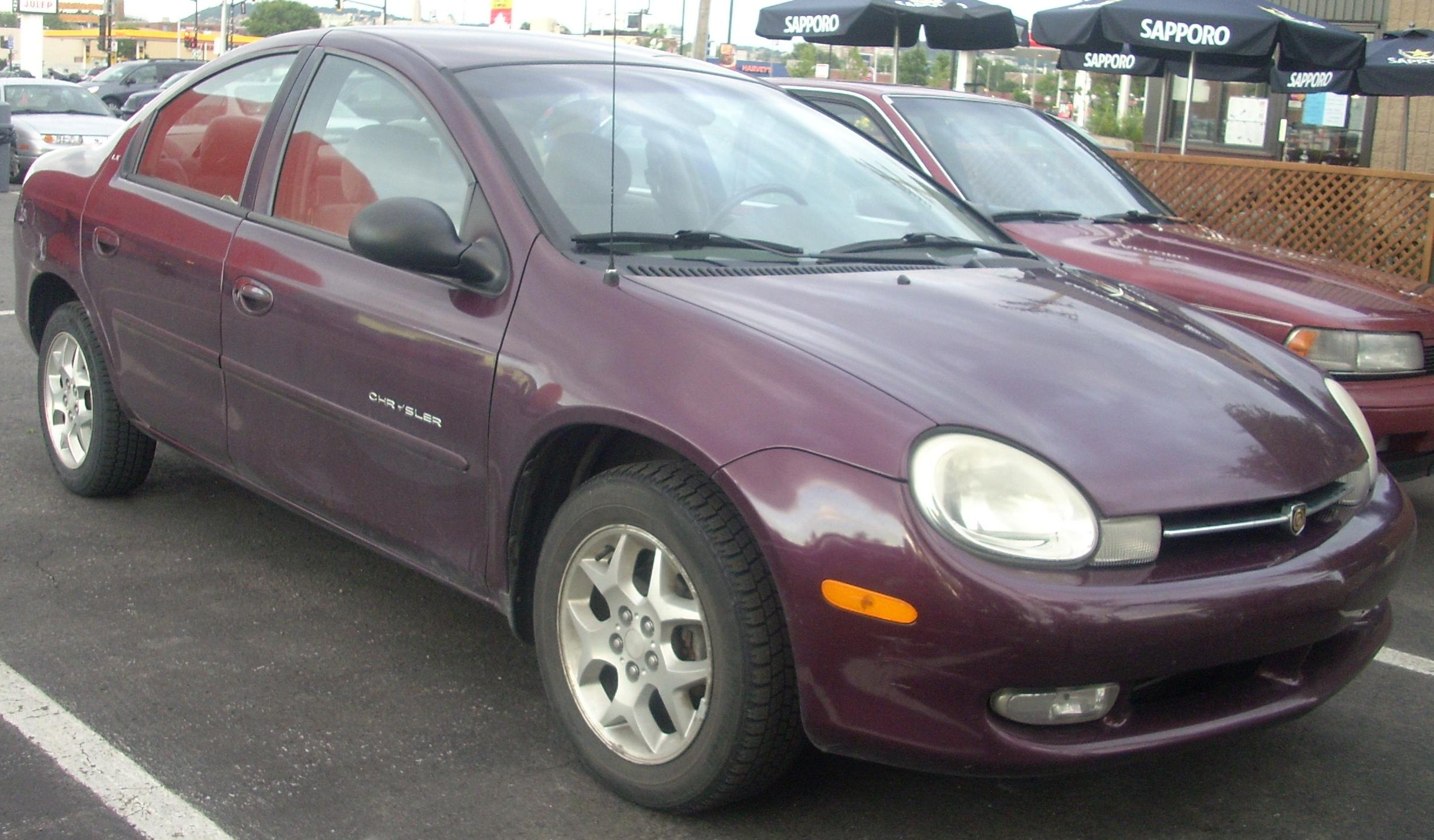
"...he's a Chrysler dealer at the time, and he took some training early to get one of the country's first neon SRT fours. Big block. Big block"
The Chrysler Neon SRT-4 is a sportier version of the regular Neon car. It has a turbocharged engine that makes it faster and more fun to drive, making it popular with car enthusiasts.
The Chrysler Neon SRT-4 is a high-performance variant of the standard Neon, known for its turbocharged engine and sporty handling. It was popular among enthusiasts for its affordability and tuning potential.
"And his plan was for us to get that car, do some gentle prep on it, and go take it on the One Lap of America."
One Lap of America is a car racing event where drivers take their cars to different racetracks around the country over a week. It's a mix of driving on public roads and racing on tracks.
One Lap of America is a unique motorsport event that combines road rallying and track racing, where participants drive a single car across various racetracks in the United States over a week-long period. It tests both the car's performance and the driver's skills.
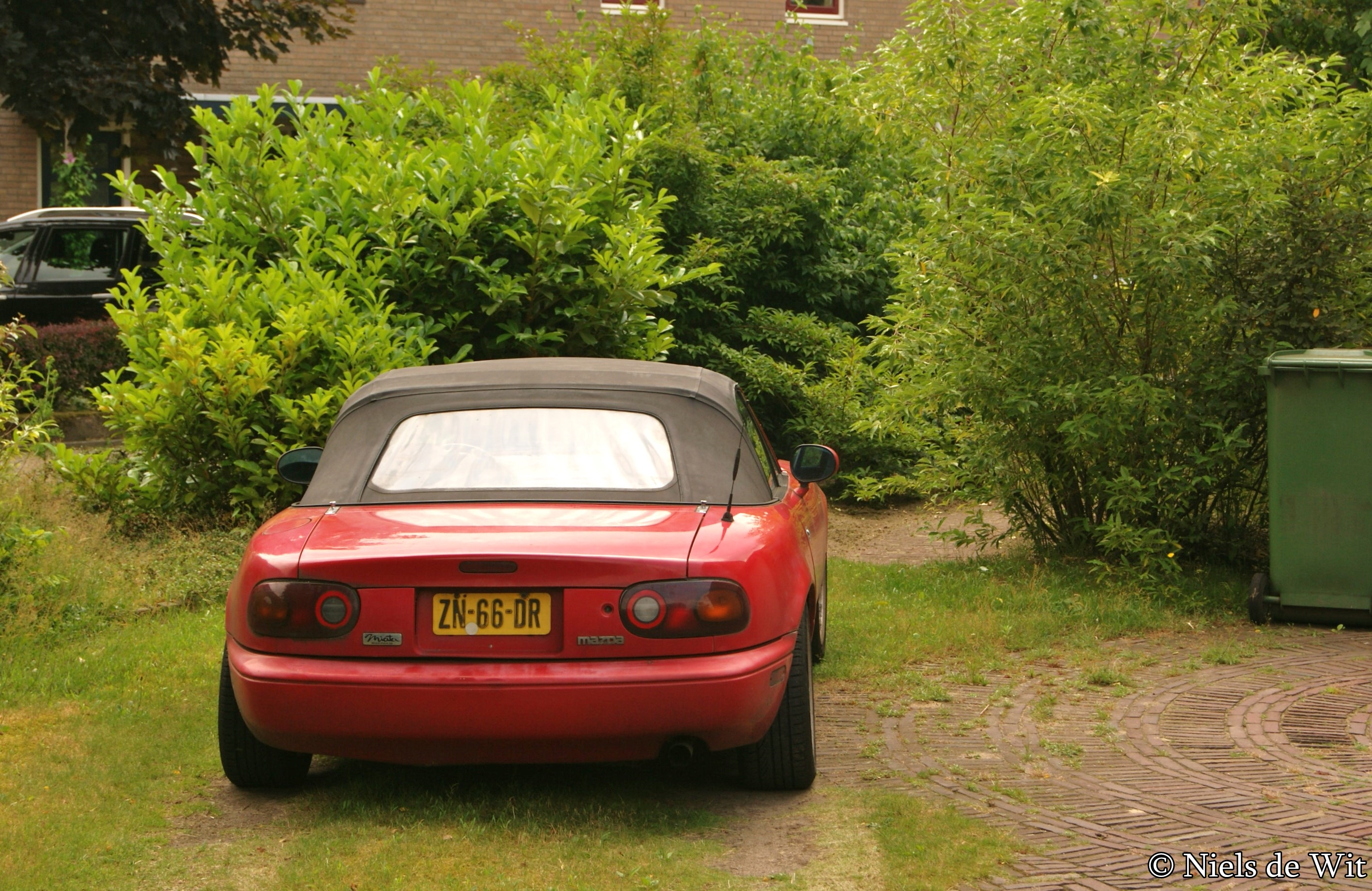
"decided to buy, as you pointed out, my very unique red NB Miata. And it's one of a million, man."
The Mazda MX-5 Miata (NB) is a small sports car that's fun to drive. It's known for being light and having great handling, making it popular with car lovers.
The Mazda MX-5 Miata (NB) is the second generation of the popular lightweight sports car, known for its agile handling and fun driving experience. It features a compact design and rear-wheel drive, making it a favorite among driving enthusiasts.
"never really looked back so far. Got into HPDing, quickly developed into competition."
HPDE means High-Performance Driving Experience. It's an event where people can drive their cars on a racetrack to learn how to handle them better and improve their driving skills.
HPDE stands for High-Performance Driving Experience, which is a type of driving event where participants can learn and improve their driving skills on a racetrack in a controlled environment. It's often used as a stepping stone for those interested in motorsports.
"It's mainly to do with the an OEM car does so well. I don't like that. I want everybody to be in pain."
OEM means the car is made by the company that originally built it, not a modified version or a different brand.
OEM stands for Original Equipment Manufacturer. It refers to vehicles that are produced by the original manufacturer, as opposed to modified or aftermarket vehicles.
Car
Porsche GTX
"as long as you have a pretty good checkbook, you can go into one of at least four or five different dealers and buy something with a warranty that is unbelievably capable on track. Yeah. And I mean, insert any Porsche GTX."
Porsche GTX refers to a type of Porsche car designed for high performance, often used for racing or track events.
The Porsche GTX is a variant of Porsche vehicles that emphasizes high performance and track capability, often featuring enhancements over standard models.
"...le on track. Yeah. And I mean, insert any Porsche GTX. That is one of them. It's good. And so, you kno..."
The Plymouth GTX is a classic car from the muscle car era, known for being powerful and fast. It's a cool car that many collectors admire because of its performance and unique design.
The Plymouth GTX is a classic American muscle car that was produced in the late 1960s and early 1970s, known for its powerful engines and performance-oriented design. It represents the golden age of muscle cars and is celebrated for its combination of style and speed.
"the days of the Porsche 911 twin turbo time attack car with all the aero catching fire"
Time attack is a racing style where drivers try to complete a lap as quickly as possible, often using special cars designed for speed.
Time attack is a motorsport format where drivers compete to set the fastest lap time on a track, often using highly modified cars to achieve optimal performance.

"... good. And so, you know, the days of the Porsche 911 twin turbo time attack car with all the aero catc..."
The Porsche 911 is a famous sports car that looks really cool and is super fast. It's known for being a great car to drive, and many people love it for its style and performance.
The Porsche 911 is an iconic sports car that has been in production since the early 1960s, known for its distinctive design and rear-engine layout. It combines luxury with high performance, making it a benchmark in the sports car segment and a favorite among driving enthusiasts.
"Or hell, even a C8Z now. Yeah. And yeah, the Z cars, the GT cars."
The Chevrolet Corvette C8 Z06 is a very fast sports car that has its engine in the middle. It's built to be super powerful and fun to drive on the road or the racetrack.
The Chevrolet Corvette C8 Z06 is a high-performance version of the Corvette, featuring a mid-engine layout and a powerful V8 engine, designed for both street and track performance.
"we did it in our Sunday Cup car for two years with a small group of Sunday Cup people and that was a riot."
The Sunday Cup is a fun racing event where people can race their cars against each other. It's not super serious, and anyone can join in with different types of cars.
The Sunday Cup is a grassroots racing series that emphasizes fun and accessibility, often featuring unique or unconventional cars in a competitive yet friendly environment.
Car
Fields Auto Works Cardinal Coupe
"And so you did it in the fairly unique car last year, right? Two years running. What do they call it? Yeah, the Fields Auto Works Cardinal Coupe."
The Fields Auto Works Cardinal Coupe is a special car that looks different from most cars. It's known for being unique and fun to drive.
The Fields Auto Works Cardinal Coupe is a unique car known for its distinctive design and performance characteristics, often attracting attention in automotive events.
"...we were the only car in a wide, wide margin that didn't have ABS, didn't have launch control..."
ABS helps you stop your car without skidding. It makes sure the wheels keep turning so you can steer while braking hard.
ABS stands for Anti-lock Braking System, a safety feature that prevents the wheels from locking up during braking, allowing the driver to maintain steering control.
"...it's a production car, but it's not a, it's not a fucking GT RS, right? I'm waiting for the,..."
GT RS is a special version of a sports car that is designed to be faster and perform better than regular versions.
GT RS refers to a high-performance variant of a sports car, typically featuring enhanced power, handling, and aerodynamics compared to standard models.
"you know, five second cars, I got to drive around the street, right? Whereas like,"
A 'five second car' is a car that can go really fast, reaching 60 miles per hour in just five seconds. It's a way to describe how quick a car is.
The term 'five second cars' typically refers to vehicles that can accelerate from 0 to 60 mph in about five seconds. This performance metric is often used to gauge a car's speed and agility.
"one of our cars destroyed and lost its splitter on the highway because of what we think was a beaver."
A splitter is a part at the front of a car that helps it stay stable when going fast. It can get damaged easily if it hits something on the road.
A splitter is an aerodynamic component attached to the front of a car, designed to increase downforce and improve stability at high speeds. It can be vulnerable to damage from road debris or impacts.
"...did it in my Miata that had a stock suspension because I didn't have enough money to buy that..."
Stock suspension is the standard setup that a car comes with when you buy it. It's made for regular driving and comfort, not racing or high performance.
A stock suspension refers to the original suspension system that comes with the vehicle from the manufacturer. It is designed for comfort and everyday driving rather than performance.
"...we were also in the deep South of NOLA in this car with no HVAC and our phones kept shutting off..."
HVAC is the system that keeps the inside of your car comfortable by heating or cooling the air. If it's not working, it can get really hot or cold inside the car.
HVAC stands for Heating, Ventilation, and Air Conditioning. It is the system in a vehicle that controls the temperature and air quality inside the cabin.
"...I went sub 40 at Gingerman, congratulate me. Let's go."
A 'sub 40 lap time' means finishing a lap on a racetrack in less than 40 seconds. It's a way to measure how fast someone can drive around the track.
A 'sub 40 lap time' refers to completing a lap on a racetrack in under 40 seconds, which is a significant achievement in terms of speed and performance. It indicates a high level of skill and vehicle capability.
Gingerman is a racetrack in Michigan where people can drive their cars fast and compete. It's known for being a fun place for car enthusiasts.
Gingerman Raceway is a road course located in South Haven, Michigan, popular for amateur racing and track days. It features a variety of turns and elevation changes, making it a challenging track for drivers.
Select text to request an explanation
Alright, so welcome to another break check, another great guest here today, joined by
Scott. Can you introduce yourself?
Hi, my name is Scott Robertson. I am a driver coach. I also still do some driving on my own,
but just a guy who likes drivers and driving and helping people do better.
Do better, that's a good one. What got you into doing that?
The driving or the do better part? Yes. I'm a pretty latecomer to the whole driving thing.
My like of cars and of driving and stuff like that came from my dad, who had driven when he was
younger, so it's just always kind of around, but never like a big thing. And come, I think it's
2001, he tells me about the One Lap of America, and he's a Chrysler dealer at the time, and he
took some training early to get one of the country's first neon SRT fours. Big block. Big block
turbo. And his plan was for us to get that car, do some gentle prep on it, and go take it on the
One Lap of America. And all of a sudden, this idea of actually being able to drive anything
quickly, competitively, was like a possibility. It was real. Now, for a couple reasons, we weren't
able to do that. But that just kind of cemented it in my mind. And we can fast forward another 16
years, I think, went through a whole lot of life, and decided to buy, as you pointed out, my very
unique red NB Miata. And it's one of a million, man. Not one in. And that was kind of my path into
doing track stuff. And never really looked back so far. Got into HPDing, quickly developed into
competition. And at the same time, I started volunteering as an instructor. Then I started
leading classrooms and organizing the programs and working with organizations and doing some of my
own coaching. And here I am today.
That's a good way to summarize it.
I'm trying without going into the nitty-gritty right now.
Okay. Well, I mean, another thing I like trying to do is like, what's your fun fact outside of
racing that you like doing?
Outside of racing. I'm a trim carpenter. So I do the really kind of fine detail in houses. Anything
from hanging doors, basin case to full built ins. I'm doing a really complicated door set right now in
the house. The fancy stairs will be next week. But that's, that's my, my daily year round job. And I'm
a former pastor. So I do have a rev attached to my name as well.
Oh, so you have all the accolades, which are saying driver, coach, pastor, oh my God, put some
respect on the name.
That's right. My bad. I apologize.
Do you think like in your day to day job, that's why the attention to detail in your Miata is so high? Or is
it vice versa?
Yeah, it's a little bit of both.
The it's a lot easier for me to pay attention and take my time to a point with the the carpentry
projects, because that is my job. I'm doing that for other people. Some of them give me like the time
and the space to actually like explore and do all the like really super fine details that are on the
far side of that bell curve, where my own Miata, you know, I'm much more limited in the amount of
time that I have for that. So you know, we my buddy, Tim and I always talk about it is, you know, the
first iteration you do, you do to make it function. So you over build it. It's too heavy. It's too
complicated, but like it works. Then the second one is you refine that design to make it more
simple. Then you make it lighter. Then you make it easy to work on. That's like the typical
progression. And the more you do it, the more you can do several of those things at the same time. You
can just see those like four steps ahead. It's like, well, if I attach it like this, it's going to be a
lot easier to take off and service in the future. So just do that now, and it's going to save me more
time. So that kind of thinking has come more from my carpentry work and experience in the
automotive realm as well.
So being more efficient while still making the object more efficient as well.
Correct. Yep. Okay. Yeah, being able to see the, not only the final product, but the steps needed to
get it there.
Yeah. Okay. There. Now you shared a little bit of how while you got into racing, right, one lap,
being an event that I also don't like, but you do well, isn't it? I mean, you love to talk about
that sometime. It's mainly to do with the an OEM car does so well. I don't like that. I want
everybody to be in pain. So and that is that has been the wild change over the last 15 years on
the one lap. The organizer Brock Yates, and I have talked about this a fair bit, is it used to be a
choice of do you want to go fast and possibly catch fire? Or do you want to like that route? Or do you
want to finish and be slower? And now, as long as you have a pretty good checkbook, you can go into one
of at least four or five different dealers and buy something with a warranty that is unbelievably
capable on track. Yeah. And I mean, insert any Porsche GTX. That is one of them. It's good. And so,
you know, the days of the Porsche 911 twin turbo time attack car with all the aero catching fire
twice in one week. It was incredibly fast and it still caught fire. So, you know, it didn't end up
doing that well. Like those days are just kind of gone. And so the that balance on that event in
particular is kind of in a strange place. Yeah, it definitely feel like it's skewed more for like
you said pocketbook go by GT GT3 RS and you do pretty goddamn well. Or hell, even a C8Z now.
Yeah. And yeah, the Z cars, the GT cars. Yeah, there's so many, so many ways of doing it. Fortunately,
within that event, there are some still very cool things happening. We did it in our Sunday Cup
car for two years with a small group of Sunday Cup people and that was a riot. But every single
year so far, the car I've done it in has had some amount of pain.
Yeah, it's true. And so you did it in the fairly unique car last year, right?
Two years running. What do they call it? Yeah, the Fields Auto Works Cardinal Coupe.
Yeah. So tell us about that experience a little bit. Yeah, that was, it was a lot of fun. So last
year, my good buddy Eric Streeter and I, breaking with my, my wife for that one year, she went and
drove. And then Eric and I had our team. We teamed up with the people over at Fields Auto Works to
drive their Cardinal Coupe on the one lap of America. And I mean, this is a, this, it's actually
surprisingly comfortable compared to my Miata, which we took three years on the one lap. But in
terms of like weather resistance, like that car just wasn't, and it's the development mule. I mean,
this thing had, like this thing has seen all the use and all the revisions. Yeah, exactly. And so,
you know, we would get wet when it rained. And this panel wasn't really made to handle that much
weight in the packing and spares that we brought up. And, you know, there was just little stuff
like that. The car itself did fine. Livability kind of sucked. Yeah. And when, when they developed
that car, like no one thought like, yeah, let's definitely make this comfortable and livable for
eight days and 4,000 miles. Like that's fair. Yeah. But then, but then this year,
the owner of Fields kind of came back when it was like,
wanted to help field three cars, kind of wanted to make a go a little bit deeper this past year.
And wanted to do three cars. And Becky and I
had kind of done the one lap a lot of different ways. But after the previous year, we were kind
of like, what would it be like to try to win the thing? Like to, to like really try? What would
that be like? And with the car that Fields had and our knowledge of the event, we were like,
we're not going to do poorly, probably not going to win. Probably won't even podium or top five,
but like we could do pretty well. And we did pretty well. And that was a lot of fun.
And this car was a lot better. It wasn't the mule on this one, right? Correct. Yeah, this had kind
of all the, all the updated geometry and stuff like that. It wasn't without it's like some body
panels and stuff were, were wonky. But again, like we hadn't paid for these cars, you know,
we, they were getting prepped for us. And yeah, it was great. We had some arrow put on it,
which helped a lot. But we were the only car in a wide, wide margin that didn't have ABS,
didn't have launch control. And we were on two 45 tires. Like I mean,
that's cute. Car was, car was doing well.
Well, that's sick. See, that's those are the stories I like hearing because that wasn't a
like, it's a production car, but it's not a, it's not a fucking GT RS, right? I'm waiting for the,
I come from drag racing, right? So I'm waiting for the, the sick week,
you know, five second cars, I got to drive around the street, right? Whereas like,
yeah, that's miserable to drive a five second car on the street at all. And I want to see people
be miserable, but one lap as fucked up as that sounds. And you know, every, yeah, and we had our,
one of our cars destroyed and lost its splitter on the highway because of what we think was a beaver.
Oh, yeah.
That was near the end of the week, but the entire front end was like tweaked after that.
Yeah, we had some near misses with oil connections from like the harsh, like people think driving
on the highways easy on cars and it's genuinely not, especially with a RPM for a long time.
Oh dude, it's, it's terrible.
It's reasons OEM spend so much money on, on like putting thousands of miles before you ever see
it. Yeah. But really, all of this comes from the first year Becky and I did it. We did it in my
Miata that had a stock suspension because I didn't have enough money to buy that. It had a completely
stripped interior with a cage and safety equipment because that's who I am as a person.
Let's go. Completely stock engine and a hard top. Like it was a stock stock Miata with safety
inside, but basically. My heavier Miata. Yeah. And that year was one of the longer years
driving wise that we'd had in a very completely dry week, which is very rare.
And we had one transit that was 12 and a half hours. Oh my goodness. And we were also in the
deep South of NOLA in this car with no HVAC and our phones kept shutting off. And I decided like
a week after like, I'm sure there's like a temperature at which these phones shut off
as 113 degrees. Yeah. In that car boat and swamp ass. Your phone's not working. This is
not a good time. I wore a lot of, I actually packed and wore a lot of board shorts just because
like, if I'm going to be in it, man, I might as well be in clothes that are built for it.
Yeah. That's fair. That's fair. It's going to suck. I might as well make it as comfortable as
possible. So I mean, and there was the adventure. We went for the adventure and we stayed because
of the people. Okay. Naturally, which is fair. So you have a nice resume in motorsports.
Say what better have of a decade or so now? Yeah, it's cheese. Yeah. When you say it like that.
When you put a number on it. Yeah. Yeah. About a decade or so. So what are some,
what's some stressful, some stressors that you've noticed that you get outside the track,
kind of leading into the track? Yeah. It's been interesting when I started my time doing track
stuff. I was really kind of, it's still going through and coming out of an incredibly difficult
time in my life. And motorsport became the one thing in my life that I could do that I was
accountable to no one else. And that was incredibly freeing. I didn't have to answer to anyone for
this was like my one thing that I could do. And it was mine.
And the more I progressed with it, especially into competition, because competition really kind
of raises the stakes on a whole lot of a whole lot brings a lot to the surface. And I had one,
excuse me, had one experience my first year doing wheel to wheel where I reacted to a situation
like I normally would. And I started to think about it. And in that context,
like on the racetrack and everything, it's like, why did I do that? It was scary. It was like lap
two or lap three of, I think what ended up being a six or seven lap race. And it ruined the rest
of my race for me. I allowed it to ruin the rest of my race. Because I was scared, which manifested
itself as being angry, which we can talk about males and how a lot of our emotions can come out,
not how they actually are. And I just, I couldn't get away from it. I drove like crap. I was just
all in my head for the rest of that race. And I thought about it in the weeks after
and I realized that's how I react at the time to other situations in my life. I would ruminate,
I would get all worked up, couldn't stop thinking about it. And it was interesting. I was like,
here I've got a concrete example of this happened during a leisure activity
that ruined the race for me. And that's kind of where our podcast
motto came from, which was how you do anything is how you do everything.
And in that moment, I realized in the car going into the kink that I was reacting exactly how
I would in real life. And I got to like see myself in the mirror. And I, that was incredibly
unsettling and didn't like it. No, no, I did not. But I think what we started to kind of think about
and discover is that if this is how I respond in the car, as well as out of the car, it's a whole
lot easier under race conditions and in this leisure activity that I have to change some
fundamentals in how I think how I operate stuff like that. And I wonder if I can do that in the car
with that translate to the real world. Could I then start to think through life situations better?
Like, can one influence the other and vice versa? So if I become a better person,
healthier person outside of the car, would that make me a better driver?
But if I become a better driver, would that also make me a better, healthier person?
And that's kind of what we've picked up and ran. And I can say that I think it has,
but like it takes work, it takes some real intention behind it.
Hey, let's kind of go through some of that intention. Like, like, like I always say,
practice isn't just practice, practicing nothing gets you nowhere and needs to be intentional
practice. You have to work on something, put a goal to something, not just a lap time, right?
You know, ease off the break here, turn there or like in football, it was if you want to practice
high pointing, literally only try to high point the ball, right? Everything else doesn't matter,
everything else is secondary. So is that the same kind of form of intent that you're referencing?
Yeah, it's, I could certainly still work on technique and skill to become a faster driver.
But the my inherent weakness that was really put on display for myself was my way of coping
with the unexpected and the scary. Change is very hard for a lot of people. It's difficult for me.
But unexpected changes can bring up a lot, depending on your background, your parentage,
your friend groups, you know, the traumas and trials that you've been through,
the things that you've done as well, your life experiences. Yeah, it all feeds into it. And,
you know, we can pretend that it doesn't in the car, but of course it does.
And so what I started to really work on was my ability to manage stressors in the car.
And that led me down the path. And I think, I think has helped me as a coach, not only understand
what goes on inside of a car, but in how to actually the tools that are actually out there
to improve focus, to improve getting into and maintaining flow of managing stress,
of managing internal as well as external voices,
so that we can get a lower lap time, you know, it seems like such a trivial in but like,
man, if the means are good though, like that seems like a win-win to me.
I would even go as far as to say that your mental ability to, like I said, handle these stressors,
well, that I think that's considered now like fundamental to driving fast in my pan,
like rather than just like how you move a steering wheel, like, oh, you know,
brake, trail brake, there are different techniques there. I think the stressors and being able to,
because we all come to the track with some form of baggage, some people come with
two hours of sleep, some people having problems in their relationship, having problems at work,
right? A lot of people use the car as a relaxation. Or as an escape.
Or escape, exactly. And sometimes, well, I would say all the time,
you're also still bringing that baggage on and some people you might not notice. It might be
subconscious. You will start thinking about things on the straights, you know, especially
if you don't have a rocket ship or a car, right? Like that straight's a long time.
You got a minute. Right, they start might start to creep in.
Yeah, so I guess, how do you, as a coach, how do you notice those things? And then
how can you relay it to somebody? Let's say if they're not really opening up them up as much
about it, like, you know, the frustration of not going faster, doing something correctly can
sometimes overtake everything. Like you can just be so lost and feel so upset and stupid that
it can even throw your coaching session off afterwards.
Yeah. And that happens regularly with one driver or another. And it manifests in different ways.
Sometimes we'll be able to watch a video playback and the way that the driver is holding the steering
wheel is and turning the wheel is noticeably different. And, you know, ask a question about
that. Like why looks like you're really holding on to this wheel? What's what's going on? And most
the time, like, you know, we talk so often on a given weekend that I kind of know what they're
thinking and, you know, their doubts, their hopes, their swagger, like, you know, kind of all that
stuff. Sometimes it's very clear when we get into a coaching session and the driver is just
visibly frustrated and like what says, like, I'm pissed. And it's like, all right, let's talk about
it. And oftentimes it can be it's one of two things, right? It's either disappointment or
frustration in self or it's frustration with something that is outside of your control.
And those two things pretty much encompass all of human existence, you know, the things that we
can and the things we can't control. And both of them can hurt and be very difficult to deal with,
depending on, again, who you are, your life skills and life experiences. And so when you
started this question, you were, you know, you were referencing what I'd been talking about.
And really, I think it is the driver's ability to deal with unexpected situations or conditions.
And in life, that is the ability to maintain a sense of identity and purpose as you go through
things. I haven't stress tested those, those particular things in life. But I think that would
encompass quite a lot in one. But like in driving, you know, you can come to the same corner, you
know, eight times in 20 minutes. And every time you do, it's going to be a little bit different.
And so the ability to recognize the patterns and have the experience to like, pick things apart.
And no, well, I turned in a little early here. So I mean, I'm going to have to drag the brakes
probably a little bit longer to do this and using the tools like you're not trying to execute the
perfect lap ever. What you're trying to do is you're trying to use the tools that you have honed
the best and to respond to the outside conditions better than anyone else.
Hmm. Anyway, yeah, I can see that.
Now, I wonder because some people still do, they are trying to run that perfect lap in their own,
in their own head, mainly so, you know, obviously time trial guys, right? Oh, yeah.
But yeah, that lap is going to be different each time, each time, each day,
like it just kind of compounds on top of each other, each year, each tire, right?
So, yeah, you're just trying to manipulate the car to do exactly, you know, it's not even
exactly what you want us to do. Just be faster. Yeah. And you find you figure out what that is
each time. Well, and even that perfect lap, you'll think it's the perfect lap. And then a week later,
you'll be looking at the video or data and you're like, man, I left some on the table there,
didn't I? Like it's kind of dog shit. Oh my goodness.
So I, in my Miata, I went sub 40 at Gingerman, congratulate me. Let's go.
And Devin, I shit you not. That was one of the worst feeling laps and worst driven laps I have
done in a long time. Now that's encouraging to me because that means the setup direction I'm going
with the car is really working. But compared with two months earlier, I'd set a slightly slower
lap time. And my sub 40 lap, I was down half a second going into turn three.
Wow. That's how badly I did turn one. Fuck everything. Dude, it was bad. And I mean,
I managed to obviously do that much better, but like to say like I've done a good lap, like I can't,
it was quick, but it wasn't a good lap. And so when, you know, when I hear you, no offense,
I'll put you on blast since you're here. Sure. Sure. Sure. But when I hear time attackers say,
you know, that's all the car had like that, that was it. I've never said that for the record.
Like I believe that you believe that, but that is not the objective reality.
And there's always something more. There's always something better. And if iRacing has
taught me anything, it's like, if I think I really, really put a lap together,
if I'm within three seconds of the fastest people on data, I'm feeling pretty good about myself.
And I'm not the, I'm not like the peak best driver out there, but I'm pretty decent. So when I see
even the best drivers, there's always, always something else. And that can be incredibly
hard to manage because there's always something else. Like, do you ever actually get to celebrate
because there's always like it's never perfect? I think in a way, right? Like, I mean,
for me, I've always, I've always said that I was as fast as I could have been right there.
Like that's in my mind for that lap. That's as fast as I could ring out. Right. And then,
like you said, you go back over to data, you go back over to video and like,
yeah, I'm just going to dog shit. But I mean, that day I felt like that was it.
Exactly. Right. Yeah. And that's, like I said, it's never perfect. And that's the like,
that's the growth that each of us go through. Like on that day, as your car was set up in your mental
state and with the skills that you have, that may have been it your mental bandwidth, your,
your ability to recognize what the car was doing and what it needed to do.
You were on your game for what you were capable of. I think that was four. That's it. I think that's
noble, great effort. But to go outside of that and try to claim that as more than it is
is can be very disingenuous. I would have to agree. I always, when people say that,
that's all the car had in it. And it's like, no, the car had more. You could say that's all you
had in you. That's fair. I'm with, I'm with you there. But especially as a male dominated sport,
we, it's very difficult to be that vulnerable. Yeah. It's ego driven sport.
I will say racing cars is one of the top. It's up there, right? Well, it's, it's what,
what's the old quote from the sixties is, you know, there's two things that you can never teach
a man how to do because he already knows how to do them. They're have sex and drive a car, right?
Yeah, dude, that's fair. That's why I find like the coaching thing so,
so interesting, right? Because so many people feel like they don't need coaching. Yeah. And then,
or there's like the mantra of like, what qualifies you as a coach more than me,
right? And it's like that, you're missing the point. You're not getting it in my opinion,
right? It's not saying that that coach is the ultimate be all the best driver in the world.
It is about training you to get the best out of yourself and just have another set of eyes
of what you're doing. And you know what I mean? In my opinion, right? Yeah, you're not, you're not
looking for a driving savior. You know, I am not your Jesus Christ. I'm not your Dalai Lama out
it's and with a lot of my clients, they're pretty self selective, right? The ones who don't want
coaching. Don't talk to me. They don't approach me for that reason. I'd like to think I've
know a lot of people outside of that relationship. But yeah, the people who do come to me
have already done a tremendous amount of internal work of reflection of
desiring something that they really want and they either don't feel capable of getting there
themselves or they want to get there quicker or something like that. And they are willing
to acknowledge that they can't do it on their own.
And then they go the next step in actually like starting to look outside of themselves
and either send that email, send that text, whatever it is, like, so by the time I get a
message or somebody comes up to me and Patrick says, Hey, Scott, I want to talk to you about
something. I know that there's been months of effort that's already gone into it.
Which that's true. Yeah, even speaking on the ego, ego side of things, right? Like, yeah, you
have to, you have to bring your ego down a little bit. Well, before they ever talked to me as a coach.
Yeah. Okay. Well, that's, that's kind of awesome.
Now, you said something earlier that's kind of stuck with me, which I think often people struggle
to realize this and like to kind of deal with it, which is like without racing or without the
thought of having a race car, they have incorporated that is who they are. And that is the only
external thing that shows people that, you know, they're worth a damn cool, whatever. And I'm kind
of speaking from my own, you know, younger years where it's like, yeah, without this car, I'm kind
of a nobody, right? Like I kind of, I don't, what gives me the right to say XYZ because I didn't
run this lap time or I didn't do this. So the outward projection of who they are kind of stems
in the racing, and that can take such a toll. When things don't go well, right? Like you were
saying, the problems that maybe they couldn't control or just the things that don't happen that
they thought were going to happen. And then they can be so tied into results or just other, I always
tell the story where I was my first GOTC race, I was last at Kota. And all I could think of was
how much of a failure I am, how much everything fucking sucks. And I just wasted all this time.
Like I wasted so much resources. And fucking the wife's not going to like me anymore.
When it's all in my fucking head, like nobody was cheating, give a fuck. Like, oh, we went to
Texas. That's fucking sick. That was a good time. And I saw you race sick. I don't even fuck what
you did. Like I don't even know who's winning. Right? I saw you out there with other people.
Oh, it was great. Right. So I feel like we are internal motives or internal voice often projects
our identity out in front of us. And then we bring our like we harp on ourselves about things that
don't matter. I wanted to let there be that pause there to let the gravity of what you said
settle for a moment. I think two, two places that that one kind of leads me to want to go.
The first of which is the desire to be known. The desire to be seen to be appreciated and
acknowledged for who we truly want to be successful, competent, maybe caring, like whatever it is. We
have this desire to want to be known by the other. This is very like theological language
now, but the other is very like we need to be seen by the other. And that is how we know ourselves.
And so when we talk about racing for that empty cup, when we talk about racing for these plastic
trophies, that's incredibly hard if you don't have another sense of identity and of value and of
purpose. Because at the end of the day, if you are only racing for these fleeting,
really meaningless things, but that is where your identity is,
that's going to be devastating at some level. I think the other place is you talked about the
internal voice. I remember hearing about these talked about like cassette tapes or CDs or like
a playlist, right? Is that we have these songs that we play depending on the occasion, depending
on how we feel, depending on what's going on. We are not logical creatures. We are emotionally
driven creatures. And anyone else who says differently is probably trying to sell you
something. It's goddamn wire. We feel and we do a lot of justification around it
for the logic of it. But what's most powerful and those who are depressive, manic,
bipolar, schizophrenic, anxious, like whatever it is, working through those voices is very,
very difficult because oftentimes that voice that you hear in your head, and if you have a
strong internal dialogue, you might know what I'm talking about. But that internal dialogue
oftentimes can be in the sound of your own voice. And I promise you that those are not your words.
Those have been adopted by something that somebody said off-handed once,
by something you saw somebody say to someone else, and that we have internalized and turned it
inwards. And the hard part here, and here's the real kicker of it all, is oftentimes that voice
which aren't our words can feel like it's protecting us, protecting us from harm.
It's just trying to manage our expectations. Don't get your hopes up.
Don't wish for greatness. Of course, this would happen. I knew this would happen,
sort of thing. It's bringing us back to reality. And that can feel like protection.
That can feel like the most real voice you've ever heard because it knew. And of course,
it's still there. It's like the one thing that is consistent.
So to say that these voices aren't real is disingenuous. It can be the most real thing most
people hear. Yeah, I won't get into that thought. And so to work out, do the real deep work of
why do I think that? Why do I expect something bad to happen?
Where did that come from? Like you're not born that way. I promise you, you're not born that way.
So where did that come from? Did that come from my parents? Did I emotionally get hurt
or physically get hurt at some point? And this was like my way of avoiding that again? Like what
is this? And being able to put a name on it? Because of course, you're gonna hear it again.
It takes decades of work to change those interior
playlists, that interior tape that you played yourself.
But it's good work if you can really commit yourself to it.
That is a... Does that track? That's a lot of words. I'm not sure if that made sense.
So they all track things. Most of it is like, okay, yeah, I've heard this before. But then you
said the words, I didn't say them. And that's new to me because you're 100% correct. Anytime
you go down that negative spout or something that you can't control happen, or even if you
could control it. The thoughts and thoughts or voices, they all come out. They are all
replaying words that somebody else has said about somebody else, something that you've read.
And I have somehow interpreted it as a slight, even if it wasn't meant that way.
And they all just keep playing about how they were right. Or how I was right. It's true.
They aren't my words. But I have made them to mean more to me than my own
counter narrative to those words might mean. They always tell people, nobody really cares.
When you really think about it in this sport, cares about results or how you do out there.
It all is internal to you, make it the matter a lot to yourself. But outside of that,
outside of yourself, typically, you're like, your wife doesn't even give a fuck.
You know what I mean? Nobody really cares. So when we beat ourselves up so much about it,
I think that is one of the, once you reach that level of being able to understand your own self
and your own purpose, your own intent, I think that's when people not only drive the best,
they have the most fun. It really becomes a tool of enjoyment, in my opinion.
Have you ever heard the phrase, love your symptom, but hate your disease?
I'm not. So again, when you're able to start doing that deep work and finding
how and why we talk to ourselves the way that we do, you can start to see these things that we
say to ourselves or the things that we just expected to happen. We can see those as symptoms.
They're pointing to something bigger. It's like, oh, I knew I wouldn't be good at this.
It's like that's a symptom of you not wanting to feel disappointed and let down and sad.
Like those are, nobody wants to feel those. Like that's a good impulse to have, right?
So to learn to appreciate the voice, not for what it says, but for what it's trying to do.
It's trying to protect you. It's trying to keep you healthy.
Now, there are ways that it can well overdo it if you take it literally, but I truly believe that
everybody wants and makes moves to do good for themselves. I think that's the one most consistent
thing I've seen in people across the board, is they want to do good for themselves.
And, and oftentimes for the people around them. And what comes into conflict is when
what one person thinks is good for them is not good for the person next to them.
You know, two cars cannot occupy the same space at the same time, right?
True. People try it though. It's been, it's a common thing.
If you reel out there, if you watch Global Mx5 Cup, they try it all the time.
All the time. So it's like, if we look at one car on track doing like its optimal thing,
it's doing good. If you look at another car, it's doing a little bit different,
but it's doing great. Now you put those two cars on track at the same time.
They cannot do what either one really wants to do. Otherwise it will result in a crash.
Now you put 40 cars out there. All plans go to hell, right? Nobody, like you can,
that's kind of my metaphor for the voices and what, and the good that we try to seek for ourselves.
It's like, it's not people trying to be like intentionally trying to be evil or intentionally
trying to bring you down. They're trying to protect themselves. They're trying to
be sure that they're taking care of, they're trying to be recognized and seen like that,
you know, that desire, that's all good stuff. But when taken just on its own,
without any regard for other people, that's when it can become hurtful.
I think that's a fair take.
So what do you have? Let's say for somebody that, you know, just now listening to this podcast,
obviously you like the, let's not say this, the feeling, but just the brain side of things.
Is there something, like you have a basic strategy for somebody kind of trying to
look inwards on themselves? Like what can they be, what can be done without, you know, going to
a therapist yet or something like that? Yeah, I mean, a therapist is about the coach of the
the real world, aren't they? Great. I mean, again, it's, I think it's good for,
for therapists. By the time somebody rings you up, you know, they've done some work now.
I think the only caveat can be is that, you know, it's like, it's like me looking at a salad
after the holidays and saying, man, you better fix my entire life.
Like that's not realistic, right? Like you can't put all of your hopes
into this other thing. It has to be you at the end of the day to make the changes to do that work.
And so, you know, it really depends on the driver, what their strengths are,
what their weaknesses are. Honestly, a lot of times I think it's harder for drivers to
parse out their strengths than it is their weaknesses. When I've sat in meetings one-on-one,
groups, whatever it is, I could have every driver quickly give me three things that
they're not good at. And it'd be pretty easy for them to come up with those. Now,
I want you to tell me three things you're good at. Man, you will see a lot of butts squirm in some
seats. It's a deeply uncomfortable thing for most drivers that I've ever met.
Really? Yeah. So easy to tell what they're bad at. So that's, that internal voice can kind of
cement those in right away. Exactly. But what, that's a good question. I couldn't tell you what
I was good at in driving. Right. So I could tell you one thing, but I couldn't tell you two.
What's one? One thing is being comfortable, being sideways. That's a good one. Yeah. At high speed,
I am comfortable looking out my passenger window, like looking out the passenger window. It's pretty
dope. It's kind of sick. But like if you asked another one, no, I couldn't really, I could tell
something I'm average at, right? I feel like I'm average at, but I feel like that's also that
voice cementing that I'm not better than somebody else. So you're one to pull back because you're
afraid that somebody else is going to judge you and say, no, actually, you're kind of shit at this,
but correct. 100%. But how you judge yourself is what's important. Like I think, and I've fortunately
have a few results to help demonstrate this to myself, but like I'm pretty good in the wet.
I really enjoy it. I've had some good performances in the wet. I also am pretty good at high speed
corners. Kind of low speed, Delta, high speed stuff. When you're scrubbing off just a little bit
and really floating it in for something. Yeah. Good feeling there. Yeah. It's good stuff. And I can,
I can talk about eight different things that I am actively not, don't feel very good at, right?
But just as important is to own the things that you feel like you are good at.
Now, quick question. Do you find that what, what's some, like even like external, like,
so we have to find basically proof, I feel like sometimes of the things that we're good at.
And some people can find in the lab times, but that also flip side. If you don't get
the lab time, it can be devastating. Is there other tangibles, maybe intangible things
that you find that people can find that confirmation they're very good at something yet?
Fake it until you make it sometimes. And by that, I mean that a lot of validation
as well as critique has to come from the outside if you don't know it already.
But it has to come from somebody that you know, somebody you trust and somebody who you think is
experienced and educated enough to give you a well thought out reasonable response.
And we know ourselves through the eyes of the other. This is a millennia old
thought process that who you think you are is irrelevant. It's who the person who interacts
with you on your worst day on your best day. That's who you are. And so, you know, I'll,
to put this into more modern context, say you take somebody out on a date
to a nice restaurant. And you know, you know, they're successful, you know, they're well dressed,
well spoken, they're kind. And they treat the waiter like shit.
I've been treating the waiter the way that they have speaks more to how they treat you.
And so what they, what they think of themselves, what they tell you they think of themselves
is irrelevant. It's how you experience that person that is important. And so it's this know as you
are known thing. And so when we're talking about like improving, when we're talking about
knowing ourselves, oftentimes going to somebody else and saying, what do you think I'm good at here?
Where do you see me hurting the most? Where do you see me the most lost?
What do you think I'm the most confident at? And I guarantee you the answers may surprise you.
I'm going to, I'm actually going to try this. I'm going to try this with my friend group.
Yeah. And it should be with some trusted friends or loved ones or something. But again, people who,
you know, know, know the realm you're talking about. But the, a fascinating practice, I'll,
I'll mention it then get off of it. But there was a, a small Christian church in Ireland
that did evangelism that is like going out, spreading the word in this way.
And they went to their local mosques or local temples, had a meal with them. So they went away
from what they knew into someone else's home, place of worship. And they asked a simple question,
what do we look like to you? And the vulnerability and willingness to see yourself
through someone else's eyes, especially somebody who may be adversarial at times,
take some real strength.
That's terrifying.
It should be. But what's on the other side of that? Self-knowledge, self-awareness,
maybe a better direction, places to spend your,
That knowledge is really so good. Like that's, that's some juicy knowledge too.
It's incredibly powerful and underutilized even in my own life. Like what, what do I look like
to you? What am I good at? What do I need to work on? Like that's as a boss coming to the guy or
woman who sweeps the floors. Hey, how have I failed you as a manager? That's, that's hard stuff.
That's hard. Yeah. That's hard. Yeah. And then to get the genuine answer. Oh boy.
I remember it's been a year or so now, but I remember going to my son and asking those questions.
What, what do you think I'm doing well as a dad? And what are some places where you think I could
do better as a dad? Now, you know, the answer can be, you don't, you, you make me go to bed,
you make me go to school, you know, you make me eat vegetables. Like, I'll take that.
I will take those criticisms all day and be like, you're right. And I'm going to continue.
That's right. You can lock those in. Yeah. But at the same time, like if the answer is,
it's not, but if the answer is, uh, you don't listen to me when I, uh, want to share something I like
and I, and I want to be clear because like it, that's very important to me with my kid. And so
there, but there are things that like people can bring up that could be completely valid.
But the only way you know about yourself is by going outside of yourself. That's why data
is important. That's why video is important. That's why seeking out a friend, a coach, a group is
important, a therapist, family, friends, whoever it is is important because we only know and grow
by things that are outside of ourselves.
Are you saying we can't do this by ourselves?
The, um, how dare you?
The last thing, and then I can, I can get off of it, but there's a quote my grandparents even
used to talk about that the only thing that really changes from when you're 20 to when you're 60
are the people you talk to and the books you read.
And so the only ways that we can change our worldview grow as people are by the company we
keep and the media that we consume. And my God, we consume a lot of media with not much intentionality.
And so finding those good books, those good podcasts, those good TV shows and movies are
vital to how you grow as a person to surround yourself with curious, creative,
weird people is important, you know? So anyway, I'm gonna tell them this is why I keep all these
nerds around me. Nerds are great, man. They care so deeply about such niche things.
It's fantastic, right?
You never would have known about.
I've got some people that are just like, yo, I have no interest in this at all, but
the excitement that you're sharing about it, I just want to know more. I want you to tell me more
because you're just having a great time.
And it's like, I can say that about other people and I've got friends who have no
interest in cars and they're like, you're how old and you play with cars? Like how
how much of a man child are you? And it's like valid.
Hey, that's fair.
Yeah.
You know, you only have, you only drive one car, Devin. I'm like, yeah, but look at them all.
And I'm a black man driving three white cars. What does that say about me?
Shit. Don't judge me. Panda, panda, panda.
Yeah, but no, I think, and of course, my favorite question,
who's that particular favorite question or this public is, what do you think your superpower is?
Holy crap. One more time.
Scott, what do you think your superpower is?
So, all right, you ready? Got a self-narrate here. First thing in my head, nothing.
I have no superpowers. Superpowers don't exist.
That's a rational side trying to take over your emotional side.
Yeah, 100% right. But if I was to claim something while not believing it,
but if I were to claim something, I think it would be trying to relate to people.
And I have gone through different stages in my life of being
better able to do that than others. It's often when I'm doing very well,
when I'm healthy, when I'm well fed with healthy food, well rested, have a good sense of purpose
that I'm most able to relate to people, to try to communicate with them well,
that has been a very consistent thing in my life. And that's often manifested itself into teaching,
into instructing, into something like that. I've been a waterski instructor,
I've been a high school English teacher, I've been a pastor, I've been all these things
that require me to use words to communicate difficult concepts and ideas
in either an engaging way, in a way that can be understood in a provocative way if necessary.
But that I find to be very interesting and creative for me, which is important.
Now that's, I find fascinating, that brings up, I know you love to teach. I think each time
we've had any interactions that came out upfront, like even before you were coaching or
just that you want to explain and show anything to somebody that's curious about anything,
in a way that there was palpable to that person's perceived knowledge level.
And if you thought you were going too high, you'd dumb it down a little bit,
back it off, see where that guy is at or the guy or girl is at. That's always been very apparent
to me. And I just wonder- That's good to hear, because again, I can think this about myself
all day, but if it's not true, then there's only one way I'd know that, right?
Right, 100%. I mean, you have clients. I think part of the confirmation can be that you do have
clients continue going forward and being a coach is a hard thing. It's not a easy thing to do,
especially like make money off of it at all. I was just about to say the coaching part is
the easy thing. You do that for free. That part's easy. The two hardest parts that are
been a lot more effort for me have been to market myself, to do the handshaking, to get
contacts, to make contacts, all that stuff. I'm not naturally very good at because of my internal
voices. Who are you? Who are you to coach? Who are you to have something to offer these people?
The other side is the business financial side. I've never been a good businessman.
Money's always felt weird, almost dirty to me. And so asking for money for this has
gotten easier as I've gone, but it's still not natural for me to do.
Yeah. I think that's true. I can see that in you. Money is just such a fucking gross thing for
me. I don't understand, like it's personal about me. I don't understand people that want
a lot of money because I don't get it. Because I only need enough money to sustain a lifestyle I
don't want to live. And I don't want to live a high income lifestyle. That makes sense.
I couldn't justify myself buying a McLaren for half a million dollars, even if I had half a
million dollars. So sometimes it's hard for me to relate to people that want to do things like that.
But I also, I like to pride myself of being able to communicate and feel what other people are
feeling. And I wonder if that would gravitate me to talk to you, right? Because I always told
my wife, like, yeah, me and Scott, we see each other and we always hug. He's one of the few
people that always hug and I'll always make sure they're all right when I see him at the track.
And I feel like it's always a thing that you're somebody that regardless of what's going on
will always look out for other people and
see how the people are feeling in whatever state that they're in.
And that's always been like, yeah, I need this guy's pretty good guy to keep this guy around.
Yeah, so I guess that's just a great thing. And it's very noticeable. Like I said, even the
communication thing, but the being empathetic and sympathetic. I feel like in this ego driven sport,
if those two things were a bigger thing, it would be easier for everybody in the sport.
Because now your internal voice will kind of change if you feel the other people
feel like understand how you're feeling or what you're going through.
And I think part of my entrance into motorsport through the One Lap of America
really helped set the tone for how I approach motorsport, which is
Andy Hollis, it's his quote, but it's all of us versus the event. It's like,
none of us should be anyway. None of us are really trying to beat each other.
We're all trying to get through the event to do the best that we can.
My little add on, especially like we've run with teams in the One Lap enough by now,
I want to see everybody on my team finish and do well so that when I beat you, I know that
you were doing well. You were at your best. It's a little bit of a swagger statement, but
yeah, you were mentioning endopatic. And one thing I appreciate about you, and I think part of
what draws me to you, is you can tell that there are some people who have experienced real hardship
in their life. Real tragedy, real trauma, whether it's in their heads by their own doing,
or if it was passive, but they've been through some stuff and they've chosen to try to
make something beautiful after that. To try to, you know, the cheesy line would be to try to make
the world a better place after having experienced and gone through all of that. It's not easy,
but there's kind of like a little look and a little smile that you'll get from those people
that's wounded, but joyful. Do you know what I mean?
And I think so. I think so. And it's the smile from people who carry heartache,
but who are still glad to be alive, glad to be continuing to try to be doing the thing.
And those are the people I really appreciate peeing around. And yeah, you and I don't get
chance often to see each other in person, but you know, you check in on people socially
much better than I do. And it's appreciated, like even if I don't interact with a post that you make,
January, February, or some crap times up in the north. And like just checking in, it's like,
I came across my newsfeed today and I have a pretty good firewall around news and something
broke through today and it's like, boy, kind of need a hug and something. But it's like,
yeah, again, reaching outside of yourself. It's an important thing and it's something,
you know, I know you carry your burdens. And yet,
you still try, you're still checking in on people and that's admirable.
Well, I appreciate that. I really do. That's,
I'm not tearing up. You're tearing up. It's just, you know, like I see,
we all have our struggles. And I don't know what the next man's struggle may be,
or next woman's may struggle maybe, but I just know it's something. And sometimes you just need
that, you need somebody just to talk to. I don't even got to say shit. You just want to talk.
And that can be enough. Yeah, I just regret it. I regret it sometimes that I didn't do that for
people that I knew and cared about and they thought they had nobody. So,
and we can't be that to everybody, but we can be that to the people who choose
that we are that person to them. So, you know, especially writing a status, right?
Just be writing, writing something. It's not even that much work.
Right? It's not. And yet, like I'm, I'm bad at it. I don't do that, but
it's important. It's good. It's good work to do. So,
sorry. You have a pretty great podcast. It does a lot more in depth talking to people than
people tend to care for. You know, like the people know about. And I think that's great.
Right? It's not the,
it's a lot of podcasts out here, man. They're pretty dog shit. I'm not gonna lie to you.
Where I just like, this is, this feels like watching TMZ or TMZ and Car and Driver. Like,
this is kind of not, not for me. Yeah, we, the, the podcasts, um, track walking, it's
half interviews and it's half topics. And the interviews always get more lessons.
And I think that's great. We've briefly considered doing all interviews. And yet,
the reason why we started the podcast was to talk about weird niches and like
looking at this sport, um, in some like really strange and
odd ways. And those topic episodes don't get as many lessons. And yet they are the heart of the
show. They're why we started this show and can't quit it. So we're gonna, there you go. We still
have things we're finding to talk about. We just talked about, uh, potatoes and eggs
recently. Uh, is a fun one.
That's actually a very, that's, that's, when I think about that, there's so many things you
can do with both, right? They're like super foods. When you think about it, you can,
there's so many different types of eggs, eat and potatoes. You're ready for this quote.
The same water that softens potatoes, hardens an egg.
Oh, shit. Yeah. That's good. Yeah. Yeah, that was good one. Yeah. So we just,
we talked about that quote for a bit and it was great.
Great. You know what? I gotta start listening more to rate the car podcast.
Yeah. Just yours. We're a car adjacent podcast. There you go. Perfect.
We're people podcast. People podcast is better. Yeah. A home. A lot of one holds you too much
longer. I appreciate your time. Any final thoughts with the crowd? I mean, without,
I mean, this, these type of interviews would drive this podcast, right? Even though we're still in
the infant state of stages, but man, everybody has a story and your story is great. Thanks.
But any final words for the people? No, I, when you shared that you were going to start
this type of podcast, I was excited, especially that you were going to be leading it. And so
I'm glad that you're sticking with it and that you're doing it. You know, we've been able to
talk about some, some big topics on our podcast that have been difficult, but good. And the,
all right, I'll leave you with this, that oftentimes it's the thing that we don't want to talk about
that are the things that most connect us with everyone.
We don't want to talk about how we hurt. We don't want to talk about how we struggle.
We don't want to talk about our failures. And yet those are the most universal experience.
And so shows like this, having those hard, deep, late night conversations are what can really bring
people and communities together. And they're not easy. Won't be comfortable. And, but and no one
else will have experienced it the way you have what everybody has. That reminds me of this.
That reminds me of this one time that I got kicked in the teeth. I'd well, like whatever it is,
but like though these are the universal experiences and they are worthy and important to share.
I'm actually just going to hit it on that.
That's only perfect. Love you a lot.
Request an explanation for:
5 cars
5 cars featured
Request an Explanation
Heard something you'd like explained? We'll add it to this episode.
Sign in to request explanations for terms you heard.
Want to learn more?
Browse our glossary for plain-English explanations of automotive terms, jargon, and concepts.
See something that's not quite right? Our annotations are AI-generated and can sometimes miss the mark.
Click the flag icon on any annotation to suggest a correction.