A lively debate kicks off the episode as Danny Corliss joins Scott and Seth to discuss the intriguing comparison of tiny motorcycles to an E30. The conversation dives into Danny's ambitious goal of driving in a performance capacity every week for a year, sharing his experiences from autocross to one-lap events. He reflects on the emotional highs and lows of racing, the challenges of competition, and the lessons learned from a whirlwind year filled with car-related adventures. The episode also touches on Danny's unique approach to capturing memories from his racing journey through postcards.
Danny has a lot to thank his dad for... Seth thinks jail can be a great thing... Scott could geek out about Lego, but refocuses...
We talk with Danny Corliss after a remarkable 2025 goal - drive at least once per week for a year. Mechanical failures, unintended contact, a viral video, and some amazing roadtrips later - here we are to talk about it.
"We have a great debate on how many tiny motorcycles equals one E30 because we have a guest on tonight who's exploits in 2025 or something of legend."
The BMW E30 is a popular model of the 3 Series that was made in the 1980s and early 1990s. It's loved for its fun driving experience and stylish look.
The BMW E30 is a generation of the BMW 3 Series produced from 1982 to 1994. It is well-known for its sporty handling and classic design, making it a favorite among car enthusiasts and collectors.
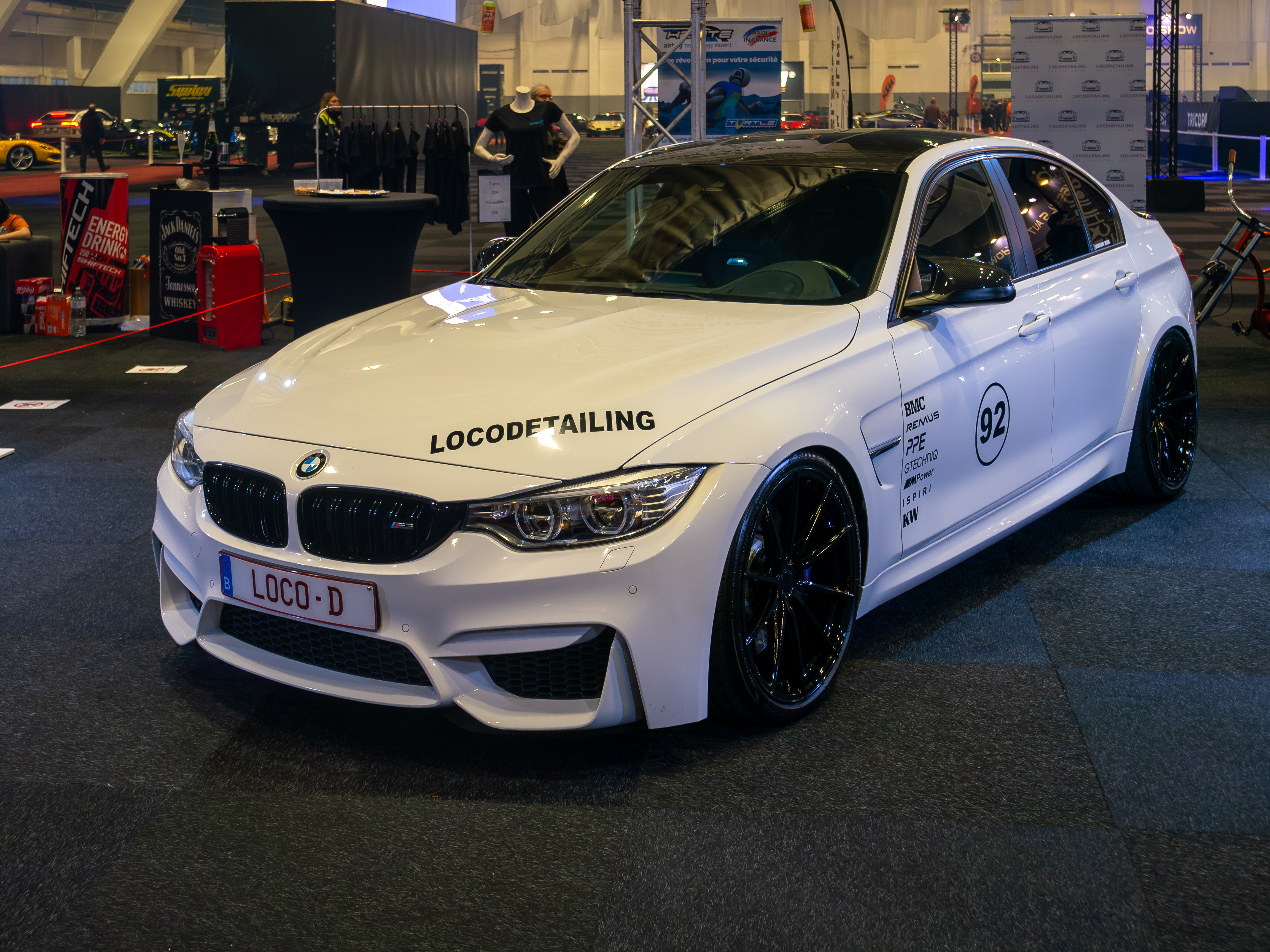
"Well, no, there's a couple things like footprint. I mean, six tiny bikes in an E30 M3 footprint is like spacious."
The BMW E30 M3 is a special version of the BMW 3 Series that was made for racing and performance. It's known for being fun to drive and has a classic look that many people love.
The BMW E30 M3 is a high-performance version of the 3 Series, produced from 1982 to 1994. It is renowned for its sporty handling and iconic design, making it a favorite among car enthusiasts.
"...our E36s, I think. And then the V12, V32, diesel X5. My wife's car is a mini, so that doesn't help."
The BMW X5 is a fancy SUV that can carry a lot of people and stuff while also being fun to drive. It’s known for its comfortable interior and cool features, making it a popular choice for families who want something nice and practical. People talk about it because it’s a good mix of luxury and performance.
The BMW X5 is a luxury midsize SUV that was first introduced in 1999. It is significant for being one of the first luxury SUVs to combine sporty performance with off-road capability, and it has set a benchmark for competitors in the segment. The X5 is often discussed for its blend of comfort, technology, and driving dynamics.
The Mini is a small, cute car that's fun to drive and easy to park, making it perfect for city driving.
The Mini Cooper is a small car known for its distinctive design and fun driving experience. It has a rich history and is popular in urban environments.
"...includes like go karting, autocross, uh, like skid pad day or something like that."
Autocross is a type of car racing where you drive through a course set up with cones. It's usually done in a parking lot and focuses on how well you can handle your car around tight turns.
Autocross is a timed competition where drivers navigate through a defined course marked by cones, typically held in large parking lots or airfields. It's a great way to test driving skills and vehicle handling in a controlled environment.
"...skid pad day or something like that. Um, track days, HPE and wheel to wheel racing."
Track days are events where you can drive your car on a racetrack. It's a chance to go fast and see how your car handles without worrying about traffic.
Track days are events where car enthusiasts can take their vehicles onto a racetrack to drive at higher speeds in a safe environment. Participants can improve their driving skills and experience their cars' performance capabilities.
"...HPE and wheel to wheel racing. So which is a lot."
Wheel to wheel racing is when cars race closely together on a track. It's very competitive and involves trying to pass other cars while avoiding collisions.
Wheel to wheel racing refers to competitive racing where cars race closely together, often in a circuit format. It requires skill and strategy to navigate around other competitors while maintaining speed.
"...my dad took me to the, uh, American Le Mans series race that they did in, in Baltimore for two years. This is Baltimore Grand Prix."
The American Le Mans Series was a type of car racing in the U.S. where different teams raced cars over long distances, often lasting several hours. It included many different kinds of cars and was very popular.
The American Le Mans Series (ALMS) was a sports car racing series in North America that featured endurance races. It was known for its diverse classes of cars and attracted many manufacturers and teams.
The Chrysler PT Cruiser is a unique car that looks a bit like a classic vehicle but is actually a modern compact car. It's known for having a lot of space inside and a distinctive design.
The Chrysler PT Cruiser is a compact car that was produced from 2000 to 2010, known for its retro styling and versatile interior space. It combines elements of a hatchback and a wagon, appealing to a wide range of drivers.
"...how did your dad know about IMSA races? Was he into the whole race car thing?"
IMSA is a group that organizes car races, especially for sports cars. They have different types of races and are well-known in the racing community.
IMSA stands for the International Motor Sports Association, which is known for organizing sports car racing events in North America. It features various classes of racing, including prototypes and GT cars, and is a prominent series in the world of motorsport.
HPDE means High-Performance Driving Experience, where people can drive their cars fast on a racetrack and learn how to handle them better.
HPDE stands for High-Performance Driving Experience, which is an event where drivers can learn advanced driving techniques and push their cars to the limit on a racetrack.
"...that was my first time ever doing anything like track related. I'd never done any autocross."
VIR stands for Virginia International Raceway, a famous racetrack in Virginia where people can race and take driving classes.
VIR, or Virginia International Raceway, is a popular motorsport facility in the United States known for its road course used for various racing events and driving schools.
"And then we did like a, we did the old specky 30 suspension set up on it. So like the Bilsteins and H and R Springs and like new bushings and ball joints..."
A suspension setup is how the parts that help your car ride smoothly and handle well are arranged and adjusted. It affects how the car feels when you drive it, especially on turns and bumps.
A suspension setup refers to the arrangement and tuning of a vehicle's suspension components to improve handling, ride quality, and performance. This can include the choice of shocks, springs, and other components that affect how the car responds to road conditions.
"So like the Bilsteins and H and R Springs and like new bushings and ball joints and everything kind of just like went through..."
H and R Springs are special springs that can lower your car and help it handle better when you turn. They make the car look sportier and improve how it drives.
H and R Springs is a brand that manufactures performance springs for vehicles. These springs are designed to lower a car's ride height and improve handling by reducing body roll during cornering.
"So like the Bilsteins and H and R Springs and like new bushings and ball joints and everything kind of just like went through..."
Bilsteins are a type of shock absorber that helps control how your car moves over bumps and around corners. They make the ride smoother and help the car handle better.
Bilsteins are a brand of shock absorbers known for their performance and durability. They are commonly used in both street and racing applications to improve handling and ride quality.
"So you had a proper project car that you could like dig into. Didn't need to move anywhere immediately."
A project car is a car that someone buys to fix up or make better over time. It's usually a fun hobby where you can work on the car and make it your own.
A project car is a vehicle that an enthusiast buys to restore, modify, or improve over time. It often requires significant work and investment, but it allows the owner to customize the car to their liking.
"Uh, so the context there was I was working on finishing my spec three. Race car, like NASA wheel to wheel race car, um, which I had been building myself..."
Spec Three is a type of racing class where drivers use similar cars with specific modifications. This helps keep the races competitive and fair.
Spec Three is a class in the National Auto Sport Association (NASA) racing series that allows for a specific set of modifications to a car, promoting close competition among similar vehicles. It typically involves using a production car with certain performance upgrades while maintaining a level playing field.
"...I was trying to get the cage installed and then go on and do like the fire system and everything."
A safety cage is a strong frame inside a race car that helps keep the driver safe if the car rolls over or crashes. It makes the car much safer to drive in races.
A safety cage, or roll cage, is a structure installed in a race car to protect the driver in the event of a rollover or crash. It is designed to maintain the integrity of the passenger compartment during an accident.
"...I signed up for HPD with NASA at Rockingham in my E30..."
NASA is a group that organizes car racing and driving events. They help people learn how to drive their cars better and safely on racetracks.
NASA stands for the National Auto Sport Association, which is an organization that promotes motorsport and provides opportunities for drivers to participate in racing and high-performance driving events.
"...I didn't like, I never got good tires or anything. So I wasn't really like competing, but I was, I was trying to do my best."
Tires are the round rubber parts on your car that touch the road. They help your car grip the surface and can change how well your car handles and performs.
In automotive terms, tires are the rubber components that provide traction, support the weight of the vehicle, and absorb shock. The type and quality of tires can significantly affect a car's performance, especially in competitive settings like autocross.
"Did you see my accord, the full spread of my accord?"
The Honda Accord is a well-known car that many people like because it's dependable and has a lot of room inside. It's also good on gas and has safety features to keep you safe while driving.
The Honda Accord is a popular midsize car known for its reliability, spacious interior, and good fuel economy. It's often praised for its comfortable ride and advanced safety features.
"In a car that has how much horsepower? The 240 stock, it's just stock."
Horsepower is a way to measure how powerful a car's engine is. The higher the horsepower, the faster the car can go.
Horsepower is a unit of measurement for power, specifically in the context of engines. It indicates how much work an engine can perform over time, impacting a car's acceleration and overall performance.
"The only thing I had to do was on the AC compressor clutch seas. So I had to cut the belt."
The AC compressor clutch helps turn the air conditioning system on and off. If it gets stuck, the AC won't work, and you might need to fix or replace it.
The AC compressor clutch is a component that engages and disengages the air conditioning compressor from the engine's drive belt. When the clutch is engaged, the compressor circulates refrigerant, allowing the AC system to cool the vehicle's interior. If the clutch seizes, it can prevent the AC system from functioning properly, requiring repairs or replacement.
"...at the point when I did comp school, my goal was to do one race weekend..."
Comp school is a training course for people who want to learn how to race. It teaches you the skills you need to compete safely and effectively on the track.
Comp school, or competition school, is a training program for drivers who want to learn the skills necessary for racing. It typically includes both classroom instruction and on-track practice to prepare participants for competitive racing.
"...had to go down to the shop down the hill and like pull a clutch fan off of a parts car and like all this stuff. But, um, I guess that's just how it goes."
A clutch fan helps keep the engine cool by turning on when the engine gets hot. It connects to the engine and can turn off when it's not needed, saving energy.
A clutch fan is a type of cooling fan that is connected to the engine via a clutch mechanism. It engages and disengages based on the engine temperature, helping to regulate airflow and prevent overheating.
"...pull a clutch fan off of a parts car and like all this stuff. But, um, I guess that's just how it goes."
A parts car is a car that doesn't run anymore, but people keep it to take parts from it to fix other cars. It's like a donor car for spare parts.
A parts car is a vehicle that is no longer roadworthy but is kept for the purpose of salvaging usable parts. This is a common practice among car enthusiasts and mechanics to source components for repairs or restorations.
"...I remember there was one clip a long time ago of, I think a Corvette blowing the brake zones..."
The Corvette is a fast sports car made by Chevrolet. It's popular for racing and has a strong engine that makes it exciting to drive.
The Chevrolet Corvette is a high-performance sports car known for its powerful engines and agile handling. It's a staple in American automotive culture and often used in racing and performance driving.
"So I ended my year by blowing up my engine. So or at least blowing the head gasket."
The head gasket is a part of the engine that keeps oil and coolant from leaking into each other. If it breaks, it can cause serious problems for the engine, like overheating.
The head gasket is a critical component that seals the engine block and cylinder head, preventing coolant and oil from mixing. If it fails, it can lead to significant engine damage, such as overheating or loss of compression.
Select text to request an explanation
Hi, I'm Scott, and I'm Seth, and I'm Danny, and we are track walking tonight.
We have a great debate on how many tiny motorcycles equals one E30 because we
have a guest on tonight who's exploits in 2025 or something of legend.
And he's going to tell us if that's a good thing or a bad thing.
We've got Danny Corliss on tonight. How are you, Danny?
I'm doing great. How are you?
Good. How was that intro?
Seems like it went well.
We had to pause a brief conversation because I really wanted it recording.
Seth is moving today. He just moved in a bunch of stuff into a new house.
So if I'm echoey, I haven't set up any sort of podcast studio things.
The walls are bare. It's very echoey here in Colorado.
It looks kind of spooky.
Yeah, also, I'm at the end of a hallway in this little built-in desk,
and it's, yeah, it makes me look like a weird, I was telling Scott,
I look really white, and he was like, I mean, just how it is.
Kind of your face.
The great part is we're going to be able to see the murder happen.
Oh, that's true. So people will sneak up behind you.
Well in advance, yeah.
We'll be sure to hit the screen record button.
But yeah, how many tiny bikes, Seth, do you think makes up a car?
I think minimum six tiny bikes to one car.
Are we talking like footprint or like mechanical pain?
Well, no, there's a couple things like footprint.
I mean, six tiny bikes in an E30M3 footprint is like spacious.
You've got all sorts of wiggle room.
You've also got six cylinders.
And don't play that game.
I'm just saying.
I don't think you're along the lines of like emotional baggage.
See, that's what I'm talking about.
But their pure happiness.
Some of them are.
Can they all be at the same time? All 20?
Most of them are healthy.
The hard part, Danny, is you're throwing stones living in the glass house that you're in.
How many E30s do you currently have?
Well, as far as E30s, I only have one, but I have four E36s, I think.
And then the V12, V32, diesel X5.
My wife's car is a mini, so that doesn't help.
And I think that's it. Hard to keep track, though.
When you get to the point where you're not sure how many cars you have,
that's a completely different game than when you're not sure how many tiny motorcycles you have.
Yeah, and my reputation is bad enough at this point that I have two people right now
who are both trying to sell me two more E36s.
And I'm like, I kind of have said yes, but...
I had a really good friend one time tell me that when you get five of any one thing,
then people try to sell you them.
Like, if you park five of them in a yard, people will show up and say,
hey, do you want to buy my one?
He also swears at one point he had an extra car show up that he didn't buy.
And he was like, I never bought that one, it just showed up in the fleet.
So he thinks someone gave him a car without him being there.
So that might be your future.
Yeah, I think part of the reason why it's so hard to give up on just collecting more cheap cars is that
the more you have, the more people want to give them to you and the cheaper they become when you buy them.
People start to just try to offload on you.
So they just get cheaper and cheaper.
Well, I mean, why post on Marketplace when you can just DM Danny and say,
hey, I'm going to drop this off, leave a thousand bucks in the mailbox.
We don't even have to speak.
Exactly.
And I think you would find a lot of cash in the mailbox.
Hell, that's, that's going to be my trick with you.
I'm just, just no cars going to show up.
Yeah.
So Danny, you've had, you've had a year and when you and I first started talking,
what February or March last year or something like that.
It's pretty early last year.
Um, you were looking for some coaching for the grid life weekend at CMP,
which of course I was supposed to be at.
And then my ear fluids and crystals decided to not let me.
Um, but I didn't know at that point what you chose to do last year.
So let's start like high level.
What was your goal last year?
So the goal last year was I was really worked up about wanting to get seat time
because I had been sort of forced to not get any for a little while.
Um, and so the goal for this past year was to drive something in a
performance capacity every single week of the entire year,
or at least 52 weeks straight.
Um, so that includes like go karting, autocross, uh,
like skid pad day or something like that.
Um, track days, HPE and wheel to wheel racing.
So which is a lot.
Yeah, it was a lot.
At what point did you realize it was a lot?
Um, like that, that seems like a goal that's like a few weeks in,
you're like, Oh my God, this is amazing.
After like another month, you'd be like, this, this is a lot,
but I can do it.
Like another few weeks later, I may have made a mistake.
Like, could you walk me through the emotional progression of that?
Yeah.
So the first couple of months, it was just like a lot of go karting
because it was the off season.
So like that was pretty easy.
Um, just show up to the local place once a week, once a week.
Um, then started getting into autocross.
And at that point I was kind of like unsure if it was even going to pan out
because like I was just trying to keep a car alive at that point.
Um, it was, I had like most of my cars were under like big projects.
So I really only had my E30 at that point.
And then I ended up breaking the E30.
So I had nothing for a moment and I kind of thought it was all over.
Um, but I was able to get one of my E36s together shortly after that
and keep the ball rolling.
Um, and I think I was kind of just like happy and content and excited.
Oh, that's a lie actually.
Thinking about, thinking about it now, like working up to grid life in April
and then one lap that was probably like the most chaotic month of my life.
But I was still excited, right?
It was all good.
And then we did one lap and then I was kind of feeling like,
I don't know what is going to happen next because my next goal was to get my
complacence and I didn't know if that was going to go well or not.
Um, and so it was kind of up in the air.
And then once I got past that, the ball started rolling again.
Um, I think the part where I wasn't, where I started to get like a little bit
overwhelmed was there was one point where I had like seven autocrosses
in like eight weeks or something like that.
And it was just like back to back to back to back to back.
Um, and it was just starting to get like a little bit overwhelming, but.
Are you in a region where they're at least close to you or you have to travel
ones for this?
Uh, they're pretty close.
Like there's probably like six clubs within like an hour and a half or two hours.
Oh, that's convenient for your insanity.
Yeah, there's like a couple that are really close like within 30, 40 minutes,
but most of them, most of the autocrosses are, you know, maybe an hour and 15
or an hour and a half away.
Because when I hear about this plan on the face of it, like that seems ambitious,
but then like you started talking and the logistics of it seem near impossible
because like you said, when you're traveling to an event like Friday evening is out
through Sunday evening is really out.
So you're basically out two days if you're out at an event for a weekend.
Yeah.
And then yeah.
But then you've got to, you know, work.
Occasionally see friends and family, but you also have to maintain these cars.
Yeah.
And maybe sleep.
Like, did you just not sleep this year?
Um, well, it's just a lot of.
Yeah.
You know, there's a lot of weekday nights for sure.
A lot of weekday nights and, um, you know, the, the autocross wasn't too bad
because it's usually just like a single day commitment.
There were a couple like two day double events, but usually it's just like one
Saturday or one Sunday and then I have the rest of the weekend.
Um, you know, I'm married, but I don't have kids.
So like I don't really have many other obligations outside of regular work.
So does your wife know what you look like anymore?
Yeah, she does.
She's actually really great.
She, I've been trying to sell cars and she won't let me because they're all
sentimental to her too.
So she's kind of on my team, which is probably bad for both of us, but.
Well, it's a good, uh, support for what you're going for.
Anyway.
Yeah.
So.
All right.
Let's back up a little bit then.
How did you, who hurt you into liking BMWs so much?
Like why, why that particular mental illness?
That's a good question.
There's a question.
Um, the, I think the true answer is that when I started to get interested
in cars, I didn't know what I liked.
And in fact, like I had no clue about cars at all.
Like I hardly even knew like what a BMW was.
Um, but my dad took me to the, uh, American Le Mans series race that they did
in, in Baltimore for two years.
This is Baltimore Grand Prix.
It was like a street circuit in 2011, 2012, I think.
And at that time they were running the BMW, uh, E92 and three GT2s, I guess,
the ones with the V8.
So I saw those and I was like, okay, that's cool.
So I guess I like BMWs now and kind of just spiraled.
That, that was that.
That was pretty much it.
Yeah.
I said, okay, these race cars are white.
So I'm going to get a white BMW and that's just what it is.
Well, hot damn those shorter story than I was expecting.
How old were you that you were making this decision?
Um, I guess this was probably like maybe like ninth grade or 10th grade
that I first got interested.
Um, and then I think it was senior year of high school.
I was starting to look at like cars on Craig's list.
And I, at that time, like E36 M threes were like maybe six or $7,000.
Um, and so what I did in order to earn the money was I just started
selling old Lego sets on eBay.
And of course the values like skyrocket when they are discontinued.
So I was able to make like several thousand dollars just selling old Lego sets.
And that's how I got my first BMW.
What?
Yeah.
Did you have these Lego sets or you bought them from someone?
Yeah, I was just, you know, like that was my, my love before cars was Lego.
So like every birthday, Christmas, my entire life was pretty much, you know,
Lego stuff.
So I had, uh, I had too much already.
So I just started selling some of that.
Okay.
So this, this question comes from a friend of mine who has a lot of Legos
that his son puts together.
Um, with these particular kits, like were they new in bags or just like all the
pieces were in there with the manual ready to go.
They were just, they were used, like had been assembled and played with and just,
I would just go through and like make sure all the pieces are there.
Yeah.
Um, so that you can list it as complete and then include the instruction manual.
And I mean, there were some that had increased in value, maybe like five X.
So, you know, like a, there was like a hundred forty dollars set.
Um, this is the cafe corner set, which was a hundred forty dollars.
I sold it for a nine hundred used.
What?
So do my son, my son is literally sitting on a gold mine.
Yes.
So many Lego.
Holy crap.
All right.
The best investment you can make if you have the space.
Yeah.
Legos really been having a moment, but boy, I try to right now because there's
just too much.
Yeah.
This could turn into a Lego podcast pretty quick.
Um, so you saw a pretty white car and you heard the noise and that was it for you.
Pretty much.
Okay.
Simple.
So, but, but BMWs in general, like you're, you're, you bought an E 36 M3 you said.
Yeah.
Yeah.
But those hurt people like emotionally.
So how did, how did that go?
Um, well, let's see.
I'd say about three years later, I ended up in jail because of it.
So that's.
Go on.
Virginia.
So it's, yeah, I live in Virginia.
So it's like almost guaranteed to have a car guys story.
Speeding.
I assume.
Yeah.
Speeding and then jail.
Cause anything over a hundred is guaranteed jail time.
So, uh, so I don't know what were you clocked at?
Yeah.
So it was, I was rushing on my way home from college because I was supposed to
meet up with my girlfriend now wife.
Um, so I was like late and trying to get there on time.
And I was just kind of frustrated, you know, and so I was coming down this
mountain on 64 Mount Afton and it was a 65.
And I wasn't really like thinking about it, but I was just kind of frustrated
and started going faster.
And so I got pulled over, uh, doing one on one in a 65.
Did you know you were going to jail?
Um, no, but I figured it out pretty quickly.
The seriousness on the cops face.
Yeah.
So, so what happened is just to like kind of give the quick story.
I got a rest.
I didn't get arrested.
Like I got a court.
I had to appear in court, but I didn't get arrested or anything.
I just got like the ticket.
Then a couple months later I went to court, um, tried all the things to try
to reduce it.
Nothing worked.
The sentence was like one month license suspension, uh, 30 days in jail,
reduced to 10 with 20 on probation or something like that.
And then 10 to five for good behavior.
So yeah, fun times.
Yeah.
I hope your wife appreciates that you went to jail trying to get to her.
Like you could really turn that into a romantic story.
Maybe I will.
I assume she knows about this story.
Yeah.
Yeah.
Absolutely.
We, you know, it was, it felt dramatic at the time, but like looking back on it
now, uh, to be honest, like it was such a small little county jail that like
that five days, like after I just finished like finals in college.
So I just finished a year and like that five days was just like a chance
to relax and just do nothing.
So I look back on it as like a unfortunate, but fond memory.
Yeah, that's, I think you're the only person we've had on who's, I'm
trying to remember maybe we had one other person go to jail for something
driving related.
Maybe.
Yeah, I can't remember who it was, but it sounds like the first acute one
that's, yeah, this is, I love this actually.
Yeah.
This is great.
So it is like the older I get, I meet more people who are into cars who grew
up in Virginia and you'd be surprised how many have been to jail.
I, I almost did.
Um, fortunately it's the Danny is the lamest going to court story for
car ring ever.
So I was with, uh, two of my really good friends, uh, at the time we were in
Jacksonville.
We were on the PT cruisers.
I know it's dumb.
They were turbo.
So they were kind of quick and we were going to a March of dimes charity
car show.
We were going to raise money for the kids Danny and we're on one of those
super wide, uh, Florida, not really highway highways.
And of course there was a red light and three lanes and we're all next to
each other.
And I just kind of look over and they look over and it's like, yeah, we're
going to do this.
So, you know, we get up to speed quickly, but I swear to God we got up to this
speed limit, maybe like three to five over and like shut it down.
And sure enough, sitting behind us like two cars was a county sheriff and he
called all of his buddies and we got pulled over in spectacular fashion doing
like 45 miles an hour.
The ticket said, um, excessive display of speed.
Not speeding excessive displays of speed and so dumb.
And so of course, like I don't live in Jacksonville.
My other two friends do.
Um, so they had their court dates first and they were able to get out of
it.
We all had the same lawyer.
We got out of it or they got out of it because the county didn't have their
paperwork in order.
And sure enough, it was my turn.
They got all the paperwork in order and my lawyer basically like, I guess
went over to the other prosecutor and was like, look, the other two people
got off.
It's this other guy.
He's got like really nothing much else on his record.
Would you let this go?
Thank God he said yes.
Uh, anyway, enough of a slow PT cruisers.
Um, say Danny's story is better.
Yeah, it is.
I know.
Um, so how did your dad know about IMSA races?
Was he into the whole race car thing?
No, I, I don't know how we stumbled on that, but I think I must have been
starting to get interested in cars and racing like more broadly.
I think we, like I probably found it and asked him to take me.
Um, but I don't really have a clear memory of like how we, how we got there.
Yeah.
And was that to your dad's, say your dad's just like a good parent, listens to
their kid and helps them explore their interests.
One of those things.
That's exactly right.
That's amazing.
So heartwarming.
So your dad landed you in jail is what you're telling me.
Yeah.
We can, I'm sure he'll listen to this so we can, we can, for the record.
Uh, I'll draw.
Yeah.
I'll get out the red string at some point.
Just connect all the, all the weird dots.
Yeah.
What, what was it about cars at that time in your life?
Because it's, you know, had you ever been to a racetrack before or you're
just seeing stuff on the street and in magazines and that's like, get something
going for you.
I haven't completely connected the dots for, for how I got there, but I do
know that like the first video game I ever played was Lego racers, the 1999
classic.
So, and I must have been like four or five years old.
Um, so started out early, at least in the subconscious.
Um, and then, you know, I was into like need for speed games and that
sort of stuff.
Um, but I wouldn't say I was particularly interested in it or paying
attention like through like middle school.
So I don't know how I came back around to it exactly.
I'm, unless this may be just from having a friend or two in high school
that were into cars.
Sure.
So you see this race, you kind of get interested and you said you were in
like the middle of high school when that happened, right?
Yeah.
So where does, where does this interest go as you move up?
Um, well, kind of goes nowhere for a long time.
Um, cause I just had that one car, the E 36 all through college and then I
think I, and I was kind of just like spinning my wheels and frustrated
cause all I wanted in life was to like fix up my E 36.
Like that was the only thing I really cared about.
Like as far as I was concerned, like the point of college is to find a
job that pays well enough to buy E 36 parts.
So I didn't really know where I was going, but I knew I liked the car.
So, um,
See nothing wrong with that plan.
No, that's better motivation than most of my kids have going to school.
So it's great.
Um, and then, and, you know, it was a love hate relationship with the car
for sure.
Like I, it was always either broken or like I was unsatisfied with it in one
way or another.
Um, but I didn't really know how to work on cars at that point.
So I couldn't like make a whole lot of progress.
Um, but around,
Did your friends or people around you like recognize that?
Hey, that's a pretty cool car.
Like were you getting reinforcement that you made a good choice?
Yeah, a little bit.
Um, in fact, uh,
my wife credits that car with her being interested in me in the first place,
at least to some degree, because there was one time when we like had lunch
together before, before we ever started dating and I drove her in that car to
like Panera or whatever it was.
And she thought it was cool and it like stuck.
So that was like years before.
So your dad introduced you to your now wife as well.
Yeah, we can add that to the list.
Thanks dad.
Kill on it.
You are probably the first guy that we've interviewed that has actually
picked up chicks with a car.
I know, isn't it silly?
It doesn't make sense.
That's amazing.
Um, were you, did you know about autocross or like sort of accessible motorsports
during this time period or were you just driving around being the hot boy BMW guy?
Well, when it worked.
So I actually, I think it was maybe 2014.
Uh, my dad, I think it was from my birthday one year.
He signed me up for a BMW CCA HPD at VIR.
Oh dang.
That's, that's big.
Yeah, it was VIR North course.
Um, that was my first time ever doing anything like track related.
I'd never done any autocross.
Um, and I, at that point in time, like I didn't really even understand
what I was getting into or like, I didn't know about like SCCA or NASA
or any of that stuff.
Like it wasn't aware at all.
Um, and so I went and did that weekend and I had the best time.
Like the car was great.
I had fun.
Uh, everybody was awesome.
Uh, but at that point, like I was in college, so I had no money.
So I didn't really even consider the possibility of like doing more of that.
I was kind of just like, okay, I did this once and now, you know, you just
get to live wanting.
Yeah.
Yeah.
Basically.
Uh, and then it wasn't till maybe 2017 or 2018 that I did my first autocross.
Um, I had finally gotten an E 30, which was a thing I'd been like
lusting after for a long time.
Uh, and that car was the one where I started to actually learn how to work on
them.
Um, so my dad and I, we did, uh, like a manual conversion in our garage
and in his garage.
And then we did like a, we did the old specky 30 suspension set up on it.
So like the Bilsteins and H and R Springs and like new bushings and ball joints
and everything kind of just like went through, did the basics.
So it was like my first, uh, time like really learning how to work on cars
becoming a little bit more like empowered in the hobby, I guess.
So you had a proper project car that you could like dig into.
Didn't need to move anywhere immediately.
You could kind of take your time with.
Yeah.
Exactly.
That's amazing.
And what was it about the E, I mean, cause you were driving an E 36.
So what was it about the E 30 that tickled your fancy at that point?
Well, I don't, I don't know if it's like this for every, for every BMW guy,
but like it's just kind of unfortunate because like it doesn't even matter
which BMW I have, like I just look at any BMW.
I'm like, Oh my God, I want that.
So it's like, it's like an endless curse because of how many different ones
there are.
Um, but at the time, I think I was starting to appreciate like older cars,
a little bit more like wanting something like a little bit more classic and
simpler.
Maybe, maybe that's a little bit of like trauma from E 36 ownership, but.
Well, I mean, the fact, the four that you own, maybe this, you can second
guess that a little bit at this point or you just haven't learned your lesson
one of the time.
I don't think so.
So what, what job through college did you decide on to help pay the bills of
race car ring?
Yeah.
This is, so I went, when I was in college, I, like I said, I didn't really know
what I wanted.
So I jumped around from a, through a bunch of different majors and stuff.
Uh, like I started in architecture and then I tried engineering and then I
was doing philosophy and economics and Spanish and like all sorts of other
stuff.
And I ended up doing philosophy and Spanish because it was the only thing
in that I felt like I really liked, even though I didn't know like what the
end goal would be.
Um, and.
But by the, by my junior year, I think I started to realize that maybe computer
science would be a good option, just.
Kind of.
Because it kind of relates to philosophy in a sense, at least in the things that
I liked about philosophy.
Um, we had this like symbolic logic class, which was kind of like.
Uh, the very basic things in programming, but with language and argument.
Um, yeah.
And, but it was too late for me to switch majors or even get a minor in
computer science.
So I just ended up graduating a little early and then I went and did, um,
like an online computer programming certificate that was like two years
part time.
And this is during the time when I got the 30 and started to work on that.
Um, and then after that, I was able to go and start doing computer
science as a career.
So during that time, in terms of like that computer science course, that
was like full time.
Uh, it was part time and I was, I was actually working at, I had two
local jobs in Williamsburg, like in colonial Williamsburg area.
Um, I was working at a beer store and I was also working on an ice cream
store.
So, and before that I worked at a candy store.
So really I'm all about vices.
It's every like 14 year old stream.
Like I'm going to do, I'm going to work at these three stores.
This would be the best thing ever.
Then I'm going to work on my race car in the evening.
What a life those two years were.
It was good times.
So you, you graduate or you get your certificate and you're still doing
computer programming, right?
Yeah.
Nice.
And is that like a remote job as well?
It hasn't always been, but it is now.
Okay.
Did you make it remote so you could do race car things this year?
Did you just work out like that?
No, that was just coincidence.
I, I originally moved to North Carolina to work in office.
Uh, and I lived there for five years.
And then my wife and I decided that we wanted to be closer to family in
Virginia.
So I kind of tried to make it like permanent remote.
Um, and that worked out for a while and then it started to not work out,
but it's working out again now.
Well, good.
So I'm, I want to, you said you weren't able to drive for a while and then
that made you want to drive 52 weeks in a row.
Yeah.
What was, what was going on that you weren't able to drive and why the
extreme blowback to that?
Yeah.
Uh, so the context there was I was working on finishing my spec three.
Race car, like NASA wheel to wheel race car, um, which I had been
building myself and using for HPE from like 2021 through 2024.
And I had gotten to the point where the car was done minus safety here.
So I was trying to get the cage installed and then go on and do like
the fire system and everything.
Um, and I was basically at the point in the process where it was no longer
under my control.
So I couldn't like actively work on it and like make it get closer to the
finish line.
I was just, the car was in somebody else's shop.
We didn't get the cage done.
Um, and I couldn't like affect change on that.
I just had to wait.
Um, and it ended up ended up taking like a lot longer than expected.
And there was, you know, a whole thing there, but, um,
and then I was also building my, my first car, my M three, not building
really, but just like going through a big maintenance and doing some
upgrades in preparation for doing one lap.
So that car was also, you know, inactive, uh, unusable.
So I was just feeling like all I wanted in the world was like to go
racing and go do the thing.
And for probably like, I don't know, eight months or maybe almost a year,
like I just couldn't do anything to get any closer to it.
Cause it was like out of my hands.
So I was just getting like really frustrated and kind of pent up feeling
all this like ambition and not being able to put it anywhere.
You know what that's called in philosophy, right?
It's called the chaperone effect.
Oh, I don't know that one.
That nothing makes you want something more than to have something
in the room telling you, no.
Oh yeah.
Uh, so you were just like date, like pining for these experiences.
And all you had was time to like do research and figure out where
and what.
Yeah.
Uh, and I was still like really busy working on cars, like in the garage.
I was like flipping an E30 at the time, uh, and working on my M3.
So I was busy, but like, uh, not, not doing what I was hoping to be
doing that year.
Um, I was just having serious FOMO basically.
So I'd be curious to hear as you were looking through the possible
options.
So you knew about spec three, obviously, um, you would know about
the different racing organizations out there about some like weird niche
events and stuff like that.
What were the ones that really caught your eye and why were those the
ones that kind of attracted you?
Yeah.
Well, so barring the HPG I did like years and years ago at VIR that I
mentioned before, um, in 2021, um, I found myself in a situation where I
had gone to VIR to spectate something two weekends in a row.
And that was kind of the moment where I thought to myself, okay, if I'm
driving two and a half hours to go to VIR two weekends in a row to just
like sit around and watch race cars, then like, maybe I should try to
do it myself and actually get involved.
Um, and so I think like that day I went home and I signed up for HPD
with NASA at Rockingham in my E30.
And it was just kind of like the first thing I found, like I didn't even
really think about it.
Um, and so I did that like maybe like within the month I went and did
that in the E30.
Uh, and I had an amazing time, but I also decided like, okay, I don't
really want to destroy my E30 doing this.
So let me get something else.
Um, so I went and there happened to be somebody selling a basically
like a car that had been intended to be turned into a spec three, but
was still like stock.
It was like stripped interior, just like stock E36 325.
And it was for sale for $1,500.
Um, and I said, okay, I hate E36s, you know, so let me go get that.
And I'll, I'll wreck that car doing HPD.
You know, I'll drive that into the ground instead of my E30 that I love
since E36s have treated me so poorly up to this point.
Um, and so I bought that and then the next week within buying it, I took
it to CMP for HPD.
Um, and it was like, I checked it over and it was like fine, but like, you
know, it was blown suspension.
And I think it had 11 year old Toyo RA ones on it.
They're probably fine.
Yeah, honestly, those were great.
Uh, and I kind of just like arbitrarily chose spec three because it
was the car that I found at that time and the people seemed really nice
and it seemed to be like kind of active, uh, in terms of like the community
online and it was growing.
Um, and I knew how to work on an E36.
So it just kind of like fit and made sense.
And I just kind of went with it.
Um, and I don't think at that point in time in like 2021, I didn't
really look at anything else to be honest.
I just kind of like saw that.
It looked cool.
Yeah.
And I just went with it.
What was it about that event at Rockingham that got you going?
I think once I had gone to that, it suddenly became clear that amateur
racing, like club racing, spec racing is just like right there to go do.
If you have the time and money and can spare the effort.
Um, it's like the first time I noticed that it was like actually kind of
accessible because I didn't really understand where these races were
happening.
Like I had heard of specky 30, but like I didn't really know, uh,
like where you would go to do that.
Like I didn't know what group that was with.
So once I was actually at the track at that weekend and I saw
everything happening, I was like, Oh, it's like, it's right here.
Um, somebody pulled aside the curtain.
They had the magician pull the curtain for you.
It was like, here's the world.
These are people just like me.
Yeah.
And I think I had been kind of, I don't know, against the idea of like
going and doing HPE just for the sake of it, because it felt like a
really good way for me to just like waste all my money with no real
purpose behind it.
But the idea of like going racing was like more of a like aspirational
goal.
And so I felt a little bit better about like putting like investing
into that goal for myself as like a long-term, uh, like sort of
development, like working up to being able to go racing sounds like
more important than just going around and go into the track.
Um, I mean, it isn't, but like, that's how I convinced myself at
the time was to say that there was like this big grand plan behind
it.
The, there's a big difference as you know, between going to the
track and competing.
And so far, maybe outside that autocross event that you did, I
haven't heard much competition in your life.
Like I haven't heard the like competitive side of Danny.
Yeah.
Um, so I did, I did start doing more autocross between like 2019
and 2021, like I was doing maybe like no more than like five
events a year in my 30.
And I didn't like, I never got good tires or anything.
So I wasn't really like competing, but I was, I was trying to do
my best.
And I was definitely beating myself up for doing badly, even though
I wasn't even like set up to do well in the first place.
Um, but yeah, I mean, there was really no competition in my life
before that time at all.
Like I didn't do any sports, um, or like, it wasn't like competitive
about like video games or anything like that.
Um, it definitely was not, I definitely did not have like a
competitive outlet growing up, um, for one reason or another.
And I think in the last year or two, I started to see racing as
like an opportunity to kind of try and do that for the first time
and see like what I learned from it.
Like maybe if I explore competition like now as an adult, like
that could be like a new like area of myself or area of life
that I've never explored before.
So maybe it would be productive.
Um, and I think that that question is still like maybe a little bit
unanswered, but it's interesting.
I can, uh, I'm starting to hear the, the philosophy classes in
your, in the questions that you were asking, um, was, was
competition, it almost sounded like you got into competition,
not for the competitiveness, but for the learning opportunity
for the growth, the, the opportunity for growth in yourself.
Would you say that's, that's accurate?
Yeah, I think that, I think that's pretty accurate and maybe
not always in the best ways, but, um, let me think about that.
Yeah.
Well, you do drive BMWs, so there's always that.
Yeah.
There's always room to become a better human if you're a BMW guy.
Um, so I think not only just the competition aspect, but also
the, the feeling of like just going out and doing the thing is
something that I'd feel, I felt like maybe was missing a little
bit because I was like spending all this time and money and
emotional energy into like cars as like sort of aimless projects.
Like I'd have like my E36 and my E30 and I'd work on them and
I'd modify them and I'd like be excited about the next project,
but like there was never like any sort of end goal.
And I felt like it was kind of like dipping my toes into cars
as a hobby, but like not really getting anywhere or like doing
anything that felt like it was all worth it.
Like kind of felt it didn't feel like it was building up to anything
and I really wanted to kind of have like a grander purpose behind
all this effort that I was putting in.
Something to show for it.
Yeah.
Okay.
Yeah.
And I think I saw competition as like a potential way to achieve
that.
It's like there's a very like defined end goal that I can attempt
to get to, which is like, you know, first of all, like getting a
competition license, building a car that's legal, building a car
that is good, like I would take pride in that as much as I would
as the actual driving aspect, but then actually going and doing
it and having like a result behind it.
It might be a good way to kind of like scratch that itch of like
wanting it to be all for something.
Does that make sense?
I feel the same way about one lap as well, but it's maybe.
Well, that's, that's a good transition into that one.
Cause like you said, you know, you, you kind of looked and started
and stopped at spec three.
And yet the one lap is very much not that.
So how did you happen across the idea of the one lap and end up
pushing the entry button?
Well, you're not going to want to hear this, but it's probably
mostly your fault.
You made it sound cool, Scott.
It's terrible.
Yeah.
So I had been reading about it in grassroots motor sports magazine
for maybe like a year or two.
Did you see my, did you see my accord, the full spread of my
accord?
Yeah.
If I did, I probably didn't realize it was you and I probably
didn't pay attention to it.
Yeah.
That's like my one fan.
I had a two page like center thing when I built the accord and
did one lap and it did.
What year was that?
21, 22.
When was that?
I might have read that one.
Would have been 21.
21.
Yeah.
Anyway, that's like as famous as I've ever been in a car magazine
was like the one time I got my car in a car magazine.
So I asked people like, do you, have you heard of me?
I'm a little bit famous one time.
Well, people will probably know you more from the AMG.
We don't like to talk about that.
So, so I read about it in the magazine and I thought at that
point in time, like as a not really actively racing like
sort of BMW guy, like my interests were in like trying to
keep my BMW running.
And so when I read about that, I was like, wow, this is an awesome
challenge to prove that I can keep a BMW running.
So I wasn't really thinking of it from like a competition aspect.
I was more thinking of it as like the challenge of making it
through, which is why I decided to do it in my first car May
36.
And then when I was listening to track walking and you guys
were talking about it and then probably listen to, you know,
they meant to talk about it on like slip angle and a bunch of
other places too.
But like everybody says, like if you want to do one lap, you
just have to go do it.
Like there's no waiting for the right time.
And it was like probably the worst possible time for me to
decide to do it.
Yeah, in the middle of a very motorsport heavy year, the one
lap of America is like a month in compacted into like eight
days of competition.
Yeah, it's a lot.
But I have to say like if this is, I honestly think like if I
could take anything, any one thing from the entire year and
have just done that one thing, I think one lap would be it.
Like I think I could let go of everything else I did last year
and just have done one lap and I would have had a good year.
That's a, that's a bold statement.
I mean, it was just like,
Yeah, what, what was it about it that because again, you had
heard about it, you had read about it, but what was it about
the event itself?
I think, I mean, it's just the whole thing plays out like, like
a story.
Like it's just nothing's normal about it.
It all feels extraordinary.
Like every step of the way, it's like, I've never, like just
getting to the starting point was like the longest trip I had
ever driven in my life.
You know, just like to and from Indiana, like I've never, you
know, even driven my car that far.
So, you know, and then, you know, probably what made it even
better was that I was able to do it with my best friend who him
going on one lap with me is probably like the greatest gift
anybody's ever given me because he's not even really like an
active car guy.
Like he likes cars, he's interested in cars, but like he
isn't in the car hobby like at all right now.
So this was just him like taking a week plus away from his
wife and new child because he wanted to hang out with me and
pretty much, you know, other reasons.
So the fact that he was able to do that was just like so amazing
to me.
That's crazy.
Yeah.
He's a, he's a pretty fun guy to have around.
Yeah.
Until he floods your hotel room.
I mean, it's probably not the first time it's happened.
Yeah.
Um, so we get to do VIR on the one lap, which was kind of a
homecoming.
It was like a high and buy for you.
Um, what were your like, give me some of your highlights and
low lights from that particular week.
Um,
Highlights, I honestly, there weren't many, there weren't
many low moments.
I think the only low moments were like sort of the five
minutes after you get out of a session and you, and it felt
amazing and you kind of like are hoping for certain results.
And then like, you still get a good result, but it's like, you
know, your hopes were too high.
That's really the only low moments I had, I would say, but
I mean, you were generally finishing in the thirties.
Yeah.
I think I was in the high thirties for most of it.
Maybe look solid as well.
In a car that has how much horsepower?
The 240 stock, it's just stock.
So yeah, it's yeah, the, the competitive scope of the one lap
over the past five years, let alone 10 years has gotten extreme
getting, getting like above 30 is like a concerted effort now
where it used to just be like you bring a decent car and you
drive it well, like you'll be in the teens, maybe low 20
something like that is not the case anymore.
Yeah.
And my starting seed that Brock picked for me was 79th, I
think.
So after Gateway, I think I jumped up to 39th for the, the
starting position, I guess for the week.
And so I was like over the moon at that because I thought I
would just be down there in the sixties and seventies all
week.
Yep.
Yeah.
That's, that's everyone's kind of secret desire is to place
higher than your number gave you.
So that's good.
And at least like I got my, I got a little bit of like a
shining moment as a autocross guy because I did 18th on the
autocross.
So that was pretty, that was very happy with that.
Did you beat me?
I think you beat me.
I think so.
Yeah.
I can't, I'm not sure, but I think I did.
I would, I would hope so.
You're a lot more of an autocross guy than, than I am.
Hi.
I've done as many one laps as autocrosses.
I should really go do some, but here I am.
So what, uh, yeah, what were some, what were some of the
highlights for you?
Yeah.
So I think for gateway and hedge hollow and what was after
that?
Yes.
NCM next.
Uh, yeah.
NCM was pretty NCM was like day four or something like that.
Well, anyway, like the first couple of days it was kind of
just like increasing like excitement about how everything
was going because I had been working on the car for like eight
months straight and I had only driven it for the first time
after all the work I did, maybe like a week before one lap.
And I hadn't had that car on track since that one track day I
did in 2014.
So like the, the first lap at gateway was like an emotional
release of like, Oh my God, the car like works.
Like it's, it's actually like, it's okay.
Like it's not horrible.
Like I didn't really know what to expect.
So like just driving it was incredible because it's like this
huge validation that all the work that I've done actually turned
it to something at least decent.
And then as the days went on, like it kept doing well and I was
like, okay, it's not just decent.
It's like, okay, it's good.
It's fine.
Um, so I was just like getting progressively more and more
hyped basically, uh, at each new track, especially just
because it's all new tracks.
I've never been to any of them except the IR.
And then VIR really in particular felt like a huge payoff
because it was like coming back to this track that is the first
track I ever drove in the same car almost pretty much a decade
later.
Um, like it's just a big like full circle moment.
Yeah.
Um, and I really felt like I was starting to like learn new
stuff doing, doing just being on track like several days in a
row is like all these things you notice while you're driving and
you can actually like think about it again the next day and
like work on a little bit more is just like such an incredible
thing.
So yeah.
And you had a little bit of time before between your first and
second rounds of the day.
Yeah.
Yeah.
That was quite the adventure for you.
Like not only motor sports wise, but just road trip wise.
Like if you'd never driven that far to Indiana, you got to do that
like three or four more times over the next week.
Yeah.
That's wild.
And the car held up.
I didn't turn a wrench a single time.
A week.
The only thing I had to do was on the AC compressor clutch seas.
So I had to cut the belt.
Yeah.
But so we didn't have AC, but it wasn't really hot that week.
So it wasn't a big deal.
Yeah.
Sea south.
It's not a big deal.
Sometimes it is.
Yeah.
I'm sure it could have been worse.
It could have been.
That's got about being hot in the car with no AC.
Nope.
He's got stories.
Nope.
You just sweat a lot.
Deal with it.
Deal with it like a grown man.
Yeah.
Yeah.
So that was the first still pretty well in,
but first half of your motorsport journey year.
Yeah.
Um, why don't you pick out some kind of extraordinary highs
and extraordinary lows from, uh, from the remainder.
Yeah.
Okay.
So just, I guess to give an outline from that point on,
like through the rest of the summer,
I was doing a ton of autocross.
So I did like maybe 25 autocrosses during the whole year.
So do you have your stat list?
You had like a list of the number of every things that you did.
Yeah.
So I did go carts 16 times.
I did 25 autocross events.
Um, I did eight NASA weekends, comp school,
and then seven race weekends, um, which it's funny cause like
at the point when I did comp school,
my goal was to do one race weekend and then I did one.
And then I was like, okay, I guess I'll do another one.
Yeah.
And because like the specter is so cheap,
like it was really just paying the entry fee.
And then I was getting free tires from other guys.
So like I wasn't, I was just paying entry fees basically.
So I was able to kind of just like keep doing them.
Um, and then I did four, just like regular track days,
uh, one lap, I did the grid life event.
And then I did one track cross event.
Track cross, but in your E 30.
Yeah.
It was way back in like February before stuff really started up.
It was a track cross at summit point.
I think it was like Shenandoah circuit.
That's cool.
Yeah.
It was pretty fun.
But that was the, that was the day I broke the engine and the E 30.
I broke a rocker on and I still haven't fixed it like eight months later.
So, yeah, it's 11 months now.
You just, you have others.
So, all right.
So highlights low lights.
Yeah.
Okay.
So highlights, um, in July went to pit race.
Uh, your first time there.
Yeah.
First, first, well, besides one lap.
Sure.
I just been there for one lap, but July went to pit race.
And that was when I got my spec three.
Yeah.
So, uh, that was a huge high because like the cage was good after a bunch of drama.
And then, you know, the car was good.
Finally got my actual tech sticker and everything.
So I was like, free to just go do the thing at that point, which was really exciting.
Um, and I got, I did like a quote unquote race that weekend with one other guy.
So it was just the two of us kind of just like to one around.
Um,
was that the one that you guys were intentionally like switching back and forth?
Yeah.
He did that once he, so it was Taylor Johnson and he, he just kind of like let me go ahead
at one point during one of the races.
Um, just to kind of see, you know, how I would do being chased instead of chasing.
So that was kind of cool.
And, um, I think, yeah.
And I was basically just, uh, that weekend was actually really stressful because my,
um, my small fan broke, like it was brand new.
It broke on like the first day of using it.
So the car was like overheating and I had to go down to the shop down the hill and like
pull a clutch fan off of a parts car and like all this stuff.
But, um, I guess that's just how it goes.
But, um, and then I, I did, uh, robling, I forget the order, but I did robling CMP,
VIR, NJMP, Thunderbolt, NJMP lightning.
And I think that's it.
So how many new tracks did you get to last year?
I think it was over 10.
That's, yeah, that's pretty extraordinary in one year.
It is crazy.
It really is crazy.
It's silly.
I mean, I, yeah, I'm really grateful that I was in a position to be able to do all that
because I really didn't imagine it.
If you had asked me like two years ago, I would have said that I'd be lucky to be on
track, you know, twice in a year.
So, um, but I,
Like you did a full NASA weekend or full NASA season inside of all the other insanity.
Like, yeah.
And it was across four regions too.
I was just going everywhere.
I was like, you know, I went, it was like an eight hour tow down to robling and then,
you know, it was pit races, probably like six or seven hours and just up and down everywhere.
After the one lap, it seemed short though.
Yeah.
Everything seemed short at this point.
Yeah.
Anything under eight hours is like, yeah, that's, that's doable.
Yeah.
I'd almost rather drive eight hours than like go across town.
If you know what I mean, like through traffic, like, yeah, get to settle into it.
You, you had a pretty spectacular clip.
I bring it up just because of the absurdity of it.
Yeah.
Of you going, I think the farthest off track in terms of distance than I may have ever seen.
Yeah.
I remember there was one clip a long time ago of, I think a Corvette blowing the brake zones
and like going over a curb and through a gate onto the public road.
And they had to like come back into the entrance.
Yeah.
Yeah.
It's, had there been a gate and a public road, like I think you would have crossed the public road and landed.
I think I could have continued the way I was going and then gone around and come back around a paddock that way.
So what real quick describe what happened?
Yeah.
So it was at NC car and it was like a small track day I was doing with some friends.
I was driving my spec three, just kind of having fun, like nothing serious, just doing laps.
And I was coming down the main straight at NC car, which you can get up to maybe like, I don't know, 110, 115, something like that.
It's like not crazy fast.
And the car ahead of me blew an oil cooler line in the braking zone for turn one.
Cool.
And from a distance, I saw smoke coming off that car and I rationalized it in all the wrong directions.
You know, I was like, oh, that looks like, you know, maybe coolant from the exhaust.
Like maybe he's got an engine problem or I kind of like came up with all of the least plausible ideas to convince myself to just continue, which is unfortunate.
But it turned out that there was basically a giant oil slick down the braking zone.
And so I think I was able to slow down to 100 by the time I hit that oil slick.
And then I was basically just on a ride at that point.
The car like started to try to like rotate to the right, like towards all of the walls, but thankfully it straightened up again after that.
And I went right off of the end of the track surface at around 80 miles per hour.
And then it's basically just like down a grass hill.
And I'm kind of just like bouncing and bumping and the cars like barely on the ground half the time.
So there isn't a lot of grass hill.
Yeah, it wasn't really even able to slow down for most of that journey down the hill.
And all I see at this point is like, there's the edge of a wall on my right that I'm like kind of headed towards.
And hoping that I'm not going to end up there.
Basically in my head, I'm like, okay, my streak is over.
But thankfully it was easy to kind of get the car moving to the left, went down this hill.
And then there's just like a wall of trees in front of me.
It's just like a pine forest.
Forest, yeah.
Like Seth, you ride trails like this forest.
Yeah.
So all I see is trees and I'm still doing maybe like 60 towards these trees.
And I'm kind of just aiming the car towards like the farthest point.
And it's like there's kind of trees like on the left and the right and they're kind of like going down in a triangle away from you.
So I'm just trying to get to the end of that like triangle of grass, like trying to shed as much speed as possible.
And then as soon as I get right down to the end of this grass area where all the trees are coming in around me and there's nowhere else to go,
suddenly like there is a trail that just happens to be there right in front of me.
I had no idea it was there.
And there's this dirt trail through the woods and I just go straight down it at like 40 miles an hour.
And thankfully it was kind of straight and I kind of just rolled down this trail and slowly like came to a stop.
And I didn't really stay there for very long.
I pretty much just like put it in reverse and reversed back up the trail and out into the grass and then drove back up onto the track.
Did you get to talk to any of the flaggers and just ask them like, did you guys know where I went?
Did anybody like what were the radio calls?
Yeah, so pretty much nobody even knew that it happened.
You just disappeared?
Yeah, because there was like this other the other car that had blown the oil line was like stopped in turn one.
And it was just sitting there because they thought the car was on fire, so they got out.
And at that point, even when I came back out of the woods, turn one right next to the car where there were people out of the car was still just waving a yellow flag.
So there was just like a total like miscommunication and you know,
and it doesn't really matter at this point.
Like there weren't many people in the track.
Like everything was fine.
There was no, you know, it was fine.
It just happened to be a divinely given trail when you need it at most.
So yeah.
And so now it I mean, it's nice to have a viral video because it's like three and a half million views on YouTube or something like that.
But it would be nice to have like a viral video that isn't me like making a huge mistake.
I'd love to have a viral video where I do something cool.
But I still think my most viewed video on YouTube is from my first autocross on the one lap.
And it's entitled how not to autocross because I definitely spun it badly.
Oh yeah.
It's not from you hitting an outhouse.
You know, Seth, it's not.
I'm surprised.
That one has a few views too.
I think I might have to look that up after this.
Oh, you need to see that one, especially as someone who's taken an incredible lengthy off track journey.
Scott's Scott's outhouse video is.
It's called the incident.
That's how it's how we refer to it.
So it's it's it's there.
So as you came to the end of your year, it's kind of why I wanted to wait at least a couple weeks for you to have a bit of time of reflection because you went through some real mental lows.
Yeah, I did through the course of.
Yeah.
Yeah.
Yeah, I know after that incident, you know, you and I talked several times about like you're pretty hard on yourself at during several different points.
Yeah.
But looking back on it, what were some of the encouragement that you could take from it or lessons or things to do, things not to do?
Like what are your.
What's your takeaway from 2025?
So the last few NASA race weekends were like overall the weekends were great.
I had a great time with all my friends, like had some great sessions on track, but most of those weekends had at least one thing that went wrong that I felt really awful about at the time.
So I would and it was because I was doing so many events.
I wasn't necessarily feeling burned out from the frequency of the events because I was like wrapped up and just like enjoying all of it and just like the drive was still really high.
But the frequency of the mistakes and failures just by virtue of doing something every weekend was more than I could maybe handle at that point.
And I don't think I really I think I was kind of operating outside of my support system.
That makes sense.
Like, I think I was trying to do more than I could handle like on my own as an individual.
And so when these things were happening, like I had a couple of incidents where I had contact with other cars.
And I just wasn't even really prepared for that possibility at that point, honestly.
So like when it happened, I was like so shocked and upset that it happened because I hadn't even given myself time to imagine the possibility of that happening at some point in the future yet because I was still just really new and kind of like getting my feet under me.
So I was having a really hard time with that in the last couple months and it at the time I wasn't really feeling like confident that I was learning from those incidents.
Like I wasn't sure how to like trust myself that I would not make the same mistakes.
But now coming out of it and having like a break, it's starting to, you know, that that low is starting to fade a little bit and having time to just sort of like think it over and appreciate everything that's happened.
I feel like now with time I'm able to learn from some of those mistakes, but like the frequency that which I was going to these events was like too frequent for me to be like learning as deeply as I needed to be at the time, I think.
So it makes sense.
I think so.
I think what I'm hearing is that the kind of the rapid fire nature of your year meant that you never really got to sit with anything.
It just meant that it was on to the next thing and whatever feelings and thoughts and reactions that you had.
Like that's all you got to go in with in the next or to the next event.
Is that about right?
Yeah, I think more or less.
I think reflection and emotional recovery are both important parts of growth.
I think that's what Dan is finding.
Yeah, and I think if you like if you don't give yourself the time to go through that full range, then I don't think I don't think you achieve the growth that you could.
If you gave yourself that full ability during that time, not to say what you did was wrong in the timing that you did it because that was just what you were doing.
But I think you really can get, you're not going to not reflect and grow, you've just delayed it until now to really sit down and do that.
The frequency was really great for learning car control, for example.
Because that's more of something you, to a certain extent, you kind of just learn it by doing it and you don't even really have to think about it all that much.
It's just like more experience you have, the more muscle memory you'll build and you'll just get better and better.
But as far as the more complicated skills and then also handling the emotions of a race weekend, that definitely takes a lot more time.
And I think I was getting enough, just enough time to just like ruminate and be upset, but not enough time to actually like deal with it and figure it out.
Yeah, and it seems like it was the race weekends that posed the biggest challenges for you.
It was during those competition wheel to wheel where autocross and HPD, you know, you could be frustrated with a performance, but it was the race weekends that really took a toll.
Yeah, because, you know, I would have a, I've had really bad days at autocross where I'd just be frustrated that I didn't do well.
But at the end of the day, like, you know, I'd feel better by the time I was driving home, you know, it's like, it's not a big deal.
Because it only affected you?
Yeah, because it only affects me.
But when you do a race weekend and you make a big mistake and you like have contact with somebody like in a braking zone, like, you can't just like say, oh, I screwed up.
And then just go home and like be happy, you know, that mistake affects other people.
Some people can though.
Well, I can't.
So like, I wasn't really prepared for that feeling of like having let somebody down like that.
Or making a mistake that affects somebody else's ability to have a good weekend.
Like I never really processed that that was on the table.
Did you know that about yourself that that kind of social awareness was that big of a part of who you were?
Yeah, I think so.
I was definitely worried about it.
I guess I wasn't expecting those specific kinds of problems, but I was definitely worried about my sort of like on track capability and like racing etiquette in terms of other people around me like going into it to start.
So like that was on my mind, but yeah, I hadn't really like considered what we would actually feel like to make those mistakes though.
Sure. That's usually not something that racers spend their time and energy focusing on are the what ifs.
You know, it's just in, you know, how can I get better? How can I improve this or that? It's not, you know, black hole spiraling into, you know, the what could be's.
It sounded, it sounds like you learned a lot about yourself and about what you need on a given track weekend with a possible recovery time and certainly with prep.
And I'd imagine how you learn to because you had to go and do this so often.
Yeah.
What were what were some of those lessons that you've learned kind of about yourself?
I think it's kind of paradoxical a little bit and I think this is maybe something I can work on changing, but or, you know, maybe thinking about this a little bit more and figuring out what I can do differently.
But this year, I felt like the more prep I did mental prep, the worse it would be.
Hmm.
I actually did better when I just learned to track the day of, which is, you know, that's kind of backwards, so I don't want it to be that way.
Okay, but
But a lot of times like between sessions, I would just
like read a book
to just like calm everything down because I feel like I perform the best when there's less going on in my head.
Because I think the best parts of me are when my like intuition shines through.
Okay.
And if I'm not using the intuition, I'm overthinking and making weird choices that don't line up with like what I've learned.
So your emotion rises up and sort of you get more emotion than intuition, you got a balance thing going on there?
I guess.
But so like, I guess to maybe describe that a little bit more, there was one particular autocross event where I went and did my first run.
And at the end of the run, I felt like I hadn't even driven it myself.
It was like such a good run.
And I looked back on it and I looked at like the different all the inputs that I made and I was like, there's no way that I like actually thought about those and shows them.
I just drove the car and it was all like just pure intuition acting out all of the like training that I have.
And like that felt amazing to be able to just like lean on like the skills that I've learned like innately and act them out almost like a like a play.
Instead of like being on the autocross course, like constantly analyzing and trying to make these like decisions.
It's like the ability to just like lean into and trust the instinct is I feel like what we're all trying to do, right?
So after the enormity that was 2025, are you quitting it all and hanging this up for 26 or what does what does this year look like for you?
Yeah, I'm just trying to figure that out.
So I ended my year by blowing up my engine.
So or at least blowing the head gasket.
So it's like, and I don't typically like, I'm not the type to like rush to fix that kind of stuff.
Like I want to take my time to not just fix it, but make it as good as it can be.
And then I had, you know, like work drama, so I'm starting a new job this week.
So there's a lot of like uncertainty around that and what the year would be like financially.
So I haven't made any plans yet.
But I think what I to get back to like what you're asking about about actual takeaways from the year like my takeaway that I'm thinking about right now is
if I went into last year motivated by FOMO,
that particular motivation is gone now because I've done the things.
All the things.
All of them.
So like, I don't have to be stressed about trying to go and do all the things because I've done them.
So now I can just do them when I want to.
Yeah.
So it's definitely going to be like a slower paced year, or at least that's what I'm trying to make it be.
I'd like to do some autocross and probably some racing stuff.
But just going to focus on like trying to pick the events that I think are going to be a good experience.
Yeah.
Where can people learn more about you and follow along and watch your your past exploits?
So I'm on Instagram.
It's alpinvicem a l p i n v i c e m.
It's a BMW paint code pun.
And then I have a YouTube channel.
You can find that same way kind of and then
the main thing that I am actually excited about for for this coming year that I'm going to be working on that you can follow along with is I'm starting up a thing called postcards from pit lane.
I was hoping you'd talk about this.
Yeah.
I kind of forgot about it until just now.
But in my crazy year, I noticed that it was really easy to just let all these events blend together and kind of like not even really latch on to any specific like good memories from them.
And like we have all these this fun like with our friends and like good times and the paddock and stuff.
And I wanted to like try to capture a little bit more of that, especially for other people who maybe are caught up in the chaos.
So I'm like taking pictures and then printing them as physical postcards and sending them to people.
Yeah.
And then I'm writing like a story to go along with them, which I'm posting on Substack at least for now.
So I have a couple of those up and hopefully I'll do maybe like once a month, something like that.
Yeah.
And we will have all of those links in the show notes to heavily, heavily recommend signing up for the for the postcards list.
And yeah, and the videos and runs and posts and all that stuff is always excellent to see.
But Danny, you had a remarkable year, I think on a lot of different metrics.
If we were to look at it from that way direction, but I think the sheer amount of experience that you got to do in one year is memorable.
So yeah, it's a good word for it.
Glad you survived.
And yeah, thank you so much for taking some time out to to sharing all that with us.
Yeah, of course.
I mean, this was the secret plan all along is have a crazy year.
So I'll get to talk to you guys.
Yeah, this is all you have to do people just do a 52 times in a year.
And you too can share your horror stories and pains and trials with us.
We are at track walking podcast on the things and the discord link is where we like to hang out.
Come join, hang out, say hi and share your experiences, videos, pictures, all that good stuff.
That's going to do it for us this week.
Danny, thanks again.
And for the three of us here, I'm Scott and I'm Seth and I'm Danny.
We're track walking and we'll talk to you next week.
Request an explanation for:
7 cars
Scroll for more
7 cars featured
Request an Explanation
Heard something you'd like explained? We'll add it to this episode.
Sign in to request explanations for terms you heard.
Want to learn more?
Browse our glossary for plain-English explanations of automotive terms, jargon, and concepts.
See something that's not quite right? Our annotations are AI-generated and can sometimes miss the mark.
Click the flag icon on any annotation to suggest a correction.