A track day is when people take their cars to a special race track to drive fast and practice racing skills, but it's not a real race. It's a safe way to have fun with cars.
Autocross is a fun car event where drivers race one at a time around a course made with cones. It's about driving carefully and fast through turns, not just going straight.
Push means the car doesn't turn as much as you want because the front wheels slide a bit. It feels like the car is going straight even when you turn the wheel.
Left foot braking means using your left foot to press the brake pedal instead of your right foot. It helps you stop or slow down faster and can make driving smoother in some situations.
The Honda Fit EV is a small car that runs only on electricity, so it doesn’t use gas and doesn’t pollute the air. It’s good for short trips and helps people drive in a cleaner way.
The Honda S2000 CR is a special version of a sporty car made to be better at racing on tracks because it has parts that help it go faster and handle better.
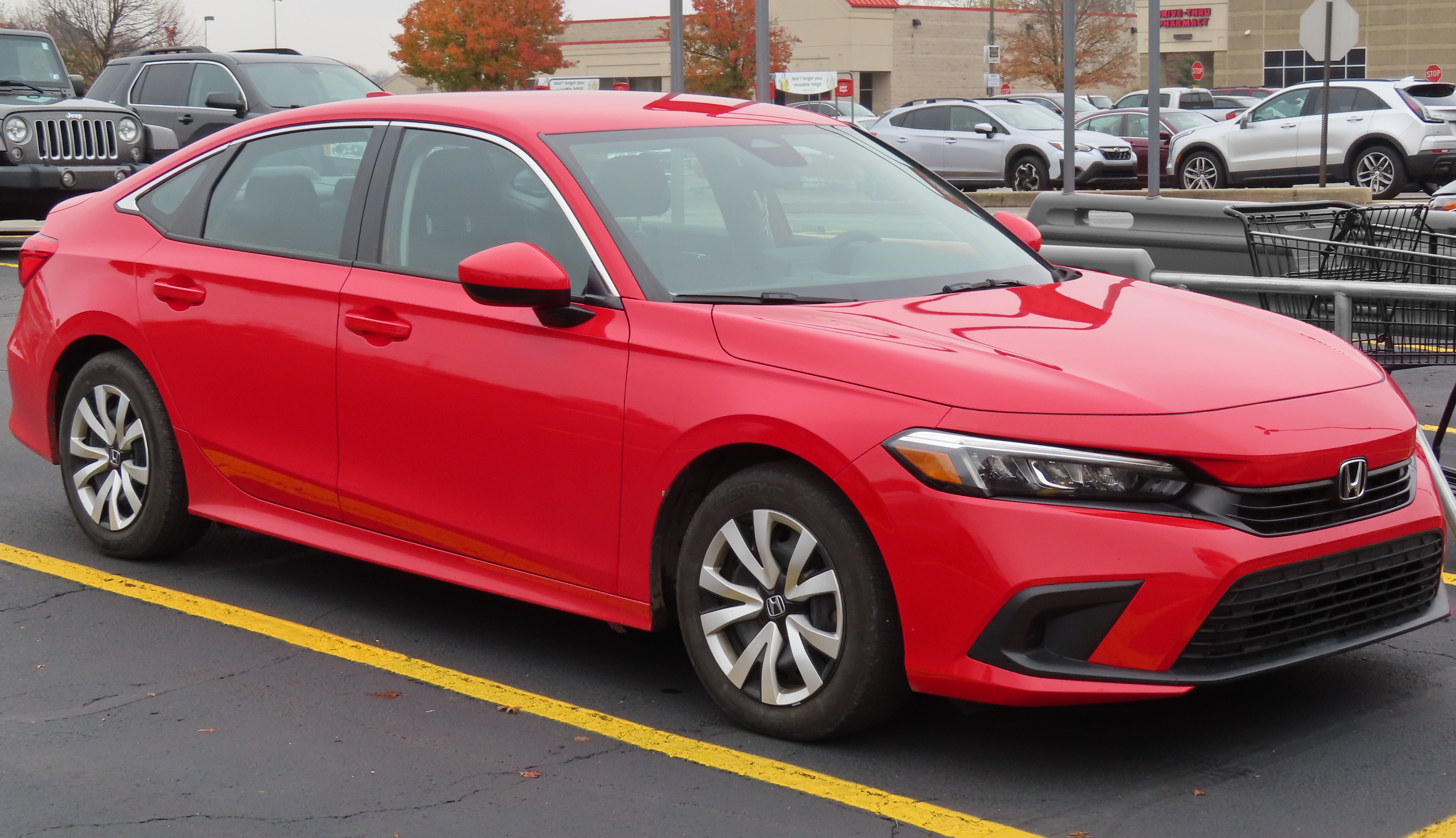
The Honda Civic is a small car that many people like because it is reliable and easy to fix. Some people race these cars because they can be made faster without spending too much money.
The Ford Mustang is a famous and fast car made in America. People like it because it looks cool and goes really fast, so it's often used in car races and video games.
The Mazda Miata is a small, fun car that’s easy to drive and handles really well. Many people enjoy driving it because it feels sporty but is still simple and reliable.
LIVE
Hi, I'm Scott, and I'm Seth, and I'm David, and we are track walking tonight.
We have one of Sunday Cups fast fits, fast fits, surprisingly difficult to say.
Definitely a technical guy who's already tipped his hand and as far as how you do anything is how you do everything.
Because he wrote notes for the show, and I'm definitely outing you before we get started.
That's fair. That's fair.
Honestly, that's not something we don't even do that when we are preparing for our own topics.
So this is going to be amazing.
We used to. We used to. I think, yeah, anyway, we have David Best today. How are you doing, David?
I'm doing all right.
So you work second shift.
So the schedule we're actually recording on a Sunday evening, which is kind of a rarity.
So I haven't been at work all day, have good amounts of energy, and just had a piece of cherry pie because good for me.
I've been selling things on Craigslist all day, and I'm exhausted with social interactions with sketchy people.
So it should be a fun twist.
Which you invite because you listed a go-kart chassis for sale for $50.
This is the danger zone.
You're going to, that's a subsection of society you have chosen to interact with.
You could have taken it to the metal recycler.
Fun fact, every motorcycle I've sold recently, like of the last two plus everything,
the person who's purchased it from me has told me about their ex-wife.
Oh, God.
I'm just like, I'm not judging. I'm not judging.
I'm just saying it's statistically very interesting.
These are the facts.
Is this happening? Yeah.
David, any interaction with a motorcycle in your life?
You know, not directly.
My dad has ridden bikes his whole life.
He keeps saying that he needs to stop riding them because it's dangerous,
but he still has a 76 CB500 or 550, I think.
I've always thought that they're cool and interesting, and I absolutely don't trust myself to own one.
I'd like to get my certification and get the experience of riding them,
but I know that I won't be happy unless I'm on track on the limit,
and I know that that'll put me in a hospital.
He doesn't have to put you in the hospital.
I've seen how he drives. It might.
Yeah.
Is your dad still married, David?
Well, my mom passed away, but yes, happily married up until that point.
Okay, fair enough.
I just wanted to see about the subsection of...
They actually met because of the motorcycle,
so I think that there was kind of like a soft spot there with her.
See, it either starts or ends relationships.
No, absolutely.
Anyway, so David, you and I first met from our weird track subsection,
known as Sunday Cup, which is a weird subsection of Time Attack.
People are more friendly, it seems like, in general,
more willing to go hang out and talk to each other and paddock together and stuff like that.
So I guess if you can...
We'll start here.
How did you get into Sunday Cup initially?
It's Jim's fault, Jim Smith.
We met just exchanging data on Facebook.
I was running my 86 and SCCA stuff.
He still had his S2000 at the time, and we just started talking.
And I'm not sure...
I can't remember who got him into Sunday Cup,
but he started hyping it up, and I really wanted a spec driver's class
because I hate building, and I didn't want...
I wanted as little variable as possible with the car,
which is funny after last season.
But yeah, Jim talked it up.
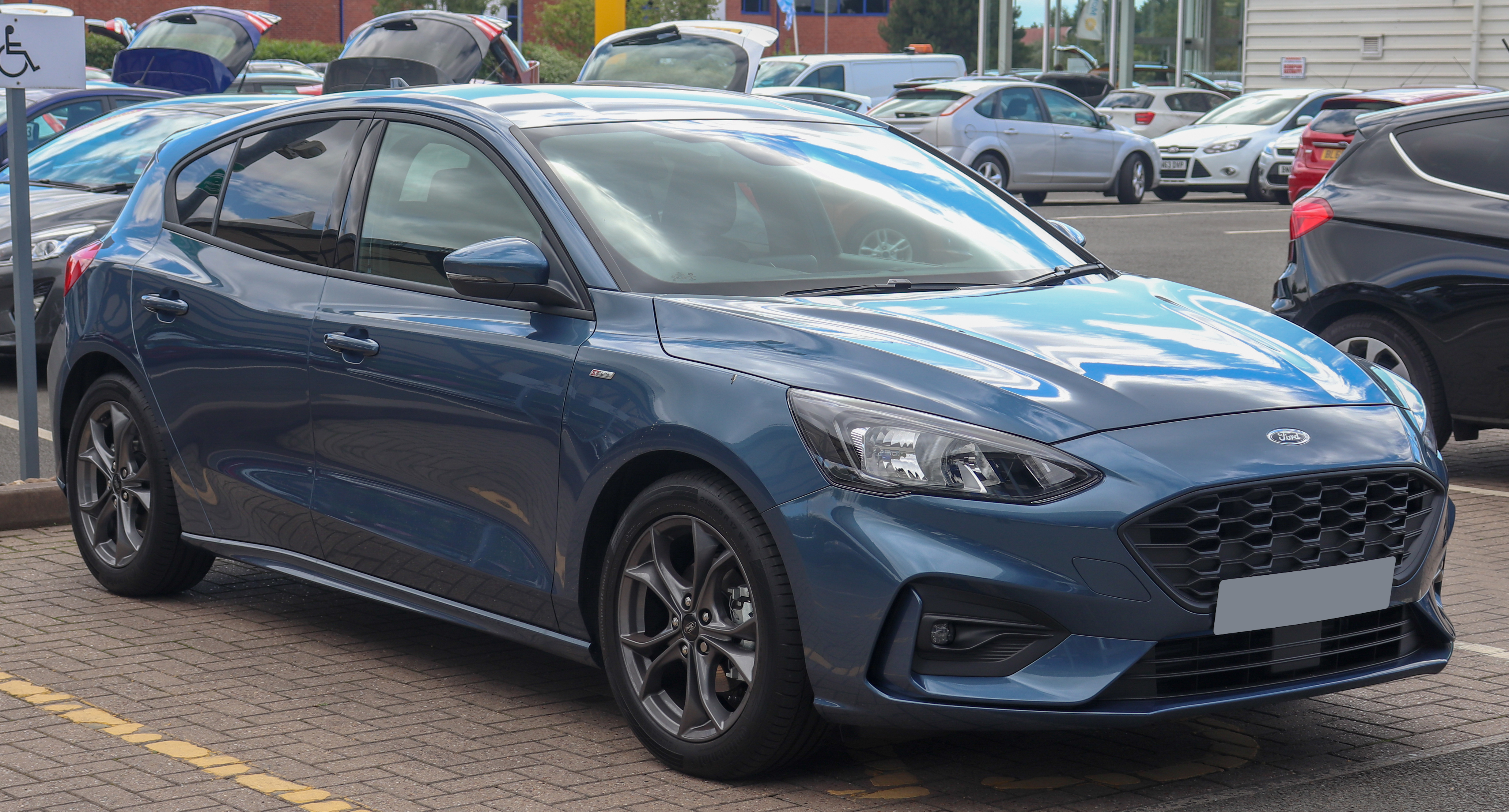
I was like, you know what, I can afford a fit.
I ended up driving down to South Carolina to get one 2022 and went from there.
So you don't like building, but you like driving.
What is it about putting a car together that gives you the ick?
I mean, I shouldn't say I'm not averse to it,
but I'm kind of shoestring budget with how I do everything,
and I just see it as such a cliff to go off of
in terms of cost and upkeep and everything.
That's a big factor, but I think realistically for me,
I want to know that I out drove somebody.
I don't want to win because I had a better car,
and I don't want to get beaten because somebody else had a better car.
So the more spec stuff is, the happier I am, I guess.
Like you've got something to prove as a driver.
You want them to know it was you.
Very much so, yeah.
Okay.
So Seth at this point likes to go back to your childhood
and see if you played with matchbox cars.
100% needed to go back to your childhood
for that particular level of competition because there's got to be...
who's hurt as a child is what I'm hearing.
Yeah, there's got to be something in your psyche
where you need to be acknowledged as a person that we need to know about.
So what's your competitive history as a child?
Where are we coming from here?
It's weird because I had a very happy childhood.
I was an only child.
My parents were fantastic to me.
There is no trauma in my early childhood or anything like that.
I did all the normal 90s kids, team sports and stuff,
like soccer, a little league, basketball, whatever.
I never took any of that super seriously.
I think that where the competitive stuff started for me with video games really,
in my early teen years and went for there or from there.
But it was arcade games specifically.
At some point I saw somebody playing a music game called Beatmania.
It's kind of similar to DDR, but for people that hate themselves a lot.
And I just saw somebody demonstrating an insane degree of skill on it
and I was like, I'm going to do that.
That's what I want to do.
And I just kind of like went all in on it
and just brute-forced my way into learning how to do it.
And that I think is like what led me into direct competition
and that desire to be known for skill.
Now, you've shared video of yourself.
I hesitate to say playing this game
because you are performing a highly practiced routine.
I think that's the distinction I want to say
because I've been at Dave and Buster's.
I've seen people playing games.
What you were doing was not that.
So from all the games that are out there and stuff,
why was it this one specifically?
My guess, at least initially, is that it's you.
There's no teamwork involved.
But what else about this game specifically was it?
And could you tell the listeners a little bit about the game?
Yeah.
So the history of the game is a little involved
because everybody knows what DDR Dance Dance Revolution is.
It's actually part of a series that we didn't get most of in the US.
And the original game in that series was called Beatmania.
And it's basically a gamified sequencer.
Like the notes fall down the screen.
You're judged on the timing of hitting a button that matches them
and it plays a sound and you put the music together like that.
And there was a series of those that just had five buttons and a turntable.
And those games went for like a decade or so.
And eventually they released a version of the game called Beatmania 2 Deluxe
which was seven keys and a turntable.
But they started ramping up the difficulty to like insane degrees.
And it's like new versions of it still come out every year
with like a hundred new songs and all the old ones still included
and they always make it a little bit harder to just like push people
to the literal limits of human ability.
But it's like your every note that you hit is judged down to two milliseconds of timing.
And you're like, yeah, it's there's like a maximum achievable score on a song
and everything's broken down into like your percentage of the maximum you can get.
Millisecond.
It used to be 60 frames per second and they went up to 120 frames per second a few years back.
Of course they did.
But yeah, the reason that it was that game was like the when I first discovered the game
I just randomly happened across it while I was downloading ROMs for emulators back in the day
and one of the sites it was like 1999.
One of the sites had one of the Game Boy versions of this game featured
and they were like, this game is so cool.
I can't stop playing it. You need to try it.
And I tried it and I also have a bit of a history with music.
I played piano and guitar and saxophone and marching band and all that.
And as soon as I started playing the game, just like the tactile and audio feedback
of like putting the music together and triggering the samples,
like it just clicked something in my brain and I just it just makes me happy.
I mean, it made me happy at first.
But it just it was just something that I loved doing and then the game evolved
into something highly competitive and the nature of the competition
and the nature of the challenge just inherently appealed to me as an evolution of that
and it just kind of sucked me in.
With your playing music in what how old were you at this point when you found that game?
Um, it would have been 99.
So like 11.
Okay.
So when you were 11, like they don't really have music competitions at that point.
They have competition, but it's like you learn a song and go somewhere with a bunch of other people
and you perform it for judges and you're graded,
but you're not like trying to outperform another person.
Well, I was going to ask you about that because you're playing saxophone in the band, school band.
Were you first chair?
Um, I was back and forth first and second chair with somebody else,
but it I like I kind of wanted it to be competitive,
but pretty quickly realized I wasn't willing to invest all of myself into it.
Mostly because that was when I had started investing myself into this game that mattered more to me.
So like I didn't like I wouldn't like it bump to second chair and then like really go crazy.
Like, oh, I got to get it back.
But like there was always like a little bit of like a pride thing there, you know.
So when you you we're going to get into cars, but I think this is this is an interesting timeline
that like you and I have talked about previously.
Um, so you get into this game because it like scratches that weird part of your brain that like
wants to be challenged as part of a flow state almost.
Because again, like I saw you do this and you you almost don't get to blink.
It's just you have to be calm.
You have to be collected.
You're using a fairly wide part of your vision vertically anyway.
And had you like getting into flow, especially like as you started to progress,
had you experienced that level of focus in anything else prior to this?
I'm not sure that I had.
Honestly, it probably was my first time focusing to that degree and experiencing it in that way.
Because I like I can remember like I was obsessed with it to an annoying degree.
Like when I was in high school and everything because it was like this weird game from Japan
that I had to like import a modified console and like get the games from weird places.
And I'm like constantly just talking to all my friends about it.
But I can remember telling people like describing the flow state and like what it felt like.
And it must have been my first time like fully experiencing it like that.
Yeah.
So take us on the journey of, you know, after finding the game,
kind of starting to do a deep dive into it to getting competitive to kind of where you ended up with it.
If I can break it up into those four sections.
Yeah.
So, yeah, like at first it was very self motivated.
Like I saw videos of people achieving certain goals in the game and I was like, I can do that.
I can just throw myself at this thing until I'm able to do that.
And there was also an aspect of it where like at that time in my life,
we were going to these youth group things on Fridays and like we don't bring games to play and stuff.
And I'd bring that game and I'd play it.
And a lot of people would pay attention to me and be very impressed and like that middle school.
That's a big deal.
Yeah.
But I would say real quick.
You said that you saw some people played online and you said, I can do that.
Yeah.
That's some confidence.
Like it.
What do you think that was like to be able to a brand new game to you.
You didn't know a whole lot about it and you're just watching some people who are more experienced than you
and you're like, yeah, I can do that.
I honestly couldn't tell you where it came from.
I probably, I mean, like there's definitely Dunning Kruger at play.
Okay.
But I like I was pretty young.
It was like, it was the first thing that I took seriously to that degree.
And I think a big part of it for me was like watching these videos on YouTube or wherever else
and seeing all the comments that are people being like, that's impossible.
I could never do that.
And like my first thought when people say things like that is, no, you don't really want to do that.
If you really wanted to do that, you could probably do that.
And I want to do that and I'm going to do it.
You know, it's that kind of mentality has always frustrated me my whole life.
People just give up on something.
Yeah.
So you're so worried.
Yeah.
Were your, were your parents there?
You said you had, you had a great childhood.
Your parents were like no trauma, anything like that.
Were your parents really encouraging and being like, yeah, you're like, do this thing that you're passionate about.
They kind of like with the video game stuff, like they kind of didn't care that much.
They weren't like, I would say they were totally neutral about it.
I don't know that they like saw the degree that I was taking it seriously.
I just kind of kept to myself, you know, but yeah, I would say that they were pretty much a neutral impact on it.
I think that they were used to me having a lot of hobbies that I got very into and that would kind of come and go.
I was really into like skateboarding and BMX and every other like extreme sport like that.
Got another skateboarder.
We've had a run of skateboard interviews lately.
Okay.
Yeah.
But yeah, it's, um, I was very, very into video games growing up.
I mean, I still am.
I have a huge retro game collection.
I have arcade machines in my garage.
Like, I don't know that my parents necessarily saw it as any different from any other video game that I was playing at the time.
Even though like looking back, it was a very formative thing for like who I am now.
Sure.
So what, um, so after you watch these people online, you're like, yeah, I can do, I can do that.
Pretty much.
Yeah.
And, uh, I'd say like, I kind of went through two stints with the game because the, my first stint.
I, like I said, I saw it.
I was like, I can do that.
I'm going to do that.
And I full on brute forced it.
Like looking back at how I did it, nothing about my approach was correct.
I just threw myself at it through like sheer will and repetition and sinking time.
I like, I messed up my hand doing it.
Like I have a weird bump on the back of my right hand just for me like straining it.
From what?
Like a muscle tendon?
Yeah.
Just from like tensing up more and more to go faster rather than realizing I needed to be
looser.
It's like, yeah.
But I just threw myself at it and I got quite like for the amount of time that I'd put into
it and for where people, the level, the skill level that people were playing the game at
at that time, I got very good, very quickly, much faster than most people did.
But I also plateaued extremely hard and eventually just kind of like drifted away from the game.
And then I ended up, I picked the, I would say I drifted away from the game probably
around 2009 or so.
And I ended up picking it back up in 2013.
And when I came back to it then something, I think I realized that the way I'd been
doing it before was wrong and not sustainable.
And I wasn't going to enjoy what I was doing if I kept doing it like that.
And I totally reassessed my approach.
And I like took a, the first thing that I did was talk to a lot of other people that were
playing and ask for input, which is not something that I ever did because I was like so determined.
I was like, I can just do this on my own merit initially.
But yeah, I started talking to like some of the best players in the country.
I structured how I was approaching it.
And I really feel like coming back to the game at that time taught me how to learn.
And it's like, I like took a little bit of a step back in skill, but then I like rocketed past what I'd been able to do before.
And it was like, I was performing in a way where I didn't feel like I was on the ragged edge of my physical ability.
Like I felt like I could go so much further with the way that I was approaching it at that point.
And I feel like that was like another very important step on my journey just in general.
So why do you think you plateaued during that your first time with it?
I just didn't know any better.
And I was just purely doing everything with like physical force and like athletic ability, I guess.
Okay.
Rather than like assessing form or approach or practice strategies or anything like that.
When you said you got into that the second time and you asked people about things and they gave you advice.
Is the community for the game such that people want to see other people do better?
Because a lot of communities for video games are not collaborative about people doing better because they're so competitive.
If another person does better, that means I do worse.
And this sounds like a completely different community for that sort of thing.
This one, you see very much the same mentality that you see in racing and time attack where it's,
first of all, I want to demonstrate my understanding of this through helping somebody else learn.
And second of all, I want to bring you up to the highest level you can be at and still be better than you.
It's like kind of a double edged thing, right?
But then there's also the angle of I always liked helping somebody else get better at it because it forced me to reassess what I was doing
in more detail or focusing on something that I didn't have to think about as directly and it just bolstered my own understanding.
And that's something that I get out of helping people get faster on track.
I love talking to beginners and instructing where I can.
So this sounds like you have this outlook on life and skill development and things that you can always get better.
Now how you do that and whatnot is a matter of sounds like some debate and some learning,
but there's no like real top limit to how you do.
Is that sound right?
I would say for the most part, yes.
In playing beatmania, like I so I the second stand I played very seriously up until 2020 where I was playing the game at an arcade every week
and COVID lockdown and everything disrupted my like just my routine with it.
But I had been finding myself plateauing where I knew that I could keep improving in certain ways,
but I did feel myself reaching like my actual physical limit of what I could do.
It felt like it was just very much becoming diminishing returns at that point.
I was I hit like the big goal that I had set for myself early on into playing the game.
And after that I was really struggling to like set goals that were still satisfying to meet.
So it was like that getting shaken up at the same time I was starting to get into driving.
It was like it was pretty natural for me to just put all that effort into the car, you know.
What was your goal?
So the game has a ranking system built into it where it they'll like revise it every version,
but there's a set of 17 courses will wait.
No, it's 19 or 20 courses now that are you play four songs in a row.
And like it's kind of a flood system because it only it doesn't necessarily rely on your accuracy.
It's just your ability to survive these songs.
You have a health bar that only goes down more or less.
And the highest course that there is is called.
It's Kaiden rank, which is just like it's a somewhat commonly used term for ranking in Japanese systems.
And it was just my goal to hit that rank and clear that course.
And I ended up being the first person in Michigan to ever do that.
So doing that felt incredible.
But it was also one of those things where it's like every goal that you reach becomes the new minimum that you can perform at.
And so like there's like big diminishing returns.
It was like it was unhealthy the way that I engaged with that game.
Like I was doing it well beyond the point of it being fun and the payoffs were less and less and less.
And I felt like I just needed to keep doing it because I'd invested so much.
And it's like I put so much into perform at this level.
It would be a waste to stop performing some cause.
Yeah.
So yeah, it was like I was I think part of me was waiting for an excuse to disengage with it and getting everything as shaken up as it was just kind of worked out.
Like I'll still poke at it once in a while for fun and I can still play pretty competently.
But like the new version's been out since October and I haven't been to the arcade to play it yet.
So you so you kind of had two or three different stints with it.
It sounded like at what points did cars come in?
Like what year do you think?
So cars were always an interest.
And like the first car that I bought for myself was an SVT Focus in 2012.
And I loved it, but like I never really did anything with it.
Like I drove the hell out of it, but like I never did an autocross, never got it on track.
I didn't really know what I was doing in terms of like maintenance and upkeep.
Like I changed my oil and stuff, but like I was afraid to put a wrench on the brakes at that point.
I just didn't know what I was doing.
And I kept I remember like around town.
I live in the Ann Arbor area and I'd be like just walking around town on my lunch breaks and I'd see posters for Waterford Hills and I was like aware of it.
And I was like, I got to go there like I want to go there.
It was just my whole life.
I wanted to get on track and drive race cars.
It was just something that I always wanted to do.
And I was like, I will eventually do this when the time is right and I have the resources and it all lines up.
And then I don't want this to sound like a midlife crisis.
It just kind of lined up neatly, but I turned 30 in 2018 and just the way things were coming together in my life.
I was like, I'm done waiting for it to be the right moment.
Like I realized that people don't have right moments.
They just do stuff.
Like the people that are doing it just started doing it.
And I was like, I can I looked at my finances.
I'm like, I can swing it.
I'm just going to buy an eight six, which is the car that I wanted and I'm going to get it on track.
And I bought it in the fall of 2018.
I did my first autocross in 2019, I think.
And I think I also did my first track day in 2019.
And then my first competition was, um,
No, you know what?
I think I kind of spent a year with it.
I did my first autocross towards the end of 19 2020.
I got into track days.
I started out with a track alitius at Waterford Hills and then 2021.
Uh, SCCA time trials national tour at Gingerman was my first competition.
Good Lord.
Yeah.
What you said is often set in my advice to people want to do the one life of America.
Like if, if you say that you want to do the one lap of America someday,
it will never happen.
Yup.
Because someday is, it's never a good time.
Yup.
Like if you wait till all the thing, you're basically retired.
Maybe by the time that you have a good time to go do it.
Yeah.
Like you said, you just have to commit and go to it.
So I'm, I'm wondering where this desire to get on track came from.
Um, I just, so my dad has been a private pilot since the seventies.
Aviation was his passion very much in the same way that driving is my passion currently.
And he still flies.
He has a 172 and a champ that he got just a couple of years ago.
And like from literally when I was too young to remember,
I've been flying with my dad.
Like he stuck me in a car seat in the Cessna and I was flying around with him.
And I don't know.
It just felt like just operating a machine just felt like so appealing to me.
Like it wasn't something that I thought about in those direct terms,
but it was like what I saw my dad doing.
I'm surrounded by people that are doing that sort of thing.
And cars just kind of spoke to me.
My dad was into cars and interested in them, but never like really in the weeds.
Like he wasn't, I mean, I was going to say he wasn't building cars,
but he has told me about building like some of his first cars,
but it was just cause like at the time that was how he could afford a car was to put one together.
But he never got into like really like modifying them all crazy or racing them or anything like that.
But he taught me an appreciation for them.
Like I grew up with just the understanding that like cars are cool, sports cars are cool.
And it's like a piece of like a marvel of engineering and a piece of art and something to be admired.
And like that just as a background as I got into video games drew me to racing games naturally.
And I think that it was getting more in the weeds with racing games
and the simulator side of that seeing the through line to real life.
And like it just felt like I needed to make this a real thing, you know?
Yeah.
Did your first autocross and track day live up to that hype?
Oh yeah.
Yeah.
Yeah.
I would say that the I definitely left my first autocross wanting more,
but the I mean like the actual driving that I did, I had a blast.
And then when I got onto track, I was just immediately hooked.
I think that I came out of the gate pretty strong because I had been taking simulators very seriously for a while.
And literally the my first track day, my first time in the car,
like my first thought was this feels exactly the same as playing a video game.
Like my mind is in the exact same spot.
It took me like a few laps to get used to some of the physical sensations of it.
But there was never any like fear or apprehension or anything.
I was just executing the same way I would if it were a video game.
So that sounds terrifying.
I remember in my first track day, I had one moment where I got a little bit spooked.
It was the car started to push coming out of turn two at Waterford.
And I was like, is it going to go off the track?
And literally the only reason that I was afraid of it was I didn't know if going off the track was going to break something on the car.
I've like, I've never worried like the idea that I could be physically hurt in a car just never approaches my brain at all.
It's like any concern is how much is this going to cost?
What's it going to do to the car?
You shouldn't ride motorcycles.
Yeah, like in cars.
Maybe maybe tiny bikes.
Tiny bikes on a track.
Although you are pretty tall like me or two years.
Yeah, I'm like 6'1".
Yeah, I doubt you'd fit very well either.
So with the 8.6, did you buy that outright or did you have a payment on it while you were drinking it?
Oh, I had a payment.
I paid it off last year.
I budgeted it out to what I knew I could afford months to months.
And that was all I worried about.
I know what's that.
The American dream.
Just make the monthly payment.
You're fine.
I'm sure I overpaid on the duration of the loan for making it as long as it was.
But I was like I can afford this for a down payment.
I can afford this month to month and whatever.
And I wasn't going to let that get in the way of tracking the car.
I started modifying it within a month of owning it.
Perfect.
And I don't know if something bad happens, I'll deal with it is how I always felt.
It helped that it was my second car.
Okay.
Because I still had the SVT at that point.
Yeah.
This might be telling what were some of the first things you did to the car?
I think the very first thing that I did was wheels.
Wheels and the like the factory option lowering springs.
Yep.
And then pretty soon after that, I did the Catalyst header and a single exit exhaust.
Nice.
And I mean like that's most of what's done to the car at this point.
Like it has coilovers in a sway bar now and like that's it.
I did the rest of the exhaust.
But it's a it's an SCCA tuner for car.
So it's fairly limited in what you're allowed to do with it.
Sure.
Oh, one of the, one of the first things that I did was the Jackson racing two in
one oil cooler radiator.
Yep.
I did that before I ever took it to the track.
So by this point in tracking cars, you had kind of been able to look back on your
first stents with your video game obsession to see how you had approached it.
Not in a sustainable or productive way.
Let's let's put in that to like corporate terms.
Right.
So were you able to apply any of the things that you had realized and learned from that
experience into racing cars?
I would say yes, definitely because this was also it's also worth pointing out that in
between there, I had gotten back into skateboarding after not doing it for a long time and I was
able to reapply what I had learned about how to learn from the game to what I was doing
in skateboarding.
And I pretty despite being in my thirties, I pretty quickly got better than I ever was
as a teenager at skateboarding just by just understanding how to analyze what was happening
like the kind of things that I needed to be aware of like taking a bigger picture on
everything that leads up to a result rather than just what the result is and then trying
to just force it to be better.
And I think that I very naturally applied that to my approach with cars like how am I going
to approach a turn a couple times in a row to like see what's the fastest what works
like just under kind of understanding when you need to like when you're in the exploration
phase or when you do need to double down and execute better versus like cutting your losses
and trying something totally different.
Yeah, I was I was about to say let's can you can you tell us a little bit about what you
have learned about learning?
Oh man, it feels like an abstract thing.
And of course like for you.
Yeah.
It's really, I think the biggest thing for me is I was very, I saw enough success with
just doing the same thing over and over again until it works that it like it was bad feedback
that just kind of like pushed me into a dead end.
So it was it was really just that understanding how to iterate and assess what's happening
more so like in the moment than just looking at the result of what you did, I guess.
Okay.
So instead of instead of trying the same thing over and over and just making it work, you're
suggesting that by trying a bunch of different things with the feedback on which one of those
things might be better long term is more helpful.
Yeah.
Okay.
What what kind of what kind of feedback was on that game?
Like how would you know?
It was really just like whether or not you were hitting the notes and what your timing
was on the notes.
Like you're, there's like, there's like four or five steps of timing that you're graded
on based on like how many milliseconds off of perfect you are.
And like,
And you would get a report at the end of a game or something.
You get a report in real time if you wanted it, like it'll show you a bar chart that's
filling up like relative to your best and a pacemaker that you set and like the counts
of each judgment that you're getting and how many are fast and how many are slow and all
that.
This data.
Yeah.
It's data analysis.
Yeah.
It's phenomenal.
But it was a lot of that was like because the the data is pretty binary in that it's
like you either hit the note or you didn't.
Right.
And it's like, I said there's like five steps of timing, but like there's only two that
matter because the like to simplify the points that it gives you, it's either two points for
a perfect or one point for a near perfect.
And those are the points that like your percentage of a hundred percent is judged on.
Yep.
So it's like in the moment, you just see if you're hitting the notes or not.
But the the stuff that I had to analyze is what am I asking my hands to do?
How are my hands moving from one pattern to another?
Like what's reaching?
Like what how many buttons are being covered by a given finger?
You know, and it was like, how can I make this as efficient as possible in order to be
as relaxed as possible because that's where speed comes from not tensing up.
And a lot of that ended up with, I think a big thing that taught me like different approaches
and learning is I for like, I originally just brute force the game didn't have like a defined
play style or like like hand position or anything.
And I forced myself to use a static hand position that I knew very skilled players used and
like it set me way back in terms of what I was able to do.
But I was like, I'm going to beat every song in the game using this hand position before
I go back to my other one.
And it allowed me to like kind of combine everything together.
Oh my God, you learned you've learned left foot breaking on a video game.
That's amazing.
Kind of. Yeah.
Kind of.
And I still won't let foot break in a car.
But learning to do it is it teaches you a whole bunch of other things about regular driving.
So yes.
No, that's a valuable skill.
Even if you don't use it.
And then it's in your toolkit.
Right.
Like it's something that you can call on if you need it without having to think about it.
Right.
So with the let's call it a very modest set of inputs that you have in that video game
versus when you're on track driving just hundreds more inputs and scenarios and car placement
and tired, degradation.
I'm just huge amounts of variables different.
What, how did you set up a feedback system where you knew this is better here?
This isn't working as well.
Like how did you set that up in your early days?
I mean, I was always timing my laps.
So it was always a performance delta.
I think it definitely.
I don't want it to sound like I came out of the gate and onto track and like just knew
everything I needed to know about how to improve or anything like that.
Because I definitely I went through a similar arc to what I did with beat mania where I came
out of the gate much stronger than most people do.
I got fast very quickly and got attention from people.
And then I kind of hit that point where I was like, I don't know how to get faster at this point.
But I also knew that that was when I needed to start finding people faster than me and
talking to them.
So I tried to just like put myself in competition as quickly as I could so that I could start
feeding off of it and getting the feedback from others and starting to see what mattered
and what was productive, you know.
Well, get it.
It kind of sounds like you, you went back to rest on that kind of growth mindset that
the only way I can get better because and assumption being that you can get better,
which not everybody has a lot of people, you know, will get to a certain level and just,
well, I guess that's it.
Right.
Like maybe it's my car, maybe I can start, you know, spending money on my car at this
point and like doing all these, all these things or, you know, I'm just not in the right
class or something like that.
But you seeing that plateau that you had comparing that to the plateau that you'd had in the
video game and then you just went out and sought out other people because that was the
way that you had found to kind of break yourself out of yourself almost to be able to find
like, because again, assumption being, I don't know it all.
Like that's not common, I would say, you know, there's many different ways to live a life
and that's definitely one of them.
So were you just like going up to other people that you knew who were quick at the track?
Yeah.
Yeah.
I had the fortune of just organically meeting Paul Darling very early in my driving career.
Oh, what a guy.
So we've been friends since back in the Midwest 8-6 Cup Time Attack series and then the just
seeking out feedback, like I said, that's what got me in touch with Jim.
I was just like sharing video on Facebook of like a lap I was proud of and Jim commented
and I think he just straight up was like, yo, send me data.
I want to look at it.
And I was like, hell, yeah, I'd love to look at data with you.
It's awesome.
So yeah, it was just like, I don't know my like I said, my first competition I ever did was
that Time Trials National Tour at Gingerman and I went with an underprepped car on RS4s
and I came in third in my class.
So I was like, okay, I'm like, I'm okay at this.
Let's get serious and actually win something.
And I'm still waiting to actually win something.
But what was that getting serious like at that point?
Was that like getting better tires, spending more money or was it diving into data and
learning more?
I was, I think at that point I already had my aim solo.
So like I was already down that path with the data, like still like early days, like
learning how to learn from it basically, but I had a video and camera and my car recording
video and all that.
And getting serious was really throwing more money at it, being comfortable throwing more
money at it and just like from so that was 2021 was my first competition year like from
2021 until now.
Every year I've run more events than the previous year and like last year I didn't go more than
two weeks without being on track.
So it's like I just kept amping it up and I'm like, I feel like I'm overextending, but
my bank account says I can afford this.
So I guess it's okay.
So you're letting your bank account set your schedule basically?
Pretty much.
Yeah.
Okay.
Just going to leave that there.
I have a question.
You said you got an aim solo fairly early in this process?
Yeah.
Okay.
Did you know, like when did you know you needed one versus, I mean, when you got one,
but what was the like, all right, I need data now.
When did that come in?
I don't know that there was like a moment.
I think it was just as soon as I started getting into track stuff, I was looking at what people
in competition were saying and the things that they were talking about and what seemed
to be important.
And it was just like even when I was still just building the car and buying parts for
it and everything, the aim solo was like on the build sheet.
Like it just seemed like a thing that I needed to get eventually.
So there wasn't like an aha moment with it or anything like that.
But swimming in data just seemed like, of course, like, I mean, that's what you would do to
be better is to have data.
Yeah.
Like why go blind, right?
So after you decided to get serious with 86 cup, how'd that go?
Um, it went well, but the series was kind of like dying out like as I got into it.
The the guy that was organizing most of it moved out to the West Coast and the rest of
us that were running it the most seriously have all pretty much dropped the ball and
keeping it running since then.
It was always kind of an interesting series where it would just piggyback on other events
like the SCCA time trials was also an 86 Cup event.
And then like the SCCA event at pit race would also be one for like the Eastern division
and then we went down to mid Ohio for a thing.
But I mean, I set a bunch of the track records in my class and I won my class, but I'm not
going to say that it was like, I didn't have somebody I was like duking it out with in
class or anything because Paul was running a stock car.
I was like the next step up from that.
So even though you won and you set a bunch of records, didn't feel great, didn't feel
like a win.
I mean, I felt good about it, but it just, it didn't feel like, I mean, winning a season
of 86 Cup didn't feel as good as taking third place at a grid life event.
You know, it's like, I was never deceiving myself about like the level of competition
I was involved in, you know, sure.
So you decided to jump from a rear wheel drive sports car because this guy named Jim
Bo Smith Elaine said you should get a shit box and come race it on track.
Yep.
Cool.
At the point that he suggested that to me, I was like so past the honeymoon phase with
owning a sports car and like so into just being the best driver that I could.
It's like every car that I could drive is just a means to an end.
Yeah, I truly don't care what I'm driving as long as I have like good competition and
there's something to do with it, you know,
Yeah, you're trying to find that video game.
You're trying to find that platform basically that would give you that.
Gotcha.
So you get, you get a Honda fit.
Do you like immediately fully prep it or did you roll it on some, some stock suspension
for a while?
I never tracked it in stock form.
I got it in like towards the end of fall in 2022 and I had the car fully prepped before
like track season started in 2023 because I like, I knew the, I knew the recipe.
Like I bought half of my parts from Jim and just threw them directly on the car.
He helped me out with it.
Yep.
That makes sense.
So how's that experience been for you?
You know, you get, you get out of the quote unquote builders class,
like kind of throwing money at it.
Even though you did throw some money at it, getting it prepped and everything.
Was it everything?
I mean, I would say two or four.
I wouldn't necessarily call a builders class either.
It's pretty, the eight sixes kind of took it over.
So it's like, it's pretty even competition at most of the events unless a,
like if the, what's it called the S 2000 CR, whichever one had the stock arrow,
that thing will come up and just like put seconds on everybody because it can have
arrow because it's stock.
So it's like, there are a couple of spoiler cars, but for the most part you're racing
against other twins and it's pretty much a spec series.
Okay.
But so you really came in kind of for the spec aspect,
but more for the competition aspect.
Yeah.
The competition and the visibility.
Like, like I said, I wanted to demonstrate skill and be known as a skillful person.
Like, I'm not going to pretend that that isn't what I want.
You know, is that so you've said that, you know, you haven't,
you haven't won an event yet.
Has that been a hit to the ego?
Like kind of knowing that you want that acknowledgement.
How's that sat with you?
Um, I, there have definitely been moments where I struggled with it,
but I think that was more early on because if I'm honest with myself,
my goal wasn't necessarily to just show up and be in first place.
Like my goal was to establish myself as like I said, somebody who is skillful
and like just a known quantity and I've seen that happen.
Like I've been given opportunities due to my involvement with good life
and my performance and my consistency.
Like it definitely softens the blow.
Like there's still a bit of a frustration of the results that I've seen,
but I'm not going to say that it's like,
it doesn't feel super detrimental to me at this point.
I feel like my mindset has improved over time for sure.
If you could show up and win, would it still be fun?
Like if you could just, you'd be like, yeah, I'm just beating everybody today.
It would really depend on how close it was, honestly.
Okay.
Cause like if I could,
You have to know you're beating somebody good.
Yes.
In order for that to be valuable.
Yup.
You can't go out there for,
forget to do your tire pressure and like kind of blow turn three
and feel good about it.
No.
Okay.
And fortunately the class won't let me get away with that.
No.
No.
And you got into it kind of right.
You said 23, right?
Yeah.
So that was definitely Sunday cup was in full swing at that point.
Turn and remember, I think Becky's last Sunday cup.
Was that 22 or 23 that she ran?
I don't remember.
I think it was 23 and that's when she was like, no, this is getting real serious real fast.
Yeah.
I think it might have been 23 that all of a sudden like it was just a vertical cliff
of tryharding at that point.
My, uh, my 2023 grid life experience was pretty interesting because I,
like I said, I built the car like to be ready for spring and I went out to test it at
gingerman and in my testing, I beat the standing class record.
So I was like, hell yeah, I'm ready to just show up and do this.
And I showed up at Midwest rev up and I blew my engine in the first practice session.
Oh no.
Yep.
It just came in knocking like nothing traumatic happened to it.
The car was just like not today.
Yeah.
That's the great thing about fits.
They're so reliable.
It's amazing.
Yep.
I've killed more fits than anyone else.
I know I've killed two L 15s.
What?
Cause I blew up the, uh, the endurance cars motor.
Oh yeah.
I mean, that's kind of different, but yeah.
Yeah.
You just over rev it or what'd you do?
Um, I think that there was definitely a, well wait, which car are we talking about?
Minor Peters.
In mine, there was, I think that I had over revved it at some point, but it wasn't like
over revved and it blew up, you know, it was, it was like, it was totally non traumatic
at Midwest rev up.
I just came in and somebody in the pit lane was like, I think your car is knocking and
it sure was.
But the, um, yeah, the, the endurance car, I did have one moment where I miss shifted.
There was like a weird issue with a traffic coming out of turn nine at gingerman and
I just, my hand was in the wrong spot, but it held on fine for like hours after that.
And then it was, I was going to take the checker on my first ever, it was my first time doing
wheel to wheel and my first endurance race.
I was all pumped.
It was like 20 minutes to the checker and it was, uh, went down into turn 10, went back
to the throttle and I'm like, that's about half the power I expected to have.
And as I'm thinking that it exploded like a fast and the furious movie, like the car
filled with smoke, it made noises.
I've never heard before in my life.
I coasted it into hot pits.
It was pretty spectacular.
I'm very fortunate that Peter still lets me drive his car.
So yeah, it's been, well, I guess let's talk about this year because I think this year
and I'm, I don't know, too much preface.
So this year we had a new class of car show up for an entire season and do very well.
And that is the Honda civics.
Uh, we've had Honda civics previously, but never one for like a full season and like
really going all in on it.
And I know you and I have talked and, you know, about class parody and stuff like that,
but you're not driving your car slowly and you're presented with a, at least somewhat
of a performance Delta between your car and the civics.
How does that change your equation on why you drive Sunday cup?
And is that, does that like sour your milk for why you got into the class?
I would definitely be lying if I said no, but I wouldn't say that it's ruined the
class for me.
And that's only because there are enough people in the class that I want to outperform
that I haven't yet.
Like I have names.
There's so much a couple that you're talking about.
I'm not, I'm not, I'm not shy about it.
I want to, I want to beat Sam everywhere that I can.
I respect the hell out of him.
We've become good friends through it, but it's like he's definitely a target that I want
to be better than.
And it's like, I don't know.
I just, I don't feel like I have had the performance that I want yet in the class.
And even if other cars are going to come up and present like an insurmountable
challenge, I just like, I'm not thinking about them.
Like there's, there's still so many other targets in the field for me to beat to do
something that I'm personally proud of, that I'm just like, it feels bad.
I do.
I don't like the situation, but I'm not going to let it like take the class
away from me, I guess.
You still have, it sounds like you still have that initial goal and target that's
so unfinished that the goal after that just isn't a consideration.
Yeah.
Okay.
Yeah.
It's like every, I mean, like I think I said as much to you, like at the track a few
times, I'm like, okay, so there's two trophies now.
Like I'm just, I'm not competing with that.
I can't.
So I'm not going to worry about it.
And then you tried a new form of motorsport this summer.
Why, why did you start to reach out for something new?
So I actually like a goal that I had this past season 2025 was I wanted my first wheel
to wheel experience.
And honestly, the opportunity just fell in my lap.
Um, Peter, Peter used to run a car in Sunday Cup when I previously mentioned that I blew
my car up at its first event.
Peter, like I had previously met him on that test day.
And as soon as my car died, he came right up and offered me a code drive just out of
nowhere, unprompted.
And we code drove the rest of Rev up.
And I've stayed in touch with him and he, um, he had some bad luck with that car at
mid Ohio in 2024.
He put it into the wall and ended up rebuilding the whole thing and just decided that he was
going to rebuild it as an endurance car to do some endurance racing.
And out of the blue, he approached me about driving with him.
And I was like, like I said, I already had the goal that I wanted to get into some wheel
to wheel and get that experience.
And it's just everything lined up.
And I was, it was another thing about me like getting serious where like, if it had happened
a year sooner, I would have been like, Oh, I don't know if I can afford that.
But it was like, this opportunity is here right now.
And I'm just going to like make it work and see what happens.
And it worked out.
I had a really good time with it.
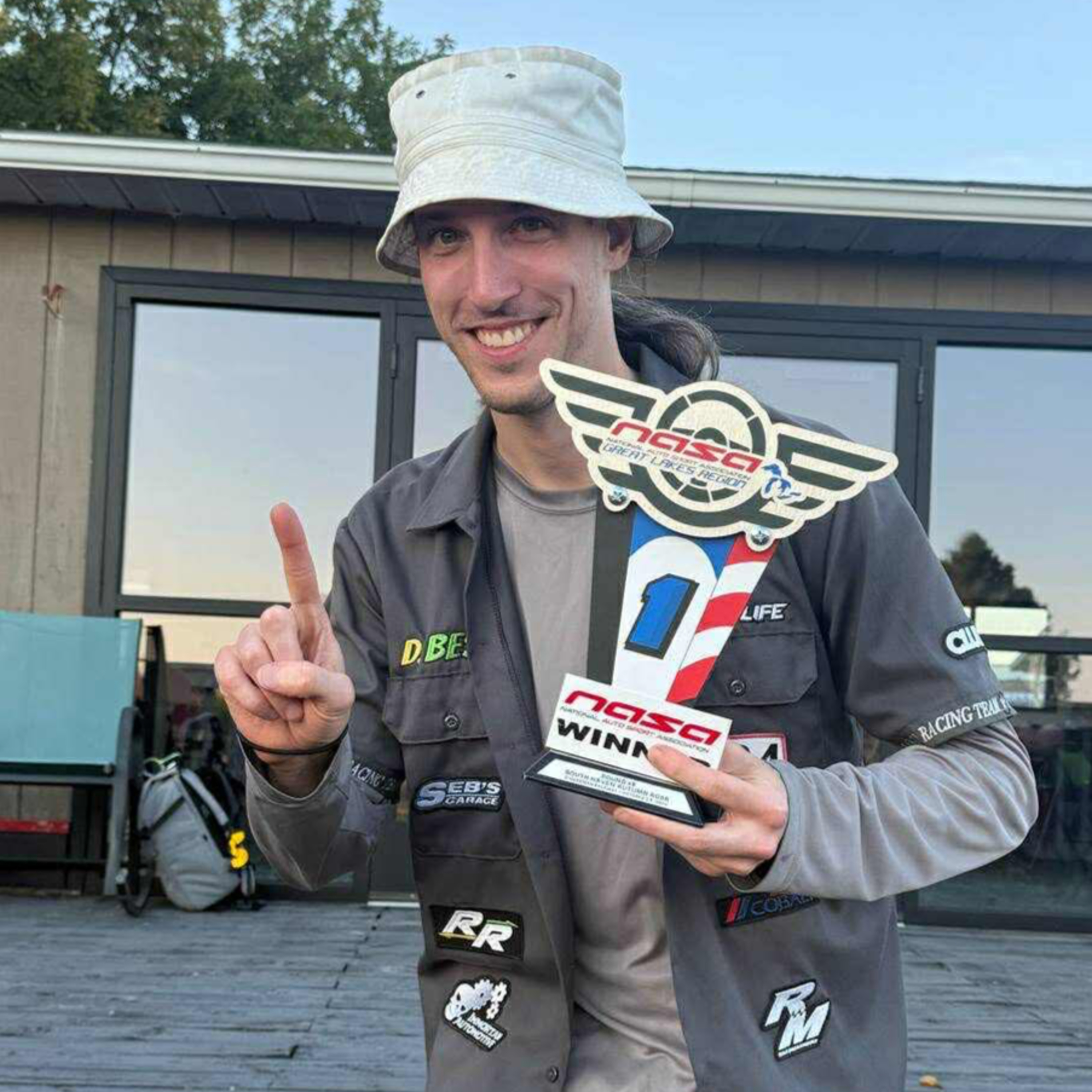
We ran, uh, we ran four races last year, did three lemons races and one NASA race.
And we, uh, came in first in our class and the third lemons race, and we won overall
in the NASA race in a fit.
I was there.
You guys were turning laps to work.
Jim was part of that equation too.
That was, we kind of had the dream team rock.
Yeah.
There was that one Thunder Roadster that was moving in Holland that he was doing an iron
man by himself.
And I think he just got tired or bored, like it's a couple hours to go.
And he was just like, yeah, I'm going to come in.
Yeah.
That's, so when you said, when you said you wanted to go wheel to wheel, what did you
expect to get out of it?
And maybe this follow up to that is what did you actually get out of it?
Um, so I've done a lot of eye racing in the off season, the last couple of years.
And if I'm totally honest, I was like, well, just driving the car on track felt exactly
the same as the video game when I did it in real life.
So I kind of expected wheel to wheel to be the same way.
And it kind of was for me, like not to, I don't want it to sound like, like I'm not
taking the, like wheel to wheels, a step up in terms of like how serious things are,
like other people are depending on you to not destroy their car and hurt them.
Like there's definitely like more of a margin and like I'm taking it seriously, but it's
still like, I think it's less that I take real life as seriously as a game and more
than I take the game as seriously as real life where it's just like my brain just goes
to the exact same state, you know.
What, what have you found because you haven't done sprint racing.
I haven't yet.
No, you went straight from time attack to endurance racing.
So you obviously you added the challenge of track position and passing and being passed
and stuff like that.
But with more of the long-term mindset of how do we run our race to do the best that
we can.
Yeah.
Like our win at Road America was because we just outlasted another car.
It ended up breaking and we didn't.
So it'd be like that.
Yeah.
In terms of racing.
So have you again, like in your learnings and learning how to learn and iterating and
getting feedback, but now you go from like 20 minute sessions to hour, hour and a half
of being in the car.
What, what has that experience done for you in terms of learning how to learn?
Hmm.
There you go.
That's my one good question for the, the podcast.
No, that's interesting.
I hadn't really thought of it in that context because the, those events always kind of just
felt like performing.
But there is, there is definitely learning because it's, even though it's the same chassis
that I drive, it's not the same car and it does drive differently.
And it's, it, the whole thing feels more relaxed to me.
Like, I think that the, the endurance format and like the, the venues in which we've been
racing, I know that I'm going to be one of the faster guys in a car out there.
So I don't like, I'm not as.
Love the confidence.
Love the confidence.
Well, it's, I don't mean to sound like stuck up about it.
I just, I see a lot of people there, like just to have a good time and party and we're
every race that we show up to, we're like, we're going to try and win this as much as
we can.
Yeah.
No, it has nothing to do with cockiness.
It's just like, yeah, I know, I know what I'm about, son.
But yeah, it's, um, yeah, I don't know.
I, I, the flow state definitely settles in a lot more in the long stints.
The, I definitely have some moments where I'm just like fully lights out, just kind
of like operating on instinct, you know, and that's a cool experience in a car.
I was about to say, does, did it freak you out ever?
Like you kind of like, I don't want to say snap too, but like once you like reenter
your body, are you just like, Oh, I've been driving like this entire time.
Like what?
I've had those, yeah, I've had those little moments of realization like that, but I wouldn't
say that they ever like threw me off or like caught me out too much.
I, it was actually as weird as it is to say this because like getting back to the video
game again, the, the songs in the game are two minutes long and they're like extremely
dense and physically stressful.
But like, I would like be so into the flow state of it that I would just be like thinking
about other shit while I was doing it.
And it was like, that'll happen sometimes in the car, but in a time attack context, I
don't feel like I have, I don't feel like I can waste the time in a session.
The same way I feel like I need to be a little more actively analytical and the driving the
longer stints and the endurance stuff, I feel like I can go and just like let myself go
kind of like lights out and just feel and drive on instinct more without being as analytical
moment to moment.
Has that been nice?
Yeah, no, it is for sure.
The, the, that was something that I was thinking when we first started talking about that like
kind of as a compliment to time attack, I after like my first race was a little bit stressful
just because unfamiliarity and all that.
But once I like got used to the routine, they're honestly like, it's like taking a break like
I, they recharge me honestly, which is funny to say because they're like physically draining
for sure.
But just like mentally and emotionally, they're, I don't, it's not going to sound good when
I say it, but like they're fun and like time attack kind of isn't, it's, it's type two
fun, right?
Tell me more about that.
Like what's, is it because you, again, I don't want to say it's not the like pressure of
performing, but you're also co-driving with several people in endurance.
So there's a few steps removed of control.
You do have kind of the wheel to wheel aspect, which is yet another level of control you
don't have where time attack, it's very condensed.
It is you and the clock and hopefully no traffic.
I'm, is like, is that what I don't want to say makes it not fun, but like what, what
would you say makes that less fun than endurance racing?
Um, I, I really think that it's less the, I mean, the format definitely plays into it.
There's that pressure of like such a narrow window of being able to do what you need to
do.
Whereas like by its nature, endurance racing, the whole race is what you need to do.
Like there is not really a narrow window that matters that much unless something like really
weird happens.
But like that's definitely a factor.
But like if I'm totally honest with myself, it's a lot of like just what I put on myself
in terms of expectations and like limited amount of opportunities to achieve my goals,
you know, it's just, I'm not something that I was trying to do over the course of last
year is teach myself how to have more fun while taking things that seriously because
I see a lot of the, my opponents that outperform me and like the people that I want to be better
than seem to let themselves have a little more fun than I do.
So I'm trying to be better about that.
But another thing that I've like always said is like fun is not the primary concern here.
Like I'm not, I'm not competing because it's fun.
I don't want it to sound like I don't love driving.
But the like in the thick of it in competition, I'm not like, hell, yeah, I'm having a great
time.
I'm like, I'm beating myself up and I'm just hoping to like have fun celebrating later,
you know.
Do you think that if you always see the question you have, Seth, go ahead.
So if you took a car and you took the data out of it and you took the transponder off,
could you have a good time just going and doing laps?
Yes, but I would get bored.
Okay.
My question is that if you could adopt some more of that endurance flow state having a
good time mindset while still iterating and stuff like that.
Do you think that could be a help to your pressure time sensitive time attack driving?
It's hard for me to say decisively.
I'm sure that like every different mode that you operate in has something that you can
draw out of it and apply to every other mode that you operate in, I feel like, but I do,
I feel like as I've been approaching it right now, I just haven't been putting as much pressure
on my and I'm that could be the thing to do is just put less pressure on myself.
But it's like, I don't know, I don't want to like, I don't want to trivialize it because
I do still take it very seriously, but I just, I feel less serious about the endurance races.
And I think it's because there's so much less, so much more of it is out of my control that
it like gives me that space to ease up on myself a little bit.
Like if I cut a bad lap, it's not the end of the world, right?
Like I can, I can let myself like just recompose a little bit and come back.
Well, the reason I was asking is, you know, we've, we've kind of mapped out our two dimensional
graph or two dimensional board that we're playing on.
We've got the skill and then we've got learning how to do the skill, right?
Then you added the thing of learning how to learn.
So now we're like, we've got a cube now, right?
So now you can like learn how you learn, but it's almost sounding like with this approach,
kind of having fun, taking it a little less seriously, like you said, an endurance racing.
And then you've got this other mode of operating in during these grid life time attack events.
Those almost sound like slightly different cubes even.
So the way that the learning how you learn can be iterated on itself.
Like this is, this is probably really, I guess people at this point know that we get into weird conversations.
But, but the idea that like you're still, you've learned how to learn and that has grown in and of itself,
but like trying something, it's not even radical, but just trying something different in that like,
kind of meta view of how you learn, like might also expose at a minimum some strengths and weaknesses
of each of the, of each of the approaches.
Because unless they have the same discipline to compare the data against,
like it's kind of hard to say which is better.
Right.
Does that make sense?
Yeah, I think I follow.
So like, and unless we see David locked in, beaten himself up time attack guy on a Friday morning, right?
I'm going to point it all out here on a Friday morning session when you have to do it then, right?
And then we take that same David on a Friday morning or even a Saturday morning in a more truly relaxed
mindset and like, see what we see.
Mm hmm.
I don't know.
Just thinking about it.
I would love to do biometrics on David.
I would love to see what his heart rate, respiration, eyes, what they're doing and see.
Let's hook them up.
Yes, if there's some physical, like there's some physical things where we can be like,
oh, that's that version of David and I can tell because of this.
It's sure because being in a relaxed state, like there are clear physiological signs that would indicate a lower arousal state from.
We talked a lot about vision over the past season and what I was talking about with opening up and like relaxing my vision
and how you pointed out that that kind of like calms your whole body and mind down.
I've been like, I was just like, before I hopped on here, I was in a Mustang challenge race on eye racing and there's like going down the back straight at Brands Hatch.
I felt myself tensing up a little bit and I just did the vision thing.
I'm like, all right, we can relax.
We're okay.
So that helps that.
That's one of the things that you've used to like kind of trigger that lower arousal state kind of get back into it is just relaxing your vision.
It's the I've been playing with like conscious vision modes a lot, like especially on the sim recently.
And it's like I still I don't I couldn't like write down a list of like what's good and bad and what works and stuff.
But beyond just physically like releasing the stress and calming myself down.
It's like I feel like I switch into a completely different mode of how I process and act on the visual information and it's been very interesting.
It's still like I'm still just kind of trying stuff, you know, and just seeing what works where
I can't wait to do some occlusion training with you then.
Yeah.
It's going to be so good because do you know what occlusion training is?
Is that where you like cover one eye or the other?
That's the start.
Yes.
Okay.
But yeah, it's basically like restricting vision on some level and the amounts that that does for really not your vision,
but that that does for your mental processing of what you are seeing is fucking fascinating.
It is really cool.
I'm all in for all the like biometric analysis stuff.
Like I've been so curious about that kind of stuff.
I should I don't know why I don't have like a Fitbit or something similar to that because like I'd like to see what my heart rate is while I'm on eye racing and stuff for just playing different video games.
You know, yeah, I've I've been so down the vision rabbit hole lately.
I've yet to get back into a live accurate oxygenation channel basically like how to get that.
And last I looked and it's been a minute like anything out of a hospital doctor room setting is kind of guessing right now.
So, yeah, I want to dive into that because that's like your heart rate is actually the output of how you breathe.
Okay.
So it's like fuel trends.
Yeah.
So like, like the knock isn't the thing like the knocks are good indicator of something else.
Right.
So like a high.
Sorry.
High heartbeat is going to be the result of vision.
It's going to be the result of breathing oxygenation level and arousal state.
So it's a good like indicator, but like it's can point you in a few different directions.
It's hard to kind of tell and all this consumer based, you know, data stuff that we have on bodies and stuff.
It's like, it's getting pretty good, but we don't have quite all the parameters yet.
And at some point, like, you know, we're all going to have the rings and the watches and the, you know, the strap around your chest and, you know, glasses on.
And it's just, we're just going to be hooked up.
She's going to be hooked up 24 seven.
We're going to engineer the hell out of her lives.
So coming up this season, what does, what does it look like for you?
Um, so I've got four tickets for grid life right now.
We're doing, what are they?
CMP and then Watkins is the third one, right?
CMP festival.
Yes.
Watkins.
Yep.
Are we no festival limerock than Watkins?
No, limerocks later.
I think it's CMP.
Uh, yeah, it's CMP.
Midwest Fest.
Watkins.
Limerock.
Laguna.
Oh, and Rhode Atlanta is in between CMP and festival.
Yes, there it is.
Yeah, it's Atlanta.
That's snuck in there.
Yeah.
So you're doing, yeah, you're doing CMP Watkins.
What else?
Um, Midwest and limerock.
Yep.
As of right now, like I, it's not like completely impossible for
me to do, uh, Rhode Atlanta, like it could happen just based on
how things shape up, but I'm not planning on it.
And it's, it's very unlikely for me to do Laguna.
It's just a logistical nightmare.
Yeah.
Well, the cost is in there.
Let's say that's part of the logistics.
Yeah.
And, but, um, I also have, um,
crap, when is it?
I'm, I've got a,
an endurance race on my calendar.
And now I'm trying to remember where it is and what it is.
I think it's road America in May.
Okay.
I think that's right.
Sweet.
So yeah, I'm sure that all that Peter has been going crazy on
the car.
It's like developed even further.
We've got Porsche brakes on the front.
He's doing calipers on the rear now.
Putting in knock a ducts for ventilation.
But yeah, so we'll definitely be running that as much as we
can this year as well.
That's awesome.
But yeah, that's, that's all that's like officially on the
books.
And then I'm trying to just do as much autocross as I can
manage in between.
I like to co-drive with Chris Murray from Morton.
We drive his Miata a lot, but we've also co-driven my eight.
Six for those.
Nice.
So just fill in all the gaps.
My buddy, uh, my buddy Jacob does private rentals at
Waterford.
So those are always nice setup days in between stuff.
Keep the, keep the wheels greased, so to speak.
Yeah.
That's awesome.
So do you, uh, have anybody you need to say thank you to or
say hi to for your, uh, your racing, racing things?
Yeah, I probably should.
Yeah.
Like I, like I mentioned, um, Chris Murray runs Immortan
Automotive.
They've been like insanely helpful to me.
The shop is less than a mile from my house.
We do pretty much all the setup work there.
He's a great friend.
And like we just did the, uh, Lizard Brains did their
Nurburgring endurance race.
We co-drove that and we co-drove the one before it.
Awesome.
That's been awesome.
Uh, Seb from Seb's garage has been incredible for me.
Like just traveling all over the place, doing the long
haul events with me.
He's takes care of me in paddock.
Make sure I eat.
That's great.
What's that?
It's important.
Yeah.
Yeah.
I do forget to eat when I get stressed.
So that's, that's a thing.
And then, um, yeah, uh, cobalt breaks has been a great
partner.
Hybrid racing's helped me out a bunch of road manners up
in Canada.
They fabricate fit parts and I've been showcasing some of
their stuff.
And, um, for going into this season, I have a new partnership
with fortune auto.
The kit should be showing up before too long and we're
going to get the car dialed in as much as we can.
Yeah.
And, uh, got the new battery too.
Yeah.
Yeah.
Valkyrie.
Valkyrie engineering.
I, uh, when we had that cold snap, I was like, I'd better take
this out of the car and put it inside because I am a psychopath
and I do daily drive my Sunday cup car.
As you should.
Yeah.
To become a, uh, a trailer class on, on some levels.
And it's good to see them being used, let's say.
Well, David, we really appreciate you coming on and sharing
some time with us and shooting the crap about your, uh, your
wild competition history.
Yeah.
Thank you so much for having me.
I really appreciate the invite.
Yeah.
Of course.
Uh, we are at track walking podcast on most everything, uh, but
the link to the discord and the show notes is kind of where we
hang out and, uh, share pictures and driving videos and things
and stuff like that.
Uh, if you want to help the show, like, subscribe, comment, share,
you know, the thing everybody asks you to do it.
Um, but thanks for listening in and thanks to David for coming
on and sharing some time with us.
So that's going to do it for us this week for the three of us.
I'm Scott and I'm Seth and I'm David.
Have a good week.
We'll talk to you next.
Yeah.
About this episode
David Best shares his journey from discovering a niche competitive music game, Beatmania, to his passion for spec racing in the Sunday Cup series. He discusses how his early experiences with video games sparked a deep competitive drive and flow state, which later translated into his approach to racing. David prefers spec classes to ensure victories come from skill, not car modifications. The conversation also touches on his family background, his cautious approach to motorcycles, and the social dynamics of selling vehicles online. The episode blends personal stories with insights into learning, competition, and motorsport culture.