The Honda Fit EV is a small Honda Fit that runs on electricity instead of gasoline. It’s meant to be practical for everyday driving while still being an EV. The podcast mentions it in connection with an event or driving moment.
A paddock is the backstage area at a race where teams keep their cars and do work between track sessions. It’s not the track itself, but it’s where the racing setup happens.
A battery tender is a device that keeps your car battery charged while the car is parked. It’s meant to prevent the battery from dying when you’re not driving.
Time attack is a track event where the goal is to set the quickest lap time. People focus a lot on tuning the car so it grips well and stays stable at speed.
The Honda Civic Type R is a sporty version of the Civic that’s meant to handle well on track. Here, they’re saying their 2017 Type R was already set up pretty well for the kind of racing they were doing.
Boost limits are race rules that restrict how hard a turbo can push air into the engine. That keeps cars from getting too much extra power just by turning the turbo up.
Term
ebos
“Ebos” sounds like a name for a racing class or group of cars. They’re saying the rules for that group didn’t have boost limits at the time.
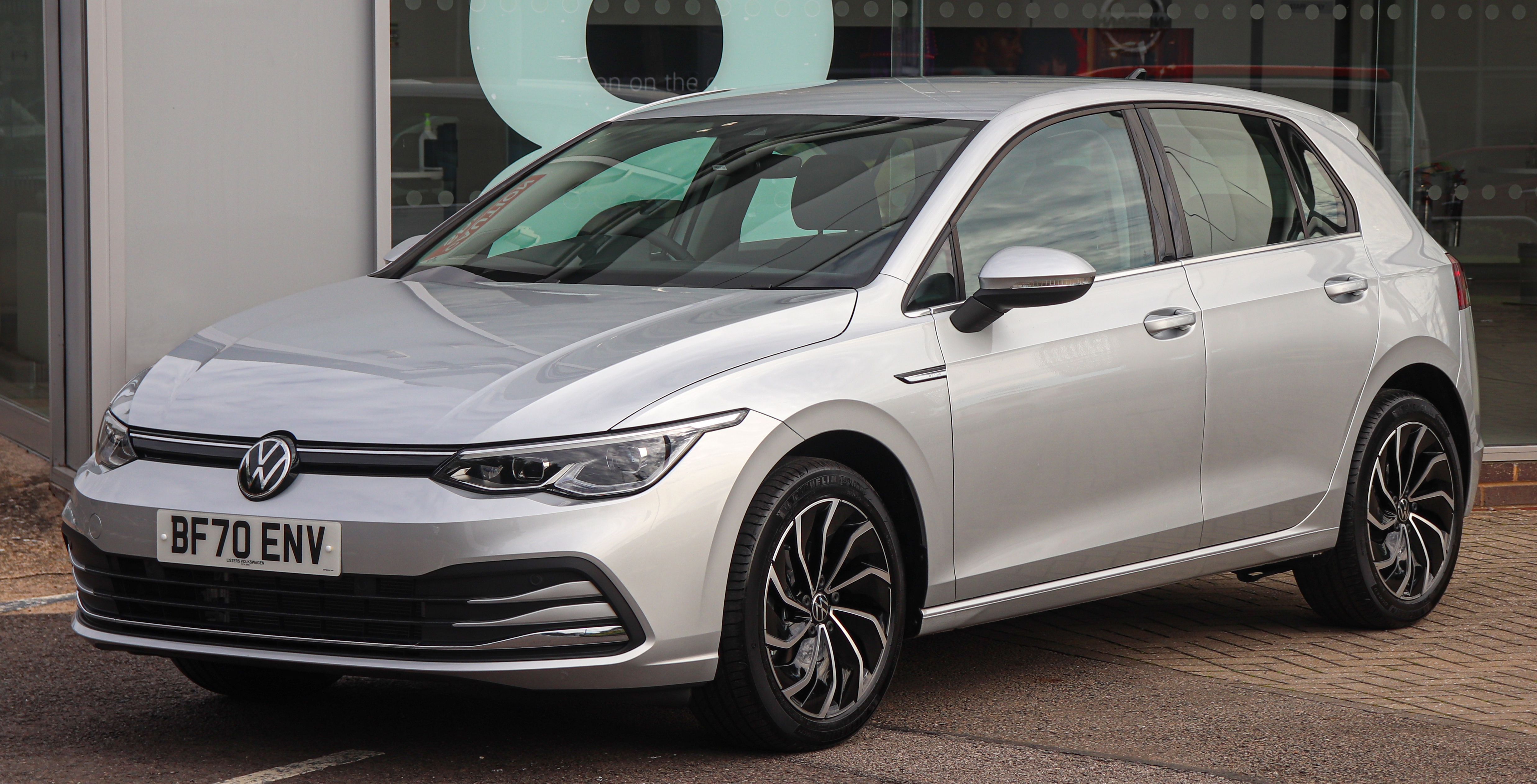
The Volkswagen Golf is a small hatchback that’s designed to be practical for daily driving. It’s also popular with people who like to improve handling with aftermarket parts. In the podcast, it’s mentioned in relation to suspension and performance changes.
Springs are part of the suspension that support the car and control how it moves. Changing them can make the car sit lower and feel more controlled in turns.
Sway bars help keep the car from leaning too much when you turn. Upgrading them can make the car feel more stable and predictable during fast cornering.
“Street Prepared” is a category in autocross where you can modify the car, but within rules. It’s meant to level the playing field so cars aren’t wildly different.
True Sports is referenced as a racing team that was bought in 1993. In the segment, it’s tied to Jim Truman’s Indy car team, indicating a transition into higher-level motorsport work.
Racers check tire temperatures because it tells them how the tires are being used. If the temps are uneven or too hot/cold, it can mean the car setup or tire pressure needs adjusting.
Tire pressure is how much air is in the tires. In racing, teams set it carefully because it changes how the tire grips the track and how evenly it wears.
The Porsche 911 GT2 RS is one of Porsche’s most extreme track-focused 911s. In the episode, they’re using it as an example of how Porsche cars can be tricky to work on.
“K24” is a Honda engine family (a 2.4-liter four-cylinder). They’re talking about using it in a race car because it’s a popular, tunable engine for track builds.
High compression means the engine squeezes the fuel-air mix harder than normal. That can make more power, but it usually requires the right tuning so it doesn’t “knock.”
The Lotus Exige is a lightweight sports car that’s built for track driving. In this segment they’re talking about modifying one for competition, including swapping in a Honda K24 engine.
Term
Super Street Mod
“Super Street Mod” is a racing class that limits what you can change on the car. They’re building the car to fit those rules so it can compete.
Term
Quafe
“Quafe” sounds like the name of a specific race/aftermarket part they planned to use. The episode doesn’t explain what it is in this excerpt, but it’s clearly part of the build plan.
A chromoly roll cage is a strong safety frame inside the car. It’s used in track cars to protect people in a crash and to make the car feel more solid when driving hard.
Term
Penske Four Ways
“Penske Four Ways” sounds like a specific conversion method or kit name used for the car build. The host mentions it as part of how the Exige was changed into a center-cockpit layout.
Term
Zebulon arrow stuff
“Zebulon arrow stuff” sounds like a brand or kit name for parts they added to the car. It likely relates to aerodynamics, but the excerpt doesn’t explain exactly which parts.
Carbon body work means the car’s outside panels are made from carbon fiber. It can be lighter than stock parts, but it can also take a long time to get, which delayed their project.
They switched focus to a Honda Civic for the project. They even tested it at Mid-Ohio and had a spin after braking hard at a corner, showing it was being actively worked on and driven hard.
A kink is a short, often fast-changing section of track where the direction shifts quickly rather than being a single long corner. Braking and turning through a kink can be especially sensitive to setup and traction.
Term
unlimited car
“Unlimited” here means the rules let you change a lot about the car. The speaker is saying that when rules are that open, it’s harder to rely on track-side help for everything.
Hood pins are safety fasteners used on race cars to keep the hood from flying open if the primary latch fails. They’re especially important in high-speed driving and vibration, where a loose hood can become a safety hazard or interfere with airflow.
IndyCar is a type of professional open-wheel racing. The speaker is saying the same responsibility and focus applies whether you’re doing autocross, time attack, or IndyCar.
A refueler is the person on the pit crew who refills the race car with fuel during a pit stop. They have to do it fast and correctly so the car can get back out safely.
In some races, the pit crew has to run out and work on the car during a stop. “Over-the-wall” means crossing the pit barrier to do that job quickly and safely.
A “caution” is when the race slows down because something happened on the track. Drivers and pit crews adjust what they do because cars aren’t going as fast.
The Civic Si is a sportier version of the Honda Civic. Here, the speaker is taking parts from their Civic Si so they can put them onto a different Civic for autocross.
In autocross, “class” refers to a rules-based category that groups cars with similar modification levels and performance potential. Swapping parts can move a car into a different class because the allowed equipment and how it’s configured are what determine eligibility.
A retrofit means adding an upgrade to a car that it didn’t originally come with. Here, they’re planning upgrades so the new Civic setup works for their autocross build.
Term
motion controls
They’re talking about suspension/handling parts that help control how the car moves. They’re adjusting them so the parts will fit correctly on the other Civic.
Concept
optimized a Civic
To “optimize” a car means to set it up and modify it so it performs as well as possible for the rules and the track. They’re debating whether the advantage is mostly the car model or the team’s development work.
SCCA is a big U.S. club that organizes amateur road racing events. The speaker is involved with them in a rules/committee role, so they help decide how the regulations are interpreted.
A street mod class (and its advisory committee) is about allowing modifications to production cars while still keeping competition fair. The committee role matters because it involves interpreting the rulebook—deciding what kinds of changes are allowed and where the line is between clever engineering and rule-breaking.
Street Touring is a racing class for modified street cars with rules that keep builds comparable. The advisory committee role means helping interpret what modifications are allowed.
In racing, there’s a difference between making smart, legal improvements and breaking the spirit of the rules. The speaker is saying that pushing too far turns “clever” into “cheating.”
“Turbo fans” sounds like a special aftermarket part on the car. In this conversation, it’s basically about upgraded wheels/track hardware that aren’t the factory setup.
The Toyota Corolla is a common compact car. People often build them for track days because parts are easy to find and there’s a big community around them.
“Miata” is being used as a brand reference to the company/market identity behind the “turbo fans” being discussed. In other words, the host is saying the wheel/part design is made by a Miata-focused aftermarket supplier rather than a generic manufacturer.
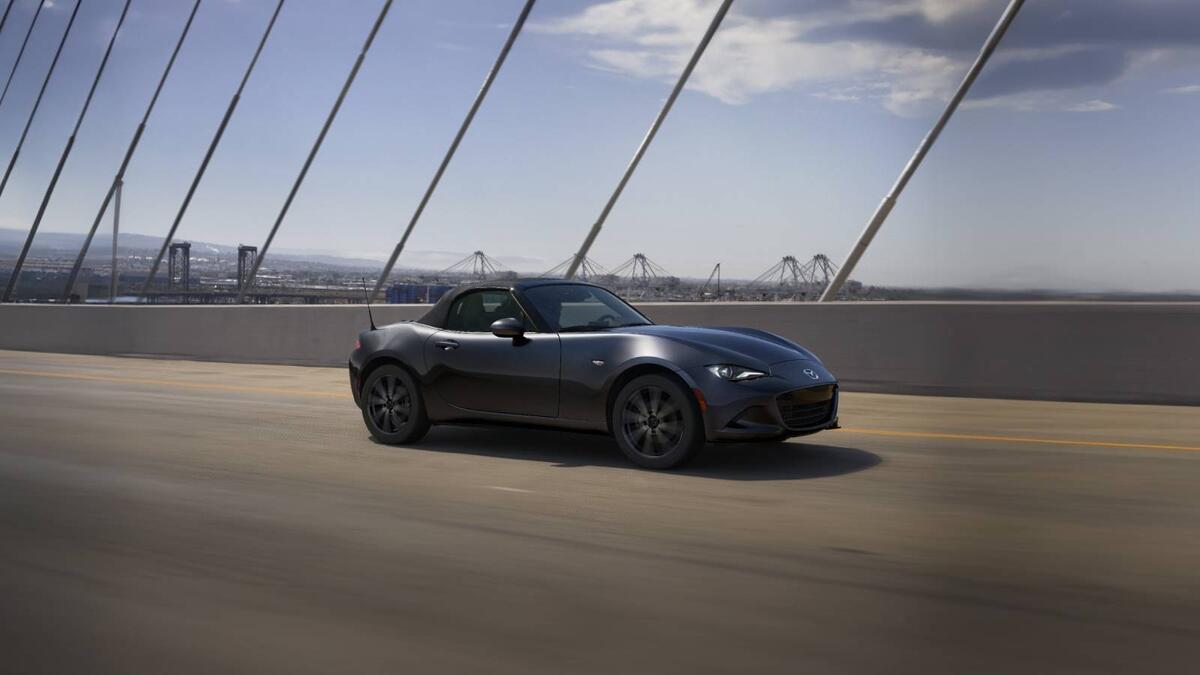
The Mazda MX-5 (Miata) is a small two-seat convertible made for driving enjoyment. It’s popular with people who modify cars because there are lots of parts available. In the podcast context, it’s being used as a reference point for performance components.
Concept
limited by a small box
This sounds like they’re racing under rules that restrict what you can do. Even if you can’t do everything, you can still build a competitive setup within those limits.
The Audi Quattro is an Audi car setup that uses all-wheel drive, meaning power goes to more than just the front or rear wheels. This helps with traction, especially on slippery or uneven surfaces. The podcast mentions it because the speaker had one that was used for an event and was running back then.
A Volkswagen Jetta is a common everyday car, and people often modify them for racing events. Here, it’s being described as the author’s car before it was turned into an autocross car.
Concept
test the Cardinal at Gratton
They’re talking about bringing a specific car (“Cardinal”) to a track location (Gratton) to try it out. Testing usually means making sure the car feels right and performs well before pushing harder.
LIVE
Hi, I'm Scott, and I'm Seth, and I'm Jason, and we are track walking tonight.
We have one of the biggest, most huggable people in the paddock.
Um, is a long story of ruffling Honda fit feathers and dodging cones.
And also giving me really tasty cinnamon rolls.
Um, I still think about from time to time, but it's Jason tipple.
How are you doing guys?
We're doing good, doing very good.
So we're, we're recording this, um, all cards on the table the day after CMP.
Um, and Seth just had his own, uh, endurance race over the weekend and we're all tired.
So if you hear this and you're like, wow, there seems to be a lack of enthusiasm.
It's because we're tired.
I don't know what to say.
I had a 15, 15, 15 and a half hour drive home and we started at six just after awards
and we got home about eight 30 AM for me to take a two hour nap and then go to work.
So that's my day.
How was your day, Jason?
It was pretty good.
Uh, got in like 10 45 last night.
We left right after, um, the, uh, the, uh, I always say it wrong, you know, the runs after, uh, podium, podium sprints.
Thank you.
And, uh, left Jimmy to load up his car by himself, gave him a pat on the back and said, enjoy your, enjoy your four hour load.
Good.
And then, uh, yeah, so it was a good drive home on a vent full.
So awesome.
Yeah.
So I, you know, you and I have shared a paddock for a while now and I know only a little bit about like the details of your heroic history and motor sports.
Um, I kind of started to become aware of you in the paddock when you really ruffled some Sunday cup feathers and you showed up with a civic on MCS's.
How dare you?
I know.
I read the rules and I'm like, so we can do all of this.
Okay.
It's technically all Abram Schmuckers fault.
But, uh, it's because he, he said that one couldn't win.
And, you know, it was one thing to drive her for a Jimmy rock to drive a, you know, a GT two RS and track mod, but he couldn't be within two seconds of a Sunday cup driver.
I'm like, huh, really?
Bold statement, sir.
Yes.
I will, I will hedge that bet.
You still have that car around, don't you?
Yes, we do.
It's just sitting in the garage on a battery tender under a car cover and sitting next to actually, uh, another 92 civics a day and it's actually fully cage that Jimmy bought.
Um, both of the cars actually came from the Pacific Northwest and, um, actually bought that we bought the car from Kevin goo who bought it in Washington state.
The other car we bought was from, uh, an IT guy from, uh, an ITA driver from Idaho.
So same color and everything.
So it's kind of funny to see the two of them sitting with each other.
But, uh, yeah, they're just kind of sitting there and, you know, Jimmy's ADD kind of hyper focused on that because we're waiting on the build for his unlimited, uh, time attack, uh, UK civic.
So now that it's back in the fold, it's just kind of sitting there.
Yeah.
And he's, uh, he's been doing okay in it.
Yeah, it's pretty good.
And once we figured out, once you get rid of the quay sequential and put the proper Hollinger gearbox in it, it doesn't eat itself every five laps.
Might allow you guys to get some sleep over a good weekend.
Yes.
You sound like you're involved in some dumb things.
We need to figure out how you got involved in some dumb things.
We can talk about the real dumb things, but I'm not sure how much Jimmy wants, uh, wants public here.
Uh, we're in the truth tree.
Nobody's less than anyone.
That's totally fair.
Yeah.
How did the two of you get hooked up in the first place?
Um, actually, I got to know his, his, his father back in the, in the early nineties, um, his, he owns rock trailer sales and his father started the business over 35 years ago.
So, um, and I got to know him because I worked for Bobby Ray Hall on the Indy car team, lowest champ car at the time, um, in the early to mid nineties.
And, uh, he was a big trailer manufacturer or supplier.
So we, we bought a bunch of trailers from him.
I mean, I've known Jimmy for, you know, I mean, I met him when he was 15, I think.
So, you know, I kind of watched him grow up and, you know, um, when he wanted to get into doing track events, you know, kind of had a kind of a, you know, semi humorous.
Cause I've, I've known, like I said, I've known his dad for so long.
You know, his dad pulled me aside and he said, I want you to, you know, watch out for my boy.
I'm like, well, he's actually got more talent than I do behind the wheel on track events.
So, uh, but I've just been kind of, you know, helping him out and, you know, uh, enabling his, um, time attack and grid life addiction.
So, yeah.
Yeah.
Where did, where did that start?
Um, well, I guess how did, how did you become aware of grid life or was it through Jimmy?
Um, actually I kind of, I kind of knew Eric Coutil and actually I really kind of started with that.
You know, I'm sure you know, Dave O'Malley.
So we were there for the very first, um, GLTC race in mid Ohio and 16, 17.
17.
Yeah.
Before COVID, it's time.
It doesn't make any sense anymore.
No, no shit.
It wasn't 17.
It would have been.
It was 19 then, wasn't it?
19.
Yes.
Yeah.
Okay.
So, um, and Jimmy had run some, uh, street, uh, grid life events and his, he has a 2017 Civic Type R.
We ran in street.
So that car was pretty well developed, but it was right in the timeframe where there was no boost limits on the ebos.
And we were just, you know, sitting ducks, no matter what.
It really hasn't changed.
But, um, so, you know, um, you know, like I said, I worked on the Indy car team and I've done been addressing and kind of been around, you know, race cars and race teams for forever.
Like I said, and Jimmy wanted to get involved and he needed some help.
So I kind of volunteered my, my free weekends and, you know, he and his wife and my wife and I are best friends.
And so it was, you know, it was, it was very easy to, uh, to, to help him out and get him started on this program.
And it's been pretty effortless since really.
So, uh, so you're alluding to so much like there's so much like, oh yeah, there's all these civics in the Indy car team.
And I feel like I am, I am personally missing a huge piece of your history to make all of this make sense.
We need, I don't know where Scott, what, what psychological questions Scott was about to ask you, but I want to know where you come from and why.
Let's go, let's go.
Indy car team, Indy car team.
So I, um, my parents were actually, um, Volkswagen Audi owners, just like if you want to go all the way back.
So my parents want to go all the way back.
So my parents, um, had to own Volkswagen and Audi's and they bought it from the same dealership and actually the same sales men for 20 plus years.
And John, the late great John Stewart, who was, uh, the sales manager there told me, he said, when you turn 18, I did like a, um, a shadow day.
And I, you know, I've always been kind of a car nut.
And, um, John told me when I, on my 18th birthday, I could come in and I could get a job at the dealership.
So I started detailing cars.
It was actually, um, the gentleman who owned it was named Bob Ferguson.
He and his business partner, Don Marsh, started mid-ville leasing.
And it was actually the first, um, finance program for Volkswagen Porsche Audi in North America.
So at one point they owned, I think bits or majority ownerships of over 200 dealerships across the United States.
So Bob was, um, Bob Ferguson, Don Marsh did vintage racing.
So they were like, I think probably one of the first three or four people in the SVRA.
So, you know, right out of high school in 1990, I started working on the race team on weekends, just helping Bob Fergus do vintage events.
So that's literally where I got started on that.
At the same time, I started all our crossing as well.
So, you know, it was kind of like a, it was, it was easy.
You know, when your boss lets you work on your race car, you know, in the evenings in his, you know, air conditioned shop with a two post lift and every tool known to mankind.
And, you know, it was nice because I could just order tires and from the parts department and I never got the bill.
And it was, it was pretty cool.
I assume you were autocrossing a Volkswagen.
That would make sense.
Yeah, I had a Volkswagen. Volkswagen Jetta GLI 86.
And, uh, they put conies and springs and H&R.
I think they were, were new speed sway bars and all that.
So I was already in the street prepared before I even knew it.
So I came out to an event with the Ohio State University had a sports club.
So I went out and watched it one Sunday and they had fun runs.
So I started doing that technically, I guess in 93.
92, actually 92.
So, um, so I did my first event in 92.
And then by 93, I was doing regional events and divisional events.
And then by 94, I was doing national events.
So I've been autocrossing quite a while.
But in that process of that, I did been a racing for Bob Fergus.
And in 1993, Bobby Ray Hall bought True Sports, which was Jim Truman's Indy car team out of Hillier, Ohio.
And he would, um, he had run it.
The Bob Fergus, the guy who I worked for owned a body shop and Bob and Bobby were friends.
And they were, they would let the paint, you know, the painter would come in and do bodywork on it.
Well, I was really good at bodywork at the time and Bobby would come in and I would end up helping Bruce, who was the painter.
And it got to the point where on a 40 hour week, I was doing like 30 hours of work on the Indy car side because Bob Fergus didn't care as long as I got my stuff done.
And basically the tail end of 93, Bobby and Bob had already decided that I was going to work on the Indy car team.
And I didn't know about it for like four months.
So I started working on that.
So I started working on the Indy car team full time in December of 93.
And, um, so I started there in 93 and then it's, you know, that program continued on.
And when, when you say, when you say that they decided that you were going to work on the Indy car team in what capacity.
Um, I was, I was the assistant painter.
I did all the details and all the graphics for both Indy car or both of the champ cars, which were at that point, it was.
It's first year of Microsoft.
So that was the first year that Honda came into champ car.
So it was a Miller light or Miller light car or actually it was Miller highlight at the time.
And, um, so I did all the decals and all that.
And then, you know, I kind of floated around like, you know, helped on, you know, fabrication side.
I kind of float.
I mean, I did show car promotions.
Like I was kind of like the go to guy that could do anything.
So I kind of learned a little bit of fabrication, learned a little bit of composites, did painting.
So and travel.
And I think after the first year I had already, I'd already worked the Indy 500.
I was, I wasn't over the wall until, um, actually mid 2000s, but I, you know, I helped on pit stops and stuff like that.
So a little bit of this, a little bit of that.
So was that like going racing?
You said that you had been interested in cars, but you know, having an interest in cars
and having an interest in racing are different things.
Did that, did one come after the other or were cars just always part of racing?
I mean, I was, I was always kind of a, you know, kind of a car, car fanatic.
I mean, I had a lowered Chevy step side in high school.
And so, I mean, it was kind of like this, you know, it was kind of a, you know, I was always kind of a car guy.
And my, my dad was, I mean, you know, you know, he had had, you know, 15 or 20 cars.
So, I mean, cars were always kind of like a, you know, consumable.
I think my, his father, my grandfather had owned, I think 60 cars by the time he passed away, you know, yeah.
So, I mean, they kind of like, it's in the family blood.
So not racing from that standpoint, but we were, you know, we've always been car enthusiasts.
So, you know, and, you know, being able to do the vintage racing.
I mean, definitely solidified that I enjoy doing that.
You know, when I started working for Bobby, you know, in the 90s, I mean, I wasn't married, no kids.
You know, I mean, it was, you know, when you don't say no, you can do, you know, you get immersed very quickly.
And, you know, you end up spending like four weeks in Sebring in January and you think it's great.
And then 10 years later, like this hotel sucks.
Well, that's, that's kind of what it sounds like.
Like, you know, you got a job at 18, doing something which was detailing, which then led you to do this prep, you know, body work and then
indie prep on, you know, really cool race cars, especially at the time.
Which led you into like actually working on race cars, which led, led.
And I mean, literally, I'm sure it's one of those, it's such a cliche saying, but it's just like, it's not what you know, it's who you know.
And right place, right time, you know, but you know, obviously I was, I was enough of a value to, you know,
the reality, I mean, I've only basically worked for three people or three groups of people in the last 35 years.
So I mean, three jobs in the last 35 years, which I'm pretty proud of.
But so, but yeah, I mean, it's, it's been an interesting life.
You know, I think in 1996, Bobby had just, Bobby and his wife had built this gigantic house in New Albany.
And on the race weekends, I mean, I also did, you know, I ended up doing tires.
I was kind of like an assistant truck driver as well.
So on race weekends, I would do decals, help on body fit, do tires.
So, you know, kind of jack of all trades.
And I got to know Graham Ray Hall, who was five at the time.
And I was the most politically correct, non, I was the most well kept of the truck drivers.
So I kind of like got to take care of Graham and Jared Ray Hall.
And I got to the point where every race weekend they hung out with me and we'd drive on the golf carts and do stuff like that.
And ironically enough, I was, I didn't even know, but I ended up becoming as a state manager on his property.
Bobby said, Oh, I don't know if you know this, but you're, you're going to work for me at the house now.
I'm like, Oh, I wasn't aware of this job change.
So, you know, I've been effectively in a state manager and well, I've been in a state manager for all the year, all these years.
And, but I've also on race weekends, I would, you know, work on the race team or if they were ever shorthanded.
So I kind of floated.
I mean, I think I averaged probably 80 to 90 hours a week for, I think close to 20 years.
So are you tired?
Like that.
That seems like a lot.
And then you're like volunteering time for Jimmy.
Who's Jimmy?
What are you doing here?
When I first started on the, on the IndieCar team, my, my dad, who's, he's a brilliant guy.
He's, you know, he's, he's been an executive vice president of a, you know, you know, worldwide company.
And, you know, I was all excited because ironically enough, I was actually going to school when I was working for Bob Fergus.
He said he would, he would pay me whatever I wanted and would support me however I wanted, but I had to go to school.
So I was, you know, there was a community college here in Columbus called Columbus State and it's almost like a satellite Ohio State at this point.
But I was actually going to Columbus State for elementary education.
So I was going to be an elementary education teacher.
And which I wanted to pick you to drive the kids around in the car.
That makes sense.
Like I was able to keep my mouth shut and guide Ryan or, you know, guide the kids away from the foul, foul mouth truck drivers.
So I think it was, I could speak a little bit out of turn.
I've known him for so long.
But, you know, Graham came in to a, this corporate function and, and Bobby was talking to some kids, you know, talking to some people.
And Graham came in and said, look, that girl's got Hooters.
Now he was like, literally six.
And Bobby looked at me, he's like, he's only hanging out with you.
You're not allowed to hang out with your truck drivers.
So I kind of PG'd it and come back to this truck drivers, you know, well, I'm the same with NASCAR and every other team.
The truck drivers are usually, they are wild, wild crews.
And the, you know, the champ car side was no different.
So, but anyway, I got sidetracked.
So anyway, so I, you know, I was going to Columbus State for, you know, elementary education.
And, and when Bobby lured me into the team, it was literally the same time it was going from a master's or basically had another two years.
It became a master's program.
And I'm like, I was already like three years into school.
I don't want to do another three years.
And my starting pay was like 5,000 more than what an elementary school teacher would be.
So I'm like, I'm like, what's my dad, it's like free money, you know, I can do whatever I want.
And my dad jokingly said, he goes, well, no, are you hourly or salary?
I'm salary.
He said, okay, well, I want you to write down your hours.
I'm like, okay, I'll do that.
I did like the first year, I think July 27th, I was up on my hours for the year.
So that seems right for a race.
Seems right.
Yeah.
You know, and then my dad said, well, guess what, bud, you're working for free.
I'm like, no, we're just changing the math.
And so we got to the point where I was making like seven bucks an hour.
You spread all the hours out.
So I stopped calculating and keeping time.
Basically on year one.
So how did all these changes and like, because again, it sounded like you were kind of a
floater, but like a little bit of everything is that part of like what kept it fresh for
you all those years or what kept you kind of enthusiastic and ready for whatever's next
because working all those hours and on the road like that, even for a young guy that
can wear on a man.
Yeah.
I mean, I think I just, I mean, I think just perseverance or wanting to, I don't like to
quit.
And you know, and I want to, you know, prove people wrong, I guess in some ways.
So I mean, I think it was just an aspect where, you know, and I don't, I didn't want to like
jump jobs to try and chase money or anything like that.
And I think, you know, it was a lot easier to stay in central Ohio with, you know, the
Premier Indy car team.
And ironically enough, I'm like, Bobby was kind of like my childhood hero.
You know, I mean, I saw him run in the 80s at the Columbus 500.
So, I mean, you know, being able to work for somebody that you respected and looked up
to, you know, for years, and then you get to the point where you're, you know, going
to the grocery store and buying stuff for him and helping raise his kids.
I mean, it's like, I don't know what else, I don't know where else you go after that.
So, I mean, I think it was just, you know, it got to the point where I was on family
vacations with them and still working on the race team.
So it's like, I was so immersed in the family.
It was, you know, it was never, you know, I never felt like I couldn't get out, but
I'm like, I didn't want to leave.
So, you know, and Bobby was always good.
Yeah, Bobby was always good.
But it wasn't like you, you were going to get poached by another IndyCar team.
No, I mean, yeah, it was, yeah, it was such a weird, you know, and my position, ironically
enough, it was in 2001, Bobby went over to England and ran the Jaguar Formula One team.
And so he picked up this, you know, the family and moved to the UK to run the Jaguar F1 team.
And in that process, I was ironically enough going through a divorce.
So I got a divorce and I moved into their 17,000 square foot house and moved them to England.
So, I mean, the divorce worked out pretty well.
I'm like, I moved into a mansion, worked on the race team.
And cried a little bit sometimes, but like, you know, you could cry in six different bathrooms, maybe.
It's 14 and I sort of 11.
But, you know, we relaxed by the side of the pool and that was a real rough time for me as a sarcasm, by the way.
Oh, I'm on camera. You can see that part.
So, yeah, I mean, you know, it was, oh, but anyway, so I helped them move over to the UK.
And when I was there, it was actually British Grand Prix weekend.
And then the following weekend was Goodwood.
And so I went to that, both of those events.
And in 2001, so like Juan Fonjo, Dan Gurney, like every living legend, you know, Jackie Stewart were all and Bobby's known all these guys forever.
So I was, I was meeting all these guys, you know, with these, you know, private functions and Dan Gurney was, you know, asking Bobby, he's like, oh, who's this?
And, you know, so this is Jason, you know, he works for the family.
He kind of takes care of stuff.
And, you know, and he's like, you know, he's kind of like my right-hand man.
He goes, oh, so he does everything for you.
I thought it was pretty funny.
But what do you say in those areas, like in those arenas when when he goes to meet like his buddies who are kind of living legends at the time?
Like, you just, I feel like in those situations for me, I don't get flustered, but I'm just like, there's nothing I can ask that's going to be like interesting or inspiring.
I'll just be like, great to meet you.
Yeah.
I mean, it was, was so, I mean, I mean, like on IndyCar weekends, you know, like Alan Sir Jr. would pull his motorhome up to the house.
And he, you know, so I was like, you know, I was around the race car drivers, you know, on every race weekend.
So, I mean, I wasn't never necessarily a starstruck.
I mean, they were just people, you know, and like the more you're around, you know, multi-millionaires and race car drivers and team owners and everything.
They're the same as everybody else.
They're just, you know, a different tax bracket.
So, but yeah, I mean, it was definitely an interesting, you know, it's been an interesting 20, 30 years.
So.
Oh, here's the question.
And in having the experience that you have had with drivers and people like that over the years, what is something about them that we might not see on the surface or something that we might not get?
Um, I mean, they're, I mean, they're just, they're literally like us.
I mean, they, you know, they have, have family, you know, everybody has a family, you know, it's just, you know, the daily drama or, you know, just, you know, day in and day out stuff.
I mean, everybody's pretty much the same, you know.
So, um, it was always interesting when I would be in the car with Bobby and, you know, he'd be having conference calls with people and I'd look at the stuff that I would hear.
He's like, smile at me like, I should not be listening to this.
Like big, big deals would come through.
And I'm like, huge and huge.
Just try not to make eye contact.
You know, and Bobby and I, I mean, I still talk to him, you know, once or twice a month.
I mean, I talked to, you know, Jared is the oldest of his sons.
Jared's actually two year, year and a half older than Graham.
You know, I'm like, I still talk to Jared once a week and I haven't worked for them for 16 years.
So I'm like, you know, we're, no matter what, you know, we still feel like family.
I mean, I can, you know, any race weekend that, you know, Cindy and I, we want to go to, I can call his wife and, you know, we could go to any event we want.
You know, invited to his surprise birthday parties.
And so I think when you get to the point where you've been an estate manager and you, you deal with a family that long and like your family, no matter what.
So, so that's where I've had a little bit of a jaded view.
That's why I haven't wanted to jump jobs or anything like that.
So I think it was just a situation where I felt so comfortable.
I never wanted to leave.
So, you know, it got to the point where, you know, they, he had, you know, gotten divorced from, from his, from Debbie.
And then, you know, it got to the point where, you know, they were going to move, you know, he and, got remarried multiple years later.
But, you know, they moved to Chicago.
And it got to the point where I kind of saw the writing on the wall where I'm like, I need to make a decision on, you know, do I get absolved, you know, absorbed back into the race team?
Or do I, you know, you guys multiple dealerships, I could go work at the dealerships, but I didn't want to work there.
And so I ended up actually working for, I got hired for another family here in Central Ohio.
So I've been with them for the last 15 or 16 years.
So I've gone from, you know, every motorsports family in Central Ohio, I'm just kind of bouncing from one to the next, just every 15 or 20 years.
Feel a little incestuous at all.
Well, I definitely said, you know, it's just like, you know, my ex would tell me, just like, well, you can just get another job.
I'm like, there's only so many families that are going to hire me.
I'm in a very weird profession too.
I mean, you know, I mean, I think you get to the point where you're so, you know, so specialized in something.
I mean, you know, get to the point where I'm like, well, I don't want to do anything else.
Yeah.
And kind of throughout all this, you know, you said that you were autocrossing back in the day.
But then like, once you're putting in all those hours and you're traveling and stuff, are you still finding time to drive and like keep cars kind of in the mix?
Oh, I mean, I never lifted off the throttle.
I mean, I average, you know, and then mid basically from like 98 to 2010, I average between 15 to 20 events a year.
I went to nationals, 98, 2001 to wait, 98, 2000, 2001 to 2009 and then took some time off.
And then I've been back since 2018.
So I've been to nationals every year except for last year.
So, you know, there's 24 hours in a day.
And if you split up a day into 38 hour shifts, it's really manageable.
And none of those are sleep.
It's what I'm hearing.
No, I mean, I think I've averaged probably four to five hours of sleep for the last 30 years.
And if I sleep more than eight hours, I feel like crap.
But so, yeah, it's definitely interesting.
As you rest your head in your hands.
I'm just thinking about it.
What else things where you don't want to say it out loud?
You're like, when I say this out loud, it sounds crazy, but living it sounds fine.
Like every nine months or so, you know, it's like, I'll be like, I'm tired.
I won't do anything for a weekend.
Oh, okay, back at it.
So that's all you needed.
That's all you needed, you know, so, you know, but I mean, my, you know, my, my parents worked hard.
And it's, I mean, from the work ethic, I'm like, you just, you put in the hours, you know,
and I think in some ways on race teams, they kind of, and it's not the right way to say it,
but it's like, you know, the mentality is it's just you work and you get things done, you know,
I mean, I would get phone calls, you know, I'm like, we're going to need you in the shop tomorrow.
I'm like, on Christmas Eve, it's like, well, yeah, okay.
And when you, when you started on a race team like that, and you never say no, you can't say no.
So, you know, you know, there were so many days where we've worked 20 hour days and we go home,
take a shower, go back and work. It's just what you did.
You know, I think it was more of an old school mentality where, you know, you get the job done.
That's the most important part of, you know, you got to make sure that your driver's happy and he's doing well.
So that was, I mean, that's kind of the, you know, the motive I've always tried to continue on with helping,
you know, people from Ottercross and, you know, with Jimmy as well.
I mean, it's like, you know, my job is a, is a crew guy for him is to make sure he's having fun and happy and, you know,
you know, make sure your driver's happy.
I was, I was going to kind of ask, so, you know, now that we've all heard kind of more of your background
and your experience in and around motorsports, but family and taking care of people sort of thing,
like on a given weekend with Jimmy, like, you know, I've seen some of the stuff you do,
but like, are you running into the store to get ice?
Are you taking tire temperatures? Like what, what kind of, what does that look like?
Car, you know, as far as, you know, just, you know, doing nothing bolt stuff and, you know,
making sure the fresh tires are on tire pressure set wheels or torques, you know,
just kind of going over everything, making sure the car is clean.
So, you know, just regular maintenance stuff. I mean, with like his, with his, you know,
with his Civic Type R that we ran in street and with the Sunday Cup car.
I actually built the Sunday Cup car in, I think, five weeks and so I built the Sunday car from the ground up.
So, you know, so I've done a ton of stuff. I mean, I helped on the GT2 RS, you know, quite a bit.
I, you know, I didn't install some of the suspension because, you know, the Porsches, you know, are, they're so, they're so finicky.
I'm like, you know, when the rear bumper covers $32,000 and you have to take it off,
you just, you can have the Porsche guys do it. I'm not touching that stuff, but, you know,
but actually Aaron Byram is the guy who built Jimmy's EK, the Unlimited Civic.
And actually Aaron had campaigned that car. He started building that car in like 2007 or 2008.
So that car was campaigned in NASA and time trial stuff.
And, you know, that car had the record at Mid-Ohio with a, you know, a high compression K24 in 2010 with a 130.
So, I mean, the car was, you know, it had been a campaigned out, you know, time attack car for years and it sat for over a decade.
And, you know, Jimmy was doing autocross stuff with me and we, and I don't know if you've, I don't know if you've listened to it.
Maybe the Perfect Lab podcast or another podcast that Jimmy was on, but he kind of alluded to, we were in the process of building a Super Street Mod Lotus Exige.
So it actually had the K24 and the Quafe was in that car that we were going to build for National Autocross.
And, you know, Jimmy started getting into, you know, grid life stuff and he's like, what if we took all the parts and focused more on time attack instead of autocross?
Well, you know, once you get to that, it's one thing to build an autocross car with, you know, 400 horsepower.
It's good up to about 90 miles an hour, but it got something that does 180, you know, the scope creep happens very quickly, you know.
That Lotus is very cool though.
Yeah.
So, ironically enough, there are two Lotuses and Aaron known both of them.
But the second Lotus that's in this weird hibernation status, it's a center cockpit exige that has, you know, chromoly roll cage.
It's been converted to a center cockpit, like I said, Penske Four Ways.
It's got a ton of Zebulon arrow stuff.
So it's got a front wing and, you know, it was, so that's where that car got, you know, and you bought carbon body work for it and everything else.
And that project just kind of got sidelined because we waited for, I think, over two years for carbon body work.
And it got to the point where, what are we waiting here?
I mean, Aaron's EK was sitting over in the corner and Aaron kind of floated the idea.
It's like, what if we take the engine and transmission out of Lotus and you can run it in the Civic and then we'll just continue to work on the Lotus on the side.
So it just kind of, that kind of steamrolled and you get to the point where, you know, the Civic started out at, you know, X is a number, you know, or build.
And then it's just like, well, we're pretty good.
Let's, let's do this and let's do that.
You got sleep and then your eyes up, you know, you know, the snowball effect.
I've got to imagine in the history of builds and cars, very rarely has a Lotus ever been pushed aside for a Civic hatchback.
Well, you know, jokingly, I said to Aaron and Jimmy, I said, you know, as much as you, you know, I said, you know, the Lotus ultimately will be faster.
I said, but you'll have more fun in the Civic.
And, you know, and the funny thing is the first time, you know, because I mean, Jimmy, when he drove that, you know, as GT2 RS and in track body was back to back, I think, champions in good life.
You know, that car would do, you know, 185, it rode America with the air conditioning on, you know, and he got in the Civic the first time in mid Ohio and, you know, tap the brakes at the kink at 160 and spun for 700 feet.
He said, this thing's more cool than the Porsche.
I mean, it's just like, what?
I'm done with the Porsche. Let's run the Civic.
So, you know, Jimmy's, you know, focus is, you know, if we're going to put time and effort into a car, let's put the time and effort into it.
So, and it's been a really good, you know, kind of a joint operation.
You know, and Aaron, Aaron has done, honestly, 99% of the work on that car.
I mean, you know, Jimmy and I are good enough, you know, we have enough parts to fix.
And if, you know, there was a problem with the transmission or something like that, you know, I can get the transmission out.
But, you know, when you get to an unlimited car, I'm like, there's only so much, you know, that we can do on the track side support.
You know, Jimmy and I jokingly say, we've got a lot of quittiness.
If this thing is weird, we're putting the trailer.
We can go home now.
It's always another weekend.
Well, I think it's good, you know, so often it's louded of, you know, how far can a team go to get back on the track and stuff like that.
And I do think it can certainly be impressive.
But I think it's equally as respected in my mind.
People who get to the track and say, we will go this far and no farther.
Like there is a, there is a boundary.
Yeah.
I mean, and I mean, you and Seth have talked about it before, Mike, it's the burnout.
You know, and I mean, I've seen this, I mean, I've seen it.
You know, you know, on the MSA side and everything else where teams come in gangbusters and just, I mean, it seems like they're just, there's no end to their money.
And then, you know, it's like the crazier the builds and everything are, it's just like, and then all of a sudden they're gone.
You know, so, you know, I think that Jimmy and I have a decent enough like work balance as far as that, you know, it's like, it has to be fun.
If you get to the point where it's like we're loading the car in, it's just like this piece of crap.
I'm like, it's not, what are we doing?
You know, so, you know, we've scaled back on some stuff.
We've refocused on some things.
You know, I mean, I've gone through my ebbs and flows on Otter Cross nationally where, you know, I mean, I didn't really run much at all last year.
It was kind of in this weird disillusioned mind where I wasn't happy with, you know, my driving compared to what it was a couple of years before.
I mean, you know, it's like I kind of do it, you know, a national championship over just, you know, my second run on my first day at Nationals.
I had a coma.
That's the run that's going to haunt me, you know.
So, you know, you get to the point where it's like, if you're not having fun, I just, you know, at least to me, I think we have the, you know, the thinking that, you know, if it's not fun, you need to scale back.
Or, you know, and I think we've all seen it on grid life.
You know, there is burnout, you know, teams, you know, guys come in and go gangbusters and then run out of money or the wives find out how much do you spend.
So, but.
So, what keeps it fun?
Not just in grid life, but autocross, motorsports in general.
How do you know what the balance is?
Or is it just you're feeling it out as you go?
Feeling it out as you go.
I mean, I think in some ways it's like, I don't know if the finishing position is even relevant at this point.
I mean, you know, I'm 54.
I don't know if I feel, I mean, I still feel competitive.
I mean, but there are guys like Tommy Norman that are just, I mean, he's driven my car and he beats a crap out of me.
You know, so, but I'm like, that doesn't dishearten my drive, you know, but, you know, it's so much of a mental game.
You know, like if you start getting self doubt and everything else, you know, you can spiral yourself real quick.
So, you know, it's just trying to remain positive is what, you know, keeps me motivated.
You know, and especially with Jimmy, too.
I mean, he's, you know, as long as it's not stressful and, you know, his business is, I mean, his reality is kind of a small business.
It's just, you know, you get, he has to have a family work balance where, you know, he's not gone too much.
And, you know, he's got, I mean, his, his daughters in the same age as my boys, you know, his daughter and my son are both seniors in high school.
And, you know, his daughter and my, our younger kids are eighth and ninth grade.
So, you know, you've got to, it's the work life balance.
That's the, that to me is more struggle than anything else.
Just making sure that there's a balance that, you know, if it gets to the point where it's just, you know, what are we doing this for?
And that's when you have to kind of like, you know, take a step back.
So.
Do you find yourself mentoring some of the younger drivers and builders and stuff around you with like, like, can you see the burnout coming before they see it coming?
Yeah.
I mean, I think I've had, I've had a couple mentors, you know, throughout across, you know, some good people like McBear and some other guys were 10 years older than me.
But just even at a local level that, you know, kind of like took me under their wing and, you know, not necessarily build wise, but just focus on how to, you know, learn how to drive and, you know, just the mental preparedness you need to be able to be competitive quick on three runs and stuff like that.
So, you know, and it's just, you know, it's definitely a weird balance where you have to, you know, try and focus on what's really important.
And, you know, there are times where like, well, I don't, what's the point?
You know, so, so I mean, I know how to step back before burnout happens to the point where you hate doing something and then you resent your car and then it doesn't make any sense.
I'm like, what am I doing here?
So.
So.
But if I can offer like a quick zoom out here and this isn't roasting you, but maybe it is.
So for someone who has said yes to almost every opportunity that comes by him and sounds like you just work your ass off to have this level of introspection and like, am I having fun sort of thing?
I find that an interesting combination because like on the one hand, like, you know, again, you are taking so many opportunities and so much of that and working these crazy hours for years on end sometimes.
But yet you're able to like check in with yourself now and say, yeah, maybe not this much.
Yeah, I mean, I think, you know, my, my, my sending my wife, she, you know, she always asks like, what's going on in your head?
My honey, there's like, I'm going to my, there's literally, I'm having like seven conversations in my head.
It's like, I can, I multitask and she also thinks I have a BD, which I'm sure I do.
She jokingly says squirrel when I go off on these tans and she's like, you are not even here right now.
So I think that's a lot easier for me to like have multiple irons in the fire where I can focus on certain things at certain times.
And it doesn't stress me out where it's like, this will get done, you know, but I think the older you get, you get to the point where I'm like, well, if it doesn't get done, that's fine.
You know, we, you know, I've dealt with so many, you know, you know, good things and bad things that have happened in my life.
And, and, you know, just have to like focus on the things that you can have control on and the things that you can't.
It's like, well, the car will get done when it gets done.
If you know, and I've told that to Jimmy too.
I mean, you know, he's like, we're going to get the car and we're going to get ready by, you know, this event, like, well, it's going to be ready when it's ready.
You know, if you, and when you force things, at least in the standpoint of like, even on race car teams, you know, on Indy car teams, I'm like, you don't, you don't miss steps.
You don't, you know, there was like, there was a rule that I learned, you know, putting bodywork on cars when we would do decals and everything else, you know, I was told by multiple crew chiefs.
Because if you ever put a part on a car, you put it on to stay.
You know, it's like, you never leave something loose because, you know, you know, the joke isn't like, well, it wasn't a joke.
It's just like, you know, if you kill our driver, then we don't have a job.
So, you know, so, I mean, so I mean, it's just like everything is important, focusing on getting stuff done.
And when you do it right, and when you do it the first time, you do it right.
So, you know, I mean, that's where my timeframe has just gotten so skewed where I'm able to, you know, focus on multiple things.
So, and that was, sorry, our diesel is wondering.
Can't hear it if that's any kind of.
Oh, that's good.
Okay, good.
So, but yeah, it's just.
Yeah, that, that sounded like a hard-learned lesson over many different scenarios, I think.
Yeah.
Yeah.
It's like juggling chainsaws.
You don't screw up.
You only screw up once.
So, yeah.
Either into you or you stop doing it, or you just do it correctly from then on.
And I mean, it's just like, you know, it's just like, you know, we'd have team meetings on the race team, you know, and the, you know, you know, before, you know, before races, you know, one of the crew chiefs, like, hey, don't screw up.
Like, I was a hell of a pep talk.
Why didn't I think of that?
Hell, like, I, oh, we're not supposed to screw up.
I'm like, oh, okay.
You know, but, you know, when you, when you work on race teams in that, their families as well.
I mean, you, you room with the same guy.
So you become, I mean, it's, I've never been in the military, but I mean, it is, it is such a tight knit family unit.
I mean, it's very dysfunctional.
But, you know, everybody would do anybody do everything.
Everyone would do anything for anybody, you know, and that's, you know, it's the, you know, the mentality where, you know, everything is important.
And you got to do it right.
You know, because if you screw up, all of your friends destroy you.
So you don't want to screw up.
So, you know, a lot of it is self preservation.
I don't want to look like an idiot.
And I put my foot in my mouth quite often.
So I try and like pay forward by being nice to people and helping out and doing things.
And, you know, offering health suggestion parts, tools, you know, supplies.
You know, I think it's, you know, I try and pay forward, you know, because I mean, I think there's a, there's a perception that, you know, I think grid life has done a phenomenal job as far as, you know, it's a family.
Everybody would do anything for anybody.
You know, so it was, it was easy for Jimmy and I to like, well, this is kind of our home.
You know, we do the SCCA stuff too.
We do time trial stuff and they're very, I mean, effectively they're the same.
It's just a different, you know, you know, it's more of a younger generational, you know, the festivals are kind of what grid life is.
You know, I think in reality, it's the future of what, you know, if amateur motorsports is going to survive, it's going to be grid life.
You know, so, and we enjoy being part of it.
When you're in that motorsports environment where you, you say you can't screw up because if your driver dies, nobody has a job, that kind of thing.
Is it, is it you're attracting, is that environment attracting a certain type of person or is it molding everybody to be that type of person, regardless of who comes into it?
Yes, and yes, I mean, it, it chews up people quickly, but the ones who stick around end up being, you know, and like on Bobby's team, I mean, there are guys that when they moved to Indy, you know, that some of the staff changed.
I mean, they had been in Columbus for so long, they ended up staying.
They wanted to stay in central Ohio, but I mean, you know, race teams kind of stick together, you know, because, you know, trans, you know, transient people move them back and forth.
You lose the consistency, you know, and for Jimmy, it's like, I think he wants the same people around them supporting him that he, you know, I mean, Jimmy never asks, is this done?
Is that done? Is this done? It's, it's everything's always done, you know, so all he has to do is get in the car, put his helmet on, you know, you know, he can dress himself.
So, you know, other than putting the helmet in the car, I mean, I help put his belt on and, you know, attack the hood and tell him to go fast and make sure the hood pins are set.
And, you know, I do my part.
And then when he gets in the car, it's his responsibility to do the best that he can, you know, and that goes with, you know, autocross with time attack with Indy car, everything else.
And you just do the best you can and, you know, make sure that you're not the reason that a part fails or, you know, I think that was the biggest fear that everybody had.
I mean, the first time I jumped over the wall, you know, as far as, I think it was a refueler and had an ALMS at the time before it came to the conversion.
You know, in 2007, ironically enough, my first over-the-wall experience was a fueler on the Porsche 997 Cup car or the 997 was a GTLM car, I guess, or GT2 technically.
You know, it was a refueler over the wall under, you know, a caution, first time over the wall and just the, I mean, I can't believe I didn't have an ALMS or over that, just not wanting to screw up.
And that was the only time I've ever felt stress, you know, but other than that, you know, it's just, just not, you don't want to let people down.
And, you know, I think that's part of the mentality of, you know, you look at all the guys in grid life that are on the pointy end, you know, they have, go to the extreme of performing at their highest level.
I think everybody does, but, you know, from my standpoint, you know, just doing the best that I can, not wanting to be the one that screwed up is what's driven me to be where I am today.
So much of what we're talking about is you doing things for other people.
What happens when you're racing for yourself? What's the mental change there?
It's my vacations.
Is it more relaxing because you just have to worry about you?
Yeah, it's very relaxing for me. Yeah, it's like, you know, and I mean, I think I've got over from travel. I mean, I, you know, I drove, well, I mean, even when I was driving for, I mean, I drove for Emory Hills Motorhome for several years.
You know, so it's like, I've always been, I've got a ton of miles, I've got over 2 million miles under my belt.
So like the drive time, like driving and like me being at autocrosses.
And at this point with Jimmy, those are my vacations. I mean, yes, I'm gone and everything else, but just being, it's just, it's the only time that like all of the voices and like the audible volume in my brain goes down is when there's race cars around me.
So I don't, I think I have a problem pretty consistently.
Yeah, so, yeah, I mean, autocross is relaxing for me and the finishing position is what it is. I mean, I enjoy the competition and, you know, I do my best, but, you know, going out to Lincoln, Nebraska and seeing friends that you only see once a year.
I mean, there's nothing better than that for me.
As far as, you know, I've got great friends here, I've got friends in California that, you know, like I said, you see once a year, but it's very calming.
I'm sure, you know, with the, with the derp, you know, with the motorcycle stuff, people you see five to six times a year, they're some of your best friends and they do anything for you.
Right, right.
And Scott's, Scott and I have been that way with the one lap family.
People you see for one week a year, you know, best friends to see him one week a year.
Yeah, you know, it's like listening to stories with Andy Hollis and everything else and it's just like, I've always wanted to do, I've always wanted to do one lap, but I just wanted to do it with my dad, but, you know, he's at eight, he's 81.
And I kind of floated the idea to him, he said, I am not sitting in the car with you.
I'm like, well, maybe I'll take my youngest son who's 14, he'll be 14 here.
I'm like, maybe I can convince him to do it.
And one of those things where I'm like, if I finish dead last, I don't care.
You know, I think it would be just be enjoyable to do, you know, following you guys and, you know, and Finch and the chaos that was the field auto works cars.
No AC is a good time.
A good time.
Yes.
Yes.
I mean, it's always, it's, yeah, I mean, I've just always associated one lap with some level of pain.
Yeah.
So like, if it's too easy, like there was that one year in a Sunday cup.
That just felt a little too, like the car had AC and radio and cruise control.
And it was like, what are we even doing here?
Like, it's really nice to do a one lap like that.
It's, it's lovely.
I kind of want to hit a pothole and have like unnecessary damage so I can fix it.
I never said that.
But like, yeah, I mean, all the cars I've been in have just been some level of torture for the most part.
Yeah.
But yeah, I guess like now that you describe your experience with your own driving, that almost in and of itself seems like it provides you with a reason to keep that healthy and life giving to a certain point because like,
yeah, for sure.
That is your thing.
That's the thing you can do for you.
And like truly, if it's not fun and if it's not something that you enjoy, like, did you got other things that you could be doing?
Yeah, my yard's a mess.
So I got to get that done.
So yeah, I mean,
You got to start a garden.
Is that what you're saying?
My wife has the green thumb.
So she does all, you know, our yard looks amazing.
But you know, so kind of the joke when the grass is so high, it's beating the pain off the side of the house.
I'm like, don't you have to go to a race weekend?
I'm like, not before I move the yard.
So what's, you know, given that you've worked these few jobs for so long and like you said that you've kind of gained a specialty in doing what you do.
You still enjoy doing motorsport.
Like, are you planning on just, I don't mean just, do you plan on doing the same thing?
Just continuing or like, what's, what's next?
What's exciting to you looking forward?
I mean, I think, you know, helping, you know, Jimmy with his program and, you know, he's such a consistent driver.
And he's so, I mean, he doesn't, tactically, he doesn't make mistakes.
The car's been good, you know, and seeing him happy and doing well.
You know, that's what is the main motivator for me to do, you know, track side and support for him.
So, you know, and we've had such a good relationship, you know, I mean, there's, there's never been any like financial exchange or anything like that.
But it's just like, I take care of him, he takes care of me.
It's, you know, it's a, we had like a, an agreement from day one.
It's like, it will never be a, I did this for you, so you owe me.
So it's like, so, I mean, I've kind of been like a, I mean, I'm 10 years older than him.
So I'm like, it's kind of like a brother or uncle or just, you know, there's like a true, a true friendship there, you know, and, you know,
and even with, you know, Aaron, the guy who, you know, built the car.
I mean, I've been a customer of Aaron at Pure Tuning for 25 years.
So it's just like, you know, you, the, the, the family unit is so tight as far as, you know, you go to the same people, you know, it's like, I can call Aaron and, I mean, Aaron drove home or rode home with me, you know,
so it's like, you know, it's a great hour, eight hour conversation and, you know, learn about families and, you know, that kind of stuff is the bonding experiences.
It's, it's hard to beat.
So, you know, so I'm enjoying doing it.
I mean, you know, I think the schedule at Gridlife being less events this year.
I mean, I was, Jimmy and I, I'm like, we're not going to lie.
Pretty excited about, you know, one event a month kind of sort of and, you know, spread it out.
Certainly made it, you know, more palatable, you know, because ultimately, I mean, racing is a very, when you're, you know,
it's a selfish sport.
It's selfish on time.
And so I'm going to, you know, you know, have time away from, you know, from my family.
It's just like I better be performing, you know, because if you're otherwise, what's the point of doing it?
So, so there's, you know, it's, I think it's that balancing act.
I think everybody goes through.
Feel like you're balancing it well.
It's probably, you know, I mean, I think it's, they're good days and bad days.
I mean, you know, I mean, I'm pretty trying to be risk averse, but you know, it's like, I mean, I always think I've told my wife,
so I'm like, oh, we're going this weekend.
She's like, you did not tell me, you may have thought you told me.
So that's where my ADD kicks in.
You had the conversation in your head already.
She said, no, you talked to Jimmy, but you did not talk to me.
I'm like, I thought you were in the car when we talked about it.
Yeah, screw that up.
So, I mean, and being able to step back and, you know, miss events if I need to, because it's the right thing to do.
Jimmy's never held anything against me.
And, you know, it's like we've always been able to work through anything.
So, but it's important just to, you know, if you're going to be doing lots of things, you need to make sure you're doing right on all of the things.
So, you know.
What's you plan on autocrossing this year?
Yeah, I'm in the process of taking parts off of my, got two 10th gen civics.
I'm taking the parts off of my civic SI and putting them on my civic sports.
I'm able to run a different class.
So, I'm in a slow process of swapping parts over and getting some stuff like retrofit.
My motion controls are, you know, getting tweaked a little bit so they can fit on the sport, right?
So, but I enjoy the build too.
So, I mean, you know, you get to the point where for me, at least I get stagnant.
If I'm not building something or doing something, you know, I get a little bored.
But then again, I mean, if I didn't do anything, I mean, what do you, I don't know, watch football, but I don't, don't ever see myself doing that.
Yeah, you certainly don't sound very well practiced at leisure.
Leisure relaxation. Yeah, I'm not good at that.
You know, like Ricky Bobby, I don't know what to do with my hand.
So, yeah, it's just a weird balancing act.
So, what do you think about Silly Civics and Sunday Cup?
Oh, I think they're great.
Jimmy and I joked, you know, because I know, well, it's not just a but I'm not picking on him.
But, you know, I know people are upset that the civics are, I think you're upset that a 35 year old Honda Civic is competitive.
You know, Jimmy and I joked, I said, you know, we could build a fit.
We could actually build a fit that would be interesting too.
You want to see a bit on motion controls with sphericals?
And Jimmy likes to joke when we say, I'm not going to be outdolored.
So, that's the question.
Is it, is it, is it so much that you've optimized a Civic or that you've optimized just something in general?
Something in general.
Yeah, I'm actually, you know, I volunteer for the SCCA on the advisory committee.
I was on the street mod advisory committee for like eight or nine years, 878 years.
And I've been on the street touring advisory committee.
So, I've always been intrigued, you know, and that even started back, you know, when, you know, early nights when I was working for the team right hall at the time.
And, you know, just listening to the engineers, because you spend so much time with the engineers.
And I would, I think they would always humor me by listening to me and my dumb ideas, you know, and just listening to interpretations of rules.
And, you know, what about this?
And what about that?
And, you know, and I think there's a fine line between, you know, ingenuity and cheating.
It's like, well, if you're not pushing the limits, you know, like, what are we doing here?
You know, I do want to win, you know, but we're not going to, you know, we're still racing for a plastic trophy.
It's, it's, racing is stupid at the end of the day.
This is really dumb.
But if it's going to be stupid, there's no reason to be happy.
I want to win, but I'm not going to, to like go into bankruptcy for it, but I'm like, I'll spend the money, you know, so.
Yeah, it was, it was funny.
I went and talked to the entire Sunday crew at CMP.
And of course, like as I'm walking up to the Corolla and the Civic, like I kind of look down, I'm like, you two MFers are on turbo fans.
I know.
He's, and of course, like Mike's like, I know looks cool though, doesn't it?
Yeah, I know.
I think Abe, Abe said something.
He's like, why did he put the turbo fans on?
I'm like, it's more to piss everybody off.
I'm like, you know, like everybody else can do it too.
I mean, those turbo fans are built by a Miata company for the N key RPF or the RPF ones, the 15 bytes.
I'm like, it's a Miata part, you know, it's like, it's worth three miles an hour.
I'm like, I don't know about that, but whatever.
I mean, you know, yeah, that company makes a lot of claims, but like it doesn't do nothing.
They're cool looking, you know, you know, it's like, you know, we, you know, Jimmy jokingly said, we don't have turbo fans on our 180 mile an hour Civic.
Don't need them.
Yep.
Not a powered away class either.
No, no, do it everyone.
How much money do you want to spend?
Yes.
So even, even when you're limited by a small box.
Yes.
I mean, I think, you know, and there's a part of me that really enjoys the fact that I think, you know, I'm not saying we're doing a lot, a lot with a little, but it's like, you know, the program that we're running, you know, as far as Jimmy's car.
I'm like, it doesn't have a ton of arrow.
It doesn't have it.
I mean, it's fast and it's strong, but it's like, it's not, it's not a thousand horsepower car.
You know, I mean, and it's like, and I, and I've had this theory that, you know, I mean, I think the end goal for Jimmy is I'm like, he wants to end up at Sydney and Suba at some point.
So that car will probably end up going there, you know, and I don't even know if I'll be on that journey because at that point, I think I'm like, Aaron.
Aaron has to go.
You know, he's, he's the tuner.
I'm like, I can help, but I'm like, unless you're, you've got so much free time, you're going to send me to Japan.
I'm like, well, Cindy's going to go with me because otherwise I'm not going.
I'm not going to travel halfway around the world to, you know, to, to not enjoy that side of it.
You know, but, you know, but there's a part of me that loves proving people wrong.
You know, I'm sure that's, I mean, I guess to be construed as arrogant, arrogance or, you know, or stubbornness, I think is what I, the word I prefer.
But, you know, I'm saying that, that, you know, that nobody's ever going to outrun a fit.
I'm like, anybody can run outrun anything.
Yeah.
You know, so.
Watch me.
Watch me.
You know, and, you know, Mike Jansen's car, I mean, it's, you know, his car is basically, it's a, it's a clone to what our car is.
You know, we've got, I think we're more aggressive on spring rate and bars and stuff like that.
But, you know, effectively the same car, you know, he's done more aero stuff.
But, you know, you know, I asked Jimmy, I'm like, Hey, are we going to come back?
So you can run the car.
I'm like, I want to pay for it.
I'm like, if you're going to pay for it, I'm going to run the car.
So, you know, that's the thing.
I mean, you know, better than anybody else racing is an expensive hobby.
And I think at this point, I'm like, you know, I think my, my comfort level financially and mentally and spiritually is on across.
I mean, I enjoy doing crack events.
I mean, actually the, the first time I ever did anything competitive wise was I did an Audi Quattro club event.
It ran when I was in high school.
Yeah.
You know, so I mean, you know, they still do that one.
I know.
And it was the door.
There was a couple, there was a family that had a couple of Audi's for Quattros.
And my, my, my dad had an Audi Quattro in 83 and then my mom had an Audi 100 Quattro.
And I took my Jetta before it was even auto cross car.
We all went up there and I had an Audi 800 horsepower Audi 4 Quattros in front of me going up over the way.
Amazing.
And he got back on track and put his foot in it.
And I'm like, so he didn't kill me almost coming once.
It was almost twice.
He was like, you have that really well.
I'm like, well, I don't know what to do.
So I just kept my hands on the whale.
So yeah, that was the group that Becky and I went to go test the Cardinal at last year at Gratton.
Yeah.
Because it's so close to us.
It's like, well, we might as well.
Yeah.
Boy, they had a lot of questions for me before they, before they were like, yeah, we'll sell you a spot.
But like, who are you?
What is this car?
And like, are you a crazy person?
It's home built or not home built, but you know, it's small team fabrication.
And yes, a little bit crazy.
Yeah.
It's like I'm looking to prep for Gratton in this crazy car and to sit in it for a week.
So like, yeah, something's wrong, undiagnosed, but yeah.
Well, where can, where can people follow around with your, your silly nonsense?
Instagram on either real speed or Jason Tipple and just Jason Tipple on Facebook.
So I post pretty much consistently on both, on both sides.
Or, you know, I think whatever I, you know, I'll post on Instagram.
Next to my Facebook.
It's what is on a cross race team name.
Nice.
Well, yeah, thanks for hanging out with us for a bit.
Yeah.
Thank you for having me.
I appreciate it with nice, nice chatting and yeah.
Well, now you can go get your, your six hours of sleep for the night.
I know.
Probably going to go out in the garage work on this.
Yeah.
We, um, yeah, we pulled in Becky's car after I got off work and we're like unpacking the
van and trailer a little bit and stuff.
And, and, you know, we're talking, you know, kind of how quick, but long the,
the weekend was and I'm like, yeah, kind of start tearing into the two, but it's
like, it's also her car.
So there's a weird, uh, weird dynamic sort of thing.
So yeah.
I mean, I got home and I really was wired and I was like online for like two
hours, just kind of like doom scrolling, just trying to, you know, zoom out.
I'm like, I'm wide awake.
It should go to bed.
I'm like, wide awake right now.
Yeah.
Well, we are at track walking podcast, Facebook and Instagram.
Um, the discord is where we're largely directing people and having our, uh,
not in school, but sometimes, uh, topical, if not interesting discussions.
And if you want to help the show, um, rating us, sharing us,
so liking, subscribing, I don't know, all that stuff is always cool.
And if you're ever out an event, say hi to us, but, uh, look for this tall bear of a man
who, um, can look very serious from across a paddock, but I promise you,
you used to want to teach elementary school kids and anybody who wants to do
that is very gooey on the inside.
So well, thanks buddy.
Well, thank you again for your time and it's always good talking to you.
Yep.
Well, uh, that's going to do it for us this week.
Uh, for the three of us, I'm Scott and I'm Seth and I'm Jason.
Have a good week.
We'll talk to you next.
About this episode
Recorded the day after CMP, the hosts kick off with “we are track walking tonight.” They swap stories from paddock life, storage, and race-weekend routines—down to checking tire temps and making sure “fresh tires” go on with correct pressure and wheel torque. The guest traces a path from dealership work and vintage racing into Indy/Champ Car roles, then into pit-crew discipline and over-the-wall refueling. The episode ties it together with a core rule: “Because if you ever put a part on a car, you put it on to stay.”
Jason was the least worst truck driver, Seth wonders how someone who takes care of people takes care of themselves, and Scott tries to make sense of someone who says yes a lot AND has introspection...
Jason Tipple joins us to talk about being open to opportunity, his continued enjoyment of autocross, taking care of people, and knowing that keeping things fun is the path to doing those things for a long time.