First right of refusal means that if someone wants to sell something, they have to ask a specific person first if they want to buy it before selling it to anyone else.
Goodyear is a well-known company that makes tires for cars and trucks. In racing, teams usually rent their tires from Goodyear instead of buying them, which helps them save money and get the best tires for their cars.
A pit stop is when a race car stops during a race to get more fuel or change its tires. It's important for keeping the car running well during the race.
NASCAR is a type of car racing that takes place on oval tracks in the U.S. It's famous for its fast cars and exciting races, where drivers compete to see who can finish first.
Watkins Glen is a famous racetrack in New York where many car races happen. It's known for its beautiful scenery and challenging turns, making it a favorite among drivers and fans.
Dover is a racetrack in Delaware called the 'Monster Mile' because it's a mile long and has steep banks. It's known for being a tough place for drivers to race.
Phoenix is a racetrack in Arizona where cars race in NASCAR events. It's known for its unique shape and has been changed a bit over the years to make racing better.
The Southern 500 is a famous car race in the NASCAR series that takes place every year. It's held at a track called Darlington, which is known for being difficult to drive on.
A cup car is a special type of race car used in NASCAR. These cars are designed to go really fast and have special features to keep the drivers safe during races.
Car
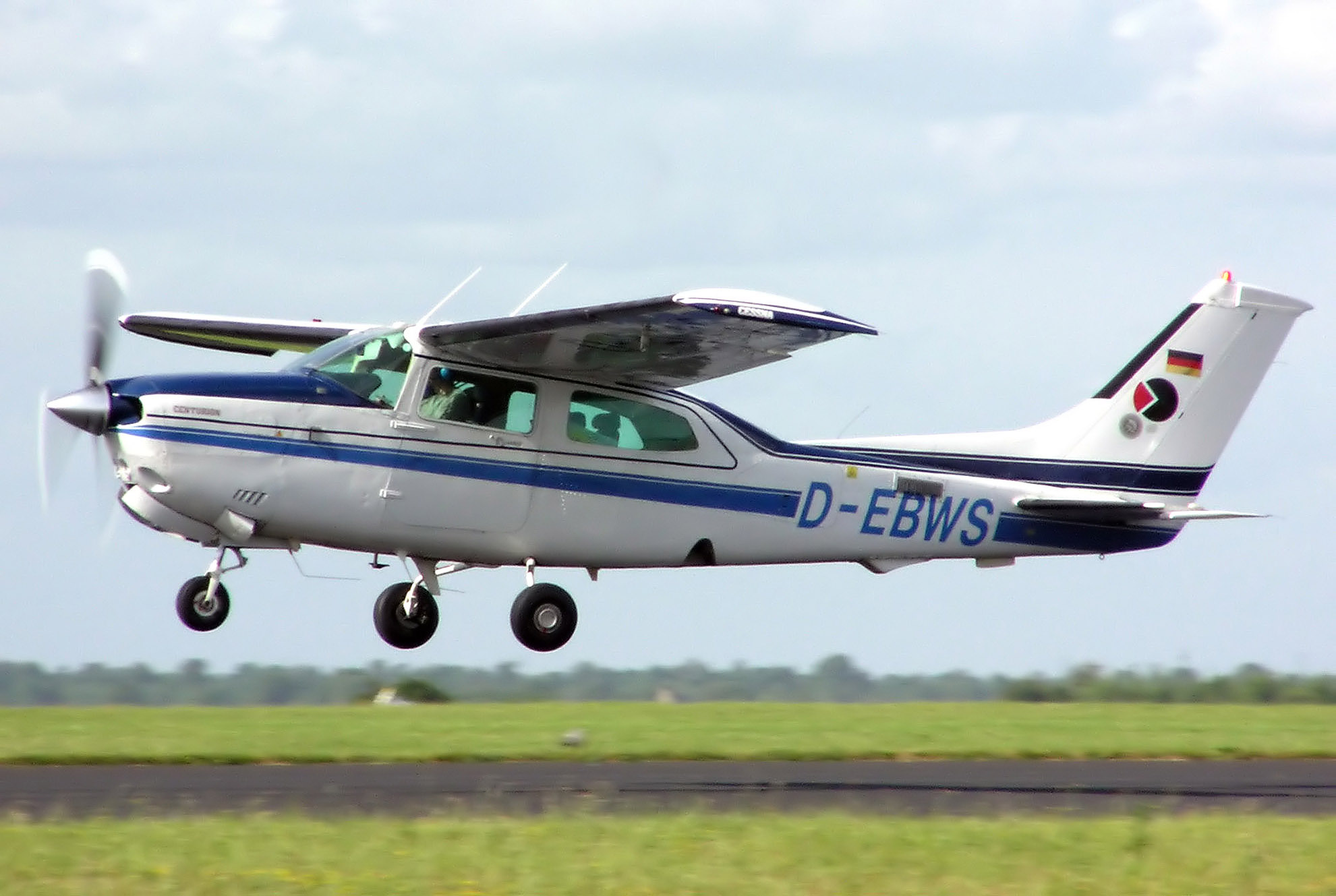
Cessna 210
The Cessna 210 is a type of small airplane that can be used for flying to different places. It's known for being strong and able to carry heavy loads, making it useful for both fun trips and business.
The Plymouth Superbird is a famous car from the 1970s that was designed for racing. It has a unique look with a big wing on the back, and it's very rare, which makes it special for collectors.
The Ram 3500 is a really strong truck that can carry heavy loads and pull big trailers. It's great for people who need to do tough jobs, like construction work. Many people choose it because it can handle a lot more than regular trucks.
The Dodge Ram 3500 is a big truck that can carry heavy things and is great for work. The 2024 version has new features that make it even better for towing and hauling.
The Dodge Ram is a big truck that people often use for work or to carry heavy things. It's known for being tough and having a nice inside, making it good for both jobs and everyday driving. Many people like it because it can do a lot of different things.
Car
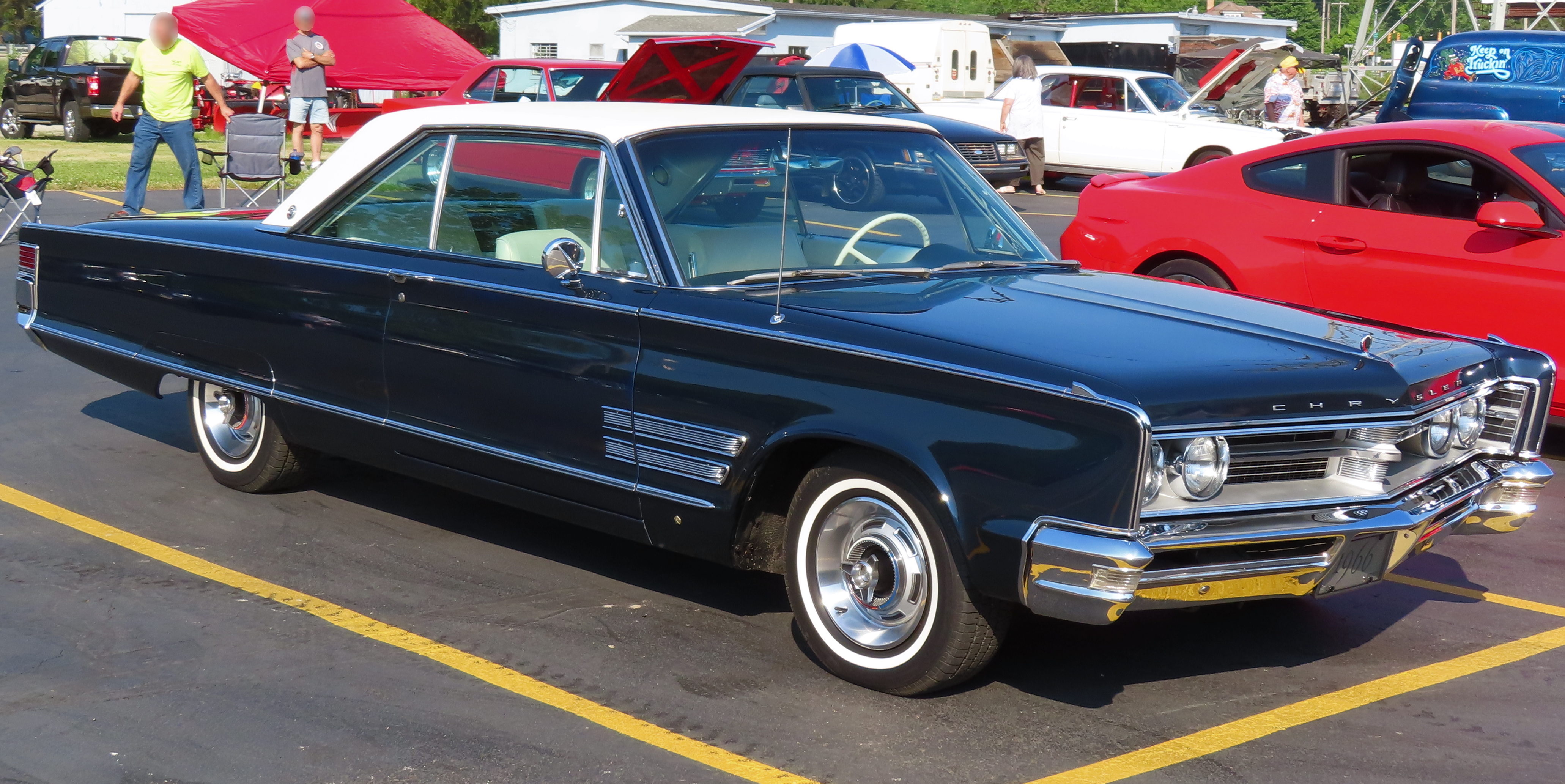
Chrysler 1966
The 1966 Chrysler is a car made by the Chrysler company in 1966. It's known for its classic look and was part of a time when American cars were big and powerful.
A barn find is when someone discovers an old car that has been hidden away in a barn for a long time. These cars are often valuable because they are rare and have interesting histories.
Car
Chevy 57
The 1957 Chevy is a car made by Chevrolet in 1957. It's famous for its cool design and is very popular among people who love classic cars.
Traction control is a feature in cars that helps them grip the road better when it's slippery. It stops the wheels from spinning too much when you accelerate.
A Hemi engine is a special kind of engine that helps cars go faster. It has a unique shape that makes it more powerful than regular engines.
Car
Dodge truck
A Dodge truck is a type of vehicle made by the Dodge brand, often used for work or hauling things. Older models are popular among collectors.
LIVE
Rev it up and welcome to Cars Yeah! Show number 2550. Be prepared to be inspired.
This is Cars Yeah where you'll enjoy interviews with inspiring automotive enthusiasts. I'm founder
Mark Green and I've handed the keys to this car over to Ginger Baker Rust who's a lifelong enthusiast.
Ginger's here to provide you with a fuel injection of automotive inspiration. So get in,
sit down and buckle up and get ready for a fun ride here on Cars Yeah!
Hello inspiring automotive enthusiasts and welcome to Cars Yeah! Today we are coming to you from the
beautiful town of Gardner, Kansas with one of the best-known auctioneers in the business and a
really wonderful friend of mine whose name is Ron Stricker. Hello Ron and welcome to Cars Yeah!
Do you have it in gear and are you ready to release the clutch? The clutch is released,
Ginger. Let's fire it up. Oh right sounds good. Ron please share something about yourself that most
people may not know. Well Ginger most of everybody knows that I'm an auctioneer but back when I was
18 months old I didn't drink a bottle of Drano but I accidentally picked up a piece of Drano
that had been clogged in our sink and my dad came home to help my mom unclog it.
He took it out and dumped it outside and unfortunately somehow I followed him out there.
When he turned to see where I was at I picked up a piece of that Drano and stuck it in my mouth.
Oh my gosh. It burnt my esophagus shut so I couldn't eat or drink or anything for several
months and almost over two years. Finally my parents had me in and out of KU Medical Center
here in Kansas City and a doctor said look we have one thing that we think we can try.
It's an experimental something that's only been done on a dog but we want to try it on your
son my mom said go for it. They dilated my throat. I was the very first human in KU Medical Center
here in Kansas City to have my throat dilated and it worked. Wow. It stretched my throat out enough
I could eat. I could eat hamburger and so I had a hamburger from the smacks drive-in which was
right across the street from the course they tried other things as well but I can remember my mom
and dad's so excited that they fed me a smacks hamburger and then to have all that happen as a
young kid and to put my parents through that and now I'm an auctioneer. So pretty blessed to have
my throat. Oh my gosh. I was going to say whose voice is everything in the auction business.
Yes and then last year of all things I got tonsil I had to have my tonsils removed at 61 years old
and that was really painful. They say it's painful as a child but it's even more painful as an adult.
It was so excruciating. I never I truly didn't think I was going to be able to do what I do now
and oh my gosh and I got my voice back. They assured me that it was going to work but the pain
was just beyond anything I could ever imagine. Well my understanding is that if you have your
tonsils out after the age of 15 that it it's actually really really serious and can be extraordinarily
dangerous and complicated. I'm telling you it's like any you know I'm pretty tough I think but
that's one thing that it got me it got me down. I was I was down for almost a month. I've known
you for a for a long time. We've run in the the motorsport circles for quite a quite a few years
now and you're a tough cowboy. No thank you. I didn't know about that at all.
That's about my my illnesses. Let's move forward. Well let me introduce you a little bit more to
our audience here. Ron Stricker is one of the most well-known auctioneers in the country with a
very successful family business located in Gardner, Kansas. Stricker was a former pit crew member in
NASCAR from 2002 to 2010 for Pinsky Racing with drivers Dave Blaney, Brendan Gaughan, Travis Quaple
and Kurt Busch. He has dedicated a lifetime to his love of motorsports cars and airplanes.
He flies his Cessna Centurion 210 to auctions and to his favorite motorsports events across the
country. Ron is the owner of Ron Stricker Auctions whom with his parents Jerry and Carol has been
in the auction business for over 55 years and seen it all from heirlooms to astonishing barn
finds. He has a daughter Sydney and a son Blaze. Let's take a little deeper dive in your in your
history or down your throat. Yeah. Let's tell us a little bit more about your journey into the
into the motorsports world and how did all it get started? Well in 1998, February of 1998,
I got introduced to the Coleman Company, lamps, lanterns, camping gear, all this kind of stuff.
And I was asked if I was interested in going to look at a big warehouse full of coolers in
Wichita, Kansas, which is about two hours from here. And so I said, sure. So I went and I was
introduced to the company and that was in February 98. And so from February 98 till July of 2015,
I dealt directly with the Coleman Company where I bought and sold semi loads of returns, buybacks,
closeouts, whatever it might be. I never told them no on anything. I took it all. So that was in
98. So they took me to my first NASCAR race in Michigan of all places. And we bartered a Coleman
tent and a few other items to get a room in Michigan close to the race. Was it Johnson? Is it
Jackson? Jackson, we were in Jackson, Michigan. We bartered all this stuff and when we got a room
and so me and a gentleman at the time, his name was Jerry Coons. I called him the Godfather Coleman.
He introduced me to the NASCAR world at Michigan. So that's my first race I ever got to go to. And
I get to go down into the pits a little bit and into the infield around and the camping area.
But that was my only time I ever got introduced at that point. And then in 2001, when they
opened the track up in Kansas, Coleman set up on the hill and turned one and had a big spread of
all their products and everything. And they asked me and they said, hey, we have to deliver a generator
down into the pits. Would you like to go with us? I said, yeah, I want to go. So I go down in there
and we're taking that to Kevin Harvick's team. And right next to Kevin Harvick's team was the
Jasper team, which was at that time driven by Dave Blaney. So I got taken down into the pits,
delivered this generator to Kevin Harvick and a gentleman who was driving the hauler, which is
Bill Lewis, which they called him stump. He said, hey, how do I get one of them generators? And I
handed in my card and he started calling me and I started selling generators and coolers and heaters,
road trip grills, you name it. And that was so that was in 2001. In 2002, they came back and they
said, hey, would you like to come to the race? And I said, sure. So they actually got me a pit
pass for me and my dad. And we go down into the pits and and I meet his wife, Cindy, and I've been
around enough sports cars and stuff that I know where to stand and where to stay out of the way.
And but I'm right in the middle of the garage and they're letting me get close. And so Cindy says,
hey, what are you doing on Sunday? I said, well, I hope I'm coming to the race. She goes, well,
what size shirt do you wear? I said, extra large. And she goes, okay, so I'm thinking they're going
to put me in a cruise shirt and they're going to have me cook and bake them because she's the cook.
And so I show up there and she goes, there's going to be a guy by the name of Moose come,
come get you and put this on. She hands me a fire suit. So I start pulling fuel. She has me,
meet Moose, who is the gas man. And Moose takes me to the gas pumps and said, this is where you
come to. As soon as I empty them, you come right here. It's a race to get back because there's
all 42 other teams at the time going to try to beat you to get fuel. And we got to get the fuel
and get it back and get it weighed and everything. So that was my first job. So I did that in Kansas
in 2002. And then that the same year I went to Phoenix and did it at the race in Phoenix.
And then it just grew from there. So they moved up into Pinsky's organization and from Jasper
into the Pinsky Caraj Mahal, what a beautiful place that is. So Brandon Gahn came on.
And so I was with Brandon Gahn with Kodak and then Travis Quapol, same thing. And then I ended
up being with Kurt Busch. So as they progressed, I progressed, they just brought me with them.
And Don Miller at the time was the president at Pinsky. And he loved me. Don and I got along
really, really good. And Roger, of course, the captain. And without what else can you say about
the man he... I'll tell you a real quick story about Roger. After I was out and I was still
hanging around, I wasn't on the team anymore, but I was still getting to come around to the races
and stuff. I met him again in Arizona and I walked up to him and I said, Mr. Pinsky, my name's
Ron Sturges. I know exactly who you are. You don't have to tell me your name. I'm like, whoa,
that was awesome for him to still remember me and to call me by my name and know who I was.
Because I've stood in the hall with him and he's just as common as it could be. He loved hot dogs.
We stood there and ate hot dogs. That was one of the neatest things about being around Rogers
is so common. But yet, what a great man. Now, I have to ask you, did you have competition with
the captain at Martinsville? With the Martinsville? Yeah, Martinsville. I did get to go to Martinsville
and I did eat the hot dogs, but I don't think I had to worry about him. He was probably off somewhere
else, but yeah, the Martinsville hot dogs for sure. Yeah. Don Miller, what a great man he was to me
and I'll tell you this and another Rogers story. I bought my father a 2007 Dodge Charger for his
birthday, a Pinsky full blown cup car and give it to my father for his birthday. Oh my gosh. So I
took my dad to the garage, to the Pinsky racing and I walked him in and I showed him
some cars and he kept telling me, hey, let's get one of them bodies back here in the back
where they did the pit crew. I said, I think we can put one of those on your race car.
And I'm like, dad, okay, sure. I'll talk to Roger about it. So anyway, I ended up getting to buy
and my dad had no idea. I'd already bought it. He was leaning up against the car that I bought
and I bought him a full blown 2007 cup car and give it to him for his 66th birthday. Oh my gosh.
And I had to sign my life away saying that if I ever had to sell it again, they had first
rider refusal and everything worked out. But I took it down and I give it to him. I surprised him
with it. And then later on when they had the race here in Kansas, Kurt and all the team came
and I had it sitting downtown Kansas City in front of the Capitol girl with Pinsky flags around it
and Miller light and had it on red carpet and Kurt came and autographed it for my dad and Kyle
Petty was there. I mean, we had a great time. I had 50 plus people at the Capitol girl with
for my dad's birthday party. So it was pretty neat. That is amazing. That is amazing. So some fun times.
Yeah. You said you had another Roger short. Oh, that was part of it. Roger. Roger. Well,
we had to get the approval from Roger to let me have it to buy the car. Yeah. Roger agreed,
you know, because not everybody can just buy a full blown cup car and have the Pinsky engine come
out of there. And so he agreed and he understood what was for and he knew my dad was an enthusiast
and and Don knew my dad as well. I brought my dad there. It's another thing. Don knew my dad was
a big car enthusiast. He threw me the keys to his own personal garage and said, take your dad down
to my building and let him see all my stuff. Oh boy. And Ryan had stuff in there at the time too.
So it's pretty neat to let let my dad get to see all that. Oh, absolutely. Now, yeah. And when you
say Ryan, you're referring to Ryan Newman. Ryan Newman. Don Miller is the one that actually
kind of brought Ryan Newman up. Yes. Franks. Yes. Yeah. So I think I sent you a picture.
One of the neatest times of being on the pit crew and I wish I remembered what year it was. I'm
sorry. I don't. But Kurt and Ryan were on the pole at North Carolina at Charlotte. And so we
have our whole team picture with all of us. Both teams on the on the start finish line there. So
yeah, that's that's amazing. I you know, I there's so many stories that of how people got into
NASCAR and in what's crazy is is in 2001, of course, 2002, that's when it was really hitting
this pinnacle. Yes. And for you to just be picked up. I mean, you're a big guy, right? I mean,
you're, I mean, you're really tall. Yeah, you're, yeah, you're a big guy. And it's funny that they
just put a uniform on you and said here, do this because it sounds like an easy job. And it is.
I went from being the gas man to the tire runner. I ran the tires for the pit stop. So that was
even more grueling. Probably the most grueling track of all of them is Las Vegas. It seems like
a mile across that place to get the tires back to the. So that was probably one of the most grueling
jobs that I had. Yeah, but explain to listeners like exactly what that is, because most people
don't understand when you run fuel and when you run tires, they don't understand what that means.
Because most people think that the teams buy their tires and, you know, and all this and they
throw them out. Oh, no, they don't understand that they're actually leased from Goodyear.
So yeah, so back to the fuel stop. So again, there's now 40 teams. So as soon as the pit
stops over, you know, you got to take the fuel cans, you got to go get in line and try to beat
the other people fuel carriers to whatever toters, whatever we were pulling the cans of fuel,
we'd go and I mean, it's like almost like a dead race. You couldn't run, but I used to carry a
whistle just to keep, you know, because there's so many at the time that it's not quite as crowd as
it was back then. But I have a whistle to blow people out of my way to see that I could come
through because I knew NASCAR people had whistles. So I kept a whistle with me sometimes so I could
get through the crowd to get over to the fuel station and get my fuel and get back.
And then the same thing with the tires, you know, as soon as the pit stop was over,
you know, you got through four tires and they're hot and you're trying to get them back and
get that part done so you can get back in case there was another pit stop, you know, because
I was the right side, I grabbed the right rear tire off the car. And I just heard Dale Jr. talk
about this on his podcast because when he was doing his crew chiefing this last weekend,
he had to catch the right front. And so he, and he told Amy, he said, if I miss, I'm in trouble.
And that's one thing that I knew I would never want to not miss or make sure I grab the right rear
because, you know, if it missed and it went bouncing back across the way, we're in trouble.
It's not only a big penalty, but it's also a huge safety issue.
Yes. Yes. So luckily that never happened. I was always right on my game. So it worked out.
That's great. That is absolutely great. Throughout your life, you've talked a little bit
about it already and some inspirations, but throughout your life, I know that there are
people who have been great inspirations. Would you share with us a key mentor who helped you be
successful? And who's been the most influential person in your life? Well, I have to give credit
to my dad, but my mom and dad, I'll just put them both into, you know, they started our auction
company in 1970. My dad bought the building thinking that we was going to rent it to a company
that here in town that he works for. My father worked for a company called Kramer Products.
Been in business over a hundred years. They just recently sold and moved out of town,
just like within the last three years. But my father worked there for 17 and a half years and
that short time before he bought a building and thinking that they were going to rent the building
from us. And they offered some rent, but it wasn't even enough to pay the pay the taxes and the
payments. So he said, I can't do it. And so the guys at the break room, this was March of 1970,
he was kind of getting harassed by the guys at work or during a break. And he said,
what are you going to do now? And he says, I'm going to start an auction.
And he literally got up from the break room table, walked over to the phone book,
grabbed the phone book, looked up the next auction. This was, I think, February of 70,
looked up the next auction school date, called them up and called them and asked for the date.
They told him it would be in March. So he took his vacation from work in March of 70.
And April of 70, April 5th of 1970, we started the auction.
And we've never looked back. And there's been people that back then that said they wouldn't
make it six months or a year. And 55 years later, we're still going strong. So, and I'm very blessed
to have my dad with me every day. And I say this with the most respect. He's here telling me what
I'm doing wrong every day. And I wouldn't have it any other way. And my mom, she's still here.
She comes in on Tuesdays after auctions and still helps with the books.
Their inspiration and their dedication to keep the auction going over all these years.
And for me to get to pick it up. And I honestly didn't want anything to do with the auction
business. Being my father worked at Cramer Products, it's a athletic supply place where
they made all the lentiments and that kind of stuff. I thought I could go be an athletic trainer.
Yeah.
That's what I wanted to be. And now athlete trainers are almost like, I almost hit her.
The schooling is almost as much like a doctor, but not quite as much. But it's still,
you're doing almost all the same things as that. And, and, but school wasn't for me. I was a great
trainer. I was top trainer everywhere I went. Physically could do all that stuff. But school
work, I was the worst. So I had an instructor that knew our family pretty well. And he said,
I think, I think you better go be an auctioneer. So I got me in the business. I went to auctioneer
school in 1984. And I've been doing it ever since.
Wow. So, so you went to auctioneer school in 84.
Then you did all this stuff. And then you did the Coleman and was involved with Coleman, which was
huge brand. And then took a break from auctioneering. I mean, were you still auctioneering?
No, I was still, I did it all.
You did all even when you were still auctioneering. I still, I still auctioneering,
I school, I have my jobs done. So if, if when it would come time to go to the race,
I didn't go to every race, but I went to a lot of them. And main, the main year that I went to the
most was probably in 2006 or seven. I went to 17 races in one year. And I never got paid. This was
all on my own dime. Everything I did was on my own dime. Everything.
Which actually wasn't uncommon back then though. Really?
No, no, no, race teams. It really wasn't. Yeah.
No, but I sold lots of stuff, Coleman stuff to all the different teams. You know,
I became well known as the cooler guy, you know. And so everybody knew when they came to Kansas
that they would come to my store here in Gardner and I would sell them all kinds of Coleman stuff.
There was at least two trips that I made to Penske's and went to the, to the actual race shop.
I would pull in and I would drop my trader door down and all 700 employees would come and empty
me out. I mean, that would never happen today. No. You know, but back in the day, it happened.
It, I mean, I did it a lot. Yeah. So, you know, it was a lot of work and I don't want to say I
didn't love it because I did. I loved it all. In 2015, the Coleman company sold off to Rubbermaid
and that kind of did away with my Coleman connection and, but it built my life as an
auctioneer even more. I mean, I love what I do. I mean, I'm very passionate about it.
But that part of my life and being in the auction business and starting to run a Coleman business
and go to all the NASCAR races, I mean, I was so blessed to get to do it all. I had great parents
that let me do what I wanted to do. My kids were young enough. It was just a perfect timing.
And so NASCAR being on the team was a dream come true that I never dreamed I'd ever get to be a
part of any of that and then to get to go with, to be on Pinsky's team and to meet all the people
that I've met throughout the years and all the, all the officials and shook all the right hands.
And, and as you will know now, you know, I can probably go to any race, anywhere, any time if
I really want to. It's just having the time to get to do it. But it's just an honor to know that
when I walk in the garage, there's people know me. So, you know, and I've talked about this a lot
that, you know, the racing family, I want to circle back just for a second about talking about
you volunteering. You know, it's so interesting now when you think about what you've said versus how,
you know, NASCAR and racing is now. And when you look back at that time, NASCAR was basically
now like your local dirt and asphalt races and to where your teams are generally volunteers and
they work on the car and everybody, you know, and you pull people from here and there and, and
hope to God, you've got enough people for the weekend. And, you know, and it's so crazy because
2001 was the first, what, a TV right for NASCAR. And for them to still be doing that and people
don't realize this, but because it was so huge, you know, when it hit TV, but people don't realize
that even during that era, it was still people like yourself that was just volunteering and just,
hey, we need you to do this. Right. Just to be able to build the sport and just to be able to race.
Right. I was just so honored that they trusted me to be around it and to see everything that we,
you know, involved through and, and, you know, from the car that I bought my dad in 2006, you know,
and to even see the car from in nine and 2001 and to 2006, you know, I'd have some of the
pit crew guys come over and even Kurt, he's been here to my place. He stayed with me on a, on a
trip passing through and, and to go and see, see the car at that time and, and then see it today,
the evolution of all the cars and, and the technology and, and how they've changed over
the years. It's just a, it was an amazing thing. But yeah, just to be asked to get to do what I did
and, and then to trust me to, to come along and, and to let me go in and, and stay with the team
and fly with the team and, and do all the different things I did. It was just, it's just, it was a,
a dream come true. I'll tell you another quick story about Kurt. I got a phone call from his
public assistant. They were having a, a deal in Vegas for all the Kurt Busch fans. And so they
asked me to come out there and, and to do a benefit auction. Basically, I did a little auction
for all the fans and they got to bid on some stuff from Kurt and he put me up in a hotel and
that was on a, the weekend right before Phoenix. And so as soon as we were done with the, with the,
fan fest thing that we did for Kurt, he put me in a jet and flew me to Phoenix for the race.
So that was a pretty big deal, you know, for a young kid from Kansas to get to hang out with
Kurt Busch and apply on his private jet and, and do all that kind of stuff. So it was pretty neat.
Oh yeah. Well, and the other point that I was going to make, you know, to the, that I've talked
about a lot and, and trying to explain to people that are involved necessarily in racing or car
collecting or even the, in the automotive world, like we are, that once you're in the racing family,
unless you've done something to get yourself kicked out, to lose respect in the sport, it's,
it's always your family. It's always your brothers and your sisters. And I don't care how long you've
been in it or how long you've been away from it. And I know I've seen you when you walk in the
garage, everybody still, you know, knows you and, you know, and the guys and, and the people that
work there. And it's just, and it is good. And you know, I haven't been traveling with them for a
couple of years and it does, it feels the same. And it's, for me, it feels like I'm going home
every time. Absolutely. Yeah. And I always dress the same and they all know me. And so
can I guarantee if I ever walked in there with the ball cap on, there would nobody know me.
I was going to say they would know you because you're a cowboy boots and you're a cowboy hat.
Yeah. And a blazer. Yeah. My blazer. Yeah. Yeah. My black blazer. But that's an honor of Pinsky,
the white and black. That's an honor of Roger. I do that for Roger just to, you know, and then I
think I've seen a picture of me and wall of Zarnagy. He's got my, my cowboy hat on and I got
his ball cap on. So we took a picture like that here. I think that was in Kansas here, not too
long ago. So yeah. I'll post that picture on your, on your notes page. Okay. Well, we talked
a little bit about, you know, a huge challenge, you know, when you're 18 months old, but can you
share with us another difficult challenge or, or failure obstacle that you've faced,
whether in personal life or business, and tell us how you overcame that situation and what did
you learn? Well, in 2015, I think I just told you, I mentioned a little bit ago that the Coleman
company sold off to Rubbermaid. And when they did that, you know, I was used to going there every
Wednesday. And I mean, for 18 years, I drove back and forth to Wichita brain home loads and,
and loading semis and in 2010, we shipped out 350 some semi loads from August to December
from the Coleman company's coolers going out. And so in 2015, you know, everything was going big
time and I was doing really well. And then all of a sudden, in 2015, they just pulled the rug
right out from under my feet. And they, they shut, I mean, I'm literally pulled up to the gate to
guard shack with the trader thinking I'm going to go in and get my load like normal. And the guard
said, Hey, I can't let you in. I said, What? I said, What's going on? They said, Well, they didn't
call you yet. I said, No. And he said, Well, they're doing away with your program. I'm like,
You got to be kidding me. Why didn't they call me and tell me before I drove two and a half hours?
But anyway, so that was a, that was a rough time for me. I just built a huge house. I had a 13,000
square foot house right on the end of the road and way out here. And I'd had several people
from race team, they all know my house. And so, and then it's just a house, you know, it was a house
in 30 acres, but I built it as my, I called it my nursing home. And I really, at the time, you know,
it was a big, big endeavor, a big, a big financial blow to have them pull me out of that
program and not get to buy anymore. And so I had to take a step back and I did. I sold the house,
but it's kind of our place to let other people come and enjoy it. I built it mainly for other
people to come see how we could have fun and enjoy life. And so anyway, that happened. And then
things started getting really tight. And I tried to keep a hold of it as long as I could. And I
just became more established with the auction side of my life. And now I'm so busy. I'm so blessed.
That's, so that's what turned me around is just having the determination to not quit. You can
ask anybody that knows me, I don't quit. I am not going to back down from the challenge and I make
it work. And if I can't figure it out, I've got plenty of people I can call to help me figure
out what I need to do next to make it work. And so I moved forward and, and I built the auction
business. And it's in 2015, my father not only did the Coleman company in July, pulled the rug out
for me, but my father made it even a little more challenging to me. We moved my auction company
or his or our family auction company from his building, which is directly across the street
from where I had my Coleman building. And so that was taking it from a 5,000 square foot building
to a 10,000 square foot building. And I bought it hard because that was our legacy. That's where we,
you know, had all the auctions and had all the memories. And for me to move over here,
I just didn't want to do it. And it wasn't, didn't feel right. But now that I've done it,
and now that I've did it, and he pushed me to do it, I'm so glad that we did. And it's just changed
our whole auction perspective, how we set things up and make it, make it work here.
Oh, that's amazing story. That's an amazing story. I mean, I've known you for a long time,
and I'm learning things I didn't know. I also know that you're one of those guys you never quit.
You absolutely never quit and you always find a way. And you're one of those people I know that
I can call you up and I can say, Hey, you know, I need some advice here or needing your wonderful
guidance in this business. And so I appreciate that friendship. Let's talk a little bit about
a bucket list because man, you have done a lot in your life. Can you share with us
what you'd still like to accomplish in this next chapter? Well, let's back up just a second.
So one of the things that I got to do, because I'm involved with the Coleman Company,
with all the all the years and experience, and then finding out that I'm an auctioneer,
there's a actually a International Coleman Collectors Club, and they meet every year
somewhere. And then I started going to these in 2003. And I had to interview for it because
I don't even know who they used for auctioneers back then, but they had me come and audition.
And I've been doing it ever since. So now I travel all around the United States
and do the auction for the International Coleman Collectors Club. I just came back from Ohio
just this Sunday. Unfortunately, through the years, these collectors pass away or they just
get out of the notion for collecting Coleman. And so I started doing these big auctions and I've
done some really big collections from some really amazing people. And one of the items that I had
in 2019 drew people all the way here from Japan. I had four families sitting in my auction right
here from Gardner, Kansas, from Japan to bid on this certain lamp. And the lamp ended up bringing
17,000 at 1901 Coleman Arc lamp. Well, the gentleman that bought it begged me to go to Japan and do
an auction for him. So finally, I agreed. I tell this story. I've been Catholic my whole
life and I don't eat fish. I owned a camping store for 18 years and I don't camp. But I ended up going
to Japan and camping and eating fish. So I went and I got to take my kids. I got to take my kids
and we went to Osaka, Japan. And then they drove us to Mount Fuji. And so we stayed at the base
of Mount Fuji. They got me an RV to stay in. It's about as big as my desk here. It wasn't very big,
but it's better than sleeping out on the ground. And so I got to do an auction for the Japanese
Coleman collectors at the base of Mount Fuji. I can guarantee you I'm the only auctioneer in the
world that's ever stood at the base of Mount Fuji and done an auction for anyone. But I did it for
the Japanese. Then I went back in 2023 to do it again. And unfortunately, they had a big tsunami
and it washed everything out. And I still met with everybody, but they actually took the time
to come meet me. Then there's a big museum there. And most of the stuff that's in that museum came
from me. So they did a TV interview with me there on that. And the Japanese people have been a big
inspiration for me. So that's one of the things I want to do again is go back to Japan. But my main
bucket list thing is I want to go to every race of every week for the whole season. I keep telling
Cathy, that's what I want to do. I want to go to every race. I don't want to miss a race. I want to
go to every single race every week. So that's probably the only thing on my bucket list that I
never want to do. And I know a lot of people think I'm crazy, especially the crew guys. I could
probably take any one of their spots at any time. But after the grueling season that they have, and
I know they love what they do, but it does, it gets tiring. Even when I did the 17 races,
you know, sometimes I'd leave on a Thursday. Sometimes I'd leave. If the race was in California,
I could leave on a Sunday at seven in the morning, get there at seven in the morning,
because there's two hour difference and the flight was two hours and then still
make it back in time for the auction on Mondays. Yeah. Well, and it's funny that you said that
because before I got involved in NASCAR, that was actually my number one bucket list item.
Yeah. Was that I wanted to go to every single NASCAR race in one season. And at that time,
I had no idea that I was ever going to ever be involved in NASCAR, but that was number one
on my bucket list. And I remember finishing my first year in NASCAR and I got to, I got to check
that off. And I've been every single race track, every track and every race for several years in a
row. And man, like you said, I, and I've talked about it on this show before the grind, people just
don't understand the grind. But man, besides that, the specialness of it. There's a few tracks I
haven't got to go to. One of them is Talladega. I haven't been there. My favorite. Watkins Glen.
I've never been there. When Kentucky was open, I didn't get to make it there. And Dover,
Rockingham. At the time, there's only four, but now there's several. But because my schedule
just allowed and the auction was just falling into the wrong time, wrong, well, I don't want to
pay the bills. But anyway, to leave my dad hanging at the auction on a Monday night or not be back
in time in case something happened, I just didn't want to chance it. So anyway, but yeah, that was,
that's one of my main bucket lists. I want to get to go to every race and be a part, you know.
Well, and you got to be, you got to be excited a little bit to hear, you know, they were opening
Rockingham back up and Wilkesboro back up. And yeah, and Talladega is my, is one of my favorite
races. It's my favorite super speedway race. Bristol's my favorite short track. And then you
talked about Dover, the Monster Mile, that's a great track. Right. The other one I forgot to
mention was Darlington. I haven't been to Darlington either. Darlington's my other one, the late one.
But my favorite track, my favorite track is Phoenix. Oh yeah, the mile, because it's fast.
And now they've recon, not so much reconfigured, but changed the front stretch and the back stretch.
I try to explain this to people. When you go and watch qualifying and get to stand right there
next to the track and have them come by you so fast like they do and turn into turn one,
I mean, that just, I get chills just thinking about it right now. Yeah. That was probably,
and that's still my favorite track to go to is Phoenix. So. Well, we're going to have to get
you out here for Darlington and Rockingham, you know, my home state of North Carolina,
they're right in my backyard. I'm 44 minutes, you know, from, so you definitely have to come.
In fact, the Southern 500 is coming here and just soon. So definitely at the end of August,
so you might need to come. So let's talk a little bit about, you already talked about that special
cup car, man. And I got to tell you from hearing that story, that it's rare. That's a rare thing
to be able to get a cup car. But let's talk about a special vehicle in your life.
Share a great memory or experience you had with that vehicle. And if it was already that one,
that's great. Invite a few people. No, I would say the airplane. Our SESTA 210 that we've flown in,
I've flown in that thing from here to Oceanside, California. It's taken me to a lot of NASCAR races
and it's taken me to a lot of towns where I've went and looked at big auctions and that kind of
stuff. I'll tell you a quick story about the airplane. The gentleman came in my store here,
and I wasn't here. I was on an accidental trip to Coleman bringing home a load and he came here
and he's seen a propeller I had hanging in the store. And he asked the guy working here about
the propeller. And he said, well, we're trying to find a pilot to fly us because we've got a
block of stuff going on in Wichita. So I ended up meeting him and he tried his hardest to get me
to buy time into the airplane. And I was just, I was afraid of it. You know, flying an airplane is
a lot of money, but if you use it for the right tool, it can be a very good tool. And he taught me
that. So I asked him, he kept trying to get me to buy 30 hours of time in a plane. And I said,
there's no way I'm going to use 30 hours. So he finally let me buy 10. Well, that year I used
the airplane 110 hours. And then I became a part owner in it. And then when things kind of crashed
and he'd let me, he bought me back out, but he said, this plane is just as much yours. You need
to fly. You let me know. And he's at my back and call. I mean, he's just been a great friend.
And then because he knows that I use the plane wisely, there's times that we used it for fun to
go to a race or something. But, you know, I had business there, you know, I had people wanting
coolers or whatever they might need from me. And so it was just always a, I just learned to use it
as a great tool. And the Cessna 210 is such a workhorse. And it wasn't the best looking plane in
the world, but it, it got us where we needed to go and could haul a big load. And I was very
honored to get to still be a part of, I still fly in it. So I'm not a pilot. People think I am,
but I think I've told you this too. I always kid people, yeah, I'm a pilot. I pilot furniture here
and I pilot there, but I'm not an airplane pilot. So anyway, I was going to say, I've seen even
that plane a lot. Yeah. The plane is a great tool and it has been a very good piece of machinery
for me. Oh yeah, absolutely. And it does. It makes it, especially in racing, it makes it so much
faster. It makes it a whole bunch better to be able to get back and forth. Right. We were in,
we were at the race in St. Louis a couple of years ago when Joey won. And that was the first
race back there. We were on the pit box and my daughter was there and Nick and everybody. And
we kept saying, oh man, I kept thinking, man, we better go because all these planes are going to
and the racers and the drivers. So I said, man, if we better go and then of course we leave and
Joey wins. We could have went to Victory Lane and, but we're, we're standing in the lobby
watching the race on the TV. And here comes Steve O'Donnell and everybody and all the race,
some of the other people that had crashed out or whatever. And they're all watching them. And I
told Nick, I said, man, Nick, we better go because we're going to be, we're going to be, we're in
a little system of 210. They're going to start letting all these jets go ahead of us. So we got
out of there in time. And, but that was a fun, a fun day to get to go there and see all that. And
unfortunately we didn't get to go in Victor Lane like we could have. But, you know, it's just a
fun day to be a part of that. For our special cars, my dad's got an extensive car collection. And
I've had it at the race. I took one of his cars to the racetrack. And it was a 43rd super bird
ever made. And Richard Petty came along and autographed it for him. And, and Joey took
a picture with my dad with it. And so that's, you know, his car collection. That's why I bought
my dad the 2006 seven Dodge Charger that we put in his collection. And since then I sold the car
and I got permission from Roger and it went to a Pinsky Museum. And so it's in Evansville,
Indiana and at Pinsky Museum. Yeah. So that's amazing. Yeah. Well, let's talk about this. If you
were a car, little car psychology here. If you were a car, what would you be? And more importantly,
why? Now this isn't what you want to be, but instead how you perceive yourself manifested as a vehicle.
Well, it wouldn't be a car. It'd probably be a Dodge truck, big Ram 3500. Because that's what I
drive every day. And I'm, it's just a workhorse. It pulls it. You don't even know a trader's behind
you. I live in this thing. And so I got a 2024, I'm getting ready to trade for 2026.
I trade every two years. The Dodge Ram is probably, I don't eat. I don't sleep. I'm up all the time.
And it's just like, you know, it's a workhorse. And I feel like I'm a workhorse. So I'd say the
Ram 3500. I absolutely agree with you. I couldn't even have another vehicle that would be more
appropriate for you. Yeah. All right. Well, and you know, you talked about your dad's car
collection. And we're going to talk about the ultimate drive here in just a second,
but you talked about your, your family and your, and your dad's car collection.
There's got to be some amazing special cars that you guys have seen through the auctions and,
and barn finds and things. And yeah. Can you share some of those? Yeah. One of the,
one of the things that we just had happen to us, this has been about five or six years ago,
we were working on a farm and we were cleaning it out and we had this one door that just wouldn't
open. And finally we took the time and dug it out. And when we look at, you could peek through
there and see it. It was just a whole pile of nothing but aluminum cans. And finally we got
the door open and we realized underneath all those aluminum cans was a 1966 Chrysler. Oh my gosh.
Yeah. So it was completely covered up. But so anyway, we ended up pulling that out. You talk
about a barn find. This was a true barn find covered under all of these aluminum cans.
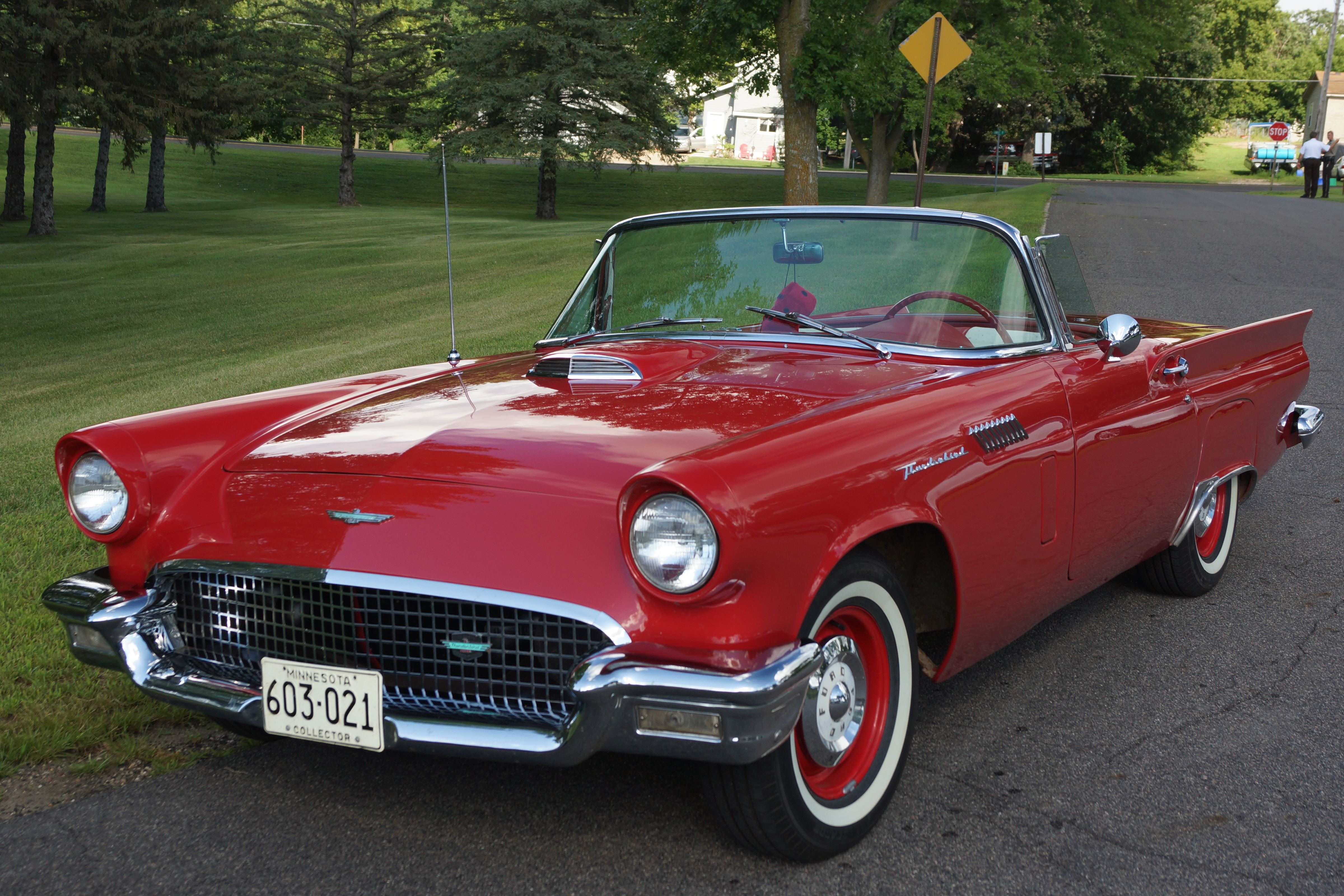
So that was a pretty neat deal to find that. Oh, nice. And I've sold 57 shivvies. I had a big
museum I just sold out here not too long ago that had a 58 shivvy, 57 Thunderbird, 66 shivvy that only
had like 17,000 miles. But yeah, I had all kinds of neat signs and everything. It was a museum that
I actually brought all the way back from Caney, Kansas, which is down by Oklahoma. And we brought
it back here and reconstructed it, put it all back into my building and auctioned it off. So
it was a pretty neat deal. That's cool. I was going to say in 55 years, you probably could spend
55 years telling me all the cars and barn finds that you've found. That is just an amazing collection.
Yeah, there's been some neat cars. Yeah. But I'm not really a car auctioneer, you know. I'm more of a,
you know, I'm not going to say I have a soul cars than I have. And I've sold a lot of livestock
because of 4-H deals. And I do all the 4-H auctions around here. But I always say my claim to fame
is I've sold everything from a $1,000 penny to a $100,000 clock. And I sold a $100,000 grandfather
clock in 2004 for that convent up in Atchison, Kansas. And I had people there from all over the
United States. And I had four big bidders. And it went to German, the clock ended up going to
Germantown, Tennessee to a Cadillac dealer. And he flew in that morning and he bought it.
He wrote me a check, took a picture with me in the check and his wife and flew back out that same
day. So yeah, he paid $100,000 for a grandfather clock that was in the convent. It was about,
it's about a 11 foot tall, really unusual, pretty, you know, it was appraised back way earlier than
that for $50,000. And then we sold it in 2004 for $100,000.
Well, talking about writing checks, let's talk about the ultimate drive. I am writing a blank
check for the ultimate drive with no limitations. And again, I have fun with this question. If I
could wave a magic wand and arrange for you to go on the ultimate drive, what vehicle would you be
in and who would it be with? Well, he just brought up the story that I'm going to share.
So one time I got to go and go to testing and, you know, I got to ride on the plane with Ryan
and Kurt and all the team. And we jumped out of the car out of the airplane and I'm standing,
I don't know who I'm supposed to go with. And Kurt says, come on, come with me. And so we jumped in
the rental car and we're not even out of the parking lot. And Kurt and Ryan are already,
you know, dodging each other and doing all kinds of stuff. And we get to the track. I think we went
to Memphis. I'm pretty sure we went to Memphis. And we pull into the track and Kurt and Ryan
in the rental cars, they just start making laps. And Kurt's yelling at me to turn the
traction control off and they're bumping mirrors and everything. So that's probably one of the
most ultimate drives I've ever got to go. That's a real life days of thunder. And then a few years
later after that, Kurt came to Kansas City to do another deal with a big sponsor. And they brought
him just a plain Jane Dodge Charger to give rides in. Well, I come pulling up and I had a,
at that time I had a 2007 Dodge myself fully loaded. It was a 138 of 1000 had a SRT-8 engine in it,
Hemi and Kurt says, we're not using this car. We're going to use Ron's. So he gave everybody
rides in my car and including me, I get to go for riding as well. And of course he had the tires
kind of wore off. So he told me when I go back home to, maybe I should make some ride handers to
get the tires, wear it back down. But so those are some of my ultimate rides that I got to go on,
I'd say with Kurt Busch. But if I ever go back in time and get to go on a ride, I'd probably want
to go with my grandpa in our old Dodge truck. So we got an old 50 Dodge truck that sitting over,
my dad's brought back and we dug it out of the weed. One of these days where we keep talking,
we're going to get it running. But if I ever get to go on an ultimate ride, that would be with
my grandpa there in that truck. Oh, what a story. What an ultimate story. I love that. What are some
of the ways that you've helped others or given back? Now, this could be in your life or career
field. And I know you're a very, very giving guy. So I'm curious to hear this answer.
So being in the auction business, of course, we get called to do benefit auctions quite often.
And so in about 19, I'd say in 98, 99, I got hooked up with my good buddies that own the
Westerner store. Their names, George and David Nigro. And George's father owned a horse auction
back in the day. And he sent George to an auctioneer school when he was 12, because he didn't want to
pay anybody else to do the auctioneering. So George went to auctioneer school when he was 12,
he's 70 something now. But we have done over 100 plus auctions every year all for charity,
all for free. We don't charge one dime. You name the charity, I've probably done it. Mainly
a lot of the Catholic charities, but I mean, Arthritis Foundation, the Heart Association,
Furball, which is for dogs and cats. I mean, you name it, we've done it. We've raised millions
of millions of dollars all for charity. And, you know, it's our way of giving back. We don't charge
anything for it. And just we're blessed with our businesses. And so that's something that we do every
weekend. Right now, we've had a little break, but it's getting ready to start back up again. So
I think once we start hitting August, we'll have about almost at least three nights a week, if not
four, all the way through till the end of November. So in the end of December, even that's
something that I always wanted to do. You know, I know all these NASCAR guys have all these charities,
and I've always told Ryan Newman, I can auctioneer as good as he can drive a race car. You know,
I've always wanted to do a charity for a NASCAR driver or team. And that's, you know, it's just
logistically me living here and having it all happen back in Morzillo just kind of never worked
out. But hopefully one of these days, I get to do it. I was gonna say, I'm betting that that would
be part of your bucket list too, that you'll be able to check off at some point. I'm really pushing
on the NASCAR Foundation. Right now, they have Rick Allen, which Rick Allen's father started
the National Auctioneer Association, which is in Overland Park here. His grandfather helped start
that, but he does the auctioneering for the NASCAR Foundation. But I've tried to get him to let me
come help, and I've been talking to him and stuff, and Tammy and everybody. And so hopefully it'll
work out one of these days where I get to come be a part of it. I'm betting it will. You talked a
little bit about Don Miller earlier, and Don Miller has a great book. And so I want to ask you,
can you share with us a great book that you've read, an article or something that you've watched
that you believe others could learn from? Man, I wish I could tell you I had time.
I know you don't have a lot of time. No, I wish I probably could throw one in the truck and listen
to it while I'm driving. But I honestly don't read much or get to watch much TV. So I'm usually on
the road driving or making deals or hauling junk or whatever it might be. So I really don't have
any books or anything that I really read. I read my prayers. I read my prayers every morning.
I was going to say, I know you read your prayers every morning because you're part of our little
our little network. People don't know there's a there's a motor racing outreach
in NASCAR in a lot of the racing series. And you send still, and I get it every morning,
you send a group text to a lot of us in the racing community and with prayers and scriptures every
small morning. And I look forward to it. I send over 100 to over 100 people every day. And if I
don't get it done during the day, I did it at night. So somehow, someway, I get it out there.
I know you do. I know you do. And it's always an inspiration for me.
Oh, thank you.
Can you give our listeners a final parting words of wisdom and advice about life or business?
And do you have a favorite quote or mantra that has meaning to you?
One of my favorite things that I like to say is no God, no peace or no God, no peace.
And I honestly don't know who wrote it or who said it in the original, but that's one of my
favorite things that I like to like to say. As far as wisdom, you know, or things to inspirational,
you know, I just, I look at my father. My father's 84 years old. He doesn't quit. He's still here
every day helping me. He'd been running the skid skir all afternoon just because he doesn't,
he can't sit still and, you know, just trusting God to give you all the inspiration and knowing
that he's going to bring you through every situation no matter what it is or how tough it gets.
You know, he's helped me through everything. And I've had some times here when I never knew
how he's going to pay the employees. And the next thing you know, it happens. And I'm like, wow,
you know, so I just give all my faith and glory to God and keep, you know, I'm not trying to be a
Bible Belt pusher or anything like that. I just, I just try to live my life and
show other people that hard work and dedication will get you where you should be.
And I was going to mention one of my favorite and one of my best buddies that's still with
Penske and I have many. If you look at Brian Wilson, which is Austin's crew chief, Austin
Cinderick, you know, he started the same day I did in 2001, 2002. He was a shot guy for Penske.
And now he's a crew chief for one of the best race teams in the whole world, you know,
with Roger Penske and being a part of that. And, you know, I'm just so inspired by him as
his dedication and never quitting and pushing and working hard and getting through everything.
And, you know, to go through all the stuff that he had to go through to get to where he's at today
is another just a great inspiration. And I was with Eric Bailey, who's Brian, Brian Wilson's
car chief, his father just passed away. And I was with him here in Kansas City for that.
And, you know, all these guys that mean so much to me, Darren Russell, he's now retired.
But, you know, I have so many friends from NASCAR on the Penske team. There's many,
many others. I could probably name a man of them. But, you know, and then to be able to
still be able to call them my friends and have them call me when they need me. It's just been a
true blessing. Like I say, when I see Walt Zarnagy, a lot of people don't know Walt like they do
Roger, but Roger and Walt are hand in hand in Penske racing and Walt will stop in his tracks
and come talk to me. And that is just so inspiring. And so mean so much to me that they know my
dedication to them and they give their time to me to want to take the time out and say hi to me
and ask me about my kids and that kind of stuff. So that's really special. That's really special.
Finally, tell us the best way that our listeners can learn more about you and your business,
your website, social media, LinkedIn, best means of product that you would like to provide
publicly for people to get to know your business a little better. My main website is ronstrickreduction.com.
I just hired a young lady from Nebraska who is my social media gal and she has taken my views
from 19,000 to over 200,000 in just a month. So I'm on all those LinkedIn and TikTok and Instagram
and it's not the stuff that I didn't, I just didn't have all the proper
ways to get it out there like she does. I mean, she's just been so amazing for me, but
I'm on all those websites and social media finds and so we're working our way to get our own podcast
eventually. We want to do that, but timing and everything is just as you will know to stop and
to have editors and to have all that kind of stuff that we need to make it work right. But
ronstrickreduction.com is the main place to find me for sure.
Listeners, you can find the links to everything that we've talked about here today
at carshow.com on the ronstricker link on the notes page. And Ron, I want to thank you for being
so generous with your time and sharing your experience with our listeners and like I said,
I've known you for a long time and I learned a lot of things today and I love sharing the stories.
The stories for me are the best part about this and thank you so much and you're like I said,
you've been a really special friend to me and I just want to thank you so much for your time and
for being on here with me. Well, thank you. It's an honor to be the 2,550th show on your show.
So thank you for having me and it's an honor to get to be a part of it. Thank you. Well, on that note,
until we talk again, I will see you down the road. Thank you so much for joining us here today on
Cars Yeah. Drive on over to carsyeah.com to find today's guest show notes and inspiring automotive
fun. Download your free copy of filler up. It's an ebook filled with gorgeous photos of fuel
filler fun, including quotes from our inspiring automotive enthusiasts. While you're on the
website, sign up for weekly blogs and a whole lot more. Download your copy today and Ginger will
see you next time here on Cars Yeah.
About this episode
Ron Stricker, a prominent auctioneer and former NASCAR pit crew member, shares his inspiring journey from overcoming a childhood accident to thriving in the automotive auction business. He recounts his experiences in NASCAR, including working with legendary teams and drivers, and the unique stories behind his family's auction legacy. With a passion for motorsports and a commitment to giving back through charity auctions, Ron emphasizes the importance of hard work and perseverance. His anecdotes about memorable cars, including a special gift to his father, and his dreams of attending every NASCAR race, make for an engaging listen.
Ron Stricker, is one of the most well-known auctioneers in the country with a very successful family business located in Gardner, Kansas. Stricker was a former pit crew member in NASCAR from 2002-2010 for Penske Racing with drivers Dave Blaney, Brendan Gaughan, Travis Kvapil, and Kurt Busch. He has dedicated a lifetime to his love of motorsports, car collecting, and airplanes. He flies his Cessna Centurion 210 to auctions and to his favorite motorsports events across the country. Ron has some amazing stories to tell about his days with Penske, his family's car collection, Coleman, and ultimate barn finds. Stricker is the owner of Ron Stricker Auctions whom with his parents, Jerry and Carol, has been in the auction business for over 55 years and seen it all.