The Tesla Model S is a high-end electric car that can go long distances without needing to recharge. It's known for being fast and having lots of tech features.
The Tesla Model X is an electric SUV that's known for its unique doors that open upwards. It's spacious and has a lot of modern technology, making it a popular choice for families.
OEMs are the companies that make the original parts for cars. For example, if you buy a replacement part for your car, it might be made by the same company that made the part when the car was first built.
A vintage support program is when car companies help owners of older cars by providing parts and services. This way, even old cars can still be fixed and kept running.
Dorman is a company that makes replacement parts for cars, especially older ones that are hard to find. They help people fix their cars when the original parts are no longer available.
Optimus is a robot that Tesla is working on, designed to help with tasks that people usually do. It's part of their plan to use robots more in everyday life.
The Tesla Model 3 is a type of car that runs on electricity instead of gasoline. It's important because it helps more people afford electric cars, which are better for the environment.
The Lexus LS is a high-end car made by Lexus, which is Toyota's luxury brand. It's known for being very comfortable and packed with features, making it a popular choice among luxury car buyers.
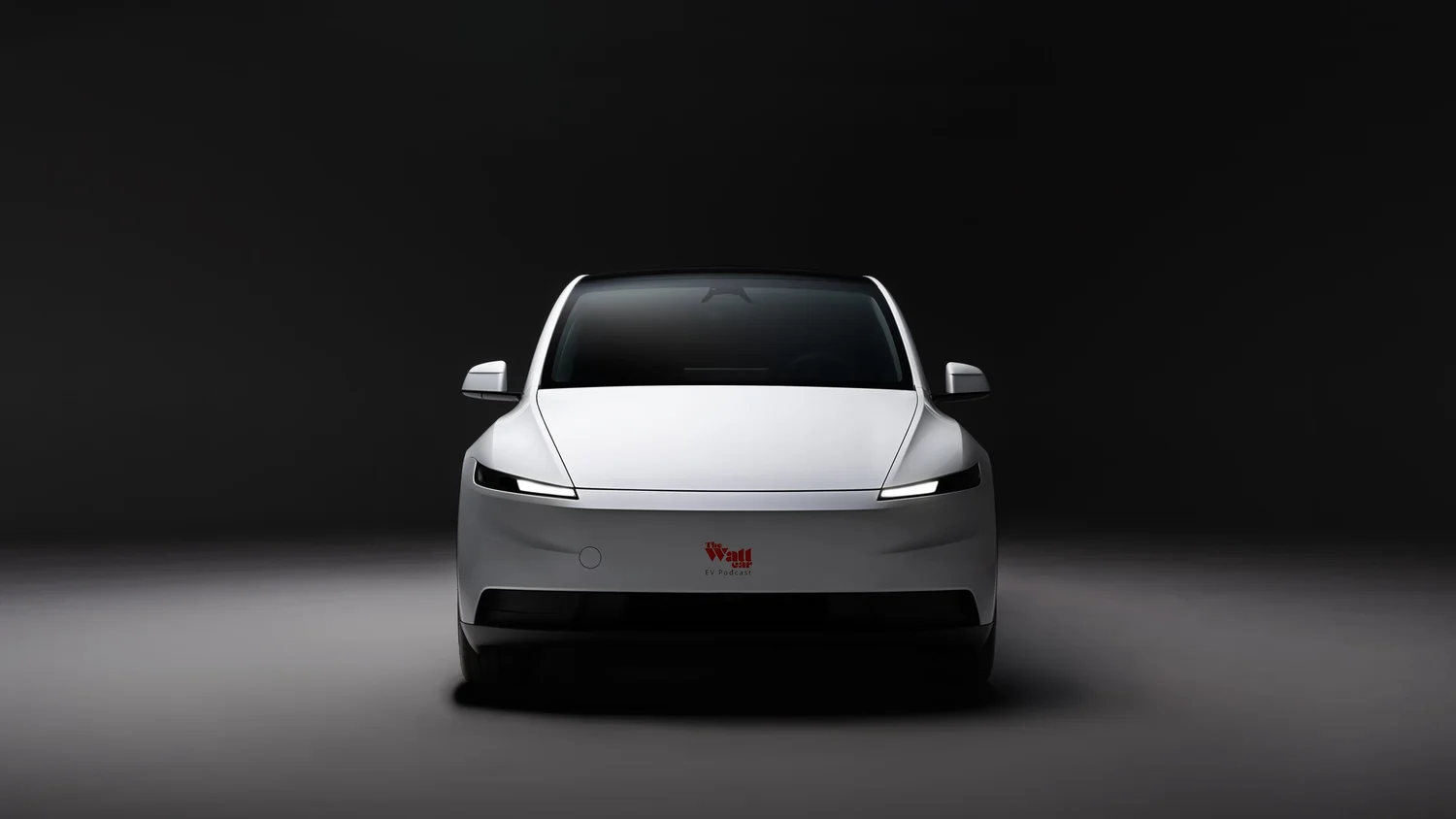
The Tesla Model Y is a small SUV that uses electricity to run, just like the Model 3. It's designed to be more spacious and practical for families, making electric cars more appealing to everyone.
EVs stands for electric vehicles, which are cars that run on electricity instead of gas. They're becoming more common because they're better for the environment.
The Chevy Blazer EV SS is a version of the Chevrolet Blazer that runs on electricity instead of gasoline. The 'SS' means it's a sportier model, which usually has better performance and features.
All-wheel drive means that power goes to all four wheels of the car, which helps it grip the road better, especially in rain or snow. It makes driving safer and more stable.
GM is a big car company in the U.S. that makes many different types of cars, including Chevrolets and Cadillacs. They need to design parts that can work in different cars they make.
The GMC Hummer EV is a new electric version of the old Hummer truck, which was known for being big and tough. This new model is exciting because it can go off-road and is better for the environment since it doesn't use gas.
The Chevrolet Corvette is a fast sports car that many people love for its cool looks and speed. The ZR1 and Z06 versions are even more powerful and are often talked about because they are really impressive.
A kilowatt hour is a way to measure electricity. It tells you how much energy a battery can store and how far an electric car can go before needing to be charged.
The Lucid Air Sapphire is a luxury electric car that is known for its speed and long driving range. It's one of the top competitors in the electric car market.
The Tesla Cybertruck is a new type of truck that runs on electricity and looks very different from regular trucks. People are excited about it because it has cool features and a tough design.
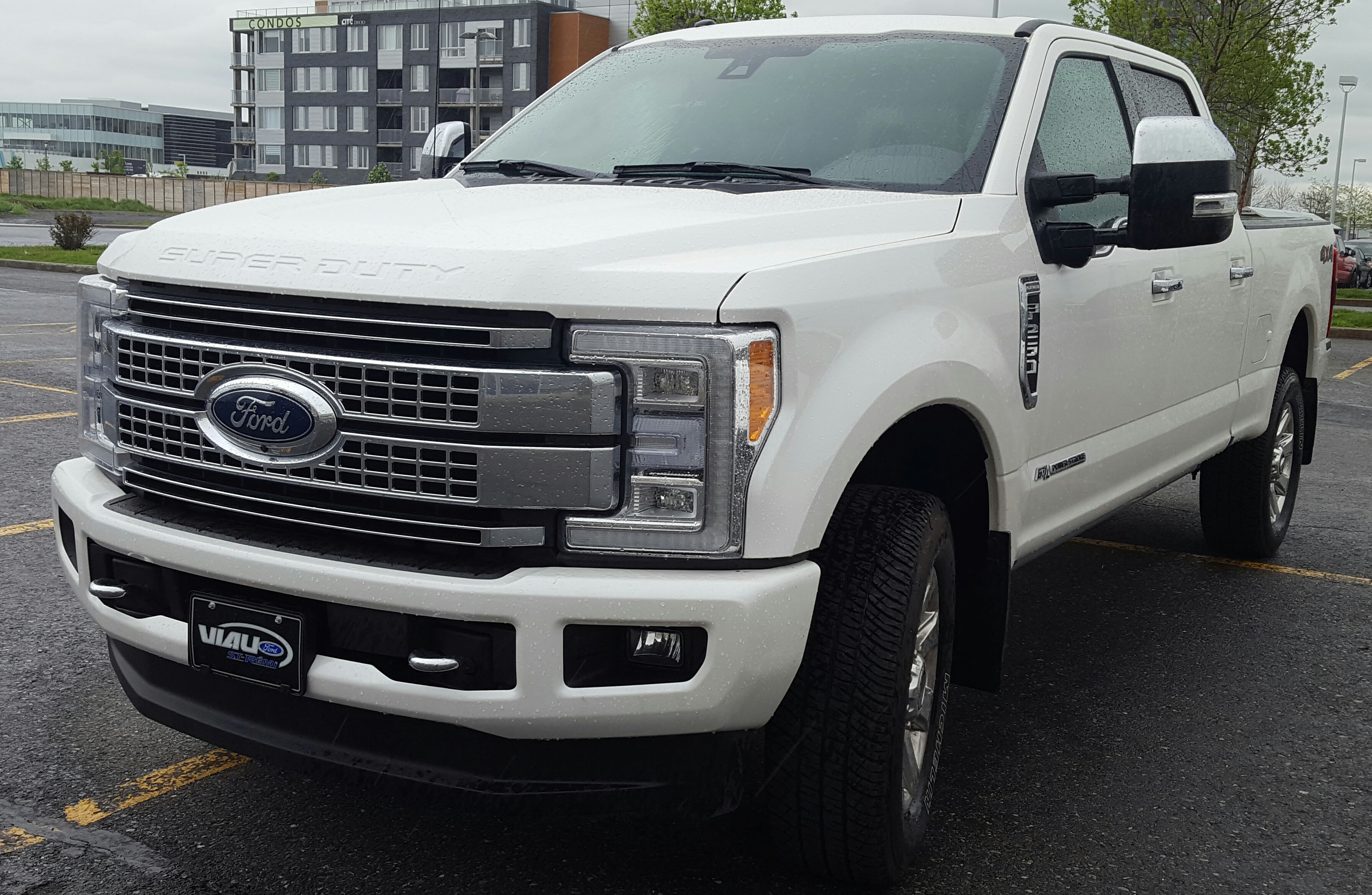
The Dodge Ram is a big truck that's great for carrying heavy loads and doing tough jobs. Many people like it because it's strong and can handle a lot of different tasks.
The Dodge Stratus is an older car that was made a while ago and is known for being affordable and practical. It was a good choice for many people who needed a reliable car for everyday use.
The Volkswagen ID. Buzz is a new electric van that looks like the old VW buses from the past. It's designed to be roomy and fun, making it a great choice for families or anyone who wants to travel with friends.
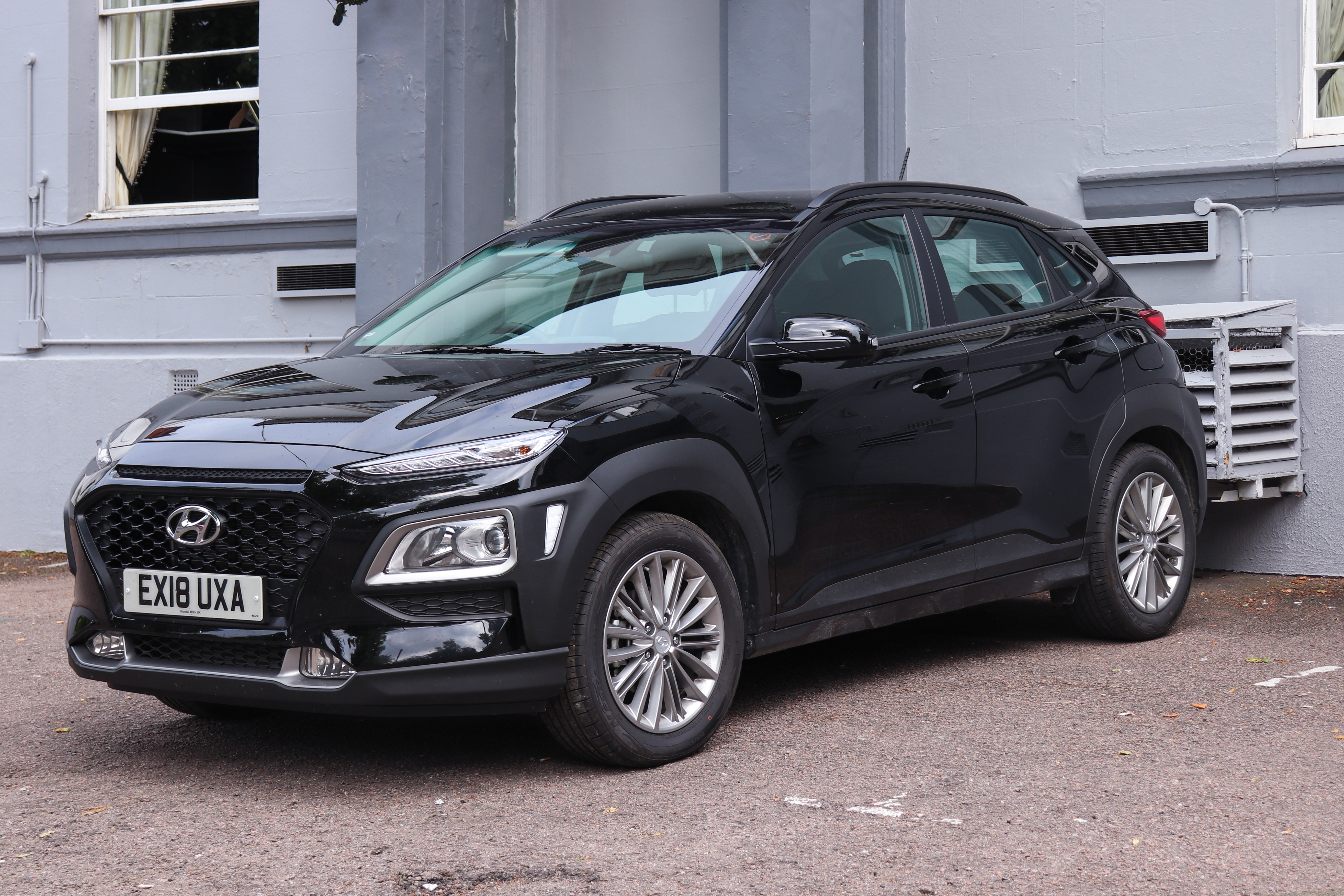
The Hyundai Kona is a small SUV that looks nice and is easy to drive. It's a good option for people who want a car that can fit in tight spaces but still has room for passengers and stuff.
The Rivian R2 is a new electric car that's coming out soon, and it's made for people who love outdoor adventures. It's designed to be useful and eco-friendly, making it a good choice for nature lovers.
LIVE
This is the WhatCarEV Podcast for Thursday, February 5th, 2026, episode 256, Poverty Spec.
Remember like a month ago where I was, one of my cars is dying and I was kind of shopping
for other alternative cars. I'm a used car buyer so I got like 10,000 bucks as my budget and I
discovered that the Model S somewhat, if I stretch my budget a little bit, I could step into a
2013-2014 Model S and then about what, 13-14? Yeah, there's somewhere on there. So I could
stretch it because you save money on the gas and yada yada yada. So everybody already knows that
story about how the buy-in price is not necessarily the actual price, whatever.
But at the time my wife said, no, no Tesla, I'm killing the idea of you getting a Model S.
Guess who else has killed the idea of people getting a Model S? And we'll get to that in a minute.
I'm Phil Royal. I am one of the podcast co-hosts here who's been, I'm going to steal all your
thunder here, doing content creation for, I don't know how long, decades, decades, eons, millennia,
and podcasting for four years? I don't know. I'm horrible at math. I want to say five-ish.
This is episode 256 which used to be significant due to like the way Ram worked. Oh yeah, we're
dating ourselves. That gives you an idea of how old we are when 256 means something. Yeah.
I got nothing else. You talk. Ed Sanchez has been around since the number 256 meant something.
And it was a flex. Yes, it was a flex. So yeah, long time in and around the auto biz
and now going on, if I'm doing my math right, this is around five-ish years podcasting.
Are we into year five? Is that how it works? I'll have to get back to you on that because
like you, I'm not great at math. So circling back to your main topic. Yeah, in this last week,
well actually it happened right as our last episode. It was either right as we recorded it
or right as the episode came out. I think right after. Tesla did an earnings call
and Elon Musk had Puba there said, oh yeah, by the way, we're killing the Model S and the Model X.
Bye. See ya. Yeah. I'm both surprised and not surprised by this, but yeah, I was going to say
like nobody's shocked. And I think if anybody's sad, they should have bought one of these cars.
Why are they killing it? Well, I mean, or them. Why are they killing them? Because it is the S
and the S and X. It's the big ins. A couple reasons. There's the crazy Elon reason and then
there's the rational business case reason. I didn't think there was a crazy Elon reason for this.
What's the crazy Elon reason? Well, I mean, depending on your, they want to build more
optimist robots and I guess. I remember reading that you're refreshing my memory now. All right,
there was an article, TechCrunch. What did they say? I wrote down some quotes. He said, it's time to
basically bring the Model S and X program to an end with an honorable discharge because we're really
moving into a future that is based on autonomy. So if you're interested in buying the S and X,
you should order it now. Company will make the final version of both electric vehicles next
quarter, adding that the company will offer support for existing Model S. He'll offer support for as
long as people have the vehicles, which is a lie. Well, I give you my definition of what lifetime
is and the automotive world. We'll get to that in a second. And then once production ends, Tesla
will build optimist robots in the same factory space in Fremont, California. So according to this,
you could draw the tea leaves or read the tea leaves and say that these are being,
the final versions come out next quarter. So by halfway through this year, they're going to start
retooling to make these supposed, what were they supposed to cost? $50,000 optimists? Wasn't that
the original? One point I heard $20,000, but that's going to be years if not decades away,
is my guess. Yeah. But in theory, they're going to start tooling up
this year to produce optimists, which could involve knocking down a building. I mean,
who even knows, like going from car to autonomous robot production? Like, I mean,
that's not even the same assembly line. No. So, okay. He said, we'll go back to the,
they're going to support these vehicles. He said, where was the quote?
Quote was, for as long as people have the vehicles. And I went, boy, Elon, like, I mean,
you can't even do something without lying. Because that's an outright lie. Because somebody could
have this vehicle forever. 50 years from now, yeah. There are still like early 1900s cars being
driven around at like parades and stuff. Like they're not going to support it forever.
So what does forever mean? Okay. So I work on kind of the supply side of the automotive industry
and like market analysis and so forth. And the dirty little secret, not most people realize, but
is kind of, you know, those in the know kind of know is like lifetime support lifetime is really
about 15 years, 10 to 15 years. So beyond that, what usually happens is they'll sell off the rights
to make reproduction parts to a third to another company to manufacture basically repair and service
parts for basically what the OEMs consider outdated models, unless there's a dedicated
like vintage support program, like for instance, Mercedes has one BMW has one Porsche has one
where there's actually a division set up for support of vintage vehicles. But that's more
often than not the exception rather than the rule. So what happens is once, you know, program
kind of reaches end of life, they'll sell off the rights to make these parts to just throw it out
there like coming like Dorman or I don't I can't even think another one off the top of my head,
but they'll make like the little the AC blend doors or the HVAC units, oil pumps, whatever.
So if you have, I mean, in my case, I got like a 40 year old wagon, you know,
you know, basically a lot of the parts you can only get like what they call new old stock or,
you know, another non GM company makes the parts that for, you know, repair. So that's
unless there's going to be like kind of a hobby industry of like Tesla hobbyists that kind of
hoard parts or reproduce them. I mean, maybe, you know, 3d printing gets sophisticated enough,
you know, potentially hobbyists could make reproduction parts for it. But yeah,
so basically, realistically, support probably be about 10 or 15 years for this, if that.
I'm not saying I'm not going to say that you can't have one of these in 100 years.
I think the enthusiast, if there's a will, there's a way somebody will make it work.
Tesla will not support the vehicle for as long as people have.
But no, I'd say even 20 years out, basically, it'll be a patchwork of kind of it'll be kind
of a Frankenstein car at that point. I mean, assuming it's got a new pack, probably at that
point, the packs will probably be made by a third party company. Any kind of, you know,
electronics or any of that. Now, like I said, either I think there will be cottage industry
support for it. But in terms of like factory support, that wouldn't count on it.
My next question is, they are supposed to tool up in theory or start conversion,
I guess not tooling up, they'll start conversion of this factory middle of this year, they'll
mop up the floors and remove some of the machines, whatever they're going to do.
Put it into the system.
They're not going to make optimizes. They're not going to use this to produce
optimizes at that level. So what are they actually going to do? What actually happens to Fremont?
Because that's a pipe dream that they're going to make, that they're going to be
starting making optimizes as soon as the Model S and X are done in the middle of this year.
That's complete. Well, I think there's no realm in reality where that happens.
My honest thought on that is they, Fremont may be the pilot line for optimists, like it'll be the
kind of experimental line to figure out what works, what doesn't work, what needs improvement.
But I think the scale production of optimists, I think will probably be in Shanghai or
potentially Austin or Germany. First of all, Fremont is very,
California in general is just a high labor cost environment.
So, you know, granted, there's a lot of engineering talent in Northern California,
but it's a very expensive place to manufacture. So, you know, I know Elon's thrown out these
figures like hundreds of millions. I don't think Fremont will produce hundreds of millions of
optimize. I think they'll use it as kind of an experimental line to kind of figure out how to,
for lack of a better term, optimize optimists in terms of the manufacturing process.
But I think, I don't think that will be the main source. But, you know, who knows.
You know, I, a lot of people speculate that Fremont eventually will close just because,
you know, it's, first of all, Tesla inherited it from GM as part of their bankruptcy
process. They sold it off, Tesla bought it. So, you know, it does have a kind of an interesting
history, but in terms of production optimization, manufacturing, it's probably the least efficient
plant within the company. I would say Shanghai is kind of the leader for that in terms of,
because that was ground up, you know, they start from scratch, they,
you know, kind of optimize efficiency from the beginning, whereas Fremont, the footprint was
already kind of defined. So they're like, okay, how can we make the best of this? But it wasn't a
green field, you know, let's start from scratch approach. So, I don't want to speculate too much
on the ultimate fate for Fremont, but I'm also, yeah, I'm also not saying I think Optimus is
total BS. I mean, I think they are serious about development of it. But, you know, like most things
Tesla does, I don't think it'll be at the timeline they're talking about. I think it'll be mid to
late 2030s before they're probably produced in significant numbers, like in the tens of millions
where it would have a material impact on, you know, labor manufacturing, so forth.
They seem to run at least five years behind. And in this case, I think they're going to run
way more than five years behind on something like Optimus. They're not just going to idle
this plant for five years. And you don't need a giant.
No, no, no, I mean, they didn't say that. They didn't say they're going to idle the whole plant.
They're just the Model S and X line. They're still going to make the three and the Y there.
Okay. So they're not going to idle that whole section. They're going to use it for something.
Like I said, I think it'll be a pilot line. I mean, presumably for Optimus, that's what
they're saying. I mean, what's your speculation they're going to use it for?
I think this is their first step out the door.
A Fremont completely?
Yeah. I think this is step one of getting rid of Fremont.
It could be.
I think Elon does not like California. He wants to get out. And I think this is a good
first step. I think there's going to be the transition of other manufacturing that you've
got to do, but I think this is step one. I think you look back at five years
and Fremont doesn't exist anymore. And you go, oh, this was the first step.
And Optimus is something that he says right now. So all of the workers aren't suddenly like, what?
You're closing the plant?
Like what happened at Amazon?
Yeah. I think this is just saying, oh, no, don't worry. We're still going to be doing stuff there.
We're just stopping this and we're going to be starting this.
But I think the reality is very different. I think this is
the writings on the wall for Fremont to me.
I've got to say, I kind of agree from the standpoint of I'll be about as surprised if
Fremont closes as I was at this announcement. I didn't think it would come this soon.
I kind of thought the trail off for the SNX would be a little more gradual.
Like they'd probably make it through like 2030 and then boom, here it is.
But okay, so getting back to the rational business case for this,
even though I mean, and I've read a lot of blogs, hot takes, listen to other podcasts
common commenting on the SNX, specifically the S on how historical it was. And basically the
history of modern EVs, I would say that really signified the transition from EVs being compliance
cars to real cars, for lack of a better term. Completely. I don't know how anybody could
argue against that fact. Yeah. Yeah. I mean, I think that was the moment where
EVs were seen as sexy, as desirable, sleek, fast, status symbol.
The only complaint people really had about them was that they were just expensive.
That was the argument against them. As soon as that car came out.
Still kind of the argument. Yeah. Well, but it since then they've solved the problem and they've
got a 40, you know, mid $40,000 car. But at the time when the Model S came out,
really the only argument against it was I can't afford it. I can't afford it.
Nobody could argue that it went far. Nobody could argue that it accelerated fast and that it was a
performance car of its kind. So it really changed. Before that, it was all like, oh, well,
you know, I'm not going to get an EV because it only goes 50 miles or 30 miles or whatever it is.
Or they look, they look dorky. Yeah, they look silly. Only argument against the Model S was
still expensive. And they fixed that with the Model 3.
So yeah, the importance of the importance of the Model S is like,
it changed the perception around the world of what of what EVs could be.
And I mean, arguably it prompted the rest of the auto industry to get maybe a little over
their skis a little to the point where they kind of overproduce and kind of overestimated demand.
But that's separate, separate discussion for a separate podcast.
But I mean, if you look at the sales recently, it's been three and y and then other,
like they don't even break out. That's how insignificant the Model S and Model X have
become to sales, to Tesla sales. It's like, I think it's a globally Tesla sold,
you know, I want to say like 1.6 million vehicles or something. And I think like 20 or 30,000
Model S nexus. So in terms of overall volume, I mean, it's barely a blip on the radar.
So I can kind of see from that standpoint, it's like, why are we still making this?
I mean, yes, there we sell a few, it's, you know, it's iconic and, you know, it's, it's,
you know, I made a comment the other day, I don't know if you remember when we were
texting back and forth. And I said, well, the Lexus LS is a six wheeled minivan now. So,
so, you know, I mean that Lexus LS was kind of the iconic vehicle for Lexus for, for years
until it wasn't. And now, I mean, I guess you could say the,
oh gosh, what's the, what's the coupe? I can't even remember the, the name, the real,
not, not the, not the V10, the more recent one. Yeah.
I just saw one the other day. Somebody drives one at my kid's middle school.
Not RC, RC was the, is it the RC? I don't know. Anyway,
so yeah, but I mean, once you get beyond the nostalgia and the kind of historical story of
it, it's kind of like, yeah, it's, it's time to go. So from that standpoint, you know, I can't
really blame them. So they're concentrating more and more on their, their moneymaker.
And I guess this kind of flew under the radar. I just saw this on inside EVs.
So, you know, a couple of months ago, we talked about the new standard models,
you know, the base of the Strip-O, you know, someone to call them poverty spec, but, you know,
when you're talking close to 40 grand, I still don't consider that poverty. So they came out
with kind of a plain Jane models variance of the Model 3 and the Model Y
and kind of a bid to make it appeal wider. So they just added a new one.
So it's still kind of the Strip-O trim, but it's got all-wheel drive. So
okay, cool, I guess. You said that it is $2,000 more than a rear-wheel drive.
Well, then the premium, let's see, the base rear, $2,000 more than the base rear-wheel drive,
but $3,000 less than the premium rear-wheel drive.
So, and honestly, I mean, if you look at the stats, it's like,
so the base Y rear-wheel drive, 0 to 66.8 seconds, which it's okay, but, you know, if you're used to,
you know, the more typical, you know, four to five second performance of a Tesla.
I mean, if you're going to go race your Model Y, that's not going to cut it.
I know, but I mean, to me, that's been kind of one of the appeals to Teslas. They're pretty quick,
you know, even though, like you said, in the world of EVs, that's nothing special anymore.
I mean, there's a lot of quick EVs out there. Yeah. And it's, I don't know. I just don't see
where you need a SUV that can do 0 to 60 in two seconds. Three seconds. Yeah.
Well, but there's plenty of them out there. Yeah. Anyway, so this drops from 6.8 to 4.6.
So this makes it pretty quick if you care about that. But for two grand, for that
big of a performance difference, that's pretty substantial. You do give up some goodies though.
So you give up FM radio. Honestly, I can't even tell you the last time I listened to an FM station.
I mean, so we're on YouTube. We're on YouTube. I don't know if you know this. We're on YouTube.
YouTube.com slash at the walk car. Leave comment if you want. Who listens to FM?
Who listens to the radio? Who listens to AM? Who listens to FM? Does anybody listen to that
anymore? Because I do. But not like, like my commute, commute, quote unquote, commute,
is dropping kids off at school. So I'm in the car for like 10 minutes a day,
total. Like if you add up, dropping them off, picking them up, everything.
So just like background music? It is not worth my time to wonder why my phone didn't connect to
Bluetooth or plug it in so it will connect or whatever. It's just not worth my time. The radio
is just on. I get in. There is just something that's there and I drive there, but I use it
every single day. The radio never turns off. It's always just background noise.
I would miss it. Yeah. I would. That would be a reason that I would not get a car if it didn't
have a built-in radio. Well, I mean, like I said, I you don't need it
between tune in series. They added series XM a couple years ago between that and tune in Spotify.
I mean, I mean, I have it. I've I can't tell you the last time I
did it. And most and honestly, most of the terrestrial FM stations are in tune in.
So it's like and tune in is actually free. I have the free version.
You know, so I still get the ads and all that, but I mean,
yeah, I live in basically I live in a ditch in my house. My house is in a ditch. It sounds
glamorous. I know, but I have to use the river. If I if I want to listen to the radio in my house,
I have to use apps. So there's tons of free terrestrial radio free streaming apps that you
can you can do this with. But man, there's nothing like just you start your car and the radio is
going, I don't know. OK, carry on. Carry on. OK, so you they drop that. It's got the solid roof,
like we discussed last time, doesn't have the glass roof anymore, which it still does, but
it's it's covered. But anyway, but it could be a big plus. I don't I think I know more people
that don't like glass roofs than do. Yeah, to me, that's a non issue. The power folding
outside mirrors gone, the power adjustable steering wheel.
And heated rear seats again. No adjustable steering wheel or just power adjustable manual
manual. All right. So it's got the little thing like you pull the lever down and you kind of
mm hmm. So the one thing I'm not a and again, this is very niche, like I don't know how many
people actually care about this. I think the one thing I'd miss over the higher trim models
is the front is not sealed anymore. So like, so if you look like in my car in the higher
trim wise, there's actually a weather stripping piece that goes around the front opening.
So when you close the hood, it basically seals the cargo compartment. So you don't get like dust
and road grime and all that and that. And I guess in the budget level, why in three, it doesn't have
that. So do you think you just buy stripping from like Home Depot and put it in?
I mean, I don't know. I mean, maybe someone's bought one of these and and you know, done a DIY
job on it. I mean, maybe I don't know. I know in case in the case of the why, it's actually a
different it's actually a different molding like the front molding, which in three, I think it's
the same. They just took out the weather stripping. I don't know. I kind of like that having being
kind of sealed off so it doesn't get all dusty and grimy, but maybe some people. Anyway, so you do
give up some you do get pretty respectable performance for for this price. I mean, so
did we say the price? I mean, remember if we said the price? Yeah, 43 630.
Not bad. Not bad. Not not dirt cheap, but not exorbitant. It's
I don't know. I'd have to I think I'd have to see it firsthand and see like,
would I be willing to give up these bells and whistles? For some people they would.
Some people wouldn't care that it's like, well, still more stuff than my car has. So
except for the FM radio. But yeah, I mean, so anyway, new new Model Y variant.
Production will start next quarter at Fremont.
Yeah, probably not. Yeah, my guess is
awesome. I think this is a US specific model. I don't know if this is a global variant. So
I mean, maybe eventually so, but probably Austin, maybe Germany, Shanghai. I mean, China already
has all sorts of weird variants that we don't even get like they have the long wheelbase model. We
don't get that yet. I mean, maybe eventually who knows.
Anyway, so speaking of the Model Y, and I know you've always said, oh,
or the perception of EVs is like, oh, they're so heavy.
And Tesla's are not necessarily an exception. But in the world of EVs, Tesla's are relative
lightweights. I think the Model Y's, I think between, I want to say 42 and 4400 pounds,
depending on rear all wheel drive. You care to guess what a Chevy Blazer EV SS is?
I'm guessing more.
So according to inside EVs, it's about 5700 pounds.
Which you remember the avalanche I had a few years ago?
That's how much that way. That was about 5700 pounds.
I was going to say, I've got a Yukon, an older Yukon and an older F250.
And I believe they weigh about that. I don't think that they're far off.
That's wild. So why does it weigh so much?
Did they say or they're just like, they put it on a scale and...
No, it's, I mean, I mean, I know the GM fanboys will probably jump in the comments
and tell me I'm full of it, but I would say lazy engineering. I mean, I just...
Do you think it's lazy engineering or do you think it's engineering where they've got a design
for more than one or two cars? Tesla's got this efficiency of simplicity.
Like they only have a handful of cars. GM. God, I mean, they could build this and be like,
okay, well, this has to also be eventually a Buick, a Cadillac.
It's not just a Chevy. And so they need to design stuff that works across the board
if they're going to get the economies of scale that they could get that Tesla couldn't
might not necessarily get because GM Ford, they're just giant. Like, is that what it is?
Or do you think it truly is just like they call it in and they're like, whatever.
You brute force it. One of the things you can do with power is brute force problems.
So you can get around a lot of things. GM is still, you know, as much as they talk
a big game about, you know, revolutionary technologies and Altium and whatever.
Oh, they don't say that anymore. We don't say Altium anymore.
Is that like, we don't talk about Bruno. We don't talk about Altium.
Yep. We don't talk about Altium. Is there still constrained by I think kind of legacy
processes like in parts procurement, engineering approaches that I still think in some ways they're
still kind of locked into like, well, we've always done it this way. Or, you know, we have,
we have these supply relationships with these companies or whatever, or potentially manufacturing
said, like engineering comes them and say, we want to do it this way. So, well, yeah,
but if we do it that way, it'll add this much cost to the manufacturing manufacturing process.
We do it this way, it'll be 20 pounds heavier, but it'll be a lot cheaper.
Mm hmm. So, and they're kind of, so I think they're kind of competing interests where
I think the way Tesla's organized, everything I've read about them is they're very,
the different, they're not as siloed as traditional, like traditional automakers, you have,
you have powertrain manufacturing, you know, electronic safety, like all these kind of siloed
divisions that only kind of periodically talk to each other, like on a as needed basis.
Tesla, what I've heard from a lot of like insider accounts and people that have,
you know, talked to them is if there's an issue or kind of something that's kind of stumping
one of the divisions, they'll all the different department heads will kind of huddle and kind
of brainstorm on like approach that would kind of be a win-win. So I don't, I think they're more
inclined to say, you know, if there's thing we really got to kind of keep weight and check,
we don't want this to blow it up to like, you know, 6,000 pounds or whatever. They said, well,
you know, we could, you know, 3D print this part, we could do high pressure casting, you know, we
could, you know, do machined aluminum, whatever. But, you know, we can't spend a ton of money on
it. We got to do this cost efficiently, but also, you know, keep weight efficient. So I just think
that's a fundamentally different approach than a lot of legacy OEMs that still, you know, it's each
of these divisions kind of does its own thing. And then, you know, finance comes in says, oh,
you can only spend this much money on it. And they're like, well, you know, if it, you know,
we'll just do it this way. I mean, I don't know how true that is. I just, I don't know,
it doesn't seem like, like, lightweight was a priority in the development of this.
I kind of wonder, you go down the road and say EVs are really like, they're 50% of the market,
more than 50% of the market, whatever it is. Was this just their stop cap, stop gap to get
gone. And so it was exactly what you're saying. It's, it was, they just produce it. It's like,
just get it done. Just here, you've got this budget. This is what you can afford. Just get it done.
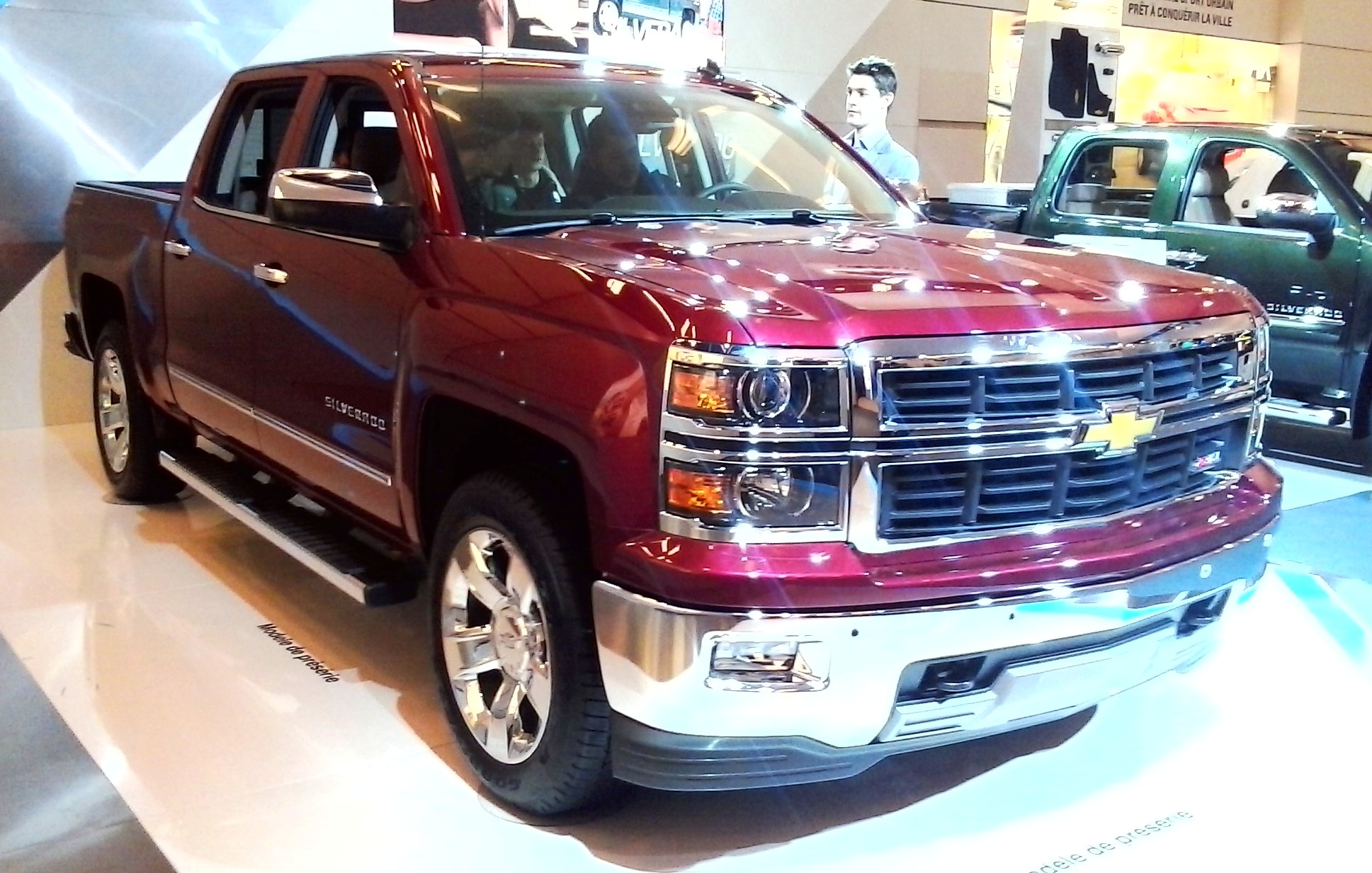
And this is what you end up with. Similar to like with the Chevy Silverado and the Hummer EV is like,
we'll just throw a big battery at it. Like, don't worry about the pairs of their 9,300 pounds.
Yeah. Like just get this done. It just needs to get to market. And now as things cool off,
maybe they go back and they're like, okay, well, now let's look at some more efficiencies that we
can bring to the table. I don't know. Maybe, maybe not. Maybe it is just parts bin stuff. I mean,
GM's never been known for being like on the cutting edge of quality or
anything. Well, I mean, but I would say when, when they're really focused and determined,
they can do some pretty amazing. I mean, look at, I mean, again, not an EV, you know,
but the Corvette ZR1 or the Z06 and those are amazing vehicles. I mean, the level
performance you get for the price relative to, you know, a comparable, you know, Lamborghini
Ferrari, it's like a third of the price. And yet it's like just as good in terms of performance.
So like I said, when GM really focuses, I think they can really do some amazing things. I just,
but I do agree. I think at the time, when it seemed like the, you know, under the previous
administrations, you know, targets for, you know, emissions fuel economy, they were like,
we just have to get this done because the assumption at that point was these standards are
only going to get stricter and stricter going forward. So we just need to get something on
the market right now. And once, once we launch it, we can iterate with the second or third generation.
Now that those, at least for the time being, are kind of off the table, they're like,
who cares, you know, and they're, you know, I'll invest almost a billion dollars into their V8
plant in upstate New York. So but it's also reflected in the, again, your, your favorite
measurement and PGE. The Model Y is significantly more efficient in that regard as well. So
that's about the only thing you can't brute force is the actual like day to day consumption. Yeah,
energy consumption while you're driving it. Anything else with an EV, you just throw more
power at it, throw more batteries at it, throw bigger tires at it, whatever, you can brute force
everything else. But you can't brute force the MPGE in this case, or your miles per kilowatt
hour per mile. Yeah, you just can't, but you can't. You know, Elon, you know, love and
hate and one thing he has said more than once is they've always focused on first principles.
And to your point, you have to kind of optimize in terms of drag efficiency, everything to really
optimize the fuel economy. And so that gets back to battery size, like like kilowatt hour
size of battery, batteries are probably one of the biggest expenses in EVs. So if you can get a
smaller battery, you have lower costs on top of that. So it's kind of kind of this virtual cycle.
So you, you know, the more you kind of optimize and fine tune down to the minute detail. Yes,
that's more R&D time. You know, that's there is some expense in that. But ultimately, you get a
product. Anyway, I'll quit beating this dead horse. I mean, I don't hate the, the, the Blazer EV,
but it's not, I don't know, it's, it's just kind of big and chunky and I mean, it's good looking.
I think it's a, you know, subjectively a nice looking car, but it's just, I don't know, between
that and a Model Y, I still think I'd probably take a Model Y over it. And it's just, I'm just
just speaking for myself. But anyway, would you take a Xiaomi Su7?
If I, if I could, yeah. But evidently, nobody else would.
Yeah. So this is, well, so, okay. So this is the Su7 Ultra. So this is the 1500 horsepower
like super sedan model. So when this first came out, there's all this fanfare and like,
you know, this thing will beat a plaid and you know, it'll, it'll outrun a Lucid or Sapphire.
And they're only, I think they said it only costs like the equivalent of like
70,000 or something, which, you know, for that level of performance was insane.
Yeah. We talked at the time of like, if we hit China with an additional 100% tariff on the thing,
it would still be a steal of a car.
I mean, it was so for the bang for the buck. This thing was so affordable that you could double
more than double, probably, you know, whatever the price and it was still a steal.
Good deal. Yeah. But apparently not.
Yeah.
No. So it went from now, granted, this is like a limited edition model. So this would be like
the equivalent of like a plaid or a Sapphire, you know, relatively speaking.
So when it, I guess in March, 2025, they sold a little over 3000,
which in the market is as big as China is not very significant.
Guess how many they sold in December?
Not many.
45.
That seems like 4545.
That's plummeted off a cliff.
Yeah. So they stopped production and they were just selling.
So I'm looking at a chart and it shows like 3000 in March.
By August, they were selling 2300.
So it had the initial sales and then it kind of went to like 2200, 2400 for the next like
five months and then it just fell off nothing.
Do you think they just stopped producing?
Do you think that there was production, it was more of what they had in stock to sell
and that they've just finished?
Well, first of all, there was a little bit of controversy around the car.
So I guess the standard mode is only like 650 horsepower only.
I mean, I mean, I remember when just 650 alone, oh my gosh, it's crazy.
So the standard output is 650 and got to do all this kind of mumbo jumbo to get it to the 1500
horsepower mode.
So that I guess that was a turn off when people found out they just couldn't just hop in and
like floor it and get the full 1500 horse.
And then there was another kind of weird controversy where they sold this like
special like ducted hood and then it turned out it was fake.
Like it didn't do anything.
Fakily recall that.
Yeah.
And then I guess people got ticked off about that.
So I don't know.
I guess kind of the mystique around the the ultra kind of kind of wore off a little bit.
You think it's kind of suffered like a Cybertruck where everybody was going to buy it, bought it
and then everybody else is like done.
I think the initial hype like the influencers and the tech bros and whatever, they bought it.
They were like, oh, look how cool I am this and that.
And then that was pretty much it.
But anyway, but before you feel too sorry for Xiaomi, the regular SU7,
they sold over a quarter million of them in 2025.
So, you know, and again, this kind of comes down to like the halo effect.
Like maybe, you know, I'm trying to I'm trying to think of a.
Well, I mean, a lot of people said that about the Viper like when the Dodge Viper was in showrooms.
So they go in to look at the Viper, but they ended up buying a ram or a caravan or,
you know, Stratus or whatever.
So maybe people came into the Xiaomi showrooms, you know, looking, ah, you know,
but then they said, oh, well, we got this one over here.
It's about half the price, but it looks about the same.
You know, it's got so got a lot of the features.
I'll get that one.
So yeah, it's not like Xiaomi is getting out of the car business.
It's just that, you know, I guess the novelty around the SU7 Ultra just kind of faded.
So yeah, yeah, whatever.
We were never going to get it anyway.
So who cares?
There you go.
Who cares?
Nobody cares.
I'm wondering if anyone cares about the, uh, Handicona EV.
What's going on with this?
What are they stopping it?
They're, they're pausing it for 2026.
Huh.
So the story is, I guess they have enough of a glut of them, um, the dealerships that
they're just pausing production for now and they're just going to sell off the existing
inventory, but they claim it is coming back for 2027.
So I don't see a lot of these on the street.
There's a guy like two, two roads down for me that's got one.
In fact, me, there'll be a link in the show notes.
He's got the same color as the, what's in the car and drive for article.
Was it a highlighter yellow or something?
Yeah, yeah.
And it looks fine and I mean, it's granted it's the previous generation,
but when I drove the Nero, which was similar to this, it was fine.
Did I consider something like this?
This is like not on the, if memory serves, these aren't on the like,
the new generation platform.
They're not EGMV cars, but they're still fine.
They charge fine.
They've got a good range.
Like there's nothing wrong with them.
I don't remember how much they cost, but they weren't bad.
No, but they, they weren't, they weren't a screaming bargain either.
I mean, I remember, I remember the sticker on the Nero EV was like 44 or 45.
Yeah, it was actually, it wasn't it.
It was like the same price as your car.
And then when we drove them back to back or like, why contest?
So, you know, but I guess this kind of kind of emblematic of where the market is in general,
I mean, was a couple of weeks ago, you know, VW is hitting pause on the ID buzz.
Now they're claiming they will bring it back next year, but you know, I guess they
got enough of a backlog of those dealerships that they're just like,
and I'm hearing there, I'm hearing about discounts of like 16 to 20 grand on those.
I just found an article about the 2025 Hyundai Kona EV.
And so I haven't confirmed these because it's just a random article written by random people.
And I'm a random guy just reading the random thing.
And it says starts at 34, basically 34.5.
Which isn't bad.
You can get it with up to 200 horsepower.
See, but that's where it falls on its face.
10 to 80% charging in 40 minutes.
That's where it just, yeah, that's kind of meh.
It's a home charger kind of car.
It's not a road trip kind of car.
But, and then 200 to 250 mile range, which makes it use, it's right, man.
I mean, it's right there where then you look at that and then you go, you know, but if I spent
Bolter in the new leaf.
Yeah, six to 10,000 more.
I get so much more car.
I'll get 50 to 100 more miles of range.
I get charging in half that time.
I get more horsepower, faster acceleration.
Like it is kind of a hard sell.
It's a good deal dollar wise.
But then when you look at what the upgrade would be, I could see you leaving and this
would be a good used car for me.
There you go.
That's what it would be.
They've been out since, I mean, they've been out since 2019.
So yeah, maybe this is why I look for used ones of these.
I don't know.
So anyway, yeah, I don't know.
I just feel the EV market is kind of in a funk right now.
They're just, you know, it's kind of an overhang of kind of unbridled enthusiasm that didn't
really pan out the way a lot of people expected.
So they're just kind of reassessing and reevaluating and trying to get cost down.
You know, I think that's where the Chinese potentially could come in and really
wreaks havoc on the industry.
That's probably not going to happen in the next two to three years.
But like I said, I have a feeling in a few years, a lot of the things are going to change.
We were going in when we went back in the day, when we used to go to the LA Auto Show,
that it would go on like two year cycles where basically you could go like every other year
or every third year and there would be big EV announcements.
And that was kind of how it was going.
I don't see that changing for at least the next five years.
Like, I mean, as far as like, I don't, I don't see, I think we're out of that cycle now.
And I don't see us coming back into that cycle for probably four or five years.
Like, I think this is, I think we're in the doldrums at this point.
Yeah.
I think 2027 may see some pretty significant introductions.
You know, the Rivian R2.
Whatever Ford is making out of their Skunkworks.
Oh yeah, I thought there, yeah, the Skunkworks like modular or whatever.
You know, there's some stuff in the pipeline that could be promising.
But yeah, I feel 2027, 2030 are going to be the big years for EVs.
And then the in between years will just kind of be like whatever.
So yeah, I had, this is definitely more of a New Year's show thing of talking about predictions.
But whereas before every couple of years we go through, oh, you know, this exciting thing,
this exciting thing, I think we're going to see more, the next few years are going to be of us
talking about more companies going out of business or struggling and doing like first
stock splits and like you're going to see Apptera go out of business.
You're going to see Lucid like really struggling.
You're going to see Rivian in a do or die situation.
It's the next three years is going to, the way this shakes out in the next three years is going
to massively impact the future of EVs into the next presidential term.
I think the other story too is infrastructure and whether or not it will be visible enough
and available enough to kind of change the public perception of EVs being hard or easy to live with.
You know, because right now I still think the predominant narrative is they're hard to live
with. They're not good for road trips. They take forever to charge whatever.
Only certain pockets have a large concentration of public chargers, California being one of them,
thankfully. But like you said, you've gone to plenty of trips to the Midwest and other places
where there's like one and it's like either at a dealership or it's behind a closed gate or
one city I was going to and there was literally one public charger.
Yeah, that's probably probably not working. I mean, my experience with non-Tesla fast chargers.
I could not take the chance. Half the time they work, half the time they don't.
I couldn't take the chance. So I did not run the needy because it just
bad things were going to happen on that work trip. Yeah. There we go. Doom and gloom. You're welcome.
Yes.
Everything we talked about. Link in the show notes. What else is going to be in the show
notes is a link to the walkcar.com slash store. You can go and you can buy stuff. It's not just
what car branded stuff. You can also buy. We've got sure. Charge EVAF is another one. Hydrogen
is future and it always will be. What was the one that you said that we need to do?
It was playing on that one, but it was something or other is the future and always will be as well
and it wasn't hydrogen. No solid state. Solid state is future. Solid state
batteries are the future and always will be. Maybe I'll make one of those shirts.
Also, there'll be a link to youtube.com slash at the walkcar where you can go back and
re-watch this whole episode with us staring at each other uncomfortably.
And that's all I got. I always forget stuff, but I don't really care.
Stay tuned. Possibly some special episodes coming up.
Yep. We're working on stuff. We'll let you know when that happens.
All right. See you next week.
About this episode
The discussion centers around Tesla's recent announcement to discontinue the Model S and Model X, with co-hosts Phil Royal and Ed Sanchez analyzing the implications. They explore Elon Musk's rationale, including a shift towards autonomy and the production of Optimus robots. The hosts debate the future of the Fremont factory, speculating on its potential closure and the challenges of transitioning from car manufacturing to robotics. Insights into the expected lifespan of support for existing models and the realities of automotive parts availability add depth to the conversation.
Tesla’s Model S and X, the upper echelon of its lineup, will soon be dead. What do we get instead? A “poverty spec” Model Y and the promise of Optimus production. That could be an entire episode of The Watt Car podcast, but we don’t stop there. Also on this week’s docket: Chevy’s Blazer weighs three tons, Xiaomi’s SU7 Ultra sales crater, and more.