A kilowatt hour is a way to measure how much energy a battery can store. It tells you how long the battery can power a device or vehicle before needing to be recharged.
Range is how far an electric car can go on a full battery before it needs to be charged again. It can change based on how you drive and the conditions outside.
Bidirectional charging allows an electric car to not only charge its battery but also to send power back out. This means you could use your car to power things like your home or even a coffee maker if set up correctly.
The Dodge Charger is a big car that looks sporty and can go really fast. It's popular because it has a lot of space inside and is fun to drive, making it a good choice for families who want something exciting.
The Toyota Grand Highlander is a bigger SUV that can fit more people and stuff inside. It's great for families who need extra space and want a reliable vehicle.
The Jeep Grand Cherokee is a large SUV that can handle rough roads and off-road adventures. It's also comfortable for everyday driving, making it a great choice for families who like to explore.
A three-row EV is an electric car that has three sets of seats, so it can carry more people. It's great for families who need extra room for kids or friends.
The Tesla Model Y is an electric SUV that can fit more people, but the back seats are very small and not comfortable for adults. It's a popular choice for families who need extra space.
The Tesla Model S is a fancy electric car that can go really fast and has a lot of cool tech features. It used to have an option for extra seats that face backward, but that's not very common.
The Kia EV9 is a new electric SUV that has three rows of seats, which is great for families. It helps keep kids from touching each other during car rides, making it more comfortable for everyone.
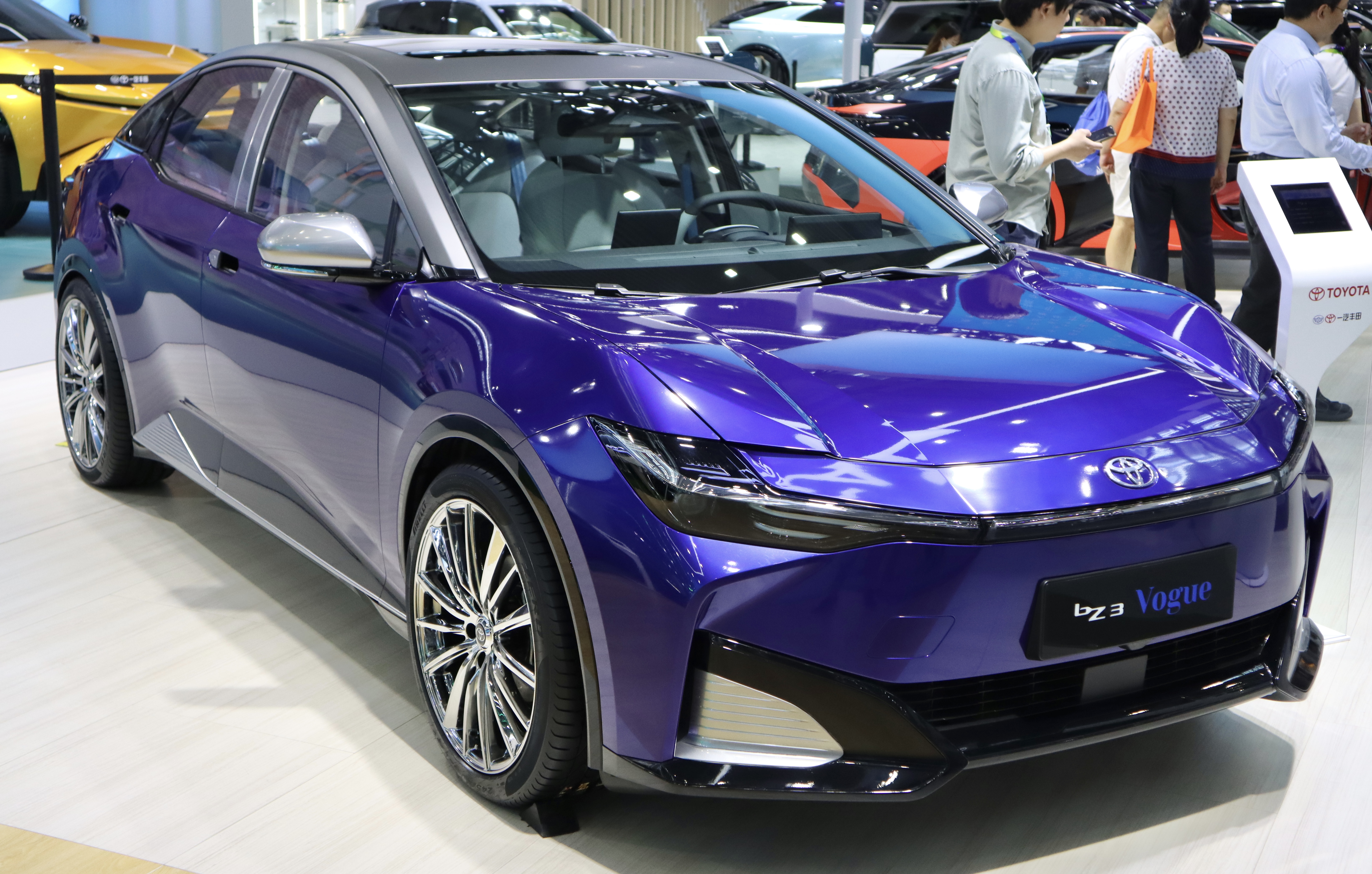
The Toyota BZ is an electric vehicle from Toyota, which means it runs on electricity instead of gasoline. It's part of their effort to make more eco-friendly cars.
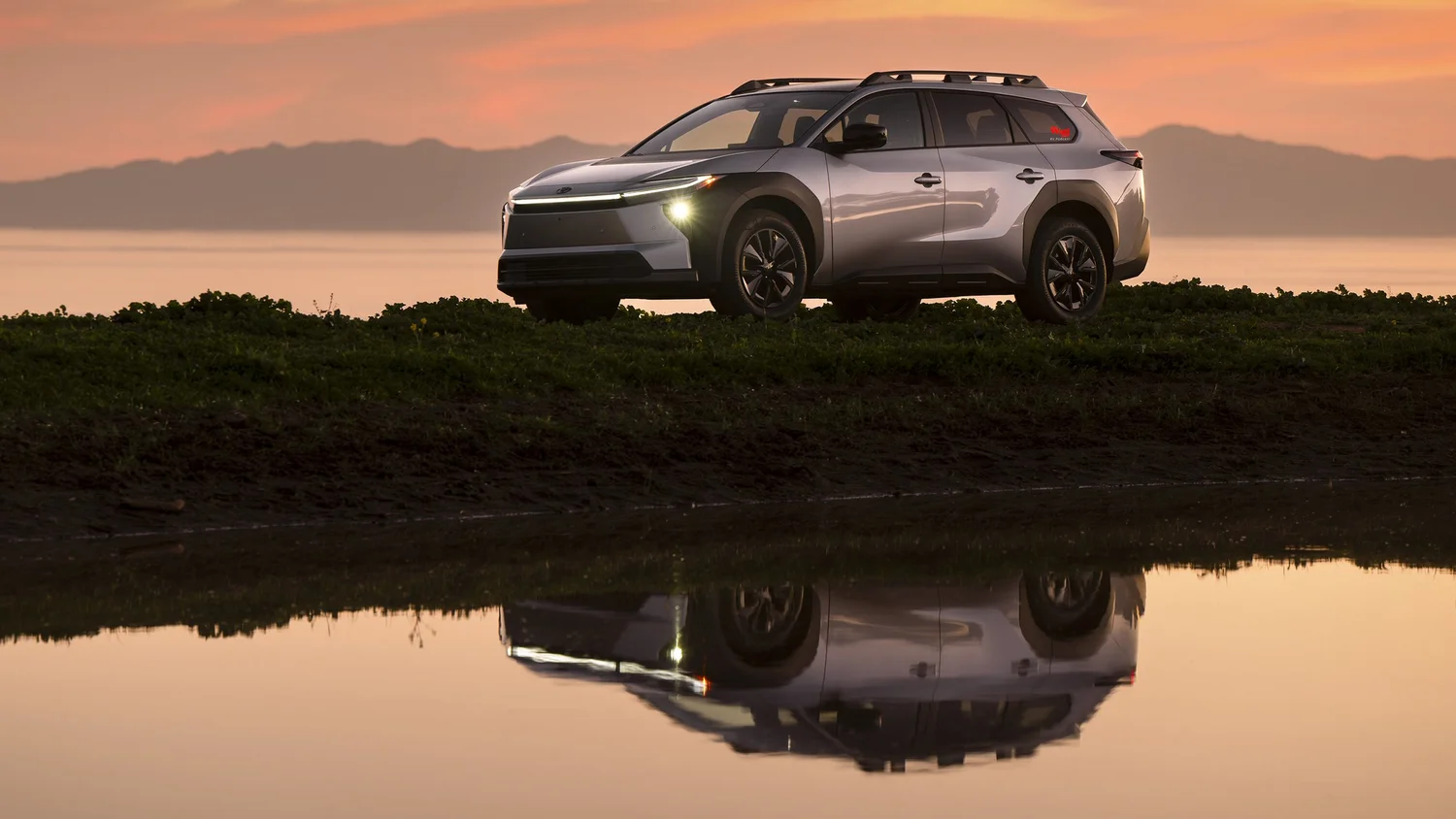
The Toyota BZ Woodland is a new electric car from Toyota. It's designed to be spacious and environmentally friendly, part of their line of electric vehicles.
The Subaru Outback is a type of car that is great for adventures. It has a mix of a wagon and an SUV, making it good for off-road and everyday driving.
Towing capacity is how much weight a car can pull behind it safely. This is important if you want to use your car to tow things like trailers or boats.
The Subaru Trailseeker is a new car made for people who love outdoor activities. It can handle rough terrain and is good for adventures like camping or hiking.
EVs stands for electric vehicles, which are cars that run on electricity instead of gasoline. They are better for the environment because they produce less pollution.
ICE means internal combustion engine, which is the type of engine that most cars use. These engines burn fuel like gasoline or diesel to make the car go.
Rolling coal is when a diesel truck is modified to blow out a lot of black smoke. People do this to show off the power of their truck, but it can be harmful to the environment.
LFP batteries are a kind of rechargeable battery used in electric cars. They are safer and cheaper to make than some other types of batteries, making them popular for keeping costs down.
The Ford Mustang Mach-E is an electric SUV that looks like a Mustang but runs on electricity. It's designed to be fun to drive and good for the environment.
The Tesla Model 3 is a car that runs on electricity instead of gas, which means it's better for the environment. It's popular because it can go a long way on a single charge and has lots of cool tech features.
The Tesla Cybertruck is a new kind of truck that runs on electricity and looks very different from regular trucks. It's designed to be tough and has some really high-tech features, making it stand out.
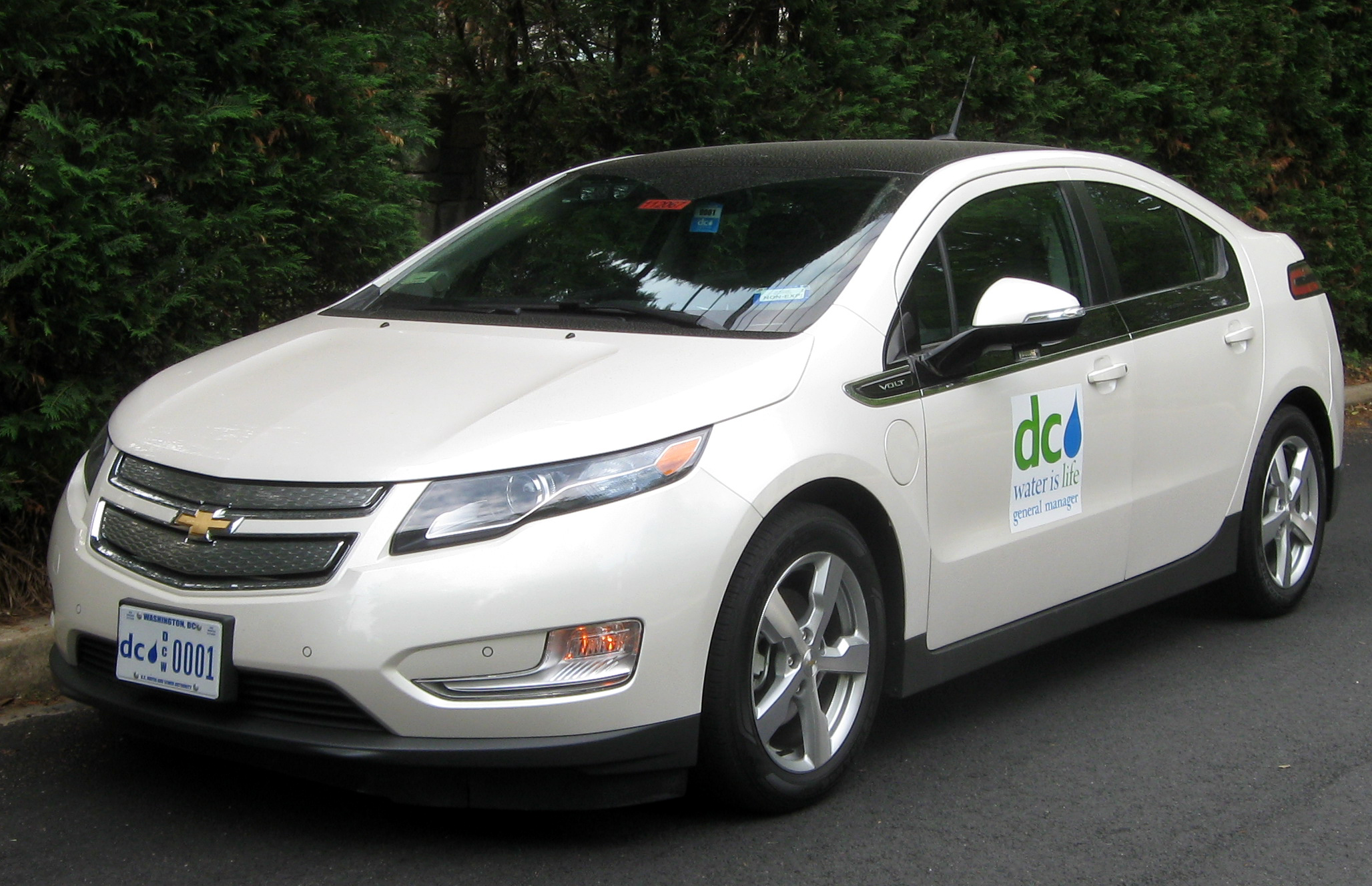
The Chevrolet Volt is a car that can run on electricity and gas, so you can drive it even if you can't charge it. It's a good option for people who want to save on fuel but still need a car that can go a long distance.
The Ford Maverick is a smaller truck that's easy to drive and good on gas. It's perfect for people who need a truck for light work or everyday use without being too big.
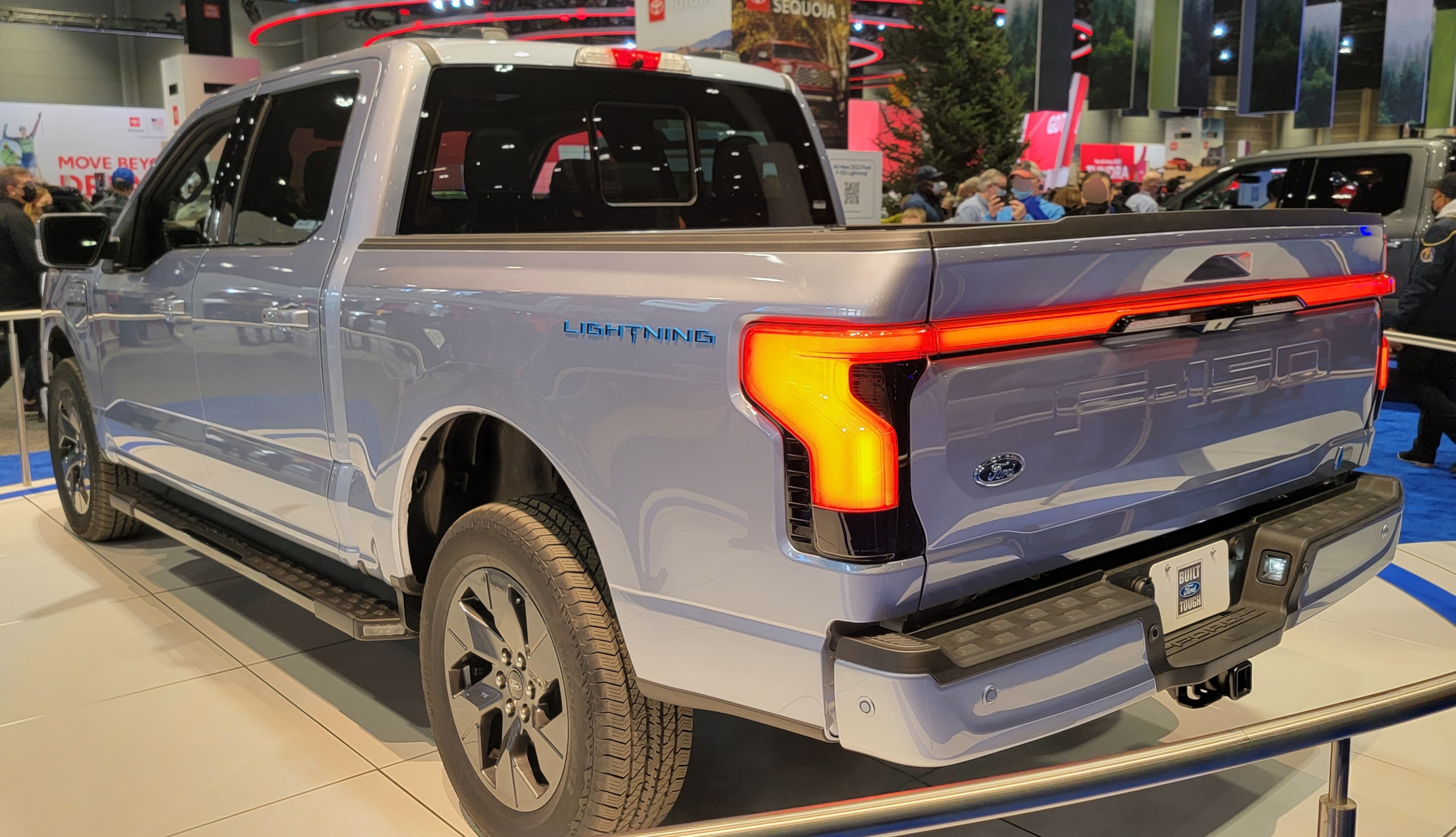
The Ford F-150 Lightning is an electric version of a very popular truck. It can do everything a regular truck can do but runs on electricity, which is better for the environment.
The Tesla Semi is a big truck that runs on electricity instead of diesel, which can save money on fuel. It's made for companies that need to transport goods over long distances and want to be more environmentally friendly.
The Ram 1500 is a big truck that's great for carrying heavy loads and towing things. It's also comfortable to drive, making it a good choice for work or family trips.
Hybrids are cars that use two types of power: a gasoline engine and an electric motor. This helps them save fuel and produce less pollution compared to regular cars.
The Toyota Prius is a car that uses both gas and electricity to drive, which helps it save fuel. It's well-known for being very efficient, making it a popular choice for people who want to save money on gas.
The Toyota RAV4 is a small SUV that's great for families because it has a lot of space and is reliable. It's also good on gas, making it a smart choice for everyday driving.
The Volvo EX60 is a new electric car from Volvo. It's built on a special platform made just for electric vehicles, which helps with how the battery is placed in the car.
VinFast is a car company from Vietnam that makes electric cars. They are trying to sell their cars in the United States.
LIVE
This is the What Car Eevee Podcast for Thursday, February 19th, 2026, episode 258.
It depends on context.
Last week, I said when will then be now.
Now.
Now.
Now is now.
Now is now.
We are now caught up.
Last week, we talked a little bit about the Highlander Eevee before it came out.
Then wasn't now then.
But now then was last week, which means it's today that we can talk about it.
Exactly.
I am on first.
I'm Phil Royal, one of the podcast co-hosts here and somebody who says to stop listening
to this podcast.
If you have got ear things plugged into your brain without visual stimulation, how's that
about describing things badly?
You need to go to youtube.com slash at the what car and watch us there.
That said, a lot more people are now listening to the audio only version as well.
So maybe it's a combination.
Our YouTube views picked up and our podcast has picked up faster.
The audio version.
So maybe I need to stop telling people to go to YouTube.
We'll take followers in any form anywhere you want to be.
We're on social media and I always say don't follow us.
Just tag us or whatever.
Share us.
You don't even tag us.
I don't care.
Share the content wherever you want to share it and go to the what car.com slash store and
purchase a shirt, which isn't all what car stuff.
There is some irreverent stuff on there.
I'm not going to tell you why I'm here because people have paid me to do this for a while.
And I guess that's why I'm here at Sanchez.
I'm definitely not doing this for the money.
I can tell you that but been doing automotive content creation moderation for long enough
that I know I just like doing it for the heck of it and we are living in some interesting
and kind of unexpected times, I'd say.
Really?
Where have you been?
There's been a lot of swings in the last few years about the way EVs go.
That's for sure.
Like they were nowhere and then they're being pushed by everybody and then now we're
recoiling back to nowhere.
But Toyota Toyota has decided to go all in sort of on one thing.
In a sense.
So last week we talked about the Toyota Highlander.
That was when will then be now it happened at the time that this episode came out last week.
Everybody who listened already knew what had happened with the Highlander announcement.
We did not because we recorded the episode the day they were releasing this doing the grand reveal.
So what did they reveal about the Highlander?
The time you said it looked like it was going to be only EV.
And I said that could be a busy replacement and you said not really.
So what happened?
OK, so as expected, the Highlander and we'll unpack this a little bit.
The Highlander itself is going all EV.
So what that means, there's going to be front wheel drive and all wheel drive.
Front wheel drive is not amazing power output, but you know, I think it'll get the job done.
Two hundred twenty one horsepower, one ninety eight pound feet.
All wheel drive three thirty eight horse three twenty three pound feet.
I put that in the same category of what you just said.
Fine. Fine. Yeah, exactly.
Standard seventy seven kilowatt hour battery, optional ninety six kilowatt hour
long range pack, so almost a hundred kilowatt hours.
I think when I kind of armchair quarterbacked last week, it's I think that was
somewhere in the ballpark of my prediction.
Anyway, between two hundred seventy and three hundred twenty mile range.
Depending on the battery and powertrain configuration.
And there's like you can get the smaller battery with the all wheel drive.
And I'm not sure if you can get the front wheel drive with the big battery or not.
But anyway, you can kind of mix and match a little bit.
Ten to eighty percent charging in thirty minutes.
OK.
Bidirectional charging support.
It has a hypothetical capability.
I I didn't hear of any kind of like home, like two way charger that Toyota is going to offer.
But a lot of third party companies offer that so.
And so bidirectional charging may just mean you plug a coffee maker into it.
Not necessarily your power.
I mean, well, I don't know if it's like full like like you power your house off it.
Or if it's just going to be like Hyundai with a little dongle.
Yeah, I mean, there's different weight.
There's different levels of bidirectional power.
One can power your house and the other one can power a coffee maker.
Yeah, so not exactly sure exactly what that means or what that's going to look like.
Um, price hasn't been announced yet.
The figure floating around that I'm seeing is about 50 grand.
OK.
If if you're if you want to die on the hill of ice, you can.
That will be offered in the Grand Highlander, which is the larger.
Prior to this latest generation, it was like kind of an extended wheelbase.
Kind of like the Grand Cherokee L or whatever.
So you can still get that get that in hybrid and ice.
So is the regular Highlander I've been in one Highlander in my life.
And that was years and years and years ago, and it was a three row.
But the third row was like it was a third row for parapetalegics.
It was not a great third row.
I sat back there.
I believe we were in the car for about five minutes going to lunch.
And that was all you could manage without losing full circulation below your knees.
Is is this a three row?
Did they go into that or is that where you want a three row?
You got to go to the Grand Highlander.
No, the the Highlander non grand is also three row.
OK.
But probably a circulation challenged third row
if they're offering the Grand Highlander.
That's a longer videos where some people they got in the back seat
and, you know, they're always, you know, they're trying to put a happy face
on things like, oh, yeah, I fit great back here.
If I was an adult, I don't think I'd want to be in the third row of this thing.
It were great going for lunch when I was going for lunch.
Fine. But, you know, cross country road trip, probably not.
So there you go.
I think last week I kind of wrapped up the Highlander talk of it's Toyota.
I'll preface it with I think Toyota can come in strong in the EV game.
They just haven't yet.
They're a very cautious company.
But because of that, we should not.
We'll be underwhelmed slightly by all the specs.
Whatever the specs are that we will go, ah, that's that's good.
It's fine.
Is did I nail it last week?
Yeah, pretty much.
I mean, nothing about this screams class leading or amazing to me.
Other other than the fact, I guess.
And I'd have to really go over the competitive set again.
I think this would make it the lowest potentially look.
Now, of course, we still don't have the official price yet.
So make it the lowest cost three row EV.
On the market now.
High, you know, hypothetically, you can get a Model Y with the third row,
but it's that's like teeny tiny.
It's like it's like nine eleven size backseat, I think it's.
People have said like the Model S has got three rows because you could get the
like, I don't think they're like, yeah, the rear facing.
But as somebody who's got way too many kids,
the one of the big problems with EVs is they don't make anything big enough.
I've got to have a three row and I can do it with two.
But like kids touch each other and kids don't like touching each other.
And thus it drives parents insane.
So you need to have the three row.
And this all of a sudden gets into the range of the size that I need.
Yeah, I'm trying.
I don't know off the top of my head.
I should look it up the starting price for the key at EV nine, because I guess
that would be like the closest equivalent to this, which I do like that.
Yeah. So I guess
I would say this is roughly competitive with the EV nine
in terms of, you know, size, power, range.
Even though the EV nine is eight hundred full architecture, this is still four hundred, I think.
So even nine starts from fifty five thousand.
So it's in that. It's in that range.
Yeah. So if if the Highlander comes in around fifty, then that would undercut the EV nine.
So so this I mean, I think probably once this comes to the market,
those those would probably be the most direct competitors, I'd say,
the EV nine and the new Highlander.
So yeah, it's OK.
No, Frank, if you care about that.
I don't think the BZ doesn't either.
It obviously shares a lot of, you know, components with the BZ.
So just bigger.
So but so.
Surprisingly, within probably, say, about the next 12 months, Toyota is going to have actually four EV
SUV or four EV crossover SUVs on the market.
So they got the Highlander.
They got the BZ, which has been out a couple years.
They're the CHR is coming back as an EV, which was that little funky looking little
hatchy, you know, they bring it back like that.
This seems familiar.
It looks the new CHR and looks somewhat similar, but it's bigger.
The original CHR was kind of small.
Yeah. Anyway, now there's but now there's a new one.
That added to the mix called the BZ Woodland.
So I think the best way to describe this, at least in my mind, is imagine
an EV Subaru outback.
In terms of the packaging look, all that.
And oddly enough, a version of it will be offered as a Subaru.
In fact, that's going to be my question.
We talked about this.
I can't remember which episode the trail seeker.
Yeah.
So this will be sold as the Subaru trail seeker, which, you know, in effect,
will be what an outback EV, it seems like to me.
So OK, what so let's kind of slice and dice this a little bit.
So of the Woodland of the Woodland relative to the BZ and the Highlander.
So Highlander is Papa Bear.
I guess Papa Bear, I kind of lost the plot here.
But anyway, with the Goldilocks, but we'll just pretend that.
So so for some, I guess the Woodland will be just right.
So six, six inches longer than the BZ.
About what about eight cubic feet?
More cargo space with the second roll down, second row down.
Three hundred seventy five horse was actually 37 more than all wheel drive BZ.
I think they're claiming zero to sixty four point four seconds pretty quick.
Seventy four point seven kilowatt hour battery, which I guess is the same
as the BZ long range.
Two hundred sixty two eighty one mile range, depending on like the configuration
and the trim, thirty five hundred pound towing capacity, which is OK.
Price from forty five three hundred to forty seven four.
So OK.
So as noted, a Subaru Trailseeker is basically going to be the platform
made price five thousand less.
But if you act now, I guess Toyota is offering five thousand off their
current EV lineup.
So you could get one for about the same price, I guess.
Hmm.
And.
I don't know.
Is it good that they are kind of.
Uh, they've got the Highlanders and they've got the BZ Woodland
and they've got the BZ like I guess this fills out their lineup.
But right now with no incentives to buy these.
Well, that's that's a big question is.
And also considering the current administration, that's a whole other topic
we're going to get into in a second.
But like I could I could see at some point during this administration
them saying if you want to buy an EV, we're going to charge you
seventy five hundred dollars by the federal government.
I could see that happening.
Well, I mean, I know in some states, I think it was Tennessee.
I think it's been proposed.
Well, it's been proposed.
I don't know if it's actually enacted yet, but I know Tennessee,
Kentucky, some other states, in terms of a registration
surcharge are actually charging more for EVs.
As opposed to ice, Vance was trying to get something.
This goes back to like a year ago.
He was trying to get or he was promoting something where like it was
essentially more money off if you bought like a diesel that he was.
No, I remember he was trying to do like the diesel coal.
If you bought a truck that could roll coal, you got like his proposal
was like ten thousand dollars, which makes the which way offset.
Like why would you get the EV if you get more from the diesel and, you know,
more off of that.
And so I could see a time where now they're they're now getting into this
like, well, if you want this size, then we've got this EV and this size, this EV
and something that we've been asking for for years, like more models,
more variety of prices that we're still talking fifty thousand dollars,
but they're not cheap, but not a hundred thousand dollars, which yeah,
you go back ten years if these existed, they were a hundred thousand dollars
and they didn't exist. Yeah.
So yeah, I mean, it's kind of interesting the timing of this.
I think these might make more sense a couple years in the future,
honestly, from where we are right now.
But, you know, I will give Toyota credit for stepping up in a pretty significant
way in terms of offering EVs in their lineup, which
I think I'd hold off a little from calling them compelling.
I mean, that's again, just my my feeling.
They're compelling in the way that they're Toyotas.
And I'm not saying that in a bad way, which some people will take that
way. I'm saying it as a compliment.
It's a Toyota.
It's got reliability.
It's got a dealer network that you can trust.
If you trust dealer networks,
it's just got everything that's built into a Toyota.
People buy Toyotas for the comfort.
They're not buying them.
I mean, super.
You're going to buy for passion.
But generally, you're buying it because it is a a comfortable car.
Not saying that as the way it rides, but in like, it's yeah.
And I think it will do its thing.
It will be reliable.
You know, you're not throwing your money away.
Yeah.
My my my feeling on these is if you're coming from another Toyota,
if you're coming from a RAV or an Ice Highland or whatever,
this will seem cool and futuristic.
If you're coming from a Model Y or I would say even like a Hyundai Kia
or something like that, this will seem kind of a little behind the times.
So, but I guess it all depends on context.
So if you're moving from another Toyota, I was like, wow, you know,
this has got the UA factor.
I would, I would expect if you're coming from a Model Y and you go into this,
you're like, really?
Like, like, all right.
But, you know, again, like you said, they have a huge dealer network.
They have a very loyal customer base.
I can't, I don't know off the top of my head, but I think they have a very,
very high repurchase rate.
Like, basically, if you're a Toyota owner, your likelihood to buy another Toyota is very high.
So they do kind of have that built-in advantage.
You know, across the EV marketplace right now, I wouldn't say, I'd still wouldn't say these are like standout,
like, wow, game changing models, but, you know, I'll give them credit for that.
Yeah, no, I think what I said last week stands.
I don't think anything that we said last week was incorrect and we didn't even know.
As usual, we don't know what we're talking about, but especially last week,
we didn't know what we were talking about because it hadn't been announced yet.
And I think we nailed it.
Yeah, that it is fine.
It's fine.
And already, I mean, I saw, I saw some guy in LinkedIn.
I don't know, can you remember what he wrote for some outlet?
And he was like, oh, I looked at the Toyota forums and the Highlander owners are outraged about this.
And I added a comment like, bro, you can still get the Grand Highlander and I guess over the past,
I mean, since they introduced it, the Grand Highlander is actually outselling
the non-Grand Highlander already.
So it's like, you know, cue the outrage.
I don't know.
I think he was just like click farming.
I don't know.
But I kind of see it as a non-issue, but I'm impressed that there's a Highlander enthusiast forum.
Yeah, yeah, that is something.
So this potentially could be revolutionary.
It's certainly been talked up a lot.
So all of a sudden, I guess Ford kind of had an invitation only thing, which once again, we were not invited to
on their upcoming modular EV platform.
This is taking place out.
We are out in California and it is over by me, I guess.
They're Skunk Works.
Yeah, and Irvine, I think, or some undisputed location in Southern California.
Yeah.
Anyway, so they shared a few more details.
This particular link is car and driver, but inside EV is usual suspects.
They all had a story on it, too.
So again, a lot of this is kind of what we already knew.
It's going to use LFP batteries to keep the cost down.
Predominantly, this was the concept of this.
What Farley said when they launched this concept, I believe, was that it was going to be smaller, more affordable EVs.
Wasn't that the deal?
Is he said Americans need to fall in love with small cars again?
Basically, I think that was kind of roughly.
But but I mean, the big the big story with EVs is affordability.
Yeah, but it was what the what the what he was what I got from it was more affordable, which might be
thirty eight thousand, I don't know, and smaller, so not F one fifty size stuff.
But yeah, maybe even smaller than Machi.
So what what came out in this?
Yeah, just really, the big takeaway was how they were really, really laser focused on cost containment.
So from manufacturing, from sourcing, I don't I don't have it less than the talking points.
But one one somewhat interesting little tidbit they had in there was and frankly, I'm kind of surprised
they even have this because it's like, well, if you're really trying to cut cost, you know, why would you even have this?
But I guess they figured out how to use the same motor for the mirror outside mirror glass adjustment and the folding mechanism.
Rather than typically, you'd have two different motors for that, you'd have one to pivot it in another would to adjust the glass.
And I guess somehow just kind of the mechanism, they were able to combine those two.
So but I mean, what's funny is on the Toyota or not Toyota, the Tesla standard models, the Model 3 Model Y, they got rid of the folding mirrors all together.
They just decided we're just, you know, so anyway,
people are fully capable of folding their own mirrors in.
Well, yeah, yeah.
So that was kind of interesting.
General electronics, architecture, software defined vehicle.
Again, that's kind of, I think that's kind of starting to become the expectation for new cars.
They did say it's going to have a 48 volt system.
Some subsystems will still be 12 volt, I think just for for, you know, the supply chain.
So it's just a matter of like, like a little inline voltage regulator, drop it from 48 to 12 or whatever, even Tesla did this on the Cybertruck a little bit for some components.
But the switch to 48 volt was mainly to decrease the size and weight of the wiring harness because you can go with a thinner wire with 48 volt and 12 volt.
So I guess altogether they claim the wiring harness for this future kind of the midsize modular truck.
They eliminated 4,000 feet and 22 pounds from the wiring harness relative to the Mach-E.
4,000 feet is a lot.
That's a lot.
That's, isn't that over a mile?
5,280, something like that.
Oh, so almost a mile in.
Unlike the Toyota's, we'll have a crank, they're saying.
Now the interesting, what's interesting to me here, which has got nothing to do with EVs, but at 4,000 feet, let's talk about wire.
I really don't have much to say about it, but 4,000 feet, you'd think that would be more than 22 pounds.
I recently completely rewired my race car and I went from the factory wiring harness, which I kind of hacked up anyway, but under the dash was all the factory, you know, it could run the stereo, the HVAC, all that stuff.
And I did a complete rewire.
Totally ripped out.
Yeah.
My dashboard is the top part of the dash that I have cut and then bolted in.
And then now I've got push button switches.
I've got a digital pod that sits, you know, behind the steering wheel.
It's, you know, full race car.
And there I cut the whole harness out.
So none of the factory harness is in there anymore and put in this whole new race harness with push buttons, its own fuse box relay, all that stuff.
Only minimum number of wires go into the tail lights.
I don't need reverse lights.
I don't need turn signals.
I, you know, don't have a horn.
I don't have a stereo.
I don't have HVAC.
I don't have any of that stuff.
And I don't remember what the actual number was, but it was something like seven pounds that I dropped.
It was a remarkably little number.
I was, I was hoping for 22 pounds and I didn't get it.
So when you see 4,000 feet shorter and 22 pounds, I get it because I spent like months rewinding my car.
I'm not an electrical guy.
So, and I got it right the first time, which shocked me, but it shows if you take months to do something, you can actually do it right without knowing what you're doing.
22 pounds sounds about right to me.
Sure.
Yeah.
So anyway, they're, they're really hyping this up.
The big unknown.
And this is a truck you said.
This was the first one.
Well, I mean, there's, there's going to be multiple variations, but I guess the first model out is going to be this kind of truck kind of Matt, roughly Maverick size.
They're saying, but.
So it's going to come out just in time to potentially compete against the slate.
I would guess it would be like that size.
If you still think that's coming to production.
Yeah.
I think the big question with this is again price because they're claiming they're aiming for 30 grand.
I'm thinking it's going to be probably more like 35.
I think with, with all the goodies and bells and whistles, probably pushing 40, if not, maybe low 40s, which is still not bad.
But if they follow what everybody else has done, you also won't be able to buy if they sold one for 28,000.
You couldn't buy it for the first couple of years.
Anyway, you'd only be able to buy the $50,000 version.
Yeah.
The launch edition.
Yeah.
Yeah.
So the cheap, I don't know.
It's all relative.
I go and buy a Highlander.
No, but longer term, I think that's, it's really, it's really critical that, you know, because I remember when the lightning came out, they were promising those were going to start at like 39, 995 and everyone got all excited.
Same thing with the cyber truck.
Those models never really materialized.
So I think they do need to be a little careful about their price promises with this and that they don't over promise and under deliver.
I think there could be a lot of interest for this, but it's really going to hinge on that price point.
So anyway, more to come.
Yeah.
You had notes that half of their aerodynamics team came from Formula One.
Like they're putting a lot of like Tesla.
Where was it?
You had a note.
Advanced EV development team led by Alan Clark was, he came from Tesla where he spent 12 years.
They put a lot of time and money and people at.
And building into the team that really knew their stuff.
Yeah.
And it's Ford.
So much like Toyota, like Toyota is not going to come out with something leading the industry, but they're going to come out with something solid that you can rely on.
This is Ford.
This will be a real product that will really hit the market.
It won't be like with the semi with Tesla where it's, you know, what if we decide 12 years late to the party or whatever?
What was the number?
Ten.
Like that won't happen with Ford.
Yeah.
And, you know.
And I think, you know, to their credit, I think they learned a lot with both the Lightning and the Maki in terms of what to do, what not to do.
Cost overruns.
So, you know, hopefully they really learned from that.
So anyway, I'm kind of excited to see, you know, what they ultimately unveil with this, but we shall see.
Anyway, getting back to good old dirty gasoline.
Yeah.
No, I was going to say, remember, there was that listener that wrote in, left a comment, whatever it was, it said, I can't listen to you guys because you keep saying that you're not going to get political and then immediately get political.
And it's opposite to what I want to believe.
And so I'm leaving.
I'm going back to my echo chamber.
If that person came back, they're probably going to leave again after this episode.
Whatever.
Took my response to be like, well, bye.
So Trump's administration has decided that they are going to take on the EPA's findings that pollution is bad.
And no, pollution is good for you.
Yeah, pollution is now healthy.
And in the last week, they have revoked the underpinnings of the US fight against climate change by saying that, what does this say?
The final rule of the EPA rescinds a 2009 government declaration known as an endangerment finding that determines that carbon dioxide and other greenhouse gases endanger public health and welfare.
They've repealed that because Obama did it.
You know, thanks, Obama.
The endangerment finding by the Obama administration is legal underpinning of nearly all climate regulations under the Clean Air Act for motor vehicles, power plants, and other pollution sources that are heating the planet.
So they basically said pollution's good.
Well, warming is a hoax.
Yeah, it's all a hoax.
Pollution is good.
The fact that you can't breathe and that your kids in San Bernardino County here in Southern California where the pollution is higher than almost anywhere else in the area, that they have a higher level of asthma, isn't it?
Than anywhere else.
And that is the main cause of it.
None of that matters.
None of that matters.
And then at the same time, they've also allowed the EPA to eliminate or no, they've mandated have they EPA needs to stop doing start, stop, start.
Did I that nothing that I just said made sense?
What am I trying to say?
So TLDR is basically they've eliminated any penalties for not meeting a certain fuel economy standard.
This kind of ties into them revoking effectively revoking the gas because they're taxed or the cafe non-compliance penalties.
So they said, okay, you may be surpassing this, but we're not going to find you.
So actually doesn't really matter.
Yeah.
Anyway, so the latest target they've taken on is auto stop start, which Lee Zeldin says quote everybody hates.
And I mean, I got to say, I'm not the biggest fan of it, but I do know, you know, scientifically, they found it actually does save a significant amount of fuel in real world use.
But I've also seen some some misinformation on the other side that like someone said, oh, it doesn't affect battery life.
Not exactly.
Well, you know, obviously depends on the application, but I remember BMW was a pretty early adopter of this.
And they had a lot of battery failures in the US, but I guess it was specific to the US market because the battery they expect for the US market wasn't really designed for it.
And so this constant on off on off kind of kind of cook those batteries.
So anyway, that aside, I guess what they're saying is you're not you're not going to get any brownie points for having it.
Whereas before, I guess they got some kind of I think it fell under mild hybrid, didn't it?
Somewhat or or they got they got like points toward cafe compliance or something for having it.
There was a reason for it.
Yeah. And so they're saying like, no, you're not going to get any brownie points for it.
So the OEM reactions have kind of been the typical mealy mouth corporate speak kind of like, you know, we support consumer choice, blah, blah, blah.
So what what it looks like might happen in the near term is and the implementation is varies a lot by model, like some it's the default.
You can you can override it, but you have to like manually override yourself.
Some vehicles, you can override it.
It's like on whether you like it or not.
There are ways to override it, but there's not a button on the dash.
Yeah.
So what I think this may mean is like an over the air update or a dealer reflash to basically either disable it or make it defeatable.
You think they're going to retroactively do some of this?
I figured it was just new cars.
They may.
I mean, I think if it is kind of a running softwares change, they may offer it and say, hey, if you want this done, come in and we'll, we'll do the reflash to disable it.
I think for new cars, depending on how far forward they've kind of preplanned and kind of bake this in, they may just disable.
But because there is a slight, there is a hardware difference on cars with and without stop start.
But I mean, the thing is, see, I'm going to try not to get to go too far down a rabbit hole with this, but you kind of have to.
So this could be reversed.
So let's say, you know, speaking about getting political at the near terms.
So basically this that the auto stop start was gutted in the last in the big, beautiful bill, right?
So let's say Republicans lose the midterms, Democrats get a majority in the next bill, they could reinstate it.
So the car makers are kind of caught in kind of a tricky position because it's like, okay, for now they've changed the rules saying you don't have to do this.
But car design is like a two to three year lead time.
And that's, that's a quick lead time, sometimes three to five years out.
So I personally, I wouldn't count on this staying around for, I think, and I've said this before, I'll say it again.
I think the fuel economy rules will change again potentially soon.
We don't know that, but I wouldn't count on this regulatory relief being permanent.
So I think what will happen in the meantime is maybe a software reflash to disable it for cars coming out within the next two to three years.
If they've already baked the hardware and they'll just disable it through software or maybe on some cars, they just won't install it.
But this is something that could flip the other way again pretty quickly.
So I don't know.
I don't know of anybody who likes Auto Stop Start.
No, it's not.
Now, I also probably know more people who don't even know that their car has it and it does have it and they just don't even, it's a car's a car.
You get in and you drive it, it just happens.
Long gone are the days, well, I don't know actually, I was about to say long gone are the days where the starter is the thing that does the restarts the car.
I don't know if that's true, but I believe initially it was starters that did, like the car would restart using the starter.
And then over time they've changed it, not all cars do that, that they will refire the engine on the number whatever cylinder it was.
So they'll have an electric motor, I think that works to bump the engine into go.
It's not like it was.
But where I've heard the most complaints are things with trucks that if you're towing and you've got an auto stop start, it's like tow mode, I think for the most part, disables it.
Disables it, yeah.
But if you don't have that on or if it doesn't disable it, I've heard people have problems.
I don't know what problems they've got, but I've heard people complain about it.
I assume there's a rolling issue, there's a getting going issue, there's like your torque converter doesn't preload when you're trying to go so you don't have the power.
So I see a need for this not to exist.
I see the potential where this was a band-aid on something.
But ultimately, where all of this leads to me is this all sounds like the only company that's going to benefit from decreasing all of the EPA requirements and getting rid of these technology things that people, that companies are putting in.
The only company that is going to take advantage of this is Stellantis.
Oh, of course, yeah.
They're the only ones that were behind on everything, that they're behind on emissions.
They've got themselves out of the VA game and just about cratered the company.
They don't have any of this new stuff that they need in a world that's progressing.
So to me, this is almost like a Stellantis bailout.
That's how I view this.
Although the Henry revival and the Ram 1500 does have is E-torque.
For now, that's the only way it comes, which is effectively a form of autostop start.
Still, I think the only thing that's going to save Stellantis is by the Hemis for everybody.
Hemis for all, yeah.
And I don't see where you're saying, you know, the midterms come up.
The one thing that manufacturers want is stability.
They want a path.
Yeah.
So they want to know in five years, 10 years, like this is what it's going to look like,
and they can look to the past to see what the future will look like.
And they will go, ah, huh, we're not probably going to have a president that is this gung-ho
on destroying previous presidents' rulings or what happened during previous presidencies
that maybe that, you know, we're going to get back to normalcy at some point here,
and we're just going to build on things rather than death and destruction.
So they're just going to keep going with, they might dial it down a little bit,
but they're going to keep going with increased fuel economy and more technology
that makes things less pollution and, you know, EVs have kind of got their direction set.
The near-term winner in this could be is, is hybrids.
It's like non-plug-in hybrids because you're getting back to like the driver experience
of the auto-stop starts kind of lurchy and there's a delay, you know, off the line and all that.
Hybrids are generally a lot smoother.
I mean, you can feel the engine turning on and off, but it's more of a seamless transition,
whereas auto-stop starts very apparent. It's very, it used to be very abrupt.
It's a little better now, but it's still, it's still a little.
I never thought of it before that hybrids are essentially just a next-level start-stop.
Yeah. I mean, that's effectively what they are.
It's a better user experience. They're, you know, the new hybrids are fairly powerful.
It's not, you know, I think everyone still thinks of like the 2004 Prius and they're,
oh, that thing's just such a gutless little, you know, whatever.
I mean, the new Prius is like twice as powerful.
You can, the RAV4 now outsells the Prius as a hybrid.
So, you know, again, I think that, that, that kind of mentality mindset about hybrids is about 20 years old,
honestly, but I think a lot of people still kind of think that.
I think honestly, that the safest play in this context, assuming, you know,
let's say 2028 goes the other way, other way, all of a sudden there's all this environmental pressure again.
I honestly feel hybrids are the best bridge for consumer experience, power, fuel economy,
to kind of ease that transition, you know, into full electrification.
So, you know, I mean, Zeldin may be saying, oh yeah, you don't have to do this anymore.
I mean, if I were smart, I'd kind of double down on hybrids.
And ironically, you know, I got to say it, you know, I think Toyota, I don't know if they were lucky, smart or both,
but I think they're kind of timing everything right because that's, I mean, Toyota is almost to the point,
I want to say they almost, they have a hybrid version of almost every model they sell now.
And I think they told me, I mean, I remember I did a story for Motor Trend.
Gosh, how long ago? Over a decade ago at this point.
And even then they said our long-term play is hybrid.
And that was 10 years ago.
So, you know, I think they maybe saw this even with the fluctuation in regulations, administrations, all that.
I mean, they kind of slow and steady, kind of stayed the course and it's paying off for them.
And so, I mean, I think that's where things are going to be for the next few years.
Yeah. And then when Gavin Newsom gets in in 28, it's going to go crazy the other direction.
20 EV mandate nationwide.
Yeah. Day one. Stroke of a pen. Everybody's in an EV.
You get an EV and you get an EV. Something like that.
So, this is something to, I don't know if you remember the kind of the trope a few years ago,
like the perfect enthusiast car was a manual diesel wagon. Do you remember that?
That's like a thing going around for a while.
Every automotive journalist wants to drive a wagon.
Yeah.
But no consumer in America wants to.
So, this isn't a diesel or manual, but this was auto-car.
So, Volvo just with the new, the EX60.
So, this is their first model on the SPA3 platform.
And I guess supposedly the cool thing about this is because it's a dedicated EV platform, it's not shared.
So, I guess SPA2 could be ICE hybrid or EV.
SPA3 is dedicated EV.
So, that gives them a little more flexibility in battery placement.
And I guess one of the advantages of that is they could lower the floor because traditionally EVs,
the battery pack added a little height to the car.
So, you could only make them so low because sometimes they had to like kind of stack them a little.
I guess because of this they could make the floor pretty flat.
So, they said, oh, you know, we could maybe do a wagon version of this.
So, you know, that got all the autojourners all hot and bothered under the collar.
But probably not going to see in the U.S. because, you know, Americans hate wagons.
There's a link in the show notes to an auto-car article, which is funny because I got a pop-up that said,
hey market, something or other, you know, click OK.
And I was like, I worked for a market.
Yeah.
So, I'm sure that this picture is a graphic that they have created because it says auto-car on the side of the car.
And that's not actually a car.
But man, that looks nice, that Volvo wagon.
I would drive that.
That looks...
I mean, I'm a fan of wagons.
I'd like to see them.
I'd like to see a nice EV wagon.
But, you know, again, if they don't think it's going to sell, I think...
You know, some of the European OEMs have kind of, you know, all the enthusiasts and journalists,
oh please, please bring us a wagon.
So they bring wagons over, they don't sell them, they cancel them.
So they're like, you know what, we're not going to listen to you guys anymore because you tell us to do this and then you never buy it.
So...
Yeah, or only one of us do.
I was watching a car review of the charger.
Is it the charger, the new one?
Yeah.
And the...
It was the gas version, not the EV.
Because did they even do the EV one anymore?
Did they junk that immediately?
I didn't theory, but yeah.
And she went underneath the car and was looking at the car.
And you could see how much space there was because that was one chassis that was designed for ice and EV.
And there was like six inches or so of just dead space where the battery would have gone in this thing because they didn't just lower the floor.
So it meant for them they could put a driveline in and this was an all wheel drive version and you've got the exhaust and you got all this stuff that's got to use up that spot.
But it was so interesting looking underneath it that there's this gap where the battery would have been.
So if they can drop the floor on this, that's the way it should be.
And then you make cool cars that are hybrids or whatever.
I like it.
More wagons.
More wagons, which we'll never see.
Yeah.
All right, so getting back into geopolitics.
So I don't know if you even knew this.
Did you know Nissan and Mercedes had a joint factory in Mexico for a little while?
No idea.
Yeah.
So I guess, yeah.
I mean, that's a natural combination to me.
Yeah.
So they had a short lived plant in Mexico that they had for, I don't know, I want to say maybe like 10 years.
So I guess as part of the Nissan restructuring and their return to profitability, I guess they're getting rid of this factory.
Partly because of the current tariff situation and all that.
They're like, you know, we're going to double down our efforts in the U.S.
And because of the complications with tariffs and stuff, we're going to basically sell off this plant in Mexico.
And the first thing you do to get out of financial trouble is just sell off assets.
I mean, there you go.
You need a cash infusion.
You sell off what you got.
You care to guess who the vultures circling around it are?
Well, I read your notes.
They seem to be foreigners.
Yes.
Foreigners.
So what is that, two Chinese and a Vietnamese company?
Yeah.
So Gile, supposedly Gile, BYD and VinFast are interested in this plant.
So that tells me the Chinese are playing the long game with this.
And they're expecting at some point they are going to come to the U.S.
Even though right now it's 100% tariff, they're like, you know what?
Trump's only going to be around a few more years and new regime, new rules.
So they're getting ready.
VinFast kind of surprises me, but Gile and BYD don't.
Yeah.
So the advantage to this, and this, I mean, in some ways you could say kind of what Tesla
did with Fremont is rather than having to spend two or three years for a Greenfield factory,
this thing's basically ready to go.
All they'd have to do is basically kind of clear it out, change out the floor plan and
tooling for their stuff, and they're basically ready to go.
So this is potentially a good time to say that.
All that nasty Nissan goop, just hose that out the back and then start building your...
I mean, the advantage to a Greenfield site is you can optimize it from the ground up specifically
for your processes, optimize the logistics and everything.
But, you know, to a certain extent, I mean, factories are pretty...
I mean, it's basically concrete box.
So it just depends on how much of the existing tooling and infrastructure you can reuse, how
much you'd have to change.
But Greenfield construction takes a long time, a lot of permitting.
You know, Mexico, I'm not sure about environmental regulations.
I don't think that's quite as big of a deal as it is in the U.S.
But so basically whoever gets this will hit the ground running a lot quicker than if they
had to build from scratch.
I would be shocked if VinFast has that...
Their adoption into North America has not been overwhelming.
No.
There's still some question of if they're going to finish the North Carolina plant.
Yeah.
I definitely see this as if of those three, it'd be one of the two Chinese companies.
How long do you think it is before one of those Chinese manufacturers is sat at the
LA Auto Show with a car saying, we're coming?
Do you think that's in five years?
Do you think that's in three years?
Well, I can tell you at CES, the past several years, they've been at CES.
They've brought cars over.
But they've not been saying this is...
You mean like in production, in showrooms.
About like an unveiling at the LA Auto Show that says or New York or wherever, you know,
one of the major U.S. auto shows where they say, here we go, here's the new BYD.
It will be on sale the beginning of next year.
Do you think that's where three years away from that?
You think we're five years away from that?
I think about three.
The reason being change in administration, potentially U.S. production for...
I think Jilly's close to that for reasons we've discussed before.
Yeah, I'd say about three years.
We'll probably see a official debut of a Chinese brand in the U.S. and sales shortly thereafter.
I'd say pessimistically, I'd say 2030 or 2032.
But I'd say 20...
I'd say 29 announcement or introduction and on sale 2032.
Wow.
That seems so far away, but that's just because it's a decade change.
And it's not.
We're already at 26.
We're already a month in.
A month and a half in, I think, to 26.
So it's coming up fast.
You know what else is coming up fast?
The end of this episode.
The end of the episode.
Now, if you're listening to the audio version, this is about when the music kicks in.
If you're watching the video version, gosh, editing the music into the end, I don't know.
This just takes more time, so I just end it with that.
So we're on...
Yeah, just ends.
So we're on social medias, share our content.
I don't care if you like us or whatever.
None of that matters.
When you look at the graphs for your reach versus whatever on social media, it's all new users.
It's not existing people, so I can make a post and it doesn't matter whether you follow us or not.
The algorithm is going to find you if you like EV stuff, so whatever.
But sharing our stuff to your friends, that's an endorsement.
And I think those go further.
The endorsements have always gone further than that.
Show notes are in the link wherever they decide to be linked this week.
YouTube.com slash at the walk car.
Following us there is actually about the only thing that's really useful.
Following us there and on podcast because then the next episode just pops right up in case you don't know how that works.
If you don't know how that works, then welcome to the internet.
This is how things work.
You subscribe to something and it just shows up.
Whereas if you like a page on Facebook, it may or may not show up in your feed.
So, I don't know.
The walk car.com slash store.
Help support this podcast because as I said before, get a cool hat like it's wearing.
Like I said before, this episode is brought to you by us.
So we care about you.
And we like doing this podcast.
I don't know what's coming up next week because I'm traveling and we're going to record a special episode.
So, I don't know what we're going to talk about.
Maybe just for that one listener, we'll talk all politics the whole time.
Steve, raise our numbers.
Yes, or not.
I don't know.
I don't know.
You have to tune in to see.
Tune in and find out.
About this episode
The episode dives into the recent announcement of the Toyota Highlander EV, discussing its specifications, including power output, battery options, and range. The hosts debate the practicality of its three-row seating and compare it to competitors like the Kia EV9. They also touch on Toyota's broader EV strategy, mentioning upcoming models and the potential impact of government incentives on EV purchases. The conversation highlights the cautious approach Toyota is taking in the EV market and the challenges they face in a rapidly evolving landscape.
Toyota’s big news involves the announcement of two new EVs, and neither overwhelm nor disappoint. We have the specs. We also have news on Ford’s new low-cost EV development, and everything looks good! In other news, the elimination of stop-start tech may lead to more hybrids, Chinese automakers may be getting closer to the U.S., and more.