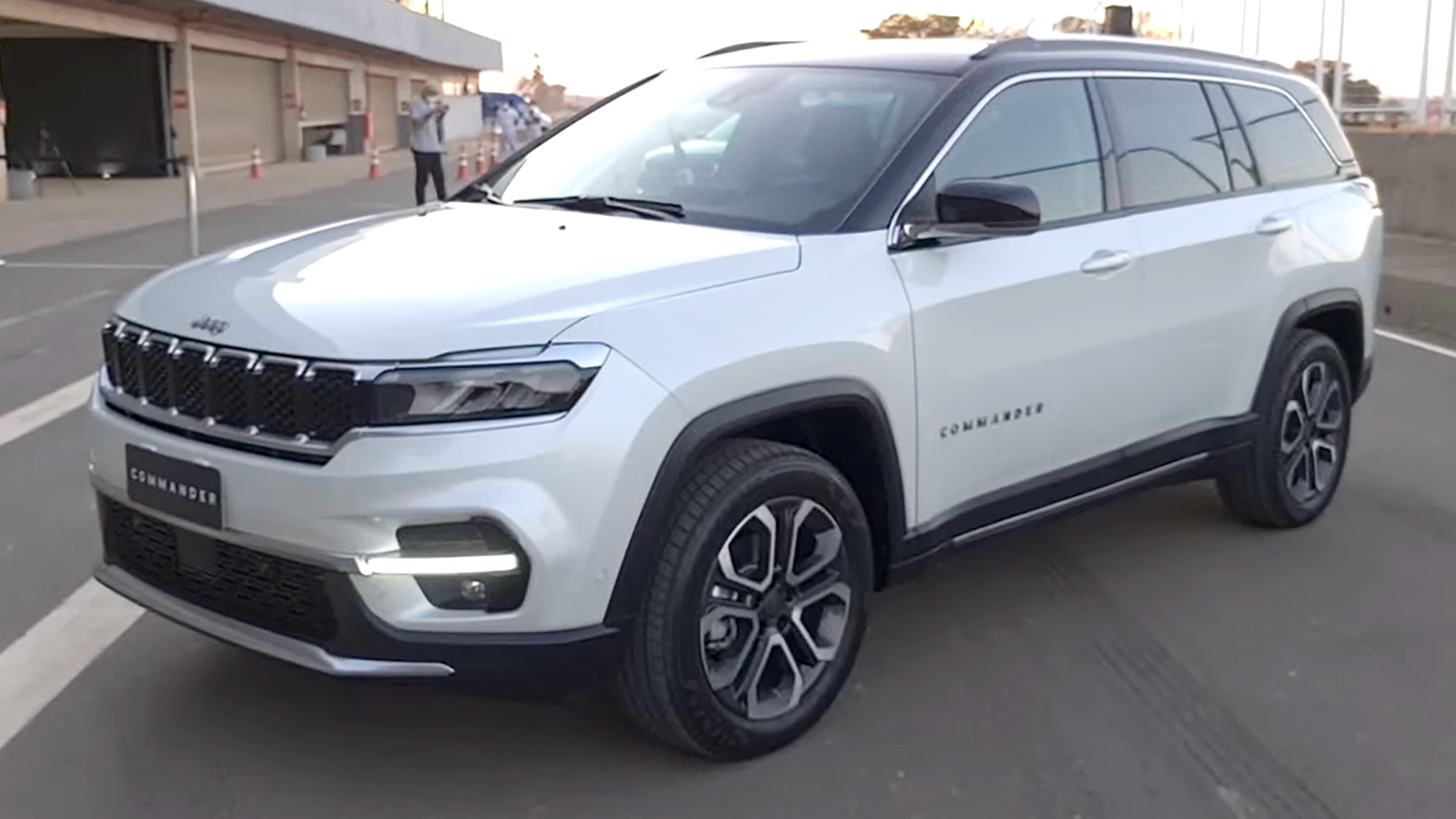
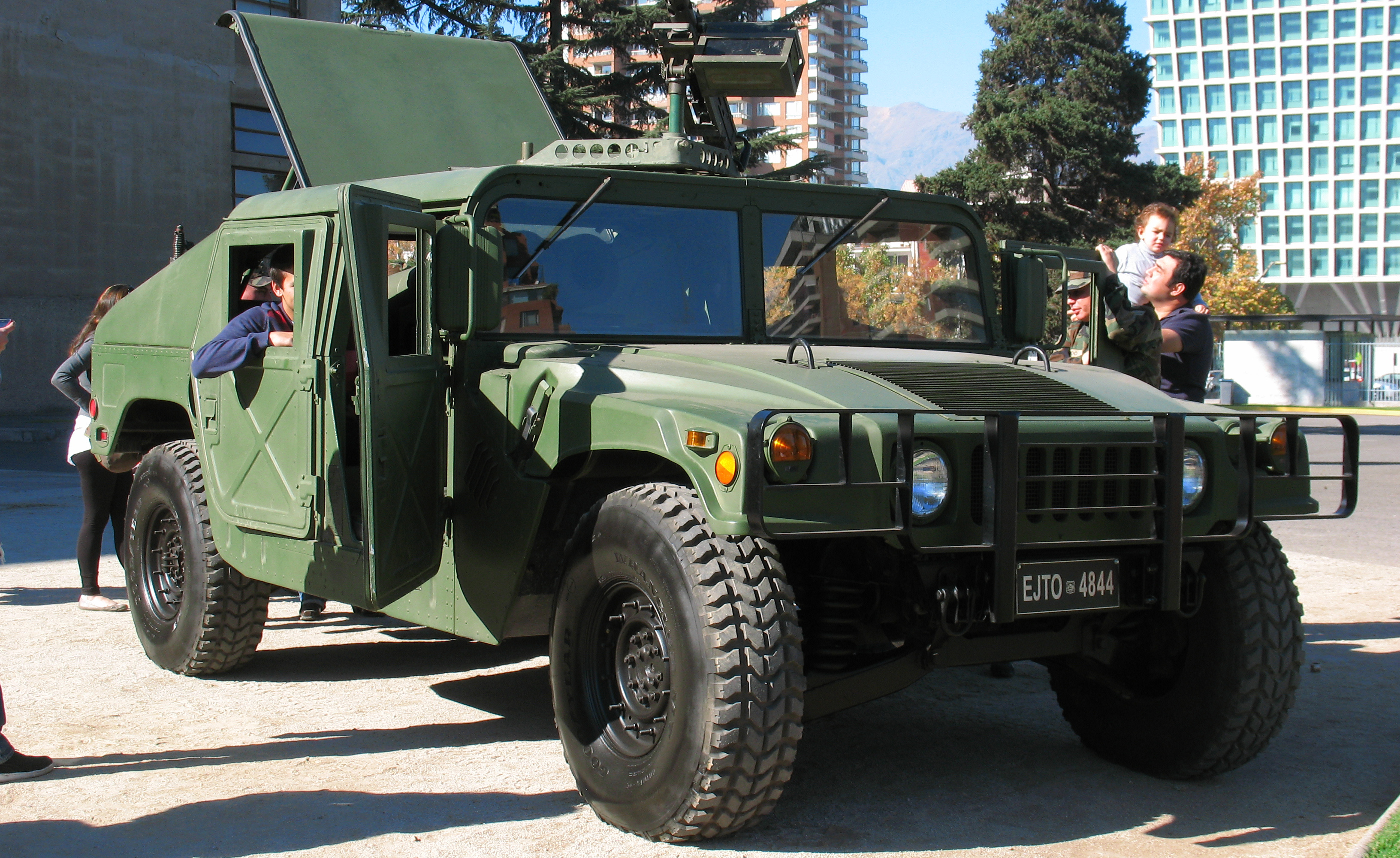
The Jeep Commander is a big SUV made by Jeep that can carry more people and drive on rough roads. It has three rows of seats so more passengers can ride inside.
The Volvo XC60 R-Design is a smaller SUV that looks sportier and drives nicely. The 2012 model is safe and good for families or people who want a comfortable car.
A safest car is a car that is made to protect the people inside it very well if there is an accident. It has special parts and designs to keep people safe.
A tractor trailer is a big truck with two parts: the front part where the driver sits and the back part that carries goods. They are used to move things long distances.
An '88 Mike' is a soldier in the Army who drives big trucks and helps move things around. It's like being a professional truck driver for the military.
Bob tailing means driving the front part of a big truck without the trailer behind it. It feels different because the truck is lighter and handles differently.
Strapping down loads means tying down the stuff on a truck so it doesn't move or fall off while driving. Some things need very strong straps to keep them safe.
An 18 wheeler is a very big truck with 18 wheels that carries heavy loads. It’s used to move things from one place to another, often across long distances.
A cot is a small, foldable bed that you can carry and use when you don’t have a real bed. Truck drivers or soldiers sometimes use it to sleep in small spaces.
I'm here at a truck stop and you see someone pull in with a connex container,
and it's a flatbed spaghetti. It has that pineapple going on in it. Yeah, how's that pineapple?
Love it. Oh, yeah, I appreciate the run down there. Yeah, thank you.
Yep. So, but you said earlier, you drove these trucks in 22 different countries.
That's amazing. Yeah, it was a lot of fun. And I'm sure you have absolutely zero notion
and against no stories whatsoever. It was all just perfect. Nothing bad ever had,
especially in the army. Oh, my God. Oh, my God. No, I've got, I mean, I have a couple of stories
that I mean, I can share. Well, D'Oscar said, do you have some stories you could share with us
about your experience driving these trucks in these 22 different countries? We'd love to hear
absolutely. So one of my favorite missions that I did my entire four years I was over
there is called Operation Anaconda. And it happened in 2016. It's not the same as the
operation that happened over in Afghanistan. If people are listening and they Google it,
there's two different Operation Anacondas. This one was a joint exercise with NATO,
with our NATO allies. And it occurred from, I want to say June 7th to June 17th. It was 10 days.
It was 30,000 troops from 24 different countries. And like I said, they were all, it was all NATO.
My unit, which was 66TC or the 66th Transportation Company, we were responsible for moving all of
the equipment for this operation from the port in Bremerhaven in Germany to where the exercise
was going to be taking place. So we went into Latvia, Lithuania and Estonia, Poland, like we were,
we were all through. That's amazing. Yeah, we're all through your just standing up. So we'd go to
the port, we'd load up our trucks, we'd go to wherever we needed to go, drop the stuff, drive
back. And this is what we did. So we stood them up. We got everybody ready for the exercise.
They did their exercise. When the exercise was done, we came back in, loaded all their stuff,
and drove everything back to the port for them. Or the rail. We used a lot of the rail systems
as well. But this was my overall favorite mission because it was three weeks. And we got,
I don't want to say we got to do whatever we wanted, but kind of like the hat was off kind
of thing where we weren't, we weren't in Garrison, like we weren't, we didn't have to go to formation
every day. We weren't doing PT every day. Three times. We kind of, we kind of like got to just go
be truck drivers. And it was just a lot of fun. So like one example, I got to sleep out on the back
of my trailer at one night. I was in, it was in Latvia. We were on post. I didn't want to sleep
in the tent. And you didn't have trucks that were sleepers, like they had a cab, right?
Because like for the listener, right? Like a sleeper, 18 wheeler, is it actually has like
a bed behind where the driver seat is. And you actually can sleep in the cab. But the ones you
drove did not have that. Cause you just said you sleep in the trailer. Well, it did. So they did
have sleep. They did have a, so they didn't have a true sleeper that you see on the roads today.
It's not that there was a space behind the driver seat where you could put a cot, one of the army
Cods. Oh, okay. Which I did. I did sleep back. I have a story about that. What happened one night
with that, but I'll, I'll get to that. Cause I, my favorite story is sleeping on the trailer. So
we're in Latvia and it was, it was gorgeous cause the, the, there was no light pollution. We're,
we're on a base that was set up out on the field and we had no light pollution. So I'm on the back
of my trailer and just sleeping under the stars. And that was, you know, just normally we wouldn't
be allowed to do that. Cause you know, usually we're in Garrison or we're in the barracks or
something like that. So no, but to answer your question, yes, I did sleep in the back of the
truck a lot. One night this is massive, massive rainstorm. And I had, I had chosen during this
operation not to sleep in the tent cause it was just easier to stay in the truck
to get up and go for missions. So I stayed in my truck and you know, perfect night, great night,
slept soundly. Next morning we were supposed to leave the post at 730 to head out and go pick
up some equipment and my, my driver or my, my TC, my truck commander was super, super late,
like an hour late. And finally they showed up and I'm like, Hey, what's, what's going on? Why,
why are you late? And they said they had been up for four hours dealing with the rain because
what had happened is where they put the tent, they put it on a slope and all the wash from the
massive rainstorm came down and just washed out the whole tent. And so they were up all night
sandbagging, filling sandbags, trying to like deter the water. So after that incident, I stayed
in my truck the rest of the, the rest of the, the life. Um, but yeah, just, just to give you a
little taste of army life. Like, yeah, there, there you go. That's a good taste. Where should we
pitch the tent? It's supposed to rain right there. Yeah. There's a creek there. We'll put it right
in there. Yeah. Right on the slope. Yeah. A lot of fun. It was so, so funny. So yeah, after that,
that my truck commander stayed, stayed in the other truck and didn't sleep in the tent the
rest of the month. Yeah. Okay. Interesting. Now I gotta ask, I gotta ask this because I'm curious.
I'm sure Ian is too. And I bet the listeners too, like any accidents. Me personally, no,
was I in a truck when an accident happened? Yes. Okay. So I don't know how you want to,
you want to loop that, but yeah, just this, just because I mean, there's got to be right. I mean,
if you're, if you're driving trucks in that many different countries, like it's, oh, it's, I wouldn't
either gets run into or something's going to happen or even a flat tire, like stuff's going
to happen, right? Oh, absolutely. And I know the trick I learned. Well, I can. So, so to answer
your question, I was in the truck when the accident happened. We were very fortunate and
over in Germany, they're very strict about their laws. When you get in an accident being in the
military, the military is usually always at fault because that's how it, the dice rolls are kind
of whatever. So what had happened is we got, we were in a construction zone, I was not driving,
my private was driving and this van tried to pass us in a construction zone and he ended up hitting
our trailer and I have to give kudos to my, my private because my private did panic and almost
ran us off the road, but managed to control himself and we didn't hit the guardrail,
but he managed to stop. And when he stopped, the van was wedged between our trailer and the
concrete barrier. Yeah. So no one was hurt. No one was hurt. Everyone was okay. Everyone was just
shaken. And I mean, was that technically your fault? I mean, no, that's, so that was gonna
sit like that's the way you describe it. That's not your guys fault. No, it wasn't our fault. So
Polozy, which is the German police show up and immediately the driver was like, Oh, they hit me
this, giving a whole spiel. And so the Polozy were like, Yeah, okay, let's measure your van. So
I kid you not, they pull out a ruler. They have like this ruler, like a collapsible like construction
ruler. They pull it out and measure this guy's van. And I forget how many meters over he was
like on the line. And so they ticketed him and he was the one at fault. Justification. Yeah,
Justin, we were, we were so happy because I called my sergeant. I was like, Hey, it wasn't us because
he had chewed my butt out for this and that. And then we called him like, Hey, the Polozy say
it was his fault. We're good. He was like, Oh, okay, good. And there was no damage to our truck.
He didn't hit any of the tires. He just hit one of the sides of our, of the trailer,
kind of in the middle. Yeah. I mean, that, I mean, you know, there's no such thing as a good
accident, but in my mind, that's a good accident. Cause no one got hurt. Correct. And you can drive
away from it. That is a win. That's crazy. I love that. They show up and they get out like the
little like retractable ruler. They're like, Oh, no, I could not believe it. So it was,
yes, justified. It was, I'm going to start keeping a ruler in my car. Right? Yeah.
Yeah. You never know when it might come in handy. Yeah, absolutely. Oh my God. And then the other
accident that I witnessed that was the most horrific for me, again, no one was seriously
injured, but really bad. It was a jackknife. So I don't know if you know what a jackknife is.
I mean, I do, but you go, you explain it for the listener in case they don't know what a jackknife is.
So a jackknife is when your trailer, you know, usually your trailer falls behind your truck.
Well, usually it's when the trailer swings around and it's almost parallel to your cab
of your truck. It's not good because it does. It looks like it looks like a jackknife if you've
ever, you know, kind of partially opened a knife. So we were, I don't ask me where, I think we may
have been in Hungary or Latvia. We were leaving the base. We had just left the base. We just dropped
off our load. So we were empty. We had nothing on our trailer. And for those who drive, you know,
when you're loaded down, you have kind of like a little bit more, you know, weight on you and your
trailer's not as, is floaty, we can, we can say. So we're leaving the base. It started to rain.
We were in the mountains. We were going around some S curves. And all of a sudden,
I was in the back, I was in the middle and the lead truck was in front of us. And you see his,
it was so weird. You see his trailer kind of lift up a little bit. And then you see his brake
lights come on. And then all of a sudden you just see the trailer. You see the trailer starting
to push the truck. And then you see the truck started to face us. So we were like head on with
the other truck. Oh, so his, his truck, yes. It was a combination of speed and the S curves.
And we didn't have, we weren't weighted down. So he had been used to, this is what we talked about
later. He had been used to having a load and going that speed and keeping him grounded.
Which for the listener, like this is a great example of like when you're in inclement weather,
whether it's rain, snow or whatever, and you have like semi trucks just like blow by you on the
interstate. Slow down. It's like, I mean, but, but like, you know, to be fair, maybe they're not
speeding. They're just, they're going the speed limit, but they're going, it's because they have
a ton of weight on them. They have way more traction than you do. So I get what you're saying. And
they're empty. It's just a lot easier for the trailers, because I've driven even just a regular
truck with a trailer. And if there's nothing on the trailer and it's snowy out, right, and you
go around a corner or something, like the trailer will just start to like slide out behind. It's like,
whoa, okay. Mine of its own. Oh, absolutely. It was, it was, yeah. So he was, so we were like
face to face with the cab and what ended up happening. He jackknifed so bad. So the nice
thing about our trucks is we had the M915A5, which is the nomenclature for the truck that we
drove. It was a freight liner. It was a tractor trailer. Okay, freight line. Yeah, it was freight
liner. Yeah. What had happened was is the trailer had come around and it had, it had severed two of
the airbags that it floats because the cab kind of floats. I don't know if you can explain it better
than me, but it floats on these airbags. There's like two points. Not all trucks are like that,
but a lot of the, yes, the 18-wheelers have like, they're these airbags for the cab. Yes.
So the cab just like, has like this almost cushioned ride where the rest of it takes up
the frame and everything takes up all the suspension, but the cab just floats. Yeah,
and he had severed, so he had severed both of those. That's how bad he jackknifed. He almost
severed the cab, like he almost cut the cab completely off. And he walked away from that.
They walked, they, everyone was okay. Everyone was okay. I think he was a little concussed because
it happened. We, my driver dodged them and I watched and he slammed his head into the,
into the window. Yeah, you're supposed to be, so here's another thing. You're supposed to be wearing
your helmet, which is called an ACH when you're driving and they did not have their ACHs on when
they were driving. And ever since then I saw that accident, I've always worn my helmet. Yeah.
After that, that would like a really interesting, interesting. But everyone was okay. The truck,
I think we, we did, we drove all the way from Latvia back to Germany. And then they just,
they fixed it. Yeah. Yeah. Yeah, just didn't have that cushiony air ride. No, I did not. It was,
and he drove a little slower. That's an unfortunate accident, but anyone you can walk away from it.
It's, it's a great, it's a good accident. God bless. Absolutely. Yeah. For sure. So all, I mean,
and I'm sure there's like, it just, you know, all of these different little stories right with,
Oh, so many. So many. Yeah. So many. Yeah. Just like, you know, driving in the convoy,
right? Like one truck pulls over. It's just like, what are you doing? He's like, I have to go pee.
Random stuff, right? I gotta imagine there's just, there's so many stories because you,
because how many years? Six years. I did six years. So six years, 22 countries. That's amazing.
That's amazing. How many, how many miles do you think you drove roughly? Just an estimate, roughly.
God. Because I mean, I'm sure it's impossible to track, right? It's, it's hard to track. And,
and my thing too is like, when I was in Germany, I drove probably the first year and a half or so
in Germany. And then I was pushed into an operations role. So I kind of took out, or I kind of took
over sending trucks out on missions. So I would say a hundred thou, maybe a hundred thousand,
maybe a little bit more. I mean, over my six year career, probably more than that. But I would say
while in Germany, like a hundred thousand, because we were, we were doing missions. Oh God,
like every, every, I mean, every week you had a mission, you were going somewhere. We were caught.
That was the nice thing about Germany is they, they say in the army, like you train for your
MOS, but you never do it. When you go to Germany, you train for your MOS and you actually do it.
So we were, we were a truck company. We were, we were very, very busy. We, we hauled everything
for the army in Germany throughout the entire, well, the European map. Yeah.
It's amazing. It's like, you're, this is a great glimpse into like the things that happen behind
the scenes. You never think about these things, but you're keeping it going. That's amazing.
Well, logistics, logistics moves the army people. And like you just said, people don't think of that.
And without logistics, you don't have an army. Absolutely. Yeah. So yeah.
Hey everyone, this is Ian again. That concludes part one of our conversation with Caitlyn.
And we will be sharing part two of the conversation coming up with next week's episode where Caitlyn
will share many more stories from her experiences in the military and traveling abroad, driving those
big rigs and other memorable vehicles that she encountered. So again, tune in next week
as Brendan and I curate more car conversations with Caitlyn. And we look forward to talking to you
soon on the Life Plus Cars podcast.
About this episode
Caitlin shares her deep passion for Volvo cars, recounting stories of their durability and safety, including surviving accidents and even a moose collision with minimal damage. She also discusses her extensive military background as an 88 Mike truck driver in the Army, serving in 22 countries, continuing a family tradition of military service. The conversation highlights her love for simple, reliable vehicles and her unique experience driving large military trucks overseas, blending automotive enthusiasm with military life insights.
Hello Life Plus Cars Community! We are back after a late winter hibernation away from the mic. Hey, we've had a LOT of snow up here in New England!
For episode 33, we are excited to share part one of our conversation with listener Kaitlin, who is a friend of the show and discovered our content from the Life Plus Volvo episode (episode 19).
Join Brendan and Ian as they chat with Kaitlin about Volvos:
-A black 850 sedan that survived a tree limb falling on it
-A blue V70 wagon that survived a collision with a moose with little damage
-A silver Volvo S80 that was Kaitlin's personal favorite
-A black XC60 that Kaitlin drove to 238,000 miles!
But that's not all...
-Kaitlin shares her stories of joining the military and learning to drive military-spec semi-trucks.
-Brendan and Ian learn about Kaitlin's proud family history in the military and what inspired her to drive these heavy duty trucks abroad in military missions.
Plus, find out the funny story on why Kaitlin learned to sleep in the sleeper cab of her truck instead of a tent!
All these stories and more in this week's episode!
What do you think listener? Do you have any stories with big rigs or trucking? Let us know and write to us at [email protected]