California Car Cover is a company that makes custom car covers to protect your car from things like dust and weather. They have many options to choose from, depending on your car's shape.
The Mercedes-Benz SL is a fancy convertible car that has been made for many years. It's known for being comfortable and stylish, making it a popular choice for those who enjoy driving with the top down. People often talk about it because of its luxury feel and classic design.
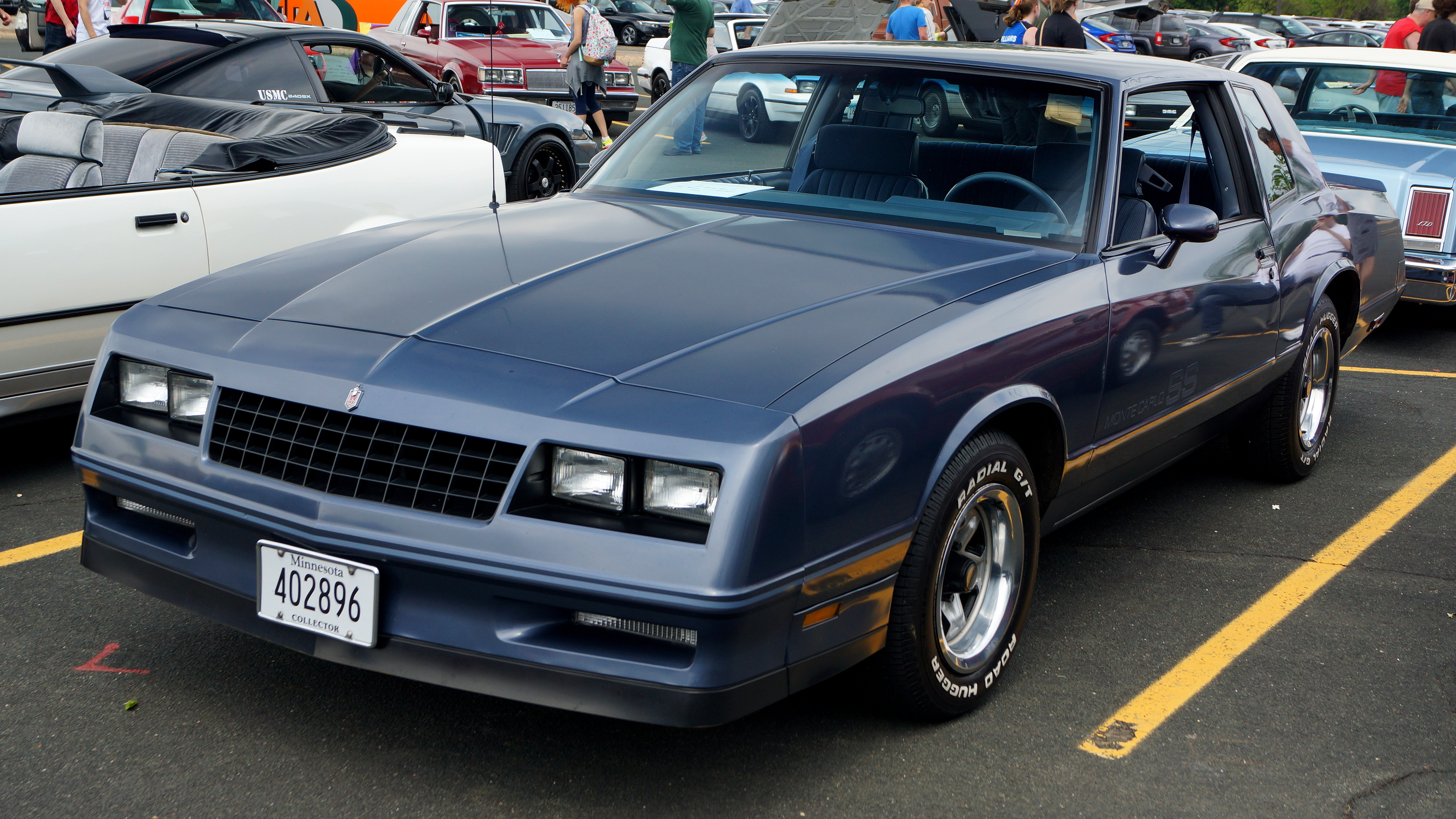
The Oldsmobile Cutlass Supreme is a classic car that many people loved from the 1960s to the 1990s. It's known for being comfortable and having a lot of space inside, making it a good family car. People often remember it fondly because it was a popular choice back in the day.
Air-cooled Porsches are cars made by Porsche that don't use water to cool their engines. Instead, they rely on air, which makes them lighter and gives them a different feel when driving.
Aspirational cars are the types of cars that people dream of owning because they are fancy, fast, or have a special reputation. They often symbolize success or a certain lifestyle.
The Lancia Beta Montecarlo is a sporty car made in the late 1970s and early 1980s. It's known for its cool design and how it handles on the road, making it special among car fans. People like to talk about it because it's not very common and has a unique style.
The Ferrari 250 is a classic sports car made by Ferrari, known for its speed and beautiful design. It's a very desirable car among collectors and car lovers.
The Ferrari F40 is a very famous and powerful sports car made in the late 1980s. It's known for being fast and having a unique look, and many car fans dream of owning one. People talk about it because it's a symbol of luxury and high performance.
The Ferrari Cal Spider is a famous sports car from Ferrari made in the late 1950s. It's known for being light and fast, and many people love to collect them.
The Ferrari 250 GTO is a famous sports car that many car enthusiasts dream of driving. It's rare and highly valued, often considered a piece of automotive history.
RPM means how many times the engine's crankshaft makes a full rotation in a minute. Higher numbers usually mean the engine is working harder and producing more power.
Cavalino is a big car show in Florida where people show off their Ferraris and celebrate everything about the brand. It's a fun event for car lovers.
Car
Ferrari
Ferrari is a famous brand that makes very fast and expensive sports cars. People who love cars often join clubs to learn more about them and meet other fans.
The Chevrolet Corvette is a fast and stylish sports car that has been around since the early 1950s. It's famous for its cool looks and great performance, making it a favorite among car enthusiasts. Many people admire it for its history and the excitement it brings when driving.
The Ford Mustang is a popular sports car that started being sold in the 1960s. It's known for being fast and stylish, making it a favorite among car lovers. People often talk about it because of its long history and how much fun it is to drive.
Hagerty is a company that helps people insure classic cars and organizes fun events for car lovers. They also have activities for kids who are interested in cars.
IACPFA is a group that helps take care of Ferrari cars and makes sure they are preserved well. They have experts who know a lot about these cars.
LIVE
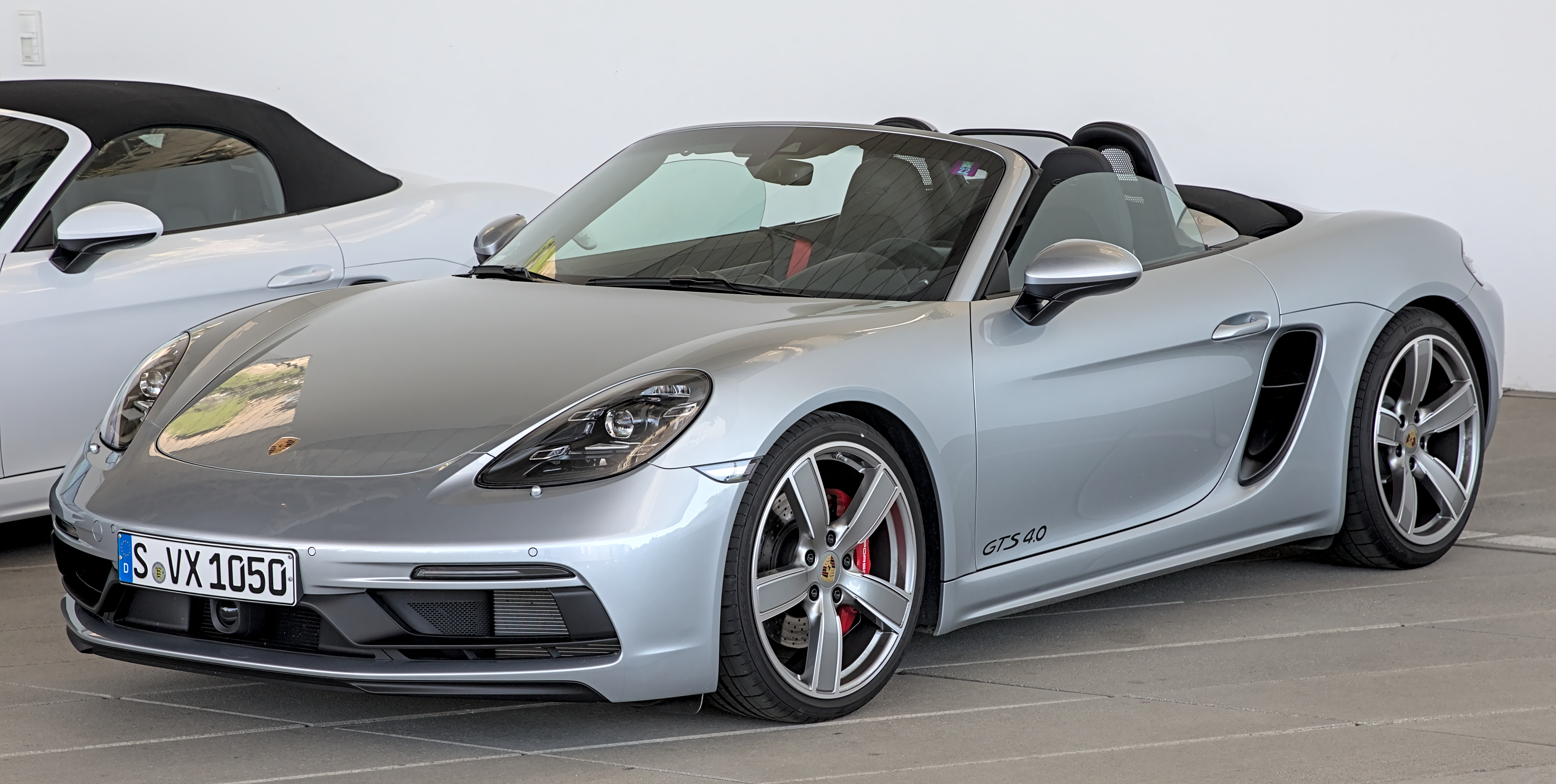
Your car deserves the best. That's why my Pontiac GTO and Porsche Boxster S are wrapped in California car covers.
Since 1989 they've been family owned and focused on quality offering more than 100,000 patterns plus fully custom options.
Protect your passion with California car cover, the world's softest custom fit covers. Learn more at calcarcover.com
Imagine a journey so rare it only happened once. That's the spirit behind once. Exclusive, one time only adventures that will never be repeated.
Our next experience, American Muscle Legends takes you track side with the most iconic cars in history, complemented by luxury accommodations and behind the scenes access you simply can't buy.
Spots are limited. When it's gone, it's gone. You can learn more at discoveronce.com forward slash muscle.
Join the RM Sotheby's family by connecting with one of their car specialists at rmsotheby's.com or contact me directly at gstanley at rmsotheby's.com
As well as Jacob Gorman and the Hershey Falls Special if you want to learn a little bit more.
The second most common question I probably get other than what's my dream car is how do you become a judge?
And so for this episode I'd like to welcome David Eichenbaum. How are you doing buddy?
Good. How are you? Thanks for having me, Greg. I'm happy to be here. I love talking about cars and the car hobby and it's a privilege to be on this podcast with you. Thank you.
Yeah, no, I appreciate it now. We got to know each other a little bit through judging Ferraris and I know that you also judge at Pebble Beach.
So before we get to the actual judging aspect, tell us a little bit about your history with or your passion for cars. Is there anything cool in your garage?
You know, just an overview of where this passion for cars comes from.
Sure. So I'm David Eichenbaum. I'm not a professional car person. I'm a car hobbyist and we can talk about that as far as how that works in judging.
I've been around cars my whole life. People ask me commonly what got me into cars and the answer is I truly don't know because I don't remember the day that I got into cars.
I've always loved them since like many of the folks who are involved in the car hobby, they've loved them for as long as they can remember since they were probably babies.
My first memories are playing with toy cars. My father liked cars. My father is past in 2009, but he liked cars.
A kid who grew up in the Bronx and didn't have a car and they were always aspirational objects, I think, for him and he was a successful solo internal medicine doctor and eventually had at least one fun car at a time.
And when I was a kid, he made his first big car purchase, which was a 1975 Mercedes R107 450 SL, probably the most anemic and least desirable of all the SLs ever produced.
And he used to take me out for drives in it. I was born in 1976, so I was four years old or so and he purchased that as a used car.
He used to take me for drives and tell me that if I worked hard and kept at it, I could someday have a sports car like that that you can feel the road in.
And of course, you can't feel the road in that 1975 R107 SL, but probably you can more so than an Oldsmobile Cutlass, which was our other car at the time.
And I took that to heart and I love that car and I still have that car all these years later.
It's probably my most favorite of all the cars that I've got because it reminds me of kind of my pleasant childhood and being with my dad and getting into cars and, you know, I still believe I can feel the road in at least a little bit.
And, you know, I took the car, passion or hobby, I guess, to at least a couple levels beyond my father and it's, you know, people ask me what hobbies I have.
I'm like, I always tell them I don't have very many hobbies and pretty much I like cars and and I like listening to music and that's pretty much all I know about other than work stuff.
And I love my work stuff too. I'm an ophthalmologist, a retina specialist, and I practice in St. Petersburg, Florida on the west coast of Florida and I love the work.
But as far as hobbies go, I spend a lot of my time around cars and doing car events.
I don't really have a car collection. I have a car variety pack, all kinds of stuff. Other than the SL, I'd say my comfort food is air-cooled Porsches. I find them to be very easy to be around.
My dad had a couple growing up and I don't have any of the ones I had growing up, but I've got a variety from 1972 to 1997 and I just find them very soothing as cars go.
Italian cars, which we'll talk about in judging, have always been my aspirational car. I've always aspired to be around and to own Italian cars, even though I do have Italian cars, I still look at them as aspirational.
And I feel like Italian cars express a lot of passion and a lot of imperfection and a lot of emotion and have an exotic flair to them.
This is Latin passion, this passione that really still excites me when I see anything from a Beta Monte Carlo to a 250-shore wheelbase. I get a similar emotion of an aspirational, exotic Italian car when I see them.
That's where I am with cars. A lot of German stuff, some American stuff, aspire to Italian stuff. I'm a little bit all over the place with that kind of thing.
You're kind of like me because I was always Mustang's because I just fell in love with the 65 Mustang when I was 13 years old and Ferraris have always been aspirational.
And I look at the 275 GTB as a Mustang that went to college and studied in Europe and went abroad because it's long deck, short wheelbase, big engine up front, two-seater with the backseat that nobody can really...
Well, that doesn't have a backseat, but nothing in the back that anybody can really do.
Anyways, I just love 275's. That's the one I really have always kind of loved and pursued, just enjoying them.
So what Italian, let's say Ferrari, is your aspirational Ferrari?
Yeah, so I kind of split it into two eras for simplicity. The 12-year-old in me loves Testerosa's in F40's. The Testerosa when I was 12, the modern Testerosa from 1984, the original configuration from 1991 was all the car for me when I was 12.
There were great marketers in Florida where I grew up. There was Miami Vice on TV. Testerosa was the world, the posters, the models, all of that, subsequently followed by the F40.
So Testerosa's followed by F40's were the aspirational Ferraris for me when I was a kid.
As I got into the history of Ferrari, my aspirational cars and the Ferraris that I loved evolved. I think they do for a lot of folks.
And I'd say my aspirational Ferrari from the early era is probably an even-numbered competition car, probably a four-cylinder, even-numbered competition car.
It's used in Grand Prix racing and in GT sort of over-the-road racing, similar to the 12, but almost like the four-cylinder was the 12-cylinder's scrappy brother.
I wouldn't even say little brother because the displacements were awfully close for a long time. But I like the thought process that went into the even-numbered four-cylinder cars.
And I like how a Series 1500 Mondial has a very similar body to a 375 with the rivets and the curves.
And I like the similarities between the two cars, but the attitude of the four-cylinder car, even though I have to admit I don't have much wheel time behind either of those types of cars.
And I understand their limitations to the drivability of the four-cylinder cars, but I don't think anyone's driving lots of these even-numbered cars to the convenience store or to school drop-off line very frequently.
So I think if you're going to use it for events and vintage racing, I think I would aspire to a four-cylinder even-numbered competition car for the history involved with the four-cylinder cars.
And the incredible successes that they had. They were great cars and a little different, a little funkier than the V12s.
Yeah, it's funny because people ask what's my dream car. I'm like, well, I have a dream car, but I've never driven it.
And sometimes as soon as you drive it, it's the worst car in the world. So I've always said I've always loved the Cal Spiders 5960.
And they say, well, you can't move the seat. It just isn't as enjoyable as you might think.
Now, I did have a chance to drive the 250 GTO and that obviously is on the bucket list of all time.
And that one's like a forbidden fruit now because as soon as I got out of the car, the son of the owner said, I shifted too soon.
While I was shifting to like 4,700 RPMs, 4,900, and he was saying, you know, you need to be in the mid-fives, but he didn't tell me that ahead of time.
It's not my car. And so that's like, ah, if only I had another chance, I'll probably have that on the list unless I ever get a chance to drive one again.
The nice thing about the 250 series cars, I do love 250 series cars.
I love them because there are a whole bunch of flavors of them.
And even though, you know, obviously a 250 GTO, which I've never driven, is going to drive very differently than my series 250 PF coupe, which I've had since 2008.
They have a common thread in that engine.
And you can hear the commonality in the engines, even when they're race prepped, you can hear that kind of that, that ripping velvet sound of the 250.
And they went from everything from four-seaters to alloy competition cars, and that engine was in production in its same basic configuration for a generation, you know, as the displacement increased.
But I think the best expression of that Colombo 12-cylinder engine is the 250.
And I like the romanticism of the 250 series and how that had so many different varieties and so many different personalities with kind of a unifying thread.
So even if, you know, our listeners aren't shopping for short wheelbases or tour de France or GTOs, perhaps they can shop for a GTE or at least drive a GTE and get some portion of that experience, which I think is inseparable from the rest of the 250 line.
Yeah, that's awesome.
Well, I know you have a hard out.
So let's get going here.
Why don't you tell us a little bit about your judging history and just as important, like what advice would you give?
Let's talk to like the 14-year-old kid who is car crazy and like, how do I get into this whole car world?
What would you recommend?
So give us your overview.
Yeah, so sure.
So judging cars and going to car shows goes all the way back to my childhood, especially with Ferrari is my father who entertained my infatuation with Italian cars, even though we weren't Ferrari owners or customers.
He did take me to very early versions of Cavalino in Florida and Florida always had a strong Ferrari presence for an East Coast market.
I would go as a teenager and see the classic Ferraris being judged, the modern Ferraris at the time and then the early 90s Ferraris being displayed or what have you.
And I thought it was a pretty cool thing to be part of.
I've always been a learner and a reader and a studier and I liked learning and reading and studying.
And when I finished my training and I started spending an inordinate amount of my income on cars and car related activities, I bought an injected boxer in cooperation with my father and I started showing it.
And then I was 31 or 32 years old and this was 2007, 8, 9 and I started showing the boxer at the Ferrari Club of America annual event in Cavalino and I think part of getting into car shows if you're a young kid is going to whatever you can in your area.
And once you have the ability to try to go to certain larger national events and just being around with or without a car, be around and express your interest and kind of listen and learn.
I was pretty good at listening and learning.
I was a trained listener and learner and I listened to the judges judging my car and I communicated with them.
People who are judges, I think like to communicate with folks who are entering cars or interested in judging so expressing your interest, listening and learning is a good first step, I think.
And if you seem like a reasonable person and you like listening and learning and you express an interest in judging, I remember that Chris Currant was kind enough to give me the opportunity to act as a shadow judge.
We call it as now we're learning I think in 2010 or 2009 at the Ferrari Club of America or Cavalino and if you conduct yourself well and you do your homework and you research your class, the folks who are mentoring you will notice that, especially if you're a younger enthusiast.
So if you're a 14 year old enthusiast or the 24 year old enthusiast and your car crazy, be like a good student, be a good kid, be interested, ask good questions, study the cars that you're interested in and talk to the judges who are middle aged or in our hobby.
You know, there are a lot of older folks doing judging express your interest and they will want to teach you and want you to be involved.
It's, you know, you're not going to become the chief class judge of the of the FCA at 24 but you can certainly be a shadow judge and learn about the process if you're interested in it.
I think there is an element of the car career that is intertwined with judging now probably more than it used to be.
But I really like seeing young judges who are not in the car career express their interest as well because they don't have any skin in the game other than their passion.
And I think that's something that may even give them more opportunity because I think that everyone knows that they're just donating their time because they like being around.
So if you're a car crazy kid and you're a teenager in your twenties and you're not in the car business, you don't have to be in the car business to be a judge.
You just have to have the interest and the passion and the, I guess what they call down 2025 the emotional intelligence to interact with older car enthusiasts and judges in a reasonable way.
And I think that you could do a lot in the hobby.
Yeah, I totally agree. And I kind of started the same way. Like I said, I was Mustang crazy and someone once told me some of the best advice I've ever received was when you're when you want to buy that special car, how do you know what's right?
Well, if you become a judge, you learn what's wrong. You learn what's right, which helps your education when you eventually want to buy something like that.
And so I joined the Ferrari club when I was like 16 and I had, I didn't have a, I'm sorry Mustang club. I didn't have a Mustang till I was, you know, in my mid twenties.
You know, I, so I was in the club eight years before I had a car, right? And then I became a judge, which I find like NCRS, the Corvette and the Mustang club.
So those are good ones to start out with in my mind because you do learn where the nuts and bolts are. You go underneath the undercarriage and you're looking at brake lines and stuff.
Now at like the FCA event, we don't go underneath cars, right?
And so I almost feel like doing something like that where it is the nuts and bolts that really helps you at a deeper level.
So then when you go to like a Concorde elegance where it's a little bit different, you know, than say an FCA event.
I just think it helps you, right? And then same thing. I love Ferrari.
So I wanted to take that judging experience and move into the Ferrari world and Chris current. Yep.
He gave me a shot as under instruction or whatever they call it in shadowing.
And then he said, well, judge it a couple of regional Ferrari events and we'll, we'll let you have a shot at Cavalino, which I've been doing now for three or four years.
So it's been absolutely fantastic. Sounds like we had a similar path.
Similar. Yeah. Similar patterns, similar mentors. And I totally agree with you.
I think the best and most organized judging in the business is not Ferrari judging.
It's probably more like NCRS judging or Bloomington Gold judging for Corvette.
I'm not familiar with Mustang judging, but it sounds similar.
You know, these teams have a whole development process for their judges.
And then they have hours that they spend on each car and each team really dives deeply into the car.
And that's probably a great way to learn. Plus the organizations are just much larger.
There are a lot more Corvette owners out there than there are Ferrari owners.
So they're just very large organizations that support the preservation and restoration and have a lot of knowledge about the authenticity and originality of those types of higher production, awesome cars.
I mean, one of my favorite cars of all time is a mid-year Corvette or what used to be called a mid-year Corvette.
Now it's a C2, but I mean, oh man, I mean, one of the most beautiful post-war styling cars of them all is the mid-year Corvette Coupe, I think.
And, you know, a lot of organizations, if you're a young father and have a young son, my son is eight and he loves doing cars.
So it seems like he got the car gene. I hope it sticks, but, you know, he does love all things automotive.
A lot of organizations like the Porsche Club and Hagerty at the Hagerty events will have junior judging.
And of course, it's tailored to the age of the kids doing it.
And my son did this at the Works Free Union at Amelia last year, the year before.
And this year we're going back. He wants to do it at Works and he wants to do it at Amelia.
I don't know if this is something that RM is starting at their events too, like Moda and...
Not yet, but we'll see.
But I think this is a path for really young kids to at least get a little bit of experience, you know, because at the end of the day for those of us who aren't in the business, it is a hobby.
And it should be something that you can do starting at a very young age or do with your family when they're at a very young age.
And I really like those types of programs, even if they're not as intense as what the development program is for a Mustang judge or a Ferrari and CRS judge.
Yeah, and I know you have to go, but do you have two seconds to tell us how you got into judging at Pebble Beach?
Yes, certainly. So I'm privileged to have served a couple of times now on the Pebble Beach Ferrari judging team.
And I think the way that I did that is really by committing time to the hobby.
I have served on what's called the IACPFA or the International Advisory Council for the preservation of the Ferrari automobile for several years now.
I serve as the chair of that group, which is more of an administrative position.
I don't think I have the depth of knowledge of the historians or the restorers that serve on the IACPFA, but I'm a decent administrator.
And I devoted time to judging at Cavalino in the FCA after going through the mentorship process that you and I both experienced with Chris Currant.
I try to be a fair and impartial judge on the field when I'm a chief class judge.
I think I demonstrated to Chris that I'm a fair and impartial leader of the team with professional communication between myself and the entrance and myself and the judges on the team.
And Chris as Chief Judge of Ferrari at Pebble Beach gets to pick who he wants on those teams.
And I've been very fortunate to have served on the Pebble Beach team a couple of times.
And frankly, I learn a lot through the process and I continue to learn a lot through the process.
And I love what I've learned and experienced through the process.
And I think earning the privilege of judging at Pebble Beach is not very different than earning the privilege of judging at the FCA or at Cavalino is just continuing to do a good job.
And I never expect to go back to Pebble Beach.
If I get the invitation, it's a privilege every time and if I never get the invitation again, it's been a privilege.
And that's pretty much how I look at it.
I've had the opportunity to exhibit at Pebble Beach twice and I hope to go back at least a handful more times in my life.
And it's the best automotive week in the world.
And I think Pebble Beach is probably the highest quality car show in America, if not one of the best in the world.
And it's electrifying to be around it as a judge, as an entrant, as a spectator.
And I hope I can enjoy it for many more years.
Yeah, that's awesome.
I have to give a quick shout out to Leslie Blinn because she's also been great in supporting me and my development as a judge.
And basically I tell her, just tell me what you need me to do.
I'll do it.
I don't care.
I'm not going to say I have to do Enzo era.
I'm not going to say just tell me where you need me and I'll do it.
So, well, thank you for being on the Collect a Car podcast.
What's your next judging event?
Well, my next event, it's not going to be judging.
I'm heading up to Luftgekuhl with my son next week.
First East Coast Luftgekuhl in Durham with the Ingrams having a big role in this, I think.
And we're bringing a cool air-cooled Porsche.
There's going to be lots of people taking pictures.
The hallmark of Luftgekuhl is there's no judging, which is different than all the stuff we've been talking about with judging.
I think the next event that I'm going to be judging at is most likely Cavalino 2027.
That comes up in about three and a half months.
It's kind of an intermission in the car hobby starting around Thanksgiving through the new year.
So we don't have a whole lot happening.
How about you, Greg?
Where are you doing your next judging event?
So this is going to come out a few weeks later, but I'm going to all drain.
I wouldn't go to Luftgekuhl, but, you know, same thing we did.
You know, fortunately, I'm going to go to the, I think it's called Lakemere Classic down in Florida.
None of this is judging Hilton Head.
I'm going to go to that concor as well.
So yeah, so I'll be popping around quite a bit.
I won't be judging again.
I don't believe until hopefully Cavalino along with you.
So we have a lot of other stuff to talk about when I see you again,
because I actually went to college on a partial French horn scholarship.
So we can talk music next time we hang out.
That is super cool.
I was not good enough to go on a jazz quartet, jazz scholarship,
but I did play in a jazz band in high school and college, which was a lot of fun.
We can talk about that for sure.
All right, David, thanks so much for being on the podcast.
I appreciate it.
Thanks Greg.
Appreciate you having me take care.
About this episode
David Eichenbaum shares his journey from car enthusiast to concours judge, detailing his passion for Italian cars and his experiences at prestigious events like Pebble Beach. He emphasizes the importance of mentorship and community involvement for aspiring judges, offering practical advice for young car lovers on how to get started in the judging world. The conversation also touches on the emotional connection to cars and the unique stories behind them, making it a rich exploration of automotive culture.
Ever wonder what it takes to become a concours judge at the world's most prestigious car shows? In this episode, Greg sits down with David Eichenbaum, a respected Ferrari expert and Pebble Beach Concours d'Elegance judge, to pull back the curtain on the world of automotive judging.
From the rigorous selection process and deep marque knowledge required to the fine art of evaluating authenticity, presentation, and preservation, David shares what separates a good car from a truly exceptional one on the show field. Hear firsthand stories from Pebble Beach, learn how judging criteria evolve with time, and discover how passion, precision, and diplomacy come together in one of the most exclusive roles in the collector car world.
Whether you're an aspiring judge, a concours competitor, or simply a fan of the world's most beautiful automobiles, this conversation offers a rare glimpse behind the velvet ropes of concours culture.
This episode is sponsored by our friends at California Car Cover — my go-to source for custom-fit car covers and detailing gear. They've protected both my '66 GTO and Porsche Boxster S, and I trust them to keep your collector car safe, too.
A special thank you to our new sponsor, Discover Once, curators of one-of-a-kind automotive adventures you'll never experience twice. Learn more at discoveronce.com/muscle.
And as always, huge thanks to RM Sotheby's for their continual support and for making so many of these automotive dreams possible.
Listen to the "Octane FM: Shift, Rev, Repeat" album on Spotify!
Stay connected with The Collector Car Podcast—find us on our Website, Instagram, Facebook, YouTube, or reach out to Greg directly via email.
Join RM Sotheby's Car Specialist Greg Stanley as he brings over 25 years of experience and keen market analysis to the world of collector cars. Each week, Greg dives into market trends, interviews industry experts, and shares insights—with a little fun along the way. New episodes drop every Thursday and are available on Apple Podcasts, Google Play, Spotify, or wherever you get your podcasts.
Learn more at www.TheCollectorCarPodcast.com or email Greg at [email protected]. Interested in consigning a car at an RM Sotheby's auction? Contact Greg directly at [email protected].