The Chevrolet Corvette is a famous sports car that has been around for many years. The 1957 version is especially popular among car collectors because of its unique design and speed.
The brass era cars are very old cars made between the late 1800s and 1915. They are called 'brass era' because many parts of these cars were made of brass, which was a popular material at the time.
A four-door muscle car is a fast car that has four doors, making it easier for people to get in and out. It's a mix of speed and practicality, allowing families to enjoy performance cars.
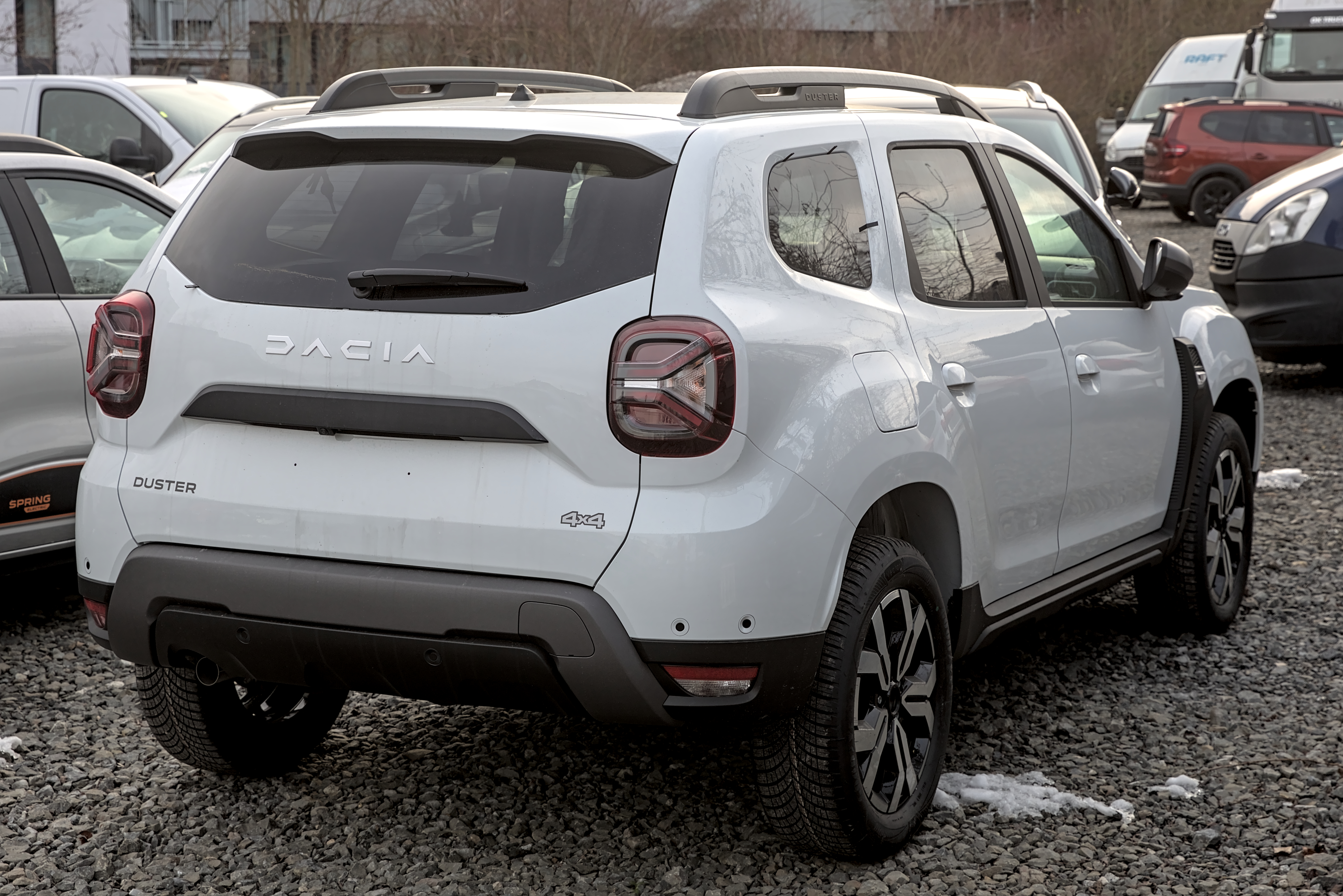
The Dacia Duster is an affordable SUV that many people find useful for everyday driving. It's not as famous as some other cars, but it's a good choice if you're looking for something practical.
The Plymouth Duster is a type of car that was made a long time ago, known for being sporty and fun to drive. It was popular in the 1970s and is still remembered by car enthusiasts today.
Car
Dodge Duster
The Dodge Duster is a car that was made in the 1970s. It was popular because it was cheaper than many other cars but still looked cool. Now, it's considered a classic and many people want to own one.
The Dodge Dart is another car made by Dodge, which was popular in the 1960s and 1970s. It was known for being affordable and had different versions that people liked to drive.
The DeLorean is a unique car made in the early 1980s, famous for its shiny metal body and doors that open up like wings. It became really popular because it was featured in the movie 'Back to the Future.'
The Plymouth Roadrunner is a classic American car that is known for being fast and fun to drive. It's popular among car fans, especially those who love muscle cars.
Car
Porsche Speedster
The Porsche Speedster is a type of sports car that is designed to be lightweight and simple. It has a sporty look and is known for being fun to drive.
The Ford Bronco is a tough SUV that people love for off-roading and adventure. Some restored models are losing value, which is important for anyone thinking about buying one.
The Toyota Land Cruiser is a tough and reliable SUV that can handle rough terrains. It's known for being both luxurious and capable off-road.
Car
Toyota FJ40
The Toyota FJ40 is an older model of the Land Cruiser that is famous for its square shape and ability to drive off-road. Many people love restoring these classic vehicles.
The Jeep Grand Wagoneer is a large SUV that was popular in the past, especially in the 1980s. People are interested in it again because of its unique style and features.
The Mercedes-Benz G-Class, or G-Wagon, is a fancy SUV that started being made in 1979. It's popular for its tough look and ability to drive off-road, and many people see it as a sign of wealth.
Car
AMC Grand Wagoneer
The AMC Grand Wagoneer is a large SUV that was made by AMC. It was popular for its comfort and off-road ability but had some problems with reliability, especially in the engines.
The crankshaft is a part of the engine that helps turn the motion of the pistons into movement for the car. If it breaks, it can cause big problems for the engine.
The 360 motor is a type of engine made by AMC that was used in their cars. It's a V8 engine, which means it has eight cylinders and is known for being powerful, but it had some problems with reliability.
A replacement block is a new part that replaces a broken engine part in a car. If a car has this, some people think it might not be worth as much because it has been repaired.
Miles per gallon (MPG) tells you how far a car can go on one gallon of gas. A higher number means the car is more fuel-efficient and will save you money on gas.
The Honda CRX is a small, sporty car that many people liked in the 80s and 90s. It's becoming more valuable now, especially the older models, because people still love its style and efficiency.
The Subaru WRX is a cool, sporty car that can handle tough roads and weather. It's loved by people who enjoy driving fast and want a car that performs well in all conditions.
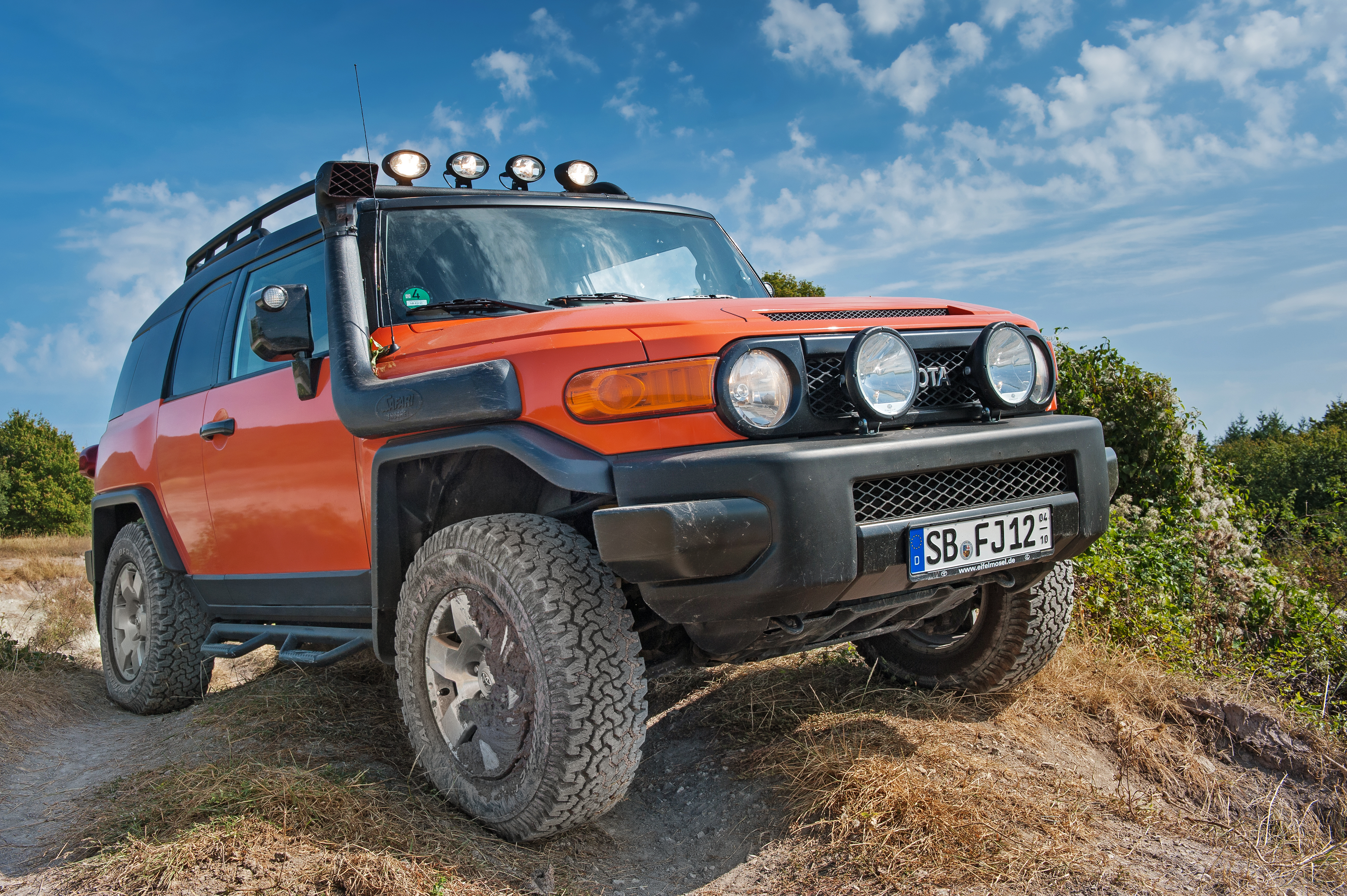
The Toyota FJ Cruiser is a rugged SUV that looks cool and is great for off-roading. People really like it, especially the ones that haven't been driven much.
'Paint to sample' means you can pick a special color for your car that isn't normally available. It's a way to make your car unique and can make it more valuable later on.
The Pebble Beach Edition is a special version of a car that celebrates a famous car show. It usually has unique colors and extra features that make it stand out.
The Nissan Skyline is a famous sports car from Japan that many people love for its speed and style. It's special because it has a unique driving setup and is popular among fans of Japanese cars.
The Pontiac GTO is a classic American muscle car that many people admire for its power and looks. It's a big deal in car culture, especially when rare models come up for sale.
LIVE
Okay, for this episode of the Collector Car Podcast, you know, I love valuation trends and I do my
best, you know, slogging through the numbers, but when I can, I love to have the expert of
experts on.
So I'd like to welcome Dave, Kenny, how are you doing, buddy?
A chief slogmeister, I guess, right, going through, slogging through.
I'm doing great, um, and yourself?
Good.
So you're the chief slogmeister, I like that, and you're what, third time on the
show, maybe?
Third?
I think it is, yeah.
How about that?
Well, you know, I talked to you about this, I'd like to have you almost every time there's
a new valuation update.
It might not be possible, but I find it fascinating, you know, what's happening in the marketplace.
We've all talked about generational shifts.
I've often said, you know, the guy whose dream car was a 57 Corvette, he's selling
that 57 Corvette, or his widow is selling that 57 Corvette.
Exactly, exactly.
But it seems like, you know, you're the expert, so give me, give me your thoughts
here in a second.
But it seems like the more towards electrification we go, you know, I think, I'm hearing, you
know, some of the younger enthusiasts are going to the really old stuff, like brass
here and stuff, mechanical, you know, I don't know if that's true or not, but why don't
you just kind of give us an overview of the market in general, and if there's anything
that kind of popped out from this latest update?
Yeah, I'm actually surprised.
Imagine a journey so rare it only happened once.
That's the spirit behind once.
We have one time only adventures that will never be repeated.
Our next experience, American Muscle Legends takes you trackside with the most iconic cars
in history, complemented by luxury accommodations and behind the scenes access you simply can't
buy.
Spots are limited.
When it's gone, it's gone.
You can learn more at discoveronce.com forward slash muscle.
RM Sotheby's is the world's largest collector car auction house by Total Sales.
They are the preeminent market maker of high quality collector cars and collections, regardless
of size or complexity.
By working in partnership with the Sotheby's team and its network of 80 offices in 40 countries,
RM Sotheby's has established the largest client network of any collector car auction
house in the world.
Join the RM Sotheby's family by connecting with one of their car specialists at RMSotheby's.com
or contact me directly at GStanley at RMSotheby's.com.
Yeah, I'm actually surprised at Hellwell.
In some ways, surprised at Hellwell, the market in general is doing.
It's holding up pretty well.
We have not seen a time where people are running for the exits, they've got to sell
dad's car, granddad's car, whatever, en masse with people just making those decisions.
Just sell everything.
Don't tell me what it's going to bring.
In other words, panic selling.
There's nothing like that now.
It's interesting, and your observation is great.
I would say the average age of the Franklin Club.
Now, keep in mind that Franklins were air-cooled cars from the 1920s, basically.
But the average age of the Franklin Club is descending on a monthly basis because there's
a group of people, I think mostly led by some people who were students at McPherson,
who just fell in love with the cars and now their friends have one and their friends
have one.
And why is that?
Because they're one, they're fun, they're mechanical, they're not impossible to fix.
And it's kind of like a new badge of honor to have some of these old cars that are out
of your demographic.
So there is some of that going on.
Of course, we'll go back a long time and we'll say what's going to happen.
This was in the 1970s and 80s.
What's going to happen to those vintage cars from the brass era, literally the time before
1915, and who the hell's going to want them?
And it turns out some of the brass era cars, especially the high horsepower cars, are exceeding
what anyone thought and even their values adjusted for inflation and everything else
in the 1970s and 80s.
So it's hard to predict what's going to be collectible to the next generation.
But interestingly, no one is going to be, well, no one is too broad a statement.
Very few people will be restoring non-major cars from the 1950s just because of the
cost.
You can have a $30,000 car or a $20,000 car that to restore it would cost $150,000 or $200,000.
$50,000 of that being chrome alone.
But that doesn't mean people aren't interested in it and aren't buying them.
They're just not going to be showing them at the top of the slope, the top-est.
Look at me.
My words are now failing me as well at the top level.
The old joke is there's an S for every seat and it continues to be true, although I wouldn't
want to have a collection of 1950s four-door cars in mediocre condition and try and sell
them for big money right now because there's not a lot of interest.
Is that, would that even go to two-door cars?
In some cases, yeah.
The more interesting, the better.
But you don't know what's going to be interesting to the next buyer.
It might be because of mechanical, it might be because of styling, it might be because someone
in their family owned one.
I've recently ran into a person whose granddad was a DeSoto dealer and so they feel like they
have to own a DeSoto, so they're looking at all these DeSoto's from different ages
and they've settled on.
They won a 1950s DeSoto.
I think DeSoto stopped production in 61 or 60.
I think maybe the last cars were 61, but they won a 50s car because they feel
they can use that on a more of a weekend basis and it's more understandable to modern
mechanics.
They're not going to be able to get it serviced at the gas station like was done back in
the day, but spark plugs and things like that are still being made and the kind of basic
stuff is still kind of easy to figure out and easy to fix.
Yeah.
I don't want to go down a four-door rant because I do feel like there's subsets of the four-door
world.
Take E39 BMWs, for example.
I don't think the next generation has any stigma against the four-door car if it's
a high performance BMW and I think they'd even sprinkle into the E36 with that four-door,
but let's not talk about that now.
I will say, I think one of the interesting reasons why is because Mercedes and the
guys of AMG, they did an awful lot of performance four-doors and I think that really opened up
the market for other German makes to kind of, wait a minute, we can have our best in
class in a four-door, which was something that was kind of never done on the performance
scale.
So, you're right, but you're right, we probably shouldn't go down there.
That's another episode.
That's another episode.
Yes.
There will be a four-door muscle car episode at some point or something like that.
Well, I thought you would say we're going to have a four-door muscle car quiz because I'll
start taking notes right now.
Well, tell us, what did pop out of you as you looked at the most recent valuation update?
Anything that was like a spike?
We're working on the latest book we'll come out on January 1st, 2026 and we're working
on it now and I can't kind of give you anything other than broad trends because
we don't have everything in.
I continue to be happy and excited that we're not seeing this big coming drop off as being
other than kind of a static line of values for a lot of cars, not so much going down
and very little going up.
My still favorite from 2025 though is the Plymouth Duster.
The Duster is driven all by the TV show Duster.
Every Dodge Dart that was not a Duster has become a Duster with the addition of decals
because there's the hitness factor to having a TV show star.
One of the stars of that show is obviously the Duster that the guy drives.
The funny thing is for those of us who lived in the 1970s, the Duster was shall we
just say the more affordable version.
So it was a decontented car and now it's become an object of desire and we could do another
podcast about how that happens and what happened when the back to the future came out and the
values of DeLorean which are now valuable to an entire wide range of generation of
car buyers.
It's crazy because I went to the Geneva Concorde and there were nine DeLoreans
in a row, opened up and one guy had all the stuff.
He had the hover, skateboard, he had the self-lacing shoes, he had everything else, the flex
capacitor, all the stuff, yeah.
Now what is one of the most famous D-content, wait, how did you say that?
Decontented.
Decontented.
Yeah.
Cars of all time that became very expensive.
European.
Road.
Oh, I'm thinking Roadrunner.
I'm thinking American car, so.
I'm thinking Porsche's Speedster.
Oh yeah, of course, yeah, exactly.
Let's take the windows out, let's make the interior cheaper, let's, you know, no padding
at all, just vinyl glued to the walls and I'm making this up, but you know, that sort
of stuff.
You'll give it, you know, if there was a taxicab interior, give it the taxicab
interior with some nice looking seats and sell it for more money.
You know, take those roll up windows, throw them away and we'll get more money
for it.
Right.
That happens in our world and it's kind of funny and it's, you know, and it happened
and it still happens.
I mean, you know, there's still other examples of cars that have, you know, kind
of, you know, had down market finishings and they, you know, they delete the air
conditioning, which, you know, probably cost a thousand dollars and sell the car
for more.
But, you know, God bless America.
That's what we like sometimes.
Yeah.
And I meant to interview you after the September release.
So obviously while you can't talk about January, is there anything from September
that kind of stuck out?
I know I've seen some articles about some underappreciated cars that are doing
well in the marketplace.
I know some articles had, you know, kind of the SUV pickup truck thing seems
to be really hot right now, you know, square bodies, you know, that kind
of stuff.
Is that what you've seen as well?
Well, I can tell you one thing.
We've seen a decline in value of a lot of the Broncos that have been
redone and an amateur level.
Now, I mean, there's obviously there's, you know, without going into names
of manufacturers, there are people who are remanufacturing Broncos and doing
a really credible job all the way to an incredible job with them.
But a lot of people bought a Bronco, let's say you bought a 66.
You spent 60, 70, 80,000 on it.
And it's just not bringing that anymore.
So it's the typical thing that happens with oversupplying the market.
It happened with the Toyota Land Cruisers, not too terribly long ago.
Everybody restored one of the FJ 40s, I guess everybody restored one.
And then, you know, a few of them came on the market.
I remember seeing one in an R&M auction.
As a matter of fact, it was just beautiful, gorgeous and no one had
seen anything quite like this, you know, for, you know, since they'd
left the showroom many, many, many years ago and the car went crazy.
And it became a hundred and twenty five thousand dollar car.
For a very short period of time.
And then it settled back down.
And I mean, generically, let's call it a seventy five thousand dollar car now,
although our truck, although that's and that's what happens with the overbuild.
When a lot of people go out and spend the money on them,
you know, the market can't sustain it.
The interesting thing for me about the classic Broncos is if you spend
a lot of money on a classic Bronco, and this is an old car guy saying
this, why not just go out and buy the new Bronco instead?
The one with the warranty and all those other things, air conditioning
that actually is more than just, you know, kind of a whisper of air coming out.
All that sort of stuff.
So, you know, it's also another interesting thing in a marketplace.
Sometimes people recreate a car from a different era and then
the manufacturer comes out and kind of does a tribute to that era as well
in terms of the looks of the car.
So, you know, that that can be unsettling to the marketplace as well.
Yeah, no, I totally agree with you on that.
And I'm going to kind of give you I'm going to give you two observations
I have and you tell me if I'm right, wrong or indifferent.
OK, I read this article recently and it was talking about
now these are sport suits like you were just talking about.
But this is two stock ones in which the price
different, the recent trends is tremendously different.
So the first one is the Jeep Grand Wagoneer.
Now, we all know those were really hot there for a while.
And, you know, it's probably that generation that their parents had one.
And, you know, they just were hard to find.
They're rusted out, difficult to restore, expensive to restore.
So those things were going up to like 80 per $80,000 or something.
Number two, condition down 28 percent.
So that's one.
And the second one is so my thought on that is the people that got them
have them that pool is done, you know.
So now they might be like, this isn't as fun as I think I want something else.
And so that's my theory on that one.
Now, the second one is the 1979 to 1972 Mercedes Benz G-Class is up 68 percent.
So my theory on that one is we all know the G wagons are still going strong.
They're becoming ultra luxurious or becoming a status symbol.
People cannot really afford your more traditional G wagons.
Let's call it the later US spec ones,
because those have already gone up in the marketplace.
So they're going to the even earlier ones that are a lot cheaper,
but also a lot more bare bones.
So what's kind of your thoughts? Am I right, wrong or?
Well, I'm going to give you the perspective as the original owner of a grand wagon here.
I bought one in 1989.
And I have to tell you, it was a tremendously disappointing automobile.
My wife drove it.
We had to replace the engine at 4,000 miles.
The crankshaft on the 360 motor, which was an AMC sourced motor, the crankshaft snapped.
And that does a little bit of damage to the internals of an engine.
And, you know, no problems with getting that fixed.
They would yank the motor out and put a new one in and keep in mind,
there's probably somebody wondering why they have a replacement block
in their in their 89 grand wagon here.
And they're going, oh, my gosh, it's not worth as much
because it's got a replacement block.
I thought the car was lovely.
It was luxurious.
It was a lot of fun from the cosmetic standpoint.
Very attractive, very, very attractive.
Last car with wood siding, basically, you know,
and that was an anachronism even back then.
But it was it was a good car
to have and to own in the rearview mirror.
It also got somewhere between six and eight miles per gallon.
So from that standpoint, I love the looks of the Grand Wagon here.
So much that I bought one new, by the way, it was twenty six thousand dollars
just to give you a reference point.
And the only options basically were colors or sunroof or no sunroof.
But, you know, from that standpoint, I get that people like them.
I can't imagine a better car to have in the Hamptons or something like that,
just for the fun factor.
But everything broke on that car over a period of, you know,
as soon as it got out of warranty, it was it was a disaster.
You'd put the window down and it would go down.
So far, it would crack, you know, all that quality control stuff.
The G wagons, I love the G wagons.
Having driven a few of them, I understand the difference
between the newer ones and the older ones that, you know,
the older ones were definitely I mean, they're all truck based.
But it was emphasis on the truck
and a little more emphasis on the luxury and the later ones.
It's a real both of those cars are real statement cars.
When you're when you're driving it, you're making a statement.
I think the, you know, the the drop in values in the
cheap is just precisely the same thing with the
that we were saying they were saying about the Broncos.
A lot of them come on the market.
People spend a lot of money to fix them up.
And they are not a simple car to do a restoration on.
Also, they were, you know, quite susceptible to the tinworm,
aka rust. The G wagons, you know, I see them being sourced
from South America, from other, you know, countries
outside of Germany and, you know, basically into, you know,
some of the farther reaches of of Europe and coming back in.
I'm seeing the same sort of thing as I'm seeing
with the old Land Rover's people just absolutely love them.
The, you know, the German build quality is quite a bit
better than the Land Rover, but I think that part
of the appeal for a Land Rover is its ruggedness, ruggedness
and its ability to break down on you in unexpected times.
Then I think, you know, in a real way, I think some people
just love that they love having the, you know, the kind of
the retro all the way field look and possible drivetrain.
Right. Yeah, no, no, yeah, I totally agree.
And that's cool to hear from you as an original owner
of one of those wagon ears, because I was in New England
not long ago, maybe I was up there at all drain and I saw one
sitting in someone's driveway and it looked like it was being
used for its original purpose.
It wasn't a show car, but it also wasn't dilapidated.
So it was kind of cool to see that.
All right, I have another car I want to talk to you about.
This one, here's my opinion, 1985 to 1991 Honda CRX,
up 50% number two condition.
I think this is a easy one.
Disposable income, guys like me that those were around
when I was in high school, you didn't really,
you thought they were quirky, they were kind of cool.
Well, today you're like, Oh, those are really cool.
You know, they're pretty indestructible, probably really
hard to find a nice one.
And so I think that's probably what is driving the price up on this.
You know, I don't think there was any car that I ever,
you know, kind of quasi shop for more than just looking at
for the price guide, you know, get kind of interested in
and it happens all the time.
Right. But I don't think there was ever any car that I
mean, I was joking with some other people were working on
the price guide. It was like, okay, I'll give you a dollar
for every one of those that you can find with less than 200,000
miles on it. And it was almost impossible.
I mean, okay, you'd find one with 185 or something like
that. They were bulletproof.
They were cheap.
They were the right car for the time.
They were a single person's car.
You could not be a, you know, you could be a married
person, but you couldn't be a married person with a child.
That's for sure.
They're tiny.
And they were one of the first cars I'd call the, you know,
the roller skate era cars, you know, where they were
absolutely the fastest thing you could find.
They were totally fun to drive.
And I would not amaze me to see somebody coming up
with a 8,000 mile one that brings 60, 70, $80,000
with the right spec.
I mean, I know that's that speculation, but it would
not surprise me to see at a, you know, at a high
zoot auction somewhere to see that because talk about
an iconic, how do I put it nicely, you know, there
were surfer cars, I would say iconic stoner car
more than the CRX.
If you had a job, you can afford one.
You could buy one used for 1700 bucks or 1500 bucks
or whatever, you know, back in the day, which was
always kind of affordable, you know, grandma had
that money for you if you really went and, you know,
talked to her about it, you know, that sort of thing.
And they were reliable and fun to drive.
And it's a car that I think has got a long, long, long
runway in terms of collector value, because in the
history of Honda cars, which is, you know, something
that basically starts in America in the 1970s.
I know there were 60s Hondas and all that, but
they really, you know, weren't reliable, you know, import,
you know, there were places in, you know, California
that had Honda dealers, but they weren't all over the
country that grew in the 1970s.
But by the time the CRX came out, everyone knew
where a Honda dealer was and they were everyone's
kind of default choice.
Yeah, I was actually in a storage unit.
I won't say where, but this collector had seven CRXes
and one was almost delivery miles.
It was like 80 miles on it.
It was, I had never seen anything like that before.
And so that's a wise investor, I guess.
Well, I think, you know, that's the automotive equivalent
of having a few bars of gold saved aside.
Right, right.
Well, the gold doesn't go bad over time,
where cars, when they set can deteriorate.
But yeah, I'm shocked to hear that there is
a delivery miles one out there.
And I think that's a, you know, not a gold plated,
not a platinum plated, you know, like a cyber
platinum plated, you know, car, just, you know,
to the nth degree because, and if it's a great color,
like a red or a black or something like that,
not a white or a silver mess necessarily,
or has a great, you know, number of options or, you know,
color contrast to the interior, that'd be one down.
Absolutely.
Well, it's funny because I, my brother-in-law
is not really a car guy.
He's always wanted a BMW M3.
And so I've been helping him recently
with the E46 generation.
So I probably know more now about E46's
than I would ever typically know.
I mean, I love the cars.
I wouldn't mind having one.
And in my research, I found out like,
I think it's called the Laguna Seca Blue.
That's a $20,000 color, you know,
same mile, 80,000 miles is $20,000 more.
And so we were able to find a black on black one.
I think it was around 65,000 miles, really nice car.
And I really enjoyed driving it.
I was like, oh, this is cool.
It really does capture the flavor of the era.
What was cool though is my nephews
are both 15 years old.
They really freaked out about it.
Actually, it was, the driving force was my one nephew
who convinced, you know, told my brother-in-law
he had to get this car.
And the other day they went on a ride with it
and my sister noticed he was wiping off
a little smudge on the window.
She's like, hey, what the heck?
You never wipe up my car.
He's like, ah, you got that.
This is a cool car, you know?
He was all into it at 15 years old,
which is really cool to hear.
That's always good to hear, you know?
Younger collectors, and of course,
we go to cars and coffee.
And that's where you need to look
to see what the next generation is interested in.
And sometimes it's real oddball stuff.
And sometimes when you think about it,
it would be the car that was in the video game
and all that sort of stuff.
But well, that's why I'm a Subaru WRX STI owner.
So yeah, I mean, y'all, that's my number one
automotive investment car.
I have one Pickled that I bought new.
And yes, it's World Rally Blue,
and yes, it has the wing.
And of course it's a manual transmission car,
but it's my hedge against inflation.
Let's put it that way.
Well, if I had unlimited funds,
I'd buy up every low mileage Toyota FJ I could.
Mine's daily, 2014 FJ,
and it's 111,000 miles on it.
And if I ever run anything under 50,000 miles,
I just need to buy it, you know?
And that's a great car.
What color is yours?
Well, it's a color I didn't want,
but now it's the one that color that people want,
white with a white top.
Some reason the solid color white is what people want.
I'm like, well, I didn't want white on white.
It's just what was available, you know?
I like the fact they came in brown,
and that was kind of early for the resurgence of brown,
you know, because well, I think that many,
you know, probably was the one who brought back brown
with hot cocoa was the name of the color.
But yeah, I can see color specific being a big driver.
Of course, that's, you know, in the Porsche market,
you know, it's crazy there because, you know,
that the paint to sample,
but not even paint to sample in some sorts,
the kind of oddball color.
And this is a lesson for everybody.
You know, my sister was looking for an F-150
and we went to a couple of dealers
and everything was red, white, black, and silver.
There was no other colors.
You can't find a blue one, you can't find a green one,
you can't find an orange one, you know, whatever.
And, you know, when you do see one,
right now even if you see one on the street
and it's an oddball color, it really stands out.
Even on a pickup truck.
And I got a hint for you, by the way,
if you buy 10 F-150s, then you get a fleet deal,
you can have any color you want.
So why don't you buy five new ones,
all buy five new ones, we'll get some oddball color.
And in 15 years, we'll make a fortune.
Paint to sample F-150s, I love it.
Yeah, exactly.
Actually, there's a, I learned this
because there's a landscaping company locally
that has their own color on F-150s.
And I'm like, how'd you do that?
They said, we just had to buy 10.
And then that's what they did.
I like that idea.
I like the way, I like the road you're going down here, Dave.
I like this.
So tell me if I should buy this car or not.
I was in a collection the other day
and he had five, five or six, Lexus SC430s,
hard top convertible, all immaculate.
Not, I think the lowest mileage was probably seven
or 8,000, but most of them were in the 30,000 range.
The one that really caught my eye was Pebble Beach Edition,
dark metallic brown.
I love that thing.
Now I don't know the price off hand,
but he's a good guy, so.
Yeah, I remember that.
But yeah, no, that's cool.
Future collectability, is that up there?
Yeah, you know, I was, you know,
maybe three or four years ago I always said
that's a challenge.
I don't think it's a challenge.
I think that's absolutely, it's, you know,
it's something that would be, would be sought after.
It's funny, because sometimes the special editions
mean so little, you know, they'll,
they'll put a, you know, stripes on something
or, you know, a special color.
But when it's researched and well done,
and of course the Pebble Beach thing
is always introduced on the lawn at Pebble,
or at the, you know, at the Putting Green,
it'll be there on Sunday during the show.
Sometimes they, you know,
they really hit it out of the park with those things.
And so sometimes the car, you know,
is more than just the paint,
but also, you know, kind of the story behind it.
And it makes it fun.
You know, I was just looking at the Bentley dealer
just sent me a new thing about a special allocation
of a car that they're getting one of,
and it's the new Bentley Speed.
And I have no idea what the cost is,
but I don't know right now if it's worth it
to buy a, you know, $300 plus $1,000 car to put away.
I wouldn't think so unless you're in the, you know,
the 1% of the 1% and it's something that you'd wanna do.
I think, you know, my mantra has always been
and continues to be buy it for fun.
And if you find something that's special
that, you know, kind of winds your watch,
then go ahead and get it.
I'll tell you mine, it's an early Audi TT
with the baseball stitch leather interior.
I'm just, you know, I'm just like,
every time I see that I, you know,
I leave a face print on the car
because I've got, you know, my entire, you know,
phases up looking at it because I just love, you know,
that and it's not a particularly valuable car
and not a particularly expensive car,
but I would predict in the future,
the ones with the baseball stitch, you know,
which is exactly that leather interiors
will be worth some money.
Yeah.
Well, I'm gonna end on a weird note.
I did not give you a heads up about this,
but I'm gonna end on right hand drive cars.
And the specific reason is I want your thoughts
on the right hand drive white Ferrari GTO
that's selling at Meekum in January.
But before we get to that,
do you feel like it's obviously R32s, 33s, 34s are hot?
My theory again, I'll give you my theory.
My theory is that they will conch,
I feel like the R32s are slow,
the R33s are slow, R34s are hot
until there's enough of them in the US, then they'll slow.
And then I'm kind of going back and forth.
I'm like, I think everybody will go back
towards the R32 as the first, the Ross, the coolest.
But then I'm like, I don't know that people enjoy
driving right hand drive cars.
And I think that fad, that trend that, yeah, it's neat.
It's JDM, even for the non, you know, Nissan cars,
Skyline cars, do you see the right hand drive aspect
eventually affecting the long-term value
of these cars just because it's awkward?
Yeah, I do.
You know, it's one thing to drive a right hand drive car
when you're 28 years old, you're single,
and you don't have that many responsibilities.
I've owned right hand drive cars
before I owned some 1950s Bentley's
that were just cheap, almost throwaway type cars.
And they were fun to drive, right hand drive.
But the one cortisol I would say was
I wasn't passing anything on the road
with a right hand drive car.
It's very, very hard to pass something
if you're on a two-lane road or even a four-lane road.
You know, now in an era when everybody has a,
you know, warning on their mirror
to tell them there's something in the other lane,
it becomes a little bit more difficult
to drive a right hand drive the older you get.
And I will give you, I mean, I'm just gonna say
from the standpoint of the old guy in the room here,
I wouldn't want that as a daily
by any stretch of the imagination right now.
Now, having said that, I agree with your,
you know, the R32, 33, 34,
I think the R32 is probably gonna be the car
that is going to be the long-term collector,
but there's nothing wrong with buying the, you know,
the one that's affordable for you
and the one that you want.
I will say that if you get a job delivering the mail,
it's the absolute perfect car to have
because you're, you know, right up next to the mailbox
all the time.
And speaking of that, that's the,
I'm interested to see what's gonna happen
with the white GTO that's coming up.
It's going to be the first time of public offering
of a GTO in quite some time.
They're touting the fact that it's the only white one.
You know, I mean, you know,
I guess that's a value feature to some,
it wouldn't be to me,
but that's why they make chocolate and vanilla, right?
I would prefer to have my GTO in a color other than white,
but I guess in a sea of red GTOs,
it would be the one that stands up.
Maybe, you know, take the white one,
put red stripes on it, be that contrarian guy.
I would love to know if that sells
and what amount it sells for,
I know it's going to,
no matter what happens, it will make headlines.
You know, it's like the, you know,
when you see something about to happen
and you know that it's going to make headlines
like literally the, you know, the ball rolling towards a window,
you know, about to break it type of thing.
And that's what we have.
And it's going to be a really good sign of the marketplace.
You know, we used to call the January sale,
specifically the Scottsdale sales,
the bellwether for the market.
There is no more bellwether for the market.
And that the reason why,
and the reason why is because there's no more the market.
We have so many collector car markets.
Now the people who buy 2010 and 2015 cars
might have very, very little interest in the cars
from the 80s and 90s.
You know, maybe when they mature and they get older
and they have more money for more collectibles,
they might do a look back on it.
But the people with the 60s cars
probably don't have any interest in the cars built
from 2015 to 2019, for example.
Although some people do.
There's an amazing array of automobiles on market now.
And you know, the amazing amount of collector cars
that are being, you know,
every single day we produce more collector cars
because of the, you know,
wide range of cars have been made.
It's going to be interesting.
The next, I'd say five and 10 years
is going to be a really interesting ride
in the collector car market.
But we have a headline coming out of the sale
or non-sale of the of the GTO.
That's a hundred percent guarantee.
So it'll be fun to watch.
Yeah, that's, you brought up a lot of stuff there.
But so, you know, the white GTO, to me,
it's going to be really interesting to see what it does
for all the reasons you said.
I don't think white's a selling point, honestly.
I don't think it looks nearly as good.
It is one-off.
There's a couple of one-off colored cars.
Right-hand drive, I think is a big deterrent.
It doesn't have the original engine,
but it has a classic K engine and it has good race history.
So it's an interesting mix,
but also fifties and sixties Ferraris
are down pretty strong right now.
You know, like it's,
it's quite a mix of stuff factors
coming into effect there.
And you just mentioned, you know, collectors,
I think, oh, 10 to 5, 2010 to 2015
is a really sweet spot for like the last
of the quote-unquote analog performance cars.
I think, honestly, I think that's a really good spot.
But, you know, at Monterey,
Armstethubbies had like 14 world records,
majority of them modern Ferraris,
which they're not, those guys don't want the old stuff,
you know, at least not now, you know?
And like you said,
the old guys typically don't want the new stuff
or not the hyper stuff.
So, yeah, it's a really interesting market right now,
for sure.
Well, you know, we have now well over 125 years
of the automobile and, you know,
there's another huge chunk of market,
you know, when I was first involved in this,
the automobile wasn't, you know, basically 100 years old.
And so those are the changes that I've seen,
but don't ever take anything, you know,
particularly on face value from, you know, quote experts,
people like myself, actually,
because, you know, things can change
and you never know what's going to be interesting
to the next generation of collectors.
You can predict some things,
but a whole bunch of things would be really, really hard to,
you know, to put your thumb on.
Well, Brass Ericars is the best example right there.
Yeah, absolutely.
I mean, everybody wants one.
I mean, you know, anybody who's around cars,
it's a, you know, it's a lot of fun
and talk about analog.
There's nothing more analog than a Brass Ericar.
Yeah, Dave, as always, thanks for being on the podcast.
I appreciate it.
I would like to have you back on maybe into January,
beginning of February, a little closer to the results.
So we can do a little bit more of a deep dive on, you know,
what 2000, what the fruit from 2025, I guess.
Maybe we'll do it right after the Ferrari sale
and we could dissect that a little bit.
Yeah, that'd be fun.
Yeah, that's great.
We'll look forward to it.
Thank you, Greg.
Thanks, Dave.
About this episode
Dave Kinney joins the podcast to discuss the current state of the collector car market, highlighting valuation trends and generational shifts in buyer interests. Kinney notes that while older cars are still being sold, there's a surprising resilience in the market, with younger enthusiasts gravitating towards vintage models, including brass-era cars. The conversation also touches on specific vehicles like the Plymouth Duster and the impact of television on car values. Kinney shares insights on the fluctuating values of classic SUVs and the appeal of right-hand drive cars, as well as predictions for future collector trends.
In this episode of The Collector Car Podcast, I sit down with noted appraiser and Hagerty Price Guide founder Dave Kinney to unpack what's really happening in today's collector car market. We dig into the latest valuation trends across classics, muscle cars, modern exotics, and emerging "next-gen" collectibles—and why some segments are softening while others are catching fire.
Dave and I talk about how interest rates, global events, and shifting demographics are shaping prices, plus the surprising rise of younger enthusiasts chasing everything from JDM icons to early Brass Era cars. We also discuss where auction results align (or don't) with private sale realities, how to read past the headlines, and what smart buyers and sellers should be paying attention to right now.
Whether you're managing a serious collection, thinking about selling a car, or just trying to understand where the market is headed, this conversation with Dave offers grounded, data-driven insight you can actually use the next time you're browsing listings—or raising your hand at an auction.
A special thank you to our new sponsor, Discover Once, curators of one-of-a-kind automotive adventures you'll never experience twice. Learn more at discoveronce.com/muscle.
And as always, huge thanks to RM Sotheby's for their continual support and for making so many of these automotive dreams possible.
Listen to the "Octane FM: Shift, Rev, Repeat" album on Spotify!
Stay connected with The Collector Car Podcast—find us on our Website, Instagram, Facebook, YouTube, or reach out to Greg directly via email.
Join RM Sotheby's Car Specialist Greg Stanley as he brings over 25 years of experience and keen market analysis to the world of collector cars. Each week, Greg dives into market trends, interviews industry experts, and shares insights—with a little fun along the way. New episodes drop every Thursday and are available on Apple Podcasts, Google Play, Spotify, or wherever you get your podcasts.
Learn more at www.TheCollectorCarPodcast.com or email Greg at [email protected]. Interested in consigning a car at an RM Sotheby's auction? Contact Greg directly at [email protected].