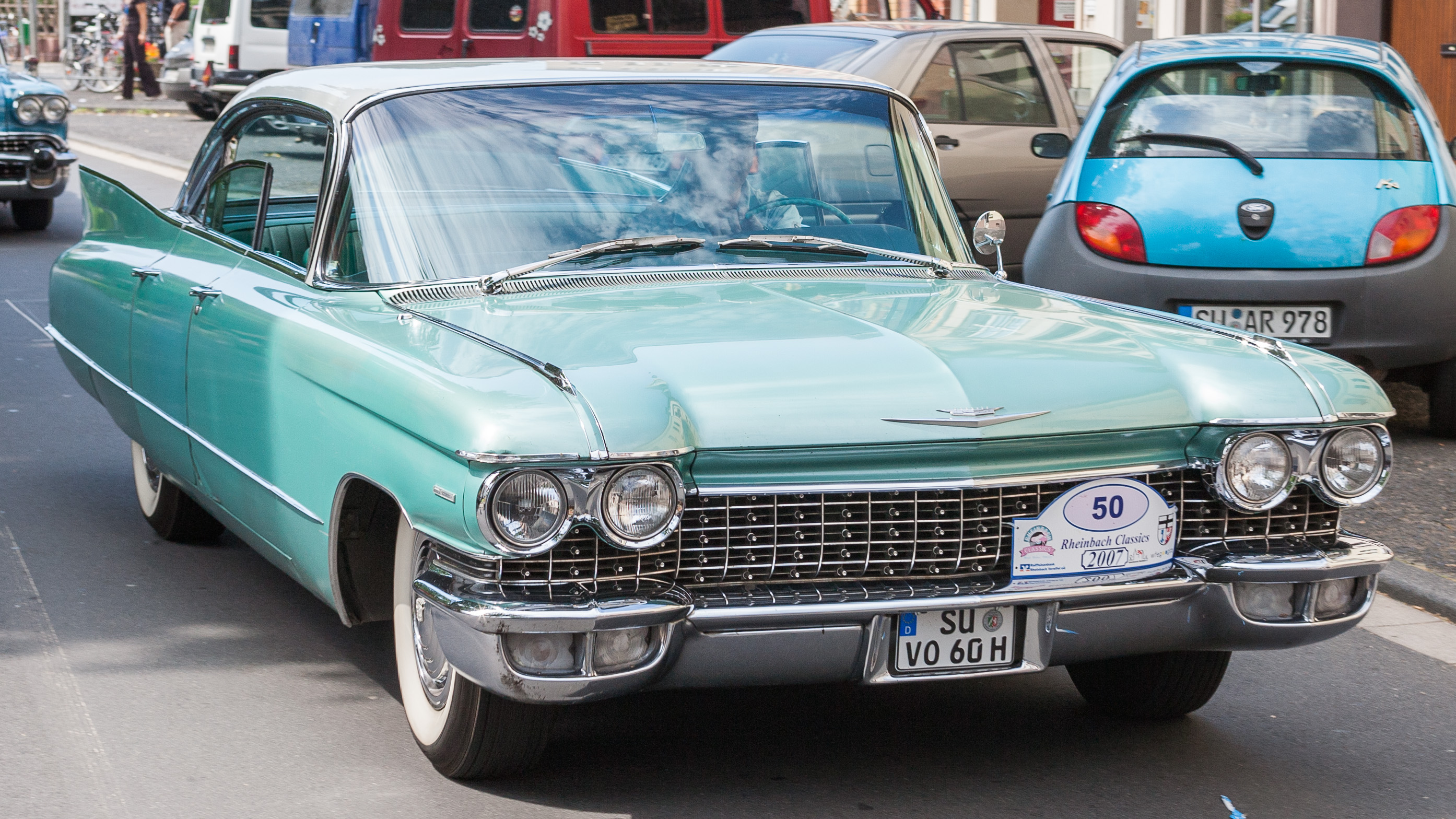
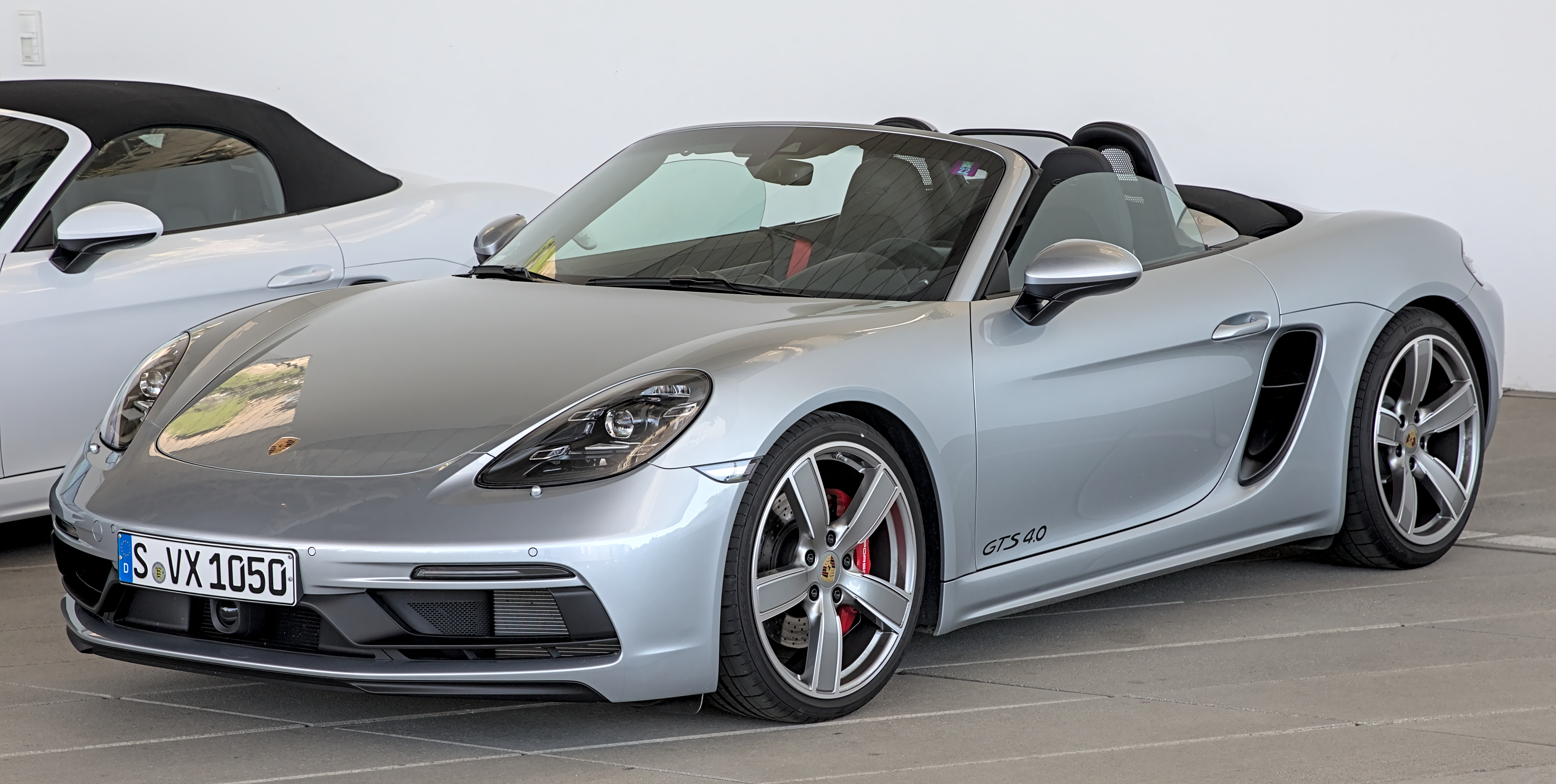
A collector car is a special type of car that people buy to keep and show off, rather than just to drive. These cars are often rare or have a lot of history, making them valuable.
Auction houses are places where people can buy and sell things, like cars, by bidding on them. The highest bidder wins the item, which can sometimes lead to very high prices for special cars.
The sell-through rate shows how many cars were sold compared to how many were available. A high rate means many cars sold, which is a good sign for the market.
The Toyota Supra is a fast and sporty car that many people love. It’s famous for being fun to drive and has a strong reputation for quality, which makes it popular among car collectors.
The Ferrari F40 is a famous sports car made by Ferrari in the late 1980s and early 1990s. It's known for being very fast and has a unique design that many car enthusiasts love.
The Ferrari 812 GTS is a powerful sports car that can be driven with the top down. It's known for its speed and luxury features, making it a favorite among car lovers.
Agreed value coverage is a type of car insurance where you and the insurance company decide how much your car is worth. If something happens to your car, you get that amount of money back.
Top Gear is a famous TV show from the UK about cars. It has funny hosts who test drive cars and do crazy challenges, making it fun to watch for car lovers.
The Stig is a secret driver on Top Gear who wears a white suit and helmet. No one knows who he is, and he drives cars really fast to see how well they perform.
Le Mans is a famous car race in France that lasts for 24 hours. Cars race around a track for a whole day, and it's really tough on both the cars and the drivers.
Spec Miata is a type of racing where everyone drives similar Mazda MX-5 cars. It's designed to keep things fair so that drivers can compete based on their skills.
Formula One is a top-level car racing series where teams compete in fast cars on different tracks. It's known for its exciting races and advanced technology in the cars.
Sim racing is when people race cars in video games that look and feel like real racing. It's popular for fun and also helps real drivers practice without needing to be on a real track.
A simulator is a special computer program that helps people practice driving cars in a very realistic way. It can show them how to drive on different tracks without actually going there.
Muscle memory is when your body remembers how to do something through practice. For example, when you drive a car, you get better at steering and pressing the pedals without thinking about it.
iRacing is a video game that simulates real car racing. People can compete against each other online using realistic cars and tracks, making it a popular choice for both fun and serious practice.
Alex Palou is a race car driver from Spain who races in IndyCar, a major racing series in the United States. He's known for being very skilled and has won several races.
Grassroots motorsport is about local racing events where regular people can participate and enjoy racing without the big budgets of professional leagues. It's more about community and connection than just winning.
The Porsche Boxster is a stylish two-seater convertible sports car that’s fun to drive. It’s known for being a good mix of performance and comfort, making it a great choice for people who want a sporty car without spending a fortune.
LIVE
All right, welcome to another episode of the collector car podcast now
I just came back early from Arizona trying to beat the cold and I'm currently in Ohio snowed in and about 12 inches of snow
so I
Figured let me do a little quick recap as far as some of the cool things that happened in Arizona
Overall is a very strong sale a couple days all the auction houses had nice results
But I wanted to talk specifically about the Ferrari market because as you know
it went crazy a couple weeks ago or a week and a half ago whenever it was for the
Yellow Ferrari sale the Bachman sale at me come and that truly was an outlier
But it's not until you see the follow-up results whether or no whether or not you know if it truly was an outlier now
Stay tuned because I do have an interview with the stick lit a very
Enthusiastic and awesome a race car driver that you'll want to hear his story for sure
But before we get to that I did want to review some of these Ferraris Ferrari results from Arizona now
There were only 20 cars that sold where there was an estimate provided against them
So I took out the beard Jackson results because those were no reserved cars
So I didn't want to have a gauge in which to say hey these over performed or under performed
But the end results were pretty interesting. It just seems like
They weren't really affected by the crazy numbers from in Kissimmee now
It's a 90% sell-through rate across those 20 cars
So two cars did not sell but 35% of the cars actually sold under the low estimates. So there's not this hyper
Excitement around the Ferrari market people are keeping a level head and really thinking about what they're bidding on before they buy a car
Now there were two cars that
Surprised me a little bit one of them was an Enzo which wasn't really that surprising it went over the high estimate by about $2 million
Now that's understandable
That was affected by the results in Kissimmee because you had the orange one sell for around 11 million dollars
And then famously you had the custom ordered from new yellow one sell for around 17 million dollars
So the estimate was five to six million dollars now those estimates were put together way before the meekum sale
And it's hammered at eight million dollars and it was a red car
So red is the most common color in Enzo's 85% approximately were red
So it's the one-off colors or the rare colors that really seem to drive the Ferrari market
The other one that was really interesting was I guess two more that are very interesting
The Ferrari F40 did not sell when it crossed the auction block, but it did sell afterwards
So it sold either Saturday sometime or even on Sunday
So that one did hammer sold around mid-estimate or low-estimate and then the one that really surprised me was the 2012 Ferrari
812 GTS
Now this one was very cool very interesting
And what was interesting about it is I was managing the south of these motor sports kind of area
and I could see that car along with 40 other cars and
That was the only car that people talked about
As they casually walked by me there was always people checking that car
There's always like a little crowd around it. So the estimate was
500 to $600,000 a hammered at $900,000
Which I really wanted to watch that one because it is new last of the front engine V12 and special ordered
So my takeaway was the Ferrari market is doing just fine. It's not overheated
People are being wise when they bid on Ferraris and most importantly
They do go after special cars when those show up
But that's not just relegated to the Ferrari market. That is anytime you see a really special rare
Car come across the auction block. People are really going to go after it
So let's take a listen from my sponsors real quick. Please support them and then we'll get to our interview with the sticklet
If you own a collector car, you already know it deserves more than a standard insurance policy
NCM insurance specializes in agreed value coverage designed specifically for classic collector and
Enthusiast vehicles from weekend drivers to serious collectors
They understand how these cars are used stored and protected to learn more about protecting your collector car the right way
Visit NCM insurance calm coverage built for the cars you care about
Imagine a journey so rare it only happened once that's the spirit behind once
Exclusive one-time only adventures that will never be repeated our next experience
American muscle legends takes you trackside with the most iconic cars in history
Complimented by luxury accommodations and behind-the-scenes access. You simply can't buy spots are limited when it's gone
It's gone. You can learn more at discover once calm
forward slash muscle
All right, welcome to the collector car podcast. I'm very excited about this guest today because I think he's the youngest person
I've ever had on the collector car podcast. I'd like to welcome Joey Andrews. How you doing buddy?
Doing great. Thank you so much for having me Greg. Yeah, no, I really appreciate it
So we met tell me again
We met at Monterey at the Cantina at a kind of a griot's garage dinner. Is that where we met?
Yeah, so griot's garage and Michael Dolphin who's the one of my mentors
We all had dinner together at Baja Cantina to start off Monterey car week in August of last year and that's we met
Yeah, and I had to give a shout out to Tim McNair. He's been on the podcast before he gave me the
Introduction to Richard and how I ended up at that dinner and so it's like the car community continues to expand
It's not really that big so
It's great meeting people at different events and then see him at future events
So really cool to meet you and I think probably the thing that caught, you know caught my ear
I guess was that the fact that you're an upcoming racer and your nicknames to stiglet
So if you would just kind of tell us what you're up to today and I'll ask you some, you know
Some questions about how you got to where you are today. Yeah
So today currently racing in spec MX five, which is the feeder series to Mazda's MX five cup series chasing my
You know racing started purely as a passion from watching top gear hence the name stiglet and I you know
I first started as a car enthusiast. I went to car shows. I was just liking road cars. I like driving
I didn't have a driver's license yet. So I'd be a passenger with my mom or my dad and
From there one day I said, you know, I really want to go driving
I want to I want to feel what it's like and so my indoor go-karting and the second I drove an indoor go-kart
I'm like, wow, this is really cool
I want to be a racing driver and that's kind of how the whole journey really begun
It's just out of that curiosity and that love for cars and driving. All right. Well, that's awesome and for our listeners
You're talking about the original top gear not their worst one, right with James May and Richard Hammond and
Jeremy Clarkson, right and
The stig was the mysterious driver always wore white always had a helmet on you never knew who he was
Found out later for the most part. It was Ben Collins. Is that correct? That is correct. Yeah, okay
And probably the most epic moment
I know maybe in automotive history on TV because that show literally got
50 million viewers. I mean, it was just insane what they were at their peak
But was when they had the stig take off his helmet and just for fun
You know, it was Michael Schumacher underneath there. Do you remember that event?
I do remember that event
So that was that was a fun episode
I remember they were driving the Ferrari FXX the one that was based on the Enzo and at the time Ferrari had this rule
that only a Ferrari driver could drive the car so the stig couldn't drive the car and
They somehow got Michael Schumacher to be the stig and decided to make the grand reveal
And that was that was pretty incredible because at the time, you know, I didn't actually know that it was Ben Collins
I don't even know if they put his name in the credits to try to keep it a secret of as possible and
I arose like wow, okay. This is actually the stig. This is crazy. I can't comprehend this
Yeah, it was quite an event. I do remember that and I don't know
I don't think it was until the show was over that they mentioned it was Ben Collins
there is a behind-the-scenes kind of thing interviewing him and
I remember correctly
He was on initially on the credits and so people started figuring it didn't say who he was or what his job was
But he was just they're like who's that guy?
We don't know who that guy is and they started putting it together
So they very early in top gear
They took his name out of the credits and he had to show up secret it secretively and all that kind of stuff
So so that's who you chose to name yourself after right exactly
Exactly the stigs always who I've looked up to and that's that's really where the journey begun, you know
It's top gear now. That's cool. Now. What what series I see Mazda behind you. What series are you currently racing in?
Yes, so currently a racing spec MX five
Which is a series as part of the sec a super tour and the way I started racing Mazda's
Was out of carting. I was trying to figure out. Okay, my goal is to win Le Mans
But obviously I got to get into car racing and in America
There's quite a lot of options in sports car racing
But my carding coach told me about the Mazda motorsports ladder system where you start in spec me auto
Which is the first and second generation cars from the you know
80s and 90s and then you jump into spec MX five which is the third generation car from the
2000s and then ultimately the pinnacle series is MX five cup and imsa, which is the current and D chassis and
So I started racing spec me out of for a year in Southern, California
Finish third in the championship was the highest finishing rookie and said I'm gonna come back another year
We're gonna really put a great season together, you know all that learning that we had in season one
Won the championship and the really exciting part about that was
In addition to winning the Southern, California championship with NASA
I got invited to the Mazda shootout and the Mazda shootout is this program or Mazda looks at drivers from all across the country
And they give them an opportunity to compete to win a season in the next level
Which for me would be spec MX five and be part of the Mazda motorsports factory team and
In a competition at homestead Miami Speedway in 2024 and I won the competition
Which is how I got the amazing Mazda check behind me and I got to race for the most motorsports factory team last year in spec MX five
All across the country in the SCC a super tour
Wow, that's amazing. So where does it go from there to walk me through the hierarchy of
Like kind of what your goal is, you know from a career perspective to get to Le Mans
Yeah, exactly. So for me to get to Le Mans
I think going the sports car racing route and GT cars is the most realistic way
So currently in spec MX five the next series office MX five cup MX five cup is a support series and imsa
so now you're racing on the pro weekends and
The series gets just that bit more, you know, crazily competitive and then from there most drivers transition to GT four and
GT four you can race pretty much anywhere around the world and then from there, obviously the pinnacle of GT racing is GT three and
At that point, you know, you're racing in imsa. You're racing in whack
You're racing and you know a high-level in SRO and that's that's kind of the dream is ultimately be picked up by a manufacturer
Go race those cars and ultimately, you know, race at Le Mans, you know, that's the dream and chasing cells a little kid
And I was 11 years old
That's awesome. Yeah, so go back to that if you would what was I knew you mentioned it briefly
But what was that moment? Was it the moment you got into a go-kart like what exactly was that moment?
Yeah, so there's kind of a few moments I think about, you know
My initial foray into cars was very interesting because neither my parents come from motorsport or even really come from an automotive background
so when I was in elementary school my best friend Derek his family works on a bunch of classic cars and
Mainly 1950s Cadillacs, so he'd always show up to school one of these cars and I thought to myself like man
this guy's cool and so we became best friends all the way in kindergarten and
We would read car magazines at lunch together and talk about cars and he said to me one night
He's like Joey, you got to go watch this show called Top Gear. Yeah, I think you're gonna like it
I'm like, all right. I go home. I watch Top Gear instantly fall in love with the show and then from there
That's where you know my spark for driving begun and yes when I first drove a go-kart
That's where I said, you know what? I want to go be a racing driver
I want to go be the next dig and hence, you know, the name the stigma was born is like that's what I'm chasing after
I'm gonna be a mini stig and you know, that's the dream
It's nice so that happened to you earlier in your life. I recall back
Not that long ago, but like I was in my early 30s and I did an outing where we did like go-karts
It wasn't the serious year's go-karts, but they were still you know, like and ready racing go-karts and
You know had to take the class and everything and I was behind the the track instructor
And he led the charge and he was obviously awesome
And I just said I'm gonna give it my all and so I ended up on his tail at the end of the race
And he turned around and he was shocked that anybody was even close to him
And so I at that moment I was like, oh man, I think I missed a potential calling, you know, like I'm not saying I'm a great driver
I'm just saying in that one moment. I was able to keep up with the lap lead instructor
Just on pure will and so sometimes I look back and say, oh, what could have been you know?
Yeah, exactly, you know, that's where I'm grateful that I found my passion as a young age because you know
I think about it if I didn't like I don't know what I'd be doing now
I mean, it's crazy think that if I never met Derek at such a young age like my life would be completely different
Now I know it's a really difficult world
Racing because you're relying on sponsorships and you know your whole family you got a whole crew and all this kind of stuff
Do you have a day job to help with the racing or are you 100% racing 100% of the time?
So to answer your question, it's it's been on and off
So after graduating high school, I decided to take a gap year and use that year to really focus on racing full-time in the
Jump to cars because as you mentioned obviously the hardest part of racing until you're at the very top level
You're not getting paid and you have to bring funding to the teams to race
So I actually spent my first gap year working for my friend Tony who has a shop in California called strictly German auto and
Basically, I started as a customer at Tony's shop and I said to Tony. I'm like, hey, I'm looking for a part-time job
Do you know anyone? He's like you want to come work here? And I'm like, I don't know how to work at a shop
I don't know how to work on cars and he said I'll teach you and
That was the most amazing year. I got to spend with him learning about cars and I think what was really great about that was
It taught me the skill of not purely just wrenching on cars
But understanding the engineering of these cars and that way when I'm at the track
And we're trying to diagnose problems or give feedback to the engineers
I can be that much more accurate and have that much better communication skills and then from there. I went to college for a year
Tasting my other goal of becoming a commentator in Formula one going after a sports journalism degree
And then what I realized was after my second semester in college
Doing college and racing full-time now that I was racing nationally for the Mazda team wasn't possible
And so I decided this year to take another gap year and currently right now. It's just a hundred percent of racing
Obviously, you know the hard part my coach Enzo says which I think is a great word is as an up-and-coming driver
You're a race entrepreneur, you know, you have the on track stuff
You have to be fast you have to have good racecraft, you know
You have to have good discipline in your training and you're you know, you're practicing all that stuff
But at the same time you got to have that entrepreneurial side of how are we gonna get the funding to race, you know
You got to go network
You got to go meet people you got to go to events and you got to go find every opportunity out there
And so for me, it's kind of this full-time job now of you know
Racing as much as possible, you know when that allows in both time and money
But then also you got to go find every opportunity and networking
So, you know a few weeks ago
I was at PRI in Indianapolis freezing in the snow trying to network as much as possible there and stop
But I love it. You know, I wouldn't I wouldn't trade anything for it
That's funny because I was actually at PRI as well networking. So I wish I knew that
I could have caught up. That would have been cool. I actually interviewed Mike president of SEMA while I was there
So go back at this point probably five or six episodes and you hear my interview with Mike
And that was really cool because he basically says in his industry. There's wide open from a jobs perspective and everything so
So that's really cool. Well, that does sound like a lot and now do you own your current race car? How does that work?
Yeah, so when I first started racing inspect me out
I rented that car from a team and then when I raced for the Mazda team that was their own car
But then in 2026, I'm gonna be completely independent because the Mazda is a season and yeah that car
I own outright and we brought it home to California for the winter
So it's currently at a shop here called WR technicals one of my sponsors
And so basically we're using it through a little bit of testing in the winter and then our first race of the season is actually in
California in January and February so thought it's great to have the car home be able to bring it to events use it and
It's it's kind of cool that you know at this level you still get to own the race cars and really have that personal touch with them
Now have you integrated the racing simulators into your training as well?
I talk about that because I know you're probably of the generation where it made a big transition from
Kind of cool to necessary I would imagine
Yeah, absolutely. You know, it's it's a hundred percent necessary and for me the simulator training it comes in two things
You know, I would think with sim racing where people get a little bit confused is you can go the route of trying to become an online
Professional sim racer which many drivers have done and that's an amazing route
And then there's the other side now, which is really cool of drivers like me who are using it to practice and learn tracks
You know last year all the tracks I went to it was my first time racing at them
You know, I've never been to Sebring homestead road Atlanta VIR mid Ohio road America Watkins Glen
And obviously because those tracks are literally the other side of the country to where I live
My only way of practicing them and learning them was on the simulator and especially
When you're on a limited budget where you can't just go do endless testing the simulator is essential
And what's great now is the technology and the simulators has gotten so so good and it's only improving
So you think about you know from the pedals to the steering the feel that's really really close to the real car
And you can also adjust it so much so you can build that muscle memory
But also the physics model of these cars
We're now able to do the exact same lap times on the simulator as we do in real life
And we can overlay that data from real life to the simulator
So if you want to experiment with things like setup, you could but also if you're just trying to learn a driving technique or learn these tracks
Our ultimate goal is that you spend so much time on the simulator learning it that when you show up in real life for the first time
You feel like you already know the track with the back of your hand
I can see that being really valuable because back in my mario supercarting days. I got really good at like some of those
You know, so I can imagine I mean you could almost do it in your sleep when you're
When you when you do the sim so much now is that one where
Because I know you could buy a sim
For your personal use is that one you have?
Personally or is that where you can go someplace and rent time on one? I because I know they can get very complex and very
Detailed. Yeah, they can and it totally depends on what you want to do. I personally have a sim at my house
And that's obviously amazing because it's it's literally in this room behind me
So I can practice on it anytime
But there are places now where you know, say you don't own a simulator, but you want to go try one out
You know, you can go out there and try and try these places out
What's cool also is a lot of these, you know, sim centers that have, you know
20 simulators in the room you could not only can you race your friends against on there
But they've got motion sims and they've got, you know, multi screens and all these cool technologies that if you want to try to implement
To your own sim before making such a huge investment
We're able to try that out and that's I think a really cool part because
When they got motorsport, that's really frustrated me when I was first getting into it 10 years ago
Was accessibility was the biggest challenge, you know, everyone talks about the financial part
But I think there's also a case of no one knew about racing, you know
Especially until tribe to survive came out on netflix about formula one. None of my friends talked about racing
And I think now with sim racing. It's this case of you can literally go in there
learn driving and
Not have this massive commitment of, you know, being a full-time racing driver
And it's it's opened so many doors already for so many people
And I think, you know, when I look of how sim racing developed in just the last five years alone since covid
I think, you know, when you look at 10 years down the road
It's going to be the future of grassroots motorsports, especially for the younger generation who, you know, they can't afford to go racing yet full time
Yeah, that was something mike said
From the pri interview was these sim racers. Yeah, they might be 15 to 20 to 30 grand or whatever
But that could be just one
season of
Practicing, you know, or whatever, you know, I mean like the cost
Yeah, it's an initial investment
But when you compare it to karting for multiple years, you know, it's it's an interesting transition that's going on in the industry for sure
Now you mentioned
Some sim racers doing that full-time that's in more of the e-sports kind of championship stuff
Yeah, exactly. And what's really cool now is we're seeing this bridge between, you know, professional e-sports sim drivers and the real drivers
So there's a lot of drivers I race with who they are really really good on programs like iRacing
And they're some of the best in the world and yet I know they're from my local track and I'm like, oh, you know, that's just my friend
And then what's really cool is you're seeing a lot of professional drivers like Max Verstappen or alex pillow who
They're out there on iRacing all the time and they're, you know, world-class drivers in both real life and on the simulator
And if you're good enough on the sim, you can go race against them and they have sim racing teams where, you know
They do full endurance events as well
And we're seeing a lot of drivers now who are getting driving opportunities
Pew through sim racing, which is absolutely unbelievable
Yeah, I remember seeing I think it was the grand
Turismo movie a couple years ago, you know, somewhat based on real life
And then obviously just saw the f1 with brad pit and they had a lot of sim racing going on in there as well
so it's really
Really fascinating now. What was the biggest surprise?
Obviously you started this 10 years ago. You said but what was the biggest surprise?
Or understanding that really I don't know. I don't know if it's the this the way, you know
Sponsor happening the way like your expectations versus reality. What was the biggest gap you saw when you got into the racing world?
I think the biggest thing that surprised me the most really was actually this year
I learned is that everything in racing and motorsport is super dynamic
I thought it was all really well structured and
Everything is super stable. Right. What I've come to learn is that racing. It's like, you know, they always make the joke that
Oh, our sport operates at a really fast speed because obviously the cars are fast
But I think on the off track side
I feel like day to day and week to week the sport is just constantly changing and evolving
And one thing I'm learning and that's really shocked me from, you know
When you see it from the outside to getting into it on a day to day basis
Is just how on top of it you have to be. I think it's really blew my mind away that like
The sport is just evolving and changing so fast and moving so fast
You know, it's like it's this constant train of like if you're not on it constantly
You feel like you're missing out and you're just planning so so far ahead
And yet what's amazing is a lot of people don't really operate plans because everything changes so fast
So you just constantly have to be flexible and dynamic and that's been a big thing for me to learn is
You know, how to be as flexible as possible and how to be as consistent as possible with that
Right, right. Now that that makes total sense. Now. I know probably your biggest hurdle your biggest challenge is sponsorship
So tell me how does that work? So if I have a listener, I'll put the links inside the podcast description here
But what does it look like from a sponsorship perspective? Are there
Tears of participation could it be a one-time sponsorship? You know, how does that work in your world?
Yeah, so sponsorships different for pretty much every driver in every team depending on the series you race in
But the biggest thing for me when you race in spec mx5 is you're in a series
It doesn't have massive exposure because it's a junior series
And so it's all about personal relationships, you know, all of my sponsors and partners have had to date
That's all because I know them or I've met them through events and it's this relationship where we know our connection is going to build together
You know, obviously
There's the side of some people are like, hey, you know, I want to have my logo
I want to be associated. I want to be part of the journey and that's amazing
And then new people who say, you know, I know you're racing right now coming up through the grassroots levels
And you're gonna who, you know, I have this crowdfunding program where they say, you know what?
I want to have my name on the car
I wanted as basic as possible kind of like a well donors at a museum and they want to come on at even a small level
Like a 250 or 500 level and so the way I've always done sponsorship
Is it's tailored to each individual person and you keep it on the small scale at the grassroots level because it's not like
You know formula one NASCAR indy car where you have this amazing exposure where you're like, okay
I'm going to slap this logo on it's going to be a hundred million dollars and you're going to have billions of views
You know the grassroots and motorsport is very different because
You don't have massive audiences on the tv. You're at the track
And so it's really all about those connections and kind of what can you do for each other and how can you help each other out?
That's a lot of cases of people
It's they have a business and they want to use me as a driver to help their business in some way
And we create a mutually beneficial relationship and with all of my partners so far
That's what we've done and that's what I'm trying to grow into the future
So then as we climb into the professional levels
I can offer them more and they can offer me more and it's a win-win relationship
Right, right. No, that's true
I mean, it's I've had some sponsors and have sponsors currently with the podcast and it's very much
You want to make sure it's as beneficial beneficial if you can more beneficial for them to be a participant
Because that's why they want to you know stick around and support you obviously so yeah, exactly
You know, it's all about relationships. That's that's the biggest thing I've learned is
I think about my journey getting into motorsport where I didn't know anyone
And you know how I've gotten myself pretty well established now and I think about it's all about the people
You know, that's really what makes the difference is it's who you know
It's meeting people and just constantly getting your name out there. That's that's the biggest thing
Yeah, awesome. Well, what is your website for my listeners to learn more about?
What you do and how to support you yes the stiglet.com that is my website
We launched it in 2023 and that's where we've got everything from
You know my race results to the background story about me to kind of keep people updated as well in my email newsletter
And of course, there's also info about sponsorship and really everything
I mean, we've really built this website as kind of a hub for the stiglet
So whatever content you want to find about my racing. It's there
Right, right. Well, you got big shoes to fill obviously naming yourself after the stig
I've got a question for you. Uh, so you're racing maz does but what kind of cars do you
Do you like like if you had a classic car in your garage, what would you want it to be or do you have one?
So this is actually a great question because the car that got me into racing is not a mazda, but it's a Porsche and
What really got my initial driving interest started before I was even a car enthusiast or interested in cars
Is my mom has a 1999 Porsche Boxster that she bought in 2000
And I remember when she was pregnant with me, my dad said, oh, you need to get rid of the car. It's too
You know, it's too small. It's not practical
My mom said I want to keep the car because maybe my kid will like driving it someday
And so we've had this exact car all the way to the state 26 years later
And uh as a baby, she had the kill switch disabled and that way I could go for rides in the car
or the airbag disabled that way I could go for rides in the car
And that was really the car where I taught myself how to drive manual by watching my parents
I remember I said to them one day. I was like, I want to go to a parking lot and drive the Boxster
Like what do you mean? You can't drive a stick shift. I'm like, no, no, no, I can't I've taught myself in the simulator
I've watched you drive it. I think I can I only stalled once but I was able to do some circles and go through the gears
and
That's really where my interest begun and you know, my ultimate dream of Le Mans is racing for Porsche
So that's kind of where it started for me. And you know, I think also one thing about me is I'm that
Local Southern California kid who came up through the car culture scene with all the car shows
You know, it wasn't for me purely just about the racing
But it's all about the road cars because for me my passion for racing is all about my passion for driving
You know at the end of the day, I'm a car guy at heart
Right. No, that's very cool. That's a great car. I actually bought my wife not that long ago
An 05 Boxster s and I love that little thing and it's a manual six speed and
We got it with only 1900 miles on it. It's been in a collection since new and now it has like 5000 miles on it
And and that's a really great car. So that's cool. So that's cool. You guys still have it
Yeah, that's that's really nice. Well, I appreciate you being on the collector car podcast
It's great to catch up after a little bit of time here. Yeah, no, thank you so much. This has been amazing
About this episode
A recap of the recent Ferrari auction results in Arizona reveals a stable market with a 90% sell-through rate, though many cars sold below estimates. Notably, an Enzo exceeded expectations by $2 million, while a 2012 Ferrari 812 GTS drew significant attention, selling for $900,000. The episode also features an engaging interview with Joey Andrews, a young racer known as 'the Stiglette,' who shares his journey from car enthusiast to competitive racer in the Mazda motorsports ladder, aiming for a future at Le Mans.
Joey Andrews doesn't just race cars—he does it anonymously, fearlessly, and flat-out fast. Known on track as "The Stiglette," Joey has built a reputation for precision driving, competitive racing, and pushing machinery to its limits without ever making it about ego.
In this episode, we go behind the helmet to talk about how the Stiglette persona was born, what it takes to compete at a high level, and why discipline, data, and seat time matter more than hype. From racing strategy to mental toughness—and what it's like to let lap times speak louder than words—this is a rare look at a driver who lets the driving do the talking.
Whether you're a hardcore motorsports fan or just love stories about people operating at the top of their game, this one's all gas, no fluff.
A big thank you to the partners who help make the podcast possible:
Discover Once – Simplifying the way enthusiasts document, manage, and protect their collector cars 👉 https://www.discoveronce.com
NCM Insurance – Specialty insurance solutions built specifically for collector vehicles 👉 https://www.ncminsurance.com
Please support the brands that support the collector car community.
Do you need help buying or selling your collector car? Contact Greg directly at [email protected], [email protected] or [email protected]. I know, that's a lot of emails but I answer them all...eventually:)
A special thank you to our new sponsor, Discover Once, curators of one-of-a-kind automotive adventures you'll never experience twice. Learn more at discoveronce.com/muscle.
And as always, huge thanks to RM Sotheby's for their continual support and for making so many of these automotive dreams possible.
Listen to the "Octane FM: Shift, Rev, Repeat" album on Spotify!
Stay connected with The Collector Car Podcast—find us on our Website, Instagram, Facebook, YouTube, or reach out to Greg directly via email.
Join RM Sotheby's Car Specialist Greg Stanley as he brings over 25 years of experience and keen market analysis to the world of collector cars. Each week, Greg dives into market trends, interviews industry experts, and shares insights—with a little fun along the way. New episodes drop every Thursday and are available on Apple Podcasts, Google Play, Spotify, or wherever you get your podcasts.
Learn more at www.TheCollectorCarPodcast.com or email Greg at [email protected].