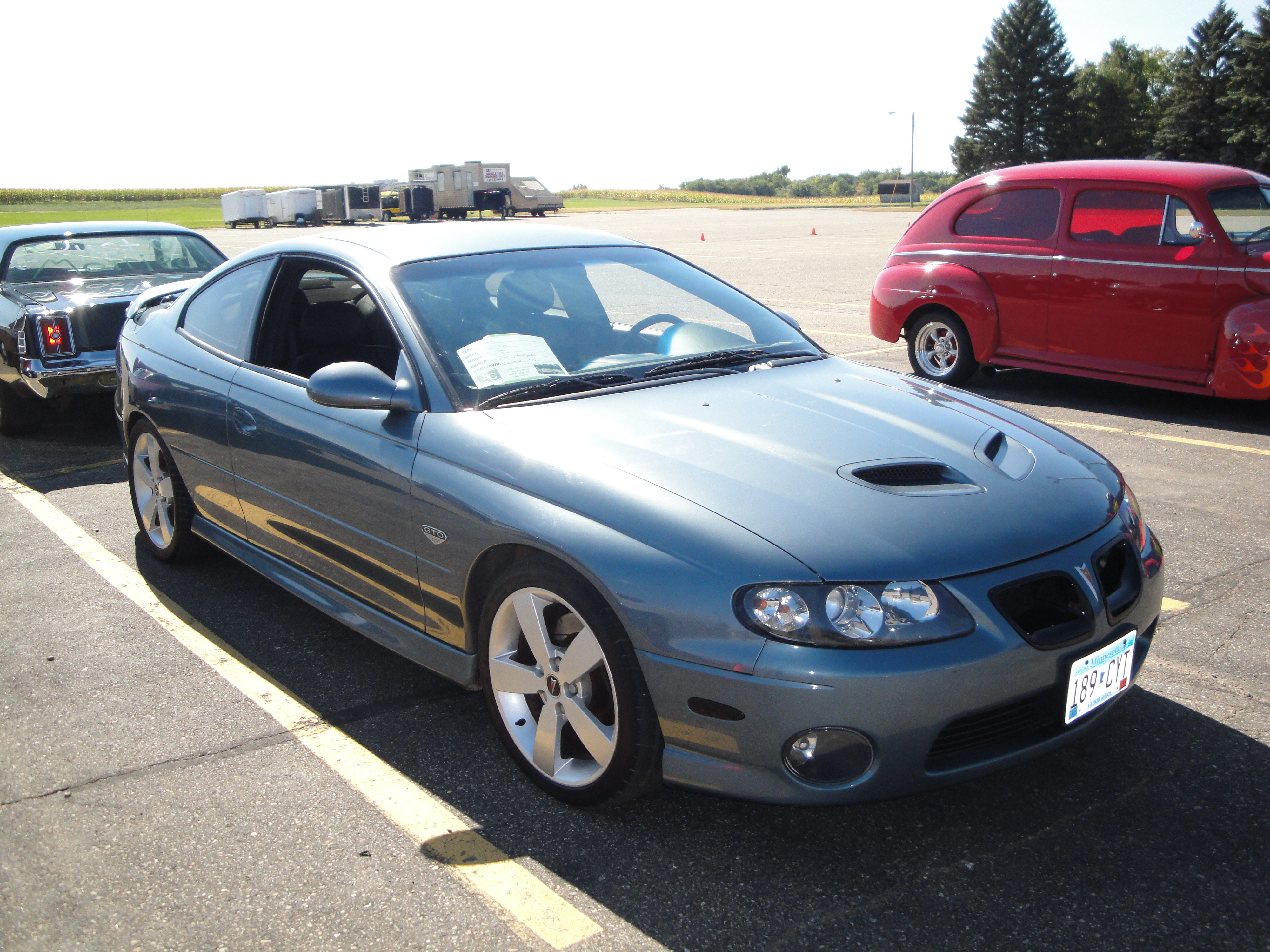
The Pontiac GTO is a classic muscle car made by Pontiac. It’s known for being fast and for its strong collector following. The podcast is mentioning it because the speaker has personal experience with one and it was featured on a show.
The Beetle is a small, classic car made by Volkswagen. It’s known for its simple, recognizable design and for being popular to restore. The podcast is mentioning it because someone is working on one in their garage.
“Reveals” are the small visible spaces/gaps around something you install, like trim or a door. Making them even helps the finished look look clean and high quality.
Concept
systems and processes
Here, “systems and processes” means doing car projects with a plan—like a repeatable method—so you know what you’re doing and what results you’ll get.
The Ford Mustang is a classic American car known for its sporty style. The 1960s versions are especially collectible, and many owners restore them. The podcast is mentioning it because getting replacement parts today can vary in quality.
A 2014 Toyota FJ is a Toyota truck that’s designed to feel tough and off-road capable. People often customize them, and the host is talking about how their opinion changed after actually driving it.
“Chassis up” means the build starts with the truck’s main frame and then everything else gets built or improved around it. It’s basically a whole-project mindset, not just a few upgrades.
A “revival series” is when someone takes an older truck and updates it so it can be driven regularly again. They usually replace major underpinnings like the frame and powertrain so it’s more reliable and easier to use every day.
The “drivetrain” is what actually transfers power to the wheels. When people replace it in an older truck, they’re usually trying to make it smoother and more dependable to drive every day.
A “patina build” keeps the truck’s original worn-in look instead of trying to make it look brand new. It’s a style choice that can also fit builds where the focus is on usability rather than heavy custom work.
Concept
bottomless pit of ideas
It means custom projects can grow endlessly. You start with one idea, and then it turns into lots of other changes that need to be figured out too.
The Chevrolet Blazer is a classic SUV from Chevrolet. It’s known for being practical and based on truck-style engineering. The podcast is bringing it up because they’re considering getting into more vehicles like this.
A blueprint engine is an engine built to exact specs. Instead of “close enough,” the builder measures and sets clearances carefully so it runs the way it’s supposed to.
A crate motor is a brand-new engine you can buy as a complete package. People use it when they want an easier engine swap for a project truck or custom build.
“Coyote” is a nickname for a specific Ford V8 engine family. People talk about it because it’s popular for making power and there are lots of parts available.
Chevy Performance is Chevrolet’s performance parts and engine program. Here, it’s being used as an example of where you can get a crate motor for a build.
Whipple makes superchargers—devices that cram more air into the engine to make more power. The speaker is saying they usually add a Whipple to these builds.
Horsepower is a number that describes how much power the engine can make. Higher horsepower usually means the car can accelerate harder, but it can also be harder to drive.
Drivability is how easy the car is to drive in normal situations. Even if a car makes huge power, it can feel annoying or difficult if it’s too aggressive to control.
Term
interior kids
They mean “interior kits,” which are sets of replacement interior parts sold together. The goal is to make it easier to refresh the inside of the truck or SUV with pieces that fit.
“Upgrade from the factory” means swapping out the original factory parts with better aftermarket ones. People do it to make the inside look nicer or feel better while still matching the car’s original style.
“Hardware in a box” means you get a kit with the parts you need, all packaged together, so you can install the upgrade yourself. It’s meant to be straightforward instead of requiring custom work.
They’re saying their parts are designed so regular people can put them in without needing a shop. That usually means the pieces fit well and the install is planned to be simple.
Term
old pickup truck
The phrase “old pickup truck” is a broad category, but in context it signals the kind of vehicle the build/work is intended for—older trucks that owners may want to keep clean and tidy. It’s not a specific model or technical term, so it’s only lightly annotatable here.
“Patinaed” means the vehicle is kept looking naturally aged—like the original weathered paint and wear—rather than being freshly repainted. People do this because it can look more authentic and show the vehicle’s history.
A crew cab is a pickup with back seats, so it can carry more people. For older trucks, whether it’s a factory crew cab (or a conversion) can make it harder to find and more interesting to collectors.
Car
1966, Mercury
Mercury was a brand connected to Ford, and in Canada it was used to sell certain trucks. The interesting part here is that this 1966 Mercury truck was sold only in Canada, which can make it more unusual today.
“Pulling the body off” means taking the truck’s cab/body off the frame. Mechanics do this when they need to fix the frame or do deeper restoration work than you can do with the body still on.
The frame is the truck’s main structural base. Putting in a new frame usually means the old one was too rusty or damaged, and the builder wants a stronger, safer foundation.
Term
cleaned up the motor
“Cleaned up the motor” usually means they serviced the engine—cleaning it and doing the work needed so it runs better. It doesn’t necessarily mean they replaced the whole engine.
“Patina” is the natural wear-and-age look a vehicle gets over the years. Some people like keeping that worn look because it feels original and full of history.
“K code” is a factory label that tells you which specific engine/trim version a Mustang is. Enthusiasts use it to identify the car’s original configuration, not just how it looks.
Term
High Leaf Patina
“Patina” usually means the car’s paint and finish look naturally aged, with color and texture changes from time and use. “High Leaf Patina” sounds like a specific look people chase—more dramatic aging rather than a perfectly restored paint job.
A fastback is a car body style where the roof smoothly slopes down toward the back. It’s a distinct look compared with cars that have a more upright rear end.
Stick welding is a type of welding where a rod is used to create the weld. If someone used it to attach parts in a rough way, it can make repairs harder later.
Rear cab mounts are what hold the cab to the truck’s frame. If they’re crushed, the cab can sit crooked or lower than it should, and the truck may need repairs to the mounting area.
Reinforce means adding extra strength to a weak spot. On an older truck, that’s often needed when rust or damage has made part of the frame or mounts less solid.
A Dodge Ram is a big American pickup truck. Here, the speaker is trying to figure out which older Ram it is by looking at clues like the paint color and the snow-plow equipment.
The Dodge Charger is a classic American muscle car. People often work on older Chargers by charging the battery and maintaining the electrical system. The podcast is referencing a specific type of charger setup and the need to use it carefully.
A hot rod pickup is a classic truck that’s been modified to look cooler and drive better than stock. It’s usually built for shows and for the fun “classic custom” vibe.
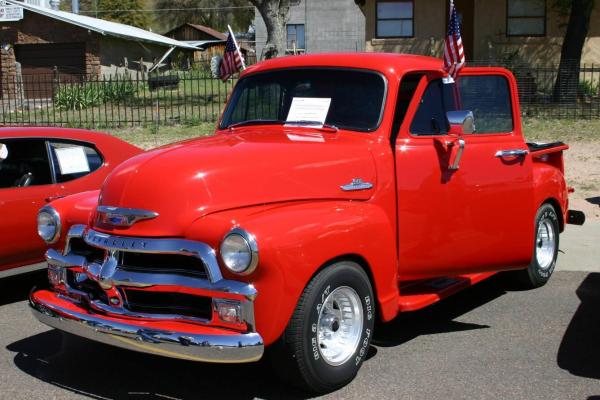
This is a 1956 Ford pickup truck. It’s a classic model that a lot of people love to customize, and the guest says they’ve been building one for years and are close to finishing it.
“Through the paint” means the truck/SUV has already been painted and is past the hardest prep stages. After that, builders usually focus on putting everything together and finishing details.
The Ford Bronco is an SUV designed to handle rough roads and off-road driving. Collectors like it because older Broncos are recognizable and fun to restore. The podcast is mentioning it as part of a lineup of vehicles they’re working with.
LIVE
If you're a collector, you already understand stewardship,
preserving what matters, planning ahead,
and passing things on the right way.
That's exactly how Peristyle Wealth approaches
financial planning.
As the Ferrari Club of America's
official wealth management partner,
they help avid collectors who value resilience
and attention to detail.
And the founder, John Suarez, is active in the community.
I've judged one of his cars before
and I see him at events all over the country.
To learn more, go to peristylewealth.com.
Peristyle Wealth Advisory Services
offer through New Edge Advisors, LLC,
a registered investment advisor.
Every garage is a mirror of the mind that builds it.
The garage becomes a quiet dialogue
between who you are and what you craft.
A garage is where work becomes meditation and solace,
where mechanical truth becomes mental clarity.
Some people go to offices, some go to mountains,
others go to garages.
At Metron Garage, we build for people who do all three.
Give us a call to get started.
If you own a collector car, you already know
it deserves more than a standard insurance policy.
NCM Insurance specializes in agreed value coverage
designed specifically for classic collector
and enthusiast vehicles.
From weekend drivers to serious collectors,
they understand how these cars are used, stored,
and protected.
To learn more about protecting your collector car
the right way, visit ncminsurance.com,
coverage built for the cars you care about.
Every car in your garage tells a story, where it's been,
how it's been maintained, and what makes it truly yours.
Carport gives you a simple digital garage
to document, organize, and manage your vehicles
all in one place.
Track service history, store important records,
and keep your collection dialed in with confidence.
From your daily driver to your dream car,
Carport keeps everything in order
so you're always ready for the road.
And best of all, it's free to use and it's 100% private.
To learn more, go to carport.app.
All right, welcome to the collector car podcast.
You know this is all about collector cars,
but whenever I have an episode
that has to do with trucks or SUVs,
you guys really seem to love it.
So I specifically seek Jason out,
so I like to welcome Jason Noel.
How you doing, buddy?
I'm doing great.
Thanks for having me here,
and it's always fun to talk about cool classics,
especially trucks.
Yeah, no, that's really, really amazing.
It's funny because you popped up on my radar
a couple of weeks ago,
and then I saw your video with Jay Leno,
which after I saw that, I was like,
oh my gosh, I definitely gotta get Jason on.
So let's talk about that in a little bit,
because I had my Pontiac GT on Leno's garage,
fun back behind the scenes stories.
I'm sure you have a few I would love to hear about.
So is it okay if we bring that up
after we learn a little bit about Fat Fender?
Yeah, absolutely.
All right, awesome.
Well, tell us a little bit about Fat Fender.
Is it strictly Fat Fender or Fat Fender Garage?
Tell us about your business and how it began.
Yeah, so it's Fat Fender Garage,
kind of a weird name,
now that I kind of historically look back at it.
I was like, could it come up with something cool
or maybe, I don't know,
but I remember thinking like,
all right, I'm kind of fixing a couple of vehicles,
and I sold it,
and I should probably come up with like a little LLC,
so at least I can write off some expenses,
and as I was kind of tinker around with this idea.
And so I pulled up and Googled a list
of all the hot rod nomenclature words.
And so I liked the word Fat Fender,
for some reason,
and because I noticed a lot of these old,
Chevrolet advanced design pickup trucks,
from like 47 to 53,
and then I was doing some 56 Fords,
and they all had the Fat Fenders,
and I go, yeah, it fits right in.
Surely I wouldn't be pitching myself in a hole any harder
than that could have been at the time,
but so we stuck with it.
It's a little bit memorable of a name.
It's easy for people to kind of remember
the name of the company, and so it works.
And so, yeah, it's kind of how that came about.
Yeah, that's really interesting
because I started my podcast,
most people don't know this,
but it was called Auto Sausage,
and I was grinding together automotive goodness,
and this one guy took it the totally wrong direction,
and so I said, you know what,
let me just make it as clear as possible,
the Collector Car podcast.
Like what is this about the collector cars?
And it's a podcast, you know,
so I totally feel your pain there.
It feels like you're hanging your shingle on for decades
based on one decision in your life,
so whenever I think of Fat Fenders,
I always think of like the 46 Ford convertible
back in the day, and what was kind of the first car
that you started working on?
I see a VW Bug in the back there on the wall.
I think I see a 32 Ford, obviously a Bronco.
Yeah, so we actually had a 1950 Chevy pickup truck
and honestly, I don't really,
this is gonna sound really funny,
but I am not a mechanic.
I am not, a lot of people say,
did you just grow up building trucks
and stuff your entire life right out of the womb?
And you know, I'm like, no, absolutely not.
And so my background that I have a lot of passion still
is I am a carpenter by trade.
So I've installed thousands of doors,
ran hundreds of miles of crown molding.
I've had multi, multi, multi million dollar houses
we've worked on from, you know, 17 to 30 million dollar homes
to, you know, 30,000 square foot homes from 18,
you know, down to 1800 square foot homes.
So I've done all that stuff.
And so I understand, and I, you know,
we custom-made with doors.
And so I have a pretty good like design eye
and coming up with, you know, how things look.
And so because of that, I'm really good at like level
and square, plum, reveals, all that kind of stuff
really comes real natural for me.
I'm used to hanging, like I said, thousands of doors
and the reveal around the door becomes really important to me.
So when I see a reveal around a car door,
that also feels the very same kind of a progression for me.
And so, so I kind of got into this just by accident
with this 1950 Chevy.
And my father-in-law owned it.
We were just tinkering around with it.
He gets a little dissatisfied with keeping things.
So he likes to kind of move on.
He goes, hey, let's sell this thing.
And we're in it this much.
And whatever we, whatever you can sell it for,
you can keep that above and beyond this number.
I think that number was like $10,000.
Like, hey, we're seeing 10 grand.
So whatever you can sell it for, you can keep.
I said, all right, well, you know,
so we sold it for $19,000 in eBay.
And I was like, wow, I just made $9,000.
I don't think he intended for that to happen.
So I rechecked it back and he goes, no, no,
that's the deal we had, you keep it.
And he goes, but that was fun.
Let's do that again.
I wonder if we can, and he likes like systems and processes
and recipes and he's a commodity trader.
So for him, he really is interested in repeatable things
and predictions, you know, and figuring things out.
So we got, we got in this loop of buying and selling
and predicting what the truck would bring
if we did certain things to it.
And so, and we, we'd make $5,000, $6,000.
You know, we just got caught in the scene
and it became a little bit of a game for us.
But we didn't always buy very well.
And so then I was like, well, I didn't know how to fix this.
So I was like, I better, I better get a mechanic.
So we hired this mechanic named Dave.
And so I'd ask him everything about how does an engine work?
You know, how does, you know, I'd really inquire
and I was kind of his right-hand man,
help me fix this and show me what to do.
And so, and so that's kind of how it all began.
I started to discover real quickly for us
that if I wanted to do something,
that it was an absolute pain in the neck
to find the products that I needed to accomplish that task.
And so it was like this mystery box out there.
And there was 10 different ways to do it.
And I couldn't figure out what was the best way
and who had the best products.
And, and that, that became very difficult for me
to solve.
And so, so it was just a real crap shoot.
And over time we started to develop our own recipe
and then we started to kind of market that recipe.
And, and we started to get people like,
hey, you did a really good job on that truck.
Would you build my truck?
You know, and so that slowly, slowly started to evolve.
We made a ton of mistakes.
Like we've had some doozies that just, you know,
if anything could go wrong on a project, you know,
it surely happened on a few of those.
And I look back and like, well, that didn't go well.
I'm surprised we're still in business after that one.
But, you know, you move forward.
But you learn, right?
And is that when your parts business started?
Cause I noticed you have quite a few parts available,
interior kits available.
One of the biggest frustrations I have is
there's a lot of aftermarket parts suppliers out there.
I've got a 66 GTO and all 65 Mustang,
but the quality of the parts nowadays is so bad
that even though it's quote unquote new in functions, right?
How long is that going to function?
Is that part of the reason you started making parts?
You just made them because they weren't available
by other aftermarket suppliers.
So a little of both.
So as we, we did like a 56 Ford
and then we did another 56 Ford.
I was like, you know that part we kind of rigged up
in the last one?
Well, look at us.
We're rigging it up again.
And I was like, wouldn't it be nice
if we just had like 10 of these on the shelf for us
so that we didn't have to like keep making that again?
And so we were just making parts for us,
making them to sell at all.
We were just making them for us.
And then people would see it and they'd reach out
and want to buy it.
But so that kind of started.
And then, you know, I started to realize that,
like you said, the parts we were getting weren't very good.
It's new and it's, but the quality is really poor.
It's not as good as the original ones that were made.
And, but this is all I have.
You know, I might have like a door handle
and it's all pitted and garbage and I need a new one,
but it's not nearly as nice as the one I took off.
You know, the one I took off aesthetically doesn't look good,
but, but you know, the new one you could tell is lighter,
cheaper, you know, it's not, it's not real good.
And so I was like, well, and here's my theory.
And so a guy's building this vehicle
and he's gets a painted and he's putting it all back together
and he spent a ton of money getting it done.
But what if the mirrors, the door handle,
some of these like little things that he's buying,
he spent an extra $3,000 on,
but it would just look better, function better,
have a little better, right, feel better,
everything about it just,
and all of a sudden people look at his vehicle and say,
you know what, he's got some, this is a nice vehicle,
but it's nice because they recognize
that there's a difference in quality of some of the parts
that could start to set that apart and feel custom,
even though he just bought it.
And so my experience was, is that became true
that we could actually take two vehicles,
swap all the stuff made in China
over to all the stuff made here
with a good quality product,
and we spent an extra $5,000
and it elevated it about $20,000.
And so that's what we discovered
is the perceived value goes way up
just because people perceive that it must've been done better
because all the products are nicer.
It's funny because I do see that obviously
with other rest of my builders,
obviously Jonathan Ward with ICON,
he has his bill of aluminum stuff,
the Ring Brothers, they have their own line of stuff,
and it makes a ton of sense.
And you see the need because you're building these trucks
and sport suits and you're like,
all right, this is not out there right now
or what is out there is really, really bad.
Let me create a solution for my customers and other folks,
which is brilliant.
And I've always said this
and none of the automobile manufacturers listens me at all,
but my theory is, and even to today,
every single part of the car that you physically touch
should be of the highest quality,
maybe not the highest quality, but a solid quality.
I don't care if it's an AC that,
knob or whatever, just make that,
cut the corners underneath the seat cushion
or something, I don't know,
but my daily driver is a 2014 Toyota FJ
and I absolutely love it.
But the first time I grabbed that door handle,
I was like, this thing is just hollow plastic.
This is a hunk of junk.
I don't want this thing.
And six years later, I tried it again
and actually drove it and loved it.
So it sounds like you're really kind of following that
to make sure that when people see your builds,
from the moment they touch that door handle,
it's a quality build all the way through, right?
Yeah, you do and as we became builders,
we slowly started to realize that,
all right, I got to order a chassis up.
Okay, great.
And it comes and it shows up.
I'm like, boy, these are just chassis people.
They didn't think about the rest of the build, right?
So I sent it out to get interior
and you think that you communicated clearly
what you wanted.
Well, two months, three months go by.
He finally gets to it.
And when he finally gets to it,
he's already two months behind.
And so he's trying to hurry up and do it.
And as he hurry up and gets it done,
the quality is not nearly as good as I had hoped for.
The design elements we talked about
had been a little bit forgotten.
And so you end up with something that you're just like,
oh man, that stinks.
And now you're having this disagreement with someone
and that you hate and then you're like,
yeah, and then he's got to redo it.
Or he's really open, he wants to fix it,
but I don't really have like two more months
for him to fix this.
And so I was just like, all right,
like let's just do our own interiors.
Just find an upholstery guy.
I can help design it, we'll sit down together,
we'll come up with some ways to just make this look nice.
And then if he starts doing something I don't like,
or that's not how I thought it was going to go,
at least I'm right here, I'll see it.
And we can kind of like,
kind of nip that in the bud real quickly.
And so that became something that,
from interiors to chastis, to painting ourselves,
to just monitoring the total control
and that vertical integration in-house
to where that desired outcome is really going to be
exactly what I want it to be,
because there's no one else in control of that but us.
You know, it's interesting because I look at your background
and if you're audio only,
you're sitting in front of a wall full of pictures
and they're all at perfect spacing in 90-degree angles.
And I find that folks like you who do this type of restomod,
I just interviewed Peter Naum with Gunther Works
or the Singer Guys, or like I said before,
the Ring Brothers, there's a anal retentativeness
that seems to be an inherent trait
that you just want to make it as perfect as possible, right?
Yeah, there's two conversations we have at work.
And a lot of it does depend on the customer,
but there's one that is perfect is close enough.
That's one.
And then for the other customer, close enough is perfect.
Right.
And so we have two different types of customers we deal with.
And so, but we have to make sure
that our guys understand clearly, and this is hard,
that this is what this customer is paying for, okay?
He doesn't want a million dollar car.
He does not.
He definitely wants something much, much less than that.
So you have to understand like where you're going to cut.
Maybe it's like you said, it's under the seat cushions
and that bracket got painted black
instead of like wrapped in leather.
You know what I'm saying?
Right.
And so you learn those areas where it's not visible.
We can make some changes to help save money.
No, we're not custom fabricating anything on this truck.
We're going to build it really nicely though.
And so you kind of learn where you can adjust
to help save budget and scope
to still meet a customer's demands
and still have them feel really excited about it.
Even though you've built other ones
that are like substantially nicer,
but for me, it's not so much about saying
we only build the very best vehicles on the planet,
but it's mostly about saying we are,
and this is where we're really like diving hard on right now
is we build something that is very nice,
but we met the customer's desired outcome.
The end, I think that's what matters most.
A little bit, I think that is a reputation I want to meet more
than just saying we only build $2 million vehicles.
There's a fine line there.
And I feel like if we can meet both of those expectations
of the customer and still maintain a trueness
to our brand and the quality of products we're producing,
I think that's a win-win all the way around.
Yeah, absolutely.
And I want to get into a little bit more
with the Jay Leno video
because that was definitely a different build, for sure.
But give us a little overview.
It looks like you mostly do Chevy Ford American-type stuff.
Give us a little overview of the build series.
You've got the revival series, the designer series.
I think the revival starts around 150 designers,
four to 600 or so,
but yeah, just a little overview power plants
and that kind of stuff.
Yeah, yeah, yeah.
So we have, as far as builds go,
we have broken them down again
into those two different quadrants.
The revival series is a guy that says,
hey, I got my grandpa's truck, paint's decent.
I just want to put on a new chassis
and a new drivetrain interior.
I want to spend a ton of money.
I'd love to keep this under 200 grand
or under 250 or something like that,
but I want a new chassis, new drivetrain,
but I want it to drive it daily anywhere I want to go, right?
Maybe it needs glass, maybe it doesn't need glass,
but that's kind of this like we're reviving it, right?
We're kind of getting it back on the road
and a really dependable driver.
So they could be patina builds.
They could be, you know, but it's very,
like there's no fabrication.
It's very streamlined, straightforward,
you know, very restricted, you know, on that type of stuff.
Then we have the designer builds
where that's all a car, you can get whatever you want.
It's generally always going to be painted.
And from there, it's, you know,
whatever you can come up with in your mind,
we'll build that for you.
And so that can, that's basically a bottomless pit.
It's a fabrication, a bottomless pit of ideas
and technology and stuff.
And so that, you know, there's not as many of those guys
are adventurous down that path.
Some come in and they have an itch to scratch
and, you know, a certain idea they've been dreaming about
for years and so that's usually what's going to happen there.
Then, you know, from there, you know,
we have, of course, kits, you know,
we have interior kits, chassis kits
and all the retail parts that we sell online,
which actually is a much larger part of our business
than the build side of it.
We do Chevys and Fords, we do trucks,
we do Broncos, we do Blazers.
We're looking at getting into some cars
a little bit later towards the end of this year.
We do all new, all new drivetrains,
whether it's a blueprint engine,
whether it's a new crate motor from, you know,
Chevy Performance side or Coyote motors
or the new Godzilla motor.
Those are kind of the drivetrains.
We'll put Whipple Superchargers on them.
We generally will push around a thousand horsepower
as kind of it for us.
If people want to really get crazy
into like 1500, 2000 horsepower,
that's kind of a different, again, a different build.
We'll consider it, but you know,
I'm first and foremost drivability
is the most important thing for me,
that people can get in it and go anywhere.
And so sometimes they'll start to become
a little bit of a headache.
And so I don't really love all that stuff.
It just becomes a lot more challenging
to make it a driver when you get into those real
high horsepower numbers.
I agree with you.
Yeah, I want to drive whatever I have.
So I don't want this crazy monster power
that's just not wieldable.
And I was going to ask you about your percent of business
for your parts versus the builds.
And I thought, well,
if you're doing $500 a million bills,
I doubt the, I wasn't sure
that the parts would be that big of a business,
but I'm looking at your interior kids.
I could see that being a huge business
just because it's all ready to go
and it's an upgrade from the factory, right?
Yeah, it is.
You know, we coined the phrase hardware in a box early.
And then I noticed some other companies
have coined the same phrase.
Obviously not new words to the industry,
but we really pride ourselves on good quality fit products
easy for anyone to install themselves.
And so we refrain from too crazy over the top stuff.
We still want all of our interior kids
to have like a nod to the original
with a nod to maybe forward into today
a little bit, but I don't want it to be something where
you have an old classic pickup truck
and you can't put it in it, even if it's a traditional.
So, you know, we can really,
I mean, we can really design some interiors
that are just really impressive,
but they won't fit every truck.
And so we kind of really want to keep it nice and clean
and tidy and anyone that has an old pickup truck
could purchase it and put it in.
Yeah, that's great.
And just, I haven't said this yet,
but your website is just fatfender.com.
So you can go there and this will be in the description
as well where you can easily click on it.
So yeah, let's talk about the Leno video there.
So that was a really cool build.
It was a huge Canadian only Mercury that was patinaed,
original patina.
So just, you know, for our listeners,
just tell us a little bit about that.
Cause I think Jay was a little taken aback at first
that that thing wasn't painted,
but then I think it really warmed up to it after that.
Yeah, Jay's an enthusiast at heart, as we know,
like he's got gasoline in his veins.
And one might argue that he has a steam in his veins
with all the steam vehicles he has, you know,
but really cool guy.
And so we had an opportunity to take something kind of
different and unique, which is right up Jay's alley.
And so we had this 1966 crew cab,
which was the first, you know,
time that Ford started to really build crew cabs in house.
There are oftentimes coach built, you know,
by other companies making them,
but Ford had realized, you know, a lot of people wanted them.
And so, so 1966, Mercury,
which was a Canadian only brand of Ford.
And so I guess the Canadians, you know,
just they like to have things a little different.
And so they didn't want Fords up there.
Canadians just wanted Mercury.
And so they got the trucks.
And so the only the Mercury trucks were sold in Canada.
And so a guy named Kyle,
he had picked one up in Canada, had brought it down.
He did a quick little swap on it.
And medium wasn't really meant to be high end,
but just kind of get it on the road
and make a little bit of a splash with this orange crew cab.
Our friend of ours, a Roman,
he had purchased it and he'd driven it for a few years
and he wanted to do an upgrade.
So Roman brought the truck to us and then,
and we, and he, they had called it Mercury's, you know,
because it was kind of a beast,
but it was rough around the edges.
And the customer really liked it
because it was kind of an iconic memorable orange,
rough around the edge crew cab.
And so everybody knew it for that.
And so to repaint it and do all that stuff
would really kind of change what it was.
And I think one day there's a play to be made
to just pull that body off and give it,
or you know, a new paint job and everything
and really fix it up,
you know, maybe another 10 years down the road or something.
But at this point, we just left it as is,
put a new frame, cleaned up the motor,
like we've really went through a new interior
and kind of gave it a really nice, stable, you know,
platform and drove amazing.
And so, so we brought that into Jay's garage
and he's looking at this thing
and he's just scratching his head, you know, like,
you know, why would, you know, anyone do this, you know,
and old patina thing and, but honestly,
it really is, you know, because like Jay said in the video,
you know, a lot of our customers
are people that have more money than brains
and that often happens.
And so, but this was something where it was real strategic
and so it was meant to be a driver.
It was meant to continue to show the rawness of what it was
and it's kind of heritage of the life that it lived.
And so, but it was also a great driver, drives great.
So it was fun to put Jay in the driver seat of this thing
and he really, he really is pretty good.
Like I often felt like the clutch was a little sensitive
and Jay just got right in it and drove it.
Yeah, he did mention that a couple of times
or, you know, the owner did.
So yeah.
He just got in and drove it and he drove it like,
and I was shocked and honestly,
they drove it through water, you know,
and the customer was like,
oh, we just drove through water, you know,
and so there was some apprehension,
but the customer was like, hey,
if anybody's going to drive it through water,
well, it'll be Jay.
And so, so they came back and at one time,
they almost went off the road
because they were winding up through this thing
and the customer that owned it, he's like,
I thought we were going to die,
we almost went off the road,
but everything worked out great.
It was a fun experience for everybody
and it was really fun to just, you know,
see Jay in his element.
He's, he is as nice and true to character as he is.
Like there's, what you see on TV
and what you see on his YouTube channel like that,
he's just, it's just him.
Yeah.
He loves it so much.
That was the same experience I had
and I thought that truck was really interesting
and he really seemed to like it
once he got into it and drove it,
I just thought it was gorgeous.
And I had a High Leaf Patina at 65 K code Mustang Fastback
and I love that thing cause you know,
I already had pink chips, you know?
And so it was just freeing.
I actually made a little sticker.
I'll throw up a picture over here,
but I did a Patina is freeing,
meaning you can actually drive and enjoy the car.
So I understand them wanting to keep that.
I just thought, at least from what I could pick up
in the video that some of that rustles a little further along
than I would have liked from a Patina car.
Yeah, yeah, yeah, it's, there's some,
there's definitely some holes and a few things.
Matter of fact, you know, when we, when we took it off,
we went to get off the original chassis,
someone had stick welded the bed to the frame.
Oh wow. Yeah.
We didn't, you know, so there's a lot of like, you know,
stuff that was much harder to deal with
and finally got it apart.
And then the rear cab mounts were kind of like
crushing a little bit.
So we had to like reinforce some of that stuff.
And so it's, you know, it's definitely seen better days
and definitely could, you know,
but it's not getting abused now.
It'll probably stay just like it is for forever.
You know, it's not going to deteriorate anymore.
Like we've, all that stuff has been kind of stopped.
And so that's good.
That's cool.
Yeah, there's like a, I don't know the year.
I'm not a big truck guy.
I mean, I like them, but I don't know that much about them.
Probably early seventies Dodge Ram,
if some's heard up the street for me and it's orange
and it's a snow plow and it has the seventies,
like snow cat decals still on it from the seventies.
And I'm like, oh man, that's some cool patina.
That thing's pretty cool.
Yeah.
Yeah. So do you have any behind the scenes stories
with Jay? Obviously he's a nice guy,
but is there anything interesting that happened
while you were filming that kind of like,
did you have a chance to walk around the garage a little bit?
Did you have lunch with Jay?
How'd that whole thing go?
Yeah. Yeah.
It's kind of fun.
You got to do a lunch with Jay and, you know,
he does like two videos as you probably remember,
like a day and very professional.
It was fun to kind of walk around and you could see anything.
You could take pictures of anything, be very respectful,
just don't post anything.
You know, it's kind of, you know, how it was and,
and, you know, just so that, you know,
crooks aren't getting the ins and outs.
Right. Yeah.
Yeah.
Oh, I see. There's a, you know, opportunity there.
And so, but super nice and very, you know,
very much has been like a, you know,
we always think of Jay the comedian,
but you know, which he is and Jay,
but he's really a Jay the car guy long before he was
the comedian is what I'd learned in.
And just, just, you know, it was really kind of fun
to just see him in his element.
And he's very quick at making jokes about, you know,
everything.
And so it was just kind of fun to kind of see where he came
from and how he's got just hundreds of cars.
Yeah.
And just, and just the most bizarre stuff.
But what I actually love the most is when you're in the
garage, you had just like the, you know,
the big art on the wall.
Yeah. Oh yeah.
Yeah.
The big, but I was like, where this was like hand painted
on canvas.
Like this isn't like a, and they said, oh yeah,
there's someone he knew in Hollywood back in the day
that he commissioned just to take these old magazine,
you know, advertisements and to recreate them in like 10
by 14 or eight by 12s and then hung them up.
And I was like, that's probably one of the coolest
things here.
Yeah.
He told me it was like the art director from the Tonight
show or something, something crazy like that.
And there's two of them where he has a cameo driving one
of the cars.
And we only found one of them while we were there.
So if I ever get there again, I want to find that second one.
Yeah.
Yeah.
Yeah.
That's cool.
Yeah.
But there's more stuff in that garage than, yeah.
I mean, the amount of stuff that's in there is,
and he must own like stock or C-TEC
because everything had a C-TEC charger on it.
Everything is like, be careful, don't trip over the cords
and knock something over, you know, but,
but I, you know, but they register those things every year.
Right.
They got guys that get them ready.
If he wants to drive it, like he's, he drives the stuff.
Yeah.
Yeah.
Do you remember what the car was they were filming
after years?
That, yeah, there was a, what was it?
It was before ours.
So by the time we got there,
they were already taken off and cruising.
I can't remember what it was.
Oh, that's okay.
But the guy that was there that owned it,
he was like on an early TV show in LA.
He was really famous, but it was before my time
of like a cop show in California, you know,
California-centered cop show.
I can't remember what it was called,
but cause everybody's getting their picture with them.
I was like, I don't know who this guy is, but...
Oh my gosh, that's hilarious.
I don't know, this is definitely in, you know,
like the 70s, you know, which I was born in 72,
but it was popular in the 70s.
And so I don't remember what it was, but...
Well, what else do we need to know about Fat Fender Garage?
Are there some shows or some events
where we can see you at, will you be at SEMA this year?
We are going to be at SEMA this year.
Yes, we've got some really fun projects
we're taking to SEMA.
And we've got some unique things.
We've got to actually 56 Ford.
We'll see if it goes to SEMA,
if the client will let us take it there.
You're going to want to stay tuned for this.
It's coming together.
It's a 1956 Ford and hands down
the most expensive build we have ever done here.
And it's a 56 Ford,
which is the quintessential hot rod pickup truck.
As far as I'm concerned, of all the Chevy's and Ford's,
like it's the quintessential hot rod pickup truck
in that, from that era.
And it will be the nicest, coolest 56 Ford pickup truck
that I have ever seen built and put together.
But we also have spent the last four years building it.
It's very tedious and we're through the paint
and it's going to start coming together.
So in the next couple of months,
stay tuned for that one, start, follow along,
go to our YouTube channel, our Instagram, start seeing it.
And our hope is to get it to SEMA
or get it to some real good event and debut it.
But we got some cool crew cabs, a cool Bronco
and yeah, a bunch of stuff.
We'll probably have three or four at SEMA this year.
That's awesome, man.
Well, I really appreciate your time
on the Collect your Car podcast.
And as always, I'll have all the links.
I'll put them on the YouTube.
I'll throw in everything in the description.
So thanks again for being on the Collect your Car podcast,
Jason.
Yeah, I appreciate it, Greg.
Thank you.
About this episode
Jason Noel of Fat Fender Garage explains how his shop’s name and builds are rooted in classic truck styling—“fat fenders” from the late-40s through the 50s—and how his background as “a carpenter by trade” shapes a precision, craft-first approach. The conversation moves through flipping and learning to wrench, why modern aftermarket parts disappoint, and how drivability and “hardware in a box” kits fit the shop’s philosophy. It culminates with SEMA plans, including a flagship 1956 Ford hot-rod pickup and a lineup of trucks and a Bronco.
Vintage trucks and classic SUVs are hotter than ever, but what does it take to turn an old workhorse into a world class custom build?
This week on The CollectorCarPodcast.com, I sit down with Jason Noel of Fat Fender Garage to talk about the booming market for custom vintage trucks and SUVs, the craftsmanship behind these builds, and why enthusiasts are falling in love with classic utility vehicles all over again.
From slammed pickups and restored 4x4s to fully modernized vintage SUVs, Jason shares stories from the shop, trends he is seeing in the collector market, and what makes a build truly stand out. We also discuss the balance between originality and customization, plus the unique appeal of trucks that were once simply tools but are now highly collectible pieces of automotive culture.
If you love classic trucks, Broncos, Blazers, Suburbans, custom fabrication, and vintage SUVs with modern performance, this episode is for you.
The Collector Car Podcast features expert interviews, great collections, and market insights. With 25+ years of experience, Greg helps enthusiasts navigate the collector car world with confidence.