

Ferrari 12 Cilindre Manuale
Ferrari is talking about a “manual” version called the 12 Cilindre Manuale. The important twist is that it doesn’t work like an old-school manual where moving the shifter directly changes gears inside the gearbox.
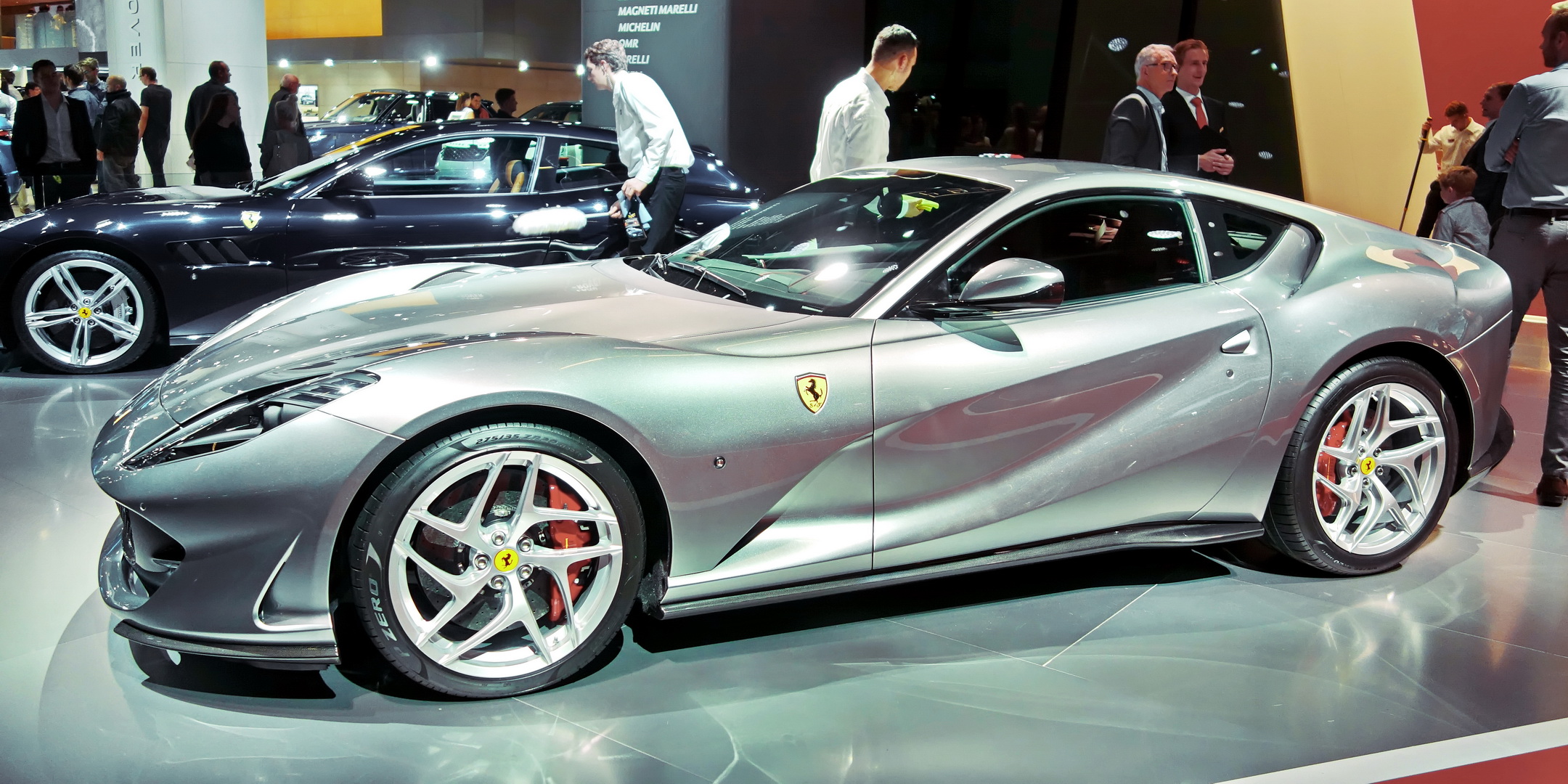
Ferrari 12
The Ferrari 812 Superfast is a very high-performance luxury car made by Ferrari. It’s designed for fast highway driving while still being comfortable for long trips. The podcast is bringing it up in relation to how Ferrari is changing or offering transmission options.
manual transmission
A manual transmission is the kind of gearbox where you move a shifter to choose the gear. The car then uses that choice mechanically, with the clutch helping you engage the gear smoothly.
clutch pedal
The clutch pedal is what you press to disconnect the engine from the gearbox. In a normal manual car, it’s essential for shifting; here, it’s programmed to behave like it so you can even stall the car.
stall the car
Stalling means the engine dies and the car stops. The host likes that this simulated manual experience can still produce that same outcome, like a real manual.
manual car
A manual car is one where you shift gears yourself using a clutch pedal. On a hill, you have to coordinate the clutch and gas so the car doesn’t roll backward.

Alfa Giuliettas
The Giulietta is an Alfa Romeo model that has been around for decades. The host is mentioning its 60th anniversary as an example of automotive history happening on that date.
hill climb
A hill climb is a type of race where cars go up a hill as fast as possible. It’s challenging because the slope can make it harder to get traction and keep the car moving smoothly.
mutes
"Mutes" here means "utilities"—a kind of vehicle category Australians used to describe certain truck/SUV-style models. It’s basically a local label that doesn’t map 1:1 to American terms.
light-duty four-wheel drive car
This phrase describes a smaller 4-wheel-drive vehicle meant for normal driving, not heavy work. In the conversation, it’s what Australians often mean when they say "SUV."

Ford F150
The Ford F-150 is a popular big pickup truck in the U.S. The hosts are using it as a reference point to say which kind of truck Australians would call a "ute."

Ford Falcon
The Ford Falcon is a well-known Ford car from Australia. Here it’s being used as a comparison point—like saying, “it’s the Australian version of that U.S. thing.”
turbocharged petrol 6
A turbocharged engine uses a device that squeezes extra air into the engine. More air usually means more power, and “petrol 6” just means a gas engine with six cylinders.
series production
“Series production” means the race cars are based on regular cars that were made for customers. It’s the opposite of a one-off prototype race car.

Shelby GT500
The Shelby GT500 is a performance version of the Ford Mustang. It’s made to be faster and more aggressive than a standard Mustang. People talk about it a lot because it’s a well-known, high-power collector car.
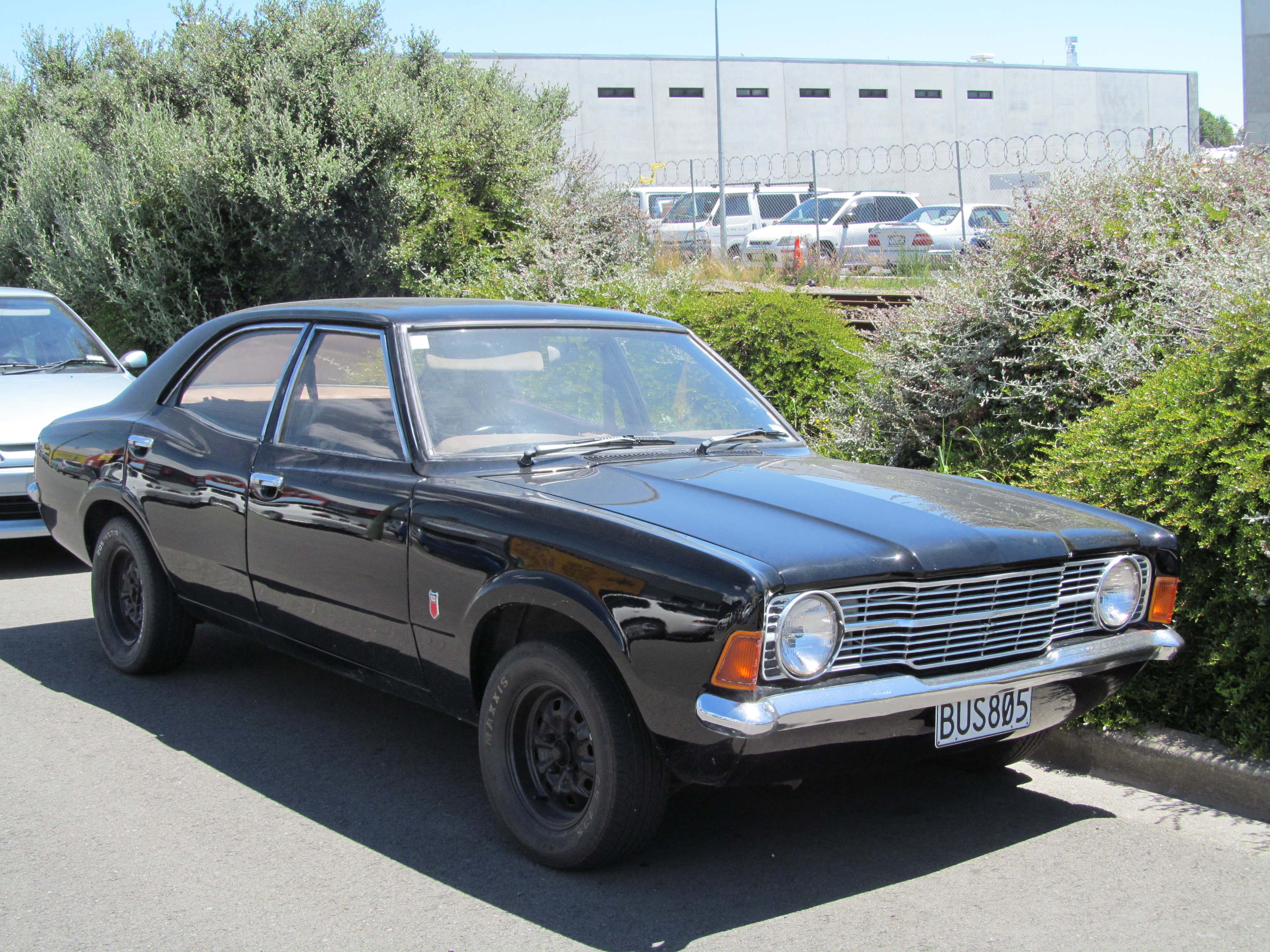
Ford Cortina
The Cortina was a British Ford model that was common in Australia. The speaker is saying his GT500-style car started from a two-door Cortina platform.
Commonwealth duty situation
This phrase refers to special trade rules between Commonwealth countries that made importing easier or cheaper. The speaker is saying those rules changed after Britain joined the EU.
direct import
“Direct import” means the cars were shipped in from overseas instead of being made locally. The speaker is using it to explain where the cars came from before they were sold in Australia.
Windsor
Windsor is a city in Canada that the speaker says was involved in building cars that later got shipped to Australia. It’s part of the story about where the cars came from.
import duty
An “import duty” is a tax on imported goods. Here, it’s part of why certain cars were easier or cheaper to bring into Australia.
body on frame
“Body on frame” means the car has a strong metal base (a frame) and the body is bolted on top of it. It was a common way to build cars in the past, especially when manufacturers wanted to reuse the same base for different body styles.
Holden
Holden was a big Australian car company. In this story, it’s the local brand that helped bring GM-style vehicles to Australia and build/assemble them there.
Hartnett
Hartnett is the name of a person the host says was running GM’s Holden operation in Australia. The episode uses him as a key character in the history being discussed.
Chevy
Chevy is short for Chevrolet, another major car brand. The host is using it as an example of a famous rivalry that influences how car fans talk and choose sides.

Holden supercar
This is the name people use for Holden’s big performance-car presence in Australia. The host is saying that today it’s based on a Chevrolet Camaro, not the old Holden cars.
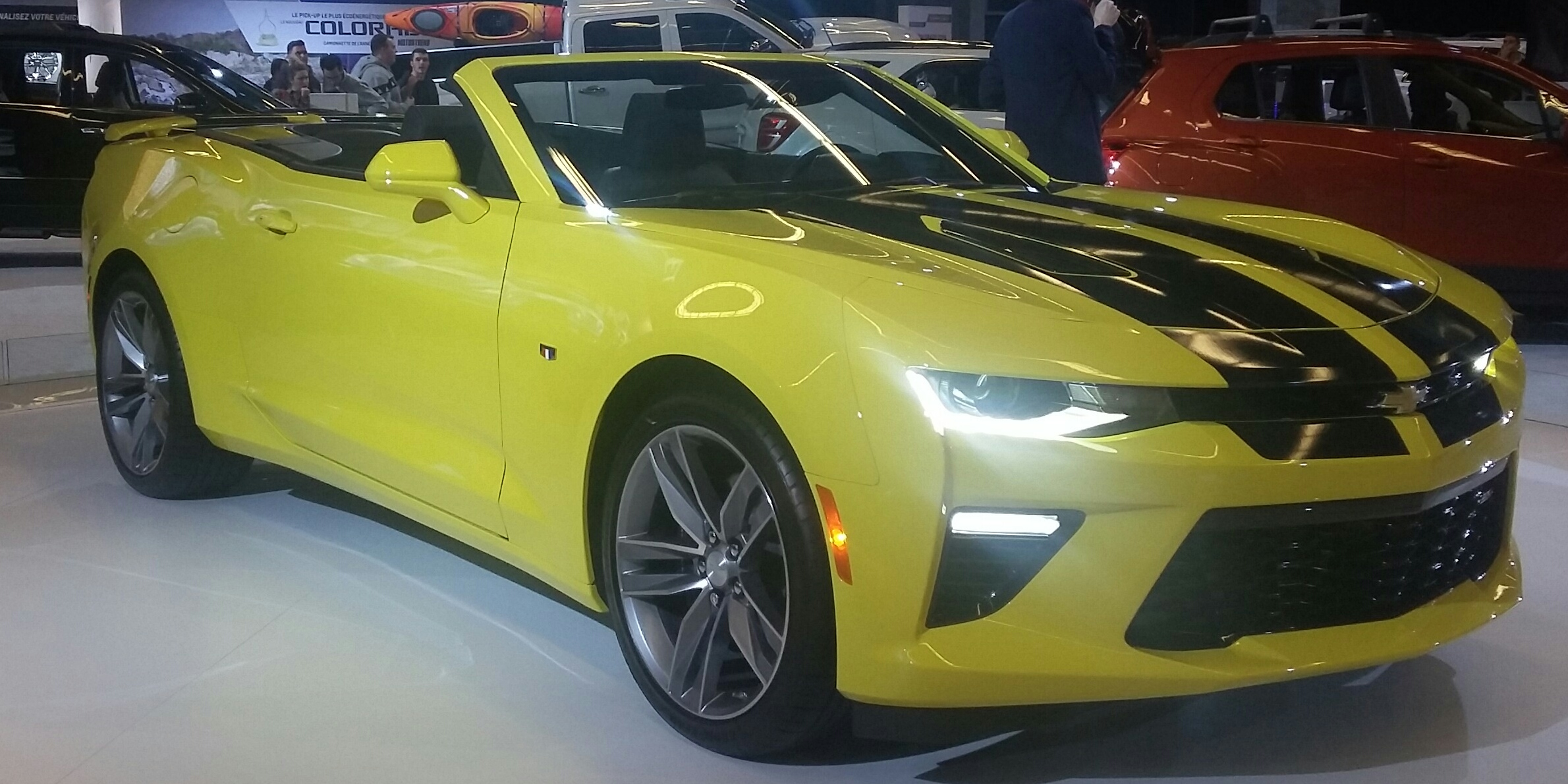
Chevrolet Camaro
The Camaro is a famous American performance car. In this discussion, it’s being used as the current “Holden supercar” reference, even though you can’t buy that Camaro in Australia.
Falcon GT
The Falcon GT is a sporty version of the Ford Falcon. The host is using it as an example of the old Australia-era rivalry, where people could choose between iconic Ford and Holden performance models.

Holden Monaro
The Holden Monaro is a sports coupe made in Australia by Holden. It’s known for its classic muscle-car style and for being an important car in Australian car history. The podcast is mentioning it because of how the name and model fit into the region’s story.
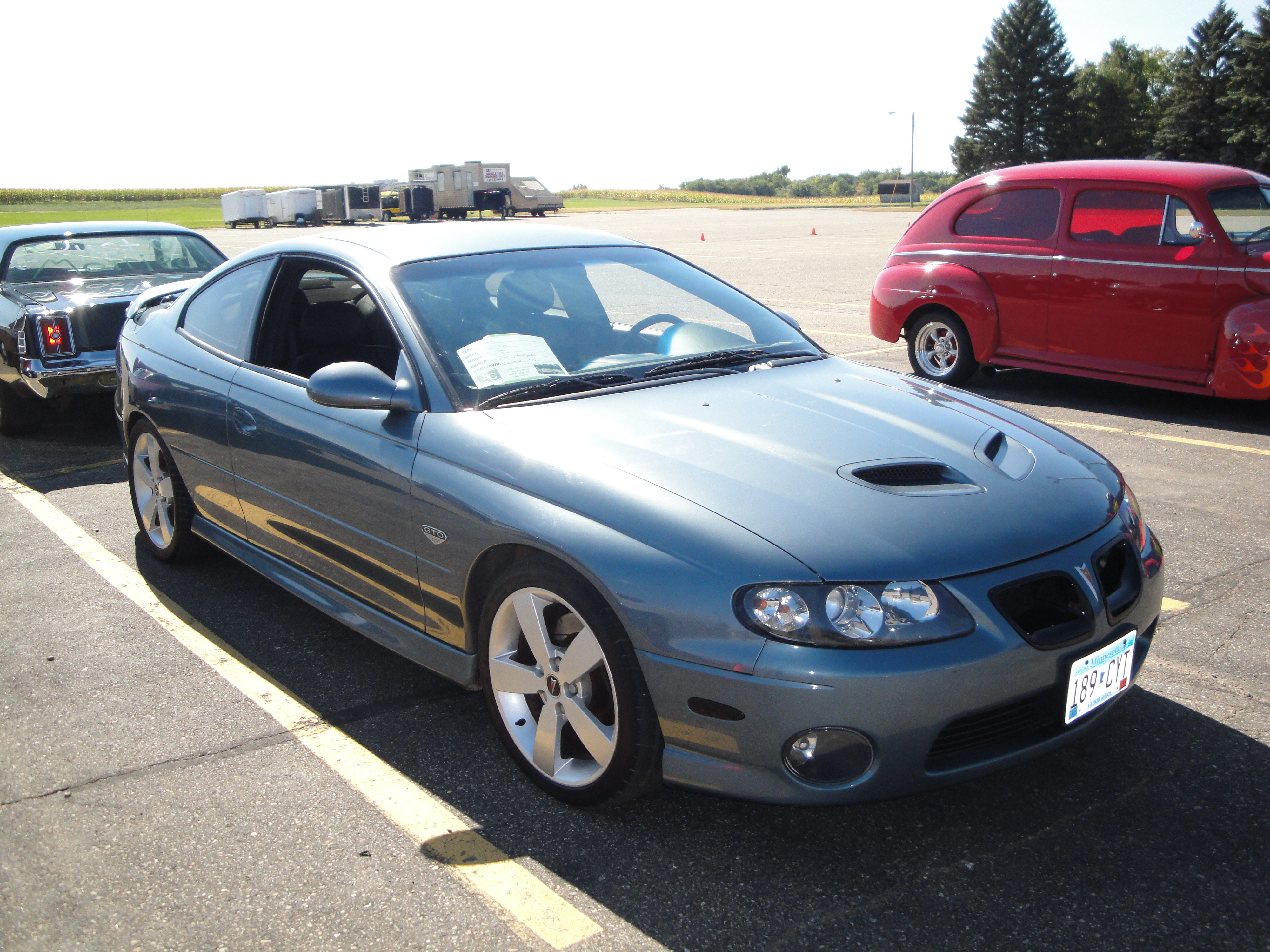
Pontiac Gto
The Pontiac GTO is a well-known American muscle car. In this segment, the host is saying the U.S. tried to bring that name back using a Holden-based car.
engine VA
The host is describing the car’s engine layout and drive setup. The takeaway is that it had a big V8-style engine and drove the rear wheels, which is typical of muscle cars.
rear-wheel drive
Rear-wheel drive means the back wheels get the power. Many classic performance cars use this layout because it can feel more “connected” when you accelerate.

G8
The Pontiac G8 is a performance car name from the U.S. The host is saying it was connected to Holden’s platform, and that’s part of why it looked and felt like a proper performance machine.
Opel
Opel is a European car brand. The host is saying some of the design influence came from Opel, mixed with American and Australian inputs.
rebranding exercise
A rebranding exercise means taking an existing car and selling it under a different name. The host is saying the U.S. approach was more about marketing than making a car that felt truly unique to American buyers.
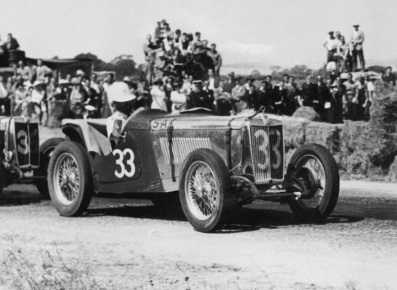
MGTC
The MG TC is a classic British open-top sports car. People like it because it’s old-school and fun to drive, and it’s a popular car to collect and restore.
cruciform welded stiffener
This is a metal reinforcement welded in to make the car’s structure stiffer. Less flex can help the car feel more solid when you’re driving hard.

MGA
The MG MGA is another classic MG sports car. Here, the speaker is saying they used an MGA-style engine setup in their car.
Q-type front drums
These are drum brakes on the front wheels, and “Q-type” is a particular version used on some classic cars. Different drum brake types can feel different and may be chosen for better stopping or easier tuning.
45 Weber
A Weber is a type of carburetor, which is how fuel gets mixed with air in older engines. “45” is the size of that carb, and bigger or different sizes can change how the car runs and responds.
cars and coffee
“Cars and coffee” is a casual car meetup, usually in the morning, where people bring their cars and hang out. It’s used here as an example of shared car-culture habits.

Alfa Gtvs
The Alfa Romeo GTV is a sporty two-door coupe made by Alfa Romeo. It’s the kind of car people collect because it has a distinctive look and a fun driving feel. The podcast is pointing out that some versions are more common than others in the US.
straight eight
A straight eight is an engine with eight cylinders in a single row. The speaker is saying that kind of engine was a clue to what the car was, and that cars with that engine tended to cost more.
overhead valves
Overhead valves means the engine’s valves are operated from the top of the engine head. The speaker is using this detail to figure out what engine it was, and they’re comparing it to an older style called side-valve.
side valve
Side-valve engines put the valves in the side area of the engine rather than up in the head. The speaker is saying it wasn’t that older design—it was the overhead-valve type instead.

Minor Morris Minor
The Morris Minor is a small classic British car. This one is a convertible, meaning the roof can come down, and the story explains how people used it as a family car back when cars were simpler and safer tech like seatbelts wasn’t common.
seatbelts
Seatbelts are what keep you from flying forward in a crash. The speaker is pointing out that when their Morris Minor was used as a family car, seatbelts weren’t standard like they are today.
750 CC
750 CC is the engine size, measured by how much space the pistons move through. The point here is that the car had a relatively small engine by modern standards.
burnout
A burnout is when the driver revs the engine so the tires spin and smoke. People do it for show, but it can be risky and get events shut down.

Ford Mustang
The Ford Mustang is a famous American sports car. Here it’s mentioned as an example of a car people might show off with by doing a burnout at a car meetup.
donuts
Donuts are when a car spins in a circle on purpose, usually by sliding the tires. Doing it in the street is dangerous and can get people hurt or get the event shut down.

Toyota Land Cruiser Ute
The Toyota Land Cruiser Ute is a tough Toyota truck/ute version of the Land Cruiser. It’s built for rough roads and towing, which is why it shows up when people haul cars to meetups.
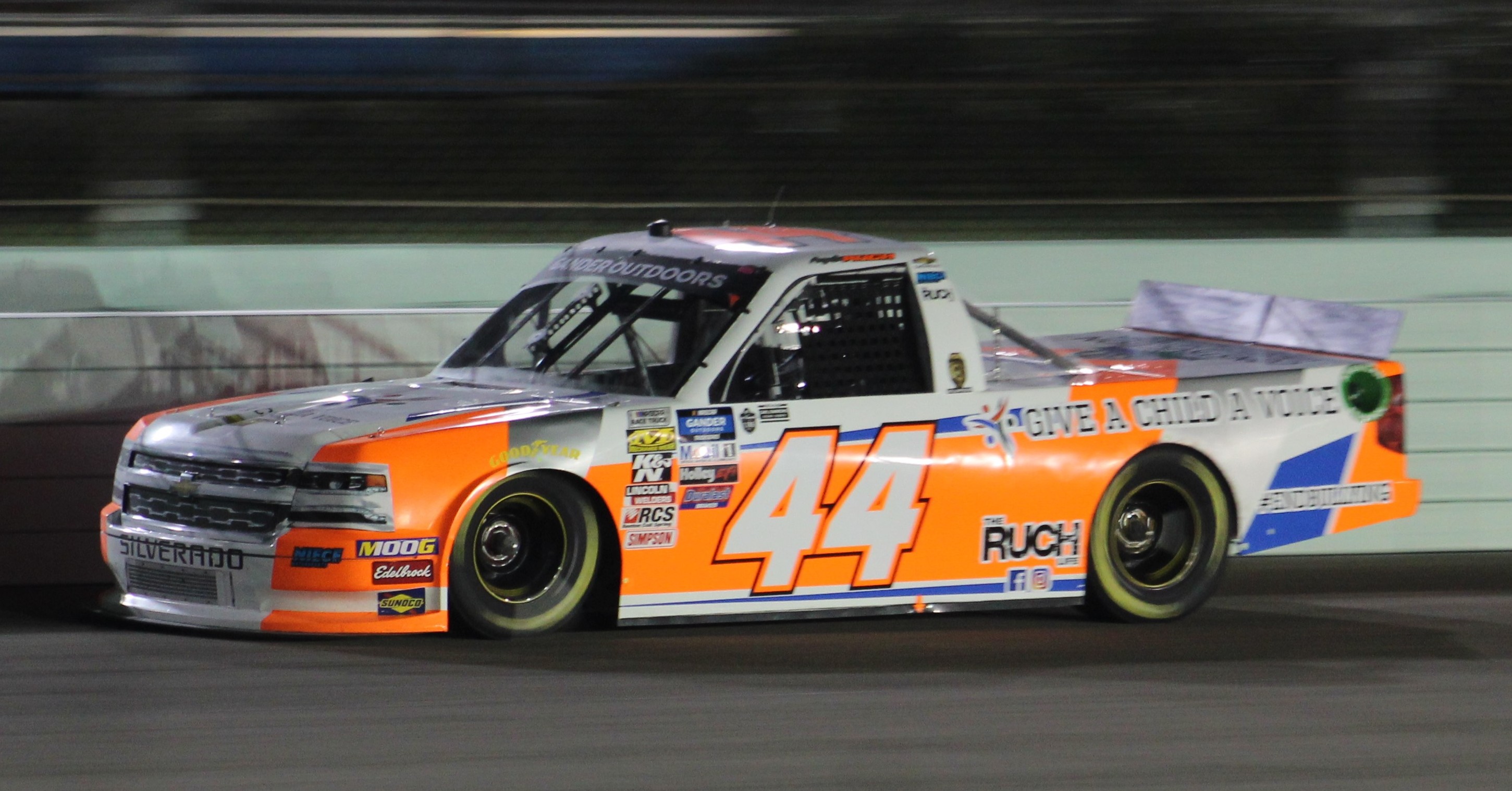
Chevrolet Silverado
The Chevrolet Silverado is a big pickup truck made by Chevrolet. People use it for hauling and towing, so it’s a common choice for getting vehicles to events.
Hume Highway
The Hume Highway is a major road corridor in Australia that connects Sydney and Melbourne. In trucking culture, it’s a common route for annual runs and long-distance hauling because it’s one of the main arteries between the two cities.
rest day mod trucks
That phrase is about heavily customized trucks—people change them to look cool and stand out. The host is saying Australia doesn’t have as many of those highly modified trucks as the US.
deregulated how long the tractor could be pulling a semi-trailer
It’s about laws that limit how long a truck-and-trailer combination can be. When those limits are relaxed, trucks can be built with longer setups.
cab over
“Cab over” means the driver sits above the front axle area, with less of a long hood in front. It’s a different truck layout than the more traditional long-nose style.
unrestricted length tractor unit
It means the US allowed longer truck combinations than most other countries. That changes how the truck is built and packaged.
vertical exhaust
A vertical exhaust stacks the exhaust pipe upward, often for styling and sometimes to help with airflow/packaging on certain truck configurations. The transcript treats it as a distinctive feature of the US-style truck front-end.
bonnet
“Bonnet” is the British/Commonwealth term for the hood covering the engine compartment. In the transcript, it’s used to describe a conventional truck’s large front end (“massive…bonnet”) associated with the conventional layout.
Peter-Builts
Peterbilt makes big trucks in the US. The host is using the name to talk about a style of truck you often see in the US that gets heavily customized.
chopped and channeled
“Chopped” and “channeled” are classic hot-rod customization techniques: chopping lowers the body by cutting the cab/roof, while channeling lowers the body over the frame. Applied to trucks, it describes a lowered, reshaped stance that’s common in show builds.
windscreens
A windscreen is the windshield—the front glass you look through while driving. The host is saying Australia’s trucks are designed to be easier to see out of.
road legal
“Road legal” means the vehicle meets the legal requirements to be driven on public roads, such as lighting, emissions, and safety equipment. The transcript ties this to the fact that even utilitarian trucks still must comply with local regulations.
Volvo
Volvo is a well-known vehicle brand, especially for trucks. Here, it’s the company the guest worked for while helping bring trucks into Australia and export markets.
4x4
“4x4” means power goes to all four wheels. That helps the vehicle grip better on dirt, mud, or uneven ground.
6x6
“6x6” means the vehicle has six wheels and all of them get power. More driven wheels usually helps it move through tough terrain and carry heavy loads.
C-Series
“C-Series” is the name of a truck lineup. In this story, it’s the specific Volvo truck family they used for military demos.
payload
“Payload” means how much weight the vehicle can carry. In trucks, it’s the useful load—like equipment or supplies—rather than the truck itself.
military proving ground
A proving ground is a special test area where vehicles are tried out. On a military site, it’s set up to simulate tough conditions, so driving a heavy, loaded truck can be pretty intimidating.

Subaru Outback
The Subaru Outback is a car that’s part wagon and part SUV. It’s made for everyday driving but also for bad weather and longer trips. People often choose it because it’s roomy and practical.
Bugettis
Bugatti is a famous car brand known for very fast, high-end cars. The host really likes them, but says they can’t afford one.
Twin Cam
“Twin cam” means the engine uses two camshafts to run the valves. That usually helps the engine breathe better and can improve performance, especially at higher revs.
single cam
“Single cam” means there’s one camshaft controlling the valves. It’s a simpler design than “twin cam,” and it can be less flexible for performance tuning.

Bugatti Type 35
The “Type 35” is a legendary vintage race car (Bugatti) that helped define early Grand Prix racing. Here it’s mentioned as a comparison for the kind of engine design being discussed.
ETA race handy work
“ETA” sounds like a shorthand for a specific racing or engineering approach, but the clip doesn’t explain it clearly. The point seems to be whether the improvements were purely “race-proven” work or more creative inspiration.
electric now
They’re talking about buying an electric car instead of a gas car. The clip doesn’t get specific about which EV or technology.
Tesla
Tesla is a company that makes mostly electric cars. The speaker is basically asking if the electric car they’re talking about is a Tesla.

P76
The Holden P76 was a car made in Australia, and it was designed for local buyers. The host mentions it because it had a big trunk (boot) and a V8 engine, and it’s considered an important “what could have been” Australian model.
44 gallon drum
A “44 gallon drum” is a big container you might use for fuel or other liquids. The host is saying the P76’s trunk was big enough to carry something that large, which shows how practical the car was meant to be.
44 Imperial gallons
“Imperial gallons” are a different unit of volume than US gallons. The host is pointing out that 44 Imperial gallons is not the same number of US gallons, so the trunk claim needs the right conversion.
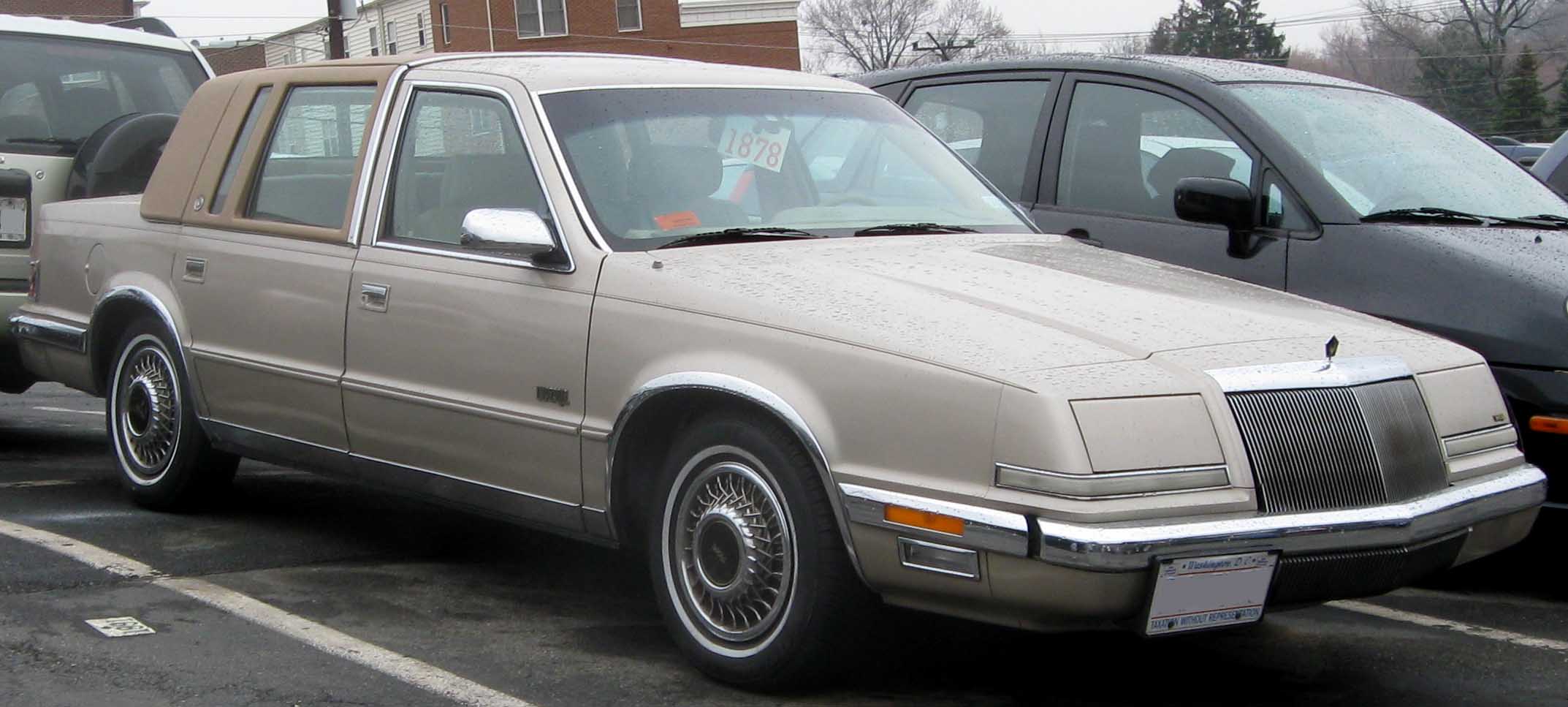
Chrysler Imperial
The Chrysler Imperial is a large, luxury car. It was built to be roomy and comfortable, with a lot of space inside and in the trunk. The podcast is using it as an example of how much it could carry because it’s so big.
Bot aluminium V8
This is a V8 engine made with aluminum. Aluminum is lighter than the usual heavy metal (iron), so it can make the engine easier to fit and can change how the car feels and handles.

Leyland Terrier truck
The Leyland Terrier is a truck model. The point here is that the same type of V8 engine mentioned for the P76 also showed up in trucks, not just passenger cars.

SD1 Rover Sd1
The Rover SD1 was a UK car. The host is saying the same V8 engine family also ended up in cars like this, not just in the Australian P76 story.
Land Rovers
Land Rover makes off-road SUVs and trucks. The host is mentioning Land Rovers to show that this V8 engine wasn’t limited to one model—it was used across the lineup.

Range Rovers
Range Rover is Land Rover’s flagship SUV line, and the host is listing it as one of the vehicles that used the same aluminum V8 engine family. This is relevant because it illustrates how the engine design migrated across multiple brands and vehicle types.
iron block V8s
That phrase means a V8 engine where the main engine housing is made of heavy iron. Because it’s heavier, it often uses more fuel than lighter-engine designs.
Targa Florio tribute model
A “Targa Florio tribute model” is a special edition car that’s styled to look like it belongs to the famous old road race called the Targa Florio. The goal is usually to copy the race’s classic colors and graphics.
younger Australians getting into
They’re talking about what kinds of cars younger Australians are excited about. The host is basically asking whether it’s only the newest, most expensive cars—or something broader.
hypercars
“Hypercars” are the very top level of supercars—usually the fastest, most advanced, and most expensive. Think of them as the “supercar superstars.”
Land Cruiser Ute
A Land Cruiser Ute is a Toyota pickup-style vehicle based on the Land Cruiser. It’s built to handle tough conditions, and people keep them running for a long time—like the one being discussed here.
stretch wheelbase
“Stretch wheelbase” means the truck’s frame is made longer between the wheels. That usually gives more space and can change how the vehicle drives.
40 series
“40 series” is an older Toyota Land Cruiser generation. The speaker is basically saying people like the later 75 series more than the earlier 40 series.
door skins
“Door skins” are the outer metal panels you can see on the outside of the door. If they fit correctly, it makes repairs and restoration much easier.
motor rebuilt
“Motor rebuilt” means the engine was taken apart and repaired so it can run like it should again. People do this to keep older trucks working for a long time.
mechanical diesel
Some older diesel engines control fuel using mechanical parts instead of computers. That means repairs can involve physically changing fuel lines and components.
gapping the points
On older cars, the ignition system used small metal contacts. Setting the gap between them helps the car make spark at the right time.
muscle cars
Muscle cars are American cars built for strong acceleration and big engines. Collectors often focus on specific models and engine versions.
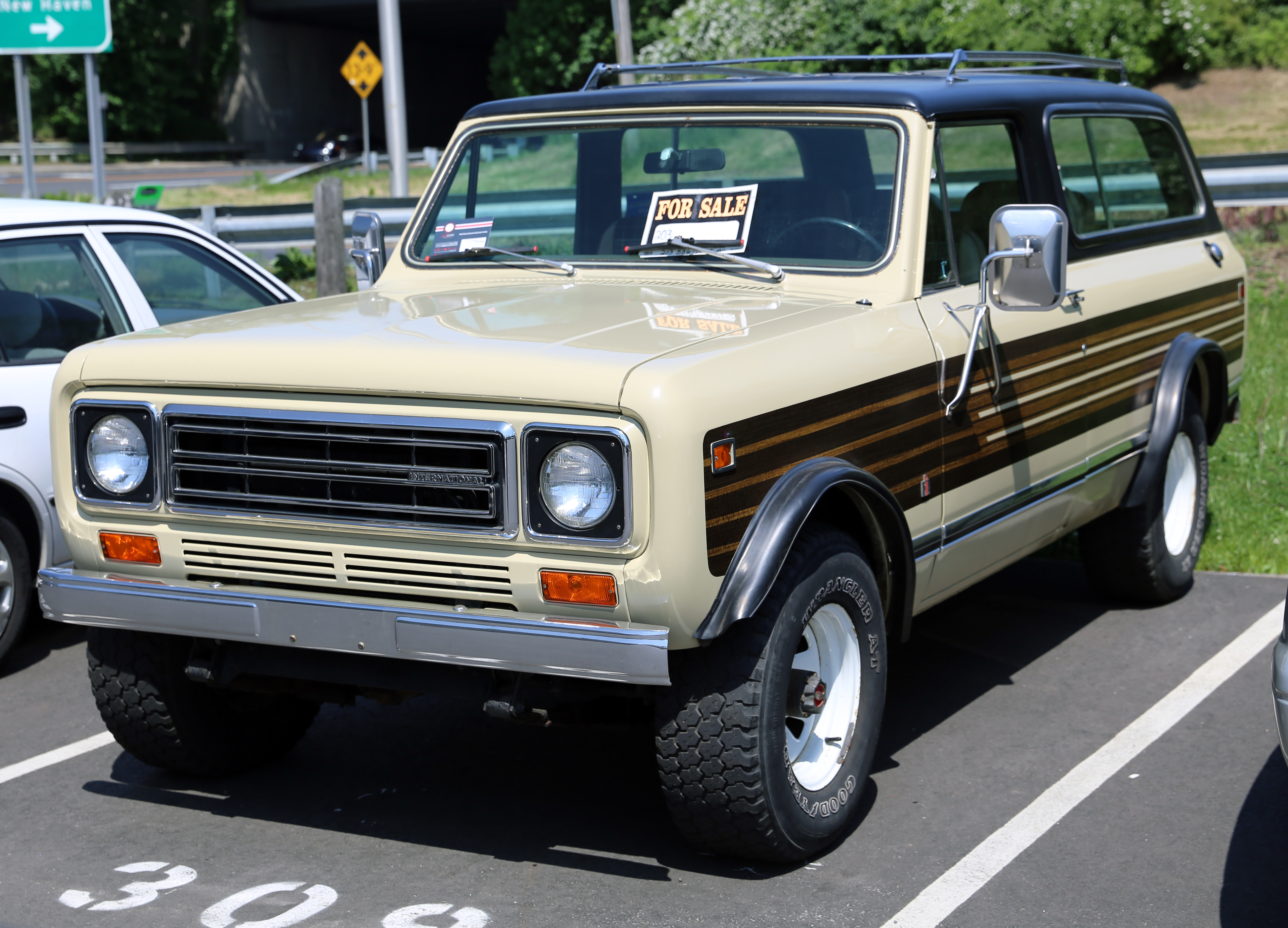
international scout four by four
The International Scout is an older off-road 4x4 vehicle. People like it because it’s tough and has a dedicated fan base for restoring and using it off-road.
right-hand drive
Right-hand drive means the steering wheel is on the right side of the car. It’s common in countries that drive on the left, and it changes where the driver sits and how the car feels to handle.
Bathurst
Bathurst is Australia’s biggest racing weekend. People treat it like a festival—lots of camping and loud fans—so it’s a great place to experience car culture in person.
Panorama
Panorama is the race track area at Bathurst—Mount Panorama. The track is famous for being challenging and for creating dramatic racing.
supercars
“Supercars” here doesn’t just mean expensive road cars—it means Australia’s touring-car racing series. The race cars may look similar to regular cars, but they’re built for racing.
carbon fiber bodywork
Carbon fiber body panels are made from a strong, lightweight material. In racing, that weight savings can help the car feel quicker and more responsive.
common chassis
A common chassis means the race cars use the same basic “frame” underneath. That can make the racing depend more on setup and driver skill than on totally different car structures.
big desert race
The “big desert race” is a huge off-road race in Australia’s desert. It’s the kind of event where cars go long distances through tough conditions.
