The F1 system is a fancy sound system made by Alpine that makes music sound really good in cars. It's like having a concert experience while you drive.
Alpine makes audio equipment for cars, including speakers and sound systems. The F1 system is one of their top products that delivers very high-quality sound.
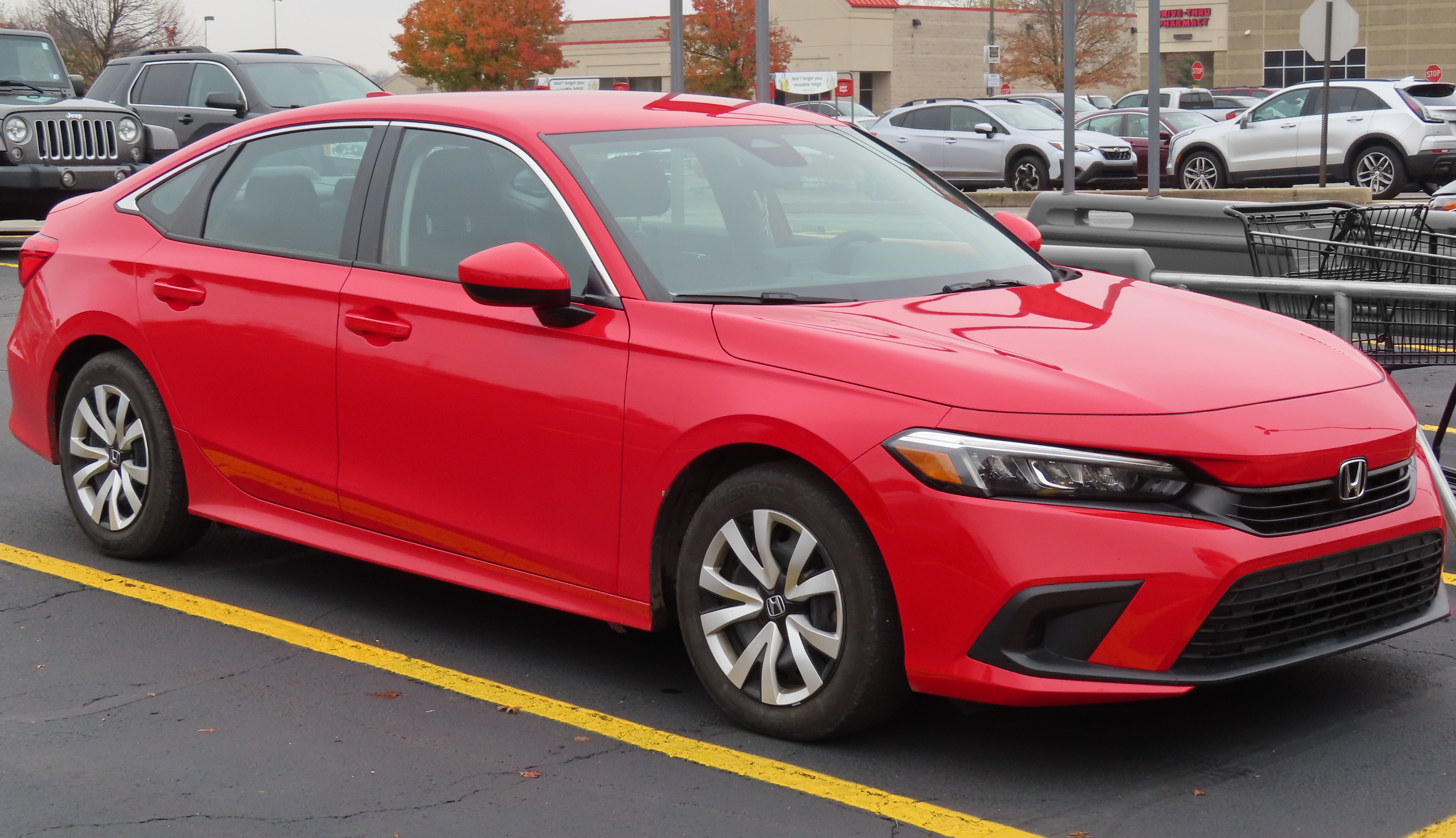
The Honda Civic is a small car that many people like because it's dependable and gets good gas mileage. It's also fun to drive and has been around for a long time.
The Honda Accord is a popular car that is known for being dependable and good on gas. It's a comfortable sedan that many people use for daily driving and family trips.
The Nissan 200 SX is a small, sporty car that people loved to drive in the 80s and 90s. It’s known for being fun to drive and many owners liked to customize it to make it even faster.
Mosconi makes audio equipment for cars, like amplifiers and processors, which help improve sound quality. They're known for making really good products that car audio enthusiasts like.
A pro processor is a special device used in car audio systems to make the sound better. It helps adjust different settings to improve how music sounds in the car.
An auto tune feature is a setting in audio devices that automatically adjusts the sound to make it sound better in your car. It helps people who may not know how to tune the system themselves.
The Ford Orion is a small car that was made by Ford a long time ago, mainly in Europe. It was liked for being affordable and a good choice for people who needed a simple, reliable car.
The buyer's code is like a set of rules that helps people know what to check when they want to buy a car or car parts. It helps ensure they get the right fit and good value for their money.
Car
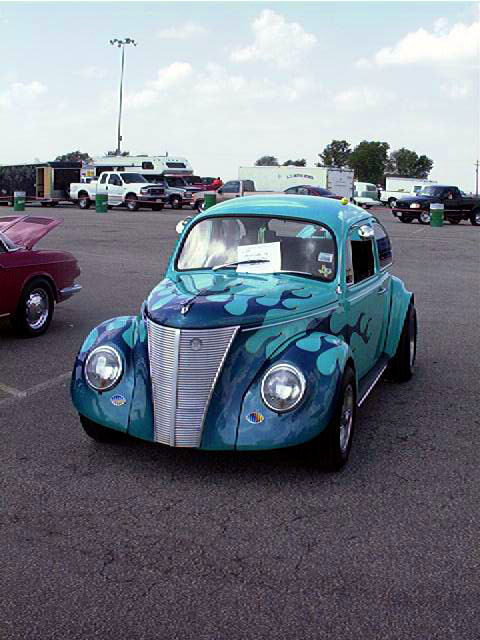
Volkswagen Bug
The Volkswagen Bug, or Beetle, is a famous small car with a unique round shape. It's been around for a long time and is loved by many for its quirky design and reliability.
The Toyota Camry is a well-known car that many people trust for daily driving. It's comfortable and usually doesn't have many problems, making it a good choice for most drivers.
A tuner is someone who makes changes to cars to make them sound better or go faster. They can also install new speakers or other features to improve the car's sound system.
Subaru is a car brand from Japan that makes vehicles known for their durability and all-wheel drive systems, which help with traction in various weather conditions.
Kia is a car brand from South Korea that makes affordable cars with good features. They have become more popular as their quality has improved.
LIVE
Many thanks to Resonix Sound Solutions for making this podcast a reality.
Find out more about Resonix Sound Treatments at ResonixSoundSolutions.com.
It is the end of the world, so just be prepared.
His name is Paul Adams. Welcome, Paul. Thank you.
You come from the West Coast, so we don't see a great deal, but it's always a pleasure when we do.
I think you've probably seen you most when we were, we had Louisville finals happening.
No, you and I have talked a couple of times there, but kind of start out, what was your,
when did you start in car audio, like about, about when and, and what got you going in it?
Early 90s. I wasn't a competitor, like listen to mostly guys on the podcast, but I, it was,
it's funny because it was Krypton. The planet Krypton got me into car audio.
A buddy of mine was building a car stereo and this car didn't drive for a year because he was
building the system. It's kind of like now, but he is punch 45s and I got these. Hey, listen to
this. I got in the car and I'm like, oh, shit. It was just rumbling and it was eye-opening. So
I delved down that track. I didn't get into competition because we didn't have, I didn't
know how to get in contact with anybody for competition or know if there was competition,
but I just liked music. And then flash forward to early 2000s and I worked for a company that
sold high-end cars and built high-end car stereo systems and then flash forward to about 2010 or
11 and that was what got me into this most current scene. And it was Jim Becker that got me in,
but I met him through hybrid because one day I said, I want a car stereo system again.
And I don't know what I was reading because there weren't very many publications about
anymore, but I found something. I was doing some research and I said, hmm, these hybrid
speakers seem to be getting a lot of, a lot of play. So let me look for some and I'm looking
and I couldn't find anything. You know, it's Pioneer JBL. It's the normal thing, Alpine.
And I'm like, no, I want these. So I couldn't find anybody. So I called you guys in Georgia and
they said, oh, where are you at? I said, I'm in Torrance and they go, oh, well, we got our guy
that distributes out there, Jim Becker. He's, this is his number. So I said, well, he's like
five miles from me. Okay. So I went and talked to him and he had big red. It wasn't competing
anymore though, but I thought I'm like, shit, this is a scary truck. Big old holes in the floor
where the subs used to be. Did he solve the five and a quarters in the dash at that point?
Everything was there except for the subs in the floor. Even the low through was there and the
amps. So I never listened to it though because he didn't want to play it without the subs in
the course. I'm like, okay, no problem. But I got my speakers. I was happy. It was just a
two way speaker system. And one day I was talking to him and he says, oh, we're having this get
together. And I'm like, oh, what's that? And he goes like, oh, we just get together and talk
about music and stuff. Oh, okay. That's, that sounds cool. Let me know the next time you guys
have one. So he had one out near JT. Yeah. If you don't remember JT. Yeah, man, it was big. It was,
I mean, we had a lot of people at those get togethers and it was probably G 30 people. Oh,
between 20 and 30. Yeah. And it was brought food. And one of the guys that competed, he used to work
for American Honda Print Shop. And we would do events over there. And it was, it was nice. And
then I got to listen to some cars and I go, shit, this is what they're supposed to sound like.
Now we were, I mean, we were selling at the place that I worked at before we were selling, you
didn't sound like that. It was boom, boom. And, and this was an Alpine F one system with the full
blown system. And I'm like, wow, okay. And the car I got in, I don't know if either of you guys ever
got a chance to listen to Michael, Michael's Avalon, but it was, it looked like you would get
need a tetanus shot after you got out of the car. This is Michael, Michael Silverman. And
nice help the nicest person in the world. I mean, I went to the event, he walked up to me with the
big smile and said, Hey, want to listen to my car? Okay. And if you walk over to him, I go,
Oh, do I want to get in this car? And you know how you have somebody that you know, a girl that
you know, and she's nice looking, she's not really your type. And you're talking to her. And the more
you talk to her, she starts looking a lot better because she's more, you guys have so much more
in common. And then she's more, it's like all of a sudden you go, she's beautiful. And that was
Michael's car. You got in it, you're like, Oh, okay. And it's, he turned it on. And I'm like,
wow, this car sounds really good. And didn't, it starts not smell. It started looking good.
And for the longest time, it was probably one of my favorite sounding cars. And we had a lot of
really good cars during that time period. But he was, he was an incentive for me to continue to
go into competition. And one of the bigger factors was Scott Welch and Jim Becker. Jim's
always been there tuning for me. And then Scott Welch, the first year that I built my Lexus,
the second Lexus, the first Lexus never, it tried to compete in it. It was just horrible. But it
did well enough to beat Richard Papas. And Richard said, huh, okay. And then Richard stopped competing
for that year. And he judged and he judged and got enough points. And then we went to state
finals. And I listened to the car again, to Richard's. I just looked at him and I said,
shook my head and I stuck my hand. I said, congratulations. He said, what? I said, we're
winning. He says, there's no way that car is going to sound as good as this. And he's just smiling.
And that year he won state in the following year is the year that he got on the cup
with his Honda Civic. That's awesome. It was. But those guys got me into doing driving past
Vegas, I think was the farthest that I'd ever driven. Oh, right. Yeah, they got me to drive up
north to Bacaville, which is Scott Welch's shop. And that's a long way. It's like seven and a half
hours. That's like a whole other state out here. Yeah. And then he convinced me to go
to finals and that was in Kentucky. The first year that was 17 for me. Right. Kentucky.
How many days does it take to get there? Like a week? And I said, okay. So myself, Nick Adams,
and then what we caravaned out there. And that, that was interesting, but that was a long drive.
That was three days of driving like three straight days of driving. Yeah, that's serious.
Yeah. But that was the beginning of the road trips. And I think that it was well worth it
because I was able to meet a lot of the people that I had only chatted with online. Tony Horton
was one. He and I for the first my first season in Mecca, he was like, we would talk mess back
and forth, but we were really, he was a really good guy. Him and Brian little Brian, not Brian
Mitchell, Brian Gil, Gil. Thank you. He and I both were chatty online. And then later on the phone,
and he actually called me the other day to check and see if I was okay. I thought that was
this was cool to him. It was. So I mean, I've been fortunate enough to meet a lot of
really, really good people, really influential people, and be able to call them friends,
not just in car audio, but just in general. And it's, it's changed my life and definitely changed
my pocket. The better, right? I mean, yeah, you can always say that, right?
Yeah, who needs all those pesky zeros when you're thinking about, right?
Yeah, I just need a bunch of stuff I can just sit in a room and not use.
It's called collecting. Yeah, I know. I know a lot of those guys know a lot of those.
Vanquox got like in his parents house. He's got a whole room dedicated to probably
maybe four or 500 amps. Wow. Yeah, I didn't know that. Yeah, like a museum. It is. And if you,
back in the day, if you remember all the big amps, like the really big ones, he's got them.
That's cool. Outlaw. And you know, you saw his car with the Macintosh and the big one. Oh, yeah.
Yeah. So those and I'm like, what the hell was that? He goes, Oh, that's such and such.
And these are the Phoenix golds and the data does. And I'm like,
shit, I haven't heard half of this stuff. I can just imagine Vin explaining that in his
right. I mean, I can feel the excitement right now.
Exactly.
But yeah, he's been a big inspiration for me too, because he's, man, I tell you,
he's probably one of the best installers that I know in the country besides some of the big guys
like you, Mike, that level for somebody that's not an installer. He's just really,
really awesome work, which is scary for some of the guys that actually do that for a living and
their work doesn't look half as good as this. Yeah. I mean, it's kind of a tough thing, you know,
because you'll see a lot of the DIY type guys that'll do some, I mean, absolutely incredible
work. And, you know, a lot of shops, maybe they have the skill, maybe not, but for the most part,
they don't really have the time to dedicate to something like that, you know, the customers
probably won't pay for it in the area that they're at. So it's kind of a tough thing. So
it's cool to see, you know, his skill because he really has a knack for it.
Yeah. But just imagine putting in an eight hour day and then putting it in another four or five
to build something. Yeah. And his four or five is in the beginning of the day.
If you call, if you call Vin at eight thirty, he's asleep. He's asleep. But if you call him
at three in the morning, he's awake and he's working on his car where it goes to work. Yeah.
Well, we haven't seen you at finals in a little bit.
Well, you know why we were banned from Mecca Finance. We won't go over that stuff. But I've
been working my way back into it. The Lexus is in the process of getting rebuilt. And in the
meantime, I got a daily driver, which is a Prius, which is a complete opposite of the Lexus.
And I looked at it and go, at least put a sound system in it. And I haven't done a sound system.
And that one, I said, you know what? I'm going to do it. I'm going to go out there and do it.
I learned how to do some of the stuff with a lot of guys. Jeremy Mullins helped me out.
And Vins helped me and Scott Butler. And I said, you know what? I'm going to do it myself.
And it first wasn't the Prius thing, but it was efficient. It sounds okay, I think. I think it's
competitive. It's getting there. And it sounded really good last time I was to it. Yeah. It's
getting a lot better. But it was fun to do that. I'm way too old to do this stuff. In the Lexus,
the funny thing is John Lewis will tell you, I got stuck in a trunk. The trunk is just long
enough for my body where I can't use my legs to, if I'm head in, where I can't use my legs to grab
the bumper to pull myself back. And I'm just fat enough where I can't turn around and get on my
knees to back out. One day I was sound deadening in the trunk and I'm like, I can't get up. And
there's nobody here. And I just started laughing and I'm like looking and I'm like, oh, shit,
I can't even reach my cell phone. And I just barely was able to scunch over. But one day
I was in the trunk doing the same thing and John Lewis was there. And I'm like, uh, John,
can you give me a hand? And he says, what? I said, I think I'm stuck. And he just starts
busting up laughing. And he's looking and he says, hold on, let me give my phone. Yeah.
What are you talking about? Give me a hand. So we got a little joke where he says,
just call me if you think you're going to, if you're going to be working on the car,
call me and let me know if you need a hand to get out of it. I don't know how you guys do this stuff,
Mike. It's, it's tough. It's physically demanding. It's, it's for the younger crowd.
It definitely is. Each year I try to think of how many more years I can do it, you know.
Man, I'd have to wear knee pads and I'd need to have like a rig that I could use a winch to pull
myself out of positions. Even getting up off the floor is like a task. I'm like, oh, I'm stuck.
I'm sitting outside the door like sitting on the ground. I'm like, how am I going to get up?
It's a whole bending over thing. Yeah. Yeah.
Bending over this back up. That's the hard part. Who put the ground so low?
Yeah. And then we all get lowered cars and that's even more. Oh my God. Yes. Yes.
Well, thank God. Why are we purposely making this harder and spitting so much money to do it?
Exactly. You want me to cut while I'm down here? I can barely move and turn.
Yeah. But it is fine. It keeps me out of trouble sometimes when I get stuck in a car.
But yeah, it's definitely a passion. It's enjoyable. Again, being around so many people
that are so gifted in all aspects of building sound design and hardware. I mean, we're really
fortunate in California. You know, I'm running True Amp. So the guy that builds the amps and he
literally builds them in his office is 40 miles from me. Oh, yeah. And that's John Yee and Brian
Mitchell and Ark Audio, you know, they're right up the way. Zapco's right up the way. We had Alpine
folks coming up to some of the competitions. They've been in and out. They haven't been so much
lately. Then we have, we're blessed with Mike Nichols, who's got US Audio. His stuff sounds
really good. And he just debuted his car yesterday at an event in Riverside. It sounds really good.
Yeah, he's got a Honda Accord with Morrell speakers, which Casey, you know, and can't spend,
where is he? Arizona. Arizona. He's not far, but he usually comes out to events for us. So
he's running Stereo Integrity subs, Morrell front stage, and then his
SQ amplifiers, which sound really, really good, especially for the price. Yeah, he's been around
for ever. Ever, right, right from back in Z days. Yeah. Yeah. And then he's around here too, actually.
He's still around. I think he's still around. Yeah, because you guys just had a competition,
like you said, yesterday. Yeah. Yeah. And there was what, 30 cars there? At least.
Yeah, 25 to 30 cars. People coming from down as far as San Diego and as far north as Santa Barbara.
What do you attribute to the success and the fantastic turnout that you have at the shows over
there? Richard's diligence to keep everybody relevant. He's always pushing for shows
as you know, Mike, even with you guys back east, trying to keep shows as frequent as possible.
He's doing a show today, which is this SPL show. Thank God he's doing the SPL show today and not
the SQ show today and the SPL yesterday. But he's doing that. And I think he's single handedly trying
to help keep our audio and make it relevant. I know he has a lot of help. It's not just him.
And he was past the flag from Jim Becker for Mecca. And Jim taught him and Linda how to tune.
And they've gone off into a whole different level with when they were competing. They were
pretty formidable. And then the next level became their judging and their judging style.
And input, that was the really good thing for us is getting so much feedback from them.
Regarding competitions. But he tries to get us at least one show a month. And it's usually more
than that. I think that's the biggest push. And then we have a lot of people that are trying to
help on the sides myself and people like Mike, the halls in Ohio helping out. And now we've got
Angie down in the south helping in Florida. So I think the inspiration is like a fire.
It's caught on. And now we've got people doing what they can to keep it above. And then we've
got people like Clifton doing the big shows, which always teased him about not coming west.
So I guess this was West. But I do appreciate it. And I'm glad that you're continuing on with
this theology because it keeps a lot of people informed and everybody's listening to it. So
it's really entertaining.
That's the goal is to at least have something that's relevant to, like you said, I think
relevancy is a really good word that you used on Richard. And I think it's the same thing. I mean,
that was kind of the whole goal with the podcast in the beginning was to be more of the, you know,
it's out here in the Midwest, obviously, you know, as we were talking before,
when you're covered up in 18 inches of snow and ice, it's a little bit difficult to
predictably put shows together. But but so having that ability to kind of tie,
you know, tie us together as a group of individuals during that time where we can't
be competing as much, I think, you know, really, really helps to kind of keep those
keep those connections alive, because it's easy, especially in the winter, especially
for those of us in some of these states that get covered up, you know, it's easy to kind of
just kind of forget about it and and loose loose side of it. And I think it's one of things or
even a hobby. I mean, one of the things when I started, I was really got heavy into photography
before I got heavy back into car audio. And one of the things was, you know, kind of drilled into
me by several key people was like, you just got to do a little bit of it every day, like just
something touch it, you know, if you don't do something with it every day, you know, you're
gonna you're gonna lose grasp of what's going on with it. And I think even even people in the
industry, it turns into moving boxes and, you know, a job. And a lot of those people tend to
kind of wherever you can kind of tell at what point it turned into a job for them,
because they kind of have put, you know, they've kind of cemented their knowledge and growth
at that point. And so it's like, you know, well, if you think what's relevant, you know,
was, you know, SACDs, and that's the best thing that you should, you know, should be using for
for your audio system from the source material, then, you know, you might not have kept up with
things. But yeah, I mean, I think that's where being able to have these conversations and do
these things and be involved in it from the comfort of wherever we are and traveling wherever we
are and that kind of thing. I mean, it definitely really helps. So, and I appreciate you, Paul,
too, as far as that goes, because you've always been a really good source of inspiration and,
you know, go get them this and I appreciate that a lot. And I think a lot of people do.
That's, there's so many people, you know. Yeah, it is. And I mean, I think the biggest thing that
opened my eyes was when I went to finals the first time. And that was in Kentucky. And I was like,
first of all, it was it was odd because I had never seen anything like this. I've seen it in
magazines, you know, back in the heyday, but I never was part of it. And just walking around and
going, Oh, that's so and so. Oh, wow. And at that point, I just knew people's handles, their names.
And this is, you know, Dima, right? Yeah, transition to Facebook. I'm like, Oh, it took forever. It's
funny because I never knew forever that whatever Nick Apicella's name was on Dima, I didn't know
that that was him. Yeah, I'm like, Oh, that's Nick. And it's weird because people, they were
different from Dima to Facebook. But it was it was fun because you get to see and talk to people.
And now you get to understand, like what you just said about the weather, we're always building out
here. It's, you know, it's, it's, oh, shit, it's, it's, it's 35 degrees. Okay, go in the garage,
turn on a heater. But you know, it's, it's not that bad out here. And unless it's hot, that's,
you know, that's the only time it becomes really bad. But I look on the look online and they're
like, Oh, yeah, we're getting ready to start building our cars for the year. And it's like
April. And I'm like, huh, we've been building all winter. You guys are just not starting. It's
almost finals. And it's like a week before now, I understand why they're, they're building their
cars up until the week before finals. But it's, it's, it's interesting because it's, it's like a
season because everybody's cars there. And I never knew that I just, you know, the car was built.
And then, oh, I'm supposed to change stuff. Well, no, it was not good. And then you do a show and
it's like, Oh, shit, it's not the best car anymore. I gotta, I need to make some changes,
whether they were good or bad, didn't make a difference. You just ended up making changes for
it felt like for nothing. But, but, but like you said, it keeps you in tune with everything
that's happening, new products, old products, keeping up with people. Hey, how can I help you
out with, with whatever it is? I may not know how to build it, but hey, maybe I know somebody that
can help you. And that's, that's what I feel like. Like yesterday, I didn't compete, but I went to the
show. And there was a lot of new people, which was great. And listening to their cars. And,
you know, they think the cars sound good. And you go, Yes, it sounds good. Go listen to this car,
listen to that car, check and let me know what you think the difference is and the way that
your bass sounds, the imaging sounds. And it gives them opportunity to see what we're talking
about. There was one guy with the, he had a different car previously. And he wanted me to
listen to his car. And I listened to it go, Okay, you got this, this. And he says, I'm not going
to tell you what the subs are, you let me know what the subs are. So we're listening to it.
At the very end, I said, well, they're either eights or 10s. And you need more.
He had three, three 10s. And they sounded good. They just didn't extend down. And I said, go listen
to such and such a car. I said, it sounds good, but it's, it's as if the bass is just stopping
at a point. And when he got judged, she was told that he didn't have the low end bass for, I said,
yeah, you don't. I said, so now you know, the next competition, you'll be able to come back and
hopefully he's not tuning it. Someone else is tuning it. Hopefully they can see that in and
address it for you. But it's those type of things. And he had probably four or five people with good
experience in competition, tell them exactly the same thing. So now he has, he has a basis to go
and say, oh, okay, so it is that. And now he's listening and he listens differently. And he goes,
oh, okay, I see what you're talking about. Cause it sounded good, but we're, you know,
how we are, we're super critical. And if it's, even if it's great, oh, yeah, that's a nine.
But you know, if he did this, there'll be a nine point one.
Well, but it helps. It helps a lot. Like what you're saying, where, you know, we've said it here,
both Mike and I have said it plenty of times, but you know, if one person tells you something cool,
whatever, but you know, by the time of the fourth or fifth person tells you, okay, maybe I'll listen.
It's got to be a problem. Exactly. Exactly. And that, that was me in the beginning. I'm like,
you don't know what you're talking about. My shit sounds good. And then I go and you know,
oh, it is doing that. Oh, okay. I'll listen to you guys.
I'm not going to admit it, but I'm going to anyway. I'll do it now.
How you say it's 2020? Yeah, it's like, I guess my shit does stink.
You've been, you've been to quite a few finals. How many finals have you attended now?
Um, 17 to 20 to 20. Where was the field? Was that 2020?
Yeah, that was the last one I went to. Was that? Oh, yeah, that was probably right around when we
got banned. Now there's one way to go. Was there one more year? Yeah. Yeah, I think I didn't go
that year. Well, wait, was, um, was Walmart the following year? Yes. Oh, so I went to that one.
Yeah. Yeah. Arkansas. Bendville. Yep. Yeah. So that was, um, that was the last one. And I,
if there were two separate last year, was it last year or the year before there were two
separate finals? I asked that, did theirs and then, um, last year was everybody, right?
Yeah. Yeah. So I was going to go last year and I just didn't have,
I didn't think I was competitive enough. So I didn't go. Okay. So yeah, I didn't feel like I
would be offering anything other than money to the gasoline gods in the hotel circuit.
What was your most memorable finals? Well, probably the, well, I guess there's two ways
of looking at the first one, which was 17 and, um, 19, 17 was my first year at finals and I won.
And that was really big because I think in my class we had 23 cars. Oh yeah.
And there's a lot of them. That was a street, street class. Yeah. Yeah. Only to be, um, beaten by
I think Mott street had 25 or 27 cars or modified. Maybe it was modified, modified.
So, um, yeah, that was memorable. And then 19, because that would have been my three-peat year
and I got, whoo. So, you know, they call, they call the people up and they say, okay,
um, can I get these people on the stage and, you know, they're calling the names out.
And I didn't get, I wasn't getting called. I was like, oh, shit, I didn't even make it on the stage.
And then I was like the last person called. I go, and this is in the field. So they have
the little stage there and I'm walking up to the stage and I step up onto the stage and took
two steps and they say, and for fifth place, and I'm turning around Paul Adams and I'm standing
there. I just turned around and I had this feeling that what the fuck just happened.
And I'm looking at everybody and everybody else got the same look on their face. And I'm like,
okay. And I just walked up and grabbed the trophy and went back and I'm like, it's got fifth place.
And I'm like, most people would be like, oh, sweet. I made the files. I got fifth place.
That was like coming in last. I think it was, I'm still trying to determine if it was,
would have been better to not been on the stage, but I feel at least I got on the stage. So
but that year, Rob Best and them's wives cars did really well. I didn't get a chance to hear
him, but they, I think, was it Rob's wife that won that year for street? I think it was. Yeah, it was
Rob best wife. And then the other, what's his name with the Lexus? I think his wife,
Coraline's wife also had a car and she did well. So yeah, that was, that was memorable for that
reason. But it was just another reason to, to try harder. And then at least on my way home,
because Jim Becker won the cup that year. Yeah. And he wasn't going home. He was going to the
coast. So I took the trophies home. So I got to go home with the first place trophy in the cup.
It wasn't such a poor drive home. I could just act like the couple. Yeah. Yeah. Yeah. He won the
Gates cup that year. Yeah. Yeah. So I'm like, okay, at least I got the cup with me. But yeah,
that was, that was interesting. That was cool. Yeah. It was a fun finals. I mean, it was smaller,
you know, but it was a lot of fun. Yeah. It was the one person I think I felt the worst for
if that finals was Larry Ying. Because he was on the first day he was the last car judged.
It was pitch black. And it was raining when he got judged. And it was a long day. And I'm like,
he's either going to get some love or he's going to get quick judging because it's,
it's tough to be going in all these cars. And then now it's cold and raining.
And it's pitch black and everybody's hungry and tired. And yeah, I think I don't want to say he
got shafted, but I'm sure his score may have been a little bit bigger if he was, you know, scored
earlier. But it's just the luck of the draw. There's nothing saying that he couldn't have got
messed up as the first car too, right? You get just go, I'm going to, I'm going to go out there
and I'm going to be as fair as possible. And I'm going to be, I'm going to give everybody a,
a good even score. And they score it and the car sounds good. And the next two cars are like,
oh, shit, those cars sound so much better. Or, or they sound a lot worse. And they're like, oh,
I probably should have gave those cars this and gave him a two or three more points.
We can't change it. So now everybody's either got really low scores. And then there's a car down the
line that's like, oh, shit, that's the best car in the show. And he gets like 10 more points.
And the other car may have been a point behind, but now because he was, you know,
judge earlier and the judge said, I'm going to set the standard, his standard was probably five
points less. But again, it's, it's, that's how it is. Sometimes you just get what you got.
You've done some judging, haven't you? No, just in my mind.
You don't want me judging cars. He's, he's always judging.
Judging and judged. Well, so, you know, I work at a car audio repair shop.
And not car audio, but car repair shop. And we had two shops and one year we had a training session
and Matt and his wife came out and they did judges training. And that was the one time I did judge.
So there's, you know, they're going over everything and they say, well, you got, you can't
chase the people away. You can't give them like a, and this is mecca training. So he's like,
you can't give somebody like a 50 because, you know, they're not going to, you may break their
confidence and they won't come back. And I'm thinking to myself, if I got a 50, I want to be
competitor. I want to know what I need to do to get a 70. Well, how bad, what is it? What's so bad?
This, this and this. Okay. I need to fix that. He said, don't be that guy to give somebody a 50.
So what happens? We go and we, we do two people's cars. There's three of us. And we go judge each
each person's car in the group of three. And the two people that I got, I gave 50 somethings to.
And we come back and Matt goes, yeah, you know, I don't want to point anybody out. But, you know,
we really don't want to give out these low scores. But somebody was that guy and I raised my hand.
I said, I'm that guy. That's it. I'm not going to hide it. I, but in fairness, the two people that
I gave the scores to, one of them, I think I said, I want to let you know that this is one of the
most pleasurable cars. And he said, really? I says, no, but I said, I would really like to thank
you because I got a lap dance from Nor Jones. And he says what I said, Nor Jones was sitting
right in my lap. That's where your center is was Nor Jones sitting in front of me. And he goes,
really? And we went over everything. He goes, okay, I said, make changes, changes here, here,
and here. And I guarantee you'll at least get 10 points guarantee easily. The other guy told him
the couple of things. He didn't ever come back. That guy never came back. But the one, but the one
that did listen, he got 10 points. I didn't judge him. The judges judged him and they gave him
10 more points than I would have gave him. And ever since then, his scores have constantly gone
up. He had a horrible person that was tuning his system. We helped him getting a different person.
So chock over at audio systems, starts tuning his car and his cars sound, he's always competitive
now. Always. He's either first between first and third in his class. Always. So he's hung in there.
And for me, it's refreshing because he comes back. He goes, I want to I want to thank you because
if you didn't tell me the truth, I would have just kept the car the same way. And I would have just
been out here competing, you know, not winning. And I go, the system is always look good. He's
always had really nice looking cars. They just didn't sound that great. Now they look good and
it sounds good. And it's because of him. So I think that's the biggest thing that I like is
that people that want to listen and they make whatever changes they need to make in their
scores slowly go up, whether it's a half a point, quarter point, five points, but they start winning,
they start getting better and then they're not getting, you know, they're getting third or first.
That really feels good. But yeah, you don't want, you don't want me to judge. I don't think I have,
I have the ear to listen to see what the whole sound sounds like, but I can't nitpick like what
you guys do for judging to say, okay, this or that. I know where the center is where the edges are,
but yeah, I'm a forest guy. I can see the forest. I can't see the trees.
Yeah, it just takes some, some focused practice, you know, you could definitely do it.
Yeah, yeah, I'll leave it to the, but I don't want to. Yeah, it's just like tuning people go,
oh yeah, you can tune the car. I said, I probably could, but you know what? I don't have,
that part doesn't excite me. It's probably one of the most, for me, it's the most important. I'd
rather go out there and throw my back out and try to build the car than try to tune it. Because I
sit there with the tuners right now, Scott Butler's tuning the Prius and I sit there with him and I'm
like, I'm looking at it and I'm like, I didn't see that shit. Okay. And that was a big change. And
I'm like, okay, that's, that's really different. And now we're doing phase stuff. So the phase is
what's very interesting to me. It's a new era with everybody using smart and JL Maxx and
all the other things. But in the end, after you go through all that, you still got to sit there and
tweak it to make it sound like a human. Well, I mean, I think, you know, phase was always kind
of an important thing. But you know, before, before a lot of the pro type, pro audio type tools
were being used for car audio purposes, there wasn't a great way to see it. So, you know, you
can listen to it and hear that something is wrong. You can tell it's kind of out of phase,
but you don't really know which part to adjust, you know, exactly. So, so these newer technologies
definitely give you the ability to get to a better spot quicker. Yeah, yeah, I believe. Yeah, you
can probably figure it out in two seasons, right? Where the problem or you can figure it out in an
hour and a half or two hours. Yeah. And then get on to the really nitty gritty part of fine tuning
so yeah. We're in a wonderful era. So I talked to a gentleman, his son, he and his son came up
to the event yesterday and they were listening to the car. And the father used to install in the
90s and he was showing me pictures of the cars he's done. And his son's got the bug now. And it's
really cool to see a generation. Yeah, what word is that? Generator. Thank you. How and he didn't
pass it to his son. His son just picked it up that he wanted to do sound systems. The father said,
okay. And now they're working together and they're not young. They're the sons probably in his late
20s. But they're both working on a build for the son's car now, which is pretty cool because the
father showed me a picture of him when he was as young as his son is now and with some old trophies
in 1985 Nissan 200SX. I guess, Mike, you're going to be out here next week? No, not next week.
I guess he's going to be there. Oh, that's right. It's not. It's going to be Cassie, Nick and
Brett Lynch. Yep. I'll be there for the one at Brian's shop. Oh, okay. So that'll be the next one.
I'm out in California. Nice. And Clifton, when are you be out here? I'm not sure right now.
It's not snowing. Usually Richard and I figure that out about three days before I get there.
He's got a call the night before you get on the plane right now, right?
I'm going to need some help. Okay. Well, he doesn't actually say that. It's more like,
man, I'm kind of overwhelmed on this. I'll be like, Hey, you want me to come out? He's like,
yeah, that'd be great. Okay. Let's do it. That is funny. He's, uh, yeah. So he came down from,
you know how far away he is. Well, maybe don't. He's, he's about five hours from down here. Right.
So he came down and he went to CES and then from CES and Vegas, he went to Riverside yesterday. And
then he went to, was it San Diego? I think the show was San Diego for the SP for SPL. Sorry about
the SPL. I know, huh? And then he's going back up home. No, he's going back to Vegas.
His folks are there and then he's going to come fly home. Okay. And then go up to
Scott's for the show next week. Right. What's that? He's a busy man. Scott Welch's
six judge show. I forget what it's called, but I'm assuming that maybe one of the few last shows
for him out here. Right. Before he skedaddles. Yeah. I don't know where he's going. I think
he's heading Mike's Waste, something like that. That or, um, you're in Tennessee, right, Mike?
Yeah. Yeah. Either there, I think that's where he's heading to. I don't know. I haven't talked to him.
He was, he was definitely, he was looking at places in Tennessee. I mean, I don't know if they've
settled. That's the exact state that they're, that they're wanting to settle in. But when he came
out to our show for back in November, he was, he was one of the judges, but he was already out
this way looking at places, you know, perspective to move to. So, but I don't think he's really
settled on an area that I know of. It seems like Tennessee is the hotspot to move to you lately.
Oh, that's insane. Like, um, the, the crazy thing is when I, when we were at the WCA finals,
I think I talked to at least three people within that show. I mean, you know, so there's only like,
20, 30 people hit this show. There's like three people at this one show
that's going to, that says they're going to move to Tennessee within like the next couple of years.
And I'm like, that sounds really weird, you know, I guess, I think Scott Bawald moved there too.
Did he really? Yeah. He built a property and built a house on a river there somewhere.
Dang, I didn't know he moved. Yeah. Yeah, it's, it's like a population explosion.
I mean, Nashville is of course a lot, a lot crazier than Knoxville, but it's getting kind of,
kind of out of control. Yeah. I guess, I mean, got the whole income tax saying that's kind of nice,
but Nashville has been growing forever. It's phenomenal how, how much that city changes.
I mean, I only live a couple of hours from there and, but I mean, it seems like every time I go,
some part of it is unrecognizable from the last time I was there. I lived there for a couple years,
but yeah. Nashville tagline is under construction. Always. I don't know if we really dubbed into
the specifics, but kind of what was your first memorable system? The most memorable system
probably would be the, the Lexus that I currently have the first time, uh, John Tanaka built it.
This is a pretty simple system. That one was, uh, Utopia's Frontway, Illusion Subs, and, uh,
Zappical Amps. And, and then I just started Frankensteining it and, um, what was that? It was,
um, Mosconi Amp. I mean, processor, processor. Yeah. Super clean build. Um, I don't know if
you've dealt with John Tanaka at all, but man, he's hard to get. He's hard to get. Like, I have
to wait a year, almost a year and a half. There were roller coasters to ride, man. Right? You're,
you're up there waiting for your car and then you go on Facebook and there he is at, at Nottsbury
Farm or Magic Mountain. I'm like, wait a minute. You're supposed to be putting my car together.
And then I text him and I go, how's everything going? He goes like, oh, it's good. You know,
we're just a few more weeks and I'm thinking it could be a couple of weeks if you weren't at the
Newsman Park, but, but in the end, man, it's, the car came back and I'm like, all he did was put
tweeters on it. That was it. And then everything else was, it was, I tell people when he does the
work, everything is where it's supposed to be and not a quarter of an inch where it's not. So the
wires are, you can't, what you're putting there has to, if you're going to replace it, it better
go exactly there or it won't fit because everything to the millimeter was measured
for everything. And it, yeah, it was a great system. But then we started, you know, the
speakers just didn't do what they needed to the next couple of seasons. So that's when we started
changing things up. And eventually the car ended with the only thing left in that system was
the wiring, some of the wiring, and speakers were slowly changed out. The mid-bass is left first,
we need it more punch. And then the mid-range is left and the tweeter stayed for a little while.
And I think the last thing to go out of those things were the amps and the subs. And now,
now the car's all dines and scans and true. So, but that, that was, it was drivable. It was,
it was stock and it's drivable now, but it's definitely not stock. So I do have a question for
Mike. Okay. When are you gonna open the shop out here? I'm not. Everybody's trying to go to him.
Why would he go with the opposite direction? Because he can charge more money out here and
he'd get a lot of people. I would have to. I'd have to live like a hobo for the first year.
Well, he's fit right in. Everybody here's a hobo. The exchange rate from Tennessee to California
doesn't work as good, you know? See, if you're selling California to Tennessee, then they're
way around. Yeah. You're like a millionaire, you know? Jay, clump it. There you go. Exactly.
Yeah. I think that's probably one of the biggest problems that I see in our industry besides
marketing the products is good quality installers. There are a lot of good
competitor installers and some competitors that do well, but for the most part, for the
industry itself, not for competition, but for the industry, there's not enough good installers.
I think there's, there's quite a few, you know, pretty decent installers. I think there's not
hardly many that focus on sound quality, you know, type setups, you know? Because, you know,
when you look at it, unfortunately, you know, how many active competitors do we really have, you
know? Is it? Well, I'm looking at it from the non-competition side. Oh, okay. There are a lot
of people that can put put radios in and speakers in stock locations, or very few that can do that
actually. But basic systems, back in the day, basic system is a lot different than now because
you're integrating into factory cars that have, you know, radio that has, you can't take it out
because it has so much different applications to the car. Yeah. So you have to integrate it in and
there's not a lot of people that can do that. And then if you had a pro processor, nobody can tune.
So I guess the best thing is there that all the processors are coming out with an auto tune feature.
Yeah. But back in the day, which wasn't that long ago, the one thing I liked a lot was getting
car audio magazines and going through the magazine. And it didn't matter if it was five years old,
20 years old, it was relevant because you're installing car audio. And that's how I found
hybrid, by the way, was add in one of the magazines. Yeah. And then I started doing research. But
there's no such thing anymore as the magazine. So there's really no way for the industry to market
itself. And that is one thing as a non-industry person that I've been trying to see what would be
viable as a tool to market. People go, oh, well, online. Well, online is not the answer. It is,
it is the A answer, but it's not the answer. Because if you're driving down the street and
look up and see a billboard, you go, oh, I do need shampoo. So I'm going to go get shampoo.
The one thing that I don't need shampoo. But you know, it gets me a lot. It'll last long.
Yeah. So I mean, but you saw that driving down the street. That doesn't work for finding
hybrid speakers. Right. You're not going to drive down the street and see a billboard or a bus stop
or a banner or something that says hybrid speakers. So you're going to have to go
to a spot that if you didn't know that hybrid speakers exist, then how would you find out
that they exist? And you're not in the, not in the know. So it's very difficult. Magazines gave
you that option at least because if you're a car audio person and you're looking at a magazine,
you'll see things that you weren't looking for and go, that's the thing I need. I didn't know it.
Now I know it. So when the magazines went away, that, that part of the industry went away. So
it's really tough. And it's, it's really, really tough for me to say, I want to buy a $20,000
amplifier without knowing how it sounds or being able to go to somebody and see it or
or know that it exists. Yeah. I don't know it. Right. I used to love those buyer's guides, you
know, like I was, oh my God, I was kind of a dream system, right? Yeah. I was kind of a nerd. So I
was always felt, you know, flipping through there, trying to find like the most expensive stuff.
From Phoenix cold, you know, Phoenix cold like past what, how much is that?
Right. 99,000. What? Yeah. Exactly. When the folk, when the folk house speaker showed up,
nobody knew what they were, but they were just in that magazine. They were really expensive
and you're like, what? I want those. Yeah. Yeah. Exactly. I don't know why.
Exactly. And then you look and you go, wow, all I need is $250,000 and installer and a car.
Yeah. I put this stuff in my Civic, you know, exactly. So yeah, those were really cool. But I
diamond tweeters, what? Yeah. Yeah. There's not a lot of, I think, customer facing,
you know, media outlets that show this kind of thing. I mean, there's a few, you know,
that are like online entities, you know, like Best Car Stereo and stuff like that,
that do reviews and stuff. I've never heard of them. Oh, yeah. Look up the web pages. It's
a couple, but just like you said, it's not well known. And so that's kind of the difficult thing
now because right now, with everybody that has their own website, how do you know what is good
and what is not? You know, everybody's just standing on their own rooftop yelling, I'm the best,
but there's no way to know that, you know? Well, cost the most. It's got to be the best.
Right. So yeah. I don't think more of that too is the industry has pushed,
I think rightly so to a certain degree, but it's made it hard to have a unified voice with
the shops are taught from the industry to market themselves versus the products because
the goal is for the customer to come in, whether it's word of mouth or, you know, direct advertisement
from the shop or whatever. But, you know, the idea is to brand the store and then whatever the
customer needs, the store will provide the best solution for it versus somebody, you know,
you might still see, I don't even know if you, I mean, Mike, you can answer this better than
me, obviously, but, you know, I don't know that you get as much of the people coming in going,
I want a Rockford Fosgate or I want a jail audio or I want a, you know, such and such.
It's more rare and when it happens, it's one of the, I would call them legacy brands, you know?
That was real big, real big in the late 80s, early 90s, you know, to mid 90s and it's usually
an enthusiast who used to have some really cool stuff and then, you know, they've been out of it
for like 23 years and now they've got some expendable income and a cool car and they want
to put something together again and they don't, they haven't kept track of it in quite a long
time. So they're just leaning back on what they remember and they remembered, you know,
Orion used to have super awesome stuff, you know? Give me some maybe courts. Right, right.
There you go. So I mean, they don't know, you know, because there's not, like Paul just said,
there's not really these media that tells you kind of what's the thing now. Right. And there's not
a lot of, there's not a lot of coverage of competition. So you can't see, oh man, this is
what the winning guys are using right now. So I mean, it's really tough for a consumer to know,
you know, what's good and what's not because there's a billion brands out there now.
Right. Well, on the flip side, you'll get as many people criticizing competition or,
you know, well, it's because of this or that. And a lot of it, a lot of that is valid when it
comes to the products because really, I mean, you know, even though I'm obviously involved
at the brand level, it's one of those things where I know that I could come and drop my car off
to Mike and say, here's 10 grand, I'm going to come back and I want sounding good. And I wouldn't
even have to think about it. And whether, whether I know what brands are in there or not, if my
goal is good sounding audio, I don't have to think about it when you, when you bring it to somebody
who you know is competent in what they're doing, but finding one, there's not that many competent
people. To your point, Adam, earlier, as far as installers go, I would say installers are
easier to find than somebody who can put together a system install and then actually properly tune
it to, you know, to have the desired outcome from those products, from that install, from
the fabrication that goes into it, I will take a B tier fabrication install job to, you know,
have it set up and tuned properly. But yeah, I mean, I don't know the, you know, where's
the incentive there is tough because there's not, you know, there's not that many people
going in droves to try to get this done. Right. So you end up with key people in each region,
I think, you know, it's like people go to Chris Pate in the south, they go to Mike in the east,
they go, you know, and you kind of have those, those areas divided up where people just kind of
travel where they can go somewhere that they trust, they trust it. So I don't know, I'm not
arguing that it's a problem, but I also don't know that there's a whole lot of return on investment
on a solution. Yeah. Right. And tuning is kind of a thing. I mean, I think it's very super important.
You know, obviously I enjoy tuning. That's my favorite part of doing car stereo. But,
but it's one of those things that's a, it's a tricky thing because to say that this guy is,
or, you know, whoever's a great tuner because they, they want some contests,
let's, that's valid within that construct. But at the same time, I've totally made the mistake
of tuning a person's system from that, from that point of view. And at the end, you know,
they'd listen to and they're like, well, just, it doesn't have any bass. And I'm like, okay,
well, we can turn the bass up, you know what I mean? Like, I had to turn it down. I had to turn
it down like 15 DB to match the target, you know? So I mean, so I keep going up and going up until
they're like, okay, there. And I'm like, all right. So then, you know, the same thing on the top end
or like, it needs to sound more crispy, you know, whatever that means. And then, and I'm like, you
mean like more trouble? They're like, yeah, yeah. So they like grab the, you know, the
treble control on the head and they turn it all the way up. And they're like, like that. I'm like,
okay, we'll just turn it back down and we'll do it in a DSP. And then so, and then so we do it.
And they're like, see, doesn't that sound way better? And, and, you know, I can't, I can't,
I can't honestly answer this. You know what I mean? I'm saying, you know, so I re-measure it
in, you know, recapture the target and, you know, their system response. And, you know, I'm like,
it looks like you may have some high frequency hearing loss, you know, that, and that's why
you like it to sound this way. You know, that's, that's not a wrong answer, honestly. Because at
the end of the day, you're the guy that has to listen to this. And so that for me is kind of
like the hardest part of tuning is, you know, like tuning for competition is, is easier for me
because I kind of know, you know, what most shows just kind of want, you know, as collectively, not
each in particular, but I mean, like collectively, I kind of got an idea of what they want. But each
individual person, you know, customer that walks through your doors is, it could be radically
different. And so that's always the hard part is knowing what they expect it to sound like when
this done, you know, well, in the heart of pro that is not only, I mean, I think the hearing loss
can be overcome to a certain degree if they have a proper reference, sure. But when somebody is used
to hearing their car a certain way, and then they come in, and then you end up, you know, it's, it's
somebody when winning the lottery and not learning how to budget, like they're going to be broke
in a month because, you know, they're going to go right back to what they expect. And I think it's
the same thing here. It's like you make, you can make the best sounding system on earth. And I mean,
most of the time, if it's properly tuned, I still will argue that people should be able to walk away
and enjoy it with some moderate, some moderate adjustments on, especially on bass and whatever
else maybe some trouble. But too many people don't think about it at all. And it's like, well, if
it's, you know, I run into this a lot of motorcycle audio, it's like, well, if it doesn't, if it doesn't
hurt, it's not loud enough. It's like, well, yeah, I can make it louder just by, you know,
turn up to 2.5 K about 16 DB, you'll love it. So
and that's where education definitely comes in. But I'm sure I can attest to this, like educating
every customer is not always very easy. Like they would want to come in, spend the money, have an
easiest solution and be done, you know? Yeah, yeah. I mean, like, you know, so that's a difficult
thing. You know, yeah, I mean, yes, I want to show them sound quality because, you know, I love
sound quality. So I mean, oftentimes we'll have a vehicle or vehicles that are on hand at the shop
that we can have people listen to, because when they say I want it to sound good,
but what does that mean? What is good? So we'll listen to some of the vehicles and like, is
this what you're talking about? They're like, yeah, yeah, but with more bass, like, okay.
So that's, I mean, but that's an easy thing to do. But it's hard to do after you've built it.
You know what I mean? So if the guy says I want it to sound good, and you put like a 10 in there,
and you know, it tune it, and it sounds good. But now he wants 15 DB more bass. Well, that's tough
to do now that you only have one 10. Right. Exactly. Start out with a different set of rules
there. Yeah. So I mean, it's, it's, I know it's difficult, but you have to spend a little time
trying to get an expectation of what they desire. Otherwise you're, you know, you'll paint yourself
into a corner pretty easy. Yeah. I remember in 17, I was talking to Nick Apicella, he had a big,
he had a hard time selling systems. And I said, what do you mean? He says, well, I install a lot
of systems, but I don't sell a lot of products. I said, well, stop, stop accepting their parts.
I said, the same thing comes to us every day. I, at least, at least 15 times a day,
someone will call. I said, oh, how much does it cost to do a break job on, on this or that?
They go this much. Oh, well, I had the brakes. I said, well, we don't install customer supplied
parts. And, and I have to bite my tongue every single time. Why don't you install them? You
bought them. Why aren't you installing them? You went out of the way. You, you did your research
and you picked the brakes out and you knew those breaks were going to work for your car,
but you couldn't install them. So why did you buy them? And it's a, that's a simple thing.
That's breaks. Why would somebody go out and buy, you know, all this, all the equipment for their
car and it may not fit. It may not work in their car. But they buy it because they got the, the,
the, what was it called, Mike? The, the issue with all the, the, with all the brands in it,
the magazine. Oh, buyer's code. The buyer's code. Oh, yeah, yeah, yeah. Yeah. They went and they,
they, they got everything that was the most expensive and they brought it in and said,
can you install this into my, my, my Volkswagen buck? And you go, huh, this shit's not going to
fit in your buck. Oh man. Yeah. And, and sound good. Yeah. So I mean, it's, he was, I said,
just either charge him a fee for them bringing the parts, don't warranty the parts or tell them
that you can get the parts cheaper or just don't deal with it. And he went, I think he just says
he doesn't take customer parts anymore, but he was doing after that, because I thought it was
weird. Cause he had been in business for quite a while and he says, yeah, I can only count on my
hand, maybe two or three fingers of cars that I did everything on. I'm like, wow. And he says,
I can't turn the jobs down. That's true. You know, it's not like you're doing breaks on a car.
Every day you're going to have a full system. So you take the work that you can do, but it's tough
to want something. And I don't know how you, you do it, Mike, if somebody says, well, I really want
such and such amp or these speakers and you go, well, I don't, that's not one of the lines that
I carry. If it's a deal breaker for them to, and it's something that'll work in the, in the install,
would you go and acquire those for them or tell them to get them? Or if it's something that we
don't sell, I'm not going to try to acquire it for them. If it's something that they really,
really want to have, they'll, they'll have to get it, you know, from, and hopefully from an
authorized retailer, because, because what if, if the thing, you know, God forbid, if the thing
breaks, I can't warranty it for them, you know, so they need to go to the guy that sells that thing
and have a handle. So that's why we, we like to use products that we sell, you know, within the
systems that we build, because I can guarantee at least a certain result, because I've worked with
this thing quite a few times. And B, if the problem arises, we don't have a problem getting it
warrantied or fixed or what have you. Yeah, I can see it being a lot tougher because of the
counterfeits out there. So. Well, I mean, we do systems for people, you know, and sound quality
builds inevitably people will bring at least a portion of the equipment that they already have
acquired previously or another car or whatever. And I don't like to turn them away, but I also
have to have to have them understand that this cannot be my primary focus, as far as vehicle
to work on, because, because if you've cut me out of, you know, making any money on the equipment,
I still have to make enough money to keep the shop open, you know, so. Right. So these other,
these other jobs that are buying things from me, you know, remote starts and what have you,
they take. They're going to get done first. Yeah, they take precedence, you know what I mean,
and what time we have leftover work on yours, you know. So as long as people can understand that,
you know, from our perspective, then I don't have a problem taking those types of jobs.
But when people get super pushy on time and they have all their own stuff and all the,
you know, I don't want, I just don't, I'm not the fastest guy. I'm not the, the super best
fabricator out there. But, you know, for what we do, we do a pretty good job and we can guarantee
a pretty good result every single time if we do it our way, you know. And I think that's the big,
one of the bigger challenges for you guys is, is that everybody wants to bring, there's something
they, you know, I had this amp in my, you know, my first car. I could understand if they're coming
there and they say, oh, I have a Brax processor and just like, no, we don't want that shit in there.
I don't, I can't, I can't support it. But I mean, you know, there are limits. Yeah.
And I love tuning, you know, I'll tune any by stereo, you know, as long as they bring it to
me, I don't, I'm not a traveling tuner. There are some very good ones, but I'm not one of those.
But at the same time, you know, we get people from out of town and even out of state and they'll
show up and to tune their system. And I go to start and the system doesn't play. And I'm like,
well, don't you like that? I mean, this, this is not exactly tuning. I mean, it's the same,
it's the same shop hourly rate for me to fix it and then tune it. But you have to understand that,
that the time we have scheduled for the tuning is now being taken up by repairing. So we don't
have, we don't have as much time to get as nice of a tune. So I mean, that's kind of a frustrating
thing. But, you know, inevitably it's going to happen. So I just hope that there's another
outlet or another way of opening people's eyes too, because there's a lot of people that want
car studios. They just don't know that, you know, like around here, there are very few.
Most of the really, really good people have few, few shops in the LA area. The, I could probably
count on my hand, maybe even less than my hand, how many shops I could recommend to people. There
are people, but I say, I can't even recommend people because they don't have time. I know they
don't have time. So I could say this person, this person, this person, but you're going to be waiting
two years. Yeah. Cause I know they don't have the time. Seaside roller coasters. Yeah. I don't know
that he does. He's not even doing anything. Yeah. Yeah. I don't know that he does. So I mean,
but I, you know, I like the trade show idea, you know, everybody likes a trade show and now we're
starting to see some partnership with car audio to some of the home audio trade shows. So that's
pretty cool. That's going to be interesting. Yeah. So I think it's a cool first step, you know, and I
hope that it, that it really paves the way to something fantastic because it seems to work
very well for the home audio. And I would love to see something like that for car audio. I mean,
the Knowledge Fest and everything is great, but it's, it's dealer facing, you know, and I wish
that there was a consumer facing aspect to it to help generate, you know, interest, excitement,
you know, I think that's kind of, this is, this is the kind of field that we're in, you know,
none of this is quite necessary. So it's, it's really an excitement and enthusiast-based market.
So that'd be really neat to see that. Yeah. And there, and again, even there, we only have a few
high-end home shops here in LA. I mean, they're probably spread out in a hundred mile radius
maybe five shops. There's one close to us that I go to, the guy's pretty, he used to do car audio
too, but they've, they don't even carry a lot of stuff at their shop now. I think main, the main
stuff is like Macintosh and a couple of other high-end brands. Bose. No, no Bose. Bose bought
Macintosh. Oh, you're right. That's right. Oh, shit. And then there's another place that has
really, really good high-end stuff, but they're always doing trade shows. So they'll be close
during the week sometimes. Oh, right. Yeah. Yeah. So there, there's that. And then my only reasoning
for ever going to CES the last five years was to go to the home audio part, because that was the
only part that was interesting. I know what a TV looks like. You're going to make it thinner.
In a headphone case. Yeah, exactly. So I think there, there's see-through TVs now. So I'm like,
really, you're going to make me buy a TV that I can see the other side of it. Yeah.
I really miss that trade show aspect, that excitement, you know, like what finals kind of
used to be, which I understand that it can't be now, but you know, that it used to be, that CES
used to be, and they're making, they're making way with it from the dealer facing side with Knowledge
Fest and MasterTech Expo. They're really doing a great job at generating excitement and the opportunity
for dealers to learn and get better. But I think we also need some sort of... Yeah, I think the
hard part there is that, I mean, what I've seen at least CES over the years being involved there
since, I don't know, 2001, 2002, something like that is the internet has really changed that
aspect of it because none of the brands are able to shut the hell up. So, you know, used to,
you went to CES and everything got unveiled there and you got to see all the new stuff and
everything else. Now, you know, especially if you're connected at all, you know everything is
going to be, it's like, okay, and... Right, exactly. Yeah, there's no surprise element to it. And
I'm not saying that it couldn't be, but I mean, I think, and then as if that wasn't enough, COVID
really blew it apart even more because then when, you know, we went into doing all the virtual meetings
and Zooms and everything else and it was like, well, do we have to get it together at all? And I
think that lasted for a little bit. I think that's reversing now where people are like, yeah, we kind
of do. But then it got expensive too. Nobody could have had to be on there. That's our problem.
Yeah, because I mean, back, you know, and not to sit here and go back in the day, but really,
it is back in the day. I mean, in the 90s, early 2000s, even, you know, you had Kenwood, Blopunked,
whoever is sending, hey, you know, you come out and if their tickets weren't paid, then their hotel
was paid. They had their meals covered most of the time, you know, dealers did. So it didn't cost
that much to go out. And, you know, you had staff to be able to go now. I mean, I would say, you
know, Mike actually has one of the better staff stores that I know of. Most of the time, you know,
your installer sales fabricator, tuner, like you go to CES, you know, you could be losing
five, $10,000 a day. On top of the expenses to go there to basically get stuck in a hotel room
with somebody saying that you need by X amount of dollars over the next year, which is what,
you know, ultimately happened. So and these shows from a, you know, manufacturing perspective,
I would say like the late 2000s, you know, 2008, 9, 10, a little bit, and then a little bit beyond,
you know, was really kind of the end of those being big selling shows for the brands,
you know, because used to, you know, the whole point of going to CES was a return on investment
where you spent, yeah, you spent 50 grand to be there, but you got 202 and 50 grand in orders,
you know, at the end of the week. And now you don't even get, you know, it's like, you just
show up and you go, Hey, look, yeah, we're all still in business. Oh, look, I saw all the people
I already know and who have been talking to forever. And, you know, and that's a hard part
of competition too, when it comes to brands being involved, because most, if you're involved enough
to be involved as a brand, 95% of the people that are priority know you, you know, so it's a matter
of staying relevant with those people, you know, and I've seen both sides of this where, you know,
and hybrid overtime has evolved and changed and everything else. And so I've seen both sides
of this where competition is 90% of the focus and to 50% of the focus to none of the, you know,
it's like, you can kind of see how all those varying things happen. And unfortunately, at a certain
point, when for most brands, when they're coming in, and competition is a focus, it's because
that's their primary target. I mean, that's the majority of their, you know, but I mean, I would
say hybrid saw more success in that, you know, more success in that growth within competition,
up there with brands like MB court back in the day, you know, it's, you know, we had a huge amount
of penetration, but that can only last so long, be necessarily because, you know, over, you know,
people who are in this are kind of counter cultural to begin with, like, you don't want to come in to
have what everybody else has, that's the whole point is to have something better. Right. So if
you come in and everybody has run the same product, it's like, well, I don't want to run
that everybody else is running that. Yeah. What's the next best thing? And then, and then if you
have a lot of success as a brand, then you get the target on your back that, you know, you're
buying competition or you're stacking the deck or you're doing all this. So the more success you
have, the more people are like, well, why are more critical that that success, you know, and so
it's like, no matter what you do at that point, you're wrong. You know, it's like there's, there's
no winning. And there's, you get to a certain point. And so you, you have to broaden out,
broaden out that scope and make your pay your bills another way other than just competition.
But then once you do that, then your return on investment on the competition becomes more of a
beneficiary donation. It's more like a, yeah, you know, this is how we got our bones. So we're
going to keep throwing money at it, but you're not really expecting a return on investment
because there kind of isn't because everybody knows who you are. So it's like, yeah, you, you
kind of help make the people involved feel better about you kind of, you know, it's a good will
gesture basically. And I'm talking, you know, I'm talking very bluntly in Canada about, I consider
everybody that puts in this a friend. So I'm not saying that, you know, as far as that goes, but,
you know, it's just that that's the hard facts of it. So, you know, like what you mentioned
earlier, Paul kind of alluded to with Alpine, like Alpine got involved with competition and they,
they kind of, you know, re-engage and everything else. And then went, okay, how much time and
money and expenditure do we really have to put into this when we have this huge wheel to keep
going? And this is a little tiny ratio, you know? Yeah, and that's not, it's such a small portion
of their business that it doesn't, it doesn't pay to focus that much resources on it, you know.
Yeah. Even if you had your products in 100% of the active competitors cars right now,
I mean, what is that? Like 100 people? Still nothing. Yeah. Yeah. 100, you know, come on.
I think the biggest, the biggest problem for us wanting them, we want them to come to the shows,
but they don't need to come to the shows because when you go to at least the big ones, Pioneer,
Kenwood, Alpine, a couple other brands, they don't ever, ever have to, they don't have to ever
advertise because they're, people just know those names. They just say it and they don't
know what the products are. That's the only difference. So they'll walk them to the store.
Oh, what do you have for Pioneer? Yeah. Need some speakers. And so, but we have these other
speakers that are really good. And I think right now for certain products, Focal falls into that,
that group as well for both low end and high end, which is funny because they, you know,
you can, you can see the really low end drivers from them out there. But you don't see, I guess
when you go to the stores to see the Focal, you're not going to see the utopias at all.
You'll see the yellow line, whatever that is, I forget the model numbers.
Yeah, the K series. But I mean, you do, but it's, it's, it's a lot less, you know what I mean?
Like if you go to, if you go to Peyton's store, you know, MTI, you know, he's, he's got them,
you know what I mean? But, but not everybody, you know, obviously, because it's a pretty huge
investment to have flagship speakers sitting on a wall, you know, to, to try to sell to someone.
And, and, and you already know, it's going to be like the top, like 5% of your customer base
anyway. So it's a pretty huge expenditure to, to try to top down sell, you know?
Yeah. Yeah.
And those people are pretty much going to know what they want and buy it coming in anyway.
Sure.
You know, it seems like it's, it's very tough. You can kind of tell the person who's going to come
in and be like, what's the most expensive thing? Well, what are you doing? You know,
and at the end of the day, it seems to not matter because it's like, well, actually,
this would be a better solution for you. No, want them, you know, that's not the most expensive
thing. Well, you know, and honestly, that's where we have, we've had speakers that were
midline, midline speakers that we rebranded into Legadia into the higher, higher line,
because it was like, well, this is the solution that you actually need. And it'd be like, well,
it's not Legadia. I don't want it. It's like, no, but it's the better thing.
But whatever, man, you know, cool. It's like, you know, it's kind of like a, you know, this
Camry will really be the best solution for you. You don't need the Lexus. You're actually going
backwards by getting the Lexus in the situation, but no, you know, it's like, but you can definitely
tell the people who don't care. They just want the most expensive thing and, and they just want
to have a peace of mind that they got what they could get and walk away. And they've probably
been burned to many times by trying to be frugal and do the, you know, save, save some money. And
they, they lost our ass. But yeah, I mean, it's, it's tough in that regard from a shop standpoint,
like you said, especially when you're talking thousands of dollars to have that sitting there.
And, you know, on a board, it's really hard to justify that just switching back and forth. Like,
yeah, well, no, not only that. It's like, well, this sounds great. It's not going to sound like
that in your car unless you get a DSP and somebody that can tune it, you know, exactly.
And I've always been, I hate those boards. People, I talked to one of the distributors
of a high end speaker line and actually speakers and amplifiers. And I said, what are your
requirements to have your products in a retail store? Rick and Mortar. And he goes, well, the
first thing is they have to have a speaker board. And I'm thinking, really, your, your speaker,
I wouldn't have a demo car. Yeah. Your speaker shouldn't be in a speaker board
because they're, they're much better than that. And no, well, they have to have that. I said,
well, and the place that I used to work for, we did, like I said, we sold high end
car audio and cars. And I'm talking about every athlete, entertainer you could think of for our
customers. And you would want them to come in just like what you said, you want them to hear it in
a car, or you'll want them to come in and build a speaker. So you can, you can make blocks,
put the speakers in boxes, put them in there and optimal size, put them in front of you on a sofa,
give them a glass of champagne, let them listen to it in a comfortable setting and say, well,
we're going to have to timeline it, we're going to have to do other things, but this we can mix
and match these things instead of just sticking them in front of a board with the cheapest speakers
you can see. It's like bring it going to a Bentley dealership and they also sell Kias. And
you go in and there's this 1985 Kia in there, getting serviced next to your $400,000 Rolls-Royce
and you're like, we shouldn't be sitting in the same room. But, but, but you are because
the company sells both products. So the person on the low end doesn't mind that they're sitting
in there with them, but the other one does mind. And it's the same thing with the products. If you're
selling the high end product, you really don't want your high end product to sound like shit
against the lower end product. That's the other thing. Right, right. Have that direct comparison
is yeah. So that's always the thing that they don't think about. They go, oh, the $200 something
speaker set is sounds way better than your $10,000 speaker set and fits in almost every car
where yours doesn't. One of you guys, you guys are doing finals this year, both of you
world. I guess, I guess Peter said it's not world finals, but right. He doesn't realize the United
States is the center of the universe. So it is world finals. But I actually thought that was
cool for him to come here and get in business. That's, that's a bold step to come out of your
country and go abroad. I wish we had, we have a lot of people that are at that level, but they
don't do the same type of, I guess the way that he markets himself is different. I think Nick,
to be confident enough to go out to another country and then just not peddle your wares, but
offer your knowledge because he has a lot of knowledge. It was very, very,
and I know it's for money and it doesn't matter, but the fact is that he actually came out and
he's done what other people say they would do, but haven't done. So hopefully it's
ruffled enough feathers where some other people will take a, take a leap of faith and do what he's
done. Maybe that'll help the industry as well as getting people out there, pushing the envelope of
their knowledge and spreading it and showing people what their cars, the true capability of
some of their cars can be. It's a little tweak, a few tweaks are here or there. And I like the
tuner challenge that I think that opens a lot of doors for people like Michael to show their,
their skill. Yeah. Well, and that's where, I mean, personally, I like it that way. And it's been
something like I said before that, you know, I'll keep trying to figure out ways to broaden it and
hone it and everything else, but to take away those differentials of, you know, well, yeah,
because it's, it's one of those things where you do the best thing possible out there and then you
immediately end up with criticisms of how you did it because, you know, like Black Betty, for
example, you know, it's like, well, yeah, it doesn't matter what sound like, because the install was
so insane. Okay. Well, I mean, the point was to win, like, right. And, you know, and it's, it's so,
or from a brand level, you know, having a big team again, well, you guys suck the deck. Well,
again, it, you know, okay, sorry for doing the job. But, you know, with the, with the Touring
Challenge, it takes away those variables of it's not because of the car you had, it's not because
the install you had, it's not because, you know, not because the tools you had or anything else,
it's, it's really, you know, which there are, obviously they can't have the tools, but I mean,
there's only so many tools out there. And I think that even levels the plain deck a little bit,
because I think some people rely too much on the tools to sell themselves, you know what I mean?
Being able to really throw it out there and be like, Hey, what can you do in a real world
situation in a limited period of time? That's their thing is like, you know, obviously, we can
make these things sound better if we are able to go back and forth, saw them and, and spend a year
iterating it, you know, it's, it's going to get better. But, you know, if you, here's what you
can do under this time crunch, within these parameters, within the limitations of the vehicle,
I think those things that are kind of, you know, to a certain degree,
tying a hand behind your back at the same time, it's kind of freeing because you don't have to
think of what if, you know, you're, you're, you have all the same boundaries that everybody else
does. So you basically have to boil it down to the parts of it, you know, I mean, I have to make
sure, you know, the time correction is done, I have to make sure I EQ each channel, you know,
and so on and so forth. But you're not, you're not overdoing it, you know, you just know you have
to get through this step to get to the next step to be able to get done on time. And then, and then
if you've done your process well enough, then at the end, it's good, you know, so whoever has a good
efficient process that's done it quite a few times, they'll do well, you know.
And I think that surmises it for some of the shops that are trying to do bigger installs now
and can't tune. This would show them that if you have the knowledge and you don't need to have the
full packet of skills to do it, but at least you can do something a decent amount of time and get
your customer get the car out in a quick fashion and then bring them back and do maybe a second
year or longer tune for them. Absolutely. I mean, I think, I think two, you know, an hour and a half
to two hours is plenty of time to do a pretty good tune on almost any, on almost any system that is
working when they bring it to you. And I think that people need to practice for that, you know,
like, and shops that don't know, you know, I don't have any like secret knowledge that has,
you know, propelled me to be, you know, semi successful. I learned what other people taught
me, you know, I've been almost every tuning training that's offered, except for the one that Pete does,
and I'd like to go to his honestly. So I've been almost every tuning training. So I don't know
anything that hasn't been taught to me, you know what I mean? So I've learned these processes from
other people, you know, and stuff that I've read. But, you know, you put it together in a fashion
that you can get through it quickly and, and repeatable. So you can get a good result every
single time. I think, I think most people that are willing to put a little effort in to learn can,
can absolutely learn it. Yeah, that's, that's the issue is a lot of people don't want to put the
time in. It's, you know, like me and Clifton discussed this lots of times, you know, it's,
it's like running or riding a competitive like riding a bicycle and stuff like that.
You have to keep doing it, you know, I mean, you have to keep, you have to keep practicing,
because it's, it's kind of like this expendable, you know, knowledge or trait, you know, that,
that you have, you know, if you're not, if you're not listening, you know, for these things,
then, then I think you can kind of lose focus, you know.
Yeah, it definitely needs to keep doing it, especially the ear sight, but letting them rest,
that's another thing a lot of people just, they fight through it and say, I'm going to do this
and get it done and they start second guessing and then they end up screwing up the tune.
So I think that's something that, that was kind of joked about with the, with the tuner challenge,
you know, teams, you know, some people, some people are like, well, what,
what does the second person do? Well, the secret is, is the second person listens,
they double check your work, you know, because I've been listening to the pink
noise for an hour and a half, you know, I mean, so I need somebody to verify what I've just done
and somebody that you trust and that's what the other person is very good at, you know,
it helped us that, you know, I was, so the way that it was done is that
none of the auto import processes could be used to sample and predict DQ and then auto
import it into the software because Clifton's computer basically does the, the controlling
of the DSP and then whatever computer you brought is doing your RTA type work or measurements,
you know what I mean? So there's no correlation, there's no way to import from one to the other
to make this process way faster. So you have to type all this crap in. Me and Chris are
kind of, you know, never really embraced a lot of the auto import stuff. So that's just kind
of the way we always did it, you know, so I would wave the mic around and, you know, with, with
Rumiq wizard and then it would, you know, tell me what, what corrections to make, you know,
in the EQ tab and so I would, after I had that information, I would call him out, line my line
to Chris and he could type it as fast as I could call it. So we were really, really quick at doing,
you know, the EQ work for each channel and that helps us, you know what I mean? It sped the whole
thing up, which gave us more listening time at the end, I believe, which is, you know, one of the
things that, that I think we figured out helps the tune the most, especially at the end, you know,
as, you know, what, once you're done and everything looks correct on the screen,
now you got to listen to it and verify these things. Because you could totally be measuring
the wrong channel or something crazy, you know, and, you know, the RTA doesn't know
which speaker you had on, doesn't know if it's a rear speaker or front speaker, whatever, you know.
So you still have the end, take a listen to it, you know, and does the person sound like they're
actually in the center because maybe, maybe when you did your impulse measurements, the mic wasn't
exactly where you sit, you know what I mean? If it's, you know, an inch or two off, you know,
the center is going to be an inch or two off, you know. So these things are just things that you
have to verify at the end, you know, and so by getting through the, the, what I would call the
rudimentary, but very important parts, quickly, it gives you more time at the end to listen,
verify, and fix things that sound wrong. So for anybody that's going to compete at the
tuner challenge. There you go. That's the right, that's the roadmap. All the answers were just
given. Yeah. You know, use whatever measurement system that you are most comfortable with,
because like I said, you're going to, you're going to perform how you practice. So I mean,
practice with a purpose. If you're, if you're doing this and you want to win,
you know, you're going to need to practice doing this on different cars within that hour and a
half to two hour timeframe. And you can do it. I think most people can do a pretty good job.
You just got to understand the confines, you know. Yeah. And even rudimentary tuner make the
car sound significantly better. It's just for a shop. It's not competing, but it's definitely
another way, another format income that they can generate besides just the basic,
the basic things like auto start, something like that, if you're doing a speaker install.
Well, it's the only way. So tuning in my estimation is the only way that you can guarantee
that a car stereo system will sound better when you're done. So if you change out speakers,
you know, it will sound different for sure. Yeah. If you add amplifiers, it will be louder for
sure. But none of this guarantees good sound. No. Only, only, you know, a decent installation
with the right products and the ability to tune it to what you want it to sound like after
can guarantee you good sound. And there's where a lot of shops fall short. And that's why I said
there's a lot of people that the factory systems do that well now. Very good. I think it was Nick
Wingate, maybe the one time that I went to Aggie Land, he said, I don't think that we'll be having
these competitions in five years. And I said, I doubt that. He says, no, I listened to the new
Lexus system, which is probably two years old now. Yeah. And he said, you don't need to do anything
to that system. I said, you'll always need to do something. And at least us, the 100 or so people
that compete, we don't want, we don't want factory, even if the factory sounds better, we still don't
want to do it. Yeah. I'll buy the car without the system in it. Yeah. You get the system and you
listen, you go, shit, it sounded better before I put all the shit in. But I did this. Yeah.
Well, you know, the, always the limiting factors, even to the, to the best of those is going to be,
you know, low frequency extension, you know, because they're not, they're not able to set aside
enough space for like a proper, you know, subwoofer enclosure or something that can play low enough.
And then the other one that's always a downfall, even the best of them is how loud they can play,
you know, so they, they always have a pretty low limit, you know,
even if they sound fantastic, they just, they're now, they're never going to be able to
set aside the current capacity or capability for, you know, what we would say is acceptable,
you know, high volume limit, you know. Right. Somebody's going to crack it and say,
you know what? I want to do this. I want nobody else going to do it. And it's going to be one
of those cheapy car companies that's going to do it. Well, yeah, I mean, it's, it's going to,
you know, they're, they're going to have, I mean, it's going to be a huge gamble,
you know, first off, because it's going to cost them quite a bit, you know, to, to set these
things aside. But, but, you know, they absolutely have the know-how. They are way smarter than I am.
The guys that, that work at, you know, Harman and, and Bose and these people that do these,
these super high end, you know, well, premium systems from the factory,
they, they make the, some of the cheapest stuff sound pretty good, you know.
Right. Yeah. I was surprised to find out how much they, they spend on those systems.
Yeah. So everything's pretty cheap. They're super smart. They spend a ton in research,
but not very much on the equipment. But, you know, the research, you only have to do once and then,
and then once you have it figured out, you can just do it to everybody's car. Whereas the after
market is so much different, you know, every car is different. So I can't, it's pretty tough to repeat
the same thing unless you're like at PageShop where they do a hundred F-150s or something.
Or another pickup truck. Right. Yeah. Same type of rear seat, right?
Yeah. So I mean, and that is awesome. You know, I wish, I wish that my business was like that
because it'd be so much easier. But I mean, he has got that.
That's what, I'm sure that's what he'll say too. Cause it's easy.
Well, it's not, I mean, it's not easy. I know, I know.
But I mean, but I mean, holy crap. I mean, they have got these like few, you know,
trucks, cause there's not that many full size trucks, you know, really dialed in to where
they can certainly guarantee a great result. Anybody that brings a truck to them, you know,
every single time. Yeah.
And that's, that's awesome. You know, to be the specialist of this thing, you know,
and unfortunately I'm not that, but, you know, maybe one day.
You'll find your way. Yeah. Yeah. Maybe I can be a Subaru specialist or so.
They keep the, you're gonna have to come up with a way to make sure that the speakers are
environmentally sound. All the, all the Subaru people out here are the tree huggers and the
Pacific Southwest and they, they hold on to those cars for about, you know, their grandkids.
Oh yeah. Yeah. Yeah. They have a, the highest resale value of any car company is a Subaru and
really. Is that what they say? That's what they claim. I don't know that that's actually true
because I have no way to verify this, but yeah, but and then, and they also claim that they
have the highest customer loyalty, you know, so if you buy a Subaru, you're more likely to buy
another one later down the road or something, but I don't know if any of that's true, but that's
somebody proves otherwise they can make that. Well, it's, it's, it's, you know, it's a moving
target. You know, that could be Toyota next year or Kia next year or whatever. Well, not Kia, but
yeah. Never know. Yeah. Again, I, I feel very honored that you guys took time out of your Sunday
away from your families to speak to me. Right. It's been a pleasure having you on, sir. Yeah,
man. I really appreciate you taking time out and stay safe out there with all those fires going
on around you. I try my best and try to, I want to make it to finals. I actually want to make it
to Aguilin. I can't make it this year though. I know that, but I want to get out there. Clifton
will make the right time of the year. I don't know. That's all your fault, Clifton. No, it's
like the thing. Oh, shit. I can't go there.
Richard are trying to work out me coming out that way for her to do a
eskelegy event on the West Coast or somewhere. So let's do it. Everybody loves Vegas.
That's kind of what we're pointing at. You know, their arena or somewhere in there. So yeah. Count
me in. We're trying. Absolutely. All right, sir. Well, I appreciate you and we'll talk soon.
Thanks again. You guys be blessed and have a great coming week. Thanks, Paul.
About this episode
Paul Adams shares his journey in car audio, starting from his early fascination in the 90s to his experiences in competitions. He discusses the evolution of his sound systems, the challenges of tuning, and the camaraderie within the car audio community. The conversation touches on the importance of proper installation and tuning, the impact of technology on sound quality, and the challenges faced by shops in the industry. Adams also reflects on memorable moments from competitions and the significance of community in keeping the passion for car audio alive.
In this episode of the SQOLOGY Podcast, we sit down with Paul Adams to talk about the early days of car audio, what competition really teaches you over time, and why community and honest feedback matter more than trophies. Paul shares stories from finals past, lessons learned from winning and losing, and a grounded perspective on installers, tuning, and keeping sound quality relevant in a changing industry.
This episode is sponsored by Resonix Sound Solutions, providing engineered sound treatment solutions designed to reduce noise and resonance and improve system performance. Learn more at resonixsoundsolutions.com
Get ready for SVR XV (Steel Valley Regional), taking place July 17-19, 2026, at the WesBanco Arena in Wheeling, West Virginia. SVR is a cornerstone sound quality event known for a competitive field, experienced judging, and a strong focus on craft and community. Many thanks to Larry Chijner for SVR’s support of The SQOLOGY Car Audio Podcast.
SQOLOGY exists to document the pursuit of better sound, preserve the culture of sound quality competition, and keep meaningful conversations alive across seasons, regions, and generations.