A large, powerful pickup truck made by GMC. The 2019 version features a big V8 engine and a modern 10-speed automatic transmission designed to help with heavy towing and fuel economy.
A shaking or vibrating feeling that happens in automatic cars when the transmission is trying to lock into its top gear. It feels exactly like you are driving over the bumpy warning strips on the side of the highway.
An older model of Ford's incredibly popular full-size pickup truck. It is a rugged work truck, but older models often require routine maintenance on plastic engine components.
A special liquid you pour into your car's radiator to plug up small leaks or cracks in the engine. It is a cheap, temporary or permanent fix to avoid expensive engine repairs.
The BYD Seal is a modern, battery-powered electric sedan made by a Chinese company called BYD. It is designed to be a stylish and high-tech family car.
The Lucid Air is a high-end, luxury electric car that runs entirely on battery power. It is built by an American company called Lucid Motors and is known for being able to drive very long distances on a single charge.
A sensor that measures how hot the actual metal of the engine is, instead of just measuring the liquid coolant. This is a safety feature that prevents the engine from melting itself if it runs out of water.
A small, sporty two-seater car from the 1980s that had its engine in the middle of the car, behind the seats, rather than under the hood. It looked futuristic but suffered from early reliability issues.
The Chevrolet Spark is a very small, budget-friendly hatchback car made by Chevrolet. It is designed for city driving and is easy to park and cheap on gas.
A famous, highly durable four-cylinder engine made by General Motors in the 70s, 80s, and 90s. It wasn't fast or powerful, but it was incredibly tough and rarely broke down.
An older mid-sized pickup truck made by Dodge. It was popular because it was bigger than compact trucks but smaller and easier to park than giant full-size trucks.
A popular, reliable compact SUV made by Honda. It is great for families and daily driving, though some years had issues with the air conditioning system breaking down.
A large, luxurious SUV made by Lincoln (Ford's luxury brand). It is very big, comfortable, and has lots of high-tech features inside, but can be expensive to repair when those features break.
A tiny electric motor inside your dashboard that turns a plastic door to mix hot and cold air. When it breaks, it often makes a loud clicking sound, and you might only get hot or cold air blowing out.
A comfortable, powerful full-size pickup truck. It is famous for having a smoother ride than other trucks because of its unique rear suspension design.
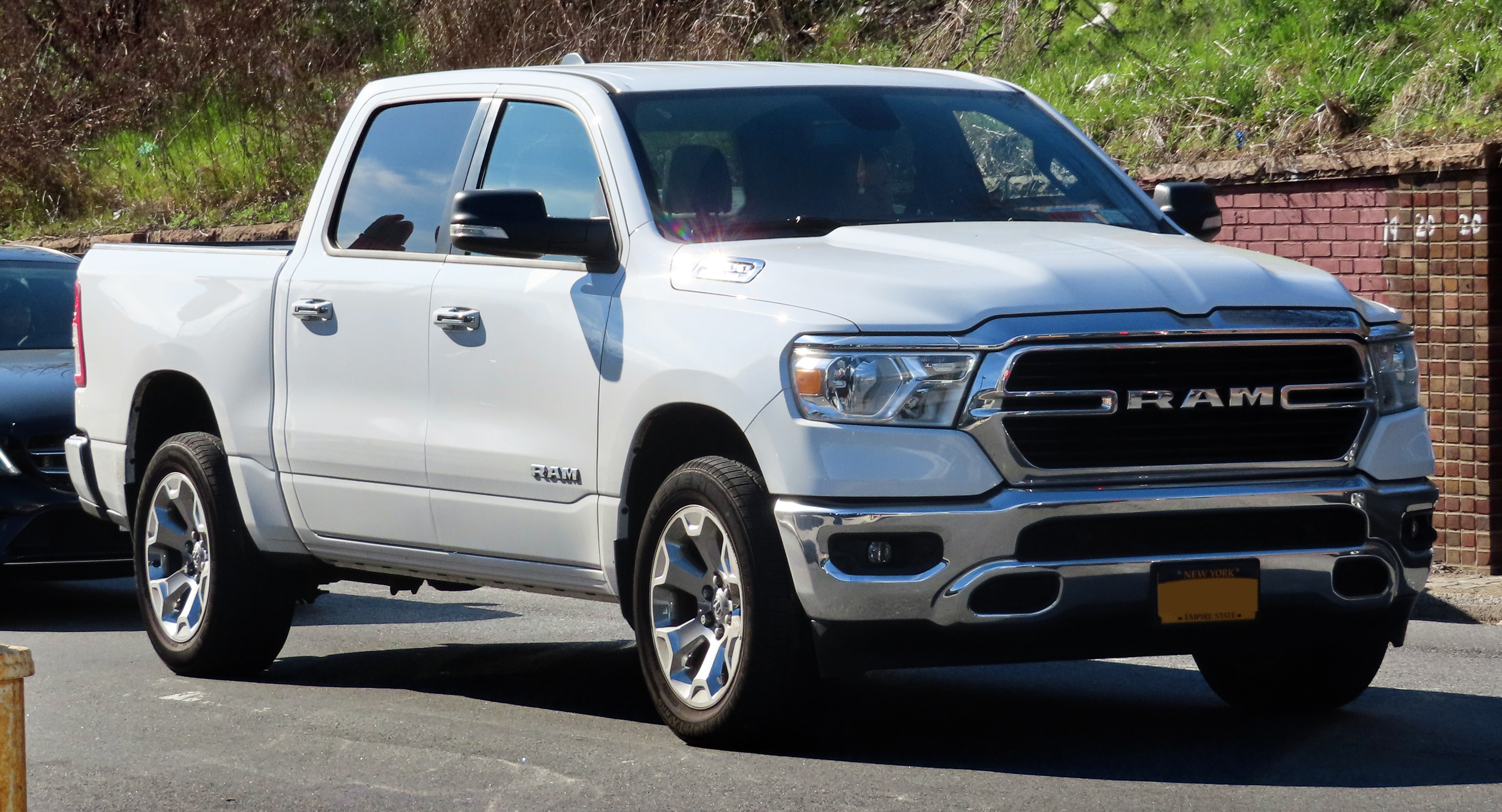
This is a large pickup truck made by Ram (which used to be part of Dodge). The Bighorn is a specific version of the truck that comes with extra comfort and styling features.
The GMC Sierra EV is a large pickup truck that runs entirely on electricity instead of gasoline or diesel. It is made by GMC and features a modern design with high-tech towing and driving features.
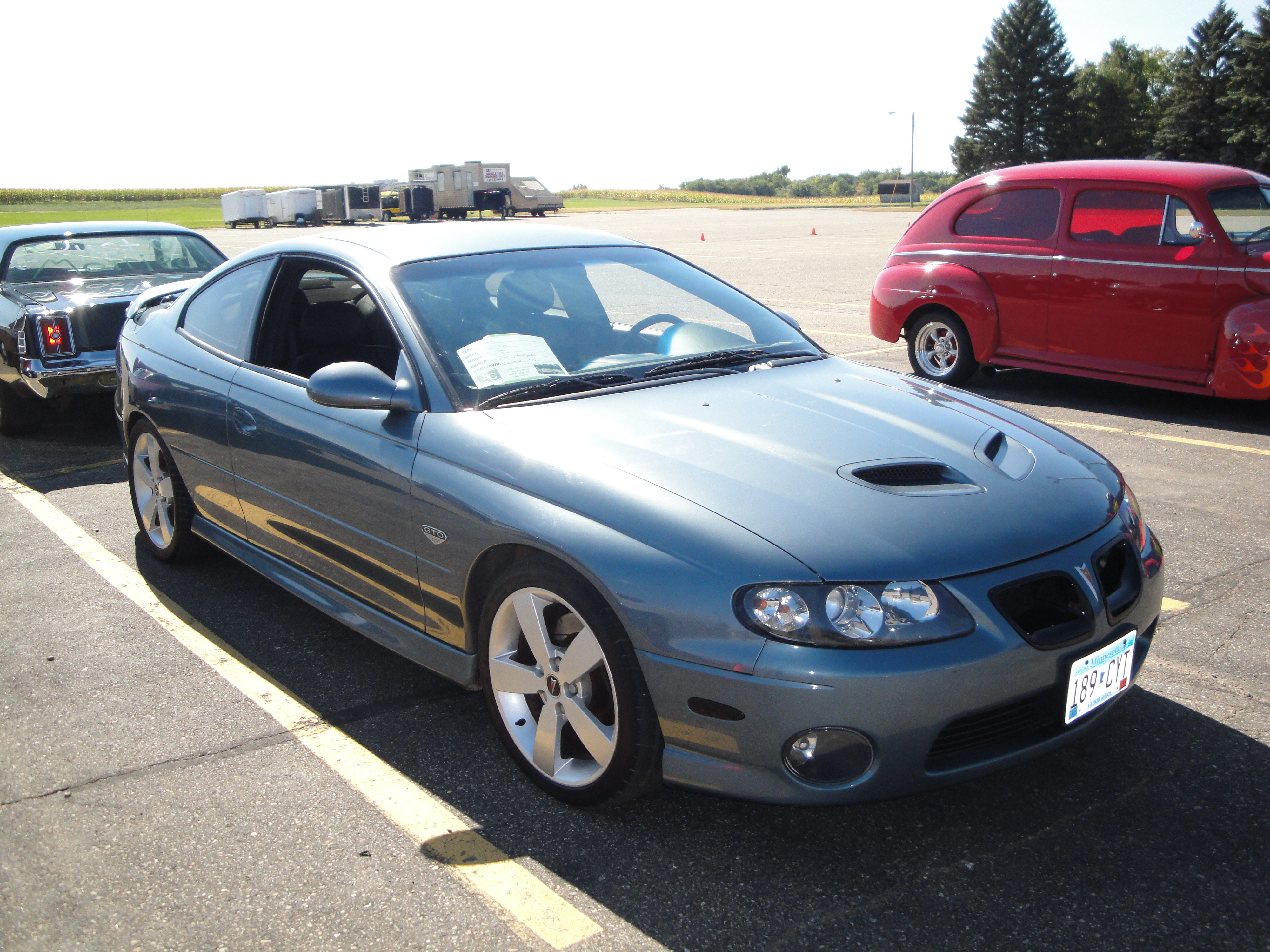
A fast, rear-wheel-drive sports car from the early 2000s. It was actually built in Australia and brought to the US, featuring a powerful V8 engine also used in the Chevrolet Corvette.
A three-wheeler is a vehicle that has three wheels instead of the usual two (like a motorcycle) or four (like a car). They can be designed for off-road riding or for driving on regular streets.
LIVE
Welcome to the Under the Hood Show podcast. Thank you for joining us. We have some podcast sponsors.
Berkeley One Classics, your key to collector car insurance.
And road ready wheels, replica OEM wheels at huge savings. Use the offer code hoodie for even more.
And by car dash part, over 200 million used parts ready to ship to you fast.
Thank you for subscribing. Wherever you listen to your podcast, we would love if you'd subscribe
and rate and review us. We appreciate it. Here is the Under the Hood Show podcast.
This is Under the Hood. Welcome to the Under the Hood Show. We are glad to have you with us.
Russ Evans is here to answer your automotive questions. Thanks for joining us under the hood.
So is Shannon Nordstrom. Welcome, Hoodies. Thanks for tuning in so we can help you tune up.
I'm Chris Carter here to answer your calls at 866-594-4150. And a reminder to join the Hoodie
fan club at Underthehoodshow.com because we give away stuff to our Hoodies unbidden. We just
sometimes give them away. I was wondering what word was going to come out of there. I couldn't
quite get there. We're going to do that again. The CI failed there for a second. Just a little bit.
We're going to do that again. We're going to do it. Chris intelligence.
Die hard 73 piece roadside toolkit. There we go.
For emergencies on the road courtesy of our friends at advanced auto parts.
So go join the Hoodie fan club at Underthehoodshow.com. Even if you don't win this,
you might just poof. They got a lot of die hard tools there at advance.
There's some really good stuff. So check it out. 866-594-4150. Let's talk to Eli.
You're on the Under the Hood Show. Eli, what can we do for you?
So I have a 2019 GMC pickup with a 6.2 engine and a 10-speed transmission.
When I get it up to 6, it starts vibrating and I changed all the joints in the shaft that are all
as good. I took it to a mechanic I don't know for 30, 40 years about and he changed the transmission
and it quit vibrating. I think he thought it's a torque converter. Have you ever run into that
215,000 miles? Yes. Did he change the entire transmission or the fluid?
Just the fluid. Yeah. So you were feeling what he thought was some torque converter shutter
or back when they had this problem with the six speeds and others, they called it
rumble stripping. It felt like you were driving over rumble strips at certain RPM ranges
and there is a fluid treatment if they don't think it's too burned up yet that many times will
help. I didn't realize that was as common on the 10 speeds as it was on the 8 speeds, but
he's familiar with it. He says they have a problem with it. 1920 and 21 all had the problem with
they can have the problem. Very uncommon compared to the other years.
But you've got 212,000 miles on there. I think that's not so bad. I mean you don't want to have to
buy a $5,000 transmission replacement or whatever it might happen to be. So that fluid flush and
you were correct on that. I didn't have to have to answer that question. I knew that answer.
If that's effective, that can buy you a lot of time and in some cases on those like the
truck I had before, it never caused a problem after that. And it was the factory fluids that
they used in assembly did not, in that previous generation, the factory fluids they used as assembly
lube and then the lubricant that they put in the transmissions, they didn't jive and then it ended
up causing some problems in the torque converter. But in your case, he's just trying to massage that
torque converter a little bit with the fluid flush and the additives. And it could be that,
I mean that can help, but it could be that the torque converter has failed also, but it could
also be when that torque converter fails, it can leave metal in the system. And if there's metal in
that system, it doesn't matter if they put a new torque converter in it, that'll fix it for a very
short period until the metal causes more damage. So you've got to inspect that fluid very carefully.
And the other thing you have to do is inspect the fluid and make sure there's no coolant in it.
Because if the cooler cracks in that radiator or the ones that have them, other vehicles have them
right on the side of the transmission and there's coolant running through that, if that cracks,
you can get just a small amount of coolant in there. And when that happens,
as that coolant's flowing around in the system, it boils when it hits bearing surfaces and things
and destroys that bearing so that can give you that chatter as well. So those things can be
checked. You can heat up, you take just a few drops of the oil removed from it and burn it on a
hot plate. And if it sizzles, it's got water in it and coolant. If it doesn't sizzle, it smokes
its oil. But if it sizzles, it's coolant. So you got to check those things really real close.
Chris, has Russ ever recommended the sizzle test on fluids? Have we ever had the sizzle test
shizzle? Shizzle? Shizzle my smizzle. The smizzle test.
Eli, does that get you appointed in the right direction?
I think so. But that does make it certain when they don't have a dipstick. I can't figure out
why they don't. You have to take it out and measure it back in. That's what he tells me.
No, it's easy to check. You have to have it at a certain temperature. You don't want it too hot,
too cool. But when you get it to the right temperature, you pull out a plug on the side
of the transmission while it's running and it will, if it drips out very slowly, just drip,
drip, it's full. If it pours out, you got too much. If it doesn't come out at all, you need to add
some. Pretty easy to check. You can watch this whole description on YouTube. Yeah, hold on a
second. I'm going to discount you for a second there, Russ. I'm just going to talk to Eli and
Shannon. That's the stupidest thing ever. And what I mean is, Eli's right. You can't,
there's no dipstick. You can't check that. And he's saying it's simple. Just run it to the exact
perfect temperature, then pull it out and hope it doesn't shoot out. But if it drips, it's fine.
That's dumb. They got rid of that dipstick because of problems with fluid boiling out of
transmissions on high pressure, high heat problems and starting the vehicles on fire.
They removed it because they want to give an illusion of lower maintenance. Fair enough.
I say that with the marketing team, I'm sure had something to do with that. And
those are the reasons why you don't see a dipstick anymore. And plus they probably saved
$1.15 per vehicle. I'm just throwing a number out there and they make 100,000 trucks a month.
Yeah. That math makes sense. But I'm going to push back a little on Russ's. It's simple.
That's not simple. Checking a dipstick is simple. Well, in a shop, he's talking about a
mechanic is saying, we've got to drain it all out and measure and put it back in. No, there's a
simple method for a mechanic. It is to pull the plug out of the side and see if it's full.
All right. I'll allow that rebuttal. If it comes out, it's full. If it doesn't, it's not full.
Eli, thanks very much for the call. Good luck with that one. Can you rebuild it or is there not a...
That particular transmission, there's not going to be a ton of shops that are going to do an in-shop
rebuild. You're going to be most likely buying a reman unit from a professional manufacturer
and returning the core. They have special machines that basically power wash these
transmission cases when they're completely disassembled back and forth multiple times.
Hydrosonic, everything's clean. They know what they're doing and they can afford those machines
when they're building thousands of them. Whereas an independent repair shop,
they're not going to have that kind of equipment. 866-594-4150. That's the number to reach us here
at the Under the Hood Show. Let's go to North Dakota and talk to Jeff here on the Under the
Hood Show. I've taken this. I got a 2003 F-150. I had the crossover on the coolant system crack
and I used the coolant conditioner. You guys always talk about it. It worked wonderful.
It doesn't leak a board. It doesn't flood out so under one and two. But now when I leave for work
in the morning, I can get to the exact biomarker every morning and the temperature spikes up.
All the way to the top, the head coolant light comes on and I drive a bottle down the road.
It all goes back down to normal. After work, I leave work. It doesn't do any of that. Any other
time it doesn't do it. Just on my way to work in the morning at the same biomarker.
Yeah, that's a case seal and it works wonderful. Wonderful. If it's not too big of a crack,
it'll seal it up and it's a permanent repair. It's good stuff. We've seen a lot of people
save engines with it that they just didn't want to tear down otherwise. But yeah,
got crossover tube and it's kind of a mess to get off those.
Yeah, we've done a number of them when we put reman engines in and things that are
paying. But it might be that it just still has air in that block and it's super hard to get out
of those. We vacuum them down with a special tool that pulls all the air out of it with it using
compressed air. They only run about 60 bucks on Amazon for that tool. It's really cheap. It's
called air lift. Okay, pulls the air out of it and they even make some mechanical ones with a pump.
You just do it by hand if you don't have a compressor and you vacuum all the air,
it collapses all the hoses, it pulls it all out and then we fill it that way. But then once it's
full, we also put the little cheap funnel on top of that reservoir that is higher than the rest of
the engine now and it's halfway full of coolant. We just run it, let it idle till it's completely
full, all the air bubbles are out and then we take it off and put the cap on it. That's necessary
as well. Some engines are real difficult to get all the air out of it. If you got an air pocket,
it's going to heat up like that, but then it'll get a little cold there on the heater.
Yeah, and then it'll warm up enough to open up that thermostat, but it takes a minute and it'll
probably clear itself out eventually, but to prevent damage to the engine in the meantime,
you want to make sure it's completely vacuumed out. Jeff, when you had the problem, did the
engine ever get hot? No, it didn't. Prior to why I had the leak, obviously I was getting the
misfires from cylinder one and two because everything poured into there, but it never got hot.
It's just, since then it's, because obviously I had to add coolant at that time and stuff like that,
so. Well, Ford has done a good job on this engine with changing the cylinder head temperature
sensors instead of coolant temp sensors, because if you are trying to measure the temperature
of a stake on your grill. Are we going to sizzle again? Do you hold a nice sizzle on the stake?
Do you hold the temperature probe that you're supposed to stick in the stake? Do you hold it
above the stake, a quarter inch, or do you put it in the stake? It's not going to read, right?
A temperature sensor in any engine that's a coolant temp sensor has to be touching coolant
to read. If the engine is low on coolant by even a half gallon and it's not flowing over that sensor,
what's going to happen? It's going to say, oh, normal or even cold when that engine might be
300 degrees and boiling. It won't read it, so Ford and some other manufacturers have gone to a head
temperature sensor. They can always tell the temperature of that metal. They know what the
temperature of the engine is. If it's being cooled, they know it's working. If it's not,
it's not, and it shuts the engine down in a lot of vehicles too. Ford did a good job with that.
It's like, hey, it's too hot. We're shutting it off before it damages it. I would say, Jeff,
just go a different way. Drive a different way to work, and then you won't hit that spot.
Does that help you out there, Jeff? No, that's wonderful. I appreciate it.
Thanks very much for the call. I say that as a joke, but in my car when I was having the
temp problems, every time I'd leave here and I'd get to the curve up by your shop,
as I came over that hill, it was about where it would start to concern me. Even when it was fine,
it would start to raise there. So I stopped going that way, and it really did stop doing it.
It was just right there. It works. I'm telling you. 866-594-4150. Let's talk to Travis. You're
got a sweet 84 Fierro. It has the 2.5 4-cylinder coming home from work. Interstate speed, so it
was high RPM, and it was just like it turned the key off. Ignition just cut out completely.
Rolling down interstate, I could dump the clutch, and it would just bog down no fire at all. I got
the side of the road crank, no start, and that's it. I mean, I've checked fuses. Everything's good
there. I've got fuel, but my gauges were working, so it wasn't like a whole ignition cut out,
but the engine has no spark. All right. Well, on that engine,
the first step on that, before anything else, if you're looking for spark, just get yourself a
cheap voltmeter and see if you've got power with the key on the pink wire back there on the coil.
That'll tell you if you've got power to the ignition coil. If you've got power there, and
you still, you know, you don't have any spark, then move on from that 84. You've got
distributor cap. Have you pulled the cap off or anything and looked at the rotor?
I did not. We just screwdrivered one of the spark plug wires to make sure there was
spark. And there wasn't? Nothing. Okay. You know what? Before you even check the volts there,
you might want to just pull that cap off and see if the rotor burned through on the bottom.
Oh, you pull the rotor off and turn it over. Look at the bottom and see if it's got a hole
burned in it. If it's all charcoal and black there, that'll tell you that it may have just
shorted and failed. That's a quick, fast, it died type of thing. It was a common thing over time.
The ignition module may have failed in it or the crankshaft sensor or the, you know, the pickup coil
and the distributor that could have failed as well. But it is, I mean, the fat, the most common thing
is going to be that, that rotor. But once you start doing some more deeper diagnosis, you're
going to have to check and make sure do we have power to the coil. That's the least likely thing
to fail. But on an older car like this, it may have had a rodent in it or something and something
chewed that pink wire there that goes to the, the pink side should be hot. The white side should
flash with a, you know, a noid light on it or a test light. It should, it should blink as voltage
goes through the coil when there's no ground to nothing. So if you put one end on the negative
of the battery and one end on the white side on a test light and crank it, it'll flash rapidly
and tell you the coils get in power and it'll be sparking at the coil, but it won't be sparking
at one of the wires. You could have just pulled the coil wire off of the distributor as well
and did the screwdriver test there. If it sparks there, but it doesn't spark going down to the
plug, then you've got a cap and rotor issue going on. And an important thing to know about
cap and rotors, buy them together as a pair. You know, our partner standard sells a Blue
Streak line, which is a really nice line that we use in our shop. I don't mix and match distributors,
caps and rotors. I won't buy a standard Blue Streak cap and get an AC Delco rotor. I want to make
sure they're manufactured together to work as the pair. Most of the time they'll work just fine,
but if you put them together, they're engineered to work that way and last a very long time. They
know they'll work best when you buy them and it's always best to replace those things as a pair. So,
you know, we'd suggest that standard line, get them together, cap and rotor,
advance auto parts, sell those as a pair and just put them in. It might be just as simple as a tune
up thing. If you get an older car, I always liked, even when these things were 78 years old,
that was a time when things failed more often. And if I picked up an older vehicle that had an
ignition module and had a cap and rotor on it, I would put a cap, rotor, spark plugs in an ignition
module on it just to make sure that that thing in the pickup coil in the basis of the driver,
just to make sure they were all fresh and working good. And I wasn't going to have some sudden
failure because I had experienced many of those vehicles that were a no starter, died going on
the road and it happened to be one of those small items. Does that help you out there, Travis?
That's awesome. We'll be back on the road in no time. Thanks very much for the call. And that
motor was used in a million cars. It was the Iron Duke 2.5 liter. They used it in the celebrities
and the Pontiac 6000. More like six or 7000000 Oh my gosh, they made a ton of those.
And he could take the complete rear cradle out of his funeral and put it in a celebrity.
You wouldn't want to do that. No, but it's the same. They used a lot of the same corporate parts
to make that fun car. Maybe the other way. You might want to... Either way. Yeah.
866-594-4150. Let's go to California and talk to Ryan. You're on the end of the hood show.
Ryan, what can we do for you? Hi. So I have a 1993 Dodge Dakota
and nothing. It's a restoration project that I decided to take on. And I ended up noticing
that the dashboard doesn't work except for this pedometer that's ran by the old fashioned cables.
So a few things that I've tried and I'm specifically focusing on the field gauge
right now. It's just sitting on E, even though when the tank is full. So the things that I've
done so far is I tested the fuse. The fuse was good. Tested the relay. I heard the relay click
over and I heard the gas pump kick on. And so I replaced the dashboard entirely and I'm still
getting the same results. So I ended up replacing the fuel pump, which it seemed better. I was going
to replace it anyway, which wasn't a big deal. And then so I kind of ran out of options except
for tracing wire. So what I did is I traced down all the ground, cleaned them all up,
still nothing. But I found a bit of corrosion from a wire harness leading out of my relay box
under the hood. And I just want to make sure I'm covering my basis and seeing if there's anything
else that I should check before I start repairing wire tracing any other wiring.
He is nailing this. I mean, he is doing the work here. The only thing he probably misstep
is buying the parts before he did a little more diagnosis. That's okay. That's all right. The
parts were probably available. I also went to automotive school. So that's
all right. There you go. Again, just covering my basis. Yeah.
Well, but I'm actually up. I'm actually up in Idaho. If I can, I'd like to give a shout out to
Sean Finnegan who told me about your guys at show in the first place. You just did.
Yeah, thank you. Thanks, Sean. Well, I would go right back to the tank, disconnect the fuel
sending unit. You can ground and unground the gauge wire back there and see if the gauge moves.
If it doesn't, it's between there and the gauge or the gauge itself and the power. If it does move
full both directions by doing that, it's either a ground problem at that sending unit or the
sending unit's bad back there. But that's where you got to start right at the end line at the tank
and just disconnect it, ground that wire and unground it and see if that gauge moves full
both ways. That's the next step to find the wiring diagram on the internet to be sure you've
got the right one. You're grounding back there and then sweep it. Yep. Ryan, thanks very much for the
call. The end of the hood show podcast is brought to you by exclusive sponsors like Berkeley One
Classics celebrating 50 years, your key to collector car insurance and by car-part.com with
over 200 million parts. Find them online at car-part.com and by Road Ready Wheels, OEM replica
wheels at a huge savings, roadreadywheels.com. Thanks for listening to the under the hood show podcast.
When you need parts for your car, finding them is half the battle and we have a great source for
you to find those parts you need at great prices. If you need parts, whether it be for a brand new
car or going back about 20 years, it doesn't matter, check out car-part.com. It's fast and it's easy.
Over 200 million parts strong all across North America, over 4,000 recyclers to choose from,
giving you the largest selection available. Whether it's an engine, transmission, doors,
seats or wheels, you can find them on car-part.com. We even let you know what parts from other models
and years fit your car. Many recyclers supply pictures of their parts too. We even have a
mobile app, search US and Canada or buy from your local independent recycler. Whichever you choose,
buying recycled is good for the environment and good for your wallet. If you're a repair shop,
there is a professional version available for you at no charge. That's car-part.com,
car-part.com. Check it out today. Hey, it's Chris Carter with Russ Evans and Shannon Nordstrom
under the hood. When you need great coverage for your ride, Berkeley One Classics is here for you.
They'll work with you to help determine the amount of coverage a vehicle like yours should have,
and that coverage is agreed value coverage, so there's no disagreement on what your vehicle
is covered for. They also have discounts for car club members. For 50 years, Berkeley One Classics
has ensured a wide range of vehicles from sports cars and rare exotic cars to antique vehicles,
including cars, trucks, tractors, military vehicles and motorcycles. Over 50,000 of them a year.
They give you confidence in your vehicle's protection.
Find Berkeley One Classics on the web at BerkeleyClassics.com. Get a free quote and find out
firsthand what they can save you and how well they can cover your valuable investment. It takes
just a few minutes using their easy online quote tool. BerkeleyClassics.com or call 1-800-603-3330.
That's 800-603-3330. We want to tell you about our partner at Road Ready Wheels. Road Ready Wheels
has the very best aftermarket OEM replica wheels available with a direct fit of the
factory center caps and TPMS sensors, so you don't need special caps and sensors. Simply transfer
yours over when you replace the wheel. With near perfect ratings on Google, Amazon and eBay, consumers
like you are extremely satisfied when it comes to Road Ready Wheels. Maybe your wheels leak air,
or maybe you want to upgrade from an old rusty steel wheel. Road Ready Wheels has both aluminum
alloy and new steel wheels to fit many cars on the road today. They stock thousands of wheels
ready to ship and have free returns and shipping, plus save 10% more when you use the code hoodie
at checkout. Aftermarket wheels can be very expensive, and it's so hard to choose what you
want. With Road Ready Wheels, you get an OEM looking wheel that fits like it should, but costs
much less. Save money today and get yours at RoadReadyWheels.com. Special discounts apply for
large quantities and dealers, and they have a special electronic data feed and online portal
waiting for you. Find out more by going to RoadReadyWheels.com where you can use their
online vehicle selection tool to find your Road Ready Wheels today. That's RoadReadyWheels.com.
Welcome back, everybody. It's time to get back under the hood with our motor medics.
866-594-4150. That's the number to reach us here at the end of the hood show. Don't forget,
if you miss an episode, you can find it wherever you get your podcast,
and if you join the Hoodie Fan Club under the hoodshow.com, you could just win a random prize
that we're giving away like the die-hard toolkit from Advanced Auto Parts. Oh, yeah. And if you
join the YouTube page, if you subscribe there and you're a member of the Hoodie Fan Club,
you could win a hoodie. You could be a winner. You could get a hoodie. You could get a t-shirt.
You could get a hat. Since we mentioned that a month ago. Yeah. I want a hat. t-shirt.
I don't want a hoodie. I want that one. Okay, you get whatever you want. It's up to you.
And this week, this hour, this segment right here, this is Keith Howard. Congratulations
to our friends over at BerkeleyOneClassics.com celebrating over 50 years of collector car
coverage. And do you want to mention what else you can do with the hoodie, hat, or t-shirt?
Turn it around backwards and use it to get popcorn. Put the popcorn in it. Oh, you can buy one.
Oh, you can buy one. You actually want to sell something? Yeah, I was trying to... Yeah,
you can go to our website and you can buy a hoodie because your odds of winning one while okay.
They're pretty good, but not... Not as sure as buying one, right? Well, there's so many people.
Yeah, there are a lot. So... You could wait for 15 years to win one,
and you could have one in a week. Yep. What's your choice? I would go do that.
For 30 bucks, whatever, 25 bucks, 40 bucks, about your size, let's go buy one.
You should. And they're great. They are very high quality. They are. 866-594-4150.
Let's talk to Len. You're on the Under the Hood Show. Len, what can we do for you?
Yeah, my ex, who lives in Austin, Texas, has a 2011 Honda CR-V with about 140,000 miles on it.
He's had it for 10 years. He's had a lot of problems with the air conditioning.
We replaced the compressor and something else here. And here about a year ago, they found a leak
in the return line, fixed that here less than a year later, blowing hot air again.
I'm wondering if there's a problem with the air conditioning in that particular car or...
Len, I got a question. I just can't get out of my head. Do all of your exes live in Texas?
I knew you were going to say that. Yes, they do. And she married an oil man.
Oh, boy.
I did not expect that.
Oh, do we have to answer his question?
Yeah, now let's get back to it because I can answer it.
No, those vehicles aren't known for it. Yours is just broken, right?
Yeah, it's like they just don't break. I can't tell you if we've ever worked on the air conditioning
on that model of a CRV. Ever is a big statement for us.
Nonetheless, it was broken physically. Something hit it or broke it because I mean,
we don't recharge them. We don't have problems with those.
No, that's never been a hit or anything. Is there something now that you're going to have to take?
God, I mean, like 113.
What is it doing? What's the air conditioning not doing or doing? Obviously,
not getting cool, but is it cycling? Is it not engaging? Do you know more or not?
I'm afraid I don't. All I know is just blowing hot air.
Is the diagnosis coming from the oil man?
Yeah, yeah. It's hot. I know what's wrong here.
Len, I'm going to guess this. I'm going to guess this.
Russ, you stay out for a second. I'll ask Shannon. Here's what happened.
Whatever, something broke on this air conditioning and it's the most expensive part.
And they looked at what it could be and the first thing was, well, try recharging it.
That worked for a little bit and then they took the next expensive thing and the next cheapest
thing I should say and they fixed that and that worked for a little bit. And now we're just at
the point where the thing that was broken originally is overcoming all of the little fixes because
the most expensive fix was the fix and there was nothing else to be done, but now we've
babied along. No, I got to ask more questions about this relationship before I can understand this
repair. That's what I'm afraid of. Now I want to skip you and go back to Russ.
I got to ask, Len, are you paying for this or advising?
I have paid in the past, but I'm not going to this time. No.
Okay. I'd make the oil man pay. I don't know this relationship, but I'm just concerned that I don't
want this to be an extortion case here. Oil's been good lately. I don't want this to be a situation
where I'll tell you what's going on. Len wants to go, I'm smart here. This is what it is. And then
he looks cool and smart. There you go. Yeah. So there's just so many questions I have here,
but okay. So when you could have a problem in the dashboard where something has been spilled or
something on the control and it's just not the, the electronic parts aren't working right?
No, but there's not it. No, probably not. I was just trying to be optimistic.
Yeah, that's not it. No armadillo hits.
The most expensive part in the system would be combined with labor and Russ is going to look
at me and say, I think he's right, but as if the evaporator had a hole in it and it was not
allowing it to stay sealed and you had to remove the dash to replace the evaporator as part of
the repair, that would be the most expensive and worst thing that it could be. Probably the most
unlikely. Yeah. And definitely if it's been in, how long has the vehicle been in Texas?
The whole time. At least 10 years. Yeah. Yeah. I mean, we don't have a crazy climate
up and down temperature issue that's causing different moisture and
now I think that you got the condenser that sits out in the front.
That could have been hit by something. Yeah. Could have armadillo, you know, something.
Moth. Gator. At one time, at one time they did hit something on the road did damage it. Yeah.
Okay. So if that condenser got damaged or the radiator condenser are mashed together,
even though they're not leaking and it's not allowing airflow, you're in a hot state like
Texas, you need every bit of the airflow that's designed from the factory for that system to
work correctly. You can't have anything jam between it. You need an air gap in between there.
Can't be loaded up with bugs. And if they did happen to hit
a armadillo by Amarillo, then they could have gotten something jammed up in there and it might
have damaged that condenser where it has a small seeping leak that they just can't seem to get
their arms around. And is that something where you could, they've done these minor fixes that
have kind of babied it along. Yeah. You could fill it and leak, leak
if it was a small leak. And then eventually maybe you run the oil out of it and then you burn the
compressor up. Yeah. Because it doesn't have its lubrication anymore. I think you need to get it
away from the oil man and get it to a, there's enough air conditioning shops in Texas. They're
not going to be cheap. Air conditioning repairs, if you have to rebuild the system, you're going to
spend between $700 to $2,000. Yep. Oh, I can need it there. So they're going to get a premium.
Again, I'm going to simplify this for Len. All the stuff you've done, you've been babying it. Now
it's just time to get fixed. Now it's time to bring it in and get fixed. And I, and from a,
just a relationship advice, it is time for you lay down the law, Len. And just let it, just it's
not your problem anymore. Good luck. Bring it in and get it fixed. 10 years. Move on. That'll be
out, Len. Well, I don't want to become my kids' problem. Okay. That's fair. That's fair. Len,
thanks very much for the call. Good luck. 866-594-4150. That's the number to reach us here at the end
of the hood show. Let's go to Oklahoma and talk to Brit. You're on the end of the hood show, Brit.
What can we do for you? Hi, guys. I just bought a 2011, gently used 2011 Lincoln Navigator.
And it has what I believe to be a Blendoor clicking sound. When you first turn on the key,
it clicks about five or six times. And I found some YouTube videos that
mimic the problem exactly saying it's the Blendoor motors. Apparently, there's two. I've replaced
them both with motorcraft motors and still doing the exact same thing. There's four.
He didn't want to hear that, Russ. He didn't want to hear that. Does it have dual temp zone,
left and right? Yes. Then it has a mode door motor. And just explain what each one does.
And then it has two temp door motors. And then it has a recirculation door motor. And the mode
door goes from foot to face to the frost. That's what moves you up to defrost all the way down to
your feet. Then temp, there's one for the left, right. They're one at the top of the
box, one at the bottom box, right in the middle. And one of them, you have to remove the entire
dash to replace. So you didn't do it. The other one is the recirculation door motor on the passenger
side of the dash. And they're famous for busting the door off. And they'll just click and then
a piece will fall down into the blower and it'll break the blower and it'll make all sorts of
vibrations. So does that one break the most because it's got all that different temperatures
of air coming in it? I think it just breaks. We had one the other day and the guy's like,
I'm not fixing that. Just open it and leave it open and I'll be good with it and put a blower in it.
But switch it from face to floor to the frost. Make sure that works good. And then with the
engine warmed up, go from full cold to full hot on the left side and then do the same thing on
the right side and make sure they're working. If you move, like I say, the right one and it
starts clicking, click, click, click, click halfway through, that's the bad one. That's the one you
got to replace. But if none of that does it and then you hit the recirculation door button and
turn it on and off and you can't hear it go from a loud roar when it's pulling air on the inside
to a outside air where it's quieter, you'll switch, you'll hear it. If that doesn't do it,
it's probably that recirculation door. And in the open position, you're fine. But
it won't cool quite as well. You might need that. Oklahoma, you're going to need the recirculation
part, but it's anywhere from $1,600 to $2,000 to have them take that apart and fix it. So a lot
of people just leave it open. It'll take a little longer for it to cool down in there because it's
not pulling air from the inside on the max recirculate, but it'll work. But it won't fog up
windows with it in the open position from pulling outside air. And you can get to that door by
pulling the blower out and just reaching up there and flipping to the open position and it'll stay.
So that gives you some ideas on where to go as far as how to test it and see which door is not working.
Okay. Well, I replaced the one by the foot feed and the one behind the radio.
So that explains why when I unplug both of them, it still does it. The one behind the radio,
I think that's the right side temp door motor and the one by the foot feed is the mode door to
switch from top to bottom. But the one underneath, you got to pull the console out in the seats and
to get on to see it and then you'll see it. But then to fix it, you need to raise it up. Sometimes
you can, if you take the seats out, take the console out, pull all that back and then
cut the carpet out because you can't see the carpet right there anyways where it's right under.
You can cut about a four inch chunk of carpet out so you can get underneath it and you can
get most of the screws out of it so you can pull this thing off. You put the new one back in. I
think it's got three screws. If you put the two on the ends in to hold it, that's what YouTube's
going to show you. They'll do that to hold the ends and then it works.
Some of you have a video research door hack. Yeah, so they'll do that. We don't suggest that because
when you do it that way, if it does move, it'll break the door and then you got to pull the whole
dash anyways. Yeah, I mean there's ways to save a couple hours but when you're looking at a job
that's 89 hours, saving a couple hours really isn't worth having it come back and then
having to do the same thing over again and you're spending more to do it twice.
Okay, it cools good. It does feel like it takes a little bit but it's good enough.
Yeah, those noises and the cost associated with them certainly changes your ability to
ignore it. That is for sure. Thanks very much for the call. Good luck. 866-594-4150.
Let's talk to Richard in Iowa. Richard, you're on the end of the hood show. What can we do for you?
Hi, I just bought a 2016 Dodge Ram 1500 Bighorn edition. I absolutely love it. It's
just wonderful but I've been watching some YouTube videos and I understand about YouTube videos
but there's a guy that claims he's been fixing Dodge Rams for 20 years and I get the feeling
that this thing is a little touchy. I do plan on replacing all of those fluids
shortly but things like he talks about the transmission, how difficult it is to
replace it and you got to jack the backup to make a level and it just seems like this vehicle is
really delicate. Is that the case? No. Hold on one second here. Hold on Russ. One of my favorite
things in the world, Shannon, is to watch Russ or anyone who's a mechanic in the business. I've
been around for a few of these conversations. Whenever anyone says, there's a guy on YouTube
that says, I love to watch their face to see the reaction. There's other reactions you see when
we have someone call us that tells something that they say is a hard truth and we know that that's
not true. When somebody's really convinced them that this is the truth then you're kind of like,
they don't know. I've had some people come into the shop at least four or five of them and they
come in and say, oh no, that's not it because I watched it on YouTube and this is how to repair it
and I just look them in the face and I'm like, I'm busy. Well then fix it yourself. Well no,
I want you to do it. You obviously have looked it up and you know exactly what it is so go ahead
and do it yourself because that job you think it takes 15 minutes. The nerve has now been exposed.
It was not just a face anymore. It's been brought to the surface. Please go out there and show me
how you do that in 15 minutes. Let's help Richard. Sorry. I wanted you out. Now myself,
I will go there and I will look up things because if I don't believe how they fixed it,
I can at least see how it comes apart. So I know what they broke when they took it apart. So I see
what not to do. It's very helpful. In the YouTube guys defense, if you're talking about all the 16
rams and you're condensing, you know, and you're talking about it as an aggregate, it's like the
Ford F-150s. They do all have, as a group, there are some issues but that doesn't mean that your
truck has that issue. Right. So there are things, you know, when you're changing the transmission
fluid on it, it's not the easiest thing to do in the world. And no, you don't have to jack it up and
do it this way. They know how things have to be done. The factory says, okay, we know what angle
this sits at. When you're checking the fluid, you don't have to jack. It doesn't say jack the back
up and six inches before you check. You know, it knows those things, but you're fine. You could
take that into any shop and say, let's change the transmission fluid. The first time you change it,
we would suggest going to go to advanced auto parts, pick yourself up a dormant
pan, the transmission fluid pan that has a replaceable filter because the factory one is
not replaceable. You got to replace the whole pan to change the filter. And when you do that,
it doesn't have a drain plug. So if you get the dormant pan, the next time you do it,
it's got a drain plug and it has a filter. So a lot of people like to just pull the plug, drain
the fluid, fill it back up, makes it so much simpler. That is one of the problems with this truck.
You got to take the exhaust down. It's a pain and you burn yourself when you're trying to check it.
It's no fun. GM's the same way. They put the check spot in the same way with the checking it and the
fords. They put the dipstick as just a cap and they give you a dipstick. It's two inches long,
but it's on the passenger side above the exhaust pipe. Check it when it's hot. It says, well,
great. How am I going to get the cap off of it? It's going to burn my fingers. You know,
wearing those welders gloves to do it. So there's a few things, but overall, this is a great truck.
We have a lot of them come through our shop. Occasionally we'll put an engine or a transmission
in one, but it's occasionally compared to some of the others that we do a lot of. No, I mean, we do
we do 20 to one GMC transmissions from 14 to 19 that we do a Ram transmission.
I don't, I think we've done one Ram transmission. And yes, they sold more of those trucks, but
not by that ratio. Yeah. I think we've done one Ram transmission this year. And I know we've done
at least 20 of the GMC Sierra, the Suburbans, the Tahoe Escalados. Silverado's. Yeah. And those
are because the, mainly because the transmission thermostat sticks and burns the thing up. So
the Ram is a good, it's pretty good. Don't worry about your silver. I mean, that's, no, right.
When it happens, that's what happens. But over when you're, it was just, this one's a little
more bulletproof than the other ones. The other ones are good, but this one's better. Does that
make you feel better, Richard? Oh, it sure does. It sure does. The other, the other thing real
quick, e-connect. Do I need to sign up for that or is it, is it mostly unusable?
No, you've got to use that on the, on the radio to get the extra features you have to pay for it.
It's like on-star or anything else. You have to pay extra when you want extra features.
But if you don't want it, you don't have to use it. Okay. There's plenty of good features built
right into that truck. Yeah. For me, if I was, if I was going to, I would go buy an aftermarket
remote start instead of having the app on my phone to run that, you know, I mean, if you want it,
that's good. I don't know how many, maybe 30 bucks a month or something for all those systems.
Check into it. Yeah. See, because it'll start it from anywhere. It won't run near as long as the
aftermarket one will. And if you're in a really cold climate, some people like to run them longer
and waste gas. And I switched to the factory one on my 22 truck I got now. Maybe I've always
had aftermarket ones before the factory one's finally ready for prime time. It seemed like the app.
So, Richard, thanks very much for the call. Good luck. Go enjoy that truck. 866-594-4150.
Let's talk to Pat. You're on the end of the hood show. Pat, what can we do for you?
Hey, I got a 2004 Pontiac GTO and I took the passenger seat out of it for access to the
to the parking brake because I broke the handle. Yeah. I replaced the handle and I had the car
running while I was doing it because it was really warm outside. And now I have a airbag light
for the seat tensioner on the driver's side. But I unplugged the passenger one. I'm kind of
confused on that. Now, get them all plugged back in and get yourself a scanner and clear it. It's
got to be a scanner that can read body codes and airbag codes. It's not going to clear itself.
So, that's not my... I had that happen on a Nissan once and I rushed, I went online and I found a
YouTube hack about cycling keys and doing different things and I did the dance and I got
it because I had the same thing. I took a seat, wasn't thinking, took a seat loose. Sometimes it'll
do it. It'll clear itself after like two or three weeks or a month of driving. And you might just
unplug the driver's side seat and the pre-tensioner and plug it back in because sometimes they just
do that. They'll turn the light on for that seat without taking anything apart. So, we just unplug
and plug them back in and then sometimes they're fine. Pat, how soon after you did it did you
realize you made the mistake? Well, I actually hooked up a scan tool that can get into that.
And the passenger side one reads like 5.5 ohms on the deal. Unplug it goes to 24 ohms,
which is open circuit, but then I unplugged the driver's side one. That goes 25 ohms,
open circuit, plug it back in. It goes to 18, which is not arranged and it sets a code. It sounds
like it's not not making a good connection. So, it's not good. You might try some electrical
contact cleaner too. CRC makes some really good electrical contact cleaner and I've used that
and cleaned up some of those seat belt connectors and plugged them in. It's a good idea to do
everything with the power off though when you're messing with those pretensioners.
As soon as he said it, you reacted. Oh, I knew. I knew. So many people call me. I had my seat out.
And on the other hand, you've done it. I wanted to know why he was replacing his emergency brake
handle. He's grabbing that thing and flinging that car. I bet he's doing some J turns there.
See what happens. All right. And there's no after show. I don't think this week and
there's going to be no after the after show this week. Yeah. We had our guests last time
that were here and we had a nice little chat with people from Florida, Oklahoma and Texas.
Why do you say Texas like that? Texas. Texas. Going down to Texas. All my exes live in Texas.
I listened to just enough old country over the loudspeakers at the racetrack when I was a kid.
Have a lot of that stuff in my head. And it just pops out. It pops out. And then it's stuck
there. There's no further advancing of it. You just can't get past Chris. Who's saying that song?
George Strait. Thank you. What year did King of the Road come out the original King of the Road?
We had to be, I'm going to guess that one. 57. 50s 60. So we're looking at a song that's
looked that one up now. I'm going to say 1950. I'm curious about that. So we have different
stations on during the week. They're internet stations at the shop. I know I got that in my
head. And I've got guys from, you know, 20. Oh, I was, said 60. It was 65. Okay. Yeah. So
that song is over 60. It's 61 years old. And it is still as catchy today to every generation
as it was. That's all. That is so true. Because I got a guy that's in his 20s. He's like,
I was on. I know that song. How do you know that song? I've always known that song. Fallout.
It was on one of the big video games. I think might have been Fallout. You know, it is on the
Fallout movie series on Netflix. Never played the game, but I watched the series on TV and
I've heard a lot about the game. It's different. I've heard a lot about a lot of video games,
never without playing them. It's, uh, it's very, uh, the show is one of those which you'd see the
remember the, the nuclear family, uh, 60s thing where everything was the modern era they experimented
with for a while where houses looked really futuristic and modern and the, even the coffee makers
and everything were like crazy way in the future. That's what that Fallout series, everything was
very modern, even though it was old, like the car would have some fancy.
I gotta, I gotta, I'm going to ask a question that could be interesting. Maybe.
Russ. Chris. I'm asking myself the same question. I was thinking of the answer before I asked this.
What was the last video game in your home that you played with any consistency?
Rush 2049.
And what is that? It's, uh, it was on Dreamcast. I still have it. It's a racing game.
A Sega Dreamcast. It's a racing game. How old would that have been?
Um, I think they still have it. I think it's still available for new stuff,
but it came out and then with more. No, but when was the one near your last playing it?
Okay. All right. Chris. Mine was Toy Story 2 or toy, one of the Toy Story games on the PS2.
What year would that have been? 2005.
Okay. And I'm thinking mine might have been like NASCAR heat when we had the steering
wheel controls. We use them quite a bit or maybe, um, gosh, then I got to jump back to like a Sega,
John Madden football, one of the early ones. NHL 94 was a big one after.
And then my son and I used to play an ATV game when he was a little guy.
But now when I, I TV unleashed. Yes. Yes.
So okay, but we're talking about 2005, six, all of us. Now when I interview people that are,
I don't do all the main interviews anymore. Our manager, Benjy Stephens catches most of them.
But when people come in and you start talking to people, it is very unusual not to talk to somebody
today that's applying for a job that doesn't make mention gaming as their hobby.
I have a family member that is, uh, it's a problem. It's consumed their life and, and well, every
young man thinks they're going to be a call of duty pro every, it's not, and, and don't, and it's
different. Yeah, it's just different things, but it's just amazing to me though, how the culture
of gaming has become so mainstream. But here's the other thing. Yeah, Chris, he's going to straighten
us out on this. No, just terminology. When I was in high school, we played video games. Yeah. We
weren't gamers. We didn't game. We weren't into gaming. Were we, were people that addicted to them?
Yes, some were. Well, they weren't as good, but we, we played video games. Yeah. Now, now I'm a
gamer. I'm into gaming. That's like saying, you know, that's just a different, different way to
frame it. You've had this conversation before haven't you? No, but it's a different way to frame
things. Sure. You know, I don't play video. I, I didn't play video games. Um, the reason I played
that when, when I was a kid in the seventies, we had an Atari, the old one, 2600. We played that
not very often. And then I was done, um, done with video games. The reason I got this is because my,
my nephews got it for Christmas. So I was playing that thing. And that's why I ended up with that
one. You know, it's here, you know, we had it in the studio for a while, but it just sits there and
collects dust. I just, I was one of the people that just never, I was like, I take it or leave it.
I'm like, okay, I'll sit down and play one game with you. I'm bored of it. When they were playing
with it, I'd go do something else after I played one game because I just didn't like it. Some people
really love it. Some people are like, Oh, you like cars. I hate cars. You know, you like boats. I hate
boats, whatever it's like, whatever you want to do. Yeah. Just there was an era though where we
played games, you know, we played video games and then it quit. And it just, I talked to so many
people now they're in their 40s, 50s, and they're, they're gaming. They're, they're in communities
and they're better. I mean, they're better and they're more. I've seen them online because there's
a lot of those that thing, but I have two neighbors that they rarely come out of their house and
they're, they're older people there and they're like late thirties to mid forties and they're single
and they're, and they're also not only are the games better, but it's social too. So it's not
like you're, it's also where you play in games with your friends. When we were kids, we, the games
didn't last as long and you all had to go to one room to do it and we traded off. So there were
eight guys playing. Well, that was five hours of each trying to get in a game of it, especially if
someone was good and they got like holding the pool table. If you're good, you got to hang in there.
But now, I mean, like I can remember, I've said this on the, I can remember this vividly on the
show. We've talked about it when my son got his license, when he passed his driver's license text
test, he couldn't wait to go home and get online and tell his friends that he passed the test. And
then they were making plans for that night, but that was how he, he wasn't going to drive to their
house. He was going to jump on their game and then tell them that later they would go out.
They, they talk to each other. There, a lot of them are gaming and talking to each other instead
of out working on cars. And that's why a lot of these things are dying. And I took you guys home
to my neighborhood in Texas. And you were standing there when I asked Amy, I said, oh, you know,
it's a lot different now that there's no kids in the neighborhood. I see there's nobody out here.
She's like, oh no, every house has a kid in it. I'm like, what? It's like, they all have kids.
Where are they? Oh, never mind. Yeah, they're all inside gaming or on their phones talking to each
other. It's like, what? I remember we used to have every, there was houses and it's gone in cycles,
but every house had a kid who was out on the street playing street hockey or soccer or baseball or
just running around, driving around on three wheelers and starting to sound old.
But okay, I'm sorry I asked that question, but when you said something that kind of triggered
me, this is the after show. We do anything we want. Yeah, but something triggered me to think of
that. Do you want to remember what it was? Yes, let's just skip it though. And then how do we get
there? You want to know? Yeah, I do. I do want to know. King of the road. Thank you. King of the road.
And then we went into fallout. Oh, because it was all my exes live in Texas. Now we're back in the
video game. Now we just there's the whole show. You want you want to end on the funniest thing
you've ever heard? Oh, that's hard. Don't don't that's putting it up there that I did. So it's
even funnier putting it up there. I walk out of the I walk out of the gas station because I'm
getting the coffee, which I shouldn't even get. But I walk in, I get it. I come out. I get in the car
and I'm like, car won't start. Let's push button start. I got I got my keys in my pocket. What's
going on here? This isn't my car. And I look up, you're in it. Yeah. And I look up and the girl
goes and I'm like, sorry, not my car. I'm supposed to be in that one. Okay. And she just looks at me
and I walk around and I get in the car and start it up. And she's still just looking at me and I'm
like, Oh, I feel dumb. So I was like, oops, that's a little better. I mean, there's plenty of same
vehicles out there that don't have a big car. Yeah, tried. I've I can't think I've gotten in it. I
open the door and you sit down and you go, no, I know, but I haven't got that far. I recognize drive
customer cars every day. I realized as I got out, it didn't smell the same. I was like,
you know, we could go down a whole nother road on the smell of a car.
That could be a whole episode someday. We can go downstairs right now.
All right, let's get out of here. All right, thank you. There's the show
with Russ Evans. This is Shannon Orts from thanking you for tuning into the Nordstroms
Under the Hood show. Have a great day and remember PTA. The opinions heard on this program,
based on the many years of experience of Russ and Shannon are offered for entertainment value
only and as a guide to your repair needs. No claim to repair or cause is given or implied.
Always consult with your own certified technician and follow all safety procedures
before attempting any repair. To be a part of the show, call 866-594-4150.
Find out more by visiting Underthehoodshow.com. Under the Hood is produced by Prairie House
Productions. All content is the property of Nordstroms Automotive Incorporated and may not
be used without our permission. Copyright Nordstroms Automotive, Inc.
About this episode
Real-world mechanics Russ Evans and Shannon Nordstrom tackle tricky diagnostic questions from listeners. First, they help a GMC truck owner troubleshoot a mysterious 10-speed transmission vibration, discussing torque converter shudder, fluid flushes, and why modern manufacturers eliminated the dipstick. Next, they advise a Ford F-150 driver dealing with temperature spikes after a coolant leak repair, explaining how to bleed stubborn air pockets using vacuum tools and highlighting the clever design of Ford's cylinder head temperature sensors.
Do you have car questions that you need answers to? Car Repair got you down? The guys on Under The Hood are here to help you get that car or truck fixed. Sometimes even a tractor or boat. People of all ages have trusted the Automotive Experts for decades utilizing their wealth of knowledge to get their vehicle fixed as affordably as possible. Russ Chris and Shannon have been Under The Hood since 1990 educating car owners on how to repair their own vehicles and guiding them on when to use preventive maintenance to help keep them lasting longer. You can find the Motor Medics here or on almost any podcast site and YouTube. Join us each week from 9-11am Central time and call us with your questions. The Motor Medics are your Automotive Authority. Thanks for Tuning-In and Tuning-Up! Here are today's Callers... Why does my transmission vibrate on my 19 Silverado? Why does my Engine overheat at exactly the same spot on the road daily? 03 Ford f150 My 84 Fiero just died and won't restart and has no spark How do I fix a broken fuel gauge on my Dakota? What wrong with my Honda Air Conditioning? 11 CR-V How to test for a clicking Blend Door in a dash? 2011 Navigator What can go wrong with a 2016 Ram truck? I removed my seat now my air bag light is on