AAH #640 - How Can Old Fogy OEMs Possibly Survive In An EV World?
Autoline After Hours · Mar 24, 2023
Annotations will appear as you listen
0:00
60:04




LIVE
Out Online. After Hours is brought to you by Bridgetone Tires Solutions for your
Journey. Hey, everybody, welcome to Autoline After Hours. I'm John McElroy.
Gary Vasselash, my co host, is out traveling right now. I
think he's on maybe the Ionic six Hunday media launch. But in any case,
we got a great show to talk about all things going on. And
boy has there been a lot of news just in the last week. But
let me introduce to you the people that we've got on today's show, including Mike Collerant. He's the vice president of sales and marketing at Nissan North America.
We've got Kaylee Hall from the Detroit News. She covers the auto industry
and I think specifically general motors for the News. Now we got Charlie Vogelheim
from The Flying Car and Charlie, what the flying Car? What's that mean?
Well, you know, I'm out here in the West Coast. I'm
just north of Silicon Valley. Had a radio show here on one of the
great stations, KGO, and we called it the Flying Car because that's the end game. I kind of you know, all this talk about autonomous and
everything is like when we are all in that Flying Car, then we know what we're done. And so it was really about the transformation of transportation,
is what I'm covering out here, and been some crazy things going on this week. Wow, that's got to be one of the coolest, you know,
names of any kind of group that we've ever had on the show, The Flying Car. I love it. And Kaylee, did I get that
right? You covered GM, right, but you're interested in the whole industry?
Yeah, I focused on general motors. We have a whole autist team
here, all female. For the most part. I covered GM. I
have a colleague Jordan, who covers Forward, and I have a colleague Brianna, who covers Stlantis. And we also have a DC correspondent, Riley,
who covers auto policy for US. And we also, of course have Henry
Pain, our lovely auto critic. We can't forget him. So if you're
not subscribe to the Detroit News, you're missing out because we do some great stuff. Hey, I think that's awesome that it's an all feemy a news
team covering the industry. That that's a first. I don't know if anywhere,
anytime, any place in the world that that's happened, So kudos to the Detroit News. Yeah, but Mike, we want you on the show
here because you know, I've titled this show, can old fogy car companies really compete with the EV startup? And I'm sorry, you know I have
to, you know, cut Nissan in amongst the old fogies. But you
guys are finally coming to the market with this Aria and tell us what you got going there and how Nissan can really compete with that EV. Well,
this old fogies opinion is, yes, I can compete. I've been around
doing this far as John as you know, thirty five years here in Detroit and you know, other places in the world, and yeah, we can absolutely compete, There's no question about that. But you know, ARIA is
brand new into the marketplace. We're really happy about that. We started with
front wheel drive back in December, and yesterday we had our first delivery of the all new all wheel drive E Force vehicle, three hundred and eighty nine horsepower, four hundred and forty two pound feed to torque. So a real
monster, a real beast, as Brie Larson says, so, can we compete. Absolutely, But it made it sound a little bit like we're just
new at this and that's one thing about Nissan that is maybe different from a lot of the other old fogies that you talked about. We know the EV
business. We've known it for a lot of years. As you know,
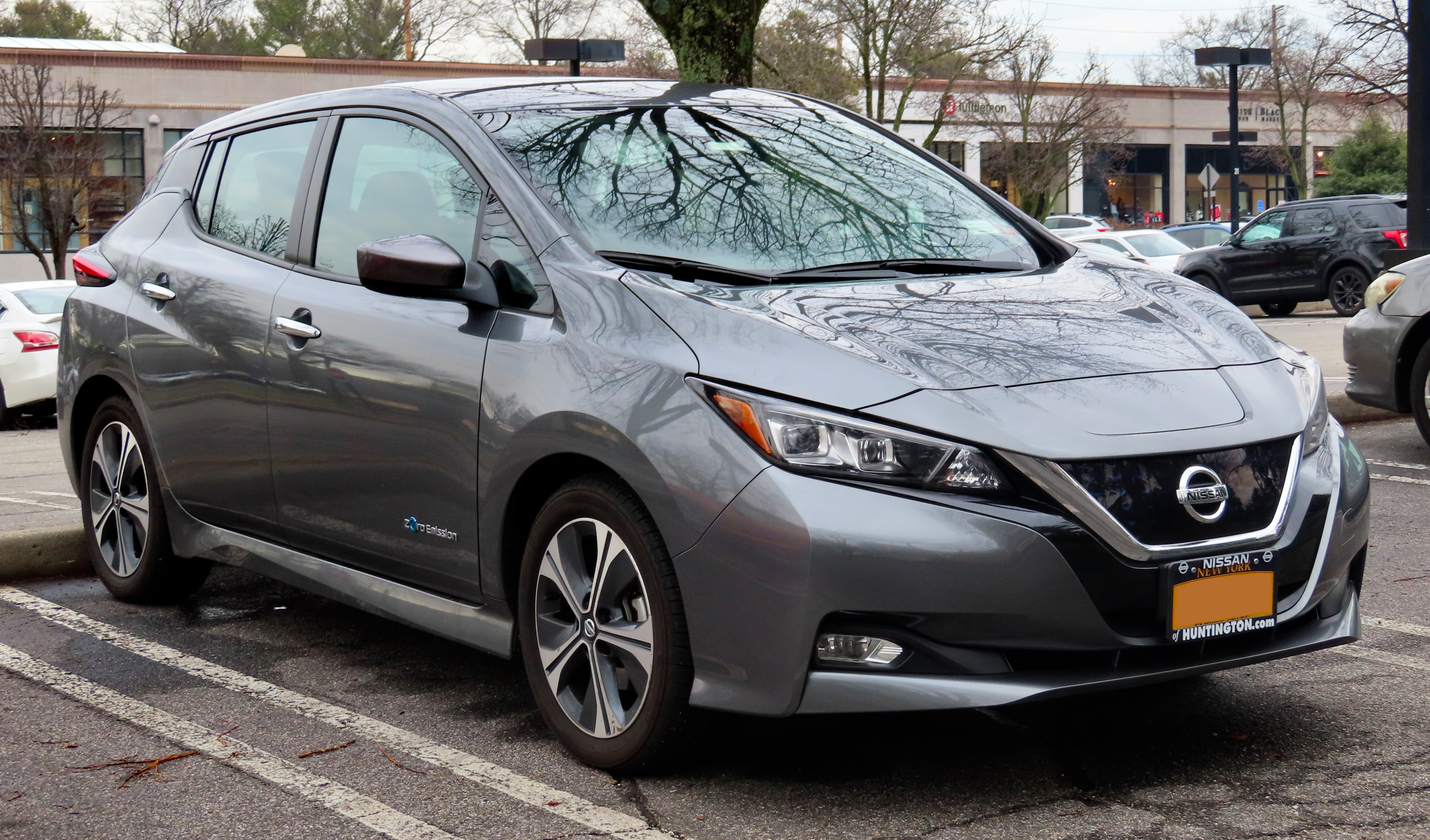
we've been building Leaf for ten years. We have a lot of experience,
six billion miles driven, six hundred thousand cars on the road, no thermal incidents, and a dealer network that's familiar with the EV, knows how to fix the EV, and knows how to take care of EV customers. So
we're certainly not new to the EV game. We're just into chapter chapter two
now and getting ready to push the accelerator. Well chapter two is a whole
lot better than Chapter eleven. But you know, look, you're right.
You guys were the first out amongst the Legacies with a very viable electric car, the Leaf. But then it seems to me like Nissan just sat on
its hands. I mean, you know, we haven't seen anything for a
decade now. The ARIA is common. I've driven the car. It looks
to be a very competent EV. It's going to be competitive. But that
seems to be the problem with the Legacies, is they they just didn't go all in, and now the whole EV segment is is exploding. Well.
The EV t IV had, you know, up until just a year ago, was two percent of the market, right, And certainly the government's U intervention into the marketplace has certainly sparked a lot of interest along I think with just general adoption going along the way. But we certainly weren't stopping along the
way. UM. As you know, there was leaf. There was the
second generation of leaf, so it wasn't just one leaf, it was there were two generations of leaf in there. So we hadn't stopped along the way
UM. And we've really been focusing on UM leaf EV infrastructure UM and building
an ecosystem on EV that will really work well UM and is safe, reliable, UM and secure for our consumers. So yeah, maybe a little bit
more time along the way, but you know, when you're thinking about your consumer first, maybe that's a good thing. And we've seen some evs rushed
into the marketplace that that maybe have suffered from from moving a little too quickly into the into the technology. We've been a little more deliberate and purposeful in
UH in our approach to EV and a lot more to come. As you
know, we've announced through Ambition twenty thirty, a whole new level of investment in Leaf and we can talk about that, I guess in a couple of moments. I won't go into it right now, but we were not sitting
back. We were just very deliberate in getting ready for the market to grow.
And now it is. So, you know, what do you think
about this infrastructure issue? Everybody's complaining about public chargers except for Tesla. Boy,
they nailed it. They've got it done. They're off to the races
and you know they showed a couple of weeks ago how they're they're now doing modular chargers where they build the whole thing up, put it on a flatbed, bring it to a site, and drop it in place with a crane.
It's amazing. But you guys must be concerned about this because, I
mean, there's so much backlash amongst the public right now of complaining about these public chargers. Mercedes has talked about doing some limited network of its own.
I think Porsche has talked about the same. What are your thoughts on this?
Yeah, it's it's a great question and one that's very topical right now.
Everyone kind of from top to bottom. Is is concerned with it and
pushing, pushing to improve quickly. And certainly the government intervention at a federal,
state, and local level is going up, right, So there's more intervention, more investment coming. But let's remember a couple of things. Americans
mostly charge at home, and that's a that's a good thing in terms of public charging, right takes some pressure off of the public charging network. That's
not true in some other parts of the world where there's not access, but here in the US, certainly there is home charging structure and so that's what we're seeing most of the charging being done at home now public charging absolutely, are we involved, Yes, are we interested in building the struct helping build the infrastruy ruture. We're in partnership with EVgo. You may be aware of
that. We've invested I think seventy million here recently in building up infrastructure outside
of home charging h and it will improve as we go, and not only will improve, but the vehicles itself are improving. One of course, the
range is going up, which takes some range anxiety away and allows you to go further. And the car's management system itself, now we'll tell you Okay,
that charger's not working. We better go, we better go to another
charger. And we just recently it's a great story. Actually just had one
of our younger employees while we are doing some of the ARIA validation drive from LA to Nashville. No problem except one along the way made it no problem.
Came across a charger. Charger was broken, and we see a little
bit of that out there right now, maybe even more than we would really like to see, and working to fix that in many ways, but in this case it wasn't fixed. Carr said, Okay, this one's not ready
to go. What's the next one? Okay, thirty minutes later, charged
and not charged, but on the charger and going back towards Nashville again.
So no hiccup, so long the way other than one broken charger made it no problem. And I think going in she was a little concerned like that
would that would like most of us, you know, you know, some range anxiety. And once she did that trip, no more range anxiety.
Right, I'm good. I know, I know, I know I can
get there. So this is only going to get better as we go forward,
and as the ranges get longer. I mean, the new area three
hundred and four miles up to three hundred and four miles of range. So
the ranges are getting longer, and I think consumer anxiety will will drop and we'll start to see more and more infrastructure coming to the marketplace because Nissan's not the only manufacturer that's working hard in this regard. I don't to jump in
John, if I can talking to Mike, you know, Nissan, you know, again applaud to the to the point that early early adapters, so the leaf comes out, it doesn't have a remarkable range, but it doesn't seem to be a problem for those that are anxious to get in behind the wheel of an electric vehicle and they just you know, plan their day accordingly.
The issue that you're mentioning, and I think it's an ongoing in a pretty big issue for a lot of people out west here is when you're really you know, traveling, when you're trying to make that longer trip, you're going outside of your of your area you know around here in the Bay Area.
Yes, you maybe have to plan ahead if you're going down to San Jose or something like that, but it's really when you're crossing the country and again in the West coast here, there's great distances between towns and sometimes even the chargers themselves that I think is going to be you know, I hope it's just a you know, stubborn our toe in the growth here that that we'll get a chance that yes, these charges have been put in place, but they haven't been maintained. And whether it's a matter of it's offline,
or you get there and the high speed one as offline, or somebody with a small car is hogging the high speed one and you've got the trickle charger, so you're you know, thirty minutes stop turned into an hour and a half or something like that. I mean, it's just it's an interesting aspect
of the growing pains as we go along, and I look forward to, you know again, people like Nissan that had the leaf out there, had the early adapters. Now, how does the behavior of the mainstream electric user,
how does that change as it goes into public I'm so waiting to see that from Tessa, and I haven't I say, I keep waiting for the mainstream user to come and we're starting to see a little bit of that, but not as much as I expected. Yeah, surely it's like all new
technologies, I think sometimes and I didn't quite get all of it. Unfortunately,
you broke up just a little bit there in the middle. I think
it's my side that's doing it. But I think what's happening is you see
more and more adoption. You can see it in the TIV right now rising
for AEVs. I think we're over six percent in the last month or so,
or just approaching six percent. People are starting to get more and more
comfortable and u and more comfortable with the purchase choice for EV and it's only to get better because some of the things you're talking about are getting fixed because a lot of money is going in there. And remember that the charging business
is not a bad business either, as as we have seen recently. So
usually when there's good business, h companies, governments are willing to invest in infrastructure, and we're seeing that investment coming coming in pretty quickly right now.
I think the biggest challenge for the industry, in my opinion, is not so much that side of the when when I'm talking about the industry, the EV industry is not so much on the charging side, but affordability, right.
Affordability is one of those things that's on people's minds today and uh, and we're working hard on that. And we started off with leaf. We
won't necessarily start off as a luxury manufacturer. We are providing passes and it's
our intent to continue to do that. You know, you say that the
charging business is a good business. I want to question you on that because
you know, gas stations don't make their profit selling gasoline. That's the loss
leader. You know, where they make their biggest profit, number one profit
maker for gas stations hot dogs. So when you go in there and you
see that rotating sort of rogisseery thing, that is their number one profit generator.
And then cigarettes and lottery tickets are fast behind on that. And when
you look at the public charging stations for evs, they don't have any of that. All they do is buy electricity at wholesale, market up and sell
at retail. And so that's why I'm asking Mike, why do you think
that the charging business is a good business. I'm still not convinced it's a
viable business. Well until they get those hot dogs. Well, if that's
all it takes, selling hot dogs, and then our EV future is secure, because that's just not that hard to do. But but but seriously,
you you have a number of companies that are very interested investing into the space U and usually investment doesn't come unless there's a good model behind it. And
we only know that, uh, you know, if you're thinking about it, an industry of um you know, from fourteen to seventeen million, eighteen million maybe more in the future vehicles. Uh, there should be a good
business there. And it would seem that there's a number of companies out there
that would probably raise their hand and agree with me on that. Not fully
developed yet and of course in the development stage, you know, cost usually outweighs revenue early on, and we're seeing some of that, no question about it. But as as you start to see the industry mature, UM,
I think you're going to see a very viable case for evs. And we
already see you know that battery costs you know, are coming down down more in line and heading towards parody with internal combustion. It's going to take a
number of years for the industry to get there, but it's happening, I think, is maybe even more rapidly than many manufacturers might might have originally guessed.
So, Kaylee, what are you hearing or reporting on or anecdotal or whatever on the whole charging things? What do you think about all this?
Yeah, I mean one of the things I consistently here is Okay, so we've talked about home chargers, We've talked about public and you know, the public infrastructure along highways, et cetera. But what about like apartment buildings,
what about lower income neighborhood. I thought that was interesting that Chevrolet did,
is they you know, if you buy a bolt, they have a program that they'll give you money, you know, up to a certain extent to install a home charger. Um. And I think that that program, as
far as what they tell us, worked really well for them. So yeah,
And the other thing that I've I've wondered if if automakers would have consider doing this is there is a fear of you know, you see a gas station with a recorder, right if I drive down the street, there's four gas stations. It's not the case for an EV charger. And one of
the things I wondered is if automakers would do some sort of like way for people to test these products and experience them in their daily lives before actually making that purchase. Um, I don't know if we've really seen that yet,
but I think that that would be an interesting experiment because I think that there's just a lot of people still very concerned about that and concerned too about how much is my electricity bill going to go up if I do install this charger?
Um, And I really don't know the answer to that. So yeah,
and I'm certainly not a you know, a expert and the electrical grid and ev charging. Yeah, what I can tell you, it's expanding.
As I said, apart, we are seeing a part and complexes and co ops yeah, and condo organizations starting to invest in that. I see it
in my own neighborhood right now, which is interesting. So there is some
of that that's going on just by local communities. Ha's condo, all those
things. You're starting to see it happen right now. And then you know,
we're we're involved in projects like I said with ev go where you know, we've installed in city and we've installed on the highway as well. So
uh, you know, we're we're putting chargers in places where there aren't chargers.
And I can't tell you exactly where all those are, Kaylee, but but we are investing in that, in that infrastructure now in cities and in the rural areas as well. You know, I gotta tell you too.
I hear this argument all the time, Oh my gosh, my electric bill, it's going to go sky high. And I tell people, yes,
it is, but you're never going to go to a gas station again, and you're probably going to save a thousand dollars a year buying electricity instead of gasoline. Yeah. I've got to see it in front of them though to
actually know that. And you know, I have a wall box at home.
Um and uh, and I'm super happy with it. And you know,
when when I look when I drive EV's, I can tell you that I'm I'm pretty much doing fine from a total cost standpoint. Um. So
overall, John, to your point, it does balance out. Yeah,
So what are you telling your dealers, because we hear horror stories all the time. I've EV added the kids. They they're all excited, they go
to a dealership, they want to buy an EV and the first thing the salesperson does is try to steer them into an ice vehicle. And and this
has been going on for years that we've been hearing these stories. Maybe you
guys have been at it longer and have a better track record at it, Mike, But how are you going to make sure that your dealers really start pushing arias well. We we've been at it longer, we have a better
track So thank question, ask question, answer, So thank you for John.
I appreciate it when when the answers given to me. But but but
certainly that's that's true. You know, we have nine hundred and ten Leaf
dealers across the country, um and, and they raise their hand to be leaf dealers. They want to be leaf dealers, and uh we have eleven
hundred total dealers across the country, but nine hundred and ten have decided to be Leaf and now ARIA dealers. Um And we've been installing the infrastructure for
years because we were a LEAF manufacturer back in and EV manufacturer in two thy eleven. All the dealerships that we've built in that timeframe or renovated along the
way, you know, we've been putting the infrastructure in for EV. So
we're not you know, the tools are there, the technicians are trained already.
We already have chargers at the store. We now have Nissan has the
largest uh uh quick charging network of any well, we that has dealers, anyone that says dealers, we have the largest quick charging network. We've just
been added longer and we know what we're doing, and so we've made the investments over time. Uh uh and our dealers are on board with with the
investment that's required and uh And frankly, we've been able to do it over a longer period of time. An investment over a longer period of time usually
makes a lot more sense from a business standpoint. So sorry, go ahead,
Charlie. Yeah, I just love to point out in Mike to Mike's
answer, you know, there's really four important question that consumer is going to ask, and there's four bits of information that they can't really be answered on any particular vehicle at any particular sale. And it is where am I going
to get the electricity? How much is it going to cost? How long
is it going to take to charge? And how far will I go afterwards?
And you know what, we're starting to dial that in a little bit more, but there's that moment in time where that that just couldn't be answered again, is it in your home? Is it public? You pan part
of a feed? You get a discount from EV go are you you know?
Is it hot weather? Cold weather? And I think part of the
consumer's reaction to that was you're trying not to sell me an electric car, and it's like, well, I kind of I like to, but I think we all know, you know, And if you think about it, yeah, maybe we don't know how much we're gonna pay for the gas, we know where we're going to get it, how long it's going to take, possibly how far we're going to go. But those who are unanswerable questions
for a lot of evs and a lot of situations, and we're starting to get those answers, and we're starting to narrow it down. But it wasn't
there for a while. Yeah. Yeah, it's a fledgling industry, but
certainly those answers are much more readily available for our consumers. And frankly,
when you look at the vehicles that are now than what i'll call the next generation of evs, very different from what I would call the early generations of evs. They feel more carlike, they have they have more horsepower, more
torque, the level of refinement. If you think about Aria, which I
think is one of the most complete evs out there, bridges very nicely between what i'll call, you know, vehicles that you know are so futuristic that what do I do with this? How do I drive it? Do I
have to drive it through a screen? Or can I drive it like a
normal internal combustion car? But it's EV are the job of bridging that technology
right with haptic switches that you can touch and feel and technology that's relevant to the consumer. So it's very complete, very high perceived quality, which is
what consumers expect in their internal combustion vehicles but maybe haven't been able to get in their evs up until this most recent generation of EV. So proud of
the ARIA because we think it is the most complete EV out there. And
if you've had a chance to drive it, which I think maybe some of you have, and if you haven't, we'll get you one, especially now that we have the all wheel drive EFURS version. I think you'll be amazed.
Not so much as speed, because they're fast. They're as fast as
a zu in our sports cars, and they'll set you back in your seat, no question about it. But at the level of refinement and the level
of um intuitiveness of operation, which hasn't always been the case with some previous evs. You know, I wonder if Kayley's got the right answer here.
You know, people need to experience this thing. The Automitnustry has always known
the best way to sell the cars. Put butts in seat and experience it.
Yeah, and with evs even more so. You know, uh,
you know, maybe over a weekend isn't enough to know what's my electric bill going to be and blah blah blah blah. But gosh, I think just
getting people in there, having them go through the experience of going to a public charger, using it, or better still, charging at home and waking up in the morning with a full tank, so to speak. John,
you bring up a great point and uh and west Kayley's idea, so non you did a good job of support at Kayley. Um. Uh we recognize
this. UM. And and one of the things that that we decided to
do with ARIA is institute second delivery UM. So not just the delivery at
the store, UM, but the consumer that buys in an Aria today UM can right there at delivery sign up for second delivery, no cost to them.
UM. And we'll come out and uh and talk to you UM and
take you through even in more in depth. You know, another test drive,
take you through connected car, take you through the technologies in our vehicle.
Get you comfortable with a test with testing out charging facilities if that's what you want. Um. So we recognize that that I would say, fear
and the knee to go a little bit further in terms of explaining everything that an EV can can do and uh and what the car can bring to your life in terms of you know, connected and in terms of technological integration with your life. Yeah, And I think you need that for Like, I
just think of folks like my dad and I grew up with him like always his head in the engine or underneath the car, and I just, um, I don't see him ever purchasing an electric vehicle on his own. Um.
I think you have you have a lot to do to convince folks.
Um living in Middle America. You know. Yeah, an adoption will buy
segment change will will will happen at different rates. There's no question that adopters
that will take it right away, and then there's certain groups that won't.
Then it'll take longer. And affordability gets into that as well, because you
know a lot of the evs that are out there today and available to the consumer, tend to be a little in the higher price brackets. Uh.
There are notable exceptions, like like the leaf and I think the area that are in the more affordable brackets and uh. And consumers can can find their
way into the vehicle and adopt different segments, Kayley, to your point, will adopt different differ rate. Hey, along those lines out here, there's
a little mall up the street that's that started with Tesla and now has also Pole Star, Lucid and then Fast in the in the shopping center. Yes,
and so do you go there? And you can go there, you
can sit in the cars, you can you know again order them, you can drive them around the parking lot. Now, it's it's crazy to talk
about the evolution of all this. Tesla now has outgrown it. And then
they purchased a now defunct Cadillac dealership across the highway and has now moved into what, by all appearance is a car dealership. They won't call it that,
but that's certainly what it looks like. So, you know, my
I love this idea of second delivery because you know, anybody who's experience, I'll speak from my experience. If I'm drive buying a new car and I'm
at the dealership, the first thing I want to have happen is for the salesperson to shut up and me just get in the car and drive it.
I'm not listening, you know, they're showing you this and that. I
just want to get in there. I'm busting, you know, I gotta
get out. I want to be in my new car. So I think
it's extremely smart. What do you come back a couple of weeks later or
something like that. Yeah, you can make it. You know, we
are very technologically advanced on our showroom floors and on our delivery, So deliveries now go through a tablet and car system and you can sign up right there.
The salesperson will take you through and say, okay, these are some of the features of the car show you videos. And that's for all Nissans,
but for Arias. You can also get a check the box. Yes,
I want second delivery. Great, Can I set you up for a
date and they can put it right in there and go into our scheduling system and then we set up a date for that that consumer date and time, or they can choose to receive a text or an email later saying, uh, we're ready to sign you up. Are you ready to make an appointment
today? So that's how it works, John, and uh. And so
every customer the Bison Aria will get the opportunity to get a second delivery no extra charge. And interestingly enough, we've done a number of them. Conquest
rates are really high in the vehicle. They love second delivery. And the
most interesting thing that we didn't anticipate is can I get a third delivery?
And I'm willing to pay for it? Interesting? Uh? Yeah, Yeah.
It was one of those moments where you go, aha, we have something that's working here, and we you know, Aria has only been on sale for ninety days, so uh, you know, we're really just getting started with it. But yes, John, it's about two two to three
weeks, maybe a month afterwards. Uh, consumer choice really and there you
could do it the next day, but most people are choosing to take it home. They want to get out there, they want to drive it,
just like you, John, just like me. But when I get home
and I've driven it for a couple of days ago, you know what's that button for? Yeah? No, and I wish I had stayed a little
longer and gotten that part of the delivery. Well now you can't so and
it's looking very successful early on. Cool. Hey, look, we got
to take a quick commercial break and I gotta run out and let the dog into how she's out there barking right now. So we're gonna give a great
shout out to our friends at Bridgestone and we'll be back in just a few seconds. How do you bridge? Don't entire stop shorter on what roads?
Is there hydrotrack technology, But you don't have to know how the science works, just where the brain is. What really matters is they're Bridgestone. Well,
John, John's gone, let's talk about some dog. Okay, John,
Okay. I think the dog's back in the house very good. So
you know, it's sticking with dealers for the moment here. You know,
all the startups are going sounds dealers direct sales modeled. Jim Farley, CEO
Afford, says he figures that saving Tesla like two to three thousand dollars per unit, and I believe it's largely you know a lot of people think, oh, that's because dealers have mark up, but I think the real cost is in all that inventory that's just parked out there, depreciating and costing the dealer money all the time. Where do you where do you think this is
all going to go? Mike, Well, um O, our viewpoint quite
simply is we are going forward with our dealer network. We think connection to
the community is extremely important. Dealers provide that and they provide um great service
every day UM usually with very little waiting time and same same day service.
So you know, we're we're quite happy with our network. They've done a
great job taking care of our leaf customers. UH. And you know,
we see a future with our network. Doesn't mean there's no change. We're
already starting to see change, especially from our you know, from the consumer and the consumer's expectations. UM. And and that's probably the next great battleground,
which is a little different topic, but UH, generally speaking, UM, I would say that, you know, we're really happy with our dealers.
They're going to be with us on ev um and UH. And they
provide us a connection to the community that is irreplaceable in our opinion. Charlie,
you mentioned this shopping ball down this road from you with all these startups, don't I don't know where you're connected, but I just got an email from the Lucid dealer while we were talking, says, give me a call.
I was curious to know if you're interested in coming out to drive the Lucid Air. What is Who do you know? John? I mean he's
just like so obviously watching the show local Nissan dealer right now exactly. Oh
here it goes. Yes, it's interesting, John, is you know again?
I'm it's very interested. I've been deserving this industry for decades and you
know, a huge fan and in great loyalty to the dealer body. Fortunately,
when you get involved in a consumer show, you hear of all the bad behavior that goes on out there and and all the people that are frustrated and in doing things. But I witness and and I'm not picking on Tessa
maybe um, but I'm witnessing to see how how the weight time is really starting to build up, whether it's parts and service and things like that, that the customer service ex experience is is again the realities are starting to set in. I haven't seen it overtly effect that the potential buyers at this point,
but I'm very curious just witnessing there's behaviors that are happening to Tesla owners right now that if it was happening through a traditional dealership, they'd be going crazy. They'd be saying all of this Niecean dealers and paying attention to me
or you know, I mean when you're waiting three months for a headlight replacement.
Yes, there's been issues with the distribution of parts, but it's beyond that. And so again there's a real love Mike. I alluded to you
and the Leaf owners as being early adapters. Certainly that was the case with
the early Tesla owners now that they're up in volume, and whether it's you know, a Tesla or as we're talking about, we're going to Rivian or Lucid or Pollstar. These non dealer distribution points to see, this is the
most complex consumer consumer item you'll get. And it's not to say that it
can't be handled in certain ways, but I don't know, you know, I'm looking in Certainly, UM aspects of UM repair, whether it's over the year or other things, are part of this evolution that we're all experiencing.
But it's interesting to me to see just cons forward. So one of the
things that it relates to John's earlier comments and your comments right here is that you know, if you want to have local service that's high quality UM and UM and accessible, UM, you need local brick and mortar. Yeah,
and you're going to need that local local brick and mortar in either model.
And I think that there are startups that are starting to go, oh, there may be more capital investment and brick and mortar than we originally thought get into manufacturers or anything else. But you can see it happening right now.
And so those, uh, those margin numbers may be a little bit different as we move we move forward, but people consumers love to have quick service, availability of parts, same day service in and out, and our local dealers are able to provide that. And our you know, our dealers are
i would say, really the lifeblood of our our organization. They fight for
us every day and they're doing great. Right now. Our dealer satisfaction has
never been higher than it is right now. After a number of years of
you know, some some difficult moments way in the past. Um, you
know, over the last three years, you know, we're now in the top third of manufacturers when it comes to dealership relations. And I think it's
because either side we've been consistent Uh, and they've been doing a great job taking care of customers right now. If you look at Satisfaction Store Scores,
Nissan just scored on the matter of fact, CSI just came out the other day Nissan highest place at placement in thirty years. Um. So we're definitely
moving And I mentioned it earlier. I think the next great battleground in this
industry is for the customer. We all think of it as the transition from
EV from ICE to EV. I think that actually the bigger battleground will be
for the customer, and we're doing a really good job in that regard.
And more change coming in the future as consumers expectations change, and a great example of that is online purchasing, just asking more and more. We came
out with Nissan at Home It want to Pays Automotive Award for Best New Sales Technology. You couldn't go all the way through from start to finish, including
delivery and signing all your paperwork right at home. Oh you want accessorise your
vehicle, Yeah, click on this and we'll send send the accessories to the dealership for the install so you can do it all online. You know what
you're pointing out Mike, which I think is I'm glad you mentioned that, is that the transition from the information leading up to the sale to the information after the sale. What I mean by that is the customers are coming in
the dealership and they've done the research and they know that the sides and the horsepower and the capacities of these vehicles, and they're looking for the price and the transaction at that point, then they need help on the operation side afterwards with all of these ada as the advanced driver it says systems, connectivity and everything about that, whether it's electric or not. And that's the follow up
that you've already addressed to say, now we're going to do the second delivery.
Now you've bought it and we made that easy for you to get in and out, and now we're going to show you how to operate and make sure that all of your questions are answered. And that's the part of the
follow up. I think it is so very important, and again, so
congratulations to you for doing that, and I think everybody needs that. And
whenever I experience a friend or neighbor, if somebody gets a car, I tell them to go back to the dealership in a week or two or a month or so and say you go over this with them. I mean I
can sit there and go over certain aspects of it. But yeah, again,
it's not just that button. It's why is my iPhone dropping or reading
text messages when I'm trying to be driving and things like that. There's a
lot of aspects of the operation now that are electronic. Are things that we
want and we just need to understand them. Yeah, the vehicles are definitely
more complex, there's no question about that. But boy, when you when
you actually nail it and you know your vehicle and it knows you, life becomes so much more easier. And it's about a whole lot more a whole
lot more easier as the as the cars get smarter and smarter and more capable, you know, they'll be making suggestions on you know, hey, there's a Starbucks around the corner. You know, if you want to go there,
we know you normally, and the car knows that you normally stop for coffee in the morning. Yeah, I mean, this is the future of
of driving and it's coming fast. It's coming very fast. Still arguing with
my navigation system, my quick question, how many of your customers now order their cars. I don't mean do the paperwork at home. I mean order
what they want from the factory rather than buying off the lot. Because my
understanding is, especially once inventory tightened up and people didn't have much selection, that a whole lot of them started ordering their cars. And I'm wondering if
this is a you know, a sea change for the industry. I think
it's it'll change to some degree. But one of the things we have seen,
John, is as soon as industry stocks started moving up again, which they have been over the last six months or so. UM, I wouldn't
say normalized, not even close to normalize, but but definitely improving. Um.
You are seeing consumers go back to I really loved selection, and I'd like to drive this car today. And you know, the American consumer and
the American market is a build to stock market. Um and uh. And
there there have been moments where build to order has gone up a little bit, But you know, I don't think it's lasting, John. I think
what's going to be more lasting is that consumers are going to start shopping more and more online. They're very comfortable in that regard. Most of us have
had Amazon like or Amazon experiences and we like that. We like that instant
gratification and frankly the ease of not having to travel and the less logistics, less gas or electricity to get there. And I think that that you're going
to see more and more and we are seeing more and more online purchases go all the way through. So when we came out with Nissan at Home two
years ago, now you know, there were very few consumers that went all the way through, and I can't tell you that the majority of them go through today, but I can tell you every day more and more consumers go further and further down the funnel. So you know, from the initial shopping
to the credit application selecting the car. Then they're getting into more of I
want to test drive at home, which you can do through Nissan a Home.
Just click the box and we'll come bring the car to you test drive at home. So that number is going up. So what's happening is people
are going lower, lower and lower in the funnel as they gain confidence in purchasing, as Charlie said, one of the most complex consumer items that am expensive that they're going to purchase in their lives. But more and more consumers
are going further through the funnel. I think that that's probably what we're going
to see. Now. What's really interesting about that is, and I said,
the next I think great battleground in this industry is for the consumers.
As you get deeper and deeper into the vehicle ownership and certainly the connected side of it, the great battleground is going to be keeping that customer in your ecosystem. And the ecosystem is harder and harder to leave. You know,
there are days when I don't necessarily love this as a business phone, but I'm so tied to this company that I really can't leave, you know, my ecosystem. I'm deep into their ecosystem and they're in the deep into my
ecosystem. To leave is tough. You see more and more of that in
the car site too. Think, guess where the great battleground is next is
to make customers as as a good friend of all of ours. I think
Carl still said customers for life, and it's becoming more and more of a reality. And frankly, the technology, the car, the ecosystems are going
to probably cause that to happen. So a lot more loyalty, less conquest,
take care of your consumers. Take care of your customers the best you
can, because you that may be the only shot you get at them.
Hey, there's some other dudes that's been breaking in the industry that I'd love to get into, especially when that broke today. In fact, I've had
several television and radio stations call me for common Kaylee, let's start with you.
Ford Motor Company breaking out its financial reporting, including its EV business, and we know it lost two billion dollars last year. And see Ford,
Jim Farley is very open. They're probably gonna lose three billion this year.
Yeah you make of this? What do you make of this? Ford breaking
all the full why? Um? Well, As a reporter, I value
transparency, so I appreciate that they're doing it. I guess it's not surprising
to me that they've lost money, right, It's I think they're CFO said, it's like an EV, it's it's startup, right, And so right now they're spending a bunch of money to scale up, and they just haven't brought in the money to pay that off yet. And so I think at
some point, I think within a few years they expect to I know, General Motors said by twenty twenty five. They expect their ev business to be
profitable. They haven't done this extent of breakdown that Ford is done today,
but hopefully they do one day. So I appreciate that they're doing that.
I think it's I think it makes sense. It'll be interesting to see how
they, you know, going forward, how they handle like the breakdown of North America and their China markets. I don't know if they're going to provide
that information, and it sounds like they're not. They're just gonna break it
down with ice versus um electric vehicles. UM. So yeah, it's and
the and the loss is not surprising to me. Yeah, Charlie, what
are your thoughts on that? You know, it's interesting out here. Um,
we've been witnessing, you know, and again John have knowny for decades, and I've watched these traditional companies, you know, the four GM, certainly Chryser Steleatus of the world, and they've struggled as they've They've looked and seen these these startups that all of a sudden have a much more volatile, hopefully positive but it's it's proven recently not necessarily um boost in value boost, whether whether the profits were there or not in some cases. And it's interesting
because I see that this splitter. I'm always trying to too. Are we
separating a traditional company from a startup type company where again, the the upside is more has greater possibility. But the reality is is that again as Kaylee
was sand, you know, it's just the cost of building the business, of creating the business and pulling that away from from whatever traditional business they have.
So um was it was it Delphi that years ago that separated as a Tier one supplier and and tried to create again your traditional company and then your your autonomous vehicle or or startup type vehicle. So I kind of put it
in and broadly in that in that box. Yeah, and John just you
know, a thought from from the manufacturer side. UM, the EV business
UM is going to be expensive to get started, as Kaylee has mentioned.
UM, and we've all discussed no question about that. But this industry is
very resilient as it needs and UH and UH and what will happen is is that we will continue to push on development. UH. And as that that
business develops, costs will come down UM like they normally do. UM.
As you get better and better at something and you build scale, UM costs come down, and this industry is really good at that, really good at that and uh UM, I have full confidence that Nissan and the industry will will navigate this uh this well, it won't be easy, but talk about commitment to it. So what do you think of Farley's move of report to
me, it's a really gutsy move, Mike, Well, what are your thoughts on there? Yeah, I really can't comment John on kind of structure
you know, of profitability for Nissan and how we are we're going to you know, structure ourselves in the future. All I can tell you is we're
working on the right things. We're working on UM development of as you know,
solid state battery, which you know has a lot of advantages over the current battery conditions. We're working very hard in that in that regard, and
we see a path to ice uh uh cost parity, um, you know, in in in this decade um and uh it's achievable. And we believe
that we can make this business profitable uh and uh and be successful not only for us, for our dealers, consumers and our suppliers. Yeah. No,
I believe that because I've heard others say the same thing twenty seven, twenty twenty twenty seven, twenty twenty eight. They think parody costs between BEV
and ICE, and then Bev's starting to go cheaper than than Ice. But
Charlie, another thing that broke this week, Uh, Scott ko starting the new Scout brand, you know, reviving it. Uh. And they announced
they're going to build a greenfield plant in the United States. You know,
when I talked to them last year, they weren't sure if they were going to build a plant or if they were going to go with a contract manufacturer like Fox con Or mag Nutt. And Scott Kio said, Hey, this
IRA, what a game changer. He he's comparing the the IRA and the
money that's going into the evs to the California gold Rush, and yeah, what do you think is this going to be? That was one of our
favorite gold rushes out here? Um. But uh, you know, having
you know, spent a bunch of time with the financial institutions and the dealers at the an Ada convention a month or so back, you know, very confusing, you know, what does this all mean? How and where does
this all go? And then as we start to roll forward and things start
to roll out. UM. You know, we're putting together a selection of
pre possible evs that somebody might buy, and it's like, oh, my gosh, does that is that one assembled in the US? Is the key
or a hyunday? Are they going to qualify for this discount? And what
the solution needs going to come from all of that? Because of it,
and and it's it's pretty confusing. A little bit of a mess might be
the right word right now in terms of what that is. But to see
decisions made at that level effectively, I mean, it's having the effect that was intended to have to you know, again, to bring jobs, to bring manufacturing, to bring assembly back into the United States, UH, and then identify those vehicles as such to the extent that you know, again it makes it makes economic sense, Yeah, Charlie and UH Nissan no different.
UM we are. We've already announced UM in our ambition twenty thirty new investment
UH in the Canton, Mississippi plant. UH A couple new evs UH announced
as well as part of that. UH. We believe that localization will UH
with with IRA b UM will be mandatory. You're going to have to localize
to stay competitive. But there's a lot of rules that are still not clear
yet and and we're still waiting on some of those rules to completely under understand it. But but I'm glad to see the investment from from the UH,
the US government because it will accelerate overall. At Charlie has just said some
job creation here in the US, which which we like, UM and UH, and we are going to localize as as many of the other manufacturers are.
Mike. About a year ago, Nissan said it was looking at building
a battery plant in the US. Can you give us any updates on that?
No, I can't, but I'll just echo what I just said is localization is important, and we are examining all options right now. But I
think everyone's really itchy to get their hands on all the rules and really understand what the rules are gonna gonna look like. But we are absolutely involved in
looking at localization through the supply chain. Okay, Kaylee. You follow GM,
and they seem to be doing the most thorough job I'm watching of the legacies of really developing the EV supply chain, or is that how you see it? I would say they've been the most aggressive. Yeah, I mean,
they already have one plan one battery cell plant up and running and they're all Team cells plant in northeast Ohio at A second one in spring Hill is slated to open later this year. Then they have a third one they're constructing
in Delta Township. There was a fourth one that was supposed to come at
some point with LG, but there's been some reporting that that has been put on the back burner. Not that there won't be a fourth plant, but
it might, it just might not be with LG. And beyond that,
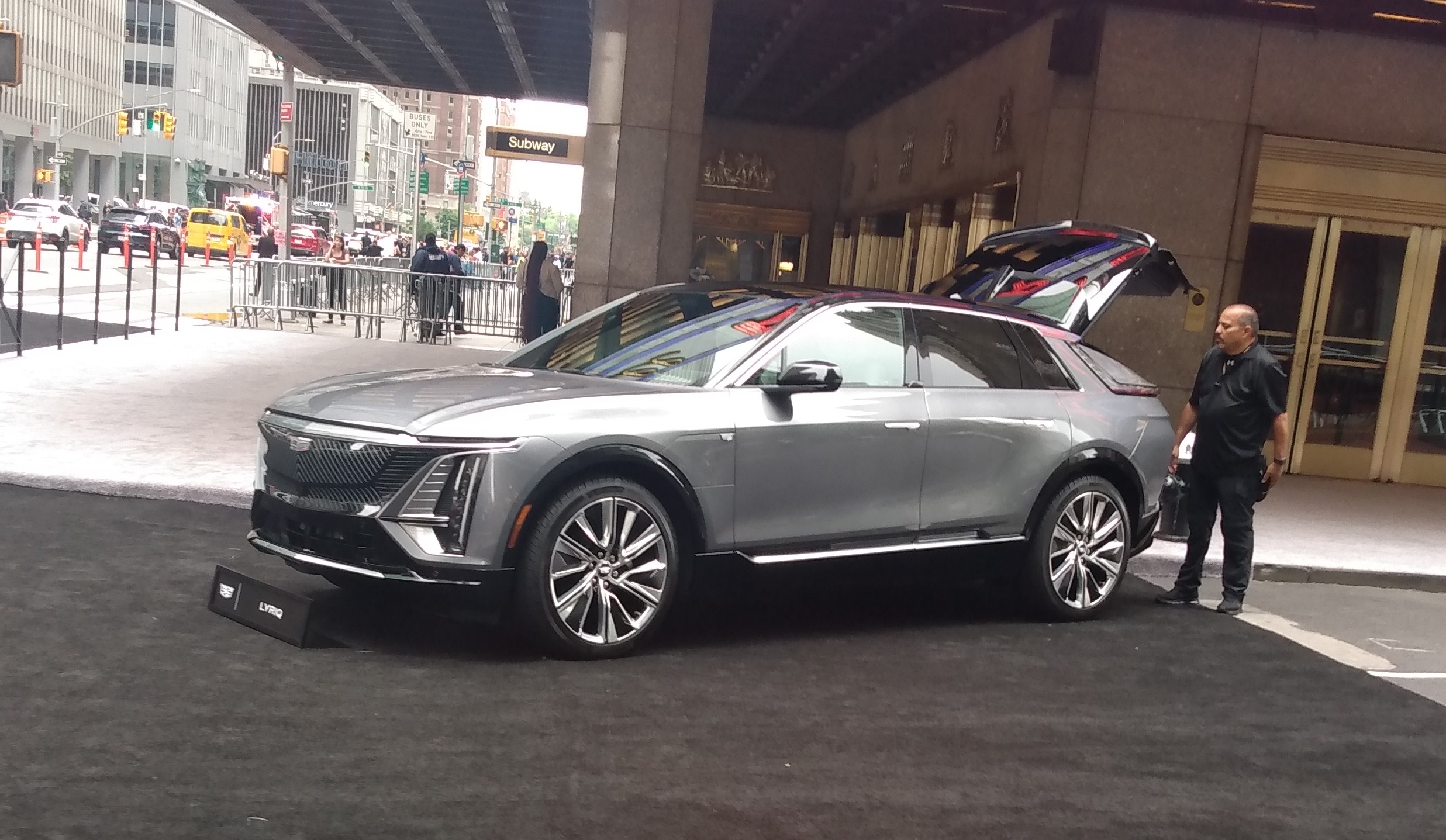
they're establishing the supply chain, like these contracts with all types of suppliers to ensure that they have enough supply to make the all of the electric vehicles that they've introduced this year alone, they're gonna they're launching the Silverado, the Equinox, the Blazer, They're expanding production of the bolt Um both bolts in the Catalec Lyric, and then we also have the Hummer SUV in the pickup.
So a lot happening for General Motors is definitely their electric vehicle year, I think. So. I'm hearing chatter that when the LG deal went south to
build up point, I think it was in Indiana, wasn't it yes, New Carlisle. Now there's chatter out there that maybe it's going to be c
at L and maybe that plant will end up in Michigan. You're hearing any
of that kind of stuff. I'm hearing all kinds of stuff all the time.
Um. And I perked up when you mentioned Scout because I was I
kept thinking that Scout was looking at Michigan, and I think that they were.
But they lay landed south, which isn't surprising. But we've got a
bunch of battery plants of our own coming up, you know. We have,
like I said, we have the Delta Township plant right and Lansing and then you may know that Ford just recently announced a battery plant, a battery park, blue Oville Battery Park for Marshall, Michigan. And that's a really
big site. Um, it's like nine hundred acres, right, So I
think beyond the park there could be some other things that, like, you know, come with that. Um. So, I've never seen anything in
my lifetime. I'm in my early thirties. I've I've only ever seen plant
closures in the United States, especially being from you know, the Mahoning Valley in northeast Ohio. Um So, for me, this is just like incredible.
I mean, you're seeing plants pop up in Michigan and Indiana and Georgia and North Carolina, South Carolina and Kentucky, Tennessee. I mean, list,
she's the list just keeps going. Um So, it's it's pretty InCred
I think the pandemic taught automakers a lot right about how fragile our supply chains are. And when you're changing from ice EV you just can't that fragility.
I think is is really a concern, um you know, and and and bringing these plants here is definitely gonna lower cost, which is what we want to do, right So I'm sure Mike can speak to that, um better than I can. So well, I mean you just said it Kailey,
where you know the investment is there, and I said that the industry is resilient and one hundred percent committed. You can see it with the just just
the investment level of Nissan Is has a lot of good company there. We're
doing the same and the future is bright for evs and for the industries.
But you know, we've talked about EV's and internal combustion is still very much here today and still four percent of sales, so nine point four out of every ten vehicles is an internal combustion engine vehicle. Uh. You know,
we're still committed to internal combustion as well, at least in the mid term.
And uh, we still have new new products that will be coming your way and I can't discuss them today, but there'll be internal combustion for the consumers that haven't made the made the flip yet. So Nissan has has got
its foot in both sides, just like most manufacturers, and investing for the future. Uh. And you know, I think the future is is really
bright. You just saw you know, our most recent UH financial announcement in
Q three, Uh and you saw positive free cash flow auto free cash flow from US, strong operating profit, strong net revenue per unit as well.
Uh. So the future per Nissan is good and it will it will have
internal combustion for your listeners out there going, Uh, Mike, what's going on with Z? Well, Z's here and if you want to go fast
for you? And I see John smiling right now, And John, I
love that car. I love that car. I know I know you do.
And so this is this is my Z. But actually, Ill,
that's an original. I have a two forty Z that I just color and
yeah in this color as well, this color new side orange. It was
a launch color, uh so in nineteen seventy two and I just rebuilt it.
John. Uh, it's a it's a sweetheart and uh internal combustion still
has a place in the industry and in this old fogy to get the whole going here. Uh, I hope you bring that to the cruise. Uh.
You know what, I brought it to Zcon last year and it was a huge hit because you know, of course, you walk out there as a senior vice president and nobody thinks you're actually a car guy, and then they find out a dealership lot, you know, washing cars, you know, forty five years ago. And yeah, I like to get my hands
dirty too. Yeah. No, I love beating car executives who are car
guys because or car gals. You know, I used the Michigan guys,
which includes everybody, but because there's a lot of execs who they're in the business for a paycheck. But one more topic, and I'm gonna start with
you, Charlie. This is also broke. This week, Reuters did a
poll or commissioned a poll that found out that only thirty three percent of Americans are interested in an electric car. What do you make of that? And
what does the industry need to do to boost at number? You know,
just go back to you know, settling down on what the information is, the availability, the costs, um, the again those four questions that I said, you know, if we can start getting answers to those, as Kaylee mentioned, just getting into the car, there's aspects of an electric car that are amazing in terms of quiet, the vibration goes away, you know on long trip. Uh, there's a lot of the acceleration, the torque,
um, the simplicity being able to put you know, a four wheel drive vehicle isn't as complicated without the not only the transmission, but the drive train going you know, putting motors in the corners. Um. So there's
a lot of aspects, you know, and then over over the ownership cycle, the cost of the fuel and or the cost of the maintenance. Those
are all part of it. So I think it's going to come with education,
John Kayley, what do you think? I agree? And um,
hopefully we get some you know, I've been writing about one hundred thousand dollars electric vehicles now for a couple of years, so mixed. I did to
see some lower numbers, so and I think that's coming right, like General Motors, the Chevrolet Equinox is thirty thousand, right, and the Bolt they did lower the price of that two under thirty thousand, So they're out there.
But I think a lot of I think I think that many consumers just think they're out of reach at this point because what you see out there, the hundred thousand dollars hummers, you know, and other products like that.
So yeah, and John, I would tell you I would reverse it a little bit. I agree with Charlie and Kaylee, but I would reverse a
little bit and say, wow, it's up to thirty three percent now.
A couple of years ago I think it was ten. So yeah, really
so, actually, I don't know that only thirty three is accurate. I
would say demands too high, you know. Charlie, that's a good point.
Mike, that's a really good point, because you know, here we've talked about all the problems, you know, whether it's on the dealership side, the charging side, the price side, the uncertainty, the lack of knowledge. Maybe thirty three percent is a really positive number. Yeah. Well,
considering we're at six percent TIV and thirty three percent are interested, I think that growth is coming. Yeah, yeah, good deal. Well,
hey guys, we're at the top of the hour. We're going to wrap
it up here. I want to thank you all for having come on.
Great discussion. I learned a few things from you all, so thank you.
Thank you for after Hour after hour strick around. But for everybody else,
we're going to sign off right now, John, thanks so much.
Autoline After Hours is brought to you by Bridgetone Tires Solutions for your journey.
If you like this program, I would like to learn more about the automotive industry. Check out our website at Autoline got tv, or look for us
on YouTube on the Auto Line channel m
About this episode
The discussion centers on the challenges faced by traditional automakers in the rapidly evolving electric vehicle (EV) market. Guests include Mike Colleran from Nissan, who emphasizes the company's long-standing experience with EVs and the launch of the new Ariya model. The conversation touches on infrastructure issues, consumer adoption, and the importance of dealer networks. Kaylee Hall from the Detroit News highlights the need for better public charging solutions, while Charlie Vogelheim discusses the transformation of the automotive landscape. The episode explores how legacy brands can compete with new EV startups and the future of automotive technology.
Original notes
TOPIC: How Legacy OEMs Can Survive an EV World; PANEL: Mike Colleran, Corporate Vice President, Nissan; Kalea Hall, The Detroit News; Charlie Vogelheim, The Flying Car; John McElroy, Autoline.tv
Autoline After Hours
Autoline
0:00
60:04