
Annotations will appear as you listen
0:00
53:44


Car
Ford Orion

Car
Ford Maverick

Car
Toyota Prius
Car
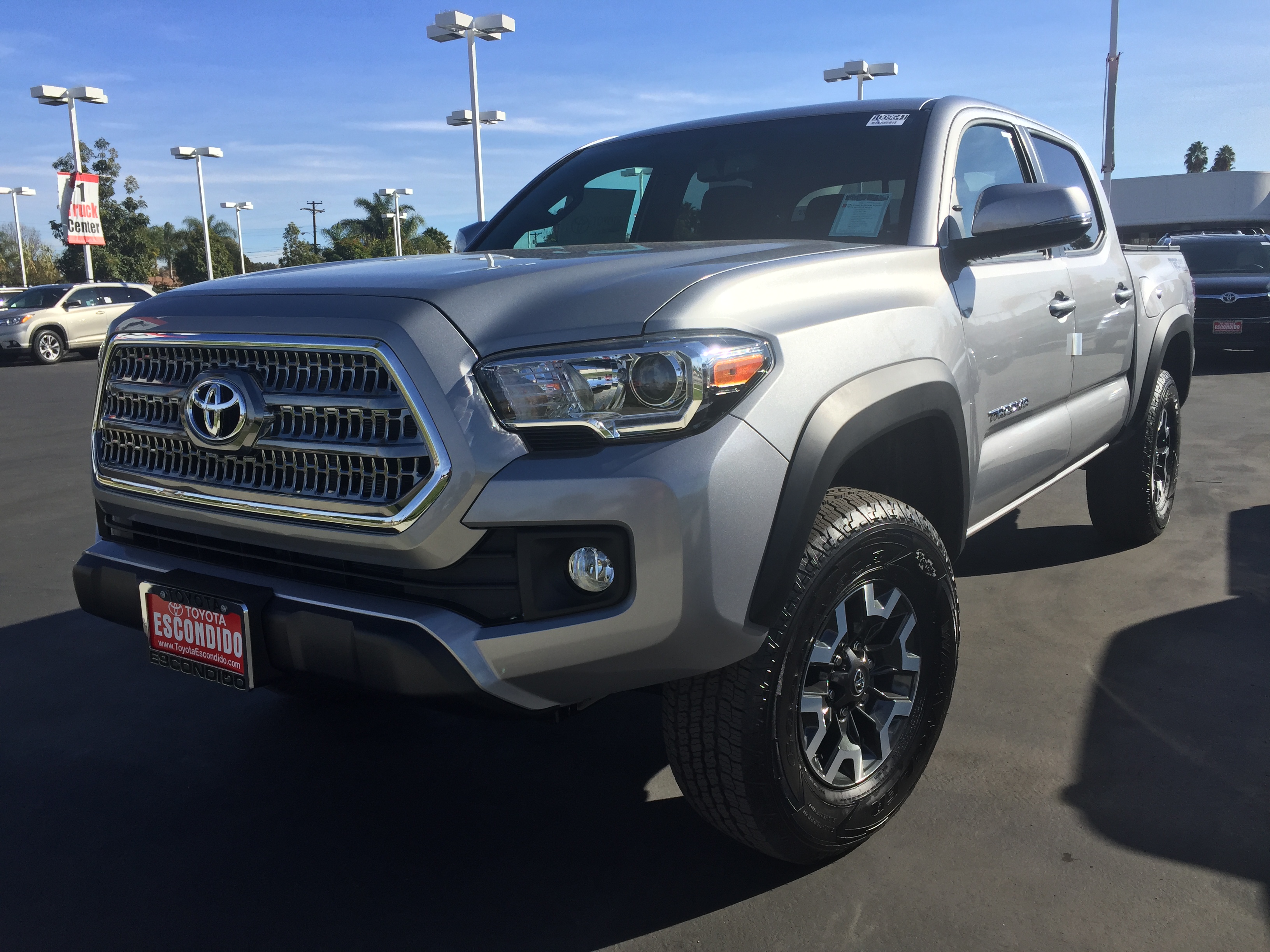
Toyota Tacoma
Car
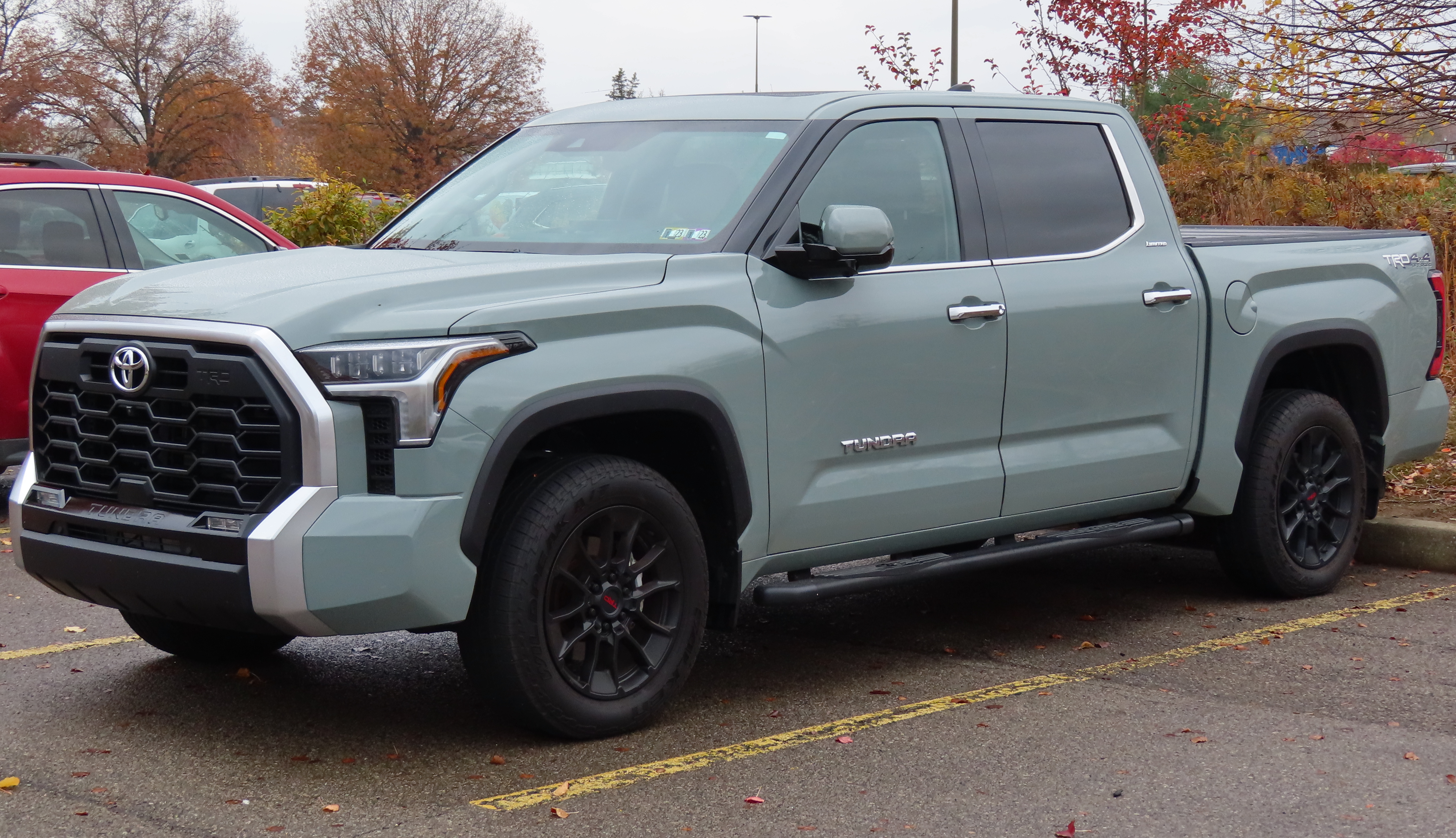
Toyota Tundra


Car
Ford Mustang GTD
Car
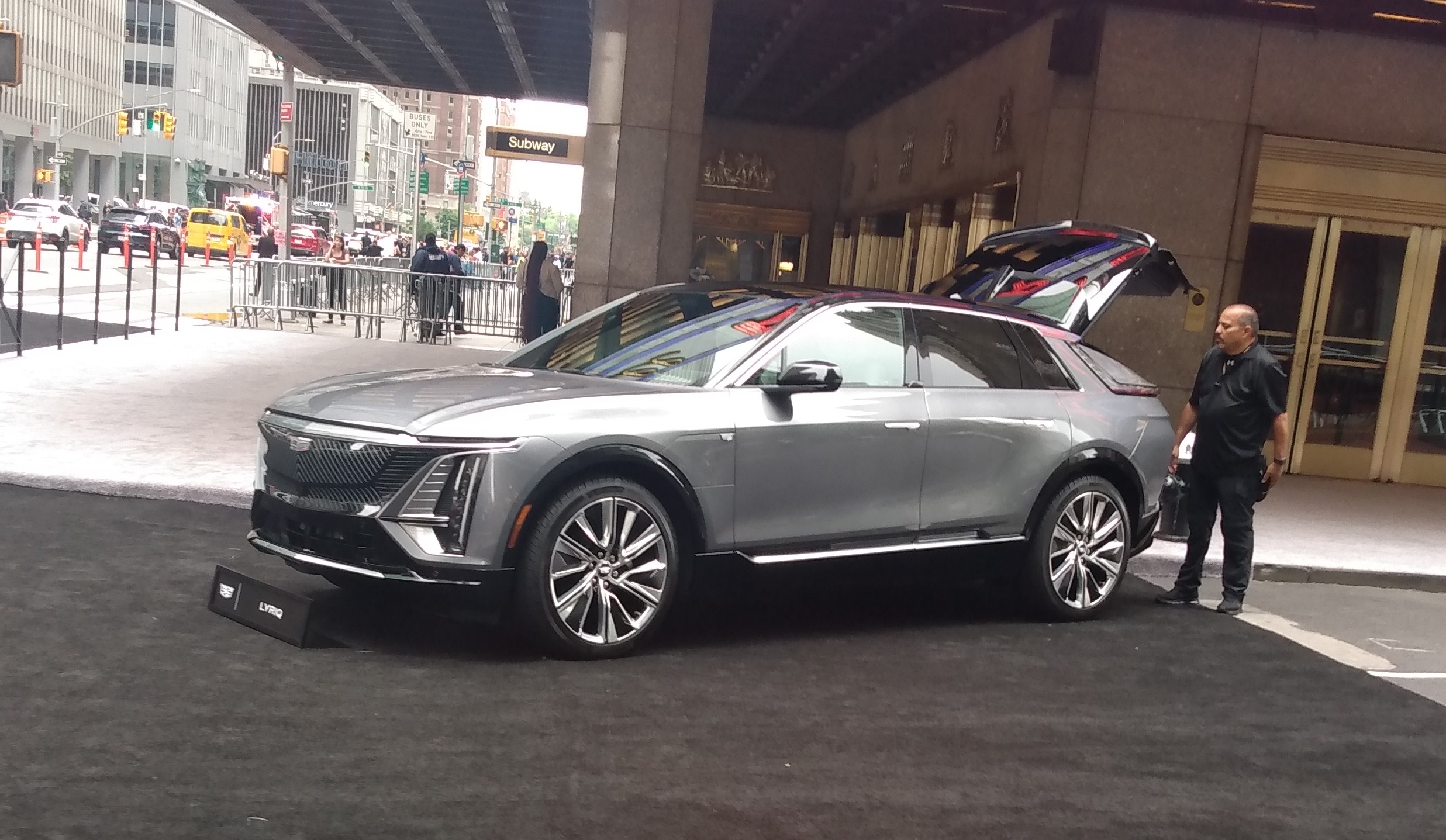
Cadillac Lyric

Car
Tesla Model


Car
Dodge Ram

Car
Hyundai Santa


Car
Ford Ranger

Car
Honda Ridgeline
LIVE
I'll online After Hours is brought to you by bridge Stone Tires, Solutions for Your Journey and by Borg Warner. Hey hello, everybody, can you believe
it? We're in the studio again. I wish Gary Vaslash was here.
He's out traveling. He'll be back with us next week. But I've got
two really good people to talk about things today. We're going to be talking
about electric pickup trucks and what the heck is going to happen with that market segment. We've got Warren Brown from r FQ Insights. Lindsey Brook longtime colleague
of mine formerly with SAE Engineering, and Warren. We need to get into
a little bit of your background. You've been you were at General Motors along.
I knew you when you were at Wards and now you're you're doing your own forecast, teaching and doing my own stuff. Yep. Yeah. You
spent a long time covering this auto industry. Yeah forty years. Wow,
yeah, unreal, as almost as long as me. That's right, I've
been at it, so warrant we had you on the show here, I don't know pre COVID no, no, no, it was during over time because we were doing it all virtually, and you had your forecast as to what you thought was going to happen with electric pickups in terms of sales, and I thought, man, this guy is so pessimistic. His numbers are
so low, and now they're starting to look like you were spot on.
You really don't see these electric pickups selling in mass numbers, do you.
Well, no, I don't see them that way for quite a bit of time. You know, just a number of reasons. There's forget about the
range issue or the recharge time issue. They need to solve the value proposition
for customers, I mean full size pickup customers. If you really take a
look at them, they're rural, or they're conservative, or they're both right, and so they're mainstream household people that are out there buying pickup trucks.
You don't forget about the fleet thing for a while. So until they get
the value proposition down to the point where two things happen, One the companies are making money and two the price is something that the customer says, hey, that's a value to be And those two things don't exist. I thought
that they were going to weren't going to exist for a long time. So
that's why I was. I wouldn't say pessimistic. I was a little more
conservative than the most out there. Well, now it's turn not realistic.
Linta. You said you were just recently out in rural America. Tell that
story. Yeah, since the end of May, I've been a lot of
traveling, and in that traveling, I've been doing a lot of traveling in rural America, Central Pennsylvania, Lancaster County, Amish Country, Amish Country, Corn area. Two weeks ago, I was out in very western Iowa,
about an hour from Omaha, and I was at a friend's business. He
has an open house every fall. He invited me out there and had people
from western Nebraska, all over Iowa and southern South Dakota. And as soon
as I'm introduced to people, you know, Lindsay worked in the auto industry, the car topic comes up, and very quickly electric vehicles come up.
It was a great opportunity, just kind of just in a casual way to ask people what they thought. And these were there were farmers and my friend,
aside from having a business farms one thousand acres of soybeans and corn, so farmers, small business people, trades people. There was some engineers there
just kind of like the meat of regular people there. And I concluded in
their opinions about electric vehicles, and we got into electric trucks because a lot of them drove pickups there. It's something that they didn't ask for. Aside
from the things that Warren mentioned, which is all the things we talk about being in Detroit. You know, range, recharge time, are battery costs
going down. We get into the weeds around here. But these are just
people saying. And as soon as they got to Central Iowa, I was
paying about two eighty five to two seventy a gallon the farther west I went, so not very expensive gas. And that was an ethanol gas because the
pumps have like a million different choices. There's ethanol, there's pure eighty five,
there's but this is just gasoline. Driving my Ford Maverick hybrid out there,
which typically gives me about five hundred miles of range. You know,
it's tone of trailer around here, it gets forty five miles of the gallon.
Ton of trailer, it still gets twenty eight miles of the gallon.
So I'm sure we'll talk about hybrids. That just sets the stage. So
talking to these people, you know, they're looking at what the diesel engine does for them, if they're farmers, what gas engines and diesels have done for them in their pickup trucks, and the the price of gas still is not prohibitive. So the question is is why do I need an electric truck
now? I pose it to one guy who said he was looking into solar
for his farm, and he said, if I could take if I had battery storage for the solar array and I could charge things implements with the batteries, an electric pickup at some point might make sense. It might make sense.
And then I mentioned lightning with all the plug ins and you can power your house and all this jazz, and he's he says, what'ses that truck got for it's seventy five thousand dollars? And then we started to talk about
Tesla, which we talked, I'm sure we're going to talk about too.
Yeah, And so they think this thing is just something from complete fantasy land.
And a friend says, if I was going to if I needed something to attract attention in my little town, he says, I just get a king ranch f one fifty and spend eighty five grand and have the nicest interior that anybody's got. I don't need a visual status symbol, so to speak.
So that's in a nutshell, is just this unscientific kind of traveling that I did when the topic of cars comes up and the electric cars come up, and I thought these people had some pretty good points. No that they
hit you with the value proposition. Yeah, imagine somebody walking into a Ford
store or a Chevrolet store man seeing a Silverado EV and a regular Silverado which will probably have a lot more of them on the lot to pick their choice of color and their choice of options. That's not going to go away,
okay, And then having the salesman try to explain that value proposition for the EV and the wife or husband going, well, what's the gas version run for well man, that's twenty thousand dollars less. And so that's why I'm
mention to two. Things have to happen, and it's going to take a
while. And now I think manufacturers are rerealizing it's going to take a while.
They have to get their cost down to where they're making money. Otherwise,
why push the accelerator down. We're losing a whole bunch of money on
these things, tell me again why we need to push the accelerator down.
And I think they've come to that, come to that conclusion at least here in the near term. And the second is the value proposition. Customer's got
to feel that whatever it is I'm going to spend my second largest expenditure that I'm going to do other than my house, I need value. It's not
there, not there yet, and I think it goes beyond. You know,
we're here in Detroit, and you know, you and I have covered this since its inception, since the idea is and we're hearing about the role of megacities and how that causes pollution worldwide and the CO two impact and so forth. None of these guys I talked to mentioned tailpiping missions and zero emissions
and wanting to be green at all. They live in green, they live
in cornfields. They've got all of these different economic pressures of you know,
seed prices and weather and the price of their combine and the repair prices of all the machines that they've got, and there maybe some of them are, but they're not thinking I want to be green with my truck. Yeah.
Well, it gets back to what you're saying, I mean, these trucks for the farmers, the work people. It's a tool. It's not something
to express your personality or something like that. Well maybe it is, but
it can still be damn nice if you get them fully loaded one but sure, absolutely, but first comes, it's got to work as a tool, and then I can have all the nice stuff that goes along with it.
Since since the companies have been making them. Though the exterior interiors are today
are fantastic, out of this world. But you'd have to step back for
them and look at them and say, the styling on a pickup truck is conservative. It's got a box on it, which makes it even more conservative,
whether it has two doors or four doors. So I think that that
that's what I'm saying. They're either rural your point, lindsay, or conservative
or both. So what happens to these car companies? I think we're talking
really you know, Ford, Chevrolet, Slash, GMC and Ram. Right,
So Ford's building this monstrous new it's it's essentially like a new Rouge plant down in Tennessee, I think Louovale City, I think they're calling it right, what's the capacity going in there? Three hundred thousand, Yeah, I
would say that that's a good that's a good number, waring what the hell's going to happen. Three hundred thousand and that plant goes live the end of
twenty twenty six. I think I think they said the first units start rolling
off the line, then sure, well, let's do the good things.
The very fact that Ford and what General Motors will ultimately do with Orion.
So just so the viewers know, Orion has been building the Chevrolet Bolt and it's supposed to start building Silverado. Was supposed to start building Silverado's next year,
but they've pushed that back what two years now, right. But the
reason that I'm making the comparison on those two plants is one of the ways they can get the cost down is to optimize the overall layout of the facility that's only going to make electric vehicles. They don't have a mix of stuff
going on in the plant. That means their material stores, their body shop,
the paint shop, the whole thing could be optimized, including labor, optimized for electric vehicles. So that's why they did Blue Oval, That's why
General Motors did Orion. That's why in theory Chrysler or Stilantis is going to
do Belvedere right optimization of the manufacturing process. To answer your question on they're
going to put more than just pickups in there, Okay, I mean, because you're saying there's no way that there's no three hundred thousand electric pickups a year, not in this decade? Correct, absolutely not. As a matter
of fact, my number is a third of that, and that would be a good number. One hundred thousand a year correct this decade? Later in
this decade, well, twenty seven, twenty eight, Yeah, yeah, Can you make money at one hundred thousand a year admortizing blue Oval? No?
Yeah, But they're doing this stuff in a way that says, and I've maintained a couple of times, how do you get to the transition?
You can't get to the transition by not having excess capacity. Otherwise do you
actually never get to the transition? So you have to have over capacity?
Right? I think so. But as you move that those products into that
there's only so much production in North America. It's not like this is gonna
be a whole new set of production of pickup trucks or SUV's. I think
they'll put an suv in Blue Oval as well. But imagine now moving all
of that to me and into optimized battery electric plants. That's not new volume.
That's the substitute of the ice volume that exists today. Some's going to
have to happen to those plants in terms of how they transform, et cetera.
So Blue Blue Oval is not gonna just make pick up. Yeah,
but I'll tell you how those old plants are gonna transform. They're gonna close
down. You can't run those things at half capacity, right, I can't.
Well, I can't argue that. Actually, But how long is the
transition? That's you know, we everybody was saying, you know, Biden
administration twenty thirty and all these other kind of you know, global, regional, etc. No more combustion engines, No more combustion engines. We said
it at twenty thirty. It seemed like GM and Ford start you know,
they make their business plans according to that twenty thirty. Do you reckon it's
going to be extended and that they will need ice production and models depending on how long this goes. Look, I believe the overall transition will last to
twenty forty. Yeah, Okay, it would be It would be a strategic
error if any one of the leaders of the Detroit Three said, well, you know, we we have to meet the Biden administration vision, so therefore we're gonna we're going to do all of this. No, when the doors
are closed, what those three executives say is, we need to make money to fund this stuff. Keep selling pickups, ice, keep selling on suburbans
and expeditions. Okay, keep selling Ram pickup trucks, because we got to
fund it. You got to keep it there, right So that what who
was the guy who ran North America GM for a little while? Steve Carlisle
says, it's kind of like a dance. You know, it's going to
be a dance. It's going to be a little bit of this, it's
going to be a little bit of movement. And I think that many,
including the administration, painted a picture that was just unrealistic. Absolutely well,
to me, it was a stretch goal all the while. You know,
if you say, well, we want twenty percent EV sales in twenty thirty, you're not going to get to twenty percent. But if you say we
want fifty percent by twenty thirty, maybe you get to thirty percent. So
I always looked at this as a stretch goal, and that's been my number all along, and I'm just pulling it out of thin air. I'm not
doing any great analysis, but I believe by twenty thirty probably one out of three vehicles sold in the US will be election No. I mean, that's
that's that's a good number. And if you look at the proposed emission rags
that were just published a few months ago, twenty twenty seven out to twenty thirty five, I think is the next round. That's EPA's estimate too,
is I think about thirty percent market by then. I still think that's pretty
optimistic, really, I really do. Unless you know, look at these
transitions in the past. The only way people have kind of given up one
thing and gotten another was if the first thing there's no more of them, whether it's leaded gas or all the things that that we've gone through, you know, in the last twenty five thirty years, you have to get rid of that because people will still keep using it. And like I said,
if gas is still I paid three oh seven this morning, why would I give up my truck for anything? You know, I mean, that's still
very affordable. And it gets to this mindset of convincing someone that I need
an electric pickup truck. You know, aside from regulation everything else, it's
just you know, there isn't reason beyond a mandate that you're not going to have that anymore. And I think, you know, talking to hybrid well
will penalize you if you do, if including the manufacturer, And it looked like Ford I think yesterday came out and said we're just gonna eat the fine for this. You know, we're not going to do it. Yeah,
we're not going to do my clients that privately. So it's right if they'll
just eat it. They're not good, they're not good. We're not going
to disrupt everything. All the ground we've laid for EVS, we're not going
to disrupt that. We'll just eat this fine. But it's just yet another
ex billions of dollars that they're going to have to eat for this, you know. You know the thing I keep pointing out is, uh, there's
really only one electric pickup that you can buy right now, well two right, Rivian and Ford Lightning, right, and the Rivian's really expensive truck, you know, ninety three thousand bucks. I'm not even sure they're making any
money on it at that The Lightning was a rush job to take an ice product, stuff it full of batteries and get it out there. I thought
they did a really good job with that, really good job. But we're
not going to see real electric trucks until Chevy ever figures out how to build the Silverado in volume and the next generation of F one fifty. I think
the next generation in F one fifty. Especially even Dougfield, who runs all
their electric car stuff, electric vehicle stuff, told me it's still not going to be a completely clean sheet truck. The real clean sheet doesn't hit the
market until about twenty twenty eight or something like that. So my thinking is,
yeah, don't judge what's going on with electric pickups right now with what's in the market right now, because it's still not the industry's best foot forward.
I agree with that. That's the second half of the optimization, other
than the manufacturing. You know, even I think the Silverado is a adaption
of the Avalon unch that they made in Mexico, right so, and there's nothing wrong with that. Let's get to market. As long as it works,
that's great, But the real one on top of the manufacturing optimization that I talked about is the vehicle optimization. So those two things combined. I
think that there's been a number of studies that say you can take ten grand out of each product if you optimize the plant, and if you optimize the product, that's going to solve their profit issue. But it'll take a while.
It'll take a while. I think. The only other thing I'd want
to mention here is people forget it's not just half done pickup trucks in the market that are doing a job, either for the rural folks that you visited or any place that you go. I'll pick on Ford. They have an
F two to fifty that's marvelous. Chevy has the same thing. They have
a three point fifty that gets adapted to a whole bunch of different configurations.
Right. Those are real work trucks, and those are thirty five to forty
percent of the market. Yeah, they're not going electric anytime soon, right,
I mean even General Motors, which at one point said we're going to go all electric by twenty thirty five except for our heavy duty trucks. Yeah,
because that's the reality, right, But but at what point? I
mean, so we have this optimized thing that's just this general skateboard with UH with the motor on one end, maybe motors on both ends of flat battery pack struct a very structural, very stiff, low center of gravity. And
it's kind of what is in my mind for what all of this is going to be at some point. I mean, trucks might be a little bit
different. We saw some news recently with Hyundai kind of being able to get
CV joints out of the way and put these little kind of gear trains in the wheels. Really interesting stuff. There'll be there'll be some modifications to that
that basic skateboard, but it seems to me the skateboards is going to be for SUVs. It's ultimately going to be for pickup trucks. They'll have to
figure out a way for those f two fifties through four fifties to swap bodies out and make chassis, cabs and so forth. But that's that's that again.
How do they get the cost down that we started talking about in this because when all of this was proposed, it was Silverado the work. Silverado
was going to come in I think at thirty nine grand. Well, that's
goodbye. The lightning was going to be whatever, not the same about the
same. Right, that's gone by. Battery costs are coming down, but
at no point is there going to be like just a sea change of pricing that says, now we're going to be back in the thirty thousand dollars forty thousand dollars range. We've already kind of were off to the races with price.
I'll give you the counter argument to that. Imagine you're sitting in a
boardroom. Okay, purchasing comes in and manufacturing comes in and says to the
CEO, just figured out how to take ten grand out of the cost of this thing. Do you think the first thing the CEO says is why don't
we just give it all back to the market. Then after I know I
wasn't saying that, but all of this money, right, let's just give it back? Right? Yeah, that's the parent's dilemma, right. And
at the same time, you know, we remember that period where, you know, two thousand and eight where everything collapsed because there was the ridiculous you know, eight year loans and so forth. Well, people's pay has not
it's not kept pace with that, you know, from thirty nine thousand now these things are fifty nine thousand, and by the time these things hit volume, like you say, twenty twenty six, twenty twenty seven, they might be another ten grand more something like that. So again we're heading towards one
hundred thousand dollars for a pretty regularly equipped vehicle, I think pretty quickly.
I hope not. I know. You know, it's one thing to sell
the innovative crowd. That's great, okay. Yeah, and Lightning was selling
to the innovative crowd that got out there, and you got like you said, got to give them credit for that. But the North American market production
sixteen to seventeen million units, one point three million of that in Mexico.
What are you going to sell to the Mexican value proposition? It's a good
point, yeah, okay. The data that I look at says the Chinese
are slowly figuring that out in Mexico. Okay, So it costs value proposition.
If the government was here. I just preached those two things that you
have to measure and metric both of those. Yeah, you know, I
think the problem that the industry got into is what the government band dates and everyone said, Okay, we're going to try to hit fifty fifty percent market share EV by twenty thirty. But if you go back just a year ago,
I mean, the EV segment was rad hot. I mean just people
were falling all over themselves trying to get Lightnings. You know, Rivian couldn't
keep up with production. While they couldn't produce, I mean, but they
had a lot more buyers correct. And now here we are a year later,
all the early intenders, you know, the innovators, have come in, got their product. And you know, that was one thing that Ford
was bragging about. My gosh, all these people buying Lightnings. They're not
pick up buyers. In fact, they're not even Ford buyers. We're getting
all these people coming into the segment that have never been there before. And
so they planned to double production at Michigan Truck or Dearborn Truck and then triple production. And now all of a sudden things have slowed way down. What
the hell did they do? Yeah, yeah, take it slow. Thing.
From the ice ice side of the business, they've learned that they don't have to really deep discount stuff. They can get a more rational order bank
by not having seventy days of supply on the dealer's lots force on vehicles, et cetera. So I think a number of different things have changed that they're
going to have to make money on the ice vehicles, those will be around, Those will probably be less discounted, even the pickup than they were before because whatever loss they were taking, that loss has been magnified now. And
that's why I'm just saying, the thing has been stretched out. And you
know what, if you're a marketing person or a salesperson, you go, okay, then we'll just deliver what the customer wants and we'll do that Steve Carlisle dance determining exactly where the market's going to go versus oh, no, you have to be all electric by twenty thirty five. Well that's not on
the God didn't hand that down on a tablet somewhere. You have to satisfy
the customer demand. And there's three things that have gotten worse since all those
vision statements were put into play. Three major things on the cost side.
The first one is on the material cost side, in making batteries in the United States versus making them in a low cost country and providing a certain quantity of materials that must come from the United States, including labor. I would
submit that the business case didn't have that little increment of material cost in its approach. Two Troy three have just signed a UAW contract that maybe wasn't as
generous as the original business case assumed. That's two and three. When they
wrote that business case, they didn't think those CO two emissions and EPA regulations were going to be that stringent in saying you're going to have sixty seven percent of your production. So take yourself back four years probably when the business cases
were being developed, they had an early view of what Tesla was doing.
We got to be there, great, But I submit I'd love to go back and look at those business cases because I used to do those. I'd
love to go back and see what the assumptions were. And those three things
have fundamentally changed on the cost side. Yeah, yeah, And you think
because just you assume that pickups are the biggest market chunk over here and Americans love them. And now Americans really don't care what's under the hood. They
look at a tour number, maybe they look at a couple other utility numbers.
Can I toe with it? How much I haul within? How much?
But pretty much. If it's got the same amount of grunt with an
electric motor, they're gonna love this. Of course they're gonna love it.
And we can sell cost of ownership as as an advantage, which a lot of people now really don't think of, but now this is becoming a big deal. We can sell simplicity, we can sell the battery lasting for however
long. I mean, there's certain things that it's just kind of we're going
to jump off of ic super popular product and jump right into battery. It'll
be a dance. It'll be a dance. And let's talk about more of
the dance after the break. We've got to take a quick commercial break.
Hey, for you viewers out there too, I think Tesla is unveiling, not unveiling, they're delivering their first retail units at the cyber truck. Has
Tesla announced the price of that? If they have put it in the chat
room, we'll get that number. What we'd love to hear from you guys,
But for right now, we're gonna give a shout out to our sponsors.
How do you bridge don't tire stop shorter on what roads? It's their
hydro track technology, but you don't have to know how the science works, just where the brain is. What really matters is they're bridged out. All
right, we're back talking all about the electric pickups segment and what's going on there, and when's you raised hybrids earlier? Is that where the market's gonna
go? What you think? And you've got a hybrid Maverick. Yeah,
I've got a hybrid, Maverick. Toyota's kind of you know, reconfigured the
Prius. They're selling like crazy the new Tacoma. You know, they just
told me completely we did that, and there's a hybrid options and hybrid.
They've got a hybrid option on the Tundra, right, And I thought when GM announced no more nothing but EVS, I mean, from this point on, we're gonna let the icvs play out. Everything forward is EVS. All
the new stuff is ev No hybrid. Of course, then they snuck in
the Corvette. But but that's a performance that's yeahpens. Yeah, but nonetheless
they pledged no hybrids. Mark Royce told me, lindsay, this is like
the classic two drive trains. We can't make any money. Well, GM
can't make any money, but I've gotta tell you Toyota is making money on these things. So GM missed that. I thought, this is a big
miss if this transition takes a lot longer, and the truck segment being maybe the sticking point that you might mean hybrids, the hybrid might be the big choice for for trucks versus an all EV play. So that's that's what I
wonder right now, is will there be more of them? I mean,
Silantis is kind of stuck with the x E s RAM X. It's a
it's a it's a fairly mild hybrid system, but nonetheless it's doing the job for them. Yeah, I think that that's that showroom dilemma that I talked
about. The salesman talking about moving somebody into a BEEV hybrid sits in the
middle of that, okay, And I always felt that. I can think
now Achio is probably sitting in Japan sipping sake, sitting. I told us
so. But the hybrid is a nice alternative. The new rampant's coming up
with that, with that hybrid alternative and the extended ranges fantas. Yes,
yeah, it's fantastic, But the point is it is a cost burden for the manufacturer, but it's also a consumer relief for the customer in the showroom that doesn't want to go all the way. Your experience is what I'm hearing.
For the people that have bought for they love them. Uh, And
so I think that Ford and Stalan has had a better strategy. Toyta obviously
was always out there. Don't think for a moment they're not working on Bettery
elector. Yeah, they're trying to copy Tesla as much as so, but
they were way out there. But I think based upon I don't know how
many people have seen it. You know. General Motors did issue a short
release to the News two days ago saying that they were now officially studying hybrids.
Well, I'll tell you, I talked to a source. Now I
know after working forty years in the business. That's code for somebody down in
the engineers making the kind a crash program going yeah yeah, But somebody got a source that GM pointed out that they've been developing hybrids for South America because they know South America is not going to go electric entertime soon. Mexico,
Mexico, Mexico, Brazil, Argentina, Columbia, Chile. So I don't
know what power trains hybrid power trains they've been working on for that. But
you know, they saw a lot of trucks in Brazil, a lot of pickups in Brazil, and Argentina brought the first new ones down. I would
love to know what power trains they've been developing for South America, because seems to me that's going to go very quickly into their North American product if it's the right power train they could. I failed to mention what I was the
city of area. But when I'm sitting at the Ford dealer locally here as
he was doing all the paperwork and waiting for things to be faxed in and sitting there, and a call came in, and so at that point they were rolling their F one fifty that would be in the showroom for almost a year as the you know, here's our showcase vehicle. They're rolling it in.
A call comes in and it's a customer, and the showroom's empty.
There's a Mustang GT and they're rolling this lighting in and I'm buying a Maverick Hybrid and he says, no, no, yeah, they're rolling one in right here. You can come over and look at it. You don't want
this truck and here's why you don't want it, you know, and you're gonna be unsatisfied with this teething process that you're gonna have to go through of you know, finding charging and we're gonna have all that stuff, but you're not ready for it. You must have known this guy, so he taught.
Hopefully he comes out it. Hopefully he was the guy. Because I
think dealers are a big problem when it comes to solving electric via. I
agree. I personally know three people. Three people. One wanted to Hunter,
one wanted a Lyric, one wanted a bolt products. They were talking
about it, and they were talked about it. They were talked out of
them, right. And these are people like, no, I know all
the problems, I know all I want that vehicle, right. I know
one guy who two dealers would not help him get a Shivvy Bolt. He
finally said screw it and he bought a Tesla Model three. Really. Yes,
they lost the sale, and they lost a sale, right, So I hope this this dealer knew the customer and said, hey, Joe, you're not gonna like this one. Yeah, And he was talking about have
to introduce himself. I could tell he knew the guy. But I mean
that's just one. You know, he knew this guy wasn't ready for this,
And maybe that's the early adopter, which is pretty much ready for a lot of disruption and kind of discovery. When you buy a new product,
you know, whatever it is versus somebody that is just hey, I just want the new version. It's every three years I buy a new truck,
I want the new one. Yeah, you know, I wouldn't be surprised
if we go back twenty years ago dealers been talking people out of buying hybrids.
Yeah, yeah, yeah, but it's much easier. So sure now
I think that you know, how you sell more hybrids. Don't call them
hybrids, just say oh yeah, that one fifty miles to the gallon, I want that one exactly right. Well, that's a good idea, actually,
yeah, because you know, this country is so politicized. I mean,
eavies have become politicized. Even hybrids have been a political statement. Now
they're they're losing that right because they're becoming so ubiquitous. But I mean,
up until fairly recently, if you told people you bought a hybrid, oh well you're one of those left wing ingies, right, ye, yeah, yeah, you know, and now pretty smart. It's a pretty smart decision
because you can still geting because you're not your hands. I've seen people say
this, you know, they don't talk about a hybrid. Oh yeah,
yeah, my car gets forty miles to the gallon. That's how they talk
around. But isn't that Toyota's doing that with the Cavri. It's the standard
power train and they're not putting any badges on it and it's just a hybridized call. But getting back to a point you raised, it looks to me
like Toyota is getting the pricing on the hybrids. Looks to me like they're
getting up to two thousand dollars more over a nice vehicle, and I think two grand I'm guessing probably covers the cost of a hybrid from a manufacturer extra pieces parts, probably, I would say, yeah, my guess would bs that four charges extra for a hybrid in the Maverick and what I bought mine, it was the standard power train. Yeah, it's like it's seventeen hundred
bucks now, which which probably covers that, right, but you know covers most of it. Y, I'm not sure about all the engineering noodles that
go into the vehicle and make sure how it works. But I would say
two grand or seventeen hundred is a good number. Yeah, but in many
respects some of the vehicles that I've looked at, the pricing on a hybrid is fairly close to the pricing on a be sins for a pickup truck.
Yeah, so think about it. You can get but an additional fifteen miles
to the gallery. At least you're paying about the same price, you know.
I mean, that's just you're saying to make me think, what are the residual values on hybrids espectually right now? I mean, can you get
a better lease price because it's a high I'm assuming hybrids have a certain cachet that helps the residual value. I wonder, I don't know, maybe in
a higher retail fuel price environment, But like I said, paying three oh seven, it's not like, you know, it's not like that m ov lane in California where it's like I gotta get one of these, I'll pay you another five grande. And plus it's probably four fifty a gallon in California
too, right, So yeah, there's more motivation to hybrids if GM has irrespectable what Mark told you, GM has made that move. I think that
to me, that will take a whole lot of stress out of their dealer sales force and being able to move a mix depending upon what the customer's looking for right now. That decision matrix, this one or this one is kind
of why. I mean, if you really looked at it in terms of
range and all that stuff, can you even list of ten things? Right?
That was that hybrid? I bet you when any Chevy dealer that read
that quote press release, it wasn't really a release. It was kind of
a notice to Detroit News because somebody was in there poking questions about hybrids.
If I was a dealer, I'd go, when can I get them?
Because it was either Cox or somebody else Automotive said the turn rate on hybrids were what three, four or five times more than Yeah, but remember to excuse all the numbers, you know, so even just like Tesla, excuse the EV exactly exactly. That's right, that's right. So Ram going with
this extended range? Is that the way to do it? I think it
is. I mean, you know, for a while, Toyota Stilantis,
as we know, didn't really have an EV strategy at least what we knew in the in yea in front of the curtain, in front of the curtains, right right, So they're late and coming. They got criticized for it,
but they had to be looking at it. Okay, So now they've
got that, But now they have to also sell vehicles, and you know, the supply chain has come in with electric motors and smaller batteries and so forth. They've engineered these things. They've got them in jeeps, they've got
them in I think it's I think for the moment, for that transition from twenty twenty four to twenty six or twenty seven, I think it's a smart way to go, like to see what the pricing is, Yeah, right, there is. It seems like they're offering two kind of versions, the
extended range I don't know the exact term, and then the regular one.
But think of it this way. People would say, well, oh my
goodness, how am I going to get to Traverse City and back on an electric vehicle? And you see them bringing their hands range that ram I can
go for a here days. Yeah, yeah, yeah, where travers are
back, you know, yeah, exactly right. And for those who don't
live in Michigan. Listening to where we're talking long distances. We're talking,
you know, five hundred miles round trip to Traverse City. Yeah, yeah,
yeah. And with an EVA typically you've got to stop in charge to
head up to CC right, And with RAM what the real smart thing is you can toe longer distance. You'll you'll be able to get three hundred miles
of towing with this truck and stop filling the gas tank and keep on going.
Look at it. Actually, yeah, I mean because they use it.
I just hold I don't think the first version, like the one that they showed at the Detroit show, I think that will be their first version.
I just hope that their next one is the one that they showed the press as it was futuristic, it was really cool looking. I had a
lot of really brilliant interior design features. So one of the things that I
tell my and my supplier clients is, and I used the RAM as the example, I also use the one that we're going to talk about in the minute cyber truck example. If you're a supplier and you're quoting on a job,
one of the questions that one of the ten significant questions that you need to ask, is can we see the vehicle, because if you never saw the cyber truck, you'd maybe believe tusks or Musk's numbers on the volume, and then once you saw it you made have a change of heart. And
I used the RAM as the same example that one at CEES was a phenomenal looking vehicle, the one that was just a ram? Yeah? Right,
yeah? Where do they package the engine? And that is that in the
front or in the back or in the front. It's in the frontront,
yeah, And it's just a generator. Yeah, it's a generator, right
and V six right, that's right. You need a lot of power to
charge those batteries, that's right. Does the thing that they call the ram
charger? Is that only D six? I believe? I'm not sure I
believe. Yeah, okay, But it brings up a point once people start
to see cyber truck on the street, will this stretch there, you know, vision of maybe what a little bit cooler looking truck does the world want and need a cool looking pickup truck? But seeing something more modern as we
know existing vehicles, When you see something in stretches styling, it's kind of like everything else looks a little bit older. Is that a factor in the
segment? Can I take you back to your image visit? Yeah? Okay,
which yeah, actually a cyber trucks next to a horse drawing amage car.
There rest have been three dozen they had part at this one swap meat that I was at, which was also a steam tracktor so so so, so the technology was from eves back to steam tractors. But there there must
have been two dozen Amish buggies parked there and they had water troughs and no horses were disconnected. They were over here the buggies. So it was a
great place to kind of And these are all people that work on modern equipment.
They all work on modern combines and have GPS locational on them and and you know, so they're not it's not from the previous century. It's just
that they live in the previous session. But I was talking more about Yeah,
and John's heard me say this. It's a work truck, but it
also goes to church on some day, you bet, Okay. It's not
like they got three vehicles sitting in the gag joepid. Maybe somebody out in
Los Angeles says three vehicles sitting under grudge. But for the types of people
that we've been talking about, rural, conservative or both, they take it to church on something. Can you see the cyber truck at church? No?
No, no, no, But here's not my church. I don't
think pickup buyers, traditional pickup buyers, not many of them are interested in the cyber truck. They're not the buyers. The question is are there enough
other people, early adopters, tech crowd. What is there enough of them
to sell the cyber trucking volume. And remember, now, cyber truck is
going to be sold all around the world, not just in the US market.
Pickups are not big elsewhere in the world right with a few exceptions Canada, Australia, Mideast, Thailand. That's about it. But what statement to
make. I mean, I can see rich people in Paris buying a cyber
truck just to drive out of the shops that he's saying. So the question
is is there enough non traditional pickup drive buyers to buy enough cyber trucks for years to come? Not just in the first year. There'll be a big
spike in sales, no question about it. But five years from now,
how's the cyber truck selling what's the model cycle change could be never, there's no cycle change. You haven't yet seen that. Yeah, if you if
you think of the cyber truck as a and this is what I put into my forecast as kind of like a coop new coop new convertible kind of life cycle. Yeah, you're right, good, accelerate and peak. But then
okay, yeah, what's next? Those those buyers want to make the statement,
then they're going to want to know what's the model change going to be?
Well, if I were Tesla, I would make a big three row suv off the same platform. You've got to do something. You have a
cyber truck, you have a cyber suv, you know, but look like a Model Why or bigger Model Why, or look like a cyber truck of issue, you know. One of the ones that I say front end I
think is key. I like the front end. I think the front end
was beautiful. It's that peak on the on the roof that's kind of weird.
Whereas if you made an suv version and carried that out, it would eliminate the peak. I think visually it will look a whole lot better.
I think it'll be a coup cycle. Well, so two two and a
half years, it does great, and then I think it slides down.
It does it fit into a number of trucks, I mean maybe Hyundai Santa Cruz, which is contemporary. You hardly see them around it all. You
know, their signals are pretty good. They're pretty good. They are thirty
thirty five thousand, yeah, thirty thousand, So we see those vehicles.
You could argue that the first Ridgeline was kind of like that. A lot
of people thought, this is the Ridgeline is outselling the Ranger business. Can
you believe it? I can't believe. Yeah, yes, trying to make
a point, you said, never mind, just looking at the niche pickup trucks back to Subaru, brad et cetera, that have been more of this kind of lifestyle mountain bike, surfboard kind of truck, you know that have had kind of you know, glitzy paint jobs and so forth. Is this
kind of the electric a little weirder version of that that it's going to be a kind of a niche vehicle for this market? I don't know. Do
you have any sales forecasts? Do you have any numbers for cyber truck?
Where do you think it's going to come again. I have I have three
versions in the forecast, the quad motor, the dual motor, and the single motor. Right, so there's three versions of it when you lump them
all together. Now, as any good forecaster, you have to ask yourself
what's the price. I can assure you I don't have thirty nine thousand dollars
in the price of of my forecast. As a matter of fact, I
believe today I'll go on record, yeah, yeah, yeah, saying here it is the dual the Great Card Act. The dual motor. Price will
not be less than fifty two thousand dollars. Okay, But they they're launching
with dual motor. They promised the single motor. That's that's I promised a
quad. Yeah at some point, yeah, okay, I'm just saying fifty
two thousand. That means the quad is going to be higher. Now,
all those people that put their dollar down on buying the thirty nine thousand dollars option and flipping it, those those those are gone. Okay, So how
many can they do with fifty two thousand, thirty six thousand, thirty six thousand a year? Oh but my cycles, now, my peak is thirty
six thousand then in cycles. Now, wow, wow, that's not a
lot yet. I think I don't know why I got some number in my
head that I read someplace, one hundred twenty thousand a year. You don't
see anywhere near that. I thought were said, we can't move that many
with three thousand dealers. It's tough sledding here. Now. Ford's dilemmas they
have hybrids, which is the purchase alternative, which is both a sweet sauce and a sour sauce inside of a Ford dealership to move evs, right, it is, yeah, and uh, you know, the the price differential in terms of customer value is still a lot of whack. But no my
Ford number for just the halftimeue, I'll challenge you on that. Just from
the standpoint Chevy's got how many dealers probably about the same, right, but four thousand, how many bolts are they going to sell this year? Eighty
thousand, seventy thousand, so they can only move seventy thousand and four thousand dealers that they're nowhere near the Model three, which is I don't know, at least ten thousand dollars more expensive, So I'm not sure I would use.
So you're arguing down on the ford. No, no, no,
I'm arguing up on the cyber truck. Oh yeah, okay, I think
the cyber truck because again global number global. You do know what the transaction
price after federal incentives is on the bolt punch, It's like twenty grand.
Twenty grand. Yeah, it's a little higher than that, But you've made
my twenties. You made my point. It's it's low. There's a lot
of hustled income that needs to be burned as you move from twenty five to fifty two thousand. Oh yeah, yeah, yeah, no, no,
I hear it, I hear it. But most claims that there's X number
of people who have put that I think one hundred dollars basic. You know,
what is the value of the Tesla Mojo to this in terms of the first year's worth of production? Just having that bank of people that they got
to, I mean, this should kickstart this pretty well, if you if you believe, oh, I think autible, they're they're not going to be able to keep up with demand, right, but again, production is going to be extremely low. Yeah, and you've got all those people that gotta
have it. I mean there's probably people selling their spot in line. You
know that, because there's going to be those, Like I said, there's going to be some rich guy in the on the shop sell you say, in thirty thirty six thousand of them, whatever it is, give it to the Yeah, thirty six thousand of them globally. Yes, see my net
stuck way out. The price and the volumes over ye oh man, it'll
be hot. But let's assume that it was one twenty. Let's just go
with that. Where would they build it? Well, awesome, that's going
to be filled with ys and threes. Until they moved they got line,
I thought, move to Mexico. Until they moved to Mexico Mexico, I
thought, was this what everyone's calling the bottle to there's low caught twenty five thousand dollars in treating and then su Well, yeah, that would make sense, absolutely, absolutely, But my understanding is not my understanding. I know
they've got a separate line just for the cyber truck. Now, I don't
know what it's tooled for or anything like that. I eat annual capacity.
I hope they've got a lot of folk putting together at most one hundred and twenty thousand units a year bore. Yet again, it's an interesting topic.
I think he stuck his neck out the first time. No, and so
you know he's trying to be an innovator and you and you can't. I
mean, the world of EBS in North America without Elon Musk and his company is not It almost wouldn't exist. Wait once that Sean's waved to me off
camera, you got any number or anything like that for the cyber truck.
No, No, our audio has there's an issue with the audio. Okay,
So I was just gonna say it might be time to wrap it up.
Yeah, okay, well look we'll wrap it up right now. But
Warren Brown, great discussion, very much, John, and we'll be back here again next week. Auto Line After Hours is brought to you by bridge
Stone Tires, Solutions for Your Journey and by Borg Warner. If you like
this program, I would like to learn more about the automotive industry, check out our website at Autoline dot tv, or look for us on YouTube on the Autoline channel
About this episode
Electric pickup trucks are facing significant challenges in the market, with industry experts discussing their slow adoption rates and the need for a compelling value proposition. Warren Brown and Lindsey Brook share insights from their travels in rural America, revealing a general skepticism towards electric trucks among traditional pickup buyers. They emphasize the importance of cost, range, and practicality, noting that many consumers still prefer gas and diesel options. The conversation also touches on the future of electric vehicle production, the role of hybrids, and the potential impact of upcoming models like the Tesla Cybertruck.
Original notes
TOPIC: EV Trucks PANEL: Warren Browne, RFQ Insights; Lindsay Brooke, Freelance; John McElroy, Autoline.tv
Autoline After Hours
Autoline
0:00
53:44