
Annotations will appear as you listen
0:00
70:30
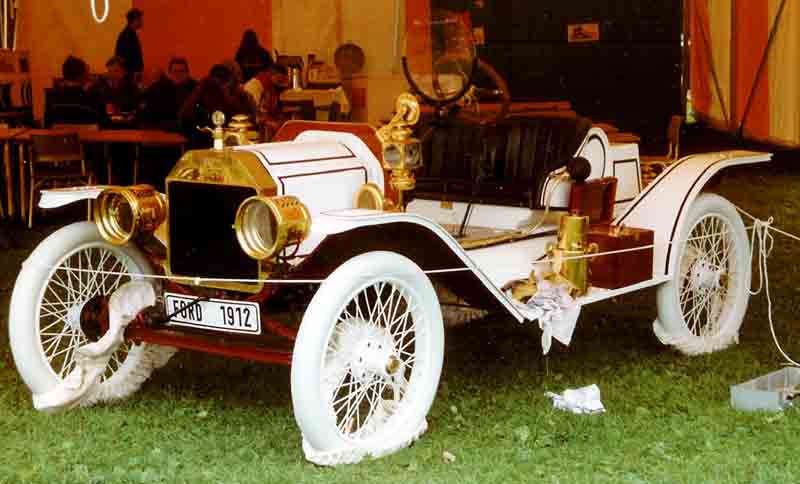
Car
Ford Model T


Car
Kia Sportage

Car
Hyundai Kona

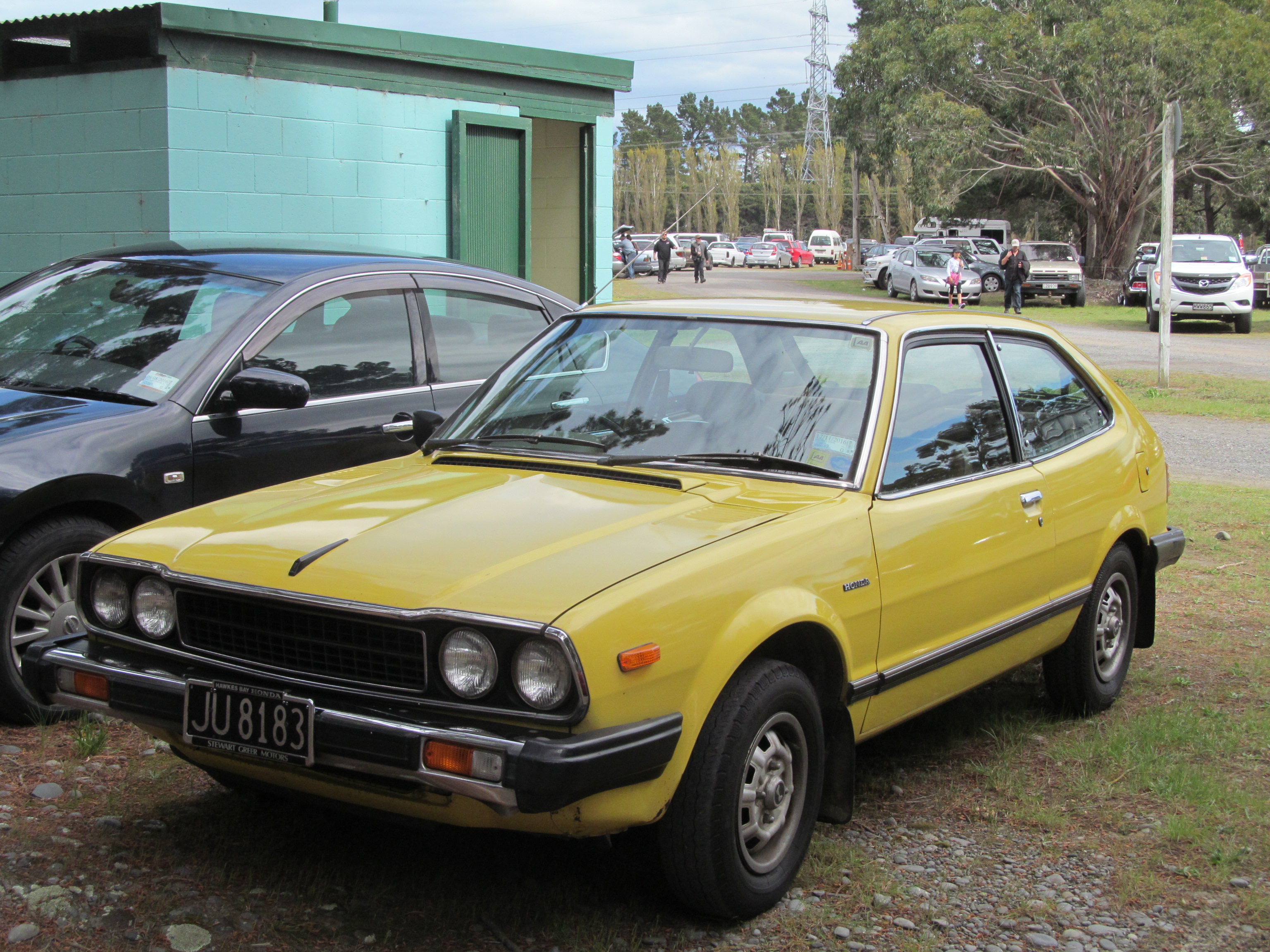
Car
Honda Accord

Car
Honda Civic

Car
Honda Crv

Car
Volkswagen Bush

Car
Ford F

LIVE
I'll do online after hours. Is brought to you by bridge Stone Tires Solutions
for your journey. Carrie John, How are you doing pretty good? How
about you? I'm doing great. So we're going to talk a lot about
production on the show today, and here's here's something that I want your insights on. Okay, Now, as as you know, the Model T was
in production for eighteen years. Henry Ford did not really want to replace that
car. He just loved that car, and he just thought you could do
everything with it and modify and so on and so forth. But finally he
was forced into producing the Model A. So the Model A went into production
in December of twenty seven. Oh okay, okay, so when in production
and then on December seventh, this is thus the Model A today being December seventh, nineteen thirty one, it went out of production. Here you have
the Model T like running forever. Then you have the Model A going out
of production, and I mean it was replaced. They didn't build by car
anymore. So, okay, A, what happened in b Do you think
that was the start of what we experience ever since? Yeah, I don't
just off the top of my head what I would say is it was his son Edsel who go toed him finally into replacing the T because Ford was getting its ask kicked by General Motors. They needed something fresh and new in the
model lineup. And my guess is they recognized the Model A wasn't going to
take them another eighteen years, you know, and they had to come out with something new. And in fact, you know, if Edgell had been
running the company, Ford Motor Company is very likely could be bigger than General Motors today. Interesting because Henry's fixation on the T and the way he did
things really stife. I mean, he grew the company into the biggest automaker
in the world by far, but his policies then let GM sail right past them. Interesting. So that was then, this is now. So let's
get on with the show. Yeah, yeah, yeah, We've got Michael
Robinet coming on with us here at Jack Nared coming in from California. We're
doing this all virtually this week. We'll be back in the studio again next
week. But Jack, Michael, great to have you guys on the show,
to be with you guys. So, Michael, what are the things
I wanted to talk about? Hybrids? Everyone's talking about hybrids right now.
You know, you'd think that the whole evy thing ran its course and now hybrids are going to be the way that the industry goes. What do you
think, Is this just a bunch of media talk or are hybrids all of a sudden going to be the hot thing in the market. I think hybrids
have long been a great brig strategy, and for some Willams they've been They've been touting it for quite a long time. You know, the Toytas of
the world and others have been talking about hybrids for quite a long time.
BMW is using them as well, so this is nothing new. Some Williams
have had decided we're going to go right from ice and maybe ice and start stop all the way to bev and and that that is quite a leap.
They were hoping to do that and gain some level of economies to scale and get sort of first mover status. But hybrids have been around for a while,
I think, and they will be uh, you know, especially for a lot of applications, towing applications alike, hybrids are are going to be a strong, strong solution. So sorry, go ahead, Gary, Well,
well, Michael, I want to sort of follow up on that, and I want to quote you to you and and you wrote slower consumer acceptance installed sales of some evs. In combination with the recent I popping labor agreements
of U A, W and uniform unions underscores at three turn on capital and labor cost challenges will be core considerations going forward. At no point was this
transition going to be smooth. Lumpy is a better description. So so fill
that out for us a little bit, because you know, it's it's this this EV transition that is not what people think it was going to be.
Yeah, I think a lot of people thought it was always going to be you know, rainbows and goldilocks and it's gonna happen without a hitch. And
I think those of us that have been in industry for you know, more than a couple of years, know that nothing ever goes smoothly, no matter who you are, and especially when you got in the BEV world. You
have you know, new propulsion system, new platforms, sometimes all new equipment in the plants, new processes, new new, new, new new is always a recipe for disaster, you know, Gary, you and John and I'm sure Jack would remember when Bob Eaton walked on the stage at the Auto show back in ninety seven or now you can remember what year was, and had a bag of parts and said this is these are all the parts that are coming with the old Grand Cherokee, and you know, dropped them on the stage and everybody cheered, and a lot of us thought just shook our
heads. Go, whoa brand new vehicle. That's fun. That'll be a
lot of fun to launch that vehicle. And I think the same is with
the DEV. It's it's going to be lumpy, absolutely so just beyond lumpy.
Really, I think it's way beyond lumpy. And what we've seen now
that a lot of EV's are in the marketplace is evs are the province of rich people. You know, it's a luxury market. Those are people,
you know, premium priced. We don't see any kind of real movement in
EV's that are popularly priced, mass market vehicles. And that's a big problem.
Right people who buy EV's also have internal combustion engine vehicles in their household.
Going to one hundred percent EV is going to be way beyond I'll be so dead, you know, I'll be deader than dead when that happens.
It's just not going to happen with you know, rainbows and the Leprechauns and all that. Far from it. It's going to be a long long time.
People can't afford it. Well, you know, they can't afford it
because the only cars that are around right now are real expensive. But there's
going to be a lot cheaper. EV's coming out in the next four but
before the decades out. Yeah. Actually, the the you know, basically
I call it. We've bebbed on the edges. We've done luxury, we've
done performance, we've done full sized pickup trucks, and they've all been you know, very very quite expensive in comparison to the mass market. We're finally
going to start to bed in the middle where you know, mom pos Smith from Des Moines can possibly at least consider some of these vehicles in the future.
And you know, and I think the technology, we all know, the technology is going to get better very very quickly. Moore's Law is alive
and well in battery technology. So well, I keep hearing that I don't
see it, you know, I haven't seen it in the last ten years.
We're going to have that battery breakthrough that's going to make this stuff that very affordable for the typical person. It hasn't happened. Maybe it will,
but my eyes are telling me it hasn't happened. Now, well, you
know, it hasn't happened in the US market, but the Chinese market is screaming ahead with all kinds of very affordable bottles. And don't forget the Chevrolet
Bolt very affordable. Ev I think GM's got rocks in its head, you
know, pulling it up. Well. Affordable to a point, But when
you look at what you could buy for that kind of money, John, with a regular internal combustion engine vehicle, or as we started, with a hybrid vehicle that has a lot, or even a plug in hybrid vehicle that has even more advantages, I scratch my head and go, the typical person out there who's struggling to make a payment is not going to make that big leap to a five or six thousand dollars premium on some kind of vehicle.
Yeah, but you know, look look at the price of a bullet.
You can get a base bolt for twenty eight thousand dollars, and that's before the seventy five hundred dollars right off that you can get on the car, so you can get it for a little over twenty grand I mean to me, that's spectacular. Well, I think it's going away because General Motors is
sick of losing money on it. Right. No, I think General Motors
made a fundamental mistake in assuming how fast demand for its more expensive evs would pop up. And remember Mary's whole strategy is get everything onto ultium because she
needs to hit manufacturing scale, which will bring down costs. So there in
their focus on Ultium, they said, okay, Bolt is not ultium, let's just get rid of it. I boy, I think that's a huge
mistake. It's it's like it reminds me of the mistake that they made with
Saturn. Saturn came out and it brought in buyers who had never considered any
General Motors brand. It was brilliant. I mean it was. They were
enthusiastic about it. They had right where they were appraising right, and then
GM told Saturn, okay, we gave you three billion dollars to launch the company. Three billion back then was that was a lot of money. And
I think stupidly, once they had a toe hold in the import segment, import intender, that buyer pour it on. Man, who cares if you
lose money? This is the future of the company. And I think they
made the same mistake with the Bolt. They're pulling it out of production in
December. They're not going to use that plant that it's built in the Orient
plant for two years. Two years, They're not what the hell build the
car for another year. They're going to put it on the Multium platform.
Mary Barr says it'll be back in twenty twenty five. But it's outside of
Tesla, the highest volume ev in the in the country. Okay, yes,
but okay, let's let's let's let's back up a little bit here.
Okay, if we look at history, Okay, when the Bolt came out, you had a little bit of blip, and then the car went nowhere.
Yeah. Then they had the problem with the fire okay, and then
they had a fire sale. So basically they said, oh, we're going
to reduce the MSRP of this thing, which then made it more a portable.
And then the government kicked in the money. So I mean, if
it weren't for those two things, we wouldn't even be talking about that car.
It'd be a failure, but we are talking about it because it's the best. It's the best selling other than Tesla, other than a lot,
right, because Tesla is the EV market, right. You know that really
is no EV market beyond Tesla, right. And what I'm saying is right,
And I'm saying that the bolt is in an artificial situation because General Motors said, we're going to bite the bullet because we have these vehicles, we need to move them. We've got this plant, we've got this tooled up
ready to go. Nobody's buying these things, so let's cut the price.
And then to your point, Jack, it probably is something that they're eating a lot of money for. I think we've got to remember that we really
had a small sample size from virtually every OEM except for Tesla, and and so you know going forward there is going to be more product. But John
hit the nail on the head. Scale is everything, especially in BEVs.
Someone who's got a premium product, they don't care what's cell they've got as long as it does what it's supposed to do. Someone in mid a mid
product, same thing. So you know, scales can be everything in BEVs,
and we're still it's still a relatively small market. Nason market is growing.
I'm optimistic about it. I don't know about fifty percent by twenty thirty,
but I'm definitely optimistic that he's going to grow. Michael, guess why
I changed my mind. You know, I've been saying all along, I
think it's going to be thirty three percent by twenty thirty. Right. You
know, last year BEVs were growing I think at a ninety percent growth rate.
Now, then it dropped to fifty percent. Now it's at thirty five
percent. As of November, it was growing at a thirty five percent growth
rate. That's awfully God damn good. Listen, if you keep that same
November sales rate in twenty thirty, do the math I did it. You're
at fifty percent of the market. So we've slowed down to a rate that's
still going to get the EV segment to fifty if it maintains that. I
still he just tells the story. Yeah, we need to. I mean,
the problem is we've bebbed on the edge. Is like I said,
we have to start offering more vehicles in the middle of the market, and then they're coming. They're not all going to be complete doves. They're going
to be some ringe extenders. There's going to be lots of variations, but
you know, more battery like products are coming in the middle of the market.
Well, and I think that's where the growth is. You know,
the growth is probably and we've seen a lot of strength in PHVs right and the plug in hybrids, and we're probably seeing more in terms of retain value.
They're retaining their value very very well, because that's a pretty good solution.
You know, it's a pretty good solution. You don't have the cost
of the battery pack that you have with a full BEV, and yet it will operate as an electric vehicle on day to day basis for a lot of people all the time. What stands in the way of PHV growth is the
regulators. They don't want them. They don't want combustion, you know,
they want either full BEV or nothing. That's that's the jack. Do you
think the anti EV people would go for a p HEV. I don't know
that there are anti ED people. I'm wondering who there are. Republicans and
I'm not trying to get political. Just look at their political you know,
plank in the party, the anti EV they just TV. I think they're
they're looking to continue to use fossil fuels. I think that's a different thing.
I don't think anybody is against EVSKA. It's like, well, why
would you be. You know, it's another type of product in the market.
I don't think. I don't think there's a political stripe to it.
I think people who own e these have a particular political stripe. That's right.
Do you know that's a badge of honor to them, And that's cool, nothing wrong with that. But again, back I look at it as
a consumer product. You know, how does this consumer product work for its
cost versus other consumer products? Right? That's that's what I do as a
guy who evaluates cars every week and talks down the radio about them. And
are you better off as a family of five with a PATV or a battery electric as your prime vehicle? You know, I would say a plug in
hybrid would be a much better bet for you for most families. Well,
sort of sort of to your point, Jack, We had a question from one of our viewers before the show and was talking about, you know, sales of vehicles and price points that would be comparable, and so I looked at at Kia the EV six okay, an electric vehicle, and compared it in their lineup to the Sportage, you know, sort of about the same size. Okay, So you can get the base EV six for forty two
six dollars, you can get the fully loaded Sportage for thirty seven eight okay.
And then they were wondering about, oh, how are sales doing well?
So through November they sold seventeen thousand, six hundred EB six's. They
sold roughly one hundred and thirty thousand sportages. So it seems to me the
market is basically saying, hey, we want sportage and b boy, you can get cost effective. Right. We went cost effective? Right? Yeah.
I mean a real good thing to look at is something like a Hyndai Kona that's available and conventional. It's available in hybrid, and it's available in
electric, you know, and look at the price differential. You look at
the price differential, and then you scratch your head and go, well, much as I love the electrics and I love driving them, I think all of us who evaluate cars absolutely see the benefits of electric drive. It's terrific,
But is it worth to the person who's struggling to make that payment, you know, an extra fifty dollars a month. Fifty dollars a month.
I don't think it is. I was going to say, like a good
old fashioned oil crisis to get people into BEVs though, yeah, right, yeah, And I just read the headline today Russia and Opecker trying to cut oil production to get prices to go higher again because they've come down. Yeah,
it was seventy bucks when I walked in today. So you know,
if we can get it up and who knows, but if it gets up into the nineties and back up to one hundred, you're gonna find people looking at BEVs in a completely different light. Well, it's interesting in Ukraine,
a used BEV or a fixed up BEV is the vehicle of choice, kind of low end of the market. Gasoline's too expensive there, so if you
have probably can't get it. So BEV, you know, a secondhand BEV
you're ahead. Wow. So, Michael, I want to shift gears in
here a little bit and get your insights on what were the consequences of the recent contracts on the ustry going forward, particularly in the supply base. Well,
there was a lot of discussion about lost volume, but you know, Gary, to be honest with you, there was some volume lost at some plants, but I except for just a couple of instances, not any volume that can't be made up eventually. Se Yeah to pain and and and interrupted
operations. Some suppliers, some suppliers very early in the strike, used it
as an excuse to lay off, you know, whole swarms of people.
It's like, no, that's probably not the reason. But that's okay.
So, you know, the strike itself, obviously, once the UAW started hitting the muscle, going after an Arlington, going after a Kentucky truck plant, that's that's the muscle, and and that and so I'm sure that that drove some high heightened level of urgency to get things done. And I could
be wrong, but I but I don't think so. No, the impact
on the supply base, in my opinion, you know, after this is to be pretty significant. So we're you know, and almost anyway you cut
it and take a look at the economics, we've got the uaw's getting ten to eleven percent raised, their four oh one k's got another three percent match.
You start to add it all up, and it's a good fifteen percent in the first year, and then obviously when you look at Cole, it starts to calm down a bit after that. But you know, how are
suppliers If you're building your parts next to the assembly plant and you're paying the people at simple pant fifteen percent more, it's going to be pretty tough to keep your people unless you keep pace with with wages. So I mean that's
going to be increasingly a very very significant issue with the supply base. So
asking suppliers to cut prices because we have to pay our people more. This
all works its way through the system. It's not rocket science. Yeah.
In fact, i'll jump in there. Michael and I were both speakers at
the No Shadow conference this week and I was talking to a guy some of you will know, Tom Anganello d Warner Nord Cross, which is a legal firm that represents suppliers. And what Tom was telling me is the automakers are
now coming to suppliers exactly what you're saying, Michael, saying, Hey, your labor costs went out. We need to cut prices. You need to
cut your prices, and he said they can't cut them, So what are they going to do? They're all going to high tail it to Mexico.
They're going to move production out of certainly Michigan. They're going to move it
away from UAW plants because even though the UAW guys are getting raises that ripples out into the community. Everybody wants a raise right now. And he says,
the only way that we could that the suppliers will be able to meet these price cut demands is moving more production to Mexico. And it's funny,
but you know a lot of people look at Mexico with it sort of this endless stream of labor. But if you take a look at a Northeast Mexico
near Mont today, you can't get people. You can't find people. So
you've got the same sort of Alabama Tennessee problem that you have in northeast Mexico now. And so you have to go deeper into Mexico where the supply base
is not well developed, the road systems are is well developed, and it's going to be, you know, sort of this pantace of going to Mexico.
It's only got half the traction, I think, because it's going to be difficult. So so let me ask you another another aspect of the supplier
situation. So we've been talking a lot about evs and we've been talking about
hybrids. Now. You know, so the hybrid has an internal combustion engine,
and we we all are agreed. I think that the number of internal
combustion engines are going down. But to the extent that people are buying hybrids,
this means that they still need to keep ice vehicles in production or ice propulsion systems. Okay, but then there's this need to have the investment necessary
to get the tooling and equipment to make components for electric vehicles. Can suppliers
afford to do that? Oh? That is the That is the question of
the decade, Gary, because here's the problem, and just just kind of lay it out. Let's say you're supplying the F one fifth, usually just
the F one fifties, somewhere between five and six hundred thousand units a year.
And uh and again, maybe that same OM says I'm going to build an electric vehicle, electric version of the same vehicle, and it could be f WIN fifty, could be Silverado, could be you know, the Ram pickup truck. I'm not trying to pick on for it. It just could
be anybody. And that that OEM says well, I need to protect for
this many bebs. And then you start to ask the question and say,
well, is there any or is there any conquesting don't you feel that this buire there might be some commonality with these other buyers. And you know,
and I understand the om's point. They're trying to protect for the peak volumes
of what they feel and both the vehicles are OEMs don't have a very good feel for it. I would say, you know, most of us in
the industry, this is this, this transition is is really like I said, lumpy, and trying to protect for both means that you can be really underutilized on both levels, to be completely honest, and that's a lot of strandy capital and capital that's not well utilized. It's a really difficult situation,
especially when you're being eight or nine percent on your money. These days,
you think really hard about devoting capital. And that's assuming they can get the
capital well, I mean, and the banks are being a little bit tighter with it, probably for good reason. And you know, suppliers, you
know, more and more suppliers might be snapping covenants where you know, they said we make a certain amount of money for a certain level of revenue and they don't meet those levels, and the bank kind of walks in and says, well, you know, you snap covenants. We need to audit you
or put you on your guard or watch or whatever. So it's a really
it's a difficult situation for a lot of suppliers, especially smaller suppliers that don't have the breadth and the width of some of the larger tier ones. Yeah,
so you look at an industry that had over capacity to begin with.
You know, we ran into COVID and that changed things, but it was not because of we didn't have an plants. It's because we didn't have enough
parts to building those plants. And then you build green field electric vehicle and
you build more capacity. So you're and with the guess that maybe you'll sell
some or you'll sell a bunch, or it'll be fifty percent of the market, or it'll be twenty percent of the market, and we don't know.
I mean, this is really a crossroads for the industry. There's a really
difficult time because you don't know who to bet on. And there's been some
really big bets out there that have gone one way or the other. And
you know, I like Toyota's big bet more than I like General Motors big bet. Right now, I'll tell you that. And how do you describe
Toyota's big bet versus General Motors big bet. Toyota's big bet is hedging,
you know, more of a hedge some battery electrics, but a lot of hybrids, a lot of plug in hybrids, letting the market do more deciding where General Motors has gone full on the I can't say gas full on the accelerator on electric vehicles, and maybe too soon, right, I mean, you don't want to be on the bleeding edge. You want to be kind
of on the leading edge, or maybe a little behind the leading edge.
No, I think that's fair to say they they got out ahead of the mark. I think just about everybody got out ahead of the market because they
thought that ninety percent growth rate was going to be, you know, the new norm. But you raise a really good point there, Jack in that
Eve's even at the thirty five percent rate, where are going to grow and grow and grow and grow and grow, and then at some point the auto industry is going to have to start closing down ice operations and closing plants.
Michael, do you think that'll happen this decade. Well, according to the
contract, no, because they can strike over you know, a mandate at a plant. And that was an interesting addition to the contract, and I'm
sure was he agreed all that. It is so stupid, do you agree
to that? Well, they wanted to start making vehicles again, and you
know, again no, but look, you know, I'm off for the union getting more money, and that's what it's, that's what it's there for it to get more money. But once you start letting the union decide how
the company is going to run its operations, you may as well just cut your own throat. Yeah. No, that right. We're gonna have high
capacity or we're gonna have low capacitutalization, literally on both ends. Because if
you don't know how quickly it's gonna shift over, and you've got plants to do one or the other and don't really mix in between, then you really are taking bets on. Well, I feel that ICE is gonna be stronger,
and so my BEV plants are gonna be low utilization or the flip side.
And it's it's a it's a big bet almost no matter how you cut it. Uh and uh I will differ a little bit. There have been
some new plants being built for beds, especially in new OEMs coming in like your Ribeans of the World and your your test List, But except for something like a blue Oval, most of the OEMs have used existing plants. Now
that doesn't mean they're not going to be well utilized, because they definitely could have some issues that way. But you know, the only the unions have
made a pretty good effort of saying, I don't want this plant to die.
Put a beven there before you. You take it and put it,
make it you a redundant. So there's been a lot of work in that
respect. So so Michael, let me let me ask you something slightly different.
So you know, we're talking about general motors, and it's bet On EVS and the other evening at the Automotive Press Association, Mary Barrow was asked about hybrids and she said, we have hybrids. We sell hybrids in China.
You know, we have the technology, we understand that. And you
know she intimated she let the market lead whatever decision they make. So my
question to you is is that from a production point of view, how easy or difficult would it be to transition that technology back to the United States.
Well, you're you're literally packaging a new engine and may be the same engine, you're packaging a lot of new content. You're it's a it's a completely
different uh, at least propulsion electrical system. It's a it's more than your
average rip up to put to make a vehicle into even a plug in hybrid or a full hybrid. And and I think a lot of you will remember,
but you know, the only build always build to protect, protect for uh, some extra space in case we need to do this, or protect for a left and right hand drive, or whatever the case might be.
And and unless these vehicles of quote unquote have been protected for hybrid, you know, basically sandwiching these technologies in It's it's not an easy overnight process.
Let's put it that way. So, John, do you think she'll do
it? I don't, you know, because I think if GM was going
to do it, it would have had to make the decision now because you know everything that Michael's pointing out, it's going to take a couple of years to be able to do it. So I mean, if you think that
the market is going to hybrid, you better act right now, and the fact that she said we still have not made a decision on that I found very telling because you know, when it leaked out that they were, you know, talking about it, the assumption in the media is, oh, GM's going to bring out hybrids, and Mary threw a little bit of cold water on that, saying, look, we haven't decided yet. And I
would add because I know from another source they were developing hybrids for the South American market. Now I don't know what hybrid power trains they sell there,
but they saw a lot of pickups in Brazil and in the South American market, So if they already had a program down the road for there, they could you know quite you know, Michael points out all the things, but I'm going to say relatively easy. They got something on the shelf that they
can go with, but it's still going to take a couple of years to do it. So that's why I think, you know, Mary's in the
race to scale. She wants to get Ultium to as much scale as fast
as possible. She thinks she'll win the war at least amongst the legacies if
she's able to do that. So I my gut feel says they're not going
to go with hybrids. The race to scale, but there's no nobody's taking
it on the consumer side, so that that kind of hurts scale, doesn't it. Check. Look, we already topped a million units this year of
vvs. That's a lot, and you know, most of which were Tesla's.
Yeah, absolutely, most of which were Tesla's. But Tesla's losing market
share as other evs come into the market, They're losing cheer. I mean,
that's just pure math. That's not any kind of a knock on Tesla.
You know, if General Motors wanted to go hybrid, it should go hybrid with its existing platforms. I mean, it doesn't sell any any cars
here anymore, so trucks and SUVs, and I think they could package hybrid power trains. And I'm going to correct everybody. They do make a hybrid.
It's going to be in production, the E ray Era. Everybody's can
sell the make a hybrid. They're completely wrong. And that's a good one.
It's pretty cool. It's spoken by a Corvette owner, as I recall,
Yes, yes, h well, you know we were talking here about about market and about you know, building things, and John, you were talking earlier about the text credits that are being applied, and I thought it was interesting to see that Ford announced today that they think it is unlikely that the Mustang mock e is going to get any money. No, no,
it'll get thirty half. It'll get half the seventy five hundred dollars. It's
got Chinese batteries. Okay, that's why you know. That's those ctl LFP
batteries. Okay, So through November they sold roughly thirty six thousand mack ease
this year, Okay, in twenty one that they thought they'd be selling two hundred thousand by the end of twenty three. So so, so, Michael,
let's go to your point of like predicting and protecting for you know, making vast numbers of things. So I've got to believe that plant down in
Mexico has to be a lot of empty capacity. Yeah, and we well
on, hold on before you go down that rat hole, because you're only talking about US sales, right, I'm not going to say must think Maki is not going to have more sales internationally than it has here. No,
it has the same. So that was so double it that plant is going
to build about ninety five thousand makis this year. It's on track to they've
already built over ninety thousand, so it's not the two hundred thousand that Ford told the Wall Street was going to happen. But uh, that's a lot
of evs. That's I mean, okay, but thirty six times two is
seventy two thousand, and that's what has been sold. So they if they're
building ninety five thousand or ninety thousand, I mean, there's a lot of makis that are not being sold. They have this strong expert market. But
you know, Gary to your point, you know, let's say they build ninety five to one hundred thousand units this here, and but you're capacitized at a supplier level for two hundred thousand. It's tough to make money in that
environment if you're a supplier. So you know, again, this is going
to be the ying and the yang of bringing beds into the market. It's
gonna be lumpy. That should be the title of the Show's gonna be lumpy.
Hey, look, we're at the half hour part. I know,
Michael, we could only get you for a half hour, so we're gonna sign off with you right now. But We're going to take a quick commercial
break and the three of us will be back and talking more about cars.
But Michael, we'll have you back on the show in the future. Take
care, gentlemen. Thanks a lot, great stuff, Michael, How do
you bridge? Don't tire stop shorter on what roads? It's their hydro track
technology. But you don't have to know how the science works, just where
the brain is. What really matters is they're bridge stuff. All Right,
we're back, So Jack, talk a little bit more about this affordability problem that you're putting your finger on. Well, I think there's affordability problem across
the board, and it was exacerbated by COVID nineteen, right. I mean,
it made sense for manufacturers to go premium with all the product. If
you're going to sell a few, sell the ones that are the most profitable, right, so you go upscale. You know, Honda eliminated the lex
Trium on Civic and accord things like that. I mean, it happened across
the board. I'm not picking on on it. It's just that happened because
it kind of makes sense to do. This is the sensible thing to do,
at least in the short run, but in the long run, where did those buyers go, Well, they went to used cars or something like that, if they bought anything at all. I mean, that's why it.
Used vehicle prices went through the roof over the course of the last two or three years. It's been a very difficult time. And the new carb
is is a new vehicle business is pricing itself out of the realm of maybe fifty percent or more of consumers out there. They just really can't afford to
buy any And if they thought about it, and we're even rational and more rational about what they purchased, it probably be a smaller number than that.
And I think that's a big, big problem for the industry going forward, is it's a shrinking, shrinking, shrinking market. What we were talking about,
or you talked about Henry Ford earlier, you know, putting everybody into cars. That was his you know, right, brilliant idea. That was
the big idea of the Model T was everybody could buy one. And we're
getting to a point where not everybody can buy a new car, any new car, not just you know, expensive new cars and not just premium new cars, right Son, John, Is this solvable? Yeah, of course,
it's solvable, but it's probably going to be solved with cheap Chinese cars because you're not going to see the Detroit three, especially with their latest labor contract, be able to build affordable twenty thousand dollars vehicles. It's going to
be all north of that. And you know, all these car companies are
trying to maximize their profits. You don't maximize them with small cheap cars.
You know, even the A and B class segment in Europe, which is the largest segment there, the number of models are shrinking dramatically, and I believe it's because automakers are like, we just can't make money on these things.
You know, you go to your board of directors and you say, look, I need two billion dollars to do a new small car program, and they go, Okay, what's the return on that money going to be?
And you've got to tell them there's not going to be any return at all. We're not going to make up any of return on that capital.
And then they say, sorry, you don't get the money because we're not in the business of giving away shareholder money just to have it burned up.
Right and interesting, when Michael was talking about cutting into the muscle. You
know, he mentioned the Arlington plant and Kentucky truck plant, both of which make big high most profitable car plants in the world, right in the world, full stop. Those those vehicles are obscenely profitable. But you know,
Gary, getting back to your question, and this is this is a great discussion. How do you take the cost out of a car? How do
you get the cost out? And the only one I see that's really attacking
it is Tesla, you know, with this unboxed assembly process. It's giga
castings. You know, this twenty five thousand dollars car that it's going to
be coming out with that. You know, people have taken to calling the
model to I don't know if they'll call it that or not, but uh, you know, you've got to make gutsy engineering and manufacturing changes, you know, achieving spectacular improvements in productivity. If you want to take the cost
out of a vehicle, you know, squeezing your suppliers for more isn't going to do it and ending up discounting on the dealer lot doesn't make any money.
So it takes bold initiative and design, engineering and manufacturing to be able to do it. Jack Okay, you drive new cars all the time,
as Acount and I do, and you know, it seems to me that the amount of technology that is being put in these vehicles, and I'm not talking necessarily about eight as technology, as much as displays and capabilities to get downloaded things from the Internet and you get Spotify on your head unit and so on. Do you think that there's a possibility that consumers would be willing to
say, Okay, I'll take a stripped down car, stripped down, stripped out of you know, giant nav screens and so on, and I'm able to buy it for a reasonable price and be happy with it. I think
there's a big possibility of that, especially if they buy a new car for that for what they'd otherwise pay for a used car. Because people love new
cars, right, I mean, a new car is still a pretty cool thing. It's maybe not as cool as when we were kids, and that's
a real problem for the industry too, that it's not as cool. But
it's important to have that, I think, And it's kind of frightening to me that we're not seeing more recognition to the fact that buying any kind of new car gets people into the habit of buying a new car, and once you kind of get in that habit, then you keep doing it. But
if you get a used car and keep it for a long time, which is the best cheapest way to have transportation by the way, you're used to that, you're okay with that. You know, my kids have cars that
are My oldest daughter has a car that I gave her when she's six, when she was sixteen, and she's twenty seven, right, she has not replaced that car because that's kind of the ethos in our family because you know, I get a new car every week, so why do they need a new car? It's keeping that turnover is really critical to the industry, but
the industry isn't paying any attention to that at all that I'm aware of.
Well, you know, the one thing that I think will change that is over the air updates, and you know, Tesla's been there for a decade.
Where you can make the car better over the it's time and where the legacies are really interested in this is that potentially with a software defined car, you can sell services that weren't available when the car was built, and if they're compelling enough, people will pay you for those services. Maybe it's hands
free driving, I don't know, certainly not going to be heated seats.
They're not going to not going to pay for that. But if you make
something compelling enough, now, all of a sudden, you can turn your used car fleet into a money maker, you know, because here tofore the model has always been you buy it, you wave goodbye, and they don't see it for five, six, seven, eight, nine, ten, eleven, twelve years, whatever it is, and so you don't make any money up. Maybe some service, but people increasingly are not going to the
dealership to get service, which means you're not selling factory parts in a lot of cases. So yeah, cars with full over the year update capability could
transform the huge car market for the for the the companies that made the cars in the first place. I think we always see mission creep in new cars,
right, I mean, the next new car, the next version of pick a pick A making model is going to be bigger, more powerful, you know, have more stuff, and it's going to be more expensive.
Mission you know, you cannot create leap, yeah exactly, but you know, garryon't see Okay, here's a car that's you know, got a you know one point five liter four cylinder engine, and you know is one hundred and sixty inches long, one hundred and sixty five inches long, and Bob, you know, has fifteen and sure, who has fifteen inch wheels anymore?
But sixteen seventeen inch wheels And that's it. That's whether we're going to
make the best thing that you can make, and it's going to be an affordable vehicle. But we don't see that. Everything gets bigger, bigger,
bigger, more, more and more. You know, Gary, you raised
a real point, a good point. There's so many features on cars these
days, especially when you get into the luxury end, that the vast majority of owners never get to, you know, they like this feature, they like that feature. They don't even know these four other features are available.
And even if they did know, they probably were like, well, who cares, I'm not even going to use them. And that's where the industry
is in a predicament. And this is not a new problem. This has
been going on for a while. They're competing with features and oh, I'm
gonna add this feature in that feature. And so when people do their their
shopping comparisons online and they line up the different cars on the screen and look at who's got what at which price, and that you know, the automakers believe they've got to have all those features to be competitive. Maybe they don't.
Well, you know, I don't want to let you go. You
mentioned that there may be Chinese built vehicles that solve the problem that Jack has identified. Okay, Now, the tariff on a Chinese car being brought in
here is like what twenty seven percent something like that, twenty seven twenty seven point okay, so a quarter of you know eight, it's a big chunk.
How is this possible? How could they? It's because, look,
you can buy a very nice, simple family sedan meets all the emissions because it's not going to be electric at that price, and meet all the safety standards. Look nice. It's not going to be anything fancy. But you
can buy a nice Saedan in China for about fourteen thousand dollars fifteen thousand dollars.
Throw twenty seven point five percon on top of that, you're still in the low twenties. I mean, that's how you can do it. And
by the way, look at the Chinese going into Mexico. You know,
almost almost ten percent of car sales in Mexico. Now are Chinese cars important
from China? And it's probably only going to be a matter of time before
the Chinese decide they're going to put assembly plants in Mexico and you know, figure they're going to be part of the US MCA and not even have to pay that tariff to get into the US market. Do you think that's possible,
Jack, I think it's possible. I mean one of the things obviously
in favor of the Chinese, in constant favor, is the labor rate they pay. I mean, look at the UAW contract and then look at what
the typical Chinese autoworker makes, and there's a big difference there. I don't
know exactly what it is, but I can tell you it's a giant difference.
So there is that. I mean, when we're looking looking at what
we might see as an affordable electric you know a lot of people are pointing to the new Volvo ex thirty. Right, where's that being built? Oh,
China? You're not being built in Western Europe. So it's interesting.
I think you've identified a lot of trends there, right. I mean,
when labor cost is high in a particular place, where do where does production go to where the labor cost is lower. Doesn't that kind of that's that's
business one oh one. Yeah. So John, to your point about the
Chinese going into Latin America, I thought this was an interesting thing that sort of like went under the radar, so byd and the Latin American Energy organizations like who cares? Right, Well, the Latin American Energy Organization represents twenty
seven countries, Okay, in the region. They announce that they have a
cooperation and the collaboration encompasses promoting sustainable mobility, conducting workshops, providing specialized training and electoral mobility, targeting public and private sectors, academia, specialized guilds, and regular people. And they're going to be working at universities and they're going
to be bringing DYD vehicles that they're going to be able to use. And
I'm thinking, okay, So here you have this giant Chinese vehicle manufacturer that is saying, hey, let's go to Latin America and explain to these people the wonders of electric vehicles based on our electric vehicles. I mean, it's
something that is incredibly smart to do. And yet do we see Western OEMs
even thinking in that context. No way, they don't think like that.
You know, they've been in Latin America for one hundred years. They think
they know the situation. And look, the Chinese already did it with motorcycles.
They came in, they took over the South American market, and the same thing's going to happen with cars. They'll take it over. And and
they're leading with electrics. BYD, number of others are are doing electrics.
And listen to the Toyotas or others. Oh, Latin America doesn't have a
charging infrastructure. Those people don't care about electric cars, so we're not going
to go in there. Meanwhile, BYD has taking the long View and Great
Wall motor and I can't name all the other automakers off the top of my head who are in the South American market right now with electrics. But they're
planting the seeds for a future, and they're getting people interested in their products.
And you know, a decade ago Chinese stuff was junk. Today it's
as good as anything in the world. Well, in general, electric vehicles
should be cheaper to develop, they have fewer parts, they should be cheaper to build. They are dragon it's just a battery exactly. That's that's the
big problem and a cost problem. And you know, if you're a little
less concerned about the environment as you build the batteries and get rid of the batteries, maybe you have different battery chemistries. And I know they have different
battery chemistries in China than are either used or allowable here. You know,
it's a whole different ballgame, isn't It isn't the battery issue though that okay, we think in context of you need a battery that provides a long range, Yet in other parts of the world they don't necessarily say we need such a long range. I mean, take Latin America. I mean, okay,
you know drive you know the width of many of those countries. It's
it's like driving across a state. Well, Brazil is a giant well ion,
Argentina is at that's South America. Yeah, yeah, right, so
I'm Latin so so so I point being, and then the plus I suspect that a place is like Brazil, I mean you know that it than I do, but that you wouldn't necessarily ever do that. Okay, we could.
We could get in a car right now and go drive and see see Jack in LA and that would be like, that's a reasonable thing you should do. But if there were like rainforests and things in between, probably b
not. You know, let's see where the battery thing uh shakes out,
because everybody's got range anxiety, you know. And one of the reasons I
think they got I mean, I've been driving this uh Hundai Ionic six all week and I really like it. But one of the biggest displays on the
instrument cluster is how many miles you have left. You know, it's not
like a needle gauge, you know, f E whatever, and you know the numbers are right in front of you, and so you're you're you're constantly reminded, I only have this many miles left. Maybe they should get rid
of that, uh. But you know, so what I have found is
I want to plug in. I want to have one hundred percent charge all
the time. And what I've come to find in the driving around all week
is no, I don't have to do that. You know, I can
run the battery down, plug it in overnight and have a full battery and go days without having to charge it in again. And so I think as
people get into evs and experience them and get more comfortable with how far they can go and when that's going to change. Also, I think that very
interesting. Today Stalantis announced it's working with a Bay Area startup, God,
what's their name, I'll think of it to do battery swapping. And so
we've heard that song before, John, I know we have heard that song for Yeah, it's called Apple, and you know Apple's been talking battery swapping, and Jack, you're absolutely right. It was shy y Agassi with a
thing called Better Place that was got it. You know, that was fifteen
years yars ago. He was talking about battery swapping. It's only happened in
China, largely with Neo, although more and more automakers are starting to look at it and it's had a lot of Chinese supper. Let me ask you
this, John, you have just bought an electric vehicle. It costs forty
thousand dollars and twenty thousand dollars of that value is in the battery. You
want to swap out that battery for another battery that's you don't know anything about, but it's you know, coming from a company that's saying, oh, we'll take yours and we'll give you ours. Well, that's something you're going
to feel comfortable with doing. I don't know that it's you know, I'm
a risk taker, so I probably would, especially if it was Stilantis saying, yeah, no problem, go ahead, it's safe. We've tested it
all out. These things meet all the factory spects, You're good to go.
Yeah. I think the difficulty with that, John is it's not like
C or D cells where it's there. You know, a C cell from
my youth is kind of like a C cell now, right. Yeah,
but the battery process, and that's a long time again, but you know, a battery the battery technology is going like that, So you know, a battery in a car that's two or three years old probably that's one of the difficulties I think with Makey. Yeah. Well, in some ways it's
almost obsolete, you know, as it's still being built because the battery technology and the charging technology now is so much better. Yeah, and Mike the
car Geek has got a great point. You don't own the battery. You
rent it or it's a secondary least or part of your lease. But no,
I look, I know all the problems with battery swapping. You got
to have a mountain of batteries there. They've got to be fully charged.
As you take batteries out, you've got to be able to charge him, you know. So you got a lot of capital tied up in this,
right, Not so much in the mechanism to switch that in and out.
It's in the batteries themselves. But the fact that Stalantis would start this program
has got me thinking, well, maybe it's time to take another look at battery swapping. So, I mean, I just wonder as we're getting new
vehicle designs that are basically, you know, the battery becomes part of the structure of the vehicle, whether there might not be some design and engineering problems related to the crap. Yeah, if you're talking, you know, salt
to chassis. Yeah, you're not going to swap out the chassis. Right.
So AMPLE has got what they call a modular battery. They say you
can take any battery pack, put it in their module and they can swap it in and out. And so this is interesting, Jack, because you're
right. The rate of improvement, I think Michael Robinet called it. Moore's
Law definitely approved applies to batteries. The price gets down, it comes down.
They keep getting better and better, so you may be able to swap out, you know, the battery in your car that was made three years ago and have a state of the art battery that's like it's not cooler.
Yeah, right, So you know what all I'm getting at is, you know, you raise the point theory that everybody's fixated on range rago. We
need big batteries to be able to do that. That drives up the cost.
I think as some of these other solutions I eat, you know, more public chargers, public chargers that are reliable, maybe battery swapping, maybe these powered roadways with inductive charging like they're building in Detroit right now. You
know, maybe all of a sudden at the end of the decade, you go, you know what, fifty kilo hours is plenty good for me.
And you know, and if I got to go a longer distance, I'll go to the battery swapping place and I'll get a one hundred kilowat battery.
Ever the technology optimists. Ever, the technology optimist, we're seeing electric vehicles
as being a great car in your fleet, but not necessarily your primary car, or a car out of the two or three cars that your family.
You know, it's terrific, great, great thing. That's not going to
get us to one hundred percent adoption though, is it. No, No,
no, it's not. And you know so I'm totally with you.
I don't see one hundred percent adoption until twenty forty or something like that, you know, not by twenty thirty. And but you know, as I
keep pointing out, we're going to in the twenty twenty five twenty twenty six time frame, see a second generation of BEV platforms, second generation of batteries that are only going to make things so much better than they are right now.
So don't evaluate the market with what's in the market today. The three
of us here and Michael when he was on earlier, we know what's coming.
I mean, part of our job is to stay abreast of what's coming.
And there's a lot, there's a tidal wave of new tech in EDS coming, all right, So John, let me let me throw a little something into that projection. So you mentioned earlier in the show about some political
pushback, and so yesterday what you were alluding to the House actually voted and they passed a resolution against the EPA, going along with the Biden administration's idea that would have the consequence of sixty seven percent of the fleet being ev by twenty thirty two. Okay, so between now and twenty twenty five, twenty
twenty six, there's going to be an election which may have big consequences on you know, regulation. Now, if the regulation and oh, by the
way, there was that letter from four thousand dealers at basically saying, uh, slow down. You know, people are not all that schuffed about these
things. And then we saw the automakers saying, slow down. We don't
know that we can do this. You know, I get the sense that
if the stick of regulation goes away, if the carrot of tax credits goes away, what happens to that market? Then? Besides Tesla, Tesla's going
to sell yeah, like mad anyway, it's all of these others that I'm not so sure will do well. Yeah. No, no, they won't
do well. But it look the move to eve is inexorable. It's unstoppable.
And uh, these car companies have already invested tens of billions of dollars in this. They can't afford to walk away from it. They have to
make it work. They don't have a choice. All these battery plants that
are being built all over the country, the new assembly plants that are going up all over the country, they're going to get used. I guarantee you
that, and you know, other things will have to suffer to be able to make sure that they sell enough of those products to make a return on that capital, because if you yank the rugout from under them completely, you're going to financially cripple them. I mean, you could literally drive them out
of business because they've got so much tied up in evs. Right now,
Jack, do you see the market Except I don't necessarily because money means so much to people, right I mean, most people aren't affluent. Most people
are not willing to pay a premium for something, to pay more for a product that isn't as good. From a strictly utilitarian point of view, that's
how I would look at an electric vehicle. There's a lot of ways they
are better than gasoline vehicles, but in terms of pure functionality, gasoline vehicle is going to be a more utilitarian vehicle for the cost than any electric vehicle is going to be. At least that's what I see in the marketplace.
Now. That's why I think companies like it's really smart. Companies like Toyota
are hedging their bets on this and are not going, you know, full boat on EVS. Well you know to but maybe not. And you know,
we're seeing what Hana is doing in terms of you know, stressing hybrids now in their vehicles. As some people think it is a bridge technology,
I think it might be. Uh, you know, we're across the river
already, that's where the technology should be. But you know, we had
a comment from one of our viewers earlier in the show, and you can't get to net zero with hybrids, and you can't now, and so that's what it's going to come down to. Look, the only reason that there's
an ev mandate is a majority of the country believes that cat climate change is a problem and something has to be done about it. That's why there's this
whole push for EVS. And I don't think that public uh pressure is going
to go away. And sure when people come down to where they have to
make a decision on what to get, Jack, I think you're absolutely right.
You know, hybrids are going to play a huge role for a long time to because there's no range anxiety, there's no new infrastructure needed. You
just turn the key or push the start button and drive. There's nothing nothing.
I mean, they won't if unless regulators have their way, and they go, well, we're not going to do that. Yeah, you know.
I mean I'm living in a state where they want to have fifty percent or more e these you know, like tomorrow. Practically it's kind of mind
blowing, given you know, the demographics of this state and who lives here in what their economic circumstances are. I mean, right, that's an elite
view, a total elite view of what personal transportation should be. Oh,
just buy an electric vehicle? Have you vice one lately? I'm lucky to
be driving, you know I used to sell. You know, is what
the person, the average person around here is going to say. Right,
But like I said, you're going to see less, a expensive, more competitive evs in just a few years time. And I go back. You
know, Toyota's building I think it's a three billion dollar, two billion, three billion dollar battery plant down south Ford's got that ten billion dollar blue Woval complex that's going up with two other battery plants with it. GM's and currently
building three battery plants. Stalantis is just getting underway of building a couple Nissan,
Honda, Mercedes. I mean they cannot walk away from this. I
mean, if you're if you're going to sell vehicles in the United States, given the current regulatory circumstances, certainly you've got to sell electric vehicles, and you've got to sell more and more of them over time market wants them.
But what if those regulations change? And I mean, in John Good,
couldn't they? Yeah? John, as you well know, many of these
battery plants are being built largely because of the IRA has has in it that they give to people for building batteries and for battery packs. I mean,
it's just like so suddenly, I mean, nobody's going to give Stillantis a whole lot of money to start building hemis right, But if they did, I'm sure we'd have more HEMI plants. Yeah, And if that money stops
from the government, there isn't as big as an incentive to build all these battery plants. Well, look, let's see where it goes. Because there's
a huge national security component to all of this. You know, even you
know, the ANTIEV crowd in Congress is not going to want to be dependent on China for batteries because it goes beyond just cars. There's a lot of
defense operations that need batteries, you know, as I'm fond of put it, pointing out, when the American military drops our war fighters into a combat zone, they have eighteen pounds of batteries in their gear for communication, night vision, and things like that. Where do you think those batteries come from?
And so that alone ought to tell you this country desperately needs to not be dependent on China for key technologies like this, and we've seen it slip away. Guess who invented the rare earth magnet, the neodymium magnet super strong
General Motors. General Motors invented that. It was a race between them and
the Japanese, and so anyway GM couldn't see making any money, they sold it to the Chinese. There's a whole story behind that too, that it
was two Chinese defense companies that bought that and greatly increased their war fighting capability.
Where was the lithium battery invented in the United States? But because American
capital has no patience, remember long term in America, that's the end of the year. That's long term investment is the end of the year, the
Chinese came and said, well, happily buy this stuff because we think in the future this is going to be worth a fortune. And so that's where
we're at right now. It's a national security issue. It's not just an
ev thing. I mean, following out of our industrial basis a national security
issue too, right, Absolutely, big one, big one, and we're seeing that. I mean, pushing you know, all kinds of production to
China. I don't know that that's you know, we want to rely on,
you know, a country a lot of people consider our biggest adversary, our biggest enemy. Sure is that where we want to get most of our
stuff from. I don't know that that's not anymore. Look, you know,
it all looked good when when China was growing. Then this guy Shi
Jin Pin came in and became, you know, the head of the Communist party and took over and things changed. And so I'm saying, uh,
I think there will be people in Congress who are will bring up this national security issue and point out it's not just electric vehicles. All right, let's
end this on something that is not political and it's not electric vehicle. Let's
let's and jack this is something I know you want to talk about. So
let's just sort of like, because we were past the top of the hour, but I want to get your take on this. So cuvs are they
with us forever? Or is there going to be a shift in a new
body design that people will be drawn to. I wish I knew the answer.
I know enough to ask the question, because what do we We're twenty five years into cuvs, almost thirty. I think when you look at you
know, RAV four and CRV from nineteen ninety five or that era, But what is it? What is it? When I look at these vehicles,
I go, Okay, they kind of have the same hit point. They're
kind of the same size as say a typical American car of nineteen forty seven, you know, chair high seating, They're easy to get in and out of. You can see out of them pretty good. And I'm old enough
to remember vehicles. I'm not quite old enough to remember vehicles from nineteen forty
seven, but darn close, you've seen pictures of them. Yeah. Well,
my mom used to drive me around in nineteen fifty one Chevy, so I remember that quite well. And so I'm like, maybe this is the
thing but I'm hoping that there's some other trend than this, because it gets fairly redundant as a car reviewer to here's the thirtieth year of the same trend.
I mean, and I'm curious that what you guys think might be the next thing. Look, they're all struggling with it. One of the reasons
the honey Ionic six looks so weird. You know how the big drooping rear
end to it is there? Really, if you look at a lot of
the dimensions you're talking about, Jack, it's kind of a CUV, but it doesn't look like one. And now they had to compromise rear cargo area
to get that look, so it doesn't look like one. But you know,
think about it. You're talking about a two box design that will accommodate
five passengers four adults comfortably, maybe three in the back a little bit squeezed a given amount of luggage compartment behind them. You tell me how you come
up with something that looks different. I mean, you know, you got
a box for the engine compartment and a box for the passenger compartment including the luggage. Maybe you put tail fins on it, you know something, But
you know it's hard to get away from that packaging. Yeah, and as
we see electric vehicle roller skates right in theory, you could maybe do anything on that, right. You can make it a sports car, you can
make it a pickup truck, you can make it an suv. And we've
kind of seen that, but we haven't seen any new type of vehicle based on those platforms. It's just Okay, we'll build an suv off this.
Okay, we'll build a pickup truck off this. But you know, we
do your own erament. Get some chairs from the house, some folding chairs
or something, and then get a big cardboard box to represent the luggage compartment and uh and a hood now with electrics, you know, maybe it's a front or whatever. But you play around with the packaging, you're not gonna
come up with anything. Okay, okay, okay, Jack, Jack,
let me let me ask you so so coming. I believe next year will
be the I D buzz Right, We're gonna we're gonna have We're gonna have an electric mini van, which which has a styling that is different than the Pacifica. It's different than the Ciena, both of which are either hybrid or
hybrid for Sanna and then Pacific is available as a hybrid, so maybe the one box design will become I mean, I love that idea. I had
a sixty eight Volkswagen Bush In fact, I drove it to Michigan State when when I was going to school up in Michigan State, and when I look at it, and when I look at one now, I go wow, I was riding in front of the front wheels about that far away from uh, you know what I could encounter if I encountered a bridge abutment or something like that. So, uh, you know, not the safest kind of
uh design, I think. But something like that strikes me is because why
do we need a fronk what you know, what's that all about? You
know, you don't need that there. Uh that was to house the engine.
You know, that wasn't a trunk. Well maybe the only reasons where
the passenger compartment is well, yeah, you need the crush zone. You
need some crush zone, absolutely, and you know, so if you're going to have the crush zone, make it a luggage compartment. Yeah, in
the front of the Ionic six is about the size of taking a box of saltine crackers. I mean, it's a very small uh they but they had
to have a fronk, so they got it from what they're putting in there.
I mean, I wonder what's in that, you know, long like three or four foot expanse before you get to the cow and get to the windshield. Yeah, well that's not very impressive. But the fronk and the
Ford F one fifty light now is mega cool. Yeah mm hmm. Yeah,
Silverado has a nice frunk. They don't call it fronk though, they
call it what do they call it front trunk or something? They don't want
to use the Ford term. Yeah, for sure. Optional storage unit auxiliary
storage is something. Yeah, well Sean's as supposed to this. If you
want to look for a new shape, look at the le Auto Chinese mega van and that's got a different form language. But it's bizarre too. So
yeah, well look we ought to wrap it up on the show Gary doing it with you, and uh, let's do it in the studio next next week in the studio and see Jack couldn't actually be there. Since no he
couldn't, well we know we can bring him in virtually into the studio and sometime I can you know, I'm in Detroit area. Yeah, let us
know, let us know when you're coming to town, and as long as it's on a Thursday, we'll have you on the show. Great good,
always great to talk to you guys. Thank you and thanks to everybody who
has tuned in. I'll online After Hours is brought to you by bridge Stone
Tires. Solutions for your Journey
About this episode
A deep dive into the evolving automotive landscape, focusing on the resurgence of hybrids as a potential solution amidst the ongoing electric vehicle (EV) transition. Industry experts discuss the historical context of vehicle production, the challenges of EV adoption, and the implications of recent labor agreements on costs and supply chains. The episode features lively debates on the affordability of EVs versus hybrids, the future of internal combustion engines, and the potential impact of Chinese manufacturers on the market. Insights from guests Michael Robinet and Jack Nared add depth to the discussion.
Original notes
TOPIC: Hybrids PANEL: Michael Robinet, S and P Global; Jack Nerad, NACTOY; Gary Vasilash, on Automotive; John McElroy, Autoline.tv
Autoline After Hours
Autoline
0:00
70:30