
Annotations will appear as you listen
0:00
63:27
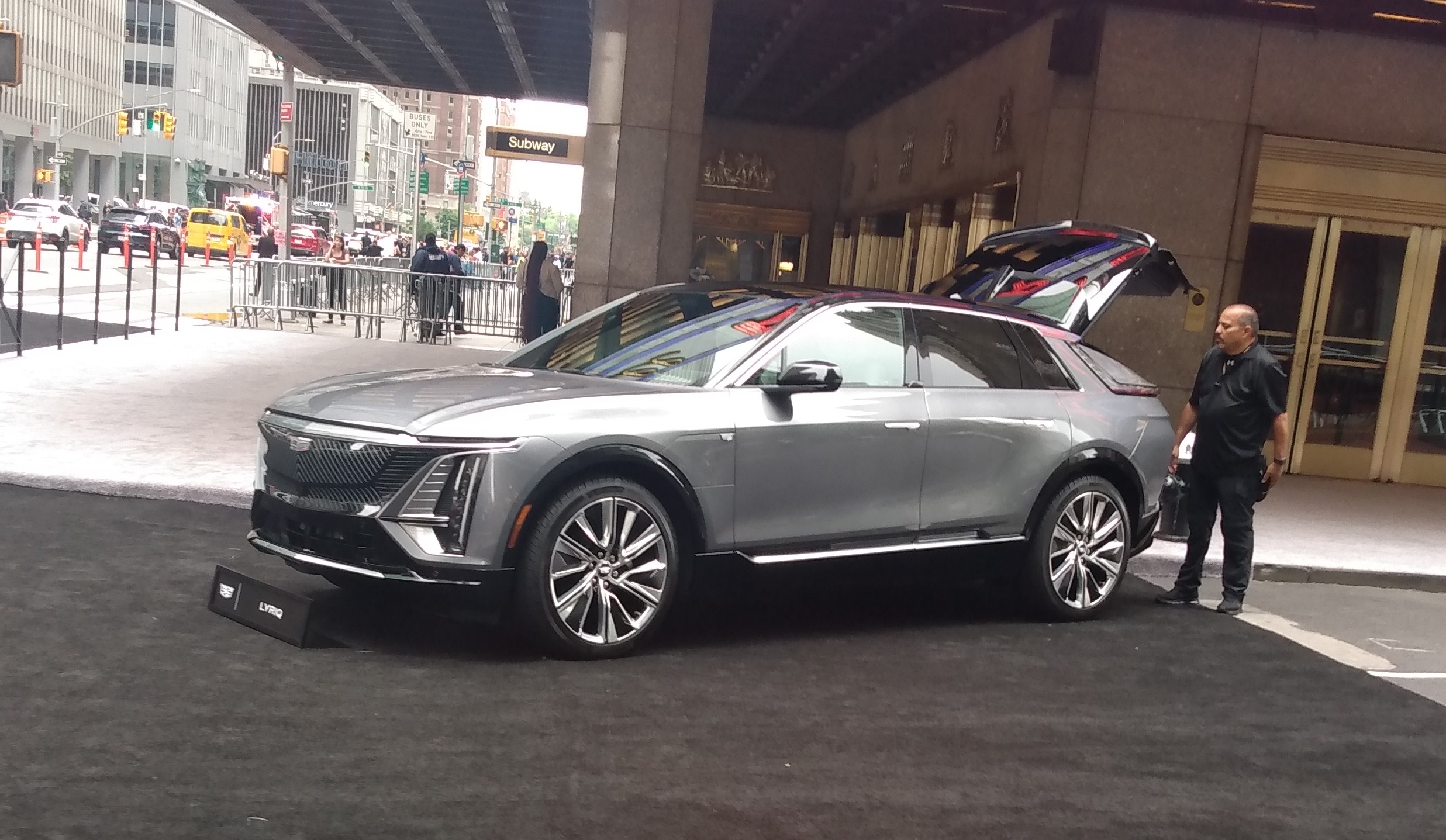
Car
Cadillac Lyric


Car
Cadillac DeVille

Car
Chevrolet Nova

Car
Lincoln Corsair

Car
Ford Mustang

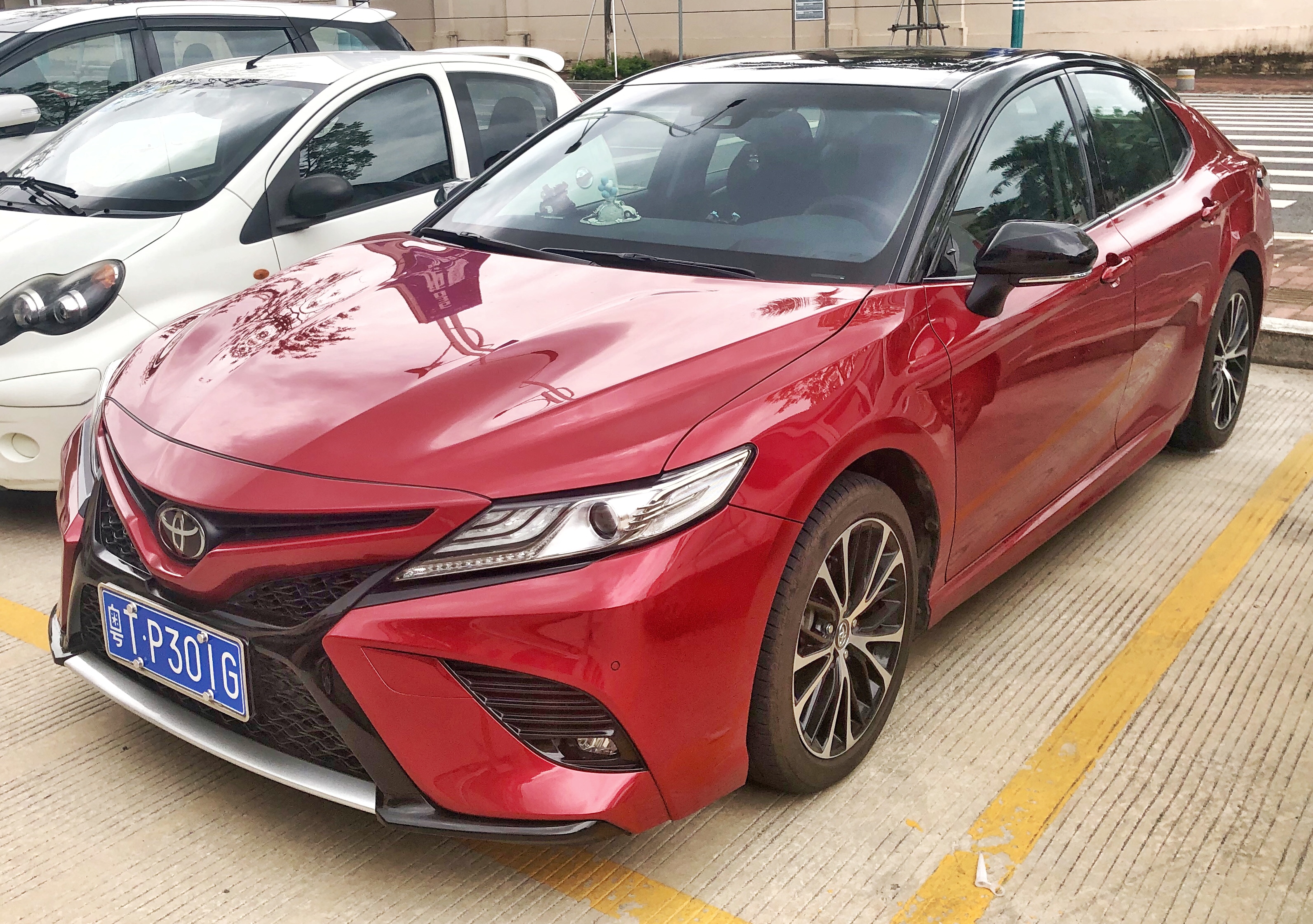
Car
Toyota Camry

Car
Ford Lightnings

Car
Tesla Model Y

Car
Bristol Bullet

LIVE
Out online after hours is brought to you by bridge Stone Tires Solutions for your journey. Gary John back in the studio. Yeah, welcome back. Thank
you, John, very much appreciated. I don't know, it's more surprising
being here in the studio or seeing guys out golfing. Mid December in Detroit
people were out golfing, were they really Yeah, well unimaginable. Look I've
seen them use day glow orange golf balls so that they could see it in the snow. No snow though, but yeah. So yeah, here we
are. We should just get on with the show. Yeah, sure,
So let's introduce it. We've got Christine Swinesberg threw it from Wards is with
us today and Gary introduced who is the VP of Engineering for the Americas for Eddie and the seat interior technology provider. So tell us a little bit about
tell us a little bit about yourself. Well, I guess we'll start with
Audient. So Addian, as you know, was the largest seat supplier in
the world by volume and by revenue. We're located in every region and we
service pretty much every customer. We're purely seats and we're vertically integrated and foam
and trim and structures and then it see complete. And so we like to
partner with our OEM customers and development as far up in advance and in front as possible. And companies doing quite well. I mean we're quite strong.
We had a very good balance sheet and moving in the right directions, I would say, And you've been doing this for a little while, you personally, me personally have been I've been in seating over thirty years. Yeah,
so you know the mode of interiors. Yeah, yeah, So Mike tell
me this. One great thing being in seats is it doesn't matter if it's
ice or BEV or fuel cell or whatever. They need seats, So you're
not going to be disrupted that much by the electrical transition. But here's my
question. I keep hearing that automakers really want suppliers to cut costs because they've
got to get cost out of their evs, and so they're looking for that and they want a whole lot more simplicity. And of course I know you
guys aren't going to want to just cut your prices. You're going to want
to design cost out. Can you talk about what you're doing in that regard?
Absolutely? So for us, it's about working directly with the OEMs upfront
on complexity reduction. So you talk about simplicity. GM's got this mantra win
by simplicity, right, You've probably heard that before, but it's very true.
So we do that by working up front on understanding the different styles instead of having five different styles of seat and foam that you have one style of foam and then you change the trim to match, but it has the same attachment points, but it can look very different. And so when we do
that, we give diversity for the customer consumer without adding cost. And that's
that's where we're really where we're heading today. It's complexity reduction, also potentially
modularity by supply, so supplying modules to the justin time plants from external plants that may have lower labor costs and packaging things together. We can ship in
as modules to the higher cost locations where of course we've had now wage increases because of because of the labor negotiations, and then moving some of that labor not necessarily to Mexico, but possibly to Mexico or to lower lower cost areas that maybe don't have union for example, is there war better yet where parts are closely being shipped into a component plants where we can ship like a backframe together with a lumbar solution, you know, all the comfort solutions integrated and
the trim and ship that up as a separate component to the JIT plant and make that easier to assemble. Is there much ability to automate or not?
Do you still need a lot of manual labor? Oh no, We've been
looking at since forever ways to automate. So yeah, you still need manual
labor. To trima seat. It still takes some skill set and there's a
lot of training that goes into not only how the seats developed, but how it's developed to be built, especially for applying trim and complexity. So make
sure we are top end of our game and craftsmanship by design and appearance is key to that. And then you can't get robots necessarily to build that.
Okay. So what I want to know is why do car seats or SUV
seats or CUV seats or pickup truck seats basically look the same today as they did twenty years ago. Maybe nicer, more motors, but a lot more
motors. But it's a seat, has a human body changed in the laste
hundred years, so than getting maybe a little larger. There's a couple.
There's two things a seat needs to do primarily right, and it depends on who you talk to with the order. But for me, it's safety because
it is a safety component. It's highly regulated. Seatbelts are attached to it,
you are attached to it, so when it comes to crash safety, for me, that's number one. So developing the structure and the h point
where you sit in the seat relative to the car, and then working with safety integrators and partners like we're doing with several other tier ones and integrating their components. To me, that's number one, followed very closely by comfort when
like I said, the human body hasn't really changed, so ergonomics how you sit in the seat hasn't really changed. People have gotten a little larger,
those are easily taken care of, so it hasn't really changed from the look because of that. And then of course, you know, you go to
the auto show and you see concept vehicles and they're like floating seats and they're not attached to the floor, and they're you know, those all look great, but try to hold fourteen thousand pounds worth of force through air doesn't work so well in a crash, So I mean it has to be bolted to something solid. Why you always see it going to the floor. But with
the with the evolution of evs, we initially thought the same, John, there's going to be somewhat agnostic to the seating world, and it pretty much is. Every car still needs a seat, but there are changes that we
need to make. Light weighting I imagine right, absolutely light weighting and lower
block heights. That means the distance between where you sit on the seat the
surface and the floor. We're making it small as possible to pack your more
battery space. Yeah, but that sticks your legs out in front. It's
not as comfortable as a seating position like we are in these chairs right now.
Wow, But it can be because right beneath the seat you don't care.
Your feet don't go there. So it's a step up beneath the seat.
And we have like thirteen hundred millimeters of square space beneath the front driver's seats alone that we can we can change by sixty millimeters right by changing the that block eye that's a lot of better space. So you're saying, even
though you're making what the seat bottom smaller? Is that right to collapse the
distance between where you sit and where it attaches to the floor by working on the mechanisms and the structure. But I can still have a chair or near
chair like seating. Yeah, because your heel and your heel and your heal
point needs to be the same relative to the hit point for comfort reasons.
I said, the body hasn't changed much in one hundred years. You still
want that relationship for comfort. But beneath you there's an awful lot of real
estate that can be affected. And we've shown that you can gain ten to
fifteen percent range by doing that. Wow, so the bracket just on,
that's a lot. Yes, So that's that's just lower and then that space
accommodated with. Yeah, to us, that's just an awful lot of work
because I mean, we thought the packaging space was crowded before. Now you
add comfort systems and heat and vent and motors, and nobody wants manual seats anymore. Everything's power. I mean, when's the last time you wrote in
a seat or in a car with a manual seat while not in the driver's seat. There's still a lot of front ones that are manual, but more
and more powerful. Go back to ten to fifteen percent added EVY range just
through lighter seats, No, through creating space in the vehicle, the opportunity to put more battery into the Okay, gotcha, gotcha, gotcha. So
you increase the battery space, you increase the range, got it. Okay.
Interesting, But by making that bracket smaller, you're saving a material cost.
You're also potentially saving a material costs and lighter weight therefore potentially lower cost.
Right when it comes to material another trend, of course, everyone in the industry is talking sustainability, and seats are an issue, as you know, because to go to recycle them, it's such a mishmash of different materials.
There's all kinds of fasteners, clips, you know, Velcrow, I'm not supposed to say Volco right, book and loop and all that stuff.
Are you working along these lines to make seats more recyclable. Yes, we
started the sustainability designed for sustainability trend four years ago and working starting with the OEMs, working in Europe with foam because foam foam in a seat as a chemical supply is one of the most say, one of the largest contributors to greenhouse gases in the seat. It turns out, after you know, studying
this for some time, it's really the steel. Steel is a number one
contributor in a seat to greenhouse gases because of the way steel is produced.
So we're talking about scope one and Scope two greenhouse gases. But as those
you know, we call it green steel. Now green steel where the steel
mills themselves are converting over to alternative energies like induction heating instead of using coal fired or gas fired. So as they convert, then the greenhouse gases and
the steel goes down, and then we can reduce the the amount of greenhouse gas going. Are they charging you more for the green steel? Yeah,
as a surprise, certainly, and done com for free. There are very
very few sustainability options today that don't cost more money. Some of the some
of those that we are able to offset are with plastics, So there are different plastic materials that have different greenhouse gas ratings that we can swap. That
helps quite a bit, because that's that's neutral. In fact, it can
be it can be a ba B in some cases. So you're speaking of
the phone. I remember some years ago Ford was doing some research on using
soy foam. Soy folm has been around it since the nineties. Does anybody
use that or absolutely? It's in the Ford's back actually really Ford, Yeah,
yeah, yeah, we provide an awful lot of Ford foam and it has so i based poly as and nice sign it's in it and that's better for the CO two emissions. It is, it's better for it. It's
well, it is better for CO two. They think of it as recyclable,
right, it's a recyclable or recycled product or reuse product that's that's put into the film. Being soy based. It seems like with a lot of
sustainable materials that you're using a very small amount, like two to three percent, is there an opportunity to raise that up so that there's higher plant based content or recycled content. Yeah. So you take the film example, the
soy blends that that are out there today are between three to five percent.
We're going to raise that to eight to ten percent. But then it limits
out based on the chemical interaction and how you divarie to chemicals. From there,
we're going to other sources of chemicals, you know, not not the chemicals for piles and isocyanates themselves, but their providers to get credits on how the material is produced again and where it's coming from. So you think of
the oil, I mean, it's an oil base, it's a petroleum based system. But if I use recycled motor oil for the base of my product,
or if I use you know, vegetable oil or cooking oil that's been used before, I get recycling credits because it's recycling something that's already been used once. And if I'm using that to produce foam and seats, it just
takes carbon out of the atmosphere because I'm not burning that oil, I'm reusing it as an alternative. So it's like a credit, but it's really actually
taking greenhouse gases out of the Holy how do you keep track of all that stuff that's got to be an He asked me this four years ago. I
wouldn't have no clue. But it's just that much more research that we've had
to do with our supplier partners to understand how to actually execute. And I'm
sure you've got to use like blockchain or something like that to make sure that it's you know, use blockchain as a tracking mechanism to make sure that you know they're not taking you know, vats of French fry fat out of the McDonald's and throwing it into the mix. Right yeah, So I mean,
but that creates another market for other suppliers to get into the end of the game, you know, recycling. Of course, it's huge in Europe,
right, So when you talk about tracking how much sustainability is going into a seat, Europe is leading the charge because of regulation and social pressures, right, et cetera. So we have a we've created our own tracking tool in
the bill of material to understand how much carbon goes into the seat coming from the supply base all the way down to the base materials. So that's scope
one, two and three and how it adds up into the carbon footprint of the seat. And now we're starting to see requests from the customers to track
that for them. So that's another avenue for us to do something for our
customers to make sure we understand how much carbon contents in the seat through the whole bill of material. So in your career you actually worked in Europe.
What is your sense of the difference in terms of environment sustainability thinking there versus here, and of course you've also had exposure to Asia, so yeah, I did well, we lived in We lived in Europe twice for a total of eight and a half years, so yeah, it was it was very different from that sustainability aspect, and from recycling. We had six trash cans
in Germany. You know, there's that many different types of recycling that that
we had to keep track of, and you know, brown bottles and clear bottles, and my son loved it because we would go to the to the recycling center and I'd allow them to just throw the bottles against the back wall and smash them and there was the best thing easy and I really do this is that's okay, I want to do that the ball. Yeah yeah,
so definitely very different, you know, from that aspect, much more much more focused on on the social aspects. And that's what I was mentioning,
it's socially unacceptable not to do it there not always are regulated, but it's just really looked down upon. You know, living in Germany, people wouldn't
wouldn't think to not recycle. It's like here it's like you know, passe
no drive any anywhere in Germany certainly, but other European countries. You don't
see trash on the side of the road, you don't see trash on the sidewalk. I mean, there's much more of a consciousness of keeping everything nice
and clean. Yeah, in Asia, Asia is you know, it depends
where in Asia, but Asia is definitely less conscious than than Europe, though, you know, depending on the country. Japan very much so conscious of
it, China not so much. But they're turning around, right because they
feel the social pressure as well to be sustainable. I mean, if you
look at the Naikiya, they're probably one of the leaders in at least marketing and advertising what they're doing for sustainability in seats. If you look at you
know, what they're doing. How much they're doing is you know, it
varies, but that's the that's what they want to portray. Another trend that
we're seeing from autumn makers is what they call vegan interiors, i e.
No leather. Well, talk about that a bit vegan drives me nuts.
Vegan leather it's an oxymore. It makes no sense, but you instantly understand
what it means. You get it right, I mean sure, sure,
but essentially it's it's alternatives to leather. Leather we see going out of the
market fairly quickly for a number of reasons. Cost certainly, weight not so
much. Weight that's not as much of a driver can be depending on the
thickness. But that's, you know, really down to the specification. The
thickness of leather is you know, anywhere between point eight and one point one millimeters, and vinyl is about the same. You know, can vinyl can
be less PVCs or polyurrethanes as they come in a roll, good either way, but no more. It's cost and sustainability. I think it might be
designed too are or at least I've had designers tell me that leather or even leather looking is becoming sort of passe, that rich fabrics, nice hands from the fabrics is at least in the premium luxury segment, is becoming more the thing. Do you see that at all? John, I mean, if
you look at leather, does it does it really look like leather? I
mean if I if I showed you a piece of leather and a piece of polyureth any piece of vinyl, could I tell the difference? Probably not,
No, I don't and not even from the smell. No, well,
yes it lu to it well they treat it and then they perfume the hell of it. Right, so everything's painted. So so if it were true
leather and you showed the blemishes and you did that as a styling theme, yeah, absolutely, you'd see that in a in a rough truck. Would
be pretty cool. Right, But how quickly do you see this happening?
I mean, this is this is extraordinary. I mean it's happening on pretty
much a rebeve we see is reductions of leather, and what we're doing in current production is taking leather content down for BAV because it's becoming, you know, a sustainability opportunity because when we started this, leather was like one hundred and twenty kilograms of carbon per weight as compared to a PVC at twenty five to thirty. So it was a huge disparity that quickly dropped in leather because
they changed you know, chemical treatments down to about seventy. But still there's
a huge opportunity when you think of it from a sustainability Who would have ever thought polyvinyl chloride I would have less emissions than leather and I would rather put less of that. You know, I'm a bit of an environmentalist. I
don't want to use plastics if I don't have to. It'd be nice to
be able to use vegan or green leather, but it just isn't that green yet yet. We'll see what happens in the future. But other materials will
becoming more cloths, more plant based materials, going into face fabrics, maybe into vinyls. You know, just it's it's an oil based product as well,
So the same thing I described on phone can happen to vinyls in your things. So using a plant based oil rather than using a petroleum based,
plant based or recycled, recycled product that I can put into the poly earth or into the into the vinyl as an alternative. And in one of my
previous companies, we figured out how to recycle it and put it back into the product. So there's more you can do. You can't. You can
recycle leather. There are companies that do that. It costs a bit more,
but it's possible. But in terms of these these alternative materials, I
mean, presumably it takes a long time for you to validate them in order to get them put in the production vehicle. It takes about the same amount
of time as coming up with a new polyvinyl. But there are issues that
we're seeing. I'll give you two examples. One OEM we just simplemented a
polyurethane that was recycled grade polyurethane as a as a face fabric and or as a phase vinyl. And on the rear seats when you fold them down,
the seat belts are in between. It takes a set. I mean it
really takes a set versus the old product. When you fold the seat up,
you got a big indentation in your seat from the seat belt indenting and it stays over time. Typically with the normal vinyl, it goes away with
heat. You know, you park your car out in the sun, it
gets hot and everything just kind of smooths out. But it doesn't with this
product. So there's there's some issues that we've discovered that we have to resolve.
Same with a carpet that we're putting in kind of last minute into production to replace an existing construction. It's forty pet. So poly ethylene is your
friend when it comes to sustainability used like everywhere, we're really turning to pie athletes like recycled pop bottles, especially if you can fish them out of the ocean wherever you get it. Yep, yep, but it's more bordy so
it doesn't trim as well. It's fine for the back of a flat second
row seat or a load floor, but on a formed seat it's a little more difficult. So just challenges that we have to overcome. To your point
about texture, John, that reminded me of wool, which I think Volvo is getting into. Where the prospects for wool seating. We've seen some fabrics
coming out for wool that stylists want to use. I personally haven't put one
into production yet. Called the news, but I think Christy's right, But
I think Volvo is it. Wasn't it with the X thirty they were talking
about that because it it can be pretty rugged and still have a nice hand.
Yeah. I do enjoy a textured so you might the person you talk
to, you might be onto something. Isn't there the challenge? I mean,
okay, take a material like wool. I mean that people are keeping
their cars for twelve years. I mean does wool hold up for a long
period of time or are the ultimate Well, let's say, whatever wool construction they come up with, they're not going to change their requirements of specifications that it needs to meet, so that will go through the barrage of testing to make sure that whatever they release as a construction of that material using wool as a you know, as a fiber. Right, it may not say the
blend. I think the one I'm thinking of that Bulbo was using as a
blend of synthetic And yeah, nice, it's an interesting look. No,
I personally and I always have prefer a cloth seat in a car to a leather seat or leather fake whatever. But one thing I wanted to ask you
about Tesla doing interesting things, uh seats, console carpeting mounted on the tip of the battery, so when the battery gets put in the car, part of the interior goes in. What are automakers asking you for in ways of
trying to simplify the assembly process, especially visa v evs where they've desperately got to get cost out of the car. Yeah, well, we haven't gotten
so crazy as to supply a whole seat set sitting on top of the battery and coming up from the bottom of the car. But not that it couldn't
be done, because like you said, they can assemble that way today but are they asking you for things to make assembly more simple? Not for you
but for them in the in the plant, we're asking ourselves. We're asking
ourselves that job because we have to reduce cost to remain competitive. And that's
why I was talking about modular supply. So we if we design products that
I mean basically see can go together like a like a Lego set, you can assemble it, you know, in many different ways. There are several
different options for what goes first. So we've been studying how to do that.
Like I said, in Mexico, Let's say we we make a backframe in one of our Mexico steel plants, and then we have suppliers that supply a lumbar system or a heating system. We supply phone, we said,
we supply trim, they're all in Mexico, and wiring harnesses recently going We're going to go into production next year in February with a module that we're shipping up that has the frame, the suspension, suspension system, the heating, the vent, and the wiring hartists all coming up at the same time because that's where they're sourced. So that's it's value stream mapping. It's not new
to the industry. It's been done for quite some time. But value stream
mapping and designed for designed for logistics, and the design for assemblies. Really
I've never heard that term designed for logistics, assembly and disassembly and all that, sure, but I never heard of design for logistics. Yeah, I
coined that quite some time ago. And so give us an example in a
seat. If you talk about thinner seats, people want thinner seeds for style,
especially in the Asian market, but coming anywhere, thinner profile is what people have looked for for quite some time, not just from a styling standpoint.
But you think of designed for logistics, that's great. I can pack
more into a crate because they package better, or you have sweeping curves.
If you look at a seat back frame, it starts now at the top and gets wider at the bottom because of you know, low path load paths that we have to have for rear impact to manage the occupant. I package
those one versus the other facing each other. They kind of go together like
a Lego set. So we just designed for a logistics by default. It's
a secondary or tertiary to design for safety or comfort, but it's something we have to think about because logistics costs have not gone down over time, right, have gone up quite a bit. And so the more that we can
package into free space, you know the back ram again as a halo.
There's nothing in the middle of it except all that content that you had at the ship plant. I can put that in at lower labor costs and ship
it up for essentially free because it's in the middle of a space that's not utilized. Why not do sure, because otherwise you're shipping air. Yeah.
Now it has its challenges because you have to look at what happens to Does it get damaged on the way? Do I create problems with the wire harness
clips you know if I break them, or you know, I could cause myself some problems with shipping, But you know, you have to try.
We have to try to find costs anywhere. So, yes, we're challenging
ourselves on on DFM DFA and DFL design for logistics. All right, So
to go back to my future seat idea, and this would be designed for logistics as well, I think, So what about the possibility of doing away with foam and just using a series of straps made out of seat belt like material that would be sufficiently strong, you're leading the witness. We've come up
with a few of those initiatives. So like the air on chair, right,
that's always been the vision. How do I get to the air on
chair example? And so we've come up with some products that that mimic that,
you know, foamless seats. Can you get to a formless seat that's
comfortable, that passes requirements and people can sit in over time and it's comfortable from a fifth to a ninety fifth percentile And yeah, it's possible. So
and it's not using new things, it's using things that have been around since the nineties, you know, with again recycled material that's now let's say, upgraded since it was used the first time. So well the public engineered?
Will the public accept that? You know, I don't know, why not
always put it in an advanced looking car? I mean, you know,
be perfect. It depends how you market it. Half yeah, I guess,
but because I always love it. Stylists have been looking forward for how
do I how do I had the styles come to me six months ago said I want to see through seat. I want it to be like invisible to
the people. I just want the halo and I want people to see through
it because I want space in the interior. I want to open it up.
Like great challenge, excellent challenge. Do you envision the straps being adjustable
because they're going to get soggy or or they're going to stretch out over I don't know what the air on chair do. I mean, well, it
made me swap them out. Maybe it's we tried the air on chair and
unfortunately it disintegrates in the sun. I mean, so you got to work
with the materials, right, But like I guess, the closest thing we've come up to is something we've called ultra thin. Ultra thin takes a lot
of the components, integrates them into the suspension system in the seat, and as a plug and play that doesn't need anywhere near as much pumps. We
reduced the to get the same equivalent amount of comfort, So we define a suspension systems that uses about twenty millimeters of phone typically you're at forty to sixty.
So that helps us for sustainability, weight cost while maintaining comfort and gets to that block height that we've been looking for. It was one of the
developments that came out of the EV craze, and how do I create that space to put more battery into the floor. You're just talking about my future
seats. You're gonna get there and it's going to have all these benefits and
it'll look very cool, and it'll have speakers right next to your ears instead of out in the peripheries. And you'll have a microphone that you can talk
and be independent of anybody else in the car. Anybody can listen to whatever
they want, and it costs less because the speakers are smaller, they're located right where you need them. There's no interference with any of the other speakers
talking to each other, and it has noise cancelation capabilities. You were my
driver, I was your passenger in the seat that we developed. In the
sound system that we've incorporated with one of our partners, you can listen and talk to you somebody on the phone in your sound bubble. I would have
my sound bubble, and we both be very happy. Yeah. So even
though we're sitting next to each other, you do not hear the others conversation, right right, It's amazing. Yeah, I've seen or heard that technology.
It is. Hey, look, we're at the bottom of the half
hour here, we're going to have to wrap up this segment. Mike,
it's been terrific, very interesting. Thank you very much. I appreciate that.
Yeah. Yeah, got cool stuff going on in seats. There's tons
really good. So we're going to take a quick break. Now we're going
to come back me, Christy and Gary. We'll be talking all about the
latest developments in the industry. How do you breach the entire stop shorter on
what roads? Is there hydro track technology? But you don't have to know
how the science works, just where the brain is. What really matters is
they're bridged out. Okay, right, yeah, yeah, thanks Mike l
thank you. Okay, we are back and now we're going to talk about
some of the latest things going on. And Gary, I'll bet you got
a list of topics you want us to get into. Well, yes,
indeed I do so. So earlier this week I thought it was it was
interesting that Cruise Automation like broomed out lots of executives. Today Cruise announced a
twenty four percent staff reduction. Wow, So what I wonder is, okay,
what were all those other execs doing? They got roomed and b whether
you know by by massive. I mean twenty four percent. I mean it's
huge, like Merry Christmas, folks, you've lost your job. You know,
whether there's sufficient capability to be able to do what they're talking about?
I wonder. Yeah, Well, you know, they they lost the two
top execs, Kyle Voight and Dan Cohn. Correct, they were broomed out,
and then yesterday they got rid of nine more execs. That was a
result of a study that they're doing inside that that Mary Barra ordered. Because
what she's talked about is the company, Cruise Automation was not going GM Cruise whatever was not being transparent enough with number one regulators, especially in California, also with first responders. There was a lot of complaints from fire departments,
police departments about these avs. But I had not heard about a twenty five
percent staff reduction for so Look, you know GM is pouring billions into this company, and Mary must have decided, look, it's time to cut the cash burn by a significant amount, and you know, head counts the biggest cost there. I mean, that's how I see it. Yeah, do
you think it's everyone to get off? I mean, personally, it seems
like thinking ship. I mean, I hate to go that far, but
it just seems like there's very little. So the guy who is now running
it, a person by the name of moe El Schenaway. He's the new
president and CEO. He said that, and I quote, they'll be service
in one city to start with, and they'll be focusing on the Bolt platform for this first step before we scale. So they're saying the origin vehicle that
General Motors developed with Honda, which would be able to carry six people.
You know, they're saying, no, we're going to stick with the Bolt Okay, just a dying as we speak vehicles, Yeah, okay, right, but you know, we got to be careful here because or learn more as what I'm trying to say, because when GM announced the big you know, stopping all cruise services in the United States, they continued in Honda in Japan. So I think this is maybe largely a US regulatory issue and in
countries where they because they've also talked about going into the Middle East. I
don't know if they've started that service yet. Regulations aren't ner and the litigiousnessness,
uh you know, the uh getting sued in all that is not as big a problem in other countries as here. They don't care if people get
pin underneath the car in Japan. Well, you know, I'm sure they
do care. But you know, the big promise of autonomy, and Mary
bar just very recently said the same thing. She says, it's safer than
a human. So is it perfect? No, but is it safer than
a human? She says, the data is there, that's said as it
is. I go for that. I mean, what do we have forty
thousand deaths on the road every year in the Yeah, yeah, and it's going up despite all this new tech eight ass technology coming into cars, the fatality rates going up. Well, I guess my question is whether a company
that is busy shedding people is going to be able to scale anything. And
you know, in the light of that, I mean, so General Motors yesterday announced a bunch of promotions to people and so so for example, Ken Morris, who was the vice president of Global Vehicle and Propulsion Teams now is senior vice president of Product Programs, Product Safety and Motorsports. Okay, So
I look at that and say, okay, how can anybody focus on this range of things? Josh Tavel from Global VP of Customer Care and after Sales
to Senior VP of Energy Storage and Production R and D and manufacturing Engineering.
Yeah, I just it shows their benches in that deep. I mean I've
been thinking about who comes after Mary? Who is there? Yeah, Like
there's no succession plan, and I think that's why you're seeing all these people get loaded down with all these different response I mean Mark Royce had like what seven things at one time or something. I mean it was well, you
know, there's a whole management theory in this, right, you know, because GM wants a flatter organization. They don't want you know, headcount.
Well it's not just headcoun it's how many vps do you have, and how many vps have to get weigh in on a decision. So if you have
fewer people at the top, presumably, so the theory goes, you're going to get to faster decision making. And of course no, a Josh Tavell
can't do all these three things and manage it, so you forced decision making.
So the theory goes deeper into the organization. And that's how they're doing
it. I mean that's how they think they're going to do it. That's
how they're gonna do it. That's right, we're not seeing them scale very
well, you know, in anything of late, so I would be a little cautious, but no, look, I mean this is a serious setback for Cruise. The good news, in my book, because I'm a big
proponent of autonomy, is that she didn't just ax the whole thing. And
who knows. I mean, there's rumors out there that this is next year
will be Mary's last year as CEO. I don't know is that I buy
into it, but that's the scuttle butt that's out there, and a new CEO might just say, hey, look, you know we're burning through two billion dollars a year with no return. I'm just going to cut this right
now. So Christy. Another thing, General Motors is foregoing car play in
Android Auto for its own system. They talked to motor Trend about this,
and they're trying to rationalize why why they're up to doing this, And you know, one of one of the things that they say is, you know that there's there's a problem in terms of poor connectivity, and this takes people's eyes off the road and onto their thing. What do you think is going
on here? I think it's all about money. It's all about that subscription
revenue and getting visibility on customer data. And if people are connecting to the
cloud what have you, with their phone and they're not utilizing your systems, then you don't have a business, you know. So in that respect,
it's a smart decision, but it's going to be painful because I think there are a lot of people who are just going to write a GM vehicle off their list because they've become so conditioned to Apple car Play and to a lesser extent, Android Auto and just getting in and plugging in and not even interacting with the native system. And to be quite honest, I mean automakers haven't
been doing a great job with the native infotainment systems. But yeah, I
think it's all about the money. Yes, it can be a safety issue,
but the times I've had issues with car Play, it's when I've been sitting there and trying to get it to work. It's not when it's been
working, and I've never had it work and then die as I'm driving.
You know, it's more about that initial hookup, and that initial hookup is usually a problem with the car, not with the hit right with your phone right. But they're saying they're getting hit in Jdpower consumer reports. People are
you know, blaming them, but they're saying it's not our or it's not our fault, it's Apple's fault, or it's Google's. Well, look,
I think you hit the nail on the head. They don't want to pay
licensing fees to Apple or Android for these systems. The only thing is whatever
they come up with. And I haven't experienced it yet, maybe because it's
not even done, it better be good good, because to your point, people are going to go, this is crap if it's not, and I want my Apple or Android back. Yeah, and to be clear, I
mean Apple with the next generation car Play wants to take over all the screens.
You know, they want the cluster screen. Some automakers have announced they're
good, they're good with that, they're going with it. Yeah, I
can't remember who off the top of my head. Reno, I'm not sure,
but I mean, okay, so you you spend a lot of time in a lot of vehicles looking at interfaces and infotainment systems and so on.
Okay, do you buy the deficiencies that General Motors claims exist in car Play and Android Auto? I mean, and it's I find it rather ironic that
the system that they're launching is based on Google. So I'm just like I
mean, personally, I've not had that many issues with car Play. I'm
not a big car Play user. I don't drive that much, you know,
even when I would go to the office, my office was nearby.
I don't do a lot of long road trips, so I'm probably the wrong person to ask. But again, it's the initial hookup that if I've ever
had an issue, it's been just getting it to work the first time.
It's not that it's been wonky as I'm driving and all of a sudden it stops working, and then I'm fiddling with it. I will say, you
know, you're locked out of some fee, Like okay, so I use Google Maps if I connect car Play, or if I connect with car Play and I want to use Google Maps on the head unit, you can't make even at like a red light, you can't get into some of the deeper functionality if you want to make a change. So then I've had instances where
yes, I do pick up my phone and do what I need to do, because it's the system, you know, the car Play. Google Maps
via car Play is locking me out. But again, I think it's all
about this this grand plan that they have and really every other automaker has to get this ongoing revenue via subscriptions and services and features. They don't want to
pay licensing, they don't want the tech codes to be collecting all the data.
They want to collect it, right, and they sell the data because that's a huge part of their projections of billions of dollars. Yeah. Well,
well, according a motor trend, GYM alone is hoping to make as much as twenty five billion dollars per year just off subscriptions by twenty thirty, so big, big money. Well, you know, look, I'm a
cheap skate. I don't even pay for serious radio because I've got so many
other alternatives that i can get, mainly through my phone in the car.
Right, and uh, you know, GM said, I think they threw out a figure a couple of years ago that they think people will pay another one hundred and twenty five dollars a month for different services, you know, at the upper end of the market, you know, the premium end.
Of course, maybe you know, because a lot of people come in and say whatever, just give me everything. But I think unless these services are
extremely compelling, most people are going to say forget it, and I'm not paying for it. So I thought it was interesting. So this is this
an update to the motor trend story as of yesterday. Okay, so this
is this is fresh. After the story is published, GM contacted us with
the following statement, quote, we wanted to reach out to clarify that comments about GM's position on phone projection were misrepresented and to reinforce our valued partnerships with Apple and Google and each company's commitment to drivers safety. GM's embedded Infotamus strategy
is driven by the benefits of having a system that allows for greater integration with the larger GM ecosystem and vehicles. Oh yeah, the lawyers wrote that one.
Well, because they got calls from the Apple lawyers and the Google lawyers and what what do you mean our system's not safe? You know, Hello,
you better put a statement out. Well, what I mean I wonder
about you know, in Christy you mentioned this before. I mean I've I've
had people say to me, you know, does that car offer car play?
And I know, and they're like, I'm not buying it, And I mean, so I wonder if there is a greater affinity to someone living within the Apple ecosystem to say I want this versus you know, making the switch to General Motors. And so maybe Ford comes out on top of this
steel. Maybe Ford has said all along, nope, we're keeping them.
Our customers love you know, Apple and Android car playing an Android Auto.
So yeah, well, you know, Toyota was hold out for a really long time and they eventually had to join the chorus. But I think this
is yeah, this is g I'm trying to go back to get out of that that that issue of Apple owning the data having visibility on the customer.
All right, So so one more thing about General Motors before I stop beating in the news a lot lately. So okay, this this is their new
naming regime for Cadillac. Okay, And so today they announced that they're coming
out with the Cadillac Optique. This is a vehicle that will come in below
the Cadillac Lyric. And a couple of weeks back they introduced or announced that
they'd have the Cadillac Vistique. Now, I have a feeling that if it's
a if it's a name that someone cannot easily spell, or a name that someone is not sure how it's pronounced, that they may likely not even bother.
I mean, so what's going on here with all these IQ endings to the names of their because what is their best selling vehicle? Oh that's right,
the escalade, a word that goes back to the Latin. Okay,
So I mean it's just like, yeah, consultants need something to do.
I mean, you know, pity the poor consultants they need. Well,
look, they're trying to rebrand cadillag You know, Cadillac used to be the standard of the world, and then it lost it starting sometime in the nineteen seventies. They really blew it. In the eighties the nineties, they didn't
fix anything. And so I've heard through the grapevine that Mark Royce has personally
promised Mary Barratt that he is going to restore Cadillac to that pinnacle position in the premium segment, the luxury segment, and so bringing out grand names of the past like Brohm or you know, Deville or whatever that's old Cadillac, and they're trying to break this paradigm like no, we're not we're the new stuff. We're electric And so electric ends in an Ick, and now every
Cadillac ends in an Ick, even as Sean likes to pronounce it. And
it's not the escalaid IQ, it's the escaladic, all right. So to
go back to the previous topic, Okay, if you if you buy and so I won't say Apple anymore, if you buy a top of the line smartphone from Samsung, it's called Galaxy. Very simple. Everyone knows what that
is. Everybody knows what that means, right, I mean, it's like
I think they're trying to be tricky that goes beyond what they should be.
You're right. Look, they went with all the alphanumeric names, you know
when Lutz was there, and now we couldn't keep track of is it CT what this that ass? But and now they're changing it all again. This
is not good stuff. This is not good But the reality is they have
a big problem that they're no longer the standard of the world, and they're trying to figure out a new way to create a clean break in the public's mind and come out with all this new stuff. Look, all your criticisms
are are perfect spot on, Gary, I'm just trying to give an explanation of my understanding of what their strategy is. I don't think vehicle names matter
all that much. Nova was a stupid decision and you know whatever or was
that Mexico. But you know, if it meets your needs space wise,
price wise, I think the name is sort of irrelevant. Well, but
I just I just wonder. Okay, So so somebody is thinking that they're
going to buy a Thestique right, and they're like, how do you really say that word. I'll go to the Lincoln store. I'll get a Corsair
or an aviator or something that's something that I can, you know, be confident. Maybe, But I think Christie's right. I don't think a name
hurts a car per se unless it's really awkward to say. But I will
say this, if you get the name right, oh it works. Mustang,
Corvette you know, uh, these are words. There are words,
and they conjure up an image. You know, a Mustang you know you're
on the wild Frontier galloping at you know, full pace. And Corvette you
know, going through the water, you know, as as an attack ship.
You know, they conjure up images. Yeah, Vestigue, I don't
know what that conjures up, you know, I mean, but F one fifties worked out pretty well for those who are interested in Melvin Numerics and Camra Accord. They sell a zillion of those things. Right. It's about the
strength of the product there, well in the longevity, because I remember when Camri came out, It's a made up name, and people went, what the hell's a Camri Camry? What a stupid name? And now several decades
later, Oh yeah, it's the best selling car Toyota's got. All right,
So John, I got to ask you. We talked about this a
little bit last week. Hold your feet to the fire again this time.
So Ford's cutting the shift at the place where they make the lightnings and they're throttling back on the uh mockis what's going on at Ford? Yeah, you
know, very interesting. Obviously they overshot. You know again, if you
go back a year ago, it was ev euphoria. I mean, they
couldn't keep up with demand at all. And then it was like, holy
moly, we got a double production. Holy moly, we got a double
production again. And there is something that everybody in the industry kind of missed
that they were sucking in all these early adopters, but there was only so many of them. And then that came to an end, and I believe
more people will come back into the market, but we need a lot more evs in a lot more different segments, at a lot more different price points, from a lot more different brands. And somehow these all these marketers missed
this because it's caught all of them unawares. And if I were in marketing,
I would say, look, we need to have a meeting. How
did we possibly miss this? Where did we go wrong? What are the
lessons that we got to learn from this? Because we don't want to repeat
this going forward with other EV programs. Name this Deek no I know.
I mean three years ago, I think we were all at I don't want to say that name again because we've been beating on them. But we were
at an event with a certain automaker who announced certain projections and we thought, these are really high numbers. You've only sold this money, and you want
to sell this money in a few years. I mean, I think the
writing's been on the wall. So you think they thought the early adopter group
was a much bigger group than it actually is. You know, remember,
you know they look at Tesla and they are like, oh my god.
You know, he's got a million orders, you know, reservations for the cyber truck. And Ford was saying, we got two hundred and fifty thousand
people interested in the light and ning before they knew how much it costs, and before they knew how much it cost. Well, Ford, Tolome is
going to be forty grand to start with, and then it landed in the market twenty grand above that. Yeah, and uh so there was all that,
but yeah, somehow they they you know, they all thought that a Tasla is going to go through production. Hell, we're not going to go
through production. Hell. And they all are going through production hell. And
now it's like, oh, we have all these EV orders and now all of a sudden it's like, oh no, we don't have enough EV orders.
So they haven't cracked the code of understanding this segment yet. So so,
Christy, do people buy electric vehicles or do they buy Teslas? Yeah,
the legacy automakers are not Tesla. I mean they if that was their
expectation that just because Tesla's a big success with EV's, they're going to be a big success. If you build it, they won't come. That was
totally the wrong presumption. People buy Tesla's. Yeah, yeah, which isn't
to say there aren't great EV's out there from legacy automakers, because there are.
But the Tesla buyer is not well. As we move now to the
early majority, you will get them cross shopping with the legacy OEMs, I think. But there are for a lot of people for whom it's just Tesla.
That's all they want is a Tesla because there's a cachet with Tesla that doesn't is not evident with a legacy OEMs BEV better electric vehicle, and so that in itself overcomes any of the problems real or perceived that people might have with EV's. They're basically saying I want this because it's special the Tesla versus
saying, Okay, I want to buy this fill in the blank other brand, and it's like, oh, but where am I going to charge it?
Do I have to have a charger in my house? Range isn't so
good? Et cetera, et cetera, et cetera. I mean, because
I just wonder where, you know, what is the advantage of the EV versus the IC. Now the multifold too, well, Okay, if people
were so concerned about the environment, we wouldn't have so many trucks out there, would we. But somehow people the largest selling vehicle in the United States
more than Camery, is the F one fifty. Yeah, so so no
one cares about that. Well, there are people. I mean, when
I go to southern California. My brother and sister in law live in San
Diego. They have a nice house, nice neighborhood. There are people that
have the F one fifty in the garage as well as the Model three or the Model Y or whatever. So they're concerned, but they still need a
larger vehicle, which is what the F one fifty Lightning was. You know,
that was the void it was supposed to fill. I personally thought the
F one fifty Lightning would do a lot better, but that's before I knew what the price was going to be, or what the price turned out to be. Yeah, drop the price to thirty nine nine hundred and you're going
to see sales go up. But then they lose that much more money because
there's too much cost built into that truck, right, I mean, you're always going to lose money on something you've never done before. You know,
you've you've just yeah, you've got to bite the bullet. You got to
bite the bullet. Yeah, you've got to learn how to do it.
Yeah. But you know, Gary, there's a lot of reasons to get
an EV. Personally, I think it's a better driving experience. But you
know, it starts out with, Uh, they're quieter, they're smoother, they are instant response. There's no press the pedal, the engine revs up,
the transmission kicks down, the car no instantly, boom, You're there.
You can plug in at home. You never have to go to a
gas station again. Uh. Cost of ownership is going to be less because
electricity is far cheaper than gasoline, is no oil changes, blah blah.
You know, the list goes on and on. There's plenty of issues we
know all about. People have range anxiety, charging time anxiety, is the
plug even going to work at a public charger anxiety. So those things will
get resolved, as will the price. And I think we're still in a
trough right now that will last another two to three years in terms of VV sales, not including Tesla. But I keep saying in the twenty twenty six,
twenty seven, twenty eight time frame, that's when I believe we're going to see the hockey stick, and I say we'll be taller by then.
That's just what that point. No, but I mean you think of okay,
so what would it take for you to own an EV? What would
you ever? I mean, is it? What are your concerns? I'm
just curious. Well, okay, so first of all, you know the
whole thing of incident response and so on and so forth. I mean,
it's just like, okay for the enthusiast, that's what they want. For
the normal person who's you know, taking the kids to soccer practice or going to Kroger to buy some milk, yeah, they don't care about that.
It's just you know, they want some functional, good, reliable, capable transportation. So I define either of you to to find a toyota that is
going to be so loud it's annoying, right, I mean, so you's driven a vehicle with the CBT, I mean, with drowning. It's it's
not pleasant, but it's it. But it's it's it's not okay, but
it's it's it's it's not annoyingly loud, right, it's it's you know.
And and so I just like, so you think they're too souped up for today's average. I just think that I just think that there has not been
a compelling argument as to why the average American would want this type of propulsion system versus what they've been familiar with. I haven't seen an argument. I
mean, because everybody's like, you know, like fore mentioned Mary Berry, Oh it's so much fun. Well, how many people buy a buy a
car because it's fun. How many people buy a car because they need a
vehicle. But everybody can relate to you know, wind to get into that,
there's a gap in that. You know, you're driving on the freeway
and you need to get over and there's the space. No problem when you
have an EV you know, I think if you could frame it in real life terms, there's no problem if you have a Hellcat. But I mean
it's just like, so that's a lot of you that's but extreme. Why
the same amount of money the lower cost of ownership, I think is a compelling argument. I just saw a headline for EVS tires of the new oil
change because they're heavier. Yeah, and the torque too. It varies by
car. So I've talked to people that burn through tires in ten thousand miles
in their EV and and others who say no, I have no problems with tires in my EV. So I think there's a learning curve there for the
industry. But I think the game changer is going to be bi directional charging,
where you can fill up the battery at night at low rates, sell it back to the utility during the day at high rates at home or at work, and you may not have any electric bill. In fact, you
might even be able to make money on your car, and I think that is going to be extremely compelling. The other idea too, that if there's
a power outed, no problem, you plug your car into your house and you run your house until the power comes back on. Buy generic or yeah,
and then you listen to that thing hammering the way outside your living room window, whereas with your car it's completely silent. So look, you know,
evs are just a better driving experience. There's issues with them right now,
like I talked about range charging blah blah blah, but all that's going to be overcome, and I think it's going to be overcome largely in the next three years. Or the technical optimists I am, well, I think
they work for I think they will work for more people than what we think.
You know, what's the average forty miles a day? Most Americans drive
forty miles a day. You don't even need a level to charger at home.
With that, you can replenish that overnight on your standard household outlet.
You know. But there's been such a strong focus on charging stations and public
charging and people are already used to going away from their home to refuel.
So people just start thinking, oh, I need to make sure there's a public charging station near me before I buy this vehicle. Probably not, you
probably don't need that. Yeah, but you know, telling people you don't
need it, it's like telling them to eat your peas. You know.
It's especially in America. People buy what they want, and we're not going
to sacrifice, you know, some new technology just because it's good for the planet or whatever. Early adopters will, others will, But the vast amount
of people they just want to settle wheels that they can be proud of that gets the job done for them wherever they're going, doesn't cost them an armin leg And until evs are able to deliver that same level of capability, people, many people are not going to buy them. Okay, So given that,
and given the amount of money that the domestic OEMs are shoveling in, not just the domestics, well okay, so give everybody. I mean,
it's just like, is this sustainable for them as businesses or will there be some companies they're going to be left Dare I say the side of the road.
Yeah? Yeah, no, some are not going to make it.
But you know, look, as we've talked about on the show before, the only reason we got these things in the United States evs I'm talking about is that a solid majority of Americans believe that climate change is a problem and that something's got to be done about it. And this is some of the
things that's getting done about it. And I believe that, Uh, once
evs can deliver exactly the same kind of range and refilling time, uh that ice vehicles give, people are going to go, Wow, I like these ice you know, it's it's smoother, it's quieter, it's faster, I don't have to go to a gas station again. It's I can make money
on it with bi directional or gas stations. John, maybe you can talk
more to this, Christy, because I think a lot of you outside the plug in dirty metal thing and who also has touched that? And then you
and Covid and blah blah blah. Yeah, I'd rather just plug in my
warm, cozy grudge right. Yeah. With that, I think we're gonna
have to wrap it up. I've used up our time. Christy, great
having you on the show. Great to see you, John, Thank you
so much. Here with you, Gary, Gary, we're back in the
studio. Oh we should before we go, I should mention two next week
going to have Sandy Monroe here and we're going to have a crazy festival of time with Sandy Monroe, Elon's best friend, Elon's bud. Yeah, he's
BFMKA really good. Hey, thanks for tuning in, everybody out online.
After Hours is brought to you by Bridge Stone Tires Solutions for your Journey.
About this episode
A deep dive into the evolving landscape of automotive interiors, featuring insights from Gary John and Christine Swinesberg alongside Mike, VP of Engineering at Eddie. The discussion covers the push for simplicity and cost reduction in seat design, the impact of electric vehicles on seating structures, and the integration of sustainable materials. The episode also touches on trends like vegan interiors and the challenges of recycling automotive components, while exploring how automakers are adapting to consumer preferences and regulatory pressures.
Original notes
TOPIC: Car Interiors PANEL: Mike Maddelein, Adient; Christie Schweinsberg, Wards Intelligence; Gary Vasilash, on Automotive; John McElroy, Autoline.tv
Autoline After Hours
Autoline
0:00
63:27