
Annotations will appear as you listen
0:00
63:09
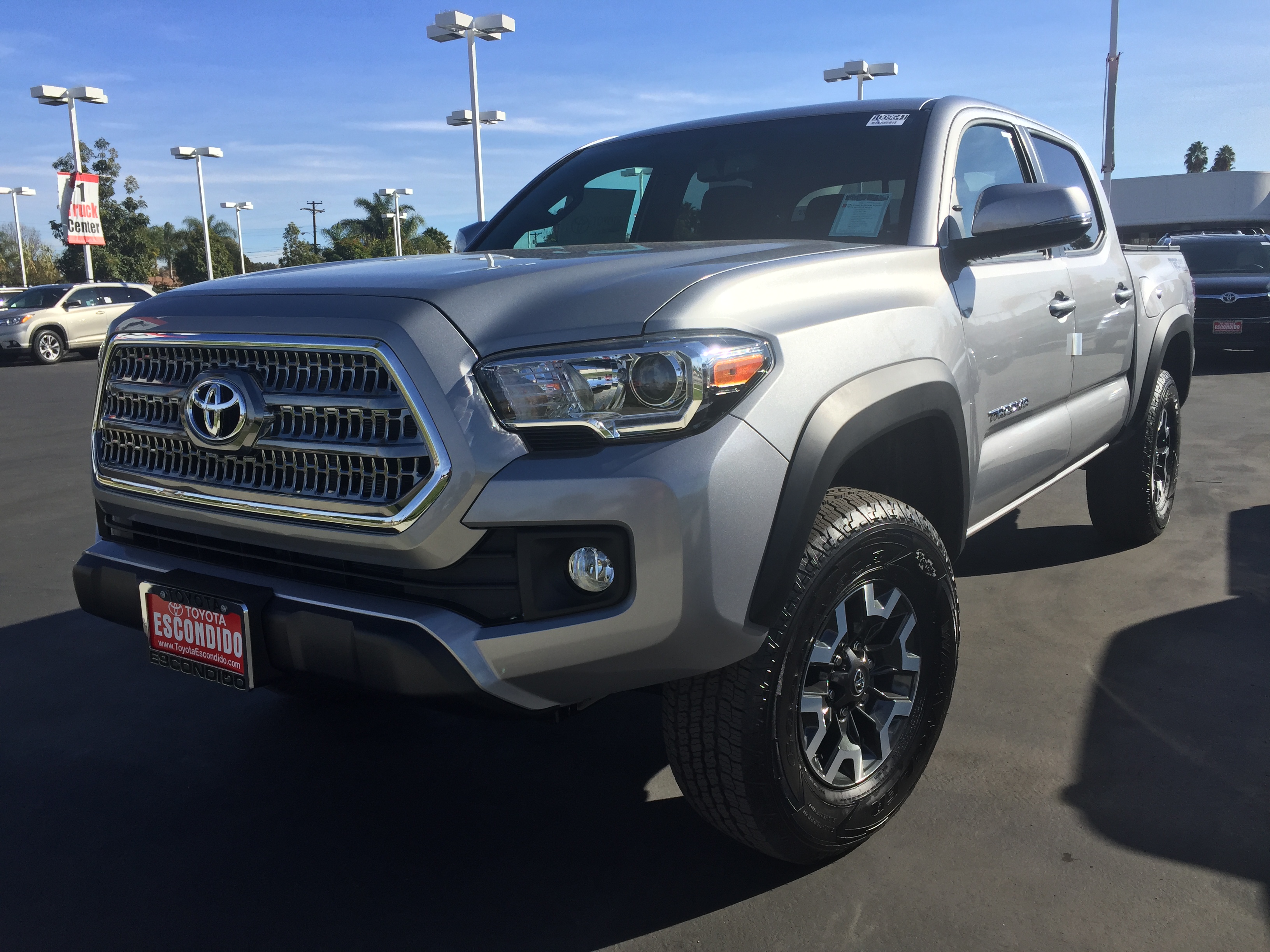
Car
Toyota Tacoma

Car
Ford Ranger

Car
Nissan Frontier

Car
Honda Ridge Line

Car
Gmc Canyon

Car
Toyota Tundra
Car
Lucid Gravity


Car
Ford Maverick

Car
Hyundai Santa


Car
Toyota Prius

Car
Lucid Air

LIVE
Out online after hours is brought to you by bridge Stone Tires Solutions for your Journey and by Intrepid Control Systems over the air Engineering boost your game. Derry,
how are you, John? I'm very good, and you know usually
you have trivia, you know, dates and history. So I got a
question for you. It's just a question. You don't have to guess on
this at all. Did you know did you know that the Toyota Tacoma last
year outsold the Ford Ranger, the Chevrolet Colorado, the GMC Canyon, the Honda Ridge Line, and the Nissan Frontier put together. And I'll bet you
that if we went back the year before that, and the year before that and the year before that, the answer would be the same, well not quite the same, because some of them didn't exist a few years before that.
They came after the segment. And I am so knocked out at how
strong the Tacoma is that we had to have our special so guests today.
Sheldon Brown from Toyota, Chief Engineer on the Taco as they call it for Tacoma, Taco Tacoma. Yeah. Always they're interchangeable as well, So great
to be here. Guys from Automotive News Yeah, yeah, to lend some
engineering experts some credibility. That's exactly right. So, Sheldon, you got
a brand new, all new from the ground up Tacoma here. Uh would
you set out to change? I mean, what have your customers been telling
me about the old truck? Like I said, the old truck brilliant dominates
the segment. Everyone's been attacking it. They haven't made a dent in you
guys whatsoever. But clearly you changed a lot on the new truck. You
know why, what did your customers say they needed or wanted? Well,
you know, it's it was a long time coming, right, and we've been we've been working with this truck now, you know, for the better part of this platform, I'll say for the better part of a decade and almost getting closer to two. So we've enjoyed a lot of successes you mentioned
in the market, and I think that was really foundational. You know,
couple of our core identity right our we call it quality dependability reliability QDR.
We say it all the time. But when we looked at this truck,
we said, okay, we want to think about, Okay, what are our strengths. We're going to go and take a look at those. Then
we're gonna look at, you know, what are the areas where we think we have opportunity. And so yeah, we knew that the QDR is going
to be foundational to anything that we did. We're going to maintain that.
The other really important piece when we thought about this was what people came to understand. We called it to Komanus. It's really that iconic silhouette that people
when they look at it, it's recognizable. For us. It's that it's
that high lift that like tucked rocker, we see the compressed kind of cabin, and we had that really i'll say continuous silhouettes. So when we did
the refresh and the styling, when we wet with the studio, we said, you know, we wanted to be evolutionary and not revolutionary, because we wanted people to recognize exactly what the truck was, but also see it in a way that was new and redefine it was, you know very clearly that it was it was developed all new. But then there are other things you
know that we looked at. We looked at the package, you know,
grodge ability. That was one thing that we heard in the compact segment or
the midsize segment that our customers demanded. We didn't want it to get any
longer bumper to bumper, and we wanted to be really careful about door to door so you can get in and out of the truck real easily. But
then, you know, we had heard areas of we want to see improve fuel efficiency. I wanted to see increased technology coming to the to the vehicle.
And then I think the other one is really driveability. That was another
really important thing. So when we took a look at this new platform and
we, like you said, it's really truly a ground up. It's all
new chasse, all new frame, all new upper body, all new power trains. So it's it is. It is a it's a white sheet of
paper, so to speak. So we really looked at those areas and we
said, okay, let's let's make sure that we address all of those, and then we progressed the truck in terms of capability and functionality, you know, not just today, but what is it going to look like in ten years to make sure that we're being competitive. So pretty pretty comprehensive approach.
So if you guys did a spider diagram looking at all these elements that you needed to work on. What points did you really need? Well, like
I said, efficiency really important. So you know, we're you'll notice in
most of our fuel economy numbers, while delivering increased power, torque and emissions improved emissions performance, we're also about ten to fifteen percent more efficient in terms of fuel economy. Driveability is I think if you have a chance to drive
the truck, I don't need to say anything. You can just drive it.
It's much better. We really focus on something called grade ability, and
that's the ability for the effectively for the right amount of drive force in the right gear, so that as you're moving through, for example, up a particular grade, you're not you know, constantly shifting and seeing the vehicle kick down or the RPMs jump up. This is really important that we did that,
and we were able to do that by with the twin turbo or sorry, with the excuse me, how four turbo, making sure that we had a lot more torque so we had better drive force. And then of course
the eight speed transmission being able to segment the gears that we have really small pitches and we can move through those very efficiently. So those are really the
two big things that helped us achieve that. But really, if you look
at that spider chart, and you know, I don't want to sound overly braggadocious, but everything around that spider chart, you know, when you compared to the old vehicle, we really tried to push it out into make it a lot better, with the exception of maybe like you know, length and width and things like that that I talked about Richard, why did the old truck live so long? If you look at how Toyota cadence of refreshing products,
it's very unusual for a Toyota product to be old enough to vote.
If you look at some of the parts that are in the old one, well, you know, and I think there's, uh, there's a little bit of planning on that. There's a little bit of of cadence as well.
So if you think about the TNGA, that was the new global architecture, and we really started, you know, as we rolled through from our C platform to our K platform and unfortunately F was you know, someone has to be last. F was the last one. Uh. And then as
we started to you know, redo the F platform, we began with Tundra actually really land Cruiser globally and then Tundra Sequoia. Then the cadence was Tacoma.
Yeah, so one unusual feature is you have two rear suspension systems on there. How did tell me about how? How how did that come about?
What's the thinking behind coil springs and leaf springs and is that a big engineering build have? Yeah, no, it's a great question. It was
one that we've hotly debated internally as well. When we started with the new
TNGF platform, it was really meant to be a coil based suspension and the idea was that we would have flexibility of we could modify with thickness and with the degema blinking that we've talked about where the Taylor welded blinking to adjust for wheelbase length differences as well as strength differences. But everything was going to be
on that multi link design, that coil link design. When we were looking
at the compact segment, compact really goes from a very i'll say a very wide range. We have to supply a product that's very value driven to the
customer, so the price sensitivity is important, making sure there's good value for their money, and then all the way up to really we're starting to see some folks looking at the compact and what would traditionally be i'll say luxury amenities that you might only see in the full size and sometimes even the premium full size. People weren't asking so much for the big truck. They're looking for
the right size truck, but they still wanted it to have those amenities.
So when we started to think about how do we address this large population or this large spread of customer, the concept was do we need to provide this?
Can we provide a better value proposition for that entry level customer? And
so while the Leaf is still an excellent suspension system, it just doesn't have the lateral ride support and comfort that we're getting out of our multi link.
But what we did was we said, if we can keep the silhouette of the frame the same, and then what we were obviously able to do is with the secondary operation, through some welding of some brackets and punching a hole in that frame for the hangar brackets, we could then maybe provide this i'll say more cost effective, value based suspension system, And that was the idea, but we had to keep the vehicle ride height the same, so we weren't massively changing all of the packaging and the componentry, and so really our chassis team took pencil to paper, really scratched their head thought the best way
to do that, and they came up with a really clever way of Rather than going you know, at the previous generation we were over overslung, so basically the springs are over the actual we went with an underslung kind of like a little bit more of an older school sort of approach, which was great because it allowed us to use that frame, that same frame slow it so we didn't have the big investment. We could pull out a lot of the
link componentry, which which does drive some cost, but really there wasn't a lot of additional investment. So it's really and then frankly speaking, to develop
another leaf spring that's not really tooling intensive. So you know, we were
able to do that with minimal investment, but I think deliver great value and really with the new chassis itself and the rigidity and the improvements that we've made to that, actually it's it's actually a step up from the previous leaf to even to the to the new leaf, so it's really just delivering better performance.
But you know, like a lot of our customers, you know, they're value driven. Just said, hey, you know, I drive a
truck, river in a truck my whole life. You know, I know
what a truck feels like. I know what a truck drives like. It
if it's little bit more agricultural, if you will, it wasn't a problem.
So we're really trying to focus on that value proposition, which is the better one off road? We know that a lot of Tacoma drivers like to
play well, if you look at it holistically, surely our Tierty off road package is a much better setup that it goes into everything. We start to
think about one of the suspension components, the absorbers that we're putting on there.
We're using the phil Stein with a piggyback reservoirs, right, and that's a pretty pretty significant absorber package that we're putting on there. But I mean
the other one is still very capable. You know, we've driven them through
the trails. If I was going to buy the off road truck, I
would go with a Tierty off road. That would be my personal choice if
we were excluding trail hunter and in pro from the conversation, but I think both of them have their advantages, and you can still make modifications. You
can still lift and raise the trucks if that's you know, what you choose to do, and you can put a little bit more aggressive tire on the on the leaf package. Right now, it's more of a street tire that
we're putting in there because and it's not really a true dedicated off road You will see it in our pre Runner where we do offer that suspension set up and that has an off road tire on it as well. So you have
a wide bandwidth of offerings. I mean, you mentioned I was just going
to say the same thing, and so talk to us about that. I
mean, you know, it's not just suspension differences, No, it really isn't. When we set up with our concept, one of the things we
talked about is the tacoma for everybody, and so we have eight different effective i'll say grade configurations if you will. And it was to look at this
broad customer band. You know, you can look at the market and a
lot of folks, I think are if you sort of think about the distribution curve right, a lot of folks that focused right in that meat of the market. And our initial sort of go to market plan was we were going
to aggressively compete on the entry level. Then we were going to absolutely defend
the core. We call the core like our s R five and our TR
grades, that's our t R D grades, that's where we probably sell the most volume, that's what most people are purchasing. So we knew we had
to completely advance that. For US Limited, we always under index there.
It wasn't something that I think we sold a ton of Limited, and so we really wanted to change our thought process and Limited and not make it, you know, a leather wheel entire package. It was really a whole lot
more. And then of course we had our we call them our Halo grades,
but those would be our tierny Pro and now our Trail Hunter. So
when we took that approach, what we wanted to do then was to say, okay, if we're going to have this many variations, that we need to really make sure that we are providing differentiation between the different grades and something that the customer can understand and based on where they place their values, they can decide what which of these products is best. So we talked about having
a sort of a performance tuning strategy the use of hardware, and then when I say specification, you know, the goodies, the content that you get in the truck, and so really blocking from our SR which is kind of our entry based and our extra cab which is very very much a value based truck all the way up to like I said, our our premium packages, and so we've combined. You know, it's it's really easy in development,
you kind of push towards the bindle, right, you don't want anything to be a little too rough or a little too sporty or a little too off roady, and you kind of get a bunch of trucks that kind of fall in the middle, and we really wanted to avoid that, so we said, nope, if we're going to buy a sport, it's going to be an off road tune. It's going to be intentional. You buy an off
road package, excuse me, an on road tune and intentional, you're going to buy an off road package, it's going to be off road in intentional and kind of that same way across the rest of the rest of the grade.
So we bring technology like you know, active variable suspension for our limited grade, where we really want to make that a luxury. We had power
running boards, things of that nature that are really saying, Okay, we're going to provide you the right size luxury truck. I'm still going to have
the sort of athletic appearance you know of the Tacoma and you'll still have that sort of Tacoma DNA, but it's it's going to be a different execution.
So that was our strategy, i'm sure. Which found two is that on
the higher grades, there are people there we'll spend a lot of money and you don't have to have a full size pickup to get them to spend that kind of money. Well, you know, for us, it's always you
know, I appreciate we we know the market is there and we've certainly seen it and and we've seen it with some of the other I'll say, you know, offerings from from our competitors and the you know, the market becomes smaller in that area. But again we know that you know some folks,
uh, the market smaller, but the margins are better. Well, yeah,
there's there's there's certainly an opportunity for to provide that sort of that that amenity you talk about that traill hunter, because you've got all these Accessories.
Isn't it like an Australian accessory company that you're working with. We we do
partner in some cases with with ARB, which is directly out of Australia.
They do have operations here in North America, but primarily they're a foundation.
But I mean, this is the brand to go to, right for Yeah, So when we're looking at landing and stuff like that, yeah, you nailed it. So when we are looking at the original, uh like tiert
Pro that's sort of in our you know, our og of performance trucks.
And what we foundly started looking at the segment was a lot of folks were buying the Tierny, but then they were using it for a lot of different reasons. You know, Tierny was about you know, it was Baja inspired
desert racing. You know, it's all about adrenaline fueled fun, going fast,
Ivan Stuart if Ivan Stewart, Yeah right. The icon that was really
the inspiration truly, you know, for for this next generation of truck was that Baja Ivan Stewart truck. And and so it's tough to do that really
well, when do you want things to be nimble and light and really built for speed and then make them great for tactical gear crawl, rock crawling with you know, heavily laden. So we said, and we saw this emerging
trend I think, you know, twenty fifteen, twenty sixteen, twenty seventeen, it was really starting to build the sort of outdoor adventure lifestyle that we were seeing over landing if you will, uh And then of course, you know, I think it was just like pouring fuel on the fire when the pandemic hit and it was the last place you could go. Where can you
go is where no one else is right, go to the great outdoor.
So we came up with this concept a trail hunter and saying, what if we you know, we we saw people building trucks. You know, the
first thing you do is put a deckrack on, then you put a ten on top. And honestly, that's probably not the best way to build your
truck. You really want to build it from the bottom up right. You
want to make sure you fortified, you have the suspension, you're raising the center of gravity. Those are more difficult things to do for the average customer.
So we thought, if we're going to bring value to this where what we could do then is sort of build it foundationally and then allow those customers to basically accessorize it, customize it, make it their own. And so
what we wanted to do was partner with really credible i'll say aftermarket companies like ARB, where we had common i'll say corporate objectives and goals and views on how we want to develop product, bring them together so that we could really deliver a very simple integrated solution. But then when we worked with those groups,
we'd understand what are the accommodations that might be needed on the truck.
So we wanted to make sure that Tacoma we could you could you could buy the turnkey system so to speak. We've accessorized it with with these partnerships,
and we give you the ability to roll those into your financing with associated accessory products. But if you want to do your own, or if you have
a special brand that you like, that's okay. So we made a lot
maybe made sure to include the accommodations on the vehicle. So we have the
weld nuts in the fray and in the rocker, and we have the you know, the provisions already in the roof for roof racks and things of that nature. So we wanted to be that platform lets you decide ultimately how you
want to customize it. So bench mark the competition, the newer competition that's
in the market. You know, that's that was the day they always benchmarking.
Did you guys take a look at what they were doing. You know,
in this industry, you're always looking over your shoulder a little bit to make sure you know what's going on, right, You don't want to be tone deaf to something that's happening. But honestly, I think this segment was
in a really interesting place because most of the product of the segment was pretty long in the tooth, and so we were all or what we assumed everybody was going to be doing a refresh at the time. We were all kind
of trying to figure out where we wanted to be. And there really wasn't
you know, I wasn't going to go benchmark a vehicle that was launched in effectively twenty sixteen for what I want to do for twenty four and on, right, So that was that was that was actually a challenge for us.
And so but you know, we said, you know what, I can't look backwards. We've got to look forward. So we are at at the
moment, we have the privilege and the ability to be the segment leader, and so we need to demonstrate that leadership. And so it was really pushing
to where we think the truck needed to be. So uh yeah, we
looked sometimes you look to see what was going on in full size and see, you know, what was happening there. But really, for for our
segment, it was about, you know, setting a pretty strong what are our priorities, where do we want to be and how do we really push the push the bar. So I want to ask you, John, you
and I have been talking recently about this drive that more companies are having to reduce the variation, reduced complexity. I was going to ask you about it,
all right, So I mean Shelton's talking direction, you're like adding complexity, well hugely, so we have, but we tried to do it in a smart way. So there's a great Mark Roy quote. He says complexity
doesn't matter as long as the customer is willing to pay for it. Sure,
and there's there's some truth to that, right and what we want we actually believe it or not. We did actually spend one of the core tenants.
Anytime we do a vehicle is we look at our total number of component parts, we look at our variations, we look at our option packages, and then we go through and figure out, okay, how can we basically reduce all those so that we could make room to do some of the things that we wanted to do on this truck. So, while on the surface
certainly looks like we do have more variations in total the base truck, we've really been able to and I say that, I'll say the core foundational componentry of the truck, we've actually been able to reduce the amount of total parts in the vehicle, which allowed us then to extend or to increase if you will, some of the variations. And to do that, how do you
reduce the number? Well, it gets to be you know, there's a
number of different ways we can do it. Some of it is like,
for example, one of the simple ways is like if you look at our multi cour our power train controller, basically, where that would have been multiple different switches, multiple different I'll say, if you will, switches, buttons, knobs, et cetera, we were able to put a bunch of those into one functional system that does a lot of the same functions, but you're utilizing like the digital screen now to to basically give you the different representation of the mode that you're in or something like that. So we use some technology
in some areas like that, we use some commonization where again, while maybe the total numbers not the same, when we think about our plant, for example, if we're using leveraging parts out of out of Tundra or Sequoia or on this common F platform, we can do some things like that and then we can share part. We can share part share parts across our global platform.
So total park count versus development. There's some games that we're playing there
to make sure that we have a lot of i'll say a lot of common use and a lot of integral and in interchangeable parts. And that's one of
the great parts about the TGF platform, the ability to shop, to swap into share and so if we got something, for example, you know the rear axle, when we go into our hybrid, right, we have the differential, I'm basically sharing the differential housing from from Tundra, right, so I didn't have to really redevelop it. So it's a different part number,
but from a development standpoint of view, a different gear pack but the rest of it's very much common. You know, one thing I like about this
truck is you did a great job on the basic engineering of the truck, but you got a lot of very clever features in there, something that I didn't expect, and I'd like to go through some of them. But we
talk with that about that Bluetooth speaker that sits on top of the instrument panel.
So that was great. We were just talking about cs SO for just
ahead of the show, and it was actually that was something that came out of cees. We were sitting with our friends from JBL after the show and
we were just chit chatting and and we had I had mentioned that, you know, we were doing our concept development for the truck, and I you know, at the time, there may have been someone else who had a Bluetooth speaker at that at that moment, or had a speaker that was portable.
I know we had looked at it maybe in a previous generation. We
were doing some I think some Ciena planning back in the day. But one
of the one of the challenges we said is if we're gonna do it, I want it to be functional and I wanted that to differentiate right, So I don't want to just have a big dead masks that sitting in you know, behind the rear seat that I can pull out when I when I want.
I wanted to be there every day. And so we started talking with
with the JBL team, and I think it was kind of fun because you know, at the original discussion like gash or yeah, then we'll get the cost and then it'll get poo pooed and it'll never make it to the to the final show. But we're we're passionate about that because we really wanted to
coma to be about active outdoor lifestyle. That's how our kind of most of
our customers identified themselves, uh and they sort of see that as as the sort of their expression, their self expression, and we wanted this to be this this active outdoor adventure who you know, as you're going out to the campslit or you're going out to the place where you're going to launch the boat, you've got your tunes and you want to bring those with you. And
so that was really the genesis of that. And then it so it had
to be portable, it had to be functional, It had to make sure that it was waterproof and if you you know, you're loading into the kayak.
If you if you dropped it in the water, you could you know, snatch it back up, and you didn't, didn't destroy it. But
the key one naked part of the audio system when it's in the truck.
So in our case, it's right there in the in the in the dashboard which or the IP the dash panel, and you know, heat load was a big issue for us to put it there. But we started looking at
a bunch of different places to put it and it just didn't give you the same function as it did as a center channel there. So we went with
the the battery technology that allowed us to do that and just basically, uh, it's a lithium solid state and that really allows it to the i'll say, the endurance under the high heat loads that maybe a traditional lithium ion WoT wouldn't support. So there are solid state batteries coming in toyotas already. Yeah,
that's exactly right. Yeah, they're not that yeah, yeah, but
the package inside of a part that's got a speaker, so yeah, Sheldon.
The other thing they said is you can link these bluetooth speakers, So if you happen to have a campsite or you know, off roading site and you've got five Tacos there, they could all sink their bluetooth speaker gather.
That's exactly right up to I believe a hundred you can link together. So
yeah, you can have a you can have a real big Taco park.
But yeah, that was important, right. We wanted to make sure that
folks had the ability to use them and to bring them to camp sites.
We've done some test drives where you know, we pull off and we'll bring lunch, and we'll you know, we're doing an off road test and we'll find a place to park and pop them all out and put them around the site and everyone gets to have their lunch and listen to some music while we're doing it. But it does that it like I said, it works as
a center channel when you when you if you happen to remove it and let's say I don't know, you'll leave it, you leave it in your backpack or whatever. It's okay. The EQ recognizes that it's not in the vehicle
and it rebalances it to the tweeters and so you still get excellent performance without it, but of course much better with it. Okay. So, so
you plug this thing into the top of the ip and then you unplug it and you carry it around. It's about this big. Oh, it's about
that big. Okay. If that's in your pocket, let me put it
that way. Okay. So, so my question is, when you're driving
on rocks, beaten the hell out of the truck, how do you keep that from like flying around inside the vehicle. So we have a basically we
are physically or rigidly mounted with a nest that we're called in the docking station that's bolted directly to the IPR the instrument fent reinforcement, and then we actually have a physical mechanical mechanism in there. There's actually molded in with little metal
bars and that comes in locks right around that and that stands a full frontal impact and rollover. And yeah, so it was it was built to be
crashed. Speak speaking of all that rough off road driving. The thing that
blew my mind about this is what you guys are calling an isodynamic seat, and you've got shock absorbers built into the seat. And the thing that really
impressed me is it doesn't just smooth out the real rough ice speed off roading.
It greatly diminishes head toss. That was talk about that and I'm told
that this was a top secret project within Toyota. It was, you know,
and we're proud of it. We're proud of the team that put it
together. They really did work hard on it. The genesis the idea actually
came back from something that Lexis had shown ten or fifteen years ago, and they called it a kinetic seat and you can go look it up and you'll see it, and it was a little bit of a different configuration and its idea was to reduce inputs to body to reduce fatigue. And they brought it
over to us here and they were saying that they were showing it off and it was a great idea. And we talked to the lead engineer at the
time and he was anxious to get it somewhere. We just said, we
don't know where it's going to fit. So we were kind of scratching our
head on what did we want to do on tierny pro, you know, to really again move that bar and advance it. And then we said,
wow, we could we reimagine the use of that, So we changed the mechanism a little bit. But to your point, the ultimate goal was really
to decouple the occupant from some of the harsher input loads that we could stabilize the head mass and keep your eyes focused so that you could be very very focused on control of the vehicle and what you're you know, being able to focus on what you're doing. And so we started looking, you know,
especially at i'll say professional athletes and even you know, I think we showed some pictures to some folks that were at the tech center of a you know, like a cheat of running in the wild, right, making a hard cut, and you see the body is this way, but the head is square and focused right, because you're focusing on on the task at hand.
And so that was how do we change that. So what we ended up
doing, to your point, was we have a basically a front swivel in the front of the lower seat cushion. We have a swivel with a with
a spring mechanism in the back, and then we allow basically this to rock and it's kind of gimbaled. It is exactly right, shouldn't it is?
It is? That's right. And it's a little bit interesting because when we
were first explaining, people are trying to think of it as a typical shock, and really what it's trying to do is it's resisting your mass. It's
not so much you know, back and forth as much as it is as your body goes this way, it's giving resistance and it's it's basically recentering you at all times. It's damping. That's exactly what it does. And so
the idea then behind that is as you're going through here, you know, through the road and the trail, and you're bouncing and you're doing this instead of having these hard, you know, dynamic inputs where you're trying to you know, brace your body. You're able to the seat's able to take some
of that impact out. You know, anecdotally, I can tell you just
about everybody you drive that you drive the first trail the first time you go through about ten fifteen mile an hour faster, just because your confidence is so much greater because of the you know, just the lack of the input that you're feeling. But then we can show you also that just the amount of
input going into the into the human body is significantly reduced. And so we
believe, you know, the other piece of that is going to be reduction of fatigue, especially if you've been if you're right seat in it in an off road training or you happen to be in a journalist drive and you're in the right seat all the time, you feel a whole lot better at the end of the day than you do do otherwise. So that was something we
developed. Youre in North America, we talked about you know, we really
wanted to get it to a point where people could feel it, they could we could demonstrate it, and so we could really prove it's it's it's why the top secret approach. This was kind of under lock and key, and
only a handful of people knew about it, right. It was one one
we thought we had. We hadn't seen anything in the market like it,
and so we wanted to make sure that we were pretty quiet about it until we were ready to go, you know, go public with it. And
then the other thing was, you know, there was just an element that we mentioned that you know, I think on paper, sometimes we're quick to say no to things, and so even internally, we wanted to keep the development team small. We wanted them to move quickly, and we wanted to
not you know, do it with this this big emphasis and scrutiny and a lot of different opinions on it. So we really wanted to get it to
what I would say is a really truly functional proof of concept. And so
then we took it out and we and we walked through, We shared with our sales and our marketing teams and some of our executives and manufacturing as well, and really let them say, you know, we'll talk about it on paper, now go drive it. And I think the proof was in the
pudding. And that's what we really wanted to do, to make sure it
had its chance to be a thing before it got you know, cut on the on the chopping block. So Tacoma has something that a lot of competitors
in that segment don't happen. That's a real fiercely loyal fan base, really
passionate about the product. Does Toyota have communications with those guys to find out
what they want? Did they ask you for something like this? Uh,
you know, Dyer didn't exceed, I don't think so. Everyone basically wanted
a V eight and uh, you know, you know some they wanted.
The two things I heard the most is please, you know, raise the seating position, which we were able to do in this truck and try to get you up off the ground a little bit. And then, like I
said, it was the power they want. They wanted, they wanted more
power and better fuel economy. Those are the big three things you heard.
But in the beginning of any vehicle redesign, when you're starting to do the CE concept. Part of that is obviously we have a lot of different places
we can find information. We can go to JD Powers, we can go
to forums. We do a lot of that. We we scan the forums,
we're talking to people were out events like at Overland Expo and other areas where we know that Twitter enthusiasts are, and we go to the FJ Cruiser events and you know, the drives in Moab, et cetera, and you know, you want to hear directly from the customer. Then we also do
a lot of clinicing, and we do that because we want to make sure that we get a large swath of different markets right. And it's it's amazing.
You know, what folks do on the East Coast versus what folks do on the West Coast versus the South very different. So we go to a
lot of different areas to get those Hey, we're going to have to take a quick commercial break for the moment. Give a shout out to our great
friends at Bridgestone and Intrepid Control Systems. How do you breach Stone tire stop
shorter on what roads? It's their hydro track technology. But you don't have
to know how the science works, just where the brain is. What really
matters is their bridge Stone. We want to know what drives you are testing.
Ota Connected Car Diagnostics, remote testing. Intrepid Control Systems is here to
help you work from anywhere. Intrepid Control Systems driven by your data. All
right, we're back talking all things Takoma with Sheldon Brown from Toyota. So,
Sheldon, I think we're sort of taking for granted here that everybody knows the extent to which this vehicle is designed and engineered in the United States.
Talk a little bit about that. Yeah, well, thank you, I
appreciate it. It was a great opportunity. Suita is a global company no
matter any which way you look at it, right, and we have great collaboration with Japan and with our colleagues in Japan. But this was really Tacoma
is first and foremost a North American market product and we had a really big, i'll say, vote of confidence from our colleagues in Japan to say, we want the leadership and the North American design team to really be where the truck is going to sell the most, where we're going to spend most of our time with it. So we did a lot of the development on the
platform, but we sent a lot of our engineering teams over there so that as we're doing platform development for the chassis and the foundational component parts, we were involved that we were able even when we were doing the original platform development, So even before Tacoma was an approved you know, vehicle development start, we were able to put in the these are the things that we're going to need right that, this is what the customer market is going to want.
And so while they're planning land Cruiser, for example, we're able to talk about what we need for full size, what do we need for compact?
You know, Mike Swears was over there for about a year and a half and he was really sort of helping lead that, and then we were in North America supporting Mike to make sure that we had those inputs. We had
those driving scenes, we had those customer use scenes, those like you know, we have things like high lift jackpoints in the back of the frame, right, and a lot of people are like, what, well, why are you doing that right, And we wanted to show why we can we can add value. But then as soon as you know, we kind of
got to that point, we brought all of that back and basically from you know, all the styling was here at our Kealty studio, all the preliminary engineering, packaging, vehicle studies were all done here, and then we hit once I'll say, we got to the point where we get our authorization, our milestone that we show. We have to show the business side of things.
We have to show the product, we have to show the market, we have to show the strategy, we have to show the development targets.
Basically, it's the culmination of the CE image of the CE concept. Once
we got that green lighted, that was all done right here in North America, So really in earnest. We got started here in twenty nineteen working on
the truck and then really really hit the go button just just before that whole global pandemic thing came through in early twenty twenty and it's been just yeah, complete development, all the tuning, all of our powertraining calibration was done here using big data, making sure that you know, all those lessons learned we had from the market, making sure that we were integrating that into all the powertrain configurations as well as in all the tuning that we did. So all
that happened right here. And uh, of course manufacturing here within the North
American footprint, and UH all of our production engineering resources and our manufacturing folks were right here. We built all of our prototypes in our an Arbor facility.
Uh did all that early column prototypes are really first off production tool vehicles.
We did all that evaluation and all the all that calibration was all done right here. So a lot of a lot of energy, a lot of
hours. It was probably you know, this and tunder were the two single
largest projects that that we that we've done. So was there ever any consideration
to do a unibody truck? We see more and more body on frames migrating
to unibodies, and was there any any investigations into that. I'm a truck
on frame, that body on frame. I don't know what unibody means.
Could you explain, you know, we we we surely have looked at the concept of unibody, but the TG platform by definition is sort of body on frame, and we felt for terms of durability, ruggedness and what our truck sort of DNA was, the body on frame was the way to go, and we were going to say the way. That's not to say that there
isn't an opportunity out there in the future and with maybe you know, different configurations where unibody would make sense, but not for Tacoma, not for this product, not right now. Sheldon, I'd like to get your views on
the mid size truck segment. Sure, because Toyota religiously was always there,
and I think that's one reason why the Tacoma still is so successful. It
never went away, and your success led other automakers to say, hey, wait a minute, maybe there's something more to this mid sized truck segment.
So we've seen Ford and Chevrolet and GMC and Honda and others come into the segment. How big is the segment going to be? Do you think that's
a boy? That's that's a great question. It's one that candidly, I'm
always impressed to see the amount of growth that we've seen. Right when we'll
say saw the re emergence of some of as you mentioned, the competitors coming back in the late teens there and then like seventeen eighteen nineteen, there was some real questions like how big do we think I can get? What I
can tell you is empirically, every time we have seen a new entry that it hasn't been fighting for the same market. The market just keeps expanding and
expanding. And right now we're you know, I think I would tell you
we're probably predicting I'll say mild growth. It's probably not going to you know,
skyrocket to get bigger and bigger. But we're starting to see some of
the unibodies coming in, probably more more compact than mid size. To be
perfectly caea. I was going to ask you about you know, yeah,
what do you think Maverick, Ford, Maverick, Hyundai, Santa Cruz.
Are they just nibbling at the edges or how do you view them? Well?
I think I think there. I think you have to be careful about
where that market is and what that customer is, because that's not to say and you need to look at it. Where does it fit into your total
portfolio? I think there's different reasons, different automakers bring those those vehicles in
and so you know, when we start thinking about emissions and GHG footprints and things of that nature, I think there's going to be different strategies for different automakers. Clearly there's been a good market response to that. How big that
market will be and how much it'll grow, I think there's probably room for growth there. I just you know, I don't think, at least where
we see our core market, I don't think people are cross shopping those two particular vehicles because a lot of our customers they want that, you know, they want the ground clearance, they want the ability to toe, they want that ability to carry cargo. And honestly, it's even if it's not like
big heavy cargo, it's it's your motorcycles and your snowa bills and and the toys. Right. We always say, you know, tundras for toying and
hauling, and Tacoma all your toys, and Ta Coba is the toy kind of right, and you bring your your smaller toys with you. So I
think there's a definite unique DNA for each of those. So I don't my
personal opinion. You know, we we we're watching closely, but I don't
think we're going to see a lot of crosshapping it and for the mid size, not not the you know Mavericks and the Santa Is. Where are those
buyers coming from? If the mid size is growing, Yeah, it doesn't
seem to be coming out of full size pickups or or am I wrong?
Where where those customers coming from. We're seeing a little bit of the full
size I think, especially you know, as we see you know, maybe like fuel prices go up, sometimes you see some sensitivity there, and I think you'll see some folks, you know, kind of move down into something a little bit more efficient, a little bit you know, smaller, a little bit easier to manage it and drive around. Certainly, we're seeing a
lot coming out of of the i'll say small suv and in passcar market, right we're surprising, honestly that we're seeing the passcar continue to I don't want to see continue to dhrink. I think it's sort of gotten to a pretty
stable size, right, But we've certainly got a lot of conquest from from those areas, and we're seeing people also just within the toilet lineup. It's
sort of a you know, as you you start to get into your entry level toyter, then you start to graduate up to the you know, a little bit more income, a little bit more you know, you're looking for more functionality and you're in your vehicle, maybe you have a family, or maybe you're you know, again, you've got some discretionary income to have a second vehicle that you want to use for more utilitarian purpose. We're seeing people
come in that market as well, so we're just we're excited. Were the
main thing we have is incredible customer loyalty, and you know that's part of that is in our residual value. Part of that is in the promise that
we make for the quality that we're going to deliver. And you know,
we didn't take that lightly on the development of this truck. You know,
that's this is shown. We've we've gone more than half the show and we
haven't brought up the fact that you guys are offering a hybrid. Talk us
about the par train strategy. Thank you, Yeah, thanks for bringing that
up. A lots to talk about and sometimes easy to forget about the most
important things. So I think Toyda has said I think since twenty eighteen,
you know, all we have a goal by I think twenty twenty four twenty twenty five that we will have an electric or electrified powertrain option across our entire lineup, and so it was just it was natural that we were going to continue to do that with trucks. When we started thinking about i'll say this
entire f platform, the question became how do we want to how do we want to do that, and where do we want to place our emphasis And in the truck we did a little bit different than we've done in some of our traditional hybrids, where they are hyper focused on fuel economy and efficiency.
In the truck market, really where we said we thought we could bring some additional value is in the idea of a sort of i'll say performance or power based hybrid, but we still wanted to make sure that we are getting improved efficiency as well. So for those folks you know who've always said, I
we were teasing before and about the V eight, but you know, we're basically bringing V eight power into a four cylinder motor with a hybrid motor exists.
And really, the incredible thing is to me is the no compromise in this. It's you get better fuel efficiency, you get better torque, you
get better horse power, and you get you know, we're we're talking about like sue Leve thirty emission standards, right, so it's a far far more efficient and a much or i'll say emissions performing vehicles. So there is no
compromise and full time all we'll drive even with the hybrid. We we do
give you that specifically in our limited grade. And that was another you know,
value that we wanted to to bring. We can use a little bit
of that efficiency to bring some things that you know otherwise might reduce efficiency in a traditional an additional vehicle. But yeah, and I think that's something that's
important again in that luxury truck where people want it to be kind of an suv. But it really came down to, you know, we looked at
the body on frame suv versus the body on frame truck. It's really do
you want covered storage or do you want passengers or do you want you know, cargo hauling, And so that was sort of the big distinguisher. And
so if we look at like the traditional or the or i say, the previous generation Forward or Tacoma, really a lot of common customer traits and then it really comes down to how do you want your cabin configured. So so
we thought that's some bolts on that hybrid power crank for section. Sure,
where is the electric motor packaged? And if there's a drive on electric power
only up to a certain speed, Yeah, tell us how it works.
Yeah, no problem. So it's really we call it the one motor and
it's really hybrid assist. Basically, what we do is between the motor and
the transmission housing, we basically we sandwich in this this one motor. It's
really a one motor generator because it also is good for region as well.
It is actually the same concept, in fact, the same motor that we use for Tundra Sequoia. Of course, the difference being that they're paired to
ten speed versus our eight speed. So there's been some modifications of that identical
battery that's housed it's below the rear seat. And yeah, so what we're
able to do then is if you think about the torque curve where we're waiting for those turbos to spool up and not waiting too long. We're but we're
able to basically fill in that torque curve in the front side and then of course the peak becomes higher, and then as we trail off, we can also pick it up on and when the torque curve starts to trail off on the downside. So we don't spend a lot of time focusing on pure electric
drive. But there is a small motion, but there isn't a quote unquote
all ev mode, if you will. So it's not just the motor,
because the motor in and of itself really isn't isn't that large, but it's really there for that for that torque application. Great for response, great for
you know, you really feel it when you're you know, you're thirty miles an hour and you want to goose it and get on the expressway for example.
It just gives you all that power and it's instantaneous, and so it is an excellent compliment to the turbos. Again, our turbos, we really
did fashion more response than than total peak power and the motor is just a really good i'll say, assist to those and making sure that we build that power really quick. So it's completely different than the type of hybrid that say
used in a Prius. Yeah, the our Toida hybrid system out HS yeah,
can totally different that's a two motor generator system and very very different application.
Yeah, you don't get to escape the clutches of journalists without talking about future products. Sure, so we know that the commers tend to live a
long time. Have you I could just protected it for maybe an electric power
train someday or does that require a different frame talk about that? Yeah,
I would. I tell you that. I think Akio showed a truck that
I don't know, look like it's going to be. But obviously I can't
get into too much of the details there, But you know that is critically important. Where do we see the electrification right now? Right now? You
know, the one motor or the hybrid variation, I think is where we're very comfortable with with that technology and I think the value that it brings to the customer into the segment. The real next question becomes is how do we
see proliferation of electrification? And you know, I think the real debate is
going to come between do we want to go battery electric in the body and frame and pick up in the off road vehicles or are we going to go plug in? And right now, you know, I'll say from a general
trending, I don't think the PHVs have been getting the attention or frankly speaking, you know, really the credit if you will, that they that they deserve, because it's a really interesting solution to me in the truck market where most of us people like me, when I drive, I think my round trip is I'm seventeen miles each way. I mean, I can very easily
on a plug in hybrid, you know power train system, drive pure electric in my truck every day when I'm just pushing air and it's just me and I'm not doing anything other than getting to the office. So for me,
and I think for a lot of customers, in fact, the vast majority of most customers, we actually look at how far they travel to and from in a given day, there could be incredible benefit I think from a plug in type application. What's your thoughts on what the range should be? Because
my p have friends they don't want to hear anything under fifty miles. In
fact, they would love to see something in the sixty twe hundred mile range.
But what do you think the Tacoma buyer would want in terms of range.
Well, that's a tough question because anytime you ask someone how much do you want that, you know, always want as much as possible, right exactly, I couldn't give them six hundred horse power you'd want, see So but when you look at the macro numbers, you know, honestly, fifty is pushing that limit. You know, when you start to get about thirty
five to fifty as that sweet range you're looking at, you know, what does it take if you put twelve thousand miles a year or fifteen thousand miles a year on a vehicle You're you know, you're you're not commuting that far every single day. And the idea, of course is to really strike that
healthy balance because you are putting in you know, a battery and in a motor that you have to size for that, and you still have you know, of course, you have to assume that you're going to be in a situation where you don't have the battery assist at some point in time, right, So in that case, you want to make sure that there's enough capability in the inherent ice power training to you know, drive pleasantly you know, the vehicle. So I think that's where the balance needs to be stricken or
struck between those those those priorities. So you know, I know we're seeing
a lot of the regulation trying to say above fifty it's it's probably on the high side to be if I'm being perfectly honest, But surely we want to make sure that we we're looking at the market. So I think we're spending
a lot of time, you know, really taking a look at what is that customer need and what does that customer want? You know, we we
got into well, I'll say as an industry, it was we had to be a little bit careful sometimes we you know, it's we have to listen to what the customer wants and not always try to tell the customer what they want. That doesn't always work that well. You could be the smartest engineer
in the room, and if the customer doesn't want it, it's I don't want it. Yeah, you're you're the loneliest engineer in the room. So,
you know, I think that's that's going to be an important balance and so where I really hope that this goes as more market driven rather than you know, regulation driven. We certainly want to reduce admissions, We certainly want
to cooperate with this sort of concept of overall you know, greenhouse gas reduction.
It's it's critical, it's it's it's it is the you know, the most important thing from our industry to make sure that we you know, sustainability so that we can be around. So we take it very seriously, but
we want to make sure that we're also thinking about what are the off sides of you know, we have a limited number of resources and we have a limited number of supply of batteries, so using those batteries really really efficiently.
Is is the play that we're that we're going after. Yeah, it's as
you know, pickup buyers are some of the most conservative in the marketplace.
They like their pickups, they keep coming back and buying the same one.
They're so brand loyal. Do you think p have would satisfy them? Is
that something? And here's why I'm asking. When I look at the Ford
Lightning, I think it's a terrific truck. I love the way it drives.
But the people who are buying it are not pickup buyers. And in
fact, I think Ford has said seventy percent of those buyers have never owned a pickup before. So I don't think it's pickup buyer saying hey, there's
the pickup for me, it's other people who are interested in electrics and going, hey, this is a pretty terrific truck that fits my needs. So
I'm just trying to get my head around where you think pickup buyers will go and is AP have something that they'll go, Yeah, that's the ticket, I really want it. It's a good question. It's a tough question to
be honest with you, because I think there needs to be I think p have is still a little bit of a a little bit of an esoteric concept to i'll say the broad consumer base. I think people get, Okay,
it's battery, and I understand it's it's it's ice, right, it's it's gasoline. And then what's the hybrid and what's that? What's what's the difference
between hybrid and what's a ranging extender versus a plug in hybrid? Right?
So I think that that the technology in itself can be a little bit confusing, and I think that we need to do a little bit better job of really explaining that product to me when I the demands that I hear from our pickup to our customers are I bought the truck to tow and to haul when I need it and so it may truly be you know, the niche actual uh you know, part of the actual job duty. Second, but that's
the why, that's why you bought it, right, buying the dream and that's their dream. I want to do that stuff. And so what I
think is a really you know, interesting part about the plug in hybrid as people start to understand it better, is you really have that quote unquote emergency or safety blanket if you will right, you you can run most of the time, if we're talking about that thirty five to fifty mile range, you're running most of the time in electric mode. When you're running out going grocery
getting you know, taking the kids to soccer game, or or you know, running to and from work, et cetera, you're you're basically in in electric mode. And then when you decide to go up north and bring the
motorcycles and or you're taking the kids camping for the weekend, you know you have the ability to fall back on the range that you get with the gasoline backup. And so I think from that same point of view, it really
does provide a great, a great solution in what I would say is the body and frame of the pickup. You know, there's there's some commercials that
you'll see where you know, vehicles are going up a mountain and there's you know, charging stations at the top of the mountain, and I just I haven't seen that in my in my own everyday outdoor experiences. Not to say
that it doesn't exist. I'm sure it could in in you know, in
a certain utopia, but you know, people want to have that freedom, and I think what this really does is it sort of it releases it release releases them from that fear of range, anxiety of saying, man, you know, I want to go up north, but the weather's a little bit I don't know what where my destination. If you know, Uncle Tom is
going to have the power I need to charge to get back home. Yeah,
you know, we're going to take the other We're going to take the gas truck or the gas vehicle this time, right, And so the plug in really I think provides the freedom from that sort of leash, and I think it's a great transition vehicle and really provides the solution that most people, most people you know are are are really asking for. But again, time
will tell, and you know, we're going to do our due diligence in the market and make sure you know, we always like to leave the choice to the customer, and that's what we've really been focusing on terms of our electrification. So for for the Tacoma, I mean, your your regular engine
is called the ie Force. The hybrid version is called the Eye Force Max.
So it strikes me that and maybe this is more marketing than engineering, but I mean it almost strikes me that that basically you guys are saying it's it's just a powertrain option. Don't worry about what's going on under that hood.
They're taking care of it for you. Yeah, I think a little
bit to that. I think, especially in the truck market. You know,
we we wanted the max is really to focus on max efficiency, max performance, and you know, max power, and that's really what we're trying to deliver the message there. We have such a strong message and what hybrid
means. And I think when people say hybrid, probably half the world says
PRIs, you know, is the word that comes up next more than half, right, and and and and and that's because I think, you know, we we've had a we've demonstrated a really strong commitment to it and and we believe that it's an excellent solution, you know, to to get us to that transitionary period and and and to really i'll say, streamline electrification and really use the benefits of it and to use our battery resources efficiently. Uh,
there's a lot we can do by you know, getting rid of less efficient older vehicles and and and stop our fleet from aging as much and still have a really good impact right and into the environmental uh landscape. But to
your point, by force max is really to demonstrate it. It's it's we
we like to think of it as max power, max efficiency and really we've really tried to maxim as emissions performance. Let me ask a question for the
Tacoma die hard faithful out there. You have a manual transmission in this truck
we do. Can you say for the record it's there to stay. It's
there to stay for now? Boy that this is another one you know,
probably some people are our questioning, And then I'll be honest. It was
it was that was a project of passion of mine. Fifty more pedals.
Who doesn't want a good deal, right, It's it was something for our enthusiasts. We wanted to make sure that we kept it alive. It's the
sales aren't fantastic. I think we're running about six percent now. We're hoping
that we can maybe kick that up a notch because there's not a lot of offerings out there and for the folks, the diehards who really do like it.
To me and I think to a lot of our enthusiasts, especially when you're off road, it just brings that third dimension to that experience, right that you know, you're you're you're working the break, you got the accelerator, you got this steering, but you've also got this third pedal that comes in and you're you're just connected. And if you love that part of it,
it's it's it's irreplaceable, right, And so we had a way to make it work. It was one of those, you know, one of
those things that you just we didn't want to see it go away. I
didn't want to see it go away, to be very to be very candid, uh, And so we wanted to bring that back. And you know
the problem with that is they're they're difficult to certify, and they're going to become increasingly difficult because when you shift the belches out emission. Yeah, well,
you know, it's we can't control your right foot or your left foot in this case, right, So computers are pretty savvy these days, and so yeah, just so that's the issue when it comes to certification for emission.
So it becomes very difficult, that's right. Yeah, And and then
you know, we have to demonstrate what the appropriate shift pattern is or we have to use a standard. You know, it's not the it's not the
most it's a challenging shift pattern. So so we wanted to make sure that
we were able to bring that out. And so, you know, for
the for the next few years, I think we're in good shape, but the regulatory landscape is changing quickly. The requirements you know, potentially could change
very very quickly here in twenty seven, twenty eight, we're going to have to reassess. And you know, it's they're they're a dying breed. I'm
afraid so they are. But it's I'm glad you raised the issue here,
Richard, because what's interesting to me is it's younger people too who want it.
You know, you've all seen those Facebook posts of a h pattern of a shift and it says, uh, you know, millennial anti theft device.
You know, but it's in fact, there's a lot of young people that absolutely want to have a manual transmission. It's not just old enthusiast boomers
like me. It's a it's a whole new generation coming in. I agree
with you, and I'm really encouraged and excited to see that. You know,
what's what's old, sometimes it's new, and what's new becomes old.
And so I think I think we're seeing a little bit of a resurgency and I hope that'll that'll be reflected in our sales. But it's just fun,
you know. I mean, it's still there's something visceral and just the experience
of driving in when you really want to be engaged with it, just there is nothing that brings you more in tune with what you're doing than you know, working the gearbox and working the clutch pedal and and you know, trying to to rev match and and and really just you know, heel toe, if you if you, if you really get into it, it's it's just there's a thriller. There's a thrilling excitement of driving, and I just the
manual is the ultimate expression of that in my mind. So where's where,
Where's it available in the Tacoma lineup. So we took a two prog approach.
We brought it all the way down in our SR grade and we said, okay for folks again total value driven, right, we're gonna we're gonna offer it there and then we're going to kind of skip all the way till we get up into our performances. So you pick it up again in the
Tierty sport and the Tierny off road. Just you know, we we we
had to limit the amount of development. We don't offer it with the hybrid.
We you know, we would have to completely redevelop that uh that transmission to handle that kind of torque and and obviously to work with the one motor.
So uh we we we've left it there. So think of it as
performance enthusiast and ultimate value. But I gotta believe too it for those who
want it, that gives Tacoma so much street credit, I hope. So
that's a that's what I mean. That was that was part of our you
know, our thinking about that. But again we just we had, you
know, for the folks that really want it, right, the folks is that I've never you know, I've never driven an automatic or I'll drive a manual until the to the day I die, and or or you know, I'll drive that truck until the wheels fall off. Because you know, if
it's not available, then they won't have another choice. So we wanted to
make sure that we provide it again Tacoma. We got a Tacoma for everybody
and it you know, we'll see, we'll see there's there's I know, there's a lot of folks who really love it. But then when it comes
down, you know, push comes to show that I'll say, well, you know I opted for the auto. Now by the manual, we need
the say now, I know you just said with the hybrid that'd be a whole other thing. But would the hybrid with the electric motor help you with
the shift transitions from a mission standpoint, Well, you know, the problem is when we start to think about these systems, we you know, there is a lot of time and energy going into electrified power trains, and right now the one sort of odd man out is electrified powertrain with a manual transmission.
Just from a volume standpoint of view and a lot of resources, it becomes it becomes I'll just be honest, it becomes difficult for us to justify if I if I could show that, you know, eighty five percent of the population or eighty five percent of our customers wanted it, no, no problem, we can rant we started getting in that eleven nine single digit percentage.
It's tough cell. Yeah, tough cell. That's right. Yeah,
So the Tacoma's on sale right now, is it? It is? Yeah?
In fact, we're in Farmington Hills, as I believe, is this right? I believe this is one of our our one of our first retailed
Tacomas is right here in Farmington Hills. So yeah, we're really excited,
all right. The hybrid is not No, that should be around April timeframe,
April may You know, we have a lot of variations on this truck, and we talked about quality being important, right, so when we took a look at our long approach, we said, okay, we're going to do this in a way that makes a lot of sense. At least it
makes a lot of sense to us. We have two plants that we have
to launch. We have you know, uh, double cab, an extra
cab. We have a long deck, a short deck, you know.
So we've got a lot of area because We see a lot of automakers launching with fully loaded vehicles because it's the best margins, blah blah blah. But
that's also the highest complexity, the most difficult launch. How are you guys
doing it? Yeah, a little a little bit different. What we what
we chose to do is we said, okay, we're going to take our volume runners, which is our our double cab and then usually double cab short deck. We are then putting it with our I Force powertrain, which is
kind of our our high our high Runner in terms of volume. Get that
launched, get that out the door, bring our second plant online. And
this is not just for our supply base, but it's also for our manufacturing group. You want repetition, you want to build that truck. You want
our our team members to to to make sure that they're doing every single time right, and you want and you don't want to stress our supply base either, right, So you want them to, you know, get comfortable.
Okay, now we're going to bring in our extra cab and we're going to launch that, and then okay, we'll bring in our additional powertrain in terms of the hybrid, which technically is you know, our our I'll say our our highest spec vehicles, but you want to bring that in and we're doing that very intentionally. We're taking a little bit of time. I know our
customers are really excited to get these trucks, but we want to do it right, and we want to make sure that every single truck is built perfect every single time. Uh. And uh, you know there's a lot of
complexity. You guys, you're no strangers to this industry, and and you
know it's everybody's got to get it right. And you know, every not
only our suppliers, but our suppliers seen our tier twos, our tier threes.
Uh. And so we want to build that and we want to gradually
build that up and make sure that we can deliver good quality trucks. So
where are they coming from? Where are you going to be doing the trucks
manufacturing? Yeah, so we have two locations we are We have our our
Wana wato A facility which is in central Mexico. We started building Tacoma is
there, I believe in twenty nineteen ish and then obviously those transitioned when we brought Tundra, the new generation Tundra and Sequoia online in Texas basically all the Tacoma production moved down to this new facility in Wuanawata. It's a beautiful facility,
state of the art, just naps. If you guys ever get a
chance to go down and visit, I highly recommend it. It is an
absolutely gorgeous plant. And then we also are building in our Baja California plant,
which is just outside of Takata, Mexico. And that's what we've been
building them, you know, in tandem for the at least since we used to build decks out of there. Then we brought production over there. So
it's been at least a decade we've been building out of that plane as well.
So fortunately, you know, there's quite a bit of demand for the vehicle, and now we have the two manufacturing facilities and so hopefully we can ramp up and meet that demand. And that's a North American product only,
it's not North American only, it's predominantly North American. Obviously. The three
biggest markets that we have, of course, the United States, Canada, Mexico probably in that order. We do export to a few other locations,
but you know, our total global exports probably roughly thirty thousand units something like that and the vast majority, but I say expart of the vast majority that would beat Mexico and in Canada if we're talking about just from a US stand point of view. So yeah, there we have other products obviously in in
the IMV platform predominantly high lucks ECE after they go to a lot of our other that's sort of our quote Unquoe Global Truck. Look, we've burned up
an hour here, but it's been a great hour, all right. So
Sheldon Brown, Chief Engineer and Tacoma, thanks so much for coming on Autoline after Hours. It's been terrific, What a pleasure. Thanks for having me.
That's great. Richard, thanks for joining us too. It's a lot
of fun. It was great. I don't want to thank all of you
for having tuned in. Out Online after Hours is brought to you by bridge
Stone Tires Solutions for your journey and by Intrepid Control Systems over the Air engineering boost your game.
About this episode
The episode dives deep into the Toyota Tacoma, showcasing its dominance in the midsize truck segment and the extensive redesign it underwent. Sheldon Brown, the Chief Engineer, discusses customer feedback that shaped the new Tacoma, emphasizing improvements in fuel efficiency, technology, and driveability. The conversation highlights unique features like the innovative Bluetooth speaker and isodynamic seats that enhance the driving experience. Additionally, they explore the Tacoma's hybrid powertrain, manual transmission options, and the brand's commitment to maintaining a loyal customer base while adapting to market trends.
Original notes
TOPIC: Mid-Size Pickups PANEL: Sheldon Brown, Toyota Tacoma; Richard Truett, Automotive News; Gary Vasilash, shinymetalboxes.net; John McElroy, Autoline.tv
Autoline After Hours
Autoline
0:00
63:09