
AAH #685 - The Affordability Crisis and How the Industry is Dealing with It
Autoline After Hours · Mar 8, 2024
Annotations will appear as you listen
0:00
62:51

Car
Dodge Journey
Car
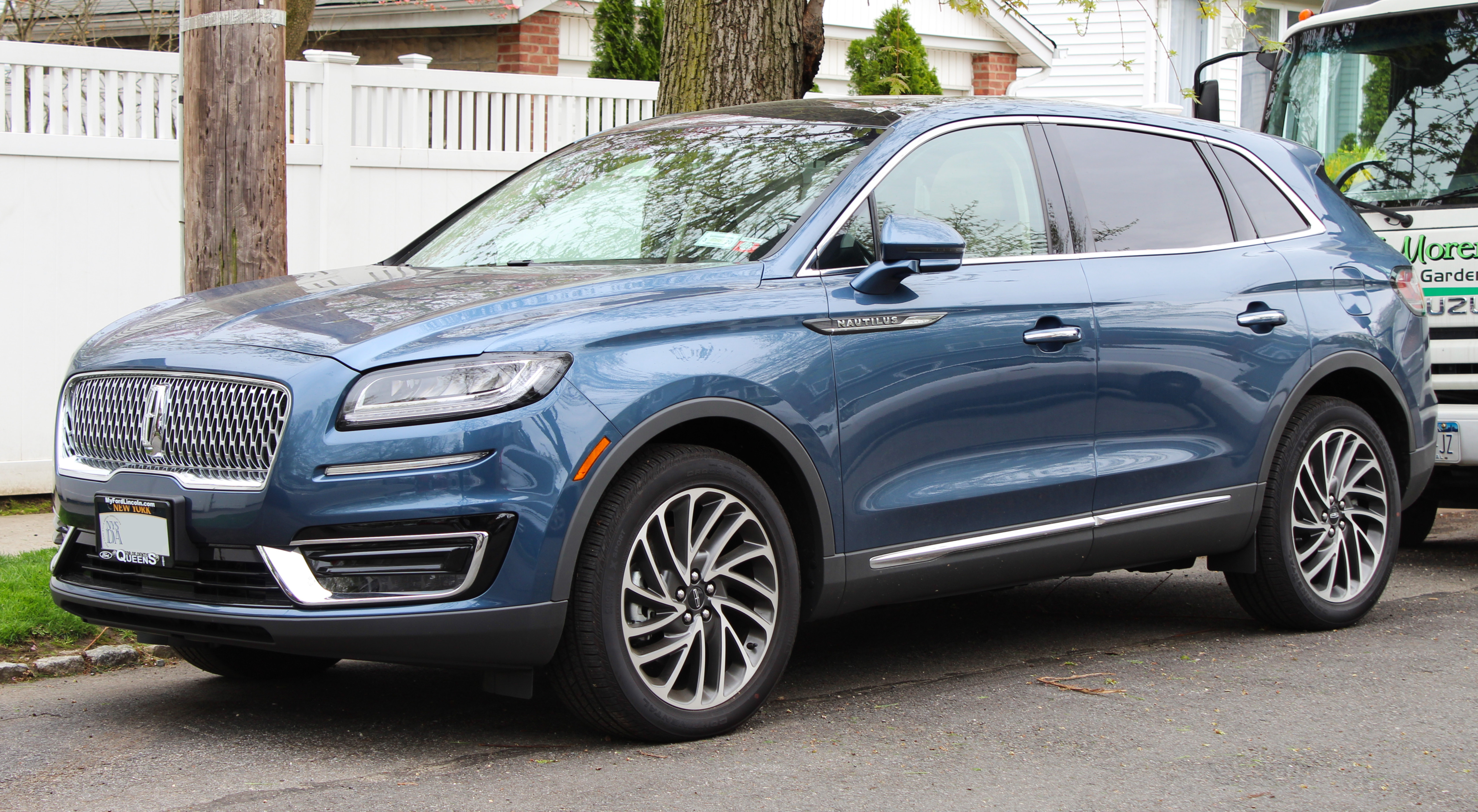
Lincoln Nautilus

Car
Ford Maverick


Car
Toyota Prius

Car
Ford Escape

Car
Ford Explorer


Car
Dodge Challenger

Car
Tesla Model Hy

Car
Seagull
LIVE
Out Online After Hours is brought to you by bridge Stone Tires Solutions for your journey. Hey, everybody, thanks for joining us for another out of line
after Hours. We've got a great topic today. We're going to get into
affordability of cars. Garry vas Lash he's not here today. He's out on
the media launch I think for the Lincoln Nautilus, but he'll be back next week. But I got three great panelists here. They all have something in
common. They've all worked in the automotive industry. Chris Thomas has worked for
Borg Warner as the chief technology officer. You did some work with Neo as
well, right, and now what you're just consulting with. So I've been
consulting for the last six years with a variety of customers including Neo. Uh
huh, so good. That's why I wanted you here. Jack Keebler too
also here, thanks. John worked at General Motors, worked for the Car
work for the Enthusiasm magazines and GM and consulting. Now yeah, and Jamal
also worked at General Motors. Say three separate times, three separate times.
One of them was liaison with Toyota now correct and and Asuzu. But that's
sort of like liaison with your lapdog. So anyway, let's get into this
whole thing of affordability. And Jack, I know that you were the one
who even suggested that should be the topic of this show. And what's your
take on it? Why did you think that was such a good topic for
today's show. Well, I mean, I know that some recent surveys have
have done with customers that are interested in evs, and affordability was that was number one with them. The charging infrastructure is also another concern of THEIRS.
But yeah, affordability, And I mean, if you look at a lot of the new evs that are out there, I guess the average price is something like fifty three thousand dollars. That's about I mean eleven hundred dollars a
month. That's a lot of money. And you know, during the pandemic,
prices rose, inventory shrank, of course, and you know dealers push prices up, which is reasonable their business people. I disagree totally. I
don't think it was reasonable. I think they they contributed heavily to the big
spike of inflation that drove up interest rates that they're now complaining those interest rates are hurting car sales. I think they're part of the cycle. Okay,
but anyway, sorry, I had let me get it off my soapbox here a second. It's just I mean, people were used to prices, you
know, somewhere closer to say, thirty five or forty thousand bucks, right, and fifty three is quite a climb, even ice. The average ice
car is about forty seven thousand, right. Good point. In fact,
I guess you know, all the prices are settling back down again a little bit. Delta between electrics and evs has actually closed slightly. Yes, that's
right. It's like forty five hundred or something like that, or fifty three
hundred something, depends on which you're comparing. I mean, that's the problem
is. I think McKenzie that did a really great study where they looked at
the average price to build a vehicle and they said the ice vehicles about twenty three grand in parts to build it, and the average EV was around thirty two grand. And they said that, you know, over the next five
or seven years, I think they estimated another two and a half thousand dollars will come out of the evs. Was that through battery Chris or was that
through all this other giga casting and casting. But I mean, gig casting
is not unique to you can do that in any truth. True, that's
right. Yeah, but it's the great hope, isn't it. I mean,
that's what everybody's talking about. In fact, they're talking about continue to
get hit in the right rear coorder well right, repair abilities, bigabilities of giant issue in gig castings right and which is castings and nodes in general their issues, which is all with the battery pack in the EV. As soon
as you crumple the battery pack, your your you've totally. So I think
the gig casting may not be the big big I mean, the battery represents about what forty percent of the total value in the vehicle, or at least forty percent. So if you use that thirty two thousand dollars average price to
build a vehicle, and you start saying that the average even that one hundred bucks of kilowatower or pack, you know, and seventy you know, you're talking about seven thousand dollars, so it's twenty you know. Everybody keeps pointing
that out, But you know what is I think it depends what you're comparing to powertrain to power train electric to ICE, right, Because a V eight twin turbo inner cool, all the bells and whistles on it, that's a pretty expensive package. I don't know the price off the top of my head,
but I bet it's around seven to eight grand, especially when you put the transmission to it, or more or more says says the guy who worked inside. Yeah, no, no, it's And somebody else is nodding that.
Yes, absolutely, I mean a twin turbo V eight is, especially if it's a double OVI cam it's you're really it's it's going to be at least that Yeah, So I think that's a fair point to make that, you know, ICE versus BEV. Yes, BEV is more expensive, but
compared to what Now, if you're talking about a naturally aspirated four cylinder engine, you know, with like a six speed manual or six speed automatic, that's pretty cheap. I don't think there's none of those less they're all downsize
boosted mild hybrids, right, I mean, that's really becoming the standard ree turbos. Well, that's just it. All the car companies are hoping for
a crossover where the total cost for the powertrain of an EV is a comparable or actually less than an icy vehicle, right, And they're all things, you know. And it's funny because you can see that happening. You can
see a time where, because of regulatory issues on IC, you're adding so much cost to the engine and there's so little here and you're getting economies of scale that you get out of evs, you don't get at the same level from internal combustment power trains, right, because you're chasing chasing a power levels requirements and then also emission controls. And so when you get done handling those
two big new important areas, suddenly the battery costs. You're watching what's going
on in the batteryville and you're saying, hey, maybe with some new chemistries we can get to the right price. You have companies committing to electric specifically
in hopes that they're going to find that crossover point quickly. The problem is
where that crossover hits, it isn't going to hit for every vehicle at the same time. It'll probably start with one very specific type of vehicle, i
e. The VA, twin PAM or the other way around that. The
cost of regulation to get a car clean means you've got to do a hybrid with a battery pack in it anyway in your IC car, and you're talking about a short range vehicle like a small entry velle. But I'm just saying
it's going to happen at one type of car first, at one company, and another company can find the crossover in an entirely different car. But the
industry wants this to happen like that, and it's not going It will not happen that way. Chris, Why do you think we'll see this crossover?
So I'm maybe a little bit more pessimistic. I think it's a it's going
to take a while, and you really have to the same frame on a wild because here's why I'm asking. A lot of people in the industry are
saying twenty twenty seven is the crossover point. So you've got to look at
the predictable number, but you've got to look at these studies and really get into the details, and most of them look at the full life of the vehicle, including fuel, and they usually start out comparing a diesel vehicle in Europe where it's heavily taxed and there's this really expensive after treatment. But those
those really expensive after treatments, the price is actually dropping because of the drop in internal combustion engines. Platinum rate, platinum, pladium and roadium prices are
dropping. They're crashing there, crashing, right, So the cost of the
after treatment is actually not what it used to be. Right, So therefore
your crossover point gets pushed out for interesting, Right, interesting, I think there's a there's a whole bunch of other and the commodities on the on the on the battery side, just the opposite is happening. Well, well,
but there's been Lithium has been a roller coaster more than than the spikes, right, I mean it's it's been up and down, but frend line is going up. There are also new chemistries which look like there might be some
price reductions there the uh uh iron phosphate boundaries. There are three kinds of
liars in the world. There are liars, damned liars, and battery engineers.
Yeah, I've heard that, but it's true. I mean, I
was wan an EV program at General Motors that just happened to have the name EV in it. The production version. We were before the production version,
and I remember having the battery engineers come and talk to us, and some of them were from hughes Uh when it was a division of General Motors.
They were doing stuff for the Bright Pebble satellite. So they're showing us this
battery and they're telling us the energy in and they say what is this and he goes, well, it's sodium sulfur. I'm like, how do they
react unless they're really hot? He goes, oh they are. And then
I think, well, what kind of money we talking about? It says,
well, these are prototype batteries. We don't know, but this is
if you were to build a Now were probably one hundred thousand bucks. And
he's talking about these little things, and I said, you know how many we'd need for a car, and they knew exactly because it was replacing the lead acid batteries and the impact is what they were doing. And he goes,
I'm confident the price would come down, right. Yeah, I'm sorry.
You need more than that to make a commitment to a technology. And
that's why I say the crossover may be there, but as you say, on some cases, it's going to get pushed out farther. On others.
It may never happen on some cars, but there will be cars it will happen, probably before I died, but I wouldn't even take it bet on that app. You know, the issue is not the technology, it's the
timeline. I mean, that's the thing that really needs to you know,
be discussed, you know, at high resolution. Except the timeline is the
result of the technology. But I mean, if you you command it a
timeline, no, it's exactly my point. In other words, it ends
up being stretched out over a long period of time. We get we usually
get there. I mean we you know, think about how long it took
us to take to the air in airplanes. I mean there were all those
people crashing and burning and and we finally, you know, we get to a place where it takes off and you can go. It goes but they
still it and perfected it. So they don't go up and stay up right,
they don't parachutes. They always come down. I mean, so it's
like, but yeah, it takes time. It takes time, and you
know what, people are not patient. I mean when you look at things
like electrification, or you look at things like autonomy. Unfortunately, there were
a lot of people out there that were promoting these technologies and saying, hey, they're going to they're going to show up a lot sooner than they are.
And I mean some of us saw some of those dates, like twenty twenty six to twenty thirty, and you're like, you know what it's actually, it's out further on the horizon. A former head of Ford said in
twenty nineteen they'd be selling their autonomous car, right, yeah, But you know it was because the going away Listen, it was it was the leaders in the field who were looking at the rate of improvement that were making those predictions. Was the Chris Armsoms of the world in the Rethebascian thrones that we're
saying. Everybody knows that you get into maturation curves when you start doing new
product, in any new development, it tends to be very sharp. And
as you get to the area where it's becoming mature, let's fgure out we're going to do these things, get really close to flat and there's a point at which you pour cubic money in for two and a half percent if you're lucky at a point. But with autonomy, I mean even if you're ninety
nine point percent, you're not good. You're killing thousands of people, right,
So you know here it's going to be right, I know, but say those really colnic cases. Takes a long time, and this is this
is where I think the industry has got to come clean with the public and say, look, autonomous cars are never going to be perfect. They are
going to get in accidents, and people are going to get killed in those accidents. But they're going to get in far fewer accidents, and we could
save thirty thousand people a year just in the US alone. We could prevent
two million people from going to the hospital. So to me, waiting for
perfection is there's a difference between perfection and something that I mean, I'm sorry they keep using aircraft as an example. It's a horrible example. Aircraft when
they're operating in a fully autonous mode, are operating in a two dimensional environment that has a control system that deliberately keeps them space depart Now, if we're going to have autonomy, the thing that scared me the most of autonomy was the time in which it's the interregnum before the non autonomous vehicles are gone, and it's when you have the mixed pool of vehicles and actually, guess worse than not though, when you have the vehicles that are partially autonomous. Right,
we have them today, the super crews, the crews these vehicles are actually making the existing drivers worse because they're not having that those hours and hours behind the wheel anymore. Right, They're losing skills. They're losing skills,
They're losing that instinct cur everybody's looking at their phone. I mean, I
think that's the real Colt party here. Why can't both things be true?
It is both. They're losing skills because they're using the phone and the car
can drive them when it can't. Every now and then they have an oh
my god moment, you know, where they drop the phone and go like, oh, but the technology. I'll tell you the technology is there today
to solve that problem. Uh my keyfob when I go to stop, I
reach in the car to start the car. If it's in my right pocket,
is inside the door, it will start. If it's in the left
pocket, the vehicle won't stop because it's outside the car. You we have
the the technology today to know where that keyfob is within within the centimeters we know how, we have the technology know whether where the phones are. So
I think some of the stuff that that Steve Keif has been doing on distracted driving, the you know, there's there's lots of technology out there that we could be implementing today to solve that problem. Well, you know, look,
you're in Michigan right now, and in many states across the country you cannot have a phone in your hand. Its right be paired. But there's
even a problem with paired phones when you're having a conversation. And the reason
is here. Here's the difference between talking to somebody, even with a pared
phone, versus them sitting next to you. If somebody cuts in front of
you, if a dog runs into the street, if you're making a turn, the person sitting next to you shuts up. They let you do whatever
you got to point it out. They might even point it out when you're
on the phone. They're just blah blah blah blah blah, And somehow or
other, we feel this compunction that we've got to stay, you know, in conversation with all this craziness going on around the street. Get them.
So what I think we need is uh And look, I'm not the first to say this. This was this was I learned about this decades ago from
the Umtree University Michigan Transportation Research Institute. The car companies need to work with
the phone company so that if you're decelerating i e. Getting on the brakes
and you're decelerating at XG's or point g's, your phone cuts out or the person at the other end. It's a signal if you're turning the steering wheel
at a given rate of you know, that's indicating an abrupt turn. Boom,
it cuts it. So there's got to be things that that goes are
all great, but you know what, all of those fly in the face of one thing, what freedom affordability. That's true, I'm serious. Yeah,
how so, because you need sensors and a network to manage that, you're adding costs to the car. Well not in there now, that's my
point. The issue is affordability of cars today. Okay, I'm just saying
I'm adding dollars, but I would argue I'm adding a few cents really, and and the payoff is huge in terms of safety. But not to the
car companies. Well, look, they have a societal obligation, don't they.
That's not my point. My point is that that when you start putting
technology in cars, if you want to you want to find affordable cars, go back and look at one of the affordable cars of nineteen sixty nine, the new Maverick MM and look what's not in it everything? Yeah, that's
the radio heater. That was the first car I bought it. I bought
it used. It was a three on the tree in line six. And
it's not like I look back on that car fondly. I don't. But
it was a set of wheels that I could afford at the time, and it didn't have anything on it. No, I mean they even killed a
lug nut from it. That's what I loved. They went to four lug
nut wheels back on that craft you were introducing fives and falcons they went and it's like, why saves money? But Chris would would the public accept a
strip down car? No? I don't think so. I mean I think
they if you look at especially the younger bias today, they want the big screens, they want the entertainment system, they want the subwolf of they want all of the bells and whistles. Right, that's more important than what's under
the hood. So so when we get to this affordability thing, that's my
question. You know, there's this big push right now. All we have
to have in expense of small electric cars. I'm not sure that's what Americans
want unless it says really compelling, small electric car, really compelling. It's
got to be the equivalent of what the Volkswagen Beetle was in this country back in the sixties and seventies, remember seventy Remember the least appropriately named car of the past, like twenty five years in the Soudan States was the Smart Played It Simply it was. It was just the wrong name for that car.
Because here you had a car that made a very bold design statement, and especially in europ when they came out, it was it was different, it was funky, there was if something about it. It had something. The
problem was, by the time it got to the States, here's this car that has all those aspects, none of which are important for the average American buyer. So here's the product, and the product is a two seater.
It doesn't get especially good fuel economy. In fact, at the time,
a Prius got better fuel economy, and guess what, it didn't cost that much more. So you get into this thing about it's not just that it's
affordable, it has to be appealingly affordable. But even more, that car
drove terrible gives it terribly. And so when I talk about having a compelling
car, the average fire probably right now, the median buyer, now I suspect doesn't care that a car by our metric drives, well, I would, I would, I would, I would be surprised. They wanted to
be comfortable, they wanted to be quiet, so they conduct whatever they're doing in the car. I think they wanted to be safe. Yeah, right,
but that's right now. But nobody's going to tell you they want a
safe car because they're expecting it to be safe. Oh sure, but but
I mean they I've seen the structure of a smart car and the those the Tritian and huge box sections to because the cost so small, it doesn't have crumple zones, right, So so I mean they did a good job of engineering to make it safe. But boy, if you get to hit by
F three fifty, it's still it's mass still is but momentum is mass times philosophy, Yeah, I agree. Agree. It was an engineer's car.
It was a car that was created by engineers for a need they perceive, right, But the problem was it was not fun to drive. If it
had been a fund to drive car, it would have been a whole like that. That's that's a dangerous one because your definition of funded drive. For
some it had they had a convertible version, take the top off. For
a lot of people, that's funded drive. That's all they care about.
That's it. Did we chase people out of small cars though, I mean,
with so many of these big vehicles on the road, the big SUVs and the big pickups, I mean, you feel a little bit of a threat. The chasing started before that, but his his I mean, I
think there's unintended consequences of cafe rules part of it. So it used to
be we would make small cars like the you know, the Ford Escorts, and Ford would sell them almost you know, car straight so that they could sell so that they could sell Lincoln town cars. Well that's past past the
stroke, but yeah, but but but they would they would make small pass cars so they could sell big pass cars, and the corporate average fuel economy would be would be at that the standard. Once we went to the footprint
rule, which basically says it's the track of the vehicle times the wheelbase.
Right, now all of that changes, Right, you don't have to make small cars, So why why would you make small cars if you if you're not going to make money, and nobody is making small cars, right, but you know well that the other part of the other tale of that is the you could take a vehicle like a Ford Escape. If it's a front
wheel drive, it's classed as a passenger car. If it's an all wheel
drive, it's classed as a truck. Now it's a really I won't say
lousy, but it's not a good passenger car for its for its for its footprint. So what respect versus versus the standard for its footprint, it actually
pulls their average down. If in the truck fleet, it actually pulls their
average up. So that's why you see all wheel drives being being offered in
jeeps and escapes, and and you're saying that's all because of cafe going to it's a I think it's an unintended consequence of the footprint rules and having a separate pastcar and truck fleet, right, So so these things are combined.
This is why I think this is contributed to the rise in SUVs and and those. It's not just show people like driving them. People like sitting upaya,
they like the all wheel drive utility. No one buys a car for
the regulatory reasons. They just don't. No, no, but but the
obams have to put so much more money into a small passenger. But that's
what Cafe did when they started a cafe, they had separate car and truck cafe. If you went to the people that wrote the cafe bill and said,
because of this in two thousand and one, the US vehicle market will be a majority of trucks, and they'd say, no, it isn't.
That's not it. This is to get people to be more responsible. Regulations
have a tendency to have consequences that are not expected. Half of those tend
to be beneficial to the intent. The other half never are. And the
thing is they are. It's literally not forecastable because when they did the regulation,
originally splitting it, they didn't about footprint. Well, no, in
twenty twelve, I know that, I know that, But my point is that the mechanism was already in play by then. SUVs when you saw it,
Remember there was a while in the US when the biggest selling family vehicle was single brand vehicle Explorer. No before that Chrysler Minivan. Okay, then
in the course of twenty months, jeep, well if they had one.
Anyway, Ford General Motors introduced four or compact cross or compact SUVs, and the markers I could throw a switch in the market and you could see the migration from one to the other. You saw it, and that was before
long before footprint that the the direction was going that way. Footprint only made
it confusing for the manufacturers where they got into this split front drive or two wheel drive or full wheel drive. Other than that, to the customer,
these are they're building the cars. I like, yeah, but you couldn't
really buy a V eight passenger car right there weren't that many of them where you could go buy a V eight. But that's a V eight. That's
where the things started. That's why in two thousand and one you had the
crossover. And it's funny because if you looked psychographically, there was a program
we worked on. It was to build the GMT four hundred trucks, so
it was the previous generation truck, Silverado. It's Olberada. We went and
talked to customers about it, and my favorite was when we're in Oklahoma and it's an owner. He has this incredibly sharp, completely done up Chevy pickup
a c K fifteen hundred, ACEEE fifteen hundred, and he's got this bed cover on it, and I say what do you put in the bed?
And he goes nothing. He was a guy that bought mighty Carlos and things
like Cutlas Supremes with V eights. This was his V eight he could buy
and that's exactly what he bought. So that even took a customer with a
different psychographic attitude and then put it into trucks, and then those trucks drove a huge part of the recreational, the non working truck market for a long time. You wanted to sell to those buyers because they liked him, and
they kept in three years and got another one where the average truck buyer before that holding the truck a little longer. But don't you think we chase a
lot of people out of the small cars too? Because well, so Jack,
Well, because you're there's a threat. You know, he's bigger than
I am. And back to your physics, you know, you know the
bigger vehicle is going to win. The FA's always been there though, hasn't
it when it started? But there's more of them than that. There's not
a percentage of the fleet. But if you go back half a century,
there were big American sedans and people didn't want to buy little cars vegas unless they were compelling. And the Volkswagon Beetle, you know, they sold half
a million a year just of that one model. And I don't know is
that there's been any other recent small car as compelling as the Beetle was in its day. But getting back to you know, accidents and and uh far
as data and things like that, I mean, when you start looking this, it's you know who who who is going to go out and buy a vehicle that's not going to make their family say nobody? Right, So I
mean when you're when you're trying to make a buying decision, you're you're, you're, you've got that's got to be one of the factors you weigh literally when you're trying to make a decision. So in this whole discussion of affordability,
small cars are not the answer, is what I'm getting from this conversation.
Here's the thing. It's you have to have a compelling reason that that
borders on an obsession for why you want to buy a car that's right now, it's very small or very large. Whatever it is you for cars that
are playing in these weird edges, there has to be an obsessive reason to buy it. The truth is this served mini for a while. It did.
People just wanted a Mini and because it was a compelling state that was a fund to drive cars to job right, it had like a go ca It did, and there are a lot of people that never knew that.
They never knew it, that's right, But they still enjoyed the car.
They may not have ever pushed it to it. But it's my contempt was
in a spree, you know, it's my contention that people that bought smarts that that was the same for them. Yeah, but you know they there
weren't enough of them, that's the problem. No, that's not even that
they had. That manumatic transmission drove was abysmally bad. Abysms Oh it was.
It was lousy. Had they had they done something different with the transmission
transmission with a saulted right? Ah? No, Ask all of the people
that bought dual clutch focuses, but that was a dry clutch. It was
a dry clutch. Yeah. See, we're finding engineering solutions for bad mechanizations.
That's my point, But that was a good thing. That was a
cost driven thing. Ford went on the cheap with that. They should have
paid for a wet clutch, and then they wouldn't have all these warranty issues that they're running into. Right, So that was that the dry clutch,
right, that they didn't have the issues in Europe because expectations are different because they're not a bunch of automatic owners. Well that's part of it, but
also you're you're in an ecosystem where you're driving with them with manual transmission vehicles, and so when you're in stop and go traffic, people move, you know, the twenty feet and stop twenty feet and stop right because they're in a manual transmission. You're in an automatic and everybody's creeping along. You can
be creeping along with with your with your dual clutch transmission, and that dry clutch is just can be slipping and slipping and slipping and it's going to overheat.
And that's that's the issues. Right. A wet clutch you can get
away with it, right. Yeah, generally had a fire torque too.
Yeah, see engineering Solutions for environmentally. Oh no, I think that was
probably a purchasing decision. Not an engineering one, right if they The fact
is they could buy the thing. Somebody engineered a dry clutch and probably sold
it as being just as good. Yeah. Well, and if you sell
it former companies they did wet only one. They didn't do the dry one.
Okay, they knew better, Yeah they did. I mean, the
truth is that the mechanization that was first in the dsgs was phenomenal. It
really was. You're right. Was it as good as was it as smooth
and as progressive as an auto? Regular automatic? No? In Europe,
it depends on the calibration. You could make it. You could make it
that way, Yeah, could make it that way. People kind of liked
a little bit stuff for shifts when if they bought a dual clutch felt sportier, felt sportier. But and you can do shifts in they're fast, fractions
of a tenth of a seconds, right, eight sconds when you prolong the shift. There's also a durability question for how long the transmission lasts. No,
the fluid mitigates a lot of those issues. Yeah, but for fluid
drive, right, not for dry clutch. Well, is that maybe one
of the reasons that was an issue In words, they're trying to not I think such engagements and nine it's all creep creep and slow speed stuff. As
I understanding, they also were an interesting one where they did the first year there were thirteen software revisions to it. And I'm hearing them trying to do
software revision to get it to shift better, so it's more like a DSG.
And I said, this is like having a house and having software to add how had rooms doesn't work? Okay, there's a physical issue here,
right, And you know they never did they never did really address it.
Hey, look, we got to take a quick commercial break. We're going
to come back and talk more about affordability. How do you breach don't tire
stock shorter on what roads? Is their hydrotrack technology, But you don't have
to know how the science works, just where the break is. What really
matters is they're breached down, all right? How do we get the prices
the cars down? Chris? What you have said all along is there's a
whole bunch of different things. You got to look at total cost of ownership
and a bunch of things. Right. Well, No, I think that
when they do those cost comparisons, they use total cost of ownership so that they have this higher price of the fuel to try and get the cost parity on gas versus electric electric. But I think if you want to talk about
getting the the cost of vehicles down, you've got sort of a I would say, an arsenal of traditional ways that we've used in the past. You
know, there's the part reduction, commonization, volume bundling. This is where
you you say, hey, I'm going to source these A MG pistons at the same time I'm sourcing my high volume six cylinder pistons, and you go to the supplier at the same time and say I want the best price on both of these, and that they have to give you a decent price on on those those small volume things. Then, so that that's that's one technique
that the oms have used. I think offshoring, you know, going to
a companies in I mean it used to be Korea, then it was China.
Now it's ending up being Vietnam and Thailand and others. And it's really
you know, initially people say, oh, it's the cost of labor, and it's not. It's actually the cost of energy is the big thing.
Because when you start thinking about you know, if you're going to make an aluminum oil pan or alf cover this. This takes an immense amount of energy
to first of all take the box site and make the aluminum, and then take these aluminum ingots and melt them down and put them in a holding furnace.
And there's energy all all along the on along that chain. And if
you've got energy fractions of a penny of Kilowa tower in China versus you know, commercial electricity in the US might be five or seven cents depending on or in some areas of the country it's thirty cents. You can never be competitive.
The pennies add up the pennies out of big time, right, So so I think that so it's not labor you're saying, it's not just labor.
It's a part of it, and it's a big part of it, but it's the whole. The whole enterprise has cost production through it. But
then you do have to put the thing in a box and then somehow get it to where you're building the car, right, and then you've got supply chain long supply chains. But it's it's shipping is actually pretty cheap compared to
the you know, the car as long as the shipping routes, sir, Well, that's right. Yeah, I think that's going to become an increasingly
an issue. You know, you look at the choke points in the world.
Huti's firing missiles into the Red Sea. That's going to shut down the
Seuwez Canal, right, Malacca Strait is another one. Uh. You know,
you got Russia Eye and the Arctic Ocean, which looks like the century is going to open up. Bearing Street is going to be a real choke
point too. So yeah, I'm not sure the industry is going to be
able to count on the shipping routes we've all grown up with. It's another
aspect of this that's geopolitical, and that's the basic deglobalization that's happening with certain parts of industries that have a direct effect on the auto industry, specifically electronics.
Right. Everybody's building a chip center Japan, the United States. Right,
And when this is all done, where are the cheapest chips going to come from? Well, where cheap energy is, to your point, or
available energy? Right? Okay, Because another thing is it takes energy to
deglobalize at a national and national basis. We want to build more stuff in
this country. We have to create more electricity. This is not even talking
about electric vehicles, putting in the equation. We have to There's no way
around it. And that's true for any other country. If you're going to
start to ramp up what you build, you have to have the power to build the parts you also need. And this is where it's going to get
really ugly. And I'll get off this quickly. Is a population the right
age to do it, and that's the one that's the twelve ton gorilla in the room. Because there are countries in the countries in Europe where the median
age is so high now and there is no one to backfill for jobs, there is no one to contribute to the economy for the retirees, or there is, but it's a reduced rate. This is a giant issue which is
going to put more demand on making affordable vehicles. I'm glad you brought it
back to that. Yeah, that's the point, because the thing is it's
the traditional ways of making cars affordable tend to be rather ugly. I disagree.
I think there's some good there's some good ways of doing if you show those offshoring, there's there's different things. But you know, if you look
at material changes. You know, when when I was working on the Pensyesta
V six, and we actually make conscious decisions to use cast iron camshafts, a cast iron camshaft is maybe ten or twelve dollars each. Right, All
of the other V six's are using steel or assembled steel camshafts, which are forty or fifty dollars each. Now that the issue is is that the over
the nose camshrafts, right there's that lobe, is how much stress you have that you redesign the valve train to be able to live with it. So
you still get the map, right, but if still get the maximum lift of the valve for performance, but you design the valve trains so that you can meet that that cam stress. That's good engineering. That's engineering cost out
and you end up saving one hundred and fifty bucks an engine. And and
but that's that's a great way of material. So I seeing a really good
price. But we're seeing the same thing in electrification today, right, So
we're seeing electric motors. You know, as we move to eight hundred volts,
you're seeing peak being used on the on the coating of the wires, and peak is really expensive. It's a peak, it's a it's a flora.
I'm not sure they it's a fluoropolymer that that goes some sort of plastic.
It's it Basically, it's an insulation so that when when you have the stata and all of these wires, it insulates them from each other. Otherwise
you get normally. It works at high temperatures, it works with weird voltages,
but the whole idea is to keep it from cross shorting. Yeah,
you've basically shorting out. So now you've got a new new materials like PFA,
which is another fluoro carbon that you can end up putting on much thinner, which means that you get more copper, right, and so the kopper fills higher, resistance goes down, efficiency of the motor goes up. But
the PFA is actually it costs about the same, but because you're using much much less of it, because it's thinner, because it has better voltage, Braker, therees innovation happening everywhere, that's going to take money out. I
mean, it ends up costing half as much just for that. That wasn't
It's dangerous to confuse cost with affordability. Yeah, exactly what leads to the
other Ah, not necessarily what it make something cheaper, it's not going to there's a whole thing about in car companies to do volume. There's a thing
about pricing that's determined by perceived value of feature. For example, feature pricing
a GM, it would just kill products from a pricing standpoint. Oh well
that's this, so that's worth this much you got rolled in. There was
a car that GM did, the GM eighty's, and they were going to put four wheel disc brakes on them, and they didn't do it. Before
it there was a huge fight against doing four wheel discs, not because they didn't want to do them, but because they could come up with a lower cost disc brake. An engineer could have one, they could invent lower cost
disc break and they were still going to throw one hundred and fifty dollars on the price of every car that had it. So where is the incentive in
that respect if you have this thing where you're pricing for features. That's the
part I was saying about the traditional ways of price ara of being affordable or ugly. It's because there's a tendency to think you have to price for elements
on the car and see affordabilities to the customer's face. It's not to the
car companies. And while they are related, they are not interdependent. And
that's the problem. But here's why the affordability issue is maybe the interface with
the customer, but why the industry needs to get into cost reduction. This
is my analysis. Right, the car market has stopped growing. You know,
we peeked out at about seventeen million units. Hopefully we'll get back to
seventeen million unit fifteen right now or yeah, exactly, but I don't think we're ever going to go much above seventeen again, ever, ever, never, ever, even though the population continues to grow. And when you look
at the large volume manufacturers of the world, Toyota, Volkswagen, General Motors, Forward, hon Lah, blah blah, they have not grown in a decade on an inflation adjusted basis. Their revenue is a little bit better than
it was, their volume is not better than it was a decade ago.
So you've got markets that are not growing and car companies that are not growing.
What are you going to do? I mean, the only thing you
can do is raise the prices of your cars or cut the costs to make them or both if you're going to protect your margins. So that's why I
think this affordability issue is so important, because right now, all they're doing is raising their prices. So I guess I think there's several new things that
are coming to market that we haven't seen before. And I talked a bit
about some of the traditional ones. I think generative AI is going to make
a big difference. Generative AI is probably gonna make as big a difference in
the auto industry as comput rated design did, going from drafting tables to to do designing on the tube. And it's probably as big as the Internet,
as big as those two things combined. Okay, I know suppliers today who
are who are using generative AI to do quotes. So it used to be
and OEM puts out a request for quote, and a sales guy will spend three days putting together a quote a mountain of paper. Well, and then
and then he goes to his boss and there's a bunch of stuff wrong, and he goes back and forth, and three weeks later they come up with this quote. Well, now, generative AI, you can point to the
last three hundred quotes you've done that that went out the door and say, do a quote for company X at this volume for this part given given, and it'll be made in this plant, and Generative AI will will take everything that's in it there's been taken into account in the past and do that that quote and it will be now nine percent right in ten seconds? Wow?
Right, So, so think about all the the the improvements they're gonna be made through the supply chain. That's just on. No. I mean there's
so many places it's gonna be used to drawings, right, And let's just I know, suppliers at a high level are using generative AI to write code.
Right. Yeah, there's a danger in that because once you do that,
you know it's out in the public domain. No, that's not true,
is that? No? No? I So there's uh, there's different
levels. So right, there's that GPT four or whatever. Right, Well
there's this actually about full levels of of of of AI. Okay, but
the free one that that you're you know, chat GPT three point five and and there's a whole bunch of other ones out there free. They're free for
a reason, right, It's it's because they're using your data to to to improve their their models, right, and so, and that has unintended consequences if you used it to say, hey, look look at all of my existing pricing, how should I price this? That existing pricing is then parts
of the model, right, the chat gibt four and you know the Copilot that Microsoft runs and several of the other ones that are out there, they run on your PC. They do not get that information does not it does
not go back to the public doom right. So conversely, it has a
more limited basis that it can draw from to do the math. But it's
still good as that's the problem. The open systems have access to so much
more data. But if you're writing a quote and using basing it on your
own data, right, you don't work no, I know, I know you don't yees. So the thing is that it's the development of generator AI
is going to be really interesting in that it'll be fits and spurts, and then somebody will have some sort of giant jump. They had a better database
that were pulling from, and they had basically a streamlined core algorithm they're using.
I think it may also get dumba which I think is already happening.
The chat GiB three point five is is actually kind of getting a little dumber over time. And you also have to I don't think you don't think they'repening
it. No, I don't. I think there's no control. It just
learns. There's nobody that's tweaking something. It it's doing it. Well,
why do you think it's getting dumber? So you've got the the information that
it's being asked and that it's learning from may not be right. Some of
the things that you're pointing it to on the web or that it's pointing to may not be right. Right. You know, the the higher level versions
of AI, you can point it to your internal information, right, you can point it to which has good fidelity, right, and you can you know what's substantiated right, right, You can point it to to external databases that you subscribe to. You can point it to things on the web,
but it's sites what it's it's actually using. And you can say, yeah,
don't use that sauce right, redo it again, but don't use that source. And so so the the the advanced versions are much better than than
and you think there was real opportunity. I can't even to take cast down
I do. I mean, if if you look at and the the guys
who should be scared, I think are the offshore engineering guys, right, you know, because we we take things like you know, general dimension and Tolert thing of drawings and you ship that to as a work package to be done by somebody in India or or or China, and then it comes back and it's done. That can be done by AI in seconds or minutes.
Right the same with same with you're producing two D drawings of a part so it can go out for quote. We design everything in three D, but
then you still have to do these two D drawings to go out for quote with it and and to sometimes it. I mean when I was at christ
it would take two or three weeks to get a two D drawings. And
this is a quality designer to do this first. You know, a cylinder
head or or an engine block that can be done now in in in seconds or minutes for sure. So I think that's the the efficiencies are going to
be there. And but some of the offshoring work that's happening, I think
that's going to be Uh, you're a technological optimist, Starry Chris Well, I'm seeing it happen, right, and I'm seeing this happen in different companies, right. I think there's there's a lot going on in in AI that
uh that's gonna be well, isn't it the great hope for for autonomy as well to get some of these vehicles that are actually being used out on the street and maybe maybe use well, you know, AI to that's what right now for full self driving, right, feeding a video clips and learning from that. But getting back to what you were talking about too, the AI
system can learn bad at driving habits, so you've got to make sure you don't make sure only you teach you the good ones. But you and I
talked about the uh actually last time I was on the show about Comma dot AI. It's a this is an add on system. So you talk about
OEM's charging you know, ten grand for for super crews or Blue crewise And this is an add on system that you basically plug into the camera on your on your vehicle. It has to be equipped with lane keeping and but but
that uses AI to drive your vehicle, and so it taps into the basic aid ass system it does. It taps into the ad AS system up by
the camera. It's been on sale for a number of years. Yeah,
it's fifteen hundred bucks. So how do we what what's the credibility of this
system? I mean, have we had crashes, have we had accidents?
I don't know what what the credible but but there's been I think there's been, you know, a lot of them fold and there is for the same system runs on many different vehicles. You can, you know, google it
right now, Comma dot ai right up. It'll have a list of the
cars that it works on. I've looked into this, but I never had
a car on the list that met it, so I didn't buy it.
Yeah, but I'd love to find somebody who are So if anybody out there in the audience knows all about this and you've got experience, let us know, right absolutely. Yeah. I think that The other new thing that I
think that's happening is we were seeing new players and electrification is really letting new players come into the market. Nideck was a company that grew making them electric
motors for disk drives, right and the biggest in the world are doing that.
But disk drives are going solid state. People aren't buying PCs anymore.
They just have their iPads or phones, So that market is declining, so they're actually moving upstream and selling electric motors for electric vehicles, and they're coming in at the bottom of the market and not quite meeting the specifications of the OEMs put out, but they may be good enough. And if you if
you've read any of Clayton Christiansen's you know the innovatives dilemma, right, that's how it all starts, right, It's it's always at the bottom of the market, and they're doing exactly that and coming in so I think, but there's other new plays. They're kind of a player that you might expect would
have invade. LG was one that that GM kind of dragged in a couple,
you know, ten years ago. But there's new players like Fox con
Right and Wistron from from Taiwan and Flex Electronics. These are guys that are
used to operating at this one percent margin or two percent margin type of and and they're excellent execution the right and they have economies of scale in buying that the auto industry will never have. So when those guys come in and start
making your power electronics, that's when you should be scared. And it's not
that far away, So you is an interesting thing bringing this back to the whole affordability thing. And we talked about this with Jeff Stout from Yangfang Uh.
He believes that this is opening the door, This whole affordability issue is opening the door for I don't know what you want to call it, micro mobility, neighborhood mobility, you know, a whole new class of vehicles and more than scooters. So but any any v's and any vs because the Chinese
have any of these too, right, yeah? Yeah, But if you
go to upscale communities or if you go to retirement communities and like, what's the hottest thing, the hottest thing, you know. I was down in
Florida a year ago and uh we were in uh uh south of Miami.
Miami anyway, very upscale thing. All the teenagers we're driving these these electric
golf cars with cool wheels. That's the thing. You have to put cool
wheel is on them and customize. But is this going to be I mean,
are these things out in traffic with the fifties we were talking about earlier.
Yeah yeah, yeah, but they're not legal on roads with speed limits I think above twenty five miles an hour. Maybe it's thirty miles thirty five.
So you're you're so, yeah, you got big ponking vehicles around you.
But it's you know, it's suburban kind of neighborhood suburban speeds, that driving at kind of thing. Yeah, but I'm wondering is this going to
fill the gap in affordability? So I think what happens here is is I
call it the Wooling method of cost reduction, right, wooling the little hon KHUAVV forty five dollars right exactly. So, so how do they get that?
They do not do what Tesla's doing right. Tesla makes these these giga
castings and bespoke system systems that require eleven thousand ton high pressure die cast sixteen sixteen thousand, So they but they don't do that right. What they're doing
is that they basically source all of the parts individually, and they have three, five, or even seven different suppliers for each component, and they only give the components the source of commones to the bottom three and price right, And you want to talk about driving price out on the on the supply chain, and you know, all of the suppliers cut their together, cutting their margins, but they're also cutting their all of the fat in the system, and that's how they get down to those things. Now, my only question
is is that sustainable because I've only seen a little bit of Ruling's financials once two years ago, and by by calculation revenue divided, you know, or profits divided by vehicles, they're making twenty dollars a car profit. Yeah,
so I actually saw something published that said it was fourteen on the on the on the evs. But that was allowing them to do kind of like the
old we're talking about before they were then selling a bunch of their their minivans and other vehicles because they had to meet this the the China average fleet, and so they were they were making all these little EV's so that they could keep se someing minivans as a big profit. So but yeah, maybe it
wasn't that profit to ble after all. But well, you know, look
there's something if you're a challenger and you want to break into the market, Hey, you know, you shouldn't expect to be wealthy and rich right off off the bad that's your way, and they're earning the way. I mean,
I think the Mini EV is the second best selling EV in China, second only to the Model hy right, it's actually I've sold it sometimes in some months. Yeah. Well now they d is right, Yeah, Mark
a monster that the definition of tofu dreg. You know, we didn't talk
much about the model too, I mean, speaking of Tesla and affordability, I mean, that's supposed to be the next cool, interesting threat, right Bill Mexico shift the United States twenty five thousand dollars smaller. But the thing
is, the one aspect that we know about it that has got me enthralled is this new assembly process. You know what they're calling unboxed assembly. This
gets back to what you were saying earlier, Chris, And you know, this stuff starts generating all kinds of new technology, new ideas, new ways of doing things. I love what Tesla's doing. I don't know if it's
going to work, but I love that somebody is trying to take the moving assembly line, which we know is inherently inefficient, and try to figure out a way to make it a whole lot more efficient. Not the tests or
not the Toyota way of Kaisen improvements, little steps at a time, but blowing the whole thing up and redoing it in a new way. Well,
they're saying This model too, is so small that they're going to do an entire floorboard like a skateboard in one casting, and that's when they'll be at, you know, sixteen thousand tons to create the the skateboard. But but
you know, I think let's step back and look at look at history as well. The Model three was announced that it was gonna be a thirty five
thousand dollars car. That's a good point, right, And it sat an
average transaction price fifty five fifty six thousand for years, and now it's down into I think so fifty but not that much below fifty, right, So to say it's a twenty five thousand dollars maybe maybe there'll be one specification of that that could be that, but no, it's going to have to be.
Look, they're really good, they're really good at promising pricing. They
don't deliver. Yeah, it's simply they just thought changed. Look there's a
raging price war going on in China, right, risk this thing comes off way above twenty five thousand dollars. Tesla's dead with the Model too. It
knows it's got to be able to compete with with BYD. I've driven the
BYD Seagull. It was eleven thousand, five hundred dollars. It's a pretty
good look card. Guess what they just chopped the price against client vehicle.
The seagull is not a compliant vehicle, you know, States, And again getting back to you know my concern about safety, right, it's an awfully small light vehicle to be running around with F one fifties big suv. It
was not designed to be US crash standards. But I'll bet you China China
crash dandards, which is almost as tough as US. In fact, I'm
not sure there's that much different anymore. If you get, if you pass
pass the China crash standards, I would bet oh, you still have a problem with offset. There's a problem with offset in Chinese standards. That's not
in harmony yet it doesn't matter. You know, they'll get there. And
even if it's not going to be eleven five hundred dollars in the United States, it's going to be well under twenty grand. That's reason well under twenty
grand. And that's more like what people are talking about when they're talking about
exactly right. But I'll tell you I was in China last year and I
went cost shopping one day and I went through all of the different different OEMs, and I think Chaopung was one that I look at their their P seven vehicle size of a model ass it's you know US model s right, it's it's twenty seven thousand dollars. Oh wow? Right? I mean how how
even if you slap a thirty five percent or twenty six and a half percent, twenty seven and a half import tax, it still ends up being thirty five thousand dollars? Right? A performances this thing it was it was a
seventy kilo battery with you know, two hundred and sixty horse power something, So it wasn't right, it's not a model. It's the sides of models,
but it's not a modelized but it's not saying it looks like a model.
But there's two hundred and sixty seventy horse power. I mean that's more
than enough. How many icy engines are out there with that, right?
Right? I suspect it's heavier than the average car that have a two seventy
horse power Well they yeah, and it's a model sized car. Yeah,
it probably is, but but at that price, there's going to be wanting to buy it. I bet you that perform a toy for Camra. How's
that or some of the careful which Camra well, the ethics camera is actually you get out of when you're like, what, you know, why was it like this twenty years ago instead of now? Yeah, I think you
have to be a little cautious looking at vehicles that are in other markets passing their safety standards, not necessarily European crash standards, but Chinese crash standards or Southeast Asia crash standards, Southeast Asia the different or Latin American crash standards versus the United States. Because I mean Jim was mentioning, you know offset,
I mean that's an extremely difficult test to pass. It requires a lot of
work. Remember if you want to sell cars in the States, they're two
offset tests. You have to pass driver and passenger. No the FMBSS one
and iahs am right right. The Chinese thought they were going to be rolling
into the into the European market hard, and so China Brilliants did who was the partner of BMW in China, brought a car in they started selling it, and a doc the German Auto Club decided to crash test one didn't do well, and they stopped selling them very quickly. My favorite was when the
spot wells on the A pillar that held the A pillar interflange and outer flange unzipped back to about two thirds the way behind the B pillar and ad acts like they didn't expect it to be what it was. They fat it may
not be in they're like, well and and what insurance companies like of that.
The AUDC test, though, is much more robust than the twoth tests.
That's my point. So you have and you have things. There's perception
and there's reality. There's not harmonization yet in offset crash with the US,
we're still an outlier in a way. It's close, it's getting close,
but it's not there. You know. Also, the side impact test Europe
and the US are different. The procedure is different, but it's enough so
you can pass one and not past the other. The cars are equally safe.
They are. It's just your should be harmonized. They should, they
should. The truth is they should, but they're not. And that's the
whole other story. Yeah, that's a whole another show. That's a good
about this harmonization across the EU, China, Japan, United States South Korea that would would reduce some vehicle costs. Oh yeah, great point. Well,
you know what's crazy is it takes seven years for NITSA to write a new safety regulation. It's beyond to get it implemented. Me not to write
it, to get it in implement from the time they say okay, we'll start taking you know, they open up the docket. Yeah, years,
seven years. So this is nuts, you know. And my pet peeve
right now is they've got these great headlamps in Europe, the laser lights.
Yeah, the laser lights. You know, they would not blind oncoming drivers
to improve safety. And it's legal in Europe. It's not legally. Why
why a lot a lot of us it's a lot of time pay for it when I would when I drove a vehicle in Europe with it, you know it basically so a black spots around the oncoming car and everything else is lit up like daylight. And so those those pedestrians are on the side of the
road, you see them, You see them. But you have understand a
lot of European cars that are sold in this country have those lights right now.
No they don't, Yes they do, they're not enabled. It's software.
Yeah. In fact, I had a car that had them and you
know what, had the software activated. You can actually do it. There
are ways to do it. And we were up in Traverse City and it's
like we're in a back road going to Maple City from Traverse City on a road in the middle of night, and it's like, these are the best headlights I have ever experienced in my life. Right, Yeah, And once
you've had them, you're willing to pay for exactly I would pay for it.
Yeah, it's like I hated steering whel I'll never buy a car without it. I hope that's right. Yeah. Why did it take us,
you know, a sentry to figure out to heat the seats? So yeah,
this comes back to affordability. So there's got to be Look, people
want their luxuries, they want their you know, nice things. They're going
to pay for it. But I still come back to the imperative for the
industry is it's an it's in the mature markets. They're no longer growing.
The markets are not growing, and the companies in those markets are not growing.
I mean they make it look like they're growing, but take a look over the last decade and you'll see all the lines have flatlined, the revenue growth, the profitability, it's all flatlined. So with software defined vehicles where
you can turn on features, I mean there was customers love that. Well.
The recent misstep I think with BMW and the heated seats. I forget
how much it was a month to have a heated seat, but it was expensive. People were like, what I've got to pay for this? No,
look, it's got to be compelling, and so you can shut all that stuff off and go get to your affordability. Well, you're not changing
the cost on the vehicles, right, that's true, you're charging everybody else.
That's how you grow your top line. That's how you get around this
this market that's not growing is you you offer things where people go, yeah, that's compelling, I want to buy it. And GM and Ford are
doing a good job with supercrews and Blue crews. People are paying for that.
They want to drive with their hands not on the wheel, right.
Yeah. But as we said, you'll have competitors come into the market.
That will and it's it's not and especially I mean if you look historically, the OEMs have always made money off of First it was NAV systems and then backup cameras and all of these things that cost dollars to put in. But
it really didn't. You know, they're charging two hundred dollars for the for
the system. The screen's already there, you know. Backup cameras easy.
Why did it take so long? But once it was mandated by by regulation
that every car has to have a backup camera, then they that's the price of entry. Every car has it. They can no longer charge that premium.
Now you get this the pressure on the those components to really take cost out because now it's a so so sometimes regulation it's a commodity. Yeah,
exactly. Regulation can actually drive the price down high pressure monitoring systems with the
same way right they were they you had to pay extra for them. Once
they once they were mandated, price plummets of those systems and is part of the base price of the vehicle. That's right. Hey, look we've we've
used up our allotted time here. Great discussion. I'm not sure we solve
things, but we raised a lot of good issues here, you know.
So anyway, I want to thank you all, Chris Thomas, Jim Hall, Jack Hiebler, thanks you guys. This has been a really good discussion,
and I thank all of you for having tuned in. OLL Online after
Hours is brought to you by Bridge Stone Tires Solutions for your Journey
About this episode
The panel dives into the pressing issue of car affordability, discussing how rising prices, particularly for electric vehicles (EVs), are impacting consumers. They explore the average costs of EVs compared to internal combustion engine (ICE) vehicles and the factors contributing to these price hikes, including supply chain challenges and regulatory pressures. The conversation touches on the potential for new technologies and innovations, such as generative AI, to help reduce costs in the automotive industry. The panelists also debate the future of small cars and the evolving preferences of buyers in a market increasingly dominated by larger vehicles.
Original notes
TOPIC: Vehicle Affordability PANEL: Jim Hall, Former GM Design; Jack Keebler, Keebler Auto; Chris Thomas, Consultant; John McElroy, Autoline.tv
Autoline After Hours
Autoline
0:00
62:51