AAH #696 - Struggling To Sell EVs: Getting Inside The Consumer's Head
Autoline After Hours · May 24, 2024
Annotations will appear as you listen
0:00
60:53

Car
Jeep Wagoneer

Car
Jeep Gladiator

Car
Jeep Wrangler

Car
Chevrolet Blazer


Car
Honda Prologue

Car
Tesla Model Y

Car
Dodge Charger
Car
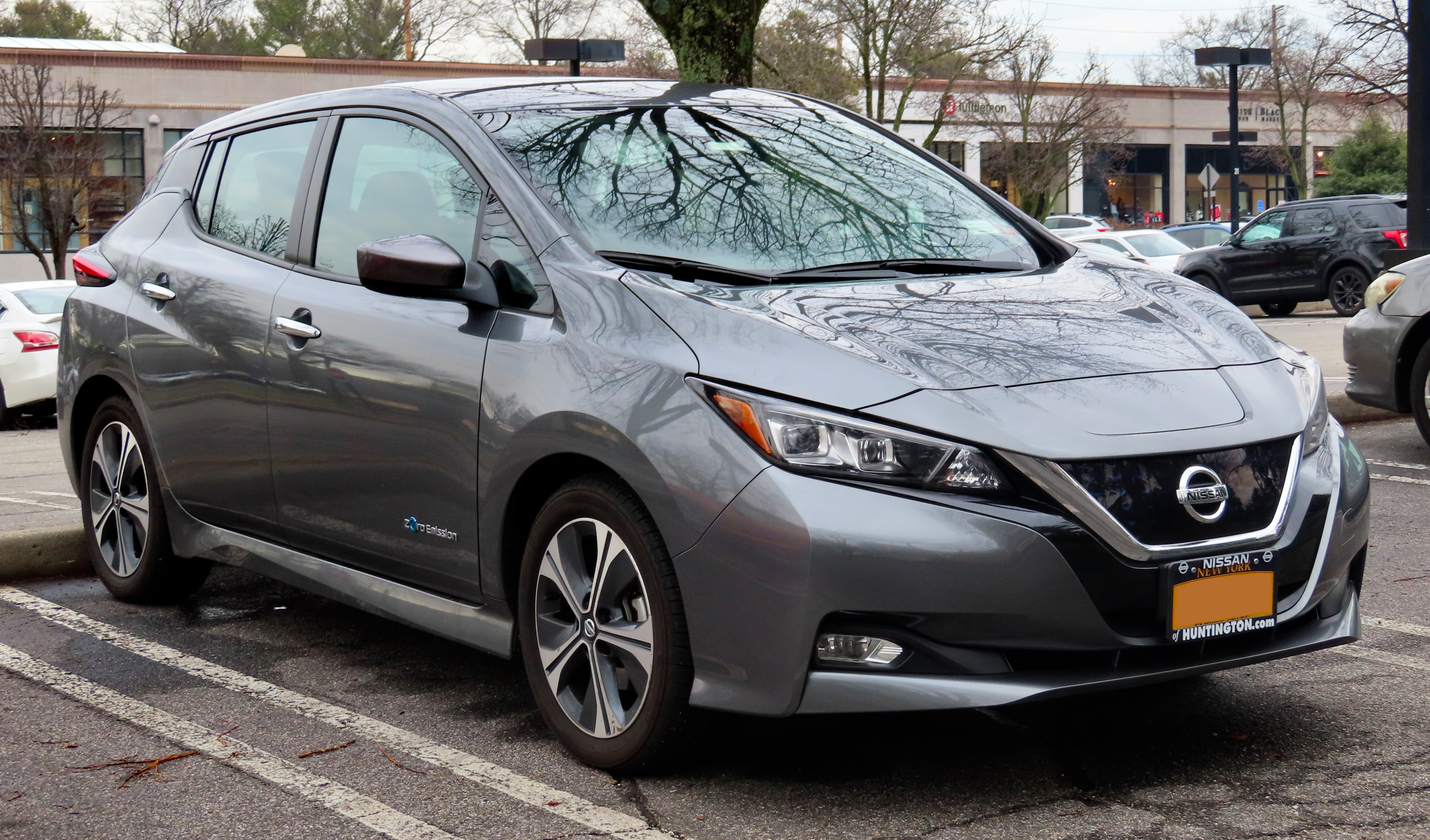
Nissan Leaf

Car
Seagull


Car
Dodge Ram

Car
Hyundai Sonata
Car
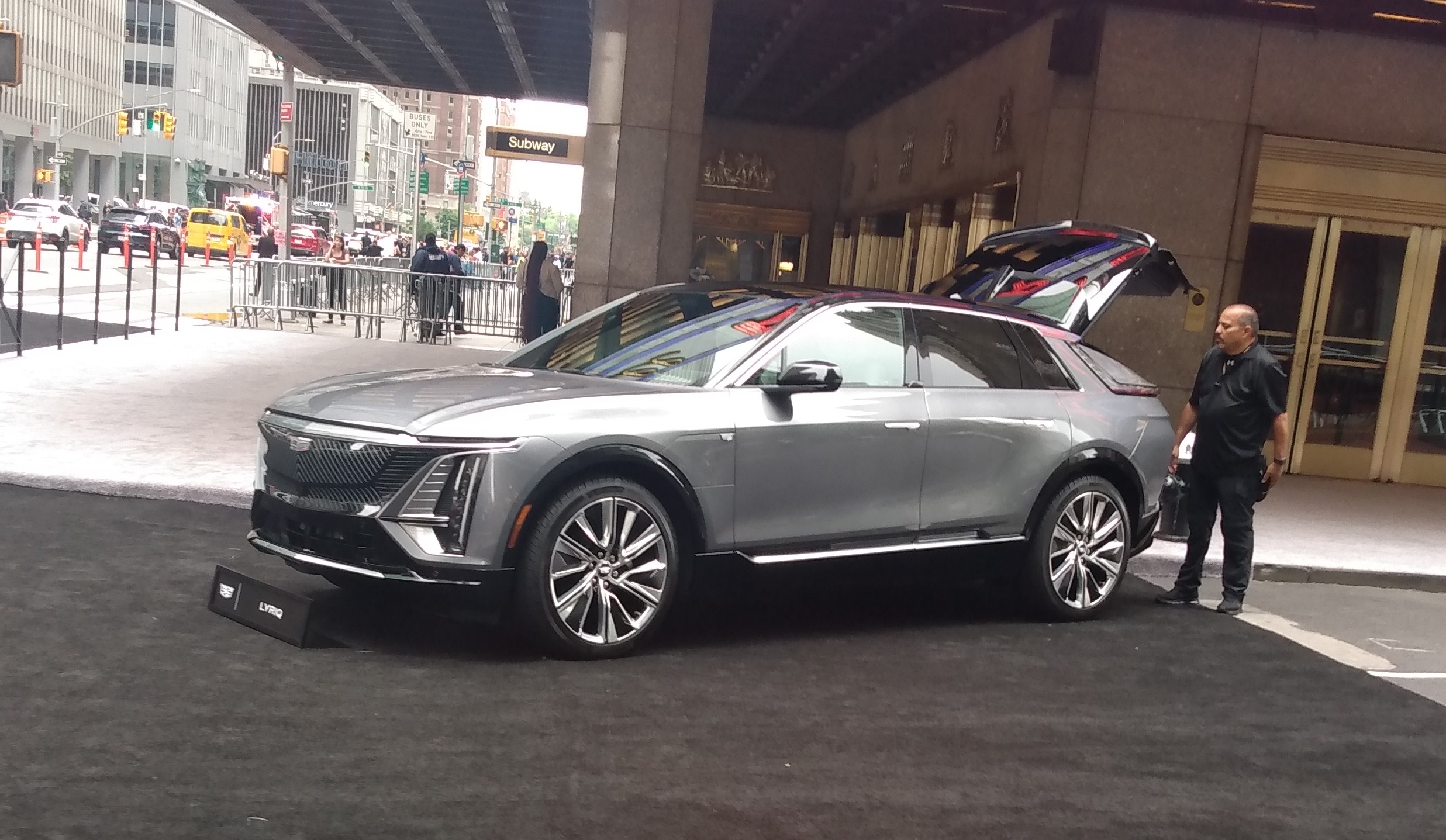
Cadillac Lyric
LIVE
I'll don't line after Hours is brought to you by Bridge Stone Tires Solutions for your journey, Gary John, how are you. I'm doing well. We're
going to learn a lot about electric vehicles. Yeah, we are, absolutely,
but before we do that, I want to ask you some about something.
Okay, So this this weekend Indianapolis five hundred, Yes, Roger Penske locked out the front row. Front rows teams won eighteen times at Indianapolis.
What's the deal? Well, you know, I ran into Mark Royce,
president of General Motors, on Monday, and I said, Mark, what's the deal? What because it's not just uh, it's Pensy on the front
row, but the second row is all Chevrolets too. In fact, I
want to say one run through eight ar Chevrolet ur Chevrolets. I said,
Mark, what did you guys do? He says, we figured out how
to put the turbos in the right place. So I'm sure that doesn't give
away anything. But they figured out how to put the turbos in the right
place. Why is Roger so successful? That's a good question. I asked
Mark the exact same question, and it's just Penske. I mean, this
race means more to him than anything else that he does in his racing activities.
And he's in more than Indy you know, he's sports cars with Porsche, He's and NASCAR, He's all kinds of stuff, but this matters most to him. He owns the brickyard, he owns the Indy five or the
IndyCar Series. Everybody in his shop knows this means more to Roger than anything.
So they put their best foot forward. But they found something. I
don't know if it's aerodynamics. I don't know if it's shot tuning. I
don't know what it is. But yeah, to lock out the front row
like that and to be significantly faster than others, that's remarkable. But now
he's got to win it. Okay, will it be nineteen? I'd say
he's got a really good shot at it. But having said that, the
guy who's really hot in my opinion right now in IndyCar racing is Polo who runs for chip Ganassi, which has Honda Engines. My money's on Pillow.
I think Pensy's going to get another victory. You could be right, No,
he could easily do it. That's why they race. That's right,
that's right, right, So on with the show. Yeah, so we
have Elizabeth Career here now with JD Power now into all kinds of EV stuff, right right, But you got a great background in doing a whole bunch of Jeep stuff. You were what chief engineer on on the Wagoneer or no,
Wrangler and Gladiator platforms and then also the Ram fifteen hundred trucks. Oh
no, kidding the Ram too. So did you work oh wait before I
ask you, dad, and we got Jeff Gilbert here from WW jays, I was chief engineer for nothing. Yeah, yeah, but getting back to
that, So Jeep's doing pretty good with its plug in hybrids. Were you
involved in those? I was, I was. We were just working on
the plans to bring the plug into the Gladiator. It was already on the
ring. Learned we were working to bring that okay, and so in the
early developments. So you had some semi EV stuff in your engineering part of
it. Well, it was because I could see the future going evs.
After I left the Wrangler and Gladiator programs, I jumped over to the advanced planning groups where we were thinking about body on frame, what is that full electric portfolio going to look like? Which would include all the rams, it
would include all the jeep wagoneers. And that's where I thought to myself,
I really want to see this transition from a much broader view, And so this opportunity at JD Power came up, and it's been great really to work with all of the different automakers and watch the transition and always really with a focus on the consumer. Yeah, and I mean that's what I think the
show is going to be about. We want to ask you a whole bunch
of how do you get into the consumer's head? And when it comes to
electric vehicles, the industry has put so much money into it and the customer is just not there, not in the volume that they need. Right,
So let's start with that consumer sentiment, because we have seen a little bit of a softening of consumers interest in evs. And how do we get into
the consumer's head. We survey We have many studies, but the one I'm
going to talk about to answer this question is our shopping survey. We survey
two thousand new vehicle shoppers every single month to gauge their interest in evs.
Last year, twenty nine percent of new vehicle shoppers were very likely to consider an ev Q four Q one of this year, it's been coming down and it's now sitting in about twenty two percent. And the biggest rejection reasons haven't
changed. It's still lack of public charging and affordability, and I'm sure we'll
probably talk about both of those subjects as well. But there's also some other
variables that come in at play. One of them is gas prices. We
see a direct correlation. Gas prices go up, consumer interest in EV's goes
up. Gas prices goes down. We see the opposite inflation interest rates.
The generation that is kind of beating that national average are the gen Ys and the gen zs, and they don't have as much disposable income, so when interest rates skyrocket and inflation, it has an effect. But I also look
at that as a bit of a silver lining, right to know that's the biggest buying market and to know that they're still more likely to purchase an EV is a bit of a bright spot. Another variable is availability. So last
year only forty percent of the market was covered with what we call a viable EV substitute. And what I mean by that is, is there an EV
available that meets consumer preferences relative to perhaps their brand that they're interested in, the price point that they're willing to pay, and the segment. You'll think
about the mid size SUV segment, one of the largest segments in the industry.
Up until this year, there were no mid size evs available, so that plays a factor. And then when that segment got off to a rocky
start, right there was a delay in the Equinox, the Blazer was on a stophole, the prologue took a little bit longer to get into the dealerships.
That plays with consumers sentiment as well. But I mean, if you
found consumers I mean truly want evs or is this a case whereby the industry is doing a push rather than having a pull. Well, it's both to
be product, and that has to be pushed from the interest, sorry, from the industry, for the consumers to consider it. But when we reached
that thirty percent of consumers very interested, that's a big chunk of the industry, and that's still with very little market coverage. And that was still when
we were seeing big differentials between the price points of ice versus EV. So
we've seen a bit of a downturn with some of the other variables in the marketplace, but as available, it has to be an available option, and then the price point has to be there. But infrastructure also, I think
that those early adopters, or we know that those early adopters eighty five percent charge at home, and so to really get to the middle mass market, consumers are going to need to know that they can charge their vehicle. How
much will it help when more and more other brands have access to Tesla's charging network. I finally this week got a demonstration of the adapter, and I
was surprised Ford showed us THEIRS. I was surprised how small it was.
I was expecting this big, long cord and a complicated thing. It was
actually very simple. Will that be a big help? Absolutely, it will
be a big help. When we look at Tesla owners, one of the
top reasons the thing is the second reason why they buy a Tesla is for the supercharger network. And when we look at people shopping for evs and ask
them the reason they're cross shopping with Tesla, it's for the supercharger network.
The Tesla network is ninety six percent reliable, and it went down one percentage point, but that's still fantastic compared to the rest of the industry, which is only eighty one percent reliable, and they have far more ports than the rest of the industry combined. So it will help consumers to know that they
have that option to charge. The big question is will they have the same
customer experience, and we will be watching that. We will be tracking that
every step of the way. Is that because of Tesla eliminating all of the
supercharger people or is that just I mean, the thing I wonder about is is that, Okay, if you buy a Tesla, you're in the club and it's a special club and you get to use a supercharger, right, But now it's opened up to everyone. There's no longer this exclusivity. So
suddenly you could drive up in your Model three or your Model Y or models whatever, and suddenly there's a line of f one fifty lightnings in front of you waiting to charge, And how are you going to feel about that?
So suddenly we have the number one EV manufacturer having a large number of disaffected owners who may do something else, And that's exactly what we will be watching because it can work the opposite way too. Will Tesla be giving priority through
reservations, will they get discounts, will they get other perks that the rest of the industry doesn't have, And then how crowded will those supercharger networks get.
I mean, remember, there's tremendous efforts being made to build the infrastructure.
One of the data points that I found really interesting it was last year I was speaking at the car MBS and I remember saying that EV growth is increasing at four times the amount that infrastructure charger growth is occurring today. A
year later, not even a year later, really eight months later, it's only two and a half times. So that goes to show that the infrastructure,
with all of the funding and the initiatives by all of the automakers, is starting to catch up, but it's still not. There is there a
perception versus reality gap? Because I mean personally, if I was doing a
story on it, I would take a long trip with an EV, but if I had to go to a wedding or something that was really important, I would be a little concerned to do it. I mean, is that
still a lot of the worry on the part of consumers, maybe even more so than the reality I think in terms of shoppers, yes, because they don't know, right, So a shopper needs to be confident that the charging is going to be there. But when we look at our EV owners EV
owners, one of the top reasons for satisfaction of owning an EV is charging at home. Once they experience that I'm charging at home, I never have
to go to a gas station. I never have to be out in the
rain and the cold and the wind, they love that. Ninety six percent
of EV owners will buy an EV again. But eighty five percent of them
have the ability to charge at home, So seventy percent of the market doesn't have you know, if the shopping market doesn't have the ability to or seventy percent has the ability to charge at home, but thirty percent do not.
So they're relying on public charging. And there is a bit of perception because
oftentimes it's not visible, right if they don't own an EV, they're not necessarily looking at the app to see where all of the charging locations are, and they're hearing about these circumstances. You know, the Chicago cold spell,
we saw interest for the reason of charging go down eight percentage points that following month when that happened. So there's a lot at play here. But I
do think that perception is reality, and shoppers need to hear about positive experiences, and the stations need to be reliable. And it's only eighty one percent
reliable. That's that's just not enough. And when you say eighty one percent,
this means that basically nineteen percent people drive in and then they realize they can't charge and they kind of leave right. It could be because they can't
download the app. It could be because it doesn't accept their credit card.
It could be because they have to wait and so then they have to go somewhere else, or it's broken. It could be a number of things.
Hey, you just said something interesting. Ninety six percent of EV owners by
another EV, they say that they're very likely to consider another EV. Okay,
because I thought we had had another show too where it was like Tesla owners are at well, that that was brand loyalty, they go back seventy percent. I'd go back and buy another Tesla, But I thought I had
seen something that fifty percent of EV owners go back to ICE or none EV.
No. Our data is, well, this is interest, okay,
ninety six percent are interested. Okay, so yeah, very loyal to keeping
an EV. And you know the other thing that you just said of it
had been roughly thirty percent interested. Now it's down to twenty two percent.
The industry would still kill to get to twenty kill to get to twenty two percent. Yes, absolutely, So where where do you think EV's will end
up this year? Do you guys? Look at you know, sales forecasting.
You know, so it was one point one million were sold in the US last year. I've seen estimates anywhere from one point three to one point
seven million this year, which is quite you know, that's pretty d We we anticipate anywhere between ten, ten and twelve percent. And this is something
interesting. So that's about one point six million, one point six million.
So this is interesting because I know, John, you and I spoke at that SAE event and we talked a little about capacity versus demand, and I was thinking about those numbers. If the industry is going to sell sixteen million
vehicles and ten percent our evs, that's one point six million EV's this year.
Let's take one of the largest segments in the industry, the compact SUV mass market segment that makes up seventeen percent of industry sales. If we take
seventeen percent of the one point six million evs, that's two hundred and seventy thousand compact SUV evs in the mass market that should sell well, guess how many players there are? Too many? Seven seven And they're big players,
right, Toyota, Hondai, Kia, Volkswagen, Ford, Nissan. So
if you divide that two hundred and seventy up, that's only thirty eight thousand units if you split it evenly. And obviously not every brand has the same
amount of interest, but we know automakers capacitize for more than thirty eight thousand US. You can't make money at thirty eight thousands, not in the middle
market. Well, and that's where there's this going to be, this this
transition as consumer demand catches up with capacity, there's going to need to be incentives in this in this transition to attract them into the vehicles and to really share in what slice of the pie there is is to share. Is this
an incentive coming from the government or an incentive coming from the carmaker or both?
So this is really interesting also, and i'd like to start with let's stick on the subject of the compact SUV segment. The average transaction price for
an ICE in that segment is thirty four four hundred dollars. The average transaction
for an EV in that segment is thirty five six hundred dollars, so twelve hundred dollars. Dec it's very close, it's very in a monthly payment,
it's almost invisible. And that doesn't include the government tax incentive, and it
doesn't include just the sheer operating costs. But a year ago that difference was
fifteen thousand dollars. Right, So we are seeing we're seeing more incentives this
year than last year. Last year, the average incentive overall for an EV
was five hundred dollars. This year it's six thousand, six hundreds as of
last month. So to reach mass market, OEMs have realized that they there
needs to be more incentive beyond just that government incentive. But guess what,
forty percent of new vehicle shoppers don't know about the government incentive. They don't
know how it works, they don't know if they qualify, they don't know how much they'll get. And our data shows that for those that do understand
it, they're nine times more likely to consider an EV. So I look
at that as tremendous opportunity within the within the industry, I editate, and I blame them car companies, Shame on them. I mean they spend billions
of dollars on advertising. That would be were I put my spend if I
wanted to sell evs. Yeah. Absolutely, But when you look at that
that market, I mean, you know, the numbers seem big, but how many people are buying wrap war hybrids. I mean it's it's like it
dwarfs it, and yet somehow there's a fascination with you know, the EV segment of that. Well, you brought up hybrids and a lot of talk
now about EV's, p haves plug in hybrids and then hybrids sheer numbers of growth. Last year, EV growth was fifty percent small face, true hybrids
were only thirty six percent growth, bigger base, I'm sorry, sorry, P haves we're only thirty six percent growth, and then hybrids were fifty three percent growth. So clearly hybrids had more growth. But between the plugins,
the full BAV and the p have the growth was noted in evs and EV's outsold p haves four to one, primarily because there's a lot more more selection for consumers. As a whole understand the concept of a plug in hybrid,
because I've had a lot of people ask me about it, even what they've been out for even about a decade now, even now, a lot of people just don't get the concept. Consumers, what we see is they'll they'll
say hybrid, and I'm not sure that they know the difference between a plug in hybrid and a hybrid. Now, the consumers that we survey for satisfaction,
they're p HAVE owners or BEV owners, so they clearly know the difference.
And another interesting statistic that I find in this whole p HAVE conversation is that when we look at the satisfaction between EV owners for full battery electric and p HAVE owners, the satisfaction is higher their vehicle experience. Satisfaction is higher
in BEV in every single category compared to p HAVE and especially in the total cost of ownership piece. And then p HAVE owners also tell us they are
seventy percent more likely to consider above jump, you know, stepping up into above after that p HAVE experience. That's amazing what you're saying there, because
everyone's uh saying now that look, pebs are the perfect bridge technology. Bridge
is a great word. Yeah, they're a great no range anxiety. You
know, if you can't plug in, no big deal. You fill it
with gas, You're on your way. But you're saying people prefer BEVs Over
PHA why their satisfaction? Get their satisfaction? Hot gets higher scores? The
satisfaction or what do the p have people not like? It's not that they
don't like them, it's just the scores are higher. Do you think they're
higher elective? Well, for example, in that total cost of ownership,
which is which is one that really just measures how is this what is my return on my investment? The the beavs they're getting they're realizing the total savings
between gas and electricity, and with the p HAVE it's a great bridge they can get to and from work. And then that gives them the confidence and
the education. To your point, they now know what it means to plug
in. They they've figured out you know what what that feels like with the
comfort of also having the the gasoline engine is it is a backup. So
did you guys also look at how people feel about hybrids? No, not
in mind, that would be that would be part of the ice world home.
You know what I like about phebs is we all get to test drive them, right, And I point over here because we got a level to charger just outside the studio wall here. So I come in in the morning,
I plug it in. By lunchtime, it's full. I mean they,
you know, because they have such smaller batteries. I find them to
be terrific. Although I will say the full driving experience of a BEV is
a superior experience the drive, especially to ice the driving your performance, I mean veterans come number one. That's a big attractor at the driving performance of
an EV for shoppers. But number two, for veterans, they've gotten used
to that performance and they don't want to go back. And you mean veteran
EV owners, veteran EV owners, and you just mentioned being able to charge at work. That's fantastic that you can do that, and that's a big
need in the industry. We talk so much about fast chargers and be able
to go from Detroit to Chicago, for example. But for those vehicle shoppers
who do not have access to charge at home, when we ask them if you had access to charge at work on a level two, they are forty seven percent more likely to consider an EV. But many workplaces they don't have
them available to consumers, and that is a much less expensive I look at that as a real opportunity because it's to put a level too in a place of work. Is nothing like trying to build up a fast charging infrastructure.
But when you scale that for the number of employees that you have, that does become run big hit in the bottom line. So we should plug You
guys did the twenty twenty four US Electric Vehicle Consideration Study, so that's where many of your numbers come from. So people should be be aware of that.
And I found one thing that was interesting, you know, talking about people driving to work. For example, among shoppers whose daily commute is forty
six to sixty minutes each way, only twenty four percent say they are very likely to consider an EV. Now, I wonder if this goes back to
what Jeff was saying about, you know, a concern about getting somewhere that's a little further. You know, It's what I keep hearing from people just
left and right, is I can't just wake up this morning and decide I'm going to go to Chicago without planning it out. You know, that number
that you just referenced was a big change from last year's study. So in
last year's study commutes over fifty miles the consumer, the percentage point of satisfaction came down thirteen percentage points this year, and it kind of hit this tipping level where last year was like I want to buy an EV, I'm more likely to buy an EV if I have to drive further versus this year we lost thirteen percentage points, and you know, it's we're still you know,
digging through all the nitty gritty details there. But you know, one thing
that we've talked about is that's an indication of that again, that early adopter versus maybe the mass heading into the early majority. The early adopter knew exactly
what their path was going to be, where they're going to charge. They
knew it was right for them before they got it, so they weren't intimidated over fifty miles. That's fine, But now that we're getting more into that
early majority again education, the consumer is going to have to think can I make it in fifty miles, And if they don't have the answer to them, they're going to be less likely to consider. So I don't want to
gloss over something else you said earlier about it is gas prices and going into you know, I'm thinking about this going to consumer psyche. When gas prices
are hot four fifty plus a gallon, then they're worried about their pocketbook.
When gas prices are low, they're worried about their range. So could it
be just you know, what's front of mine, What is your biggest worry today? Could that? Could that be? Could that account for a lot
of the change. The range is also an education, right, and that's
also part of the experience. So pretty consistently less than two hundred mile range
on a full BEV that does not score well in our in our satisfaction.
Once we get to between three hundred and three fifty, it begins to level out. That seems to be the sweet spot where consumers are satisfied. And
in fact, those veteran BEV owners they actually look for that sweet spot when they're buying their next vehicle. They've figured out that that really does work for
them. But you know, your point about all the different variables is absolutely
true, and it's one of the reasons I know that annual study just came out, But we do a monthly pulse because we can't wait till next year to get the answers right. So every month we're talking to two thousand shoppers
because we absolutely see it clear as day. The interest rise and falls with
gas prices, the inflation the interest rates incentives new vehicles legacy brands. I
mean, you take some of those most loyal brands, Toyota, Honda, when they announce their vehicles, we'll see them skyrocket to the top of the list of the most considered vehicle. Same thing happened with the F one fifty.
So a lot of consumers are sitting on the sidelines waiting for just that right vehicle. But all the other environmental items in the ecosystem also have to
be relative to charging. You were mentioning that three hundred miles so, Jeff,
you were at Deity Tredick and on a club presentation Laura today, Mary Barra said three hundred miles is a sweet spot. She's been saying that for
a while too, and it just seems psychologically that is is a sweet spot.
I mean, think about it. A decade ago, if you were
getting into the Nissan Leaf, which was about the only ev available, then you were lucky to get into the full seventy six, seventy seven miles of range. I remember first time I drove a Nissan Leaf, the Nissan PR
person said, if you get in a traffic jam, make sure to turn off the heat. Now you don't have to do that. You don't have
to do compromise on a cold day. On a cold day, oh,
this was November. This is November when when we were driving. But you
know, there's a there's a nice psychology there. Just like people who smoke,
yes them, how long they smoke. They say it's been twenty years,
whether they're fifty, sixty, seventy, there's just something in somebody's it's the same thing. How many miles do I need to go out? Three
hundred? That sounds good. So, Elizabeth, what does automakers need to
do to get into the heads of consumers? You know you talked about forty
of car buyers are not even aware that there's these very generous incentives to buy an ev What does the industry need to do besides that to get into the head of the consumer and make them want to buy an Evy. There has
to be a partnership I think within the whole industry. Right because you know
who you said earlier you blame the automakers for not educating the consumer. Who
else is going to do it? I mean go out on the government,
right, who else is going to do it? I think that we've got
utility companies trying, right, they're trying. Some of their websites actually you
can you can link to go buy an ev right. They have everything to
gain. You've got dealerships who you know, bagging really for help. They
need help in educating the consumer. They're the front lines, and so you
know, we've got data that can help the automaker understand what the consumer cares about, what their priority is, what their satisfaction level is. But in
terms of then communicating to the consumer how they're going to address those issues, it really does. I think of it as an industry issue, but they
are the front lines. The dealerships to front lines, and the automakers have
access to support. How open are consumers and I don't know if you surveyed
this or not, how open are they to new brands? Because we've seen
I mean Tesla used to be a new brand, Rivian's becoming a little more old hat. You know, Fisker doesn't seem to be making it, but
I mean our consumers does the introduction of evs open up consumers to say, yeah, that's a new brand, I may I may give that a try or do the heritage brands still still have a bit of an edge. The
legacy brands absolutely have an edge. That doesn't mean that the new brands can't
make it. And the one data point that really comes to mind is Rivian
consumers many consumers, the new vehicle shoppers that we survey, Rivian's pretty far down in terms of oh, I'm going to raise my hand, I'm going to consider that, especially compared to the F one fifty, the two trucks on the market today, a lot more interest in F one fifty than there is in the R one t. But there was a certain point last year
I haven't checked it recently where we saw that there are one t outsold the F one fifty in a particular month. So it goes back to some of
these these new brands. It's more that early adopter who is looking right,
the car enthusiasts who's doing their own researching looking at Rivian. They know Rivian,
but the average shopper doesn't know these new brands. But what about Chinese
brands if they could get a really good deal. Okay, hold it,
I've got to take a quick commercial break right now. Can you stick around
for the rest of the trow We've got a lot more to ask you.
Sure, good, Okay, quick shout out to our great sponsor, Bridgestone.
Will be back in a moment. When the peace and quiet of your
morning commute is as comforting as your morning machiato, that's what really matters, Bridge Downe tarnzo Evy tires, Less noise for more quiet comfort. About China,
Okay, let's go back to Jeff was asking the questions Chinese car and I'm not talking about, you know, the quality or anything about the Chinese cars. I'm talking about Americans, if they could save ten thousand dollars,
would they be willing to buy a Chinese brand? Because I believe it's seen
a few other surveys with data on that point. Have you measured that kind
of thing? We're not specifically measuring China because China doesn't have any vehicles in
the market. They have not chosen to bring their vehicles up to the safety
standards of the US market. They have not chosen to bring a distribution center,
so there's nothing to measure here, But in general, the consumer will always want more for less. And you know the seagull that everybody talks about,
the eleven thousand dollars small vehicle, that is a very small vehicle.
That segment in the United States makes up about one percent of the buying population.
And that's with ice, and that's with ice. And then let's let's
take Chevy Bolt. Chevy Bolt EUV. They did, they did very well.
Even in their hat they were under ninth they were under one of them.
The Bolt was under twenty thousand dollars when GM lowered the price and when the tax incentive was available, and still in its heyday, only sold like zero point five percent of EV market share. So those very small vehicles I
don't see the American consumer gravitating to. But competition needs to be taken incredibly
serious, because if they can build it in a small segment, they can build it in larger segments that the consumers will be interested in. And I
liken it back to the days of the late eighties and early nineties when Kia and Hein Hyundai were coming here to fill the void of low cost evs, and look at where they're at now. So the industry is competitive, and
all competition needs to be taken seriously. Yeah, I argue the small seagull,
it's dead on arrival in the American market, no matter how cheap it is. But I got to drive four Chinese evs on Monday at caras Sean.
What was the one the direct competitor to the Model Y Chapung G six feature for feature exactly what the Model Y offers. I mean, they essentially
just took the Model Y and copied it five thousand bucks cheaper. Based on
your research or your knowledge, you got to believe that American consumers would absolutely jump at something five grand cheaper except for that tariff. Well yeah, yeah,
But I mean, what if it's made in Mexico and comes in and it's no longer quote unquote made in China. That might change too. I'm
sure we'll come up with another barrier to the Chinese. But I gotta believe
that if Chinese cars show up, you know, mid market mid size crossover, five grand cheaper, all the same amount of equipment, that's a real threat to the existing players here. It is a threat, and it reminds
me of just what's happening right now with some of the incentives. A year
ago incentive on a needy five hundred dollars today six thousand, six hundred dollars and that's from the OEM. And that's from the OEM. And the market
share in in overall increase then from eleven percent, you know, and where year to date and where is that eleven percent coming from? Not Tesla?
I found that very interesting. It's the legacy brands and also not California,
right, so, you know, California is still number one player, but see we're seeing both elsewhere. It's good news for the EV segment as a
whole. Maybe not so great for California or Tesla, but it shows that
EV acceptance and buying is happening elsewhere exactly. So we all want to ask
it. Going, go ahead, Gary, Well, one of the things,
do you guys look at all you know, the whole phenomenon of EV's was basically predicated on environmental concerns And does anybody even think about that anymore?
Or is it just all you know, it's got one hundred percent torque at zero and it's quiet, that's smooth. I mean, do you look at
that? Yeah, we we ask we give the consumers the opportunity to give
us that information. It's not. It absolutely shows up on the radar,
but like at number twenty nine, yeah, it shows up a bit further down. I mean performance, performance is always at the top of the list.
Driving range is always at the top of the list. Cost of ownership
is always at the top of the list. So then people go, oh
shit, I got to put this in there, because otherwise saying that will seem like a mean But those early adopters they cared a lot. You know,
they cared about technology, and there is a segment of the population that absolutely does care about environmental Look. I just saw an interview with Benedetto Vigna,
the CEO of Ferrari, and they're coming out with their first electric supercar or hyper car, whatever you want to call it, next year, and the person interviewing them from bloombergs Edge, So, you know, are your customers going to go for it? And he says there's three types of customers.
One customer will never have anything to do with electric nothing. There's another
middle part that they'll be interested but they're not going to go. And then
another cohort who will only buy a Ferrari if it's green. So they could
even bring new customers into the fold by going electric. And that's a great
point. Like I know, you're talking about a sports car, but just
in the electric industry in general, you know, we talk a lot about those who are very interested, but there's also that twenty percent of the market that's not going to buy their heels are in the ground, they are not interested. It's become politicized. I mean, it's almost a political standpoint for
them. They are not going to they're not going to do it. And
and then there's all those people in the middle, and which way are the middle? Which way is the middle going to go? And so that's really
where just you know, customer customer preference comes into play. So let's talk
about the RAM E rev the pickup truck that's actually going to electric, but it's going to have a V six engine running a generator to keep the battery replanished. Do you think that's going to work? As you know, and
you know this better than I do. You were a chief engineer on the
RAM the pickup full size pickup buyer body on frame in the United States, the most conservative buyer on the market and the most antiev buyer on the market.
Will an EREV work in that segment. I think that that is a
great solution. And we talked about PHEVs earlier, and that's like a p
have on steroids. It works more like a generator, right, But it
gives that consumer the opportunity to have the capability that a truck customer wants.
And the truck customer cares about capability. They're buying trucks because they want the
capability. They want to be able to tow and haul, and it doesn't
matter if they do it once a year or once every two years. They
buy that capability because they want it. And so that RAM rep does give
them the opportunity to tow that boat up north and have all the benefits of of above around town. The big question is going to be where is the
price point? Right? So a starting point, a starting point for the
industry has to be can we give the customer the EV option with a comparable price to the ICE option. Now. I know there might be some more
features, you know, but feature for feature, capability for capability, the consumer is not going to want to pay more. And then you get into
a situation, Okay, you're compromising and you want to have a vehicle like that for your green creditability. But car companies, even when they make money
on evs other than Tesla, don't make very much. And as they discount
them, I'm sure a lot are still being sold at a loss. That's
just not sustainable. How long can that continue? Because I can't look on
the horizon and see any electric vehicle we may see that's going to be as near a cash cow as the Detroit three pickups are these days, and they need that cash cow to offset everything else. So to me, that's one
of the biggest biggest impediments that I see going forward is Yeah, maybe we'll make a little money on it, but we don't have any bridge to make a lot of money. Well, you know, when Elizabeth's talking about the
six grand that the OEMs are putting on the hoods of evs, the six grand reminded me of another number, and I just checked on that. And
so Boston Consulting Group, which is not a competitor you guys, came out earlier this year and they calculate that OEM loses six thousand dollars for every EV it sells for fifty thousand dollars. So you know you begin So now we
have twelve thousand dollars, right, because I mean basically they're losing six thousand dollars and they're giving you six thousand dollars. So right, But they can't
make a profit, a big enough profit to justify their existence, even if they made, say one thousand dollars on every pickup CROC. I mean,
they need to make a lot more than that. Well, just remember that
on a total corporate basis, Tesla makes far more profit per unit than GM or four do far more, I want to say, and I put them aside. But what I'm getting at is, once you hit that magic number
and scale, you can start making really good money. And how many years
did it take them? Over a decade? And then look at the incentives
they dropped prices twenty thousand dollars. So and by the way, I'm taking
all that price discounting that Tesla did into account when I want to say, I don't have the numbers right in front of me, But Tesla last year made about four thy eight hundred dollars profit per unit. General Motors made about
one thousand, six hundred dollars. Ford made about one thousand, two hundred
dollars. So we talk about all these great profits on the full size trucks,
but when you take everything globally into account and subtract all the expenses, that's what they're down to, right. But you got to take an account
of that that Ford and General Motors their engineering costs for their ice vehicles are comparatively low to what their engineering costs will be for their evs. Therefore,
their evs are a bigger drain on Oh yeah, so no question point.
How do they do that? And you also have to take into account with
Tesla. Tesla is in a rare condition. Now you will not have another
car maker that has fifty percent plus of the EV market. I mean,
the market's going to be sliced. So that's one of the reasons Tesla makes
so much money. You own that much of the market, you can make
it. No, you're absolutely right. I mean, they've got the scale
in the market chare that nobody else can match. But they also have a
completely different way of designing and building cars that is far cheaper than anybody else in the industry is doing. So you got to take that all into consideration.
But here's another question for you along the line of pickups. As I
said, pickup buyer, most conservative, most anti ev Why did the Detroit three say we got to go with electric pickups? I mean, I look
it forward with this massive investment in Blue Oval City and Tennessee, and they've got to sell hundreds of thousands of electric trucks to make that payoff. Comps
down to the regulations. Right, there are government regulations for emission EPA requirements,
the greenhouse gas requirements, and every auto company obviously tessels in a different situation than the forge or the stillantises of the world. But they've got to
balance their portfolio. So they've got to balance it for the emission requirements.
Then they that gives them the opportunity to balance it for the profitability requirements.
You know, but it is, it's a it's very competitive and there's a lot of challenges. I think of it as a catch twenty two. Because
there's billion dollars to invest to get to the emissions. Who's going to pay
for that? Automakers need to stay in business to be able to offer vehicles
to consumers. Consumers don't want to pay right, they want the same they
want the same price. And then there's you know, the government's trying to
help out with incentives, and then there's the fear of you know, how long do they stay So in a bit of a of a catch twenty two.
But I think every to answer your question, every automaker has to work through their portfolio and they've got to meet those requirements to sell vehicles. So
where what is that fine balance that they're gonna going to find? You know,
I want to get back to you know, you're mentioning gen Z and gen Y shoppers. I mean, so do they care what's under the hood?
I mean, do you guys find a discernible difference between that group where those two groups and the rest. Yeah, they I would love for you,
you know, to go deep into that study. I'd love for you
to have my colleague Stuart Stropp because he can tell you every every detail there.
But in general, those consumers, yeah, they're newer to the market, so they just need to get from point A to to point B, many of them. I mean, it's a little bit different than some of
the some of the older population. I just wonder if they're like, you
know, if you grow up using an uber, you don't necessarily care what the guy shows up in or the woman shows up in to take you complain.
I think it varies, it varies within that within that whole generation.
But like I said, I'd like to get Stewart to go really deep if you want to get deep into all of the different demographics from that annual study.
So you mentioned a couple of things that have changed in the last year.
You know, buying consideration for EV's has gone down, although it's still a pretty significant chunk that is interested. Where there are other things that you
noticed that changed or caught you by surprised in your surveys. One of the
things I think about the EV index, and it's a different way of looking at the market, and we call it adoption. We call it true adoption
because the industry is so used to looking at market share how many vehicles are there available, but we look at it relative to is there a vehicle that meets the consumer's needs and then, if so, how many will buy.
That's true adoption because you can't make the decision to buy if there isn't a vehicle available. And one of the things that surprised me is adoption levels went
down this year even though availability went up. So there's now about fifty four
percent of the market's scope is covered. Last year it was forty, but
our adoption number actually went down a couple of points because we're not seeing the transactions truly happen. So fewer customers, when given the viable option, are
choosing the EV this year versus last year. So that to me speaks to
the competitive nature kind of getting ahead of the consumer demand. Is there a
gender capital I mean men a little bit TVs equally or is there a little bit it's last I looked, it was there was about a five percent difference in gender gap where more men are interested. And then also from the green
question, the women population tends to be slightly more interested in the environment than men. How about used cars? Do you look at buying sentiment from a
used car standpoint? Not? Not in my studies. Don't. We don't
look at that because there seems to there's reports that dealers are selling more used dvs. Of course, there's more EV used vs to sell, And I
wonder if the used market is aware of the four thousand dollars rebate that they can get, because forty percent don't know about the now rebate. I'll bet
it's even worse with used cars, right, Yeah, the used market number one. When I talked to my colleagues over on the ALG side of the
house at JD Power, you know, they say, look that there is a market for used evs, right because take the past three four years, the EV's were incredibly expensive, and so for all those consumers who really did want them for environmental or to realize the operating cost savings, they couldn't afford a new one. So there is a market for this, this used evs.
And anticipate that there will be a market for used evs for the next three years, and that four thousand dollars as long as it meets that criteria less than three years old, less than twenty five thousand dollars, it's a it's a great way to also realize some savings with the advance is that we see and expect to see in evs. Could there be a concern about residual
values going down just because five years from now an EV that may be on the market maybe just substantially better than what you have today. Yeah, we
look at that also and what we've seen to date, and we actually track that our in our EV index for every single vehicle as part of the affordability score, we include the residual values. We are not seeing residual values come
down for evs. In fact, they were holding generally higher because they were
more expensive to begin with. Where we do see some actions at play is
when when there's an extreme price reduction from year to year, like with Tesla, that that can have an effect on residual evasis. Just why it hurts
is dumping all its see it's Tesla's. You know, they destroyed the residual
value. Do you look at a sentiment from a brand standpoint? Yes,
And I'm wondering what you're measuring with Tesla, because, as you noted, sales of EV's have slowed down in California, particularly with Tesla, And I'm wondering what has you know, Well, it's not just that I don't think it's a lot of liberals who I think are more prone to buy an EV though certainly a lot of conservatives a bought it too. They don't like Elon
Musk, they don't like positions that he's taking politically. And I'm wondering if
you're seeing that in your sentiment, an anti Musk sentiment affecting sales of Tesla's We don't. We certainly don't ask that question. I was once asked to
look at certain periods of time because maybe that were there was a certain period of time where maybe Elon was in the news a little bit more. And
we do. We can see, we can see the interest you know,
grow and fall with with some of those some of those variables. But in
our ownership study, that study has been out now for going on four years, and premium brand this year, Tesla did not win. It was BMW
one for top premium brand EV and and and the mass market side it was the Mini Cooper. So you know, in years past, Tesla held that
top position. And so now we're seeing, we're seeing other other brands leap
frog Tesla in terms of ownership satisfaction and sticking with brands for the moment.
I mean, you mentioned before once Toyota and Honda come out, well, Toyota with a truly competitive EV not the compliance car that they got, although it's a very nice car, it's it's not competitive. And when Honda finally
comes out, what about other brands, I mean, what do you see at Subaru and Mazda and did and are is it possible once they come out with fully competitive evs that those there's certain amongst their buyers who are eager to buy one Mazda. I'm not seeing on the radar yet. Super Route will
always be on the radar. They have that, you know, they basically
have a similar car to the right Silta. And again that that's probably in
lines with how you described the Toyota offering. Right, so so rebadge Toyota,
Subera has tremendous loyalty, right, Subaru has tremendous loyalty. But in
terms of interest, we do see at the top ranks, we see we do see Tesla, we see Ford, we see Chevrolet. At one point
Chevrolet overtook Ford this year when when they had all those announcements of of of the Blazer and the Equinox and the Silverado, and they still had the Bold.
They had a whole portfolio that they were planning, and there was a lot of interest, shopping interests. It's now Tesla's still on top. Now
still it's the number one for shopping. I think it goes Tesla, Ford,
Chevrolet, Hyundai, Toyota. Yes, it's those brands are all they're
starting to get in shop to Tesla. I mean, I think once the
product is out there, we're going to see that dynamic again where other brands are considered more than Tesla. Tesla has been the only game in town for
so long that it's kind of the benchmark that all shoppers cross shop with.
Well, you know, my own opinion is Tesla's kind of sat on its hands in a little bit. I think they need a model refresh across the
line. I know our viewers have said, well, you know what about
the new front ends on the three and the Y, and they've had other updates. I mean, you know, the Sheslarati can spot the differences.
To the general public, they're all the same. You know, if you
look at like the last three gnerations of Hyundai Sonata, dramatic changes in styling, and every time the new model comes out, Bam, sales take off.
So I think Tesla needs to do something like that. Well, and
then we were talking earlier about what are some of the top things that ev owners why why do they buy? We talked about performance. Also, styling
is a big one. They look to styling. I mean they're buying that
vehicle because they love the styling. So I think that the fact that Tesla
has gotten a little bit aged at a time where now there's so much competition, you know, consumers that's always one of the top things on their list is styling, and you mentioned BMW at the top. You're saying that based
on your survey, people say that's the best luxury EV the I five.
Yeah, what happened to Mercedes and they used to be really really struggling in there. Mercedes has a very large portfolio with their you know, their EQ
you portfolio and they're they're doing well. BMW is out selling them right now,
but but they're they're doing well in their brand from an affordability standpoint, They're very competitive. So you mentioned earlier about launches of evs not going smoothly
and people being aware of that. Did that move people from EV's to consider
sticking with Ice or did it cause people to say, you know, I'm not so sure about you know, buying a Chevy product because that Blazer has got you know, the stop sale on it, or I heard about those fires that you know, the Bolt had years ago. I mean, how
do people react to that? You know, when when we I'm going to
take for example, the Cadillac lyric had a tremendous amount of interest, and month over month we were seeing a tremendous amount of interest, but they were unavailable, so slow launch, not necessarily launch issues, but a very slow launch where eventually then those consumers that were interested in that vehicle went elsewhere and we started to see the interest drop. So I think timing of when you
do your marketing, how you distribute the plans, where in the nation you distribute, because every state is at a completely different adoption rate, with California being among the highest with a score of forty, which means when given a viable option, forty percent of consumers will elect to purchase an EV compared to a state like Michigan, which is five. So when given and I'm not
making that out, when given it's one of the lowest adoption states, when given a viable option, only five percent will choose to buy. And then
then there's North Dakota, South Dakota, and everybody in between. So making
sure that knowing where the market is, where the interest is, and that that when consumers are interested, that product is available, I think is percent not let alone. Infrastructure needs to be there too. What was the percentage
again? Of people who buy another EV, it was considerable that are like
very likely to consider ninety six percent would consider another EV. What do the
other four percent say are their reasons not to consider? What are the what
are the few things that push somebody out of an evah that I'd have to check survey. Go back to Cadillact then for a moment, because you're right,
I mean, the slow launch hurts sales. But right now GM's claiming
that the Lyric is the best selling luxury EV in the US right now, it is really doing well. That part that eleven percent growth year to day
the January through April that I mentioned. You know the drivers of that growth,
Cadillacs one of the one of the three drivers of that growth. I've
driven got back in a Lyric recently and had forgotten how good of a car it is. I mean, I was on the launch of it and liked
it, but I haven't been in it in a couple of years and got back in and it was like, dang, this thing's pretty good. Yeah,
well good, well, look we're at the top of the hour.
It's been terrific having you on the show. Elizabeth. You're you're a fountain
of information. It's really good and Jeff always good to have you with your
show, and Gary, you and I will just keep on doing this.
We will, Okay. I want to thank all of you who have tuned
in today. I'll online after hours. Is brought to you by Bridge Stone
Tires Solutions for your Journey
About this episode
Exploring the challenges of electric vehicle sales, this episode features insights from Elizabeth Krear of JD Power, who discusses consumer sentiment towards EVs. Despite significant investments from automakers, interest in EVs has declined, primarily due to concerns over public charging availability and affordability. The conversation highlights the importance of understanding consumer needs, the impact of gas prices on EV interest, and the evolving market landscape with new entrants and legacy brands. Krear emphasizes the necessity for better education and incentives to drive EV adoption.
Original notes
TOPIC: EV Buyers Tech PANEL: Elizabeth Krear, J.D. Power; Jeff Gilbert, WWJ Newsradio 950; Gary Vasilash, shinymetalboxes.net; John McElroy, Autoline.tv
Autoline After Hours
Autoline
0:00
60:53