
Annotations will appear as you listen
0:00
66:53



LIVE
I'll online after hours is brought to you by bridge Stone Tires Solutions for your journey. Mister vassilash Sean, how are you. I'm doing great? You
two absolutely cool. Now, do you got something that you're going to think?
I'm going to tax my brain on all right, So basically we're going to we're going to talk about car sales, yeah, and we're going to talk about automotive history. Yeah. And so I've got something that sort of
combines these two things. Okay, let's hear it. So now, we
had sales numbers came out last week when we didn't have a show, So we'll get to some of those numbers. In One of those numbers was four
hundred and seventy okay, four seven zero, four hundred and seventy okay, okay. And it just so happens that on July eleventh, eighteen ninety nine,
a company was founded and it's sold four hundred and seventy vehicles in the United States in the first half of the year. Wow, that's a lot.
Four hundred and seventy well for that time, No, no, this year they sold four hundred. Oh, that's bad number. That's a very
bad number. I was gonna say we could, we could, we could
park them outside in the lot over there. If you told that many in
eighteen ninety nine, that's a different stit. Yeah, not last year or
this year. So the name of the company was, and this is what
I find to be most fascinating. What the translated name of the company is
Italian Automobiles Factory of Turin, Fiat Fiat. Who knew? So, yeah
it's there. It's their anniversary today, Fabitica Inducedriale Automobile Torino. I think
is yeah, I wouldn't try that, so, I mean it's just like but yeah, so I think about that. Eighteen ninety nine. Yeah,
they've been around a long time. Yeah, I wish they were doing better.
Well, they do well in Italy and South America and that's about it, and well might be well ish nowaday. Yeah, Yeah, that's right.
Yeah, that's right. So on with the show, On with the
show. Let's talk about who we've got here. We've got Rick Wayinshall from
a company called Cloud Theory. They're doing some fascinating stuff. We've also got
Tim Jackson who's written a book called Dude, Where's My Flying Car. We'll
be getting into a lot more of that in the second half of the show, talking about vtalls vertical takeoff or landing vehicles, flying cars in other words.
But first, okay, Rick, what is Cloud Theory? I mean,
what is it that you guys do? So Cloud Theory is a company.
It's really a technology company and a marketing company and an insights company all rolled into one. So the basic premise of what we do is we collect
information from the Internet focused on dealer websites, and we index just like Google does the entire Internet. We index the information that's on those dealer websites and
we're able to gather, clean, organize, and visualize the entire inventory picture in the United States by looking at the inventory that's being marketed to and visible to consumers. And then we also have a metric that we've created that looks
at vehicle movement vehicles. Because we're collecting that data at the vin level every
day, we're able to see if vehicles have been removed from those websites as a proxy of sales. We've done a lot of work to vet that and
correlate that, and it's a very high correlation. So basically what we do
is we have a complete and real time picture of supply and demand that's occurring in the marketplace today, and we've collected that information for seven years. So
we have a very wide ranging history that goes back prior to the pandemic, through the pandemic, through the inventory shortages, the inventory rebound, and we're able to look at this on the behalf of the OEMs to understand their current sales and supply dynamics that are occurring in the marketplace. Well, and OEM
knows what their current supply and demand is, right, you want to sell the information of what their competitors are doing. That's correct. So you know,
we talk to the OEMs every day and they literally have a real time view in some cases up to the hour of how many cars they've sold as they come to the end of the month. What they don't see, though,
is what's Honda doesn't see Toyota, Toyota doesn't see Ford, and so our information provides them that visibility to not only look at what they're seeing for themselves, but how it sits relative to their competition. Do they have a
lot of inventory that is not selling very well? They therefore need to support
those vehicles with higher incentives or more marketing support to boost demand versus another part of the country where maybe they have a shortage of vehicles, they're selling very well compared to the competition and relative to the competition in a given segment, and they're just subsidizing purchases with those incentives. So we're able to help them
optimize their spend, optimize the way that they're going to market, and match demand with the supply that they have in the market place. So you're doing
this basically at the model level or is it just an aggregate? So we
actually collected at the VIN level, and we're able to then aggregate that information up all the way to the industry level, but we can break it down by segment, by make, by model, by trim, by fuel type, by drive train, really runs the gamut. We can even do it
at the VIN level if someone wants to see it that way. And because
we're collecting it from each each dealer website, we also have complete visibility into the location where those vehicles are. That allows us to be able to say,
you need to spend money in Chicago and not into Peka, Kansas, because you have a lot of vehicles there and not a lot there, So you need to support it appropriately. So let me ask you. So,
in a recent release that you guys put out, you say that new vehicle inventory continues to solely increase, hitting two point nine to three million in the current month. New vehicle movement, on the other hand, has hit a
plateau, sitting at one point one three million. Okay, what is this
new vehicle movement? And explain that. Sure, so movement is because we're
collecting the data at the vin level. We can see if a vehicle has
been marketed and is visible to a consumer and then is not anymore. And
we have enormous capabilities in terms of technology to ensure that it wasn't a dealer trade, it didn't show up somewhere else, so that vehicle was moved and is no longer visible to consumers. Now as a proxy for sales, we've
done an enormous amount of work to correlate looking backwards at registration information. We
work with our OEM clients and partners to look at their sales, their very detailed sales and match that to our movement numbers, and the correlation is in the mid to high nineties. And we do that for everybody, so it
gives us the full and complete picture of that sales, so that it allows that OEM to see what they know what they're selling, but it allows them to see what everyone else is selling, how fast it's selling, how long it's sitting on the lot, you know what the turn rates are with the day's supply are, and so on. So all of those metrics are cues
as to how to do that allocation on the marketing, and it's sent inside.
I got to believe electric cars is something that most automakers are very interested in getting this intel on. Yes, what can you tell us about that?
Because the sales of electric cars are very region specific right now, and I got to believe they really want to make sure they're putting their inventory where it's going to do the best in terms of sales, but also keep an eye on the competition. Absolutely so in a macro sense, you know,
we track that and you look at the like, for example, the share of inventory, the share of supply versus that market share, and at the beginning of two thousand and three, those lines split and it is really caused by the regulatory pushes all the OEMs were producing trying to get footholds to meet the twenty thirty two EPA standards that were coming, and what happened was they really in a way overproduced and the demand did not come along for the ride.
So now all of a sudden, you have discounting that's going on, and you to your point, there's regionality where there's some pockets where they're selling well, but in a lot of places around the country they were not, and the dealers are having problems to deal with that and the infrastructure associated with it. So we wrote that report really pointing to that over supply situation and
what it was causing in terms of that discounting, and we had a plan to revisit the ev topic once a year or so, and then we found with the change in the regulatory picture that occurred in March that now instead of a sixty seven percent EVY target of production in twenty thirty two, that was relaxed to thirty five percent, and phebs were a bigger proportion of where the industry needed to go. Now, all of a sudden, the competitive dynamics
shifted greatly. So all the traditional OEMs that have very well developed hybrid lineups,
Toyota for the most part, Toyota's very well developed there, but Hyundai, Ford, Honda, Stilantis they were in a better position because they had a secondary path to meet these regulatory requirements. And now all of a sudden,
Tesla and Rivian, which are you know, they have one path to follow. They're you know, in Tesla's case, they're the eight hunderd pound
gorilla of evs. But they still only had one one card to play because
they can't go down the hybrid path. So it changed that competitive dynamic greatly.
So we rewrote the report. We basically updated the report, and now
what we're seeing is that hybrids are coming into favor. There's still a gap
between the supply and demand on the EV side. There's too much supply for
evs because of that prior overproduction. On the hybrid and PEB side, that
inventory position is increasing, but the demand is coming with it, and the demand is actually still outstripping the supply. So there is room for these traditional
OEMs that have strong hybrid lineups to follow that path and have that secondary path for the meeting of those requirements in twenty thirty two, i e. They
don't have to incentivize any of the sales of phebs or hybrids. They do
a little bit, but not as much as they do on the EV side for sure. And what it's also causing and this is going to I think
play out over time more and more. Is you saw for example, Ford
pulling back I think it was twelve billion dollars worth of EV investment that they delayed, and GM announced that they were going to be getting back into the hybrid game. You know, on the marketing side, you have brands like
Ford that had your Vehicle Your Choice campaign where they're talking about, you know, they have everything for everybody. So it just opens up the door to
a different kind of conversation with the consumer, and the consumer is more comfortable with a tried and true technology like hybrids. It's not subject to the range
anxiety that the evs are. It's not subject to am I gonna be able
to find a charge station? How long is it going to take me to
recharge my vehicle? And so on? And especially on the PHB side,
you've got the ability to market like like what Lexus is doing right now.
You know EV for short trips, the gas flips over to gas for the longer trips, so it's kind of the best of all worlds. It's still
providing the fuel economy. It's still providing benefits to the environment, but it's
doing it in a way that doesn't subject the consumer to the anxiety that they feel for the evs. So I mean, what are you saying in terms
of inventory for ice vehicles. I mean, you know, let's face it,
you know, evs are sexy. Hybrids have become a useful tool.
Let's describe it that way for you know, consumers. But the good old
ice cars, I mean, what's happening with them? So before I talk
about that, just to mention on the hybrid side, the way we were talking about this is that the hybrids are in a way a bridge to the EV future, but in a way they're kind of a bridge to the present too because because of that interest, because of that supply demand balance in the favor of demand on the on the hybrid side. So there's you know,
it's the here and now for the hybrids, but it's also that bridge to that EV future because you know, the OEMs will kind of figure out how to expand that EV range and so on. So it's you know, less
about the phams. But to your question about the ice vehicles, you know,
for all of the sexiness, like you were saying about the highybrids and the EV's and all the press that's available about that and the focus on it.
The inventory of new vehicles right now is eighty percent ice vehicles, so that is still the lion's share. It's down a little bit about four points
from a year ago. What's interesting is for all the again, for all
the press that's out there about EV's, that shift, that four point shift that went from eighty four basically to eighty percent for ice vehicles in the inventory position, about two and a half points of that went to hybrids and about one of those points went to EV's, So it gives you some view into what the dynamics of the market are. Ice vehicles are still dominant and will
continue to be for a number of years. But that's really that kind of
bridge to the present that we were talking about is as consumers who want to move in that direction towards a more sustainably oriented vehicle, and you know, they're interested in moving away from from ice vehicles, from gas power vehicles, they're more apt to move to hybrids than they are to electrics. Yeah,
so you know, if you go back to the middle of the pandemic, you know, car availability became so constrained, prices went through the roof.
The car companies were making all kinds of money and they said at the time, we've learned our lesson, will never overproduce again. And yet here,
you know, you're you're saying, we're almost at three million units of inventory.
We're almost back to the same level where we were pre COVID. How
does this happen? I mean, and some brands, as you know,
you know, have hit one hundred days supply h how do they let this get out of control? Well, so a couple of things. So the
pre pandemic levels, just to frame this a little bit right, prior to the pandemic, the average new car inventory was at about three point four to three point five million. At that time, the turn rates of those vehicles
was about thirty percent, and the days to move how long it took to sell a vehicles about ninety days. So here, you know, comes the
chip shortage and the supply chain issues and all that, and to your point, you know, they were selling every car they get their hands on.
Now we've been in this long recovery period and this last month that we published our numbers the new car vehicle inventory was two point nine to three million, So we're not back to that three point four or three point five, but we're heading in that direction. The turn rates are at about forty percent.
The days to move are about sixty days, so not the thirty percent and the ninety days, but still, you know, much more competitive than it was not too long ago, but still ninety days to turn. Tim you
used to work with a run the Colorado Dealers Association. I always heard the
rule of thumb in the industry is if a car is sat on a lot for three months, the dealer can kiss his profit goodbye. Absolutely, and
they do to move it to get it off a lot. And so obviously
dealers like are better off in the way, the manufacturers were better off.
Everybody in the industry was better off with that shorter supply, and they were hoping that we that's a supply isn't pushed on them because it messes up the entire operation. But to answer your basic question is how do we get here?
And you know, if you think about it, we were looking at the new vehicle introductions that were occurring during the supply chain issues, uh, and that really dried up the only vehicles at the time that were being introduced were evs because the OEMs were focusing and concentrating on getting those vehicles out there and getting those footholds established. So you've got this kind of pent up demand
in terms of new vehicle refreshes, model your changeovers, new vehicle introductions, and so on, and the OEMs are always going to look in some way in a myopic view of what do they need to do to hit their numbers, their profitability there, you know, what do they need to accomplish, And they're not really looking on the long term view of well, I'm going to increase my inventory by you know, half a million or a couple hundred thousand or whatever. But so is everybody else. So that myopic view leads
to where we're heading. I do think that there has been somewhat of a
lesson learned. I'm hoping that that continues to play out. But if you
think about it, prior to the pandemic, just to give you an idea, the average incentive level for a vehicle a new vehicle was eleven percent at the bottom, eleven percent of the MSRP, eleven percent of the value of the vehicle was the incentivization of it. At the bottom when we had,
you know, very few cars out there, that number was about one and a half to two percent, And right now we're at about seven. So
again we're not back to the eleven, we're not back to the you know, to the point of you know, repeating that those levels that we saw before, but seven and on our way to eight is higher than two.
It was not going to stay at two, right given the situation. But
I do think that they're more conscious of it. But I do think that
that myopia that they apply to their own decisions will eventually continue to push the inventories up, maybe a little more slowly than before, but it'll still go up a bit. Some auto makers do a much better job than others,
as you well know. I mean, Toyota famously operates on fairly load day
supply. I'll just say twenty four to twenty five days. Seems to be
a Subaru even less than that. Yes, is it because they're that much
more focused on keeping supply more in line with demand and others are just trying to fill up the dealer's lot, So whoever comes into the dealer gets whatever they want. So we have a metric that we created. It's called inventory
efficiency index, and it's basically a comparison between the market share of a make or a model within segment or we can apply it in different ways, but the market share versus the inventory share. So if you think about it,
if a manufacturer has ten percent of the inventory out in the marketplace, all things being equal, that manufacturer should be selling ten percent of the vehicles.
So some manufacturers are more efficient than others. So that index that we created,
So for example, Toyota's index is perennially above two hundred, and what that says is they're getting more than twice their fair share of sales given their inventory position in the market. Now, to your point, part of that
is their supply philosophy. They tend to be a little lighter suber Is even
more so, as you said, But there's also the fact that Toyota just has an inherent appeal to consumers. They don't have to work as hard to
tell the story of those vehicles and the quality and value of those vehicles, so they kind of have the best of both worlds. So in our latest
numbers and looking at the last six month trend, Toyota has been the leader for you know, for quite a while. Lexus is starting to rise through
the ranks. But another manufacturer that's doing quite well in that index is actually
General Motors. So three of their brands except for Cadillac are in our top
ten on that index, and Cadillac is eleventh. So they're doing a good
job of, you know, kind of maintaining that balance between supply and demand.
Other manufacturers less so, so it's really kind of a game, but it's really kind of a it's that balance and seeing act of how much to produce, how much to support that sale with marketing and incentives to ensure that efficiency effectiveness stays true. So much of what you've been describing is what I
would describe as being tactical. This allows them to make moves and to do
things in the market in real time. To what extent is your information valuable
for people to be able to make predictions of what they ought to be doing, types of vehicles that they ought to be producing or developing. So there's
certainly an aspect of what we do that is more tactical, and it's because we have that real time information. We do a thirty day forecast of vehicle
sales based on inventory positions and turn rates and the trends that we're seeing in those. So there's certainly an aspect of what we do that is that is
allowing and enabling them decisions to be made about how to allocate money and where to put it regionally and that sort of a thing. But there's also if
you look at that macro picture, like what we were talking about it from the incentive standpoint, the rise of inventory and the plateauing of demand and so on. We do those same sorts of things at a segment level, or
at a fuel type level, or at a drive train level, or at a trim level, and so from a more strategic, longer term position, we're able to say, you know, what's happening. So I'll give you
an example. The top two segments in terms of our inventory efficiency index are
mid sized sedans and small sedans. And you know why is that? Well,
there's a lot of there's been a lot of push and focus, especially still coming out of the supply chain issues that the OEMs focused more attention on trucks and SUVs. They're more higher profit, they're you know, easier to
sell in this marketplace and in many cases, they either deprioritized or discontinued sedans.
So now you have this sort of shortage of sedans and the ones that are still existent are selling pretty well. So from the standpoint of like a
bigger strategic standpoint, you know, manufacturers have the ability to we try to corner the market a little bit and be a little more aggressive in producing sedans to meet that demand that's there because their competition is pulling back. So that's
the beauty of the data is an OEM can look at that and say, well, we're doing this, we're making these decisions, but really, what's the competition doing and what does that allow me to see in the marketplace and act upon accordingly. I'd like to get your thoughts on Tesla too, because
you know, if you go back a few years ago, it was build a order. You know, they would only build a car once somebody ordered.
It now looks to me like they're just building cars because there's a big gap between what they've produced and what they've delivered and they what's your views on on their inventory? So Tesla is actually an interesting one because they play things
very close to the best. There's not a lot of information that they released
to your point. You know, they started this this kind of trend.
You know, used to be that on the first or second of every month, each OEM would report their sales and it would be big news and so on. Well, Tesla didn't play that game. They reported deliveries. They
now only do that quarterly, and they're seeing some of the OEMs follow suit.
So Tesla's an interesting one because you know, a delivery isn't a sale.
A delivery is a reflection of the production and what they are pushing out into the market, but it's not a reflection of what someone is buying.
And I think, you know, my, my, you know, surmising of this is, uh, they're having to take discounts. That triggered a
lot of the other discounts that the traditional OEMs that were pursuing evs had to follow suit. So you know, Tesla doesn't want to offer discounts. They
want to make more money for every vehicle they want to sell. But they
had to do that, and I think that's because their delivery number was outpacing their actual sales number. So you know, I think Tesla is going to
be around. Tesla is going to be a big player and a big part
of the future of this industry. But you know what I was saying before
about hybrids and everything else. In the regulatory picture, they're going to have
a little tougher of a road to hoe than they had, you know, not too long ago. You know, you know, one of the things
I started wondering about is is you know, we, as I mentioned earlier, we had sales reports, and you know it was it was surprising to me and maybe you guys as well. For the first half the year,
Ram pickup sales down twenty percent, twenty percent, F series down eight percent.
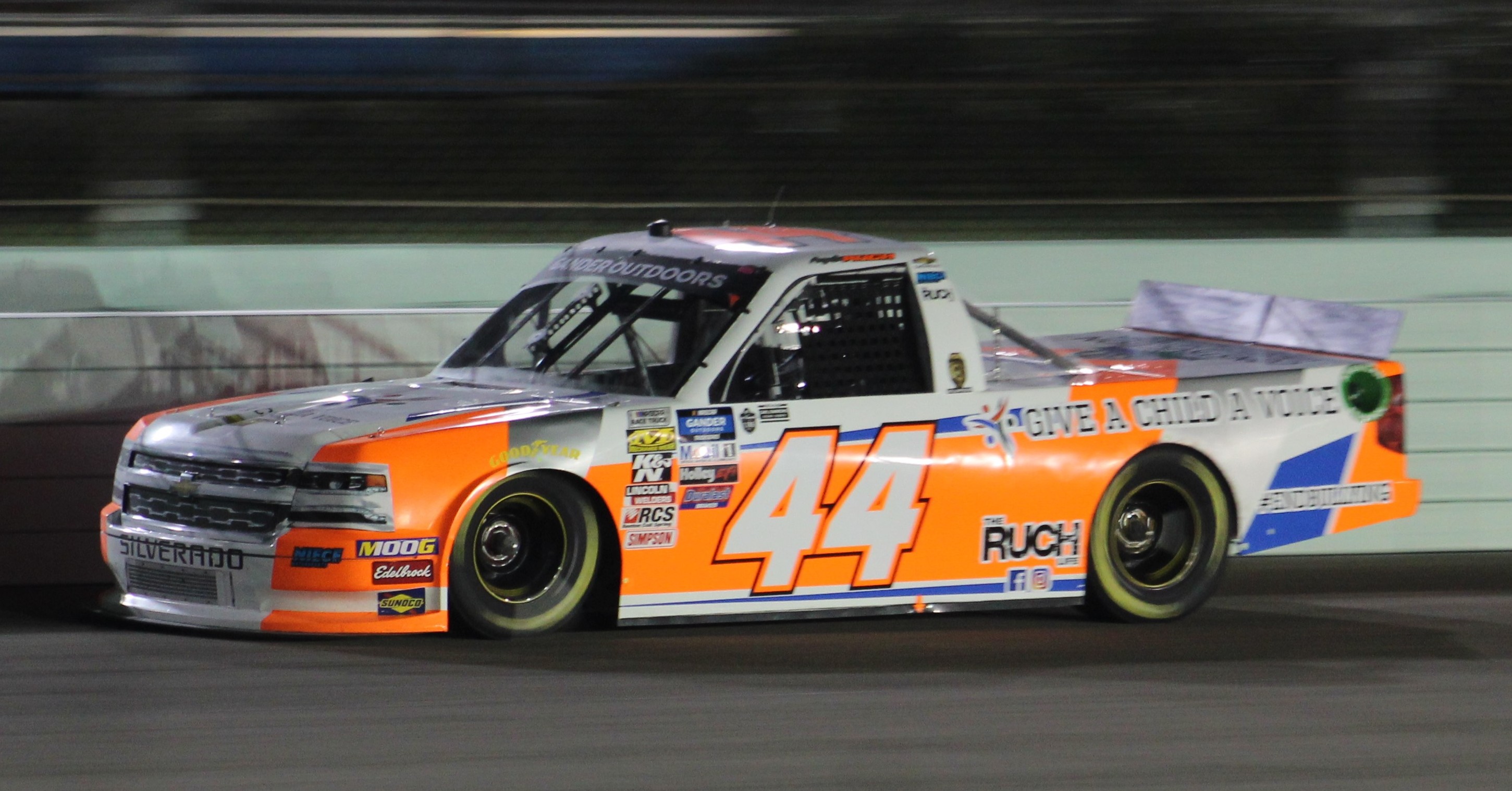
Now Silverado was up four point eight percent, but still did anybody in Dearborn imagine that there would be a fall off in sales of F one to fifties? I mean, I can't. I can't picture that this was first
half the year year half. Yeah. So one thing about F one fifties
is a very interesting little case study of our numbers because we collect the data at the VIN level, because we're able to look at model year. For
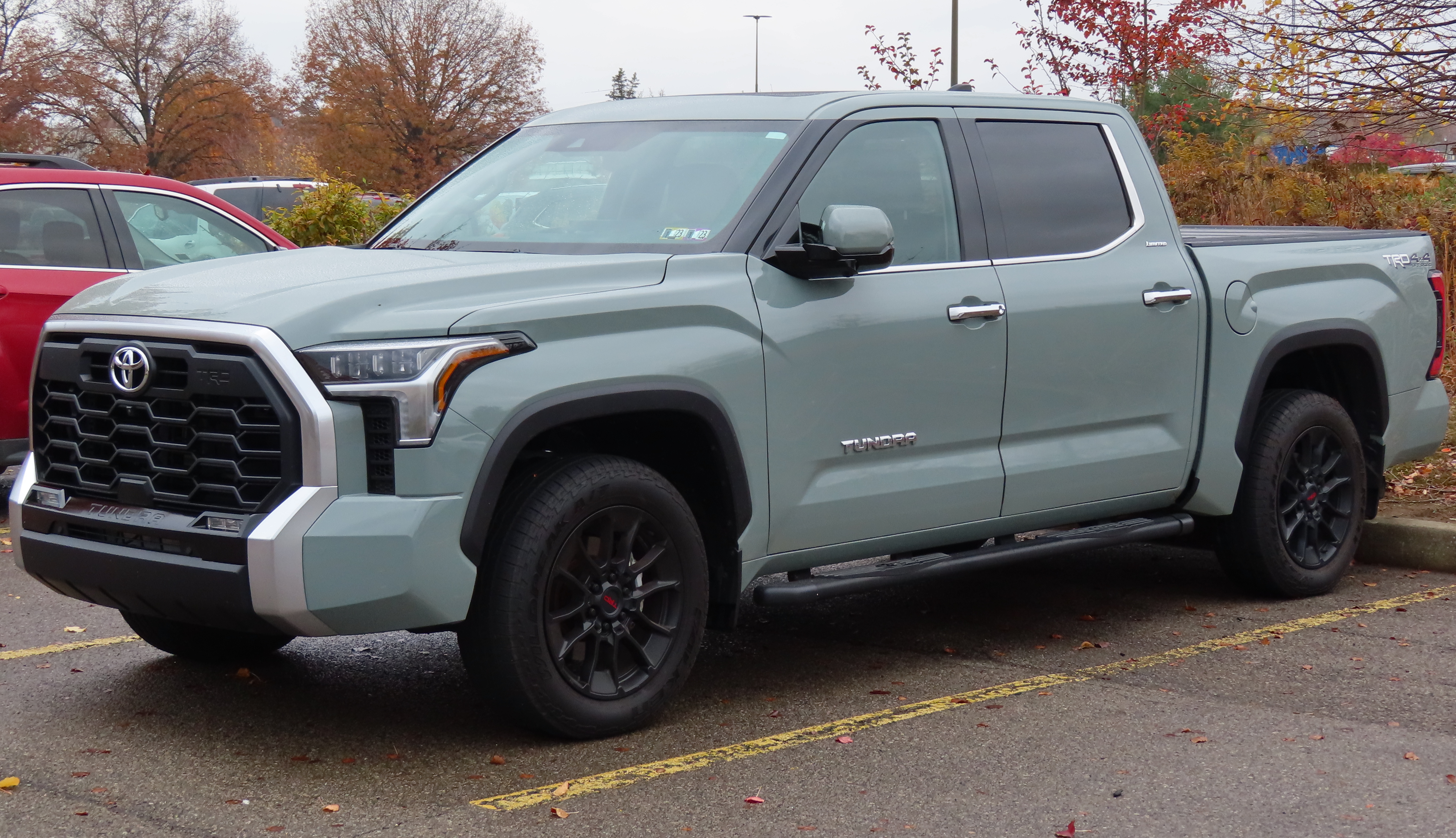
example, Ford got a very late start on their model year changeover from the twenty twenty threes to the twenty twenty fours, and so they I think it was in March and April, only about forty percent of their vehicles were twenty twenty four model year. Meanwhile, the Sierra, the Tundra, the Silverado,
and so they had a much smoother Mico, and so that really hurt Ford because they were having a discount the twenty twenty threes to make room for the twenty twenty fours. But the twenty twenty fours weren't being produced at the
level that to replace the twenty twenty three, So that hurt them, and it actually helped Chevy and gmc Now Ram is a little bit of a different story. Ram has some you know, kind of challenges in a lot of
different ways in certain parts of the country that you're doing quite well, but generally speaking there, you know, there's still a bit of a Challenger brand in that segment. But that really helps to explain the f one fifty picture
and why Ford was, you know, really kind of struggling at the beginning part of the year. They've since righted the ship more and they've gone through
that Mico for the most part. They still have some twenty twenty threes out
there. There we are in July, but you know, three four months
ago it was a much different picture. Some of those people in Deerborn didn't
know that was happening. They just that isn't some of that too, the
the fact that RAM had so much increase in sales and pressure on the general motors brands and even Ford. They were getting so much closer earlier in the
past few years, and so the higher they get, the harder they fall.
Well to that point, we were looking at like turn rate trends, for example, and at the time when Ford was having those those struggles with their inventory position, Ram actually caught them in terms of turn rate. Their
inventory position wasn't strong enough to allow them to outsell them, but they were at least turning the vehicles as quickly as Ford was. You know, again
that that dynamic. That's why we look at this on a real time basis,
on a regular you know, trended basis, because that circumstance and that dynamic shifted once they you know, got their micro back on track. But
certainly, yeah, there's there's all those interactive dynamics that occur between makes and models and segments and all that. So, and it was mentioned that sedan
production some rands hardly have any sedans left. I mean, Ford doesn't have
much and you probably have reported on the Nissans now eliminating all of them, I think except the Center, which is a big surprise. They've been big
on sedans for a long time. What's also interesting is the sedans are typically
on the lower side of the market in terms of pricing, and that's been true not only on the sedan side of it, but also on the suv side. So I was talking to someone this morning about the Chevrolet Tracks,
and you know, that vehicle's price point is in the mid twenty thousands, and they're doing Chevy's doing quite well with that vehicle. And part of it,
I think, is it's a nice vehicle for its price point. But
part of it is that the again, the pandemic and the chip shortage and the supply chain issues kind of force the hands of the OEMs to focus on those higher profit vehicles at the expense of those lower end ones. So now
you have back to your question about tactical versus strategic. If you're an OEM
and you're playing that game, you know, selling sixty thousand dollars trucks, there's actually room in the market to you know, do quite well on the twenty five to thirty five thousand dollars SUVs or sedans, and you know, move in that direction from a strategic standpoint. So you know, the market
is ever changing, it's always interesting and you know there's always opportunity if you look for it and you find it. Well, good, we should probably
take a quick commercial break right now. It's been fascinating. It's amazing how
much shod information you can get by tracking inventory. That what a valuable tool,
and amazing that you can even get that kind of down to the vin level. We work hard at doing that, and it's half the game is
collecting it, and that's hard enough to do that. The other half of
it is making sense out of it, curating it, organizing it, cleaning it, organizing it, visualizing it and making sense of it and consulting with the OEMs. But we do that too, so it's kind of the best
of all worlds. Great, yeah, no, thanks for that, Rick.
We're going to take a quick commercial break right now. Give a shout
out to our good friends at Bridgestone. When the piece and quiet of your
morning commute is as comforting as your morning machiado, that's what really matters.
Bridge down tornzo evy tires, less noise for more quiet comfort. All right,
we're back talking all things automotive. Now we're going to go a little
bit beyond pure cars and everything because Tim Jackson's written a book here called why don't you hold the book up? Sure, dude, where's my flying car?
I just tell it it's doing very well. So, I mean,
you know, every time I talk about vtalls, because that's the official name, vertical takeoff or landing, don't call them drones in front of the people who make vtalls. They don't like that. They want to call them vetalls.
But anytime I talk about that, the topic of the Jetsons TV cartoon from the nineteen sixties always comes up. It's unbelievable to me, even it
gets raised by people who weren't even born there that seemed to be aware of it. But where do we stand right now? Tim? Well, and
you balls, they're going to happen or no, they're going to happen.
The Jetsons, by the way, was on in the early sixties and twenty eight episodes on ABC. All the technologies on the Jetsons that's come to fruition
except for the flying car. So if we can get across this bridge.
We've completed the Jetsons and now there's a Jetson veto coming to market. It's
a personal a personal vetaol. You could land it in your driveway, park
it in your garage, and you want to take it to the mountains or to the beach. You could throw it in the back of your F one
fifty or year ram and save some of the range. It's pretty impressive vehicle.
It's got a range a distance range of about one hundred miles and a speed capacity of about seventy sixty to seventy miles per hour. And it's coming
in at ninety eight thousand dollars. I want one of them, By the
way, It's not the only one I want, but I want one of them. So isn't it correct that it's EV tall rather than just V tall.
I mean V talls have been you know, around for a very long time. Actually, yes, it is, because they're all electric. But
the manufacturers you're talking about, they don't want to be compared to drones or Caul drones. But they also want to make sure you put the E in
there. When I had the book written and I passed one chapter on to
one of the one of the leading VTALL companies and they said, you really need to add E on that, and I said, well, I said in the front that they're all electric, so that's already stated that they specific so I went back and added the lower case E to all of them.
But yeah, they're very, very sensitive that and I think that's one of the reasons that the aircraft manufacturers and the airlines are really excited about these because they're all battery electric, so there's zero emissions when they're in the air, depending on the source, whether they're actually zero, but because they haven't been able to figure out the emissions game as well as the automotive sector on cars, so the long haul jets can't power those by batteries, we never will be able to. But they're looking to basically bend the curve on their fuel
economy with the help of battery electric details. So you know, the whole
promise is there's so much congestion, especially in big cities and the like.
You know, instead of taking an hour to get to the airport, you get there in ten minutes using an ev TALL. I mean, where do
you see this really hatching on? And is it just for super wealthy people
or is it going to get down into the masses. All good questions,
and these are the questions really that I've been dealing with. When I started
the book, it was I didn't anticipate it was going to be all about flying cars, and it became just the twenty two chapters of the ninety or about that. But I've moved from a skeptic to a believer, and I've
moved from the basic question of if this is going to happen to the more immediate question of when. And here's what's moving. It's where the money's coming
from and where the investments are coming from. And it's three distinct pockets that
are heavily investing in these and we know them all, but they haven't traditionally not that there aren't some exceptions, but they haven't traditionally worked together. Two
of them have. One of them hasn't. I want is aircraft manufacturers like
Boeing, Airbus, Bell Helicopter, and Imbryar out of Brazil all either have their own programs or heavily investing in others or both. The second is air
lines like United, Delta, American and jeff Blue are all invested and United has invested in three, not one, but three. And then the automakers,
and they've taken different approaches. Some are holy in house like Hyundai or
Honda in Honda, but some are more external like Toyota, Mercedes, BMW, BW and others. So and then they're investing in across across platforms into
the same betall companies and so they're just like in the early days of the automotive industry when bikes were bicycles really precursors to cars, motorcycles, small planes, and in the automotive industry, the drones really are the precursor. The
drone technology has come a long ways and we're doing as a society. We're
fulfilling a lot of important missions with drones and they're when you think about them, they're all autonomous. They're not there's not pilots up in those drones.
If that fourth of July drone show that I saw in many of many Americans saw three to five hundred, in some cases two to three thousand drones interacting together. They're all doing it autonomously through technology and not just a snapshot frame
but moving like the Year of the Dragon, moving dragons or moving flags, and so I'm often asking presentations. If we put all these, if we
put our traffic congestion that John sided on our roads and we all recognize it, especially in metro areas, and we take it to the skies, are we going to fill the skies? And aren't we going to have traffic congestion?
Not in our lifetimes? Because I mean there's because yet lateral and vertical
so and no shoulders, so no ditches. But okay, so we're back,
going back to George Jetson. Okay, so he used his vehicle to
go to spaslely Sprockets to go to work on a daily basis. Right,
are you talking about John having his own vehicle or are you talking about for the foreseeable future this being a service in order to get from you know, downtown Manhattan to LaGuardia. Yes, I mean I hope John and you Gary
and I am Reckon we can all have our own And and I already said I want one. I actually want one for Monday, one for Tuesday,
one for Wednesday, and a garage full of flying cars. But but I
think the first ones we'll see and and where will become more accepted and uh and believable will be in the it's the technical name is we got a new name for everything, but it's urban air mobility and but the slang would be flying taxis. Now it's so far along that these top three companies and let's
get those on the table, Archie av and these are all based in Silicon Valley. By the way, Silicon Valley is the detroit for flying cars.
It's a detroit for flying MotorCity. So Archer Aviation, which is invested in
by Boeing and United Airlines and Stilantis and they're probably arguably ahead of everybody right now, and so they're contracting. They just they were at a BETALL conference
in Abu Dhabi, United Arab Immerants and while they were there, they contracted with the city of Abu Dhabi to provide urban air mobility by starting in twenty twenty six. They've got about a six year exclusive on it. And about
two weeks after that, or let's say a month after that, they rolled out plans for urban air mobility around San Francisco Bay. And for those viewers
who know that area, they already know where they're going to land them and take off in verteports in communities like Liverpool, Oakland and Jose up to Napa where I was at a conference yesterday, or probably Livermore, not Liverpool, Sorry Livermore. Thank thanks for that correction. Good correction, Livermore. And
then in the Oyster Point in San Francisco Bay. I drove out to it
last night before I took my rental car back, took some nine time photos of it. It's fascinating. But they will do urban air mobility and that
that Oyster Point is very close to San Francisco Airport, so presumably that's where they're planned to bring people in and then take them off in a van or a shuttle or a light rail over to the airport. It's about them all
away, Okay, that's Archer. That's Archer. Joby Joby was at the
same conference. Jobey Aviation, which is also headquartered in Silicon Valley. Fascinating
company. And they bought they didn't come out of Uber Elevate, but they
bought the assets of Uber Elevate. Uber's plan to go urban air mobility.
So they just signed a contract with the city of Dubai, not to be outdone by Abbi Dabby, to provide urban air movi ability in Dubai starting in twenty twenty six, and I found this fascinating. Joby immediately follows it with
a statement, well, we're committed to twenty twenty six, but we all actually want to start next year. And by the way, Joby is invested
in by Boeing and Toyota and Delta Airlines, and they've already determined where they're going to build them and that's as a nod to Orbl and Wilbe right, it'll be Dayton, Ohio. They've got the land and they're and they're ready
to build. They're ready to build a factory. Toyota has so much invested
that Toyota has a seat on their board and staffing in the design studios.
Didn't I believe that Towyeda got involved with the company basically to provide it with knowledge regarding manufacturing processes, and then got more, more and more engaged in and said this is this is something that right. And I think they also
see that Honda and Honda and others have their programs, so they want to they want to have a stake in that in that game. They also say
that perhaps they learn something from the autonomous side. Uh, you know you
were talking about the autonomous aspect of these flying vehicles. You know, the
OEMs are still trying to figure out, you know, whether it's radar and you know, all the telemetry and everything to do autonomous vehicles. Are they
doing that in part to gather information on the autonomous side to help them on the traditional vehicles or do you think that it's more about like getting into that flying car game. I think I think it's too complete, and then not
that some of that won't interact and interchange and benefit them over as long.
But I think they're coming at it from its own urb and air mobility standpoint, and and all, you know, John and I talked earlier. This
AI think is just uh, there's so much coming in in the light r and radar and things like that, so all of that will benefit I think it'll benefit each other, but I'm not sure that's while they're in the game.
And then, by the way, and we mentioned where Jobi is going to build. Archer has their location to build with Stilantis, and Stilantis is
advising and helping and and that's in Covington, Georgia. It's a suburban community
just outside of Atlanta, and it's already framed down the building. I've got
pictures of it, and maybe you have money, but but they they told me on Monday when I was at Archer headquarters in a visit, my second visit there. They said, I said, when do you think you'll be
finished and with the building? And they said by by the end of the
year. And I said, it'll probably take you about a year to become
operationally. He said, no, probably about four months. And then just
this morning they're they're saying that they think they'll be finished with the building in September. So everything's moving up and they plan to build. I think the
only the only delay on this is to do all this urban air mobility in places like Dubai and Abbi Dabby and San Francisco Bay and New York and Chicago and their places. They've got to have the vehicles to do it. So
they're talking onesies and tuesies now, so they've got to multiply them over and over. And the factory in Covington, Georgia is supposed to when it's at
full scale, they said they'll be building about six hundred and fifty a year, so it's going to take a while to get out. If these things
are as busy as I anticipate, it'll it'll take it. While from six
hundred and fifty is very close to the four and seventy numbers you're talking about, so you want to be familiar with that number. So you told us
two of your favorites, okay, joby an Archer and the third favorite West Arrow. West Arrow started out as a project funded by Larry Page, co
founder of Google, who also funded Waimo, the autonomous car company, but it was called Kitty Hawk as a nod to Orbital and wubber Right and kitty Hawk. They put it to bed, but a division of Kitty Hawk was
called wesk Aro wisk Arrow, and now it's been wholly purchased and operated now by Boeing, so it's a division of Boeing that it has its own CEO, a guy in the name of Brian Yutko, a fascinating individual. He's
a PhD engineer. And the risk, the one distinction the risks among the
industry right now is those are being built with zero pilot controls, so they want to be autonomous from the start. And China's in this game China had
b Tolls Ev tells over at that same Abu Dhabi conference, and they were taking people up in demonstration flights autonomously in Abu Dhabi. So China, you
could say, is right on our heels. I really think it's a race
between the US and China and it is going to dominate, just like cars.
And by the way, on that subject, I couldn't find a map of where all these companies are at, so I created one. It's not
in the buck, but it's in my presentations and it looks very distinctly like an automoi industry map. It's heavy in US, in China, in Asia
in general, so Japan and South Korea, and of course Europe. So
you mentioned the assets of what was it called Uber Uber Elevate Elevate, right, and they were purchased. But at one point Hyundai in Uber Elevate were
partnered and and this is before Supernoll came to existence, and so you know, I look at this and think to myself, well, why couldn't Uber do this? Right? And you mentioned Gary mentioned Supernoo. I think it's
they They corrected me on it and called it Supernal Supernal and Supernal. Yeah,
but and super Supernal. I saw John and uh some of us were
out when it was unveiled at the CEES in early January this year. It's
a fascinating vehicle, fascinating con They've got that staff. This is the Hyundai.
This is ev Tal, Yeah, Hondai ev Tal called Supernal. But
it's a whole in house project, so they don't have partners of airlines and aircraft makers. It's just Honday is building it that they're bringing on. They've
brought on tremendous talent to what you're talking about. Tim. Here is why
I really welcomed you on the show, because there's such an automotive tie in to this. This is not just something coming out of the aerospace industry.
I mean you mentioned all the different automakers that are interested in it, and I think part of what's going on here is they're electric and they're autonomous.
So there's this idea that these car companies get into a whole new area of business, leveraging what they've got to do with their cars anyway, so that they can bring in electric motors and batteries and inverters and autonomous sensors. And
the software stack that goes with that and whatnot, so that they could have a leg up on the air space companies because the automotive companies are going to have so much more economy of scale in this. I think you're right,
and I came to this through the fascination of it. I am a private
pilot. I got my pilot's license at age nineteen. I'm doing I've done
a lot of presentations on AT seventy so far this year. I can tell
you that everybody is fascinated by it, whether because if you drive a car on congested roads and you say this might be a solution to that, they're fascinated by it. Or if you go to the airport and you're stuck in
traffic when you're trying to meet the departure time, you're fascinated by it.
But then I stayed because of the fascination of this interaction of these industries, and I think everybody has Each of these industries have these things to gain.
The aircraft industry, frankly, is way ahead of the automotive industry on safety.
For all the criticism of Boeing, and I'm not saying some of it's not justified. There hasn't been by Boeing or Airbus or any of the aircraft
manufacturers a air fatality and commercial aviation fatality in the US since two thousand and nine, and yet there are forty two thousand fatalities in traffic traffic incidents on American roads each year. So the automotive industry, if we can get to
zero fatalities by taking our cars to the air, let's do it, and then the avia. So aviation has been ahead of automotive in fatalities and safety,
but automotive has been a way ahead of aviation in emissions. Vehicle emissions
on the particle emissions are off ninety nine percent down ninety nine percent. That's
to be distinctive here, that's the round cloud emitting ozone enhancing asthma inducing emissions.
They're base. Basically, even ice engines, even internal combustion engines,
are emission free. You can perk your car in the garage and the engine
running and you don't have to worry about a fatality in the garage. So
but but aviation hasn't figured out a way to do that, and this will just like electric cars are helping automakers on the average fuel economy. This will
help out the aviation industry on emissions, just the curve. So everybody's got
something to gain, and let's go, let's don't miss this part. Society
has a lot to gain. Society has a lot to gain because these EV
tolls, flying cars, passenger drones, whatever you want to call them, and I think all of them apply if done right and done safely and accurately, they are answer to, I mean a piece of the answer to traffic congestion, traffic fatalities, vehicle emissions and something we all have to You know, everything comes down to time and money, right, so on the time that it takes to get from point A to point B, these are as John indicated, These are fantastic at reducing the time. Where do we stand
with air traffic control? Because these vetalls are not going to be able to
use the commercial air traffic control and yet we can't just let them go willy nilly into the air because some of them will crash into each other. And
I know that there was a lot of work being done by the FAA on developing a new air traffic control system just for these EV talls, But where does it stand. Well, there was a bill just past US Congress and
it was delayed for quite a while. It was supposed to pass in the
last two or three years, but it did get passed about six weeks ago, and it was and it has components in that legislation to help guide both non passenger drones and vetos passenger drones if you will, or flying cars and the other countries like United Arab Immorans for example, they're completely relying on the FAA rags to guide it. There's two regulatory bodies, one's the European body
and one's FAA. That I set next to a compliance officer with the FA
FAA at a VTAEL conference or it was. Actually to be fair, it
was US Chamber of Commerce Aeronautics and Aviation summit in Washington, d C.
In last September, and I just kind of leaned in during a break and I said, I bet there's a lot of pressure on you to figure out the REGs on this, and you know, he acknowledged it was, but he said, we're going to get it right. We're going to do it
right, but we're going to make it happen. We're going to help make
it happen. There's going to be tremendous pressure on this competition between China and
the US. US is not going to let We're not going to be able
to let China get way ahead of us on this. So you mentioned that
these companies are based in Silicon Valley. How did the people there feel about
these things being referred to as flying cars. I don't mean to browse,
wouldn't be all that excited about that on the population, and not to just take Silicon Valley. But what I find in my presentations around that I've done
the seventy years so is that I'm going to go out on a limb and say ninety nine percent of the public, I'm glad you're doing the show because your audience is much more attuned. I've watched this show and I see the
engagement on YouTube, and some of your people that watch are really smart and really heavily engaged. But I think that ninety nine percent of the public,
the general population of the US at three hundred and thirty million people are oblivious to what's going on, totally oblivious, and in fact, I find that when I have pilots in the audience, they're fascinated by it. But they
don't know about it. I was on a red eye flight out of Silicon
Valley or out of San Francisco to get here from a conference in Napa Valley yesterday and last night as before, where we took off in a triple seven on a red eye. I gave the pilot and the first officer autograph copies
of the book, and I said, did you know this was going on?
Did you know Boeing is involved in this? You're flying a Boeing plane
here. Did you know United's involved in this? You're flying a United aircraft?
And they didn't know, and most of them don't know. But when
you talk to them about the technology, and your viewers should know that these seven thirty seven, seven sixty seven, seven eighty sevens will almost fly themselves.
You know. I ask a pilot one time, do you even need
to get on today? Wouldn't this plane get us there without you? Oh?
Yeah it would. But those people standing behind you waiting to get on,
they're not going to get on and go if I'm not on board with you. So there's still a trust factor. And I think that's where the
pilot comes in, is that trust factor. But yeah, I had a
in Phoenix at the boat more in January, I had a Air Canada retired pilot that I took to the meeting with me. He wanted to say it.
And the president of the group that we were speaking to was a retired United pilot and they hung around. I talked to him for forty five minutes
after the presentation and they both said, Oh, yeah, this autonomous I see it happening. If they have the same technology that are going aircraft have,
they'll stay apart. They can do this. These guys are retired,
they don't care. So windy. I mean, there's Dumbo projects going on
right now. I think the Paris Olympics are going to have some vitals.
The Olympics go to Los Angeles in twenty twenty eight. I know the plan
was to move a lot of the athletes around that way because of congestion there.
But what's your crystal ball here? When do you think the general public
will become more aware of these things because they start seeing them fly in the sky. I do. And when the public when they see it, and
because then it becomes a news story. You know, the Abbi Dabby story
that I mentioned in Dubai in the San Francisco Bay. It was in a
pocket of local media, but I mean San Francisco Chronicle I found it, but I don't see it like in the major media like New York Times, Wall Street Journal and all that. Yet. I mean, I'm not saying
they haven't done anything on it, but it's not been a big story for them. I think when it becomes systematic, when it becomes available, what
will it be commercial? When will I be able to go to a skyscraper
in Manhattan and take an EV tall to Newark or Laguardi or JFK. That's
the sixty four billion dollar question. And just like I said, Jobey moved
it up. We want to be able to do this in twenty twenty five.
And by the way, I left out WEISK on one of these local projects, risk Era on the autonomous unit owned by Boeing just signs contracts with sugar Land Airport and Metro Airport outside of Houston to do urban air mobility from there into Houston, Hobby, Houston, George Bush, and Houston Downtown.
So when that happens, and they said by twenty thirty on that one, but when that starts happening, and by the way, at this conference in Napa Valley. I talked to my counterpart from Houston. I said, did
you know this was going on? He was oblivious to it. So right
now, until it starts happening, I think most of the public will be oblivious to it. You mentioned affordability or somebody ask about will it be just
for the rich or whatever. Know, the cost of operation on these eb
tolls, and I've heard from two different economists presentations on this is only about three to fifty per mile. So they are three and fifty dollars a mile,
three dollars and fifty cents a month fifty. It's like a car,
I mean, so I mean less, I mean a little more than a car, but about three times or more than. But take the car model
and Uber and Lyft model. Most of the times they're going to the airport
with one passenger in the back seat, and so in a deductibility rate of what sixty cents or sixty five cents a mile, so they're going to fill all the seats. There's not many seats in these, there's four in most
of them, five and some and do it for three fifteen a mile.
But keep in mind that the distance is a lot shorter because they're flying the way the crow flnes. So basically we should make clear that what these guys
are working at right now is basically a shuttle service that goes between point A point B repeatedly, versus John walking out to the parking lot and going to downtown Detroit in a flying vehicle. I mean, that's not happening. That's
a good point. That's a really good point because on those six fifty,
it's not like six fifty, it's not like the four to seventy cars that are going to individual owners. These are going to be vehicles that will be
used probably around the clock or at least eighteen hours a day. They already
have contracted archers contracted with Signature and Atlantic, two of the top FBOs, which is fixed base operators at regional airports. So when they land at one
of their destination points, plug it in while the one load of passengers is getting out and another load getting in. It'll charge in about seven or eight
minutes like some of the fast cars. And they won't have fast charging cars,
and they won't be completely run down, so they'll always keep them charged.
The other thing, and I want to segue your comment Gary or the concept we start out with the urban air mobility, and I think we see that in the next three to five years really coming at us. And but
that technology when people experience it going to the airport, I mean, that's why I want one for my driveway. That's why I want one to be
able to land in my driveway, park in my garage, and throw in the back of a pickup. So and that's why i want one for Monday
and one for Tuesday. And I'm not going to get that many. My
wife won't let me spend that kind of money. But you know, a
man can can wish, right, But I think and then the prices on these will start coming down as well, so that that one we talked about, the jets one jetpack is which is one passenger passenger unit, is priced at ninety eight thousand dollars. That I can see that coming down. It
weighs in at one hundred and ninety pounds, so I see that coming down to under fifty thousand pretty soon. So, Ricky live in southern California.
Do you find this to be an appealing notion? I think the commute part
and the you know, getting out of the traffic part. Yes, I
might be a little reluctant to get in when if it's not piloted. Yeah,
you know. I've done presentations on all this and autonomous vehicles, and
one of the pictures I love showing is a picture of this big biplane from probably around nineteen twenty nine nineteen thirty and a line of people getting on on it. And you look at this plane with our set of eyes and here
twenty twenty four, and you go, my god, I would never get it like that, never get but people did, and ergronic fafety was not what it is today. Back then these things crashed, people still got on
them. So it's a risk reward thing. It's like, yeah, I
kind of feel for fear for my life, but oh my gosh, the only way I can get to where I want to go in the time I want to get there is a guy getting on this machine. So there will
be early adopters who will say, yep, put me on that autonomous electric flying contraption, and others who were going to say, I'm going to wait and see what happens, and it's until they see them everywhere for years those people will not get on. I do think that we were talking about the
Olympics. Right, So if there's something really visible and people see it in
a setting like that, in sort of the context of that event, would probably go a long way to getting people to be intrigued and maybe learning more and maybe feeling better about those safety concerns. It's going to be, you
know, the mother of necessity kind of a thing, right. So,
I mean some of the metro areas that have been sighted, especially in Asia, especially like in India, where it may take you three hours to get to the airport versus ten to fifteen minutes. It's like, holy moly man,
Yeah, get me on that vetal because I'm not going to make my flight if I don't do it. By the way, and when we've covered
a lot of ground, one thing that it would be important to cover that moloicopter is the name of the one that right well, Germany is Mercedes in Germany and invested in by Mercedes and Airbus. You know, probably it's supposed
to transport competitors at the at the Olympics. But I'm often asked why we've
got helicopters, why do we need these? Well, none of the helicopters
are not battery electric, and with that one big prop, it's very disruptive both in noise and wind. So these are they're claim is five percent of
the noise in wind the helicopter puts out. So that's why they're much more
acceptable, right, and they could land them in a there's so much quieter that your neighbors won't even know you're landing it. Yeah. Well, and
it comes down to rotor tip speed. That's the big noise thing. Plus
you know, helicopter's got you know, big combustion engines in them, but it's dispersement. I mean, it's dispersing it to multiple smaller props versus one
big preat So if you have multiple props, the props don't have to turn as much, they're not as big, the rotor tip speed is not as great, so they're far quieter. Helicopters require massive amounts of maintenance and they're
they're very difficult to manufacture. They're very difficult to fly. So that's why
these evetalls kill them in that realund But when we have electric cars, there'll be less need for gear making for the transmissions that we have in vehicles right now. So the complexity of helicopters is largely predicated on the gear sets.
So they'll be a wealth of people that will be able to maintain these things.
They will not be a problem at all. Maybe you're right, but
I'll bet these v talls catch on. Hey, there's another company out of
Germany called Lilium l I l i um very impressive and they call it Lilium Jet. But it's not jet fuel, but they use like jet turbines and
so it's a much more attractive unit and it also claims a lot longer range.
They just signed a contract with urban Link, a provider in South Florida, to do urban air mobility between Miami, Fort Lauderdale and West Palm Beach, and they ordered the first thirty units. I just read an article this
morning that urban Link. Urban Link wants to take that model and take it
across the country. They may do it with Lilium or others, but that's
the way it will expand. I think. Cool. Hey, look we're
gonna have to wrap this up, but what a great discussion. Tim,
Thanks so much for hold up your book again. Dude, where's my flying
Car? You can get all the info in there. He's got a whole
lot. He's got a history of just about every brand that's ever been in
the American market in there as well for cars and Rick, thanks so much for coming on. Very interesting the intel that you're able to provide these automakers.
They got to watch how they spend their marketing money and that really helps him make it. You know, a rifle shot, not a shotgun blast.
And Gary, we'll do this again, you know we thanks for the opportunity. Yeah, yeah, yeah, I'm interested money. Thank you all
for having tuned in. And hey, if you like this conversation and want
to see more of this, be sure that you subscribe to this channel.
O'll online after Hours is brought to you by bridge Stone Tires Solutions for your Journey
About this episode
Exploring the intersection of automotive and aerospace, this episode dives into the burgeoning world of eVTOLs (electric Vertical Takeoff and Landing vehicles) and why major automakers are eager to join the fray. Guests include Rick Wayinshall from Cloud Theory, who discusses real-time automotive inventory data, and Tim Jackson, author of 'Dude, Where's My Flying Car?', who shares insights on the future of flying cars. The conversation covers market dynamics, the evolution of electric vehicles, and the potential for eVTOLs to revolutionize urban transportation.
Original notes
TOPICS: AI, eVTOL PANEL: Rick Wainschel, Cloud Theory; Tim Jackson, Author; Gary Vasilash, shinymetalboxes.net; John McElroy, Autoline.tv
Autoline After Hours
Autoline
0:00
66:53