Annotations will appear as you listen
0:00
63:22


Car
Tesla Model

Car
Tesla Model X

Car
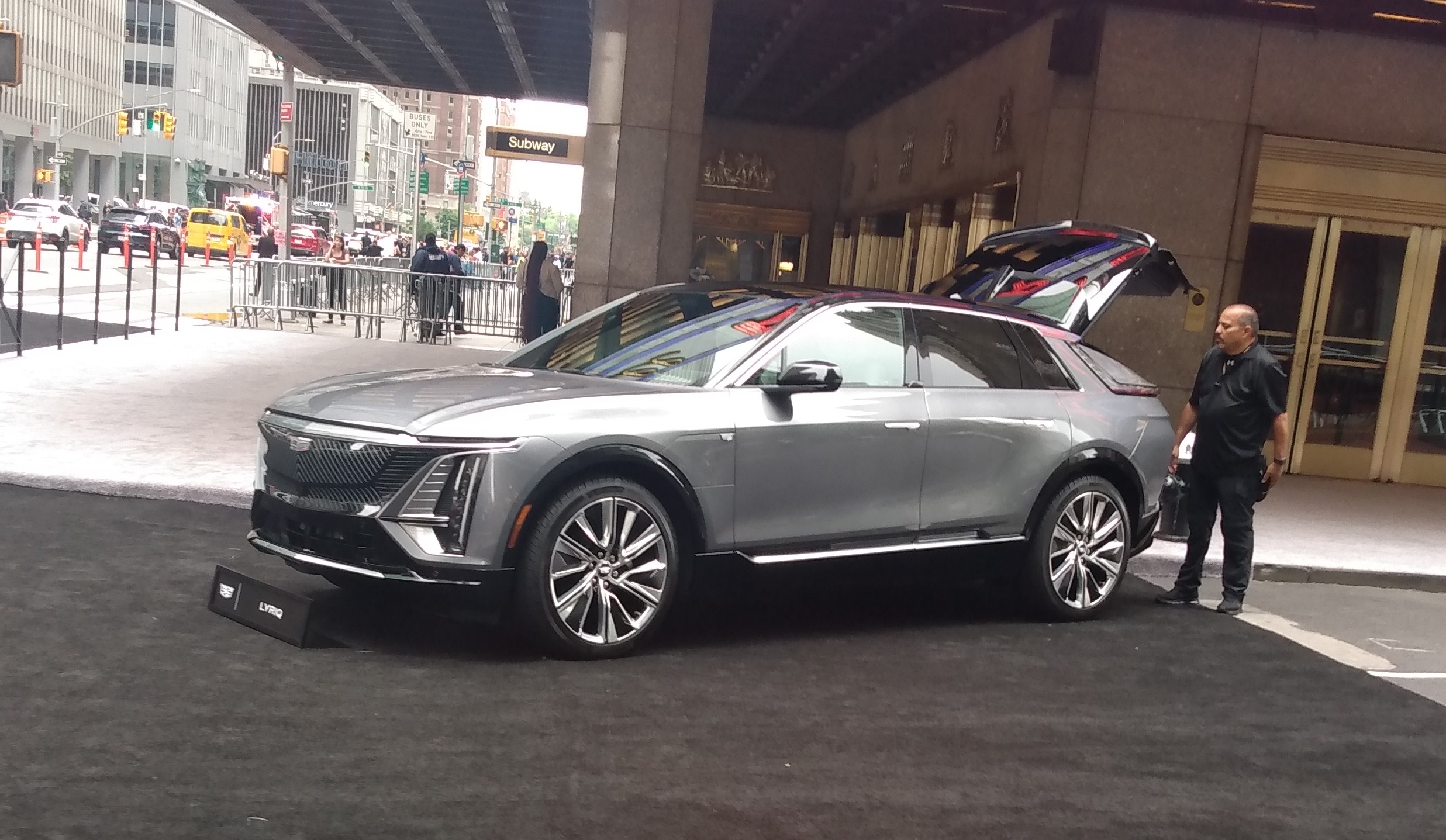
Cadillac Lyric


Car
Dodge Ram

Car
Dodge Charger

Car
Dodge Challenger

Car
Dodge Hornet

LIVE
Speaker 1: Auto Line After Hours is brought to you by bridge Stone Tires Solutions for your journey.
Speaker 2: Gary, here we are again, John, how are am? I'm
doing great?
Speaker 3: Good?
Speaker 2: I always tell you that. But it's true. That's good,
it's good. So you want a quiz, let's hear this
is a different quiz.
Speaker 4: Okay.
Speaker 3: So on August first, nineteen hundred, an automotive publication began.
It is still being published to this very day.
Speaker 4: Yet automobility.
Speaker 2: Is something that I don't think anyone associates with it.
Speaker 4: Oh and it's very well known, but.
Speaker 2: It's an automotive magat it's a publication. It's a publication. Well,
I know, I believe that the first automotive publication was Auto Car, the Auto Car out of England, and then my roots go back to the horseless age, my roots being you know, it evolved into Automotive Industries magazine over time.
It started in eighteen ninety five, though.
Speaker 3: It's more famous than any of these that you've mentioned, National Geographic, the Michelin Guide, the Michelin Guide. So it
started out it had maps, it had information about how you would change tires. You would have information, you know,
because the the Michelin brothers.
Speaker 2: They wanted to sell tires while getting your car and drive, Yes, I drive to wear the tires out, and so it is sort of funny. When did they start reading restaurants?
Speaker 3: Well, so in nineteen twenty six, the Guide began to award the stars for the restaurants, and it was in nineteen thirty one where they went to zero, one, two in three stars. So that's that's when that all happened.
So there are there have been more than thirty million copies of the Guide. So but this is funny. So
one of the brothers say, it used to be given out free. One of the brothers in nineteen twenty went
into a tire repair shop and saw that the guides were being used to hold up a vehicle, and he decided after that they got to pay for these things because we're not giving them out anymore.
Speaker 4: But anyway, that on with the show.
Speaker 2: Yes, on with the show. So we've got Martin Hayes here,
chief engineer for Cadillac. Escalade works on some other products
too that are on the same platform. We got Nora.
Not to Nora, so good to have.
Speaker 5: You with us on this streat to be here.
Speaker 2: So let's talk Escalade man, I mean this is the top of the peak right now for Cadillac. Well, I
guess that's not true. The Celestic is actually the peak.
But you sure saw a whole lot more escalades than anything else. What I'm curious about is there's so much
change in the industry right now trying to shore and product cycles. Do you do the same thing on the
escalade or what?
Speaker 6: Absolutely, we have limited resources, and you know, as a company, we're trying to keep things going in the I space, and we want to be continue to be relevant and in the EV space, and so yeah, product life cycle is one of our resources time right, So yes, we're always considering time and how we can make things quicker better.
So that is definitely a concern. And one of the
things that we've done here with the twenty twenty five escalade is we call it an MCM, a mid cycle major I think as we talk through the content, you'll see it's very significant. It is largely based on the
major changes we made back in twenty twenty one in terms of the structure of the vehicle and the general suspension makeup. But one thing we can do, getting back
to your life cycle question, is use that to Our benefit to make very significant change is from a customer experience perspective, do them quicker and with less resources, but yet have a you know, a new, very relevant escalade for our customers.
Speaker 2: This is one of the things that I'm on right now is you know, Detrait was the master of the annual styling change in the nineteen fifties. Started to go
away in the sixties, but it brought people into the showrooms every time that you did something new and fresh.
Speaker 6: It does move the needle, and especially i think in a place where the escalade plays in that lux segment SUV.
I mean, customers aren't going to probably buy a new one every year, but they certainly are watching and seeing what their neighbors have, and they want new tech. They
want to stay on top of that. They want the cool,
new look, and we got to stay up with that.
You know. It's so fun to work on in that
space because of that, and our customers really value i think, what we're able to do and do relatively quickly and offer them from a technology and a look perspective.
Speaker 2: I'm guessing most of them or many of them are on a three year lease. So now you're in a
three year cycle, they come back to lease. I don't
want to boom. You got something that's.
Speaker 6: Definitely you know, leasing can brings people back, and you want to have something they're available for them in that space definitely.
Speaker 3: So so Martin, you're saying, is this is a mid cycle major. So give the audience a sense of a
mid cycle major.
Speaker 4: What happens to the vehicles?
Speaker 3: What are the technologies that you are really excited that you're providing.
Speaker 6: To No problem. I wouldn't say there's like hard and
fast rules on what a mid cycle major can should or shouldn't be. But it's not going to be an
all new, ground up platform. And you can see that
we've discussed that. So for instance, in twenty twenty one
it was all new, the proportions of the vehicle changed, the suspension structure changed. So in this case, we did
not do that. But we're using this midcycle major wording,
if you will, to kind of just help us define what the workload's going to be. And we really spent
a lot of time changing the exterior look as much as possible, but keeping that Cadillac boldness and just kind of up in the game. So you'll see changes to
the front end that are relatively significant, including the lighting, so that's nice. We've added twenty four inch wheels, and
we've changed the rear end look of the vehicle, including lighting, So that would be from an exterior perspective, but where you're going to see the major changes on the interior.
Everything that's sort of in your customer's face along the IP and all the screens along the door pads, the colors and materials and the seating in the rear is all new.
Speaker 2: You added a real wow factor. I mean, you've got
pillar to pillar screen there.
Speaker 6: It's yeah, absolutely, the thing's fantastic. It's fifty five inch
diagonal screen. You've basically got a seamless across the front,
call it very large cluster display that continues right into what you'd normally call the center stack, which is also touch and can be controlled with the multifunctional controller, which is a nice kind of duel like you can do it whichever way you want. And then that screen continues
to now where our passenger we call it front passenger infotainment.
They have a screen and they can interact with it.
They can see some of the gauges and and some of that if they want but then also just do YouTube or Hulu or use the web browser and if you're in park, just continuing on that. The driver can
see what's going on in that, but when it goes into drive, there's some polarization that happens, so the driver can no longer see it, but the passenger.
Speaker 2: Can help me.
Speaker 7: Remember that this system, this huge screen, is.
Speaker 5: It the same as the one that's going to be in the Electric.
Speaker 6: It is the escalt Iq and this vehicle one is clearly body on frame truck ice and then the new scut of hues that is an all new, ground up vehicle.
But we don't do things completely separate of each other.
I work with that chief engineer for that program on a very regular basis. Had a meeting with them today
in fact, and we're we discuss what's going on between the programs because we share, and why wouldn't we write that.
There's a lot of development and resources that go in that.
It's amazing and we can use it in both places.
Speaker 5: On the cycle.
Speaker 7: Thing, I'm curious, was it always the plan to have this mid cycle major and the Electric kind of duking it out at the same time.
Speaker 6: Or yeah, so you guys know how product life cycles work in the automotive space. I mean we're not doing
things you know, day to day and week.
Speaker 5: To week, right, I know that, so things get moved around.
Speaker 6: They do get moved around at the beginning. But yeah,
we've been coming along together and that was kind of known to do. I think it's it's one of our
strengths within the Cadillac space is being able to do both in fact, share the parts that we want to from a vehicle, but giving different experience from an EV and a nice perspective.
Speaker 5: Yeah.
Speaker 3: So you're mentioning the lighting that you guys have put. Yeah,
especially in the front of the front of the vehicles, so you have an illuminated badge is available.
Speaker 2: Oh yeah, But what.
Speaker 3: I thought was interesting is that there's a there's a grill surround that's lighted.
Speaker 6: Yeah. So that's one of my favorite parts of the vehicle.
Is we do on approach animation choreography or you can do it when you hit the unlock button on the fob.
But yes, we've got illuminated badge, illuminated grill surround, and then we've got these vertical drls and then the vertical slim line, low and high beam lights and we play an animation through there. When you walk up, it's just
really impressive. It's really cool that traces out the vehicle
and then it stays on. And you guys know, driving
around here when you see an escalate, especially, you know that's very from one hundred yards away, and this new one is just going to even give it even kind of that more of that boldness in fact. Yeah, so
we went from the big difference is we had some horizontal kind of character with the LEDs from the current model that you see. Those are now gone and even
the low beam high beam are a small LED that's all vertically stacked. That's beautiful.
Speaker 2: You added one thing too that I've come to like doors that automatically open or close, or at least the driver's door will automatically open, right, and the others I guess you can control with the key fob.
Speaker 6: Or front on the escalade, it is not controlled with the key fob. Let me tell you about how my
day goes. Yeah, okay, so I have one of these
right now parked in my driveway, and when I get up in the morning, I have my work bag and my gym bag and I approach the vehicle from the back, so I get to see the animation from the rear and I have everything turned on. All the features and functions,
A lot of these are selectable for the customer. I
walk up and my tailgate opens automatically. We have presence
based tailgate. It opens up and I put my two
bags in. Shut the tailgate as.
Speaker 2: I is at proximity with the fob.
Speaker 6: You don't need to kick your foot kick kicking, It's just its sensors. You're there. It's going to give you
a couple of beeps in a couple of flashes, so you know that it's opening a little warning.
Speaker 5: Set that up or is it automatic?
Speaker 6: Like you can choose to have it that way or not. Yeah,
whichever whichever you prefer, it works for me. I have
it turned on. It opens, I throw my stuff in,
close the door. I walk around to the side. My
driver's door opens for me automatically. I get into the
driver's door, I touch the brake. It closes automatically. So
that's how my morning goes. And it's really nice and
fun to get used to. All four doors are power
and when you first get in, you can do it multiple ways. When you first get in, we have what's
called the front command center. It's a small screen kind
of at the front of the center console, and they'll have an icon of the vehicle and some swiping for the four doors. So if I pull up somewhere I
put it in the park, that automatically comes up. I
can swipe the door and my passenger can get in.
Like I'm going to go pick up some friends at the airport, and I'm definitely gonna do that. You know,
I'm going to shock them.
Speaker 3: So so just to be clear, when you're saying the door opens, I mean some people think, hm, my door opens automatically too, but they mean the lock disengages.
Speaker 4: You're talking about the physical door swinging.
Speaker 6: Sorry, yeah, that's a good point. It is a power door.
The door power opens. It's you can see it in
some places in the marketplace. I just think we've got
a really great system that you can personalize for yourself.
Some of the things like the walk when you approach it opens automatically. I can set that to open a
little bit what we call like standard and then full, so I can program that based on how I live my life, how I want it to be, and you can do that for all the doors. And then also
break to close, so when you touch the brake if you want the door to close, that's also something you just programmable. When if you are, say a passenger going
into the rear seat, all you do is you just grab the handle. And on the back of our handle
there's a touch button. You can just touch that and
it opens. If you just grab the hand and you
have to do the latch by the button anyway and you pull it open also okay, either way it's going to work. And then when the passengers in the rear
get in, they will also have a swipe available too, so they can close the door that way or use the handle that's on the door, just click it a little bit and it closes itself.
Speaker 2: But here's the crazy thing. I understand. You have radar
in the door, so they don't open into absolute thing or somebody.
Speaker 6: So if somebody's yeah, especially if you have like a guest, and they don't understand how the door is going to work, that would be a potential liability. But each of the
door handles have radar in them.
Speaker 2: They said, mind blowing to me. I remember when radar
first came into cars and everybody's I watched for adaptive cruise control. Sure, and I want to say.
Speaker 5: In the driving the door.
Speaker 2: Yeah, that was like nineteen ninety nine or something like that, and everybody whoa radar Now it's in the flipping doors.
Speaker 6: In the door handles. Look, innovation is not going to stop,
right you we know that, and we're we're you know, I'm here for it. And so yeah, it's going to
sense something that's in the way a car, a person, and it's going to stop.
Speaker 2: Yeah, You're not the first. I mean I first saw
this on Tesla Model X. I know the Genesis G
ninety's got it. But what I'm wondering is how do
you decide what to put into the escalad? I mean,
is there a meeting sitting around and you go around you want to do this? Nah, we don't want that, Well,
we want this.
Speaker 6: You kind of have meetings where you do that and people like the marketing team and the design team and I we want everything. But you know, we've got to
make balanced choices. What technology is available, what technology has proven,
how much money does it cost, What do our customers value.
I mean, at the end of the day, right, we're going to take safety first, and then the customer is going to be the center of all those decisions. But
the escalade platform itself needs to be higher tech innovative as much as possible.
Speaker 2: And when you're trying to figure out what to do, do you guys come up with your own ideas? Is
it suppliers pitching you all.
Speaker 6: Of the above? I get the I have the privilege
of working with some of the smartest people in the business.
I mean, when I go into any particular area of expertise, you know, I feel like I'm kind of, you know, one of the least smart people in the room. Talking
to the engineers and the scientists and PhD and you know, the marketing teams and manufacturing teams, and they all have great ideas and we take them all and we listen to our suppliers because they bring stuff to the table as well. And then we do a lot of market
research competitive analysis where the competition's going. You kind of
got to throw all that together and mix it up and make good decisions from there. And I would, you know,
argue that the history of the escalat and its success is, you know, pretty good decisions have been made along the way.
Speaker 3: So is it basically you know, performance guys want to work on corvettes, right. That seems to be you know,
every person I've ever talked to. Yeah, when I'm working
to court. When when it comes to technology and luxury
is escalate the vehicle, Well, it's.
Speaker 6: Right up there. I mean I think you're you know,
we've announced the Celestic and we've got some fantastic evs that would clearly be in the high tech range as well.
But you know, yeah, I mean people want to work on our truck programs. They're highly successful. People want to
work on the Escalade program. It's high tech, it's you know,
a luxury platform, a luxury brand if you will. It
has you know, sort of a you know, cultural icon vibe to it through history with Hollywood and music videos.
So yeah, I mean that draws people into a.
Speaker 2: Whole lot of rappers, have you know, references.
Speaker 6: But I'm just saying that black wing maybe we'll get some.
So yeah, that certainly draws in engineers. But I'll tell
you what we we have. You know, we are still
the you know, automotive capital here and we have gearheads all over the place and people who just love to work on cars and trucks. And yeah, I mean people
want to work on the Corvette program. But you know,
once you get in there, not everybody can. And we
have fantastic people working on our truck programs and they have all the best ideas we have. You know, we
just got to boil it down to the ideas we can actually execute and get them in there.
Speaker 4: And to be fair, you offer the V series Escalay, which we do six and eighty two horse power horse power.
Speaker 6: It's a fantastic, fantastic truck. It's it's a lot of fun.
I'm what I'm currently driving. I have been lucky enough
to secure one of those for a couple of months. Yeah,
I love it.
Speaker 7: Yeah, I'm curious on the technology and you know, Escalated for a long time has been the halo for Catallacs technology, right, but now you have these other like you mentioned, very high tech electric vehicles like Celestic and Lyric. Is there
rethinking of what it like? You know, what is the
technology halo now? And how did you decide? Okay, we're
gonna we're going to start with Escalade with these particular with the screen and with the doors all that.
Speaker 6: If you look right now at the if you have been into the Celestic and the Escalade IQ and this new Escalade that I'm talking about here. I think you're
going to see some similarities the command centers and the screens and kind of a look and feel because we want to keep it in the brand. Sure, absolutely, where
we put the technology, I mean, clearly, price points matter in terms of what you can do with technology and how you get it in. But also where things are
in product cycles versus the technology you want to work into it matters too, So you kind of have to balance that approach on where to put things and when to put it. But you know, the Celestic is going
to be, you know, as amazingly personalized in high tech and luxury as you know the kind of the Cadillac icon and thees. Both escalades are going to be right
there with it.
Speaker 5: Sure.
Speaker 7: Yeah.
Speaker 2: What about overseas markets, I know you saw a bunch of escalades in the Middle East too.
Speaker 6: Yeah.
Speaker 2: And now General Motors has formed this new sales outlet in China called the Durant Guild. I gotta be threeve
that's going into that.
Speaker 6: Or we haven't announced anything for escalating with that, but we have announced Tahoe in Yukon for the Durant Guild.
That's and your public that's your program is also part of my programs as well.
Speaker 2: Yeah, So what more markets or what other opportunities are there outside of the US for escalads?
Speaker 6: So we obviously do Canada and Mexico as well, and Japan and European.
Speaker 2: Yeah, I had no idea you do a right hand steer?
Speaker 6: No, No, we able to on through their regulations and how we that export business were able to do it.
Speaker 2: I know at one point having a left hand steer vehicle in Japan was actually a status symbol. I don't
know if that's still the case. Clearly something that's been important.
Speaker 6: I haven't to Japan in that capacity from a work capacity to give you that sense, but I can tell you I've talked to the marketing team there and they're really excited to get as many units as they can.
Speaker 3: So let me ask you sort of a fundamental question.
You know you mentioned the twenty fours before.
Speaker 6: Okay, the wheels, Yeah, yeah, sure, What does that.
Speaker 3: Do to the setup of the suspension anything? Or you
just stick them on there and good to go.
Speaker 6: Oh No, definitely not. We would never do that. We
put them on in a very calculated way. Right, we
have to be do twenty four is fit on the escalade that you are seeing on the road today. Of
course they fit like you see people upgrading and doing that.
We're going to do. You know, we got to make
sure every safety thing, long term durability, noise and vibration, ride and handling has got to be a Cadillac level.
So our engineers put a lot of time into that.
We have a fantastic base suspension to work with with adaptive air and the magnetic ride in our engineers spend a lot of time just fine tuning and fine tuning and fine tuning so that when you choose twenty fours, because you're going to see them in the dealership and they look fantastic, you're going to want them and without degradation, and then that's what you're going to see. So no,
it's definitely not just to put them on and go.
We spend a lot of time doing it. We do
a lot of reviews with our with our management teams and our best right in handling engineers that we have to make sure that they're good to go.
Speaker 2: Magnetic ride has been a game changer for that right and Jessic, I don't know if you would go to twenty four that's about it.
Speaker 6: That's a great point. Yeah, that's we have it, so
we're doing it and without it, Yeah, it would be different for sure. Yeah, that's absolute game changing technology for us.
Speaker 2: To give a quick.
Speaker 3: Quick overview of what the magnetic ride, how it works for people who are not familiar.
Speaker 6: Yeah, So between the adaptive the adaptive air suspension, and the magnetic ride, it's basically sensing what's going on in the road up to one thousand times per second and making damping adjustments as needed to make sure you're basically contacting the road and getting the right feeling to the road that we're expecting you to write. No extra jitters,
no extra shape, no harsh bumps. So it's that Cadillac
precise steering yet plush ride all at the same time without compromise. You know.
Speaker 2: I've uh, I really like Supercrews and I'd like to hear more about it. You know, where you're taking that
and what's the take rate on it.
Speaker 6: So for this twenty twenty five escalated standard, so everyone's getting Oh, everybody got they're getting it. They're getting it
for three years and they're going to love it. What
we've seen is we have had a very calculated roll out of Supercrews over over the last few years, and we're adding more roads and we're adding more features to it.
For instance, we within the last year or so added trailering with Supercrews, which I do actually do on a pretty regular basis, and that.
Speaker 2: And that's the only system of its kind that does trailer rings at least for now.
Speaker 6: That's right, yep. And you and do automatic lane changes
or ones where I personally like the one where I just am like I'm ready to tear, so I just hit the just hit the turn signal real quick, and it moves me over when it's ready, moves me back over.
So we're continuing to do new features and we will again kind of like similar to what I said on how we don't just arbitrarily put in twenty four inch wheels.
It's very calculated, right. We come up the fantastic advanced
driving system engineers coming up with new ideas, new features, critical testing, and then also adding new roads all the time.
You see this on a pretty regular basis, how many thousands of more miles of roads we're adding. And what
we're hearing from customers is they start using it, then they really start using it and then they have to have it forever. And I'm on that myself too. I
use it on my if I can get it for two miles on the expressway. I turn it on all
the time. Yeah, it works really good. I feel safe.
Speaker 5: For a week I miss it.
Speaker 7: Yeah, yeah, if I have it in a press car and then I have to get back in my car, I have to drive myself.
Speaker 6: In the way that we have the driver alert system.
That's kind of watching it. You can't get away with
not paying attention, right, That's part of you know, safety first mentality at GM. It's watching you also in terms
of like making sure that you're paying attention and you're you know, you're not dozing off or you're not staring at your phone or you know, eating lunch. You still
got to be your part. You're still part of it,
but your your hands free. And I took my family
to Arkansas and back over Christmas holiday. I would say
ninety percent of the time was on super cruise. And
you show up at your destination and it feels different, you feel fresh.
Speaker 2: I mean, it just takes one less thing of your mind, you know, holding the wheel. It just takes that away.
Why did you make it standard.
Speaker 6: Well, we we think it's out.
Speaker 2: And here's what I mean. Charge people by the month.
Everybody else charges by the bond, then you will after three years. But was this to try to get people
really hooked on it? Yeah, just exposed miss I'm standard.
Speaker 6: We saw the writing on the wall with how we'd already been implementing it, in the customer feedback of people using it. It was we just it was time to
get it out there, Let's do it, let's be committed to it. Customers are going to love it, and they're
going to always want it, and we're going to have it available for them on the next vehicle.
Speaker 2: So this wasn't a tribute to the putting on Star in the original escalade and saying deal, we're gonna We're gonna do that.
Speaker 6: I wouldn't say it was as calculated as a tribute. No,
But they all do work together right on Star connectivity, five G connectivity and super crews kind of they all come together to make it a great, you know, high tech package that has a lot of customer value.
Speaker 7: Well, Supercrews start being standard on future Cadillac model updates.
Speaker 6: I think I can't really comment on every other month model and how they're going to do it. But yeah,
I mean it's pretty clear the messaging of all the catalecs that have come out recently that Supercruise is the main part of that, and I think us telling you that it's standard on the escalade leads towards what will be happening. Okay, let's go from.
Speaker 2: The supertech to the absolutely no tech tray tables. Yeah,
tell me about trade tables.
Speaker 6: So yeah, So part of the new twenty twenty FS guide is the whole executive seating package which is available. Basically,
what we've done is we've taken the amazing front row seats sixteen way power heating, cooled and massage. They've got
the AKG reference sound systems in the headrests. We've moved
those to the second row and with that to even create a more luxurious space, we have a really nice sized console. It's got two wireless chargers and the trade
tables that you're talking about. You pull up the console
and a little trade table comes out. You can you know, laptop,
ipa ad phone, read a book, write a book, whatever you want to do there.
Speaker 2: One joint you're watching the twelve point six inch screen.
Speaker 6: Yes, we have the rear entertainment system that's right there for you. It's kind of creating sort of like a
really high end, nice airline kind of situation, right right, Well, you don't have you know, you don't have somebody there to serve you champagne.
Speaker 7: We have to escalate is sort of especially in the last you know, fifteen ten years, has kind of started to get that like Rolls Roycian sort of like you're driven in an escalate you don't drive.
Speaker 6: It, right. We like that and we like we think
about that, sure, and we like that that is part of the spirit of escalate. It can be your daily
driver and you know, you could take your kids to and from soccer practice in it, no problem, or it could be featured in a movie, or it's driving people to you know, the Grammy Awards. Yeah, you know, it
fills a lot of that space.
Speaker 2: Okay, back to the high tech night vision. I think
Catallac was the first to ever have night vision in a car, if I remember, right, Yeah, and it's just be there and then go away. It's back.
Speaker 6: Yeah, we have it. It's it's on the current model
as well. Available. We expanded the usage a little bit
I use it in the mornings. I get up really
early and o dark thirty and drive out of my neighborhood and I know how to get out of my neighborhood.
And you know, it's slow, but it's super fun to see what's going on. You can see I see you know,
critters in the you know, in a ditch or behind a behind a bush on occasion, and it spotted a few deer that I didn't know were there for sure.
Speaker 2: Yeah, wors great again. You know what, what's the customer reaction?
What's the take rate?
Speaker 6: You know?
Speaker 2: Where do you see night vision going?
Speaker 6: It's a vailable It's standard on all of our upper trim models and available and the one in the in i'll call them the mid level the mid level models.
I don't know what the all in percentages is. Probably
I would say across the whole as good lineup, it probably around fifty or sixty percent.
Speaker 2: Oh that's really high.
Speaker 6: Yeah. So and again it's you know, if you're it works,
I mean, like if you're driving on dark roads and you want to see what's coming at you. It also,
besides the screen being in front of you on the heads up display, it'll give you a warning. So if
you're just using heads up display and not necessarily watching while you have night vision on, I'll give you a warning a you know, something was spotted, and if it knows what it was, it'll call out what it was.
Speaker 3: So when you got to sign to this program, yeah, and you've been working on it, what has been the most fun that you've had working on this vehicle?
Speaker 6: That's a good question. My initial gut reaction is that
to say it's almost every day, and I know that maybe is a little bit cliche. The most fun is
when I first got a sign of the program. I mean,
when you get a signed to full sized truck or full size suv or specifically the escalator, you're like, all right, I can I can do that. That's going to be
a good time. And it is because we have very
passionate customers and we have very passionate people within the company who love to just work on these things. So
that's probably the most fun is working every day with the team. We have difficult problems to solve, right, We
have limited resources costs, you know, whether it's material cost or tooling cost, and time and people and all these things, and so you've got to like working together as a team is probably the most fun thing and getting at it, solving problems and having a successful launch. We've been doing
a lot of media lately with all the announcements. That's
a big proof point or payoff for us. So the
few of us that work day to day on the program who have the privilege of talking to you guys or some of the magazines or others, that's a lot of fun too, and we really enjoy representing the team to do that. Real good.
Speaker 2: Hey, look we've gone through the first half of the show. Yep,
it's been terrific having you on here.
Speaker 6: Thank you late.
Speaker 2: I don't think I even need to say that.
Speaker 6: I think this thing is going to let me know what color you want?
Speaker 2: All right, that's great, Thank you Martin, Thanks much appreciating our show.
Speaker 6: You guys have a good day. Thanks.
Speaker 8: When the peace and quiet of your morning commute is as comforting as your morning machiato, that's what really matters, Bridge Downe toronzo Evy tires, less noise for more quiet comfort.
Speaker 7: Yeah, yeah, well I meant I don't know if I moved.
Speaker 2: All right, we're back, so let's talk about lot. Lot's
going on. In the industry. Sure, I'll throw something out
there just to get the ball rolling here. Stillanta saying
it's going to drop brands. I mean, uh, Nora, what
do you think?
Speaker 6: Uh?
Speaker 2: And what do you think might get the acts here?
Speaker 3: You know?
Speaker 7: Well, I think the easy answer is a lot of Italians, right, that's the uh sort of the leftovers, isn't it from from the.
Speaker 2: Last the ones that don't make any money?
Speaker 5: Yeah?
Speaker 2: So you can say that like lots of easy answer, give the hard answer.
Speaker 5: The hard answer.
Speaker 7: Well, I think the hard answer for people in Detroit is Chrysler, right, But I think the easy answer for someone who corunches the numbers is Chrysler.
Speaker 2: So do you think it would happen?
Speaker 5: You know, I think I think it's possible.
Speaker 7: Yeah, they've all they're already down to one vehicle, right, Is it just the PACIFICA?
Speaker 5: Am I wrong about that?
Speaker 2: There's the Chrysler three hundred now let's see, but it's going away, right, it would be just the PACIFICA sure.
And then there's one that they've been running around the airflow of the concept, right, you know, supposedly that's well developed.
Speaker 7: And what you know, there's Dodge has made such a turnaround in the last you know, fifteen years or so as a standalone brand. There's really no reason why that
couldn't have a minivan, you know, particularly that that's those SUVs have become pretty big family car.
Speaker 2: So you're just saying, roll the Pacific. Yah, they call
it a Dodge PACIFICA.
Speaker 5: That feels I don't know.
Speaker 7: I'm not paid the big bucks to make those kinds of decisions, but that feels easy to me.
Speaker 2: You know, I would agree, right, yeah.
Speaker 6: I would.
Speaker 3: I would submit that there's a possibility that Dodge ceases to exist, okay, and that that brings you down to Ram and Jeep correct, right, and you know.
Speaker 4: As being the domestic vehicles.
Speaker 3: Right, And then you basically say, okay, we've got this wide Stilantis portfolio of what is it, fourteen brands, and you bring a few of them in to you know, fill in the family vehicle sort of thing or performance vehicle.
Speaker 2: Would you bring Pougeot back? I think who would you
bring here?
Speaker 5: That's what Carl would like to do, don't you think?
Speaker 7: Well?
Speaker 2: I think it would go over like a lead balloon in the US market. Now you have to re establish
the Pougeo brand as a name or Citron or whatever.
So that's why I you might bring in pougeo cars, but I think they would have a Dodge brand or a Chrysler badge on them.
Speaker 5: Sure that makes sense.
Speaker 7: But I do think it has been important to Tavares for a long time to bring Pougou to the US.
Speaker 5: Hasn't that been kind of a I.
Speaker 2: Think they'd love to do it. I think they're crazy
if they try.
Speaker 3: But do you think it'd be Pougo as Pougo versus what John suggesting that it gets.
Speaker 5: I think that that's smart.
Speaker 2: I'm not. You've got to teach Americans how to say
it's not huge giacht.
Speaker 5: No pugo no.
Speaker 7: But I think I you know, what I've experienced with European automotive executives is a real pride and a loyalty to their European brands, and I think a sense of I mean you see that even like right now the Olympics in Paris and how completely French that opening ceremonies was.
That is how Europeans are about everything, you know, And I don't I think that the attitude might be a little like I don't care if you Americans don't like Pugo.
Speaker 5: I'm going to show you that it's good.
Speaker 2: Well, you know, I think you're right about the political part of it too, because remember Tabarro said, hey, if the brands don't make money, we're going to close them down, and then people immediately pointed out that Maserati is losing money, and they backed off that real quick, because I'm sure Prime Minister Maloney called Tavaris and said, what the hell are you talking about? Sure, so yeah, I think politics,
especially European politics, French and Italian are going to play a big role in.
Speaker 3: Well, I mean you think you think about this. We're
talking about European cars. It's somehow we think BMW, Mercedes, Odi,
Jaguar Mini. You know, it's just like but like, oh
my god, a Pougeot.
Speaker 6: It's just no.
Speaker 2: But it's not that it's you know, look, Pougeau was in this market. They dropped out what was it thirty
years ago? They couldn't sell them, and it costs a
small fortune to establish a brand name so that the public recognizes it. And that's why my own personal opinion
is and I have no thing against Pougeot as a brand.
I'm a Citroan owner. I've got a DS I have
no problem with that. But from a pure business standpoint,
marketing standpoint, it would be madness in my opinion, to bring Pougeo back and drive Chrysler or Dodge in the process.
Speaker 7: You're probably right about that, and in the chaos that it would sew, I still wouldn't put it past to do any time.
Speaker 5: To do it.
Speaker 7: But you know, I think that, uh yeah, I think the biggest issue if you're going to do that, if you bring a pougo over here, or or you know, any of the European brands that aren't here right now, it becomes a dealership issue, right and that's a huge investment that's.
Speaker 2: Got a lot of room in those Fiat and Alpha dealerships.
You do you sure you've got to buy your dealers out of their franchise. I mean, just to put a
point on it. And they closed down Oldsmobile. This goes
back here. It costs General Motors a billion dollars sharing
what would it cost a closed down dot What would it cost to close down in today's dollars? More than
a billion, I'm sure.
Speaker 3: But there were a lot of but remember a lot of those oomobiles were standalone and how many how many Chrysler Dodge.
Speaker 2: Good point, Yeah, Nichols multie. I mean, I don't know
that there are very many standalons at all anymore.
Speaker 7: Yeah, no, that's for sure. I think though, I want
to come back to your guests on Dodge. I think
that's an interesting one to guess, given it's again in the vein of of that sort of European versus American struggle that we always seem to see happen at whatever iteration of this company. We're talking about that, uh, you know,
that's American muscle, and that is gasoline, and those are you know, and I could see a I could see Stilantis thinking we're beyond that.
Speaker 5: Yeah, we're more sophisticated.
Speaker 2: The question, my guess is Dodge is making money. I
think Tim Kiniskus, who has left the company, did a terrific job at the Challenger and the Charger, all these derivatives.
I'll bet it's making money. But those cars are going
away now. They've got this new electric coming. Sure, but
also they were smart enough to make it multi or yeah, yeah, multipropulsion, so there will be a gasoline version of that. But
then the question is do they keep it going? They
need a new Durango, and this Dodge Hornet doesn't seem to have moved the needle much. Those sales are lackluster,
let's say. Yeah, right, I mean, and they share that
with Alphas.
Speaker 3: I mean they.
Speaker 2: It's well, the Elsa people are so pissed off. There's
a Dodge version.
Speaker 4: I mean it's a derivative.
Speaker 6: But don't you sort of think that.
Speaker 4: I mean, Caniscus was like the brotherhood of Dodge.
Speaker 3: I mean, he he was, you know, just for him to leave, I mean I don't know why he left, but I mean it just seems to me, that's a that's.
Speaker 7: Sort of a signer, right, That is the those are tea leaves to read into for sure.
Speaker 2: Yeah. And it's not just Caniscus, right, and the whole
string of the you know.
Speaker 3: And so this week the email apparently went out to the white collar workers at Auburn Hills and suggested that perhaps they might want to consider taking a buyout.
Speaker 2: What's what's going on over there?
Speaker 5: Yeah, you know, it's.
Speaker 7: It's kind of become a little routine, I think among the Detroit three. Every three years or so, we see
these big white collar buyouts, layoffs.
Speaker 5: I think that we're just for Stalantis this time.
Speaker 7: I think obviously there's talk of dropping brands, talk of buyouts.
This is a company that is trying to reckon with first of all, a giant merger that is still in the baby stages, right, and also trying to, let's be honest, catch up with the rest of the industry on this electric vehicle technology and you know, invest in those engineering programs which are extremely expensive. You know, whether you're going
to engineer it yourself or buy it from a supplier, it's a huge cost, right, And so we're just one I think the turnaround time on all of these I mean I grew I grew up here. I've been covering
this industry for thirteen years, but I grew up here.
So I've seen the long tail of restructuring at the Detroit three, right, and what that looks like and how often it happens. And I just think we're on a
faster clip these days. That's just how it works.
Speaker 2: You know, that big tower over there will be empty.
Speaker 7: You know, it still has the big pentastar on it, So that was a few cost a lot to make.
Speaker 2: Well, that's structural to the building. You know, the only
way that kind of star is coming off is when I rip it down, which surprise me if it happened.
Speaker 7: Yeah, no, Well, I mean Auburn Hills has kind of again.
As a person who grew up here, I remember when Auburn Hills was the future, and you know we've kind of pulled back from that, right, no more palace, no more.
You know, I wouldn't be surprised either if we see some.
Speaker 2: So I thought, it's just so.
Speaker 3: Our colleague Mike Whalen, who's with CNBC now, he had a piece on the announcement of the buyouts and statement from Stilantis says, quote, as Stilantis continues to address inflationary pressures and importantly provide consumers with affordable vehicles at the highest quality, we remain focused on taking the necessary actions to reduce our costs to protect the long term sustainability of the company. I thought it was sort of ironic
that inflation right now is three percent, So it doesn't seem to me to be a big challenge.
Speaker 2: Look, they're going to gut that operation, that's my words.
I think there's eleven thousand and white collar workers. Let's
call it the old Chrysler Group and they've offered buyouts to sixty five hundred of them. Holy crap, there's going
to be nothing left over. And I think it's really sad.
I think. I know people who work over there. They
tell me morale is really low. It's not a happy
place to be. I don't see anything good coming out
of this. I really don't. So how many of them
do you think we'll end up at Goodyear? Well two
of them just did.
Speaker 7: But yeah, yeah, yeah, there's definitely some musical chairs happening.
You can see sort of. I think you can see
as you follow where people go. So goes the industry, right,
you know, moving to good Year, moving into these spaces that like everyone's always going to need tires.
Speaker 2: Right well, you know, and to set the stages, you know it. But you know Mark Stewart who had run
Chrysler North America to good Year at the end of last year, and now he's as he's seeing them these execs getting laid off, saying I want you, I want you come out.
Speaker 7: Over absolutely that morale thing. Yeah, just bring the team
with you.
Speaker 5: Yeah.
Speaker 6: Yeah.
Speaker 2: So they had a former senior vice president and.
Speaker 3: Chief Digital officer of Stilantis go to Goodyear which marketing guy Median marketing guy. Yeah went over there too, Goodyear.
Speaker 2: They may not be the last ones, who knows, but we'll see what happens. Hey, I thought another crazy, crazy story.
Love to get you guys reaction to this, this deep fake generative AI that almost scammed Ferrari. Oh wow, and
did you know the story?
Speaker 3: No?
Speaker 5: I didn't catch up with this.
Speaker 2: Yeah, So anyway, for those of you didn't see this, an unnamed Ferrari executive gets a phone call on WhatsApp from the CFO Benadette dignad A Ferrari. But it's it's
not the same picture that's usually on the WhatsApp, and it's not his same phone number, but it sounds just like him, exactly like him, right down to his Southern Italian accent, and it says, hey, we got a big deal coming. Blah blah blah blah. You know the Italian
authorities have been notified. You know all this is coming.
I need you to sign this currency form. And this
guy's getting a little suspicious. Not the right number, different thing,
and he says at times the voice sounds mechanical, even though it sounds exactly like the CEO. But he thinks
I'm going to do a test on it, because the CEO recommended that I get I read a book. So
he asked him, Hey, what was the name of that book that you recommended to me? The fake voice doesn't
know what the hell he's talking about abruptly hangs up.
But apparently, based on what I've been reading, the scam has worked at other comp companies.
Speaker 3: One would assume you could just have a very good mimic rich little you know, call right, you.
Speaker 4: Don't need you don't.
Speaker 6: Now.
Speaker 3: What I thought was an interesting story this week was the announcement of Uber and by D getting together for one hundred thousand by D electric vehicles that will be in places that are not here.
Speaker 2: Everywhere but the United States. Why because you can't get
these those vehicles into the US without being one hundred percent eraraff for now.
Speaker 3: But but you think about it, so, so what this is this is doing so this you know, somebody might think, well, you know, Hurtz tried this with with But this is this is to get these vehicles in the hands of drivers, that drivers would actually be able to buy.
Speaker 4: These vehicles at a discount.
Speaker 3: And then they're talking about providing them with you know, special maintenance or perhaps special charging capabilities.
Speaker 4: How do you how do you see this work?
Speaker 3: Yeah?
Speaker 7: I think what you just described is exactly the difference maker between those two deals, right, you know, I think the reason that the Hurtz Tesla deal largely failed was because it's not easy to rent an ev if you drive gas powered cars that there's a big enough learning curve that you're just learning how to drive this Tesla by the time you turn it back in. But the
difference here is that we're talking about lease deals that bu Idea is going to offer to these drivers. They're
going to own these cars, they're going to sit in their driveway, and they're going to have them for a three year lease and have you know, take away all of these other barriers, like the maintenance, like the you know, some of the technological leaps.
Speaker 5: That you have to make.
Speaker 7: I think it takes the Hurtz Tesla thing and then like takes the step the thought one step further. Well
what okay, yeah, we got these electric cars in front of people, but what if we actually sell them to people?
Speaker 5: You know, Like, I think that's really interesting.
Speaker 2: So this will make BYD even stronger. In this space
than it is now, no question about it. I mean,
they're going to get an order for one hundred thousand vehicles and I don't remember all the markets in the world that they're going to. But again, it's going to
expose people who have never seen or heard of a BYD to get in and go, wow, this thing's pretty nice.
What the hell is it? And the driver of film
it's a BYD.
Speaker 6: I love it.
Speaker 2: I got a discountant. I mean the drivers will be selling.
Speaker 3: The care Yes, so it says it's first in Europe and Latin America. Then they're going to go to Middle East, Canada,
Australia and New Zealand.
Speaker 7: It's telling to me that they picked Byd over Tesla.
I mean, I don't know if it was as simple as having the two options on the table and picking one over the other. But it's interesting to me that,
you know, the two biggest ev brands, one sells in all global markets and one does not see in one of the largest global markets.
Speaker 5: Yeah, so to pick view idea, it feels like.
Speaker 2: A choice wouldn't surprise me if they talked to Tesla. Yeah,
but here's what I think Tesla destroyed Hurts's plan to buy them when it started cutting prices, because the daily rental companies don't make their money renting cars, they make their money selling them. So the rental fees pay for
all the depreciation and maintenance. They typical typically keep them
less than a year. They saw them before they hit
thirty thousand miles, and it's a pure profit to them because all the maintenance and depreciation has been paid for.
And so I'm sure when Uber's looking around, it's like yaoza, if Elon cuts the price, he's going to really hurt our drivers because he's going to destroy the residual value of their cars. Or even uh, you know who's handling
the lease, is it? That's a good question, is it
Uber or BYD handling the leaf? Well, I mean whoever
handles the lease could get hurt if the cars they bought suddenly go through all these price comes.
Speaker 3: Okay, but here's the thing that I wonder about, and you know, the question of why they went with the BYD, because I mean, this sounds more like these two companies working together more than you know, the folks at Uber saying yeah, well buy those you know, right, And I'm wondering because there's I've not seen any mention of what vehicle it is. I would not be in the least
bit surprised if BYD doesn't engineer a vehicle that would.
Speaker 4: Be specific for Uber drivers.
Speaker 3: Interesting, So it would not you know, it would be a variation on something that exists.
Speaker 7: I mean, but well, in the same way that there are variations of regular cars that are built for rental fleets.
Speaker 2: Or police department. Right, but you know, you put in
you know, heavy, heavier seats and springs and stuff like that, but you know, it's still the same basic vehicles, right, And so.
Speaker 3: I have a hard time seeing Tesla saying yeah, we'll do that, you know, we'll put that heavy vinyl in there for you Yeah, you know.
Speaker 4: I mean it's just like no.
Speaker 7: Well, and they're working on their own robotaxi fleet, according to elon So.
Speaker 2: Which has just gotten delayed. What a surprise. I can't
believe that they Yeah, unheard of. But you know the
other thing that going back to Uber for a minute, it dropped out of the Chinese market right when d D came and DD just took over the right hailing in China. Could this also be a play for Uber
to try to get back into China, you know, with a Chinese car. I don't know, just asking it's China's
not in the list. Oh really interesting?
Speaker 3: Interesting, So you know, and I think part of it is with with Europe now beginning the tariff against Chinese vehicles, Chinese manufactured vehicles, because apparently the Germans have you know, you bring in a BMW from China Germany.
Speaker 4: You have to pay the tariff as well.
Speaker 3: That that by D is probably wanting to establish itself as you know, a reliable, visible company that that people could get vehicles from.
Speaker 2: Yeah, speaking of Tesla, what do you guys make of the uh.
Speaker 3: One point eight million vehicle recall or the front latch not?
Speaker 2: Yeah, I mean it's embarrassing. It's obviously something you can't
fix with an Ota and oh it was fixed with an Ota, Sean tells me, okay, never mind, then it's a nun issue.
Speaker 5: I serious how that worked.
Speaker 2: If you can fix something with an Ota, it's invisible to the customer. They get a notice and your car
is being recalled, but it's already fixed.
Speaker 5: So it must have been.
Speaker 3: If knits it did the recall that there doubtedly had to have been at least one where somebody's like.
Speaker 5: Yeah, someone's driving and it comes up.
Speaker 2: See this is the beautiful thing about over the year updates.
I mean, this is why the rest of the industry is rushing to do it, because if you can fix a recall with a little bit of code, you just saved a massive fortune.
Speaker 7: But also from the consumer perspective, that's a little scary to me that the companies would start relying on an over the air update and knowing that they can put out vehicles that will inevitably be recalled.
Speaker 5: That's scary to me.
Speaker 2: Well, I hear you a lot and clear, but we've largely stopped reporting on recalls. Why because they happen all
the time. Oh, I mean all the time. You know,
if you go to the website and look for this week, you're going to see all kinds of recalls that are going on. It's only the big ones that make the headlines.
Believe me, they happen all so often. To me, it's
not even.
Speaker 5: Any No, we're in a post ignition switch world. Yeah yeah,
all right, all.
Speaker 2: Right, Wait, let's stick with China for the moment. Because
Mary Barra on the earnings call hinted that they're going to have to start closing plants in China. You know,
if you go back to twenty seventeen time frame, GM was selling over four million vehicles a year in China, selling more in China than in the United States, making more profit in China than the United States. Them days
is over last year they sold two million. This year's
sales are down even more. So if you go from
four million to two million, there's two million vehicles rule a thumb, that's like four assembly plants. I mean, what
the hell headlines are they going to look like when GM starts announcing and they're going to have to do something.
They can't keep this capacity in place and keep paying for it.
Speaker 7: And if we've learned anything from the way that Mary Barr operates, she won't tolerate it despite what the headline might be. You know, So I think I think you're
right and h and I think you know, this is it's an interesting question because it's not like Europe right where where they just never really got it off the ground that you know, this is a like you said, this huge profit driver for them for so many years and then all all the sudden it's not. I think
that has a lot to do with with the joint ventures and and the way that those ended up working out and the phasing out of those.
Speaker 6: You know, what.
Speaker 5: Happens is the the the.
Speaker 7: Chinese, the native Chinese companies have learned a lot, you know, and they can sell these cars on their own now the exactly So it's it was always sort of this uh and there. I'm sure you heard other people talk
about it over the years. There was always sort of
this deal with the devil kind of thing, right of Okay, I'm that's great that you can sell in China with this, but what's the long term look like.
Speaker 3: Well, they'd make the deal and then they'd know that they'd be retired by the time the.
Speaker 4: Bill can't do right, I mean it would it would.
Speaker 2: Be not the problem, sure, and you.
Speaker 3: Know, and you think about it, you know, to the point of, you know, here we are.
Speaker 4: Talking about by D, and we could talk about Gil.
Speaker 3: And you know many others, not many, but few others, and they've basically come from nowhere.
Speaker 4: And yet if you look at.
Speaker 3: The Western companies, whether it's General Motors or you know, the German companies and you know, famous example Jeep, you know, early on in terms of one of these joint ventures with the Chinese partner, and you know, it just completely blew up for them.
Speaker 4: And you know, so.
Speaker 3: The new companies don't have the same legacy issues they're growing, right while General Motors has been there his giant footprint now needs to right shrink that down, which is all a lot harder than well.
Speaker 7: And add on top that Chinese consumers are so much different than American consumers in their loyalties.
Speaker 5: And the lack thereof, or lack well the nationalistic loyalties.
Speaker 7: Not not necessarily brand vogal right, right, and that each you know, like each model of a Chinese car has a nameplate that is you know, specific to that area because you you know, you're buying the car from your specific area of China, right, So it's got to be a hard sell for that type of customer who wants to buy the model from their area to buy a bow tie, you know, to buy a Chevy, right.
Speaker 6: So it's basically like Germans and beer.
Speaker 3: Yeah there's regional beers that you drink in that region.
Speaker 2: Yes you don't drink yeah the other beer exactly. But
you know, I think this is going to be a real mess, especially for SAICE Shanghai Automotive Industry Company, which is GM's joint venture partner in China, because the Chinese economy is kind of sputtering right now, and the last thing the Chinese Communist government is going I want to see is SAIC and GM coming out and saying, hey, we got to close plants. I mean that is It'll
be very interesting to see how SAIC handles this. I
think it's going to drive the decisions, not General Motors, but I think GM's is going to say, look, we're just not going to pay for this anymore.
Speaker 3: Yeah, well sins, we're talking about all good news here, let's continue. I I found it shocking to read that
ZF the supplier, we recently had a zet Off individual on the show a month or so ago, cutting staff in Germany eleven to fourteen thousand people by twenty twenty eight.
It presently has fifty four thousand workers in Germany. So
basically it's talking about a quarter of its staff will go.
It's going to be making investments in commercial vehicle technology, chassis solution, industrial technology, and aftermarket divisions.
Speaker 4: But quote due to strong.
Speaker 3: Competition, cost pressure, and weak demand for electric vehicles, the restructuring will focus on the Electrified Powertrain Technologies division. So
what do you make of that, Jen.
Speaker 2: Well, look, you know EV sales in Europe have slowed down dramatically, particularly in Germany. You know, Germany pulled all
its incentives out and it had an immediate impact on sales.
And it's not just set up. Everybody over invested in
evs because if you go back three years ago, it looked like demand was going to be so much stronger than it was. Remember the cyber truck got a million
and a half reservations. Ford's Lightning pickup got two hundred
thousand plus reservations. Sure, the sales have not materialized, but
the investment to make those sales did go in place.
Speaker 7: Yeah, well, it's that's the rub of this industry, right, and it's ten to fifteen year lead times. They built
all their plans around a market that doesn't exist anymore.
These early adopters, these wealthy early adopters, have wealthily early adopt and now you know that's you're not selling to the same people that you built this car for. You're
just not You're selling to people like me who are like, well, maybe i'll add an EV at some point, but it's got to make sense, and it's got a you know.
Speaker 2: I believe it will make sense at some point, but that's not right now. And everybody's worried about the next
quarter exactly, and payoff's not going to come for another three years or so. And boy, businesses don't like to
just say, yeah, okay, we'll lose money for three more years.
That doesn't happen. But going back the irony and all
this is Akio Toyota is worried about losing his job.
I mean, here's the company that you know, said, hey, wait a minute, this ev thing, We're not going to go down that ali as fast as everyone else. We're
going to put all our money into hybrids. And sure enough,
hybrid sales are through the roof. Toyota just reported significantly
higher operating profits and revenue. And yet Okio came out
on said I might lose my job here. What do
you think is going on there? But it doesn't It
have to do with an emission scandal basically, where there was.
Speaker 3: Some reporting of yeah, not or lack of reporting what actually.
Speaker 6: Was being omitted correctly.
Speaker 2: Yeah, But it's the it's the foreign investors, American institutional investors, who I mean his approval or his Uh what am I trying to say?
Speaker 7: Uh?
Speaker 3: When he was when he was re elected, when it was number was very low.
Speaker 2: It was like thirty five percent of them said yeah, let's go with him. So I mean usually the the
institutional investors, they look at the bottom line, profits are popping booth, we like you stay in place, They're not What the hell's going on here?
Speaker 3: Yeah?
Speaker 5: I don't know.
Speaker 7: I think it's you know, I think at this weird stage we're at where the the ev adoption and ev demand that we thought we were going to have is here that we're now in this point of who has the stomach to sort of outlive this plateau because the z f's that pull back right now may live to regret that in another five years.
Speaker 2: But they may live, but they.
Speaker 3: If you don't do it well, John, I mean, you've talked about many times how difficult it is to get rid of people in Germany and you yeah, and so so I mean, right, this is this has got to be some very very serious consideration being given to making this move by these guys. And so my point is
simply that Okay, if you see this happening, you know, what is happening at larger companies. And I don't know
if it's a question of you know, who has the stomach, who has the wallet, you know, I mean, at some point a lot of things are going to be you know, bills are going to be coming do and the ability to pay those bills, I think is going to begin stretching companies in ways that nobody's really even talked about.
Speaker 7: I mean that could that same thing could come back around to what you're saying about Akio. You know that
that particular equation is going through people's heads of you know, when are we going to get around to this?
Speaker 2: You know, that's right. But I've never seen a CEO
of an auto maker worry about losing his job when making boatloads of money. Sure, it's usually the other way
around with they're losing money. They go, I don't know
if I'm going to be here next year, and usually they're not. And but for somebody to be you know,
just I mean, they're shoveling the profits into the bank.
For him to be worried about losing his job really caught my attention.
Speaker 4: Very humble man, He's just yes, he is, Hey.
Speaker 2: We've burned up an hour here. We're going to have
to wrap this up, but Nora, thanks so much for coming on. Yeah, it was really good to having you here. Yeah,
excellent contribution. And Garry, I'll be gone next.
Speaker 6: Week, but we will have a show next week.
Speaker 2: Been captaining the Ship indeed? Real good. Okay, And if
you like this kind of conversation, please be sure to subscribe to our YouTube channel or subscribe to our newsletter on our outline website.
Speaker 1: Out Online After Hours is brought to you by Bridgestone Tires Solutions for your journey
About this episode
The episode features an in-depth discussion with Martin Hayes, chief engineer for Cadillac, focusing on the upcoming 2025 Escalade. Hayes shares insights on the vehicle's mid-cycle major updates, including significant exterior and interior design changes, advanced technology like a massive 55-inch screen, and innovative features such as automatic door openings and radar safety systems. The conversation also touches on Cadillac's strategy in the EV space, the importance of product life cycles, and how the Escalade remains a cultural icon in the luxury SUV market.
Original notes
TOPICS: Cadillac Escalade PANEL: Martin Hayes, Cadillac; Nora Naughton, Insider; Gary Vasilash, shinymetalboxes.net; John McElroy, Autoline.tv
Autoline After Hours
Autoline
0:00
63:22