
Annotations will appear as you listen
0:00
62:57

Car
Ford Mustang

Car
Buick Gnx

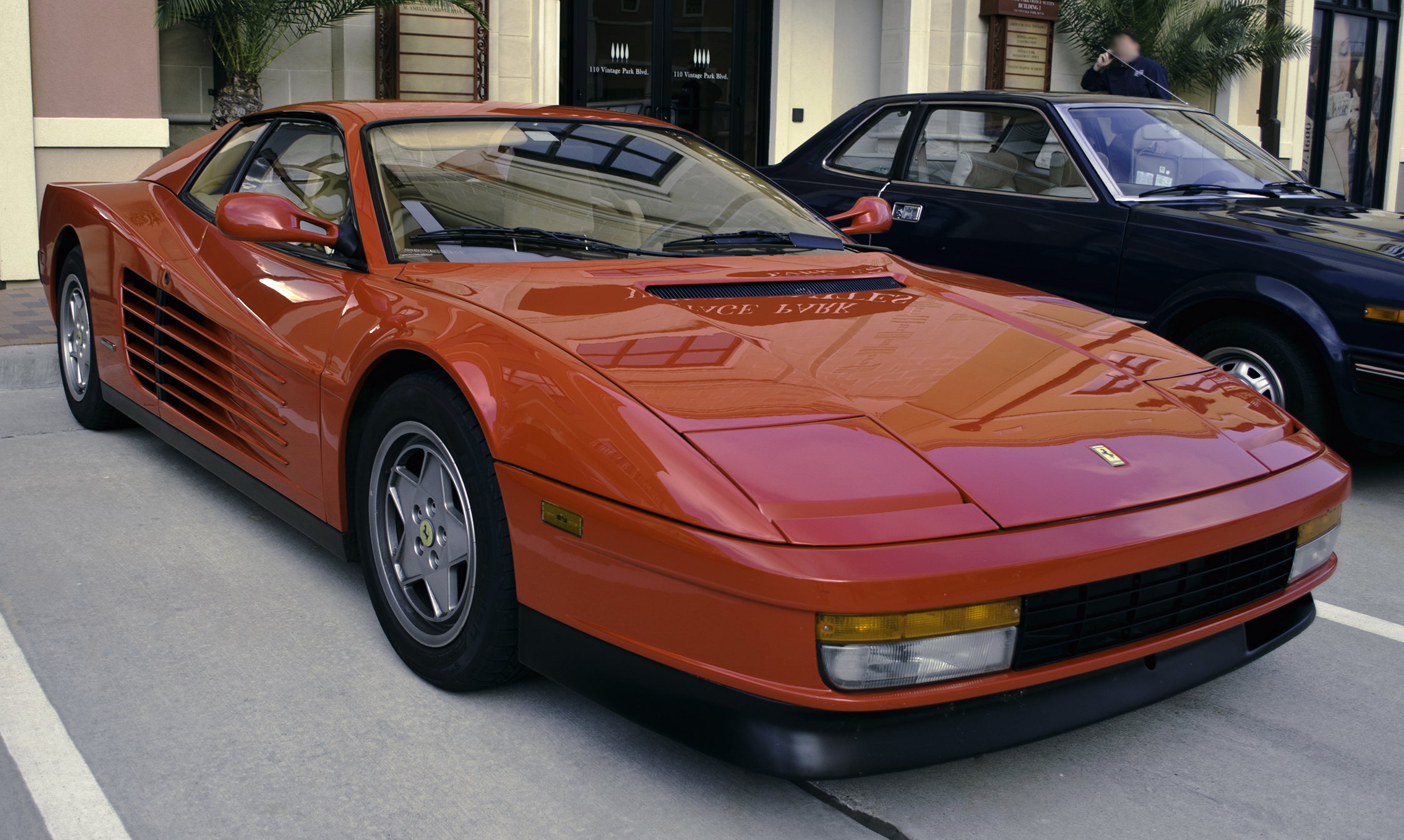

Car
Ford Probe

Car
Chevrolet Impala

Car
Pontiac Catalina


Car
Dodge Challenger

Car
Dodge Charger
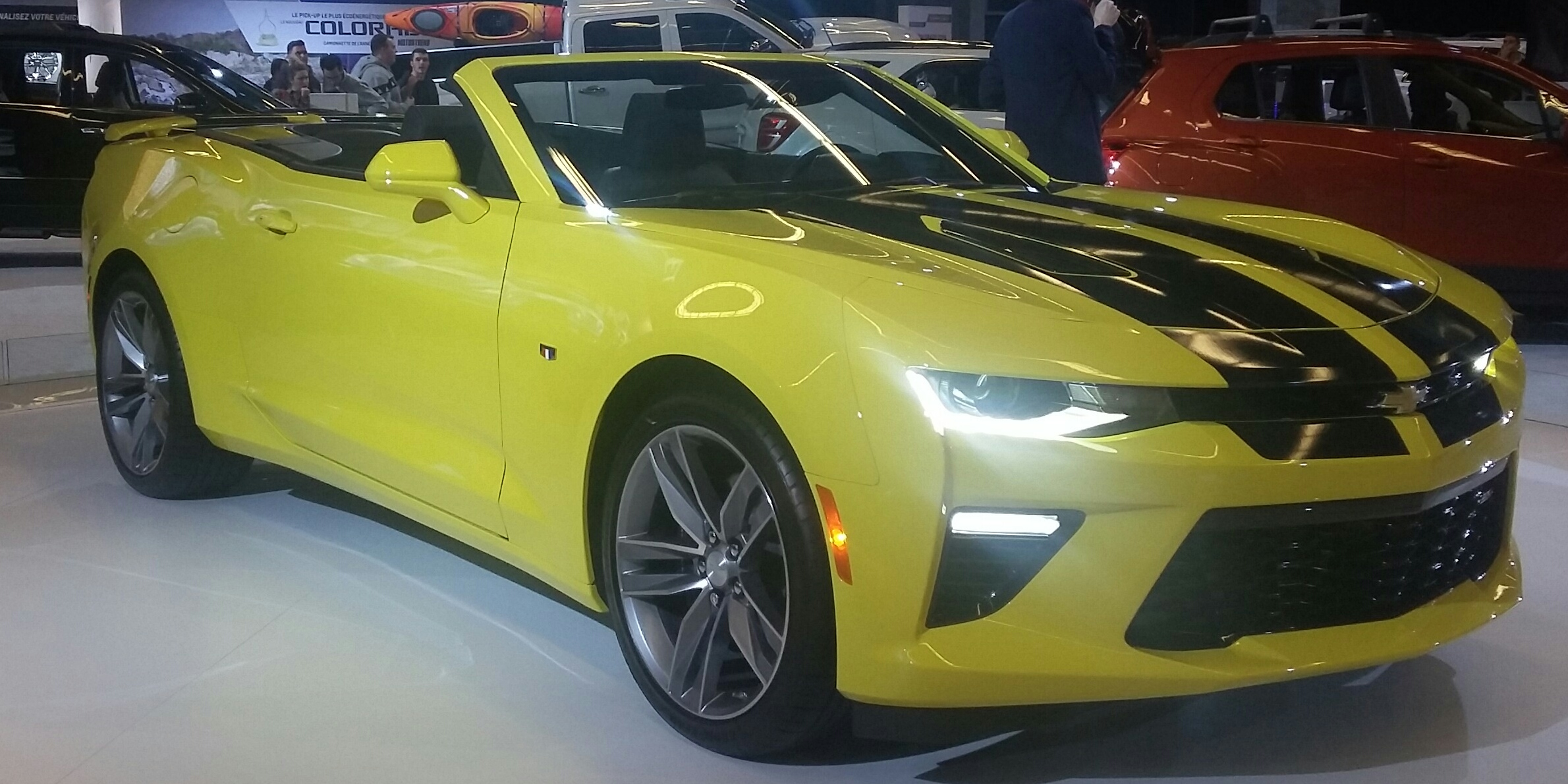
Car
Chevrolet Camaro

Car
Ford Mustang GTD
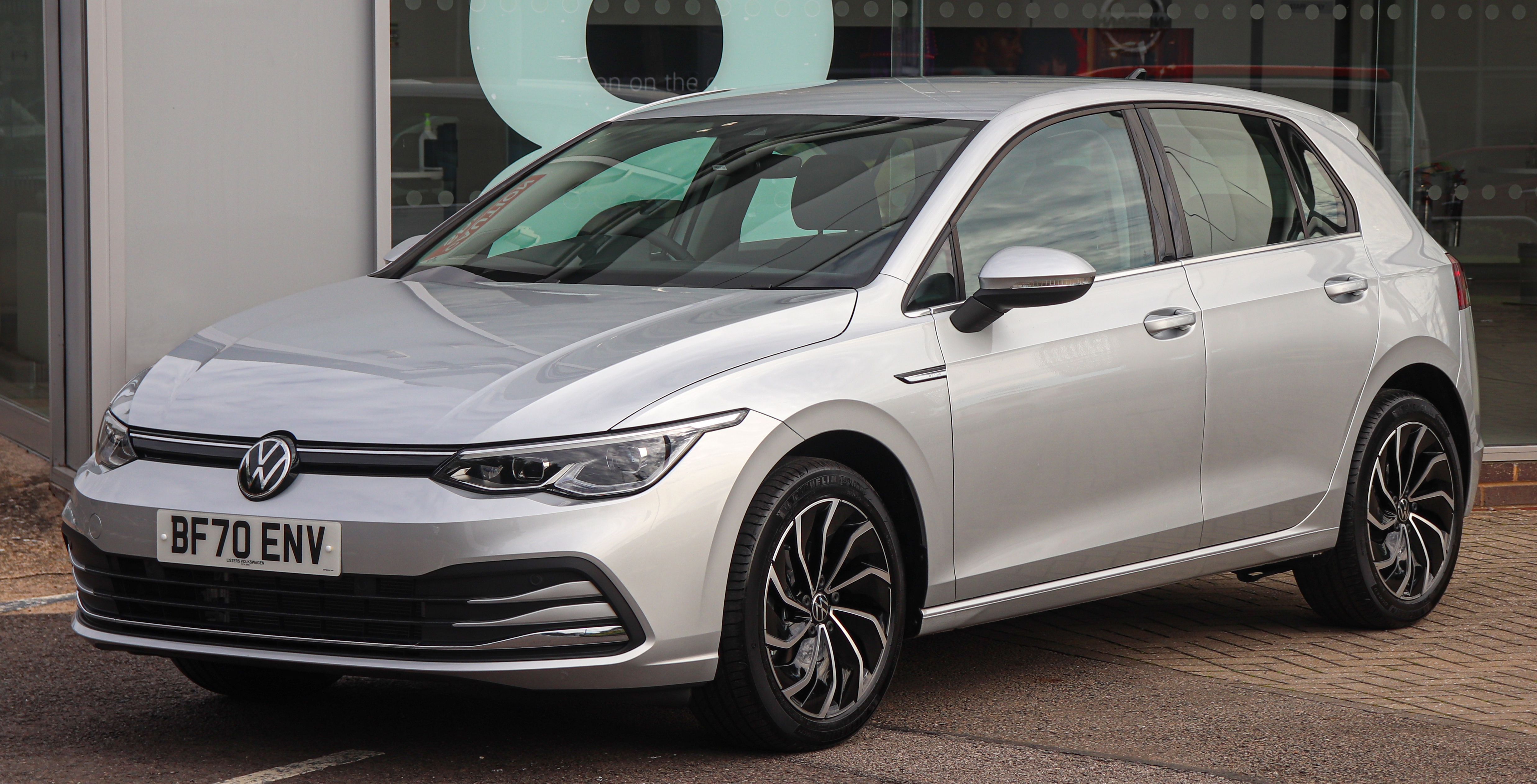
Car
Golf Gtd


Car
Jeep Wrangler

Car
Ford Bronco


Car
G-Class G Wagons
Car
Volkswagen Golf

Car
Audi Etron
LIVE
Speaker 1: I'll online. After Hours is brought to you by bridge
Stone Tires, Solutions for Your Journey and by Borg Warner.
Speaker 2: All right, we're on, we are, We're on. Who we
got a show to do here? Gary?
Speaker 3: After Labor Day?
Speaker 2: Yeah, yeah, wow, after late Yeah, technically the summer is not over, but it sure feels like it's coming to an end.
Speaker 3: Oh I I think that you know, the kids are back in school and they marched across the back on our bridge. Yeah, it's fall.
Speaker 4: The golf clubs go away and the leaf breakes come out.
That's right, that's right.
Speaker 2: So yeah, yeah. Let the voice you just heard was
Dern Levine with Sirius XM Radio. We've also got Gion
Cadiz from Haggarty and so yeah, wait, do we ask him about what Haggarty is or do you got something that you're going to try to stump us?
Speaker 3: Let's I could stump you perhaps, Okay, let's let's perhaps let's see if Gary said this stump us.
Speaker 4: I'm going to talk about this.
Speaker 3: This is this is this is perhaps the most obscure that we've had. Okay, okay, so uh, because September fifth
was not a big day in automotive history. So let
me let me first preface by saying that. Okay, So
on September fifth, seventeen twenty five, the guy named Nicholas Joseph Cujot was born in France. Okay, So what did
he build in seventeen sixty nine that's considered a precursor to the auto? Okay, and you've got to you got
to add some detailed.
Speaker 2: Okay, do you guys care to answer?
Speaker 4: I guess a steam engine.
Speaker 2: Yeah, a steam powered ammunition hauler for the army.
Speaker 3: Genius.
Speaker 2: No that that that's largely considered the first self powered vehicle in the world was Cuno's invention. And it didn't
run on railroad tracks or anything, so you know all the more.
Speaker 4: And this was for the French army.
Speaker 2: Yeah, the haul ammunition tract. You know them cannonballs were heavy.
Speaker 3: Top speed two point five miles per hour.
Speaker 5: Seventeen sixty nine, seventeen sixty we're fighting in seventeen sixty nine.
There's another question for you.
Speaker 3: Someone Germany they're always fighting or the British.
Speaker 5: You know, they aren't saying that the British or Germany or maybe both, or.
Speaker 3: They were just driving around in the steam power tractor and looking.
Speaker 2: For an jury. I commend you for finding something that
happened automotive related on this date going back to the eighteenth century. That's that's impressive.
Speaker 3: But this will be more impressive. Yes, yeah, by by far.
Speaker 2: Yeah. So for those who don't know what Haggarty is,
what's Haggarty?
Speaker 6: So Haggarty is absolutely something special because it's you know, everyone can have car insurance, but Haggarty's you know, call it claim the fame is the ability to ensure that your fun cars were about and taking care of the cars that you know, your baby's, the ones that you absolutely love. So our members, you know, they have their
primary insurance every state, farm or whoever.
Speaker 2: They're talking more collectible.
Speaker 6: Collectible, exotic, you know whatever. You know, what maybe classics
to you is maybe different classic to me, but it's your fun cars. And so if it's a Miana to
a Mustang to a Ferrari, you name it, that's what our members have. And there's over two and a half
million cars Haggerty insures, So all in all, we've got about one point three million clients. And why that's interesting
is because we have an ecosystem that keeps them engaged and in the fold of all things Haggarty, we have everything from events to magazines, to media and we even have an event coming up in Detroit that we'll talk about here shortly. But again, you know, maybe insurance hasn't
been the sexiest thing, but Mkhil Haggerty and the team have done a great job to create this overall environment where that people feel special. They're part of the driver's
club and you know, they get to attend events and bring their cars and you know, it's it's more than just ensure.
Speaker 3: Okay. So before everyone shuts off because say Jesus, they
got an insurance salesman on that. Okay. So you're here
largely because of an event that will be happening in Detroit at September fourteenth, Radwood, and then there are affiliated things to Radwood. So break it out down for us.
Speaker 2: What's rad Wood?
Speaker 6: So Radwood this would be the third time we've done it here in Detroit. It is the love of eighties
and nineties cars and culture. So not only is it,
you know, some say it's the malice era of cars, especially the eighties.
Speaker 2: There's still great cars.
Speaker 6: In the eighties and definitely in the nineties and it's more than just people bringing their cars.
Speaker 2: They dress up.
Speaker 6: So if it's highlighter colors and roller skates and fanny packs and whatever, it's it's the full on thing. It's
not just about the car. It's the car, the cars
and the culture, and that's what people will see in Heartplaza Saturday, September fourteenth.
Speaker 3: So why, I mean, why do this?
Speaker 6: This is you know what's dig digging it a layer deeper.
You know, obviously what has been classic to a lot of folks has shifted over time, and now people like me, us older millennials, we really love those cars from the eighties and nineties. That's what we grew up around. And
now it's, believe it or not, that's the biggest growing book of business for Haggerty on the insurance side. So
it is, you know, while it was like sixties and seventies mustangs, you know at one point, now we're in the eighties and nineties with you know, call it Gen X and millennials that are purchasing these cars at a high rate. And we know we've seen the prices for
a lot of these eighties and nineties cars starting to climb and climb really strongly.
Speaker 2: So give us some example. So the only thing I
can think of is there was some good Fox Platform, Mustang's right, Buick, GNX, things like that.
Speaker 6: What else, I mean, love's love for the three series, the nine forty fours. And then we've got folks that
like the more obscure maybe of that era, right, sab ninety threes and whatnot, make a big apeherance to these events as well as the exotics of the time. You
can't miss a Testarosa or Kuntash, you know, and maybe there's something else in the mix that you know, people forgot about. Right, Let's just be honest. There's been some
orphan cars since the eighties and nineties that those brands don't exist anymore. So if someone's proud of you know,
when Renault was here and they brought the Renault to Carla car to Redwood, Hey, they're proud and we're happy to have them.
Speaker 3: Okay, So the day before Redwood, then there's something Cars at the station, Yeah, so talk to us about that.
Speaker 6: Cars at the station were absolutely excited about. And for
those that are familiar here in Southeast Michigan, Michigan Central Fords Redesign Mobility and Cultural Hub in Corktown and southwest Detroit.
The Training Station. As everyone knows that, you know, it's
finished its restoration. They've still got some construction, but it's
they finished its restoration. Everyone's been excited about it. Over
one hundred, one hundred and twenty people have attended this since June sixth, just wanting to see and go through the train station. We were fortunate enough to work with
the Michigan Central team and the Forward team to become the first automotive event, first public automotive event in the space.
And by way of it, this is our pre event to Radwood on Saturday. So this is Friday night, three
to eight pm. And one of the things that we
wanted to look at is Radwood's eighties nineties. Could we
have a far more inclusive car event here in Detroit. Again,
if you're proud of your Ford Probe or your Ferrari, great bring it. Because we we want car culture to
be the common tie which brings people together. We also
want it to be the on ramp for folks that maybe they could care less about cars, but they want to see what's going on. Because it's at Michigan Central,
so we know that's going to be a great community pool, and we're absolutely thrilled to be partnered with Michigan Central, the City of Detroit, New Lab the Mobility Hub next door, and many other great partners, including the Detro Auto Show team, which is helping to bring a lot of the cars into Roosevelt Park from around the city.
Speaker 3: And you're getting some Mustangs from the Henry Ford.
Speaker 6: We can get some Mustangs from the Henry Ford. And
you know what we've in the last days, We've had all sorts of folks reach out proud of what they have and they want to find a way to make sure that their cars positioned beautifully in front of the train station in the park. So we're doing the best
we can to accommodate all these requests, and at the same time, we know it's a new platform and hopefully it grows into great things in the future.
Speaker 2: So here's my question. I throw it out to all
of you, not just to Youugon, but what makes a car a classic car? What makes a car something that
people really want to own? Because to me, cars from
the eighties and nineties that's just not old enough to be considered in my mind classic or anything like that.
So Gion ustar.
Speaker 6: What makes a carst you know what, I'll say, that's very tough because it is you know, it's like every day something now is more classic that was you know, even late nineties, early two thousands. Now is quote being classic, right,
some of those are twenty years old. To me, it's
like this emotional connection to and I think it's even more so of like what was analog and what really gets your soul excited? And this vehicle has sold and
you're like, you're connected to it. And if that's that
emotional connection that you know you can't find in today's cars, maybe that's classic to you.
Speaker 5: I think it has to do a lot with what was being driven by your parents, your uncle and aunt, cousins, people who were driving cars before you were driving them, and they enjoy you remember taking trips in them, and you had established some connection with them. So some of
these are cars that were being built in big enough numbers, manufactured in large enough numbers so that there was a invasive effect in society and a lot of people were driving them. And so you saw them on the road,
and you saw them in your driveway, and you remember them from when you went to the beach or when it was took you up, when they took you up to camp, it might have been your first car, as a secondhand version of it that you were driving. So
I think that's how many of the connections were made with these cars. I remember my dad bringing home when
I was a kid, and because of my age, it's different than this one.
Speaker 4: But I remember the sixty two.
Speaker 5: Chevy Impala that that he brought home. And every time
I see one on the road at during the summertime, somebody brings out their sixty two Chevy in Pala, it just makes me connect with my father, my mother, my sisters.
I just remember them that way.
Speaker 3: So it's entirely a personal thing, is what I hear.
Both I think so, I mean because because I mean, I grew up in the backseat to of a Catalina or a Bonneville, and I just I just don't, you know, I loved my father, But I mean, I'm sorry, it's like that just doesn't do it doesn't it doesn't try your memories for you.
Speaker 2: It triggers me.
Speaker 3: I don't look at no, no, I mean, I just don't look at that as as being I think it's it's it's something that perhaps was unattainable, that had a certain panache to it that you look at that and say, wow, that that is so friggin special. That is just something
that I wish I had. And you know, and you
know you mentioned the Ford Probe, which I'd completely forgotten about.
As soon as you mentioned it. It was just like
remember that goofy color that you know, you saw it it changed in the sun and and mister chrome, mister chrome, there you go. And uh so, I mean I could
I can see people saying that really does it for me?
And so it probably isn't a classification. I mean it
is a classification because you know, you guys have that in your insurance. You know that you break it down.
But for people, I think a classic car is something that maybe has the thing of your father, maybe has the thing of you know you drove when you know at that period of time, or maybe it's something that was once unattainable that now there's the possibility.
Speaker 2: See what you guys are all talking about is on a personal level, what does that car mean to me or my life or my culture or anything. I think
it goes it is that, but it also goes beyond that because there are some cars that we might see from let's say the nineteen thirties, you know, Della Highs, you know, or other you know, one off coach work kind of cars, and everybody look at that and go, oh my god, that thing is gorgeous. It's beautiful. And
so there are cars that have no connection to your memory or your background or anything that you go wow, look at that. And the cars to me that tend
to be the classics that win at the Concord events and the like, they're big. Small cars don't win. It's
big cars. So they've got this presence to them, and
they've got dramatic styling not necessarily aerodynamic at all, but you know a lot of sculpture and curvature to it and or massive performance. And to me, you know, those
are the cars that rise above you know, any generation.
It'll make anybody stop and look at it and say, wow, look at that thing.
Speaker 3: Okay, but isn't it just purely an aesthetic play that you're looking at a category?
Speaker 5: I think that there are a lot of different categories that fit into what we're talking about.
Speaker 4: Now.
Speaker 5: That's one, and I think probably I've been to one or two classic car shows, not as many as you have.
Speaker 4: Few people have been to as many as you have.
Speaker 5: If I see a car from the thirties or forties, I look at it and I'm impressed by it, but I'll probably not be able to identify it. When I
see a sixty two Chevy and Palax, that's a sixty two, or that's a sixty one, or that was a fifty nine, and that gives me some satisfaction.
Speaker 2: Well, and you're absolutely right. There's absolutely different categories, and
you know, cars can fit into, you know, each and every one of those different categories and still be considered a classic by some people.
Speaker 4: And that's what the Dream Cruise is really all about.
Speaker 2: Oh well, you know what I love about the Dream Cruise.
And for those who were watching that don't know what happens in Detroit, but I think it's the third Saturday in August every year, tens of thousands of what we'd all call classic cars come out, a million people lining Woodward Avenue to watch, and they just cruise up and down all day long, in fact, all week long. But
so that's just setting the stage. What I love about
the Dream Cruise is I've seen restored garbage trucks, ice cream trucks, chopped and lowered school buses. I've seen half tracks.
I've seen one year, I saw a mercer race about and I don't know exactly what year it was, it was probably nineteen ten. I mean it was a museum piece.
There's things worth several million dollars that was out there, and then you see things cars that you go really people are into that.
Speaker 3: So you guys are trying to sort of focus it somewhat more with Redwood and with the cars at the Station.
Speaker 2: Is that true?
Speaker 6: I would say that, I mean Redwood has its defined right eighties to nineties' that's you know, a sweet spot right now for Haggarty, and I think just overall culture, car culture and even some pop culture relative to even style and taste today and in general, I would say Cars at the Station is kind of a you know, you use your woodword example, it's almost an all call. Right.
We know that we're going to have a broad array of ages, meaning what's classic to them or special to them is going to vary. At the same time, we
know based on neighborhoods it varies, right, So you know, we know that we'll get you know, different vehicles from different areas. You know, one of the things that we're
very proud of is we know from our connections in Southwest Detroit we're even going to have our Lowriders coming out of there, right, So we want something for everyone for this one, because again, the whole idea of Michigan Central was to be the center, a cultural center for the city, and we didn't want another event where it's excluding, you know, an elite status of cars.
Speaker 2: We're going to get great exotics.
Speaker 6: Anyway, what else can the community bring and come up with that they're proud of? Bring it in, let's see it.
Speaker 5: So we're a society that's very much caught up in the idea of identity and our conveyance. Our personal choice
in transportation is very much a reflection.
Speaker 4: Of our identity.
Speaker 5: You were talking about low riders, you talk about luxury cars, you talk about economy cars. A lot of this is
about who we think we are, and this it reflects who we think we are and that's why it's super interesting and I think will be a very good event for you.
Speaker 6: So we're hoping for it.
Speaker 2: So here's another question. You're going to let anything come
in or watch?
Speaker 6: So we have a process, right now, and it's not necessarily filtering. It's more to kind of manage overall car count.
Of course, the city of Detroit's proud of Roosevelt Park.
They've built this beautiful park and tons of flowers and shrubs and whatnot, and so to help manage expectations and try to figure out, like, how are we going to play certain things knowing that, let's just call what it is.
Some of these people are going to be in the park for a long time. Is the show doesn't start
till three o'clock, we're going to need load them in by ten. So we're you know, not only are we
looking for people who are committed and are so proud to display their vehicle, we also want to keep it as mixed and as interesting as we can. So, you know,
the last thing I think anyone wants to see is, you know, a whole bunch of Mustangs here, Chargers here, corvettes like that. That's not bringing together necessarily the community
in a colorful way that we're envisioning, right. We want
to keep it mixed, and as people show up, we want to be able to still accommodate vehicles that, hey, they just got out of work and they're you know, they're proud of you know, whatever that they've got, and we'll try to get them in either fourteenth or sixteenth Street of some rusted out class you know what, Patina.
Patina vehicles are a whole class of themselves. So you
know what, I can't I can't discriminate on that.
Speaker 3: But there's our possibilities to say, oh, we don't have room here this you know, park.
Speaker 2: Over there, Yeah, that parking lot behind the other building.
Speaker 3: But you guys are making this like I mean, there're gonna be food trucks and there's gonna be DJs. I mean,
you're turning this into like a festival more than a car show one.
Speaker 6: Hundred percent, because yes, we could do another car show parking lot situation. There's plenty of cars and coffees and
other things in the area. Well, one of the things
that no other show can claim is that we are in the backdrop of the future of the city, right the mobility hub for the city. What's happening in New
lab the one hundred and four startups focused on mobility, material science, and energy. That is a great new position
for Detroit, rather than always focusing on muscle cars and roasting the tires and all the things that you know, we look back from and we're proud of that, but we're in a place that's looking forward. And so one
of the things that we really wanting to focus on is the news making of that night with the manufacturers against this backdrops, what's what's arriving, what's fresh, and what can all these community members appreciate that the automakers will give you know, five to six minute show and tell them what's latest and greatest from them, and we're excited about that. They don't have to have just a media
credential to see it. They're welcome, They're welcome to capture
it and post it and we're happy to have them.
Speaker 2: So, you know, I brought up the topic of a rustbucket.
What do you guys think restoration or preservation?
Speaker 5: I e.
Speaker 2: Should you get a classic car, tear it down to the frame, rebuild it so that it's more perfect than it ever left the factory, or should you just keep the thing running with the pateen of history.
Speaker 6: It's a good one because I remember going to like concourse events as a kids started you know, the local one here started in Rochester and then went over to Plymouth, and at that time in the nineties, it was these cars were better than they ever were new. And I
just remember thinking, like, because my dad had a old BMW and still has it today and they never really restored it. It's as it is, and you look at
kind of hit I was always thinking about his car, and these cars are so beyond perfect. The gaps are
so tight, and you know, everything's looking so good, the paint's so layered. You know, that's not really authentic to
how it was. It's great that it's so beautiful. But
I think today I have more appreciation for people that you know, drive their cars, you know, wrench on their own cars, and they enjoy it. There's more to than
just parking it. And so yes, I am for a
little bit more used than more than perfect.
Speaker 2: You know, anyone who's ever watched the Antiques road Show on public television has seen somebody bring out some old furniture, you know, in King Louis, the fifteenth era kind of stuff.
But they had it restored, and you know, the dose that there tells them, boy, this thing's worth about five thousand dollars. If you hadn't done anything to it, it'd
be worth sixty thousand dollars. I mean, but this goes.
Speaker 3: Back to the thing of we were talking earlier about emotions in personal commitment to whatever. So the question is
that are you doing it for yourself or are you doing it for the market. Are you doing it because
at some point you may think about selling it? Or
are you doing it because you know? This is mine
and I really love it and I enjoy it and I don't care about all that other stuff. But there's
a whole group of people, God bless them, who basically are no, I'm going to make beautiful cars. The Dela
hay that I have from nineteen to thirty he is going to just you know, I won't change it, but damn it, I'll use some modern age wax to wax that thing to make it look better. But what is
their interest?
Speaker 5: So trying to imagine a conversation between two people who have that Louis the fifteenth chair. One has it completely restored,
and it gives them great satisfaction and joy to know what it must have looked like in that sitting in that sitting room back at Versailles, and then somebody else who says, I like the idea that this is what it looks like now four hundred years later, and that really triggers all my thinking about what's happened over the last four hundred years. There's no real way for those
two people to come to terms as to which is right.
Speaker 4: They're both right, they're both right. Yeah.
Speaker 2: My own personal opinion is I like cars being preserved.
I like seeing old cars that run perfectly well, they're actually very clean, but they haven't been torn down and redone.
I do make exceptions, though, there are certain cars that you know, somebody find it's a barn find right, and it's a rust bucket, and they bring it back to life.
They do a complete tear down to the frame. I'm
all for that. I think that's great. They've brought back
something that otherwise, you know, it was just going to rust into the dirt and it'd be gone. So I
think it's to your point, Gary, it's different. People have
different things so that they want to they want to win a concord to elegance. So you bet it's the
white glove treatment and that car is perfectly restored, versus somebody like me who likes to know, dang that that car, you know, just make that car sixty years old and it's it's just running great. And I love seeing cars
being driven to your point, Geon, not what they call trailer queens that just go from show to show and they barely drive one hundred yards.
Speaker 6: And frankly, you know, that's the beauty of all. You know,
I think how things have progressed a lot, and with car culture, I think there was a time where it was far more trailer queen garage queen type vehicles. And
I feel like, you know, thanks to one we'll call it social even social social media, where people do want to see and be able to capture a lot of even if it's a two fifty gto to you know, a modern day exotic. They want to see it moving,
they want to see it used, they want to hear it.
Even if it's not theirs, they still want to see it.
And I think that's even the ownership now is you know, people do want to get their cars out because they want the attention at the end of the day, and frankly, which just call it is it's not hurting their value to make sure people are aware of it.
Speaker 4: You know.
Speaker 2: It's like Jim Hall, the famous car racer and designer, donated his Canam race cars to I think it's Rattlesnake Raceway in Texas and on the stipulation that once a year, each and every one of those cars has got to go out and tear around their track at speed, i e.
The cars have got to be maintained in good enough condition to go out and race. And I love that approach.
Speaker 5: Sore is mkil Haggerty getting into the auction business as well, because I know we've got to bring a trailer and we've got some of these other enterprises that really cater to the person who maybe never even thought of owning a classic car, but see something and it reminds them of something they liked when they were a kid for some reason and they go and buy it.
Speaker 4: Is that something he's getting in there again.
Speaker 6: As as part of Haggardy's ecosystem, right, we have media and content and events.
Speaker 2: We do have marketplace.
Speaker 6: We have our Haggardy Marketplace which gives folks a chance to bid on vehicles right that other owners are selling.
At the same time, we have our Broad Arrow Group and they are you know, a top tier auction house that is, you know, bringing in the exotics and those hard to find vehicles where you know, they're commanding premium dollars that even just recently at our motor Lux event out in Pebble Beach.
Speaker 3: And uh, it's.
Speaker 6: A very important part of the business, and it's a growing part of the business. And uh, yes, we're Haggard's
in because you're to your point, like I'm a huge bringer fail bring a trailer fan to almost every morning I get the email and take a look and dream with you know, you know, you know, a couple hours to go does just makes sense. And but no, I
have not bought one yet.
Speaker 4: I'm you ever had just bring a trailer guy on the show.
Speaker 2: You should, you should? You know, it's probably a good
idea that if you.
Speaker 4: Invited him, I'm sure he'd be here in a shot.
Speaker 3: You know, you mentioned this sort of in passing earlier when you're talking about you know, people coming to the events that will be happening week after next. And so
earlier in your career, you you worked at Ford, you worked at I think it was still Chrysler at that time, maybe Daimler Chrysler time Ware.
Speaker 6: We did Chrysler Chrysler and.
Speaker 3: And so you know, you spend a lot of time with the muscle car community at both of those those firms, And I'm wondering, how do you see the younger generation when it comes to cars like like Mustangs and Chargers and Challengers and so on.
Speaker 6: One I think it's there's something to be said about the nameplates themselves. I've been fortunate enough to be with
Charger and Challenger for many years as well as Mustang, and you know, names carry a lot of weight in this industry, no doubt about it.
Speaker 2: And you know, if it.
Speaker 6: Was you know, my dad's always had a Mustang, so I'm a Mustang guy, or however however it may be.
What's interesting is the transformation of the younger generations to these nameplates, especially when it comes to i'd say the Dodge product. You know, Charger and Challenger for sure residing
extremely strong with the younger, younger demographics. And uh, you know,
we see it at Woodward. Woodward's absolutely transformed. Wood Dream
Crews is absolutely transformed in the last years to more modern muscle.
Speaker 2: Right here are cars.
Speaker 6: You know, maybe not everyone likes to see it that they you know, they're not the quote classics we're used to seeing at Woodward, but there's no doubt that the presence of modern muscle was taken over, you know, more reliable, easy to drive, monster power, and.
Speaker 5: A lot of criminals seem to like ye, I don't.
Speaker 6: Even want to comment on it.
Speaker 1: I'm sorry.
Speaker 5: You know, I watched the news like everybody else, and it always seems like they're driving a charger.
Speaker 2: They're driving.
Speaker 5: But there's you know, black one that was going one hundred and forty miles monster power, monster power.
Speaker 6: And to your point about you know, your we used to say, you know when it came to Mustang that you know you are. It's an extension of your personality
and yourself, right, there's like this little there's this pride of like you know, getting your chest out of like you know, I feel like I'm commanding the road and I've got you know, my V eight power under the hood, and you know, you're from four hundred plus to you know, over seventy eight hundred horsepower. These cars there's you know,
can run it just about anything.
Speaker 4: You could use it running a pill for great purposes.
Speaker 2: But you know, the point that you're making is an important one because I think Dodge and Ford have done a terrific job of making these these old, old name plates, very relevant and desirable for a whole new generation of buyers.
Speaker 6: Right and you know, one of the and they couldn't be more different. And so a lot of people like
to say it's you know, Charger Challenger versus Mustang versus Camaro.
One of the things that I give Dodge a lot of credit for is that, you know, whereas Mustang became far more track capable in time, Dodge went the other way to go track capable with the respective owning the straight line, right and so, and they've done that, and Ford's done an absolutely great job with you know, Mustang GTD, even right on the most extreme side, taking the GT three learnings to build an absolutely world class GT car to take on some of the most elite brands. And again,
these are come down to very common, you know, nameplates that we all know at the dinner table, regardless if your car people are not. So again, it's these are
so powerful from a branding standpoint, and the just the attainable love that they have is hard to match. It
really is.
Speaker 2: Yeah, hey, look a good time for us to take a quick commercial break here. We got a lot of
other things to talk about of what's going on in the auto industry. At first, a shout out to our sponsors.
Speaker 7: When the elements are working against you, being confident in your grip on.
Speaker 6: The road is what really matters.
Speaker 7: Breach through a lens of tires, improved acceleration in wet conditions.
The automotive industry continue to evolve, and so do the opportunities to define it. Vorg Warner is your partner in
propulsion by valuing above all trust and our employees. We're
one of the world's most admired companies, and for over one hundred and thirty years we've been building the future of mobility with the world's foremost technologists and engineers. We
will continue to design how the world moves. Let's do
something big together.
Speaker 2: All right, we're back speaking of what's going on in the news, and this pertains to what we've been talking about in a way. It's a good segue. What do
you think Jion of Walter P. Chrysler's grandson saying he
wants to buy the Chrysler brand. I think he wants Mopar,
I think he even wants Plymouth. And what do you
think I mean?
Speaker 6: It's as a put my Chrysler hat back on you know, I can appreciate the love and trying to keep the storied brand relative close to you know, his vest, but the reality is, and we all know this, the industry is so tough and to you know, you can separate it all you want, but at the end of the day, you know, the scales, the you know, scales of economy, of scales, the scales of economy, the uh, you know, manufacturing needs, the you know, purchase Like, there is no way that I could ever see like that kind of
standing alone by itself at this point. As much as
you know there's pride that he has to try to believe that's possible, I.
Speaker 2: Really don't see it.
Speaker 6: Yeah, And then you know, one of the things that you know, I've always appreciated was I've been through the darkest times of Chrysler, right we went through bankruptcy. We
saw the two thousand and eight and two thousand and nine brought and when you know these brands Chrysler, Jeep and Dodge at the time, you know, we're kind of left for dead. And how to rebuild those brands and
what the Italians were able to do to help resurrect those brands thanks to Sergio, you know, he really intertwined the company in a way that I don't think it's possible to undo it and find the value to really let them grow on their own.
Speaker 2: Yeah, I you know, unless the guy's able to come up with I'll make up a number ten billion dollars, I don't see Stillante selling anything to him.
Speaker 5: I think what's interesting is that he has come up with this idea just at a point when Stilantis is showing that it is having difficulty dealing with all these brands.
So I don't think it's any coincidence that he's kind of raising his hand at a point when people have said, hey, Stalantis has fourteen brands and it's profits have just collapsed, it's stock has just collapsed. Maybe it's time for them
to sort of trim down from where they are and sell some of these brands. And he figured this out.
Speaker 3: So let me ask you this, Darron. So you know,
if we look at Chrysler right now, okay, so you can buy a PACIFICA, Okay, that's it. What is the
value that that brand has? Is the value simply nostalgic
or from a business point of view? Is there something
there that I don't see from.
Speaker 5: A business point of view, if you're a Stilanta shareholder, it probably has negative value. In other words, it demands
a certain amount of marketing, It demands a certain amount of capital investment, It demands a certain amount of executive attention.
It demands a certain amount of time from the design studio, which is not justified by selling one vehicle. So as
a shareholder or somebody who was interested in an investment.
Speaker 4: I would say, get rid of it.
Speaker 5: You look at a company like Toyota, which has what two or three brands globally and they're doing just fine with it, and then you have Stillantis, which is struggling with fourteen brands. It seems like the answer is pretty
clear that they've got to and they have brands like Launchia that people.
Speaker 4: Have never even heard of. So why are they doing this?
Speaker 3: Well, they haven't heard of them here?
Speaker 5: Perhaps, well they've heard of them in Lancia dealerships and maybe in the neighborhoods where Lancia dealerships are are located, But lots of young people in Europe haven't heard.
Speaker 2: Of Lancia's only sold in Italy. Now, yes, I think
that's I don't think it exists out so again.
Speaker 5: You have to ask yourself, as part of corporate strategy, why are they doing.
Speaker 2: This well, because to unwind it is going to be very expensive and it's going to be politically very very difficult.
Speaker 5: Unless some dreamer comes along with a lot of money.
And there are dreamers out there with a lot of money who want to own a car company.
Speaker 4: We know this.
Speaker 3: So so, speaking of Stilantis that I read this piece in Bloomberg today which I thought was rather curious that they quoted the Wall Street Journal saying that the factories making the Jeep Wrangler and Grand Cherokee had halted output.
And so then Bloomberg News went and asked Stilantis what's going on on and they got the response quote production of these plants will resume September fifth, which is today, And the statement that they also they got also continued Stilantis continues to take the necessary actions to improve operations in the US market. This included making production adjustments at
the Toledo, North, Jefferson and Mac plants. The company will
continue to monitor the situation and assess whether further action is required. What does that mean, John.
Speaker 2: Further action means they still have way too much inventory, and it's just astonishing to me that they let this get out of control like it has. And so when
they say further actions, it's going to mean if look, if we can't get inventory levels down, we're not going to keep on building vehicles, right, so got to stop production.
Speaker 5: Back in the day, a very talented editor for the Wall Street Journal by the name of Chuck Camp used to school every new reporter at the Wall Street Journal by saying, you got to understand and at one level, this is a simple business.
Speaker 4: It's a three.
Speaker 5: Legged stool sales, production inventory. When one of those legs
gets out of whack, the stool becomes unstable. So you're
either sell more or you produce less. But somehow the
inventory has to coordinate with those two other things. And
that's really the sort of the vicious kind of reality that top executives face every day when they're looking at production levels, they're looking at sales rates, and they're looking at inventory.
Speaker 2: No, but here's my question to you, then, darn.
Speaker 5: So, why have they been dancing around with all these new executives at Stilantis.
Speaker 4: The reason is because they haven't been doing their job.
Speaker 2: Probably well, I'd like to know how they let inventory levels get so out of hand because it doesn't happen overnight, right.
It takes months and months and months to get all of a sudden to the point where you've got one hundred days inventory.
Speaker 5: No one wants to go to the UAW and say, hey, we're shutting on this planet.
Speaker 4: We're shutting down one shift or we're going.
Speaker 2: I don't think the UAW is the problem. I think
it's top man because as you know you as a Noomas, I'm not.
Speaker 4: Saying they're a problem either.
Speaker 5: I'm just saying nobody at the executive level wants to talk to the people at the planet.
Speaker 2: I think it's the executive level does not want to stop production because as you know, as soon as the car rolls off the assembly line, it's counted as soul, correct, And you've given Wall Street your guidance as to the profit you're going to make, so they're selling clients by the stock or don't buy it based on that. And
if you stop building vehicles, you're going to miss your guidance and Wall Street's going to crucify you. So that's
where I think the problem is. So nobody wanted to
say stop building cars. You could be right, so so
Wrangler in Grand Cherokey. I mean, these are basically the
tent poles of the Jeep brand. This is, you know,
five alarm alerts. So I think you're going.
Speaker 5: On the other side of the coin of the success of the Bronco brand at Ford. I think you work
done right. We have a guy who's here who can
talk about it. But I think when we first started
seeing the Broncos strategy at Ford, everybody said the same thing, this is not going to be good news for Jeep.
Speaker 2: Correct it is, But what did Jeep do. They kept
coming out with more and more expensive models, and they kept building beyond demand. Ie they kept building more vehicles
than there were customers to buy them. And now they're
stuck with all these expensive vehicles that they're going to have to discount dramatically more so than that they've done already, and they're going to have to stop building vehicles, which, as you say, they've just stopped building our maybe resuming today.
But the Wrangler, the Wrangler and the Grand Cherokee, those are the icons of the brand. And when you've got
to stop building them, you're in trouble.
Speaker 5: Or, as auto executives say behind closed doors, the dogs aren't eating the dog.
Speaker 3: So Jean. When when you guys rift Ford and you
were developing the whole Bronco thing, I mean, was Jeep the focus or was it you guys thought beyond that or in a different direction or there's the reality that it had to take on jeepet on. Right, there's no
doubt that if for Bronco to be credible, the Bronco to Door and Foord or had to go against you know, the Wrangler to Door and Ford or all the way through. Right,
it couldn't be anything short or soft of what the Wrangler was. It couldn't be an FJ cruiser.
Speaker 6: It needed to absolutely be head to head and you know, the team did a great job managing that. Right. It
took you guys know the stories of Ford starts and stops trying to bring Bronco back, and you know it took many years. What was that twenty some odd years
since ninety six twenty four when the last Bronco rolled off.
But the timing was right, and frankly, it couldn't have been better. With the pandemic, right, everyone wanted to get outside,
be active, you know, live this adventurous lifestyle because we had lost it for a hot second there, and Bronco made a great answer to make off road easy, right, I had some things that the Wrangler didn't For those that weren't off roaded, burst to be able to have some confidence to take off off the beaten.
Speaker 4: Path, stop being monitored. I think it was really brilliant.
Speaker 5: I thought that it was planned well, it was marketed well, and if you think about it, there's nothing top technology about any of these cars right there.
Speaker 4: It's pretty simple.
Speaker 5: You tear down one, you figure out what it takes to take it off road, and then you do it.
Speaker 2: Well yeah, but I mean with today's off roading, I mean the all wheel drive systems are so sophisticated and with the camera so you can see where you're going or where your wheels are placed for a downhill descent and traction and you know downhill or you know rock crawling, cruise control. The software is pretty intense in these vehicles
right now. But what I was amazed at JEHN is
Jeep was so successful. I think you know, sales peaked
in twenty seventeen eighteen two million globally, and I kept looking around going why is everyone else letting Fiat Chrysler get away with this. I mean, nobody's attacking Jeep. And
then Ford finally woke up to the fact that, you know, we got this terrific brand and if we bring it back the right way, we can do some damage in the market.
Speaker 6: Yeah, there's no doubt about that. It's unbelievable. Unbelievable if
you look at the history of the automobile that Wrangler has not been challenged for as long as it was.
And you know, I you know, forget you know, Bronco's important stuff that it can be done, you know, and now we've got Scout around the corner too.
Speaker 2: That's that's not too far away. Do you think Electric
will make it with that off road crowd?
Speaker 6: You know what, I think if it's done in an authentic way and capability and rugginess are true, I think they have a chance. I think their client may be
a little bit different. But one of the things we
learned with Bronco is there is that segment that Wrangler's had.
Just because there's the Wrangler buyer didn't mean that there's folks adjacent that weren't willing to come in if if there was something else out there and Bronco did that.
I'm not to say, you know, who's to say that Scout won't find their own set of customers as well that want that rugged capability.
Speaker 2: But as you know, what you're saying is fascinating to me because what you're saying that segment could grow.
Speaker 6: And it has, and let's just call what it is.
There's the traditional hardcore rugged vehicles, Wrangler and Bronco being them, and then there's everything else that's trying to be somewhat off road these days, with more you know, molded and collar fenders, a little bit of.
Speaker 2: A rugged tire. I actually liked a new land Cruiser.
Speaker 4: No, I'm not. I'm not criticizing. I think Toyota is
doing a good job with land Cruiser.
Speaker 5: It took something that was really a niche vehicle, big and kind of ungainly but attractive in its own way and had a small niche audience and is bringing it mainstream and it's going to be it's going to be selling in much greater numbers than the old one used to.
Speaker 6: Yeah, I've actually seen quite a you the new one.
But I think there's there's something American about that segment, just like it is true with Charger, Challenger, Mustangs and Camaros, like there's there's a like a national pride with some of these vehicles too, and at the same time it's absolutely an extension of personality. People ask me all the
time or over the years about you know, you've done so many cool vehicles, from Wrangler to Bronco, Chargers, Challengers, you name it. What do you like most? And I say,
I say every time, I prefer the off road crowd, the camaraderie. Can't beat the track type people like you've
got people who want to help you in the mud, tow you out, like there's like a pride to it.
Speaker 4: What do you think about Defender?
Speaker 2: I like, I like the Defender. I mean, I think
it's what land Rover is another legitimate competitor in this case.
Speaker 4: They're kind of as original as cheap.
Speaker 2: But they've never cracked the code of getting the volume like Jeep or Bronco have.
Speaker 6: And they're playing at a higher price point too, and that's maybe true to their brand. But I think that,
you know, when it comes to like looking at the classics, those Defender nineties and one tens or from the nineties continue to climb. They're great I love the classic G
Wagons too. That's another hardcore, you know, triple locker view
that it's hard to beat. But there is something to
be said about you know, there's the original three, the Willies, the Scout, and the Bronco, right, and then you've had others, right like the G Wagons and the Defenders.
Speaker 5: Internationally, Wags will be going to a tragedy that Shawn never got to stay around long enough to enjoy that one that was built for him.
Speaker 4: Well.
Speaker 3: See, the thing I wonder about is you know, you mentioned that there was the great timing for Bronco in terms of, you know, the pandemic of people wanting to get outside and that's basically all you can do is go outside. And I wonder is the pie going to
get bigger or is the pie basically in the stay the same size and slices will get thinner. For some,
I think there.
Speaker 6: Would be more derivatives of what is called, you know, like legitimate rugged off road vehicles, right, because there's a you know, I think people want to own something authentic at the end of the day, at least for those that maybe care about what they're driving. They want authenticity.
They don't want opposer vehicle that has cladding and some you know, colored toehooks and believe that's enough. The ones
that I think will succeed and continue to grow the segment are the ones that are going to go all in where there is no substitute, right, it's it's you know, the gw Wagon is the Gwagon, the Wrangler is the Wrangler, and Bronco is absolutely Bronco. There's you know, I think
those are the ones that can grow. And I don't
think that you know what called the source of sales where those folks are coming from. Maybe maybe it was
mid sized sedans, maybe it was something else. Because they
want more, they want to be cooler, they want something that gives them open air freedom. They want to feel
like they can on more and go places that they've never been before.
Speaker 5: Is off roads something that the evs can't really get to because of the low center of gravity.
Speaker 2: No, I don't think that's an issue.
Speaker 3: Have you seen a hummer?
Speaker 2: Yeah, okay, I have you can go or you know, any of us is doing some really interesting stuff too.
Going electric. No, I think electric could could be part
of it. And you know what, there's an appeal to
be out in the middle of nowhere, doors off, and your vehicle's not making any sound. I mean you you know,
you don't have the roar of the engine, the wind of the transmission and the like. You're more at one
with nature.
Speaker 5: Now.
Speaker 2: I know there's a lot of people who love, you know, the roar of the engine, but there's another part of that who you know, they like to pull into where their deer blind is without the deer scattering because their vehicle's making so much noise, or they just want to be you know, closer to nature that way. But yeah,
I think electric can be part of it. In fact,
what I was going to bring up is these off road parks. So here in southeast Michigan, we've got one
called Hollyoaks. They somebody brilliantly found an old quarry that
wasn't being used and they said, wow, we can make a great off road park on this and it has been phenomenally successful. And when people get a chance to
really do some hardcore off roading, I mean really hard core stuff which this park offers, makes them want to buy one of these vehicles and have one of their own.
And that's how I think you can grow the segment.
In fact, if I were or Jeep or Bronco or anybody else, I would be figuring out how can I help create more of these parks.
Speaker 6: Yeah, one of the cool things I love Hollyoaks here north of Detroit. I think, you know, one of the
great things that Bronco or Ford has done is built their Bronco off rodeos the ability to regionalize opportunities for folks to go off road if they have a Bronco or if they want to purchase, the ability to go learn how to do it, you know, almost test drive the vehicle in a legitimate, authentic setting. I mean, what
a way to go, because I don't think once you've done it once that you're going to be like this isn't for me. It's just a matter of like how
much do you want? How many accessories and things are
you going to put on this when you buy one?
Because you get hooked, you get addicted.
Speaker 2: Yeah, they have to limit how many people. So many
people show up, they're limiting it. And it's become a
family thing, you know, people bring their entire families, have a pick in the middle of the day and go back to off roading afterwards.
Speaker 3: Which goes back to your point about community that you see with books people who are enthusiastic about those view I.
Speaker 2: Would say the track people are a pretty good community.
Speaker 6: They're a good community, maybe more on the I'm a track person, so I got to defend the track pee.
Speaker 3: That's right, all right, So we gotta switch here because there was also big news this week when the chief financial officer of Volkswagen held a meeting and told them that the company has a year maybe two to transform the business Volkswagen.
Speaker 4: They believe the demand will be going down by half a million.
Speaker 5: Vehicles already has they've already lost They've lost half a million, which is two assembly uros. And they've never closed a
Volkswagen assembly plant in Germany.
Speaker 3: Never.
Speaker 5: So they're facing a big crisis in the government, and they're facing a big crisis with the union, and they're facing a big crisis with they're investors. And I was
thinking about that when you were when you mentioned Scout the other day because at the other moment, because Scout is really something that is a project for Volkswagen, and I wonder if they'll be able to continue to fund it with that kind of financial pressure at the top.
Speaker 2: You know, once you get so far into a program going right, so otherwise you're going to strand that investment.
I think they'll keep going with Scout, but we'll see what happens. But to your point, Gary, I mean, this
is scary stuff. This is really scary stuff. You know,
the European market never really recovered from COVID. The entire
market is two million units lower than it used to be pre COVID. Also, the German autom makers, who have
relied so heavily on the Chinese market for sales and profits, are getting their clocks cleaned right now, so is everybody else.
But they relied even more on China than the Japanese or a General Motors or a Ford or anything like that.
And then you've got this transition to EVS, which is going far, far slower than anyone thought. And Volkswagen probably
invested the most heavily of all the major mainline manufacturers to get into it. So you got this combination lower sales,
getting your clock cleaned in China, having over invested, and they're in emergency mode. Now. This is I don't like
what I'm saying in here. I hope they can pull
out us.
Speaker 3: So I mean, is it conceivable that it ceases to exist or what it does is I mean, it also has several brands in its portfolio that it could sell off and perhaps get down to VW brand and say Portia, and you know, so they have the every man car in the expensive one.
Speaker 5: I think Volkswagen has done really a good job of commonizing their platforms and commonizing their vehicles such that whatever they do for Golf, they're doing for their other versions of Scota and Seat and the other brands that they bought there, they're in essence selling Volkswagens as other brands in other countries. And I think they're they're doing a
decent job with that. I just think that what you
were speaking about is has really been tough on them.
Neither the I D four, nor the nor the Audi Etron has done well for them, and that's a big hit given the amount of investment they've had. To your
point about China, I saw a number today that China is just collapsing, as you point out, for all the car makers.
Speaker 2: But the foreign car makers.
Speaker 5: Foreign car makers, they were two years ago, they were fifty three percent of the Chinese market. They're now thirty
three percent of the Chinese market, so it's collapsing and getting worse by the day. And then the one thing
you didn't mention, which is very scary but they don't talk about, is Chinese cars making it beginning to invade Europe.
And that's going to happen byd Jili and Valvo, which is essentially a Chinese company.
Speaker 3: Well that's that's so that's another VW brand, Coupra, and the CEO of Coupra is faced with this is a Spanish brand, okay.
Speaker 2: So it's an offshoot of sayat.
Speaker 3: Right okay, and so they design ev vehicles there and they're building them in China and now they're being faced with tariffs that the EU is going to be applying.
And this guy, who is Wayne Griffiths, the CEO of Seat and Kupra, basically said, you know what, it puts the whole financial future of the company at risk if they have these I know.
Speaker 2: But why would you make a decision like that? I mean,
did you not see this coming? This is not all
of a sudden that the talk of tariffs has come up.
This has been in the works for years a number of years, and so to have made a top management decision to say we're going to base the the livelihood of this brand on importing cars from China into the European market was a bad, bad, bad decision. And what
I would also add too is I think what's happening in Germany is it's the canary in the coal mine.
Coal mine, We're going to face the exact same issues here in the US. It's just happening faster in Germany
than it is here. And to me, this is a
clarion call to the domestic US auto industry. You better
get a whole lot more competitive as fast as you can.
You're going to have to take drastic action.
Speaker 5: Tariffs are a temporary measure at best. Biden administration slapped
one hundred percent plus tariffs on Chinese cars and okay, great, so they won't import them. Then there was a report
coming out that they were talking about importing them to Canada, which would have been a good backdoor to the United States.
Canada immediately slapped one hundred percent tariffs. We've been down
this road before with the Japanese. There's going to be
a period where they sort of slow down and try to figure this out, and then eventually they're going to come and build in this market, right.
Speaker 2: Look, the tariffs are just buying time. They're not a solution,
but we need to buy time. We need the tariffs now.
If you want to see the US domestic industry continue healthily, you need the tariffs. And I think Europe hasn't gone
far enough with its tariffs. And if Germany starts closing plants,
you're going to see them up those wells well.
Speaker 5: And that's exactly what the CFO is saying. It's saying
we've been given some time, but we have to use it.
And I think he used those exact words, we have to use that time.
Speaker 2: Yeah, one to two years right now, one to two years.
You know how hard it is to take drastic action in one to two years, I mean start revamping operations, restructuring the company, closing plants. It's going to take longer
than that.
Speaker 5: So the head of the VW union the metal workers, came back and said something to the effect of, you've got to the first thing you got to do is get rid of this bureaucracy. I mean, I remember a
visit once to Wolfsburg where they explained that everybody in Wolfsburg works for VW. I mean, including the people who
make the sausage that they that they serve at the lunch counters. You've got to get rid of these people
because they're really dragging down your automotive operations. And at
the time time they really weren't. But they these people
could understand what the future would bring.
Speaker 3: Well, the chief of the BW Works Council, Daniello Cavello, said, the threats of closures of plants in Germany is quote a declaration of bankruptcy.
Speaker 2: Well, you know, she's also speaking, she's politically right, but I mean, but this certainly is compelling to these people in terms of their livelihood.
Speaker 3: So jan you were, you were at Daimler Chrysler through the dark days, I mean, for so, what was it like on the ground for regular people who are working there looking at what's going on?
Speaker 6: You know, I mean it's one thing, of course, you keep your head down and you work as hard as you can and you hope for better days. But you know,
obviously them the industry is going through an interesting time, right, we know that there'll be winners and losers and legitimate losers coming up here to your point, right, who's going to survive? And it's you know, it's it's it's absolutely
you know what this next what this next wave of what all the automakers are going to have to do to get that right fitness within their within their their companies is going to be something else, because I think what the Chinese can bring is unlike what they've been fighting yet.
Speaker 5: So I have a suggestion someone needs to tear down the latest BYD dual motor extended range electric that they're building that has a claimed range of twelve hundred miles kilometers two thousand kilometers twelve hundred miles. And this is
a the fifth generation, if you will, of the Chevy Vault, which they just they just perfected and improved and improved and perfected, and now they've got this this thing that's that gets twelve hundred twelve hundred miles of range.
Speaker 4: It's a d M I BYD.
Speaker 5: I think they call it the c Lion or something like that, and I don't maybe they're exaggerating a little bit, but even if they're only exaggerating a little bit, it's impressed.
Speaker 3: So you're saying that that General Motors or Ford needs to get one of these, tear it down, isn't it?
What is more important than tearing it down is actually building it a competitive vehicle.
Speaker 4: Yeah, yeah, well, I mean I'd have to go to China to build it.
Speaker 2: No, that's not the answer.
Speaker 3: No, it is no.
Speaker 4: I mean, look, you might have to go to Mexico to build it.
Speaker 2: They will to an extent. But to me, this is
this is why I'm so excited about what's going on in the industry right now, because we're going to see dramatic change. There's no way that you can, you know,
cut a little headcount here, squeeze suppliers there, and think you're going to manage your way through this. This is
going to require drastic action restructuring of these companies to be able to survive. Well, yeah, and you asked, will
is it conceivable Volkswagen could go out of business? It
is not in one or two years. I think it
would take Volkswagon a long time to die. But it's
going to be shrinking. You know, I had no idea
until today. Volkswagen's global manufacturing capacity is fourteen million vehicles.
It's selling nine million, so the problem's even worse than I thought. It's got five million units of over capacity,
so it's a lot more than just two plants. And
that's going to have to get restructured. That ripples down
into the supplier chain, and that ripples out into the communities where those are. It's not going to be good.
Speaker 6: I'm really curious because for the longest time, especially after bankruptcy, there was always this notion of every police at FCA, every plant needs to have like a three hundred k capacity, like that's the threshold minimum to be profitable, to be running the operations at the right pace. That's like the number.
But that was out of bankruptcy. That's twenty ten, twenty eleven,
twenty twelve. So what is it going to be in
an ev era to keep at least how many two liter engines do you need? Right? How many of those
plants do you need? So if you're going through and
you're looking at it, it's like, is the new three hundred five six, eight hundred thousand? I mean how many
what's the efficiency of what remains to fuel an electrified future?
Speaker 5: So it's going to be a different say, the guy you need to ask is Elon Musk about that?
Speaker 2: Well, you know, the numbers are clear with Tesla. Tesla
started making a profit net profit, you know, gap net profit when it started building two hundred thousand cars a year.
That that was the magic number. And I think three
hundred thousand for a plan is higher than I would say a plant making three hundred thousand, that's making a lot of money. That's probably with a lot of overtime,
i e. Over its capacity. I would say the two
hundred and twenty thousand, two hundred and fifty thousand, you got to be at least there.
Speaker 5: Which isn't that different than what it was forty years ago.
That's right, No, you're right, that was what it was.
Speaker 2: The ruler thumb still applies. Right. Hey, look, guys, we
got to wrap this up. But this was excellent from
classic cars all the way to the threat to the industry because John Canniz, thanks so much for coming on the show. Great having you here, man, and good luck
on your events there. It sounds like a brilliant plan.
Speaker 3: I hope to have you all.
Speaker 2: Good darn always good to have you.
Speaker 4: Thank you so much.
Speaker 2: And Gary, you've got to let everybody know, no show next week, I'm on vacation. You've got to go to
Chicago for the Machine Tools Show conference conference.
Speaker 3: I'm about three D printing cars.
Speaker 2: Oh good, oh, we'll have to get a full report the week after that. We will okay, thank you everybody
for having tuned in.
Speaker 1: I'll don't line after hours. It's brought to you by
bridge Stone Tires Solutions for Your Journey, and by Borg Warner
About this episode
Exploring what defines a classic car, the discussion delves into personal connections, nostalgia, and the evolving definition of classic vehicles. Guests include Gion Cadiz from Haggerty, who highlights the growing interest in 80s and 90s cars, and the upcoming Radwood event celebrating this era. The hosts debate the emotional ties people have to cars, the aesthetics of classic vehicles, and the differences between restoration and preservation. The episode also touches on the automotive industry's future, including the impact of electric vehicles and changing consumer preferences.
Audi e-tron
Buick GNX
Chevrolet Camaro
Chevrolet Corvette
Chevrolet Impala
Chrysler Pacifica
Dodge Challenger
Dodge Charger
Ferrari Testarossa
Ford Bronco
Ford Mustang
Ford Mustang GTD
Ford Probe
Jeep Grand Cherokee
Jeep Wrangler
Lamborghini Countach
Mercedes-Benz G-Class
Pontiac Catalina
Toyota FJ Cruiser
Toyota Land Cruiser
Volkswagen Golf
Original notes
TOPICS: Classic Cars PANEL: Jiyan Cadiz, Hagerty; Doron Levin, SeekingAlpha; Gary Vasilash, shinymetalboxes.net; John McElroy, Autoline.tv
Autoline After Hours
Autoline
0:00
62:57