
Annotations will appear as you listen
0:00
65:58

Car
Delorean DMC-12
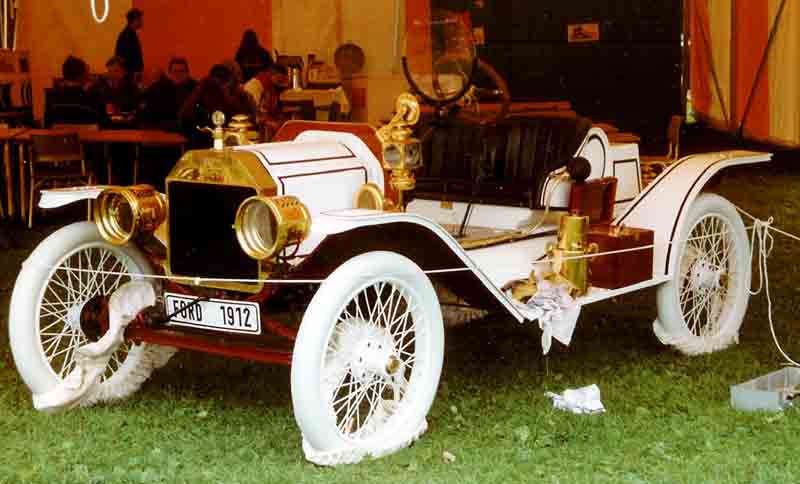
Car
Ford Model T

Car
Tesla Model Y

Car
Toyota Prius


Car
Jeep Brand

Car
Ford Bronco
LIVE
Speaker 1: Out online after hours is brought to you by bridge Stone Tires Solutions for your journey.
Speaker 2: Mister Gary Ve, are you just ready for another show?
Is what I am? Absolutely okay, you want one, let's
hear it? All right?
Speaker 3: So last week we had the one where I asked you about the commercial that was more famous than the car, and you got it like that.
Speaker 4: It was the importer.
Speaker 3: From Detroit Commercial eminem right Chrystler two hundred.
Speaker 4: Yes, okay, So this is another pop culture question. And
see you said you were not good at that. You
got the answer right away.
Speaker 3: So I'm going to be somewhat vague on this and our colleagues may have to jump in, but I doubt it.
So there was a car that was built by a company that was The company was established on October twenty fourth, which is today, but it wasn't established they the car became more famous after the car was long out of production, and it's become a pop culture icon.
Speaker 2: Okay, so everybody should know. We got Paul leinerd here,
Joe White here, you got a Joe I'm say Dolorean.
Yeah all right.
Speaker 3: So Delaurian was established in on October twenty fourth, nineteen seventy five, and Back to the Future came out ten years later.
Speaker 5: After the company had died, not gone away and died, right.
Speaker 2: Yeah, probably the most famous car that never really did have very well.
Speaker 3: Yeah, yeah, sales wise, Yeah, arguably, it's like probably one of the most famous cars of the twentieth century.
Speaker 6: Isn't there still a DeLorean company too? I don't know
what it really was.
Speaker 5: Yeah, there was, and I'm not sure that it's I think.
Speaker 2: There was somebody I think that had gotten the rights of the trademark, and then there was Delorian family and they were over that. It's not gonna happen. Get real.
I mean, these are people that don't know what they're doing.
Speaker 5: Yeah.
Speaker 6: So what's the only other stainless steel car around.
Speaker 2: Cyber truck.
Speaker 6: Cyber truck.
Speaker 5: Yeah, the DeLorean of the twenty first century.
Speaker 3: Yeah, except for the fact that the cyber truck was like the one of the biggest selling Q three electric vehicles out there.
Speaker 5: I mean, no, no, it's yeah, it's such numbers.
Speaker 6: Yeah, I'm talking two million a year.
Speaker 2: Now, Well, let's talk about it. I mean, you know,
we saw their third quarter earnings and the numbers look really really good. The stock was up twenty percent today,
I mean, big, big jump. And the thing that jumped
off the page at me is sales were up six percent, earnings were revenue was up eight percent. That's good, you know,
that's that's in line with the legacies. But their ebit
dah was up twenty four percent, their net was up seventeen percent. Their free clash cash flow is up like
two hundred and thirty three percent, some crazy number, which means a year ago it was a bad number. Costs
were and costs went down. And that's something that you
never see from an automaker. If productions going up, if
sales are going up, costs always you know, the cost of operating the business goes up. In fact, they cut
their cost. To me, that's really impressed.
Speaker 5: That's super ominous for the for the for the Detroit companies, and for the other legacy companies that are competing with them.
I mean, you know, everybody. I was just at a
conference Reuters put on in Detroit, and you know, the sort of the challenge from the Chinese automakers and and and their low cost of their ability to produce vehicles at low cost, electric vehicles at low cost was kind of like loomed over the whole thing. You forget that Tesla,
And first of all, Tesla's kind of a Chinese auto company.
Their biggest, their biggest production UH factory is in China.
And clearly, while Elon has been out doing what he's been doing, his people have been going to school right on what the Chinese competitors are doing and learning lessons really fast. So I don't know. I mean, I think
if I it's a good thing, I don't. But if
I ran a legacy car company, I would be hitting the that would be smashing the glass, hitting the button and saying, these guys are doing what we're talking about doing and that's threat absolutely right.
Speaker 2: And yeah, I mean they should just swallow their pride and start copying what Tesla's doing. And they're studying it,
but I don't see any of them moving on it.
Speaker 6: Should the Detroit car companies and there's only two now, right right, should they be borrowing a page from companies like Stellantis and Volkswagen and getting a Chinese car company to climb in bed with. In the old days, they
did it for the opposite reason though, so the Chinese can learn.
Speaker 2: How are you going to sell them? I don't know,
and I asked this only because you know, Ford and General Motors have retreated from so many global markets. They're
essentially North American companies.
Speaker 6: I'm talking about partnerships. You're in North America. Would Donald
Trump go for that? Look?
Speaker 2: Trump has said he's so anti China. Write everything about
him is anti China. But he's made it very clear
if they want to build cars in America, he'll welcome them.
Speaker 5: They go to Red States. So the factors who all
go to Red States.
Speaker 6: So there's that.
Speaker 5: So, so your your.
Speaker 3: Company, that you've established the Felix strategy, you're consulting with companies on things like EVS.
Speaker 4: I mean, what would you tell them? What would you say?
Speaker 6: What can you learn from the Chinese? And how can
you learn it?
Speaker 2: Well, look, they all have Chinese partners, you know.
Speaker 6: Do you think say I See has been really forthcoming with GM S.
Speaker 2: It probably has been to a degree, But that's not the company you want to be forthcoming with. You want
to have the NEOs, the B I D S, the Leonado's and the like.
Speaker 6: That's what you want to learn from. Yeah, Great Wall,
all those guys.
Speaker 2: Yeah, not the stain state owned enterprises. You know, these,
as they call them, you want the Chinese startups, those are the ones that are moving rocket.
Speaker 6: The newcomers who can who can do software defined vehicles because they're starting from a clean sheet of paper, right, they got great battery technology, they know how to do hybrids, they know how to do E revs.
Speaker 5: So right, Yeah, but I do think yeah, and I mean I've heard a lot about that this week, but I do think that. I mean, you see, Volkswagen has
definitely done this, you know, and and Stilant is now doing it too, basically sending a message like, look, this is we're in another era as in the eighties, I think, as in the nineties, where you know, sort of our kind of baseline level of cost is utterly on competitive.
We have to go to a different number. And I
can't tell you what that number is, but it's thousands of dollars of car, right, that's right, And and and.
Speaker 2: So what they get you better cut cost, compete with.
Speaker 5: So what Tesla has just done, especially if they sustain it for another quarter or two, and you know it's not some flash in the pan, then you realize, oh, this company has has reset the bar, which is they'd already reset before the Chinese have reset a bar. Now
everybody you know globally wants to compete, you know, compete, and eventually the North American I agree with you about GM and for being North American players. But eventually, as
you say, you know, by D will show up here with you know and say, how did you like five thousand jobs, and the answer will be we'll love them, come come on down, and then they're in there. Then
they're inside. And so I do think that, and I
heard this, you know from suppliers. I think everybody realizes,
uh oh, we're in another era where are what we thought was acceptable costs and acceptable practice is no longer the case now what so?
Speaker 4: So what I mean?
Speaker 3: So this is not a new phenomenon. I mean, Tesla
has been pretty much taking it to the traditional three let's call them that. For the last several years they've
been making money hand over fist at Tesla and the other guys haven't been doing quite as well. It should
be no surprise to them. But why are they're not
reacting with more alacrity.
Speaker 6: Nobody has a good answer for it that I've seen.
Speaker 5: Because it's really hard. And again I mean, I mean,
I I you know, for for viewers who have not gone and googled the latest from Volkswagen and then and Stilantis, I mean Volkswagen. If I pick on Volkswagen just because
you know they're right, you know, they're going to have this exact discussion with their German unions. And you know,
guess what the German Union is just saying. And I
can't say the two words in German because I don't know German very well, but you know what words they are.
They didn't even a German start so that and so so so like right there they have. You know, Volkswagen's
got this big problem. They're basically saying, well, we you know,
we're going to have to close factories in Germany, you know, and they're going to have to go to their suppliers and say, you know, you're going to have to close factories in German. Well, that's a really hard discussion to have, right.
Speaker 6: I've heard this argument for from the legacy car companies that were sattled with old ways of doing things from labor to mechanical processes. The suppliers and the Chinese had
get all this help from the government, and you know, they got these supplier networks I don't know. I think
you can learn from a car company like a Neo.
You mentioned that essentially started from scratch, but they brought a totally different mindset. So I don't know if you
need to partner with a company like that or hire people from totally different industries. A lot of these Chinese
startups were started by tech guys, not auto guys.
Speaker 2: No, you hit the nail on the head, Paul. I
think you know what we need is the in the nineteen eighties. Let me put it this way, you had
the Harbor Report. You had Toyota no longer relative, which
is no longer existent. And so for those who don't
know the Harbor Report, they went and studied productivity at different assembly plants and compared them and back and forth and whatever. So you could get a lot of info
that way. Also, because the Japanese were under so much
political pressure back in the eighties, remember the voluntary Restraint agreement with Ronald Reagan and whatnot, Toyota opened its stores.
Come on in, come over to Japan and Benchmarcus. You know,
the Center for Automotive Research sent teams over there. Yale
and MIT sent Yeah, craft dried right exactly. You know,
the machine that changed the world. So Detroit had this
great base of info that one, Oh my god, we have to adopt, you know, Toyota production system. We've got
to do on done courts, we have to do quick dye change, we have to have the five s's and blah blah blah, all the stuff. And when they started
applying to them that they came roaring back in the nineteen nineties. And so now that's what needs to be done,
what needs to be done, benchmark that the best Chinese companies learned from them.
Speaker 6: And it's not just Detroit, it's think about it. Toyota
went and did the deep dive in China on what is the basis of the cost advantage. They couldn't figure
it out and finally had to get in bed with by D to build and sell at least a small number of electric vehicles over in China that wouldn't totally die on the market. So if Toyota can't the machine
that changed the world no longer. The machine that changed
China is the machine that changed.
Speaker 2: Here's the difference. Toyota's call you know, playing card if
you will, it's ace up. Its lead was manufacturing, so
Toyota production system. All of the new way is not
necessarily manufacturing. You know, Toyota was about manufacturing process ces.
You know, quick dye change on cords, you know, in station inspection, all that stuff. Now it's from a corporate standpoint.
How do you organize from a corporate structure so that you eliminate a lot of ways.
Speaker 5: Yeah, I know you're limited a lot of that. I mean,
and and and I mean again, I mean it's just the stuff that probably people are familiar with. But I
mean you have to you have to come back to it. Say,
you know Chinese, the Chinese automakers is they're developing you know, software defined vehicles. I mean basically vehicles that are that
where a lot of the functionality is created by software, not by physical They have three or four controllers, not one hundred and twenty. Right again this is a familiar story,
but it's like no, really, they have three or four controllers, not one hundred and twenty. And when they want to
do something new, they can't they And again I heard a lot about this this week. You know, they can
prototype it virtually. I mean, it's all the stuff perfect.
I'm sure it's not. But you're taking You're taking months
and steps and complexity out of these systems and out of the cars. And I think that's part of what
I mean, Tessa certainly is doing this as part of what they're starting to leverage, I think is that the comparative simplicity of the product is starting to actually pay pay dividends, and kind of the time for making that change is passed. But it hasn't happened that these other.
Speaker 3: Hasn't happened because it's the But the domestics have all that stuff, they know about all that, they have all that stuff, but they know they don't have the tools.
They have the tools, but they're not using the tools.
They've had the tools longer or no, I think they do.
But here's here's the question. Okay, you mentioned that these
these car companies basically started from clean sheets, right the Chinese, and you've got the legacy OEMs whether they're in Germany or in the US.
Speaker 4: They've all got factories.
Speaker 3: They've all got thousands and thousands of people who've been working in those factories, whether those factories are offices or plants, right, and so they have this mindset. These other companies start
with the proverbial clean sheet. So they're like, we don't
need to worry about all that legacy stuff that's there because we don't have any.
Speaker 4: So if we're going to do this, then this gets back.
Speaker 3: To you know, Lelon talking about you know, first principles. Okay,
so if you're going to be starting a company to build an automobile, you know, would you make an internal combustion engine?
Speaker 6: Ne?
Speaker 4: No, And and so they they start thinking that way.
Speaker 6: But if you have a.
Speaker 3: Whole bunch of engine plants, you think to yourself, I've got a whole bunch of engine plants.
Speaker 5: Well, and if you make, if you make and if you make all your money from internal combustion vehicles, and you can cannot you know, to date the you know, again, the legacy companies Buy and Large have not figured out how to make money on electric vehicles. I mean they
don't have, you know, they just haven't. And so that's
a problem. That's a problem too, I mean transitioning a
broad model. I mean still again, it was for a
lot about this this week, Slantis. Remember this is fourteen brands,
So it's.
Speaker 2: A lot of brands.
Speaker 4: It's a lot too many perplexity and variation.
Speaker 5: To manage and and and that's what they're managing. Yeah.
I mean if they could shut the whole fat place down for a year, well they went to their future vision, right, which is what three maybe four architectures with all the sort of you know, consolidation, all this stuff. But that's
not what they can't do that.
Speaker 2: I'll give you another example that I just ran into a legacy supplier that said, we did business with a Chinese company and we got the p you have done in eighteen months, and we were stunned. We were like,
how did we go so fast? And he said, one
of the things is we started to analyze why do we go so fast with this Chinese company and it takes years to do years longer to do it with a legacy automaker. And they said, well, one thing is
the specs that the Chinese company gave us was fifty pages long, and a legacy auto maker for the same product would have given us four thousand pages.
Speaker 5: Oh wow, okay, And.
Speaker 2: So right off the bat, how long does it take you to go through fifty pages versus four thousand, and so you know, you start taking weeks and weeks and weeks out of the process of developing a new product, you save a ton of money, You get to the market faster with new technology, you got a competitive edge.
Speaker 6: I'm curious, just my first gig was working in a machine shop. Same tolerances, you gotta hold the same kind
of quality. Are the quality spects.
Speaker 2: Yeah, But instead they'll tell you as an atomy, I'm going to tell you everything that you have to do as a supplier instead of saying, here's what I need it to do, you go work on it.
Speaker 5: Interesting, Yeah, and I think a lot of And again I think with the new companies and with Tesla, I think you are I mean, you can come back to software.
You're you're dealing with the physical property that has to be tooled and produced by you know, people, fewer people, then fewer people each day, and more and more machines.
But the physical property isn't really as much the issue as it is the software that's being put through it.
And and you know, software is you know, I'm not an expert on this at all, not even close. But
I mean software has a sort of different business model and a different cost model. And again, I mean you
look at Tesla's results, I mean it's just something they're not playing the same game that forward, Volkswagon and Toyota are playing.
Speaker 2: Toyota or Tesla has totally changed the rules of the game. Design, engineering, manufacturing,
sales right off the bat boom there there, and I would are corporate structure. Their corporate structure is different than
any of the legacy but.
Speaker 5: The but I mean, yeah, I mean, you know what I think is is going to be really challenging for the for the legacy companies, and starting like starting right now this quarter. You know Tesla, So I saw a
couple of days ago before they put out there the results.
Tesla is now offering zero percent financing for the Model three in the Model why so gone are the days when all the cars sell themselves? Right, that's out the window.
And I when I saw this, I said, Okay, that's it.
You know he's done for you know, this is gonna he's incentive. He's putting incentive in just like the legacies.
Well actually, and then we see the profit numbers, you realize, oh, he's like Henry Ford the first with the Model T.
He can cut the price because he can drop his costs faster than he has to cut the price. He's
he's playing offense here and he can afford it, right, whereas the other guy's less not so much, not as much.
Speaker 6: Can you guys remember a year and a half ago when Tesla had this big whoopie do show and talked about the unboxed assembly process. Really yeah, a radical way
of radical rethink right, love it, and quickly I wouldn't say copy, but quickly answered by Toyota saying we're doing something similar. Correct, all of a sudden, you don't hear
Teslila talk about this anymore, but you're making me.
Speaker 2: What they did they did yesterday? They did they Yeah, our.
Speaker 3: Purpose built Rowotaxi product will continue to pursue a revolutionary unboxed manufacturing strategy.
Speaker 6: But that was it that was making me wonder are they applying lessons learned from that to Model three Model Y cyber truck.
Speaker 3: Well, they actually said that they're going to continue their plans for new vehicles, including more affordable models, remain on track for the startup production in the first half of twenty twenty five.
Speaker 4: These vehicles utilize aspects of.
Speaker 3: The next generation platform as well as aspects of our current platforms.
Speaker 6: They didn't say new models, they said more affordable models, So which suggests that Uh, they're going to continue to cut the cost of buildings exactly right.
Speaker 3: And by the way, except there's another clause that sort of undercuts that.
Speaker 4: Okay, so blah blah blah, as well as aspects.
Speaker 3: Of our current platforms and be able to produce be produced on the same manufacturing lines as our current vehicle line up.
Speaker 2: So there's a separate right, So it's not fully unboxed now, yeah, right, but but but is that a bad thing?
Speaker 5: Is it a bad thing? Existing investment?
Speaker 6: Right?
Speaker 4: You could use your cabs, Paul.
Speaker 2: By the way, I learned in the last two weeks by D is also working on an unboxed car.
Speaker 6: So there's at.
Speaker 2: Least three companies that we know of in the world now working on the unboxed assembly.
Speaker 6: Absolutely does not surprise me about by D. I have
heard that the smaller, newer companies like Xpun are also looking at trying to figure it out on their own.
Speaker 2: Oh, that wouldn't surprise me at all. Right, I mean
the Chinese move fast, and that's you know, that's what the legacy automakers have got to do. And this comes
back to what I was talking about, got a benchmark these guys, how are they doing What are they doing?
And you know, to try and explain it a way of Oh, they have access to a low cost capital, and they pay their workers less and they're using illegal weaker labor. Forget all that stuff. You can't control that.
You have to go after the ways that they're running their programs.
Speaker 6: A new wrinkle I'm just reading about today. I think
Benchmark Benchmark Intelligence, mineral intelligence, one that does battery and materials.
Simon Morris post on a linked In today that they have calculated that this spur in the month of October, the average price of a lithium ion battery cell is like fifty six dollars. That's unbelievable. How long ago were
we talking about we'll never get it below one hundred bucks And it was that long ago when it was one hundred and fifty bucks.
Speaker 2: Yeah, I think that's LFP or it'ssel not pack but still.
Speaker 6: LFP is lower. It's fallen below fifty.
Speaker 5: Bucks at Prices.
Speaker 6: Have crashed, right, But why why have they crashed?
Speaker 2: Because sales are not We're the investments to deliver. What
am I trying to say? There's over in the demands now, there.
Speaker 5: There's over capacity in lithium mining at least temporarily for the short term. Yeah, and that's the whole thing in
and of itself. It's you know, but yeah, I mean
shortages of lithium at least for the moment, appear not to be the problem.
Speaker 2: Right And then today the news breaks they found this massive lithium deposit in Arkansas, Like what did I read?
Speaker 5: It?
Speaker 6: Could?
Speaker 2: It could supply nine times the global demand that there will be in twenty thirty.
Speaker 5: Problem solved well about we're just shooting a hole on the ground and white dust comes out instead of oil.
Speaker 4: But there are still the other minerals that are involved.
Speaker 5: We can't overlook your China.
Speaker 2: No, I think we can't overlooked at because I think this industry is quickly moving away from NMC.
Speaker 6: Uh.
Speaker 2: You know, nickel, manganese, cobalt LFP is the thing going on right now. In fact, who is it today? Was it?
B y D said they were coming out with a p heaven e rev battery c A t all did thank you Sean Off camera they're saying using lithium sodium.
So believe me, I I you know, NMC is still the most efficient and there's still a lot of capacity in that. But this industry is moving away from.
Speaker 6: The potash on my h yeah.
Speaker 5: Yeah, and again it goes back to the whole discussion about costs. I mean, I do think that that move
is like do you sacrifice a certain amount of range? Yeah,
but if if the cost is significantly lower and you can start to finally achieve parody, that's going to be the thing that the size and it's good enough, right, l FP is probably gonna be good enough from from especially if charging charging infrastructure and.
Speaker 2: They don't burn so no no fire issues.
Speaker 5: Yeah, that's helpful.
Speaker 6: Yeah.
Speaker 3: But getting getting back to the domestics versus Tesla, I mean, GM came out with this numbers next week and they look pretty good, and they be Wall Street estimates for nine consecutive quarters and revenue for eight straight quarters. I'm
sitting there in downtown to Trent. I'm like, yep, not in.
Speaker 5: All cylinders, well all eight right and no. But so
they're doing well for different reasons, right, And again, you know, I mean, it's it's good that it's good that they're they're that they're showing good numbers. I was looking at
them and I mean GM, I mean it seems like I mean, they're cutting costs too, but it seems like more of a straightforward kind of we're making a lot of money on combustion trucks in North America, in the US full stop, the best economy in the world. We're
doing we're doing well with our best and most competitively you know, competitive product, which is good, right because there are not too long ago GM couldn't say those things.
So it's good, it's good. But they're not doing is
making money on evs, and that's you know, and maybe they never have to. Okay, maybe they never have to,
but but you know, the musk is making Yeah, I think so too. So elon musk is making money on
the future product and and GM is making money on a on a on a product or a type of product that you know, I think has a long present but may not have an infinite future.
Speaker 3: But then who does.
Speaker 5: But you know, who can say?
Speaker 6: Who of us can say?
Speaker 1: So much of this is.
Speaker 2: Going to get solved with scale. So what GM says
is by the end of this quarter, it will be at a run rate with evs where it's going to have a variable profit. So if you take out all
the fixed costs and just look at you know, labor in parts and all that. They'll make money on those vehicles.
Speaker 5: They won't cover the cost of investment.
Speaker 2: No, no, no, it won't. That'll take years to come.
Speaker 5: Yeah, but that's still better than but it's still better than nothing.
Speaker 2: And you know, look, the magic number seems to be two hundred thousand a year. Once you start selling two
hundred thousand evs a year, you can really start making money.
That's when Tesla turned the corner. As soon as it
started selling fifty thousand a quarter Cablamo.
Speaker 6: It was it feels almost yeah, right.
Speaker 3: But the question is is okay, you know, General Motors has I think seven evs right now?
Speaker 4: They're different, right, and.
Speaker 6: They can't fill a single plant.
Speaker 5: Yeah, they're building in what two or three different plants in North America right right?
Speaker 2: So now you know, the question is will the market over the next two or three years move up to fill up those other plants. But remember everybody made these
investments three to four years ago when everything looked like it was screaming ahead. Ev wise.
Speaker 6: I don't want this to sound like China, China, China rant.
But GM's bragging about is it the equinox EV being their lowest priced ev now since the bolt went away for a while, and it's is it thirty thousand bucks or thirty five thousand before you apply, you know whatever subsidy.
I mean, there are Chinese companies, many Chinese companies selling evs for from four thousand to fifteen thousand dollars with one hundred percent tear up. That's thirty thousand dollars. And
they can still undercut anything that's being built. Here is
what's the problem. Why are we moving so slowly?
Speaker 2: Oh man, where do we start? I mean, number one,
you got to realize nobody in China's making money with two exceptions. I heard of the Chinese companies Okay BYD
and Leauta we know makes money. Everybody else is losing money.
They are in a vicious it's like a Piranha feeding frenzy.
Speaker 6: Thing's going on, which probably the lithium.
Speaker 2: And they're so afraid that they're going to go out of business. They're doing anything whatever. They're throwing everything in
the kitchen.
Speaker 5: They have a massive overcapacity and they're trying to which they're trying to solve to someone you're trying to solve for by exporting and that at least short term. I
think that's going to be problematic as well. You know,
Europe is saying, no, wait a minute, we're going to put tariffs on these exports. United States has basically said,
don't even send the ships.
Speaker 2: Brazil and Mexico we're saying the same BRAZILA.
Speaker 6: And so so.
Speaker 5: Yeah, so that's a it's a the Chinese market is challenged.
Speaker 2: And the other thing, I don't want to make a whole lot of this. Those super cheapy cars fourenty to
fifteen that they don't meet US craft standards. So there's
going to be a few thousand dollars more of structured costs that's got to go into them. Then you're going
to need a bigger battery to hal that extra weight around.
Speaker 6: And that's such a yeah.
Speaker 2: No, I totally agree, Paul.
Speaker 6: But you know, uh, on the other hand, they did.
I just read this today. Do you know how many
Chinese companies are making evs. It's over one hundred, It's
like one hundred and thirty five.
Speaker 2: It's crazy, not sustainable. So this is what as a
legacy automaker you got to worry about, is do I have to worry about a ten thousand dollars byd sgull, you know, maybe BYD yes, because they're making money. But
do I have to worry about Chippung and Neo and and a bunch of the other they're not making money.
I mean, at some point they're going to have to or go out of business.
Speaker 6: And so many of these guys are they're not just building evs or building hybrids too, And hybrids are popular in China. Correct, and e revs right.
Speaker 2: So e ReBs are the hot thing, right, yeah, a lot of.
Speaker 6: Yeah that was ahead of his time and he didn't even want to be right.
Speaker 5: But but but but but but so the problem though, this is all a problem though for the auto I think for the legacy automics, because now the dream, I mean, certainly GM I think was pretty explicit about this dream.
We're going to go all in on EV's. We're gonna
that means we simplify our powertrain choice. We can take
out all this capital, we don't have to waste money developing hybrids and and high efficiency combustion and this, that and the other. We can focus our attention on EV's,
optimize that and everything will be great. I mean, I
know I'm oversimplifying what the just was that was basically that was somewhat fair. Well, that's kind of out the
window now if you're you know, if you're you know, especially in the US market, it's like we're going to have to have multiple different power types of power trains to be competitive in the marketplace for a long time. Right,
So ouch, now, how do we manage that?
Speaker 6: Right?
Speaker 2: No? I saw Joe McCabe yesterday from Auto Forecast Illutions
and he had a very interesting slide there. General Motors
has canceled, canceled five EV programs and four have been moved several years beyond when they were supposed to come out.
So and that was just the GM slide, you know, there's a forward slide, not much same thing. You know,
other stuff canceled or moved back. It's the reality. Look,
everybody thought that at this time, you know, the end of twenty twenty four, EV sales would be much higher, that the public would adopt them at a much higher rate.
So it hasn't happened.
Speaker 3: So, Paul, how much of this is a technology push versus a market pull?
Speaker 6: Well, I don't see any market poll right now, and I'm not even sure it's a technology push. Either I'm
there are like some fundamental issues here, the lack of affordable evs, for instance, at least in the US, not nichud in China or that much in Europe. And the
infrastructure the infrastructure seems to be crawling along here. Yeah,
outside of Tesla.
Speaker 5: Yeah, infrastructure is a real prob go ahead.
Speaker 6: Did you ever did you ever visional world where GM and Ford would go to Tesla and ask to be able to go neither today?
Speaker 5: Well, and I mean I just say this Iona, this charging venture with a six or seven I think seven traditional OEMs, you know, banded together. They just broke ground
for their first Iona charging station earlier this month.
Speaker 6: They announced that consortium eighteen months.
Speaker 5: Yeah, and they just programmed for the first one. And
it's kind of just kind of iterating them or amplifying the point you're making, which is this is taking a CCB very slow, very kind of kind of sclerotic, grinding along. Why.
I don't know, honestly, don't have any idea, but it just seems like, yeah, this is a problem. I mean,
this is supposed to be the part of the solution.
But you've built one thing hardly and you know, I even built one thing in eighteen months.
Speaker 6: Well, why, well, it's a chicken or an egg or the nest problem. I mean, there's there's a bunch of
stuff that has to get solved.
Speaker 2: Well, look, it's much bigger problem than the auto industry.
I picked up another stat the other day. I ran
into a national security expert and he said, starting in the nineteen fifties, the United States built forty four nuclear submarines in eight years. He said, right now today we
can build one and a half a year.
Speaker 4: They advertising on football games.
Speaker 2: Yeah, no, we've lost the.
Speaker 6: Work advertising nuclear submarine building builders.
Speaker 3: Yeah built submarines, right, yeah, I mean they literally are.
Speaker 2: But you know, going back to EV's for a second, it's not a lost cause from this. We're going to
sell one point two million evs in the United States this year. One point two million. We sold one point
one million last year. We thought it would be hired
this year, but we thought all car sales would be hired this year. That's a pretty good number. Actually, a
million a year, a million a year, a million, it's going to start to add up. It's still the fastest
growing segment in the in the industry.
Speaker 5: And I do think the vs are so and I do think that the demographics of the of the US market are important. Here ran into someone this week who
said there are more people over eighty buying new vehicles than there are people under thirty buying new vehicles. Yeah, yeah,
that's yeah, right, row or no kidding, And that the average age of the new new vehicle buyer is something like fifty five, which isn't shouldn't really be shocking, right, because when the new vehicle average price is what fifty thousand plus or minus, you have to have a be fairly well along in your in your you know, in your earning life to afford that. So you're still selling
to a lot of people who are baby boomers or old older older gen X or and and it's sort of the wave of people who really want electric cars who are comfortable with all of the gag, you know, gadgetronnieness of new vehicles. Those people can't even afford a
new car or they're not rated by a new car.
And so yeah, I mean, I guess I do think, and I kept to keep, I can to keep reminding myself of this. What's happening in the electric vehicle market
is not that it's collapsing. It's just growing more slowly
than people thought, as you've said a couple of times, and that's important to remember. And you know the upside
is there.
Speaker 2: Yeah, hey, look we got to take a quick commercial break.
We got a lot more to talk about. I want
to ask you guys about what if Elon Musk makes it into the White House and the Trump administration. What's
that about? But first, the shout out to Bridgestone performance
that shines even in the rain.
Speaker 3: That's what really matters.
Speaker 2: Bridge don't pretends to tires, improved grip and wet conditions.
Thank you Bridgestone for your support of the show. We
so much appreciate it. As I said just before the break, there, boy,
every time I pick up the paper, turn on the radio or the television, or get online, there's pictures of Elon Musk and Donald Trump together. And now there's this
talk that maybe if Trump gets elected, Musk is going to be what.
Speaker 5: Is Secretary of cost cutting?
Speaker 2: Right, Joe, what do you think would Trump put him in?
I mean he's talking about yeah, I.
Speaker 5: Mean well, I mean, first of all, I mean everything I say about this has to be premised with I don't really know, right, so, but it does look like Elon Musk, you know, is investing in Trump. And I
think he. I think he. You know, there's several articles
and I think in the New York Times and other outlets have talked about this. I mean, it seems fairly
clear that he's he's doing this because he wants to influence Trump's, you know, the Trump administrator, a potential Trump administration's approach to various types, maybe a broad swath of regulation, right, and not just in cars, but in space and all the things that I mean, Elon Musk has got fingers in a lot of pies. You know, would he really
become like, you know, a secretary of cost cutting and like go live in Washington and like show up at a at a at some cabinet building. Yeah, Gary shaking
his head like, I think not. I think not. And
if for no other reason, then at some point his boards of directors, his investors in his companies he's actually supposed to be running, might have a word, although not much of what they seem to be kicked there about his affected as behavior up till now and again for the point of the whole first half hour of the show, it would be a lot different narrative. If TESLA for
the third quarter had fallen on its face and produced red ink and all kinds of catastrophe, they did the exact opposite. So in a way, and maybe he said this,
I don't know. I didn't listen to his call, but
if I Meanlon Musk's there to say, I think he has kind of said this. It is like, if I'm
so terrible, what's the results are? Fine? You know what's
wrong with the results? What's not to like? But will
he Is he going to have influence in a future if there is a Trump administration. It sounds like the
answer to that is clearly yes.
Speaker 6: Will he have influence on Trump's ideas about EV's. He
seems to think EV's are as well.
Speaker 5: Okay, so I contest yes, yeah, but I think I think there's I think again back to the third quarter results.
This may be is sort of like a form of judo that's too sophisticated for me. But in a way,
Elon must doesn't have to care about what federal policy on EV's is and whether or not there's a consumer subsidy for EV's, although I'm sure he does, But he doesn't have to because he's making money the way things are, and and the other guys his competitors aren't. So if
if if Trump and a Republican Congress, you know, first come into power and to say, okay, you know, that's it, no more IRA subsidies, all this crap. We're going to
get rid of all of that stuff. We're not going
to you know, spend for that. I think Tesla is situated.
They're like, okay, fine, we'll be we'll make we'll still make a profit. We know how to do it.
Speaker 6: Well.
Speaker 5: Yeah, but the end, the other guys will be out of luck. So I guess that's what's going on. But
you know what, if you're a billionaire with businesses that are highly exposed to or dependent upon government policy or government revenue in the case of SpaceX, there's there's nothing there's nothing like having a friend in the White House, right, And.
Speaker 3: So couldn't it be as simple as he would do it to get rid of the investigations into FSD.
Speaker 5: I mean, I mean, I think that's that could be part of it. I guess. I mean, again, it's hard
to know, but I mean, he's got so many pieces of his empire that are dependent on the goodwill or the contracts from the federal government. I mean, I agree
with that. I think FSD would be a part of it,
but I think it's it's probably bigger than that.
Speaker 4: Well, I mean SpaceX.
Speaker 3: I mean he basically, I mean NASA has pretty much outsourced almost everything to SpaceX, right, so if we want to send rockets up.
Speaker 5: Yeah, but he still has I mean, he still has hassles with the FAA, hassles with with the federal regulars about things that SpaceX is doing. I mean, I don't
think they don't seem to be really curtailing space SpaceX's activities all that much. But I mean he's been again
this is I think a New York Times article sort of saying he's concerned that, you know, a democratic administration would kind of clamp down on you know and be restrictive in ways that would make it hard for them to you know, get the Mars mission off the ground.
I don't know, but I mean I can't imagine. Look,
I mean, Elon must behavior is for topic for a whole other show, right, but in a way it's hard to you have to kind of keep your eye on the ball with him, and you realize that a lot of what he's doing is probably rational. Again, if you're
really insane, would Tesla be doing what they're doing. No,
But so you know, there's the performance and then there's the pragmatic kind of what's in it for me?
Speaker 6: Piece?
Speaker 5: And I think what's in it asking what's in it for him is the thing people have to do.
Speaker 2: So what do you think, Paul? I mean, if if
Trump gets elected and he says, Elon, come on in, you know, I want you to be part of my cabinet or as a special advisor, does Elon tell him, Hey, don't get rid of those Edie incentives.
Speaker 6: I think Elon's going to be whispering in his ear or shouting in his ear about a whole bunch of things.
And that's only only part of it. EV's and things
like that. Tariffs, well, tariffs hurt Elon or help well.
Speaker 2: Elon has come out and said publicly months ago that if we don't have tariffs, it's going to wipe the Chinese the American auto industry.
Speaker 6: And yet he's bringing in stuff from China, isn't he.
Speaker 5: I don't know if he's still.
Speaker 2: Has a components probably, but not cars.
Speaker 6: We hear he's going to be bringing in machinery, battery making machinery from China.
Speaker 2: Yeah, well that wouldn't surprise me. Who makes it all? Well,
I mean even Ford ran to see it all to say, hey, come on, let's build a battery plan.
Speaker 6: Here did you read speaking of Ford, Jim Farley is driving a Chinese car open it doesn't doesn't want to give it up. What's at the s U seven?
Speaker 2: They didn't identify the bottle. But yeah, he's been raving
about Shami for some time.
Speaker 6: You know, he's not a guy, maybe too honest to be a CEO.
Speaker 2: I don't know, but I think he's sending a message to his to the Ford Motor Company, Like he's talking, I'm in a competitor, man, And this is a dance, I think.
Speaker 5: I think, And that's that's got to be part of it.
It's it is. I mean, he's been and he's been.
He's been sounding the alarms about the you know, Chinese competition and the capabilities of Chinese atomies for a long time.
And I remember, I remember it was like going on almost two years ago now where he came back from I guess his first trip to China after the pandemic and you know it was like lightning balls fall off the horse kind of stuff and was written about that. Yeah,
Mike was written about that and I and I was at an event in uh that where partly was at where I sort of heard it from him. But yeah,
I think you're right. I mean, driving around in a
Chinese vehicle here and saying this thing is amazing is absolutely a message to the troops.
Speaker 4: Yes, Paul, is it enough? Is it a strong enough message?
Speaker 6: Is what a strong enough message?
Speaker 3: Driving around in a Chinese vehicle that would cause the change that we talked about earlier on the show.
Speaker 6: It sends a message. But I've also heard Farley talking
publicly about how hard it is to change the mindset in the culture of entrenched people in his own company, and GM has talked about that in the past too.
But I don't know how quickly you can change things.
Remember when GM, just a few years back, let go a lot of mechanical engineers have brought in a bunch of software engineers, and now all of a sudden they're laying off software.
Speaker 2: Well, you know, we've talked about this on the show too.
Speaker 6: You know you hired the wrong kind. Yes, basically, you know.
Speaker 2: Look, if you're a software engineer and you know how to program antalog brakes and engine controllers and like that, that's not the software engineer that they need.
Speaker 6: It doesn't mean you can design a software to find architecture.
Speaker 2: Right, exactly right. But you know, going back to Elon
and Trump and all that, I've been at a few conferences over the last couple of weeks too and ran into a couple of policy wonks in Washington, lobbyists, and their feeling was that day one, Trump will eliminate the consumer subsidy, the seventy five hundred dollars or or you know whatever lesser it is, just bloom, clear it up, but will not cut the subsidies for manufacturing because number one, that's jobs. Number two, almost all those battery plants are
in red states, and.
Speaker 3: So through the you're talking about, right, but if you cancel this, Okay, we saw what happened in Germany when they cut the subsidies.
Speaker 4: People stopped buying elect vehicle Fermany.
Speaker 6: Right.
Speaker 3: Okay, so you cut the seventy five hundred dollars, but you continue to pay them to build batteries.
Speaker 4: Okay, where are those batteries.
Speaker 5: Going to go?
Speaker 4: They're gonna warehouse them somewhere, you know.
Speaker 2: So what do you think Gary would would an Elon say, you know, mister president, I know it, you said, but keep the subsidies in place.
Speaker 3: I mean, I I think I think I would be more aligned with what Joe was was was talking about these other things. I think that he's confident enough in
the earnings that they're returning are good enough such that he doesn't really need to worry about that. I don't
think he really needs to worry about the competition.
Speaker 6: You know, he can he can live without the subsidies, but he's selling enough vehicles so they could benefit.
Speaker 2: Well, I mean, so sales will go down. Now you
take seventy five hundred dollars off, you're.
Speaker 5: Gonna lose buyers maybe, And again you know this. Here
here's the number, here's numbers. I wish I knew what
percentage of Tesla buyers are qualify for the subject, because remember it has an income.
Speaker 2: CAP's that's a good point, and that's a great lot of the.
Speaker 5: People, you know. So so honestly, again I would a
cyber truck.
Speaker 2: Guys never saw right and.
Speaker 5: They're not right. So it may be again that.
Speaker 2: No that's he's looking.
Speaker 5: He had his finance people looking at it. So you
know what we're going to we'd have to go stretch to get you know, ten thousand or customers a year in the United States. It's not every single customer. So
I don't know. I mean, I just think that's something
to keep in mind, is that these subsidies, like these subsidies for him could go away and it might not have as big an impact on their retail sees.
Speaker 4: I see, but I think they could stay and it wouldn't bother him either.
Speaker 3: I mean, maybe he made his bones before there was such a thing as a seventy five. I mean, people
bought teslas because they wanted teslas. They didn't care about,
you know that that additional money. So if there's a
you know, percentage of teslas that are going with the seventy five hundred or not, I mean, if you want one, you're going to buy one.
Speaker 6: But what else is he going to ask for? He's
going to ask Trump for something?
Speaker 5: Well again, I mean I think I think I think you know, right, you know, ease up on regulation or a regulation of SpaceX. I mean, I think Gary, you're
not wrong to point out the FSD and other and other and other, well robotax.
Speaker 3: And robot and you know, well, he's not going to have robo taxes unless he can get and you know.
Speaker 5: Get a NITZA that will that will put forward you know, robo taxi friendly frameworks that you know, a national stand, national standard that that friendly, that is friendly to what he wants to do, and frankly would be friendly to what Waimo and other people want to crews and others want to do. So so there are lots of things
like like that, I mean, because you know, we you know, those things don't exist well for a lot of reasons, but in part because powerful democratic constituencies, you know, like the Teamser's Union and so on, are opposed to top automated vehicles. Anyway, I mean, again, this is all entirely
speculative of starting with the foundation of none of us knows who's going to win the election. Okay, but but
but yes, it's a good question, and I do think that, you know, kind of you know, there's a lot of ways in which I think Elon Musk could be helped by having a friendly White House with a and an influence on kind of regulatory policy.
Speaker 3: What do you think, Jim, Well, I think of what if Musk gets into the White House.
Speaker 2: I think if Trump gets elected, Musk is going to be there. He's not going to live in Washington, right,
He's too busy, He's not going to be bothered with that.
But yeah, I think he will dive in with Relish on figuring out ways to cut costs. And I don't
mean cutting budgets, I mean doing things much more efficiently.
You know, we talked about benchmarking the Chinese. How the
legacy should do that. You know, Lats is the one
who sat in this chair right here and said you should be benching SpaceX. How are they able to do
things so quickly? You know, NASA can't get out of
its own way, and SpaceX has taken over the you know, the NASA launch business. And as a result of that.
Speaker 6: The Walter isaac in book last year, I must really open my eyes to a lot of that. The way
he does things, the way his company companies do things, we're definitely worth reading. If you haven't read it.
Speaker 5: I haven't read it, so I know, Yeah, I mean he has this. You know, there's this kind of you know,
slash and burn sort of aspect to what he does.
But it's also I mean, I think it does get results, and he does have people who know how to trans late kind of his what seemed like whims or what seemed like kind of impulses into into action that that really works. And yeah, I don't know, I mean, I
I do, you know, I think there's a whole discussion to be had about to what extent is it a good thing for you know, a billion you know, one or two or three billionaires to kind of, you know, oversee the activities of the government. I'm not sure that's
quite what the founders intended, but you know, it's just a whatever. I mean, we'll see what happens. And and yeah,
I do think that, you know, I do think that that Musk if must if this works for Musk, I think he's I think he's going to make the most of it because he's got a lot to gain and and and look, there's a lot of other well to do extremely wealthy people in Silicon Valley who are behind Trump and clearly are behind Trump for for reasons.
Speaker 6: Right.
Speaker 5: They want, you know, they want a lighter touch on AI regulation. They want crypto you know, to be kind
of you know, freed from whatever minimal shackles are on crypto.
I mean, there's all sorts of you know, like get the government out of the way so we can do all this cool stuff that we meaning Silicon Valley and tech kind of the tech powerful want to do.
Speaker 6: What impact would that have on the Detroit auto companies, all the things that Musk might do in Washington, well, you know, positive effector, and.
Speaker 4: That seventy five dollars goes, They're screwed.
Speaker 5: It's not a good thing.
Speaker 2: That would cripple them financial thing. It was crippled because
they wouldn't sell evs and they've made all this investment.
But what I want to do flip it around. Let's
say Harris get selected. What then has well?
Speaker 4: So, yeah, Elon mus doesn't get in, he does.
Speaker 2: Not get in at all.
Speaker 4: All right, putting right along, you know, I.
Speaker 5: Think Elon Musk will be fine either way, you know, I mean, I do think maybe the FSD right the investigation will produce some sort of fruit, but but not, you know whatever, I think they'll be fine. I mean,
right with if Harris gets in, right, it'll be really interesting to see what happens because then then her administration would have to reconcile the tensions among another And I'm going to try to keep this specifically to auto among constituencies that are not necessarily on the same page or not. Yeah,
not necessarily on the same page. So, you know, the
UAW is very concerned about electric vehicles for all, you know, for obvious reasons. Jobs. You know, all the most people
at the UAW build combustion vehicles. In the state of Michigan.
They mostly build combustion large trucks. You know, are they
going to support Oh yeah, sure, let's have California, you know, stop sales of combustion vehicles in twenty thirty five, like the state wants to do. I don't think so. So
how does she kind of manage that? You know, her
environmental wing wants an end to combustion vehicles, her UAW wing that if they win Michigan she will owe her office to them, does not. And you know, we could
go on, but I do think it'll be It's not a simple matter of well, if she wins, it's going to be all green all the time, evs forever. No,
this constituency is within the Democratic Party. They do not
see these things. The same way.
Speaker 2: Right here, here's some great stats that I ran into.
So CARB has a ZEV mandate, which is an electric car mandate. It's not about emissions like the EPA standard is.
This is about how many electric cars do you have on the road. So about a dozen or so other
states have adopted the California standards. Now California, to which
credit has made big investments in charging infrastructure, all that kind of stuff. By this time next year, the CARB
ZEV mandate mandates thirty five percent of all vehicles sold have got to be electric. California is about twenty two
percent right.
Speaker 5: Now of the total US market.
Speaker 2: No of California has about twenty two percent of the car sold in California as of right now are electric.
Speaker 5: Oh okay, I gotcha.
Speaker 2: Okay, next year it's got to be thirty five percent, thirty five percent next year. New York State, which is
a big populous state part of the ZEV mandate, states seven percent. Okay, So next year ZEV mandate thirty five
percent of got to be electric, twenty twenty six, forty three percent, twenty twenty seven, fifty one percent. It ain't
going to happen. So coming back to Harris as president
discussion does she allow California to maintain its EPA waiver to mandate to ZEV mandate when the twelve other states following it so haven't done anything to make it out.
Speaker 5: Weaver is sitting apparently at EPA or at the White House waiting for action as we speak. You know, and
I you know the risk had been proven wrong within twenty four hours. I will say that I don't think
there's going to be action on before November fifth for exactly that reason. It's like, what you know.
Speaker 2: Even after November five, I mean, this is a physical impossibility.
Physical impossibility.
Speaker 3: Okay, if you look at what you know, you said to me that standard California built out an infrastructure. If
you if you go back to the early days of the PRIUS when they said, okay, the h O V lanes can be used by pre I so give them stickers.
Speaker 4: And what happened sales right, and when they keep going, well, I mean, and we know how this plays out. But
here's my point. The other states.
Speaker 3: You know, so those mandates are from the California Air Resources Board. Okay, so it's California. There are other states
that follow it. But if you know, New York says
screw it, we can't do it, right. I think that
Gavin Newsom would basically say, Okay, what is it that we need to do in this state?
Speaker 4: You know what carrots can we put out there?
Speaker 3: Like hov line And I think you can get those numbers in California other parts of the country.
Speaker 2: Yeah, California might get there for next year fifty one percent by twenty twenty seven. I don't.
Speaker 5: And that's you know, and the thing to remember about California, right, it's its giant state and not all of it is Palo Alto or Beverly Hills, Right. I mean you go
fifty some miles inland and you're you know, you're in Pennsylvania without the water, and it's just a different I mean, there are trucks, this agriculture, this industry. I mean, so
it just because I drove across California once, it's kind of that's seared into my mind. It's at least two
different nations, probably more. You're really reciphisticated about it, but
it's at least two different nations. One of them is
a red state, and one of them is is Beverly Hills in Palo Alto and so yeah, I don't know.
I mean, they saw a lot f on fifties and Silverados in California, in EV kind and not the EV kind.
Speaker 6: Yeah.
Speaker 2: And I even wonder about the EPA mandate where by twenty thirty two things get really really tight, really tight.
For automakers to be able to meet the emission standards, they need a bunch of electric cars.
Speaker 6: We've all been watching this industry for a long time and seeing a lot of rules come down and legislation come down, and a lot of it's been modified or yeah.
Speaker 5: And I think and I think I think the lobbyists for the auto industry are probably drafting letters, you know, with just a blank at the top to the next president.
I state, raising all the issues John that you've been raising about these very things, saying okay, welcome fresh start about those EPA standards.
Speaker 2: Yeah.
Speaker 3: So, getting back to non electrical things. I thought it
was interesting Sean Fain showing up the Trenton Engine plant yesterday and talking about a strike against Atlantis.
Speaker 4: What do you guys think about that?
Speaker 6: Well, there's a lot of cheesed off people who either work for slanthas through do business with Salantis, or used to buy vehicles from them. So that's just one more
hornet coming out of the nest right now.
Speaker 5: It sounds like, yeah, I think it again. I mean,
I think it's kind of it shows you how difficult it's going to be for certainly Stilantis to restructure itself into a more kind of long term competitive form, right.
Speaker 6: I mean, and.
Speaker 5: You know, Carlos tavarus Is, you know, he's now got a finite limit on his time as CEO of the company, and it seems to me kind of likely that what he's supposed to do between now and the time that he leaves sometime in twenty twenty six is fixed the problems that have occurred at Stlantis and you know, fourteen brands, all these factories. You know, it just seems like there's
bound there's going to be in collisions with the Union here in the United States. Already's gonna be colusions in Italy,
clusions in France as well. It's going to be it's
you know, I mean Stilantis the old Chrysler. Now Stilantis
has always been the company that went in went into the fire first, right at least in this market. I
think history is repeating itself in that way. Yeah, I
think it's gonna be difficult. I think it's gonna be
challenging for you. I believe it's gonna be challenging for
the UAW as well, because you know, the company has to be able to make money and compete, and you know, can they sustain these investments that they probably can they really reopen Belvidere, I don't know. It seems like the
last thing the company needs is more capacity on top of the capacity they can't fill.
Speaker 4: Now, I thought it was interesting.
Speaker 5: Least, it's not Sean Fayne's job to help Carlos Tavars, right right, that's the that's the bottom. I just want
to make that clear. I mean, I don't blame Sean
Fainne for what he's doing. He needs to fight that fight.
But I think it's going to be a difficult.
Speaker 4: Well, I thought it was interesting.
Speaker 3: The National Dealers Council for Stlantis in the United States last month sent an open letter to Tavares basically saying, hey, you know you you gained this so we'd have these wonderful results in twenty twenty three and you'd make all kinds of money.
Speaker 4: But now we're screwed.
Speaker 3: You know, you need to fix this, you know, which has absolutely nothing to do with electric vehicles. It has
to do with the unaffordability of vehicles and getting rid of you know, popular jeep brand or models.
Speaker 4: And you know, I just so, you got the dealers on.
Speaker 3: One side, in the union on the other side, and they're both saying, hey, yeah, we got this problem. Though
they're like against him, I mean, not against each other.
Speaker 2: And the employees don't like them either. That's another problem.
But you know, going back to fame for a minute, you know, part of this, I think is he's got to keep his name out there if the UAW is really going to be a political force in this country.
You notice they haven't tried to organize any other trance.
Speaker 5: Yeah, that seems to have gone dark that way because.
Speaker 2: That loss at Mercedes was a stinging rebuke of the union and the last thing he needs before going into the election is losing another vote at Hyundai or Toyota.
So he's not even going down that route. He's picking
on Stilantis. I don't think they'll strike, and if they do,
I think Stilantis will run to the judge get an injunction, stop that strike cold because they've got this side letter that says, hey, you know, if market conditions change, we we've got the flexibility not to do all this.
Speaker 5: Although if you're sitting if by their own admissions Stlantis is sitting on an excess inventory problem in the United States, a couple of weeks of a strike by the UW, it might not be the worst thing ever happened to them because they're going to have to lose the vehicles anyway.
I know that's flip it, but it's probably not.
Speaker 2: No, it's too far off from that goes into their thinking.
Speaker 5: I mean, I think if he is like, do I really want to strike? Well, you know what, there's no
time better than now, right, we don't have to pay them, right, right, right?
But yeah, but I look, I mean I think it's right.
I mean, it's a lot of it just goes to show that the pressure points and in the whole industry, you know, created created by the environment that we've spent the last hour talking about. And you know that that
you know, Stilantis can't just say okay, fine, we'll just you know, we'll just keep on muddling along. Well, muddling along.
What is a ten billion dollar negative cash flow. Right,
that's that's not.
Speaker 2: Okay, that's a dangerous not muddle Joe. Why did the
board stick with t Tavares. I mean, he's firing everybody
who works for him. Why didn't they fire him?
Speaker 5: Well, I mean, god, I wish I could call it John Elkin and ask him. I'd love to know. So
I don't really know. I guess from the externals what
I would say, and having watched this kind of thing play out in the past, from the externals and you you know, Paul, you've seen this. I mean what I
would say, is it probably the board And John elkeinn said, you know, we don't have someone who knows this machine better than you. You know, you fix it, right? He
he is, he is, he is a he is Yeah, he is an effective cost cutter. He has demonstrated that capability.
Speaker 6: He let the rain flow.
Speaker 5: Yeah, I mean, basically, I mean, if I were John el Ken, I would just say, we're going to spend We're going to be very careful and thoughtful about who we pick to replace you. Meanwhile, please fix this.
Speaker 6: Yeah.
Speaker 2: See, I would look at it otherwise, you know, if I were sitting on the board and I think what got them into trouble in Auburn Hills was Carlos's fixation on cutting costs. And so here you've got the old
Chrysler group accounts for forty percent of the sales, but sixty percent of the profit. Sixty percent. This is the
golden goose. And what does he do. He goes in
there and starts, you know, slashing and burning and moving stuff out overseas and all with this fixation on cutting costs.
And to me, it's like, that's the wrong thing to do.
If you've got your most profitable operation, you don't go in and get everybody upset. You buy the mice cream,
You say, boy, you guys are doing great. What else
can I do to help you? Here? You don't start,
you know, gutting them.
Speaker 6: But how much of the issue, too, is holding on or trying to maintain margin.
Speaker 4: For as long as he did, right, he got this.
Speaker 6: Cyclical business, particularly in the vehicles of the.
Speaker 2: Yeah, and when your inventory is growing and your sales are going down, you got to adjust your plan and that.
Speaker 5: And that and those inventory problems. I mean, I mean
I watched COXSA autom motivated. There's other other data sources around.
I think they all have said the same thing for well over a year, which is those high inventories did not happen yesterday, they didn't happen three months ago. They've
been there for a long time. And and and so
that you know, that's taking your eye off the ball, which you know. And the other thing that I would
point out is that you know Jeep. You know, Jeep's
like the brand there. I mean, Ram's extremely powerful and
makes tons of money, but Jeep is the brand. And
I and I have wondered for a while whether to Barros and the people managing company underneath him thought for too long that Jeep was just fine, notwithstanding Bronco, notwithstanding every other brand that's out there selling adventure vehicles. Honda's
tarting up there, you know, their their SUVs and calling them off road adventure because I mean, you see a Honda bounding over a dirt road out in though Wesley, what the hell's going on here? Well, everybody has glombed
onto that, and it seemed like Jeep was like, oh, we can just charge premium prices for our vehicles as if nothing's happening. And here's Bronco gaining ground, gaining ground,
graining ground, graining ground with.
Speaker 6: How long ago was it that you and I sat and listened to Fairley talking of laying out the whole Bronco strategy and thinking, oh boy jet Yeah.
Speaker 5: So anyway, I just feel like the competitive landscape around cheap changed pretty significantly, and and there was not enough of a reaction of pricing in terms of freshening the product whatever it might be, just didn't.
Speaker 3: Didn't part of it start with the brand extension that they started making all kinds of different.
Speaker 4: Jeeps and then they said, well, we're going to make them in Europe, and.
Speaker 3: You know, we'll we'll have models over there and you know, just put the name Jeep on it and they'll sell themselves just like that.
Speaker 6: I think it's interesting that my five year old grandson recognizes three vehicles he said, card not but only three that he gets excited about. What is a cyber truck?
What a shock? He can point out a Rivian right
away because of the headlights and the other one. I
haven't figured this out yet, broncole He goes.
Speaker 5: Look, it's bronchol Well, Broncos's pride. You know, it's not
my kind of thing, but their distinctive, distinctive and is you know, pretty powerful looking on the street.
Speaker 6: Yeah, and that's part of me right there, that is best. Yeah.
Speaker 5: So I mean again, I think for Stillantis, I think they may have discounted the potential for Bronco to to eat into their margins or change the competitive situation.
Speaker 2: No, I agree, but the problem isn't just a jeep.
That's the you know. And and he fired all the
people that built the Chrysler group into the most profitable you know, lost Mark Stewart to good Year, and then fired everybody else. And the wheels came off the cart.
Speaker 5: Yeah, I know it. So it'll be I mean, Peter
sing to see what happens in this in this fourth quarter.
Because one of the things that Tamaris said at the Paris Auto Show where he was kind of coming out and explaining himself, was you know, we have, yeah, we have an inventory problem. Matt Kulpa. We're going to fix
it by the end of the year, Like, oh good.
That means we're going to have a fire sale maybe you or also have a strike. As I said before,
But then I you know, I was talking with the head of BMW North America Sebastian Mackinson, and he's he was saying, yeah, you know, I said, are you going to have, you know, return to sort of the old school holiday sales, and he's basically said, yeah, well we've all got inventory, so yes, Christmas sales. Christmas is coming
back on and no I'm not you know, I don't know if BMW is going to go crazy, but it sounds like they're going to do something, and Tesla's already doing something with the Y and the three, so I do think that, you know, that's a difference too, over compared to the last couple of three years of like, you know, people have inventory, there's no more chip shortage.
How long ago was.
Speaker 6: It during the pandemic when we had all the CEO saying, oh we love this dealers lots are empty now we'll never go back, never again, never go back to it.
Speaker 5: By the way, I cannot tell you how many times I promised never to have another old fashioned andF my god, every Friday night right there.
Speaker 2: That's great and that's probably the perfect note to wrap up the show because we've used up hour here. But
Joe White, so great to have you back here, Paul, awesome to have you Paul Liner on the set, Gary, you know you and I oh and we had a good show. Next week we've got Ralph Gills from Stillants
coming on board, but we'll talk design, not all the other problems at the company. But anyway, thanks you guys.
Don't want to thank all of you for having tuned in.
Speaker 1: I'll online after hours. It's brought to you by bridge
Stone Tires Solutions for your Journey
About this episode
The discussion revolves around the potential implications of Elon Musk's influence if he were to join a Trump administration. The hosts explore Musk's business strategies, particularly in the EV market, and how they contrast with traditional automakers facing challenges. They also delve into the competitive landscape of the automotive industry, highlighting the struggles of legacy companies against nimble Chinese startups. The episode touches on the evolving market dynamics, including the impact of government policies on EV adoption and the ongoing challenges faced by companies like Stellantis amidst union pressures and inventory issues.
Original notes
TOPIC: Tesla’s stunning Q3 results PANEL: Paul Lienert, Felix Strategy; Joe White, Reuters; Gary Vasilash, shinymetalboxes.net; John McElroy, Autoline.tv
Autoline After Hours
Autoline
0:00
65:58