Annotations will appear as you listen
0:00
65:38

Car
Ford Mustang

Car
Honda Civic

Car
Ford Ranger
Car
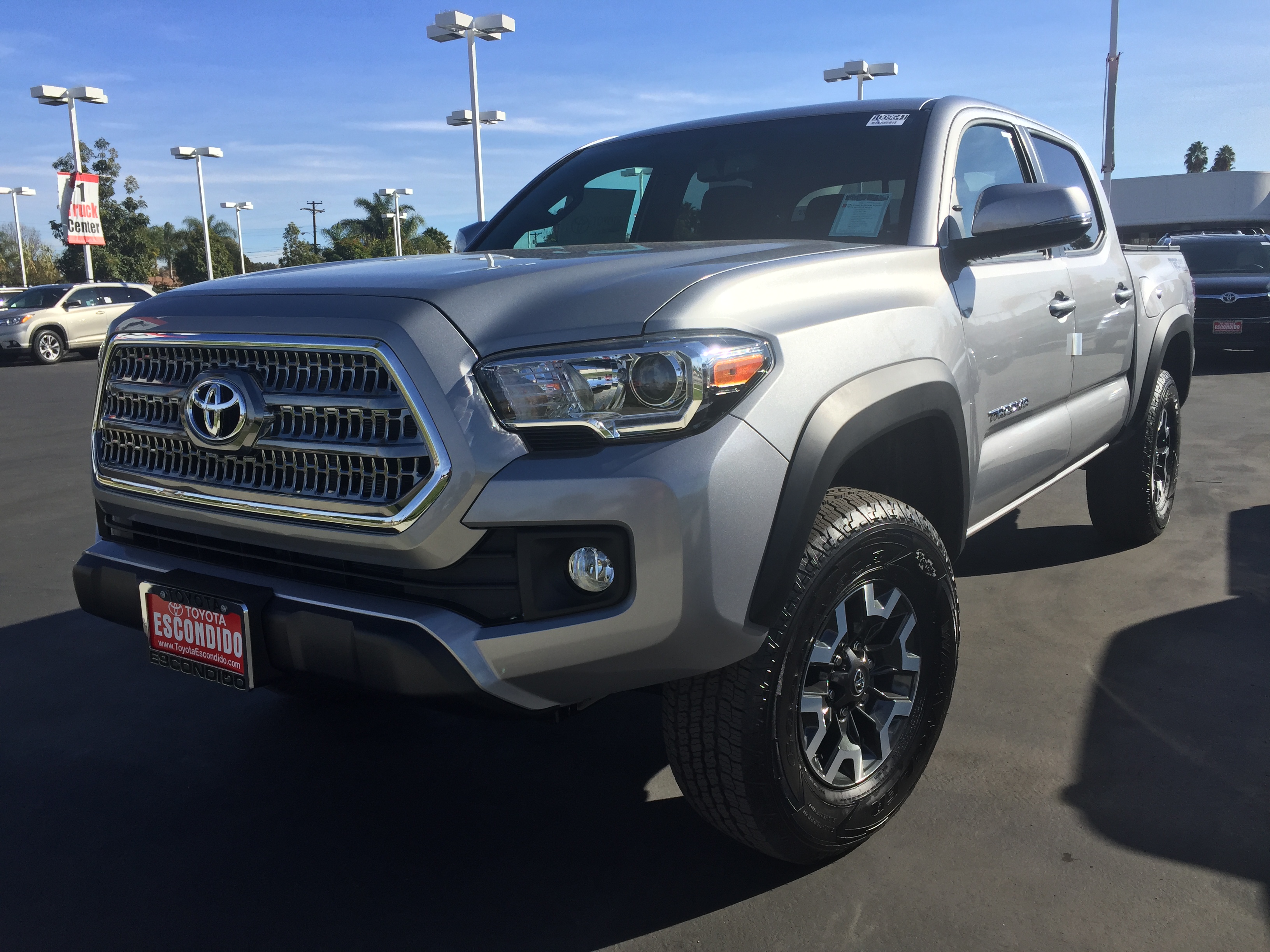
Toyota Tacoma

Car
F-150 Raptor

Car
Ford Maverick

Car
Ford Bronco

Car
Ford Super

Car
Ford F

Car
Ford Capri

Car
Ford Explorer

Car
Seagull

LIVE
Speaker 1: Auto Line After Hours is brought to you by Bridgestone Tires, Solutions for Your Journey and by Borg Warner. The automotive
industry continues to evolve, and so do the opportunities to define it. Borg Warner, one of the world's most admired companies,
gets partners where they need to go. Let's do something
big together.
Speaker 2: Brother Gary, John Howard, I'm doing okay? How about you good?
Speaker 3: We had our taste of winter this morning here in Detroit.
Speaker 2: We did a little bit of snow on the ground.
It's gone right now, and who knows. Next week it'll
probably be sunny and warm, and we'll want to go swimming.
Speaker 3: At the and one of our guests will be golfing.
Speaker 2: But we'll tell the audience who where guests are? All right?
Speaker 3: So we have John Morrison, who is the chief revenue officer of a company called Plus, which is involved in autonomous vehicle technology, building the stack as I understand for it, more or less, and we've got back by special requests, our good friend Pete Bigelow from Automotive News, who knows more about autonomous vehicles than the two of us put together.
Speaker 2: That's right, and then.
Speaker 3: Multiplied that's right, that's why we brought that's why we brought them on today.
Speaker 2: But first, but first, okay, there's gonna stomp us with this.
Speaker 4: Possibly okay.
Speaker 3: So, so earlier this week there was there was a little kerfluffle in the automotive video world. No, it wasn't
the latest auto line on the road, but it was an issue where motor Trend's roadkill after thirteen seasons. One
of the co hosts went on Instagram and said, this is it. I don't know why, but suddenly it's oh okay.
So on November twenty first, because again this is the twenty first, twenty first, Okay, November twenty first, twenty ten, an automotive show debuted on the History Channel. Okay, and
it was on the History Channel all until twenty sixteen, and.
Speaker 2: It was an automotive program.
Speaker 3: It was an automotive program on the History Channel. So
what might this automotive program have been?
Speaker 2: I don't know. Can can I shout out to our
guests our guests?
Speaker 3: Can our guests? Can can? I gotta feel like Pete's
gonna guess.
Speaker 4: I mean, John is the History buff and I defer to him on this, so it feels like it's tailor made for John.
Speaker 2: But and you gotta have the right name, by the way, oh boy, And you know, look, I'm into automotive history.
I'm not necessarily into the history of what shows were on the History Channel. So got me, I got I'd
give Buck Gary.
Speaker 4: The cars that built America or something like that.
Speaker 2: I have good guests.
Speaker 3: It's a good guess. Surprisingly, it was top Gear USA.
Oh okay, not okay, this is this is different than top Gear America.
Speaker 2: Okay.
Speaker 3: So top Gear America was debuted on BBC America in July of twenty seventeen. Okay, so this was this was
a this was a different show. And so there you
have it. It was in the There were there were
seventy two episodes of top Gear US A and only twenty nine episodes of top Gear America. More famous in the.
Speaker 2: Two shows seven hundred plus shows of Out of Line after Hours. See, I just have to say, you know,
here's all these big shows BBC, this History Channel that you know, top Gear America. And by the way, it's
not just roadkill. And you know, the word is Motor
Trend Productions, which produced shows Boom is going away, We're still here.
Speaker 3: So then I was I was also, so I began to look into the top Gear British Show, and I didn't realize maybe you guys knew that there were actually two versions of the top Gear Show, Okay, in the first one started in nineteen seventy seven and ran till two thousand and one, twenty four years. In this head
like Angelo Rippin and Tom Coin, and they were just both newsreaders, okay, So it wasn't. It wasn't the Clarkson
Hammond May that we're all familiar with, and these people did it for twenty four years. It's just it's astonishing.
Speaker 2: I did not know that.
Speaker 5: And I have to say though, I did a little bit of homework because I was expecting a history question today.
And what I can tell you is in nineteen seventy Ford launched the Boss three fifty one mustang.
Speaker 4: All right, well there you go.
Speaker 2: All right, so that's that's historical.
Speaker 4: That's my contribution.
Speaker 2: Thank you, thank you. Yeah, all right, So we got
to get to plus. But before we get to plus,
I got another question. You're true for revenue officer and
I've heard of chief financial officers and I've I know there's people at the top that deal with money and stuff, but it usually all goes to the treasurer of the corporation or the chief financial officer. What is a chief
revenue officer?
Speaker 5: Well, I think it's exactly what it sounds like. You
want money, right right, I'm all about money. But I
think if you look at where we are at PLUS for example, and what's really important to us is not only raising money, but also making money and running it as a business. And so we have a really sharp
team as you might expect, but also from a business development point of view, we're looking at a lot of different opportunities, not only on the L four side, but also on the ADOS side. And so basically, as I've
worked with PLUS, and we came to the conclusion that maybe I could help from the standpoint of my experienced connections and being able to just help some of these activities and opportunities that we have turn into tangible revenue opportunities in the near term that obviously help us as we bridge into the L four roadmap and runway going forward.
Speaker 4: So I think I'm generating revenue.
Speaker 3: So so John, you know you mentioned your connections in your back. Tell us a little bit about your background
because one of the other interesting things is that you're just not some Silicon Valley tech guy. You actually have
spent a lot of time in the oiler bits of this industry.
Speaker 5: I would say, I'm quite the opposite, I would suppose, but really my history is forty years in passenger car and commercial vehicle manufacturing, and I was a P and L owner in those businesses for over thirty years. So
I would characterize myself as an operator.
Speaker 2: I was going to say, you're an operation.
Speaker 5: I'm an operator, and I've launched more programs than I can count, and I think we shared earlier. You know,
when we launched GMT eight hundred and nine hundred, it was the largest vehicle programs probably in the world at that time, and so you know, that's an experience. I
think that is helpful when you're working on not only the development side, but getting ready to industrialize and actually launch product, which at Plus that's what we're really gearing up for right now. So hopefully that's a contribution to
the company. And then obviously in doing so, interfacing with
all the different OEMs and other tier ones, you know, contacts aside just knowing how those processes work and how they acquire business that becomes a helpful contribution to the overall effort. And so so far.
Speaker 2: So good. Now you're with the tech startup, yep, So
tell us about Plus.
Speaker 5: Well, I mean Plus started in twenty sixteen David lou and some fellow colleagues from Stanford got together and you know, as they looked at what problem there was to solve with technology and with software. Obviously, trucking has presented a
number of different opportunities for a number of different companies because there's there's just I think more opportunities to improve productivity and safety and trucking than there probably was in other areas face value. So they decided to get into
the automated trucking business. And I think, really, when you
look at Plus has always been focused as a technology developer, software developer, software stack developer, and so it's really a focus on enabling the OEMs and the tier ones to be able to then deploy out under whatever model that they want. And I think when you look at that,
really good match from the standpoint of the founder's background in technology and entrepreneurialism to really matching a need which was the trucking industry from an automation perspective. And then
obviously that flows on into all the different kind of software tools you can use and things like that. And
so been working kind of head down for a long time to get the software developed, get it out on vehicles, you know, really round out the opera the operation of the software, and uh, you know, we're getting to the point now where we're getting pretty close to some level of commercialization. So long journey, I think, and if you
look at many of the tech startups are associated with automation, it's it's quite a long journey. It's a it's a
challenging product to develop because of all the things you have to account for. But at the end of the day,
I think we're now starting to see those green shoots in terms of where it's going to be applied and and I think also the general industry and the general market I think is now starting to acknowledge the potential there.
And so I think the founders had a good idea and they saw the potential. And now after many years
of hard work, it does appear that that's really connecting and we're seeing evidence of that, you know, in both the passcar side and the trucking side, so.
Speaker 3: So so how different is is the passenger your car development of autonomous vehicles from the you guys are doing Class eight trucks, I believe right. How different is that?
Speaker 5: Well, I would say that there's a terminology odd or operating domain in the industry, a lot of acronyms, as all industries do. But I think when you look at
the passcar side, you know, and then you have to separate the passcar side from the standpoint of like taxi robotaxi versus all of us having our own car and what we want and how we want to drive it or not drive it. And then you have trucking, which
is an industrial tool. Basically, it is something that is
really part of an overall industrial operation that has a has a very specific functional purpose. And so I think
when you start with that, when you look at trucking, for example, really trucking is just about moving freight and the how you do that I think can be attacked a number of different ways. Where if I look at
the passenger car world, the bulk of the passage the car world does have a person involved who has an emotional attachment to the vehicle. And then when you look
at ride hailing or you know, the robo taxi side of it. I think that's really now focusing on the
convenience side of being able to provide available mobility to everyone.
So each one of those is different. And then when
you look at on the passenger car or robotaxi side, you're operating very much in this urban environment, a very close, tight urban environment, so that ODD is very different from a development point of view. We're on the trucking side.
If you look at the tendency is to now focus at the start on a hub to hub type of an operation because that is likely to be the lowest hanging fruit from the standpoint when you look at your top two hundred fleets in the US, for example, the mileage that they drive, the challenge with drivers. But yet
if you can go point to point, hub to hub, you're really addressing a big part of the operation without all of the complexity of more of an urban ODD.
But eventually the trucks will also address that part of the operating system as they are now, and in the tools that they develop for the more of the hub to hub will also be applicable in the more inter urban kind of odds.
Speaker 4: If you will, Pete John, you mentioned that you're gearing up to launch products of that path to commercialization. Curious
if you have more details on what those look like at this point here in late twenty twenty four. Yeah.
Speaker 5: Well, I think that on the trucking side, you're starting to hear dates from others like Aurora, for example, in the twenty twenty seven timeframe. That seems to be where
this is all coming to. And I would say, for plus,
I would say our expectation is not too different from that.
But I think it's really hard to pinpoint because again I think what's more important is so much the date is you know where you are relative to your path for safety and delivery, and if it moves six months one year, I don't think in the big picture that's going to matter much. But at the end of the day,
I would say the platform is now ready because coming from the breaking world, the actual breaking platform did not have the redundancy until basically this year anyway. So from
that standpoint, you have to build off a new redundant platform for breaking in vehicle operations. Now you can apply
the software into that and do all of your validation and your safety check. And so this is why I
think the twenty twenty set late late twenty twenties. I
think is a good expectation to see more deployment and again starting with that hub hub operation and then building from there.
Speaker 2: When you say deployment, I mean there's a lot of pilot programs going right now country wide. You're talking about
commercial applications where it will be fairly common to see these things.
Speaker 5: Yeah, And again, as everything, it has to build up to a certain level. If you look at technology and trucking,
it starts at a fairly low level and then builds quite rapidly as you get the acceptance and adaptation to it.
And I think this will be the same case there.
But yeah, I think when you look at the demonstration of the capability and the robustness of the technology, I think the fleets will be quite interested in adapting that because it obviously solves some of their really big problems.
As we talked about, is the cost. Also driver availability,
and you know, if you think about you know, a driver shortage has been estimated anywhere from sixty to seventy thousand drivers per year. But what you don't think about
in a fleet, and a lot of these large truckload fleets is half of their drivers turn over every three months.
Speaker 2: So no, so you just jump into another truck firm.
Speaker 5: Or they can go to another truck firm, or they can leave the industry sometimes. You know, construction is a
better job for a truck driver than driving a truck, and so they'll go into construction. When construction goes down,
I'll come back into trucking. So you have a shortage,
but you also have extreme churn in the large truckload fleet operations. That is part of that number, but it's
not part of the shortage jumper, right, And so it's a really big problem that automation definitely has an opportunity to help solve. And then the safety aspect too, when
you look at what's happening in terms of the quality of the system now that can be out there either operating independently as an autonomous system or assisting the drivers, many of the things in trucking, you know, can be addressed more effectively than what we've seen so far in terms of, for example, ados development.
Speaker 3: So what is it that someone would buy from your company?
Speaker 5: Right? So what you buy is, I would say two things.
Speaker 4: Do you buy the stack?
Speaker 5: Okay, the software stack that basically has everything you need to have a virtual driver and so, and I'm not going to begin to tell you all the different parts of that because that's a long story, but it is now in this time period generative AI base. So it's
taking advantage of generative AI tools, the transformer model, if you know what that is, in terms of being able to do an end to end activation of the neural network in order to be able to have a more predictive and learning software. That's our software stack for level four.
Then we would interface with a OEM as they build around that and integrate into their overall operating system to take that virtual driver and activate the physical vehicle systems in order to be able to drive the truck.
Speaker 3: All right, So basically you're selling them software software, Okay, So they buy the software from you, Okay, then they've got to go to a sensor supplier and rutuator supplier in a silicon provider.
Speaker 5: I mean, right, we don't provide the hardware, but yet as we do the development, we would obviously make recommendations for the type of hardware that would optimize the system and optimize the software. But ultimately they can choose ultimately
what cameras, what radar if they need light er, what light are they're going to use. But we would have
a certain perspective on that to optimize both the cost and functionality of the overall system configuration, and then the integration and the efficiency of how that stack is going to work.
Speaker 4: Is there a different software stack for the driver assists systems compared to the autonomous trucking systems that you have, or is that one system that can be optimized for either application.
Speaker 5: I love that question because it's one of the things that really attracted me to Plus because I'm supposed to be retired. But what it really attracted me is basically,
when we were in the ADOS world, we were looking Ados forward to build an L four And what Plus has done is taking their L four stack and they've deconstructed it now to be able to address various aspects downstream, if you will, from the standpoint of if it's level three, level two, Level two plus or even some aspects of level one. So really from a scalability point of view,
I think that's one of the key differentiators for Plus is that we start with the stack, we've been able to deconstruct it into various really three other products that we have that can do Level two plus, that can do basically Level one at a higher level, and also what we call plus Vision, which is basically our perception layer, which is really I think one of the more challenging aspects for the industry to develop is that visual identification of objects and doing that effectively and efficiently. That's a
core element of the whole stack. But that's also an
element now that being more widely deployed in some of the even AIDOS roadmap applications going forward.
Speaker 2: So if you can do level two, level two plus three, does that open you up for the light vehicle market.
Speaker 4: It turns out it does. And again I think this is.
Speaker 2: So you're as a revenue officer. You love the site tea,
I love that.
Speaker 5: I love that, And so the addressable market has become quite large for plus because and right now, again to be clear though, we're very focused on Level four for trucking because this is the more near term and certainly the more focus opportunity that we've been working towards. But
through the course of that and obviously getting out there in the industry and talking about our roadmap, talking about how we've deconstructed the stack and where we can plug in to various different applications. We've also built passcar applications
now that we demonstrate with the same software stack that could be used in the passcar industry. The passcar industry
is a little bit different in terms of their L four roadmap, and they tend to be a lot more focused right now in L two and L three, which the trucking industry is not, and so that's one difference there, but it just gives us the ability to plug in.
But our stack has been demonstrated to be scaled to both trucking and passcar applications without significant modifications to the stack itself.
Speaker 3: So for those who are not familiar, when you're talking L four, your time.
Speaker 2: On the SAE L four, which is.
Speaker 3: Basically it's a determined area that operates within correct So you know, you mentioned earlier that there's a lot of interest in hub to hub, but it seems to me that hubs are often in industrial parks like we're sitting in right now, which are off the highway. Does your
system bring the truck here or does it start once the truck is on the highway?
Speaker 5: I think it that is still being worked out. I say,
I think in terms of how that actually gets implemented.
Generally speaking, you know, you're you're doing the bulk of the driving and a driverless operation, you'll come to some sort of a staging area wherever that is, and then from that point someone's going to get in the truck and then take it to the local area. That's the
first phase I think to think of in terms of HUBDOB operation. How far you go off the highway and
into the different domain and do the staging area. I
think that's all possible. It just depends on how that
ultimately gets set up, So I think it'll it'll differ right now since there's no one standard on how to do that. But I would say that the focus would
be something fairly close to where that off ramp on the highway is in order to hit the staging area at this stage. But clearly the software you know, would
be able to be developed and have capability to go further in, but then you have to receive it within the very receiving areas, and then your yard maneuver is a different animal altogether as well.
Speaker 2: John, there's a lot of talk in Washington right now about autonomous vehicles with the Trump administration transitioning. Elon Musk
definitely has Trump's ear as we know, and he's very keen on full self driving robotaxis in the like. There's
a lot being portrayed in the media right now that Trump wants to dumb down or ease off on AV regulations.
My read of it is that what Elon's probably pushing for is a national standard. You know, right now it's
all up to the fifty States. Have you followed this
any thoughts on it?
Speaker 5: Yeah? I do follow it, And you know, I've had
a lot of experience working with dot over the years because again, even on some of the things we've done on breaking it was important to understand what they're thinking was and how they looked at more standardization, I think than anything else. But I would say that at this
point it would be helpful to have a broader, standardized view on how autonomous vehicles are deployed into the market and measured from the standpoint of safety and their overall operating effectiveness. That being said, I think every company that's
really serious about autonomy is obviously working to a very high standard of deployment and effectiveness. So from that standpoint,
you don't necessarily need the government to tell you how to do it. But I would say that it's always
helpful that everyone's operating to the same expectation. And then
obviously we live in the United States of America. That's
the great thing about it. It's the United States of America.
But we know how to move freight across the fifty states in a continuous way. And I think when we're
looking at being able to really take full advantage of autonomous function, getting more coordination from state to state I think would be very helpful because you you just you increase your domain that you can run that, and I think that increases the opportunity for benefit from it. So
I would say that a more standardized view across the country would be welcome and embraced in terms of everybody kind of operating to the same plane. But more importantly
is that, you know, really being able to maximize where you can deploy autonomous vehicles in the right way, you know, across across states and not just being limited from state to date.
Speaker 4: I would augment that to say I think the automated trucking industry has made Interstate ten a key corridor for freight that a lot of companies are based in Dallas, there was a lot in Phoenix, and of course, just this week in New Mexico we saw legislation introduced at the state level, to John's point, that would ban autonomous trucking.
So suddenly the idea of going coast to coast across it ten or going Phoenix to Atlanta. You know, if
you have one state opt out of that, it's a very complicated problem, which is one reason why I think the industry very much wants to see a national standard that would add some sort of conformity to what trucking companies are allowed to do.
Speaker 3: It was interesting when we were talking earlier you mentioned the OEM would make the selection of the types of sensors used, and you guys would have input into that.
Is there a sense that there is a minimum requirement for sensor types being used and that there is a tendency perhaps to overcompensate by adding more.
Speaker 5: Great question, I would say, and I think that I think you'd have to look at the context of your safety case, and really anytime that you have a safety case, we also add your safety margin to your safety case.
And so the way I'd answer that question is you don't want to overburden a truck in terms of more than what you need. But I think what you need
to do is have enough that you have your safety case setified, plus your margin of safety on top of that, just to make sure that you know if there is anything unforeseen that you've got that that covered. So I
would say that generally speaking, the sensors today have come a long way from when we started doing this, you know, back in the mid two thousands, and you know, both in terms of functionality, performance as well as costs, and so I would say you can really get very high quality sensors that really address your safety case plus some additional as well as you know, manage your cost profile.
I think I think pretty well, it's really changed quite a bit. And then you add how you go about
processing your software more centrally versus distributed. That also, I
think changes that to the point where the censors themselves are critical.
Speaker 4: But they've come a long.
Speaker 5: Way just from the standpoint of quality functionality, and so that doesn't seem to be a limiting factor in any way.
Speaker 2: We're getting down to the end here, But I want to go back to your comment earlier that your software is now gen Ai base. Because last week we had
Henry Liu here who runs m City, which is sort of the mobility av test center at the University of Michigan, and he was almost raving about jen Ai, and he was saying that instead of trying to accommodate and anticipate every single edge case, they're now using gen Ai to teach driving school driving skills to the av stack so that it can deal with any kind of thing. Is
that where you guys are going.
Speaker 5: To Yeah, I think that's the essence of what Jenai brings is that you you train the model and then the model learns and it's really quite fascinating. And again
I wouldn't begin to start going into a class on jen Ai, but at the end of the day, that's really the essence of it. And if you think about,
you know, traditional sort of learning and validation in the vehicle world, you did a lot of milage accumulation, you did a lot of simulation development, mileage accumulation testing. You
were teaching yourself in order to make the changes to the vehicle in order to make the vehicle accomplish what you want. Now the software really does that on its
own and so even the case where you can have a very you know, once the software has been trained to a certain point, you can have a very small piece of information that goes into the software and they can recognize that. The software can recognize that and anticipate
and actually accommodate and create the scenario that you're trying to produce from that particular small bit of information.
Speaker 4: That makes sense.
Speaker 5: So I think that is so powerful from the standpoint of simulating what we used to do in terms of our own physical work and our own work to find where the problems and anomalies are. Now the software actually
does it itself, and so the learning part of it, I think is the essence of jen Ai, and that's the part that I think will produce quite a substantive increase in performance and also cost effectiveness of even just releasing products or doing training or things like that.
Speaker 2: Quite interesting, Yeah, no doubt about it. So we'll sit
on pins and needles here until twenty twenty seven and then start to see this stuff deploid. But John, I
want to thank you for coming on the show. Very interesting.
I really didn't know anything about Pulse before or plus before this, and I love your business model too of really concentrating on the commercial side of the business.
Speaker 4: Thank you, it's great to be here.
Speaker 2: Yeah, all right, good, So we're going to take a quick break, shout out to our sponsors. Will be back
to talk more about what's going on in the industry.
Making the life full of memories, one road trip at a time. That's what really matters. Rich done weather Peak Tires, but.
Speaker 1: The seventy thousand mile women at Warranty. The automotive industry
continues to evolve, and so do the opportunities to define it.
Borg Warner, one of the world's most admired companies, gets its partners where they need to go.
Speaker 2: Let's do something big together. All right, we're back, all right.
Speaker 3: So before we get to the like maybe not so pleasant part of.
Speaker 2: The show, well I can't wait for that. Well, so.
Speaker 3: This is interesting. So today at the LA Auto Show,
the finalists for the North American Car, Truck and Utility of the Year awards were announced. And I want to
bounce these off. You guys, you know more about this
than anybody does since you were a founder of the organization, right and the.
Speaker 2: Longer on the jury. But get it all gone.
Speaker 4: But hearing Detroit today, not in LA to that point.
Speaker 3: Perhaps, Yeah, there you go, there you go. Okay, So
the finalists be announced that the or the winner will be announced at the Detroit Auto Show in January. So
the cars Civic Hybrid, you a K four, Toyda Camery, what do you think Listen?
Speaker 2: I think that Honda Civic Hybrid, Oh my gosh. And
you know it's a series hybrid too, not a parallel hybrid.
So the engine is really just a generator, you know, it's not an e rev per se. But I find
it intriguing that Honda went that way. I'm not sure
that anybody else has gone that way with a strong hybrid.
So in my book, that's the most magnificant car of the three. Well, the Camera is only a hybrid now, correct,
But it's a traditional strong Toyota kind of hybrid. Nothing
wrong with that. I'm just saying, if you're looking for
something that's new and unique to the industry, some sort of innovation, I think Conda's got it with that.
Speaker 4: Gary, was your initial kind of thought being that this is a not so pleasant part of the show and kind of introducing those three cars, Are you suggesting there's not like a groundbreaking like.
Speaker 3: No, no, no, no no. When we start talking about what's
going in the industry, that'll be the not supposing car.
This is the pleasant part understood. Okay, So what do
you think about those cars?
Speaker 4: I mean, I think, to John's point, like it's a little inside baseball in a sense. Like I think the
Handavi Civic is very innovative, but to the idea that there's going to be a you know, a groundbreaking vehicle chosen there, like, I don't see it among those three.
But sitting here thinking about it, I'm not sure what other vehicle that I would put in that group necessarily, So I don't have a good answer to my career, which I feel is a bit of a.
Speaker 3: Cop out answer, but fair enough.
Speaker 4: You know, it seems like an interesting group, But I think it's inside auto industry baseball with those three selections.
Speaker 3: Okay, truck Ford Ranger, RAM fifteen hundred, Toya Tacoma.
Speaker 2: Boy. I don't know enough about the RAM fifteen hundred
to say much about that, So to me, it would come down to Tacoma versus Ranger, both terrific trucks. I
think I'm a little more interested in the Ranger, especially with the Raptor version, and then today they announced there's a Super Duty version coming of it, and boy, the sales of the Ranger are have come scrambling back. Remember
that UAW strike crippled production of that truck. So anyway,
in my mind, I'm thinking Ranger.
Speaker 4: It feels like that's the story. Is a Ranger comeback large?
And I would probably go Ranger two, but I'll say that, but I haven't driven it.
Speaker 3: I'm going Tacoma. Yeah, no, no, that's totally okay, t
trick truck. But but to your point about Ford and truck.
So I looked and in twenty twenty one the F one fifty one Truck of the Year, in twenty twenty two the Maverick one Truck of the Year, in the Bronco one Utility of the Year, in twenty twenty three the Ford F one fifty Lightning one Truck of the Year, and in twenty twenty four of the Ford Super Duty one Truck of the Year, Ford Nos Trucks, Ford Nose Trucks.
But I'm stuggling with the Taco. Yeah yeah, all right,
last category utility Chevy Equinox, Evhyndai, Santa Fe and Volkswagen ID Buzz.
Speaker 2: I feel so sorry for the Santa Fe and the Equinox because they're up against the VW buzz and that thing is I mean, it's there's no contest, you know, it's everywhere that that vehicle goes, people are you know, it's like the pied piper. They're all following it.
Speaker 4: No question. I think, you know, going back to what
vehicle of any group that has buzzed this year pun intended a little bit, I think it's the VW and I you know, to your point, John, you see it out there and it immediately is captivating, and I think it's groundbreaking from an electric vehicle perspective as well, Like let's not forget the uphill battle of that electric vehicles are have faced and are facing as far as sales go.
And boy, is that something that maybe uh captures a lot of attention and as a seller.
Speaker 3: So that's a perfect segue to the not so pleasant part of things. So we heard yesterday that Ford announced
Ford of Europe announced that they'll be laying four thousand people off, in large part because it's EVS or not selling in Europe.
Speaker 2: Yeah. Look, the whole European industry is in trouble, I
mean deep trouble. You know, we saw that sales in
October went up one tenth of one percent. Things don't
look good. Volkswagon is about to go to war with
its union. It's probably going to shut the whole company
down in Europe next month. And I mean, there isn't
a bright spot in the European industry. I was going
through the sales Stalantis continues to nosedive. In fact, almost everybody. Uh.
The one bright spot is sales of hybrids are up strong, I mean really strong. And Toyota's run, you know, riding
that wave in Europe.
Speaker 4: What are the sales of BYD in Europe?
Speaker 2: You know, I don't know, And I don't know any of the Chinese numbers in Europe because I'm going by the ACEA, which is the European you know, Manufacturers Association.
They do not publish the Chinese numbers because those Chinese companies are not part of the ACEA, So I couldn't tell you.
Speaker 3: Well, Well, Schmid Automotive came out with a release yesterday that basically said for the last seven quarters, sales of Chinese vehicles in Western Europe have been one hundred thousand I mean it's basically hasn't flatlined, it's just one hundred thousand, and I mean I was a bit surprised. Then they
break it down by IC and in EV and you know, from what I hear and read, I would have thought that they were like overwhelming the Europeans with evs. It's
undred fifty percent. I mean, it's basically Ice figures.
Speaker 2: It varies by market because I know, MG and the UK is taking names and kicking ass as they always used to say it right, it's selling extremely well. And
it was also interesting to note that Tesla's registrations because that's what the ACEA counts as registrations, which is, you know, a fill in for sales if you will. Tesla sales
were down twenty one percent, so the overall EV segment was up. But but it depends by country, it depends
by automaker and that sort of thing.
Speaker 3: So so Pete, I mean, in Europe, evs have basically been about twenty percent of the market, you know, about twice what they are here. And now we're seeing, you know,
as John indicated earlier, like all these companies are having problems with that. I mean, what's your what's your take?
On what's going on.
Speaker 4: That's a good question, Gary. I think that you have
the you know whatever, whatever the contribution to the you know, the Chinese electric vehicle companies coming to Europe or the Chinese companies coming is taking away market share from from the incumbents.
Speaker 2: Uh.
Speaker 4: Is there an ev problem? Is there an overall economic problem?
You know? I think those two those two things are
contributing to the slowdown. I don't have a strong sense
of which one it is that you know, we can point a finger at if if there's one. I don't
think there's like a it's magic bullet or one single problem that we can point to that that is causing the lackluster performance that we see from some of the European companies.
Speaker 3: You know, it's interesting when Ford put out his release yesterday, John Lawler, who's the CFO of Ford globally, not just Europe, was was critical of the governments, saying that they want more support from the governments in terms of moving forward on CO two reduction, which I mean I basically read as you know, text credits and building out the infrastructure better, which is something we are going to be dealing with
here in the not too dis in future.
Speaker 2: So to what.
Speaker 3: Extent do you guys think that it is the government's obligation two engender an industry Basically.
Speaker 2: Well, look, here's the problem. Europe's got very aggressive CO
two targets that the industry has to meet. It really
starts to kick in next year. My understanding is it's
going to be a real struggle and they're going to have to shell out billions in fines because most of them are not going to be able to make it.
I think that's what Lawler's looking more for is give us some sort of relief. Either give us all the
subsidies to sell these things to meet the CO two standards, or you've got to revisit these standards. And politically in
Europe that's going to be extremely hard to back off the CO two standards. And so you've got this industry
that has invested massively into evs. They're not selling in
the number of market share, by the way, is now down to fourteen percent fourteen percent plus in not the just the EU, I'm counting the Scandinavian countries and the UK in there as well. So you've got EV's not
selling as much. They've made all these investments they're not
going to hit their CO two targets. They're going to
be hit by massive fines. To your point, the European
market is really weak. I mean sales have flatlines, flatline,
they're not going anywhere. And you add all that up
and I can see why a lawlor is saying you got to help us out.
Speaker 4: To that point, I think it is one or the other.
Provide some subsidies, tax credits, infrastructure supports, or back off the mandates for serrancy reduction. And I think, you know,
I'm guessing to John's point that it'd be really hard to back off. I'm guessing what we'll see will be
greater governmental support for electric vehicle investments.
Speaker 3: To the point investment. So Ford invested two billion dollars
in its Cologne plant to be able to build the electric Explorer in the Capri but based on the books like an MTB platform, which the id buzs is based on, two billion dollars and they're shutting the plant down for several weeks because of demand being so slow. Can you
imagine sitting in Dearborn say, you know, we just spent two billion dollars in that place, and now it's looks making nothing.
Speaker 2: You gotta wonder if Ford's not going to pull out of Europe. On the passcr side, I mean, pre COVID
they were selling a million units a year in the European market. It's half that.
Speaker 1: Now.
Speaker 2: They do great with the commercial side, the transit and the other commercial vehicles Ranger by the way as part of that too, they do great on there. I can
see them going, what are we what are we doing here?
We don't see this turning around. The market's not coming back,
We're not getting help from the government. I would not
at all be surprised to see Ford pull the plug on pass car sales in Europe.
Speaker 4: I would have to agree with that. I wonder on
the flip side, like, can companies keep cutting their cutting markets, cutting product? You know Ford and GM has kind of
backed off Europe at the same time, do they just keep shrinking till their truck manufacturers in North America? And
that's the extent of of Ford and GM and still answer.
Speaker 2: Say I could not agree more with you. I could
not agree with you. Know. At some point you got
to say we can't retreat any farther. We got to
stick a flag here and take a stand.
Speaker 4: Yeah, I don't know what. But you know, when you
lay it all out, with all the headwinds in Europe, how can you not come to the conclusion that you need to you need to retreat, at least for the time.
Speaker 2: Well, those two things. Either you have to make drastic changes,
which is very hard to do in Europe. It's hard
enough to do here, but it's even more so there with their labor laws and the like. Or you retreat.
I mean, it's one or the other.
Speaker 4: It's really hard to make changes when you're a legacy automaker.
I think that's part of this hard nut to crack is how do these companies with huge investments and huge legacies and huge employee bases pivot to whatever's next?
Speaker 2: They need a crisis and we're right, No, no, no, let me look back to the great recession in here.
Honest to God, one of the best things that ever had happened to General Motors was going bankrupt, same with Stilantus.
Speaker 4: Four didn't go that.
Speaker 2: Route, but they were able to clear out so much stuff that they otherwise couldn't have gotten. You know, the
union agreed before they went bankrupt, Yes we'll get rid of retiree healthcare, We'll get rid of fully defined pensions, We'll get rid of the jobs bank, We'll get rid of all this other stuff. That's what Europe needs. And
the workers in Germany are not going to make or allow drastic changes to happen until they see the wolf at the door. And it's either going to be we
change or we get eaten. And that's what Europe, the
legacies in Europe need a full blown crisis.
Speaker 4: And I feel like this is not even just related to automotive when you look at what Boeing's going through right now with a lot of the same problems with this huge infrastructure and you know, plants that employ tens of thousands of people, and you know, I fear that the crisis is not just limited to the auto ind street about to to any come you know, manufacturers of complex products.
Speaker 3: Yeah, yeah, you know, so so to your point of crisis, John Mercedes announced today that they're going to start cutting you know, billions of dollars annually. You know, I mean,
it's just like, how do you do that? I mean,
it's it's it's it's so difficult, you know. And then Volkswagen,
as you say, has the problem. I mean it's just
like there's there's no immunity to this, and you know, we're seeing you know, and we haven't even talked about what's going on here, you know, in terms of general motors.
I mean in August when they got rid of the software people that they'd hired and you know, we don't think we need you anymore. And it was what week
before last they announced that there's another cut back of a thousand white collar workers.
Speaker 2: Look at Nissan just announced a thousand in the US.
I think it's nine thousand globally. You already brought up
forward talking about getting rid of four thousand. I mean,
the numbers that Volkswagon in Europe is going to be tens of thousands before it's all over with. That's one
way to cut cost fast, Just get rid of people.
The other two things is stop spending so much on R and D, stop spending so much on capital investment, capital expenditures. I mean, those are the fast ways to
cut cost. The best way is to design cost out
of your operations, attack you know, your corporate structure. But
that takes a lot longer, right, and they don't have the patience to do that.
Speaker 4: I'm curious Backing up a second, like, we've seen all these announcements on employees being laid off come kind of a la carte in recent weeks. But are we saying
here today that the crisis is here. It's not just
kind of imminent, it's not in the short term future, but it's actually here now.
Speaker 2: I would say it's already started, and it's going to get a lot worse by the end of this decade.
By twenty thirty, this industry is going to look so different, and I'm not sure all the legacies are going to make it through, and even if they do make it through, they're not going to be the size that they are today.
They're going to be smaller, all right.
Speaker 3: So I'll counter that by basically saying, Okay, you guys both agreed that in Europe it would be exceedingly difficult to pull back on the CO two legislation that the European Commission has gone through. I think that if they're
sitting in Brussels and they begin to see the powerhouses of employment in Europe beginning to crumble, those are going to be changed like that in twenty thirty five, there will not be a requirement for zero emission vehicle sales only.
But that will change here. I think it'll change in January.
Quite possibly it'll change in January. It'll go you know
you mentioned earlier are the companies going to be truck manufacturers based in the United States? Well, you know what,
they make a whole lot of money off of those trucks.
And if the regulations change here, ICE production will increase, EV production will go on the back burner and it'll be.
Speaker 1: Solid.
Speaker 4: So you're saying, Gary that, then the European crisis that is at hand, and the one that seems knocking at the door in North America is because of the the overstep in investment toward EV that has not paid off in terms of you know, there's clearly lost you know, whatever the loss per vehicle you know figure is for each manufacturer. We could go through that on EV's But
so you're saying that the crisis is because of the EV mandates large not because of badger economic slowdowns. No.
Speaker 2: I mean, look, I believe economic slowdown has got a lot to do with it. Even in the US, we
have not the market is not recovered to pre COVID levels.
We should be solving a million more vehicles than we are right now for this industry to be really healthy.
And so it's not I mean, it's I keep arguing we've hit peak auto. I'm not convinced that car sales
will okay. So but if that's the case, that isn't
a crisis. That's just the nature of.
Speaker 3: Business now, right. I mean, so if people stop eating
so many hamburgers because they decide I'd rather eat chicken, Chick fil a is going to do very well and McDonald's isn't going to do so well, right, but they're still doing something.
Speaker 4: I mean, I think people always have a need for mobility, and in the United States, at least, that's personally on vehicles.
There's nothing else that touches that. So where the demand
has gone is it just pent up? You know, to
the point to your point that there were a million units per year off for five years years that you.
Speaker 2: Just I think the growing age of vehicles explains where the market has gone. People are just keeping the cars
that they got a lot longer. There are a lot
of new cars are unaffordable, so that.
Speaker 3: I mean, when we got we got forty eight grand plus two you know, average transaction price, you know, according to Cox Automotive. I mean, people can't afford to do
that now. Is is that a crisis or is that
just again the playing field right? You know? And the
other thing is is that so sort of going a little bit off? This is is that Okay, Jaguar came
out this week with a new logo and a new presentation about the company that looked like a Benetton ad from some years ago. And and the thing of it
is is that, you know, the the traditional automotive press has just gone crazy on Jaguar. How dare they do
something like this? How you know? And you know, and
I began to think about that, it's just like, Okay, maybe there really needs to be a substantive change in this industry whereby maybe doing crazy stuff like that is exactly what you need to do. And going to the
point of, you know, it's just not having legacy factories, it's having legacy thinking within these companies.
Speaker 2: Totally good one. Yeah, so yeah, yeah. Jaguar, I mean
they got nothing right. They stopped selling cars in England.
They're out of cars, they got nothing new to sell right now. They're not going to be back into the
market until late next year, probably early twenty six with an all electric lineup, whereas we're what have we been talking about? Electric cars just aren't selling like you know,
everybody had hoped they would. So Jaguar, these guys are
not stupid. This thing that they put out there, this
video and all that they knew it was going to create a firestorm. There must have been long drag, you know,
fights in Jaguar do we do this or not? And
their current owner base is dying off. They have to
appeal to a whole new, young generation, a much more diverse group than that it's been buying it. You know
how many sales that they've you know, you know what Jaguar sales globally were last year. Had to really dig
define this. Sixty six thousand cars, that's what they sold globally.
You can't make a business at their price point, you just can't make it go. So they want to come
back with only electric cars. They're going to be priced.
The base price is going to be like one hundred and twenty five thousand dollars and so I mean, I hope that these are built on the same skateboard chassis that land Rover is going to use, because I don't see how Jaguar can possibly put together a business case for a new lineup of electric cars going after a whole new audience when you're only selling sixty six thousand a year. So when we're talking about companies or at
least brands that don't make it to the end of the decade, I got Jaguar at the top of the list at.
Speaker 4: The same time we're sitting here talking about them because of the ad that many of us pres is ridiculous that if they would have done something more conventional, we would sit here not talking about Jaguar. And I do
feel like, while I'm not at the age that I'm dying off yet, it's clearly something that's you know, not targeted at my demographic or our demographic, they're really aiming at far younger consumers. So maybe they if this succeeds,
they thread a needle to a whole new customer base that's still alive for fifty years. But I feel like
I have to acknowledge what they're doing is not for me, and that's okay, it doesn't have to be yeah, but you know, it gets back to the point that.
Speaker 2: You're raising Gary. They're taking drastic action, drastic action, at
least from a marketing standpoint right now, But why are they being pushed to do this full blown crisis at Jaguars.
Speaker 3: Well, so the question then becomes, you know, Pete, you were saying earlier about how how there is this crisis that goes beyond the auto industry, and I mean and so so let's you know, if if look at consumer goods, I mean, so so this week, you know, high end retailers reported earnings that were high. Walmart reported earnings that
were high, and Target, which is right in the middle, reported earnings that were miserable. Right, And so the question
I have on that is is is this a case that is somewhat analogous to the auto industry in that if if you're in the middle, if your Chevrolet or if you're Ford, that that you're gonna Hondai and Kia are still below you, right, and BMW and Mercedes and Lexus are above you, Okay, that the middle just doesn't
doesn't matter as much anymore.
Speaker 4: Well, I mean, I think that really speaks to the presidential election we just had here too, where there's uh, you know, ostensibly on paper in a lot of places, there's a great economy there's stock market is doing incredibly well, but not all Americans are participating in that, And I think that kind of speaks to that you're either going for the luxury goods or you're really struggling to deal with the cost of groceries right now. And I think
that's a lot of what the election was just about.
And I think we're kind of starting to see that play out in the marketplace to your point, both within the auto industry and beyond.
Speaker 2: Yeah, I mean, no, it's a great point that you're raising, Gary.
They're talking about the middle of the market. Car prices
have taken such a big jump since the pandemic that, as I said earlier, you're seeing the effect of that in how cars on the road are getting older and older and older. The industry has pushed those people out
they can't afford it, and that is definitely a threat to the mass market brand, you know, and that's why everybody's trying to come out, all the automakers. How do
we move these brands upscale or how do we come out with special Like why is Ford coming out with a super duty version of the Ranger to make money?
If you've got X amount of production, How are you're going to grow your revenue. One way to do it
is you do raptors, you do you know, super duty versions of it. And they're all thinking like that, how
do we take these transaction prices higher? And they're just
leaving more of the market behind, weaving it more for someone like bid to bring the seagull in it. Uh,
you know a price point that starts in the teens, perhaps, you know. I always find it very funny.
Speaker 4: On one hand, the Chinese are coming either launch, but nobody wants electric vehicles either, Like, which is it? You
can't have it both ways. But to your point, John,
I think I think that there's a consumer that has been left.
Speaker 2: Behind, no question about it. And look, if the Chinese
were allowed to come in here unfettered and do what they want, Wow, we would see sich car sales skyrocket.
It's a sky rocket.
Speaker 3: But it's interesting me to go back to where we started this. And you know, the Honda Civic, right, what
does General Waders or Ford have that competes with the Honda Civic.
Speaker 2: Nothing? I mean, well, well that's a very if you're
talking a more of a price point, Chevrolet's got the tracks comes in from Korea for it's got the Maverick comes in from Mexico. You know, that's the real issue
is Maverick is a truck. It's a truck, right, I know.
Speaker 4: But you know cars are like what twenty percent of the market right now is eighty two?
Speaker 3: But okay, but if you if you had twenty percent, would you mind I mean of any market, right, I mean you have a reduced number of players and.
Speaker 2: Right, but a car like THEA Civic is sold worldwide, so you know, Honda is able to amortize a lot of the R and D that went into developing it.
There's a lot of components that are shared in other places.
Speaker 3: Which goes back to what you guys were talking about earlier before retreating from all these other market.
Speaker 2: Correct, no, no, no, you're right, right, But that's the dilemma that they face is the way they're structured now, they can't cut costs. And that's why I keep talking
about this need for them to use first principles thinking and look at their corporate structure and figure out how they can change it to be far less cost and move far faster.
Speaker 3: Okaye. You spend a lot of your time talking to
companies that are tech companies more than their traditional auto companies?
I mean, do you see the leadership at those companies having a different mindset than Detroit thinking.
Speaker 4: I think that starts really if you go back to Tesla and Elon Musk and you have an all electric architecture that makes it easy to create a software defined vehicle.
We can take on a lot of different directions, but I think Tesla probably set the or no question, Tesla set the standard for that at least in North America.
And I do see you know, you look at the Volkswagen Rivian joint and venture maybe is one example of how do we how do we build something around a software system and what platform does that that sit on top of? That's where I think the thinking is at
more so than kind of that old fashioned Silicon Valley is coming to Detroit's lunch argument that I think, you know, past a decade ago. But I do think the thinking
is around software and consumer experience in the cabin and that's that's where I see room for Detroit to improve.
But we had GM lay off a thousand people from a software.
Speaker 2: What do you think, I mean, you're running entire company, now do you try to do all this stuff in house and have to build up the capability and spend all that money, or do you run to a tech company and say, let's partner.
Speaker 4: I mean, it depends on how much money you have in your wallet on but I mean, looking at what Volkswagen did, Hey, we're going to invest five billion dollars in Rivian, I think.
Speaker 2: Now up to five point eight after Westing ten billion euros on CARRYAD.
Speaker 4: That's a whole other show, a whole other show. I know,
I know, I know, but I mean I think that's assuming you have finite funds. I think you partner when
it makes sense to partner, even though that's kind of different than the Teslia model of doing as much as you can in house.
Speaker 2: See this, to me is the dilemma for the the legacies in vehicle infotainment is where it's at, right, That's where people will pay money for stuff like now the traditional stuff that we grew up paying attention to and thinking that you know, squirrel ports, let's talk about swirlports and engines, and you know, let's talking about Phillot's on the crank chet. I mean that we don't even go
there right now. It's it's this in vehicle infotainment. Don't
you want to control that if you're an automaker. I mean,
this could be a gold mine for you, but you don't have you don't have the house resources, you don't have to know how, you don't know how to do this stuff.
Speaker 4: Can I tell you that I was car shopping about two weeks ago with my mother, who's seventy four, and one of the top things on her list was does the car have Apple car Play thoughts. I thought, this
is different it. This is not my teenage daughter, this
is my mom and she wants Apple Car Play.
Speaker 1: Wow.
Speaker 4: So I kept revisiting my mind GM's decision to forego car play and a lot of it's new ev models.
But back to your point, I do think this revolves around customer experience. Tesla. Tesla's ahead in North America. The
Chinese automakers are far ahead on offering something way more comprehensive in the car that if you haven't been there, you can't really quite even conceive it.
Speaker 2: And look, the legacies would love to run to the Chinese to get it. But now we've got this legislation
or certainly goot Ruler, it says no, no, no, you can't sell those cars in America if it's got Chinese software or hardware.
Speaker 4: So it's a nationalecurity issue, right right. I understand where
that comes from, but it does present a huge sort of damned if you do danned, if you don't problem.
Speaker 3: Yeah, you know, it's it's sort of Richard jen you know you were mentioning, you know, the characteristic of the legacy automaker, and it used to be that it was powertrain in design that was the big differentiator, and now powertrain being disrupted right well, for the time being, in tone six weeks from now, it'll low.
Speaker 4: But but to that point, I mean, it's commoditized. Remember
sergery and MARCIONI said, probably a decade ago, you know, what engine you have in your car doesn't really.
Speaker 2: Matter, and even less with the transmission.
Speaker 4: You know, to a certain segment of automotive enthusiasts, of course it does.
Speaker 2: But to his point, ninety percent don't care. And you're
all duplicating all this stuff. Why don't you all put
I still think we're heading towards that. I I do.
Then if the Trump administration freezes EPA regulations at twenty twenty seven, that'll give a little bit of life to ice.
But I look, evies keep getting better and better. It's
the future they do.
Speaker 4: And and to the point that we're talking about multinational companies making globe investments that make sense across the globe, I'm going to push back on the idea that what the Trump administration does. I mean, it certainly matters. Like
I'm not going to suggest that it's irrelevance, but I mean, I think the overall trend lines for the globe are pretty clear here, and you know, maybe it makes sense economically speaking, so that a lot of people don't get hurt that there's a relaxation of some of the mandates, both in Europe and you know in certain US states.
I don't know, there's no ev mandate per se in the in the US, but you know, regardless of how those get relaxed, I do think that the trend line points sort of electrification. You know, ten twenty five years
from now, that's that's what everything's going to be, no matter what happens here in the next four years in America.
Speaker 3: So who running these companies will still be around in twenty fives.
Speaker 2: Oh no, none of them. So just like Elon Muskin,
so they.
Speaker 3: They got it. If he has a neural wink in
the brain, that's right, yeah, yl Remac.
Speaker 2: We're gonna have to wrap it up. Pete. Awesome having
you on the show. Good to have you back, a
really good and obviously you've lead some fodder out there for future shows to for us to invite you back, so excellent.
Speaker 4: I look forward to the sequel you could do.
Speaker 2: And next week we will be off the air because it's Thanksgiving in the United States and the United States, so for all our American viewers you know all about that, for all of you watching overseas, big holiday in the US next week, so we will not have a show, but we'll be back the week after that. And is
that when we've got Chris Chris Benjamin designed for Scout, Head of Design for Scott. You're not going to want
to miss that. And by the way, if you love
shows like this and this kind of information, be sure to subscribe to our YouTube channel and sign up for our newsletter on the auto Line website.
Speaker 1: Auto Line After Hours is brought to you by Bridgestone Tires, Solutions for Your Journey and by Borg Warner. The automotive
industry continues to evolve, and so do the opportunities to define it. Borg Warner, one of the world's most admired companies,
gets partners where they need to go. Let's do something
big together
About this episode
Exploring the challenges and innovations in the autonomous trucking sector, this episode features John Morrison from Plus, a company focused on developing self-driving technology for trucks. Morrison shares insights on the differences between passenger and commercial vehicle automation, the path to commercialization, and the impact of generative AI on software development. The discussion also touches on industry regulations, the driver shortage, and the need for standardized autonomous vehicle policies across states, making it a comprehensive look at the future of trucking automation.
Original notes
TOPIC: Autonomous Trucking PANEL: Jon Morrison, Plus; Pete Bigelow, Automotive News; Gary Vasilash, shinymetalboxes.net; John McElroy, Autoline.tv
Autoline After Hours
Autoline
0:00
65:38