
Annotations will appear as you listen
0:00
65:14


Car
Tesla Cybercab

Car
Dodge Ram

Car
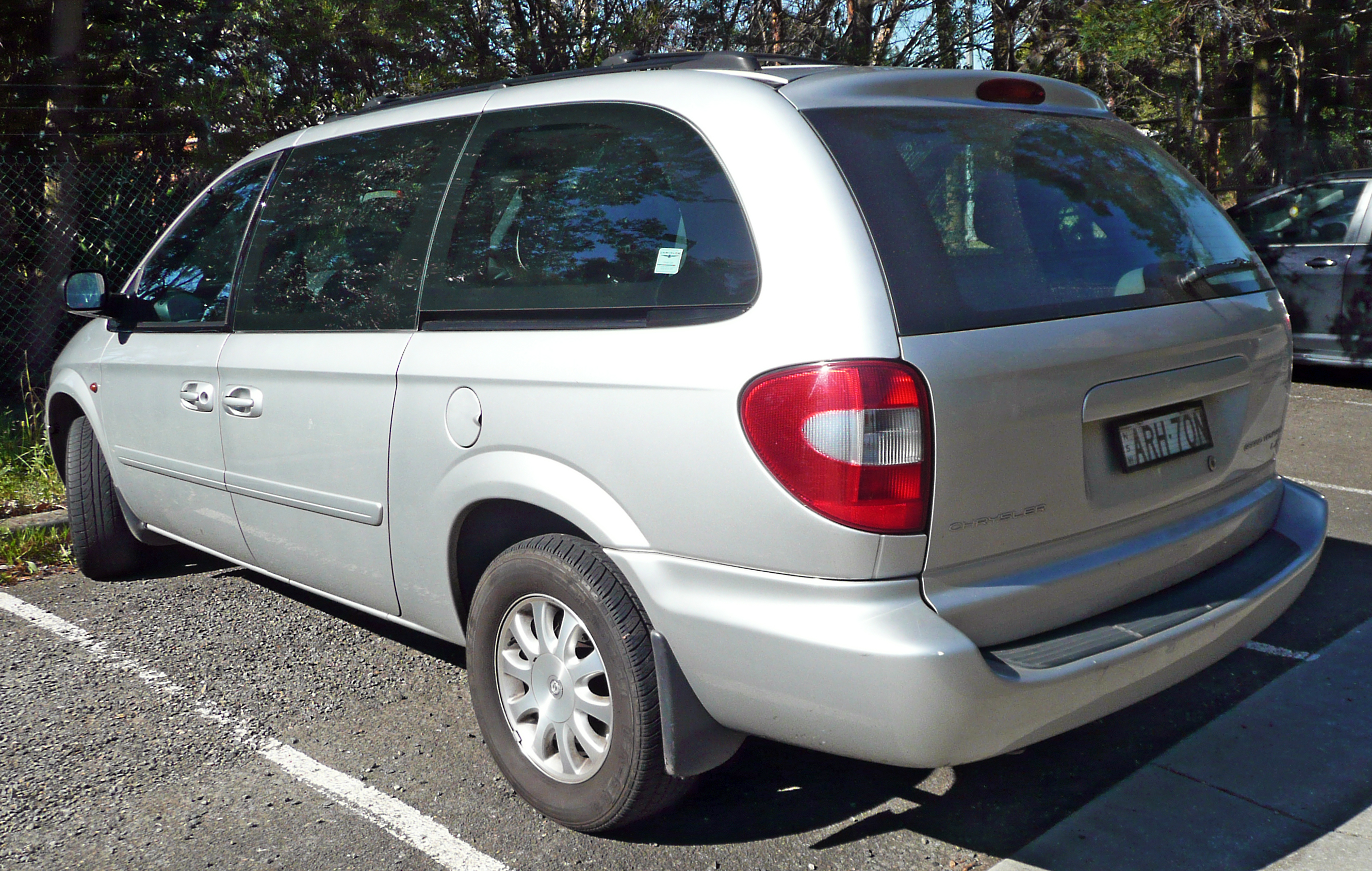
Chrysler Voyager

Car
Dodge Hornet

Car
Jeep Wrangler

Car
Jeep Brand


Car
Ford Bronco


Car
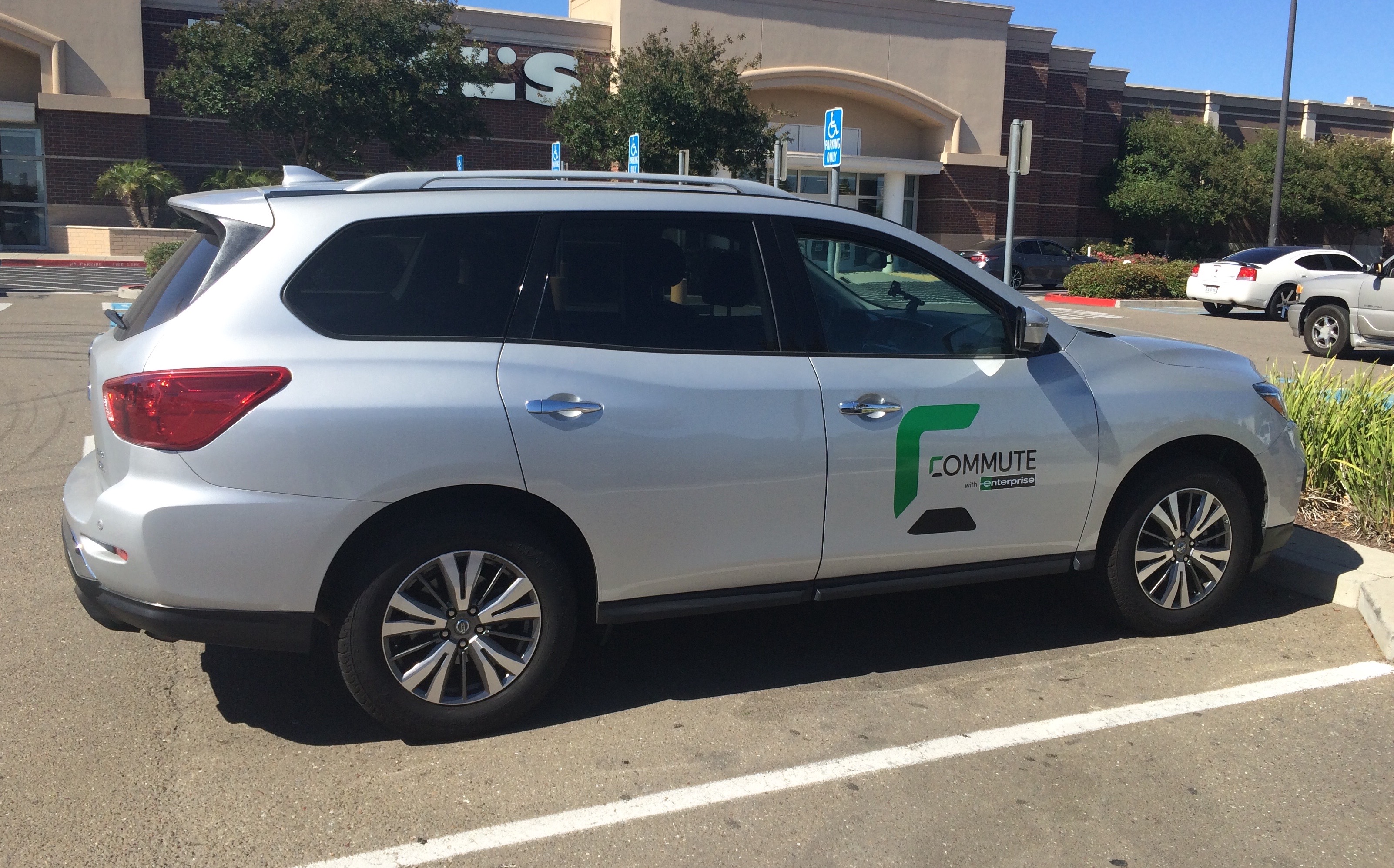
Jeep Gladiator
Car
Wrangler Rubicon

Car
Toyota Corolla
Car
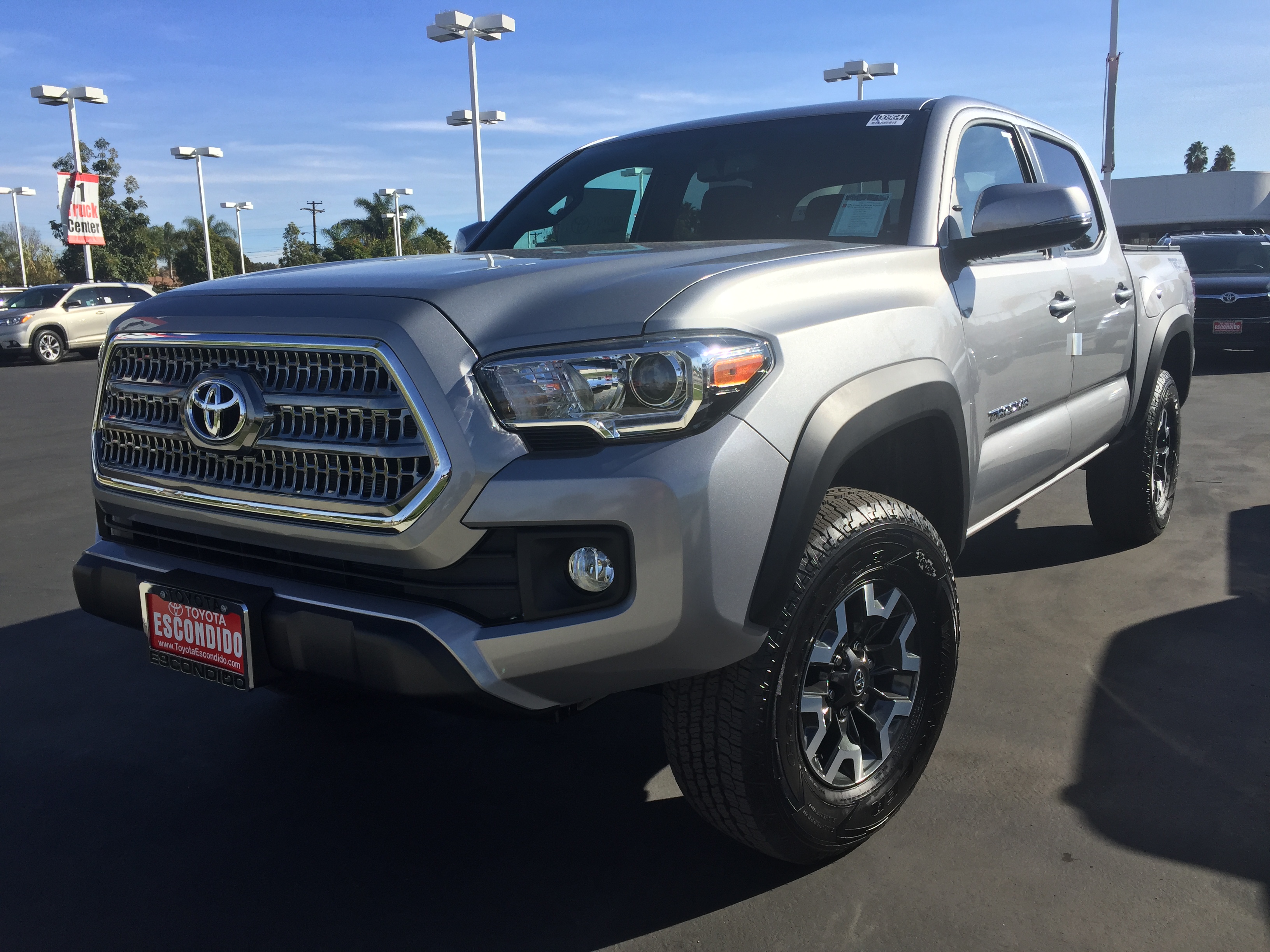
Toyota Tacoma


Car
Lucid Air
LIVE
Speaker 1: Out Online After Hours is brought to you by bridge Stone Tires Solutions for your journey.
Speaker 2: Welcome, everyone, appreciate your taking time for Auto Line after Hours.
We're coming to the end of twenty twenty four, so I want to get some perspective on what's been going on this year from three of the smartest guys I know in this industry.
Speaker 3: We got, yes, they couldn't find them.
Speaker 2: Brought us Paul Eisenstegin from Headline Dot heaven Light Dot News.
We've got Jeff Gilbert from WWJ Slash CBS, and we've got Paul Watty from Auto Pacific. So welcome guys, appreciate
you being here. All right, So you know, in every
show I've been doing a quiz for John in terms of something that happened significant on this date in history, Okay, and he's been doing remarkably well. So I figured, okay,
I'll let you guys do one and this this will be an easy one. And especially you got three guys
and one and you guys YouTube certainly.
Speaker 3: Pressures on though covered this.
Speaker 2: Okay. So this is a quote from Rick Wagner, who
was at the time the CEO of General Motors, and this was December twelfth, two thousand. Okay, this is the quote.
We stretch to find profitable ways to further strengthen the blank product line, including developing products with our global alliance partners, but in the current environment, there was no workable solution.
Speaker 3: What is Oldsmobile?
Speaker 4: See, I know, you guys, I even knew that one, actually even knew that one was. Was it two thousand
and four that they finally ended? I remember that because
I was. I was in high school. I graduated No.
Three and so that's of it.
Speaker 3: In going to say it's just my brother in law has a Bravada that's still running.
Speaker 5: Really, I have to say I was in of all places, Cabos Saint Lucas, Mexico, when GM brought out a lineup of their mid size SUVs. You may recall, I don't know,
it was the triplets, the triplets, right, and by general consensus, the Oldsmobile was the best of the three in terms of design features and so on. And unfortunately, you know,
they spaced it. It was a long, long event, so they
had a day for each of the brands, and Oldsmobile was supposed to go last, and about twenty four hours before that, the word leaked out that they were going to announce the death of Oldsmobile, and they scheduled the news conference, which we were going to get by conference call before they had zoom, and everything was going to be at noon and the debut of the Bravada was going to be at eleven, and the poor product manager,
the product line manager, had to go through with the whole thing because they refused to admit what they were going to do. It was some secret they were going
to announce something. So the poor guy had to do
the presentation knowing that his hour presentation would be followed by the CEO announcing the end of the Oldsmombio brand.
Speaker 2: Plus the are is probably thinking, do you I wonder if I have a job after this?
Speaker 5: Yes?
Speaker 2: Now without even be more troubling than Gene. No one
is going to buy this car.
Speaker 5: But to have to give the presentation and the upbeat about your new product as while knowing that literally the moment you finished up, they were going to announce that you and your brand are going.
Speaker 6: Away, that's just incredible.
Speaker 2: So segueing from that, last night, CEO Mary Barra made a presentation of the Automotive Press Association talking about general Motors last year, and I think that that she is the most intelligent, articulate, engaging CEO of any company going.
Speaker 4: I mean, she just do a great job.
Speaker 2: Okay, but I was thinking so. In the last several weeks,
General Motors has a sold back its portion of a joint venture battery plant in Lansing that it was building with LG Energy Solution because they said, hmm, we're probably not going to need so many batteries. And this week
announced that they would be closing down Cruise automation through autonomous technology. So, Paul, you've known lots of CEOs in
your time. How good planning is this that we've seen?
I mean, it wasn't that long ago. Mary Barro was
saying that Cruise was going to be fifty billion dollars worth of income.
Speaker 5: Yeah, And of course we're looking at the predictions for cybercab, Tesla and Waimo and all, and they're still saying that that business is going to be tens of billions of dollars, you know, by the end of this decade, never mind going into the thirties when they supposedly will become commonplace.
I don't know if it's a case of GM just didn't really have the resources to keep it funded, complicated by the crash they had last year, you know, which you guys remember was near fatal and they lied about what happened. They tried to disguise the mistake that the
machine made. It hit the woman, stopped, great end of story,
But it wasn't that it started up again, dragged the woman fifty feet or so and caused very severe injuries, and that just damaged the brand. So I think the
combination of imaging the brand and GM is spending so much money in so many places, they just said, we can't do it, we can't fund it.
Speaker 3: But you know, the the other thing is, uh, you know, you and I traveled to the same three cities in the last month or so, La for the LA Auto showing, Phoenix for the drive for the Daytona, and another Kia drive in Austin. What did you see all over those
three cities? Waymouth eye opener. And I was even thinking
as I was literally coming back to the hotel moments before GM sent out the press release that they were pulling the plug on this is how does crews even compete with this? I was thinking about that just before
the announcement was they're not going to because the way it shocked me how many of those I saw.
Speaker 5: Yeah, it's it's incredible when you're in a city where Weimo operates. Over the last year, I've watched them accelerate,
and I think did I hear that they're claiming to do two hundred thousand rides in their fully driverless vehicles a month now, which is maybe not that much compared to Uber nationally, but it's.
Speaker 3: Still a lot. Here here's an open question. I just
want to ask him. Maybe you can give me your
thoughts on this one. Is okay, WEIMU is doing this,
but is it a profitable business for them? Or is
it a loss leader so that the world sees what a high tech company Alphabet and Google is. And you know,
GM can't afford to lose money on this service, but they make so much money they can afford to lose money on it and show the world.
Speaker 5: How high tech they are. Is that possible now? I
think they're really on the path. They see a path
to profitability. They're a different sort of company, and I
think they're willing to take the losses in the short term.
Speaker 2: Well, they've got a a lot more cash than any car company does, so they can think sustain that. But
what I'm wondering about is that, Okay, if General Motors makes announcements about, Okay, we're going to have this many electric vehicles and then suddenly decide like, uh.
Speaker 6: No, we're not.
Speaker 2: We're gonna we're gonna be making billions of dollars from our software enables autonomous vehicles.
Speaker 1: Uh no, we're not.
Speaker 2: I mean, so, so these are arguably two of the biggest categories in the auto industry right now, right electric vehicles, in autonomous vehicles, and and and you know, and GM's doing great on Wall Street. I mean, they're compared to
the others in Townamy, They're they're way up.
Speaker 5: Well because they're willing to walk away. Barra does something
which no GM CEO did since Alfred P. Sloan, with
the exception of when they were forced to in bankruptcy or leading towards bankruptcy, which is to walk away from things that don't appear to be working. She's walked out
of Russia, she's walked out of Europe, though they're trying to get back in now. But they walked away from
Opal and Vauxhall. They walked away from India and Australia,
both markets with tremendous promise, or so it seemed. Barr
seems willing to walk away from things. The question is
is she walking away too readily from things that she does need to be fighting to sustain?
Speaker 2: Well, I mean, to be fair, Ford and Volkswagen walked away from their autonomous effort two years ago, so are going on now? I mean she makes the argument and
so did Uber.
Speaker 6: Yeah, that's right.
Speaker 5: And interestingly enough, in August, Uber and Cruz did a deal and Cruz was going to provide vehicles autonomous fully driverless vehicles for Uber. So that deal is dead. They've
left a number of if you think about the left, a number of partners going. Now what Microsoft had brought
in to a piece.
Speaker 6: Of they're going to write.
Speaker 4: Yeah, So looking at a GM's perspective on on Cruise, I mean they had super crews and Ultra Cruse teams also, and before the big software reset when Mike Gabbett came in, they were all working independently in silos and so that was the first big move. And now you know, Mary's
remarks last night makes it sound like you know, Ultra Cruz program has been wrapped into super CRUs. They were
all working for the same and goal, you know, more or less. So now this is a streamlining of capital
efficiency way and bringing everything.
Speaker 5: In ask can I ask him a question, is it possible that you go ahead two or three years and super CRUs and particularly Ultra Cruise, which will be more of a level three level four system For those who don't know.
Speaker 4: Well, they've technics gone away, that's been wrapped into super Crews.
Speaker 2: It's gonna be it's gonna be like what which one gets the lighter?
Speaker 5: But the bottom line is their goal is to have a true level three or level four system where you don't have to constantly be waiting to take and try.
At that point, could they wind up just coming back and saying, oh, we're not doing it on the Cruz, but we are putting out robo cabs anyway exactly.
Speaker 4: And I think that's the goal that they're working towards.
And Mary even touched on it last night, you know, with you know, technology advancements AI. She thinks that curve
can be bent in their favor with their own workings.
Speaker 3: Okay, so honestly, it seems to me like they're saying the same thing that Ford said two years ago when they got rid of rg AI. It almost sounds like
the exact same philosophy of Okay, we're going to take this, We're going to add incrementally, incrementally incrementally until we get to level three, level four, et cetera, et cetera. So
to me, a lot of it sounds like a bit of a bit of a hedge, because remember when this all started, it was Oh, yes, we're going to create self driving cars for individuals, and then oh no, we can't do it because we it's too expensive and we've got to make them into robotaxis. And now we've gone
totally full circle back to the beginning. But they've got
it with no deadlines and everything is extremely vague, and it will remain super cruise and then it gets better and better and better until we do something or we back off.
Speaker 6: And don't do anything right.
Speaker 2: I mean, I think one of the things that she came to conclusion was that it is very expensive to run a fleet and they're not in that business. Remember
they had Maven when you could it was basically their version.
Speaker 6: Of zip car.
Speaker 5: Yeh, yeah, we're skin about it.
Speaker 2: Piece may come and go, and you know, and you're deep in the weeds and this stuff and you forget about it.
Speaker 6: But so, Paul, I want to ask you though that.
Speaker 2: I mean, so you know you you guys talk to consumers all the time. I mean, how significant are products
like super Crews and Blue Cruise for consumers?
Speaker 6: I mean, do they is this?
Speaker 2: Is this something that they would buy a certain vehicle for because they can get that.
Speaker 4: Just because it has it? Yeah, that seems to be
trending that direction. I mean we're not there yet. There's
not proliferation across the industry, uh with Super Crews level on every automaker yet, so and there's very little awareness.
It's obviously growing, but we were seeing those numbers trend up, but they're still fairly low right now that somebody would actually just choose to buy a vehicle just because it has that. But I mean, Supercruse is so good. It's
one of those things that it was. It's kind of
mind boggling that GM hasn't really two to their own horn a little bit more about it A.
Speaker 5: Bit they have, and they're rolling it out now. It
must be on what almost two dozen vehicles as of the twenty five model year.
Speaker 4: Right, and that's what they're I remember back at EV Day they were saying there would be twenty or twenty five vehicles by twenty five, and then it seems like they're tracking that direction.
Speaker 2: So they're very a better job than rolling out the evs.
Speaker 5: Yes, I think the one to watch which concerns me is I think Ford is still struggling to try to catch up with the efficiency and effectiveness. It's gotten a
lot better the latest version, but it's still and I have a Ford, so I'd like to see them improve that.
But I think that the super Cruise is probably the best, though, the oddly unnamed Stilantis version.
Speaker 3: And they've been very under the radar about that. Yeah,
and what I've had a vehicle that's had it. It's good.
It's better than Blue Cruise, not quite as good as Super Crews.
Speaker 5: See.
Speaker 2: But you know, getting back to you know, you're talking about the situation with what WEIMO is doing, and you know, it has occurred to me that isn't it possible that one of the things that they will do is basically make a package system that they would sell to an OEM.
Speaker 5: I think that's they're talking about.
Speaker 2: And and you know, and so so so then if if you're developing super Crews or Blue Cruise or Unnamed Cruise or whatever, you know, I got to believe that the WEIMO system given Paul, as you were saying, how many driverless rides they're giving a month, is going to be like the best and.
Speaker 6: So maybe so maybe so.
Speaker 5: We don't know about Tesla. We haven't really talked about that.
I mean, I have I have my issues with Tesla.
You guys have heard this now, I know, but I've been talking. I've been following some our colleagues in the
last few weeks online who own or have access to various Tesla's, and they're raving about the latest upgrades, you know, just a month or so now of particularly full self driving.
They're saying it's just going that much beyond where they had been, and it's you know, does this mean that eln Musk for once may actually be telling the truth or getting it right by saying he'll have the cyber cap out in twenty six and he's talking about huge numbers just flooding the market with these cyber caps.
Speaker 6: We'll see.
Speaker 2: Yeah, well, all right, let me do one more thing about general motors and we're gonna move on from there.
Speaker 5: Okay.
Speaker 2: So one of the things that General Motors announced this year is that Cadillac is getting into Formula one racing.
Speaker 1: Okay.
Speaker 2: Now, my understanding is is that basically F one has a cap on what you can spend, which is one hundred and forty five million bucks thankfully. Okay, So it's
it's not peanuts. I mean, it's not eating peanuts for
a size of General Morse.
Speaker 6: So why are they doing this?
Speaker 4: It's a curious decision. But I do know GM wants
to elevate the brand, you know, and that's that's been pretty clear in what they've been pushing, you know. They
want to bring it further up market. Mark Royce wants
to make it the standard of the world again. But
there's very little connection with you know, racing and performance with Cadillac these days.
Speaker 5: Is are we trying to answer this from an American viewpoint?
And that's not what we should be doing?
Speaker 1: Well?
Speaker 2: Should we answered from a corporate viewpoint?
Speaker 5: I mean no, no, should we be should be looking at this, particularly from a European and global perspective. Formula
one may seem odd to us because Americans really, by and large don't understand Formula one, even those who follow it don't may don't have necessarily a global perspective on it.
It's a it's a globe minus US race series. You
know people in the US soccer, Yeah, very much so, and so it's sometimes hard to understand why a brand from the US would sponsor a soccer team, particularly considering the cost of it over in Europe. That did happen
one time, and I don't know, but he had all yeah right, yeah.
Speaker 7: But anyway, the bottom I believe across the bottom watching that that at one point it was from Manchester United that Chevrolette ye got on the uniform.
Speaker 3: I think one point three billion or something.
Speaker 5: It was. It was crazy. But bottom bottom line is
could it be that who they're talking to with this is Europe in particular, where Cadillac is expected to be help regain a foothold for for general motors as a whole.
And if that be the case, one hundred and forty five million dollars is a super Bowl a.
Speaker 6: Head, Okay, okay, so a few super Bowl adds. So
I looked to see what.
Speaker 2: Brands are in Formula one, Ferrari, Mercedes, Aston Martin, McLaren and then Renault through Alpine. Honda provides engines for Red
Bull and alf Atari. Okay, so let's take the Let's
take the Renault and Honda out. Okay, so you got McLaren, Aston, Martin, Mercedes, Ferrari.
How many Ferraris are sold because they're an F one versus how many Ferraris are sold because they're Ferraris.
Speaker 4: Well, Ford's doing the Red Bull now, right are they doing?
Speaker 6: Maybe that.
Speaker 5: Ferrari exists because of Formula one. It is as much
a part of their body corpus as it is a marketing thing. If Ferrari wasn't in Formula one, I can't
imagine the damage if they said they were quitting. I
can't imagine the damage it would do. It is just
expected of them.
Speaker 4: Yeah, And like you're saying about a marketing play, I mean F one has exploded in recent years.
Speaker 6: You know.
Speaker 4: That's whereas NAC marketing next.
Speaker 3: Right, But the other thing is F one is very popular among the young and this may be also a play to try to get some younger people to think Cadillac is cool because they're in Formula one. Because you
see a lot of especially young males in their teens and twenties who are very into Formula One. So it
is Netflix, Yeah, and it has a coolness factor among them that unless you're in the South, NASCAR doesn't have.
Speaker 4: Yeah, it's got the glitz and the glam. And you know,
like you say, the brands that they're competing it competing with, you know, they're all high profile.
Speaker 5: Well, I see, I think it's a I think it's heavily foreign play. We do keep hearing about Cadillac wanting
to be a global, global brand again, and the reality is, from a financial standpoint, it has to be a global brand to be able to afford to compete with a Mercedes or a BMW and the like. And I think
Formula one probably is being played internally for that reason to make it a global brand again. Now, remember they
failed at Lama. They Cadillac was their what twenty years
ago and it was a bomb, So they you would hope they'd learned something about it because otherwise it's going to be a very costly failed embarrassment, not a failure and embarrassing.
Speaker 2: So that that occurs to me if you think about you know, the four GT when they said, you know, we're going back we're going to and they came, they went back, and they did a great job, and now the four GT doesn't exist anymore. I don't know, I
just I just I just think that if you're if you're a corporation with limited funds, and you know, you got to say, what's the what's the return on this investment?
Speaker 5: I think it's a relatively This is gonna sound funny concerning the number, I think one hundred and forty five million is relatively cheap. You know, before they started putting
caps on this, what were some of them were getting up into three four hundred? I'm sure and and I
in reality is a marketing experience and some of the other things they may learn. How much do they say
it costs to launch a new name plate. It's tens
of millions of dollars, and that's if you're not even going for a mainstream new product. So one hundred and
forty five million, if in fact I'm right and they're seeing this as a global play, that's fairly thrifty.
Speaker 4: When you look at within what a few weeks they made the announcement about Cadillac and then they made the announcement about Cruise. You know, one to two billion versus
one hundred and forty five.
Speaker 2: Doll Well, you know, at some point they're going to have to start doing some you know, Paul Jacobson is gonna have to really start doing some hard calculations here on his financials.
Speaker 3: All right, all right, let's sell a few more heavy duty pickups.
Speaker 2: Yeah, all right, So speaking of heavy duty pickups, Okay, so the RAM fifteen hundred Motor Ends Truck the Year, RAM fifteen hundred on carent Drivers ten Best List. RAM
fifteen hundred is a finalist for the North American Car Chart and Utility of the Year Awards. That is the
president of Nacktoy.
Speaker 5: Thank you.
Speaker 3: I have no more vote than that either of you guys.
Speaker 2: Paul is on the jury. I am on the jury.
This Paul is not on the jury. Okay, now, now, okay.
Through Q three, Ram brands sales are down nineteen percent.
Speaker 5: And it's an old new product.
Speaker 4: Well that hasn't really ramped up yet. They're just ramped
up part of the problem.
Speaker 2: And we're no. The pickup sales are down ninety percent.
The brand is down twenty four percent. So excuse me
for okay, Tim Kaniskus, who had been heading Dodge and RAM and a few months ago left the company is now being is now back at Ram?
Speaker 6: Is he the guy to fix Ram? And what do
you think he'll do to fix it?
Speaker 5: Jim has a good track record. He helped redefine what
Dodge became when it was a hodgepodge of just products that got dumped there. But of course the end result
of his tenure at Dodge is still not written because we don't know where Dodge is going with the new Daytona model, for example. And so is he the right guy?
Does he have the track record which will truly be able to turn RAM around? He's highly respected and my experience,
I'm sure you guys feel the same way has been He impresses, but does he know how to get the truck brand out of the trouble it's in. It's still
I'm a little unclear.
Speaker 3: But the issues go far beyond a brand chief. They
go to manufacturing, to choosing which products they make. I mean,
the product itself is very nice, it's a really good trucks, is an awesome vehicle. They you know, have proble manufacturing it.
They've got issues at the plant, they've got issues pricing, they've you know, essentially for the last however many months, they've been at war with their dealers. I mean, the
biggest thing with bringing Tim Keiniskus back I see is making peace with the dealers. I mean, he's got he's
has a great relationship with the media, he's got a great relationship with the dealers. I would like to have
been a fly on the wall to see why he left in the first place. I'm sure that might have
had something to do with an executive who's not there anymore, who's whose name somewhat escapes me.
Speaker 5: Has the initials Carlos Tavaris.
Speaker 3: Yeah, those initials. So you know, you see that I
see this move really being about the first step in making peace with the dealers, because they need somebody to connect with them because all of their brand chiefs other than Chris Fuel are new and she was new and DA and yeah, but you know Chrysler, she's been around a while, but you know, Chrysler has one product still there. Yeah,
but you know, they need people like him to make peace with the dealers.
Speaker 4: Yeah. And you know, like you say about Carlos and
that that leadership was was running a lot bigger plays that the North American leadership would have never let happen had they had their their own way. And bringing Tim
back is you know, you have institutional knowledge and you have you know, direct market experience. They this market is
different than a lot of market and they're selling a product that is us unique, you know, And so I think that's an advantage. And I also think you know
Tim's passion.
Speaker 5: He's a guy whatever he's working on, and and like you.
Speaker 4: Say, it's it's like a tea leaf to to the dealer bodies and everybody that they work with manufacturing too.
Speaker 5: So days before that announcement came out, I was talking with another very senior executive at Still and just I still want to call it Chrysler uh. And I was
asking I knew that he was close with with Tim, and I was asking how he was doing. And the
one word answer was bored. But what did it take
to get him back?
Speaker 1: Uh?
Speaker 5: And was That's what I was wondering. Was it a
lot of cash, was it that he has stock and he wants it to do well? Or was it simply
because I got I want to go back now that Carlos has gone.
Speaker 4: I mean, tells me that he was that passionate and he you know, he left with unfinished work, you know, and he's a driven guy. I think it made a
lot of very much.
Speaker 3: So, I mean, take a look at what has happened there this past year. They've essentially changed all of their
brand chiefs, you know, all of.
Speaker 5: Them have gone.
Speaker 3: So that obviously started with the top with Carlos. I mean,
he obviously said, well, we've got to change everything, and they're all changed. So he's gone. You just get the
feeling that Kiniscus didn't really want to leave. Maybe he
got angry, maybe he got pushed out, and now that things are different, he's willing to come back, and whoever is there is willing to take him just because of his relationship.
Speaker 2: So we're going to take a quick break that we're going to get back to this and then we're going to talk about another Stilantus brand.
Speaker 5: I want to ask they have other related to all these changes before we get.
Speaker 2: There, Okay, So we will do that. So we are
going to give a shout out to our friends at Bridgetown who helped make this show possible. So we're very
very happy that they do.
Speaker 1: That performance that shines even in the rain. That's what
really matters. Bridge don't pretends to tires improved grip in
wet conditions.
Speaker 2: And we are back Paul.
Speaker 5: So one of the questions that I'm curious about, We've had all these changes. We had Antonio Felosa who got
JEEP when Jim Morrison was booted out, and then in the last few weeks he was moved up to Chief Operating Officer for North America. Now we have Kiniscus coming in,
we have Christine Fuel moving around, we have a bunch of other changes in sales and so on. This is
curious because it's all happening at a time between CEOs.
We don't have a chief executive. We don't even know
who's calling truly calling the shots day to day, though it's probably John Elkin to varying degrees, the chairman. So
we have a lot of changes in senior level just short of or into C suite. But there's a new
CEO who's going to come along. Normally, when you have
a new CEO at a company in trouble, brings out a broom. He brings out of broom. So that's real
curious that you have a Cainiscus would be willing to come back when he doesn't know who he's going to report to in a few months.
Speaker 2: So, you know, one of the stalwarts for Stilantis in North America. So on the one hand, it was Ram
was was doing exceedingly well and as we can see, it's not doing so well. And Jeep was the other one. Right. Chrysler,
as is mentioned, basically has the PACIFICA Dodge don't.
Speaker 5: Forget the Voyager.
Speaker 4: They did bring that back.
Speaker 2: You know, Dodge basically a niche brand.
Speaker 5: So Durango is a strong selling though, and Hornet, yeah, it's true, it doesn't have much of a sting.
Speaker 2: So Jeep brand through third quarters down eight percent, Wrangler, which is one of the ten poles of that brands, down eleven percent, And so I'm thinking are their problems here?
I know four Bronco is taking them out, But then I looked Wrangler down eleven percent, Broncos down fifteen point nine percent, through Broncos Sports down two point one percent.
So then this is probably cheating math. But so if
we take both versions of the Bronco and average it, the brand would be down nine percent. Jeep as a
total is down eight percent, So maybe it's not Bronco.
What do you guys see going on in this off road space? Is it maybe that's just losing its charm.
Speaker 5: Or conversely, everybody's getting into the game and we're not even at the point where Scout comes out, and that's a direct competitor to Wrangler and Bronco. What we have
seen over the last couple of years is a reversal of where the industry was going. For a long time,
everybody wanted to take utility vehicles, whether they called an SUV, cuvs or ute or whatever they called it. They were
going jelly beanish more and more, and you only had a handful, particularly Wrangler, particularly Bronco that's stuck with classic design.
They were all moving away from body on frame. They
were all going to soft, squishy looks. Now, all of
a sudden, what's happened. You see Pathfinder, you see four Runner,
You see all these vehicles, even from brands that never really had a trucky so do ute going truck like and they're all introducing sub brands Subaru, Wilderness, Honda has gone that way. Even Ford has added some products beyond
the usual, like Bronco that are much more capable. Right,
so all of a sudden, you have a ton of vehicles, and if you look at vehicles that you would consider off road ish, you guys have the numbers better than I do. But if you look at those off road
oriented vehicles, sales are up, but there's a lot of competition and it's much harder for the traditional owners of that space Bronco and or Ford.
Speaker 3: But the other issue is the one thing they all have in common is they are all very expensive too.
And you know, at a point of time you start running out out of people who can pay sixty thousand dollars for a wrangler.
Speaker 2: And they start running out of money right exactly.
Speaker 3: And same thing with the Bronco. The first few years
it's extraordinarily popular. The people in the upper income get
their vehicles, and then it was almost like what you see with evs. I mean, the people who really want them,
they got them, and now you've got to sell them to people who may not exactly. You know, paying that
much money for a vehicle isn't something they ordinarily do, so you've got to tell them why they should. So
it becomes a little bit tougher sale than it used to be.
Speaker 5: And there's another factor coming in one of the reasons all this stuff took off. Really, I mean it was
going up for years, but if you look at COVID, all of a sudden, who like that. We were all
locked up, right, We couldn't hang out together, so we wanted to find something we could do besides hanging out in our houses or apartments. And you saw just an
explosion of demand, an explosion of new models or intoed towards getting off for adventure. And then maybe now the
COVID's pretty much gone or people don't give a damn anyway, it's leveled off and even dropped the number of people that feel like they have to have these rugged vehicles.
Speaker 3: Looking at just one vehicle in particular, look at the jeep Gladiator that was super hot and super expensive at first.
Now they're cutting back a shift, you know that they're just aren't that many people who want to buy a vehicle with a pickup bed that's really there because it looks cool more so than functional.
Speaker 6: So so what are you guys finding?
Speaker 4: Well, I was going to just say to that same point.
You know, Gladiator had that initial explosive success and same with Bronco, and that that plays into a typical you know what we see over a life cycle, you know, for any normal vehicles that there's usually high demand in the beginning and then it starts to taper off. You know.
You get the Bronco hasn't even had a refresh yet, you know, a real refresh, but it's already starting to go down on its life cycle volumes. And I know
Ford has done a great job, you know, bringing out all different types of special editions and stuff like that, but there's still a limited audience for these vehicles in general, especially with the pricing being so high. So I we
do see a lot of demand and there is a lot of interest. But again, if you're forced to only
buy a single vehicle for your family, you know, are you going to spend sixty seventy thousand dollars on an off roader? Are you going to you know, get something
a little bit more functional that plays into the same things that you're talking about all these new you know, I think GMC is pretty much the one who invented it.
They did the first you know, at fours, they did the sub brands, and they've been successful denially in that and now everybody else is kind of following behind. So
you can get into a normal vehicle that has some off road capabilities, and so it wents the whistle of both the family life. Plus you can get out on
the weekend even Masta.
Speaker 5: I remember going for the first time ever on a Monster event about eighteen months ago, which mode I can't even think of which model it was, which was basically an off road or according to them, and they actually did have us driving on a trail, which was more than ninety percent of the people who even own a Wrangler will ever experience. I mean, if you look at
the Wrangler Rubicon, those are bought by people who really are going to go out there, but all the other ones, which are still built as being pretty tough, but you gravel road, that's as tough as they're ever really going to see.
Speaker 3: You bring up a good point that for some people these are not about going off road. They are a
fashion accessory and they like having that thought about them, that.
Speaker 5: People look at them.
Speaker 3: I'm like, oh, I got a Bronco, I can go everywhere where. They wouldn't even take it on a gravel road,
but it's a nice fashion accessory, and fashion trends do tend to change. Whereas you know, the as you mentioned
from COVID the whole off road and going out that was a fashion thing people want to say about themselves.
Speaker 5: Perhaps we're moving a little bit away from that. Well,
the other thing is they may a lot of people may have just gotten these things and realized I don't actually need this much.
Speaker 3: There is that?
Speaker 2: I mean, And gee, when I'm driving down the freeway, they really are noisy.
Speaker 3: And I go to the gas station an awful lot.
Speaker 2: Yeah all right, So before so this is this is sort of another segue that Christian Menyer, who recently headed up Gifinity before and he's now going to be heading up Nissan in North America. Now, there was a report
in Financial Times a couple of weeks ago so that some are suggesting that Nissan and we're talking all of Nissan, not just Nissan here, may have twelve to fourteen months.
Speaker 6: What do you think about that, Paul.
Speaker 4: I mean, I don't think Japan would let that happen, but you know Japan, Yeah, I mean, yeah, it's it's not pretty over there right now.
Speaker 6: So I mean, okay, let's just bring it to the US market.
Speaker 5: Okay.
Speaker 2: So, I mean, why is is you know, when people talk about Asian carmakers basically, you know, it's it's Toyota, Honda, Hyundai, Kia, and it seems like Nissan is left out as well as super U And.
Speaker 6: What's missing a.
Speaker 4: Large part of their business you used to they're moving away from. It was relied on fleet. And there's also
they've been talking about ePower and it's available in other markets, but there's no hybrid options, you know. And they also
have been going back and forth on how they're going to do their electrification strategy in EVS, and I feel like they've been sitting on the fence and sometimes it's best just to make a decision and go forward with it.
But I do think that they're losing market share to brands that offer hybrids in particular.
Speaker 5: Right now, Oh what about I think Infinity Infinity in particular. Yeah,
they have been talking about having an all electric model since twenty ten, Yeah, and they have yet to do it.
They brought out the QX eighty, which is supposed to be their new flag chip, and it's a gas goes I mean eleven thirteen miles a gallon in real real world use, no electrified option. They seem to be strangling themselves.
It's an awful strange way to commit suicide. But it
does seem like Nissan has done more damage to itself through just product error, misreading of the market, and then all the chaos it was caused leading up to the forced disaster that was the Going incident, and what's happened since then. I mean, they just seem to have no
clear clue of what the heck they are and think.
Speaker 3: It full circle here. I mean, I remember conversations like this,
Remember the famous before Carlos Going took over and turned Nissan around, somebody asked Bob Lottz, I think about buying Nissan, and he said something like, if you've got five billion dollars billion, six billion, you'd be better off throwing it in the ocean.
Speaker 5: Yeah, you'd be com metal like that.
Speaker 3: And that was that was twenty five years ago.
Speaker 5: Yeah, you'd be better off taking six billion dollars, which is what Renau invested, putting it on a barge, taking it out to the middle of the ocean and sinking it.
Speaker 2: Okay, But the thing I wonder about is is that, Okay, once upon a time, Ultima and CenTra were like Camery and Corolla, like a cord in civic.
Speaker 6: Does anything even think about those vehicles anymore.
Speaker 4: Well, and that's part of the problem where Nissan wants to get rid of the lower end of their market.
And you know, I think Nissan needs to embrace that they are more of a value oriented brand and instead of trying to elevate and keep price escalation across the portfolio, you know, they need to keep those entry level models that they're talking about getting rid of.
Speaker 3: But the pert so I'm just going to say, the public perception of Nissan you would know this than me is that was what I was going to say, is non existent versus a while ago. Nissan was kind of
the sporty Japanese brand, but they lost that.
Speaker 5: They've they've lost complete identity. And it's It's interesting because
I don't think that Nissan has been taken out by Toyota or Honda, or certainly any American brand they are. Paul,
you may have better numbers on this, but I've got a feeling that Nissan's biggest loss has come to the Koreans.
The Koreans have sort of jumped in to become what not only what Nissan was, but what Nissan needs to be.
Speaker 4: Right, I don't have any numbers off the top of my head, but there's guarantee that they lost market share t Kia in particular, Like you say, they're playing in the same arena and they're doing a much better job.
So in the sales and market share show that.
Speaker 5: And when you look at when you look at the numbers for the year. I was with as was Jeff
down in Austin the last couple of days, talking to the folks and driving some of the new Kiya product, and they have a They have the right team, they have a curiosity and a clear sense of the market globally, never mind the US. They've given themselves the ability to
flex for individual markets, which is critical. I think Nissan
sort of lost that, but they Hana and Kia key in particularly is what Nissan needs to be studying more than any other brand, not Toyota, not Honda. Yeah.
Speaker 4: Well, because those two brands of Toyota and Honda have have carved a much different path that you know, it works for them, but it's wouldn't necessarily work for a new brand trying to emulate them, you know you can't.
Speaker 5: Or an old brand trying to come back.
Speaker 4: Yeah, exactly. So I think Kiya would be the direction
to look all.
Speaker 2: Right, So now I want to raise Paul's blood pressure.
And I'm not in my meds today to talk about one of your favorite subjects, Tesla.
Speaker 5: Oh, I thought you were going to go with the orange guy.
Speaker 2: No, this is the automotive show, Paul. We're not going
to go to We're not going to go down to the political road.
Speaker 5: We're talking about Tesla. It's the same thing.
Speaker 2: Now, be nice, but but but this may have something to do with it. So I'm wondering whether Tesla may
have jumped the shark. Okay, and now for people who
are going to be getting delivery of these vehicles before the end of the year, because he wants to make his numbers, Tesla's offering zero percent financings on models three and y. Three months are free, self full self driving
and supercharging on vehicles. Reduced lease pricing for the cyber
truck down about ten percent. Okay, I mean he's dealing right.
It's it's like a Toyota thang over there.
Speaker 5: Yeah, So.
Speaker 2: I wonder, and I'll put it to you first because I'm sure you have.
Speaker 6: Some thoughts. Is is Tesla?
Speaker 2: You know you're saying a lot of Robotaxi's out there in twenty six.
Speaker 5: But that's what he says.
Speaker 6: Okay, but between now, I mean.
Speaker 5: Yes, to sell cars between now and then.
Speaker 6: Okay, So what's the deal with their cars?
Speaker 5: They haven't been up in trucked. They haven't been updated,
with the exception of the Model three, which was a peculiar choice of all four of the prior models. I
think one of the big problems. And yes, I know
I talk with a very political viewpoint, but pulling it back from that and simply watching the market, I think Elon Musk is creating real problems for Tesla. His shift
in politics are unavoidable. And when you start seeing Tesla's
with bumper stickers saying I bought this before Elan became what he is now or in various forms, that's not good.
He's more and more dependent on China and other markets because I think he's really ticked off a lot of potential buyers here. The cyber truck is sort of the
emblem of the vehicle you want to hate, making it the brand you want to hate. On top of Musk's politics,
you have very few product updates and so on. I mean,
you're adding all these issues on top of one another, and I think it's alienating a large potential buying class.
Now on the plus side, you could say, well, yeah, but now he has the conservatives saying, oh what I like tes I like Musk. They are the people who
now like Musk who used to hate him. Are they
now willing to go and buy an electric vehicle? This
many You're not going to get conservatives who hated EV's a year ago or eighteen months ago before he bought Twitter suddenly saying yeah, I like him, now I'm going to buy one. So he's carving off a lot of
his market. He's throwing it away.
Speaker 8: Do you think it's a product problem, Jeff, I think you've got what Paul mentioned, But you also have the fact that Tesla's not new and fresh.
Speaker 3: I mean, it's now back in the pack. It's been
around for a while. And then you run into the
question of, you know, this is related to politics. What's
going to be happening with evs? You know, am I
still going to be able to get a tax credit?
I mean there's so much uncertainty going around there. So
you've got that as an issue as well, And you know the bottom line is Tesla's sold Tesla's because they saw it as something different in a tech company. Now
Tesla's slowly become another car brand, and his politics is kind of like, okay, and he's another businessman, and he's another you know, it's just he's worse.
Speaker 5: He's directly attacked many of his traditional buyers.
Speaker 3: You've got the weird disconnect where the man who for years is considered himself an evangelist for electric vehicles is working for somebody who doesn't like electric vehicles. You've got
that very odd disconnect there. You know, no matter what
you think of somebody's politics, it's like there's something weird here that I can't figure out.
Speaker 5: And he's not just going into a cabinet position or like he is out there almost at times out trumping Trump when it comes to attacking the very people who turned him into a quasi god. I mean, how many
I have? Okay, I have Apple News. Let me ask you, Yeah,
you know what I'm talking about. Let's let's just twist
this a little bit. Okay.
Speaker 2: So if we look at the US market for electric vehicles, there's basically Tesla and then there's everybody else, and.
Speaker 5: They're down to half so well, but down that half.
Speaker 2: I mean, can you imagine wait if if there was if General Motors had half the market, I think the Justice Department would break them up, right. I mean, it's
just basically it's always been, you know, you can't have that big market and efficient.
Speaker 3: To do it that way. I heard Elon say that
that's part of the government efficient.
Speaker 2: Okay, So what I'm saying is you said they're down to fifty percent, which means that they had more than fifty percent.
Speaker 6: Okay.
Speaker 2: I mean I would argue they are the EV market, and the States and everybody else is you know, Mary said last night, well we're number two.
Speaker 6: I mean, but really, I mean, a brag about.
Speaker 5: That death of a thousand cuts, But.
Speaker 2: Can the thousand knife wielders afford to continue to do this and not make very much money? If anything?
Speaker 4: I mean, you look at all the all the brands that are going to be coming in. GM now is
finally starting to ramp on their evs, and they have a broad spectrum of EV's already out, and now if they can increase volume on all those and everything seems to point that there is quite a bit of demand for you know, at least their initial EV's I don't know if they can sustain it, but I mean that's just one example. Then look at Hyundai Kiya what they
have coming out, and they're all been fantastic products. Just
I think GM's products are also. It's going to happen.
But Tesla is still still number one right now. But
the combination of aging products and new entrants I think is eventually going to catch up.
Speaker 3: But then you've got a vehicle that Paul and I both drove last week, the Charger Daytona, which is a fun EV. But you wonder if the market, the people
who love chargers, are they going to be into buying an EV. I you know, put a video on social
media and I got a lot of negative comments on it from people, Oh it's social media, right, social media, but you know, or anti social or anti social media.
But the core is, you know, the people will blow by you on the freeway on chargers. You see them
every day. They don't impress me as being EV people.
But the vehicle itself is great. It moves, it drives, it's.
Speaker 5: It's better than the gas fee, yeah, it really is.
Speaker 3: But it'll be interesting to see what the market is like.
Speaker 2: Mm hmm well, so, so what do you guys think will happen if the seventy five hundred dollars tax credit goes away?
Speaker 5: Didn't you do some numbers recently that talked about how important the credits are to sale sales? Wasn't that your study.
Speaker 4: Could have been, But there was also a I'm not on the research.
Speaker 5: There were a couple I think out recently.
Speaker 4: That's a big question, and it's still questionable because we don't really know what's going to happen yet. You know,
we've heard a lot of promises, but we heard a lot of promises first time around too, so.
Speaker 5: Do we Yeah, we we had healthcare a week after his first term began.
Speaker 4: Too, so we can't bank on that quite yet.
Speaker 5: That it's just.
Speaker 2: Okay, okay, But if we go back to the very beginning, when I'm talking about you know, probably well planning is costing a lot of money. For a corporation downtown, you
got to you've got to have a contingency plan for.
Speaker 6: This illn where or another, and.
Speaker 5: They all have a lot of contingencies. It was it
was interesting. I'll have a story out probably today had
like light Dot News talking with Russell Waggers the head of marketing and more or less the guy doing a lot of the heavy lifting at KIA. And I was
asking about a few things like either EV plans, like their pickup plans and so on, and he said, ask me on January twenty first, because the new guy, the old guy, has made a lot of promises that he is going to do a lot of things on day one.
And all these guys, their plans are in limbo. They
don't know. Will he repeal the seventy five hundred dollars,
will he roll back the emissions rules that are essentially defecto sales are targets? Will he strip California of standards?
And of course then no matter what he does, absolutely everything is going to be challenged in right, That's what I'm saying.
Speaker 3: It's not January twenty first, It may not even be January twenty twenty twenty six by the time this.
Speaker 5: Is all sauld.
Speaker 3: First, the tax credits are they They would require a tax an Act of Congress. It would have to be
part of a new tax bill because they're part of the IRA, So they cannot be withdrawn unilaterally.
Speaker 5: Even with executive orders.
Speaker 3: They can't do even as you mentioned, with the emissions.
If he tries to do anything with California, California is going to sue that and they won forever. So you know,
this uncertainty is going to stay with us.
Speaker 5: For a while.
Speaker 3: It's not just going to be, oh, what's going to happen on day one, It's going to be what happens on day two, three, four, five, what's the uh you know, the pushback from it? What happens from there? What will
Congress do? What will California do? I need to get
I need to get this on playbacks. I'll have to
quote him.
Speaker 5: So keeps our lives interesting.
Speaker 2: Okay, So you guys are saying that the industry doesn't know what it is going to need to do for the next twenty four months.
Speaker 3: Well, you heard Mary Barnes say it in her thing last night. Is we're making a lot of contingency plans.
Before that, Paul Jacobson, the CFO, said, you know, there may be some things that we just have to let ride for a while, like tariffs and see what actually happens.
Because if a tariff's imposed and we make a big change in where we're making manufacturing and then all of a sudden that is pulled back, then it's going to cost us more money. So all of this has to
be taken into account. And you know, you and I
know the skim of the top. The people who are
working this every day are drooling down very deep to the dollars and cents, going Okay, how much can I let ride before I make a major decision? Because don't
want to make a major decision and then have to.
Speaker 5: Pull it back. Well, let's let's let's drill just a
little bit deeper for a second. Exactly. We were just
another event a little while ago before the taping where we were talking about some of this. And you have
a situation where we have a very a man who likes to bluster a lot, and we know a lot of things don't get followed up on, but we part of his power is that neither to the people he blusters, They don't know how much to push back or how much to give in. And the teriff issue is an
interesting one. Will China, if hit with still more terriffs,
decide to really retaliate? What happens if all of a
sudden China just goes you know that iridium and how about that cobalt and the nickel and lithium, and uh, you know all the other things that you guys need for electric vehicles or even for gas vehicles, or for smartphones and all that. What happens if they fight back?
What happens if they call his bluff? What happens if
Canada the premiere of Ontario, mister Ford yesterday, I believe said, you put tariffs on us. Guess what, We're going to
cut the switch. Forty nine percent of our hydro power
in Ontario goes to the United States. You're going to
have to figure out where to get energy. Now, all
these things Americans, American consumers pay tariffs, not China, not Mexico, not Canada. American jobs depend on trade, depend on getting
foreign energies, foreign supplies. And if we do a blunderbuss
that resembles what happened in the nineteen twenties, we're risking the same sort of thing on a much more global scale that we saw in nineteen twenty nine, and we.
Speaker 6: Got we got Paul here predicting the collapse.
Speaker 5: I'm sorry, I'm sorry to rant, but you guys know what I'm talking.
Speaker 2: About, and you know this will also mean car sales will be done, bring it all back okay to where we are okay, so very quickly, since we're at the end of the show, I want and I'll do.
Speaker 5: Paul last, you'll be least.
Speaker 2: What's twenty twenty five going to be like for the industry, Well, we don't know yet until January twentieth, but on your heads and Crescent past, so I want to respect it's.
Speaker 3: Going to be wild.
Speaker 4: There's a lot of new evs coming out next year.
There's a lot of just new products in general that have been delayed since you know, we had the supply chain and so there's some vehicles that have been pushed back that are really going to be in the market.
I do think we're going to see increase in total market volume over this year, but I don't think it's going to be anything to you know, not pre pandemic levels or anything like that. But you know, around sixteen,
I think it's going to be a good year.
Speaker 5: Jeff.
Speaker 3: I mean, I think we're in the same boat as I said before. I think things are going to play
out throughout the year. There's nothing instantaneous that that's going
to happen. So what we're going to finish the year
a little under sixteen. I'll say next year, just continuing
on that trendo a little over all.
Speaker 2: Right, So before I leave you, though, I mean given you that your neck by president. And in twenty twenty five,
the winners will be announced at Huntington Place in Detroit.
Speaker 3: The Detroit Auto Show at formerly North American International Law.
Speaker 5: It's going to win. Who's going to win?
Speaker 3: Well, it's either going to be because the three finals.
Speaker 5: Okay, my bet.
Speaker 3: Because I have no advance, I am going to guess that it is a camera for Car of the Year, It'll be the Tacoma, It'll be a good year for Toyota for a Truck of the Year, and the vw ID Buzz for Utility of the Year. Those are not
necessarily my choices, but that's my prediction, right.
Speaker 5: I would agree with you on all but perhaps the truck.
I think that one's up in the air. My choice
would be so yeah, it's.
Speaker 6: Category.
Speaker 5: I actually think there's been some pushback on Tacoma. It
may not win, all right, that's the one. I'm having
the hardest time figuring out what'll win.
Speaker 2: All right, Paul, But back to the twenty five since yeah, at the top, all right.
Speaker 5: It certainly will depend on what happens in the first few days, the message he sends, and then we'll have to stretch out longer what he actually does. And that's
where there's a problem, because people have to decide what's blustering, what's going to get done, and not necessarily just by him, but all challenges he'll face. I actually think that there's
a good chance that we could see a very, very strong year next year. There's a lot of things that
could come together. We could see further reductions and interest rates,
which will kick start a lot of higher cost spending automobiles in particular. We could see some things in housing market.
So on the positive side, we could see that even if he sends wrong signals right off the bat, we could see four even six months of strong sales. It'll
take that long if the new president comes in and makes a whole bunch of mistakes before they start hitting the economy and they start crippling it. If he gets
into a trade war and it's not something we can immediately wind of the year, as prices start to go up, we're going to go down. So I would say it's
a good chance for a good year if he backs off, has.
Speaker 2: A good chance for a good year and a better chance for a bad year.
Speaker 5: No, it's a good chance. It's a good chance for
a good start to the year. And if he somehow
is held in check that a lot of stuff proves to be blustered that he backs off of once in office, we could wind up having an extremely good twenty twenty five from the car perspective.
Speaker 2: And with that, Paul, we're going to end the show because I think that would be the clip of the show, twenty five good year. So, Paul Eisenstein, Headlight, Dot News,
Jeff Gilbert, WWJ, Slash, CBS Radio, Paul Wattie.
Speaker 6: Auto Pacific.
Speaker 2: Guys, has been an honor to learn from you.
Speaker 5: And I appreciate this has been fun.
Speaker 4: It has been fun.
Speaker 2: Thanks for having so and thank you for watching, and we'll be back next week.
Speaker 1: Out Online After Hours is brought to you by Bridgestone Tires Solutions for your journey
About this episode
As 2024 wraps up, industry experts discuss significant shifts in the automotive landscape, particularly focusing on General Motors' recent decisions regarding its electric and autonomous vehicle strategies. The episode features insights on the challenges faced by GM, including the closure of Cruise automation and the sale of its battery plant stake. The conversation also touches on the competitive landscape of off-road vehicles, the evolving role of Tesla, and the implications of political changes on the automotive market. Notable guests include Paul Eisenstein, Jeff Gilbert, and Paul Watty, who provide a wealth of industry knowledge.
Original notes
TOPIC: Cruise, Tesla, Exec Changes PANEL: Jeff Gilbert, WWJ Newsradio 950; Paul Eisenstein, headlight.news; Paul Waatti, AutoPacific; Gary Vasilash, shinymetalboxes.net
Autoline After Hours
Autoline
0:00
65:14