
Annotations will appear as you listen
0:00
67:15

Car
Tesla Model S

Car
Chevrolet Blazer

Car
Chevrolet Nova
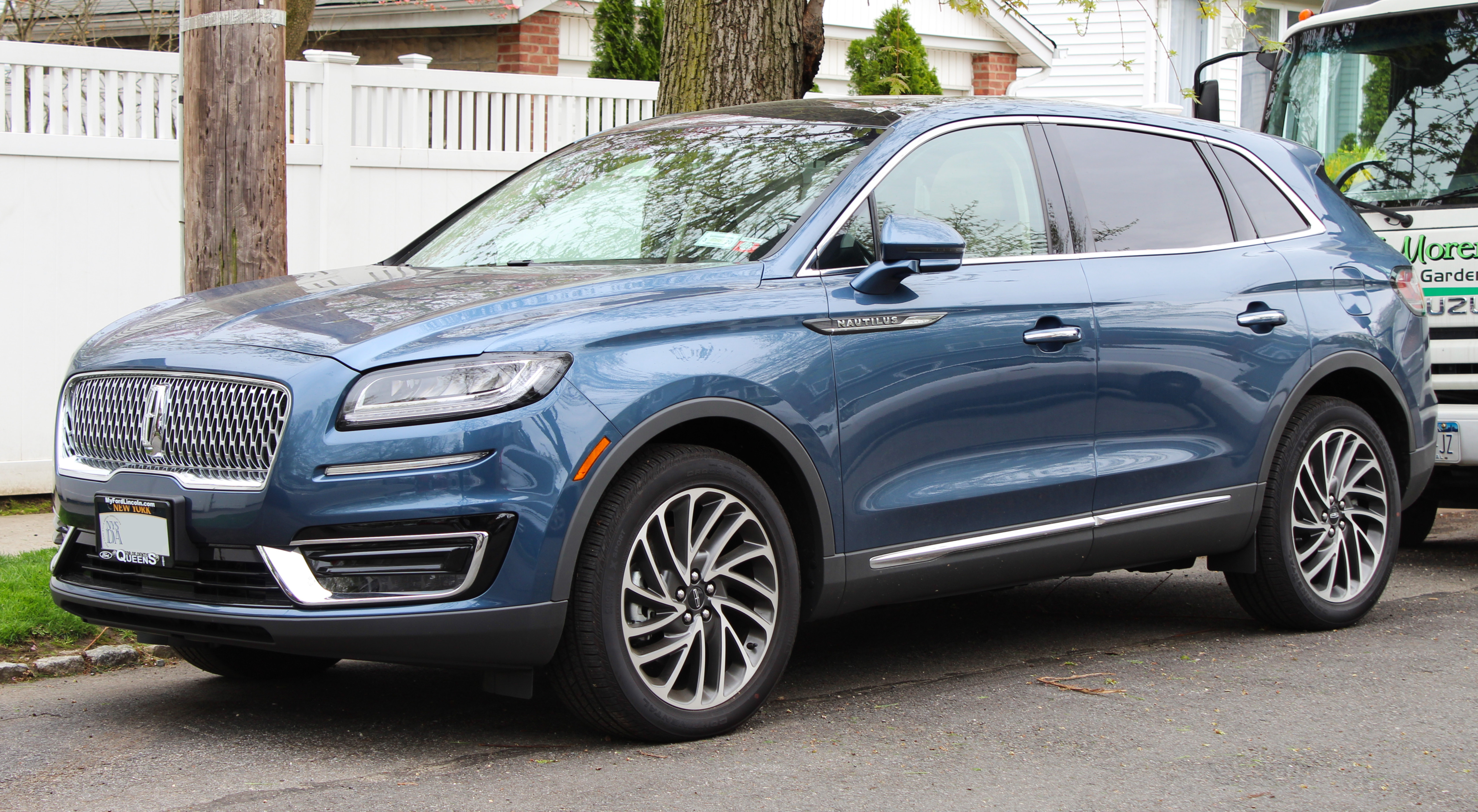
Car
Lincoln Nautilus

Car
Cadillac Elr

Car
Chevrolet Volt
LIVE
Speaker 1: I'll Online. After Hours is brought to you by bridge
Stone Tires Solutions for your journey.
Speaker 2: Everybody.
Speaker 3: Welcome to twenty twenty five and Out of Line after Hours, first show of the year. And with the first show
of the year, you got something to try to stump us with. I got to Jael.
Speaker 4: I mean, you know some days we start with that, or should we introduce who we got it?
Speaker 5: I mean we shoul an interest here.
Speaker 3: So we got Jeff Stout from the Fang backed by popular demand, and we're the ones that are the popular.
Speaker 4: Yeah, okay, but he's got a new title since we've seen him last. Now you're the executive director of Global
Innovation Commercialization, correct, And I just don't know how you can fit that on a business card.
Speaker 6: You know, it's all digital, okay, right.
Speaker 3: And we've got Sam abu El Sam Ed a great analyst and consultant in the industry. And Sam, I know
that you were with Guide House, but you're doing something different now.
Speaker 7: Uh yeah.
Speaker 8: I've just joined with Telemontry to launch Telemontry Insights as their.
Speaker 7: Head of Research. I talk more about that next week.
Speaker 5: So this is like we blew your cover.
Speaker 9: It's a place where it all happens.
Speaker 4: Okay, all right, back to Gary and his questions. So
on January two, nineteen fifteen, a man who established a still existing automotive brand died.
Speaker 9: Now here's the clue.
Speaker 4: Many people in the US and elsewhere have a product in their homes that come from this company.
Speaker 3: This is like a Jeopardy question almost, And he's an automotive guy.
Speaker 9: An automotive guy.
Speaker 4: Does the automotive brandist still existing automotive brand, but also a product in your home?
Speaker 9: A product in your home.
Speaker 7: I don't know.
Speaker 3: Somehow Pougeot is in my mind.
Speaker 7: The house. John, You're right, oh I am.
Speaker 4: It was armand Prugo and it's the Pugo pepper mill.
Speaker 3: Oh okay, you go, okay, all right, yeah, because Poujo started like in the eighteen sixties or something.
Speaker 7: Like that, bicycle manufacturer really well.
Speaker 3: The bicycles came later. I think they started out with
pepper grinders and other things like that.
Speaker 5: They started earlier in the nineteenth century. And there you go.
Speaker 6: I got it. Wow, okay, Jo peppermill.
Speaker 9: We know, all right? So that was that was the
harder one.
Speaker 4: Here's the easier one, okay.
Speaker 3: Yeah, So I won't get the so as you recall.
Speaker 4: The North American International Auto Show was always happening like right now, okay, it was always immediately after the first of the year, right, and and we would all be there and there would always be magnificent introductions. Things that
we would see on press days.
Speaker 3: Right, okay, theatrical big, theatrical big, Hollywood Broadway battle drives.
Speaker 7: Yeah right, you named windows.
Speaker 3: Plate glass windows, okay.
Speaker 6: All right.
Speaker 4: So on January tewod nineteen ninety four, a vehicle was introduced there. It was to go on to have sales
of some two point two million before it went out of production in two thousand and five.
Speaker 5: What was that vehicle?
Speaker 7: The Dutch Neon?
Speaker 4: I got it in one yeah, man, yeah, it was good.
Speaker 3: Here here's a true vehicle. What was the original ms
rp on that it was? It was like eleven ninety five,
eleven thousand, hundred seven or seven thousand and eight. It
was under eight grand.
Speaker 5: And how many were sold for that price?
Speaker 3: Well? Three right, that's what you advertise.
Speaker 2: And that's oh well if you want to have cruise, yeah, that's right.
Speaker 5: All right.
Speaker 4: So since we brought you back here in since not everyone knows about gen thing, so tell us about the company and the R and D and what you guys are involved in, and can give.
Speaker 6: A brief history of young Plant. So actually hired into
a company that was called Prince Corporation back in the day in January of ninety four. If you want to
do the math, means I'm old. And so that was
started by a guy named Ed Prince, making advisors primarily, but then was starting to get into other products. Reasonably
interesting that the reason why they're advisors. They hadn't intended
to get intovisors, but they actually the Ed Prince, the owner of the company, had a friend who worked at a company called Donnelly, which is not Magna Donnally in Holland, just down the street from where we are in Holland, who wanted to have a mirror on the back of his visor because he wanted his wife to be able to put makeup on on the way to church so we wouldn't be late waiting for his wife. And in
the end Magna Donalad said, that's a horrible product. Nobody's
ever going to want to have a mirror on the back of their visor. So he brought it to his buddy,
Ed Prince. They took it to Cadillac.
Speaker 8: The rest is history, and so there's still no mirrors on the back, right, and so that's.
Speaker 6: An important part of the store. Just in terms of
the premise of Prince back in the day was invent cool stuff, make customers want to buy it and home length.
The little three button garage door opener that was invented by Prince back in the day, now owned by Gente's, got sold ed. Prince passed away unfortunately, and his wife
sold the company to John's Controls. Hopefully folks are familiar
with that name. John's Controls ultimately ends up selling that
business out as Audiants. So today Adiant is what used
to be John's Controls, and they sold out the interior bit to Young Fun. So Jan Fung used to be
John's Controls. Was Prince before that. That's the North American story.
In Europe a very similar story but different company names.
There was a company called Hoppish that got bought by Fabric, which got bought by Becker, Becker being one of the bigger companies that got bought by John's Controls Young Fun.
So then getting to your question, so we're a seventeen billion dollar annual sales company. Probably fifty percent of that
is in China, thirty percent in North America, twenty percent in Europe. And yeah, we work across everything on the
inside of the car, so interior, safety, seating, electronics, and we've got a couple hundred people spread out around the world that are looking at what is the next thing that any one of those components needs and to be in order to be more successful, to be more consumer desired moving forward. And so I used to be responsible
for developing that stuff. Now I'm on the other side
trying to get customers to want to buy the stuff that we're about there.
Speaker 3: So see, yes, Consumer Electronics Show coming up right around the corner. What kind of things did you figure out
to show on display and make people want to buy.
Speaker 6: There's a number of things that are really interesting right now.
Number one is in the display space. And I think
last time I was on the show, we talked a little bit about the Chinese market versus the US market versus the europe market. From my perspective and the vantage
point that I have, there's just a lot going on in the Chinese market in terms of willingness to try things.
And so when we talk about displays with our customers quite off and outside of China, it's like, oh, that's a really interesting idea, but nobody's ever gonna do that.
Speaker 2: Now we're in.
Speaker 6: Production with so the pillar to pillar display that you've seen kind of in show cars. Biten originally had that
as one of their kind of main things. That's becoming
a standard product in China. Heads up display that you
project an image that's actually a pillar to pillar all the way from a pillar to a pillar of a display that's actually in your windshield. Then adding three dimensionality
to that and saying, hey, can I have a holographic panoramic HUD.
Speaker 3: So that's coming. That's not out yet.
Speaker 6: That's all coming.
Speaker 2: That's not out yet.
Speaker 6: The pillar to pillar display, for sure, pillar to pillar p HUD it gets called, is launching. The actual three
dimensionality of that is probably a year or two away, but there's some really compelling presentations of that that's kind of coming forward. Outside of that. Right now, we're in
a really interesting time in the business in terms of the desire by automakers as they transition from ice above and try to understand what the market wants to be there.
There's a universal across all markets desire to fundamentally reduce cost number one, and really to reduce labor. It's been
interesting to me that this is not a regional issue down in Mexico, Eastern Europe. In China, there's not that
many people who want to put car parks together, and so we've had designs that are great designs. So we
just need to hire something and you can't physically find the people. It's not a questionable what's the labored China.
Even in China striking one point three billion, there's got to be somebody that's willing to work, but they're having a hard time. And so we're actually finding commercial success
with concepts that allow you to manufacture a product with fewer people, even if they're not necessarily a cost benefit.
The cost is neutral, but fewer people are required. And
then number one place for that not to get bogged down in a steering wheel. Historically, for people's background, steering
wheels used to be just self skinning. You're a thing.
You'd take a metal, either magnesia or steel or aluminum casting, you'd put it in a tool and you'd foam it, and that foamd have its own skin and boom, nice and cheap, easy, simple. But then we started to add heat,
which I really like most people do.
Speaker 5: And then we still like this.
Speaker 2: We all like that.
Speaker 6: And then we added hands on detection or hands off detection, so that you know if you're going autonomous, are you touching the wheel or not. Some people do torque monitoring,
but a lot of people like to have touch constivity.
Speaker 2: Those are hard technologies to get into.
Speaker 6: A foam steering wheel much easier if you have a wrap steering wheel. So what used to be just high
end luxury five percent of the market leather wrap steering wheel is now ninety percent of the market. Everybody has
to have a wrap steering wheel. It takes a lot
of people a long time to individually wrap each one of those steering wheels. So you can imagine that the
explosion of direct labor that's required in order to deliver that.
We can't find those people, So how do you develop technologies?
So it's not a sexy solution, but there will be solutions in the market where you're like, boy, this kind of looks like a nice steering wheel. And the magic
is we made that steering wheel with like five percent of the labor, but still made it look a lot like a traditional steering wheel and able to deliver that without having the direct labor issues that we have globally.
Speaker 4: So as part of this, why knobs have gone away.
Speaker 6: That's a great question. I don't know if it's fundamental,
but it's for sure some of the conversations that I've had with people with some West Coast customers that desire to go to a hyper simplified interior. If you look
at a Tesla interior, the controls, the knobs, but even beyond that, everything in their interior is very plainer. It's
very simple, minimalist. Thank you. That's the word I was
looking for, and that is a function of wanting it not only to be simple, but to bring all of the value into a reconfigurable display and hyper simple. I
don't want any controls, all the stalks, all the knobs, all of that. I want to go away and get
everything into that center screen because that's going to require far less labor.
Speaker 8: Well, there's also there's the labor factor, but there's also the cost of engineering all of those individual components and validating all of those, tooling them, and the tooling the finishes on all those individual components, all of that adds up to a lot of cost. And if you can
go to that minimalist interior, even though it dramatically worsens, the user experience is.
Speaker 7: A lot cheaper.
Speaker 8: And I mean that's the reason why Tesla did it on the original model S. You know, when you got
in that first generation Model S, you got in that there was like four buttons in there. There was one
for the hazard lights, one for the glove box, and I.
Speaker 7: Think there were two others. I can't remember.
Speaker 8: There were, you know, nothing else. Everything else was in
the touch screen. And you know, as you said, it
allows you to reconfigure everything, but in a vehicle that you still have to drive, it's actually a terrible user experience.
Speaker 4: So this is why somebody wants to spend tens of thousands of dollars on something that's difficult to interact with.
Speaker 6: Which is a fascinating question because there's always this debate about user experience in terms of connecting to familiar with connecting to what's right. We did a study gazillions of
years ago looking at Beckween supplier integration was the thing. Hey,
we've got to get smarter on how to make these kind of decisions. So we contracted a company called Battel
Betel's out of state of Washington.
Speaker 2: They do went around forever, been around forever.
Speaker 6: They do I don't think they do anything in automotive, but they do human factors analysis for everybody in every industry.
And we're like, hey, come do a human factor's analysis of the interior of a car. And I'll never forget
the most damning thing they had what we were doing, apologized to the automaker. It was a Chevy Blazer to
thousand ish year and they're like, who in the world thought this was an intuitive cruise control?
Speaker 2: If you remember that old two screen.
Speaker 6: That fier bar and of course, but they're like, this thing's got buttons and not like none of it makes any sense. But we all like know that we've been
using that for years. That's totally intuitive because we're familiar
with it.
Speaker 7: So there's a difference between intuitive and muscle memory. Correct.
Once you figure it out and you get the muscle memory, that's one thing. Great, it's not intuitive, right.
Speaker 6: And that's the debate. Then in the Tesla world of
once you know, oh, if I want to move my AC outlet air direction, I have to go to my screen, go to these. Okay, once you know that and it
becomes muscle memory, is it okay or is it just fundamentally wrong, Like it's just not as good as you're.
Speaker 8: Supposed to be paying attention to the road. It is
fundamentally wrong. It's because you know, I mean, with no
matter how terrible that GM cruise control stock was, it was physical. You could you know, once you figured it out,
you could do it without looking at it. But with
with anything in the touch screen, because you can't feel it, you have to look at it, which means you're taking your eyes off the road and you're looking at that, and then you're fussing around. I was just driving a
Rivian R Ones a couple of weeks ago, and as lovely a vehicle as that is, having to mess around when I wanted to move the vents, and every time I hear an engineer or a designer tell me, oh, but people never adjust their vents, I say, that is such nonsense.
Speaker 7: That is just completely wrong.
Speaker 8: People adjust their vents all the time, and having to do that in a touchscreen is a terrible user interface.
Speaker 3: So this begs the question, is this why traffic fatalities have gone up despite the addition of all this software.
It's not just driver distraction of people looking at their phones and you not paying attention. It's just trying to
change the radio station, or trying to get the rear view mirrors adjusted or anything like that. You're taking your
eyes off.
Speaker 8: I mean, that's one factor, you know. I think perhaps
a bigger factor is dramatically worse than visibility looking from the driver's seat, looking out of the vehicle. We're all
driving these huge trucks and SUVs now right now, I drove here today in a gmccira EV and massive truck, and your ability to see and especially pedestrians and cyclists is dramatically worsened in these huge vehicles. Yeah, you are
protected inside that vehicle, but you have much less situational awareness of what is outside of the vehicle in your immediate surroundings.
Speaker 4: So, Jeff, I gotta guess then, like a company like yours would be saying, Okay, how can we bring that information into the vehicle so people will be aware of what's going on outside of the vehicle.
Speaker 6: For sure. Pedestrian safety has been a thing for a while.
It's just a very tricky question to answer. How do
you we've had transparent A pillars. This is a really
cool technology. Nobody ever bought it. It wasn't actually transparent, right,
You just had a display elongated display that was on your eight pillar and you had a camera outside the vehicle and it projected depending on where your eye lips was.
As you looked around, the display would change, so it was as if you were looking through your A pillar.
Speaker 2: It was fantastic, but it was money.
Speaker 6: And again, and that's not a criticism. Every invention has
to have a value proposition that people want. And I
think the reality is my personal opinion would be and I was mentioned this just a few months ago when we were talking before sho Bob Loves when he was talking about how customers make decisions. For the most part,
it's a decision by committee, and it's a decision by people trying to minimize risk that you're trying not to lose versus trying to win. And so the number of
times that I've had conversations with customers where you say, this is an amazing thing.
Speaker 2: That is amazing, but it's cheaper, right, Well, no, this is going to be a little bit more.
Speaker 6: Yeah, I know. If it's more, it's out and from
my experience, every new technology that's ever made its way into a car other than the Tesla's the crazy people of the world. Any traditional automaker, there's always a story.
I don't know if I ever mentioned. I was hanging
out with Delfi Sagonaw guys fifteen years ago and they told me the story of power steering. It's like, well,
power steering, that's an obvious one. You bring that to
a customer instead of you guys used to have non power steering, right Like I used to drive a seventy three Nova and you had to just work that thing to turn in. Like, power steering is fantastic.
Speaker 2: You would never not want that.
Speaker 6: The guys at Delfi sell you know, we are saying they went to the customer and they all said, well it's more money, like no, we're never going to do that, and so they actually what they ended up doing.
Speaker 2: Hopefully this is true. If anybody out there tells me
this is not true, I need to correct my story.
But I was told by the Delfight story it is true.
Speaker 6: In the next a few minutes, they actually went to Cadillac and said, well, how about if we give it to you for free for one year, no cost to you, so it'll not be a problem at all, because we believe that once it's in the marketplace, people won't buy a car. That doesn't happen. And that's exactly how it
played out. It was free for a year. After a year,
I Sawa said okay, we're done, we're not giving to you anymore, and purchasing said, okay, that's fine, and the product planner said, we have to we have to offer it.
Speaker 2: You can't not have this in this car anymore.
Speaker 6: People won't buy the car, and the rest of history, every car is power steering.
Speaker 8: Yeah, I mean it's it's kind of like, you know, the classic apocryphal story of you know, people wanting a faster horse. You know, people don't necessarily know what they
want until they have actually seen it and experienced it and tasted it. And you know what it's like with evs.
You know, people that have never driven an ev I don't like the idea of an ev and I don't want to deal with charging that, But once they actually try an EVY, they more often than not realize, hey, this is a better experience. I like this better than
driving my internal combustion vehicle and they like the quiet and the smoothness and all the other good things about an EV. And it's it's getting people to try it
the first time, to get that first taste, and.
Speaker 7: Then they get hooked.
Speaker 8: And you know, I mean whether or not that was true, I suspect it probably it probably was or something like that, or they gave it to them, if not free, at a very discounted price. And so you get people to
try it out and it's like, oh wow, I've been you know, man handling the steering for the last twenty years.
Now it can turn the wheel so easily, and then everybody wants it. Air conditioning, power windows.
Speaker 6: I'll give you cruise control.
Speaker 3: Ford came out with cruise Controlled in the mid nineteen sixties, you know, not just in Lincoln's on Fords, and for the first couple of years the take rate wasn't very good.
They were ready to kill the program, and then all of a sudden, wommo, everybody wanted cruise control, or enough people wanted it that they kept it in the program.
Speaker 6: So one that's coming right now, and I'll be fascinated to see if this catches on. You never know, as
on the aventioning side, you just throw stuff against the wall.
You think it's a good idea, but maybe the market.
It's the beauty of being in a capitalist world. Like
you get an answer. Either people buy it or they don't,
and if they don't, it doesn't matter whether you think it was a good idea. The market is spoken.
Speaker 2: So right now, a little bit in Europe, but a ton in China.
Speaker 6: There's a big move towards a more passive heating system, so getting away from a forced air situation and going to direct contact heating. We have it here in the seat,
in the steering wheel, very common in Europe. They've added
the door panel and the farms, armor rests, exactly everything I touch. Okay, In China they're moving to direct contact
and passive, so knee bolsters, headliners, all the surfaces around you radiating heat at you, and having a very minimalistic blower motor. Is that better? I've experienced it. It's pretty
fricking amazing. I Mean, you get into a minus thirty
five degree chamber and you sit down and you're like make sure you don't touch your tongue on anything, and then you fire this thing on and you are comfortable in like second, like thirty seconds and it's like, now you feel the energy getting transferred. Little heat transfer for
those out there with enginety degrees. It's not about the
air temperature. It's about the heat coming to your body,
either through conductive or inductive.
Speaker 3: Even visual, because I want to say it was for VIA several years ago showed me this program that they had done that when you turn on the heat, the interior at the ambient lighting would glow red, right, and if you had the AC on, it would glow blue.
And they were able to show that people's mindset antis you know, thought if you glowed red, they felt warmer two degrees fahrenheit warmer, and vice versa two degrees colder fahrenheit if you had the AC on, just just from.
Speaker 6: The light the visual.
Speaker 4: But but something like that, okay, it strikes me that it's it's an immediate consumer benefit. Okay, the consumer you know,
you said you're in that chamber boom, It's like, wow, this is great, right, Okay. But some of the stuff
that you know, you guys will have it c CES next week, that other suppliers will have at CES next week.
I mean, much of it seems to me that there isn't that medical?
Speaker 6: Yeah?
Speaker 9: And I mean and and so take the pillar to pillar screen.
Speaker 4: Okay, there's got to be some compelling reason why you want that information or whatever way down there, right, So, I mean, how do you sell that.
Speaker 6: Sixty four thousand dollars question?
Speaker 7: Uh?
Speaker 6: Maybe give some examples where I'm always struck the world I live in. Maybe you guys don't notice it as much.
I think it was Mercedes who came out with it first, the laser perforated metal speaker grills, and so you have these really kind of intricate designs, of swooping designs, of varying whole dimensions. That is a ludicrously expensive part, Like
that single part costs more than most of my assemblies.
Kudos to the team who invented it. Do you need that?
I gotta imagine that person whoever, I don't even know what the supplier name. I think it was Royin. Someone
can fact check me online whether that's true or not.
But now there's a couple of different suppliers that do it.
Oakwood does it in others. I'm guessing they went to
a customer.
Speaker 2: Said, and this is awesome for only hundreds of dollars.
Speaker 6: You can have a cool speaker drill, and I'm sure the personally person said no, like I don't need a one hundred and fifty dollars speaker drill that it costs five today, and then somebody said, no, this is amazing.
We got to have it, and next thing you know, it's in there.
Speaker 2: So how do you convince a customer that something is needed?
Speaker 6: You try to we interview consumers. We do consumer research. Well,
we'll put our products in front of consumers and say, hey, we think this is school. Do you think this is cool?
And it helps to then have some data to say yeah.
But when we interview people, they really thought this was compelling in terms of what it can do. But there's
plenty of stuff that has no practical value. Pillar to
pillar display, like the car is not any tangibly better because you have that, But I gotta talk it's freaking cool.
Speaker 3: It looks cool, and I can verify that because Lincoln has said that with the Nautilus, which comes in from China by the way, uh, pillar to pillar display, they said that over when people see it, they flip, well that's the car. I got a half right, just the screen.
Speaker 2: Yeah, And then you're asking the question why why is that?
Speaker 6: I wish I knew the answer.
Speaker 8: Make a lot of money in a pre you know, in a premium brand vehicle, things like those you know, those perforated speaker grills, the pillar to pillar display, I think it gives them and creates the impression that there's that this is something different, something better than just your average vehicle.
Speaker 7: I've driven the Nautilus.
Speaker 8: You know, the left hand or the right hand side of the display is fine, but not particularly useful. Earlier
we were talking about Biden, who were the first ones to show I think or at least one of the first ones to publicly show that sort of full with display, and you know I before they went under I did get a chance to take a ride in there and spend some time in there California uh Tech Center with one of the UX designers in their in the interior book, going over understanding what their strategy was with that. One
of the things that they talked about with having that big display is for for navigation. Uh you know, when
your when you've got a smaller screen on on there for your navigation, it inherently limits how much you can see, how much context you have, and so people tend to spend you know, they tend to frequently go back and forth, zooming in, zooming out to see where they are on their route, you know where, you know, to get that context, and then zooming back in to see the d detail of their specific location with that big display. What one
of the things they were doing was when you're using navigation, the majority of the central part part of that display was showing the full size the full size map, the full route that you were taking, and then on the right in front of the driver you would have the more detailed localized display of the map, uh, you know.
And if you're doing things like that, there there are ways that you can use the screen to provide that increased situational awareness for the driver and allow them to quickly see that information at a glance without having to change modes all the time. Lincoln's not doing that with
their implementation of it. Maybe at some point in the
future they will, who knows. And right now all you
get is like three big widgets over there, so you can see a big temperature widget, you know, a couple of other things, which, like I said, I didn't find particularly useful, but I think there are ways to use that to actually improve the user experience in the vehicle.
Speaker 4: So, Jeff, would that be just a software play to change those widgets to for sure useful things?
Speaker 7: I mean, once the hardware is there, you can put anything you want on there.
Speaker 3: But go back to your windshield thing. Because I've been
intrigued by this for a couple of decades now, because I think I first heard Yazaki talk about doing this where you could project your navigation system not just on the windscreen it would be seen that, but it would highlight the road ahead of you. So like, yeah, yeah,
exactly right. So I'll make up a color it's yellow,
follow the yellow brick roads, you know, and you just drive on that and that's your nav Is that what you're getting out with this? What you're going to show
at CEES, that's.
Speaker 6: For sure coming. That isn't part of kind of the today,
that's the tomorrow. Where we're showing that today is actually
for emer so on the side review mirrors, And in that case it's a lot easier to add AR solutions in terms of object detection lane. It's because it's very
straightforward in terms of identifying where the lane is, where you are relatively the lane if there's something else in the blind spot, and being able to communicate that with more than just a flashing light or more than just a simple indicator, you could actually create an image that shows, oh, there's something there and do that as an overlay on the actual video image.
Speaker 4: So how is this different, say in you know, if you have a Hondai or a Kia, and now when you do the turnstock in the gauge, you actually see the image of what's to the left, Yeah, and video feed and Honda does the same thing right for the right turns.
Speaker 7: Yeah.
Speaker 8: Well, one of the things you can do, you know, if you have this full width display. First of all,
that display is up higher. You're not looking down in
the middle of your steering wheel. It's closer to your
normal line of sight when you're driving, and so you can see it more at a glance. And often, you
know a lot of information will just be in your peripheral vision. And so you know, when you've got all
these sensors on the outside of the car, if sensor picks up there' hey there's a pedestrian over here, and you've got an augmented reality display, it could show, you know, show a bounding box you know, say or highlight you know, hey there's a pedestrian or a cyclist over here, or you know, if you're doing the e mirrors and you've got that at the at the outer ends of that display.
Again with your blind spot monitoring radar sensors, you can again highlight not not just show you know, the view from the camera as Hundai does today, but show that view and then draw and then draw the bounding boxes on there. Of here's the you know, here's the things
to highlight, you know, and of course you have to be careful with that.
Speaker 7: Because you don't want to overwhelm the driver with too much.
Speaker 8: But you've got so you've got to be careful and make sure to pick the right information at the right time that is actually going to be useful for the driver.
Speaker 3: So pause in the conversation. This is probably a good
time to take a quick commercial break to our great sponsor, Bridstone.
We'll be back in just a moment.
Speaker 10: Knowing that a little rain won't slow down your day, that's what really matters. Bridgestone Toronto Quia attract tires confident
control in wet conditions.
Speaker 3: All right, we're back talking with Sam Abusa Elsamid and Jeff Stout on anything and everything that comes to our mind.
It seems right now. But you know, Jeff, one of
my things is this industry is got to cut costs.
And that's not a new story at all. But instead
of just trying to beat up suppliers or fight your unions, I'm a big proponent of design the cost now. Design
it out of the product, design it out of the process.
Speaker 2: Is are we making progress?
Speaker 4: You started in ninety four, so.
Speaker 6: Let's start out.
Speaker 8: And in that time we've thought they're definitely cheaper than they were in ninety four, right.
Speaker 6: I wish anyway, I would say, Unfortunately, we're on the wrong side of that momentum at the moment. I think
over the last five six years, I would say there's been more and more interest in garnering, Hey, what do you have as a supplier, whether it's cool, new, or whether it's lower cost. Is there a better way for
us to do this? And in the last I would
say a year or two definitely kind of post COVID, there's been a pullback from that and a little bit more of a we just want you to make what we tell you to.
Speaker 3: Make, And so the automakers want to design more and more control, more and more correct.
Speaker 2: There's a little more of a conservative They bring.
Speaker 6: You, build it you want. And I think, given this
question a lot of thought over the last probably six months, doesn't mean I'm right. I'm not sure if I'm on
the right trailer. But talking to a lot of other
friends that work in other suppliers, there there's a consistent story there of automakers as they've tried to make the switch to be e the they didn't know how many how many monkeys are you going to sell? A few?
Speaker 9: Oh, a lot?
Speaker 6: No, a few like that rubber banding, and every automaker has kind of gone through that. The punishment of being
wrong has fallen primarily on the supply base. We were
at a conference not too long ago where the automakers I think it was Toyota and BMW were both talking about how they've done a really good job balancing the ice and the electrics, so it doesn't really matter if it's one or the other. Well, if you've only been
sourced the battery version of your product, it matters a lot.
Speaker 3: It's not balanced.
Speaker 6: So we'll go back in time again nineteen ninety when I first hired in my first program I ever launched was the Lincoln Continental f and seventy four. I'm not
sure we're allowed to say code news. It's old enough
that it's been the grandfathered in and so I get on a young kid, twenty three year old kids like, hey, we're doing this. It was a door trimp panel. What's
the volume that we're planning to do one hundred and nineteen Thousand'll never forget one hundred nineteen thousand. Continental was like, wow,
I didn't realize Ford sold that many. Cottonells, Oh, they don't.
Speaker 2: Well, how many are they sell?
Speaker 7: They're gonna sell that exactly forty thousand?
Speaker 6: Well, how many have they sold in the past, while they've never sold more than fifty, But we're gonna sell one hundred and nineteen thous We're gonna sell three times today's volume when this amazing new car comes out. What
makes them think they're going to sell that many? And
I'll never forget is well, they don't think they're going to sell that many. Well, why are they telling us that?
Because they have a business case that requires one hundred and twenty thousand to justify the investment. They have to make,
and so that's the number we all have to work toward, even though we all know it's untrue. Fast forward twenty
five years, we're in that same situation, and we lost our shorts on that program because we kept capitalized for a volume that never showed up. I think twenty nine
thousand is then what they end up selling. Fast forward,
now you've got all these electric vehicles that in order to make the business case work, it's got to be two hundred three.
Speaker 2: If you look at just all of the forecasting sites and.
Speaker 6: You add up all of the ice vehicles and all the electric vehicles, we got to sell twenty three million vehicles.
Speaker 2: We're not going to it's gonna be sixteen million. So
every BBU said it's gonna be one less ice vehicle or.
Speaker 6: The other way around it. This is how many are
gonna sell. It's only a question of which ones inside
this number. But the automakers have had to create plans.
And I don't mean to say that any of this is malicious or them trying to screen like. It's just
the numbers that were needed. So they give you that number,
and that's led to massive overinvestment, which has led to massive cost which has led to difficult conversations with customers.
I don't know of a single supplier who's really doing well.
At the moment. Automakers are, hey, I'm making how many
three billion this quarter or for like, every supplier is surviving, but I don't know of a supplier that's thriving. And
now that we're moving forward, because there's still uncertainty there, the automakers are coming back saying, real time story, there's an automaker who's taken a page out of the Stilantis I don't know if you guys remember the story from two years ago. There was a VP of figures, VP
of purchasing at Stilantis said, Hey, we're gonna we're gonna stick it to this. We're going to have terms and
conditions that say, whatever happens, it's their fault.
Speaker 8: Uh.
Speaker 6: And the supply based uniformly it's exactly all of these storylines connect. There's no new stories in the world. And
so the entire supply base said, now, I can't sign those terms and conditions, and Stilantis waited until some supplier kind of cracked and said, okay, I need the business.
I'm willing to sign those and nobody ever did so they fired the VP and said that was a mistake.
We just mean that there are now automakers exact never mind who are saying the same thing like we Because of this over commitment of volume and suppliers going hey, we need to the automakers are going back to that model that says, hey, I can't be responsible for those cost overruns. You have to be responsed for those cost
over runs. And so now my personal opinion open to
people agreeing or disagreeing. The market I think is starting
to fracture a little bit where you have high tech companies, let's just pick on Bosh. They have technology that only
they have, automate have to have it from them, They have some leverage for pricing, and then you have suppliers that are new, they're small, they can file for bankruptcy and go away tomorrow, so it's not that big of a risk for them. And then you've got everybody else
in the middle who have SGNA, who have costs that if I can't get those costs recovered, I don't have a good business mount I can't sign that contract that says if there's a tornado, there is no force masures.
Essentially the it doesn't exist anything that would have been force mature as your problem. And if our volume is
ten percent of what we told you is going to be, we'll try better next time. That is an overwhelming problem
for the supply base right now, and there's a massive need for an equilibrium to come together to say, automate, I've been a supplier of my entire life. We always
chase the automaker, what do you need, automaker, because whatever you need from us is what we're going to try.
Speaker 2: If you want us to do more or do less, we will flex.
Speaker 6: But right now there's this ask to say, we want you to be able to do everything. We want to
pay you as if you don't do anything. And so
we're trying to do that dance of how do I reduce my SGNA to be cost effective just as a shooting ship supplier, but still be able to have conversations with them about new technology, new ways of doing it, a better design. And I think we're at a turning
point in the market where the market will decide which of those two ways it wants to go with the supply.
Speaker 3: Well, it's easy because the way you're describing is not sustainable.
It's not sustainable full stop. But do you find that
the startups are any different.
Speaker 6: The new energy vehicles, the startup automakers.
Speaker 2: Yeah, right, one hundred percent.
Speaker 6: So all of the startups.
Speaker 3: Are asking for we all know, we all know sitting here that early supplier involvement is the way that you take cost out where you do it in the design stage.
It's easy, breezy, it's free essentially to do it then, and it's always puzzled me in my entire career why automakers don't do this. And then there's been programs where
suppliers have been involved in early and I have had it early involvement and it's gone great, and then they drift away from that.
Speaker 6: And I think the answer to that question, in my mind is one word in its control. If I designed
the product, if I'm automaker and X any automaker, if I design it, then I can sick my purchasing people out there to say, here's the design that's done. Go
find the cheapest person out there who can make it for me. And whether that's fundamentally the cheapest design, you'll
never know. It's the design. Go find the cheapest supplier.
If I work with the supplier up front. Well, now
you're kind of a little bit locked into that supplier, and I don't want to be locked in. I want
to have the freedom. I've literally had this conversation multiple
signs with multiple customers. I love what you're showing me, job, this.
Speaker 2: Is great, but I think you told me you have a patent on that.
Speaker 6: How we have a patent on that?
Speaker 2: Then I can't buy it?
Speaker 6: Why not you really want it? Yeah? I know, but
if I buy it from you, I can't buy it from anybody else. And that I can't let that happen
because that might mean that I make money.
Speaker 4: Yeah, So Sam, let me ask you this. So you know,
Jeff mentioned about the seeming inability to have realistic projections in terms of what.
Speaker 9: Sales would be.
Speaker 3: Why do they have so much trouble?
Speaker 4: I mean, isn't AI or something going to take care of.
Speaker 9: That for them?
Speaker 7: No, AI is not going to solve anything. But it's not.
Speaker 8: It's always it's always been hard to forecast anything, and you know, you know, everyone wants to.
Speaker 7: I would like to create.
Speaker 8: The rosiest potential forecast that can and which is why you know, over the last fifteen years, we've seen some incredibly optimistic forecasts about EV adoption. For example, you know,
we're we're supposed to be selling a million evs a year by twenty twelve. If you go back to two
thousand and eight, obviously that didn't happen. You know, we've
learned a lot, you know, and scaled back some of those expectations now, but some of them are still a little bit too optimistic. But you know, to what Jeff said,
you know, with mass manufacturing, you do have to get to some degree of scale in order to get to.
Speaker 7: Hit hit certain price points or certain cost points.
Speaker 8: And if you can make the make a business case, not necessarily a valid business case, but if you can make a business case that says, look, if we if we can sell this many of this vehicle or share these components across this many platforms, so we're we're using the same components. Uh, you know, we're producing you know,
a million of these engines or a million of these batteries over four or five six different nameplates.
Speaker 7: Then we can get the costs down and get that cost out.
Speaker 8: And then then executives look at that and say, okay, that makes sense, Let's let's do that.
Speaker 7: Let's plan on that.
Speaker 8: You know, then the t ask comes of can you know, can you actually create a product with that level of scale or a series of products with that level of scale that people will actually want to buy? And you know,
trying to find that, trying to get that balance of creating products that consumers actually want and you know, creating giving them a value proposition. You know, going back to
what we talked about earlier, there has to you know, consumers, if you're if you're going to sell them something new, they have to be convinced that, you know, there is a value to them in in paying for that praying for that feature or that product. Power steering. The value
proposition was very obvious, very quickly. A lot of other
stuff like paying a subscription for heated seats not so much.
Uh So, you know, it's it's a it's a tough balance, you know, and in in engineering, you know, there's you're doing.
You're doing a lot of different kinds of budgets. It's
not just cost budgets. You know, you're also looking at
things like fuel economy budgets, You're looking at weight budgets, and you've.
Speaker 7: Got to balance all of these different budgets.
Speaker 8: You know, Okay, if I make this thing a little bit lighter by using this, uh, this material in this in this part of the vehicle, then I'm going to affect my cost budget and now you know, my affecting cascading effects throughout the vehicle. So you got It's it's
a really complex optimization problem.
Speaker 3: But I'll tell you also, it just got a lot to do with corporate politics internal at the O.
Speaker 8: Oh yeah, no, absolutely, And and you know everybody who's in charge, who's running a company, you know, they every CEO of an automaker wants to be the CEO of the biggest automaker in the world. I mean, you know,
look at what happened with Stilantis. You know, look at
what happened with the Reno Nissan alliance, you know, with Volkswagen.
Speaker 3: And and and soon Nissan. Yeah, but you know what
I was getting. I remember, because I know this gold.
Remember when Cadillac came out with the Alante and they priced it ten thousand dollars above the top line Cadillacs, which at the time were the Seville and uh I think it was the Sedandeville Brohm, and they priced at ten grand over there.
Speaker 8: They had to pay well and they learned lesson from that when they did the Cadillac ELR you know, which which was a Chevy Vault with a two door coup body, that they instead of the thirty five thirty seven thousand dollars base price of the Vault, it was seventy five thousand dollars for the same mechanical component.
Speaker 3: But I remember talking to the cadillact people saying, why did you price it here?
Speaker 9: This is crazy.
Speaker 3: You're not going to sell it? We go, we know,
but finance would not do it, and.
Speaker 7: It was it was that's exactly what happened with the LR.
You know.
Speaker 8: They were told by people higher up the food chain that you know, you have to sell this car. You're
going to because they the original plan was not to build the ELR. It was to build the cross Vault,
the crossover version of the Vault, and that program got killed and replaced with the ELR instead because they said, Okay, we can sell the ELR for a lot more money than we can sell a crossfold and it can be profitable, whereas the Cross Volt was going to be was going to continue to be a money.
Speaker 7: Loser for some years.
Speaker 8: And that's why it got priced the way it was, which that by the time I got into the market.
Speaker 7: It's like nobody who wants this car for this price point?
Speaker 3: Yeah, but I mean, I think that's how a lot of programs get sold in a company is promising finance, it's going to hit this volume where it's going to hit this price, and it's made up because people are married to this program. This is their baby and they
want to see it through, or the general manager or the brand wants to have that in the lineup in and so bad things happen.
Speaker 6: Well will be fascinating in my mind. We talked about
this a little bit last time. I was on a show,
so Hacket Forward kicked off the skunkworks in California, and they have specific volume targets that they are laying out there.
Whether they're real or not part of this conversation, but in that case, they're my understanding, my experience seeing what are doing all public information. Uh, they're making the program
the outcome. The volume is an expected outcome, and so
what do we need to do on the program in order to hit that volume? As opposed to the program
is the program and we hope the volume is the.
Speaker 7: Volume needs to be X, Well, what do we get to that?
Speaker 2: How do I get to X?
Speaker 6: And so they have the autonomy to design and build, an engineer build, go into production. I think I read
something not too long as somebody was writing, Yeah, that's three or four years out. No, that's fiction. Like it's coming,
like it's it won't be here in the next six months or anything, but it's coming.
Speaker 4: But see, I'm skeptical. Okay, I think john loves it,
but I'm skeptical of this. It's just like, Okay, skunk Works,
Kelly Johnson was able to put out airplanes in a matter of months. How long has this thing been running.
Speaker 6: I don't know the answer to exactly how long? Longer
than months?
Speaker 8: But but Kelly Johnson didn't have that cost constraint that you have for selling vehicles. He could build utub's and
SR seventy one and all kinds of other government was going to buy them.
Speaker 4: Manning Way right, Well, there was there were there some costs, and I would apologize for the term, but skunk a true skunk works.
Speaker 6: The original skunk Works was amazing.
Speaker 4: I mean what it was there was So I'm just saying that, Okay, as if if you read in a product development that this ain't it. Okay, it's maybe a
small team that is that is doing this work, but it is it is not inventing the future the way that Lockheed arguably did.
Speaker 6: I would say the answer somewhere in between there, because there is something to be said for large company of bureaucracy.
We've had this conversation a thousand times. The innovative's lemma.
Speaker 2: Like Ford in Deerborn.
Speaker 6: Hopefully I don't offend anybody with this next statement.
Speaker 2: Is incapable of inventing a radical next generation electric vehicle, right, And I think they have the ability to, but they are not going to have it. Farly admits that, right,
and so that's the reason why I have this thing.
Speaker 6: Skunk Works okays are seventy once an amazing play like, but they are inventing a vehicle that is dramatically different than what Dearborn would do, and if it's successful, it becomes the future of electric vehicles that Dearborn is going to have to adopt. And this is where it's going
to be fascinating. Coke and popcorn like. I've had plenty
of conversations with people in Dearborn. Are they going to
accept that. Am I going to let some crazy x
Tesla group of people in California tell me how to make cars? I've been making the f one fifty months.
Like there's a lot of pride in Dearborn. Are they
going to allow themselves to be moved onto a different set of developmental tracks by a bunch of those people?
Speaker 8: Okay, well, and that's we were talking earlier before the show started about Saturn. You know, Saturn went down that path.
You know, they were set up as a separate organization from the rest of GM. They did things differently, they
built built their vehicles in a different way and sold them in a different way. And then you know, it
didn't have as much success as they were hoping for, so they rolled it back into the rest of GM, and every basically everything that Saturn did just got crushed under the GM system. And that's the risk that happens here.
Even if this, you know, this four skunk works program is successful, it.
Speaker 2: Needs to be really, really.
Speaker 8: Successful in order for that to permeate the rest of the organization. If it is only mildly successful, then it's
just gonna end up Saturday.
Speaker 4: So Jentink for very well, do you think that this will be successful, that it will be embraced by the organization, or as these guys suggest, like, oh, we know how to build up on fifties. That's that's fine, you guys
go play over there.
Speaker 3: I don't know if it's going to be successful because who knows.
Speaker 8: Well, let me, let me, let me add something to that one thing that may be to their benefit right now.
And the same thing is true, you know, GM and Stilantis is a lot of the more senior people in all three of these companies have been either taking buyouts or getting laid off over the last couple of years, and so a lot of the most senior people that would probably be the most likely to crush anything new that comes out of there won't necessarily be there in twenty twenty six, twenty seven, twenty eight, if and when, you know, the efforts of the skunk works try to get rolled back into the major, the main organization, so
there may be a different culture that they're dealing with at that point.
Speaker 3: Look, I still believe you know, tell people how are you going to evaluate their performance, and they'll show you how they're going to perform. So if you just take
the skunk work, so let's say it's wildly successful and bring it back to Dearborn and say, okay, everybody, do this now. Dead on arrival. It's not going to happen.
But if you tell people, we're going to monitor how much of these processes and procedures that you adopt in your system and your compensation, your bonus is going to be based on that. Stand back and watch it happen.
It's I mean, you're trying to change the culture in an existing organization is the hardest thing to do. It
almost never or works. But if you change the way
that you evaluate and compensate people, boy, you're greasing the skids to make it happen a lot easy.
Speaker 5: Or you're greasing the skids on that revolving door and they go, I'm getting the hell out of here.
Speaker 7: That's all happened. That could easily happen.
Speaker 3: But if it's really successful and it's exciting, you're going to have a whole new generations that sign me up.
Speaker 7: But to your point, you.
Speaker 8: Know, if you're greasing the skids on that revolving door and it's the people that don't want to adopt the new ways are the ones that heat out, Yeah, then you don't the opportunity that increases the opportunity to bring those new processes into the organization.
Speaker 7: But I would get back.
Speaker 4: I mean, I mean the F one fifty is just the perfect example. I mean, that is the engine that
is running that corporation, right, and it's been that way for forty some years now.
Speaker 5: And so if I'm on.
Speaker 4: The F series team and then these guys come in and say, well do what, Yeah, I mean, I've got the numbers on my side which basically say, oh, who's been paying you while you've been doing that work? Correct,
it's the F Series team.
Speaker 8: Well, that's why, that's why you need you need to go to other product lines. You know, the F series
needs to be the last thing that adopts this new way of doing things. You need to focus on other
parts of the lineup where there is that opportunity where they're not necessarily as profitable, and you can now you can say, look, we've come up with this way of doing it, let's apply this to these other products. And
then once you've got everything else, then the F series is the last one to make the transition.
Speaker 6: So I'm a big fan of making predictions on film because I always like to look back and see how wrong I was. I predict.
Speaker 8: You know what they say about forecasts right about as useful as a chocolate teapot.
Speaker 6: I like to say I successfully predicted twenty seven of the last three recessions. To get the math on that.
I think the Ford will come out with the vehicle.
I think it will be successful. It'll be I think
they're targeting kind of that. Tesla said he's going to
do twenty five thousand dollars vehicle. We're going to beat
him with the punch. I don't think they'll actually get
to twenty five. They'll be twenty eight thousand dollars will
be their sale price. They'll sell two hundred thousand of
them a year, and it will get destroyed like the virus that it is, by dearborn, and they will never do it again. That's my whoa prediction. Hope I'm wrong.
I don't say that as I.
Speaker 7: Sure hope it goes that way.
Speaker 2: That's the handwriting on the wall that I see.
Speaker 4: Well, speaking of Tesla, SO news came out today of their twenty twenty four sales and they were down one point one percent compared to twenty twenty three sales and.
Speaker 7: While BYD was up thirty eight percent I think.
Speaker 4: And so this is the first time in like nine years the Tesla Tesla was down.
Speaker 9: What's going on there, Jen, Well, look this.
Speaker 3: Should be alarm bells going off in the company. And
this is you know, they didn't just wake up today and go ho, our sales went down. They've been slowing down.
Remember this is the company that bragged about fifty percent tagger, fifty percent year on year growth.
Speaker 1: That's over.
Speaker 3: That's done with.
Speaker 7: That's been over for several years.
Speaker 3: It has been. But look, they have a limited lineup.
They need more models. They've done very very very mild
refreshes styling out you know, exterior styling changes. Sure, they've
had all the over the air updates.
Speaker 2: Well, look they.
Speaker 3: Need fresh product and more of it, more different models to fit different segments. That's how ideas kicking.
Speaker 4: Okay, well that is it going to happen though? I
mean so so Elon said that he predicts for next year that it would be twenty to thirty percent sales increase twenty to thirty percent.
Speaker 6: Well, he always over promises.
Speaker 3: So I mean, look, if they hit half that, that would be a nice jump. But can they with what
they have, not with what they have, I don't think well except for you know, look if he does the full autonomy, if FSD truly is fs D, and you know a lot of the video.
Speaker 9: Stuff, so we had the expert on that sitting right here.
Speaker 3: Right So, you know, unless the robotaxi becomes a reality, I mean I think the market's going to go, oh, wait a minute. You know, where's all this future cash
flow that we anticipated. It's not there.
Speaker 8: Yeah, I mean the entire stock price is based on this, this narrative of suddenly switching on the Tesla network and turning all these vehicles into robotaxis and that's just not going to happen, not anytime, not with the existing hardware platform or architecture that they have of a camera only system.
But you know, to on top of what you said about, you know, limited product lineup that is aging looking kind of stale in the marketplace, there's there's also you know a couple of other major factors. Most importantly is China.
China has been Tesla's biggest market for years, and Tesla is facing the same problem in China as every other non Chinese OEM in that that you know, the Chinese domestic manufacturers are getting subsidized by their shareholders, who in most cases involve at least some level of government in China, so they're able to sell products at a loss for a sustained period of time. How long that will continue
to see, but even you know, in addition to that, the attitude of Chinese consumers has shifted dramatically in the last five years. It used to be that there was
a significant preference for Western brands, for European and even you know, for.
Speaker 7: GM brands, and that is gone.
Speaker 8: The Western brand or the non Chinese brands used to be dominant in the Chinese market. That is no longer
the case. It's now about sixty five percent domestic market
share in China, and that has hammered Tesla's sales in China.
And they've had to try and find export markets for those nine hundred thousand some vehicles that can build in Shanghai, and that is not working as well as they'd like, So they're having to slash prices in China, they're having to slash prices everywhere else. And then on top of that,
there's also the political factor, particularly here in the US.
Elon Musk's political activities over the last couple of years, and his activities with Twitter and everything else have turned off a lot of the people who would who in the past have been inclined to buy either an EV and more specifically a Tesla. A lot of people I know,
I personally know a number of people who have sold their Tesla's in the last year year and a half because of what he is doing that is outside of the company. They don't want to support him indirectly by
buying a Tesla anymore or owning a Tesla. And I
think that that has hurt. It's hurt the brand perception significantly.
Speaker 5: To this autonomy bit though.
Speaker 4: I mean, so, you know, we saw Cruise basically go away this year, and General Motors had been expecting how much yeah.
Speaker 9: Thanks Sean.
Speaker 4: You know, in General Motors was talking about like billions.
Speaker 3: Of dollars that it was fifty billion in revenue a year is what they were saying right the end of the.
Speaker 5: Deck, you know, and it's just sort of like all disappeared.
Speaker 4: And I thought this this I you may have talked about it on the nineteenth when I was not here, but I find it amusing that on the nineteenth too Simple Holdings set on.
Speaker 9: Thursday, it would rebrand as Create AI.
Speaker 4: And pivot from autonomous trucking to AI gaming technology. They
gave up to I mean AI gaming technology from autonomous trucks.
Speaker 3: We had a guy named Brian Reamer here on the show's pre covid MI I T guy, and he said, look, the car companies are not going to win the av war.
They're not because they don't have the cash. They don't
have the deep, deep, deep, deep, deep deep pockets that the tech companies have. He said, the tech companies are
going to win this war. And I argued with him
and he was right, Well, and that's what the car companies can't do it.
Speaker 6: Yeah, while billion go away, Well, the the gym realize they can't capture it.
Speaker 8: Well, there's a difference between fifty billion in revenue and what the potential profits were. The potential profits on that
fifty billion revenue, if they were positive at all, would have been probably been very very small in the next five to ten years. What no one has figured out
yet is a profitable business model and operating model for robotaxis.
Even when you take the driver out, you've added all kinds of other costs in the into the system. This
is why Ford pulled the plug on Argo. This is
why what GM is doing. This is why Active last
year pulled back on their investment in Emotional, and you know, Emotional delayed trying to do a commercial launch to.
Speaker 7: At least twenty twenty six.
Speaker 8: And at the time they said, you know, we need to figure out a business model that is going to be sustainable and profitable, you know, to your point, you know, or maybe you John, you know, talking about the tech companies, Alphabet has a lot of money. The know, Google generates
cash mountains of cash every year and so they can afford to subsidize Weemo. Weemos not making money and they
probably won't be for many many years.
Speaker 7: Nobody in the.
Speaker 8: Robotaxi market is doing that. Where I think that there's
actually an opportunity to potentially start to generate some profits is in more niche markets, like what MAME Mobility is doing.
Autonomous a to Z in Korea, you know, focused on augmenting public transit systems with automated smaller automated vehicles to move six to ten twelve people to improve the the access and capabilities of transit systems in major cities and there you know, you've got fixed routes. The op operational
unit costs are much lower.
Speaker 7: For something like that.
Speaker 8: Long haul trucking, I think is another one that has a lot of potential. Middle mile like what Gatok is
doing is also another one.
Speaker 3: What do you think Aurora long haul trucking.
Speaker 8: I think Aurora has got a lot of potential, you know, hopefully, you know, they should be launching their commercial driverless services in the spring. UH And I think that there's I
think there's a lot of potential in that long haul trucking market for automated trucking.
Speaker 3: Meanwhile, too, we're talking about US companies. BID is off
to the races. Beijing just yesterday came out and said
they're going to really push for a whole lot more av services in the city.
Speaker 7: And so it's we ride pony Ai all of them.
Speaker 3: It's it's a race does China or the you know us.
Speaker 8: Well, and China was always likely to be the biggest potential market for UH for robotaxis anyway, but even there, you know, whether or not they can actually be profitable is open to debate.
Speaker 7: And you know.
Speaker 9: Active that doesn't it Jeff, it doesn't I.
Speaker 7: But you know by by by do is like alphabet.
You know Google.
Speaker 8: You know they've got very deep pockets and they can afford to subsidize it for a long time.
Speaker 6: At the end of the day, I think two things.
Number One, I've bet against Elon Musk enough times to know that I shouldn't do that very often. He is
going to have a car on the market in a year plus. A little bit that he's gonna say is
full self driving. He thinks he can do with the
camera based system. Everybody else in the world thinks he can't.
Everybody told him he couldn't have a rocket that landed on like. He's been doing what can't be done enough
times that I've stopped saying he can't do that to me.
This falls right back into that innovator's dilemma of the logical thing for every automaker today is to run away from autonomy as fast as you can because there is no business case for it. And by doing so, you
see the ground of the people who are doing it, and by the time they figure out how to make money doing it, you are now irrelevant. And I don't
know if there's any way out of that. For the gms,
the cruises. I don't think. I think they were smart
enough to realize they couldn't tap into that market and sustain the cost that it would take long enough to be able to get there. Can test. I think Tesla
stock price is one hundred percent a function of people. Say,
I'm rolling the dice that he says that he's going to have a car that doesn't have a steering wheel.
Speaker 2: It's not like, well I could drive it.
Speaker 6: It can only drive itself. He's going to make that
car and he's going to sell that car.
Speaker 4: Okay, But when you guys do customer research, I mean, do you find people in vast numbers that are so interested in having something like that?
Speaker 6: No? Does that make it right? So two things. Number one,
I always have to be a little bit careful consumer research.
Consumer research on the I love this story the driver's side sliding door. Right, so Chrysler head the minivan. They've
got everything going forwards, Like, I got to get into the minivan market. I need something new. I got an idea.
I'm going to put a sliding door on the driver's side.
So they make a prototype, bring it up to a bunch of consumers and say, hey, open the door on the driver's side and the pantis side two side ladon that is great, And everybody universally said this is horrible, like I do not want to take my child out on the side of the street, like that would be the worst, and so for it said, yeah, I thought that was a good idea, but it wasn't a good idea.
Chrysler did it, And don't BUYO one sided sliding door.
That's the dumbest thing ever. Of course, two sliding doors.
So be careful when the consumer says they don't want it.
It's the I need a faster horse, make my current door better. Don't give me another door. I don't. I
don't need another door. You do. You just don't know
that you do. But as part of that, the consumer
wants not Elon's words, my words. As I look at
what he's doing and kind of the press releases of what's going on, I think he's predicating a big part of his business model on I'm a normal.
Speaker 2: Thirty year old's married guy. I drive to work in
the morning.
Speaker 6: I can afford to buy a thirty thousand dollars car, but barely, Like that's a big expense for me, But I go to car and I hit the ready for higher button and my car runs errands, delivers stuff. It
does things all day and comes back. It picks me
up at the end of the day after work, and it generates one thousand dollars a month in revenue for me.
That's a free car. You just got my attention, Like,
I get to have a car for free. I drive
it whenever I want, wherever I want, but whenever I'm not using it, it does things for other people, and so I have to clean it more often. But it's free.
Is that true? Is that really? You're like? That's I
think that's what Elon Musk is banking on that there is a consumer desire for that product. To bring the
cost of ownership to a point where you can afford it instead of making the car cheap, make the car a money maker, make it affordable enough to buy it, but then allow it to subsidize itself. That's a fascinating
business model.
Speaker 8: It is, and I, you know, I think that that business model makes a lot of sense if you have the right technology to actually execute it.
Speaker 7: That's where Tesla falls down.
Speaker 8: The camera only system will not get you to where you want to be for that right.
Speaker 6: Elon must as it will and he's wrong.
Speaker 2: Okay, that's where the market, well know in a year and a half, whether that's.
Speaker 9: Two or not.
Speaker 3: Okay, another pause, No, we could keep going.
Speaker 4: I mean, it's just like I mean, I just think, okay, is there turo that allows you to rent.
Speaker 9: Out your car?
Speaker 4: That's what these two are terrorists us used to the point being that that sort of exists right now, and I'm not seeing like a whole lot of people that are.
Speaker 7: You know, most of.
Speaker 8: The cars on Touro are not say probably upwards of ninety percent of the cars on Turo are not ever being used by the owner of those vehicles. People are people, people,
well people are There are people that are buying you know, five, ten, fifteen cars and just putting them on Turo. That's all
they do with them. Basically it's micro car rental service.
And so these these people are not buying They're not taking their car that they drive on a daily basis and and occasionally putting it on Turo. They're just buying
cars that are one dedicated to using as rental cars on Turo.
Speaker 4: So which gets back to this guy who's going to buy the thirty thousand dollars car that's going to generate passive wealth for him. Maybe he'll buy a second car,
and could you could it'd be an interesting business.
Speaker 6: I would say, can I follow the Turro model that I buy it and I one hundred percent let people daily, zip, car rental whatever. Maybe, but most people need transportations, so
it's like, Okay, if I've got a car in my garage, this is great. It takes me to work, well, let's
call it over. Yeah.
Speaker 8: One of the problems though, with that premise is that the time when most people are going to want to be using your robotaxi are also the same times when you are wanting to be using that vehicle when they're commuting to work or commuting to school or whatever it might be. And then during the middle part of that day,
there's a lot less demand for that and the utilization is not going to be there, and that's that's that's one of the fundamental problems with the robotaxi business model is it's it's very uneven demand during the course of the day, and to really optimize it, you need to maximize the utilization, and so you need to use it for things like doing deliveries when there's no demand for for passenger rides and things like that.
Speaker 6: And the beauty is we're having a theoretical conversation and in a year and a half we are going to be having.
Speaker 3: Okay, the four of us will be back here in a year and a half and we're going to say, you know, back there on January second. This is what
was said, and here's what happened with it, right, So, but anyway, I had said, pausing the conversation because this is probably a good time to wrap it up. I
got a list of things here that I wanted to get you and we haven't gotten to it. But then
talk about Sans Silantis.
Speaker 5: Yeah, yeah, right, yeah exactly.
Speaker 3: But anyway, Jeff Stout, thanks so much for coming back on the show. Always awesome to have you. Sam, great
to have you on the show too. You know that
we're going to have the both of you back here and Gary, you and I are going to keep on doing the show. In fact, we all of you to
come back here next Thursday when we do the next one, and with that, we'll see you later Speaker 1: Out online after Ours is brought to you by Bridgestone Tires Solutions for your Journey
About this episode
Exploring the future of car interiors, this episode features insights from industry experts Jeff Stout and Sam Abuelsamid. They discuss the evolution of vehicle design, focusing on minimalist interiors and the shift away from traditional controls like knobs. The conversation touches on innovative technologies such as pillar-to-pillar displays and augmented reality for enhanced user experience. The challenges of cost reduction and labor shortages in manufacturing are also highlighted, alongside the impact of consumer preferences and market trends in the automotive industry.
Original notes
TOPIC: Car Tech PANEL: Jeff Stout, Yanfeng; Sam Abuelsamid, Telemetry Insights; Gary Vasilash, shinymetalboxes.net; John McElroy, Autoline.tv
Autoline After Hours
Autoline
0:00
67:15