
Annotations will appear as you listen
0:00
68:30
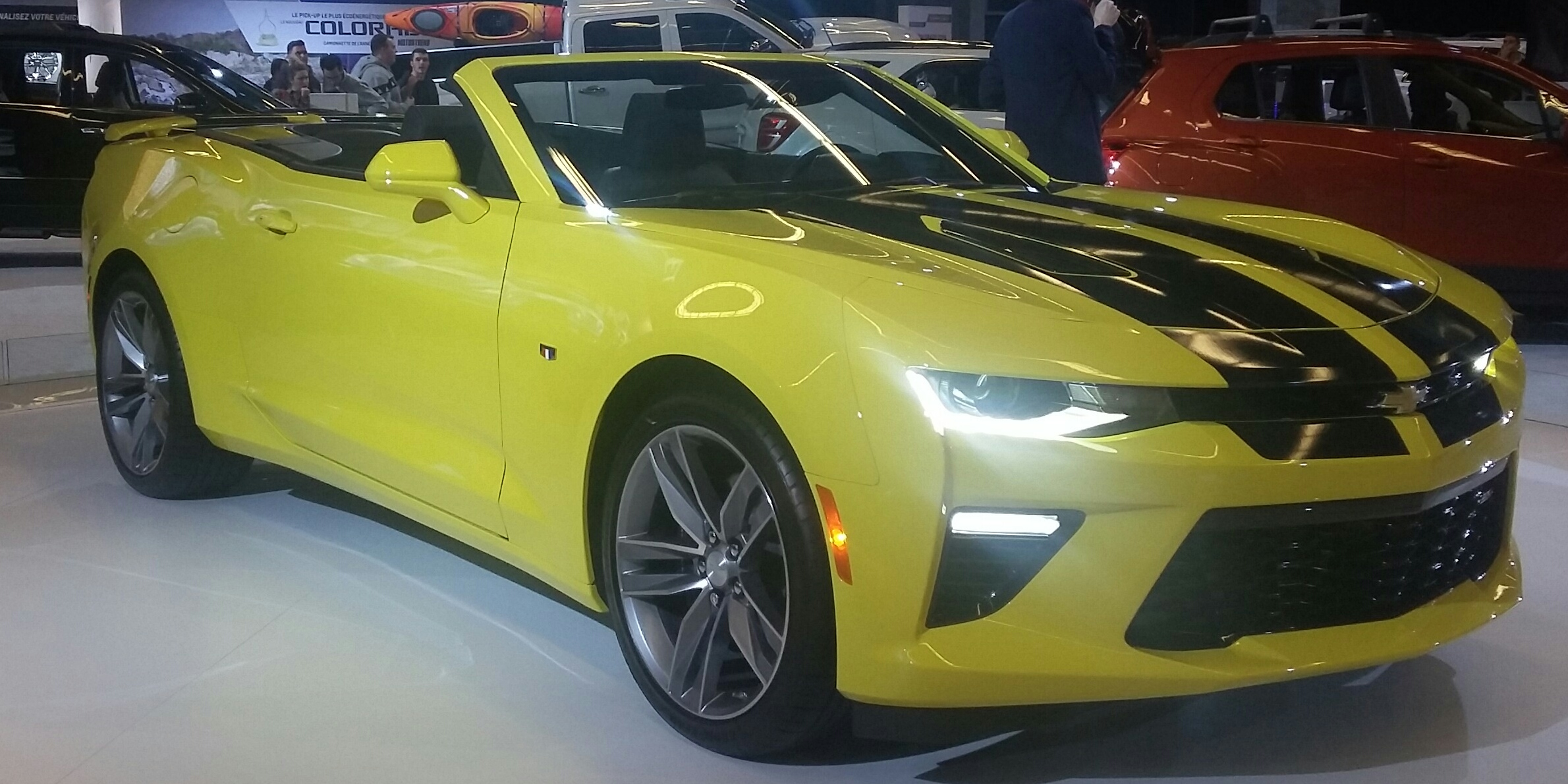
Car
Chevrolet Camaro
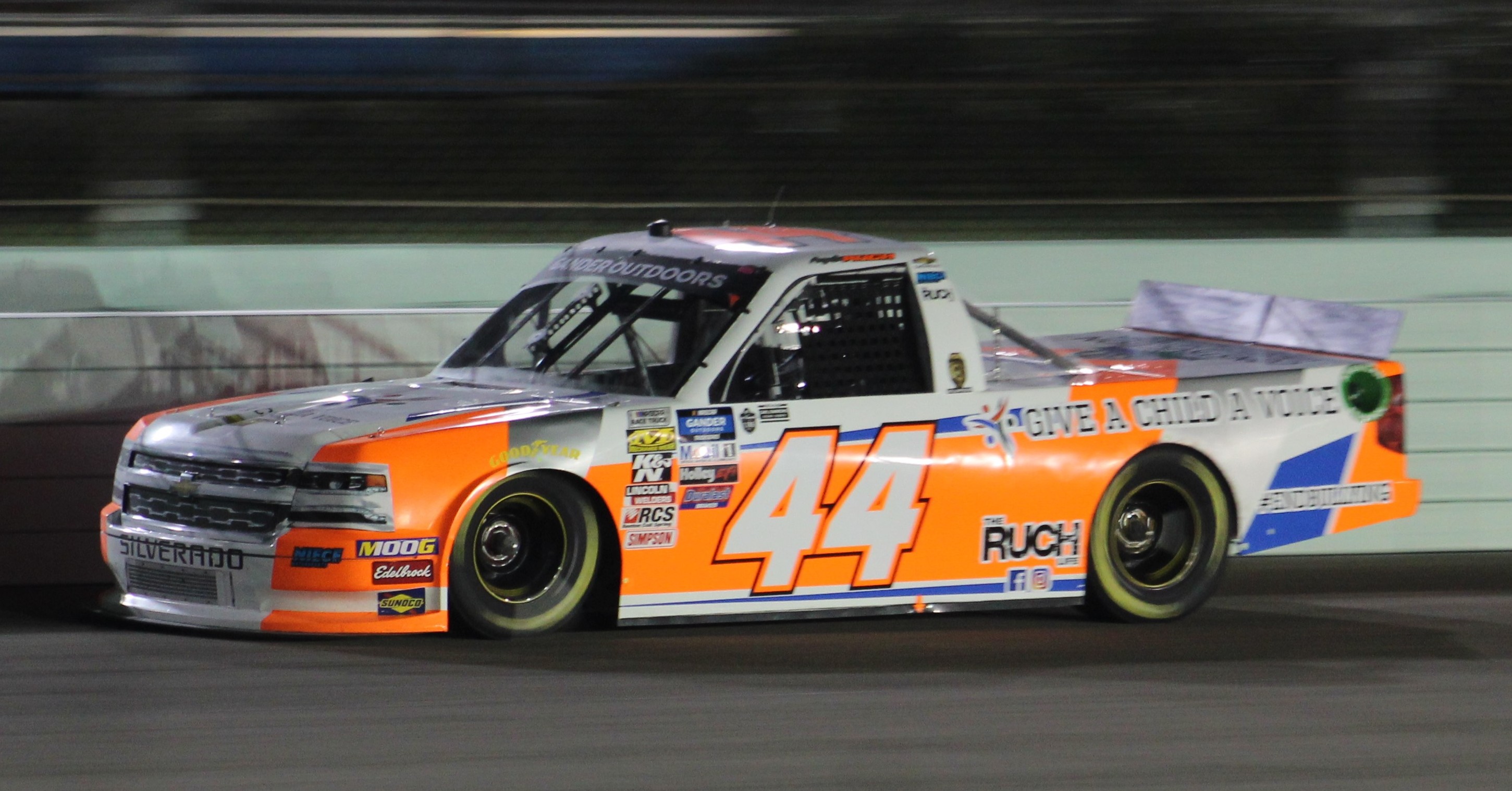

Car
Honda Prologue


Car
Toyota Corolla

Car
Geo Prizm

Car
Honda Crv


Car
Ford Fod Escape


Car
Honda Odyssey

Car
Dodge Charger

Car
Dodge Hornet

Car
Honda Element

Car
Jeep Wagoneer
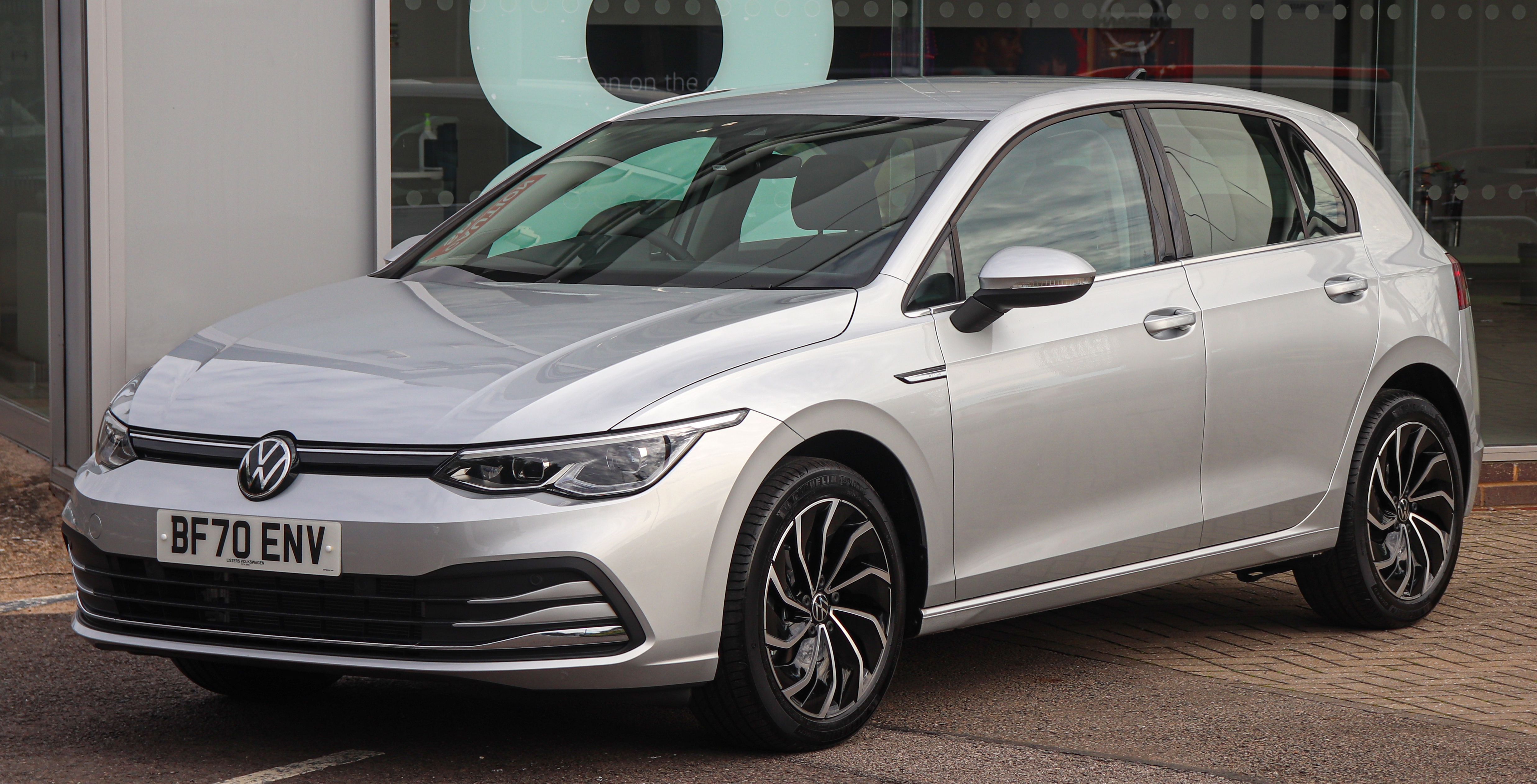
Car
Golf Gtd


Car
Honda Civic

Car
Ford Ranger
LIVE
Speaker 1: Out Online after Hours is brought to you by bridge Stone Tires Solutions for your journey.
Speaker 2: Right, welcome everybody to Autoline after Hours. We're gonna have
a great show today. We're gonna be talking a lot
about robots, right Gary, you know it. And as a
result of that subject, with our very.
Speaker 3: Special guest, Ed Marksey of ABB, VP of Automotive Robotics, I have a question for you, John, and maybe also Lindsay Brook.
Speaker 2: Our colleague, longtime colleague, Lindsay Brook joining us here, might want to chime in. So it's not a date because
nothing very interesting happened on this date in automotive history.
So ask you a question about robots. Oh, okay?
Speaker 3: And so this is according to stats from the International Federation of Robotics, and this is their latest latest data.
What country has by far the greatest density of robots in manufacturing as measured by robots installed per ten thousand employees?
Speaker 2: And no, it's not China year nonew wasn't China? You
guys care? No, and you can't can't.
Speaker 4: I'm gonna stay out.
Speaker 2: That's like cheating. You want to take a stab at
it to the US? No, I would say Japan, Okay, Korea, Korea.
Speaker 3: So Korea has one thy twelve robots per ten thousand employees.
China four seventy they're in third place, Japan four nineteen they're in fifth place, the US two ninety five ninth place. Wow, okay,
all right, so this would be an easier one. So
what industry globally was the largest customer for industrial robots.
Speaker 2: I'm going to say automotive.
Speaker 5: Anybody else industrial robots Automotive?
Speaker 3: Damn it, you're both right. So auto is one and
electrical and electronics is number two. And there's not a
real big delta between the two. It's just like ten
thousand units between the two. And apparently that the electronics
thing took a little.
Speaker 2: But all right, ABB Robots thumbnail. What are you all about?
Speaker 4: Well, ABB Robotics, we are. We've been in business for
over fifty years with our robots. We just had an
anniversary and we're really excited. We're launching a whole new
series this year, or actually over the last two years we've been.
Speaker 2: Bringing it to market.
Speaker 4: So we are about bringing the best technology to our customers.
We're about being an innovator in the technical space, and we want to be at the forefront of making our customers successful at what they need to, what their endeavors are, and be extremely productive doing so.
Speaker 2: Ed, what do you make of this move right now of humanoid robots. You know, Tesla's made big headlines all
around the world with its Optimus robot. A bunch of
others are talking about it, several a lot of makers.
I think BMW is one of them. Osmo, Yeah, think
back to that all the time, right, Cosma is only like this big Yes, but you're getting bigger. But yeah,
I got to eat his wheaties. But in any case,
there's a auto makers already playing around with these humanoid robots on the line. Is ABB going to get into that?
What's your view of the whole thing? Yeah?
Speaker 4: I think it started, let's say, with the exoskeleton, right that people were wearing to help assist the operator. And
there's a lot of interest and a lot of money and investment flowing in generally in the market into the humanoid robot. We appreciate that very much because it's bringing
a lot of attention to robotics. And there's also, in
parallel conversation, the AI component, So those things are coming, you know, in parallel the same way EVS and autonomous so it was almost a parallel introduction to the.
Speaker 2: Market, right.
Speaker 5: But we're really folks on.
Speaker 4: How we're going to leverage all this influx of technology that's coming in and focus on how it relates to the operator and how it relates to how people can relate to the robots.
Speaker 2: Okay, and it will come.
Speaker 4: We think that's going to be a little bit more of a longer term play. The mass commercialization.
Speaker 2: We see that.
Speaker 4: Coming in a little bit more of a longer term.
We're focusing right now on the midterm really, and that's where we're going to get to have the robot. Let's
say you want to ask a robot to do something for you that you can communicate with it and get it set up quicker, so get it into production faster.
And that's where the introduction of AI technology in the programming and the setup and the commercialization, we're going to see that happening a lot faster, where we can write robot programs quicker, getting into more of the human side of it, and getting all the sensory perception that needs to go along with the humanoid robot beieve, that's a lot more As I said, a longer term play. Yeah,
but there will be experiments and there will be things that they're going to try to figure out and find use cases.
Speaker 5: You know.
Speaker 2: To me, humanoid robots make sense in a number of cases, not industrial necessarily, so elderly care, military, battlefield, even if it's just you know, a robot medic that kind of thing.
But I mean, if I was a manufacturing design engineer, I'd be trying to figure out how do I make my products so I don't need these big expense of robots.
Why can't I have just simple pick and place automation doing it for a lot less money guys are doing with cobots basically, right, that's.
Speaker 4: A great talking point. Yeah, So right now, what's really
important in the industry, especially in automotive is we know that robots were thought it originally to be displacing people in the workplace, and that didn't happen. The conversation has
been of how do people now work with these robots in their work environment. That's been going on for some time.
We saw the collaboratives come on and again the same conversation came up. Are these robots going to replace people?
And the answer is still know. So we're now continuing
on the next aspect of the conversation is the value that they provide and for the people that are implementing.
We've said automotive consumes the most robotics in the world.
So the next thing is where we still have people.
If you think about economically what's happening with the reshoring in our country.
Speaker 2: That we still have people.
Speaker 4: It's a high cost labor thing. We need the car
companies need to have the people putting value into the product.
So someone recently described it to me as the Tony Stark situation where he's focused on a task and the robot is just handing him what he needs next. And
they're exactly what you point to. Where you have a
more inexpense or easier to integrate robot that can do more simple, mundane tasks without the fence around it, and really keep that operator bringing value to the product being generated and let the robots do the stuff that's really non value added. So I really think there's tremendous opportunity
in that space and we're going to see a lot of growth there.
Speaker 2: And yet we just had Jeff Stout from Yangfang on the show a week or two ago, and he was saying that automakers are telling suppliers now to design their components and systems to use less labor, not because they're worried about wages, benefits, union activity. It's because they're having
a harder time getting especially a younger generation interested in factory where they don't want to work in factories. Right,
So it seems to me there is going to be automation and robots in particular that are deliberately there to displace human beings on the line.
Speaker 4: That's always being looked at. Where are there opportunities also
safety as a concern, right so, our mobile robotics is getting a lot of attention.
Speaker 2: Plan mobile robotics autonomous vehicle.
Speaker 4: So they used to be called AGVs where they when they followed the tape on the floor. We call them
amrs now autonomous mobile robots. It has sensing capability, It
now has AI technology where it's you know, processing the environment around it, much more controlled than an autonomous vehicle in the wild. But we have these things right now
where we're able to. We have a product line that
has everything from the fork trucks to the ones that carry the products, you know, between the logistics area and the assembly space, and the focus is on reducing injury and you know, getting the high low that would go flying down the aisles and endangering lives. Right if you
think about that side of it too, there's opportunity there as well for robotics.
Speaker 3: So these are basically like wheeled palettes that are that are driving around with parts, bins and things on top of them. And it goes like, oh, go to station
eight and then the other one is going to station sixteen in direct with look mono hands.
Speaker 4: That's right, either assembling on the unit or using it as a transportation device to bring the goods from the warehouse, let's say, or the dock to the line side.
Speaker 5: Earlier this week I called her friend who's a manufacturing engineer in a Tier two and said, I'm going to be on online this week and we have an ABB robotics expert on what's a hot what's a hot button in your plant? Right now? He goes autonomous mobile robots,
he said that after he said autoweek.
Speaker 2: Wow, I'm a big fan, except that it's out a line on a line.
Speaker 5: Sorry, so, but Mike and he couldn't talk about it.
So my question is do these follow a map that's uploaded into the unit, or because my friend said really quick, he said, we're always reconfiguring the shop floor, right, so these are giving us a lot of flexibility. I didn't
have enough time to ask them though, are they are they pre programmed with a map or are they able to follow a map?
Speaker 4: Or how they initial set up requires some level of map ingestion, and that can be taught by taking the first unit around and having it ingest the environment. And
when we say that it's looking for things, it's it's basically creating a point cloud map of the area, and as it's traveling, it is determining based on weight based factors on what has what has changed, and what has not changed. So it knows its environment and if something
has moved or a new obstacles in the way, it can pick on enough of the other elements of the point cloud to make decisions. And so that's where the
AI bit comes in there to help it navigate with with degrees of freedom changing, you know, the environment changing.
Speaker 5: Around it is a typical auto plant floor supplier. Plant
floor a more difficult environment than say the business you guys are in in, like warehousing or so forth. Complex.
Speaker 4: There are some complexities that automotive plants that we you know, there are old plants that we have to integrate into and those are particularly challenging because the floors may not be level, there may be cracks in the floor. So yes,
there are some challenges to that, but largely those have been Now we understand what those are and we can we you know, adapt the technology to deal with it.
Speaker 2: So ed you guys primarily make the six axis articulated arm robot from the very small to the big ones.
Speaker 3: Pick up a car, pick up a car size? Are
there applications? I mean, so you know, for years, we've
been painting, for years, we've been spot welding, we've been applying adhes is. Do you see applications that really aren't
being addressed in numbers that could be that would provide an advantage for automakers.
Speaker 4: Yeah, So the value creation side is really where we're taking focus right now. You've pointed out all the highlights
the painting, the welding. We've been in painting for quite
some time.
Speaker 2: And eat that cool pixel paint thing.
Speaker 4: Yeah, the pixel paint thing. So there's a great example
of how we could create value for a customer, because the labor of masking a vehicle for either striping, customization or two tone vehicles, right, if you could eliminate the step of having to paint it once, mask it up, send it all the way around your paint booth again, if you can get it through one time and do what's special and unique external and usually the volumes are lower on those customization vehicles, you can do that external and then increase your production through your your paint system.
So that's one example.
Speaker 2: That would slash the cost at two tones.
Speaker 4: That would and it's it's it's a thing customers want and they like, you know, style cells. Right, so we're
really addressing those those corners of the market that really help bring value and reduce pain points for the for the customers.
Speaker 2: How do you do that without having to tape it and mask it?
Speaker 4: Is picture an inkjet printer head. It's got very tiny,
tiny droplets.
Speaker 2: Is that what you mean by the pixels?
Speaker 5: Yes? So it started out.
Speaker 4: I mean, we have some great, you know videos showing what we could do on the hood or the roof of a car. But I think at Pebble Beach my
Bock launched a vehicle that uses the technology to paint tiny logos all over the hood.
Speaker 2: So picture a.
Speaker 4: Woman's designer purse that has all the logos on it.
The hood of the vehicle is covered in them, and that's done with our technology, and it has to go very close to the surface. But it's really phenomenal what
we can do with that.
Speaker 2: Yeah, oh man, i'd like to Yeah, I haven't. I
must stand something. Yeah, I like pretty good to Paisley,
and I mean it's just crazy.
Speaker 4: But beyond the cool stuff, there's also the operational efficiencies we can get with new technologies. So focusing on the application,
for example, a high transfer efficiency, we're talking about getting into that ninety seven ninety eight or higher percentage of transfer efficiency.
Speaker 2: You mean in paint.
Speaker 4: This is paint, So what's coming out of the nozzle getting onto what you're trying.
Speaker 2: To it's not or spray on the walls in the fray.
Speaker 4: And if you think about the operational cost of cleaning up all of that over spray or putting in high draft booth systems to suck it out, and the cost to operate those paint is a very expensive area in as expensive assembly. So we if we bring technology and
we have that technology that our customers can use to get the same quality paint job they've gotten but have less waste. You're kicking in the environmental side, the operational
cost side, and so that's really the next area where in robotics it's what you put on it. And then
also the data.
Speaker 5: That we get.
Speaker 4: We have a lot of digitization of right, what's going on in there, so they can we can turn it into a smart system, right and get those opics paybacks.
Speaker 3: So what what has happened can be used as feedback for what will happen.
Speaker 2: Correct, man, I would think the design community would be all over this.
Speaker 4: In manufacturing, the CAPEX buyers are still the CAPEX buyers, and I think when I think the leadership is really you know, where the change happens, where they start to focus more on how does this optic saving factor in to the buying decision? Right, and look at it long term,
because you're going to be automotive plants they operate, they want to get at least you know, five to ten years out of that investment. Paint is even longer because
that's it shouldn't really change much. So when you think
about it on those terms and you start to look at the payback calculations there. It really, you know, speaks
to what you can do with robotics.
Speaker 5: And in that, how have the switch to EVS or the transition to EV's. How's that affecting your product development
and particularly the smarts that you're putting into these shots.
Speaker 4: Yeah, it's it's a great question. I think John might
have something to interject here. But everyone says that the
EV has fewer parts, and I think if we took it down to every single piece and we battery cell, batteries and rotors, I'll talk about those two.
Speaker 2: Right.
Speaker 4: If you think about the number of laminates in the stack, the number of magnets in the permanent magnet rotor the number of cells inside of a pack, right, I mean there's six to eight hundred cells in a vehicle pack, right, And so when I think about the ratio to one vehicle, let's say, Okay, robotics is great at doing multiples of things, or you can scale it up. So you may need
to get eight hundred batteries in one battery pack. You
might need three or four module lines to support the one pack line. And so when you're going to be
doing repetition in automation robotics is right, we already know that's a great play right there. That's where you want
to be. And so the EV transition has brought about
a lot of replication in automation and robotics.
Speaker 2: It's great fit.
Speaker 5: Is it challenging in the fact that you might be manipulating smaller and smaller components.
Speaker 4: Yeah, we robotic stuff all the.
Speaker 2: Little connectors smaller and smaller robots.
Speaker 4: Yeah, right, and the connectors there's a lot of connectors in there if they're not screwed in. Let's say bus bars,
in the battery pack, whe there's connections or coolant system hoses and whatnot. That's more where maybe your collaborators would
come in. Where the feel and the fit of a
hose connection that a human does you want to replicate that.
It's a little more difficult for an industrial robot to have that sensing capability, so you might want to do that with a cobot.
Speaker 5: The cobot walks up to a human and goes, watch me do this.
Speaker 2: Or that extra set of hands right right, So I want to go back to your mobile, you know, the old what do you call it? AMR? Yes, AMR. So
the mobility robot. You were talking about a point cloud.
Do these things have light around them?
Speaker 4: That's a good question.
Speaker 5: Yes, there are.
Speaker 4: There's an array of sensors, right, and I can't speak to all the proprietary technology we use there, but there are definitely camera systems. There are field sensors that you
would have on a non smart unit that just have to protect if someone gets close to it, that it slows down or comes to a stop.
Speaker 2: Right. So yes, So is that a trend that we're
going to see is more sensors to give robots more capability, not just through AI, but through being able to see and hear.
Speaker 4: It's a little bit about the degrees of freedom that you're trying to be able to sense as you're moving.
So we have units that only go in one direction, we have units that go in two directions, and we have ones that go in every direction.
Speaker 5: Right.
Speaker 4: So it's also a part and parcel with the humanoid discussion, because well, that thing's going to be moving in a lot of degrees of freedom. So it's a degree of
freedom conversation of how many sensors in what you're trying to pick up. The other part with the AMR that
gets into the sensing is what you're putting on top of it. We're capable of moving a whole vehicle right now,
but when it overhangs the unit, you have that trade off now of having a bigger, heavier unit, you need a bigger and heavier battery, right So it's the same problems you see in ev and how do you do the sensing for that? And it's it's a similar conversation
in a more controlled environment.
Speaker 3: So, you know, when John was asking about the humanoid robot, you know, and I think about for for a long time, it seemed like the future was going to be scare robots.
Then the future is going to be hexapod robots. And
the future still is six axis articulated arm robots and will be for the future.
Speaker 5: I mean, so.
Speaker 3: Is it because manufacturing plants are pretty well laid out, very deterministic. You know what space you have, you know
where you need to reach, you know where you can't reach.
Speaker 2: You know what you're going to do, and the robot just fits right in there.
Speaker 4: Yes, So six degrees of freedom is the industry standard.
I don't see too much change happening there. The seventh
axis is always an ad you can add an access to a six axis robot. Our controllers. Sometimes we can
economize on one controller doing multiple robots. As we get
more you know, we control can control more axes, so.
Speaker 5: You can add on to them.
Speaker 4: At that point. After six you're sometimes getting into a
second arm and and so and then they have to interact and so there's a lot to manage with the that they don't collide into each other, that their safe zones are not going to you know, not going to have a collision and uh, and of course that you can recover from a position without running into something, so it doesn't just go home, right. So yeah, but yeah,
seventh access has been something that's been around for some time.
It could be a robot on the track motion that's very popular. We could add servo motors for let's say,
flow drilling if you need to you know, turn a drill head or a nutrunner spindle or something you know, you can you can put some more control in. And
that's where we're making a lot of investment in our new generation is in the robot controller itself and so getting ready for the new peripherals that we're going to be attached to the robot. So the things that we
already know about, but also the things that are coming as more people come to the market with or technologies.
There's a ton coming with vision. There's always something new
AI technology and so that addressing that being able to connect to it, get it up to speed quickly.
Speaker 5: Hey, you plugged a new device in.
Speaker 4: Would you like us to set up the IOMP for this device so that someone doesn't have to sit there and.
Speaker 2: Type at all.
Speaker 4: That adaptability and then of course the speed at which we can process all the signals now that need to be processed is a huge game changing area of competition and robotics.
Speaker 5: You know how much robotics is used to build your own robots and is there interaction there in terms of learnings where you've got a new six access robot, but it's going to be semi robotically assembled an ABB plant.
Speaker 4: Yeah. We have a megafactory in China that's highly roboticized.
We have a robot factory in Sweden that's a little bit less. It's our original factory, and we have a
factory here in the US as well. So we're one
of the only manufacturers that has a robot building factory for industrial robots here. So we do have some robotics
that are utilized and with the new platform coming on, we're doing we're taking exactly that. Look at what else
can we automate here that can help us have robots building the robots, right, that's super cool, everybody, you know, Yeah, we're really heading in that direction.
Speaker 2: So going back to the AMR that can actually carry a car, have any of the automakers approach to you with an idea for final assembly that gets rid of the moving assembly line or a big belt going down and go to these amrs, because boy, that would give you so much flexibility with different trims, different models, that kind of thing correct, and it would actually make your plant far more efficient because as you know now, you want line balancing and correct. You don't want cars going
by workers standing at the line or robots and not doing anything because you know that car takes lower equipment.
If you had these amrs, how could you do a lot?
Speaker 4: You could do a ton And so there's two ways to look at it. One is, because it's a a
larger piece, you don't have to move it as much, right, and you could bring more parts and people to that assembly station and just have it the tony stark thing, but have the AMR is delivering from wherever and deal with the variation of different products that need to be assembled.
The other way is to actually have it, you know, fully moving line that the AMR is moving the product around and bringing it to the workstations. And there's a
that's where when we look at Tesla has a great video showing the unboxed concept of how the new cars of today will be mass produced. So a combination of
things that are let's say giga cast and then assembled or mega casts and assembled, and then bringing all the final pieces together and doing that flexibly. You're dead right,
it's AMR. That's a great place where we're going to
see a lot of growth.
Speaker 2: So are they approaching you or are you telling the.
Speaker 4: I can't talk about that.
Speaker 5: That tells us a lot, right, there isn't that kind of an outgrowth. I remember going to some low volume
premium vehicle manufacturers back and even in the eighties where they were doing these big palettes that had vertical stroke where the line worker they would raise and lower and there wasn't an assembly line. They were moving car bodies
and you know, body pans around with these units. I'm
trying to think where that was, but it was done in a very low volume.
Speaker 4: Application, right, Yeah, So we see there's a lot of publicly available information where we see some of the niche assembly lines for evs, even which until the market adapts and they need the high rate of production, you know, amrs are great tool to be used there.
Speaker 5: And to what volumes? Would you say, I.
Speaker 4: Think we're talking about the ten to twenty thousand, Okay, you know, I think as you get to the two hundred and fifty thousand and up range, it's a little bit more challenging because your transfer speeds need to be very quick at that point.
Speaker 3: So John mentioned final assembly, and it seems to me that that has been one of the great challenges for robots.
You know, you guys do body and white, you do paint, you know, you handle stampy, you do all these but when it comes to assembling all the stuff that goes into vehicles, right, robots don't seem to have come.
Speaker 2: There, have they? We have?
Speaker 4: That is probably the last frontier where there's fewer robots in any other area in automotive manufacturing. We have a
system at one of our OEM customers where we're actually putting the cock with the dashboard assemble, assemble, fully assembled into the vehicle on a moving line, and that kind of stuff is where and it's a it's running multiple products.
It's running an EV and a non EV down the same line, and we're installing the dashboard while it's moving.
So you can imagine the combination of robot track, motion, vision, nut runners all coming together in this thing. And yeah,
it's really neat when you see it in production, and it's going to get only more interesting as the unboxed concept becomes bigger.
Speaker 2: Right, But it comes back to what I talked about before, designed for assembly, and too many cars today are designed for having human beings on the line, leaning over the fire or the the fenders and like. So if you
look at how Tesla assembles, not the front end of the sect, it would be what we would call the front area. There's a bunch of pieces that just boom boom,
boom boom, just nest together. They're never going to let
me in their plants, so I don't know if they're using robots to do it or not, but even with human beings, it goes together. So simply it's perfect for
robotic assembly. Because it was designed that way, the tub.
Speaker 5: That fits down in the front, you know, versus having fabrications.
Speaker 2: Right right right, But I'm even talking about the component tree underneath the top. It's uha with.
Speaker 5: The rear end.
Speaker 2: Same at the rear end. Everything just sort of nusts
together and it goes together beautifully. And and everything's driven
with nuts from above. There's nothing coming up from below,
you know, all the same nut sizes. I mean, it's
very well designed.
Speaker 5: But that kind of gets to this evolution of with welding robots in a body shop where decades ago you never saw you know, today you look at a piece of a component, suspension component and there'll be holes in it, and it doesn't make sense when you first see it what the holes are for. But that's as for the
welding robot to get in there, and we never.
Speaker 4: Had that before correct correct even in the paint area, the body sealer, for example, we have to put a bead in a you know, on a vehicle that's it's coming out of paint or it's not it's about to go into paint, and we have to put the body sealer on and we have to locate the features on the vehicle as reference points to pick up on so that we can apply that precisely. And you know, we
want to use as little seamsiller as possible. Right, that's
cost so in order to reduce that, you have to have those features on the vehicle.
Speaker 5: So do design engineers tend to interface with your company and vice versa? Kind of early in the early stages.
You don't think of a robot manufacturer necessarily being involved with that, but that would be very critical, right.
Speaker 4: Yeah, these new areas of assembly and final assembly is where it's most active. I think we've already accomplished some
of the other examples that I've given where the cars are already kind of they already have these reference holes for certain things that we need to do, or they're using a stud or a spr it's a self piercing rivet, right, So we're using certain things so that let's say the lift gate goes on. That's the hardest part to align
on a vehicle.
Speaker 6: Right.
Speaker 4: There's certain technologies that are already done now for every car going forward, but it's really this area where we're going to start to automate things that weren't automated before, where this collaboration effort is going to come together, and of course getting it to market quickly is the thing.
And that's the other area maybe for us as a robotic company, is how can we get the robots, you know, the automation line up to the production rate as quick as possible, and what can we do on the software side, the integration side, to standardize not just here's the robot line builder, go build it and make it happen, but here's the robot with the tools you're likely to put on the end of it. The integration of the what
I call the IO, the input outputs of those devices, so we can speak to it, get the data from it, use that data. But also to program it more easily
so that it doesn't matter which programmer is setting up each individual station, but to reduce the variability that you get and really help the company that bought it ultimately run it more efficiently, have less variation in their programs, all those operational deficiencies that drag you down when you're trying to launch a line. Right, as Elon called it,
the hardest part is building the machine that builds the machine.
You make that part easier, and that's another area of competition.
That's really in focus.
Speaker 5: Is it safe to say that industrial robot maintenance as a trade would be a good trade going forward? Absolutely,
when you're thinking of aligning you know, vision systems or mechanical systems and hydraulic electrical systems.
Speaker 4: We're also trying to appeal to you know, all the current generation of our tablets, whether it's for a cobot, an industrial robot, and the a m R. If you
were to come and see, we could give you, you know, demonstration.
But the thing about the children that grew up with the iPad and they had little ball on the ground and they got to program that thing to run a pattern. Okay,
that's the training ground right now. And those kids are
now in college or out of coming out of college, and they're going to come into a robotic market where we have that you can write the basic robot program using a very similar drag and drop technology, and to put that across the entire platform and have the you know, the robot programmers of tomorrow be able to pick that up and run with it as quick as possible. That's
a really great thing, right all right?
Speaker 3: I got to ask some industries are using robots for three D printing. Yes, do you see that coming to automotive.
Speaker 5: We have a.
Speaker 4: Collaboration on the industrial side of the business. We had
a demo in New York in Manhattan for Christmas season, I think it was last year with that partner, and we actually printed letters in their display case during the Christmas time. So there's a lot of collaboration going on there.
The three D printing, I can't wait to see what happens.
We use them extensively now in you know, machine manufacturing for sure, but I don't know if that's going to come to automotive yet.
Speaker 2: You know, you talked earlier about robots making robots. One
of the best displays I ever saw was three D printing machines making parts to make more three D printing machines which were printing more parts, and that blew my mind that that was pretty good. Look, it's been fantastic, Kevin.
You on the show here. Thanks, really good discussion. It's
really cool to hear where all this robotic stuff is going. Oh,
thank you so Ed, thanks so much for coming on.
Speaker 4: Thank you John, Thanks Lazy, Thank you Gary.
Speaker 2: Very nice to meet you. We're gonna take a quick
commercial break. We'll be back in just a matter of seconds.
A lot more to talk about with what's going on in the automotive industry.
Speaker 5: Making a life full of memories, one road trip at a time, that's what really matters.
Speaker 2: Rich down weather Peak tires with.
Speaker 1: The seventy thousand mile womened warranty.
Speaker 2: All right, we're back. So last week we didn't talk
about sales. John, Oh, yeah, so let's talk about sales, Lindsey.
How do you think the year went twenty four.
Speaker 5: I think for some companies it went well. GM had
a good year, kind of surprisingly in terms of profit.
You're not overly enthusias I mean, we didn't exceed any industry total numbers.
Speaker 2: Yeah, so what it came in fifteen point eight million vehicles sold. It was up from the year before. But look,
unless this industry is running at sixteen plus, everybody can make a little bit of money, but everybody slashing their budgets too. And we're far short of the seventeen million
plus that we hit pre COVID. So this industry still
has not recovered from COVID, and I think it may never recover. So so in terms of sales, so you're
saying we need more volume, is that what it comes down to the way the industry is constructed right now, Yes, it needs more volume. So I ran some numbers.
Speaker 3: I was looking at KBB HAAD some numbers, but electric vehicles, and this goes to your point of volume. So they
said the sixty eight mainstream EV models were available in twenty twenty four. Okay, twenty four of those cars had
sales increases, seventeen were all new, and twenty seven decreased or are leaving the market. Okay, Now we're getting closer
to the issue of volume. The models Y and three
had more than forty percent of the sales.
Speaker 2: Of all evs last year. Okay.
Speaker 3: So you take just those two cars together and they sold five hundred and sixty two, five hundred and sixteen of one point three million. Okay, So if we take
them out of the sixty eight, which leaves sixty six models in the market fighting for the rest, and they sold seven hundred and thirty eight eight hundred and ninety five units. So if we just average that out, that
means roughly twelve thousand units per.
Speaker 2: Vehicle, i e. No one's making money, they're losing big money.
So then I looked of all the ice vehicles that General Motors has. So I took.
Speaker 3: The evs out because that would be unfair that they have four, only four vehicles that had sales of less than twelve thousand units, and that was the Buigne Core in the Chevy Camaro, it had less less than less than twelve Okay, both of which are going out of production or out of production right.
Speaker 2: The Chevy LCF, which I had to look up, Yeah, it's the van. It's a commercial low what do you
what do they call that low center? Whenever it's a truck?
And the Silverado MD. So how can evs make money
for these car makers? Well, you know, the only way
that you can do it really is either you got to sell them at a very high price and then your volume goes down anyway, but it comes down to volume.
So I've always said I like GM strategy of using the ultium platform and short wheelbase, long wheelbase, short track, large track, just drop whatever top hat you want on it, but the guts of the vehicle is all the same, and that's how you get the volume. So GM sold
I want to say, not counting Honda last year, one hundred and fifteen thousand ish evs in the US one hundred and fourteen thousand. If they can double that, get
it to over two hundred thousand, they're going to be at a point where I'm not going to say they're making a net profit because of all the tens of billions of dollars that they've invested in it, But on a variable, variable profit basis, they should be profitable if they can get to two hundred thousand plus.
Speaker 5: And they all won't be in the same plant.
Speaker 2: Right, they will not be in the same plant. But
like I said, the battery packs, the cells, the electric motors, the inverters, all that stuff is the same. Okay, but
there's probably no one who knows more about stamping in the auto industry than you.
Speaker 6: Maybe well call them mister standing they do, I you know.
Speaker 2: Okay, look at the tooling.
Speaker 3: Okay, so right now General Motors has eight different evs right right, and they're selling one hundred and twelve thousand. Yeah, okay,
admortise the tooling for me.
Speaker 2: Oh no, I mean they're clearly losing money. Clearly losing money.
But like I said, if the magic number seems to be two hundred thousand, and the reason I say this is I tracked Tesla's finances and the company. Everybody forgets this.
They lost billions for a decade, They lost billions of dollars every year. But they turned the corner the summer
of twenty nineteen, and that's one of the three in the Y hit fifty thousand units a quarter. I eat
two hundred thousand a year, so that seems to be about the magic number. If you can get to two
hundred thousand a year, you can not only make money on evs, you can make really good money on evs.
And if you keep working on reducing the cost of the battery, which is the big hiccup in terms of cost when it comes to evs, you solve the whole problem.
Speaker 5: Isn't there a hiccup though? On the retail side where
now we're at I think fifty thousand dollars for the average price of a car in the US. Yeah, that's
still a tough hurdle. Plus charging is still a put
off for the retail customer. Yeah.
Speaker 2: No, there's a lot of issues. But I still say
the industry has got one hundred year plus history of encountering a technological problem, and it just chips away at it chips away at it chips.
Speaker 5: Away at it and I'm driving the cost down and.
Speaker 2: That's what I mean. And then vhila, some they hit
the tipping point and we don't even think about it anymore.
Speaker 3: So but okay, this two hundred thousand unit you're talking about, now, this would be.
Speaker 2: For a vehicle or for well a sweet because I mean, I thought it was very interesting how General Motors all of their evs last year, the Lexus RX, which is not a cheap vehicle, outsold it handily the one vehicle. Okay,
so you tooling.
Speaker 6: Costs or less, manufacturing costs less, exactly right, And that's why GM came up with the strategy of uh, you know, some people derisively call it a top hat strategy, where you just put a different top hat, i e.
Speaker 2: A different body on the skateboard.
Speaker 5: That's like Forard came up with that term. It was
the first I ever heard it was top hat.
Speaker 2: It was I first remember hearing it from Denny poly way back. Okay, Chrysler guy. Yeah right, And so I
don't know who came up with the term top hat.
I hate, by the way, but that's what everybody uses, so I do too. But so GM is trying to
get economies of scale with the skateboard and everything that's on you know, part of the skateboard, the chassis, the powertrain, the battery, and the top hat is different. So let's
say for the sake.
Speaker 3: Of argument, that the skateboard is seventy five percent of the cost.
Speaker 5: I don't know with the battery on it.
Speaker 3: Yeah, that whole thing, right, But then you still have that cost on top that you've got to pay for.
So the different instrument panels and the different seats, and the different headliners, and the different glass and the different body panels, and.
Speaker 2: So what I would like to know is I would love to see the bill of material for these vehicles and compare it to their ice vehicles. Picking on GM
for the moment, how much are they able to share between ice and BEV in terms of that kind of componentry, hardware, hardware, because if you go tooling, which is getting to your point, Gary, because if you go back in the day to when fisher Body was still around, and remember in the nineteen fifties they did the annual styling change. Every year they
would change the styling of the car. But fisher By
was the master, absolute master. Cadillac didn't was not part
of what I'm talking about here, but it was Chevy, Buick, Olds and Pontiac and it had all these different panels and they would literally one year take like part of a Pontiac panel and use it as part of a Chevrolet under the skin. And they were great at mix
and matching these things so that you could get different roof lines, different silhouettes, different stances and things like that.
So I would love to know to what degree, if any is g I'm doing it because your points spot on, Gary.
All these different top hats all got to be tooled, and if you're dealing with the volume that you're talking about, it, I mean just that money. Goodbye.
Speaker 3: So sticking with General Motors, I don't want to pick on these guys too much, but you mentioned.
Speaker 5: I just brought that up because I said they were profitable.
Speaker 2: Okay. So here's a question. I want both of you
guys to give me any answer too. Okay. So, as
we know that Honda came out with.
Speaker 3: The Prologue electric vehicle, but the Prologue underneath.
Speaker 2: Is the Chevy Blazer EV. They're made in the same factory.
It's a Chevy Blazer EV. Okay, Honda sold thirty three thousand.
General Motors sold twenty three thousand. Okay, why are people.
Speaker 3: Buying the Honda in a way, they're not buying the Chevy.
And the only thing I could think of is back in the day at the Numi plant, when they were making the Corolla in the Prism Chevrolet PRIs Prism, it was Chevy.
Speaker 2: They changed the name Chevy Prism.
Speaker 5: It was Geo it was, but it was the.
Speaker 3: Same car, right, But people were buying Corolla and thought it was a better car. So ten thousand, I mean,
that's not a small number when you're selling twenty three Why.
Speaker 5: I think because of that demographic, that customer might be more aligned with Honda and electrification than General Motors and electrification. Like,
if they were looking for a vehicle and a sea utility, they would look at Honda and maybe they're coming out of a CRV just to guess.
Speaker 2: Yeah, my guess is Honda buyers are probably more environmentally conscious, right than Chevrolet buyers. I mean, the Honda brand has
been all about you know, being good for the planet and blue skies and clean this and clean that, and you know, much more heavily into hybrids than Chevrolet has ever been. So the Honda buyer is more predisposed to
buying an electric car, I think than the typical Chevrolet buyer.
And in fact, Honda just said this this week. They
had a business review at fifty the number one reason why the people buying the Prologue bought the Prologue once they decided they wanted an electric fifty eight percent was because of trust in the brand. They trust Honda to
give them even and maybe they know what's built by GM.
Maybe they don't, but they trust don't, but they trust that Honda is giving them an EV that's going to be good.
Speaker 5: I think that's plausible.
Speaker 2: What do you think, Gary, I'm mystified.
Speaker 3: I mean, I think the the difference is so great it's like a third difference.
Speaker 2: I mean, that's huge. There were other GM EV's. I
want to say, the Blazer did like twenty eight thousand, and uh there was another Lazer EV twenty three, twenty Blazer.
Oh wait a minute, Blazer, yeah, Blazer EV twenty three. Okay,
Then Equinox was twenty Knox was twenty eight, twenty eight.
So so when total, Chevrolet dealers sold a lot more evs than Honda dealers did, Oh yeah, Honda's just got the one model. But Honda's going to have its own
EV's i e. Nothing to do with General motors at all,
built in Ohio by the end of this year.
Speaker 5: By the way, have you guys talked about these two Hondas.
Speaker 2: That were shown at CEES No, go ahead.
Speaker 5: Well, I just wanted I didn't see the vehicers, but I think they're stylistically challenged.
Speaker 2: Well so they showed too, right.
Speaker 5: Yeah, the one thing with the giant butt on it.
I just it's to me, it's you know, for years it seemed like Honda had a front end design team and a rear end design team. I think this is
the this is the you know that really shows that.
Speaker 2: So they showed what they call a saloon, you know, which we hear in the State's call us today. M Yeah,
the model zero, right was H or zero H zero series zero they call it. And they showed that in
an suv. The suv looks quite production ready, the saloon
not at all, not at all. I mean the front
end is there's no bumper, there's no I mean, if you had the slightest bumper or the slightest parking lot crunch.
You're looking at a massive repair bills, and you know, the gap between the tires and the wheelwell openings was minimalistic, to say the least. Classic concept car, classic concept car.
It's a concept car. Whereas the SUV though I think
looks pretty pretty directionally right for.
Speaker 5: That's the one with the tall tail on it.
Speaker 2: Correct, Well, I don't like.
Speaker 3: All right, So so moving on here. So this this
will be this'll be an interesting segue. We're talking about Honda,
and we mentioned last week the possible type with Nissan, and you know, we know, oh woe is me.
Speaker 2: Nissan is not doing so very well.
Speaker 3: And I found a very interesting number in the sales that in twenty twenty four there were two hundred forty five thousand, seven hundred and twenty four Nissan Rogues sold. Okay,
they're competitor with the CRVRV and RAF four and the Chevy Equinox and the FOD Escape. Okay, so two hundred
and forty five thousand rogues, two hundred and one thousand Equinoxes in one hundred and forty seven thousand escapes. The
rogue that's making it happen for that company.
Speaker 2: Now, when you have to also go into is how many of them were fleet and who's making the money sales A sale my friend, Oh, I agree, I agree, you can't sneer it fleet if you manage it properly as an automator. But my guess is they were just
dumping those things in. There's probably every car tool places
you can go to that will offer you a rogue road.
Speaker 3: Right and probably at a considerable discount.
Speaker 5: Now now I'm I'm told by people that I know in Honda that they're worried about corporate cultures if this thing does happen, because there's two different mindsets management wise.
Nissan had the whole goone thing go away. Honda's had
a number of CEOs come in that could be they're just concerned.
Speaker 2: About that as well. They should be. And don't forget
that Renault owns still a nice big chunk of Nissans, and you's Abishi is somehow attached to Hi is involved. Nah,
this is not going to go well.
Speaker 5: Yeah. Yeah. When you look at Honda's history of very
independent minded, go fast mister Honda's kind of soul is still kind of interwoven through the company, and you've got this company that's been on the edge Nissan with the gone scandal and everything else. Oh man, I don't know.
I don't know. And of course with consolidation, it's like
what are you going to give up? What are you
going to lose? You know? I think it's going to
be difficult.
Speaker 2: Yeah, I mean, if they try to merge the companies, it's going to be a disaster. I think they need
to leave them stand alone, maybe share some purchasing and some other stuff. But now, to me, this is the
Japanese government forcing this merger. I don't think Conda wants
anything to do.
Speaker 5: I agree.
Speaker 3: I think it will just be a holding company. In
the holding company will have two separate things in the they'll builter their own their own tank, all right, So you got to throw one more into the tank. So
Chrysler announced that it was going to it sent out an email that was linked to suppliers talking about their cx EV C six x EV, which was going to be a crossover electric vehicle, and the email to supplier said, in part it is quote on hold.
Speaker 2: Until further notice. So what do you make of that?
Look that company is in trouble. Is that you're always going.
Speaker 5: To be Belvetere. I don't know where were they going
to put that, that's a good question.
Speaker 2: I don't know where that was supposed to be built.
But it's on the still a large program. Where still
a large right, So you know a number of things.
The Chrysler brand is down to essentially one model now, the PACIFICA, and then there's a fleet version of the PACIFICA called the Voyager, but that's not for retail, that's just for fleet. So it's a one brand. The three
hundred is out of production, it's gone. There's still some
in inventory, but it's it's over and done with. So
you've got a one product brand. I mean, why even.
Speaker 5: Have ydvertizing in marketing? Just the cost of right keeping
that in front of the public, that's right.
Speaker 2: So, and EV sales are not going so great. So
and you don't even have a CEO of the company.
It's being run by committee. And they recognize that they're
going to have to spend a fortune to get this thing turned around. So why not just put that whole
Chrysler EV on whole?
Speaker 5: Okay?
Speaker 3: But so like other car companies, and so they can't be blamed for this. Holy I mean, they came out
and said, you know, we're going to be all EV's and you know in.
Speaker 2: A few years, and made a big deal out of it, and Chrysler didn't.
Speaker 3: No, Chrysler did. Chrysler said there are things like twenty
twenty seven, they're going to.
Speaker 2: Have Chrysler brand, right, yeah, oh yeah, yeah, okay.
Speaker 3: And now as you say they've got the p version of the world changed, it's not the same world when they made those statements.
Speaker 2: You know, the EV thing hasn't happened to the degree that everyone thought it would. And stolenpantises, I mean, the thing.
Speaker 5: Done blowed up.
Speaker 3: So do you think that this delay of this vehicle is the canary in the coal mine that is basically indicating that perhaps the investment going forward is going to be to things like jeeps and rams and.
Speaker 2: Well, look, you know they still I don't know if you've got the number there for Pacifica, but uh, one hundred seven, three hundred and fifty six, and what about with Voyager what was totaled? You know, and then there's
some Canadian sales in that too, So I don't know, it's it's probably Forgia is a wopping twelve thousand. Yeah,
but there's probably enough volume. I'm going to say, put
it all together. Maybe you're up one hundred and thirty
hundred and forty thousand. Why walk away from that? It's
still worth going.
Speaker 5: What's the biggest selling minivan anymore in this market? Between
Chrysler and Odyssey and Kia and Kia?
Speaker 2: Right, yeah, what's that total?
Speaker 5: Oh?
Speaker 2: Total volume? That's a great question.
Speaker 5: We don't look at minivan anymore. But you just brought
it up. It's still a fact that you don't know.
Speaker 2: I hate to say a number off the top of my head because I don't six hundred thousand it really okay?
Speaker 3: Yeah, but Toytaly sold seventy five thousand Sienas.
Speaker 2: Oh really, thousand might be very mystery high. Yeah, I
don't think I have Honda.
Speaker 5: I mean, is that a market segment that has viability going forward?
Speaker 2: Seventy five thousand a year for a Sienna? That's that's
not doesn't sound like a good business proposition, right, I mean okay.
Speaker 3: But I mean if if we're looking at PACIFICA one hundred and seven thousand, I mean we go back to that ev average. I think these guys are knocking out
of the park.
Speaker 5: Yeah, and they stick her out above fifty grand by the time you get them loaded.
Speaker 2: That's right, especially the plug in version.
Speaker 5: Right.
Speaker 2: But but yeah, getting back, I mean, look to what we were talking about. You do you really need a
Chrysler brand. Maybe you keep the PACIFICA and you continue
to call it the Chrysler Pacifica. But remember all all
the pretty much all the stuff Atlanta Steelers in the United States right now are all multi brand. They've got Rammed,
they got Dodge, they got Jeep, they got Chrysler. So
why not just keep this thing in the showroom that you call the Chrysler Pacifica. But you don't need this
whole Chrysler staff and management that's called Chrysler. Yeah, you know,
it just gets wrapped into the rest of And then you got to wonder about Dodge too.
Speaker 5: Same thing other than Charger is a new lead on an EV muscle car.
Speaker 2: Right, And they still sell Durangos.
Speaker 5: Durango's right, right, and I think that's the last few with a HEMI and it is Durango.
Speaker 2: Yeah, and then uh, what's the one the hornet, thank you Sean. Yeah, and that that's pretty much their lineup.
But you know, Stialantas has bigger problems to solve. Maserati
is a basket case, a total basket case, Alfa Romeo a case, and then Fiat in the US is like what's the point? So, you know, we're talking about Chrysler
what they should do. I think they got bigger problems
than figuring out what to do with the Chrysler brand.
Speaker 3: So to be fair, we should go across the ocean and talk about how the European automakers are not doing particularly well. With VW with two percent not so bad,
but in China's down ten percent, BMW down four percent but in China down thirteen percent, and Porscha down three percent but in China down twenty eight percent, and Mercedes down three.
Speaker 2: Percent but down seven percent in China.
Speaker 5: What's going on byd Well?
Speaker 2: Look, yeah, I mean all the foreign automakers are getting their teeth kicked in in the Chinese market.
Speaker 6: Uh.
Speaker 2: You know, China has made a spectacular and totally unexpected in the speed of change to going into Uggins and BEVs and.
Speaker 5: Along with contemporary styling and feature content and good build quality, and I think that's really shocked people.
Speaker 2: Exactly right, And so if you're a Chinese person, you got to be like, I'm proud of what my industry has done. I don't need to buy these these you know,
luxury brands from German Germany in particular, here's the spectacular Chinese stuff. I'm going to support the Chinese industry. I'm
buying Chinese. So I think the consumer, you know, prior
to COVID buying an import brand, even if it was made in China, but if it was a foreign brand that was prestigious them days are over look at those portion numbers. That is the shock.
Speaker 3: So five years ago, according to the China Pastor Car Association, thirty eight percent of the vehicles that were purchased in China were chinamestic brand, Chinese brand, right up from what, No, it's thirty eight eight percent five years ago.
Speaker 2: Now it is seventy percent. It's flipped completely. It's flipped completely.
And I think COVID helped accelerate that in the sense that you didn't have executives from the US or Europe or Japan or Korea flying to China and they missed this change. You know, it's one thing to get reports
from your people in China saying, hey, you know this is going on. Until you see it with your own eyes,
it doesn't register. And so when everybody went to the
Shanghai Auto Show when China lifted its travel restrictions, they were shocked, absolutely dumbfounded at what was going on. And
so that was another factor that played in.
Speaker 3: So it's sort of like how the Big Three when they were the Big Three, missed the whole phenomenon of Twitter's and Honda's because they looked out the window and they just saw all these pickup caps driving around and thought, yeah.
Speaker 2: And they went to California, which is when the Japanese were taken over everything, and when they woke up to it, it was far too late.
Speaker 3: All right, here's a person that we all know and haven't talked about, Raj Naire, who used to be the had a productical element of Ford among other things, and.
Speaker 5: He went to which called Multimatic.
Speaker 2: Multimatic, which work, which did work on the four GT which Raj worked on and uh, he's now been named CEO of Singer. We had singer on the show, yeah,
quite a quite a few during COVID. We did it
virtually right. And so singer singers portion of nine to
eleven's and why did I think sewing machines. That's their
brother in law, right, So yeah, I actually ran into Raj before Christmas at Innovat and he told me he was going to Singer, but he said, don't tell anybody, it's not out yet. But look I first, you know,
because I didn't know Singer either.
Speaker 5: Lindsay.
Speaker 2: I was at I think it was that at the Detroit Auto Show a number of years ago, and I was actually walking the floor with Ralph Gills and Ralph was like, oh my god, Singer has got a display and I'm like, Singer, it's it's the sewing machine. Said no, no, no, no.
Speaker 5: Come on that thread they do.
Speaker 2: I don't want to call it restorations. They're not restorations.
Speaker 5: It's not that.
Speaker 2: No, it is customization of classic nine to elevens. And
the work they do is beautiful, beautiful, and they have like a two year waiting list, and so you've got to get your Porsche and then you bring it to them and they put more money into it than you ever paid for the Porsche. But it's not elect You
put more money in it, they spent it. Yeah, yeah, yeah,
it's not.
Speaker 5: It's not a battery electric right, No, no, no, it's it's just uh, the interior trim, the colors, the paint jobs, the wheels, everything that they.
Speaker 2: Do to it. Singer Porschas are like, man, if you're
going to get into nine to eleven, if you can do a singer yausa it's and so yeah, Raj is over the moon going to that.
Speaker 5: That seems like a good stop for him.
Speaker 3: You know, so what if you know you mentioned the tread Auto Show, did you guys go to the auto show at all?
Speaker 2: I did. I went to the media day, I went
to the media hours. Well it look, I didn't go
in with great expectations, and there was a lot of our colleagues in the media going, oh, this is pathetic those places, you know, look how empty it is and there's not the great displays.
Speaker 5: Well no, dug like that. For a few years, of.
Speaker 2: Course it wasn't. And so the Chrysler Group Stilantis had
a number of execs there that you could interview. They
also had the Wagoneer s the electric Wagoneer, which was the first public showing of it. GM didn't have any
execs at all Ford the night before, and I actually went to that too, just just think all the General Motors execs we needed to do is like walk down Jefferson.
I mean it's it's like literally down the street from where the event is held.
Speaker 5: Right, And.
Speaker 2: They didn't have anything that any of us haven't seen before.
Ford did this big media extravaganza and stuff the night before, and I mean everybody was there. Ford was there, Jim
Farley was there, Jared Goff from the Detroit Lions was there.
I mean there was you know. They made a big,
big hull of baloo about it, and they showed off the some American version of the Staying GTD and stuff like that. What else I I the day that I
was there, I got to do a walk around with the head of exterior design uh for Rivian, who showed the R two. The R two has been shown before,
but it was nice to have the guy who designed it take me on a walk around of it. They
also had their vans there.
Speaker 5: And two ones there.
Speaker 3: Bentler Bentler really yeah, well it seems very yeah for people who don't know, they basically make things you don't.
Speaker 2: See, exhaust systems and engine cradle like that. Very I'm
trying to think what else, Oh, Hondika Hondikia still believe in auto shows. They had exhibits, they had some execs
and very interesting. So I was talking to one of
the key people and he said, look, if we want to do our own events where we got to fly in all of you media, it's a million five that's what it costs US. A million and a half dollars.
If we go to an auto show and there's a bunch of media there anyway, it costs US a million dollars.
So you know, all these companies have been saying, we don't want to go into the auto show because we only get twenty minutes of the media stay and then they're off to something. Hondikiya believe there's still value in
auto shows, and I think they might be onto something not for the media, for the public. So in the
Detroit market, it's not a bad market for Hondikiya. It's
not a good market at all for Porsche. You'll never
see Porscha come back to that show. But I think
for brands that say, you know what we actually do sol a lot of cars there, or whether it's the New York Show or the Chicago Show or LA Show, there's probably going to be slowly growing more automakers coming back to auto shows, I think. But it's not going
to be the multi million dollars displays. It's going to
be nice carpet and drape right.
Speaker 5: Yeah, yeah, yeah, it's wrong.
Speaker 2: No, Garry doesn't think they'll come. I think it was.
Speaker 3: I think it was a very pleasant show. I thought
they it was nice. It wasn't as bad as it
was in two thousand and nine, when you know, the.
Speaker 2: Great Recession had hit. I mean, so it was better
than that. But I think I think it's a great
place for people who are interested in buying a vehicle go.
Speaker 5: And I think that utility is going to be there and major cities.
Speaker 2: Still and I think that, and I think.
Speaker 3: That that the Detroit Show has the extra little panache of being detroyed well of the North American Car, Truck and Utility of the Year awards being presented because everybody wants to know what that is, which explains why in part that Steve Center from Kio was there because they were nominated.
Speaker 2: Again, that's right, and.
Speaker 3: So you were you were very almost right. You you
were had two out of three in your predictions of who to win the next toy.
Speaker 2: Oh is that right word. Yeah, I knew id Buzz
would take the Mighty Buzz to utility.
Speaker 3: And then you were also right with the Civic hybrid. Yeah,
and but you were wrong the Ranger one Yeah, and Ford Ranger. So Ford has won the truck category five
years in a row.
Speaker 2: They clearly know truck Ford nos trucks, Yes they do.
That is the strength of the company. And Lindsay's got
his never got signed.
Speaker 5: I love it had seven recalls, but none of the issues have affected me yet. And there's one that they
haven't gotten parted for, but they keep sending me these letters saying already you know, don't worry, we haven't forgotten you.
It's called customer. But mine just turned thirty thousand. You know.
I was on the highway when Interstate last week. Even
in the cold, it's thirty five miles per gallon at eighty miles an hour. The range is still at a level.
I think that evs aren't going to hit for a long time. I mean four hundred and fifty miles in
cold weather and I get five hundred and fifty miles of range in warm weather with it. So something to
be said for a hybrid. If you don't like stopping,
and the argument always is we got to stop to use the facilities and everything. Well, sometimes you do that
and you just get going if you've still got a half a tank of gas.
Speaker 3: So when lindsay the speed limit is seventy five, I just wanted to make that clear to all of our viewers.
Speaker 5: That in Michigan though, and even on high.
Speaker 2: We have seventy five. Oh we do have seventy five
up north. But uh, you know, the cops won't stop yet.
If you're going eighty, you go over eighty, they might stop yet, but they're not going to stop you doing eighty, right, which is why everybody drives eighty.
Speaker 5: It's going to be interesting, you know, talking about hybrids.
Everybody's kind of scrambling, and we got to get some hybrids back into the market. You know BMW, you know,
Porsches playing around with new combustion engines that might be in the mix. I mean, nobody really knows per earlier
in the conversation when ev is going to take off and when combustion vehicles will finally kind of be out of the market, So, you know, will this be kind of a mainstream for a while. The hybrid hybrids.
Speaker 3: So hybrid's all one point six million, and twenty four EV's one point three million. Hybrids were up thirty six percent.
EV's were up a bit or seven percent. Yeah, So
even if if we cut the growth rate of EV's in half for twenty twenty five and we keep evs at seven percent, hybrids are just going to take over the world.
Speaker 2: Yeah, because of your experience, lendsing.
Speaker 5: Well, it's it's my first man, you've owned hybrids, right, mine's out there. It's a great thing. Forty miles per
gallony is still like EV People say, oh, well, e MPG.
You know, I blow you away. But that's still you know,
three bucks a gallon. It's still a manageable economic situation.
Speaker 2: But you're killing the planet.
Speaker 5: I'm killing the planet.
Speaker 2: Okay, well, let's not kill it right now because we need to do a show again next week. Anyway, let's
wrap this up. Thank all of you to having tuned in.
Speaker 1: I'll online after hours. Is brought to you by bridge
Stone Tires Solutions for your journey
About this episode
The discussion centers on the evolving role of robotics in the automotive industry, featuring Ed Marksey from ABB, a leader in automotive robotics. Key topics include the current state and future of humanoid robots, the integration of AI in robotics, and the impact of automation on labor. The episode also explores the challenges and opportunities presented by electric vehicles and how robotics can enhance efficiency and safety in manufacturing. Insights into the latest technologies, including collaborative robots and autonomous mobile robots, provide a glimpse into the future of automotive production.
Original notes
TOPIC: Robots PANEL: Ed Marchese, ABB Auto Robotics; Lindsay Brooke, Automotive Journalist; Gary Vasilash, shinymetalboxes.net; John McElroy, Autoline.tv
Autoline After Hours
Autoline
0:00
68:30