
Annotations will appear as you listen
0:00
66:29

Car
Ford Orion
Car
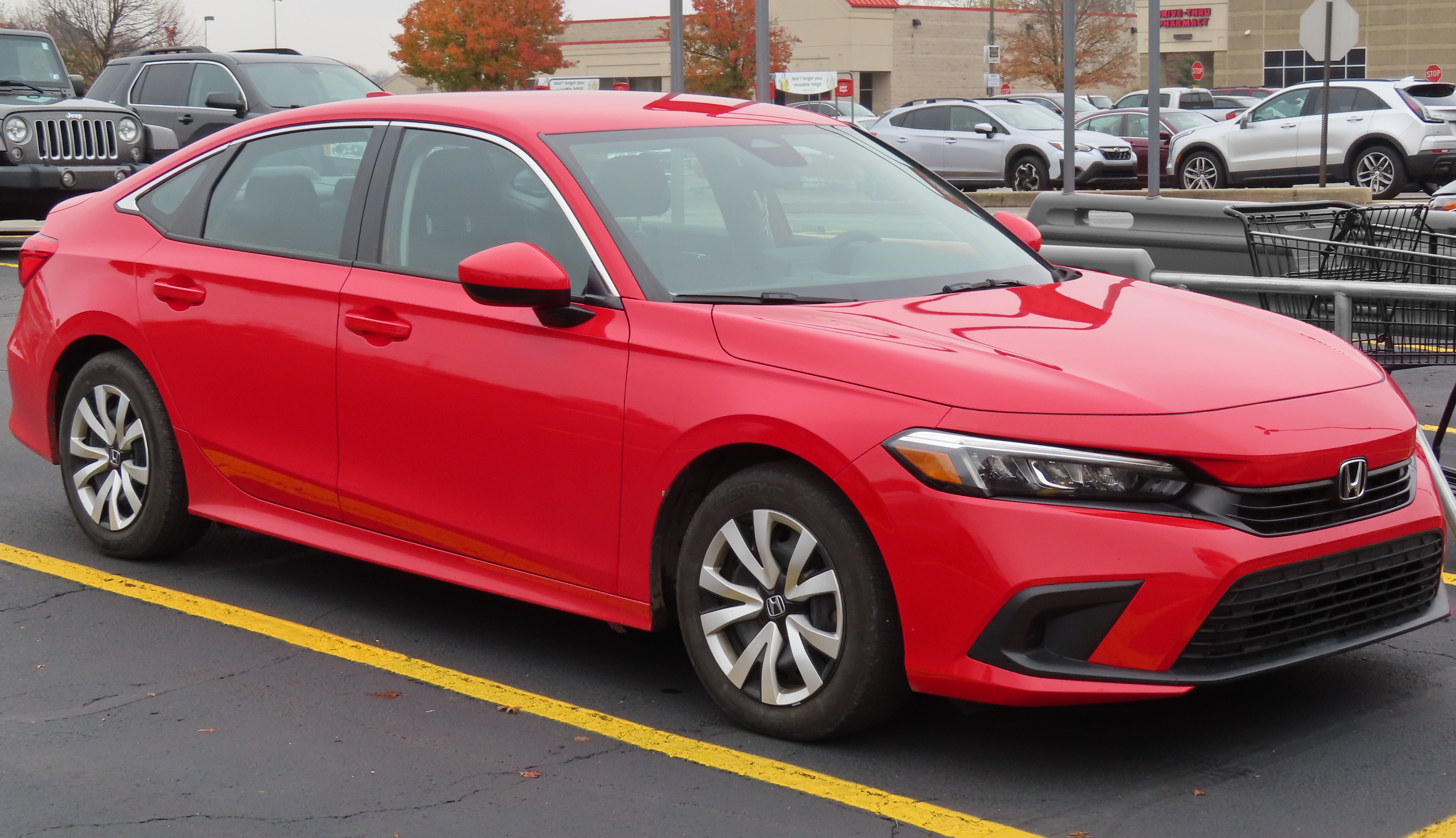
Honda Civic


Car
Ford Mustang GTD

Car
Ford Maverick

Car
Ford Lobo


Car
Honda Accord

LIVE
Speaker 1: This is Auto Line after Hours, unscripted, uncensored, unapproved. Hey,
thanks everybody, thanks for joining us on Auto Line after ours today. This industry is gonna kill us. Man, the
way things are going, it's just up and down and all around. We've got a real I'm not gonna say insider,
but somebody who knows what's going on in the inside.
Glenn Stevens, the executive director of Mischauto. Glenn, great to
have you here on the show.
Speaker 2: Good to be with you guys.
Speaker 1: Thanks excuse me, whig coffee or of course I haven't coughed all day and it starts just as the show does. No,
I got some water here, thank you. Henry Payne, Henry
Payne from the Detroit News, car critic and and also cartoonist, political cartoonist.
Speaker 3: Do some of that radio and radio auto racing and.
Speaker 1: Auto racing that that's why I want Henry here compadres when it comes to racing. And of course my co
host Garry Vasselash John, how are you?
Speaker 4: It sounded like you look at top of the gum.
Speaker 1: It was fresh.
Speaker 5: If I don't die, oh while you're coughing, So Glenn, give us a snapshot of Mish auto.
Speaker 4: So sure we can level set.
Speaker 6: So Michhatto was formed in two thousand and seven. It
was a grassroots organization. A group of us got together,
Tom Manganelo, some of you know from More and Norcross, and we said there's no association focused exclusively on the auto industry. Alabama, Tennessee and Mississippi had associations and we
didn't have one in Michigan. So we started it. We
all had day jobs and it was grassroots, and of course those were difficult years there two thousand and eight ish and in twenty twelve the Detroit Regional Chaber gave this organization a home. And what we are is the
state Wide Voice and Industry Association, and we focus on advocacy for the industry, the talent pipeline, and then where the industry is going, helping lead the state on that industry transition. And we do that through companies we call investors.
We're five oh one C three everybody from four GM Stillant's Toyota down to small suppliers across the state.
Speaker 1: So Glenn, I've got to believe you've been on the phone like crazy ever since Liberation Day even before that, so everybody knew the tariffs were coming. But man, it's
been a whirlwind. It's been upside down. They've been pod
they've been put on their tire ifs are higher for cars, and we don't know what's excuse me, happening with the USMCA stuff, the latest, what's going on? What do you see?
What's going to happen?
Speaker 2: Sure?
Speaker 6: And yes, it's daily, it's hourly, it's visiting companies, it's talking to Washington. I would preface it all by saying,
we knew there were going to be changes with this administration, right We knew there were going to be There was a lot of signaling. We knew there was different philosophy
towards things. So we expected trade, fuel economy, even the
outlook on evs, but not the velocity of magnitude on the tier situation. So we are in the middle of
a stackup of tariffs that have occurred over the last forty five days or so that has the industry, as you all know and the listeners know, quite paralyzed and really pulling back and holding and trying to figure out what's my planning forecast look like now? Because it is
upside down right now, and so right now, as we stand with the reprieves yesterday on the reciprocals. We don't
have any reprieve on what's been laid out that's affecting the auto industry.
Speaker 4: So what are those numbers?
Speaker 6: Yes, So when you look at the stack up, we do have the original tariffs with Canada and Mexico which are on hold at the moment, but still there. We
have steel and aluminum, We have all imported vehicles, all imported components, most imported components, there's a list, and those components which are USMCA compliant are excluded at the moment, but at the beginning of May are supposed to be going under a tariff situation too. And then China on
top of it, and we all know we still do a lot of automotive business with China. So you layer
these on top of each other, and it's quite a complicated web for a supplier of any size to navigate, and certainly input costs are going up.
Speaker 1: Where do you think it's going to go? I mean,
pretty much all the way Trump has been signaling that he's ready to negotiate, what do you think is going to happen? USMCA and then everybody else?
Speaker 6: Well, where we'd like it to go. Where the industry
would like it to go is for us to get back to USMCA at least for this trade block. This
trade block has become compliant under USMCA. This was something
that was a product of the first Trump administration, not to clearly need it to be updated, but the USMCA is something that has made this trade block stronger, and it's intertwined. We all know that these parts are moving
every which way and they're coming from other countries too, So we're really calling for and encouraging the USMCA to get back to the table on that and improve it.
Speaker 2: And it needs to be improved too.
Speaker 6: There's loopholes, there's things that need to be addressed, China coming through Mexico, things like that. Where it goes, John,
be honest with you, that's anybody's guests right now, because you've seen just in the last couple of days, the flip flop that we've gone through. But hopefully calm, more
heads will prevail. Everybody's communicating the executives of the industry,
all the associations, we're all talking to each other, we're talking to our federal delegation, and we're just going to keep eating these drums.
Speaker 5: So why do you think that auto got such particular attention from the administration.
Speaker 6: For the same reason I think stealing aluminum did? I mean,
this is a and let's back up too. On January twentieth,
the President put out the America First Trade Policy document.
That was the roadmap. It was all there, just not
again the magnitude and velocity, And what was laid out was do we want.
Speaker 2: A stronger border security.
Speaker 6: Absolutely nobody should argue that with regards to illegal drugs and illegal immigration. Do we want more manufacturing jobs in
Michigan and across the US, Absolutely nobody should argue that.
So what's driving that? Primarily to get to your question
is the unions have a big voice in this. I mean,
if you look at just steel by itself, steel is at about six little over sixty percent capacity utilization in this country. That's that's not a good number. So that
that's what's driving that. And with the autos too, it's
can we move stuff back on shore? Can production be shifted?
But what we all know, and this is the other thing we're communicating, is how much it takes to do that time unraveling supply chains costs going up. Capital is
labor available, you know, that's that's what it takes. So
that does not happen overnight, contrary to what you hear from.
Speaker 4: DC Henry, you got to ask something because well, and.
Speaker 3: I think the other piece that's really interesting here is is luk who introduced Donald Trump in the Rose Garden.
It was Brian Pannabecker, an auto worker. Yeah, and I
talked to Brian. He brought twenty of his buddies, hard
hat buddies into that Rose Garden ceremony. And these were
these guys were the backbone of the Trump campaign here in Michigan. Pennebecker introduced Trump numerous times, so he.
Speaker 1: Was helvily involved in Trump's first administry or campaign.
Speaker 3: Right. So you know, so there's there's I think there's
something that's different about the auto industry. I mean you
go to towns like Flint, go to towns like Lordstown.
When factories leave these towns, they cut these towns and and and and the workers feel it, the small businesses feel it.
Speaker 5: Uh.
Speaker 3: There's a footprint that automotive manufacturing has that has really unrivaled, uh in North America or any country. So I think
that's you know the You know, we talk a lot here about stock evaluations and supply chains, but there's a human element here that Donald Trump is connected with. Oh absolutely,
and these and this is why he won Michigan because the guys like Brian Pennon totally agree.
Speaker 1: And I totally agree with the goals that are trying to be achieved here. I don't agree with brass. But
here's the big challenge. And you guys know there's better
as well as I do. Where do you get the labor?
And Glenn, I know you've got stats on that. Well,
let's let's come back to Michigan. And I've said this
in several interview mini interviews. The UAW helped build this state,
right this, It helped build this industry, and we have a lot We owe it a lot as well as these companies that did this. We have twelve assembly plants
in Michigan. Most of them have all been reinvested significantly,
Ones new down at mac Avenue. One's being retooled right
now with the Orion. You know that's delayed, but do
we have the critical mass to build another plant and add shifts all over the place, And it's not just hourly labor workforce, it's skilled trades and it's manufacturing engineers.
We have to be having the people ready and right now, I know that companies in Michigan are using a lot of talent from other places to keep their plants running.
Speaker 2: It's unbelievable.
Speaker 1: As you know, there are skilled trades people coming up from Mexico. There are manu factoring engineers coming up from
Mexico because companies here cannot find the local That.
Speaker 6: Is an issue which is one of the biggest focus of Mishauto is building that tech talent pipeline.
Speaker 2: How do you rebuild that?
Speaker 6: Well, we are working across the state. I mean, we're
working with community colleges. What you really what we have
to do and this is what we're doing. We have
a whole project and we'll get too deep here to connect with young people to show them that they can build a life and work in the industry. It's a
whole social media campaign called you Drive because you have to change perceptions first. Then you get them career paths.
And unfortunately, our schools are falling down in career path planning.
And I can give you all the date on that.
It make your head spin. We're forty ninth in the
country and the ratio of students to counselors. How is
that possible? Then you got to get the alignment of
the skills that are needed for today's factory industry four point zero factory and to go from there. And we
have a lot of work to do there. I do
feel like a lot's being done, but we have a lot of work to do there. And if we're going
kind of build manufacturing here, we have to fix those issues.
Speaker 3: Okay.
Speaker 5: So according to the National Association of Manufacturers, so this is national, not the state of Michigan, since this is a you know, every state has some auto in it, you know, small piece here and there, but Michigan is a centerpiece. There are four hundred and sixty two thousand
empty jobs in manufacturing as of January. Okay, this is
all types of manufacturing, and according to NAM, over the next decade, three point eight million manufacturing jobs will likely be needed and one point nine million are expected to be unfilled if we do not inspire more people to pursue modern manufacturing careers.
Speaker 4: Okay, So.
Speaker 5: The question, and this is pre what's going on right now? Okay,
So this is this, These numbers are.
Speaker 1: I would hasten to add it. It's not just in
the US.
Speaker 5: This is a global issue, right, But so the question is is that you know you mentioned industry point four point zero, which you know means using a lot of machine learning, AI work, machinery, automation. That means fewer jobs.
I'm sorry, but that's you know, modern manufacturing doesn't need as many people as it did in the golden age, and it ain't ever going to be.
Speaker 4: It's not as many as it used to be.
Speaker 2: Before the situation we were talking.
Speaker 6: All the companies are talking about how do we become more competitive and more efficient, and automation is going to play a role. There will be fewer overall jobs, but
there will be more good jobs if we have the right people aligned with the right skills to program, code, repair, the automation.
Speaker 2: Somebody has to do that. Those are good jobs.
Speaker 6: And there's lots of them in Michigan and there will be more. And if we do this right strategically, we
can bring some manufacturing back, we can build our manufacturing base.
But let's also be realistic. There's a lot of kind
of memes going around about how much an iPhone would cost if it was built here. It's not realistic to
build that here. It's not But we talk about auto
and into the industry. I'd love to see another shift
in Warren or Sterling Heights. I'd love to see another
shift that Afford plant. But it's going to take a
lot of work to get to that.
Speaker 3: Well, let me ask you this. I cut my teeth
on this industry back in the eighties when you had the volunteery export quotas that were imposed by Reagan in conjunction with John Dingle's Congress. That the way that the
Japanese responded to that was they built plants here. I'm
struck in the wake of this news about the tariffs that two of the headliners coming out of the Trump administration mouth is well, Honda is relocating the civic production.
Speaker 1: That's misleading, But keep going. I know what you're saying, but.
Speaker 3: I'm just saying that's a headline, yeah, right, that Honda's bringing the civic manufacturing here in Hyundai. Is any invest
more in mind to bring the investment here. I mean again,
the response from the Japanese doesn't seem to be one of protest. It seems to be one of opportunity.
Speaker 2: So let's focus on that.
Speaker 6: And I agree completely with that, And you're right, those are a little misleading, both the Hondai announcement and the hont announcement. But I think it's safe to say that
somebody is going to build another plant in the US.
Speaker 1: They're going to have to in a right to work state, absolutely right. I mean, look, all they do is import
I mean they're only going to get hit by higher tariffs.
So I agree completely. In fact, fox Con has already
announced they're going to build two.
Speaker 2: Evs in the US.
Speaker 1: I'm assuming that's at the Lordstown plan. Yeah, now pointing
as if it's over there, it's over there.
Speaker 6: Well, I think most of the new capacity we've seen the last thirty years has either been in the mid South, the Southeast, or Mexico, except for our mac Avenue plant.
I'd love to see another assembly plant built in Michigan, but if it's one of the transplant or New American types of company, never.
Speaker 1: Going to be the transplant.
Speaker 2: It's not never.
Speaker 1: You know why, It's because of the UAW.
Speaker 6: Yep, the UAW was successful at VW, but that's a little bit different situation. With their union ties in Germany,
they were not at Mercedes, and I haven't seen any new ones lately, So that's where those facilities will be built.
Speaker 3: I asked Pannabecker when I interviewed him, I asked him about that. I said, look, with the latest UAW contract,
the UAW workers here are even further even less competitive with the transplant workers. Does that bother you as these
some of these jobs get on short And he said, I don't care. I just want manufacturing. Manufacturing is the
backbone of this country. But to that point, aren't aren't
the Japanese because of their lower wage weights and because they have they're more flexible. They already employ half of
the auto manufacturing jobs in this country right now. Aren't
they in a really good position right now versus the UAW plants.
Speaker 2: I think so.
Speaker 6: My first job out of school was working in the steel industry, and my first plant to call on was Lexington was Georgetown, Kentucky. And I went to the opening
in Cambridge, and I went to the opening in Princeton and and and those were strategically placed, great relationships with the communities and the schools and everything like that. And
that's what they'll do. And they You're right, they are
very flexible from a manufacturing standpoint.
Speaker 1: I'll give you one example. You know, you brought up
the point of a shortage of skilled trade labor. To
get your Journeyman's card in the uaw to be a plumber, an electrician, a mill rite, a machinist, whatever it is.
It's about a four year program. And I'm telling you
it's book intensive. I mean, when you come out with
your Journeyman's card, you essentially have a PhD in that skill, which is terrific. But most line workers don't want to
hit the bucks. I mean, they didn't go to college
for a reason. They want to work with their hands.
Book learning's not for them. So that takes a bunch
of people just right out of the equation. Four years
is a lot, and I don't know how much you have to learn about welding or as an electrician or like.
So I'll give you an example. At the Japanese transplants,
and I've seen this at Honda especially, they don't call them skilled trades. They call them maintenance workers, and they
learn a myriad of skills. They learn to be an
electrician and an automation programmer, including robots and transfer presses and all that they learn a whole bunch of things, and it's generally about a two year program, you know, with book learning some and also on the job training.
And so they have maintenance workers who can fix any problem in the plant. In a UAW plant, you got
an electrical problem, let's go find the electrician. You got
a machine problem, let's go find a mill write, and so on down the line. And so it's much harder
to get people in. As a skilled tradesperson, they're not
nearly as efficient because everybody has their lines of demarcation.
They can only work on this skill. That's not what
happens in a non union plant.
Speaker 6: If I've seen at work many times here in Michigan too, there's a lot of really good stuff going on too.
And I give you two examples they poperated in my head.
Want is Shape Corporation way over in Grand Haven and their relationship with the local school district to bring those types of people up through the essay sme Prime program.
It's a fantastic pipeline and it works. Another one I've
seen is down in New Boston at the Broza plant, and they have an apprentice program very munch built on the German They brought that from Germany with them, and these young men and women are working and going to school at the same time, and they're doing really well, and they're building apprentices to where it's highly odd.
Speaker 1: I love that kindness.
Speaker 2: It can happen here and we need more of that.
Speaker 1: And that's what we need here is apprenticeships, not internships.
Internship says hey, you know, go do this for me or get that. Apprenticeships follow a specific program from which
you emerge with a skill that gets you a job.
Speaker 4: Well, but the thing of it.
Speaker 5: Is is that is that culturally we have abandoned that. Okay,
so you mentioned Broza Bosh has apprenticeship programs in its facilities Continental Germans exactly. That's that's that's part of that's
part of what the you know, they were a country that makes stuff, right. We have transitioned basically from a
country that makes stuff to a country that sells stuff.
Speaker 4: Right, and then we buy stuff. You know, I was
thinking you're talking about, you know, education.
Speaker 5: I read on the Mishada website that Apple just made a significant They did investment in the city of Detroit for manufacturing to train people in manufacturing, which seems incredible.
Speaker 6: Yeah, Apple made a commitment a couple of years ago to develop coding developers with Michigan State University, so that I think they're on their third class of coders in downtown Detroit in the Apple Academy with Michigan State.
Speaker 2: Now they've expanded that.
Speaker 6: That was part of that five hundred million dout was a five hundred billion dollar investment that Apple announced maybe three or four months ago, and they singled out Detroit.
I was so encouraged to see that. And now it's
coming and they're going to have a manufacturing academy in downtown Detroit for detriters to develop exactly what we're talking about right now.
Speaker 1: Continue that Why you're so encouraged by that, because I am too, And it seems to me I'm seeing I mean, they're just glowing umbers right now. It's not, you know,
fully on fire, but a research urgence of an entrepreneurial, inventor, maker spirit. And you know, we've got new lab downtown
that's you know, been put up by Bill Ford that is as you know. But I'm saying this more for
the audience. Who doesn't you know, an incubator for startups.
And when I first was there, when they opened it a couple of years ago. There was a handful of
companies in there. Now there's over one hundred. In fact,
they're turning people away, So continue that. Am I reading
this right? Are we getting this?
Speaker 3: Or?
Speaker 6: I mean that we all know how much innovation's gone on here for one hundred and twenty years. And the
reason that the US Patent Office put their fourth patent office in Detroit is because of the magnetum. This was
not that long ago, about ten years ago, because of the magnitude of innovation that comes out of the auto industry.
Still now most of that's corporate. So what we've tried
to do, and Bill Ford had the vision and there are many others, is really we need the start up economy to really build across all sectors. But we're focused
on auto and mobility here and I was there yesterday.
I was on the phone with him this morning. What
is happening at Michigan Central and New Lab is absolutely astounding.
Companies are coming from all over the world their industry four point zero, their mobility, their ev their automation, all over the world incubating in this place down there, and it's really cool and it's going to be one of five innovation districts in downtown Detroit. We already have Tech Town,
Michigan Central, the University of Michigan's building an innovation center Henry Ford, and Michigan State will have a life science as innovation center, and then Bedrocks but there will announce one too. I mean, this is pretty powerful stuff for
our city and our region.
Speaker 5: So does it concern you You mentioned people are coming from all over the world for incubation. Does it concern
you that there seems to be a resistance to the rest of the world in terms of the tariff situation.
Speaker 6: That came up this morning. That is a very good point,
and this is we can't isolate. We have to be
part of the global trade and we have to be part of global innovation. But we need to do so
much of it here. I think Detroit has a really
important role to play with regards to new innovation to solve problems for all different types of sectors. But we're
talking about mobility here, safety, you know, clean energy, all these different technologies which are going to take off. Why
not incubate them here. Why not get our auto industry
with which they are more involved in making that happen.
I think we are really on the cusp of something pretty special.
Speaker 2: Going on here in Detroit and Michigan.
Speaker 3: And Glen Again rewinding to the nineteen eighties. One of
the promises that the Reagan administration brought in in the early eighties in the wake of the seventies, which was this heavily regulated corporate average fuel economy rules. I mean,
a lot of Washington regulation, and the Reagan folks came in and promised a lot, promised the automaker's tax relief, regulatory relief. That you're getting the same noises out of
the Trump administration now that Yeah, the tariff piece is tough, but we're also deregulating the industry where we're reducing your taxes.
What are you seeing from an automotive automaker's point of view?
Speaker 6: I think that was I think that was one of the things we were very optimistic about and still are with this administration, is that we're going to be able to get things done faster, for example, permitting you know, we've got mines that can't If we want to control or even take a piece of the electric vehicle supply chain, then we need to be more independent with regards to technology and critical minerals, and you can't get a permit to do a mind We've been working with a mine in northern Minnesota for about five years now that can't get permitted. They got the one up and the up permitted,
but we haven't got it to approve they move forward yet.
So the hope is is that, yes, that is going to happen. And I mean we are so. I mean,
we're in such early days days with this administration, and it's been fully consumed by one thing, basically, well not one thing. There are other things going on in the world,
but from our standpoint, but the auto industry I think is looking forward to less red tape, more commitment to innovation and you know, making America great again makes it.
It's not just about manufacturing. It's got to be about innovation,
and I think I think we're hopeful about that.
Speaker 3: How about on the emissions front. I mean, as Tolanis,
for example, was getting hammered by the Bay administration. You know,
seven hundred million in fines here, three hundred and fifty million in fines here for not meeting regulatory targets. Is
are you being told that's going to ease.
Speaker 6: Yeah, yes, yeah, and that we haven't gotten to that yet either. There was some signaling about two or three
weeks ago that happened out of the administration with regards to where clean energy and where emissions were going to go, and then you saw the coal announcement this week. So
I think I think we're definitely going to see movement there, and there's going to be a big battle with California.
There's no question about that.
Speaker 1: You're talking about the ZEV mandate absolutely, because I tell you it's not just the automakers who are are deeply worried about that. It is dealers, retailers, because by the
middle of this year, they're going to certainly by the end of this year in the ZEV states, I think it's thirty three to thirty five percent of the vehicles they sell have got to be electric yep. And that's
just not going to happen.
Speaker 2: I think there's sixteen states.
Speaker 3: Yeah, and it's by California, which is the leader of the ZEV states. That's the general. Yeah. If thirty five
percent of your sales aren't evy by next model ye're twenty twenty six, you get fined twenty thousand dollars for every car that's bored.
Speaker 1: Remember the twenty twenty six model year, it starts in another month, Yeah right, you know it doesn't start a calendar year twenty six. So yeah, this is a real issue.
And I'll give California credit. It's put in the chargers,
the infrastructure, the incentives to try to push consumers to buy cars in those numbers. But zero of the other
zero emission vehicle states have done anything to that.
Speaker 6: Deg Well, we looked at the actually this morning in our office, we looked at the number of ports we have in Michigan. We have a little over three thousand
public ports. I mean that's there's that's nowhere near being
able to support higher where five point five percent of new vehicle registrations in Michigan our evs.
Speaker 1: But this comes back to your permitting thing. It takes
so long to put in a DC fast charge or public charging station. It takes you know, we've allocated all
this money under Nevy. I think five billion, seven billion
was set aside. Five billion was allocated. Not many have
been put in, not because people are sitting on their hands.
They want to get or states want to get this done.
It just takes so bloody long to get the permits to get.
Speaker 6: These things back up even further into the supply chain.
It takes long, so long to get a transmission line limitted.
And that's something that we if we're going to move all this stuff forward, it's going to have to be faster.
I've said this so many times. A competition right now,
we're looking at who our competitors are. It's not Canada
and Mexico. What's happening in China right now with regards
to how fast things are moving, And you know, you talk about this all the time. We have to be
able to compete with that. So what are we doing
to make our supply chains more efficient, our innovation more robust, our regulatory environment you know, well a lot of.
Speaker 5: Okay, let me ask you know, we we're talking about putting in chargers and stuff like that. But but okay,
let's talk about the industry as a whole, because that's basically what pays the bills, right, the entire industry, not one aspect of it. So you were suggesting that we
need to be more innovative in the United States. Okay,
if if we get to a situation whereby we suddenly say Okay, you know emission rules are going to be relaxed.
You know, you're mentioning Stilantis, which I thought you were going to say, you know about Chrysler bringing back the HEMI, which you know.
Speaker 4: Is I know that makes you excited. I have Henry's
and reads all over that.
Speaker 5: But the thing of it is is that the rest of the world seems to be saying, Okay, we're going to divert our attentions on our resources to full on electric vehicles. And I should point out Henry does own
a Tesla, so he's both ways on this, and.
Speaker 4: So doesn't this.
Speaker 5: Make it that the domestic automakers will say, we don't need to worry about that innovation anymore, because you know, we've we've got this whole historic tradition whereby we make things that have exploding cylinders and make things go really fast.
Speaker 6: I hope not, because the rest of the world is what we're part of, and a lot of these players that our hometown teams are still global players. I mean
Stillantas is about as global as it gets. So I
hope not. I hope that we continue that's a concern,
but you know, letting things go by us and around us.
I mean we've done that. We did that for decades
in Michigan, where we wanted things to stay the same.
We were the victim of the inflection point instead of figuring out how to take the upper trajectory.
Speaker 2: We cannot afford to do that.
Speaker 4: So how can we make sure it happens?
Speaker 5: How can we make sure that the industry, the domestic industry advances, does a step change.
Speaker 2: I think it is.
Speaker 6: I mean I don't know an OEM or a supplier that and I talked to a lot of them to visit a lot of them. I don't think any of them,
and most of them are global players too. Right, you
take ninety six of the top one hundred suppliers of the North American market and global are here with either their headquarters or an R and D center like a BOSH, like a Brosa, like a Denzo, like an ISIN.
Speaker 2: They're all here.
Speaker 6: Those companies are not standing still, and they can't afford to, which is another reason why we have to have the talent to feed those engineering centers here. But I'm optimistic
that this administration and the one after it, we'll keep America moving forward and not backward. It looks backward right now.
Speaker 5: Well, I mean the thing I understand is that, Okay, shouldn't we be facilitating what happens at the domestic auto manufacturers rather than making them trying to figure out what's going on in the tariffs?
Speaker 2: And I mean it's just like, yes, why aren't.
Speaker 5: We investing in them, investing in education, investing in making sure that we're going to be able to make stuff that.
Speaker 4: Will be the envy of the world like we used to.
I just don't understand that.
Speaker 6: Job one for us right now is explaining to Washington again how the industry works. You know, how complex it is,
how interconnected it is. I mean, Ontario and Michigan are
one and the same. They are a seamless industry that
works back and forth and has been doing it since nineteen oh one in Michigan, in nineteen oh four in Walkerville and Ontario. That's how long we've been doing this together.
And so getting them to understand that is job one.
And then on top of that is let's go back to I'll stress it again. Let's get back to the
trade agreement that was working and needs modification.
Speaker 2: It does.
Speaker 1: Hey, look, let's move on to the second part. Of
the show right now. And by the way, I would
add this for the audience. We would love to get
your support. We're offering memberships on Patreon and on YouTube.
If you'd like to see discussions like this continue to continue, please sign up and support us. But now I think
doctor Data has got some trivia questions for us.
Speaker 5: All right, So you basically you get your choice. We're
either going to talk about somebody who is in the industry who died today, well not today because obviously on this day, on this date in nineteen sixty nine, or we're going to talk about a very famous American novel and I know you're all over this gen that was published on April tenth, nineteen twenty five.
Speaker 4: So what do you want? You want the literature question.
Speaker 5: This is the sort of jeopardy, the literature question or the biographical question, or both both?
Speaker 4: You want both?
Speaker 2: All right?
Speaker 5: So this individual started his career at a custom body shop and he was later to go on to become one of the most significant people in John's shaking his head, he already knows the answer. Let them stupid, Yeah, yeah,
I will become one of the most significant people in the US.
Speaker 4: Auto industry of the twentieth.
Speaker 3: Century custom shop guy.
Speaker 1: Huh started as a custom shop guy.
Speaker 3: Yeah, that's not Shelby, because he was Die Shelby.
Speaker 4: And you guys know his name.
Speaker 3: Now, nineteen sixty nine. He passed in nineteen sixty nine.
Speaker 4: Yes, and should I tell you how old he was? Yes,
seventy five.
Speaker 1: Oh really, I didn't realize he was that young. Really,
I thought it was much older.
Speaker 3: When he sure you know who this was.
Speaker 1: I'm sure he knows who it is.
Speaker 2: This was a guy, let's say some TV time whose.
Speaker 1: Father did custom cars in Hollywood for Hollywood stars. And
I don't know if it was Alfred Sloan. He's the
president of General Motors.
Speaker 4: So the body shop was purchased by a Cadillac dealer.
Speaker 5: And Lawrence Fisher, one of the Fisher brothers who did Fisher Body was the head of Cadillac division at the time.
Speaker 4: And he went out and saw this young man and said, and I'm going to hire you.
Speaker 1: That young man was Harley Earl, GM's first ever head of design. Sure revolutionized automotive design. First got to use
clay models, for example, And so that was that was Harley Earl. But now you got another one.
Speaker 3: All right.
Speaker 5: So the novel that was published in nineteen twenty five, it was Great Gatsby.
Speaker 4: So here's here's my question to you.
Speaker 1: I thought it was going to be mine, comp.
Speaker 2: All right, So.
Speaker 5: What car did Jay Gatsby own? And as a bonus,
what color was it? And then, if we want to
go even further, what car did Robert Redford drive in the nineteen seventy four movie of The Great Gatsby when he played Jay Gatsby?
Speaker 4: Or Sooner in Time?
Speaker 5: What car did Leonardo DiCaprio have in the twenty thirteen remake of the movie.
Speaker 3: What was the first?
Speaker 1: So what is the novel?
Speaker 4: But what kind of car in the book? Close? But wrong?
Speaker 1: Okay, kit Gerhart And the comment Sean is telling us it was a green Dusenberg John Manoogian.
Speaker 5: All right, girl, So he's saying that it was in The Great Gatsby in the novel, it's not a Dusenberg.
Speaker 1: The only other thing it's got to be either a Packard, That's what I was thinking, or a Jordan Playboy.
Speaker 4: And you're runk. It was a Rolls Royce. It was cream.
Speaker 5: Colored in the book, and it was called in others people describe it as being yellow in the book, so there are two.
Speaker 4: But it's a Rolls.
Speaker 5: Royce in the movie with Robert Redford. It was in
nineteen twenty eight Rolls Royce Phantom, which was yellow. The
book was set in nineteen twenty two, so should have been right. So Henry you were You were partially right,
because in the twenty thirteen movie it is a Dusenberg that is driven a Model J. So there there you
have it in fact from every But it was interesting that in the movie it was in nineteen twenty nine Dusenberg, but the book is set.
Speaker 4: In nineteen twenty two. Yeah, time travel.
Speaker 3: Yeah, I can't believe Harlow Earl died in nineteen sixty nine.
I mean his his wasn't his peak as a designer.
I mean he was so influential in.
Speaker 1: The post war and maybe John Manouvie know who's watching, you can build this. And I want to say Bill
Mitchell took over in the late fifties and.
Speaker 2: Dusenberg chassis made the same.
Speaker 4: Year and they just put different tops on them.
Speaker 5: Different tops, and then that year they got that year model year.
Speaker 2: I don't think.
Speaker 5: But people don't buy chassis, they buy the shape of the thing. So so he so Earl retired at sixty five,
So that would have been ten years before sixty nine.
Speaker 1: When Bill Mitchell would have taken over, right, so would.
Speaker 4: Have been seventy nine or no fifties and fifty nine.
Speaker 1: Yeah, so let's move on to news Henry. This week
General Motors unveiled a Corvette hyper car, not just a split back window, back light, a split windshield, and announced the opening of a UK car design studio. Why do
this concept hypercr what's that signal? And why open a
studio in the UK?
Speaker 3: Yeah, it's interesting. I mean, we know that the C eight,
the current version, was the first mid engine car, huge revolution in itself, going back to these early GM designers in the fifties and sixties, they played with mid engine corvettes for a while, didn't actually happen until twenty twenty.
And it's an extraordinary car, the C eight, and it actually gets a split window. Z R one has a
split rear window this current generation. So I love the
split window piece. But I think I think what's going
on just reading between the lines, is that Corvette is going international. They know this car, particularly in mid engine guys,
is not only a bargain for the North American consumer, but for the international consumer, this thing can compete with anything on the globe. I'm expecting an extraordinary nerbour Dring
time out of the ZR one that is going to go right after the portion nine eleven turbo, which is the gold standard of Nerburgring lap times. So I think
they I think they want a signal to the international community that this is an international make. And of course
we're at this electrification moment too, where you can do different things with platforms and with chassis. So I think
it's fascinating that they've opened up this design contest, this design out of this twenty twenty five design.
Speaker 1: So going to a little bit more detail, they're going to put all their design studios against us.
Speaker 3: Right, You're going to get multiple designs this year from the design studios all over the world. The first one
from UK is is electric, all electric, so you know, for in that sense, the first all electric corvette, UH prototype or otherwise to be seen. So that that's interesting,
uh in what they're playing with in terms of chassis dynamics.
But but I you know, there's there's there's something going on here in general motors. I I assume a lot
of this is being driven by Mark Royce, who wants Cadillac to be an international brand. He wants Cadillac in
Formula one. Cadillac is in Formula one, the biggest international
motor racing sport, and he's sending three three Cadillacs to Lamal this year. So I think there's a general, uh
cultural change going on in g right now to try to bring these brands, Cadillac and Corvette to the world, and I think this design studio is part of it.
Speaker 5: Is it to the world, Henry, or do you think it's it's more to Europe, because I mean they have the Shanghai studio and they have a studio in Seoul, so I'm thinking that they've sort of got Asia covered, right.
Speaker 3: Yeah, that's a good point, Gary, Yeah, yeah, I mean Europe is where the is where you've cut your teeth in terms of exotics, you know, winning at Lamar, setting lap times at Nerber Rings. So yeah, maybe maybe it's
more of a focus there. But it's undeniable, undeniable that
GM wants to be a bigger player on the international stage.
Speaker 1: You know, we saw something this week, we reported it not aligned daily. You know, the Chinese are, you know,
for tat with Trump on tariffs, right, and so they're they're heaping things on in one of the Japanese or the Chinese media outlets reported that, wow, you know, ZR one Corvette in China is probably going to cost two hundred and twenty thousand dollars and I was like, it still cheaper than a Ferrari.
Speaker 3: Yeah that's right. Yeah. So how much do you.
Speaker 1: Think Mark Royce and Corvette think they can take this brand upscale? I mean, they could do a hyper car,
super expensive, very low volume. I mean, don't you think
I mean the brand could take it.
Speaker 3: I think I mean z R one is already a hypercar in the sense that's over a thousand horse powers.
It's out you know, one thousand and sixty four.
Speaker 1: Horses, do you know what I mean? I mean, that's
just a powertrain option on the existing Corvette. I've seen
them having the potential of you know, essentially building uh an L M D H car that street legal.
Speaker 3: Yeah. Yeah, well, and you know, I don't think we've
seen the last of the eight. I think there's a
Zora coming above the z R one. It's going to stick.
The electric motors that's in the hybrid Corvette up front and get you know, Bugatti Chiron like horsepower, so that that hypercar, I think is is very close. But again,
you know, you got to you got to play within the boundaries of the brand. You know, Cadillac has gone
to this three hundred and fifty thousand dollars handbuilt thing.
Speaker 4: Are we still waiting for that?
Speaker 7: Well we you know, we've saw one the other day in the strip mall. Yeah, it's got a strip mall
like it was a consumer vehicle. No, it was, guys dry,
it was testing.
Speaker 1: I got two sources in Cadillac, and I'm getting mixed signals from them. One says, yes, we're building them and
we're validating them, and another source told me no, no, we've actually delivered several.
Speaker 5: Isn't it sort of later that Yeah, what aren't they late to the party with that? Was it was be
twenty three or something that they're going to have that thing out?
Speaker 1: No, No, it was supposed to go into production late last year. And uh, and remember they're building like one
a day, so they're not going to have done a whole lot there.
Speaker 3: Yeah, there's a coach built thing, but that's a stretch for Cadillac to go into.
Speaker 4: That territorys beyond that thing.
Speaker 3: So yeah, I don't know that Chevrolet wants to go there, even if it's got a Corvette badge on it. But
you know, the ZR one I think is pushing one hundred and fifty. The Zora presumably will push two hundred. Yeah,
it's an interesting experiment, right.
Speaker 1: Well, you know, you don't do a hyper car to make money. You do a hyper car to create more
of a halo for the brand that allows you to sell the other things where you do make money.
Speaker 5: So, Henry, let me ask you the emphasis on you know, Formula one racing the studio in the UK. Essentially, General
Motors doesn't have many cars for sale in Europe.
Speaker 4: They basically left. Why would they be doing this, why
would they be spending this money?
Speaker 3: Well that's a good point too. Yeah. I mean, you
guys know the history of GM in Europe a lot better than I do with Opal. But that's gone, right,
GM presence in Europe has gone. So now you have
of these independent brands like Cadillac, which is going hard into Europe. I mean, the the showroom in downtown Paris
next to the that's their flagship. They're opening others in
other EU countries, but their initial showroom in downtown Paris is is not only the very high rent district, but it's a spectacular showroom. So I think they're they're going
in with the Cadillac brand seriously into Europe. You know,
it sounds like they want Corvette to follow.
Speaker 1: Corvette's always been in Europe and Rolid following. Not a
massive following, but there's a hardcore group of people who love Corvettes. Remember they've been racing at Lemon's for forever.
You know, they didn't tip their toe and pull out.
They've been there every single year for the last twenty years.
And Mary Barrow has talked openly of seeing electric vehicles, particularly Cadillac, as their entry back into the EU in market.
Speaker 3: Yeah. Well, and to bring the conversation around, I think
one of the interesting things, UH for General motors, which is getting very serious about a market like that, is it is that they don't like Europe ten percent import tax, right you try. I talked to it. I was over
in Europe last year. I talked to a Mustang customer
who brought a Mustang GT into Denmark and paid over one hundred thousand dollars. I mean, so there there are
there are serious uh.
Speaker 1: Well, Denmark has one hundred percent terriffs.
Speaker 3: Yeah, there are serious tariffs in Europe.
Speaker 1: But I couldn't say tariff. I don't know if it's
a tariff or it's a car tax, right right, So it's a tax because I think it applies to all vehicles in Denmark, not just a browarding.
Speaker 3: Because they don't have a domestic auto industry, so they just yeah, they tax.
Speaker 1: Everything unless it's electric then you don't pay it.
Speaker 3: Yeah yeah, yeah, similar to to Norway. So you know,
so I think there's there's you know, room there for general motors to work with, you know, to work with these governments as they talk tariffs. As I had a
fascinating conversation with Lynn Calder, who is the CEO with Ineos.
In Ineos is coming into this uh market with a with a truck. I mean this is speaking of terras
is a very protected market when it comes to trucks.
There's a twenty five percent tariff on anything that's not made in North America. North America. They still want to
be here. They're they're going to swallow that twenty five
percent tax because they want to be Actually.
Speaker 1: I thought he said they'd raise it. Their price is
ten percent, but they also they eat most of.
Speaker 3: It, right right, But they're just you know, they're they're they're they're they're dealing with the tariff. They're still bringing
the product here because this is is.
Speaker 4: It the Grenadier? Is it a pickup truck? The deer
So that's an suv.
Speaker 3: No, there's a granted, there's a Grenadier pick up, a pickup.
I'm trying to remember the name of it. The same vehicle,
but with a pickup, bet on it.
Speaker 4: Jeff Gilbert had one here a couple of weeks ago.
Speaker 3: Yeah, yeah, that's the name of it. Escapes me.
Speaker 2: Yeah, I saw it down at the auto show. And
Colleen Robar has one, and.
Speaker 3: They they, I mean, sixty percent of their sales are already in the United States. This is the richest consumer
market in the world, so they want to be here, regardless of the chicken taff. So I was talking to
her about this and she and she goes right back to the European Union. She says, we want the European
Union to knock down their tax. Uh, you know, we
see an opportunity here with these Trump recipret.
Speaker 1: Tell me you come on, get on, negotiate it.
Speaker 3: That's right, negotiate because we all want these tariffs to be lower. So I think there's an interesting dynamic there
for GM two going to Europe.
Speaker 1: So are you Are you a free trader, Henry.
Speaker 3: I'm Milton Freeman all the way I got. I got
my Milton Freeman Bible right next to my bed.
Speaker 1: John said, the Quartermaster is the name of That's okay, let's let's go to We talked Corvette Supercar hypercar concept.
You all drove the Maverick Lobo and you wrote a glowing review.
Speaker 2: Of this thing.
Speaker 1: Yeah.
Speaker 3: Well, I'm a nutt.
Speaker 1: So everybody knows the Maverick nice and expensive little pickup.
Ford can't build them fast enough. Now they've got this
sounds like a pretty good performance version.
Speaker 3: Yeah, and you know it's fun because this is the entry level Ford. There's twenty one thousand dollars back in
twenty twenty two. It's now twenty eight thousand dollars. The
entry level Ford is now a twenty eight thousand dollars truck, which is a little hard to swallow. But what's what's
cool about the Maverick is that it is. This is
the entry level truck, and it's on a unibody, but unlike it's ladder frame Big brothers. But they all have
enormous bandwidth. I mean the bandwidth of trucks in this
market is extraordinary, you know, It's like Mercedes bandwidth. They
sell everything from thirty five thousand dollars work trucks to one hundred thousand dollars one hundred one thousand dollars f one fifty raptors. It's an extraordinary range of product. And
they're doing the same with a Maverick, which is really cool.
So this thing that came into the market three years ago is a twenty one thousand dollars front wheel drive forty two mile per gallon hybrid is now become a slammed lowered autocross track rat. They've taken the twin clutches
out of the Ford Focus RS, one of my favorite al time hot hatches, stuck that in the back of this thing so you can drift it. And then they've
stuck a two liters of two hundred and fifty horsepower turbo four under the hood. It's a riot. I mean,
it's not a it's not a it's not a it doesn't handle like a Focus RS, but it's got similar equipment.
It's a Riot and it's forty thousand bucks. So you
can go from twenty eight. They're stretching this thing up
to you know, forty four forty five thousand dollars vehicle bandwidth, you know, just like they do with their F one fifties.
It's it's marvelous.
Speaker 4: So is it a track day car or is it a daily driver as well?
Speaker 3: It's the Cars and Coffee car. Buyden, California and take
it to the Cars and Coffee and say, you know, check out these turbo fan wheels that I got over here.
But I don't know who knows what people do with it?
I mean, that's what's fun about cars like this, is it?
You know, to your point about Halo. It gets people's
attention and then they do crazy things with it.
Speaker 1: Well, you know, I've always described it. You got this
box and it's called an assembly plant, and it can build X number of vehicles. And when you got that
box sold out, you know, everybody's buying everything you can make.
What do you start thinking about? How can we make
even more money with this box? Right? So now We've
got to come out with more models that are higher priced.
I mean, if we're gonna buld one hundred and fifty thousand a year or whatever the number is, what's not solm at twenty six thousand dollars. Let's sell some of
them at forty and really make some money on this program.
Speaker 3: Yeah.
Speaker 6: I read your review, and I was down at the auto show and they rolled that out, and they've done a great job of extending the brand culturally too, And I think that that. I just would look at that
truck when they rolled it out and I thought, they're going to be all over the streets. Yeah, not all over,
but they're going to be out there.
Speaker 3: Yeah. Well, and again, let me, you know, bring the
conversation full circle. The Maverick and the Broncos Sport are
both made in Mexico. The Escape, which is a third
car made on this platform, is made in Louisville. If
the twenty five percent tariffs remain, how hard is it Glenn to increase a capacity at Louisville and bring those two cars over here.
Speaker 5: Well.
Speaker 6: I don't know about Ford's manufacturing processes as much as some of the others, but they're these lines are made to be as flexible as possible. And I'm sure they're
looking at that right now.
Speaker 1: Right they have to Well, yeah, you hear some of the challenge though, So the stampings are made in Mexico.
Speaker 2: So even if you move.
Speaker 1: You decide we're going to build these vehicles in the US, because they're basically on the same platform, then you got to look at things too.
Speaker 5: Well.
Speaker 1: I'll bet you the maverick is longer than the escape, you know, is it going to fit in the paint booth stations? Is it going to go through the body
shop the same you know, you get into a bunch of other things, and maybe it will, but then you've got to move all the tooling there. But you add
more over time, you add a third shift, and you got some of that production.
Speaker 5: To say nothing of the fact that the people who are working in the plant in Little voll are undoubtedly making more money than the people who are working in the Hercio plant.
Speaker 4: Just guessing.
Speaker 5: Yeah, yeah, So you were saying, you know, you know, you were saying, Henry, that it's gone up to like a forty thousand dollars car.
Speaker 4: You know, the one you drove. I mean, imagine what
that would be with the addition.
Speaker 1: Gret So another The thing that we learned this week is that Stilantis has hired Mackenzie to study Alpha Romeo and Maserati. We know for a fact Maserati just bleeds
red ink because they report they're earning separately. We don't
know that, at least not publicly, if that's the case with Alpha Romeo. But when I look at Alpha's total sales,
I don't see how they can possibly be making money on it. What do you think is this McKenzie study
just going to be looking at Alpha and Maserati and what they do with Trump well okay? Or is this
a bigger view of what the hell do they do with these brands?
Speaker 5: I'm sure that the folks at mackenzie were called long before tariffs or anything like that. I mean that there's
an awareness that Elkin has undoubtedly had about like what do we do with this thing?
Speaker 4: I don't know that we want to put too much stock in the wisdom and.
Speaker 5: Knowledge and know how of Mackenzie in terms of, you know, the auto industry and the nuts and bolts of the thing.
I think that it would not be at all surprising to me to say that we probably won't be seeing very many Alphas or Maseratis in this market anyway in the foreseeable future.
Speaker 3: Well, and Alpha is one of those brands, along with Cadillac, along with Jaguar, that said we're going all electric, and they seem to be hedging back on that because they.
Speaker 1: See everybody's backed off that stage.
Speaker 3: Well but not Jaguar, and I wonder that's true.
Speaker 1: But I mean, how long is Jaguar for this world?
Speaker 3: But you know the other thing that's interesting, you know, in placement in this market is so important, But Cadillac has definitely gone upscale. Their entry level Optic is about
ten thousand dollars more than the XT four, the gas entry model.
Speaker 1: That yeah, that's not an apples to apples though.
Speaker 3: I'm just saying if you're coming in entry to that showroom, but if you're.
Speaker 1: Coming in entry ev Optic, it's a screaming deal, right, fifty four thousand dollars standard Super Crews, standard all wheel drive, standard Dolby at most. If you don't make too much money,
you still qualify for the seventy five hundred dollars which is going to you can buy this beautiful electric Cattileact for about forty seven forty eight thousand bucks. But to me,
they're going to sell a ton of these things.
Speaker 3: But well, they sell more than they sold of XT four's at starting at forty thousand dollars.
Speaker 1: So I I wonder too, would they're probably different customers exactly.
Speaker 3: So I wonder if Alpha is looking at this mark and saying, hey, no Jaguar, No, no Cadillact. They're at
forty thousand dollars. We got these sexy little uh high
you know, we got a hybrid drive train already with the the you know's what's the hybrid they're just introduced the Maybe okay, but Heim mckenzill said.
Speaker 5: Hey, you know, Henry, last last year there, last year, Alpha sold eight and sixty five cars in the United States.
Speaker 4: To me, I bought four c okayo c back.
Speaker 1: Yeah, I mean they probably sold six of those. You know.
Speaker 4: The only one that was more miserable was was Fiat.
But I mean that's that's not a sustainable number.
Speaker 3: True, And and and you know, and the and the Germans are really hard to compete against. I don't care
who you are. And you know, Alpha Alpha knows that
from the European market, and now they're coming to the United States and trying to compete against you know, the the three headed monster from Germany. But again, you know,
you're the Cadillac has left as has has gone all ev uh, Jaguar has left the market. You know, maybe
there's opportunity for Alpha there. I mean, they're what about
Accura well and and accurate. I think I like Acura's product.
They just came out with any levels.
Speaker 4: I knew that you would like that because they have the performance of your.
Speaker 3: Nice little entry level thing that's on the similar platform.
Speaker 1: I think Stilantis has got a real problem on its hands.
It's in deep trouble right now. It's profits have plummeted,
mainly because they took their eye off the US market, the North American market, and they've been devastated as a result.
They still can't find the CEO. Still haven't named one.
You know, the four hire sign has been out in front of the headquarters.
Speaker 2: I thought they would have done it by now, you.
Speaker 1: Would have thought. So they haven't found the right person,
or the right person just doesn't want to apply for the job, and they have got to staunch the bleeding.
So they've got this brand called Maserati that they've thrown everything in the kitchen sink at it and nothing has worked.
And I would say pretty much the same for Alpha Romeo.
The cars are beautiful, they drive terrifically. I mean I
like everything about them, but they just don't make money.
So at some point I believe John el Can, who you mentioned earlier, Gary is going to have to say and boy, I mean he lives in Italy, right, you know, the he's part of the Anneli family. They control so
much of the Italian economy that pull the plug on Alfa, Romeo and Maserati would be like, I don't know, it would be like slapping the Pope in the face or something.
It would be devastating. But at business is business. You
got to make hardcore decisions.
Speaker 3: But if you get rid of if you get rid of Fiat at the bottom end and you get rid of Maserai on the top end, Alfa is still your premium brand.
Speaker 5: But to get rid of Fiata, yeah, Fiat's actually they got a commercial business, and I mean it's in North America.
Speaker 3: They got no no, no, no, have electric car.
Speaker 1: I'm talking North America. Yeah, absolutely pull it out in
North America. I think the only reason they haven't, This
is my read of the Tea leaves is they don't want to have to buy out the dealers, so they let them just die of their own accord.
Speaker 2: All right.
Speaker 4: So so only asked garys about this. This was just
not today.
Speaker 5: And so we talked about Cadillac and we talked about electric vehicles.
Speaker 4: It was announced that GM is laying off.
Speaker 5: Forty five hundred people at Factory zero, Factory zero where they make the brand new Cadillac i Q and the Silveratto EV, the Sierra V e V Hummer EV. Is
that a sign of things playing out in the EV world?
Speaker 4: Henry?
Speaker 3: Yeah, those are those are the big boys, and presumably in an income demographic where you know, recession would be so such a concern. What do you think about that,
it's two hundred people?
Speaker 4: Yeah, I'm yeah. I've been in that plant I percent.
Speaker 6: Multiple times recently. An incredible plant, what they did with it, story,
The vehicles are incredible, but they're not selling. And you
know that's that's now in this environment with what we have and we don't know what we have yet with this administration with regards to EV's, but we can anticipate.
I think they're getting ahead of things a little bit.
I think they're temporary layoffs, but there's no plans for the workers either.
Speaker 2: As I was reading it.
Speaker 6: I mean, the products that come out of that plant are beautiful, but you know, and they're throwing a lot of ad money at them. But this is a market
right now. We thought this was going to be a
pretty good year this year. It's not shaping up to
be overall or just for these overall and EV's I thought.
I think we were quite certain with the I mean we were at nine percent I think clip last year for evs. You know, I think people were thinking we're
going to jump three points every year.
Speaker 2: That's not going to happen. It is going to grow.
It's growing, but not at the clip.
Speaker 3: You know.
Speaker 6: That's one of the things I pointed out with this whole situation with tariffs is these companies are just coming off of retrenching evs. The amount of money, particularly smaller
companies in mid cap companies had to put into EV products tooling that didn't.
Speaker 2: Come to fruition.
Speaker 6: I mean, there's a lot of capital that got deployed that is not being returned right now, and that's a stress on the system. Now we're laying the tariff thing
on top of it. So I think it's a tough
market for the products that come out of that plant right now, but they are incredible products and hopefully for the future they'll be better.
Speaker 4: Henry, you need to buy some to say, yeah, I just want I just wanted.
Speaker 3: You to know you need to go out there and buy some electric trucks from I mean, that's I mean, these vehicles are not vehicles are going to be affected by removing a seventy five dollars TASH credit. You know,
these are These are ninety hundred thousand dollars Hummers and Sierra Denali's Serra Denali evs. So it's interesting that they're
not selling. I mean that speaks to the difficulty Ford
has had with selling the Lightning is that, look, people just utility and electric truck.
Speaker 1: Look, electric trucks don't meet the duty cycle that the buyers want. You know, you put a trailer on it,
you put a heavy lode in it, you try to go long distance, especially in the winter. These things don't work.
This is why I'm keeping my focus on extended range EV technology for pickups, some full sized sevs that does make sense. But pure battery electric like the RAM. Like
the RAM. Yeah, the RAM charger is going to be
an extended grange GV. I think that meets the duty
cycle needs of the typical pickup truck buyer. Pure electric
does not do it.
Speaker 6: I drove one to West Virginian back last fall and drove an F one fifty Lightning.
Speaker 2: Loved it.
Speaker 6: There wasn't anything about the technology in that vehicle that I didn't love. But I mean, first of all, the
charging network. When you get towards coal country, it gets
a little difficult. But you know, I was amazed it
just the and it was cold, by the way. I
was amazed at running what I ran, But it took out of the battery life of that vehicle.
Speaker 2: I was not prepared for that. But you know that's here.
Speaker 1: Look, here's the mistake that the automakers made. They said, Okay,
we got to sell evs. We need scale to make
money on these things. What's the biggest scale we got
pickup trucks. Boy, let's make electric pickups and look at
the torque that you got and the acceleration and all this stuff. They forgot to focus on the customer, and
the customer needs and if they had gone out and talked to enough pickup buyers, they would have said, hell, no, I don't want electric, But that's what they went with, and now they're paying the price for that.
Speaker 3: Well, I.
Speaker 2: The industry did as a whole.
Speaker 6: I mean, the irrational exuberance that we went down with regards to this EV demand curve is going to go like that. I mean, we're all in and on it,
and it's not there but the product, and they're making some significant modifications to the products based on what they've learned.
All of them are they have to to get to the points that you're talking about right now.
Speaker 1: Well, you know where evs are working is in the luxury segment. So so Cadillac's almost at twenty percent EV
sales now, one out of five buyers with the Optic, thea Vistic, the Escalade IQ all going into the mix this year. I'll bet they end up the year at
about one out of four Cadillac buyers are going.
Speaker 2: With the charger in your garage.
Speaker 1: And right that's that's the BMW's doing a terrific job of selling evs. In fact, they have the most volume
of any of the luxury brands, not counting Tesla in that mix. So, and if you look at the none
Tesla ev sales in the first quarter in the US, they were up like forty three I mean huge growth.
Now is it to the volume where automakers need it to be to make money. No, not yet, but I
mean with all the negative stuff out there about evs, a forty three percent growth rate in the first quarter is pretty impressive.
Speaker 2: It's still happening.
Speaker 3: Well then, you know, back to my Milton Friedman Bible next to my bed. You know, if you if you
get these regulations, if you get the government regulations out of this, then they then the automakers can take that uh that that that spent cap on and figure out where the customer is without having to jump through all these hoops and make and meet the thirty five percent ZEV state. They can figure out who the customer is,
and it does seem to be a luxury customer. Same
on the on the tariffs. You know, if you can,
if you can give these automakers some certainty about about what you're doing, then you can get the government out and let these people do what they do, which is make great products.
Speaker 5: Okay, but don't you think Henry that basically the reason that they rushed into this was that they saw all the money that Tesla was making and said, we want to make some of that money.
Speaker 4: Yeah, you know, so it had nothing, It had nothing to do with the regulation.
Speaker 3: That trillion dollar market valuation is pretty valuable. But but
the other thing the Big three knows, Detroit three knows is a lot of that market valuation is in self driving.
And unless you're unless you're market valuated at a trillion like Tesla, Google that are investing in these in these autonomous systems, you know, there's a reason that GM got out of out of that market. Yeah, you gotta have
that Markett cap to play.
Speaker 1: Yeah, hey, look we got to wrap it up. We
could keep on going here, but you know, respectful of the audience's time, I think we got to wrap it up.
Glenn Stevens from Michado. Thanks so much for coming on,
Henry Payne Detroit News. Great to have you on, and Gary,
you and I will keep on doing this thing.
Speaker 4: See you next week.
Speaker 1: Cool. I want to thank all of you for having
tuned in
About this episode
Glenn Stevens from Michauto joins the discussion on the impact of Trump's tariffs on the automotive industry. The conversation covers the complexities of navigating tariffs, the future of the USMCA, and the challenges of labor shortages in Michigan. The panel debates the implications of tariffs on manufacturing, the need for skilled labor, and the potential for electric vehicle growth. They also touch on the cultural significance of the auto industry in Michigan and the importance of innovation and education in shaping its future.
Original notes
TOPIC: Tariffs PANEL: Glenn Stevens, MichAuto; Henry Payne, Detroit News; Gary Vasilash, shinymetalboxes.net; John McElroy, Autoline.tv
Autoline After Hours
Autoline
0:00
66:29