
Annotations will appear as you listen
0:00
60:34

Car
Chevrolet Camaro


Car
Ford Mustang

Car
Dodge Challenger

Car
Dodge Charger

Car
Jeep Wrangler

Car
Dodge Ram

Car
Ford Bronco

Car
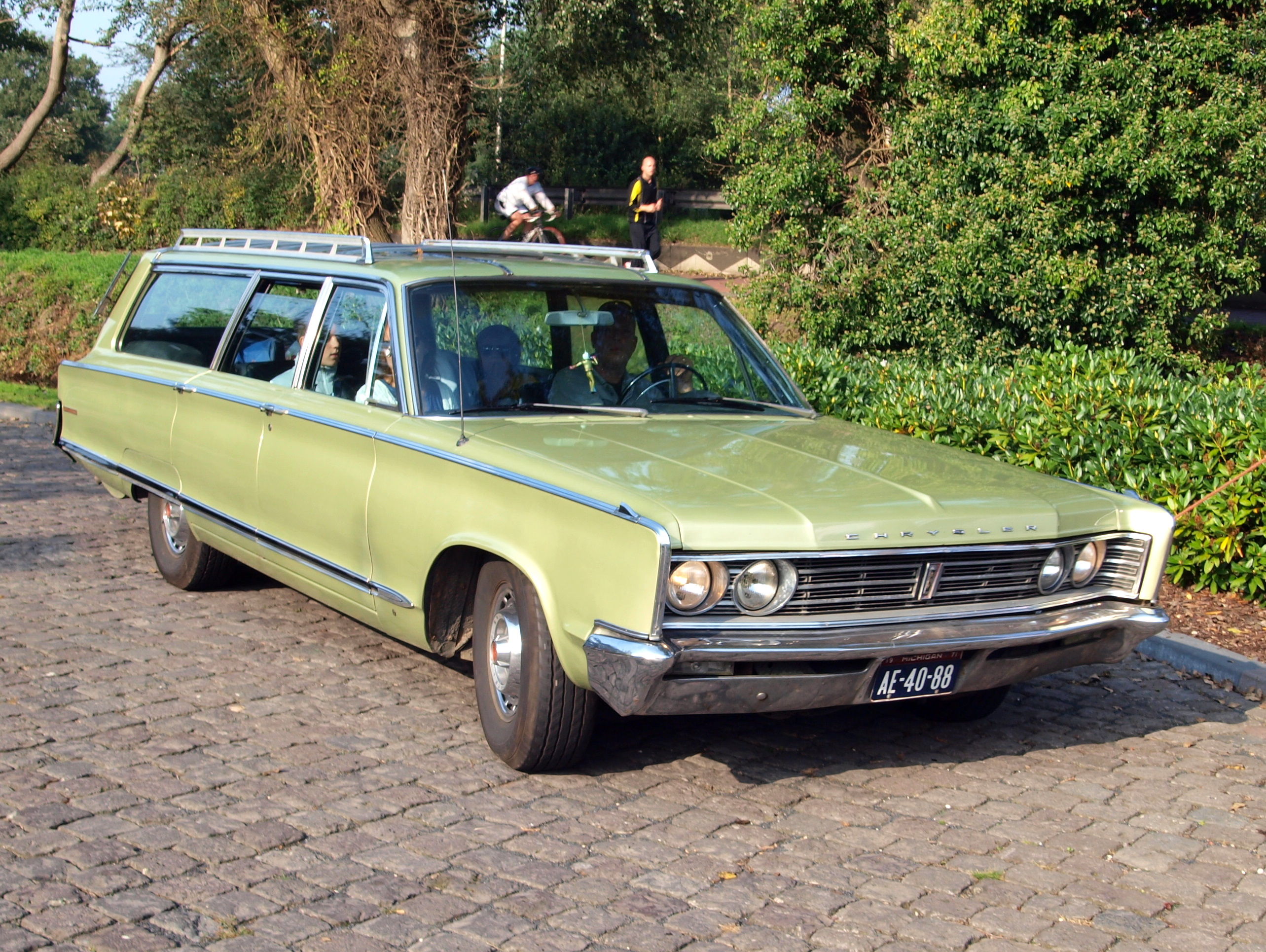
Plymouth Voyage



Car
Cadillac Lyric


Car
Lincoln Nautilus


Car
Tesla Model Y

LIVE
Speaker 1: This is Auto Line after Hours, unscripted, uncensored, unapproved. Hey everybody,
thanks for joining us today. We're gonna have a great show.
We're gonna talk a lot about what's going on in the auto industry. So I'm joined by my friend Greg McCleary.
Speaker 2: Greg, welcome, glad to be here.
Speaker 1: So okay, quickly, So you're with vertical Scope now, calcod Vertical Scope is in where people can find stuff that you do.
Speaker 2: Yeah. So we have auto guide dot Com, Motorcycle dot Com,
a lot of you guys probably read the truth about cars, t tech dot com, plenty of websites, all sorts of things.
We have communities, we have forums off road and motorcycle dot Com. So basically, if you like things with wheels,
we can help you out.
Speaker 1: Okay, good, And here's a man who needs no introduction, Peter de Lorenzo, the auto extremist, still cooking back by popular demand. Now, okay, so everybody on earth knows water
extremely which you've been doing for longer than you would even probably want to admit.
Speaker 3: Twenty six years.
Speaker 1: Twenty six years, a couple of weeks.
Speaker 3: But oh no, we know. We just eclipsed twenty six years.
About two three weeks ago.
Speaker 1: So, but what many people may not know about is that you are now a novelist as well. You recently
came out with Saint Michael of Birmingham. Tell us briefly
about your book. I mean, I know that it's not
all automotive related.
Speaker 3: No, it's not a car book at all. Actually there's
more advertising business in it than the car business. But
the main account is a car account. But that's just
part of the story, and the rest of it is the lead character sort of makes a discovery on his own that changes his life, changes his life and a bunch of lives around him. I've gotten good feedback on it,
but people seem to have a problem with the Kindle They think that's an impediment to getting it. That it
really isn't. You download the Kindle app for free and
then you got some good feedback, good reviews. So I'm
pleased with it. But it it's nothing like you'd ever
expect from me. So sort of did you read it?
Speaker 1: Of course I read it? Oh okay, So okay, So
go to Amazon dot com check it out. Saint Michael Birmingham.
Now okay, So one of the elements of this novel is a sixty eight Camaro.
Speaker 3: Yes, fantasy sixty eight basically thinly disguised trans am car underneath.
Not too much horsepower, just six fifty, just a little bit, which is usable. I mean, you don't need a thousand horsepower.
It's six fifty all day long. And yeah, that was
a fun part of the story.
Speaker 1: So okay, So I got to ask you, Okay, what do you see going on with muscle cars? What do
you see going on at General Motors? When you know,
A the Camaro is gone, and B they're expanding the capability of the Corvette and the aforementioned one thousand horsepower actually one thousand and sixty four horsepower for the zer one X. So what's going on in the world of
muscle cars?
Speaker 3: You know? I don't know. I do know one thing.
I think the Dodge electric chargers dead in the water, which they've confirmed because there's spending all their money bringing back the Hemmy and the ice engine vehicles. So I
think they bet wrong on that, and I think they're trying to deal with the fallowout from that. But as
far as GM goes, I mean, where do you go after the Corvette? The performance of Corvette is spectacular. I
don't think they're bringing the Camaro back, but you never know.
And if they do bring it back, if it's an EV, I think it'd be a mistake because we got a good twenty years of ice vehicles left. I figure before
the EV wave just crushes everybody to death.
Speaker 1: We'll see so Greg Okay. So it strikes me that
if we think about a Camaro, a Camaro is like a Mustang, right, I mean it's not like a Corvette.
A Corvette is not like like a Mustang. I mean,
in your communities, do you see people being at all interested in muscle cars or are they going away from that or now?
Speaker 2: I think there's always gonna be a level of enthusiasm.
I mean, people still get excited about these things. I
think what you might see that's a little bit different is there may be more of a like a cap for some of these. Like everybody who wants one of
the whether it's a pony car, a muscle car, a sport sedan, which I happen to like, everybody goes out and gets those that it seems like it tapers off and you see things like the Challenger just kind of puddles along. If you will, and that has some staying power.
But I mean, I think they'll always be a market for these things. It's just gonna be maybe a bit
more niche and things like like the Charger is an amazing test case, you know right now, just seeing like what people want, what people maybe don't want, and then how they're going to adjust it. Like I tend to
think everybody who wants a Charger ev I think it's a pretty cool car. In many ways. They've had a
little trouble with the launch, but I think everybody wants one.
Who's going to snap one up? And then you're gonna
see the Hurricane six Yeah, yeah, it's goot to dip and then I think the sixth maybe if they bring back the Hemi, that'll kind of be like there, you know, their bellcow for a while.
Speaker 1: Well, I mean word is that they're going to bring back the five point seven liter Hemi, the six point four Leader, three ninety two hemy V eight, and the six point two Leader Hellcat. Now I know that they're
planning on, you know, using Hemis and trucks. I gotta
believe that they're gonna put Hemis in oh yeah, yeah, cars.
Speaker 3: It's funny I was at the local rinse off wash now brushes just the rents off behind a gas station, and I saw a guy there and I recognize him.
He has a three ninety two Wrangler, and he said, yeah, I love it, except that I get eight miles freaking on in the city. You said, that's been eye opening. Yeah,
I thought that was interesting.
Speaker 1: Looks good though, Well, you know, and and gm IS is plowing a whole bunch of dough into you know, making a new V eight, new six gen small block.
Speaker 3: Yeah, that should be interesting. That should be very interesting.
Speaker 1: So what do I mean, what do you attribute that to?
I mean, you know, here was here was a company that not that many years ago was talking about you know, zero missions and zero this and zero that.
Speaker 3: Yeah, that kind of flew under the radar because that was like Pete Mary Bara talking about zero zero zero, and all of a sudden you read where they're spending a huge amount to develop a new generation of the V eight. And I think it was a shrewd bet
on the immediate future, like the next ten years. And
I'm glad it happened, and I look forward to the new engine whenever it starts appearing in their products.
Speaker 1: And and they also you know when they when they made the announcement about spending for for plants to bring them back, and you know, it was like almost that they said, uh, you know, like oh and evs too.
Speaker 3: Yeah, and yeah, they're real remixing everything they're doing and they're spending all that money on that their New York plant.
Speaker 1: So I mean, so, you know, you spend a lot of time the advertising business. I mean when it comes
to messaging, isn't this you know, classic mixed message and you know, and how does the how does the market respond to that?
Speaker 3: Yeah, they're they're gonna they're gonna do targeted advertising to people.
They'll have evs for people who want evs, but the rest of the people who want ice, they'll hammer that hard.
That's the world they have to live in. They have
to have a foot in each space, although a bigger, heavier foot will be in the ice space for the immediate feature.
Speaker 2: If you look at Dodge, they kind of built their brand under Tim Kiniskus. The first time he was back
at at Stillantas, it was like marketing through horsepower with all those hellcats, right, And I mean I think you could see that a little bit again you know.
Speaker 3: Yeah, now that he's back, he's making all these moves we need. We've forgot where we succeeded, and we're going
to get back to that at least for the foreseeable future.
Speaker 1: But okay, but my question you guys though, is that Okay, So you have you have Chrysler, which has very little in the way of product. You've got Jeep which is
not do doing well, but it's still doing okay. I mean,
and they have a number of vehicles under it. You've
got Ram, and you've got Dodge. Yeah, and I mean.
Speaker 3: Well, they're reinvesting big and Ram Jeep. Over the last
six or seven years, they've priced Jeep out of the market.
They increased the prices, they got greedy, and all of a sudden, what was this, I don't know the exact statistic of They were like fourteen fifteen quarters in a row where cheap sales were continuing to slide, and they got greedy, they overpriced. I mean, you shouldn't have to
pay seventy grand for a Wrangler, there's sixty whatever. You
should be able to get a really well equipped wrangler for under forty and they just missed that. And they're
going to have a lot of repair work to do with the jeep Faithball because you know, they're just good.
Speaker 2: I agree completely with you. I don't think they have
a huge product problem. They have some gaps probably, but
to me, it's more like just marketing and pricing and who are they trying to reach, like it seems like they should want. Like every time I think I might
need a car or an extra car or something, I look at a Wrangler and I'm like, you know, like before you even get halfway down the invoice, it's fifty six thousand dollars, you know, with almost anything on it.
Speaker 3: So well, they've also adapt adapted, the adapted the Portie pricing model, which is you pay for everything, yep, extra, and they need to get back to you know, like I said, you should be able to get a really good Wrangler for forty grand. Okay.
Speaker 1: So I mean was it the pricing only or was it the fact that Ford said, Hey, we're going to bring Bronco back and we're going to make a phenomenon out of that. And then you had the various and
sundry GMC vehicles that were then you know, engineered to be off road, the at X with.
Speaker 2: Ther Canyon in Colorado and all those things.
Speaker 1: Yeah, and so suddenly you've got to you've got some choice.
Speaker 3: Yeah. I think there's something to that. But you know,
let's not forget that Ford took seven years to get the Bronco out and everyone knew they were working on it.
So in the meantime, I think it was splat out greed.
They just said we can charge whatever we want for Wrangler.
People keep paying it. Well, then they peaked and now
they're going to have to do some serious retrenching to get that get their mojo back for the Wrangler.
Speaker 1: Well, I mean, one of the things that surprises me about about you know, Stilanti US. Okay, we should talk
in a moment about Stalantis globally, but I mean Slantis US. Okay.
In the first half, General Motors sold the most vehicles Toyota, second, Ford, third, Handaikia, fourth, Honda, fifth, Stalantis sixth okay, like, and the Stilantis number is like less than half practically of what General Motors sold. And
once upon a time, I mean we all remember it, maybe you don't, but when you know, the big three were the Big three, and they were they were basically you know, jousting for position. Almost.
Speaker 2: Yeah, even when like you know, they were under like Diamelers sort of oversights, if you will, they really had some significant volume. And if you look at their portfolio
right now, what's their volume model. You've got the Ram,
You've got a few jeeps that sell it significant you know, you know mass. But it's like they don't have any cars.
They don't have any like evs that are selling spectacularly. Well,
it seems like they're not competing with Ford in Chevy to have that sort of mainstream brand. You know, what
do you think of Chrysler Corp? You know what was
formerly called it was a car. People drove Chryslers, people
drove Dodges. Now it's like they had plymouths. They had plymouths.
My parents had a Plymouth voyage or minivan. And it's
like it feels like they're this house of niche vehicles by and large, outside of course the Ram, which is like what the fourth or fifth best selling vehicle. But
it feels like to me, they need something that's more of like just a you know, modern day kind of you know, volume thing. And you tell me, I don't know,
they don't seem to have it right now. But why
is that?
Speaker 1: I mean this should come as no surprise.
Speaker 3: Well, they're kind of did a Nosetuy was Carlos Tavarus running, Yeah, but he didn't. He wasn't the one that kept jacking
up the ringer prices. That's where US marketing folks that
we're doing that. They just they took their after ball.
But uh, Additionally under Carlos, they just it's like, we're not going to do very much in this market. Well
you're seeing the results of that, right, And I.
Speaker 1: Mean and here you know, the US being the most profitable market. Well maybe that's going to change, but not
not to have something so okay. So so Tavares has gone.
Now they have this guy Antonio Filosa who's who's running the whole store, and they've got a barth Ever, Romeo, Chrysler, Citron, Dodge, DS Automobiles, Fiat Jeep, Lancha, Maserati, Opal Pugo Ram and Vauxhall.
Speaker 3: Maserati is rumored to be on the chopping block.
Speaker 1: So what would be the consequence of them selling Maserati?
Would would anybody?
Speaker 2: Not too much? It wouldn't be the first thing I'd
throw overboard.
Speaker 3: But yeah, I wouldn't either. I mean, and it's just
like a trophy little brand. But if they stop building
and would have matter much now. But I think, I mean,
the brand is legendary, then it would be a shame to see that brand go by the wayside.
Speaker 2: In my opinion, I agree, And I mean, I'm half Italian, so I like Italian cars, I like Alfa Romeo, I like half of the brands they own, you know. But
it also seems like, you know, Peter, you mentioned they took their eye off the ball. I think they lost
sight of just how important the US market is and how important like it could be with what used to be Chrysler, because they're overseeing citro in ds, launcha bob Art, you know, you name it. There's just too many, too
many mouths to feed. So I honestly, I think it
wouldn't hurt them to lop off like one to three or four then maybe try to carve out, you know, more regionalized strategy rather than try to like run this like empire of brands.
Speaker 3: And they're pretty much deleted Fiat in this market. They
won't in their home market because it's too much of a bread and butter vehicle over there, but over here, I mean they've just walked away from Fiat. I mean,
I've got a al from AO dealer like a block away and I walked through and there's a brand new twenty four Fiat five hundred EV sitting there. It's been
sitting there for a year.
Speaker 1: Really well, I mean is the problem though with that?
I mean, I mean I've driven that five hundred e and.
Speaker 3: From around town, you know.
Speaker 1: You know, except for the fact that it's you know, they had to lower the price on it, and and yet even for that is just like it's a lot.
It's like really you know what I mean, it's just like this, this is this is it. And you know,
you know, if you go back to you know, when when when Sergional Marcioni, who is you know, hailed as being some sort of you know, seer.
Speaker 2: Or wizard or a little junkie.
Speaker 1: Right, Yeah, the Confession's capital that oh that everybody's going to want to buy Fiats because it's got you know, Italian style, and everybody in the US loves Italian style. Therefore,
this is going to take off. And as we as
we will know, it never did. And so I mean, yeah, so.
Speaker 3: Held the dealers at gunpoint and said, invest in brick and mortar and you might be able to sell out for Mayos if you're if you're good. Well that didn't work.
Speaker 1: Well, well it's okay. So so to the point of
Alpha Romeo, I mean, do you have Julia and Stelvio and and that's it right.
Speaker 3: Yeah, they're bringing the tonale, a non high bred version to the US to lower the price and get more aggressive.
But I don't know. I like al Formo too, but.
Speaker 2: It feels like they I mean to me, if you look at that, it's like a three vehicle lineup and two of them are like crossovers. Like, maybe just make
the Julia, which I think is a great car. They've
made it a little bit better over the years.
Speaker 3: I think it's a great car too.
Speaker 2: Yeah. I mean they even sorted out the enfertainment finally,
which was a nightmare when they were like, we're gonna have an Alfa Romeo based infotainment system. Why would you
do that? If you connect that's like one of the
best of the industries. But bring back something like a
four C and call it a day, and maybe combine that with like a Maserati store, you know, Maserati can probably get away with having like an suv or something in a sedan and that's pretty formidable, like sort of you know, block you can sell. And I just think
both of those brands are not they've kind of gotten away from what you think they would be, you know, and it's just another, I think example of how kind of scatter brain they are right now.
Speaker 1: So so Peter, I mean, in this town, Chrysler was long held to be, you know, a venerable brand. What's
your sense of the brand value for Chrysler today? And
if it isn't a good one, can it become one again?
Speaker 3: You know? I don't know. It's hard for me to
imagine Chrysler survive surviving with a minivan alone. I mean,
is there is there going to be a Chrysler car that's desirable because right now they're kind of in the twilight zund with that brand. I mean, yeah, the minivan's
cool and everything, but is there anything else you guys can do? I mean, you got Ralph Giel there, and
they can design a sedan and then then the margos of well, sedans don't sell well, bad sedans don't sell if they're good and they're priced. Well, yeah, I believe
they will sell, but.
Speaker 2: I buy that. I think if if you could get
like a reborn three hundred or some sort of ev uh you know, you know, Chrysler is almost like an American Alpha Romeo. I think in some ways, as you
divide up the portfolio doesn't have to be everything to everybody like maybe it used to be. But keep them
an event, make something hot with four doors, like a three hundred, and then maybe do an EV or something, and that may.
Speaker 1: You mean hot in the context of desirable and stylish versus leave the hot cars to Dodge.
Speaker 2: I think Chrysler could be alluring, attractive, I mean performance, yeah, yeah, sure, absolutely.
Speaker 3: Elegant performance. I mean they could do that. It's resplete.
I mean Ralph and his designers.
Speaker 1: Apparently they can't do that sleep because you figure this out, they might have.
Speaker 3: Done that right now for Ralph and his designers are giving the task they could, right they clearly haven't because this just in I just don't seem to have very.
Speaker 2: Much money later around, right, Delegant performance I think is kind of the ticket, like you said, because they don't, you know, let Dodge blow the doors off of everything.
But I mean it doesn't have to be just like swoopy European thing like make an American sedan and people would buy them.
Speaker 1: Okay, but why, okay, why couldn't it be a swoopy European thing that they could basically say, Okay, we're gonna take something from Pougeot, We're gonna say take something from Citron and and we're just gonna put a badge on it.
I mean, I find it very interesting, you know, watching something on Amazon Prime that's coming out of the UK, and and and I'll see, oh, that's a buick. Oh no,
it's not.
Speaker 2: It's you know, it's it's.
Speaker 1: An Opal that's badged as a buick. I mean, it's
just like we had them here.
Speaker 3: Yeah, And.
Speaker 1: You know, is there an opportunity for Stilantis to say, Okay, this is how we'll resurrect Chrysler be I mean, Chrysler had the you know, the the big hopes that they're going to have that that EV that was going to be a magnificent vehicle. Well, I'm sorry, but evs are
not selling, and so you're gonna you're gonna put all your chips on that.
Speaker 3: Yeah. Unfortunately, I think it's low on their priority list
right now. I think their priority right now is let's
rebuild ram. Let's you know, pump up the chargers and
bring in the big horsepower back address cheap. But that's
going to take a gut call on their on their part to say, look, we overpriced ourselves. We're going to
have to get serious about this pricing thing. And then
doing an elegant performance card from Chrysler's kind of down on the list of things they have to do, but I think it'll be good.
Speaker 1: So, you know, we were talking a little bit about what's going on in terms of cars that are swoopy and European and go really fast.
Speaker 3: GM just delivered the Felastic one last.
Speaker 1: Week, all right, So I got to ask you, Peter again, since you know far more about this than I ever will in my life. Is Celestic a halo vehicle that
will have consequences in the showroom for dealers who need to move vehicles.
Speaker 3: It should be, except there's going to be so few of them that no dealer we'll be able to hold one because the customers having them built. When they're built,
they want them. I think it makes a huge statement.
And when people start seeing them, especially on the street in New York. I think it will make a halo
statement for the brand. It's a gutsy call. I have
to say that GM doing that car is really gutsy because you know, if the financial people had their sway, it never would have seen the light of day. I mean,
I can imagine Mark Royce and his team in a conference room saying, well, it's going to be this and then it's going to be three hundred thousand dollars what.
But I applaud them. I think it's a bold stroke.
I think it will have some rub off. But people
really haven't seen them. Unless they've gone to an auto
show where it was shown, they haven't seen one. And
I think once they're on the road, the on the road presence of that thing is pretty spectacular.
Speaker 2: So Cadillacs made quite a few gutsy calls lately actually with that. They showed that sole a concept that there
goes beautiful, beautiful. You know. It's I think they're trying
to get like to elevate the brand. You see the
entry into Formula one and it's yea swings there.
Speaker 3: Yeah, they're firing on all cylinders and they're hell bent on doing it. And I applaud them for doing it.
Will it pay off? I think it will, but it's
gonna you have to have some patience.
Speaker 1: So you know, once upon a time there was this competition between Lincoln and Cadillac, and it seemed there for a while that that Lincoln was was pulling ahead and Cadillac was doing the art and science and you know, just just trying all these these things, and and you know, then then it was again not that many years ago, where it's going to be, you know, Cadillac will be all electric, and that seems to I mean, they're doing
a lot of vvs. I mean, the optique I think
is just first Cadillac that I've been blown away by.
I mean, it's you know, not hugely expensive, and it's very nice, just you know, the the interior execution of that thing is just amazing.
Speaker 2: And lyrics great too.
Speaker 3: I would quibble a little bit.
Speaker 1: On the lyric. I think that I think there are
others in the in the class that are above that.
But I think, you know, but that's again just a very very uh subjective, subjective opinion. But the question, Peter
is that how long is it until you know the string runs out? And you've got to make a hard
call about Okay, where do we go in this direction?
Of that direction?
Speaker 3: I think at least half dozen years. I actually think
Cadillacs and a higher level than like, I mean, like, yeah, they've clearly I mean, like, can execute some vehicles nicely, but they're not they're clearly not in Cadillacs league anymore.
Speaker 2: I think Cadillac has probably grown its portfolio and it's a little more ambitious right now than Lincoln is. I
think if you look at like a vehicle by vehicle basis, the Aviator is very solid. I think we all would
probably agree that the Navigator is great, but things drop off a little bit. I think the Nautilus is okay, whereas
I think Cadillac they're, you know, they're going for it.
You know, you've got to get the motorsports. They went
very hard to the electric space when it looked like that's where things were going, you know, the escalade. That
was a pretty big redesign. I think they could have
played safer, but they still took some risks there.
Speaker 3: So they can still get an ice escalade. That's what
you want. So that's that's smart on their part.
Speaker 1: So let's let's let's go into Lincoln a little bit more.
Speaker 3: I mean, of course, there is nothing. I mean, you know,
it's there, but that's about it.
Speaker 1: They do fabulous interiors. I gotta I gotta say that.
Speaker 2: I mean, if you want a mid century modern interior, I don't know who does it better than Lincoln, you know.
And I like them though, I really do. I think
solid interior. I think they they've made Lincoln a reasonable
vehicle for you know, like upper middle class people. It's
not just like this car for you know, retirees. It's
it's an elegant vehicle about I think they've done a good job there.
Speaker 3: But you're seeing the difference though, with the fact that Cadillac is reaching. Yeah, you're seeing how Cadillac the brand
is on an upward trajectory and Lincoln is as cool and solid, but it's kind of here and Cadillac is going in this direction. I think that that's unmistakable.
Speaker 2: I think you can see the figure prints almost of like somebody like Mark Royce on Cadillac, who's like, you know, I don't know, but it just it feels like that's more like the strength of you know, his personality and some of the folks at GM. You know, I think
Mary Barr is a stroke supporter of elevating Cadillac, whereas Lincoln.
It's hard to really tell who's the you know, the the patriarch, the patron of it it within Ford Motor Company.
It's just maybe it was Farley, what he wasn't CEO, I don't know, but it doesn't seem like there's just this driving force champion exactly.
Speaker 3: Yeah, Mark and his team of true believers are they have their fingerprints all over Cadillac, you can tell.
Speaker 1: Yeah, so what I mean, so what's your opinion then?
Of the other brands, Buick and GMC and Chevy.
Speaker 3: Well, BIA keeps you know, surprising me. I mean, they've
got some nice ye product countries now and people seem to be like them. GMC is you know, that's another thing.
He keeps saying, why is GMC? And then all they
do is keep making money.
Speaker 1: And yeah, professional professional grade money machine.
Speaker 3: Yeah, and not a problem. So you're not a problem.
And Chevrolet still has some solid entries. I mean, I
saw Colorado ZR two the other day on the parks in front of a Chevy dealer. That thing looks great.
I mean I'm not a truck guy, but sure, look great.
Speaker 2: Chevy's done a pretty good job of investing across their lineup.
So yeah, there's still some fairly big holes in different spots, but if you look at it as a whole, there's a lot of different things there from basically anybody, which is true to what they've always tried to be, from trucks to the ZR one. You got to right down
to some relatively affordable EV's, like the Equadox EV I think is really good. It's reasonably affordable it's and the
tracks is good. Tracks is great. Yeah, yeah, but I mean.
Speaker 3: You know, an interesting thing is they've brought back the heartbeat of America in an in subtle way in their marketing, which I find intriguing. I mean, if I were involved,
I would bring that back huge, maybe not with the same piece of music, but that positioning is something that Chevrolet owns.
Speaker 1: So it's better than find new roads.
Speaker 2: Remember American Revolution that was one two I think, right, and oh well, America Rolling, all sorts of them. Chevy's
had a lot of slogans.
Speaker 1: Keep America Rolling was the that.
Speaker 3: Was after nine eleven. It was the GM campaign that
was hugely successful.
Speaker 1: So this this is a slight diversion from bread and butter cheves. You were recently in a McLaren about.
Speaker 2: Slight diversion, Yes, from American to British. Yeah, it was
had a pretty quick loan. Couple couple of days. I
was able to get about seventy eighty miles on it, which one wasn't. This is the seven fifty s. So
it's it's wild. That's the best way to sum it up,
right there is kind of shake your head and chuckle.
It made me giggle the whole time. It's I like
how McLaren's look. I think when they came back, like
with a road car back and was that nine or ten, they were a little more technical, a little more simplistic.
This is like, you know, I don't know. You guys
may tell me I'm crazy, but I think this is a little bit better looking than maybe even some ferraris more than the two ninety six, which is sort of its competitor. It's curvy swoopy, a term we've dropped a
couple times, and it'll rip your head off, you know.
Speaker 3: The way they execute things. This is so impressive.
Speaker 2: Yeah.
Speaker 1: See, and so this is sort of to get back to the celestike, I mean, okay, so when you're in that stratosphere of I mean, so what did that thing sticker at.
Speaker 2: Started at three point thirty four to twenty oh the door?
Speaker 1: Okay, so you got three hundred grand, do you spend it on a McLaren or do you spend it on a Cadillac.
Speaker 3: Well, it depends on what you're looking for. If you're
looking to impress your girlfriend in the South of France, might be a toss up, but you know, performance buyer will go for the McLaren. But for that quintessential elegant statement,
the celestic could be. Celestic is going to look like
it belongs wherever the luxury is happening south of France, Beverly Hills, New York, Paris. It's gonna look good. And
I think they'll bring out the roadster too, which if they bring out the Roadster, that will be people will be clamoring for that.
Speaker 1: Well, as you mentioned, I mean they just finally came out with a car. There's probably like two more since Yeah, became.
Speaker 3: Aware of that one three years after they.
Speaker 1: Yeah, so it's not like we're going to be overwhelmed with these models.
Speaker 3: And you know, they've said, you know, it's the reason it's taking so longer. People are being very specific in
detail about what they want and it's taking longer than they thought.
Speaker 2: If I were Cadillac, what I would do is, I assume these buyers are pretty well healed. These are like
you know, the I don't know if Jeff Bezos has one on his registry or whatever, but like, I would try to get them to be tiktoking Instagram, like telling the world that they have this thing. It's a cool,
special thing. You should think this too. And that's where
if they're going to I think they limited them to like three hundred or something like that. Get these like
sort of you know, you know, rulers of the world to tell people that this Cadillac is cool. That could
change the you know, to me, they would be more powerful than any direct to consumer thing, you know, get in people's feeds. Show this thing in real life, and yeah,
could change Cadillac's future.
Speaker 3: And I think the more people see it in the flesh, the better it gets for Cadillac, because it's an impressive piece.
All right.
Speaker 1: So now to swerve in a completely opposite direction. So
this week we finally had Tesla have its autonomous vehicles in Austin, Texas. They finally rolled out with their version
of autonomy with a human on board human on board.
Back in twenty nineteen, Elon Musk predicted Tesla would have quote over a million close quote self driving cars by twenty twenty.
Speaker 3: There is a thing on Wikipedia that had I think there were twenty some entries of Elon promising autonomy and this and that, and none of which came to pass.
Speaker 1: And apparently this rollout wasn't all that smooth in terms of vehicles doing sort of quirky things. So are we
going to see a million self driving Teslas in the near future as there have been claims only?
Speaker 2: So yeah, probably not. I think it's I mean, I
think when you look at Tesla, it seems like Musk has tried to change them from being a car company to being a robot company, a robot car company, you know, you name it in AI company. So I think he's
gonna probably still invest more in this stuff though than in that budget car that you know, Wall Street kind of lost its mind of over last year. So I
think that's kind of direct you was to take it.
But a million absolutely not. Maybe they'll do another pilot program.
Speaker 3: I think autonomy has very limited specific uses. It will
never become mainstream in my view. It's just there's too
many things that can go wrong just so, and they'll never fix that. They'll never fix the the stray bicyclists
wandering in front of They just won't be able to.
I just don't see a millions of them roaming around the American landscape. I just don't.
Speaker 2: I'd agree with that. I don't know if i'd say never,
say never, but I mean broodstrokes. Yeah, I agree with you,
and I think I think it's almost tried to solve a problem that people aren't asking for. Like you could
look at people across all the political spectrums. Some people
like evs, some people don't. Some people are cautious over them,
and it, you know, it really is like a cross section of America. But people, at least, I think, get
what an electric car is. What do you tell people, Hey,
you're going to get this autonomous taxi and it's going to take you from you know, the University of Texas stadium to the bar or something. People are like, well,
I could just get an uber and that's fine. That's
what I want to do, you know.
Speaker 1: So so okay, So like the aforementioned General Motors, I mean they plowed a lot of dough and cruise automation before they gave up on that. You had Ford and
Volkswagen get together on their company before they they dissolved it.
Speaker 3: Well because I think it got away from their core business and it was premature, and they found out the hard way that it was premature. And you know, Mary
Barr I had to pull the plug on it, and she was a big proponent of it. But it just
can only burn so many piles of money in the backyard.
Speaker 2: I think.
Speaker 3: Yeah.
Speaker 2: I mean I think Ford was even quicker to pull like they were quicker to pull the plug, and they had Volkswagen. And remember Amazon spent some money on that.
Speaker 1: Amazon has got that company, Zeke's, and they've actually gone in production of their pods that will be moving people around and goods and services.
Speaker 2: Well, I think Amazon has more of a more defined case.
Like if you look at like their delivery trucks, you see the electric ones and you're like, this makes sense, why wouldn't you have an electric delivery truck? And I
think they're thinking of it more from the end use case versus automakers which are thinking of it almost like from this broader technology lifestyle change, and that's not where people are. I think for a minute, maybe the late teens,
mid teens, you know, we all were talking about level three autonomy, level four? What are we going to get there?
Speaker 3: And well, maybe I think you're probably right never say never.
Speaker 2: But I don't know not soe.
Speaker 1: Well, you know this this mentioning of you know, burning piles of cash behind the rents syn. You know, the
thing that I wonder about is is I mean if we look at you know, general motors are Ford in particular, you know, the the amount of money that they plowed into a v's and EV's. Now now the evs again,
I mean, if if we hit eight percent of the market this year, it'll be an accomplishment. And at this
point in time anyway, forty three percent of that is Tesla.
So you take Tesla out of that, right, you don't have a very big market there for for all this money you've invested in. And if, as it seems to
be likely, the tax credits go away not only for individuals for buying evs, but for producing batteries which explains you know, giant battery facilities like Blue Level City and so on. I mean, and that goes away. At what
point do these companies say we're running out of cash.
Speaker 3: Well, they've spent staggering amounts I mean staggering amounts of money on EV development, and the retail payoff has let's say, been negligible, and it's not likely to be. I mean,
I will say GM with like you mentioned the Equinox EV and I mean they've they've they've executed some very very good machines, but the EV market just isn't there for a lot of people. People still equate the cost
and even though the range is usually there's more than planning for people, they just you know, they don't know where they're going to recharge. Apartment dwellers have to figure
it out, you know, they end up in the Myers in a Meyer parking lot, getting charge over in Troy because there's nowhere else to go. I mean, there's just
a lot of obstacles still. I mean, yeah, I know
they's supercharger network, but.
Speaker 2: I think you'd have to convince someone whether outside of Tesla, because that's what they've done extremely well is convinced EV buyers that they're the EV brand. You know, they're like
the iPhone, you know, this is the EV for you.
Whereas right now, Chevy, Ford, Volkswagen, whoever you want to name, they've got to overcome that curve of like k look at us to be your EV guy, Whereas I mean, until you know, obviously Elon, Musk and Doze made some Tesla customers and maybe intenders have some heartburn. They were
just the default option right now. I don't think like
other companies have that like Mojo to get in there and get people to think electric with them. You almost
it's not even the technology, because I think you guys have probably all driven a lot of great evs. It's
like the educational factor. And then how do you quantify
that on the bottom line? You're Chevy, you're raising EV awareness.
Well that's great. That might help you, but you might
be helping your competitor. So we'll see.
Speaker 1: Peter, do you think that Tesla still has the magic in its name or is it becoming more like a car company.
Speaker 3: I think it's becoming more of a car company, and I think that Elon's personal brand image has damaged it almost beyond repair, and I think it'll continue to slide.
I mean, the latest numbers from Europe are staggering, I mean, down sixty percent. So he may have damaged the Tesla
brand permanently. I don't. It's certainly not what it was.
And you know, they accomplish a lot they did, but then again took his eye off the ball, got involved in a lot of stuff, and the car foundered and the company founded, and then I think his one of his top guys just left today they announced his departure of one of his right hand people, who's extremely well thought of.
Speaker 1: So so, so what extent do you guys think that part of their problem though, was that, you know, you know, going back to a regular car company. Okay, regular car
companies come out with new models, regular car companies do you know, major minor refreshes, and they never did this basically said you know what, you know, we'll you know, we'll do an over the air update and you get in your car the next morning it'll be something there special for you and that's that's all that really matters.
Speaker 2: Yeah, I mean I think they I actually think given that their products were pretty solid, I think they could have coasted for another couple of years, but then Elon Musk got involved in all sorts of things, and I think that made a lot of people look in the mirror and say, well, it's this is the car I really want. And then you start to look around and
you're like, oh, well, look at the interior of the model Y versus the Equinox or something, and people sort of woke up a little bit. I think whatever magic
they may have held over the market has totally evaporated.
Speaker 3: Yeah, and not having convenient service centers, although they've added some, but having to have your Tesla flat bed into Ohio to to lead out right to be worked on when you're when you're up here isn't exactly ideal.
Speaker 2: I think it's a company a dire need of a reset, you know. I think having somebody else besides Elon speaking
for it, having some new products, it could, you know, it could really change things. And I think right now
they're just really just stuck in this kind of weird spot where like car folks like us are asking where's the product. Political folks are like, what's going on with
your CEO? There's the infrastructure question, and it's I mean,
right now, it's it's almost like you look at we're talking about Stilantis, where we're like they neglected the US market.
Tesla has kind of neglected the US market and all markets for automaking to their detriment.
Speaker 1: So so here's here's another thing that sort of is covering many of these things we talked about. So these
these are fresh numbers from from Cox Automotive, and it was looking at EV pricing, okay, and incentives. So so
the average this is the most recent number they have.
The average EV price is fifty seven thousand, seven hundred and thirty four bucks. The average Tesla price is fifty
and seventy seven bucks. The average price of an ice
vehicle is forty eight thousand, ninety bucks. So between the
average EV and ice vehicles like ten grand, is is ten grand something people are readily able to spend in order to get an EV.
Speaker 3: I think that is going down or people, I mean, I think pricing. I've written about this for years. The
price of admission to owning the cars too much. And
if you add ten thousand dollars to it for a lot of people and take the credit away a lot of people, it's a non starter.
Speaker 2: With the tax credit, which dates to. I believe the
Bush administration back when like the Vault and the Leaf were coming out, it was meant to bridge that gap between like when's the technology to be affordable and people can actually afford it? So OEMs weren't losing all this
money on every car. If you take that away, I
mean that's I think people could have extra couple grand.
Sure you go, drive an EV. Yeah, let's try that out. Yeah,
tax credit away, you go. But if it's ten grand,
that's tricky.
Speaker 3: Now.
Speaker 2: One thing I think about the numbers too, though, is there aren't that many like commodity evs. So if you
look at who's making EV's, it's Tesla's, it's Mercedes, it's you know, more expensive volks. The Machi is not particularly cheap.
So just in general, a lot of like the electric offerings tend to be more expensive because they're more premium vehicles.
I think if they could get that number down perhaps by having more commodity EV's like a Tesla, that might change some consumer's minds as well. You know, like a
forty two thousand dollars EV Some people might get into that.
Speaker 1: But I mean, isn't the reason I mean, Okay, So there's a couple of things. You know, General Motors announce
that they covered their variable costs on evs, which basically means that they're not making money, but they're not losing money, right, And you know, so you have the situation of, okay, we've got to have more higher priced vehicles. I mean, yeah,
you have the Equinox, but then you have the Blazer, which is nicely done, but the price goes especially at SS or something THATSS gets really high. And then you know,
as we mentioned, the Lyric and the Optique and the Steak and all of these are non you know, not inexpensive vehicles, right because they're like, we've got to try to make something off of these things, and you make more, better, better margins off of something that's more expensive. But so
it seems almost impossible to at this point anyway to make something affordable. And then you know, the question that
also comes up is, you know, you look at, which we haven't talked about yet, the whole issue of tariffs and things like that. Okay, for batteries, many of these
minerals are coming from China.
Speaker 3: And tariffs may increase costs and for everybody.
Speaker 1: So how does the average consumer accommodate their lifestyle in order to buy something that's very expensive, namely and EV.
Speaker 3: That's why the tracks is doing so well.
Speaker 1: But what's going to happen in terms of you know that's built there are Yeah, I know, and you you know, we talked about Buick earlier. I mean, it's got four vehicles,
one of which is built in Landing. The rest of
them are built either in China or Korea. I mean,
what does that brand do?
Speaker 3: I don't know.
Speaker 2: I mean you'll listen to some of these earning calls and they the executives will say things like, well, we do have a plan. B. We'd never usually quite get
what that plan is, but they say like, oh, we can shift some things around. And I mean I think
it's long term. I think it's going to eventually depress
car sales, you know, and you'll see things like uh, you know evs if the tax credit goes away and some of them are built overseas, I think maybe eight percent, that'll be like a high water mark for what we see, you know, as far as EV market share. So it's
going to have a chilling effect on the market.
Speaker 3: Yeah. I think the industry, the US industry after the
first six months of the pull ahead of people spending money.
I think it's really going to get grim bus the second half by fall. Yeah, So.
Speaker 1: Do you see an overall precipitous dropping car sales.
Speaker 3: Yes, it might not happen like by December, but I'll play out over the next three or four model years.
It's just it's just no getting around it because the tariff's equal higher costs and people are already complaining about the cost of getting into cars. Cars are too expensive.
Speaker 2: You almost look at like the onset of the Great like Recession coming up on twenty years ago when car sales just started to kind of slide. That of course
led to some bad times for the Detroit three, but really the industry and I think you could see things like that where we're going from like we had like sixteen point five right now, that'll be like sixteen and then it's fifteen to one, and that's suddenly that's a bad year. You know, a couple of years like that
next thing, you know, like fifteen million is going to look like a good year, and that changes the calculus for how people I think are investing, and you know people, it will have a trickle down effect people will be keeping cars longer. Used cars are going to get more expensive,
and like I think I saw the average used car price was thirty thousand dollars or something, which to me that's kind of mind bending, you.
Speaker 1: Know, So so what should it be?
Speaker 2: I don't know. Twenty seems more reasonable for a used car, you.
Speaker 3: Know, Yeah, he used car with decent life.
Speaker 1: Yeah, left, I thought I had the number of used car price, but I don't. Sorry, But so, you know,
if if we go to a fifteen SORR, I mean, you know, are we going to lose companies?
Speaker 2: Are?
Speaker 1: But he's going to go away in our forfeable future.
I mean, you know, you know, Mas has got a new ceo. I mean, Nissan's got a new CEO, and
you know, and they're talking about, you know, getting rid of people, clothing plants. At what point do does it
become unviable for a brand to exist?
Speaker 3: I think fifteen million is pretty close to some of these brands that are hanging on, specifically Nissan.
Speaker 1: I don't.
Speaker 3: I don't see how they're going to make gain traction in this market. I know they're making a lot of
promises about their new products, but yeah, two and three years down the road and what are the dealers do in the meantime.
Speaker 2: We mentioned we were talking about Sergio Marcioni off the top here, and he was he always thought the industry was ripe for consolidation, and I mean, I think that's what you get to fifteen million, that's when you start to see, like, you know, Handa and Nissan didn't seem to want to get together, but maybe if that's the climate, things change, you know. And how many of these like
different startups from Scout to Rivian Lucid. I mean, some
of them are very well funded, but at some point maybe there is a colleague of the herd, you know.
And it also just brands, you know, at fifteen million, for example, like Stillanthus is like okay, we were messing around with Launcha. They're done, you know, ds they have
this great history in France, but they're done. You know.
That's what I think. You see harder decisions, and that's
where I think it gets less fun for consumers and for us because we've had a pretty good, like since the turn of the century, run of enthusiast things, interesting people to talk about. Outside of that five year ish recession,
things have been fairly good. That's what we go back to,
maybe like the Malaise days or something, you know, I mean.
Speaker 3: You guys laz days.
Speaker 1: That's a great phrase.
Speaker 2: Yeah, so that's maybe what things look like in the twenty thirties, which I guess the thirties weren't so good the last time around.
Speaker 1: Do you agree with Peter?
Speaker 3: Yes?
Speaker 1: Absolutely, But you know, I think that probably for the last twenty five years, we've been talking about consolidation and never seems to happen. And although we've seen, you know,
I mean after you know, two thousand and eight, two thousand and nine, I men, we saw, you know, General Motors had had to get rid of brands.
Speaker 3: And still well, not the fact that Pontiac went away.
Speaker 1: Pontiac.
Speaker 3: Yeah, since I worked on the brand and turing my AD career, I love that brand.
Speaker 1: So why do you think Pontiac got the AX?
Speaker 3: They just felt they couldn't sustain it with the available funds, which is why Hummer got the acts. I don't know
Pontiac had a place within GM. I think going forward
there's no scenario that they could exist again, which is too bad. They just don't have the money to launch
a brand like that.
Speaker 2: Ironically, I think the G eight, the G A G XP like O their way out the door.
Speaker 3: Of some of the best great cars. Yeah, but that's
kind of GM's pattern. They just about the time the
car is fully developed, they pull the plug on it for whatever the reason.
Speaker 1: No, was the G eight though, based on a Holden Yes, So this gets me back to Stalantis has got all these brands elsewhere, maybe they had to how to bring some of that product in here.
Speaker 3: Well, if they want to do they want Chrysler to have a shelf life beyond a couple of years, They're going to need more than a van. I'm going to
need something that people go, wow, you've seen that new Chrysler.
They don't have that right now.
Speaker 2: I mean the original playbook was to take that E class sort of chassis modified and make it a three hundred or a Magnum or a charger. To me, something
like that could work. You know, don't bring us a
Poogio and call it a Chrysler, but take some harvest, some underpinning from somewhere else. Let Ralf's team go to
work on it. Let's put something good in under the hood,
whether it's a V eight or electric or something that gets people talking sounds a lot like the original three hundred c.
Speaker 1: So, in other words, a lot of the engineering spending has already been spent. Then you might as well leverage
that by putting something, you know, putting a nice wrapper on it that.
Speaker 2: I think doctor Z had it right the first time.
Speaker 3: Doctor Z.
Speaker 1: All right, with that memory of doctor Z, I'm gonna wrap the show up. So Peter de Lorenzo glad to
be here, author of Saint Michael of Birmingham. Find it
on Amazon. Greg mcgliori Vertical Scope which truth about cars,
auto guide dot com, motorcycle dot com.
Speaker 2: That's a few more and.
Speaker 1: A few more so check check his site out there.
And for all of you, thank you for watching today, and we'll be back next week.
About this episode
The discussion dives into the current state of the auto industry, focusing on muscle cars, the future of electric vehicles, and the challenges facing major manufacturers like Stellantis and GM. Notable guests include Peter de Lorenzo, who shares insights on the decline of the Camaro and the potential for a new generation of V8s. The conversation also touches on pricing issues, market competition, and the impact of EV incentives, with predictions of a possible downturn in car sales. The episode balances industry analysis with personal anecdotes, making it an engaging listen for automotive enthusiasts.
Original notes
TOPIC: Product Plans in Disarray PANEL: Gary Vasilash, shinymetalboxes.net; Greg Migliore, Editorial Director, VerticalScope; Peter DeLorenzo, The Autoextremist
Autoline After Hours
Autoline
0:00
60:34