
Annotations will appear as you listen
0:00
64:27


Car
Dodge Ram

Car
Ford Fusion

Car
Ford Probe
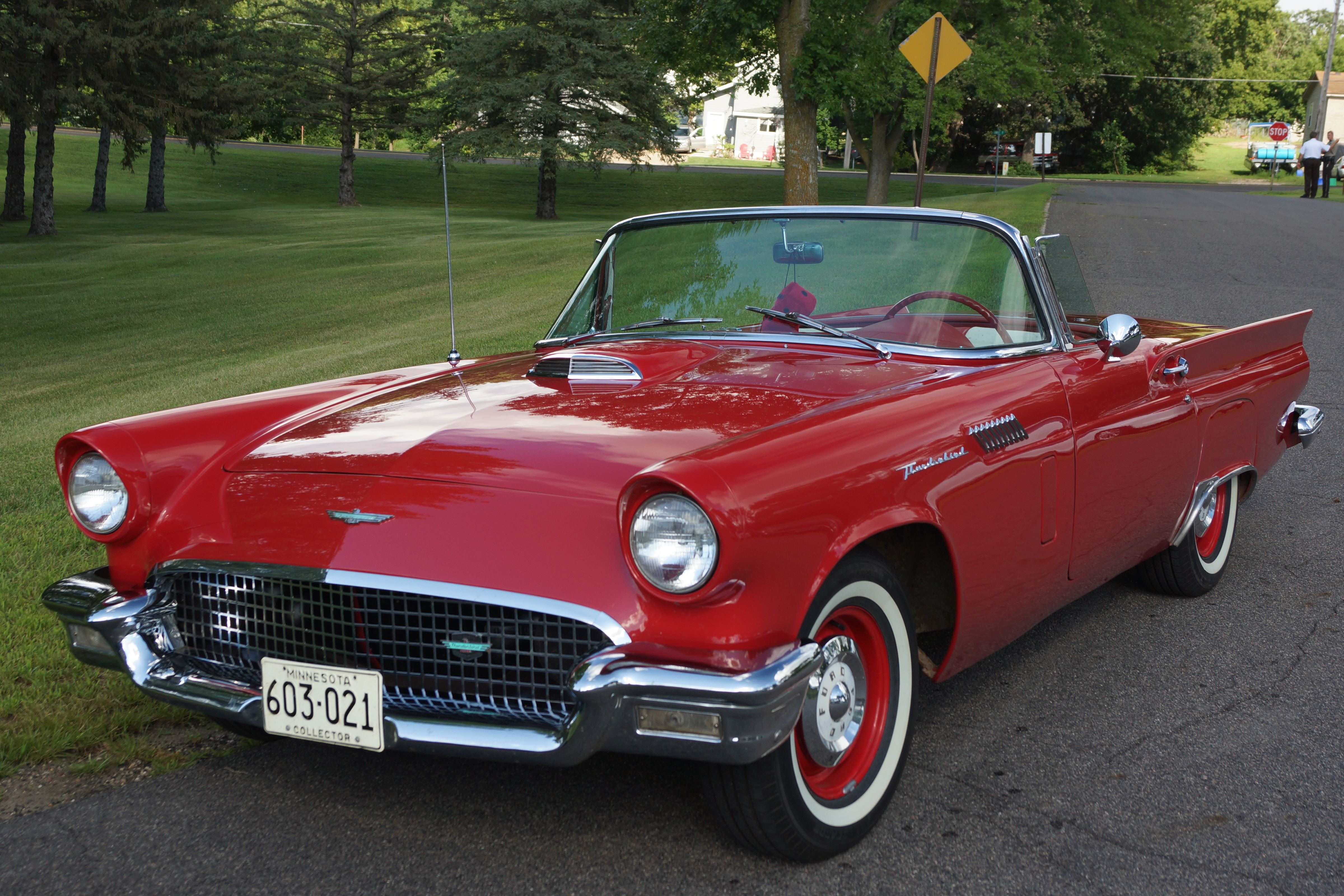
Car
Ford Thunderbird

Car
Ford Cougar

Car
Ford Taurus

Car
Ford Capri

Car
Ford Wind Star
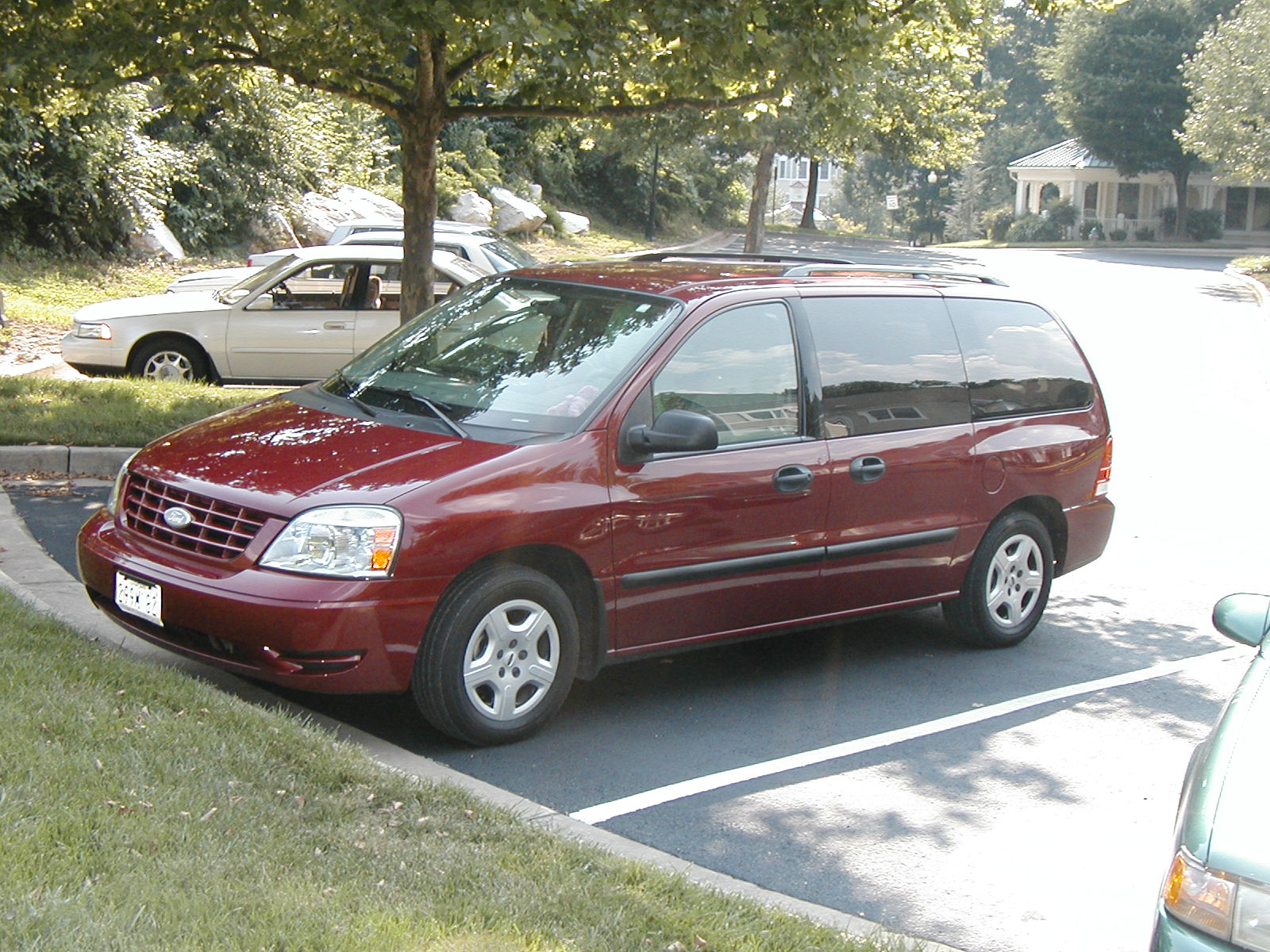
Car
Ford Free Star

Car
Ford Flex

Car
Nissan Quest

Car
Lucid Gravity


Car
Ford Orion
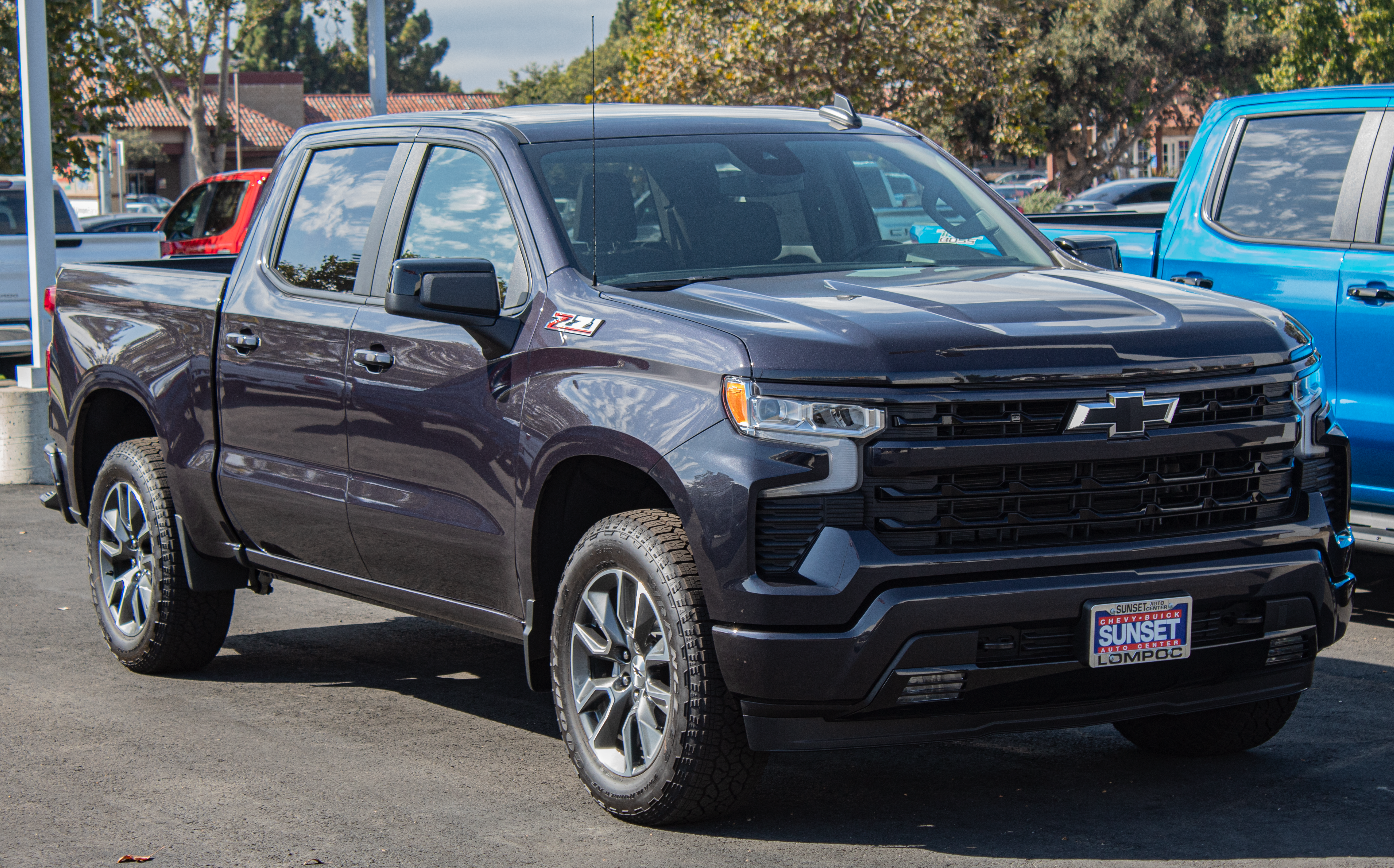

LIVE
Speaker 1: Out Online after Hours is brought to you by bridge Stone Tires Solutions for your journey.
Speaker 2: Everybody, thanks for joining us on Outline after Hours. Got
an interesting show today, we're gonna be talking about it.
He has a lot for the first half. We'll get
into the news of the week and the second half.
But let me introduce our guests. We've got Will Lowry
from Magna, director of Powertrain. Do I have that right?
Speaker 3: Program manager?
Speaker 2: Program manager tried to give you a promotion. The show
will help you get it in.
Speaker 3: I appreciate it.
Speaker 2: And we got Brett Smith, formerly of the Center of Automotive Research, but still a guy that knows ton about this.
Speaker 4: Industry, still playing in the industry quite a bit. Yeah.
Speaker 5: Good, you know two or three things about powertrain too.
Speaker 4: I've been around powertrain. It's good stuff.
Speaker 2: Yeah. And then to make it official, Hello, Gary John,
how are you? I'm rocking man? Good, good, good, I'm
busting to get this going.
Speaker 5: So you guys have developed something called the Intelligent that's with an e intelligent all one word command power train system.
What is it and why do we care?
Speaker 3: Yeah, that's a great question.
Speaker 6: The Intelligent Command is is our version of what a potential p vehicle could look like we've been able to retrofit an existing vehicle, strip out the powertrain from it, and add in some of our own products today. Right,
so everything related to the drive line system we pretty much removed with while leaving the traditional three cylinder engine in place. We're able to implement a hybrid transmission, a
four hundred volt application, put in a higher power E drive in the rear axle, and demonstrate a number of different technologies to the public, to OEMs, to internal customers as well. It allows us to show hardware, software, scalability, capability.
Speaker 3: All of it. So it's quite a useful tool that
we have now.
Speaker 2: Well, the thing that caught my eye and why I really wanted you on the show is you're talking seventy mile range with this PHF. Most phfs you know better
than I do typically in the twenty to forty mile range.
So are you telling me you can take sort of an existing p have plug in hybrid electric vehicle, add your magic to it and significantly increase its rangery just throwing a bigger battery into the thing.
Speaker 6: No, that's a good question. We do a number of
different things to be able to kind of hit those.
Speaker 3: Types of targets.
Speaker 6: The cool part about this system is that we've taken a traditional multiple speed transmission pair it with an electric motor, so you can get a highly efficient emotor and you don't have to worry about hitting both high speed and your lower torque or lower speed work requirements because you have the flexibility of the shiftable gears to be able to help you with that aspect. And then a blended
approach between both the rear emotor and the front emotor allows you to kind of target the sweet spot of where to operate those E machines to allow you to get a further efficiency benefit out of the system over what we you know, may see in a traditional bed vehicle.
Speaker 2: So a new kind of transmission plus some software you can get a whole lot more range.
Speaker 6: Well, we take a lot of our existing products today, Magnet supplies d C T transmissions globally. Already we supply
E drive technology as well globally. You know a number
of different clutch applications as well, and so if we kind of take some of those building block components and put them together into an application, we're providing something unique that you don't really see in the industry right now in an example technology that you know could be available.
Speaker 2: So what I'm getting at is you're not adding a bigger battery to get the extra range. No, we're not,
see because that's so critically important.
Speaker 4: I know.
Speaker 2: I'm preaching to the choir here. You don't have to
add a whole lot more battery costs to get significant more.
Speaker 4: And John could be waiting to get get to the point there.
Speaker 6: You're right, it's about smarter solutions, right, So we're leveraging what we have, what's known in the industry today and try to apply it in a smarter way. So we're
really trying to optimize a transmission system, an e drive application, and a normal size battery.
Speaker 5: So okay, so you're talking about a dual clutch transmission, which for a while seemed to have a growing popularity, and it seems to me that it is that popularity has waned somewhat. Now if we were looking at a
conventional step gear automatic transmission, this wouldn't work with that.
Speaker 3: In the way that we've configured it.
Speaker 6: No, the big benefit of this transmission is that you get those quick, seamless, you know, very fast transmission shifts that we come to know and love out of the DCTs, and then the blending of transferring torque between both the engine and the electric motor through those clutches is really what allows it or enables it to do it in the fashion that we are with this specific application. I
haven't looked into, you know, what it would look like if you tried to add your traditional step transmission, torque converter and other accessories in there, but we see this to be the most efficient way to do it in this type of application.
Speaker 2: One of the complaints, certainly it's been one of my complaints with DCT transmissions, especially with small displacement engines, is the launch off the line launch you don't have the torque converter. You got to mash your foot more into it,
so you're using the emotors to make up for the torque converter.
Speaker 4: Is that right?
Speaker 6: Yeah, exactly that, So specifically for that maneuver as well, the huge benefit is having that e machine with instantaneous torque right available as soon as the driver pushes their foot to the pedal, and then we can either choose to blend in the engine almost instantaneously after that, knowing that the engine spin up a little bit slower than E machines, right, or we can choose to blend it in a little bit later if we want to target full ev driving range first before we want to really rely on the ice engine in that scenario.
Speaker 4: Well, you have the engine front real drive motor engine.
You also have an independent rear.
Speaker 3: Motor, right, Yeah, that's correct.
Speaker 4: Have you run it the models without the rear motor and can you do that set up and still get an efficient effective vehicle?
Speaker 3: Yeah?
Speaker 6: So the way that this vehicle set up is we use it to do exactly that.
Speaker 3: Right.
Speaker 6: We run studies of you know, a rewel drive based vehicle, a front wheel drives you know drive based vehicle, all wheel drive, and then our vehicle supervisory controls, which controls the entire torque management to the system allows us to target what's the most efficient operating range if we were just in front wheel drive, or if you want to blend the two different eMachines. And that's a large portion
of why we build these, you know, technology demonstrator vehicles is to be able to do those kinds of studies, work with the OEMs to show them, you know, what's possible in different configurations. Learn more adapt the technology and
then eventually upgrade it and keep going.
Speaker 4: So so there was a time two three four years ago where everything was going to be battery electric and your customers came to you and said, battery electric. Has
that changed in the less three or four years where you're seeing more push now for some of these old fashion hybrids.
Speaker 5: I think this is a new fashion hybrid, right, new final buying.
Speaker 6: Yeah, I think it's clear what we see in the industry is the flexibility for customers to select the technology that best suits them and their lifestyle.
Speaker 4: Right.
Speaker 6: I think OEM c it we as you know supplier see it as well. I think it's important to make
sure that we have the diversified approach to different technologies and how they can kind of play out for what the OEM is looking for, right, and the end customers.
Speaker 3: So you have to be flexible.
Speaker 6: You have to be ready to go on a moment's notice for a certain you know, style of technology, if it's BEV, if it's traditional or a blended approach.
Speaker 4: Right.
Speaker 6: I myself am fond of the blended approach. I think
there's a lot of opportunity there to use technologies that already exist today. Not having to reinvent the wheel and
kind of you know, scale from there as we learn more and more about you know, some of the developing market.
Speaker 2: Other thing is, it seems to me what you're describing here is almost just bolt on without major tooling changes.
Speaker 6: I make it sound easy, but there's a lot of a lot of complex engineering that goes into sure.
Speaker 2: But I mean for an automaker, if they were to buy a system for you, they could easily retrofit it to an existing vehicle or No.
Speaker 6: We do offer bespoke solutions, but we also offer, you know, from our product portfolio, traditional applications or more let's call unified applications that we can do that type of uh of project. I think it's important for us to make
sure that we have the core building blocks, the core foundation of those types of systems to make sure that we can provide a relatively easily integrated solution to the OEM.
That's that's really what we want to focus on.
Speaker 5: So the systems a p have system, Why do you guys decide to do that rather than just a conventional hybrid.
Speaker 3: Yeah, that's a good question.
Speaker 6: I think mostly one the vehicle came as a PEV off the lot as is right. We know that they
offered a hybrid electric version of this vehicle, so it was easier to integrate that way. But we did see
a strategic opportunity where, knowing that the industry was going towards ABOV application very heavily early on, this was kind of a unique approach to be able to leverage some of the infrastructure there, to be able to leverage some of the maybe the modularity of you know, being able to offer a platform that could be above or could be a PEV with minimal changeover, right, so you could, you know, if you went from a traditional have to a full battery electric vehicle. Right, There's there's some steps
in between to get there at the vehicle architecture, right, So you're adding your charger, you're adding the plug, you're adding onboard diagnostics and stuff like that. And being able
to offer a solution that could easily go from an ice architecture to above architecture is also something that you could target with this type of application that went into the consideration signing the vehicle.
Speaker 5: I thought it was interesting when you were describing how you guys built this thing up.
Speaker 3: You said, we.
Speaker 5: Kept with the traditional three cylinder engine. So I mean,
so from a powertrain point of view, I mean, are you seeing that as being becoming more common in terms of hybrid vehicles using smaller combustion engines.
Speaker 6: I think it's probably a case by case at this point.
I think we see a lot of different directions from a lot of different OEMs.
Speaker 3: The important part is being flexible to that.
Speaker 6: So if an OEM does want to go to a smaller, downsized, you know, more optimized engine, being able to interface with that, knowing what it would look like or take to be able to design a system that bolts up or adapts to that.
Speaker 3: But I think at the.
Speaker 6: Same time, if you know, if you wanted to go to a higher output system. We see a lot of
performance BAC vehicles out there right that we know we would have to interface as well. I can't say that
there's a clear emerging trend, but I think we do see a lot of paths that that are willing to explore at this point.
Speaker 4: We may talk about this a lot today, but there's been this remarkable shift in technology in the last three or four or five years out of China, where ten fifteen, twenty years ago people talked about e revs, and they immediately said, no, we don't do that. And in the
last two or three years we start to see a whole lot of e revs extended range electric vehicles on the market in China. Is that going to happen here?
Is that? What's what when you go to make a vehicle?
What now is different that says euevs are viable versus the traditional parallel that not traditional, the new fangled parallel.
I'm sorry to yeah, but that thought process because again, having watched the powertrain industry for twenty five thirty years, there was a long period of time where people just ignored the EVA. In the last five years it's become
something really viable, really intrigued.
Speaker 6: Yeah, I guess when I look at the erevs, what I see is the the ability to get the benefits of maybe ABOV application, but and also pretty specific, I would say to the North America region, is that extended range that we've you know, come to know and love from gas engine vehicles. I think there's been a lot
of you know, publicity around you know, what's the right range for above vehicle? And it seems to me that
that EREV technology is kind of bridging the gap between you know, enabling the extended range and then the simplicity, yet also the maybe that instantaneous torque depending on driver feel less maintenance of the electrified vehicle space as well.
So I can't say if it'll end up that way in maybe the North America US market region, but I think it's I think it's important to you know, watch the Asia Pacific region and and learn from, you know, what they're doing as well.
Speaker 4: Well.
Speaker 2: Just today on online daily our newscast, we had reports of a buick in China e REV five hundred and two horse power. I think it was Ford with the
Broncos Sports coming out with an EREV one point five displacement engine. I don't know if it's three cylinder or not,
could be, but I think the interest in erevs is that it might be a cheaper solution. I'd love to
get your input on this from the sense that you don't need a transmission really, and you don't need a drive shaft if it's a rear drive vehicle. And because
the extended range engine operates in a very small rev range, it doesn't have the same duty cycle. You can get
fantastic thermodynamic efficiency out of it, as several Chinese companies have done. At the same time, they're taking cost out
of that engine. So it just seems to me like
ee revs time has come.
Speaker 3: Yeah, it definitely could.
Speaker 6: I think it's also maybe vehicle specific, right what you're targeting to use that vehicle for, what's the end goal of that application or that platform that they're looking for.
But for sure I could see in a scenario where that would be the most effective and maybe cost effective solution as well.
Speaker 1: Well.
Speaker 2: DoD or excuse me, RAM was supposed to come out with EREV pickup this year. I think it's been pushed
back into next year, but that seems the perfect application to me. You know, if you're hauling heavy loads, towing
heavy loads a battery electric it just dies way too soon, or you got to put a gigantic battery in the thing, and even that doesn't provide enough range an e rev does.
So erevs just seem like to be in the sweet spot for the US market.
Speaker 6: Yeah, it's an exciting technology to watch because it'll be really cool to see how different OEMs kind of integrate that style of approach to their platforms that they have, or maybe even new platforms.
Speaker 2: So how do you and I'd love to PEV versus e REV. What are your thoughts.
Speaker 6: Yeah, I think when we look at PEVs, they tend to seem a little bit more closer to what the average American is used to today. So for the users that
are probably a little bit more comfortable with a traditional vehicle, it's probably something easier to get into when they talk about bridging over to the hybridization or the electrified area.
And then if you have maybe early adopters or people who are very quick to jump onto new technologies, I think that EREV application specifically, as you mentioned, is going to be a very popular one for those types of consumers.
So I myself, i'd like to see the walk from the traditional products through the hybrid eyed the p have applications up into the BEV technology. We're kind of doing
it all at once right now, right just from the market today, So I think time will show what's the clear direction for regional specific interest. But right now, at
least in the US, we're seeing a lot of all types of technology. It's exciting. It's an exciting time.
Speaker 5: In your system. The Etelligent Command power train system, it
has Magna's Dedicated Hybrid drive.
Speaker 6: Plus what is then, So that's the dedicated Hybrid drive is what we refer to as DHD for the acronym, right, And it's a portfolio of transmissions that we have kind of taken from the DCT transmissions that we've learned in the past, some of our ele traditional transmission business and kind of electrified it to you know, the four hundred fold application space. And it's really a family of scalable
solutions for electrified transmissions and they're targeted on that electrified driving first using the engine second. Right, So whether the
range is you know, almost seventy miles there, or if you want to use it as a blended hybrid electric vehicle approach without your typical PF architecture, it's flexible and it's scalable to do that. But that Dedicated Hybrid Drive
is really a folio that encompasses a number of different applications for it.
Speaker 5: So if you guys are getting seventy miles pure electric on this, what are you getting in terms of overall miles range from the hybrid system?
Speaker 6: I guess as it sits today. It's as it sits today.
Speaker 5: That's the answer the question.
Speaker 6: So I guess I don't have a good answer for you in terms of a number. It's a prototype vehicle,
right that's been retrofitted with this application. What we're really
focused on that with that vehicle is to show that it's capable to increase that electrified driving range first, and then it comes up to the customer to determine what size, what size gas tank do they want to pair with that, how often do they want to use the engine with a blended strategy of the emachine or do they want to primarily focus on ev range first. So for us,
our core component of what ends up in the in the vehicle is that first let's call it seventy mile range of that technology as it sits today. So that's
what we focus on within our division of powertrain and how we can provide and enable the customer to do more.
What the end result ends up being is really up to the OEM themselves.
Speaker 4: Well, over the years, Magna has had this history of doing these demonstrators. There's a lot of companies have and
they learned stuff from it. I remember I think the
Ford Focus twenty twelve was a Magna based vehicle a long time ago. Then they had we're talking.
Speaker 5: About it was a fusion. It was a fusion.
Speaker 4: Okay, we'll go back and check that one. But you've
had this experience over time, and each time you learned something, what was your AHA from this project? The thing that
you will said that that's something good we did or something interesting we didn't know.
Speaker 3: That's a good question.
Speaker 6: I wouldn't say interested didn't know was the AHA moment, But maybe the wow this is achievable is is really the ability to drive. So with this transmission that we
have in the front specific portion or front axle of the vehicle, is the ability to drive the engine and the emachine through two different parallel transmission shafts at the same time. So that's kind of the AHA moment for
everybody who drives it once they realize what's actually happening from the technology itself. So it's cool to think about
from an engineering standpoint because you're technically driving two different inputs to the wheels at the same time, but you also have the ability and the flexibility to shift between those two on the fly as needed. So if you're
performing maybe a transmission shift with the engine to get the engine back into an ideal operating RPM, you can pump up your e machine or your emotor torque to fill in that missing torque coming out of the engine and the driver and everyone knows it. It feels like you're
accelerating at a constant pace the entire time.
Speaker 2: Sounds like this was a massive calibration project.
Speaker 6: Yeah, there's a lot of work that went into us.
Speaker 3: It's a global engineering.
Speaker 2: When you do it simulation, Does that get you down the road or does it have to be at a track or approving ground.
Speaker 6: No, we definitely do a lot of simulation work. I
think it's important to leverage, you know, especially with the way that technology is changing today and how fast it's changing.
You have to be flexible to analyze these systems make design changes on the fly, and you can't do that with hardware parts all the time, right, So we do a lot of simulation, especially on types of projects like these, to understand what's the impact of the transmission shift, how much you know, how big of an emotor can you put in the system, what's required from a final drive standpoint, all of those types of things that go to simulation first before they even go to mechanical parts.
Speaker 2: The seventy miles is there? What was that like a
magic number or is that where you ended up? Here's
what we can achieve. And the reason I asked this
is a lot of people in our audience are big believers in p HAS, but they've been writing to me saying, I want one hundred miles range. I think they'd be
very satisfied with seventy, but they're asking for one hundred, and I just wondered, is there any consumer research? Is
there a magic number or you guys just said, hey, we can get seventy, and that's the number we're publishing.
Speaker 6: No, I'd say it's a blend between I guess targets and what's capable of a vehicle that size. Sure, if
we went to a bigger sized vehicle, we could do a bigger battery and we end up with one hundred and twenty miles, right. It just it depends on a
flexibility and a balance of the system. So we had
a target in mind, and seventy is is very close to what our target was. It's it also drives you
know what size e machine that you want to put in the vehicle, so you're really turning you know, ten different knobs at once to get to your final result.
And you may not end up on that exact you know, that exact line you're looking for, But seventy was for sure in line with the target what we're looking for.
Speaker 2: Seventy is impressive because, yeah, that's one of my complaints about.
We get to chest drive a lot of pehabs, and the nice thing about them is they're small batteries. So
I come in here in the morning at the plugget in and net by lunchtime though things full charged. But yeah,
typically they get a lot less than forty miles, right.
Speaker 6: Yeah, it's interesting to see the number of different technologies out there and how people are kind of approaching that same topic, right. I think the range of an electrified vehicle,
whether it's a PHEV or above, is a big topic right now, right, and so we see a number of different companies approaching it in different ways. We have our
own approach internally, right, We don't own the entire system of the vehicle, but we contribute, you know, largely to that being a drive line supplier.
Speaker 2: So maybe you don't want to give away the manufacturer's vehicle that you gave, but what size vehicle more or less?
Are we talking about what size battery pack? Are are
you using to get this seventy mile range? And what's
the chemistry at the battery too?
Speaker 6: Okay, so yeah, I guess the battery pack because it's a technology demonstrator, it's a prototype vehicle. I wouldn't say
the battery is a productionized version of any battery out there today. So it's something that we've sourced from, you know,
partner companies to be able to leverage our technology.
Speaker 2: But it's what like forty hours what.
Speaker 3: We'll call it twenty two kill hour.
Speaker 6: Usable really is the size of the battery.
Speaker 2: Well, relatively small battery.
Speaker 6: When we talk about p have batteries too, we know we don't use the full size of the battery as well, right, So when we say usable, that's really the range that we're using for our application in this specific vehicle. But
the transition battery, i'd.
Speaker 3: Have to go back and check.
Speaker 6: I don't remember off the top of my head when our final chemistry came down to me. But when we
talk about size of vehicle, that the configuration that we have between the rear axle drive and the transmission, the hypertransmission in it. We're looking at the CD segment class
for this specific but we know it's scalable, and we know it's the larger crossover. Yeah about that size, right,
and that's the typical size of the range rover evoke that we decided to park it in for this demonstrator.
So you did say that's right in line.
Speaker 4: Yeah, there's a picture of it on your website. Yeah
something did I not see that?
Speaker 2: Yeah, I've got a picture of it up there. Yeah.
Because what I love about this approach too, is it seems to me that you could probably use an LFP battery, maybe not as energy dense, but maybe give up a little bit of range, but absolutely take a more range.
Speaker 7: Chack.
Speaker 2: Well, I know, but I'm just saying, you know, everybody's complaining about the cost and new vehicles these days, So anything that you can do to take cost out and still come.
Speaker 5: Very close to you probably don't put it in a range over and that'll bring the cost.
Speaker 4: Yeah.
Speaker 6: We're focused mostly on the how do we get the power to the wheel standpoint?
Speaker 4: Right?
Speaker 6: So the core exercise with this demonstrated vehicle wasn't necessarily the battery or the chemistry. It was it was about
leveraging the technology that we had to enable. I guess
you know, the customer, the end customer, and our customers to do more with what they currently have available to them right in a.
Speaker 3: Very fast time.
Speaker 6: So it's one hand we talk about how efficient it is, but on the same side, this vehicle is is quite capable to do some very impressive things, whether it be on the track in a snowfield, you know, at a proving grounds with an OEM off road.
Speaker 3: Yeah, exactly.
Speaker 6: We made it as flexible as possible to show the different use cases because not everybody uses their vehicles the same way. Not everybody uses a specific technology the same way.
We know that, right, we have to protect for that.
So being able to show how we can design something that fits all of those different areas is important as well.
Speaker 5: So to what extent is the magic of this system predicated on integrating the motor in the transmission.
Speaker 6: It's very important, I'd say, with this specific application from our portfolio, it's it is the key feature of that transmission because it's paired with the DCT, because it's capable of driving through all of you all five speeds, because you're capable of doing it in a parallel or series hybrid operating mode. How it was architecture and integrated into
the transmission is everything for this application.
Speaker 2: So is this a pancake motor between the engine and trans or it's built right into the trands itself.
Speaker 4: Yeah.
Speaker 6: I like to call it a P two point five because it operates similarly to a P two, but it's kind of nested next to it in a way that we can drive through, you know, two different parallel shafts at the same time, so almost like split input, but functioning slightly different as well.
Speaker 3: So it's a unique application, right.
Speaker 6: I haven't seen I've never heard of any today that operates in a similar fashion. And that's why I love
showing this vehicle to everybody. I love explaining the technology
and the vehicle. We have a nice center display that
shows powerflow as we're driving, and it clearly shows the you know, the unique behavior of the system relative to what.
Speaker 3: We've seen today.
Speaker 2: How does it drive? Because one of my complaints with
strong hybrids is, especially with cvets, is this disconnect between what the accelerator input is, i e. My right foot
and how the engine is revving up. And I still
don't like them. I still don't like them. Whereas you know,
I prefer much more linear kind of input and output.
Speaker 4: I e.
Speaker 2: When I put my right foot down, I want to react exactly with what I'm feeding into the pedal.
Speaker 6: Yeah, with the precise control you get out of E machines, right, we have software that controls in our vehicle at least EV operating first, so you get you can set it up to be linear to your pedal, you can set it up to be you know, different types of driver comforts, but the way we set it up is such that you get that EV operating range first. So your electric
motor is very controllable, and you can kind of, you know, give an aggressive or a subtle feel to it, and then you don't even know that the engine really is doing anything if you really get into the throttle, except for hearing it if it maybe turns on. Because you
have such precise control over that emachine, you can kind of feather or blend in your torque strategy. It's a
huge benefit to having vehicle supervisory controls right, being able to control rear front, blend the two left to right, side to side with torquectoring capability. There's there's a number
of different things you can do there, but I personally love the way that we set up our vehicles because you know, we show them off all the time to journalists, to automotive news outlets, we do it with the customers.
Speaker 3: We do ride and drive events all the time.
Speaker 6: So it's it's important that these vehicles drive as as close to production as possible, so we take pride in that.
Speaker 5: So so let's say, for the sake of argument, that that John is in this vehicle, he gets on six ninety six. It's got a full charge of the battery,
so you got the seventy mile range there, and because he's John, he puts his input device i e. His
right foot to the floor. Okay, is is this going
to bring in the engine and the electric motors or is this going to be powered by the electric motors?
Because it's got the full state of battery charge, you.
Speaker 3: Can do either. We've we've set it up so it's
flexibility to both.
Speaker 6: We've shown it where it's it doesn't even turn the engine on at all until you get to a depleted battery state of charge, and then you have to turn the engine on and you can drive with the engine and charge through your E machine. It's set up also
such that it could do you know, let's say, call it above fifty percent pedal.
Speaker 3: Maybe you kick on the engine.
Speaker 6: There and you'll only operate in the EV range for low pedal inputs. Maybe around town you're targeted more of
a city driving environment. Or you can set it up
so the engine turns on as soon as you know you're basically cruising along from a stop sign. So having
the flexibility to do both is important. But I prefer
when it starts in EV operating mode first and then it goes into the engine strategy later.
Speaker 2: Yeah, I agree with you.
Speaker 4: By the way.
Speaker 2: Look, we're gonna have to wrap this segment up, but I also want you to know that I volunteer to test drive this anytime that you guys have got that thing open, because I'd love to experience it.
Speaker 6: Yeah, we'll have to get you out and give you the whole run through. It's there's a lot of technology
in it. There's a lot of different things to show,
but it's by far my favorite demonstrator vehicle that we have to drive. So let's get you out and let's
get you in it.
Speaker 4: We're good with that.
Speaker 2: We're going to have to wrap this up. Well, thanks
so much for coming on out of line after hours been great having you here.
Speaker 6: Thanks for having me here, guys, I appreciate it.
Speaker 5: Making your life full of memories, one road trick at a time, That's what really matters.
Speaker 2: Rich Don weather Peak Tires. But the seventy thousand mile
womited warranty.
Speaker 4: That seriously the book, Good.
Speaker 3: Deal, Good deal.
Speaker 2: Welcome back. Now we're here to talk about the news
of the week, and maybe not just the week, but other big issues going on in the industry. And I know, Gary,
you put together a pretty good list of things I got.
I got a quiz for you.
Speaker 5: First, John, Yeah, doc is eight gone. So on July seventeenth,
nineteen eighty five, Bard introduced a vehicle that basically went out of production around out of production around the same time as in this I forgot about the existence to this fegl The Ford.
Speaker 2: Aspire okay, yeah, Ford Probe.
Speaker 5: Yeah, and the more memorable Thunderbird and Cougar. So what
vehicle went into production today at Ford on July seventeenth, nineteen eighty five.
Speaker 4: Forty years ago? Right?
Speaker 2: So the Aspire, if I remember right, was a Kia.
Speaker 5: But these these are they went out of production around the same time. Oh okay, So I'm just trying to
give you some contests.
Speaker 4: So it came and left in a decade and a half ish. Yeah, I was gonna say the Taurus, but
the Tourist is a little later.
Speaker 2: No, No, Taurists came out in that timeframe.
Speaker 5: Not the Taurus.
Speaker 4: It's not I think it was gonna be the Tourists because they had kind of multiple lives.
Speaker 2: Yeah, I'm blanking out.
Speaker 3: XP.
Speaker 2: Okay. One of the people in the chat room said
the Ford exp that was out sooner before that. The
exp was based off the Escort. It was a two
door quote unquote sports car Ford call it. I don't
think anybody else did.
Speaker 4: It was a Mercury Capri, but that was later.
Speaker 2: Oh no, I don't was the Capri later.
Speaker 4: I think the Capri was eighty nine.
Speaker 5: This was a rare drive vehicle.
Speaker 4: We're getting.
Speaker 5: Okay, so Capri, but it's not the Capri.
Speaker 4: No, no, no idea, Okay, move the show.
Speaker 5: On Ford Aerostar.
Speaker 2: Oh, the Arrowstar Minivan of course, close, of course.
Speaker 5: Oh they said close.
Speaker 4: Yes, it was like Jesus, Well, I shouldn't, John, we should have known that.
Speaker 2: Well, we do know it, it's just in the recesses of our mind. That's all.
Speaker 5: But the thing that surprised me when I was looking at this that it was succeeded by the Ford wind Star.
M succeeded, yes, and then it.
Speaker 7: Was followed by the Ford Free Star.
Speaker 4: Which was a wind Star. They just put Free on
it because Free was a cool name at that time.
You think, yeah, free was cool, free ride free was cool.
Speaker 2: Now.
Speaker 4: Then came the Ford Flex, which was their kind of next step of a but.
Speaker 2: These were all minivans. But that was remember there was
of one of those, and I can't remember which was built.
Ford actually built minivans for Nisso.
Speaker 4: The Quest, the Nissan Quest, then the Mercury, Mercury something.
It was a Nissan and Mercury models. Yeah, they were
nice little vehicles.
Speaker 5: But that was a different than than these you.
Speaker 2: Okay, let's move on, okay.
Speaker 5: So so I thought this was this was more surprising than the the Ford mini vans that so Uber is going to be investing three hundred million dollars in Lucid and also going to be investing in a company, Neuro, that makes self driving vehicle level four technology available and they're planning on deploying more than twenty thousand Lucid neuro
robotaxis and the first vehicle is supposed to come out next year. Isn't this crazy money? Three hundred million bucks?
Speaker 2: Well, Lucid loves it. I can tell you that they
need the money.
Speaker 4: Who there's a common investor in both of those companies, Saudis are invested. I believe in both Uber and I
think it's Uber and Lucid.
Speaker 2: Lucid for sure. I didn't know that they were have
invested in Uber.
Speaker 4: I think it is one of the two of the three companies had Saudi investment, I'm pretty sure, which might have been to pass some money to keep things going well.
Speaker 2: Uber's profitable in and of itself right now, it's doing pretty well. I don't know is that they need. Lucid
needs money. You know, they need even more than three
hundred So you.
Speaker 4: Go from here to to Uber to Lucid and makes it look more positive.
Speaker 2: Theory maybe, but I think this is interesting. I was
not aware that Uber had invested in Lucid. And is
Lucid going to build a purpose built robotax.
Speaker 5: Well, it sounds as though they're going to be building this into the Lucid Gravity their SUV and they're going to and so they're going to be taking the neuro level four system and integrating it on the line in the Costat Grande Arizona plant to start rolling out these things, you know, next.
Speaker 4: Year for three people that have been in the auto industry a long time. How weird is it to say
the Casa Grande Arizona assembli plant. You know, it just
doesn't come.
Speaker 2: Yeah, it doesn't click.
Speaker 4: But it's also interesting because they have a similar arrangement with Volkswagon, so they've got two different fleets developing. Uber
does and just again you're seeing you saw the decline and now you're seeing the rise back up very quickly of the automated vehicle.
Speaker 2: Right Bubble, well, you know, Bubble or Uber just got to deal with Weimo to have Weimo vehicles in the Uber fleet in Atlanta, and I think they're talking about some other cities too.
Speaker 4: So is this another bubble or is this that actual where we're going to start to see this happen.
Speaker 2: I keep saying, twenty twenty five is the year of the autonomous vehicle.
Speaker 4: Yeah, so was twenty seventeen and twenty eighteen.
Speaker 2: Yeah, right, And we all thought that at the time, or certainly I did, because that's what all the experts thought.
But now it's happening. I mean, look at how many
cities where is expand or excuse me, Waimo is expanding into and overseas, and look at by Do and Pony and uh In in China and uh, you know Zeokes is coming on, Aurora is coming on. Uh, It's starting
to happen.
Speaker 8: Uber also has a deal in the US for robotaxis using it buzzes with both just recently this week trying to deal with you for China and international markets.
Speaker 2: Yeah, Sean's filling us in with more details. Uh here
of where Uber is investing again.
Speaker 4: It's fascinating. It's really interesting, and it may be that
inflection point.
Speaker 5: Well, I mean I think it's interesting is that if if you remember, Uber used to have its own autonomous you know, advanced technology division that they said well maybe not and that that went away. So it seems now
what they're doing is their buying systems. So is this
the approach that companies are going to be taking in order to get autonomy into fleets? Is buying it from
someone else?
Speaker 2: Absolutely? Look gm Ford, Volkswagon all through in the towel
and felt that developing this technology was beyond their ability to spend, and so why not rely on companies whose sole existence of purpose is to make AV technology? And
I think it's really smart for Uber to it obviously made the same decision years ago that man, it's expensive to do this, and what's our forte. Our forte is
providing rides to customers. Our forte is not in developing
AV technology.
Speaker 4: What role does the change in administration here have to plan this enthusiasm. Previous administration one to put guardrails on
this technology, right, the current administration is much less interested in guardrails.
Speaker 2: They want to accelerate, accelerate it absolutely.
Speaker 4: So does that again I go back to I don't know.
This is a fascinating technology, it could be life changing, but is it another hype cycle because they see the government again electric vehicles? Government pushes the hype cycle happens.
Is there a real business case, long term model, for the midterm model for this or is it just another stepping stone to get closer look.
Speaker 2: I don't think Uber would be spending this kind of money unless it thought there's a payoff in it. Now,
there's some study that just came out in the last week that said it's going to take seven to eight years for any of these robotaxi fleets to start making money.
I personally don't believe that. I don't think that even
Uber is taking that long of term a.
Speaker 4: View of you think it'll be shorter.
Speaker 2: Th will be shorter than that. That's just my opinion.
We all have opinion, right, I don't know, but I remember when there were studies that came out and said robotaxis will never make money. They're always going to be
more expensive. But clearly there's a lot of smart people
out there that don't believe that that's the case, and they happen to be in China, and there.
Speaker 5: Are a lot of smart people at General Motors that stuck a lot of money in the cruise.
Speaker 4: So let's yeah, it's it's again. The developing new technology
is really hard and you don't know what the outcome is going to be. Yeah. Right, that's why you've met
win big, you win real big.
Speaker 3: Yeah.
Speaker 2: Okay, next topic.
Speaker 5: All right, So speaking of speaking of General Motors and smart people, So a couple of things announced by by General Motors this week in the battery space. One I
think is more interesting than the other. The first one
being that the spring Hill Battery plant is going to start building LFP batteries. That's the plant that they had,
the ultim plant, which is General Motors and its partner LG Energy Solution. We had Bobb Lee on the show,
who's the president of LG Energy Solution for North America.
What I thought was interesting is two or three weeks ago, LG Energy Solution opened up a plant in Holland, Michigan to make LFP batteries for what oh, that's right, energy storage for cars.
Speaker 7: Not for cars.
Speaker 5: And General Motors announced also this week that it is with its joint venture with Redwood Materials, which started Redwood Energy, they're going to start making batteries for data center and.
Speaker 7: Local energy storage.
Speaker 5: Use, which is what one of the main things that's going to be happening in the Holland, Michigan plant. I'm
seeing I'm seeing this that General Motors are saying, you know what, we can, we can build batteries, but maybe these batteries are not going to be going in as many vehicles we thought. And the energy storage market is
just exploding, I mean with AI and data centers.
Speaker 2: And bitcoin farms.
Speaker 5: Yeah, I mean, it's just like man there is a lot of energy that we need and oh, by the way, the grid ain't so great.
Speaker 4: There are two GM stories this week last week or so.
One is the trucks. Maybe we'll get back to that,
but two is the batteries. And it goes back to
something that when you introduce a new technology that is changing so rapidly, you're pretty much guaranteed that you're going to change your manufacturing system before you get any get much of a payback on that first introduction, and the iterations of new manufacturing of new chemistries is really expensive.
And you know that GM didn't get payback on that first set of tooling and machinery. The question is will
it get paidback on the LFP before they go to LMR or some new technology And how long can you do that to get to the point that people actually have a battery that they'll accept in their car. And
HI about mass Quandy's mass volume or do you find other markets? Which I think this other market's part is
really fascinating.
Speaker 5: Yeah, so what do you think Ken?
Speaker 2: No, Look, I think you nailed at Gary. The energy
storage business is booming. You've sunk all this cost into
making batteries because you thought there was going to be a lot more EV sales. Now the EV sales are
nowhere near what you thought they were going to be.
To Brett's point, find a secondary market. And so I
think this is a great step forward as for EV technology.
Speaker 5: And I think they're going to make money bread. I
don't think this is any question. I think that they're
gonna this is.
Speaker 4: Seg That market is a viable market again switch wait, pivoting from evs to to stationary is a viable market, is what you? Yeah?
Speaker 1: I just yeah.
Speaker 5: So I mean you're you're thinking, well, new technology takes time to make money. I'm like, no, they're gonna. They're
gonna this one. They're gonna make money.
Speaker 4: On LFP will be used for that for a pretty reasonable period of time. Whether it's used in automobiles for
any length of time is still certainly in question. But
to get that secondary market or that first market and use the auto as a secondary market, I would The Redwood story I think is also interesting, and that they're using supplying the refurbished reuse batteries. I will admit I
was one that did not believe that you could long term strategy to pull an old battery out of a car and put it into a battery farm somewhere. I
thought the complexities of that would just make it more easy to go straight to the manufacturer and getting a new LFP battery and put in there. It'll be interesting
to see how Redwood, who has really smart people there and GM Redwood works together with this and takes those technologies and creates those battery farms with used electric vehicle batteries.
Because again, cynical me said, that doesn't seem like a good strategy.
Speaker 2: I'll verify what you thought, because and this has got to go. Eight years ago I talked to several different
utility companies DTE and Detroit, Consumers in Michigan, Pacific AC and Electric out in California, and they said, we're very interested in these batteries, but not used ones. We want
new ones. Now. That was then, we've learned so much
more about how to make batteries and make them last, and they are lasting by the way, that maybe the utilities will be persuaded. Yeah, if it's that much cheaper
to buy a used one and it comes with a warranty.
Suspect that GM and wrote Redwood will supply some sort of warranty on it. Maybe the utilities will go for it.
Speaker 4: Jump back to Will's point about the control to your points about the controls and the ability to better control the batteries and better create you know, this harmony amongst these very diverse batteries. Maybe it's maybe it works pretty cool.
Think about the application.
Speaker 5: I mean, so if if you're just sticking it in the box and the box is sitting in a room and the room is got air conditioning and heating and whatever, you know, hvact that they need, it isn't moving around.
Speaker 7: It can be reliably recharged.
Speaker 5: When they need to. The douty cycle is known, you know,
there's and so the.
Speaker 4: State of those batteries and the differences between all of them. Yeah,
apparently they're really comfortable with it, right, which is cool.
Speaker 5: So I think that that would completely work out for them.
Speaker 2: Next topic.
Speaker 5: All right, So again General Motors announces this week that the lake plant will be right trucks and in the in the escalades. So we're going to move the escalade
out out of Arlington, Texas and move it to Orion. Now,
what's interesting about this is staying with this theme more or less, is is that's where the bolts used to come from, so it used to be electric vehicles. Now
they're going to be putting in pickup trucks and escalade.
Speaker 2: Well, you know, little history of orient. It was making bolts,
like you said, and then GM said, we're going to the Sultium platform. The bolt is not on that platform, ergo,
we got to get it out of our lineup, and the customers went ape. It was like, well, we love
our little bolts, we'd love it. And it was inexpensive,
you know, with the rebate and everything you could get it.
You could get them pretty cheap. I mean twenty two
thousand dollars brand new, even less than that. So anyway,
GM acts as that and then it says we're going to build EV's in that plant, because at the time when they made that decision, everybody was only talking about And then you come to today's reality and it's like evs have not materialized, like everybody was counting on, everybody in the industry was counting on. And now you've got the
Trump administration saying, hey, we're throwing tariffs on everything, especially on Mexico and Canada. GM makes a lot of trucks
in Mexico and Canada and their Arlington plant, which makes all their full size SUVs Escalade Yukon Tahoe Suburban is busting at the seams. They've been running that plant at
max overtime for years now. When you run a plant
like that at max overtime, your people love getting the overtime money. But man, you give up your life, you
get worn out. It starts to beat you up. It
beats up the equipment. So GM is saying, Okay, let's
pull the Escalade out of Arlington. We'll put it in Orion.
We need more pickup production now because guess what, we're not going to be importing as many trucks from Canada and Mexico. We've got you know, Fort Wayne, We've got Flint,
We've got our other trucks and plants in the US, but we can't put all that production or we're into the same problem that we had at Arlington with max overtime.
So Bingo, let's put it in orient.
Speaker 4: So I'll take a different direction on this. Absolutely agree
with everything you said. But the GM executive team has
got to be brilliant because inn when they went from Bolt to ev they got an enormous investment from the federal government and got pets on the back from the President and we're just wonderful people they did. They did
what trade for America And now they're doing the same thing by flipping it to a truck and the President is going to say, see, I brought you new jobs.
Speaker 2: A different president, a different president, thank you, a different president. Important.
Speaker 4: But again, pivoting to fit the technology, fit your product to the market is really expensive. It really is. And
this is a kind of well they're doing this because of you know, the technology of the tariffs, regardless of why they're doing it, and it's certainly good that they're bringing this back to the US. Although it's expensive. It's
not cheap. They're gonna have to I have not been
in that plant since they redid it for the for the big truck evs, but I'm gonna suspect they're gonna have to do a little bit of work on that, aren't They put new equipment in there.
Speaker 2: Absolutely, that's expensive to.
Speaker 4: Do that and not produce any product on that plant for one whole iteration and then go to another iteration.
Speaker 3: That's tough.
Speaker 2: It costs money. But you'll recall two months ago or
whatever it was we had Warren Brown here. He told us,
then they're gonna put the Silverado and the Sierra and the Escalade in Orion, I mean two months ago on the show, we had a GM only announced it this week.
But Warren's read of the whole thing was GM's looking at what's going on with evs, not where they thought they would be. It's looking at the tariffs. It's going
to impact Canada and Mexico. And so what he said
is this is really GM looking at its US manufacturing footprint and balancing it out and.
Speaker 4: A local kind of thing. That plant has had a
really challenging past. It's got lots of different products and
it's never really connected that the crew that works there has you know, been off work back on building trucks is a pretty good thing for him. Building I'm sorry,
building internal combustion engine trucks is a really good thing for him. You can't expect anything last more than five years,
but that's a pretty good so good for them.
Speaker 5: So that leads to the thing that that part of the budget bill that was passed and signed by the President is the fact that basically, if you're building and you don't meet cafe targets. You're not getting a penalty.
So does this mean we're going to see more things like orient building pickup trucks and full sized escalades and lots of things with intronal combustion engines versus evs.
Speaker 4: I think that's a pretty logical outcome. It's what the market,
for the most part wants. I'd push back a little bit, John,
you said everybody thought that we'd be going to EV's.
I think Toyota really didn't correct, and I think there are others that kind of said all this isn't But yeah, I think it makes sense as a company to be flexible so you're not tearing out the technology, the manufacturing process, you're able to build different products on the same line or very similar. BMW does a wonderful job down in
South Carolina being incredibly flexible. They've built their products, and
they got scolded by a lot of folks six seven years ago for not building only EV architectures, for building flexible architectures. I think that comes back to the idea
that we don't know where this market is going. Yes,
China is going. China was going very EV and they're
still heading down that pass. Except for E ReBs, but
we don't know with the US market what is going to happen over the next three to five to ten years.
And we've got to be flexible. And instead of make
an announcement building a plant or building a manufacturing system and then saying oops, we'll rip it out and building another one, the idea to be very flexible and when you put in a facility, make it so it can build lots of different products, including ice going forward, but converting to eb or pbs or e ReBs or bvs.
Speaker 5: You're suggesting this is what they're doing. I mean, so
if we have the BMW example, as you said, they designed their vehicles specifically to be able to be used in different ways.
Speaker 7: Yes, I don't think that that's what they're doing.
Speaker 5: In general, they're not. So when you're talking about all
this flexibility, I think, what's the flexibility?
Speaker 4: Where's the flexibility? I think that the point being that
I talked to several companies that did build a flexibility and they said, we need to be able to build more than just evs at this plant because we honestly don't know this. It was several of the companies, most
of them south of the Michigan, Ohio border. We're building
that flexibility now with big heavy trucks. You know, you
make so much money on those, and you're going to build a lot of those. It's not as important maybe,
but this idea of understanding that there's nobody in this business that knows what the market's going to be in five years, eight years, ten years, and instead of jumping all in, putting all your eggs in one basket, the old cliche, those companies that have been pretty good at being flexible, Toyota, BMW, others, tend to have a pretty more positive forward motion.
Speaker 2: I would agree with that. But getting back to your
point there, Gary, will the market absorb more pickups, ice pickups, ice SUVs? I would argue that the market's pretty much
saturated right now, so I don't see a big increase in ice vehicles. What I do see for the auto
makers with the cafe fines gone, is their planning is going to be so much easier because they literally had to look at while we're selling so many trucks with V eights and with turbo sixes or with inline naturally aspirated sixes, We're and they have to track these things literally by the unit to say, Wow, we're bumping up against our cafe limit or we're bumping up against our CO two limit. So we have to limit production of these,
and we have to increase production of those. And now
if the fines are gone, you build what the market wants.
But does that mean we're going to see more ice production.
I don't think we're going to see much at all, because the market is the market's not growing.
Speaker 5: Okay, So but does this mean that we will see more ice in less EV?
Speaker 2: I don't think so.
Speaker 4: Well.
Speaker 2: Well, yeah, because number one, the Trump administration has gutted all EV incentives. That's absolutely going to have an impact
on sales. Just that alone is going to lower EV
versus ice. But there's a natural market demand for EV.
There's a lot of people sitting on the sidelines that are like, I want more range, or I want to see more public charging stations or whatever. But once those
those concerns are satisfied, they're gonna they're gonna go out and buy an EV and see if they really like it or not.
Speaker 4: Gary and John can ask. So there's the fines, but
there's also the credits and the e p as we're Tesla bought or sold credits.
Speaker 5: For a lot credits are going away as well, and that's.
Speaker 4: Why I just new things were fluid. I hadn't heard
for sure that was it, right, Yeah, that's gone. That
changes a lot of business models for a lot of people.
Speaker 2: Listen, if if we don't have Tesla's Q two numbers, we have the first quarter numbers, if you take out their regulatory credits, they would have lost money.
Speaker 4: And Tesla was doing pretty good with that even without that credit. But they but that was before to the downfall.
Speaker 2: That was before we were fully profitable without those credits.
That's where they icing on the cake. But now with
sales down, with revenue down, those credits are critical to Tesla, and like I said, they would have lost money in the first quarter without them.
Speaker 4: And Lucid and Rivian might have similar challenges.
Speaker 5: Similar right now, the only thing Lucid got three hundred million, then well that's where they got a three hundred million.
Speaker 2: To cover Yeah right, but uh yeah, it's going to hurt them. But but Tesla was the one that was
making big money off the credits.
Speaker 7: So speaking Tesla, they just lost their.
Speaker 5: Head of North American sales service and delivery for vice president.
So far this year, they've lost their head of North American European Operations, vice president of engineering who is in charge of Optimists, your favorite robot, their director of HR, their VP of software engineering, and another guy who is a battery executive. So of six big people gone from
Tesla sales down.
Speaker 7: Elon talking.
Speaker 5: Who knows what what's going on with that company?
Speaker 2: Look, this sounds very similar to Stalantis in nineteen twenty twenty four, with all these executives jumping ship and because they saw the writing on the wall. They didn't like
the way the company was being run by the CEO, Carlos Tavares. They saw the writing on the wall that man,
things are going to get really bad. Why don't I
bailed now and see where else my career takes me.
That's what I see going on at Tesla.
Speaker 4: So they're kind of like a real car company now.
Speaker 2: Just unfortunately, Yeah, unfortunately. Why I say unfortunately because look Tesla,
and you guys know I was a severe critic of them until you know, I got to drive the products.
I got to you know, talk with Monroe Associates and the guys that carous off and see what brilliant engineering was going on, and they were so innovative and every and now they're kind of like a legsy automaker.
Speaker 4: I always went by the they're showing the world how hard it is to become an automaker, but how you can be creative and do things differently and become a different kind of automaker. Right now, they're it's going to
be real. It's going to be a get your popcorn,
sit back and watch because it's gonna be fascinating.
Speaker 5: So, I mean, why do you think that is. Is
it because of the leadership of the company. Is it
because the other carmakers are beginning to have products that competes with their product? Is it because of the Chinese competition,
or is it because the market is becoming less intrigue with EV's.
Speaker 4: Overall, I think it's all of those. I think it's
hard to underestimate Elon's impact on the growth of this company and his impact on the challenges of this company.
Right now, it's it's just a pretty darn remarkable story.
And I think that as you look at where they are, they're still building pretty good cars, very good cars. There's
still a market for EV's out there. Yes, they have competition,
but they're still as good as anybody's vehicle. So I
think at the end it comes back to a good portion of it is for the growth was Elon, and I think for the downturn is Elon. Now they would
not have kept on the growth. Clearly they couldn't keep
that growth period growth pathway up. But yeah, it's a
leadership thing.
Speaker 2: It's a leadership thing completely Braddick, I agree with you.
It's look, Tesla's biggest problem is that Elon's foray into politics drove a massive amount of the customer base away.
Sales have almost collapsed in Europe, almost collapsed in Europe.
They're down significantly in this market. Why because who buys evs.
They tend to be liberal Democrats, right, and they hate Elon's politics, and so they refuse to buy his car.
I've seen pictures. I've run into people who know of
people who put Honda badges or Subaru badges or either model threes and.
Speaker 4: Model wise I hate two.
Speaker 2: Yeah, or I bought the car before Elon went crazy, and so I mean, I have never seen an executive drive customers away from the product like Elon has.
Speaker 4: All of these challenging things you've brought up today and Will's technology remind us of how cool it is to watch this industry. I'm not sure it's cool to be
on the inside all the time, but the three of us have spent one hundred years combined watching a really cool industry.
Speaker 2: It's the best time ever.
Speaker 5: That'd be you two have like, well, yeah, puishing seventy ninety years.
Speaker 2: Anything else, garry or we wrap it up?
Speaker 7: Oh, I think we should wrap it up.
Speaker 5: I did think it was interesting that, you know, Kelly Bluebook came out with their numbers for electric vehicle sales, and you know, we're talking about the travails of Tesla and looking in this market anyway, they've still for the year, they've got forty five percent of the market and there is not another single brand there has above ten percent.
Speaker 4: There's still a really good It's just like a product, you know.
Speaker 5: You look at these these other you know, and like we're we're all like, WHOA, Chevy's doing so great seven point eight percent of the market.
Speaker 4: You've been to the tear downs, You've seen the brilliance that they do from model to model, from iteration to Tesla.
Speaker 2: You're testa yeah, absolutely.
Speaker 4: People talk about them, Well, it's the same Model three that was on the road in twenty eighteen. No, it's not. No,
They've done incredible stuff to get from where they work to where they are.
Speaker 2: Right.
Speaker 4: Yeah, it may look the same, and I've always thought it was a goofy as hecked looking car. But it's
sold well and it's still a great car.
Speaker 2: I know. I totally agree. Look, I want to see
them survive. I want to see them get back to
get their mojo back, as it were. Oh like that
takes leadership.
Speaker 4: I want to see him crash because it would be a fun, you know, get the punk one kind of thing.
Nothing against Tesla at all or a great man that makes for great theater.
Speaker 2: Well, it might make for great theater, but I think Tesla absolutely changed the automotive industry. Did I would like
to see them get back to, you know, poking the industry to get going faster and be more innovative. So
I want to see them succeed. Takes leadership, and I
don't see it coming right now.
Speaker 4: You're a positive, I'm a negative one.
Speaker 2: Yeah, yeah, okay, Brett, we'll wrap it up. Brett, thanks
so much for being back. Eyes always good and Gary,
always good to be with you too, and I want to thank all of you for having tuned in.
Speaker 1: I'll Don't Line After Hours is brought to you by bridge Stone Tires. Solutions for your Journey
About this episode
Exploring innovative advancements in plug-in hybrid electric vehicles (PHEVs), this episode features Will Lowry from Magna discussing their new Intelligent Command powertrain system, which can boost PHEV range to 70 miles without adding a larger battery. The conversation dives into the integration of dual-clutch transmissions and electric motors, offering insights into the future of hybrid technology. The episode also touches on the evolving automotive landscape, including the shift towards more hybrid solutions and the impact of market demands on vehicle production.
Original notes
TOPIC: Hybrid Technology PANEL: William Lawrie, Magna; Brett Smith, Auto Industry Expert; Gary Vasilash, shinymetalboxes.net; John McElroy, Autoline.tv
Autoline After Hours
Autoline
0:00
64:27