
Annotations will appear as you listen
0:00
63:42

Car
Ford Gets


Car
Ford Expedition

Car
Ford Maverick
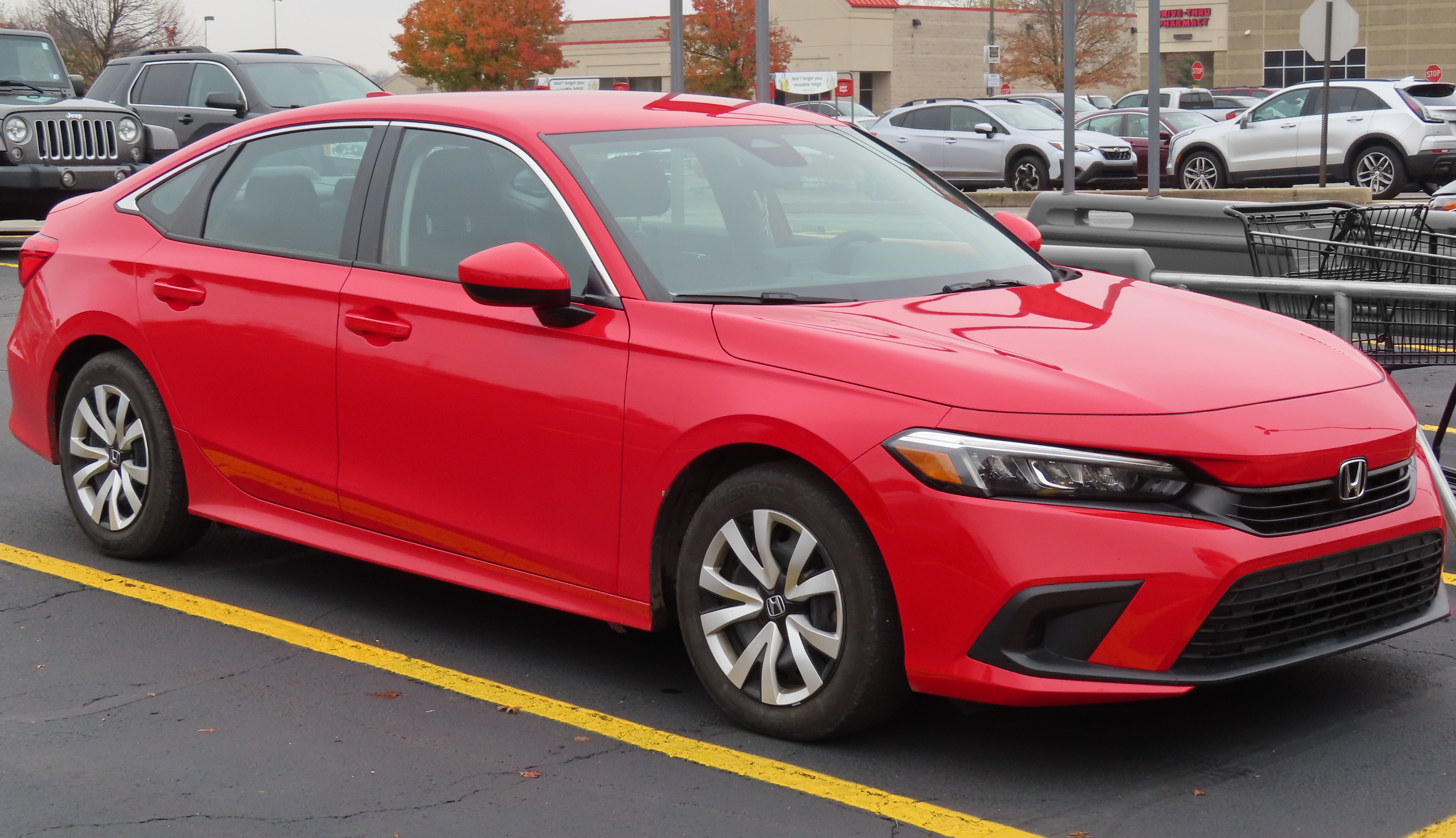
Car
Honda Civic

Car
Lancia Delta


Car
Ford Ranger
LIVE
Speaker 1: Hey, everybody, thanks for joining us on autuline after hours.
You just saw we have a new sponsor, alex Partners.
Really good news for us here. But hello, mister Gary,
are you doing, John doing well?
Speaker 2: You do?
Speaker 3: Absolutely absolutely, We're here.
Speaker 1: And live and kicking. We got Bigelow from Automotive News
with us, who's just come off a vacation from Hawaiian.
Doesn't know anything, and we're going to teach him all he needs to know.
Speaker 2: It's amazing how much you miss uh when you skip out of town to it.
Speaker 1: So, Gary, where should we start?
Speaker 3: We got a lot of time, so we can't not start at the biggest news of the week, the announcement of Ford this week in Louisville, Kentucky, the Universal EV platform and the universal production platform to build the Universal EV Right. So what do you make of it? John?
Speaker 1: I think it's bold. I think it's gutsy. I think
it's a big risk. I think they could fall flat
on their face and burn through five billion dollars like that.
And I also think that the bigger risk was not doing it. I mean, these legacy auto makers have got
to figure out how to make a profit on electric vehicles, especially with all the incentives going away, or at least incentives to buy them. It's up to the car companies
now to figure out what do we do here and at the same time not to sell more evs and be profitable at them, be able to compete almost toe to toe with the Chinese. And I think Ford gets
very close to doing that.
Speaker 3: Pete, what do you think?
Speaker 4: Much like John, I thought what was unsaid was that there's a greater risk in not doing anything and staying still than there is an ultimately going forward with a risky plan. But they couldn't stand still. I thought they
had to answer the Chinese competition in some way and start preparing for that. Eventually, Boy that the Chinese vehicles
will be here in America, and they're the first to really kind of put forward a comprehensive plan among the domestics to do that.
Speaker 1: Okay, you got the points, Gary, Let's hear the counterpoint.
Speaker 3: So, I you know, God bless both of you. You're
both wrong. So okay. So basically, if if they are
allegedly swinging for the fences, as it were, in any regard to this thing, let's let's put the vehicle to the side, because there is so little information about this vehicle.
It's it's you know, it's ridiculous. I mean I see
our journalistic colleagues, you know, talking about the oh it's going to cost thirty thousand dollars. Okay, I will check.
When the lightning came out the first Ford Electric pickup, it was priced at thirty nine thousand, nine hundred and seventy four dollars.
Speaker 1: Well, that was an announcement.
Speaker 3: I don't know if no, no, no, it actually it actually then and then in the second year there was a thirty seven percent price increase and it went to forty nine, nine hundred and ninety five thouars. And that is for
the entry professional model that you had to be a contractor to get. So this this thirty that's nonsense, that's
just so we'll put that to the side.
Speaker 2: Okay.
Speaker 3: So then I started thinking, okay, so the universal production system that they they have devised, So I got to think, hmm, because they kept talking about how it looked like a tree. Right,
So basically you have a line going on, do you have two branches to the side, and so they're going to build one, you know, one third here, one third here, one third here, and then bring the thirds together, and so I started thinking, hmm, do you remember the smart plant that was built in Hambach, France.
Speaker 1: Yeah, and it was shaped like cross.
Speaker 3: Okay, and they did it one better. I would say
they did it like a hundred better. Rather than having
their people basically make everything, is that they had suppliers bring everything in. So you had Magna doing the chassis,
you had Siemens doing the entire cockpit, you had Tissing Krupp doing the propulsion unit. You had cont bringing entire sets.
They'd come to the cross. They put him in boom. Okay,
that was revolutionary. Oh but wait, there's more.
Speaker 1: Now if you continue while I put rounds in my chamber.
All right, fire about now.
Speaker 3: I don't know if if you've ever met him, but I know that John has our our friend, the late Mark Hogan. And Mark Hogan he worked at General Motors
and he had been at NUMI and then he was like an expert on lean manufacturing. The guy was, you know,
Toyota like you so much. But and in fact he
got on the board of Toyota. Did I mean?
Speaker 1: So this guy was foreigner ever to go on the board.
Speaker 2: Dude was a.
Speaker 3: Complete wizard when it came to lean manufacturing. So they
went down to Brazil and they had the Blue McCaw project, and this was to revolutionize manufacturing. Again, what did they do.
They depended largely on suppliers bringing in the goods and were able to make cost effective vehicles with very little line side inventory or anything like that. Okay, and this
goes back to like nineteen ninety Okay, Then there was the General Motors Yellowstone Project, which was going to do it here. Now, this was the plants are going to
be one third the size and require one third fewer workers than traditional GM plants would have a capacity from two hundred and fifteen two hundred and fifty thousand vehicles.
They were going to have supplier parks that were going to be right by the plant. There'd be fifteen key modules.
They'd all be brought together because this plant is smaller, and they were going to be using the latest technology in terms of you know, ergonomic tools and nut runners that were electrified and on and on and on, and it didn't work because Eideb didn't want that to happen.
So when I hear about this revolutionary manufacturing or to develop myself. If it goes back to nineteen ninety in
France by a company that was started by a watch manufacturer.
Not so sure you guys are thinking straight on this.
Speaker 1: Well, a couple of thoughts on that then, you know, I believe it was actually in Yaqui Lopez, after he left GM and went to Volkswagen, started this idea of having suppliers located right in the assembly plant. And I
went down to the plant in Brazil that in Yaqui launched for Volkswagen to build buses down there, and sure enough you had different suppliers that would do their thing, and as the vehicle came down the line, they'd put in their engine, or they'd put in their seats or wherever it happened to be. But fast forward to today
where you've got software defined vehicles and we're going to get into this later with PETE and zonal centralized compute, where automakers now want to write all the software for these components, not rely on the software suppliers have written.
Because if you want to do over the year updates and be able to update just about anything in the vehicle, you need these zonal centralized compute systems. So suppliers are
sort of being marginalized by this new technology right now. Also,
Tesla has kind of shown, and now others have followed, like byd and others in China, that vertical integration makes a lot of sense in a lot of areas. And
if you can build this stuff in house, you don't have to pay the supplier margin for it. Now you
do have to pay the upfront capital cost of doing it, but you capture all the profit margin all of it.
You don't have to share that with suppliers. And so
I would say what might have made sense in nineteen ninety doesn't make as much sense today. And you know,
if you look at what Ford's doing. Look, you got
two top Tesla guys running this program. Doug Field, who's
overseeing everything at Ford that's got to do with EVS and advanced product and you've got a guy named Alan Clark that's running the whole Skuntworks program. When they were
at Tesla, Alan Clark reported to doug Field. Doug Field
reported directly to Elon Muff. So you got two Tesla
guys that really know what they're doing. They've taken all
their lessons learned at Tesla and said, hey, it's years later, we know how to make it better, and that's what they're applying here. And when you look at some of
the productivity that's coming out of this change, it's dramatic.
They're getting rid of six hundred people in that plant.
That's a superb of reduction in headcount. And the UAW
is going along with this, which is even more amazing because, like you said, Steve Okic, former UAW president, when Mark Hogan was trying to bring in this super ultra efficient thing.
And by the way, one of the reasons GM wanted suppliers to build all that stuff because suppliers pay their workers less than GM had to, and that's one of the reasons why Yoki che against it. You don't want
to see suppliers getting paid less, and he didn't want to see UAW jobs going away. Anyway, long story short,
Ford's getting rid of six hundred people and it's going to insource a lot more than it's done before. They
wouldn't say what they're going to insource, but I'm guessing instrument panel that would make a lot of sense. So
much componentry goes into the instrument panel seats. Why not
make seats like Tesla does in house wouldn't surprise me at all. Did a couple of Tesla guys say, let's
make seats in house.
Speaker 3: So well, Ford used to make seats.
Speaker 1: They did until you know, UAW wages got crazy and then they realized that it was better to pay suppliers to buy the stuff. But what I'm getting at is,
I think what Ford's got here is a real shot at being able to have electric car electric vehicles in that plant that are going to be profitable, not year one, maybe operationally profitable. But I mean, look, they're saying it's
a five billion dollar investment with the battery plant and the assembly plant. It's going to take a long time
to pay off that investment. So Pete, what do you.
Speaker 3: Think before I tell them why he's wrong.
Speaker 5: Yeah, well, along similar lines, I feel like twenty percent fewer parts, forty percent fewer workstations you mentioned.
Speaker 1: This is about that forty fewer work That's incredible, that's a that's a staggering Still.
Speaker 2: I was a little curious.
Speaker 4: Ford said that the size of the plant is actually like physically going to grow, and I would think with the fewer workstations they would have an opportunity to shrink the size of the plants or shrink the size that they're using now. But if you think about the future
when you're building greenfield, if you're going to suddenly be building smaller factories somewhere down the line, I see the prospect of cutting billions out of those capital costs as well.
This is the first real iteration, you know.
Speaker 1: And we'll get into this too. I'm sure you know
Ford's talking about unicastings. They're not as big as the
giga castings. They're unit caastings. Are they going to cast
those in the plant? And I think the plant footprint
growing in size speaks to the amount I'm guessing because they didn't divulge, that speaks to the fact that they're going to insource a lot more work. That's okay, Gary,
tell us work.
Speaker 3: So to your point, Okay, if we go back to those Yellowstone plants, one third the size, right, so this means one third less energy to power the plant, right, And we know energy is become increasingly expensive thanks to all those evs that are not going to be on their own data centers. Okay, So basically it seems to
me that this is is not a revolution in process as much as it is clever design of what is being produced. Okay, so they're talking about, you know, again
going back to the you know, the front, the middle, in the rear end, okay, and making it in such a way that you can make internal combustion engine powered vehicles that way. Okay, You're not going to be able
to suddenly say, okay, we're gonna have engine decking somewhere that's going to be in this thing.
Speaker 1: You could do this, absolutely, I don't see why not.
Speaker 3: But I don't see it happy. I don't think it's
possible because there'd be such profound variation from the way that this thing is probably going to be set up.
But again, I get back to the whole notion of this design of the vehicle is the clever bit. But
then I wonder, you know, if we keep talking about.
Speaker 5: I think the manufacturing is the clever bit. Actually more so,
I just don't see if they can achieve those.
Speaker 1: Those I think both go together. They co developed the
vehicle and the process simultaneously, so they brought in manufacturing people from Dearborn to work on this, for example, and then they floated other people in and out of the program on an as needed basis. But I think this
is dramatic different. They're gonna gut that plant.
Speaker 2: You're not going to.
Speaker 1: See long assembly lines running like you do in the plant.
Right now today they're breaking the car into three modules front, center, rear.
And I don't see why you can't do an internal combustion.
I mean, instead of a gas tank, you got a battery or vice versa.
Speaker 4: Instead of an electric motor, you gotmbustion.
Speaker 3: Except for the battery is the floor of this vehicle, and so the fuel tank is not going to be a floor of the vehicle.
Speaker 1: Doesn't matter you you just put a floor in instead of a battery pack.
Speaker 2: I don't know. I would tend to agree with Gary.
Speaker 4: I think that I think it'd be hard to do with with an ice engine because you can't quite lego it all together in the same right, straightforward way.
Speaker 3: So here's here's the question though. That okay, So the
aforementioned lightning, how well is it selling?
Speaker 1: Not?
Speaker 3: Okay? So here they are five billion dollars or vehicles
that are not selling very well. So why why is this?
Why is this a good investment? Why aren't they you know,
why aren't they putting more money PEP? Why are they
not putting more money into the Kentucky Truck plant, which is down the road from the Louisville assembly plant where they're building profitable Ford Expeditions and Lincoln Navigated because.
Speaker 1: I'll tell you why, none of the legacies are going to put much money into their rice products. They are
going to milk this for all the profit they can get for as long as they can. And so if
you're selling Kentucky truck trucks with wapping big profits, what do you need to invest for your more wapping profit?
Speaker 3: Build more?
Speaker 4: What I think is interesting and kind of disquieting to think about here is that you can buy a Maverick hybrid today for the base model is twenty eight and forty five dollars. So if I can get that today
and get, you know, achieve forty miles per gallon, what am I waiting a couple of years for to get to pay a little bit more for a product that I now have to have to plug into the wall and charge. And how those sales go together or don't,
or cannibalize or complement is at best a very big question.
Speaker 1: Yeah it is, And you know, and that's a really good point. But I believe this plant is going to
make a lot more than that truck. So they wouldn't
invulge exactly, but they hinted at a lot of things.
So they're talking about a small CUV, small crossover, medium sized crossover, a three row crossover, and a van looks like a cargo van looks like it could be a passenger van too, so and they're going to have mega reuse of all the componentry. What they said is there's
going to be minimal top hat modification to get these variants of models. So if you look at it that way,
even if it's just let's say four miles, instead of having to sell two hundred thousand little electric pickups, oh maybe now you only have to sell twenty thirty thousand of each one of those models to fill the truck.
And that strategy makes a lot of sense to me.
Speaker 3: So we've seen so far through July, EV sales going down in the United States. This is despite, as we've
talked about the show many times, that more people who are interested in evs are grabbing them while they can before the seventy five hundred dollars goes away. So despite that,
despite the fact that people are treating this like you know, Black Friday at Best Buy, you know, trying to ah, I got to get it. Sales are going down, So
why is it that this is going to be a successful thing in twenty seven when perhaps people will be used to having their forty miles per gallon from their their Ford Maverick pay up truck, or they're you know, fifty five miles per gallon from a civic hybrid.
Speaker 1: Yeah. Look, there's a big chunk of the market. By
the market research studies of which we've had people on the show talking about that, there's a big chunk of the car buying public that is very interested in buying an EV but the price isn't right, or the model that they want isn't right, or the brand that they love that doesn't do it, and they want to see more charging stations, and once those boxes get checked off, they're going to go, I'm ready, I want to try it.
The other thing, too, is and I think what Ford's looking at is not necessarily they're not looking at us.
They're looking at a much younger generation that does care about the environment, is concerned about driving an electric car, want to do their part, but the right vehicle hasn't been there for them and what they're trying to do.
I think, for it is what every automaker tries to do every time it's got a new generation. If you
can grab that generation and ride that wave, you can go for decades. I mean, the best example that I
can think of is in the seventies early seventies. Really
the Japanese attracted the love of the baby boom generation and has ridden that for thirty years. So I think
Ford's looking ahead and going, Okay, look, we got to we got to be able to compete with the Chinese.
We got to be able to go way faster. We're
not going to touch our ice products because we got to milk them for all the profits they can get.
So let's do it with electric. Let's bring in a
couple of Tesla guys. Let's figure out how to do
it even better than Tesla. And like I said, I
think the bigger risk was not doing it.
Speaker 3: Okay, So this competition with the Chinese, now, this is another thing that I don't understand. So you've driven the
byd Segull and how much did it cost?
Speaker 1: Was ten five hundred dollars when I drove it, And I think it's down to eight thousand, five hundred now.
Speaker 3: And how much is that Ford truck going to be?
Speaker 1: I know, but.
Speaker 3: Quite a delta there.
Speaker 1: Yeah, no, it's a big delta. And there's other things
going on in China that, for example, it looks like the cost of capital for them is nothing. They can
get any money that they want. As we know, almost
all the Chinese car companies are losing money, so they're not making money all right.
Speaker 3: But we got to stipulate that there's like so many Chinese car companies that if we made a list, it wouldn't even fit on this wall. That's right, so.
Speaker 4: Well into three figures.
Speaker 2: Yeah, so there's.
Speaker 1: Only a handful that make money also the Chinese, and in fact, Richard Drewett wrote a good article in Automotive News this week about it, though I've written about it before too. Massive arts sharing amongst all Chinese automakers. They
all use the same windshield, WI motor, they all use you know, fill in the blank. They just buy the
same you know. The Chinese government there's some agency has
written specifications for all kinds of parts that the customer could care less about. The Chinese all buy the same thing.
Speaker 4: It's like the Chinese Red Confessions of a Capital Junkie from Sergio MARCIONI. Yeah right, they took the ball and
ran with that, exactly, exactly.
Speaker 3: Exactly right.
Speaker 1: And you know, and Richard in his article called for that.
You know, the Detroit three ought to get together and say why don't we commodize stuff? I mean I made
a whole list of things. You know, one great exactly
tire pressure monitor systems. You know, every wheel entire on
a car has got a tire pressure monitored, so the same thing, it does the same thing. Every auto maker
has a different one. Oh no, no, they got to have
their design. I mentioned windshield wipers, door hinges, the fuel
filler opening on for your your gas tank to you know, where you put the nozzle in it, the gas stage.
There's so many things that could be commonized without without even thinking about it, but they don't do it. In fact,
I heard that fuel filter filler.
Speaker 3: Guy, and that was your job. You don't want to commonize.
Speaker 1: You don't want to hear about that that that's exactly right.
But I remember talking with one of the companies in town here and they said, yeah, we were designing a whole new front suspension for one of the autumn makers, and we said, you got a front suspension that will work.
Why you're redesigning it? He said, well, we got the budget,
we're doing it. And that was the logic. We got
the budget, we're going to spend it.
Speaker 4: Well there, you know, the procurement departments are all kind of locked in on specific products here, whereas talking with care Soft earlier this year is the Chinese automakers have gotten together and you know, figured out how they can fuse parts together, use fewer parts, acquire fewer parts. Uh,
that's that the American automakers just don't do. It's like
your windshield washer fluid tub has to be you know here, and certain hoses have to go around it. And the
Chinese to figure out how to bring all that together rather than acquire AB and C separately.
Speaker 3: Right, So okay, but let's get back to this this thirty thousand dollars versus something that.
Speaker 1: Isn't thirty five so thirty you know, remember when GM said the Equinox was going to be thirty thousand dollars and now I think it starts at thirty two or thirty three thousand. That's probably what you're going to see.
Happen here Ford's probably closer to the thirty thousand than to the thirty two or thirty three thousand. What I
do think you'll see is all of these vehicles will be under forty thousand dollars out the door, out the door at the dealership for under forty grand, because they mentioned that several times the market for under forty thousand dollars is very underserved. So that's what I picked up on.
These vehicles are going to be in the thirty thousand dollars.
One of them will have a base price very very very close to thirty grand. But that's what it'll come
out at.
Speaker 3: But it isn't China competitive. And see, I think part
of the problem is is that you know you were mentioning earlier, you know, the Japanese when they came to this market and they resonated with people because what they were offering and the size and the price and so on, that if the rumor were to become true, and if BYD were to build a factory in the US, and if that factory were down south, and if they had low cost labor, and if they were able to put out a vehicle with a lot of damn ifs there. Yeah,
but I'm guessing they would be closer to let's say, twenty two thousand dollars for something comparable.
Speaker 1: I think.
Speaker 3: So Pete is shaking his head for all of you are listening to this, know that I have someone agreeing with me, Well, I do.
Speaker 4: I think it'll be closer to twenty and maybe you know twenty three.
Speaker 1: I mean, you're gonna buy American steel because otherwise you're paying tariffs on ever. You're gonna buy American aluminum otherwise
you're paying tariffs. You're not going to import parts from China.
You're gonna pay tariffs on that. So you got to
buy all the stuff in the US, and you got to pay American workers. I don't see how the Chinese,
even in America, get cheaper than what Ford's doing.
Speaker 3: I okay, if if we were to take and I'm just guessing here, if we were to take a look at the cost of producing a vehicle by Hyundai in its metaplant in South Carolina, where somehow they're able to afford to be able to produce a three row electric suv that Ford can't produce, and they're using all of the above.
Speaker 1: And the price of that again is seventy seven thousand.
Speaker 3: That's that's when you're when you're at a high trim level.
Speaker 1: Okay, so seventy thousand dollars, I mean it's seventy grand out the door. And also Hundai has been importing a
lot of componentry from Korea, essentially terra free them. Days
is over. And I don't mean to break Hondai. I
think they do a terrific job. All I'm saying is
that I think Ford is really onto something here. In fact,
I think it's going to force every other single legacy automaker to go, holy crap. Just like if you want
to go back to nineteen thirteen and Ford started the moving assembly line, every other automaker in the world went, holy crap, we got to do that too, and they did.
And I think the same thing's going to happen again.
And here's why I'm saying. The moving assembly line is
terribly inefficient. It's up to thirty percent inefficient. And there's
a lot of reasons, but I'll explain one thing. You're walking.
You're a line worker, right, and the cars coming down the line, and you've got a workstation and as it comes down you're walking alongside it and you're putting parts on it. When you get to the end of your
work station, now you got to walk back and that's all completely none value added time. And so you have
thousands of people in the plant working eight hours, you know, every single station, all this waste, it adds up to about thirty percent. This is why by breaking these things
into modules, Ford was able to take forty percent of the workstations out. And that's how you make up for
the inefficiency of the moving assembly line. You just add
more workstations and more workers and it's been click them out.
Speaker 3: Really, so how is this different than what they're doing the Smart plant, where basically they were coming in with complete modules boom.
Speaker 1: No, it's very much similar along those lines. So if
anybody copied what Smart did and look at Smart, I mean it's been a complete and total flop eye. It's
never made a penny in its total existence.
Speaker 3: But now it's owned by Jili, so I think it might.
Speaker 1: Be well Julie, Yeah, well, Julie's not doing it in France or they moved it to China. They m to
China and they're they're not doing the cross well.
Speaker 3: But my point being that modular assembly is no wizardry that no one has ever.
Speaker 1: Thought of the assembly line when you go back, because that was.
Speaker 3: Taken from the meat processing industry, so.
Speaker 1: A slaughterhouse, right so, and the grain mills.
Speaker 3: So that's where that came from. But I'm just saying
that in terms of automotive manufacturing automotive technology, this ain't new, okay.
And to your point earlier, the unicastings are basically a variation on the mega castings. How long has has Tesla
been using these? Five years?
Speaker 4: Yeah?
Speaker 1: Right, Well again you got a couple of Tesla guys in there and go, hey, we can get rid of it.
Speaker 3: But I'm just saying again, this is this is this is this is this is iterative. This is not revolutionary.
Speaker 4: Thirty thousand foot view. I've kind of been thinking a
lot about this lately. Everything old is new again, it
always seems that way. I wrote about this a little
bit on Substack this week. You know, there's this Regent
seaglider craft that they're doing, a hydrofoiling plane vessel I should say that that flies in ground effect and they're doing both commercial and military applications. They talked about it
at Reindustrialized.
Speaker 1: Is this for water or for water.
Speaker 4: Yes, So in Detroit they were unveiling it reindustrialized about a month ago.
Speaker 2: And I wrote a little bit about them.
Speaker 4: A few weeks ago, and someone emailed me and was like, hey, the US Navy or US Maritime Administration was doing these hydrofoiling tests back in the fifties and sixties and sent a whole bunch of clippings. And you know, same general
concept that's been updated. And there's so many examples of
you know, autonomous vehicles. You know General Motors was pitching
them at Futuramen nineteen thirty nine. There's a guy named
Francis Houdina who was pioneering the race radio controlled car in nineteen twenty five. So everything we think of is
next generation technology.
Speaker 2: Here.
Speaker 4: I always find these examples that, right, that go back to post World War drones in World War two or.
Speaker 2: Et cetera, Like this is all this is all iterative.
Speaker 1: The V one was the first drone ever, right, so that goes way back. There are no new ideas in
the world. Every knowledge built on top of something else
that was there. So when Ford comes out with a
plant that has got a gut, it got to put in something that has forty percent fewer workstations and gets rid of six hundred people in the plant. I think
that's revolution.
Speaker 3: Okay, So do you think that as as we get closer and closer to the reality of this situation, that the UAW is still going to be happy about losing six hundred people.
Speaker 1: No. I can't believe they're happy one iota. No.
Speaker 3: But I mean what I'm saying is that now it's just like, yeah, that's that's that's a long time from now. Well, well,
content bridge we come to it.
Speaker 4: If it's through attrition that they lose those six hundred people and then they're thinking, well we save these two thousand or so others, then that maybe that's where where their eye is on the prize. Like nobody's losing a
job today.
Speaker 1: There, No one will get laid off because of this right, they will either retire or you know, you got the Kentucky truck plant right down the road. They can transfer there.
Speaker 3: They made it bigger, they could sell more expeditions.
Speaker 1: And there they are going to sell more expeditions.
Speaker 3: They make a lot more money.
Speaker 4: They look.
Speaker 1: Ford has been constrained with you know, uh zev credits having to buy them and stuff like that. They've had
to limit the sale of expeditions and navigators and full size pickups in certain times, and you know, they look at we're gonna have to pay these fines or buy those credits. Now that's all gone.
Speaker 3: Okay, So let me raise another point. This is from
our friend Lindsay Brooke, who we had on the show last month. Yeah, and so this is Lindsay was suggesting,
and he is a Ford owner, owns a Maverick. I
should point that out. And he said, so, here's Ford
talking about a new product with a new process in a new plant, and that he recalls that manufacturing expert Jim Harber once said that is a recipe for complete and utter failure. And Lindsey layered on top of that observation,
the multitudinous recalls that Ford his head this year. The
question that he raises is, g if they can't do a good job in building ice vehicles and they're going to be doing all this new stuff, what's the likelihood of success?
Speaker 1: No, a good, great question, and maybe we should take a quick commercial break and come back to that. So, yeah,
we're going to give a shout out to our brand new sponsor Alex Partners.
Speaker 6: The automotive and industrial sectors are undergoing a historic transformation electrification, digitalization, supply chain reinvention, regulatory shifts. The pace is accelerating and
the pressure to adapt is real. This is not a
time for hesitation. It's a time for bold decisions backed
by fast, effective execution. You need a partner who understands
complexity from factory floors to boardrooms and delivers measurable results.
That partner is Alex Partners when it really matters.
Speaker 4: Okay, we're back.
Speaker 1: We're making some changes here. And you had been talking
Gary about Lindsey Brooke saying, wait a minute, you know, all new product, all new process, recipe for disaster, and that was what Jim Harbor always saying, and he's right, he's absolutely right. But this isn't something that you can
piece meal. I mean, it's all or nothing in this.
It's not something that you can say, well, we'll build a new plant and use existing product and existing machinery.
This is going to be all new and as far as Ford's recalls and the other warranty work goes, I believe it's a systemic problem inside the company. This is
my own personal view. I believe it's got to do
with all the silos within the organization. You know, you've
got an engineering silo, of manufacturing silo, of purchasing silo.
Even within engineering, you have different silos. I think it's
a breakdown between those groups interfacing. And I think the
new setup that Ford's got with the skunk Works in California doesn't use that system at all.
Speaker 3: So you don't think that this new vehicle is going to have bolts that are going to be used, and that perhaps those bolts might have a tendency to fracture like this most recent recall. I mean, the skunk Works
is not going to get down to the level of saying this is these are the bolts we're going to purchase from this company. They're going to but.
Speaker 1: Did purchasing golf all of these are these bolts are a whole lot cheaper. Let's buy those cheap bolts. That's
really And you know, I'm talking like Sandy Monroe, because Sandy makes that point all around all the time. Just
because you've got the cheapest parts does not mean you have the lowest cost.
Speaker 4: And I think that, uh, you know, if I was going to counter Lindsey in some way like things are not going great right now, Like maybe this is the perfect time for a fundamental rethink and change and rather than try to make these incremental improvements that that don't move the needle over time, that that's starting with a fresh platform is not going to be any worse than where they are today in terms of the recalls and quality control problems.
Speaker 3: So what if they what if instead of a five billion dollar program, they said, let's do it a two and a half billion dollar program, and we'll do this whole new thing, but we'll do it on smaller scale, and we'll do the same thing in terms of the battery plant that they're building in Marshall. Yeah, Well, the
problem is they had this Louisville plant, and you know, they don't have a smaller plant to put it in, not in the US, and they went with a plant that looked like the perfect timing the FOURD escape and uh there the Lincoln course Ara comes to the end of their life. It's like, hey, you know we're going
to have to take those plant, those products out of the plant anyway, why don't we use that plant for it?
Speaker 4: It's coo for Louisville, right, It's a huge.
Speaker 1: Also, remember the five billion, three billion is the battery plant.
Two billion is the plant the assembly plant, which is a lot of money. And I questioned them on it.
I was like, man, two billion dollars is a lot to put into an existing plant, and they said, yeah, but when you take into account that we're going to have multiple models in there now, the investment becomes a lot more reasonable.
Speaker 3: They have multiple models in there right now. Two two.
Speaker 4: Yeah, but they would talk going six to eight models. Uh,
and and the crossovers, you know. Back to that, I'm
a little perplexed why they didn't start with a crossover instead, and I liketed to go with the pickup. But yeah,
six to eight models, as were though.
Speaker 1: They're they're uh, you know. One of the things they
talked about is they think they've got a sweet spot.
They're bragging that this truck will have the interior space of a Toyota RAV four plus a front.
Speaker 3: Okay, let me that that is also one of the most absurd things I've ever heard in my life. Okay,
have either of you two ever heard Toyota bragging on the interior volume of a RAV four.
Speaker 1: I'll bet they have.
Speaker 3: I bet they haven't okay, And I mean it's just like, why did you pick on that? Why pick on that?
I mean, it just it makes no sense at all if it were a vehicle that that basically said, you know, oh, it's the roomiest in its class or Toyd.
Speaker 1: Has never said that, right, But I think what they're getting at, and this comes back to the Maverick argument, it's going to have more interior room than Maverick or any other small truck, and you're going to have this bed.
You know. Jim Bomback, who runs their advanced program, said,
you know, crossovers just aren't good for some jobs. He says,
you don't want to throw mulch in the back of your crossover. And so that's what they're focusing on, is
a very practical vehicle that can meet commercial and retail need.
Speaker 3: And I go back to Pete's Maverick, which is exactly what their argument is for the existence of that.
Speaker 1: What do you think they had these arguments within Ford?
Of course they did.
Speaker 4: Do you think over time the Ranger, Maverick, and new EV truck are all options?
Speaker 1: Do they all well want do they all hear anything that they were asked was does this platform dominate an nice engine, the new one and the new the new one, and they said, well, this is an electric truck and I was like, yeah, but you know, Scout started off that way. They say, now are e rev? Could you
do an E REV? And Doug Field gave some very
vague answer that led me to believe it could take a nice engine if they had to go that way.
Speaker 4: Do you hear much about Scout? No, no, short answer, no, No.
Speaker 3: I was just I was just curious whether you know that they seem to now be sort of like lost in the weeds somewhere that you know. So the discussion is,
you know, we talked at length last week about Slate.
We didn't talk about them today.
Speaker 1: Yeah, well this is uh, Slate does not want to hear about this foreign pickup. I'm sure this is the
last thing they want to hear that a major automaker is going to have a small electric pickup, not stripped down, that is going to be awfully cost competitive with them.
Speaker 4: Don't you think though, that Slate had to assume eventually someone.
They can't assume that they're going to have a market all to themselves, right. I feel like this was built
into their plan at some point and now Ford here is first up to the plate to be the Slate competitor if such a thing exists for a you know, rightful we haven't seen in production yet, but totally right.
Speaker 1: So Slate knew that this was coming. But my guess
is the Slate program probably the Slate program and the Ford program sort of got going around the same time, but very hush, very under the radar, and probably about the time that Slate heard what Ford was doing. And
when Ford heard what Slate was doing, they were like crap.
Speaker 3: You know, So what do you guys think of the possibility of General Motors buying Slate?
Speaker 1: Why not?
Speaker 4: But I mean, what's the So.
Speaker 1: I love what you're bringing up here, Gary, So how is GM going to react to this?
Speaker 3: Maybe they'll buy Slate.
Speaker 4: I mean it's interesting to think about it because I feel like Slate has a potential line on delivery applications, like likewise, for you know, you can use the you talked about the van that they might build eventually, so that the commercial sales aspects for both of these I think are are perhaps underappreciated today when we're talking about like, you know, what will consumers want? And I Slate with
its Amazon underpinnings. You know, I see clear delivery potential
with whole foods or any number of other other ways that they might be used, and you know that would be one aspect to consider GM sale or not.
Speaker 3: So so. Speaking of General Motors which left Cruise Automation
it's autonomous technology company, and said this isn't working out so well. We're not going to make all those billions
of dollars we thought we were going to be making by twenty thirty, and we're going to concentrate more on our super crews, which has been well received across the board.
And then this past May they hired a guy named Stirling Anderson who worked at Aurora, which is one of the leading commercial autonomous technology companies that has semis running I think between Dallas and Houston or something like that down in Texas. And suddenly this week Stirling Anderson gets
mentioned again and General Motors talks about getting back into the game of autonomous driving for personal retail custom retails. Pete,
what's going on? You cover autonomy more than we do.
Speaker 4: It's very interesting, you know, Mary Barrow, I think for every quarterly conference call that they've had in the last year, or so maybe last four or five calls has laid out like we have this vision of personally owned autonomous vehicles that's still on our horizon, and suddenly that starts to seem like it might happen sooner than we think.
And you know, there's an integration about of Super Crews plus remnants of the Cruse team and technology. How they
fuse those things together. I think it's very interesting because,
as you mentioned, Super Crews has been well received, CRUZ has had well documented problems. So I do worry a
little bit that trying to bring these two things together maybe they you know, dilute the good product that they currently have. But you know, it is interesting. I think
what they mean by autonomous, you know, personally owned autonomous vehicle, I think is still very vague. Like are they talking
about a level four self driving vehicle that requires no human involvement from from driveway to parking spot? Like that's
very different than a lot of the highway assists that are that are growing more sophisticated. Clearly, I think.
Speaker 1: It'll be steps, it will be step my guess is the next step. Because they've talked about hands off, eyes off, well,
that's level three and uh on you know clearly on mapped areas. Oh okay, what.
Speaker 4: I would not necessarily and this gets into really nerdy weeds, not necessarily say that level three and hands off eyes off are interchangeable.
Speaker 1: They can be okay, but but they plus plus plus well you can get back to get into calling things level three. There's a whole new regulatory missmash that you
got to go through.
Speaker 2: There is I mean, then you're at level three.
Speaker 4: You're saying, I automaker assume liability for any crash that may happen when this system is active. And that's why
everybody has gone to level two plus plus plus instead of saying, we're crossing this chasm into level three. So
what would level four?
Speaker 3: I mean, it wouldn't level four. We have the same
liability for the it would manufacturer.
Speaker 4: But they're very different because I think level three is a is a graduated step along the lines that we're going to go from a driver assist system to now a driver's SYS system that's growing more sophisticated, that still supports a human driver. Level three still requires, in fact,
a human driver who at the wheel must take over, a licensed human driver that must take over should the system ask and that's very different to me then level four, where we say.
Speaker 1: Get in the backseat and take a nap.
Speaker 4: There's no role for you human, right, Yes?
Speaker 3: I like when you said you know that you have to have a licensed human driver. I was sinking, like,
what's the alternative a GYMP?
Speaker 4: You never know these dayas, but you know through level three you need to license human behind the wheel. And
level three kind of gets cloudy as too. Yes, automation
is now considered a driver in certain scenarios, but that's very different than level four, where we say humans have no role whatsoever. It's the machine driving all the time.
Speaker 1: So Pete, what do you think about robotaxi retail sales?
You know you got Weimo expanding like crazy. Uh in China,
you've got pony Ai and what's the other one I'm blanking out I do and uh, you know going crazy?
Uh an expansion. Uh, they're going. The Middle East seemingly
wants to be the place where all these robotaxis end up.
They're very welcoming to them. We just got to report,
uh today that Tesla is looking for drivers to test its system in New York City. And yet you had
GM go no, we're not going to do robotaxis after they poured billions into it. How do you read this,
you know, the robotaxi versus retail for autonomy.
Speaker 4: You know. I do wonder if there's some folks at
General Motors who are saying, boy, we bailed on this at precisely.
Speaker 1: The wrong time, gave up too easy.
Speaker 4: Yes, because here we are in twenty twenty five, and I think autonomy and many forms and permutations is really starting to gain traction in both your robotaxi form.
Speaker 1: Garry gives me grief for it this, but I call twenty twenty five the year of the autonomous vehicle.
Speaker 2: I mean, I think.
Speaker 3: You're mid August, we're still waiting.
Speaker 2: Well, we're not still waiting though.
Speaker 4: Weimo has fifteen one hundred robotaxis deployed in Phoenix, La, San Francisco, Austin Atlanta. Now they're making plans elsewhere and
we're talking hundreds of cars in those cities and the San Francisco. Weimo is now the number two right hailing platform,
only behind Uber.
Speaker 2: It's surpassed Lifts, so Uber.
Speaker 1: Is partnering with Ramo in Atlanta.
Speaker 4: Was that number again, fifteen hundred fifteen hundred.
Speaker 3: It's a small So if we were to leave the studio walk one hundred feet over there, we'd stand at a ten mile and you can see that many in an instant vehicles. Well, no, non autonomous, but here you're
the AU autonomous vehicle.
Speaker 1: It's it's nineteen oh one and there's like a thousand horseless carriages on the road and you're standing there going, man, that's.
Speaker 3: Nothing, that's right.
Speaker 1: It's the old Thomas Edison line.
Speaker 3: What good is a baby?
Speaker 1: Baby can't do anything? Give a time?
Speaker 3: Well, but instead it's twenty twenty five and here we are.
Speaker 1: Well because I think we've we've we're at the inflection point of the hockey stay.
Speaker 3: So Pete, let me ask you, do you have any sense of how weaimo is doing economically?
Speaker 4: You know they report when Google you know files its you know, SEC disclosures quarterly it's other bets category where weymo is included in that, and I want to say in the last one, they're losing other bets is losing less money than it has before. You know, you could
start to do some math too, like weimo is now offering two hundred and fifty two hundred and fifty thousand rides a week autonomously, if you want to say, like, all right, there's an average of fifteen dollars a ride, you start to do some math and say that they're making real revenue. I don't want to say that they're
you know, making more revenue than expenses right now, because I think perhaps Waimo and others are finding out that to start up another city still requires a significant amount of capital. But I think that at the very least
where we did not see real revenue a year ago when it was more boy, we've got Phoenix going and maybe a little bit of San Francisco. Now i'd say
that that is a real business, that it's losing money.
That's losing money right now. But as they scale up
and continue that, I think that should change.
Speaker 3: So I better Otherwise this whole world's actually might one might make the argument that it isn't the year of something until something actually is making money.
Speaker 1: You know, I think you got to look at the rate of growth, and you know, look, Tesla lost money for a decade and then pull them. It turned the
corner and things took off. Now because of Elon getting
involved in politics, it's kind of fallen apart, although we did see something today that it was interesting. I'm sorry,
I'm getting a little sidetracked. Tesla sales in Norway were
up significantly. People there have they're shrugging off musks politics
and well what I look at the rate of growth and you can see this with pony Ai. They just
reported their first half earnings. The rate of growth is
really impressive, and that's what gets investor is excited, you know, because they can start extrapolating out and going, hold on, I'm jumping on the bandwagon now, and that's where I think we're at. It's time to jump on the bandwagon.
Speaker 4: And along with that, I would not be surprised if we saw weimo ipo at some point in the next twelve months.
Speaker 3: Yes, is that because Alphabet basically wants to say we're sort of done with this.
Speaker 1: No, they want to return. And that's how you know, Look,
that's the Silicon Valley way, right. You put all these
bets out and you know that ninety percent of them are going to fail, but the ones that hit, oh my god, they've become unicorns and you make yourself a fortune.
And so yeah, I don't think Waimo or Google is not going to want to continue to invest in waymo.
I want to make some return on the money.
Speaker 5: Now, I think that's fair after fifteen years of losing money.
Speaker 1: Yes, but you know, I'm I'm almost glad they've been sticking with it to lose money for that long. And
I agree with you. I think GM gave up a
little too quickly. You know, one of my big criticisms
of American capitalism is, you know, forth for most investors long term investment that means the end of the year.
You know, they don't have a long term horizon to get into this technology that takes a damn long time to.
Speaker 4: Develop, except with the exception of Tesla. Like Tesla is
given the longest runway of any company that that's publicly traded right now. And I think in some ways to
prove your point that we see the benefits of that in that they've gotten a long time to percolate and then pivot from EVS to AI and autonomy and that that's still an unsure thing.
Speaker 5: But the boy you start to see that they're ever closer to a real ROBOTAXI that that might be activated via OTA or you know, I feel like Tesla has.
Speaker 4: Gotten the rope and now on the cusp of making meaningful gains there.
Speaker 3: So what happens to car sales if robotaxis take off in a big way?
Speaker 5: Not much, I don't think. I don't think that they're
competitive necessarily.
Speaker 1: No.
Speaker 4: I think it's more what happens to ride hailing taxis.
Speaker 2: You know, you know.
Speaker 4: How many cars are like small urban grocery getters. I
think it's a tool to use in an urban setting much more. I think public transit probably takes a much
bigger hit than car sales.
Speaker 1: I think robotaxis will hurt car sales in the future, and especially not us.
Speaker 4: Right.
Speaker 1: I love to drive I don't need to take a robotaxi anywhere. But for younger people, especially those who may
have gone to college and have a bunch of debt, or they live in urban areas and they only want to pay for transportation when they need it. They don't
want this forty thousand dollars vehicle in their driveway or in their parking spot, depreciating all the time. They're going
to go, what do I need a car for? I'm
going to have these robotaxis that will take me anywhere, And so I think it's going to be a gradual process, but you bet I think it's going to take car sales away.
Speaker 3: So this is going to be very mean of me to say. So what I heard you described, John, With
those people that are going to buy that Ford electric truck.
Speaker 1: Or not buy it, maybe they're going to have to make anonymous versions. You know, you you pull out your
app and you have your Ford eving. Uh, you know,
a little truck coming get so so Pete.
Speaker 3: I mean you you covered when Ford decided that it wasn't going to have its its uh company with Volkswagen, that it was going to be developing autonomous technology. What
what what happened there with Argo many years ago?
Speaker 4: I think, uh, I think they were awaiting a third investor that was scheduled to join them and then backed away.
Speaker 1: Who do you think that was?
Speaker 4: I would suspect it was Amazon, but uh, you know, don't quote me on that. Yes, you know, and I
think that you know, waiting that that third major partner to share the CAW and that never materializing. Volkswagen's plans
around automation have always been ever shifting, and I think that they kind of backed out and that was.
Speaker 3: That So so Amazon it bought Zekes. Is that right?
Speaker 2: Amazon owns Zeus, But I.
Speaker 3: Mean, yeah, it was an existing company. Amazon bought it,
and it is.
Speaker 4: Also an investor in Aurora today on the trucking side.
And I would be very certain to say that Amazon also has other big bets in the autonomous space.
Speaker 3: So do you think that, Okay? I mean the Aurora
thing is, you know, you get those big Prime trucks driving around all the time, and so I'm sure that they would like some autonomy there. Zekes makes toaster shaped
vehicles smaller and they seem to be what was the name of that transport vehicle that that cruise was going to have the origin, right that, which looked like a toaster that they were developing with Honda. So that's another
big Amazon thing, right it is.
Speaker 4: Yes, And I'd be reticent if I did not mention that the Amazon also invests in plus on the trucking side of things. But to go back to the toaster
cars that are made by Zukes, very important development in the last two weeks. Actually, these Zukes toaster cars, if
that's what we want to call them, were not FMVSS compliant, and very recently they've gotten an exemption to start demonstration projects with their vehicles.
Speaker 3: That it was because they didn't have steering wheels.
Speaker 2: That was part of it.
Speaker 4: I think there were eight different ways in which the Zukes vehicle did not meet.
Speaker 1: Here's the real problem, and I'd love to get your input on this. They don't meet crash standards and the
exemption that they just got allows them to go on roads up to thirty five miles an hour. If I remember, yes,
heretofore in the United States, if you didn't have a vehicle that met crash standards, it was limited to twenty five mile an hour roads. So if you go to
some certain communities, you'll see people driving around on electric golf cars and perfectly legal as long as they're on twenty five mile an hour roads. What is going to
happen to Zekes It inevitably gets in an accident on a thirty five mile an hour road and somebody plows into it and everybody's killed inside there because it doesn't meet crash standards.
Speaker 4: Well, I think that's the risk that they're now taking, is that won't happen until or they're going to do these deployments that are small scale enough to limit their exposure.
But I think all these companies are essentially running a risk that they're not going to have the big accidents until autonomy is so established that they can withstand it.
Because let's not forget you mentioned crews. One accident they
went away Uber's program one fatal accident, and it was you know, oil shelved and sold. So I don't think
there's any self driving vehicle company right now that would be impervious to potentially being shut down by one bad fetal crash, right, So, I think that they're all hoping, statistically speaking, like they can keep their initial deployments so small that this accident doesn't happen.
Speaker 1: Or limit them to twenty five mile an hour speed limit roads. That's what I mean. If I was a
lawyer telling advising zeukes it stick to twenty five, maybe they will.
Speaker 4: Maybe the exemption covers up to thirty five, and maybe there's some street in Las Vegas where they're planning on going and they have to be like, all right, we have to get that to thirty three year, but maybe they're going to stick to twenty five.
Speaker 5: Like that'd be a great question for what do they really plan to do with it?
Speaker 1: People think twenty five thirty five miles an hour, no big deal, it's only ten miles an hour. The impact
it goes up exponentially with speed. So a thirty five
mile an hour impact is and I don't know the math off the top of my head, but it's significantly more than a twenty five mile an hour crash.
Speaker 3: Yeah, but it's interesting. You know, you were mentioning the
situation with crews and then the situation with Uber technologies, and you know, one crash for each and that pretty much took them out of the picture. And in both cases,
those were production vehicles that were being being used. And
if we have a situation like Zeus, which is a purpose built vehicle, isn't it isn't it even riskier for them to do it that way than it is for these companies saying, well, that meets all the crash specifications, and you know, people are driving these bolts all the time and it's not as big a problem.
Speaker 5: I don't think it's as big a problem because I think the problem those two particular crashes were there was pedestrians that got hurt, not so much the type of vehicle that did the hurting, other than autonomous technology, so if a toaster runs you over, it's you know, Zukes had a interesting, uh incident, so let's call it with a pedestrian a few months ago.
Speaker 4: I want to say it was early June where a scooter rider actually ran into the Zukes vehicle. So let's
call it not the fault of the Zukes vehicle initially, but the rider fell over in the road and they were laying there, and as they lay there, the Zukes vehicle then like very close to the you know, downed rider position that you know, moved out of the road.
It's very reminiscent of the Cruise crash where the cruise vehicle dragged the pedestrian, and boy, that was eye opening.
I hope that they've really examined learned from this incident if they didn't learn from the Cruise one the first time around. But you know, it's certainly curious that Zekes
has like more than thirty five hundred employees. They've been
around since twenty fourteen. Uh, you do wonder why they're
not more aggressively deploying yet. So I kind of start
to wonder, like is this company ready after all this efforts.
But I do think part of that is has been waiting to get this exemption where they could they can operate.
Speaker 3: They certainly have the funding.
Speaker 4: You would think bottomless funding, but you also think there's no company that you know has a complete blank check for an indefinite period of time. You do wonder what,
But internally they've been told as far as timelines are, you know, put up or shut up time.
Speaker 1: Yeah, we're at the top of the art. You got
another burning topic you want?
Speaker 4: It's just quickly asked you guys.
Speaker 3: So okay, so go back to the forward thing, new process, new product. You know, we said, okay, what does General
Motors do? What does Stilantis do?
Speaker 4: Oh?
Speaker 1: You know, they got a multiple bondfires elsewhere in the company that they've got to put out. I think obviously
they're going to study this. I'm sure there's a lot
of discussions going on at Stalantis, but man, they got so many other problems on their plate right now to say, hey, we're gonna pivot and do all this other kind of stuff. First,
they got to get their house in order.
Speaker 4: Yeah, I would I would agree with that, like limited funding to put out many different bonfires. You know, you
could look at the same scenario, would stalanthis be interested in buying slate, and don't forget that, Chris Barman, the Slate CEO, came out of FCA and stialanthis to to go do these slate projects. So there is a tie
there that would make some degree of sense if that's where Stalantis would choose to make, you know, a big bet right now. I don't necessarily see that, but they
need a small trunk.
Speaker 1: Yeah right now. I like your your your thinking, Gary,
I mean GM and Stalantis they got to be holding these discussions. Why don't I just go buy it? Boom,
We're done.
Speaker 4: We're there, just like the is there a lesson to be learned? Like, boy, we should have bought Tesla, you know,
fifteen years ago and they chose not to. Would someone
think through is slate a you know, a modern day Tesla where they could go scoop them up?
Speaker 1: All right?
Speaker 3: So one one more quick one? Okay? So if General
Motors or Stilantis buys slate, would they market it as slate by General Motors or would they just say it's a Chevy good or it's or it's a ram To be fair to Stilantis, I.
Speaker 4: Mean, I think slaatee has a lot of buzz right now, but they don't have a brand that the average consumer knows.
So I would think it would be just bring it in house.
Speaker 3: I would keep the name Slate, I would do call it the Chevrolet I wouldn't. I'd keep Chevy out of it.
I would do, I would, I would. I would position
it like Saturn.
Speaker 1: Where would you sell it? You can't do direct the
supplier or no.
Speaker 3: I mean maybe what you do is you is you have both Teaks in all of your stores, So you sell in Chevy stories, you sell in Buick stores, sell it in GMC stores. Maybe you sell in Cadillac stores
really gussied up. Maybe maybe you actually put power windows
in those.
Speaker 1: Yeah, like gold wraps.
Speaker 3: Yeah, but oh, I'd keep that.
Speaker 1: I would keep the name. I agree, I'd keep the name,
but I'd only put it in Chevrolet anyway.
Speaker 3: Cover my bets. Yeah, Okay, we're done, Pete.
Speaker 1: Thanks so much for coming on the show. Great for
having here. Gary. This has been a lot of fun. Yeah,
and we hope you all enjoyed it too.
About this episode
Ford's recent announcement of a Universal EV platform and production system has sparked a lively debate among automotive experts. The discussion centers around the risks and potential rewards of this bold move, especially in light of increasing competition from Chinese automakers. Guests analyze Ford's strategy to insource components and reduce production costs while questioning the viability of their pricing claims. The conversation also touches on the implications for the UAW and the future of electric vehicle manufacturing, highlighting the challenges and opportunities that lie ahead for legacy automakers.
Original notes
TOPIC: Ford's New Production System PANEL: Pete Bigelow, Automotive News; Gary Vasilash, shinymetalboxes.net; John McElroy, Autoline.tv
Autoline After Hours
Autoline
0:00
63:42