Annotations will appear as you listen
0:00
66:30

Car
Ford Mustang

Car
Chevrolet Camaro

Car
Mazda Miatas


Car
Subaru BRZ

Car
Toyota Gr86S

Car
Ferrari F40

Car
Honda Fit

Car
Ford Fiesta

Car
Porsche 917

Car
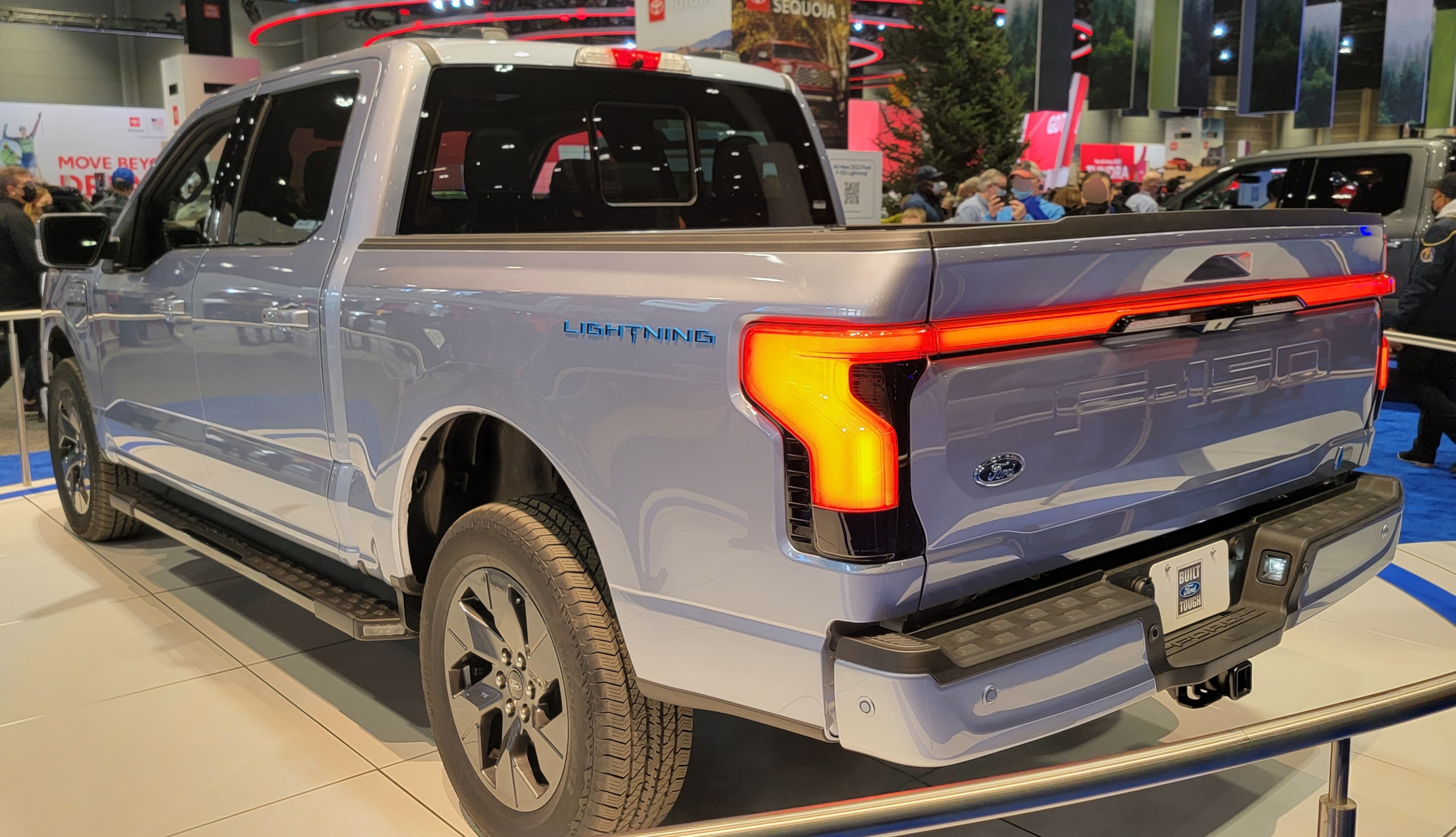
Ford Ranger

Car
Toyota Camry
LIVE
This May, the Elsinore Theatre celebrates 100 years of wonder, and you're invited from legendary performances to bold new acts.
We've been Salem's crown jewel for a century.
The Elsinore has attracted vast audiences and has reclaimed its rightful place as the cultural and artistic center of Salem,
bringing outstanding live entertainment to the community, creating lifelong memories.
Now, it's your turn to be part of the story.
Step inside and make your next night unforgettable.
Explore upcoming shows at ElsinoreTheatre.com.
AutoLine After Hours is brought to you by Bridgestone Tires, solutions for your journey.
For 100 years, Salem's Elsinore Theatre has been the stage for unforgettable nights, music that moves you,
comedy that makes you laugh until it hurts, performances that spark conversation.
The Elsinore has attracted vast audiences bringing outstanding live entertainment to the community and created lifelong memories.
Yours is next.
Step inside and make your own memory in a theater as beautiful as the experience itself.
See what's coming next at ElsinoreTheatre.com.
That's ElsinoreTheatre.com.
Hi, everybody. Thanks for joining us today.
We're doing a little bit of a different kind of show.
Number one, Gary Vasselash, my co-host, is on vacation for this week and next week as well.
And so I decided that, oh, and I also should say this is not a big news week.
No, not anything earth-shattering has happened today.
So we're going to get into one of my passions, which is driving fast and racing.
And maybe some of you have thought about doing the same sort of thing.
I think the show will wet your appetite.
We've got Frank Schwartz here. He's got his own company.
We'll get into those details called Grass Paddock.
And we've got Eric and I'm going to butcher the name.
Gucassian.
That's the Eric G is the most common way I'm referring to.
Eric Gucassian.
Who's got a company called Trackalicious?
And we're going to get into the details of that as well.
And then Sean's here. Sean's joining the show.
Not just doing Auto Line Daily, but also on Auto Line After Hours.
And you got a message for anybody that's watching right now.
Yeah, yeah. I've got a computer sitting in front of myself right now.
And I'm watching the live chat, watching the show.
So if you guys have any questions about anything we talk about today,
please throw it in the comments.
And I'll do my best to ask it to the folks here.
So and you guys should jump in anytime,
even if you have to get your elbows out in the discussion.
But I don't think we're going to run out of things to talk about here.
Frank, why don't I kick it off this way and start with you?
You know, a lot of people in the audience have got some cool cars,
fun to drive cars.
You know, whether it's Mustangs or Camaros or Corvettes or Miatas
or Porsches or GR86s or BRZs.
And I mean, the list goes on and on that I'll bet
maybe they've had a chance to open it up here or there.
They found an empty on ramp or an off ramp.
But what would your advice be to people who have got a car
and have never really had the chance to test themselves or their car?
Well, I started a long time ago.
I'm on the way to the beach with my girlfriend and I passed a parking lot
and cars were driving really fast in the parking lot.
And I'm like, who are these hooligans and what are they doing?
So I stopped and there was a fence there
and I'm standing at the fence watching and a guy came over
and started talking to me and he said, hey, you know,
this is interesting to you. You can do it yourself.
I'm like, I can do this. This is legal.
And he said, absolutely. So that's how I found out about autocrossing.
I just stumbled into it and I autocrossed for many years.
So autocrossing is a great way to get started
because generally the events are designed so that the speeds are low.
So there's a very low risk opportunity for damaging your car
or hurting anybody or anything.
And the second thing is, from a time perspective,
autocrosses tend to be one-day events.
And if you live in a reasonable size metro area,
there's probably an autocross available so they're local.
So you can get up in the morning, you can drive,
you can do the autocross during the course of the day,
you drive home. Time commitment's very low.
The fund quotient is very, very high
and the cost is low, typically $20 to $40 entry fee
covers insurance and your day.
And you get to explore the limits of the car
in a place that somebody has designed it
to allow you to explore the limits of the car.
So they put slaloms in, they put some curves,
they put some slower stuff, some faster stuff.
So it's this really great way to kind of explore
what your car is and what it can do.
And also who you are as a driver and your ability.
And it's funny that you asked that question
because right now the national championship of solo
autocrossing is happening in...
Lincoln, Nebraska. Right now as we speak, they're racing.
That's correct. And I went last year to the,
you know, after all of these years
and even though I spent a lot of my time racing cars
on a track now, I went back and participated
in the national championship last year
and just had an absolute blast.
And the cool thing is anybody can do it.
And this is, I think, a critical thing
that we have to talk about in the auto industry
is when I started, you know, my car had 60 horsepower.
The idea of 300 horsepower, that was a Ferrari F40
or something like that.
You can get a minivan with 300 horsepower now.
So, you know, you talk about all of these exciting cars.
The reality is even a Honda Fit or a Mini Cooper
or some of the smaller cars, for God's sakes,
a Focus or a Fiesta from Ford are very capable cars.
And you can really learn a lot on how to drive
and explore those limits as well.
You don't need a Mustang.
Yeah, that's right.
What got you into it, Eric?
Oh, that's actually a really interesting story.
So we started off, I used to work for SRT
at Fiat Chrysler back then.
And just a bunch of people said,
hey, let's go do a track day.
I had never done one before,
never had the opportunity to do one before.
I didn't grow up in Michigan.
And then just turned into, yeah, let's do it.
And then couldn't really line up to our schedule.
So we just rented the track out ourselves.
So just a bunch of people who are super passionate about cars
went in and did a track day ourselves.
And that turned into the next year was friends of friends
and friends of friends of friends.
And then it eventually turned into track delicious,
where that's the goal is just try and fuel
passionate people who want to come hang out at the racetrack.
So what do you guys think?
And I guess I'll go to you, Frank.
Go karting is another great way to get started, right?
And what's to start with that?
Go karting.
What do you think?
I don't have any personal experience in go karting
other than I used to do an industry event.
That's how Eric and I met actually.
Awesome.
So I used to rent go kart facilities
and I would bring all the car designers
and engineers from the different car companies together
to have a competition.
So Ford versus GM because I'm up that age
where Trans Am Racing in the late 60s
and the Porsche 917 in those cars
have a huge impact on my life.
Just watching it on magazines
because it wasn't even really broadcast back then.
So we just brought people together
and it's amazing how the camaraderie
that comes up when you have a shared passion.
It's something we kind of mentioned earlier.
Motor sports is the entertainment business, right?
It's competition is Disney
and vacations and Harleys and boats
and people doing things with their car.
This is what they're choosing to do
with their time and their money
instead of or in addition to some of those other things.
So go karts are a great way to get started
and we're both on the road racing side
but I've done some circle track racing.
So even oval track racing, dirt tracks
and pavement track are just wonderful opportunities
for people to kind of test what your limits are
and what your capabilities are
and you don't have to be really good to enjoy it, right?
Because many years ago I was...
I was not a very good competitor.
I was so focused on my personal results
at the expense of the people that I was racing with
and I had one friend who never finished
more than mid-pack, his name's Charles
and I'm sitting with him one Saturday
at Waterford Hills, our local track
and I'm like, you know, I just won
and I'm not as happy as you are for finishing seventh.
How did that happen?
And he said, I have a very simple process.
If I come to the track and I load the car on
at the end of the weekend
and it looks like it did at the beginning of the weekend
if I had a meaningful battle with somebody
even if it's for just one lap on the track
even if I lose, it's just a battle
and I'm a little bit faster than I was last time.
That's all it takes to make me happy
and it made me realize I was going into
every weekend without a definition of success
or happiness.
So I'm a much happier person now
when I sit down at the beginning of the weekend
and say, why am I doing this, right?
Yeah, I share that because oftentimes
so we do a lot of sim racing as well
and oftentimes I'm at the end of the pack
because with wife, kids, responsibilities
and all these things where, you know, you're racing
some people who are single, don't have kids
so they have tens of hours a week
to practice for a race.
If I'm racing for last place
but I have someone I'm racing against
the thrill, the excitement, the adrenaline
is still there. It's immense.
Even in the virtual world
I mean I've been in a race at Hungarrowing
which is a very difficult track to pass at
and had someone behind me
who was probably half a second faster
20 minutes drenched in sweat
because a single mistake
means that you'll lose that position
and it was for 7th, 8th, some mid-pack
number that didn't really matter
but it was absolutely immense
and incredibly fun to do.
So talk a little bit about sim racing.
In fact, you brought a steering wheel in here
that I gotta believe is for a sim set.
Yeah, absolutely. This is actually the one that...
Show it to the camera, not to me.
You used at the track day.
So what we do is we set up
our sim rig at the track day
so people can experience
what it's like, the transition between
the sim world and the real world.
And describe that because you've got a big kind of semi-trailer.
Right, right. And that's not how it starts.
So sim racing really starts
with a pedal and wheel
wheels and pedals and that's
at a desk. That's where I started.
200 bucks
used, put it at my desk
computer rolly chair and that's how you get started.
And the
action and the intensity is still there
with that level of equipment.
Then you can go all the way up to $3,500
worth of equipment.
When you start getting invested into it.
So we have a bit of a lawn chair
with three monitors that people
can sit at and a heavier wheel set.
So this is a mid-tier
wheel and
base that powers the wheel.
And you really get to get that immersion
and the offset
of what we don't do as track days
which is the racing side of things.
So for what you lose
in track days which you can gain
racing doing what Frank does
or the circle track or the
karting that we'd spoken about earlier
and we do have some in Lansing
not too far from us. So that's great.
You get in the sim racing side
and you get that competition, you get that
camaraderie and you get to race against people
all over, literally all over
the world. Our weekly events
have
Canadians, Americans, Brazilians,
Mexicans, Argentinians
all the way down that time zone
and some wild Europeans
who stay up till 4 in the morning just to race
in our series. Which might be Max
for stopping as we found that.
Even he gets into sim racing.
You know, I did
an open track day with Trackalicious
and you had your sim racer there
and Frank already mentioned Waterford Hills
and our local road racing track
and what I liked was
I'd go out on the track
do a 20 minute session
in the car that I brought
and then I could jump into the sim chair
do the same sort of track
and try different lines
and there's a couple of
I think it's Big Bend on Waterford
which is very high speed right
and I'm a little bit
nervous of trying to do that
flat out on my own
but on the sim, no problem
and you can start to pick breaking points
you know, turn in points
apex points and the like
in the safety of the sim.
For 100 years, Salem's Elsinore Theatre
has been the stage for unforgettable nights
music that moves you
comedy that makes you laugh until it hurts
performances that spark conversation
The Elsinore has attracted
vast audiences bringing outstanding
live entertainment to the community
and created lifelong memories
Yours is next.
Step inside and make your own memory
in a theater as beautiful as the experience itself
see what's coming next
at ElsinoreTheatre.com
that's ElsinoreTheatre.com
Yeah, I love
the transition between sim racing
and track days and track days and sim racing
both ways.
I do get a lot of complaints from people who do
drive in real life going into sim racing
because they expect to be one for one
and that's not what it's there for
It's really a form of
muscle memory training
and fine tuning motor skills
and learning
repeating, learning focus
there's a lot of minute
detail skills that you start to develop
sim develop
driving anything. This is just an opportunity
to drive more
at a low cost. It's zero dollars
once invested into it and like I said
you could go from two three hundred dollars
all the way to the tens of thousands of dollars
and really around the
two to five thousand dollar mark
you're in a really really good setup
where you really don't need more
I mean some of North America's
fastest drivers
were in that two hundred dollars setup
and I've raced against them and they've destroyed me
and they showed me a picture right at the desk
the cheapest wheel that you could possibly buy
it's just a time commitment
and it's exactly that motor skill
that okay I have to learn
what to look at, what to memorize
what the key points are. Start
learning more
feedback from my wheel and my
hands and my visual sense
because I'm missing the g-forces
I'm missing maybe some of the sounds
and some of the feels and the smells
and then you go to the track
now you have all this additional information
it just makes you a better driver
it's phenomenal. It's funny
because you can take most people
who have ever driven a car
and put them in a car and they can
really drive without hitting anything the first time
it's almost impossible
in a SIM system to jump on it
your first time and not hit anything
because you're missing
these inputs so
you know they talk about blind
people getting a really
acute sense of hearing
and it occurred to me
very clearly that I'm racing
one time and my sound card went out
and I wrecked in the second corner
because the sound
was giving me an indication
if I'm turning the steering wheel too much
or not enough
or if I'm braking hard enough
and you don't think that it's that important
but you know your body
learns to pick those things up so
you know in the beginning of SIM
racing I dealt with a lot of people who said
I tried it and I hate it I can't do it
it's like riding a bike you actually
have to do it enough to get past
that scraped knees
and all of that kind of stuff
and people quit SIM racing
very early after they start
simply because
and when we talk about SIM racing
I'm going to draw
a gap between SIM racing
and games
so if you're on a PlayStation
that software is in there
and it's purposely helping you
not to wreck
when you're talking about a SIM system
it's supposed to try
and replicate how a car actually functions
when you're going to wreck it's going to let you wreck
and I'd like to add a bit of
converse to that
you get people who go into the SIM
with zero experience and it's very difficult
whereas going into a car
it's much easier
but when you get people who
do SIM racing at a reasonable level
and then go into a car at a track day
you can immediately feel it
I coach a lot of people
and not to say that I'm by any means
highly certified or as experienced as Frank
maybe some other people in the room
but
you immediately
get their sense of understanding
of what it takes to drive a car at speed
the lines
the breaking points, the memorization
all of that hand-eye coordination
that we were talking about earlier
and with regards to the gaming aspect
of it I mean
this thing here
you can practically snap this onto a race car
and Fnatic does make products
that are literally identical
that go from a SIM setup
snap it off, put it into a BMW race car
a GT3 full-fledged
couple $100,000 race car
if not millions and then go racing
yeah
just to finish up this thing on SIMs
Multimatic
which you guys probably know
they're one of the premier race car builders
in the world
their headquarters is
in two miles from the studio here
and they invited me over to try there
I don't know I think it's
16 axis
I mean it's got to be
easily a million dollar
simulator
it moves up, it moves down
it nose dives, it pulls back
it does all this stuff
and it wasn't quite
as real as
being in an actual car
so it's interesting to see
you're saying Alex that
Eric that even with
a very simple system
you can get the max out of a
SIM machine
it's really
it's building
a lot of skills
that take to be good at driving in real life
I find myself
after a SIM race
the next day
when I'm driving on the road
I'm scanning more often
I'm looking for
things that are happening around me
just because that's the mentality
of develop while I'm racing
because at any point in time
someone can call dive bombing
try to make a pass
so I'm more alert driving
just regular every day
because I'm doing my checks
while I do in SIM racing
so just a direct translation
of a singular skill
that gets developed
how any of this competition
driving or track day
driving or SIM driving
will make you a better driver
out on the regular road
you'll be a safer driver
you'll be a more confident driver
and you can definitely drive faster
Sean what do you think
you got questions or does the audience have questions
well I see one quickly
in here Hoffrun asked
do legacy auto companies fund any of this activity
not to my knowledge
I don't think they do
they should
on the SIM side you could probably say
they make money off of it
because they're licensing their cars
and their cars likeness and stuff like that
into the SIM side of it
and certainly
the old idea of
when on Sunday sell on Monday
still works to some level
you wouldn't see Cadillac
going into Formula 1 right now
if it wasn't important to their brand
getting to what Sean's talking about
you know if you buy
Ford Raptor
either Lightning or Ranger
there is
what do they call it there like
Commando driving school
I don't remember
I don't remember the exact name
but you got to get yourself out there
but if you bought one of their vehicles
they'll put you through the whole driving school
Ford used to do that with its ST
models as well
and learn how to autocross
and again you had to get yourself
to the track but Ford paid for everything else
Porsche
has the Porsche driving experience
down in Atlanta
so there is some OEM
involvement but they don't sponsor
any of the events or things
I think Toyota has some involvement
because they have the GR86 cup
so there is some link there between SIM racing
and real life events
you got to talk about
Mazda and when you talk about all of this
the Mazda cars
I'm not sure how involved they are
I know they have the vehicles in iRacing
but I'm not sure what the link is there
but I will say this is a perfect time
an open invitation to anyone who's interested
in doing that we're facilitating
on both sides to try and make that
transition happen right we're
actively looking for people in the automotive world
especially in the industry
to try and get more interest to do
what we're doing to help that
and really build early customers
I mean you're taking people from
the 14 to
20 year old
range and say hey look this is a
cool car
Mustang GT3 let's drive that
and they develop this emotional connection to it
down the road that
ends up being a sale
and I would add something if you remember
my events at M1 back in the day
so my day job
is I'm a consultant in the auto industry
so I've been working
for almost 40 years in the auto
industry and as a consultant
to automotive suppliers
and automotive OEMs for 15 years
but I've also been a racer
for about the same amount of time
and those worlds
were kind of separate but I've
always tried to find some way to bring
them together and
you know as we talked about earlier
when people buy a car
they fall mainly
into one of three categories they're buying a car
as a transportation appliance because they need it
you got to get to work they got to go places
they're buying it as a fashion
statement because they want other people
to look at them a certain way or they
feel good about themselves
when they get into something that they've worked hard to
afford or they buy a car as
entertainment and it's like a Venn Diagram
so all three of those circles intersect
to some level for every
person in the country that buys
either a new or used car
and
on the OEM
side of it and on the supplier side of it
the question is
how do you get people to experience that
so what I do for one of my clients
I rented a local facility
and I set it up for the day
where we could demonstrate
our products for anybody in the
auto industry who wanted to try out
our brakes or steering systems
or anything like that
and in an industry where as a supplier
I'm lucky if I get 15 minutes
with a vice president of purchasing
a year right
one of the OEM
vice presidents came at 11 o'clock
and left at 9 p.m.
so
for my client I had him there
for the entire day
so there are companies that understand
the benefits behind motorsports
more than just
sponsoring and contingency
and owning teams
and stuff like that
I've often said everything I learned about
business I learned from racing
because racing
the race starts at 10 not 10.02
not 10.04
if I'm not ready at 10 o'clock I don't
race right or I start
dead last or I start from the pits
or something like that
I got to motivate people without
having a lot of cash to motivate people
I can't do what I do by myself
people have to volunteer and help
we have some paid people as well
so there's these
commonalities between
the auto industry and the automotive
OEMs and the motorsport
entertainment side of it they can't
be broken they're
linked very clearly
and it's the unfortunate thing
that auto industry cycles
so there's times when motorsports
is like super important to the auto industry
and then there's times when
the economy may cause them
to cut it first because people don't
understand what it does to their brand image
or stuff like that so
one thing I would add
and this is probably just particular
to the Detroit area
but in autocross events
it's not unusual to see
a team of engineers from
General Motors a team of engineers
from Nissan a team
of engineers from Hyundai
because they've all got engineering
operations here but it's a way
I think for them
to have this
camaraderie this excitement
you know this
participation in
in competition
with their engineers and in fact what GM
does is on their Corvette
and their black wing Cadillacs
that they bring out to autocross
events they'll use it
as a recruiting tool
they'll literally say
www.gmengineering
.com
or something like that
because all of these companies
I don't care if it's a car company or a supplier
everyone's you know they're crying
to get the engineering talent that they want
new fresh young blood coming into it
and they're using motorsports
in this case is one way to do that
you know
Formula SAE is very very successful
in this environment
and it does have a lot of corporate sponsors
that does
Formula SAE and what the
Ottawa makers have
found is that
if they're
recruiting engineers
and one engineer happens to have
a higher grade point
than another
but the one with the lower grade point
participated in Formula SAE
that's the one that they're going to hire
man or woman
because they know here's somebody who's been
involved in a project that is a total
vehicle approach right it's design
engineering it's manufacturing
it's racing it's putting a business plan together
it's running a program
and so maybe that student
participating in Formula SAE
wasn't able to hit the books
as much and get a higher grade point
average but they know
here is somebody who knows how to work with their hands
and get things done
and I can absolutely attest to that being a graduate
of Formula SAE team
the
the
the way
to think that you get in the classes
is amazing right in the degree
and that's what you learn to do is learn to think
but the practical application
of that thinking in the SAE
is the first real chance that
you get for most right now
I didn't grow up in an automotive family
I didn't have a dad with a mechanic shop
or whatever it is right
Formula SAE was my first opportunity to
really understand what the practical
application is and I still
use that experience
from that program
to my job today
as an engineer yeah just a word of
advice for any of you engineering students
working out there
get involved in Formula SAE
I've had numerous
I'm talking numerous
automotive executives tell me
that they absolutely
give preference to
students that they are recruiting that participated
in Formula SAE
there's also I think Formula Baja
there's variations of it
solar, solar, electric
Formula E, electric version of it
all fantastic
I wanted to kind of jump back
into someone that's thinking about starting
into this and you know
just all the different
avenues that are available to them
to get in you know Frank you talked about
some of the parking lot racing kind of stuff
there's track stuff
I'm curious how trackalicious
and grass paddock kind of fits into that
like I'm thinking
like
do I want to get involved in
track day stuff first
is it good for someone that's just starting
out to go right into where they're racing
with other cars you know how does
that sort of fit into someone that wants
to get involved with it
if I could get started with it first
so basically this is the reason why I brought this
right so
there is an audio only version of this
right Eric right now is holding
a helmet a racing helmet
correct correct so
so the point
of this is that
really the only thing you need to get
into track days is a helmet
in your car and a driver's license
and
not always
not always okay because there are some
younger individuals who get
licensed in other ways
for racing let's say
and are able to get a pass
on that so because
Max Verstappen was 16
when he was in Formula 1
we're talking about that type of entry
in this country has
a long history with litigation
but in general
if you're 14 years old
you can drive a race car
on a racetrack
or a street car on a racetrack
somewhere in the country maybe not local
to you but there is some place
that offers it to 14 years
of age and there are
younger people who do it as well
matter of fact if you go
and rent a racetrack depending
on their insurance you can
probably put anybody you want to
in a car
but yeah and you don't
have to be you don't have to have
a Ferrari or a Porsche to get on track
right and that's that's the critical
point in that has to have some
sports ability to make it
relatively safe on track
you don't want big SUV's or anything
like that roll over risk and things like that
but my first time on track was with a Toyota
Camry called it the black
stallion it was quite impressive
actually but it was just
a base four cylinder Camry
and I had an absolute blast in it
right and then I upgraded to my SRT
4 and now I'm in a Miata but
there are the car
doesn't have to be
phenomenal and typically the ones
with the lesser cars
tend to have more fun because you're
more at the limit
from my experience I've been
racing for almost 40 years
on and off and
my race cars have 100 horsepower
yeah and
I'll argue with anybody who says they have more fun
doing it than I do
and I'm also curious about
you know
training do you always
recommend training and I'm curious how
you know trackalicious and
grass paddock fits into that sort of aspect
too for someone so I'll finish off
my bit and then hand it over to you
because I think you got a little bit more that goes into
your racing that you do
so we don't require
any experience whatsoever to get
onto the racetrack and that's the beauty
of it we'll help support
and John you've been a part of this right so
we set some stern
rules and responsibilities
of everybody that is all about safety
on the racetrack right and those
rules are all designed
to help people understand
safe passing zones so as
you get more and more novice
the passing zones become more
restricted to more straight
line areas and
we also have
instructors in our events
and go out and let people who are
new and I'm proud to say that
I think every single track day that we've had
we've had someone who's never been on a track
which is phenomenal that's what we're
here for I'm not a car company
I'm a people company right we
we're there to help people who are
passionate about cars enjoy
it just the same way we do so
we will go through
instructions at the start of the day to say
look we know this racetrack
here are some corners where you should be
careful and be conservative on your approach
to be safe throughout the day and
here are some corners where you know you could push a little
bit if you make a mistake you're not going
to damage your car or wreck it because there's runoff
room so with the car
the helmet and coming
and registering to whether it's
our track day or whoever else it is
that's how easy the
entry point is and I encourage
everybody out there it took me
a very very long time
to have the confidence to get on track
just because I was like oh I'm not a
race car driver it's intimidating it is
it is there's a lot of intimidation
but once you do it
it's not that bad
if I can control my ego at the gate
and not try to break any records
on the first day that I'm there
because I'm not equipped with the skills
all the details to really
push and push and push
it's an absolute blast
and I don't think there is a safer
environment to do something like that
hey look we're going to have to take
a quick commercial break
real quick about the helmet
because it's important
there are different kinds of helmets make sure
you have the right kind of helmet
and that's a snail sticker
every sanctioning body
every place that has an event has a different
rule so you got to make sure you pay
attention to what kind of helmet you have
and you can rent them you don't have to own
and we'll get into more of that
but like I said we got to take a quick commercial break
we're all going to swap out we got
a new person joining the panel here
but first a shout out
to our sponsor bridge stop
knowing that a little rain
won't slow down your day
that's what really matters
Bridgestone Turanza quiet track tires
confident control in wet conditions
ah the Florida coast
Verbo has over 57,000
exclusive vacation homes
on the Florida coast
that's 57,000 vacation homes
B&B wishes they had
make it a Verbo for your next Florida coast trip
yeah yeah yeah no that's great
go ahead sit down I'm going to clip this on
alright we're back and as you can tell
when things are live you just
roll with the punches here
but while Alex gets
okay we got Alex Delatorre here
also with
Sean do you want this laptop
or
the Detroit region SCCA
right yep and
those Waterford Hills
racing the local track which these two gentlemen
are very familiar about it
yeah and we've been talking about
Waterford too but you know
again anybody that's interested
in becoming a better driver
maybe getting involved in racing and the like
all you got to do is get online and type
in either SCCA
or autocross
or track days
or trackalicious
and
so you're going to
you're going to find
what's locally available for you
but Frank you had some ideas
yeah so
there's all these different ways to get involved
in motorsport and
I've done most of them
we haven't talked about road rallies at all
that's another way to get
involved and I've done road rallies
with my kids so road rallies are events
where they have a route
which is either secret
or it's got some
maybe some math
it's got something associated
with it where you're going from point A
to point B legally on street
roads so you're not exceeding
local speed limits or anything like
that but it
might give you instructions like turn right
after the third sign that has
a T in it right or
it might be
turn right when there's a rock on the side of the road
or turn right at mile
12.2
so
I've done these with kids in my cars
and I've enjoyed the cars
and the act of driving
and that kind of thing
so there's all these different ways to get involved
and
all of them don't work for everybody
right so
competition is like super important
to me so I do
sprint racing mainly
because that allows me to go
to a racetrack and drive
at the limit of my ability for 30-45
minutes in a row without
a break
there are other people who like endurance racing
which means I'm going to have
four drivers in a car
we're going to run the car for 12 or 25 hours
so we don't want to run
at 110% every lap
because we'll destroy the car
or you have autocrossing
which is
going and driving your personal car
in a parking lot at
35-55 miles an hour maximum
so
track days I'm taking my personal car
and I'm driving on a racetrack
because I don't have the full safety
equipment
and I'm going to drive the car home
I'm not trying to drive at 110%
I'm
purposely going to drive at 85%
or 90%
so there's all these different ways to get involved
and the difference between them is
too happy so you got to ask yourself
those questions and if you don't know
try them all and then figure it out
right the other side
of it is there's a cost difference
right autocross is your personal
car 20 to 40 dollars
well it's gone up it's about
50 bucks now depending on where
you're at in this area
it's about 50 bucks
so
so even 50 dollars
40 to 50
a track day event is a couple
$100 on up depending on
$390 is where we start
and then
racing brings
a whole other level because you have to have a
car that's designed for
whatever group you're racing with
so you have that cost
it's not safe to drive it to the track
although some people do
because you've got a roll cage inside
and from a
safety point of view
high point harness without a Hans device
is actually unsafe
so you have all of these
things to consider but entry fee
is between 250 and 750
dollars and they run
for a weekend so now you've got
lodging and food for
the weekend to consider so
there's also a time commitment
I'm going to autocross I can drive my car
to the autocross they've got a
checklist of everything to make my car
safe so I've got to take everything loose out
of the car I'm going to put it on to the side
track day
event is pretty much similar
but at a track day
event now I'm going to be using my brakes
really really hard
lap after lap after lap
not every car does
well in that situation especially
older cars so you might
want to have the right kind of brake fluid
in the car depending on your car
and you'll learn I'm going
into turn one at 100 miles an hour
and I hit the brakes lap one
it feels great lap two it doesn't feel so great
lap three I'm like something's not
right I've boiled my brake fluid
right so
each of them have different levels
of time that you have to put into your vehicle
before you do the event as well
right so we've got a couple of
hour checklist of car that
we go through a car before we take it to a race track
I don't need to do that couple
of hours at an autocross
I should probably do
half an hour or an hour
before I go to a track day
so you know you got
single day events you got multi day events
and you've got the cost of the event so that's
that's the difference
the idea that you need to start
in one and step up to the rest of them
is something a lot of people think
I don't necessarily agree with
if you know which one
you have a passion for just go ahead and get started
when I started racing
track days weren't even a thing
you couldn't drive on a race track except
in a race car
there were no street cars on race tracks anywhere
in the country
so I didn't have a truck or trailer
so I jumped in my Fiesta
in North Carolina and I drove to
Summit Point West Virginia
and I did my first driver's school
and then I drove home in my race car
I was dumb and young
I didn't know any better
totally not safe the suspension
was so stiff 15 miles
I had to race track the car shut off
and I pulled over on the side of the interstate
I'm freaking out
because I just spent all this money
to go racing for the weekend
and my car broke
it was so stiff the spark plug
the ceramic
broke
on the spark plug
and I had to replace the spark plugs
to drive to the track
to finish my driver's school
hear that
another savvy driver rolling into
valveline instant oil change
no hassle with appointments
or dealer wait times
that's one smart bell
so Alex let's get you in on this
the whole premise of the show has been
we've got an audience out there
I know a lot of the people out there
have got some pretty cool cars
fun cars to drive
maybe have never really
seen what their car can do
maybe what they could do
what's your advice
well I actually wanted to jump in
on something that you were talking about
there's the individual that has the money
to get a vehicle and get behind
the wheel they're a little bit
further than the individual that
has yet no idea which
program to get into
and motorsports truly even though
it's an individual that's driving
it's much more of a team sport
whether it's autocross rallycross
you know road racing open track days
it's very much about volunteering
it's about being part of a team
and the person that helps you
change out the tires and fuel up the vehicle
I always like to tell people
when they want to go racing
or they want to go to an open track day
I compare it to wanting to be a rock star
you've never been to a concert hall
yet you want to be the headliner
so the first thing that I do
is I invite them out to one of our
race weekends one of our track days
to get familiar with
hey where's the restrooms at
how's the schedule work
how do you get to be a part of this
how do you get involved in the sport
and many times it begins with simply
volunteering and being
part of timing and scoring
helping people get on track
helping me suit up before
I get behind the wheel
because often times it's too intimidating
to go and try to get behind
the wheel of your brand new
V8 Corvette and doing so
so the first thing that I would do
is encourage people to go hang out
in one of these events be a volunteer
be a spectator
ask questions
go to the different types of events
and you will feel yourself out
what's the genre of concert that you want to go to
well same thing with the event
now if somebody
to answer your question
if somebody does have aionic vehicle
whether it's a track day
delicious waterford hills
great instructors
great people that are going to guide you along the way
scca.com
nasa.com whatever it may be
there's a lot of great organizations
that will guide you how to get
on track
as we speak there is
the national autocross
going on this weekend right now
the very best in the country are going
going at it
press on regardless rally
which is the road rally
world and nation's longest
road rally time speed distance
going on this weekend
up in gaylord michigan
two day event as well
250 miles per day
little bit more complex again no helmet needed
street legal cars
street legal roads
it's your flavor that you want to get into it
what's most important is get out there
and get into one
let's come to trackalicious
trackalicious is where
you can bring your car
and eric you will
have rented a track
and you get to do
quite a bit of driving so take it from there
describe like a typical day of going with trackalicious
yeah and i'll reinforce
what alex said i've volunteered for both frank
and at waterford hills that have done the flagging
school there so just
if you're passionate about it go and do it
right there are always people out
especially race teams will always take
an extra set in fact i'm going to jump in on
there are people who just
volunteer they never go out on the track
but they love the camaraderie
they just love the atmosphere
of the bus sorry i interrupted
no no absolutely
with regards to the track days
i'll contradict
alex a little bit in saying that
i will take that first time ca
driver all day
we we have a
checklist that we provide to all
of our customers to say hey
here's what you should do to make sure your car
is okay sometimes people even go
to garages that we have
that we could recommend to have
that more experience check
on your car to make sure that it's
fit and ready to go generally speaking
a c8 car that's pretty good
sometimes what you want to do is check your lug nuts
that's the big big thing right learn how
to use a torque wrench and that's probably the most
important thing that you could do because
maybe that shop mechanics
not paying attention as much as you'd like
them to beyond that
a lot of what you need to know
is spoken about in our drivers briefing
and and i know the waterford hills
does a fantastic job with ed at
the helm and doing that as
well we talk about as we spoke
before all the things that you need to know
with regards to the format right you
get five twenty minute sessions
at a minimum all of our
track say that again five twenty
minutes twenty and i gotta tell you
if you have not tracked before
twenty minutes is gonna
sound like all day long you cannot
believe you know how
when when you're brand new to it
twenty minutes is a lot so to get
five twenty minute sessions
you will be sore the next day
yeah right because generally
you're gonna be tense right so it's like
calisthenics right right but
secondly you're gonna use muscles you never
realize because you're gonna be trying to hold
yourself right in the car
while you're saying g i think you know
uh shoulders and neck muscles
yeah and we try
to coach out of that coach out of that
stiffness right because if you're stiff
then your reaction to the car stiff
and you want that looseness and flow
which again the both the gentlemen
across from me are way more experienced
than i am but i know a little bit about
it uh and and beyond
that it's it really
is that that's how as
as far as you have to go to get on track
and i'll offer that up
right now we actually as late as
it is in the season we have a waterford
hills track day coming up on september
13th a week and a half away which
you can still register for you could
you out there behind
the camera can literally go on
our website and be on track
in a week and a half and
have an amazing experience
we're going to
uh gingerman on september
27th 28th western michigan
right so if you're in the south haven area
or chicago area a lot of chicagoras
a lot of indy people come out to
gingerman and then gratin on
october 4th and 5th also west side
so grand rapids people come out
and have some fun so as late as
as it is in the season we still have
track days at all of our local
michigan tracks of our historic
tracks and when we're we'll eventually
get to m1 as well but
west side east side everybody's welcome
and it's as easy as going on there
rental helmets are available so you don't
even need that spring your car in a good
attitude and we'll make sure you're taken care of
and frank grasp attic your company
you operate what
everywhere east of the mississippi
right we're we're now we're kind of
national now so that's the goal is to be
national so when you start
looking at road racing the biggest
expense after the cost
of your car is the
travel right so unfortunately
the tracks aren't where the
people are when people call me
or ask me about
I want to get involved in road racing the first
thing I ask them is what's your zip code
because if you're unlucky enough to be
born in the wrong zip code
it is super expensive
so
there's a lot of companies that rent race cars
and they tend to have semi trailers
and trucks and
located in Ohio
Chicago in the major metro areas
and if you want to race at seabring in Florida
they'll load that car up
in a truck and they'll drive it down to seabring
and you will pay for that right
so my business model
is I've got cars in Florida
and I got cars in Georgia
and I've got partners in the northeast
and I've got cars in California
and we've got cars in Ohio and Michigan
and
next year we hope to be you know pacific
northwest and the central part of the
and you specialize in minis
currently we have a lot of minis
when I first started renting cars
I started renting cars
in the 90s at Waterford
when nobody rented cars
I rented Ford Fiesta
and
then I left for a while and
when I started renting I started renting Honda's
and
over time
now when you say Fiesta's
you're talking full blown race prep cars
full roll cages
full harnesses
probably a fuel cell too I'm guessing
not so much fuel cells anymore
so
I have a different opinion about all of that stuff
we used to require kill switches
and fuel cells in every race car
what's happened is the auto companies
are so safe with what they make now
that I would trust
a factory gas tank
on a new car
before I would trust my ability
to put a fuel cell in and not make any mistakes
in the process
and the same thing with the kill switch
and the ignition
cars are so safe now
the stock gas tank
is in front of the rear axle
and it's in
under the rear seat
in a very safe location
and if I'm going to put a fuel cell in a car
I'm probably putting it behind
the rear wheels which is less safe
even though it's a fuel cell
so yes
we rent fully prepped race cars today
we will start renting track day cars
probably next year as we're building them
because we're starting to find people
who don't know how to drive a manual transmission
so we're starting
this winter we'll be building our first
track automatic cars
for people to do track days
and stuff like this because
we had a couple of drivers this year
who wanted to rent and go racing
and they didn't know how to drive a manual
in 10 years ago it's fine
to ask a friend to borrow their car
but nowadays hardly anybody
has a manual transmission car for you to borrow
especially in the major
metropolitan areas
because while I have a manual transmission car
it was the most miserable thing
in my rush hour drive to and from work
where I was shifting years
150 times between home
and the office
so we rent race cars
we help people
go through the driver's school process
to get their competition license
so there's different ways to get
racing competition licenses in the country
there are organizations
that say you do six track days
and if we watch you and we think you were good
we'll let you do a race
where you wheel the wheel and you can pass anywhere
I run mostly with the SCCA
and their feeling is
you know what we think you need
to go to a school and learn about flags
and learn about all the workers
and learn about safety and learn about that process
before we let you race wheel the wheel
and then there's endurance racing
like lemons and some of the others
where you don't need anything
you show up with a driver's license
and they'll put you on a car
and you know you'll go out on track
at 120 miles an hour
next to people who are experienced
and you've never done it before
so there's
various ways to get involved
we
we
tend to spend the majority of our time
with SCCA for a lot of different reasons
first off the SCCA
has trained workers at the track
which a lot of sanctioning bodies have
volunteers great
but they're not trained they're not certified
SCCA
has a great insurance policy
where if you get hurt at an event
you're covered
including stepping in a pothole
and twisting your ankle
walking to your race car
a lot of sanctioning bodies
don't have any insurance
so if you have an accident
and you're on your own
and some of them even if you have an accident
and you hit a wall at a racetrack
you get a bill for fixing the wall at the racetrack
so you know that's different as well
so you know buyer beware do your research
and all of that
Alex if I want to rent
one of Frank's cars
and race it on a track
first I got to go through a driving school
and you guys were on a
fantastic driving school
at Waterford Hills
but talk about that in general
driving school and what it all entails
and what somebody might expect to go through
absolutely
so the driving school is
really there to teach you
about safety
and communication
and learning how to get yourself on track
and off track
typically there's some expectation
that you
will be able to
get on track
some expectation that you
can get your make your way around
on track you don't need to come with
driver skill but this is a
three day school one day classroom
learn the rules learn all
the different sanctioning
ideals you have to work with
and then it's actually about
12 to 16 sessions
on track
20 plus sessions over a two day
period and the great thing about
race car rental teams like Frank's
is you don't have to worry about
fixing the car
working on the car you can
truly focus on
what am I learning at school right
I can focus on myself as a driver
I can focus on exactly
what my colleagues are doing on track
as well so
for $495
not including the helmet the gear
and the rental of a vehicle
once you're done with this
three day school you come out of there
with a novice permit
you complete three race weekends
you come out with a full competition
license which everywhere
from the Pacific Northwest down
to Miami you can show up
with your race car or call
up a race car rental team
and drive in any of these historic
tracks so once you
have become licensed
you can show up just about anywhere
and go into a little bit more detail because
what I love what you guys do is not just
teach the
fundamentals of driving fast
you also do some simulation
racing as part of the school
exactly so and I don't mean
sim racing I mean out on the track
simulating an actual race
we simulate scenarios
for individuals
you don't want to experience your first
red flag which means
stop where you are because
we need to take care of something on track
so we have
all the flag simulations
what if there's a small emergency on course
to a full blown emergency on course
what happens if
the ambulance or the record needs
to be on course while the drivers
are out there we practice
starts right we practice
finishing we practice
driving around the track side by
side through multiple laps
so you become familiar with what's
like to be close to another vehicle
while it's on track so the
we do have a very much a stair
step approach where we practice
hey start slow
feel the tires underneath you
to we culminate it at the
very end to a full blown simulation
race and everything
we do in between so
you want to practice the scenarios
before you're actually
out there by yourself
in a real race with veterans
as well so we've
been talking about all these different ways that anybody
can get involved in racing let's talk a little
bit about driving
if you had to give anybody advice
Alex what would
be some of the key things keep
in mind when you're really
starting to push yourself
to the limits and your car to the limits
absolutely
you know I'm going to boil it down to three things
number one you're entering into a relationship
with the machine right and how you
ask it to do something is exactly how
it's going to answer you so you
have to be kind in a request
because if you're violent the machine
will respond equally as
violently number two
performance and racing driving is a very
concentration intensive sport
so very much like reading
your brain will tire just as
much as your body and once you start
making mistakes and missing your
brake markers or your apex markers
you need to come inside
and rest right you need to leave
your brain the opportunity
to just relax you may
have the gusto of wanting to be out there
for two hours but that's
going to be too much for you so go out
there and learn how to drive in little
bites do not
go out there and make the same mistake
over and over again because you're developing
a bad habit and bad habits are
hard and long to break
most importantly you drive with your eyes
so always look as far ahead
as you possibly can it's like
trying to walk through a room in the dark
you don't want to have a myoptic vision
you want to focus on what's coming
up so look as far down the
road as you possibly can
similar to being out on the road
be aware of your surroundings
Frank what advice would you give
so girlfriend and I were driving
somewhere the other day and she was
driving and I was a passenger
and I'm noticing things
that I'd never noticed before
right and I think we can all relate
to that and if you
can think about the difference when you
drive somewhere and you're a passenger
how much you notice when you
drive a car quickly on a track
especially when you're racing when
there's other cars also driving quickly
you develop
another level of awareness
of everything that's happening around
you in terms of
cars potentially
pulling out in front of you I've
avoided more than one accident in my life
because the other thing
racing teaches you is
the average driver thinks first with
the brake
the racer thinks first with the steering wheel
it's easier to
avoid an accident by driving around
it than it is taking a chance
that I'm going to stop
in time before I hit that person
right so this is
really the biggest thing that I've picked up
over my time
driving race cars and auto crossing
and all the other things that I've done
the thing that people have given me feedback
I am probably
three accidents less
than I would have had
if I'd never been racing
right so that's maybe once
every 20 years I
avoid a serious major accident
because of my racing background
and it's not racing skill
it's not even like the best driver
will avoid that accident and an average
driver wasn't even an average
racer would have avoided the same accident
because they think differently
right they're aware
and they think with the steering wheel
and not with the brake pedal
Eric what I preach
at our track days is mental budget
right I ask people
to pick one or two things
to work on every time they
go out of the session and not try to do
too much when you're new to
a racetrack there's a lot of new
sensations thoughts
things that you're looking at and while your brain
is developing that baseline
need of what it is that goes on track
I don't think about breathing that's
not a part of my mental budget
because I've been doing it for a long time
but there are other things that and those
type of things develop as you get
onto the racetrack so first thing
I tell people if you're in a manual car
don't shift at Waterford you don't need
to add that complexity
so that you could use what capacity you
have left for the other
higher level things that you need
so mental budget is what I preach
pick simple things
pick few things every time you go out
to focus on so
you get really good at it not make those mistakes
because you're trying to do too much
and that really helps you hone in
on improving little by little
and I wanted to correct something I had said earlier
I said that the entry point for
our track days is $195
and that is completely a big lie
because recently what we started doing is
we added a bidding system
so if our track days aren't full
you could bid as little as $1
and get into our and people
have done that we've had people who've
come into our track days at $1
and it isn't because
that's great for me because that's a big loss
for us from a business perspective
but it gets people to the track
if the money is the problem
we'll take that out of the equation as well
because once you come to our track day once
you'll understand that the value that you get
is immense for even the $195
or the $200 or $250 whatever it is
but $1 is the entry point
and we make it family friendly
at the Waterford Hills event that we have
we're going to have this sim rig out there
we are actually setting up a power wheels
track because I have 4 kids
and the oldest one is 5
so I'm setting up a power wheels course
we have 3 of them ourselves
and we invite everybody with families
to bring their power wheels out
so that the kids can go out and race themselves
and use the amazing kids facility
at the Waterford Hills which is fantastic
so make it a family event
don't use my wife doesn't want me to go
as an excuse or my kids
and I have 4 kids
very few people have more kids than I do
so we're taking away all the excuses
and trying to facilitate anything
that we can to have people out on the track
that's awesome, yeah
if I could add something to what you're talking about
the mental side of it
the skill that's required
to do this at a very high level
let's just take one corner
as an example
I'm going to drive down a straight away
and I'm going to turn right 90 degrees
where do I start to break
how hard do I break
when do I stop to break
when do I start turning the steering wheel for the corner
what do I aim for once I start turning the steering wheel
when do
how far out of the track do I go
at the exit of the corner
when do I start to turn the steering wheel straight
when do I start to accelerate
that's 8 decisions for corner
and a track can have 15 corners
so if you're trying to go out
and do a better lap every time you go out
even I'm not
capable after 40 years
of improving like that
I have to take it corner by corner
I'm going to try and do turn 1 better
and then once I do turn 1 better
I'm going to do turn 2 better
and so on as I'm trying to learn
that's why all these sessions are great
people talk about endurance racing
I get 2 hours in the car
I'm going to get so much better in 2 hours
in the car
well actually I'd rather do 5 20 minute
sessions because
you know the mind can't
lock
the changes down
if you don't have a moment
of quiet
in order to kind of absorb it
so if I go out
I'm going to try 3 new things
my first session
I'm going to try 3 new things
my second session I'll be faster
at the end of 5 20 minute sessions
than a guy who does 2 hours in straight
in a row
motor sports is like baseball
a game of inches
a game of tens of seconds
which you are striving to improve
by literally tens
hundreds possibly thousands of seconds
to break a track record
to beat somebody else out on
and it's fun to watch humans
obsess over
such kind of microscopic increments
or your personal best
or your personal best
absolutely how do I
get past this mental block
that I know somebody
is going 2 seconds faster than I am on track
how do I gain 1 second
what do I have to do
you've got to strive and have conversations
with people and get the practice
in there so that you can improve yourself
if you can go half a mile
an hour faster in every corner
it knocks over a second off your lap time
and by the way
you talked about Big Bend at Waterford
this fast flat out corner
with a wall on the outside
I had a big spin there
my last time at Waterford
why because I was driving
a new car to me
that is this much wider
and I dropped the rear tire off
at the entrance of the turn
telling me that when I'm in my normal car
I'm at the edge of the pavement
and when I drove a car that's
2 inches wider
I spun
because the tire went off the edge of the track
look unfortunately
we're going to have to wrap this up
but I hope you out in the audience
maybe got the bug to go out
and try go to Trackalicious
look for a grass paddock
come out to Waterford
or your local SCCA
or even if you're out on the street
and you're just driving
in normal everyday traffic
listen to what these guys have talked about
look up ahead
get the big picture
don't be focusing on the car in front of you
or maybe the car in front of that
be looking a half mile down the road
if you're on a track
be looking 2 or 3 corners ahead
or as many corners as you possibly can
take a late apex
and relax
enjoy it
and as Eric said
and Frank has touched on too
a step at a time
get good at one thing
then move on to the next one
but anyway I want to thank all three of you for having come on
as you can tell
I'm into this sort of thing
and I hope we whetted your appetite
thanks for watching
thank you
AutoLine After Hours is brought to you by
Bridgestone Tires
Solutions for Your Journey
This is the story of the one
as an HVAC technician
he and his digital multimeter
are in high demand
so when a noisy office HVAC
turns out to be a failing blower motor
he doesn't break a sweat
with Granger's easy to use
website and product information
he selects the product he needs
to keep everything humming right along
call 1-800-GRANGER
click ranger.com
or just stop by
Granger for the ones who get it done
About this episode
Exploring the thrill of driving fast, this episode delves into various motorsport activities like autocross, track days, and sim racing. Guests Frank Schwartz and Eric Gucassian share their experiences and insights on how to get started in racing, emphasizing the importance of safety, training, and community. They discuss the accessibility of motorsport for enthusiasts, regardless of the car they own, and offer practical advice for newcomers looking to push their driving skills to the limit. The conversation also touches on the mental aspects of racing and the camaraderie found in the motorsport community.
Original notes
TOPIC: Going Racing PANEL: Frank Schwartz, Grass Paddock Motorsports; Eric Ghoukasian, Trackilicious; Alex Della Torre, SCCA; John McElroy, Autoline.tv
Autoline After Hours
Autoline
0:00
66:30