The Scout 2 is an old SUV made by International Harvester in the 70s. People like to fix them up and make them look nice, which is why they're becoming very valuable.
The Ford Bronco is a popular SUV that people love to customize. Older models are especially valuable and can be very expensive because of their popularity.
International Harvester was a big company in the U.S. that made farming equipment and trucks. They created vehicles like the Scout, which many people liked back in the day.
The Scout is an early type of SUV made by a company called International Harvester. It was built to be tough and useful for both work and fun activities.
An SUV is a type of vehicle that is bigger and often more powerful than a regular car. It's designed to handle rough terrain and can carry more passengers or cargo.
Off-roading means driving on rough roads or no roads at all, like dirt or rocks. Some cars are built to handle these tough conditions better than regular cars.
The Scout II is an older SUV that was made by International Harvester. It's known for being able to drive off-road and is also comfortable enough for family trips.
The passenger vehicle business is all about making cars that people use to drive themselves and their families around. It includes all kinds of cars that are not used for commercial purposes like trucks or buses.
Restomod is when you take an old car, fix it up, and add new parts to make it better while keeping its classic look. It's a way to enjoy old cars with modern features.
A barn find is when someone discovers an old car that has been sitting in a barn for a long time. These cars can be special because they are often rare and can be restored to look great again.
A range extender is a small engine that helps electric cars go further by generating extra electricity. It’s useful for people worried about running out of battery power while driving.
NVH means how much noise and vibration you feel in a car while driving. Lower NVH means a quieter and smoother ride, which is usually more comfortable for passengers.
A full-size pickup truck is a big truck that can carry heavy loads and tow trailers. It's larger than smaller trucks and is often used for work or outdoor activities.
Front overhangs are the parts of a car that stick out in front of the wheels. When these are shorter, it can make the car look nicer and help it drive better off-road.
Approach angles tell you how steep of a hill a car can climb without bumping its front end. It's important for cars that go off-road to have good approach angles so they don't get stuck or damaged.
Break-over angles show how steep a hill a car can go over without getting stuck in the middle. It's important for off-road driving to avoid getting stuck on bumps or rocks.
In a body on frame vehicle, the main structure is a strong frame that supports the body on top. This setup is common in larger vehicles like trucks and SUVs because it makes them sturdier.
A solid axle is a strong part of a vehicle's suspension that connects the wheels together. It's good for tough driving conditions and is often found in trucks and off-road vehicles.
Suspension is the system that helps a car ride smoothly over bumps. It includes parts like springs and shock absorbers that keep the tires in contact with the ground.
35 inch tires are big tires often used on trucks and off-road vehicles. They help the vehicle drive better on rough surfaces by giving it more height and grip.
The LA Auto Show is a big car event in Los Angeles where car companies display their newest cars and technologies. It's a great place for fans and industry people to check out what's new in the automotive world.
The Ford Maverick is a small truck that is affordable and has a hybrid option, making it a good choice for people who want a practical vehicle without spending too much money.
The Scout Terra is a type of truck made by International Harvester. It's known for being strong and good for off-road driving, popular back in the 1970s.
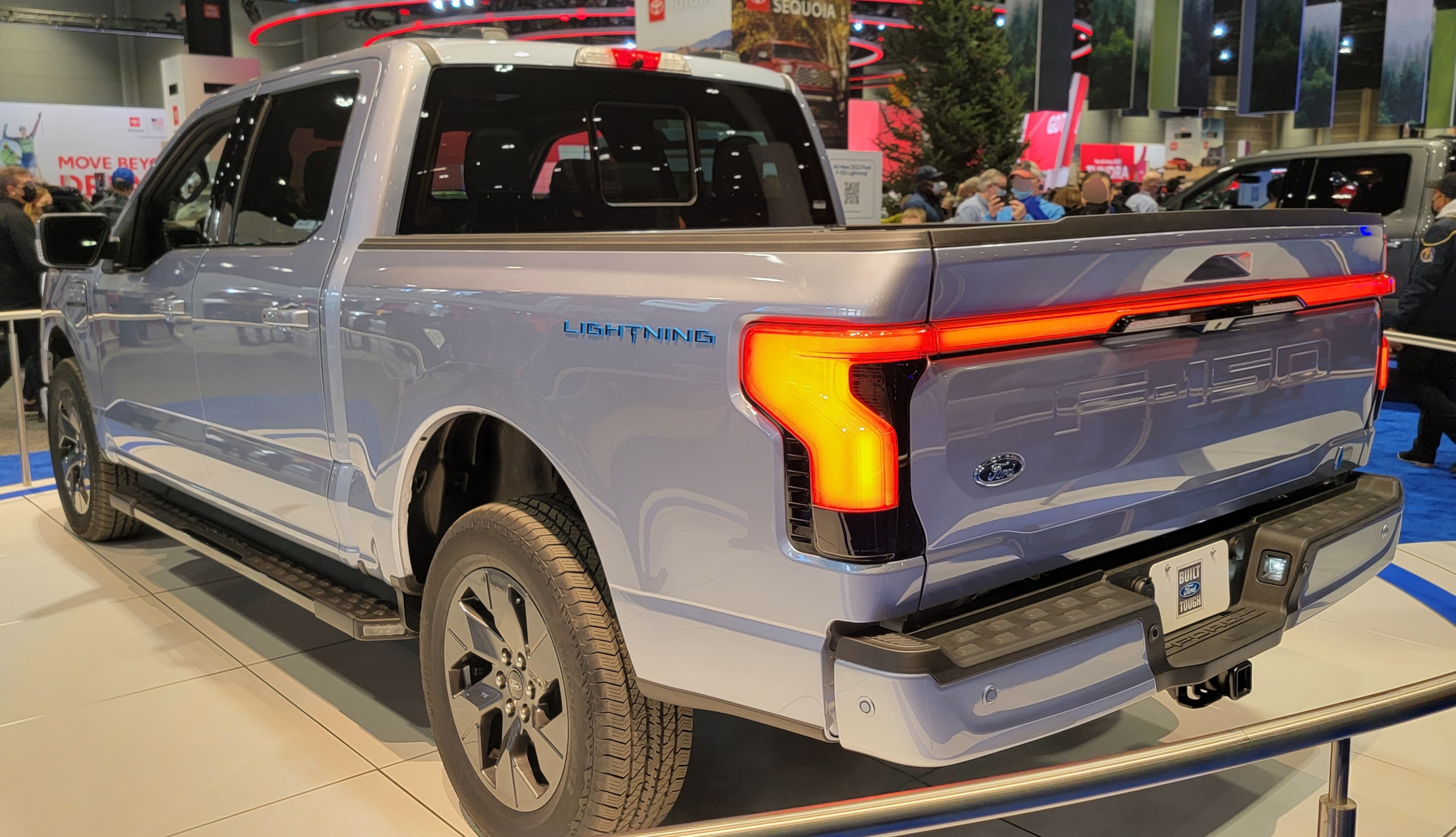
The Ford F-150 is a big truck that many people use for work or to carry things around. It's popular because it's strong, can pull heavy loads, and is good for everyday driving.
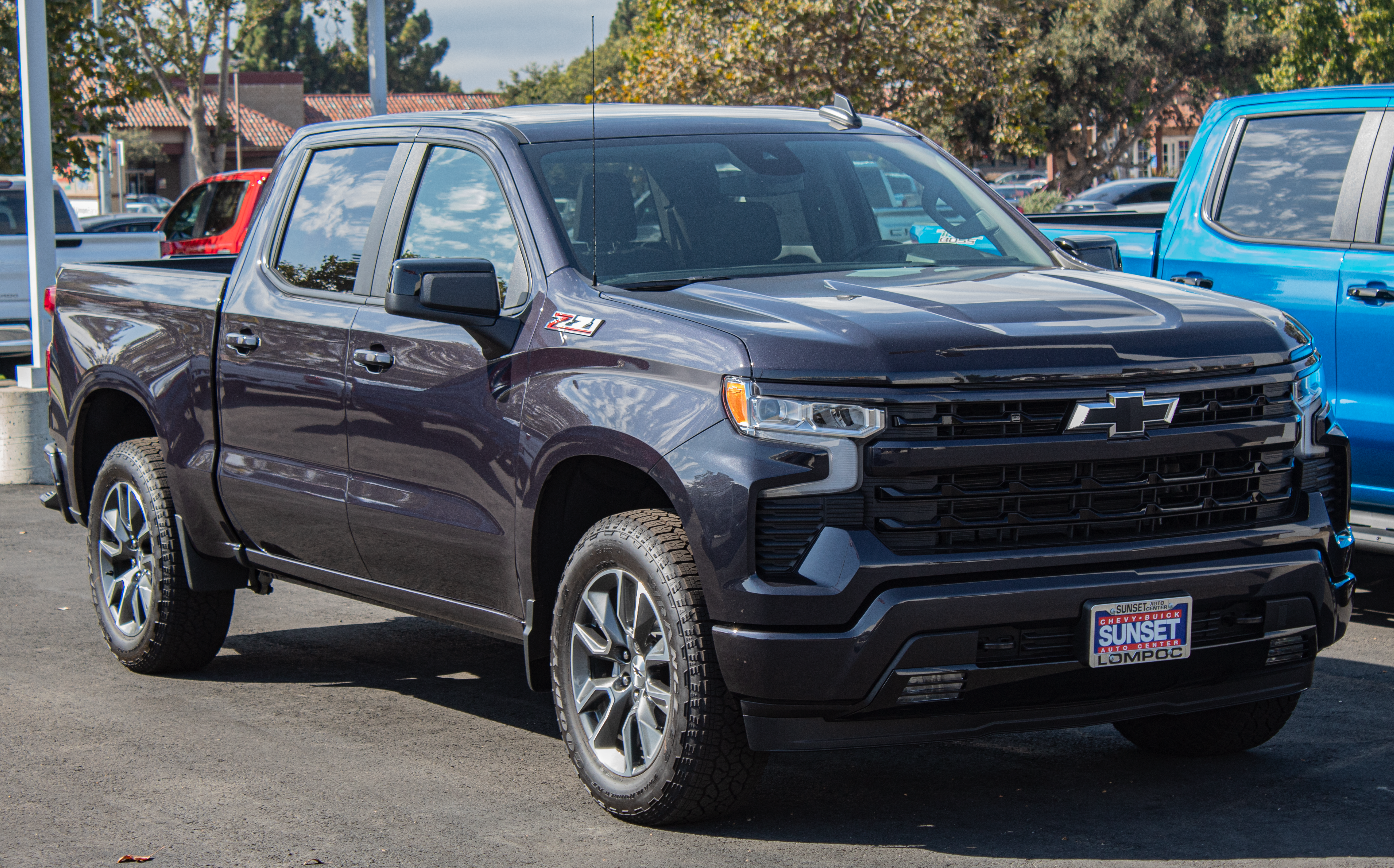
The Chevrolet Silverado is another large truck that people use for work or to transport things. It's known for being tough and having a comfortable inside, making it a good choice for many drivers.
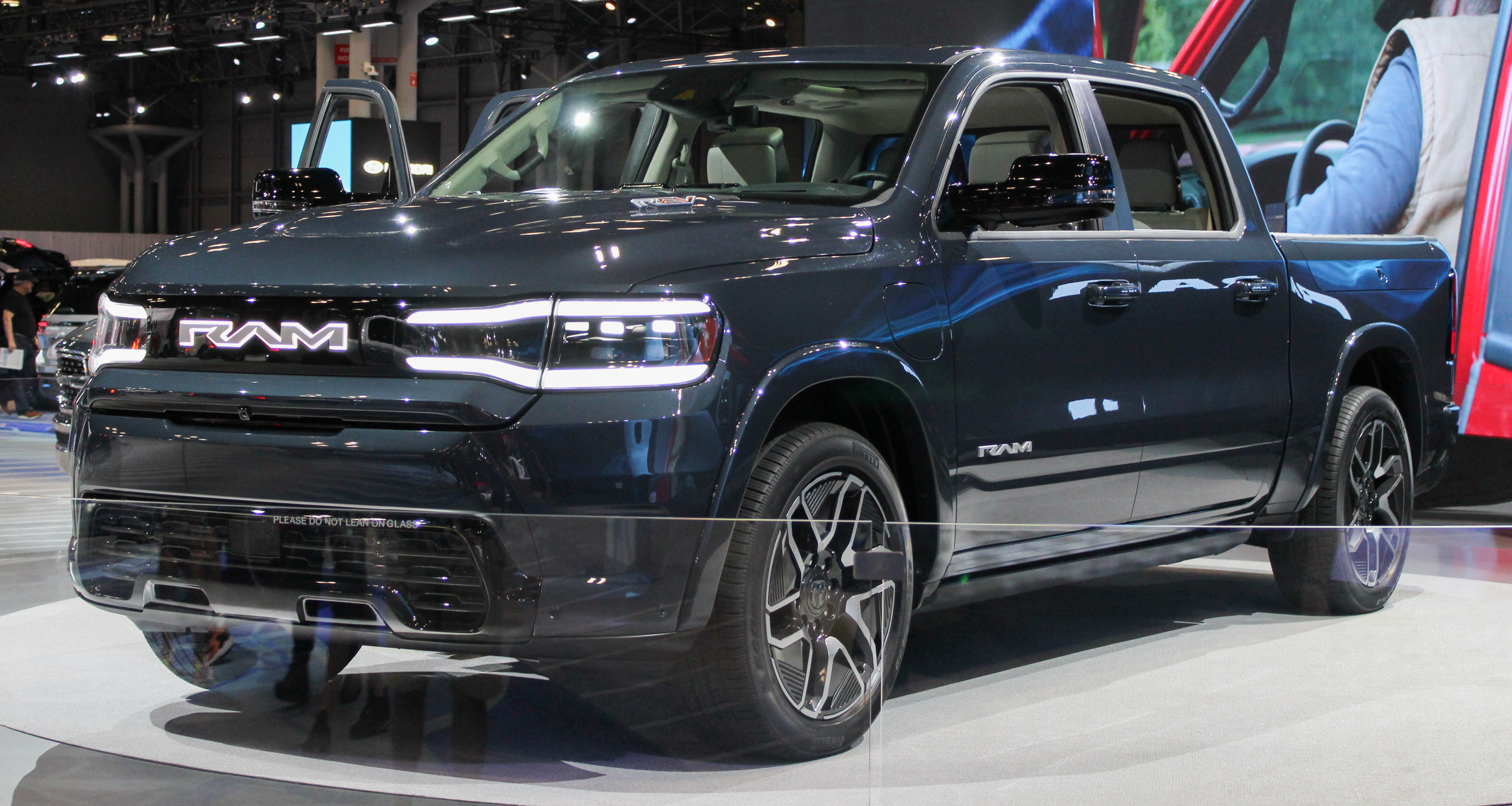
The Ram 1500 is a big truck that is known for being comfortable to drive and having a nice inside. It's a good option for people who need a truck for work but also want something that feels nice to use every day.
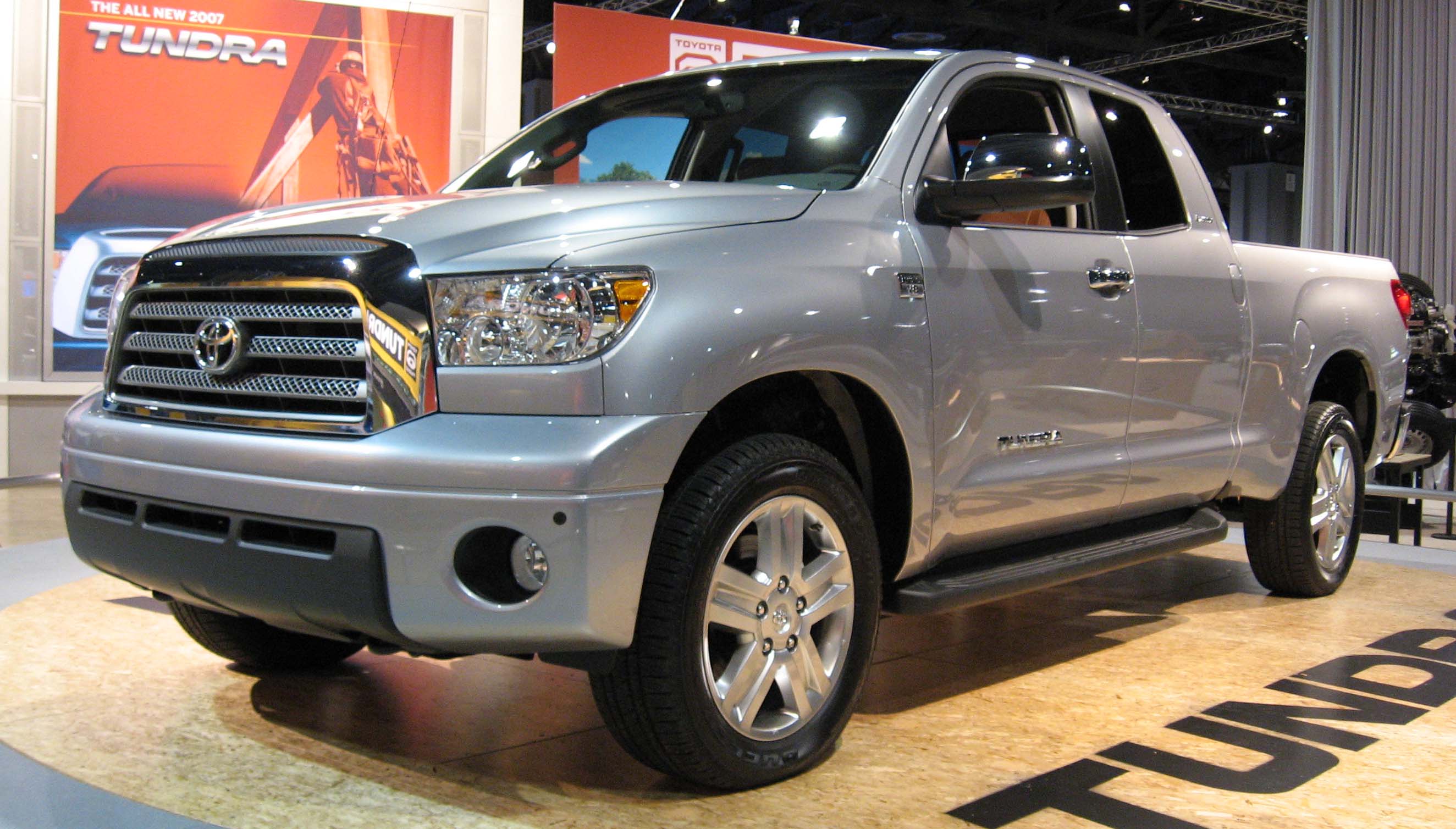
The Toyota Tundra is a large truck known for being very reliable and good for driving off-road. It might not be as popular as some other trucks, but many people trust it because it's built to last.
LIVE
If you're the purchasing manager at a manufacturing plant, you know having a trusted partner makes all the difference.
That's why hands down you count on Granger for auto-reordering.
With on-time restocks, your team will have the cut-resistant gloves they need at the start of their shift.
And you can end your day knowing they've got safety well in hand.
Call 1-800-GRANGER, click Granger.com or just stop by.
Granger for the ones who get it done.
AutoLine After Hours is brought to you by Bridgestone Tires. Solutions for your journey.
Gary, we get to do another show.
John, that's going to be great.
It is going to be good.
We've got Ryan Decker here.
He's the vice president, strategy and product.
I'm close, right?
And brand.
And brand, yes.
Strategy and brand.
That's right.
That's great to have you on the show here.
Great to be here.
And Joe DiMascio.
Yeah.
From Hagerty.
From Hagerty.
And you're from Scout Motors.
From Scout Motors, yes.
So, I mean, there is a connection because even though Ryan, you represent the brand-new Scout,
you've got a lot of heritage.
In fact, before the show started, Joe was talking about some of the...
Yeah, I talked to my colleague, Greg Ingold, as one of our guys who tracks the values of vintage cars.
And he said, yeah, Scout...
The interest is on the rise in particularly the Scout 2 from the 70s and them being modified
into six-figure vehicles in the way that first-generation Ford Broncos have been.
And Broncos are a very popular platform for extremely expensive and elaborate, you know,
restful modifications, you know, up to three, 400,000.
So, anyway, with that interest in the Scout 2, it means people perceive the brand
and that platform as like a desirable thing to put that much money into,
which could bode well for the modern version, you know.
There's probably only three or four products where people have made their living revitalizing
and keeping alive.
I won't name them all, but Scout is one of them.
Yeah.
There's a whole community of people who have kept the spare parts alive.
One of them's based in Oregon, I believe.
I can't remember the name, but I ran across that recently.
Brian, what is that?
I mean, you know, the brand's been out of the market for over 40 years.
A lot of the people who are restoring them and are interested in them
were born after the brand was killed off.
And what is it about?
First, I think we're making grand assumptions here that everybody knows about Scout.
And I'm willing to submit that a lot of people, even those who watch the show,
are not as familiar.
So, give us a background of where it came from and where you're going to bring it
and then address...
Well, I think I could do that as part of the history.
So, I'll do the full journey now, right?
So, 1968 and 1980, International Harvester.
At one point, I think one of the world's largest conglomerates,
no matter how you measured it by market cap,
it had agricultural routes going all the way back when,
at the very beginning of the 1900s.
From farm equipment to tractors, from tractors to passenger vehicles
and military vehicles and earth movers, you name it,
they had their fingers on a lot of different businesses,
including the Scout.
So, you can make the case that Scout was the first proper SUV.
I know there's some debate over that.
It was certainly among the first, what we now call an SUV today.
And of course, what that stood for at the time was the versatility,
the capability to go off-roading,
but also the comfort, the creature comfort to take the family on a picnic.
And frankly, that's how they positioned their brand.
That's what their advertising looked like when you go back and look at it.
And they had quite a run, right?
So, from 1960 to 1980, three generations,
what they called the 80 to 800 and then the Scout II,
a tremendous amount of complexity,
which might be one of the reasons they stopped operating in 1980,
but a beloved, beloved community.
And the product was what it was.
It was rugged, it was durable, it was capable,
but it really stood for way more than just a passenger vehicle.
I think I would argue it stood for optimism and togetherness
at a period of time when America was rapidly changing and growing.
Americans started exploring more, they started doing more.
And I would say that's what Scout was and that's what it stood for.
It was also a post office truck for a while,
and I know that very well because when I was in high school,
my job was washing post office trucks
for the city of Farmington, Michigan.
And as a 16 year old, I got to drive Scouts with right hand steer
and three on the floor.
And I, you know, as a gear head, I loved the challenge of doing that.
The official vehicle of US ski, post office truck,
I mean, you name it, they did a lot.
1980 happened for a variety of reasons.
International Harvester shut down the passenger vehicle business.
It meant closing a factory in Fort Wayne.
That meant obviously the negative impacts that means
you name it Corresponding Community,
but the community kept that flame burning 44 years later.
And they kept that flame burning through restomans,
through finding spare parts, through barn finds, you name it.
People found it, people loved Scout.
So in 2022, that's when Scout had another role to play,
which is when Scout Motors was created in September 2022
with the mission to revitalize Scout,
to do it in a way that's modern and exciting,
to build not just the products,
an entirely new company around Scout.
And that's what Scout Motors is.
That's our mission, not just products,
Greenfield Factory in South Carolina,
an entirely new supply chain,
a completely new engineering and design effort
that's right down the street, an all new platform,
all of which is setting out to,
yeah, honor that community and what Scout always was.
So you see real opportunity now because
obviously when you announced Scout,
originally it was going to be EV only.
The market has changed in that time.
And you guys have pivoted.
Talk a little about that.
You're going with an arrange extender now, right?
You're exactly right.
And we did pivot.
And when we announced ourselves to the world in 2022,
it was all electric.
Obviously the world changed quite a bit
in that period of time.
Regulatory environment changed,
customer feedback clearly is received.
And we made the decision to move towards the range extender.
Now, what we know the range extender does
is it still sort of delivers the best
of what makes it EV and EV.
Impressive torque, impressive zero to 60,
impressive cost of ownership.
Of course, you can lead into the sustainability aspects of it,
but with the confidence of having the built-in cast power generator
that hits that 500 miles of combined range number.
And that for us was the game changer
that still allows us to appeal
to the EV side of the market out there
but also bring in those people who have been otherwise reluctant
that this can't overcome the anxieties
that they perceive of going all electric.
What engine are you using for the range extender?
We haven't announced all details,
but it's a four-cylinder engine
that's very elegantly packaged.
And when you look about what an EREV does,
the engine has one job, right?
That one job is just to recharge a battery.
So when you think about how you tune that engine
and how you can get that engine operating
in the most efficient power bands,
that engine has one job.
That's a very efficient, very elegant way
to power this propulsion system.
Yeah, we've seen some really impressive
thermodynamic efficiency numbers
coming out of China for EREVs there
because to your point,
if the engine doesn't have to do
a full-duty cycle of a normal engine,
if it just has to generate electricity,
you can do a lot of things to the engine
to make it more efficient.
That's right. Engine, very efficiently tuned
to do one thing, which is spin that generator.
The generator charges the battery.
The battery is always what's propelling the wheels.
Ryan, how do you get around the problem?
There's going to be times where
that engine's really going to have to come on.
You know, the batteries run low.
What have you guys done to
damp down the engine noise,
the NVH and that kind of stuff?
Or have you even run into this kind of problem
where you're in a duty cycle
where that engine really has to go?
We are being mindful of, I would say,
the behaviors that we're trying to solve for.
There's the everyday commuting,
running errands. Of course,
we think that customers in that environment
are going to be in EV only.
There's normal highway cruising.
In those environments,
we'll call that simplification more of an auto mode.
That's obviously TBD.
But in that mode,
we're going to let that propulsion system do
what it does best, which is optimize
based on what the customers are telling it.
But then there's probably also going to be a mode
where long distances or higher loads
or higher speeds or elevation are going,
you name it, and there will be a mode
that the engine is designed to operate
within that environment as well.
And we think in every one of those environments,
we are meeting the full suite of customer requirements,
which is performance.
Obviously, we want a comfortable cabin experience
with NVH and noise and everything else.
And that's the work that our engineers are doing
right now as we speak.
So, Ryan, we're talking about the engine.
But what is the engine going into?
So, two products, Traveller SUV,
which is what we would call a mid-sized SUV,
going into the core of the off-road
mid-sized SUV market.
And then the Terra pickup truck,
a full-size pickup truck.
The only real difference in geometry on that vehicle
is our really short front overhangs,
which are a carryover from the SUV.
Short front overhangs, I know Chris Benjamin
would say makes it look great,
great proportions, but also has the,
you know, the functional off-road credibility
of approach angles and break-over angles
and things. So we really wanted to make sure
that we kept that, and that, by the way,
is what an original Scout looked like.
It had those really iconic proportions,
short front overhangs, weight shifted rearward.
Both of which
have the same underpinnings,
body on frame platform,
which is one of the ways that we really wanted
to lean into what made a Scout a Scout, right?
It was not a poser. It was arguably
the original SUV. I mean, it had things
like robust body on frame.
It had a solid axle. It had robust suspension.
We have all of those things. We still
have real door handles. We still have a tactile
interior. Our CEO
always jokes, Americans still know how to open
a car door. We very much believe that.
You know, 35 inch tires from
the factory. Those are all those old world
things that are really important to
Scout DNA. But again, we're not
stuck in 1980. It still needs to feel
cool. It needs to feel exciting. So
software that gets better. Really snappy,
really responsive
digital UX experience.
And the range extender, which we think is a game
changer power train.
So, okay.
Somebody's in the market for a vehicle.
I mean, there are lots
of vehicles in the categories that you're
describing. And
you're not selling just
to people who remember
Scout, right? You want to get a whole generation
of people. So what is it
in your mind that makes it sufficiently
compelling to say,
I want to try something that
is new?
Let me just kind of answer the big picture
point of view on the customer question.
And then we can talk more about the product
capability.
What we do very clearly see what's going
on in terms of customer behaviors. And
there's four really key themes in my opinion,
which is starting with COVID.
Americans are getting outside more than ever.
You name it what they're doing, whether it's hiking
trails or fishing or camping or pick your own
orchards. There is that big push
to just do more outside. There was sort of this
rediscovery of the outdoors. The second
thing that we know they're doing is it's more DIY
than ever. Whether this is flipping
houses or restoring old furniture.
Americans are simply more hands-on, right? You
see this trend, no matter where you look for
it as well. The third thing, which is really
unique to the U.S., is America's de-urbanizing.
People are moving out of our mega cities
and moving into mid-sized cities,
smaller cities, even
back to like hometowns. It's the only
country in the world from what we can see where people are doing
that, right? And then the fourth thing is
there's this little bit of like
put my screens down. I don't want to
just have buttons. I want buttons.
A little bit of digital teatock, so to speak.
And so those are sort of the four
megatrends, which we think have really pointed
to a lot of the decisions we've made, which
is when you're working harder, when
you're exploring more, when you're more hands-on,
when you, by the way, are moving out of
a big city, we think you need a more capable
vehicle. We think you need a tool. We
think you need a scout, right? So that's sort of the
really golden thread between customer
behavior and then our product choices.
That's not your question. What makes the scout
right to win? I would go back to that
conversation of old world
combined with the best of the new world
in a really just exciting
innovative way. Not to mention
even though if you don't really know
what scout was, or if you only remember
scout, people know that scout
was there. And I think that there is this
trend towards brands that have
authenticity and that have heritage. You see
it in lots of different categories
from sneakers to workwear
to record players. I mean, you see this trend
in a lot of different places.
And even if you never had a record player, you know
that it's cool, right? And maybe not the best example.
But I think there is something to that
idea of this brand has been here
before. They have a track record. I like
it. Now going back
to that old world versus new world,
show me another new entrant
that is delivering
500 miles of combined range, solid
axle, 35 inch tires, real handles, heavy
duty suspension. I haven't
found that yet, right? In that really
compelling cool way. By the way, at a price point,
which we publicly stated below 60
without any federal EV incentive
and we're holding the line on that number.
So when I look at our combined value
proposition pricing features characteristics,
I think we have a really credible,
really compelling product. And we know
by the way that the market interest has been
there. So I think we're on to something
as much as us saying it to ourselves.
Yeah, it's amazing to see how many
automakers have glommed on to the
hardcore off-road capability
market. And where do you see
that going? Because there's so many entries
in there right now.
Even if it's just a heavy-duty trim
line, for example, or
others coming in,
is the
segment going to grow enough to
accommodate you guys coming in
as well?
Well, we definitely think so
and from the early returns, we know
so. And I think there is
something to that American customer psychology
of freedom, right?
Even if you're never going to go rock crawling
or seriously off-roading, just knowing that you
have the capability. You have the tires,
you have mechanical lockers, you have a solid rack.
So there's something to that sense of freedom
that I think is almost fundamental
to American car buying, frankly
American buying psychology.
And going back to those trends
from what we see in the market
when we look at what's going on, we see it
growing. We see very healthy business.
We see good pricing. We see typically lower
incentives. We typically see inventory
turning much faster.
So it appears that there's very much a rapidly
growing addressable market for vehicles in this
category and we want a part of it.
Joe, in accuracy, are you guys finding
that younger people are getting collectible
cars and therefore they would have
the sort of like mindset
that they'd go to a scout?
Yeah, we obsessively track
millennials, Gen Z
interest in
all collector cars
and particularly
80s
and 90s and 2000s
cars, which
a lot of people like cars from
that's
more within the realm of their memory.
Scout is maybe a little outside of these
generations, but I think Scout will appeal
to these generations
for sure. I'm curious,
you don't speak that much
about the
EV-ness of Scout.
I'm just wondering how much, Ryan, your guys
are going to be
positioning it as everything you just said
versus an EV
version of everything you just said. I mean, I know
now it's range, isn't range
extender optional?
Or is it all going to be range extender
to begin with? It's
an optional powertrain, of course.
Because you will have full EV at the same time.
That's right.
I feel like in 2022,
your messaging when you first announced was very
heavy on EV, EV
and
that was going to be a big part of
what appealed to the markets.
Maybe you're changing your messaging now
or modified. I think our messaging
has always been consistent, which is Scout
is way more than just the powertrain or
propulsion system. I think you have to look at the sum of
our parts. And again,
to get our package
our off-road characteristics, our tire sizes,
our solid racks, our robustness,
our optional bench seats,
and a pretty cool powertrain,
it's just one of the things that make
our Scout our Scout.
So it's not that we necessarily
shy away from it. In fact, I would argue
it's super compelling
the EV-ness. And what I mean by that is
when you look at nearly a thousand pound feet of
torque, which publicly said that's a real
number. When you look at the zero to
60 times of vehicles, our sizes and our segments
that's an exciting number.
When you get into concepts like
software and potentially battery
chemistries that can get better year over year, that's
exciting. When you look at a front trunk
that's exciting. So it's less to me
about the EV-ness and it's more about
those feature by feature really cool and exciting
things I would say.
How do you take the brand to market? And I'm
wondering on marketing efforts like Jeep
Jamboree or Ford's got that
Raptor off-road driving
school in Utah.
But I'm just wondering
in terms of advertising
marketing, what are your
plans there?
Well, John, I do got to go back to
when you and I first met actually, which was
in November
2022. A few months
after the company was formed. In Dallas, Texas.
I think at the time the company was very
young and scrappy. We had about seven people.
Yes, we invited you to Dallas and we
invited for lack of a better word, some scout OGs
to Dallas. And if you remember
we invited you all down there to show you
sort of everything we had, which is we had a
pretty rough model. It's changed a little
bit since you saw it of course. We had a
business plan. We had a point of view on the
brand. But what we really wanted down there
was not to show off. We wanted feedback,
right? We wanted to listen. We wanted to lean
into that scout community that is out
there. And I thought that was a really
great first
impression. And a big part of our go-to
market is to continue to lean in to the
community that's out there. We wanted
their feedback. We want to meet them.
That's why we have been increasingly showing up
at events. Most recently at the LA Auto Show
at the end of 2025.
But yeah, to bring the scout brand
to life. But I would argue it's just as
important so we can shake hands, get to
meet our fans, get to meet our reservation
holders and frankly introduce scout to a
whole new audience. So that peer to peer
that community led plan will very
much be a big part of how we go to
market. Interesting. And one of the things
I remember from that presentation is that
you wanted to position
the brand as sort of a combination
of Levi's and Apple.
You have a good memory. Yeah, yeah, yeah.
And Yeti.
That's right. You know, so
this sort of
comfortable, you know
brands that you're
familiar with, but also cutting edge
technology. Well, summarized.
And I think you just got to another big
point that I wanted to bring up, which is
one of the things that we believe the
eREV is capable. But also what we
believe Scout in its entirety is capable
of, which is being a 50 state brand.
Right. And that's sort of what we
met by some of those examples you brought up.
We don't want to be
overly indexing to just being a coastal
brand, which I think if you look at a lot of
new entrants for various reasons, they
over index heavily towards the coast,
whether it's price point, whether it's
technology, whether it's product characteristics,
that's not what Scout was.
That's not what we want it to be.
We need and want Scout to be a brand
that could be successful in all 50 states, including
the heartland. And we're confident
that if you can do that, you also can win
along the coast. But what we've observed
is that's a bit of a one way street.
Right. If you design and market
and position a product for the coast,
you tough sledding, getting into
some more heartland locations, but it does work
the other way around. If you have the
authenticity and the credibility to work in
the heartland, it works out along the
coast. And again, you brought up a couple of those examples.
I won't name them. That's an amazing
thing that you just said.
That if you do a vehicle with authenticity
that works in
the Midwest, it also works
on the coast. The Midwest. I've never heard
anyone say anything. We've always thought it's the opposite.
Yeah, yeah, yeah.
We've observed it's a one way street,
and you brought up Yeti, right?
We've studied that brand. We've looked
at it. They've done some really cool things. They've been
very authentic. And when they started, it
was basically the singular purpose
to keep your fish or your ducks
cold all day, right?
And then look where they spread. They're
everywhere, keeping your coffee hot. And still
your fish and your ducks cold, right?
I think that's a great case study for
what I just wanted to elaborate on there.
So, okay, so
keeping on that theme, if we go back
to say your ag roots,
okay, one of the things that's big
in ag right now is this right to repair
concern that, you know, with John Deers
got, you know, want to control everything.
And one of the
things that I've read about Scout is that you guys
are very interested in making
sure that the vehicle's engineered
so that people can actually work on them.
Totally. Talk about that.
Well, we're right in the thick of that.
So, I want to make
sure I don't say anything that we haven't publicly said yet,
but you're exactly right.
We just went through this exercise where
we identify, we want Scouts to
be embraced by, for lack of better words,
tinker culture, right?
We want people to work on these with their own hands.
DIY. DIY.
So, we just looked at, for example,
what are the top 10, 15, 20 things
that we expect DIYers to do
on this car? And then we went very deep.
How easy is it to do?
How long does it take? Do you have to take anything
else apart? How do you take things apart?
Do you have to rip off any glued things? Or is it all
you can imagine it leads you into all these places
and we felt very good
about where that landed and we've taken very deliberate
decisions on the project
to make sure that all of those items were,
in fact, DIY-able, so to speak.
And that's a really important
part of Scout, right?
We want that. We know the category expects that.
We know that's what Scout always was.
Any examples?
Everything from the oil filter on the E-Rove
to engine filters
to cabin filters
to all sorts of fluids
replacement. We want these things to be
accessible, right? What about
cosmetically exterior
and that sort of thing? That was one of the great pieces
of feedback we got in Dallas, right?
One of the things we heard was
make sure you don't make the exterior and the bumpers
too precious, right? Bumpers are there
for protection. Let's not forget, right?
So that is feedback we've heard loud and clear
going back to 2022
and very much that we've incorporated.
So, I mean, this is also
like flying in the face of what's going on
in the auto industry now. I mean, it's just like
auto companies are basically, no, no, no, these are
our vehicles. You can't mess with them.
You guys are saying mess with them?
We're saying DIY on them. That's always
what's going on. That's pretty interesting
because, you know, we're seeing Slate
the new
inexpensive electric pickup
talking about that and
Ford with the Maverick has done
a lot of
mods that people can do to their own vehicle
but you guys are a bit more
premium. In fact, a lot more
premium than either of those
products. So, it's very interesting for me
to hear you say that you're
going to encourage and you expect
the owners to modify
their vehicles and
maybe not just buy parts that they
can bolt on but actually
do some of the mods themselves.
A couple of points. You talked to any customer
on this. You researched this. You clinic this. You focus
through this. The respondents will be
overwhelming. Yes, I want
to do that in my driveway. So, I would
argue we're just listening to the customer, right?
And they're speaking to us very clearly and we want to
make sure we're listening to them. I do want
to address the premiumness though. Okay. Yeah.
I would say we're not
necessarily premium. I would say our value
proposition at our price point for the
future values that you get at our price
point is actually very much in the core
of the market. And that price point
at $45,000 base? Below
$60,000. Okay.
Again, when I won't name products, when
I look at transaction prices in 2025,
loaded after all the incentive, I
see our core competitors
now sneaking up on $70,000.
I see many of our competitors now well north of
$60,000. I don't think sneaking
up is quite the word. I think they're probably
marching up there. What I like
about, again, I think you have to look at
not just our sticker price. You have to look
at what you get for that price. I feel like
we have a very compelling customer value
proposition for what we're delivering at the price
point we're at. Who do you see as your
competitors? I don't want to name specific
competitors as you can imagine, but
again, midsize, off-road
SUDs. You can name them all
I'm sure we can.
Earlier you said the truck
What's the truck going to be called? The Terra.
Inspired by its original name, by the way.
It was always the Scout Terra.
It's a full-size truck, you're saying.
You're saying it's a half
ton light duty pickup.
Four and a half foot by five and a half foot
bed, overall proportions that are very
much in the neighborhood of every other
full-size pickup truck out there. The
only real difference of our proportions are
front overhang and then our off-road
characteristics. We want every Scout
even our base trims, so to speak
to still have credible ground
clearances, approach angles, departure angles.
Those are things that Scout always had
and we're still solving for.
So
when the
$7,500
tax credit was
announced to go away, did you guys have an oh
shit moment or what happened?
We've said very clearly
we believe we want to make a great
product at a great price and we're not
building this company around
incentives which may or may not go away
one day and so
our business plan was never predicated
on that sort of incentive
or frankly any incentive. Our business plan was
cool products, good price
core of the market, listening to customers
and that's what we've adhered to
and that's what we'll continue to adhere to.
So I gotta believe that you guys are looking
at taking power into the field
with customers taking power
in with their Scout. Electric
outlets, being able to run a campsite
being able to run table saws
and all kinds of things. Well,
summarized. So that is another one of
sort of the future values that you get from the range
center. Of course with a
high voltage battery onboard you can
off-board 240 volts of power
or 120 volts of power or USB
power, right? So off-boarding
power is what we see as a key part
of our value proposition. Now
multiplied even further
by the fact that you also have that in-field
generator so you can do that for
longer using gasoline
as a refueling source. So we think that's
a really really cool thing. So whether it's a campsite
whether it's a job site, whether it's emergency
power for your home, we think that is
a really cool thing that we will definitely
celebrate with our package. So it'll
have bi-directional charging?
We will be able to off-board power for sure.
What's your timeline on all this?
Well if you look down at what's going on
right? I get a kick out
of anywhere you look at Scout we're building something
right? So if you look at our HR we're
hiring, we're recruiting, we're onboarding, if you
look at IT we're establishing all of our technology
environments but the big build site is
if you look down what's going on in South Carolina.
So tremendous progress but
more work to do right? It was a green-filled
factory that we only announced
in February 2023. So
honestly I think we made a tremendous
amount of progress in a short
amount of time. I know everyone's like faster, faster,
faster. But I was like not bad
considering only a few years ago
we had six employees in a dream
right? So the timeline
is we're still targeting initial production in
2027. Deliveries will start thereafter.
This year is a big
build year for us. The vehicle project
becomes real. Our parts suppliers
get awarded. The factory goes
from what looks
like a big dirt construction site into a
more polished construction site.
Actually we had a really cool moment. First
equipment first robot
was installed in the factory I think last week
actually. So buildings are nearing
completion and now you get into
what's going on inside those buildings which
you can imagine is a lot of really precise
process equipment installation
and in parallel also now
starting to ramp up hiring at that site.
So that site will hope soon here
hire 4,000 folks
the first of which have already
started. So the first maintenance
folks who will work on the factory floor have started
super proud moment for everyone at Scout
and a huge deal for that community
down there. This is Blythe Wood
South Carolina. So where is that?
It's about 20 miles outside of Columbia
in what the state calls
the Midlands and if you know South
Carolina there's the coastal area which has
a pretty significant industrial
footprint and then there's the northern part of the state
Greenville which also has some
automotive industrialization
but the middle part of the state was largely
unaddressed from an automotive perspective
and from a large manufacturing
perspective. Now there's
a great supplier
network in the area.
There's great access to talent
lots of universities whether it's
undergraduate engineering universities in the area
you can imagine there's Clemson, there's University of
South Carolina, there's the North Carolina Research
Triangle but there's a really comprehensive
network of technical colleges and community colleges
and HBCU universities.
So just a great place
that has access
to all the things you need to build the factory in terms of infrastructure
Flatland
Electricity Railroad but I would say
more importantly access to really talented
people in a workforce that we're
going to be able to recruit there.
I want to ask you more about that but let's take
a quick commercial break right now
we're going to give a shout out to our great sponsor
Bridgestone
Knowing that a little rain won't
slow down your day. That's what
really matters. Bridgestone
Toronto Fire Track Tires
Confident control in wet conditions
All right we're back talking with Ryan
Decker all things scout. You mentioned
that you're going to have 4,000 people in that plant
that's a lot of people
so that tells me either two things
you guys have got some pretty aggressive
volume sales volume
targets and or
it's going to be a pretty vertically
integrated manufacturing facility
Look I think
we've also said publicly that that site
as we're currently building it can make
200,000 cars a year
with the capacity to basically double
the footprint of the site and therefore double capacity
and we want to fill it up
Early returns
of our market reaction have been
really positive. We recognize we have
more work to do to go prove that out
but we want to fill that out and we think
we can because the segments we're
going in are I would say some of the
largest addressable
segments frankly in the world's automotive
industry mid-size SUV full-size trucks
customers want products in these segments
we think we got a good product
we want to fill that plant up
There was also talk at least in the media
that Audi was going to get
a product out of that plant
and anything you can tell us or can't tell us
I certainly cannot speak to anything specific on that
from what we have said from the beginning
is that we do believe we have a very credible
platform that other users might
want and that we have
a clean field factory that is designed
to be efficient and accommodate all kinds of products
but I won't speak to any specifics
One of the things we haven't even mentioned
is that VW
is the parent company
So talk about the relationship there
The Volkswagen group
I would say
is our investor
I think new
companies need to be capitalized
in our case the Volkswagen group has capitalized us
they financed us
we are our only investor at the time
and they do support us
so yes that means money
which is nice of course
very thankful for that
but it also does mean expertise in some places where we need it
and I actually think that's one of our superpowers
as a young company
so on one hand we are a startup
we're young, we're scrappy, we move fast
sometimes we make mistakes
we're building everything from a clean sheet
but on the other hand we have access to some of the world's best
automotive expertise
that's happening here in Detroit
Right down the street, about 5 miles up the road
Also in Germany
No, no, no, no
Absolutely, no, it's all happening here
Ryan, I think you got to talk about this
because it's important
to establish
Scout is separate from Volkswagen
You and the original
6 or 7 people that I met in
2022 had to quit
your jobs at Volkswagen
You had to turn in your company
laptop, your company, phones
I think you even gave up
your retirement plans
and stuff like that
Not sure if I had insurance for a period of time
but I was healthy through it
but yes, you're absolutely right
This brings us to the big argument
now, Scout wanting to sell
direct and Volkswagen
dealers being up in arms about it
but you
really are trying to position
Scout as you said
Volkswagen as an investor
This is not necessarily
like another brand or division
of Volkswagen group
So thank you for that
Our relationship is with the Volkswagen group
We're not directly connected to any other Volkswagen group
brand, including Volkswagen
But yeah, it's not that we're positioning
Scout motors as it is
It's how we're structurally set up
So we are a Delaware corporation
with an American style board of directors
that is operating completely independently here in America
Greenfield Factory in South Carolina
And how are these dealers going to happen then?
What's the question?
How are you going about building a dealer body?
What are the goals?
We've announced our intent to go direct to consumer
for sales and service
As you know, you've got a big fight ahead of yourselves
So does Sony
and Honda with the Affila
brand, they want to sell direct
I mean we just reported today
I think Colorado dealers are interestingly
not suing you guys, they're suing the state of Colorado
for allowing
Scout to be able to sell direct
I know this is a sticky subject
and I know you've got to be careful on what you say
but how do you guys
think that you can overcome this challenge?
I don't want to speak to the specifics of
that fight one way or the other
What I will say is that we very much want to fight
for our customers
Right at the end of the day, that's what we want to do
We want to compete
We want to deliver the best possible sales
experience for our customers
And I think again, going back
when you listen to customers, what do they want?
They want a fair price, they want a good deal
They want transparency, they want trust
They want a lot of digital features
And we listened, and that's why we announced our intent
to go direct to consumer
We want to compete
And I think at the end of the day, that's fundamentally an American thing
Competing leads to innovation
leads to better customer experiences
That's what we're doing
So let's say I want to buy one
Where will you go? And you're talking about service
Where will that happen?
We publicly communicated this at our unveiling
And I'll just underline it
We announced that we will have a nationwide network
I don't know
Precisely the number of locations
But it's a robust number of locations
Physical locations
Initially, from the get
Ramps, as you can imagine
Those locations will be delivery locations
And of course service locations
We think that transaction can exist
In a digital environment
That's fast, that's responsive
That's transparent, pricing is transparent
So I would say
An ideal combination of digital
Plus a brick and mortar experience
So somebody goes online
Configures their vehicle
Gets the price of their vehicle
Ideally in a few clicks does that
Secures financing and closes the transaction
Right online
And then goes to a physical location
And picks up the vehicle
When they need service
And that is one of our observations
I guess you can say a third mover now
On direct to consumer
Is we very much want to make sure
We're solving the pain points that we've seen
So you can read some of the headlines
When it comes to how long does it take
To get my car serviced
How long does it take me to get a spare part
There's been some pain points
So we are heavily biasing our experience
To help solve some of those service orientated pain points
We really want these to be hard working facilities
I'll say it for you
Tesla's proved it can be done
Lucid's proved it can be done
Rivian's proved it can be done
And I'm sure you learned all their pain points
One of the things that Tesla did
That I thought was pretty interesting
Was mobile service
Is that anything that you guys are looking at?
Again I won't get into
Operational details
Frankly I don't know all of them
But I think going back to that earlier conversation
On DIY and Tinker culture
I think that's good for the customer
But the easier you can make things to repair
It's also good for the business
It's just faster you can do it
Where a customer is as opposed to having to bring them in
And put them on a lift and bring all these tools
So that is definitely a big part
Of the thinking which is easier is better
Faster is better
Ryan earlier in your career
You worked for ExxonMobile
One of the major oil companies on the planet
And then when you worked at Audi
You worked on the electric part
Of the business as well
So you have this
Are you a very unique perspective
On these two things
How do you see all this playing out
Just in general not necessarily just Scout
Well
I'll answer from the big point of view
First which is
I think that I've worked in support of American energy
So you can make the case
Oil and gas traditionally
Oil and energy but solar
Poles and wires and one day
Batteries that's all American energy
And I think my career has kind of navigated
Through it from both sides of it
And I think that's actually what Scout is
I think we're an American energy play
In that you can power up gasoline
But you can also power up poles and wires and electricity
I think that's a pretty cool thing
That should be celebrated and not really kind of polarized
In terms of
My career because it is a little bit of an irony
In there and like many of us
I think careers kind of navigate their way through
Engineer by trade
Projects and I think I did
Help build some pretty cool projects
At XMobile and definitely got to work on
Some cool projects in the automotive industry
So there's a golden thread in there
I have to bring up you talked about
Volkswagen's investment in
Scout Volkswagen also is investing
A huge amount in Rivian which you just mentioned
And so there's kind of this whole kind
Of triangle between Volkswagen
Rivian and Scout
If I perceive this correctly
And which is interesting
At least to me
And Rivian's
Arguably somewhat of a competitor
To the Scout I think their price point
Is fair bit higher
But they're both
Lifestyle electric
Vehicle type
Adventure vehicles
So
Well
First of all going back to that
It's kind of what you guys saw there
Where's this pie coming from
I think people want lifestyle
They want to get outdoors and I think that
There's plenty of room for us
And for other competitors to exist
In this category
To your question though very specifically
Our relationship is with the Volkswagen Group
Rivian Technologies joint venture
It is where we are getting our software from
Which is pretty cool because it's great software
Over there updates
Snappy responsive
So you must have their electronic architecture
Going into your car
Platform that we built from the ground up
But of course we are now using this
Rivian Volkswagen Group software
Architecture
From the UX to the underpinnings of the architecture
To the integrations with the rest of the company
It underscores your earlier statement
That it's all American
Rivian technology is American
Even though it's
Paid for by the Germans
Everything's capitalized by someone
That's right
Getting to the vehicle
There are the
Traditional auto companies
That are
Getting more and more into the space
How do you convince someone
That a startup
Even though it's got great backing
Is the place
For them to go rather than
One of the guys where there's a dealership
On practically every corner
There's a lot of ways you can come at that
Right and I think
You kind of got to it
I think it comes down to trust and enthusiasm
Is how I would boil down
My answer
Trust in that
We're making great progress
We know how to build cars
We know how to get good pricing on parts
We know how to deliver upon an MSRP
These are some of the things that we leverage
The expertise of having a relationship
With a much bigger company
But then comes the enthusiasm
I think it's all new brand
Cool brand, all new products
And I've talked about a comeback story
A sales experience that is
Informational, educational
And enthusiastic, right?
The whole sum of its parts
I think brings together trust and enthusiasm
And those two things together
I think are highly motivating to customers
Two hundred thousand
Is the capability of the plant, you said
That's pretty ambitious
At least in the early years
Any thoughts of taking
Scouts brand to other markets
Right at the United States?
If you look at some of our social media comments
You certainly see a lot of handraisers
But we're very much focused
On the US, especially to start
I think like any new company
Complexity reduction, complexity reduction
Complexity reduction
And when we look around the US car market
We see tons of opportunity in these segments
Again, what we see is
Some of the biggest segments in the world
So we will get started, we will focus here
We're not taking anything off the table
We're very focused on servicing America
Doing right by our reservation holders
And winning in America
And then we'll go from there
I'm kind of fixated on the fact that
Your truck is going to be the same size
As presumably an F-150
A Silverado
And a Ram 1500
So, because that is
It's almost a closed market
And the only interloper that has succeeded
Has been Tundra, Toyota
And
So to me it's kind of interesting that there's
Now going to be a fourth American
Full size pickup
Which is kind of fascinating
You know, because
Who else has built a full size pickup
From in America?
Well, Nissan, Toyota Nissan
Nissan which was basically a failure
Right, right
But this isn't quite full size, right?
You said four and a half foot length bed
That's the width
And five foot
That's why I keep pressing
Oh, come see it
Right down the street
I think you will
If you can't tell how big it is
When you look at it in duty
Virtually come down and see it
And you'll get a good impression
That this thing is full size
It is competing with
Well, to follow up on what Joe's saying
We know that Ford had the lightning
And they, I hate to say it
Pull the plug on the lightning
I'll be here all week
I'll tip the waitress
Is that, you know
In the numbers of the Silverado
And the Sierra EVs are not great
I mean, that's
You know, you read the facts
And I'm sure you've digested them far more than I do
Concerning
Again, I won't speak to competitors
One way or the other, but I can only speak to
What I feel like we have
Which is a highly credible, cool, innovative product
And let's not forget the range
And I pin it as a game changer
And I mentioned that we saw it
From where we're
Where our reservation holders are geographically
That 50 state concept
That inside out concept we talked about
But we can also observe based on
What they're telling us, what they're currently driving
And just like we're successful in all 50 states
We're successful
Conquesting from every other power train
So we see gas people
Who probably otherwise normally wouldn't
Consider going all electric
We see them. You see definitely
Beth people who understand that for 90%
Of their use cases are EREV to them
Still behaving like a Beth
Then you see plug-in hybrid people who
Again, we're able to get them to
Traditional hybrid, so EREV
I would say is uniquely capable at winning
Every other power train and no other power train
Really does that, right? You have ICE people
Who are very reluctant to get
An electric product and you have electric people
Who don't want to go backwards and get a
Combustion product, we're able to
Thread that needle
And we see it, and I think
That's a completely different conversation
Than had we gone all electric only
Yeah, you know I'm
Really geeked about EREVs
I love the idea of one
To what you said earlier
You get the great acceleration
Smooth, no transmission shifting
Presumably one pedal drive
You've got regenerates
Of braking as well
So it drives like an EV
To get you farther distance
But I'm still curious
That's the intellectual me saying
This makes a lot of sense
But will
Traditional American buyers
Actually go for that
I still have to explain to people
How a hybrid works
And they certainly don't understand
The general public, many of them
What a PHAV is, you know
It's got a plug, but it's got a
You can fill it with gas
It's like confusing to them
Have you actually put real
Potential customers
In the seats and have them drive it
And what's been the feedback
We've researched this quite a bit
And Americans do understand what a generator is
And so this actually is
A pretty well understood concept
You take combustion energy
An engine, and you have it
Generate electricity, so they get that
And they also understand
Exactly what an EV is
Which is the torque
So by combining those two things
It's actually quite a simple thing
Which from our research
They very much understand
I have a built-in generator on board
That's producing electrical energy
Which gives me that great performance
That I love when I need it
Otherwise I can cruise around
And I can charge from my garage
And I'm fully charged
And I'm never going to the gas station
Life is great, but when I need it
So they understand it
From what we've seen
And probably the best proof in the pudding
Is our reservation results
Where I know we've publicly communicated
It's now the vast majority of our reservations
And your early adopters are probably going to be
Kind of
More well informed than your average
Person
I would assume
There's the one comment that I always get a kick out of
Which is, I know this
It's what a diesel locomotive is
Which is true, this technology has actually
Been around a long, long time
Which is that's how a many diesel locomotives work
Which is you have an electric drive
Unit powering the locomotive
For the exact reasons I said
Impressive torque, it can regenerate
You can sort of have a one
All the things that you talked about
But it's getting
Much more range and capability
From the built-in generator on board
So it's an understood concept that's been around
And customers understand
What it is an era for the people who understand it
And then maybe for the people who don't get
I mean I would argue that for
90% of
Car buyers today you could weld
The engine shut, they wouldn't know it was under there
Just as long as they got you were able to say
Okay, it does this, this and this
It's got this range, it'll go this fast
And
It will give you this kind of performance
And
Don't worry about what it is
The language we've used is
Built-in gas power generator
I think the other language we like using is
Something along the lines of EV performance
Which people get, gasoline range
Which people get, now the actual
Underpinnings and some people will definitely
Want to understand that deeply
Other people will just want to know
I can go 500 miles
And that looks cool
And it looks awesome
And it does look cool
And then you get into the next layers of it
I can off-board 240 volts
With ground clearance
Then you get into the broader value proposition
So you said
Production starts next year
27
I think you were implying late 27
For cars on sale
In early 28
We haven't publicly communicated
Exactly the details of our launch plan
But we have said it's target initial production
In 2027 and we're holding it
Who gets the first one?
Help me
Well we do have our mules cruising around now
Which aren't quite scouts
But they're the sort of
Scout architecture coming to life
For the very first time for cold weather testing
And dynamic testing
Those are cool and really sort of emotional
To see it go from that warehouse
In Dallas to now having an operational vehicle
But who gets the first one? I don't know
We gotta work on that
I imagine you have a list of the first
Ones who are going to get it
Have you targeted
The faithful who have kept the brand alive
All this time who want a new one
Now you're making me work
I don't think we have that list yet
We got more work to do
We mentioned reservations
How many reservations do you have
And how could people make reservations
So scoutmotors.com
The plug our own website
It's a really cool website
Also very educational one
And also very easy to reserve a product
And very few clicks
And a preview of how we want the sales experience
To be if you're curious to go check it out
The prior question
I missed it, one more time
How many people have reserved
Exactly, so scott has, we've publicly said
We now have over 100,000
Which we're quite excited about for a 3 year old company
Was that with a deposit?
It's a 100 dollar refundable deposit
Of people who've said
Hey, I want to get myself in line
For one
And we really value now having that
Direct connection to them
Because we do want to communicate with them
We want to learn from them
But of course, yeah, 100 dollars
Refundable deposit for a place in line
And we have over 100,000
I've got some questions from the audience
Yeah, let's hear what the audience has to say
So the first one comes from Mike Bacardi
Packaging the eRED in the rear
He calls a curious decision
And he comments on packaging the eRED
So, Sean are you Mike
Can they hear you?
Or should I repair it?
Who was the question from?
Mike the Car Geek wants to know
Why the eRED was packaged
In the rear of the vehicle
You have to go back to the beginning of scott motors
Which as you said, it started as all electric
And we fell in love with some things
We fell in love with that short front overhang
We fell in love with having a front trunk
With that really front short overhang
As you can imagine, it gets a little cozy up there
When it comes to packaging things
The ground clearance, there's no drive shaft
There's no exhaust running the whole length of the car
So yeah, there were some really, really good things
Of how we originally started to build that platform
In that architecture
And then when we made the strategic pivot to eRED
It was like, okay, what do we do?
Do we rip everything apart again and start over?
Or do we look for a smart, elegant way to package this?
And we felt very confident that we did
Have a smart, elegant way to package it in the rear
Now we have the luxury of size
Our vehicles are pretty big, length and width
So we have some real estate to play with
Smaller vehicles, don't
And we felt like we had a really viable
Really compelling technical solution
That worked without us having to
Rip apart the entire car
And if we did that, timing goes out, everything goes out
So we felt very good about the decision
And we still feel good about it
Sean, we got more?
We got a few more
Mike asked again, will the full VEV
Be available at launch?
We have not announced detail
Let me repeat the question just so they know
Mike, the geek wants to know if the full VEV
Will be available at launch
We're looking forward to announcing more detailed launch planning soon
We haven't yet
Trevor, who says he is a
Traveller EREV
Reservation holder
Says he lives in Washington and wants to know
Is there any state whose law
Does currently allow
Sales of Scout Spain flashbacks
To Curly Tesla days
Okay, and was
Trevor wants to know if there are states
That do currently allow direct sales
For Scout
Not my expertise to get into the full
Details of go to market
Legality and regulatory environment
We talked about Colorado, it looks like they've given you guys the blessing
What I will say is that we do want
To set up to be doing business
Across all 50 states in America
And we believe we have
The pathway to do that
So whether it's selling or delivering
Or servicing, little details will come
And follow, but we are confident
That it will serve as customers across America
Including Trevor and Roger
Poffron says
Did Scout think into the Detroit auto show
As concept
But I think auto shows in general
Is a good question for Scout
Great question
Poffron wants to know
Will Scout be at auto shows
We were not specifically at the Detroit auto show
We haven't launched yet
But 100%
We really loved what we did in
2025, we want to continue to show up
In real places, meeting our customers where they are
So that will sometimes mean car shows
That will sometimes mean other festivals, other events
But we want to get out there
We bring the whole team, we put a lot of our
C-suite to work at these events, because again
We want to listen, we want to feedback, we want to engage
So to answer your question, yes
Keep an eye on our events calendar
We're going to show up more places in 2026 for sure
So talk a little bit about this
So Jeep and Moab
Go together, I mean
Analogous Scout
Venue
I'm not sure
Look, I think we still have the ability
To kind of define that as we go
But what I do know is that
It's frankly, we really want to lean into
That idea of community wherever we are
We want our brand to be on the ground
Listening and responding
And talking to
Our reservation holders and people who are just curious
So we want to really physically show up
Whether it's a specific event or one event
We haven't gotten there yet
John Moore
Yeah, Joey's Cleaning Lady
What about self-directed contact?
Oh yeah, Joey's Cleaning Lady once asked
About autonomy
So
We have not announced our full
Advanced driver assistance
Suite yet, of course we will have
I would say some of the things that are expected
But it's also important to recognize
That Scouts, we want this to be a hands-on
Vehicle, right?
And there's a role to play for
Just sinning it, don't touch anything
AI is going to drive you around type of cars
And that's not what a Scout is
A Scout is, we want you to open the door
We want you to turn on the switches
We want your hands on the car
But of course that also means we want safety
We want comfort, yes, yes and yes
But this is a hands-on vehicle
And I would say that won't be a priority
On delivering something like level 4
Autonomy in a Scout anytime soon
So you're meant to drive this car
Joey also asked
What about an IPO?
Joey wants to know, IPO for the company
Maybe we don't ask
Ryan that kind of question
Or do we?
One of the things we've said is that
We're very happy to have the Volkswagen Group
As our investor
But certainly the door is potentially open
For other investors one day when the time is right
Very interesting, yeah
I've got one more for you
I have a George Rourke nature which
Is
Skeptical of
E-Rav buyers wanting to plug in
To charge their vehicles
We've seen that with P-Heds
I think that's kind of where they're going
Yeah, this is George Rourke and he brings up
A good question and we know that a lot of people
With P-Heds never bothered to plug them in
What do you think
Will Scout customers plug in their
E-Rav?
Yeah, this was, I think well
Documented last week, I think earlier this week
I have an interesting quote from a CEO
Of a major automotive company who said
Basically yeah, this is exactly this
People who drive P-Heds don't plug them in
Now a couple points on that
Our E-Rav, our all electric range is much further
So I think instead of
22, 23, 24 miles
That you see in some plug in hybrid today
Of course we have an order of magnitude more than that
So I think it naturally biases towards
More comfortable with driving
All electric and of course charging
The other thing that we can look at and clearly see
Is although there are not a lot of
E-Ravs in the market in the United States today
There are a bunch in China
And what we do see in China is that there is a
Significantly higher utilization factor or charging factor
Of people who are treating them like EVs
And are therefore charging them
Much more frequently than they otherwise
Would have charged a P-Hed
And we think that behavior will translate
To American customers as well
I would agree with you, I think that
The people who are going to buy Scouts
Are going to go in knowing it's an E-Rav
Prepared for that, it's not like
They're getting, and I will mention
Brand names like a Mercedes or a Benz
That's a P-Hed
And they got it because the dealer
Gave them a great deal, they were in a ZEV state
And they're not concerned about
Plugging in, they just wanted a nice car
Whereas I think your buyers
Are going to be very
Very intentional purchase
Correct, exactly Joe, exactly
Well summarized
So anything else Gary
Well I mean I want to, you know
Sort of wrap this up
So
You guys are working very hard
At
Creating a factory, creating a brand
Creating a product
Along the way have there been
Anything that's really surprised you
One of the most special things
Of creating a company from five people
In 2022 is culture and team
Right, and like when you get to build
A team from a clean sheet of paper
It's a really really special thing
I think what happens when you're an 80 year old company
Or however many year old company you are
You wind up just by kind of the fall
You get layers and layers of people
And management
It just sort of loses a little bit of that entrepreneurial edge
I think where Scout Motors is right now
We still have that entrepreneurial edge
Of people who want to build something
Who want to roll their sleeves up
To me that feels like once in a lifetime
Like a really cool thing to be a part of
Officially the second employee
So I feel like for a while there
I almost knew every employee that came after
I think I lost track a couple hundred to go
Now that we've crossed the thousand
But that is a really cool feeling
That is beyond the ground floor of a company
That you're building from scratch
And that's what we're doing
That surprised me in a good way
Yeah, no Ryan I think you said it best
Because who in their careers
Their automotive careers gets to start a new car company
Not many
You've got the gold and opportunity
That so many people in the industry would love to do
It's a very special thing, I feel very lucky
So Ryan Decker thanks so much
For coming on Auto Line After Hours
It's been a great conversation
Can't wait to see those things running off the line
And get a chance to drive them
Anytime you want to come see us in Novi
We can show you what a full size truck looks like
Really good
Thanks for coming on the show again
And of course I want to thank all of you
For having tuned in
Auto Line After Hours is brought to you by
Bridgestone Tires
Solutions for your journey
If you're an HVAC technician
And a call comes in
Granger knows that you need a partner
That helps you find the right product
Fast and hassle free
And you know that when the first problem of the day
Is a clanking blower motor
There's no need to break a sweat
With Grangers easy to use website
And product details
You're confident you'll soon have everything humming right along
Call 1-800-GRANGER
Click Granger.com
Or just stop by
Granger for the ones who get it done
If you're an HVAC technician
And a call comes in
Granger knows that you need a partner
That helps you find the right product
Fast and hassle free
And you know that when the first problem of the day
Is a clanking blower motor
There's no need to break a sweat
With Grangers easy to use website
And product details
You're confident you'll soon have everything humming right along
Call 1-800-GRANGER
Click Granger.com
Or just stop by
Granger for the ones who get it done
About this episode
Ryan Decker from Scout Motors discusses the revival of the iconic Scout brand, focusing on its new range-extended electric vehicles (EREVs) designed to blend modern technology with classic ruggedness. The conversation covers the brand's heritage, the pivot from all-electric to EREV due to market changes, and the importance of DIY culture in vehicle design. Decker highlights the upcoming Traveller SUV and Terra pickup, emphasizing their off-road capabilities and user-friendly features. The episode also touches on Scout's marketing strategy, community engagement, and ambitious production plans for 2027.